







Thinning hair, a receding hairline, or hair that's just not growing the way it used to, it's an unsettling thing to notice, and it's completely understandable to want to do something about it straight away.
Hair growth products can be a genuinely useful part of a routine, but it helps to understand a little about how hair actually grows, and what's realistically within a routine's control, before you start.
How fast does hair actually grow, really?
On average, hair grows somewhere between 0.2 and 0.7 inches a month (about 0.5–1.7cm), which works out to roughly 2.5 to 8 inches a year.
It's a wide range, and that's the point, growth speed varies a fair amount from person to person, and even across someone's own lifetime. If progress feels slow, that's often simply how hair works, rather than a sign that nothing is happening.
Track your own hair growth
If you want to track it yourself, a few simple methods tend to work well: measuring root regrowth if you colour your hair, taking a photo from the same angle each month, or simply measuring the length directly if your style stays fairly consistent.
It's also worth remembering that growth is only half the story, how much length you keep, without it snapping or breaking off, matters just as much as how much grows in the first place.
A quick guide to the hair growth cycle
Every strand of hair moves through its own cycle, roughly speaking, independently of the hair around it, which is why you never lose or grow hair all at once. It has four phases:
Growth, the active phase, where hair is being produced by the follicle. This is by far the longest stage, lasting anywhere from two to several years, and it's what determines how long your hair can ultimately grow before it naturally rests and sheds.
Transition, a short phase where growth slows and the follicle begins to shrink back.
Rest, where the strand sits in place for a couple of months while new hair starts forming beneath it.
Shedding, when the resting strand finally falls out to make way for the new one pushing up behind it.
What actually influences how your hair grows
A long list of things play a part, some within your control, plenty of them not:
Diet and nutrition, hair is metabolically demanding to produce, and a well-balanced diet tends to support it better than a restrictive one.
Age, growth tends to be at its most efficient in younger adulthood and gradually slows over time.
Genetics, family patterns around hair growth, thickness and loss are a real factor, whether we like it or not.
Hormonal changes, pregnancy, postpartum, menopause and thyroid function can all shift how hair behaves, sometimes quite noticeably.
Stress, both the everyday kind and more significant life events, is well documented as something that can disrupt the hair cycle.
Sleep, poor sleep has increasingly been linked to hair health, alongside pretty much everything else it affects in the body.
The seasons, some shedding tends to be more noticeable at certain times of year, which is normal rather than alarming.
What a hair care routine can help with
Given all of that, it's worth being honest about scope. Used consistently, a hair care routine is generally about supporting the hair you already have, helping strands feel stronger, reducing the look of breakage, and keeping the scalp feeling comfortable and cared for.
Think of it as looking after the conditions hair grows in, rather than something that overrides genetics, hormones or an underlying medical cause.
A few ingredients worth knowing
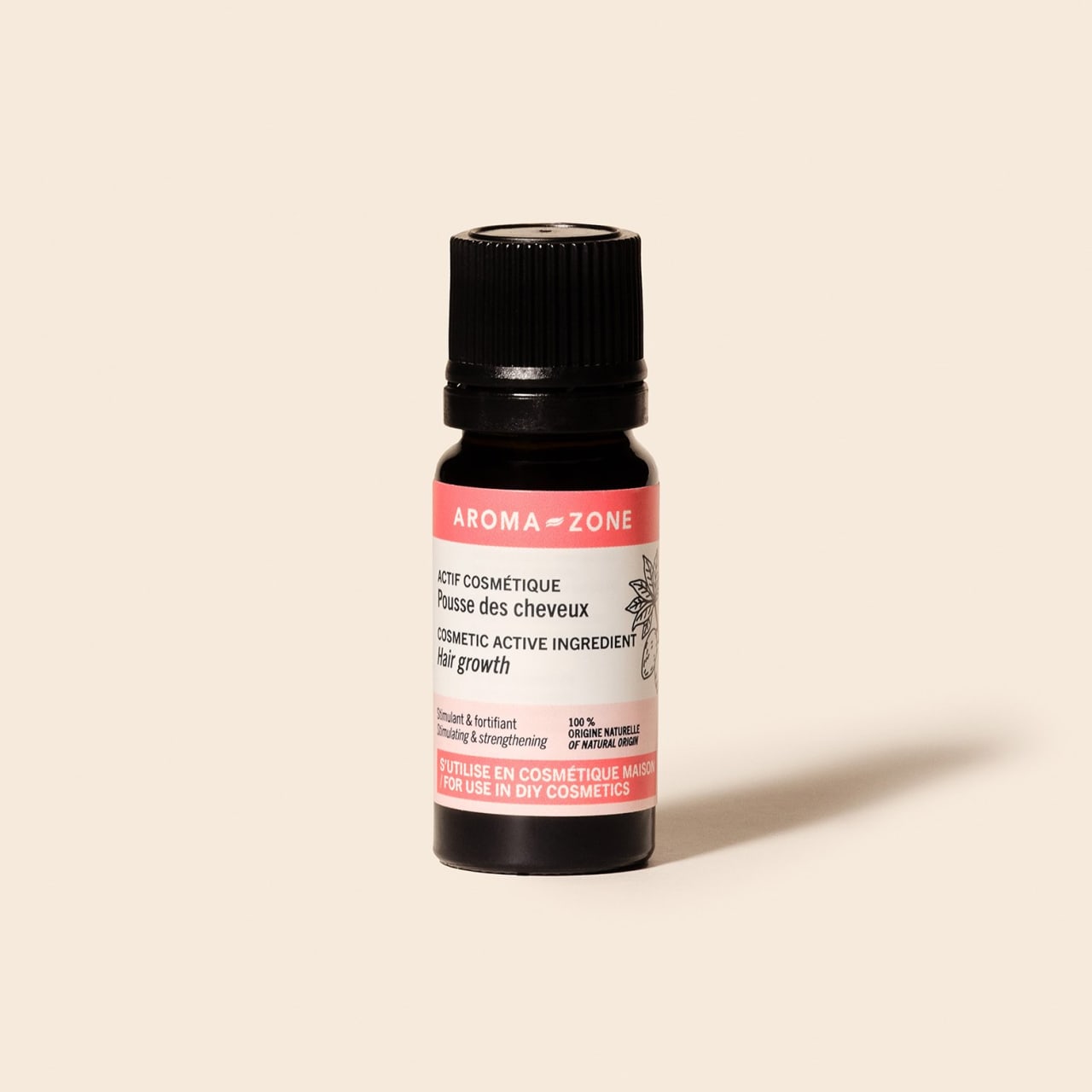
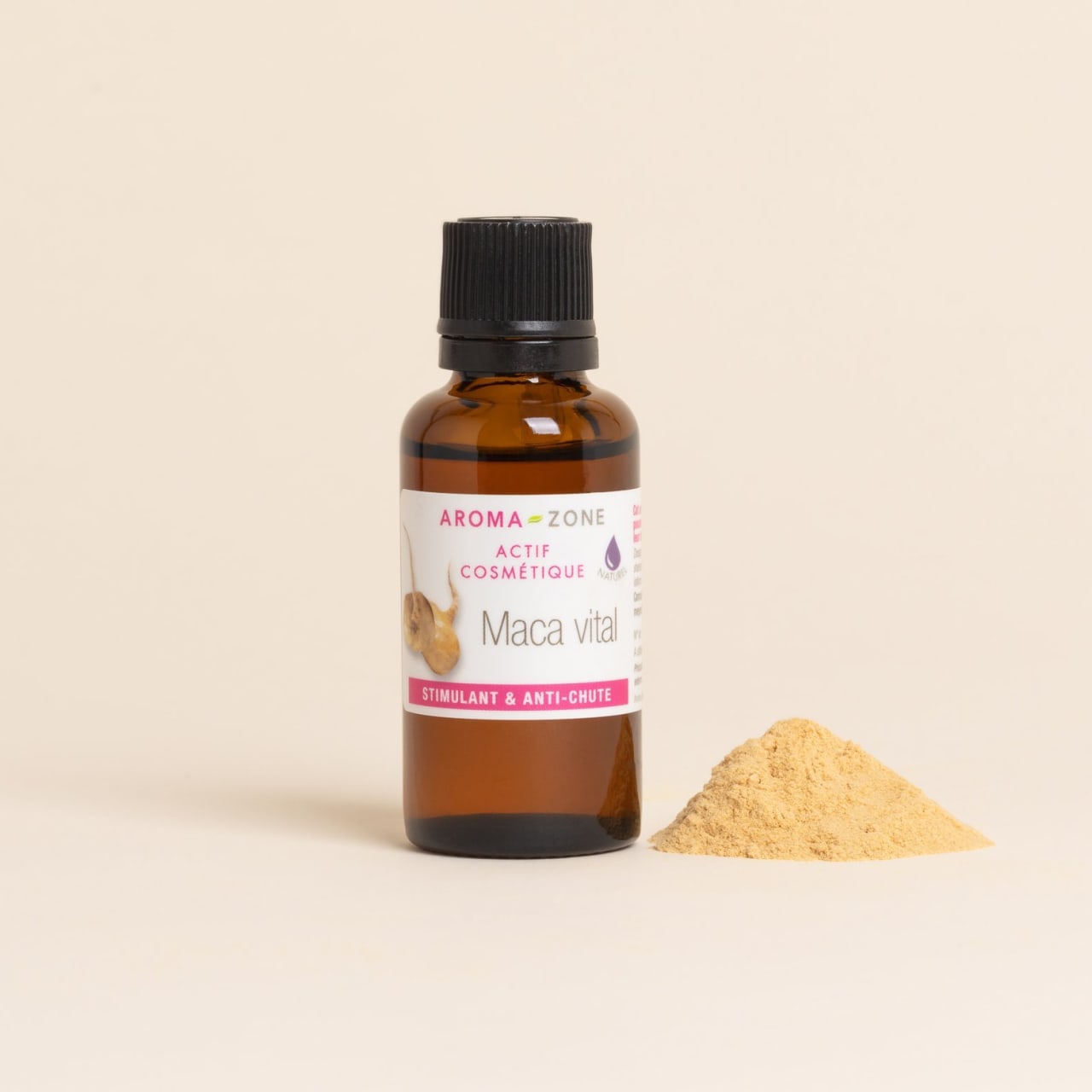
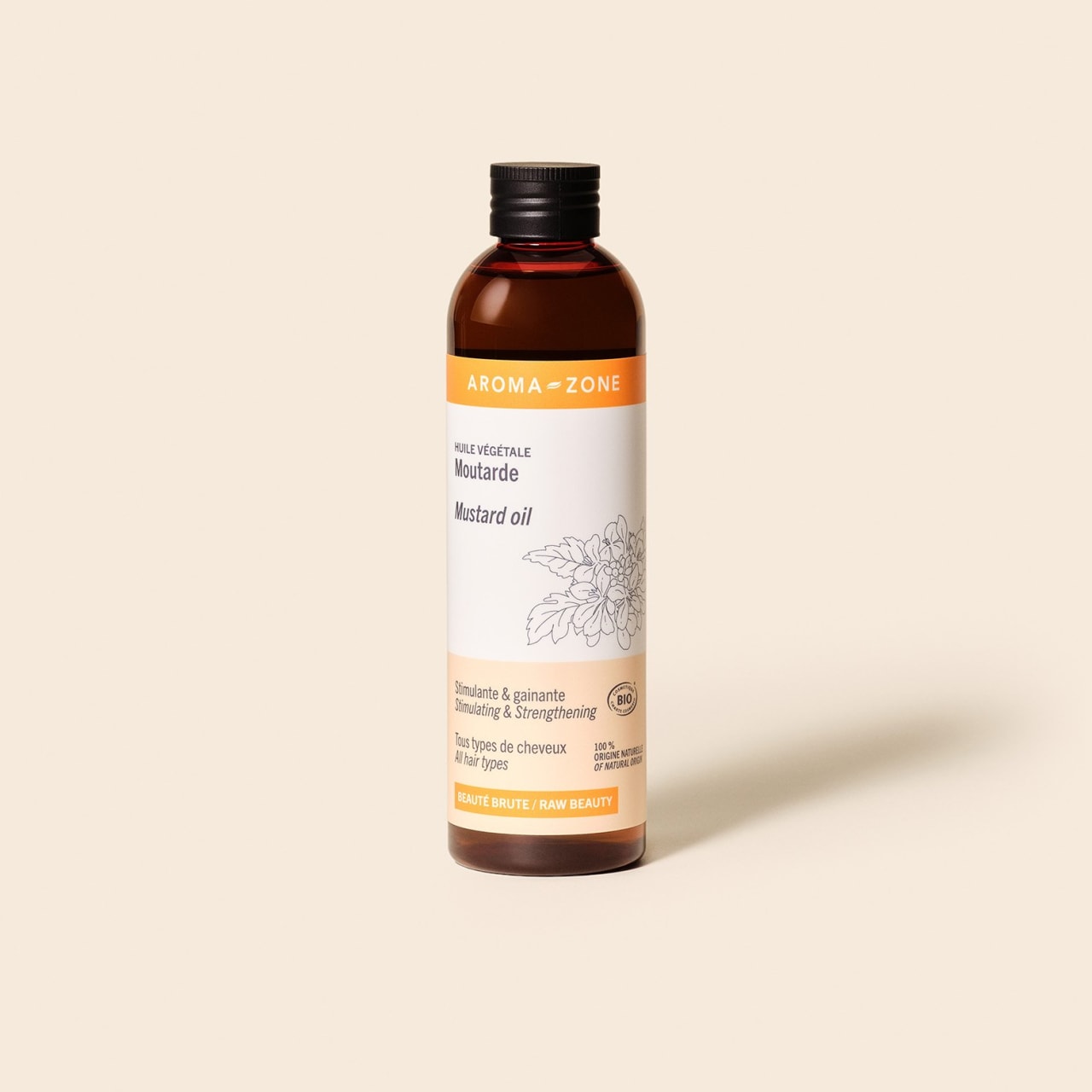
Not every product in this category works the same way, but a handful of ingredients turn up often enough to be worth a mention:
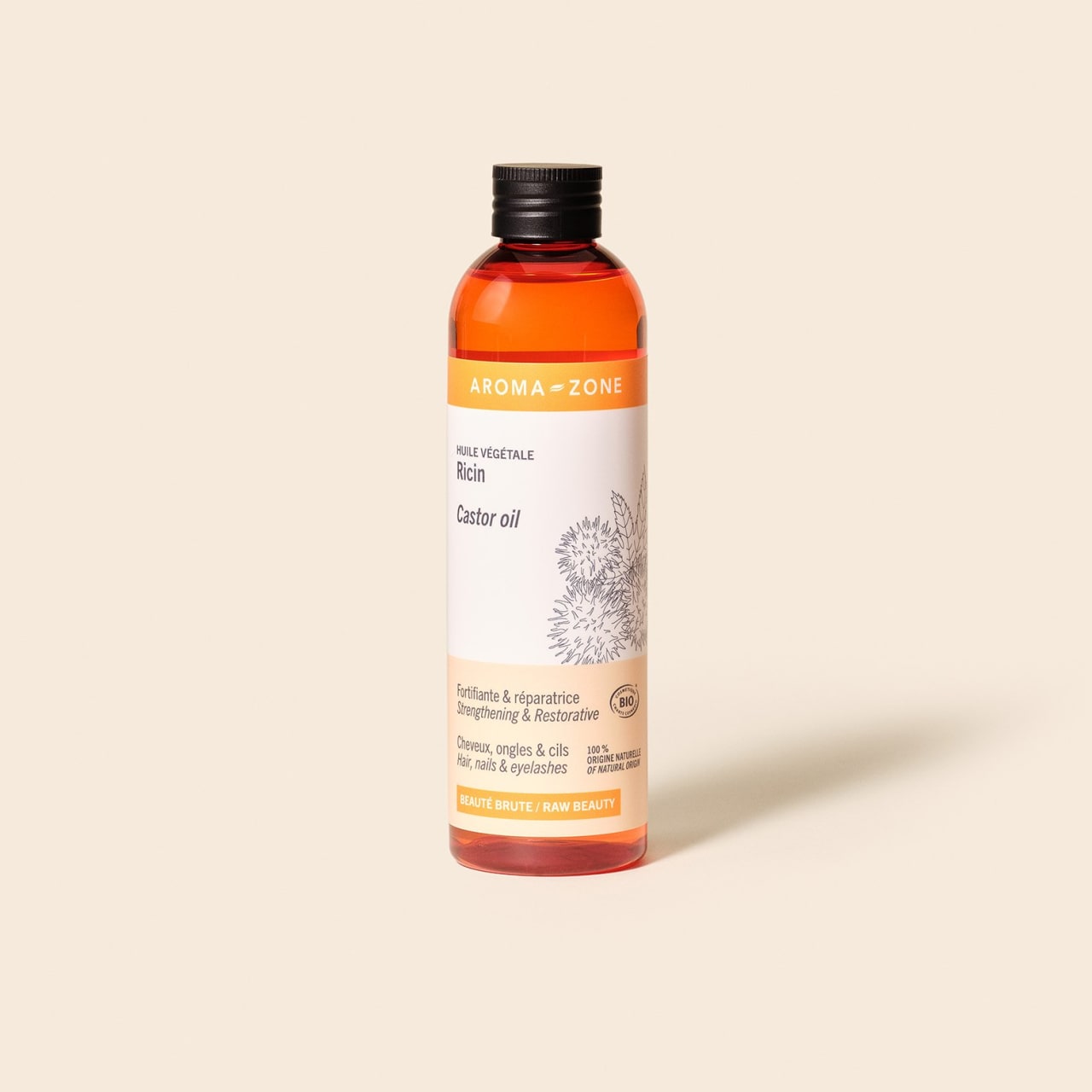
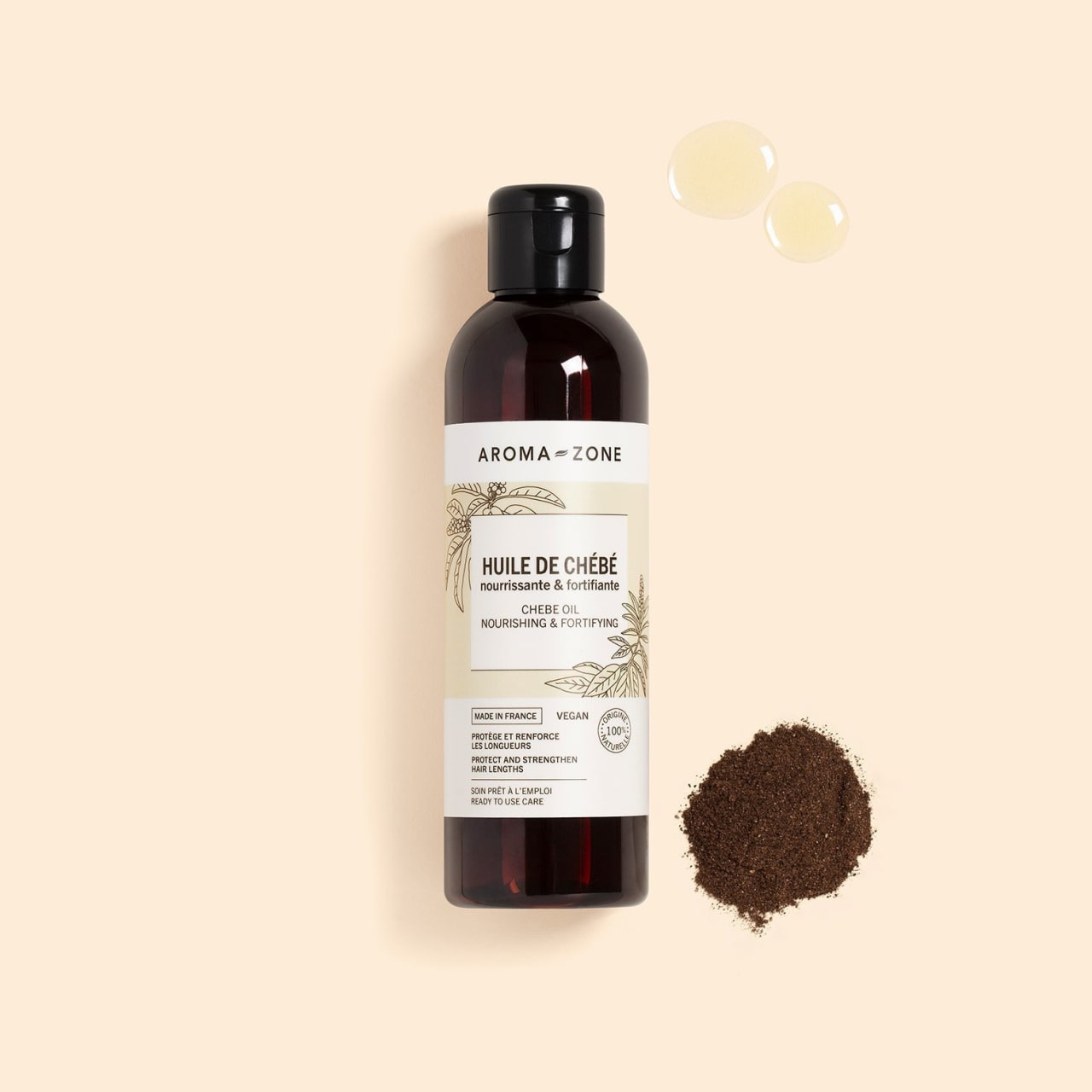
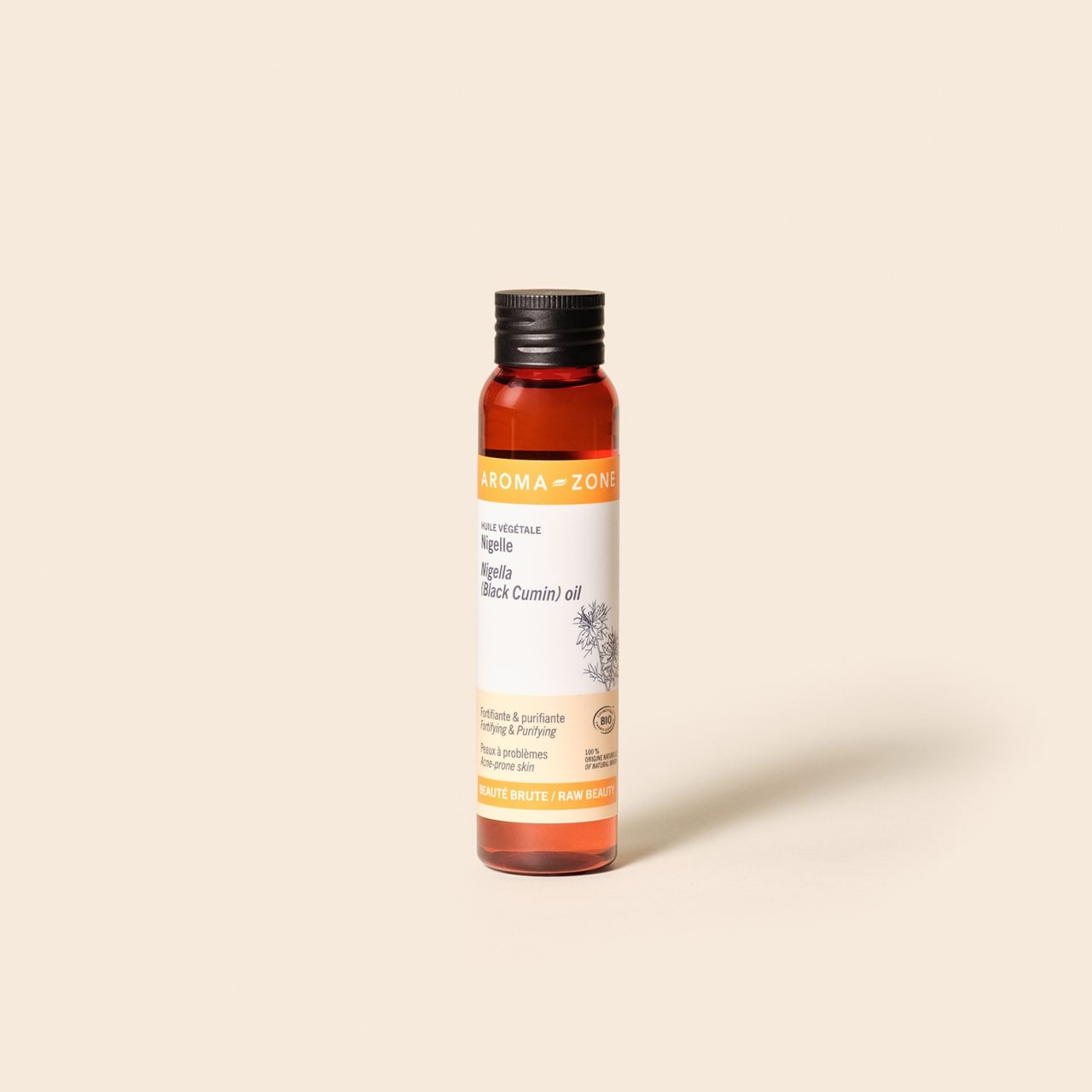
Castor oil, a thick, rich carrier oil with a long-standing reputation in hair care rituals, traditionally massaged into the scalp or worked through lengths and ends.
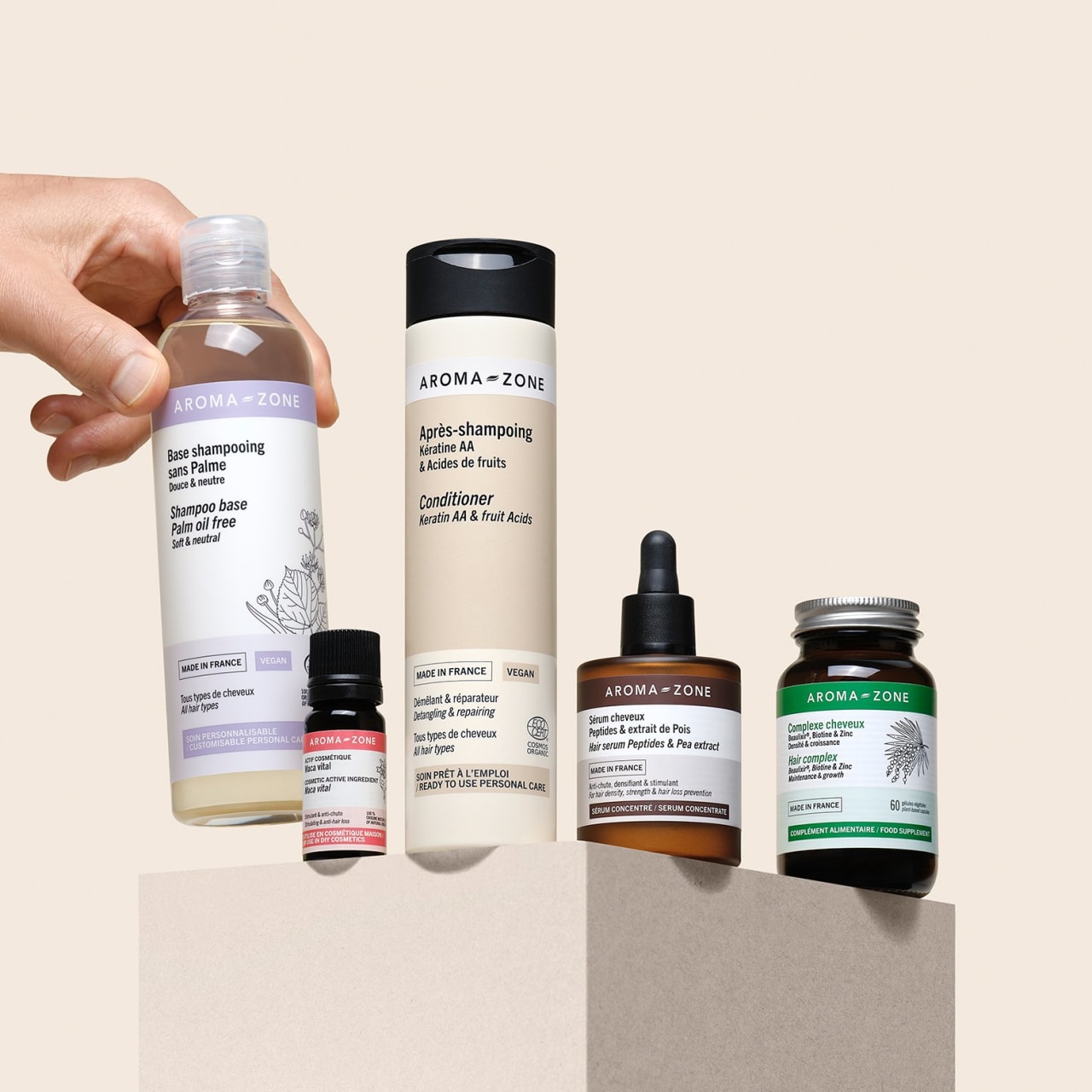
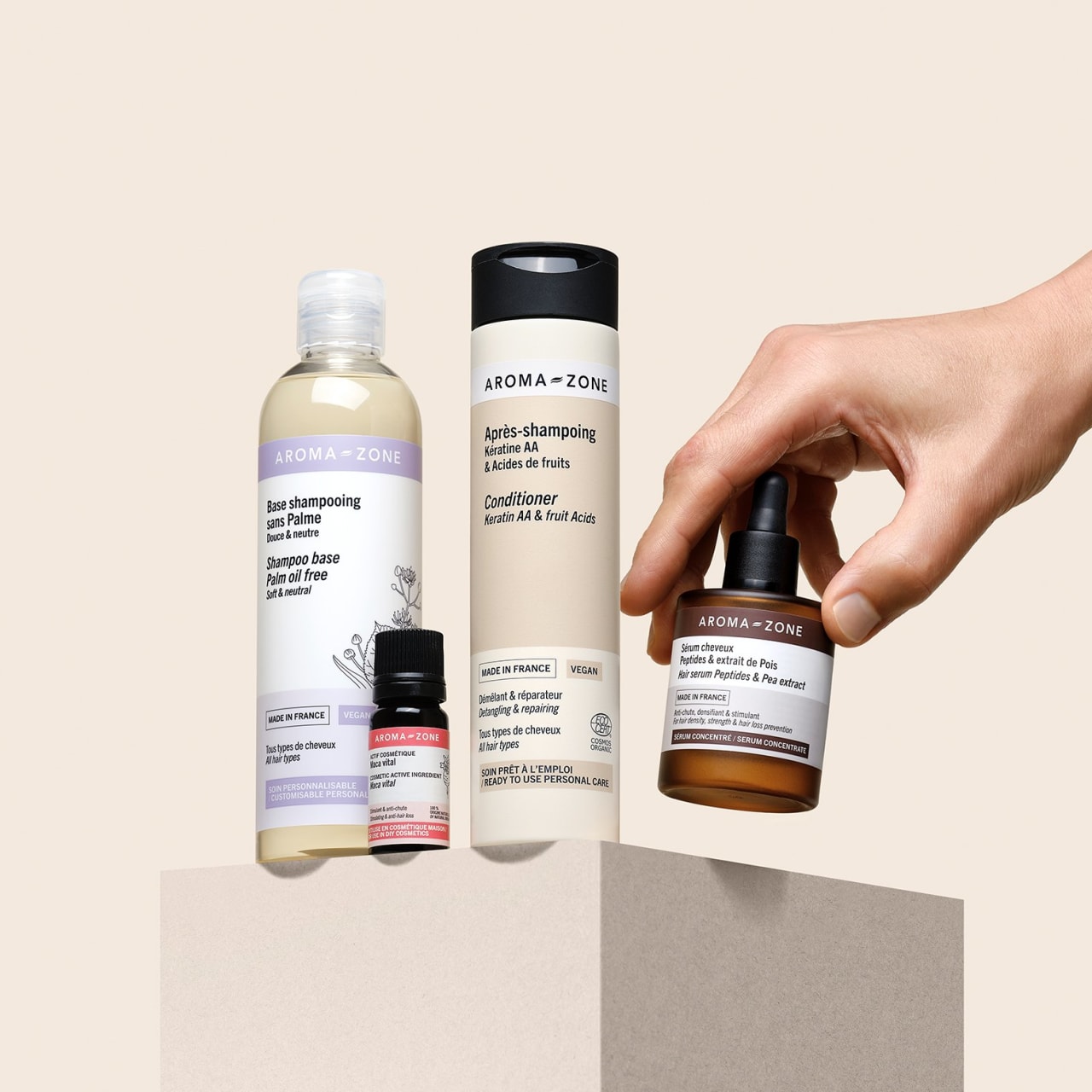
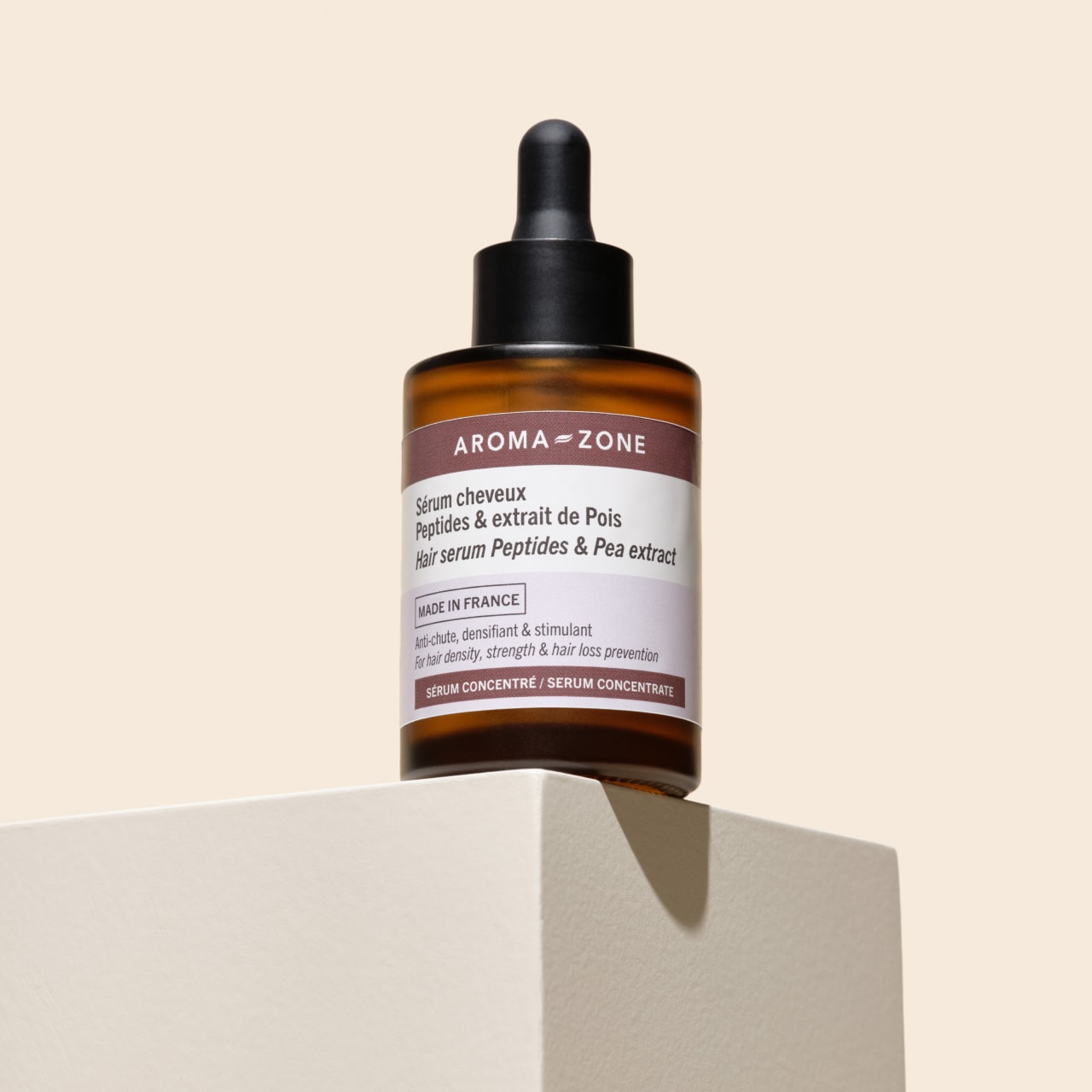
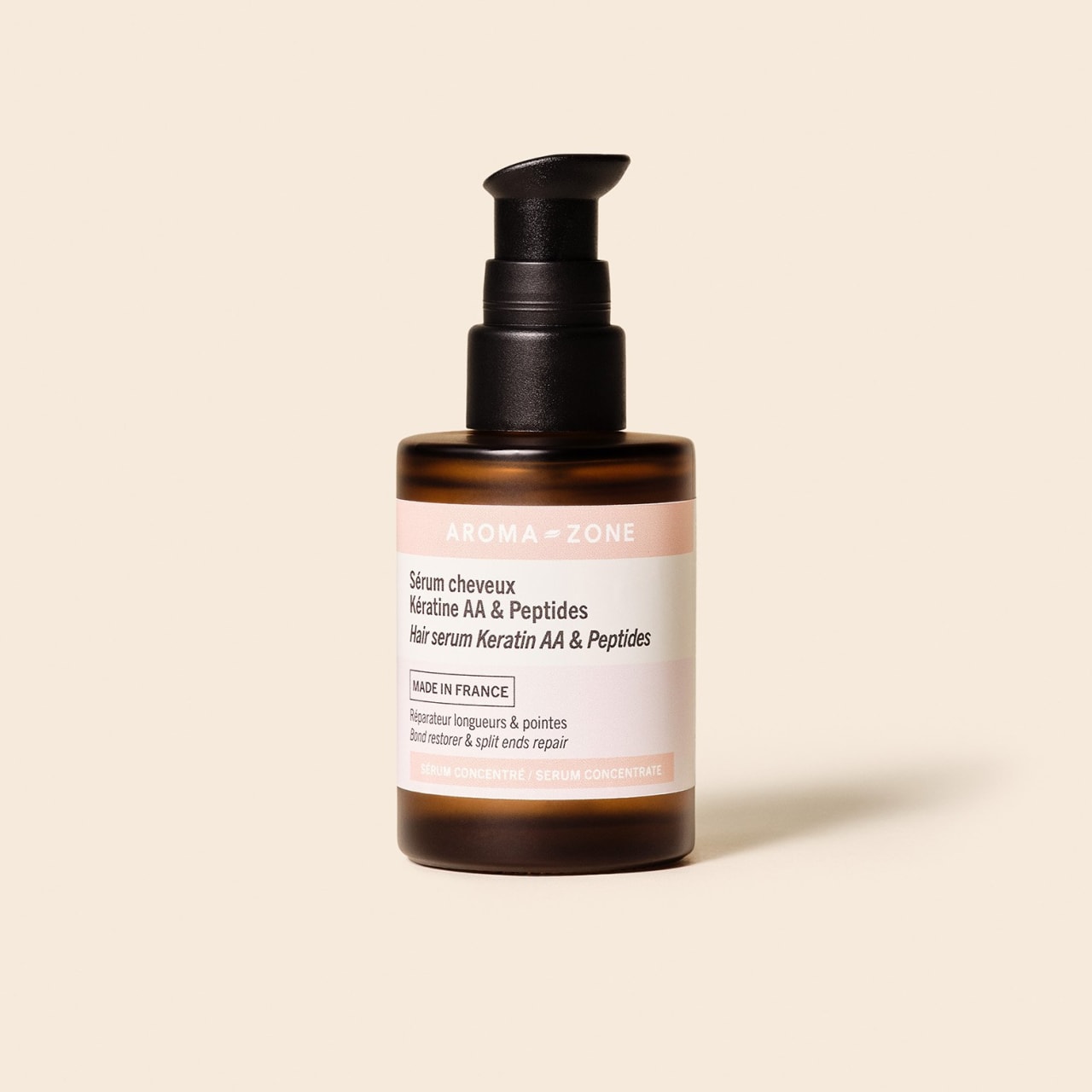
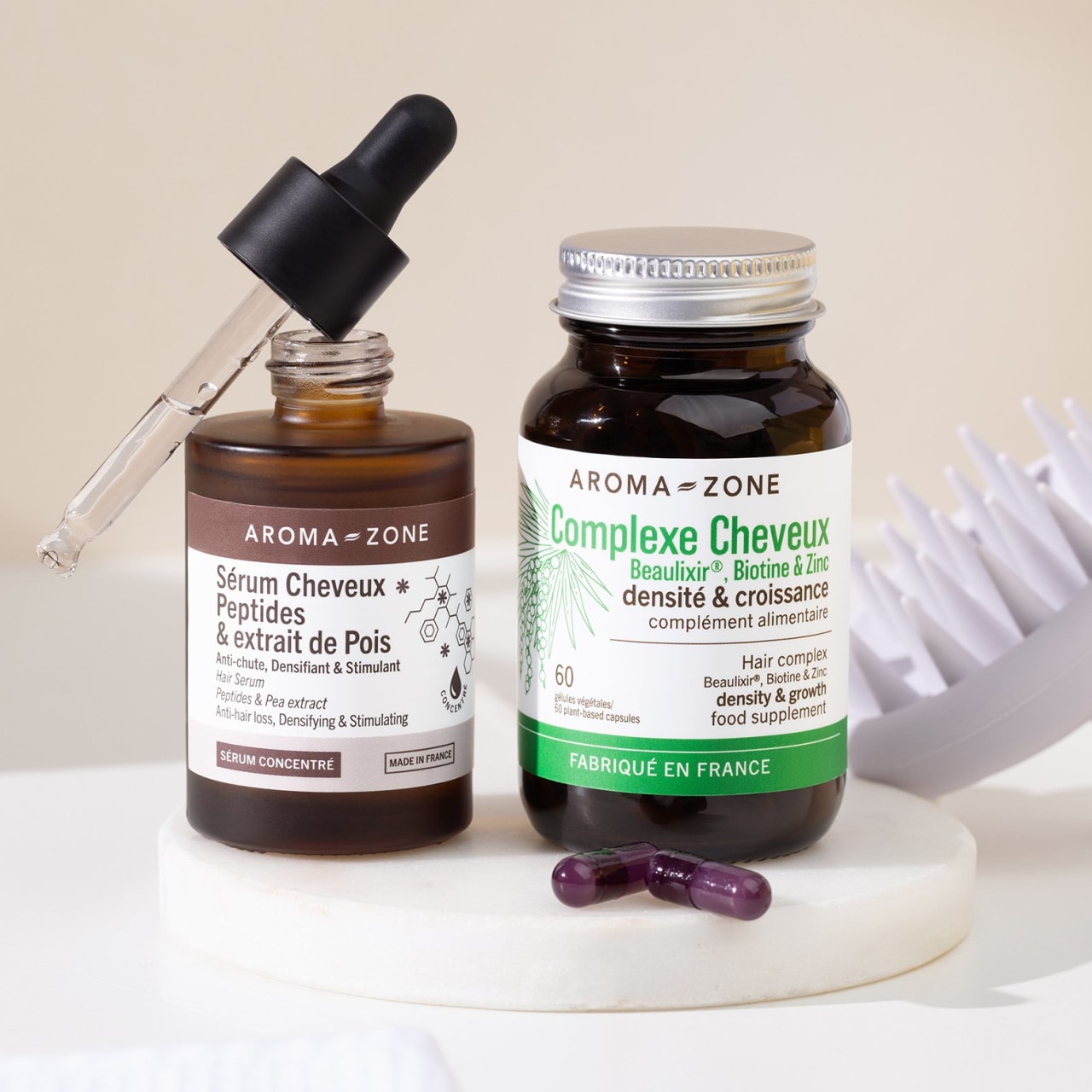
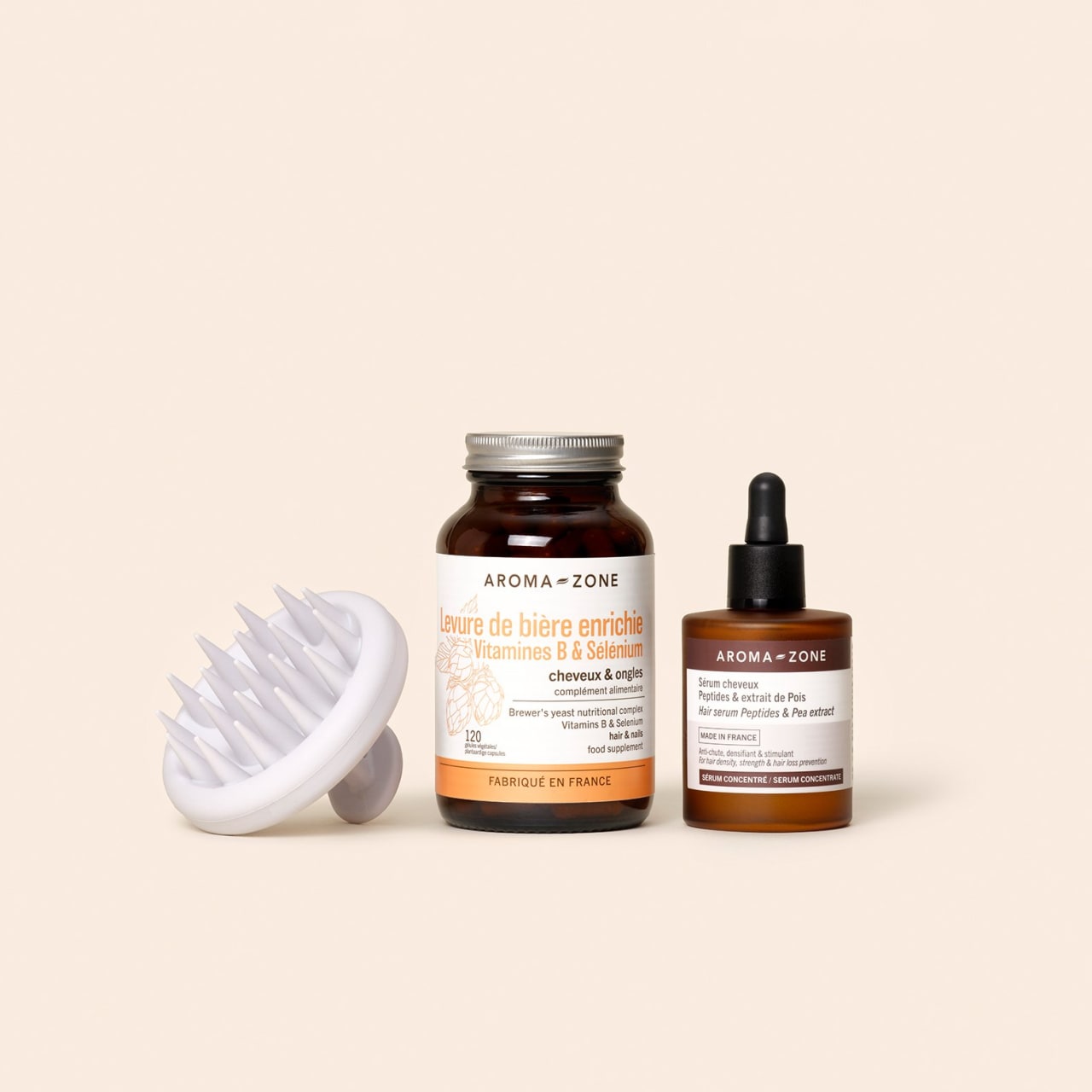
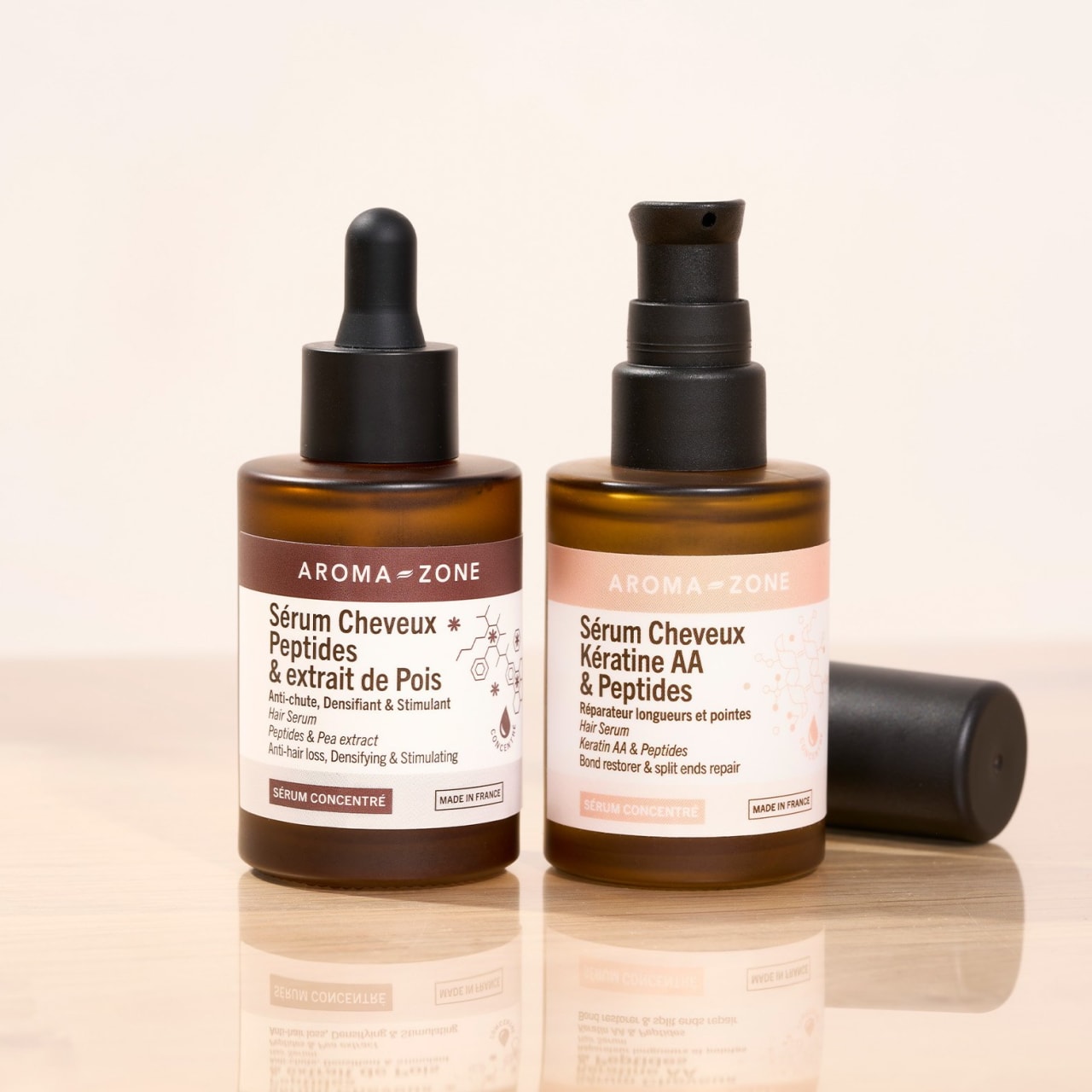
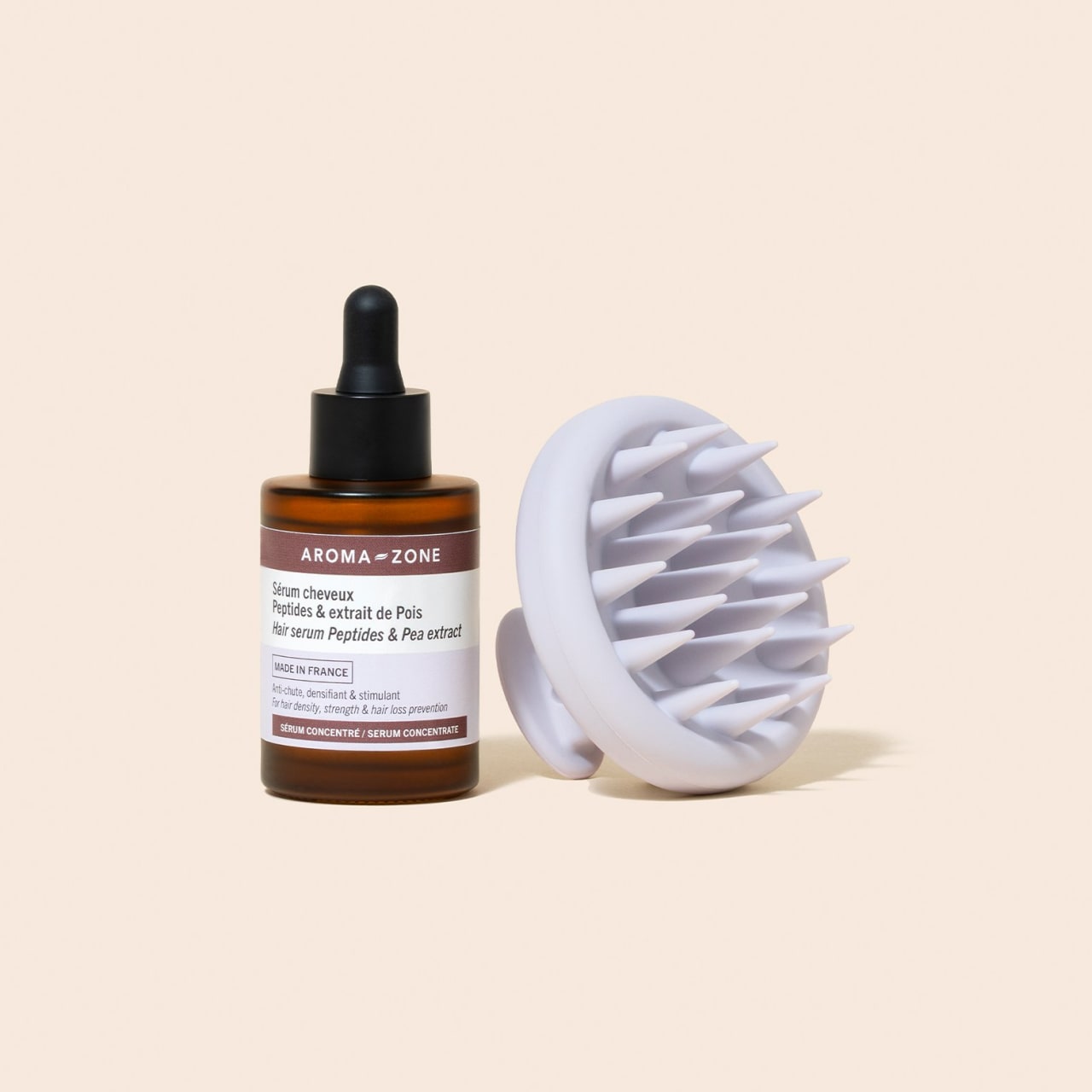
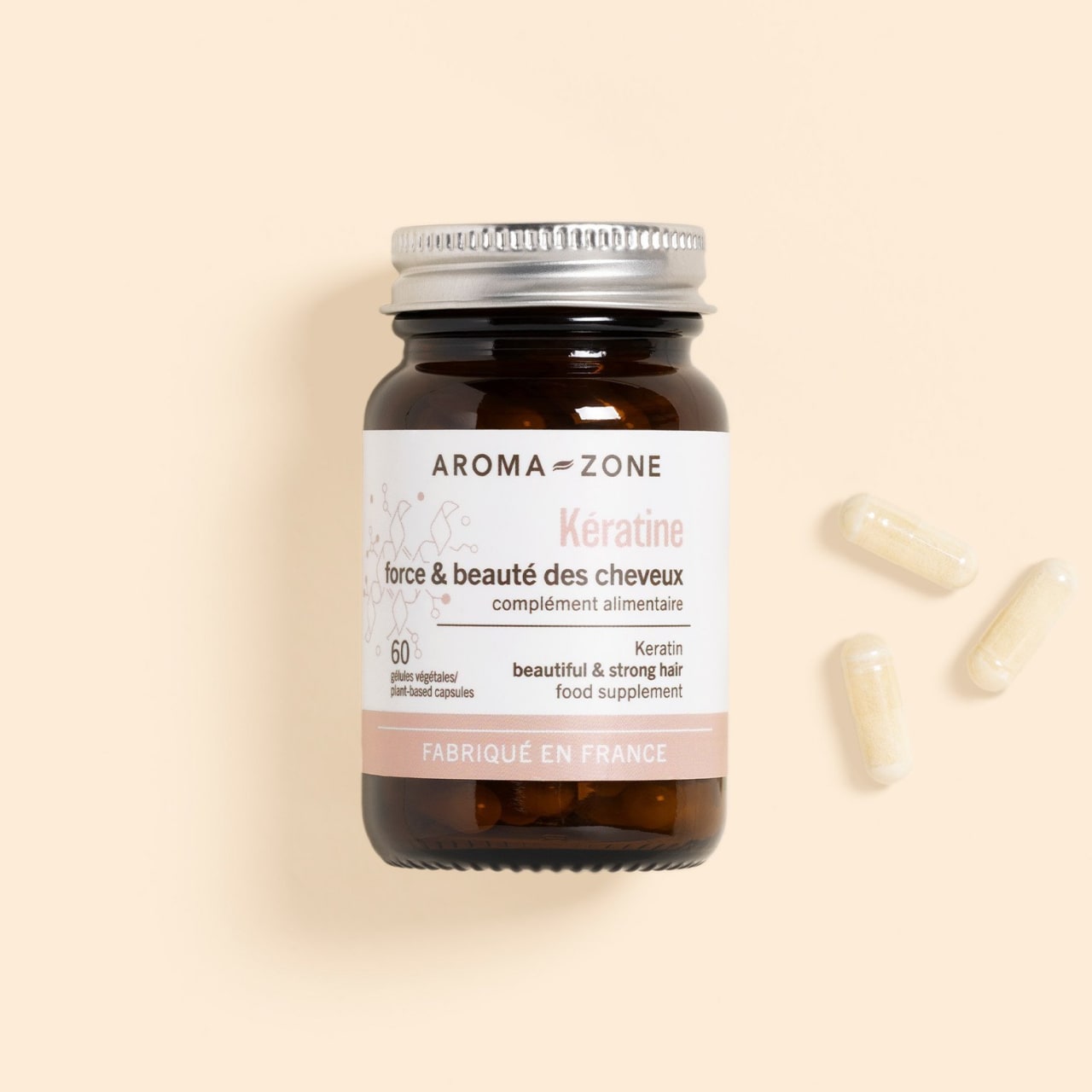
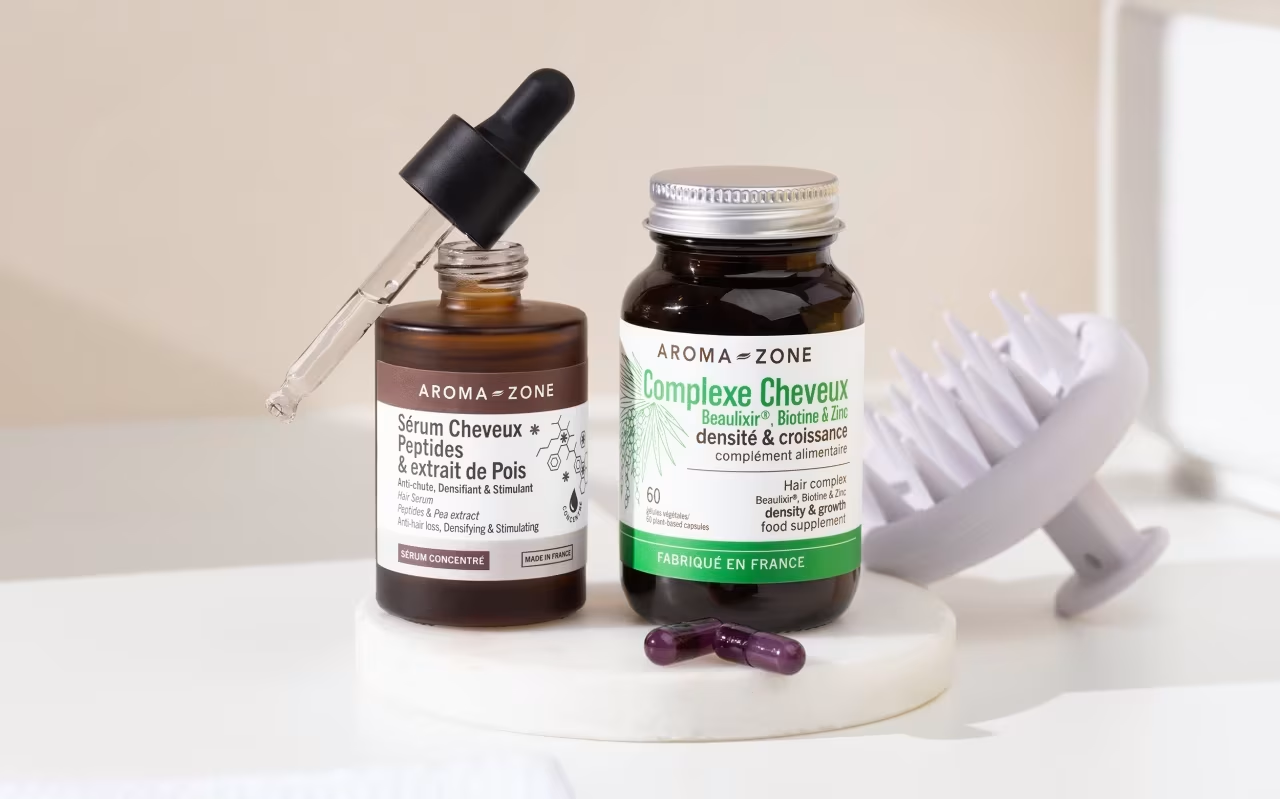
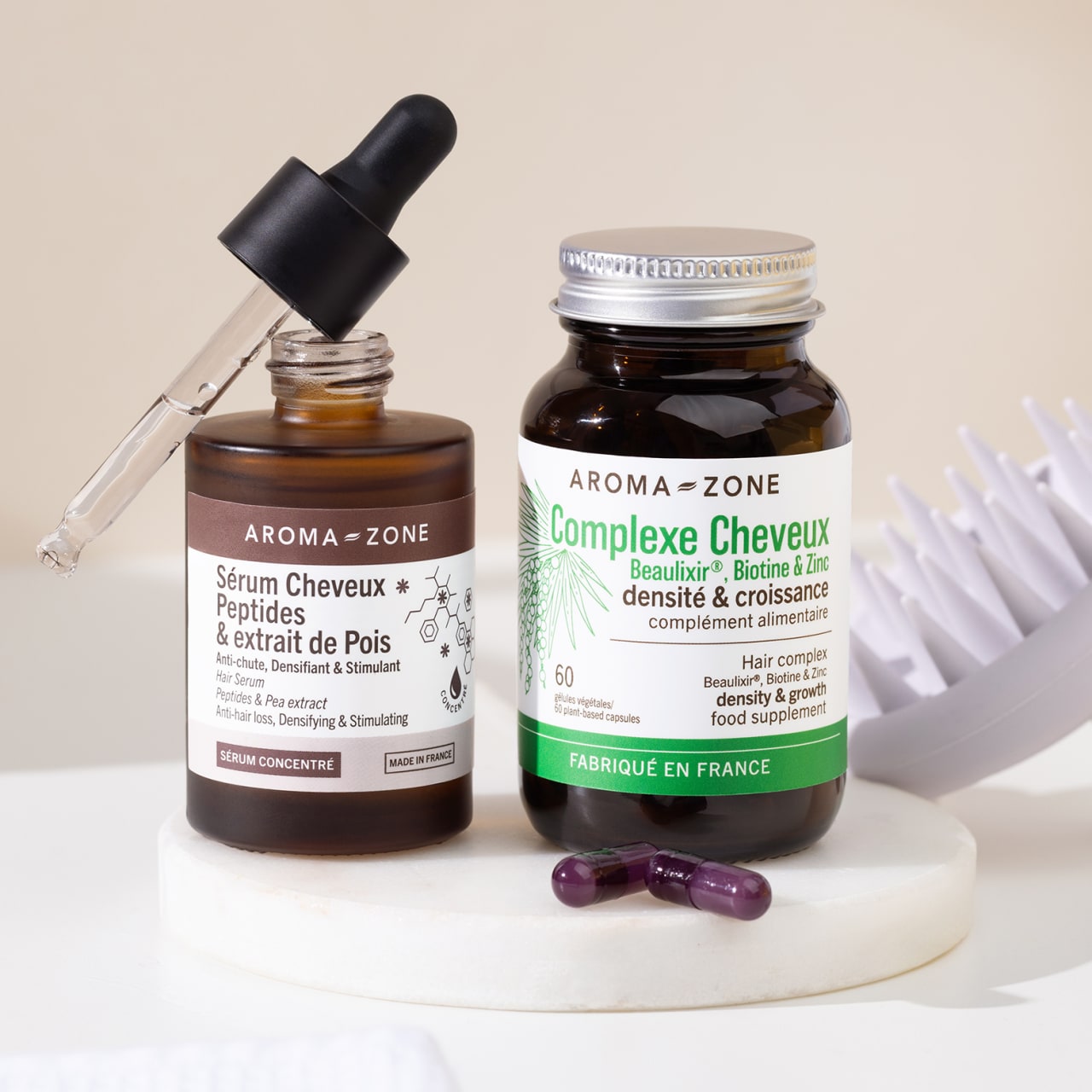
Keratin and peptides, found in our strengthening and densifying serums, help support stronger-feeling strands without weighing hair down.
Hyaluronic acid, known for its hydrating reputation, often paired with the above to help hair feel less dry and more supple.
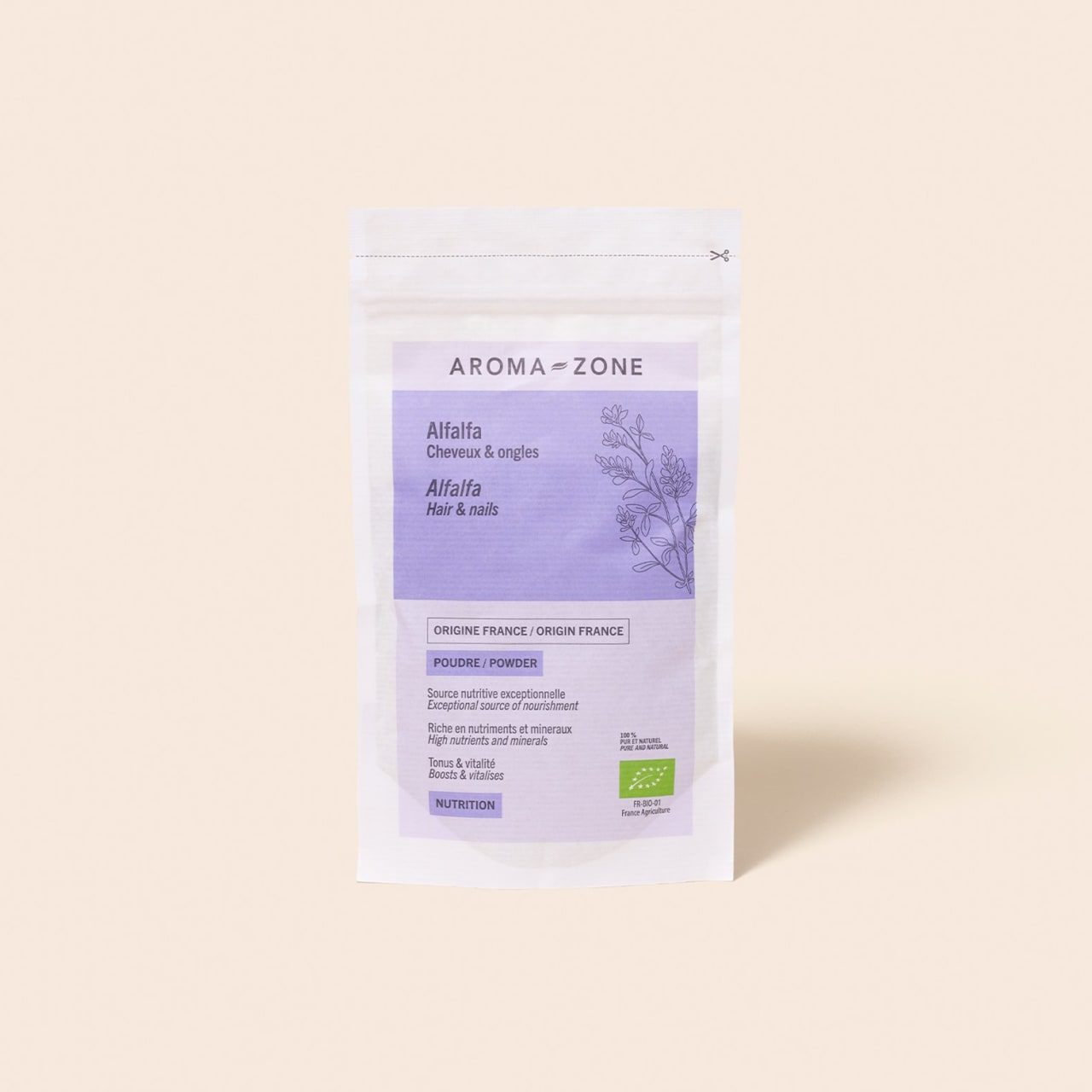
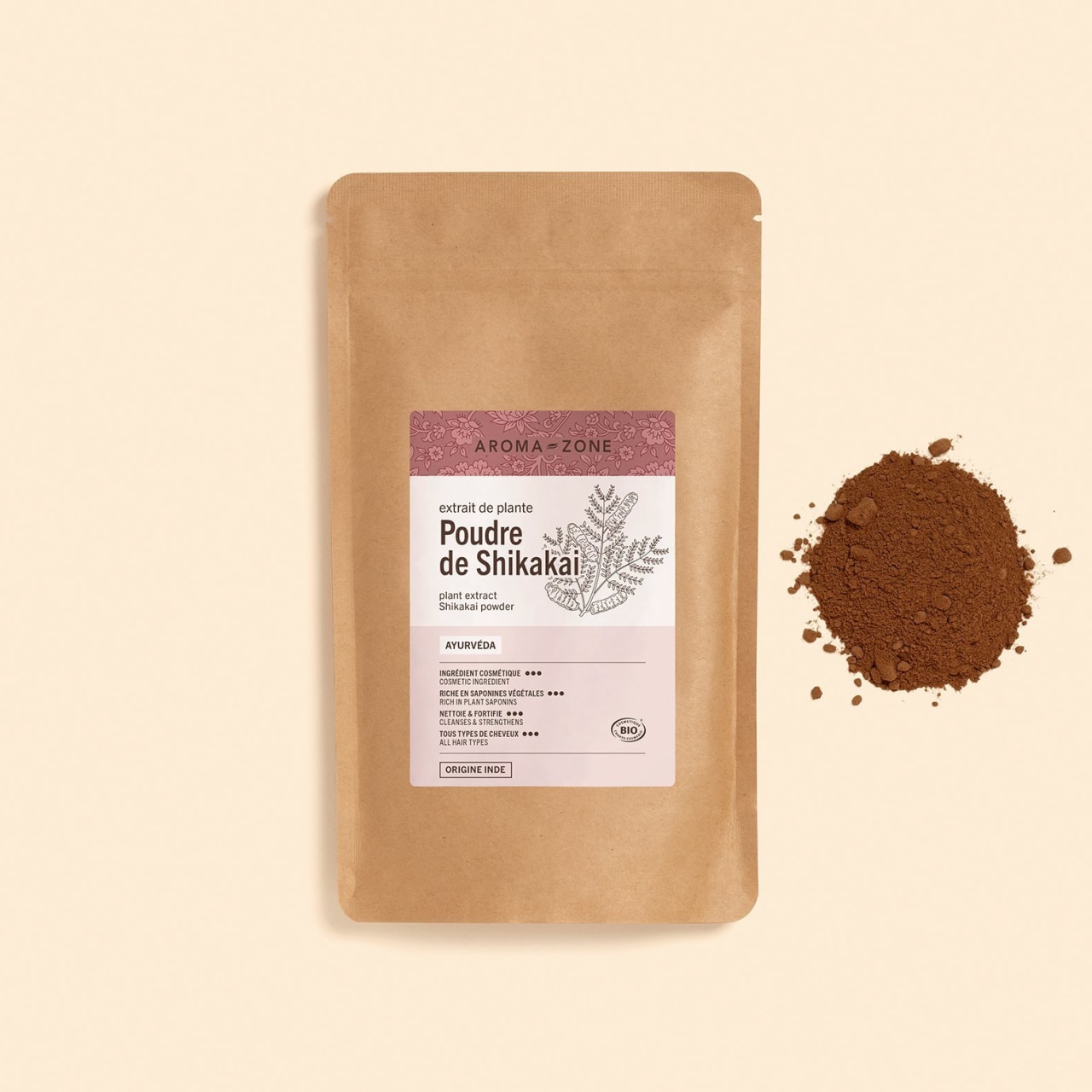
Alfalfa and shikakai powders, traditional botanical powders with a long history in hair care rituals, particularly within Ayurvedic practice.
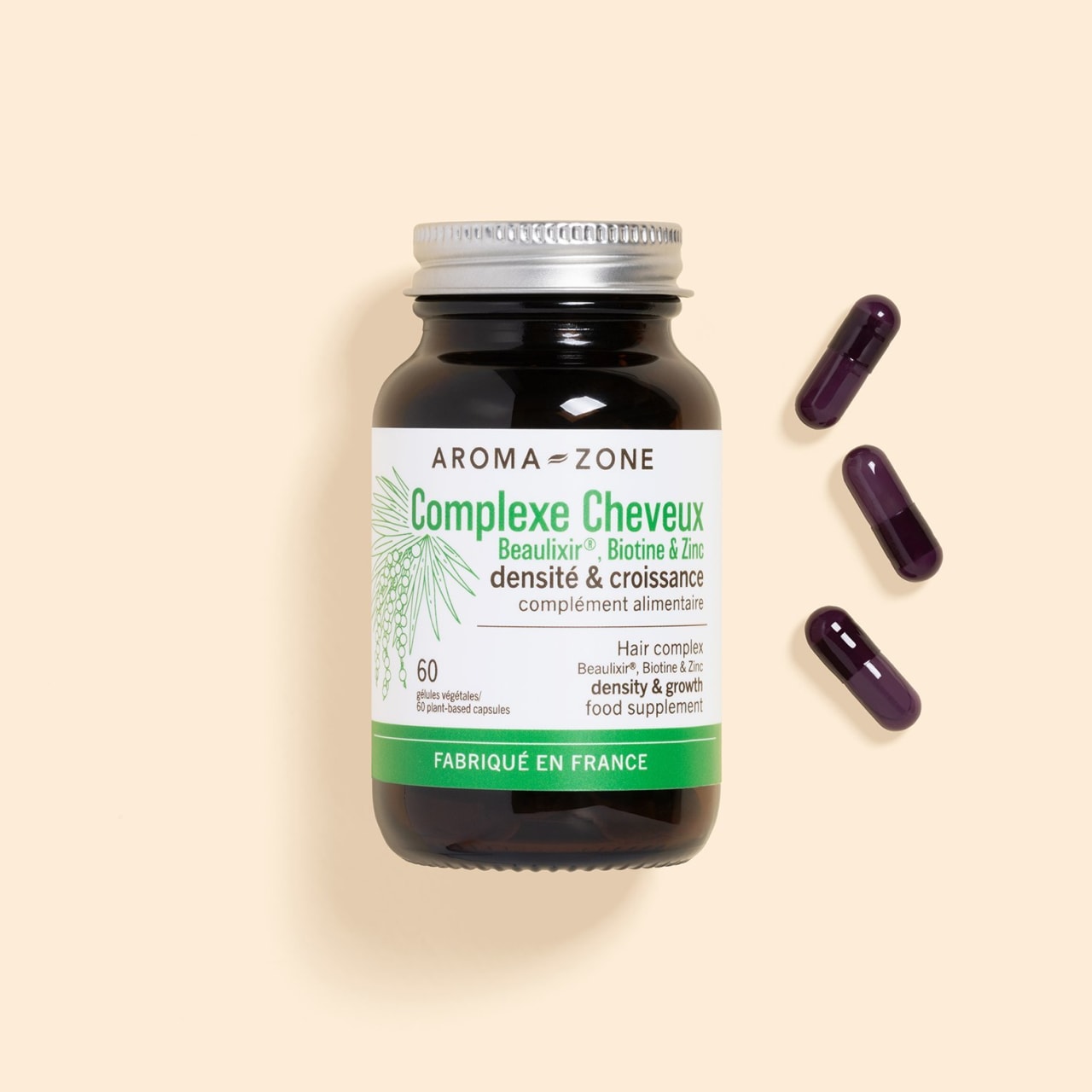
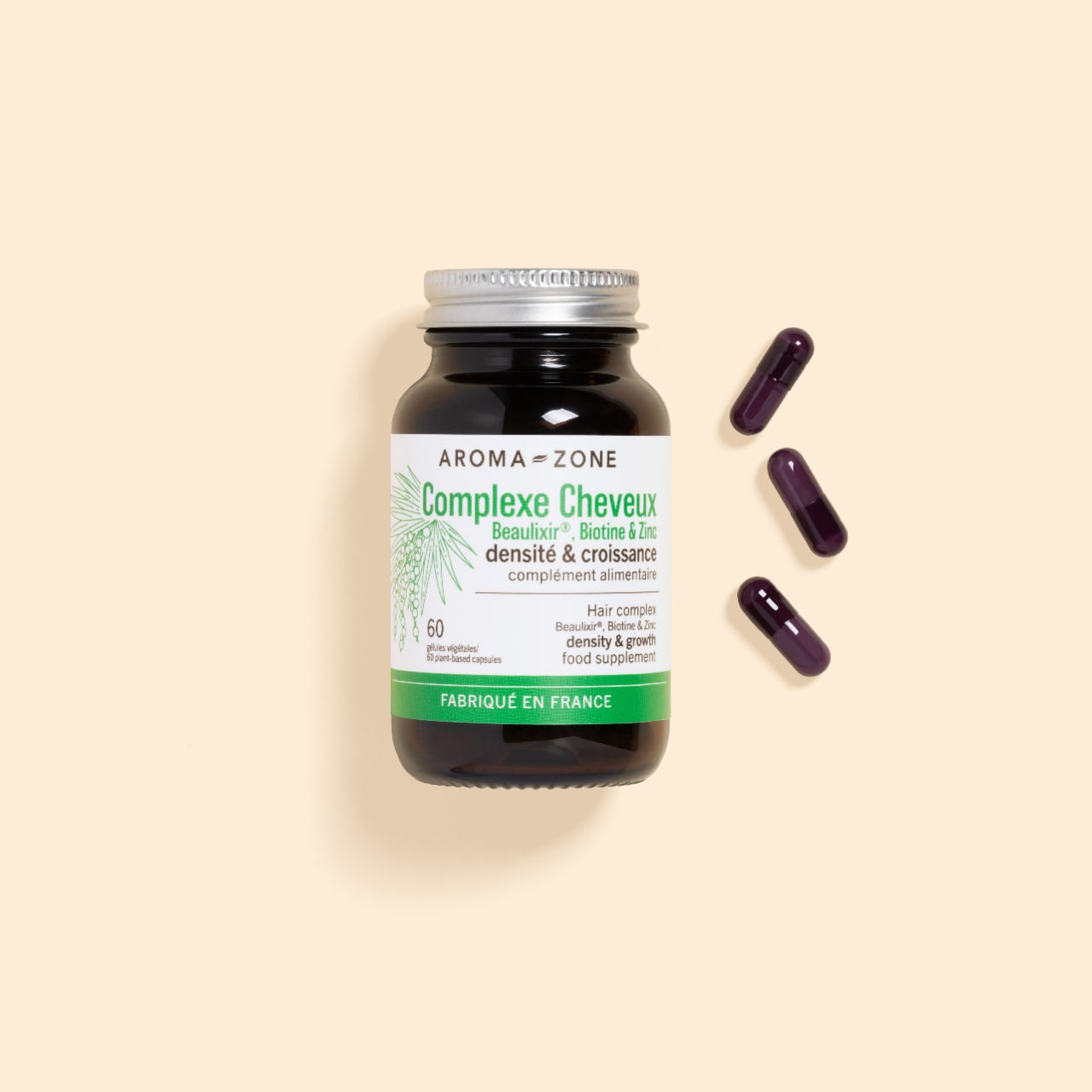
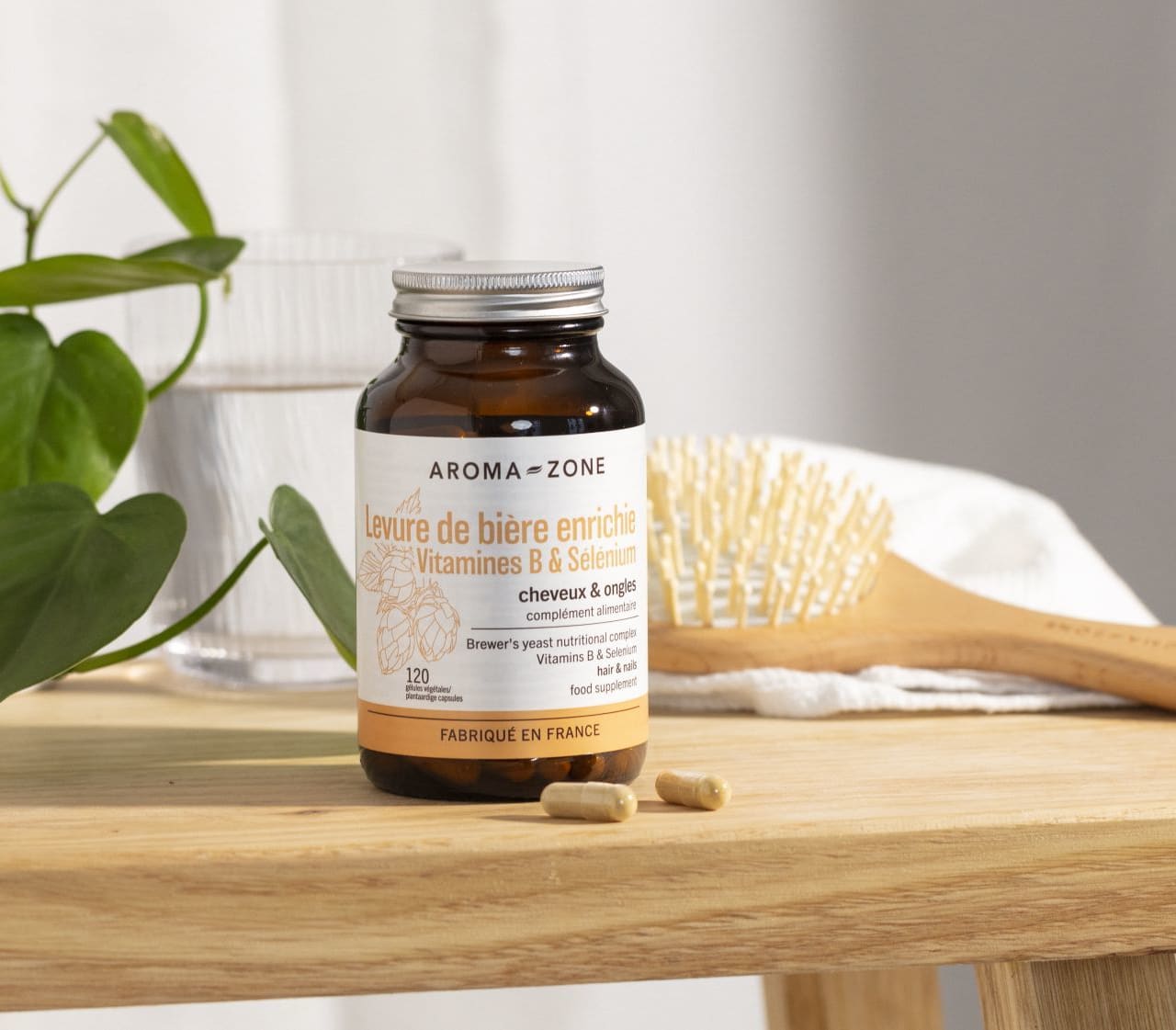
Brewer's yeast, taken as a supplement, is a traditional addition to hair-supporting routines, valued more for general nutritional wellbeing than for any single targeted effect.
Scalp care, as part of the ritual
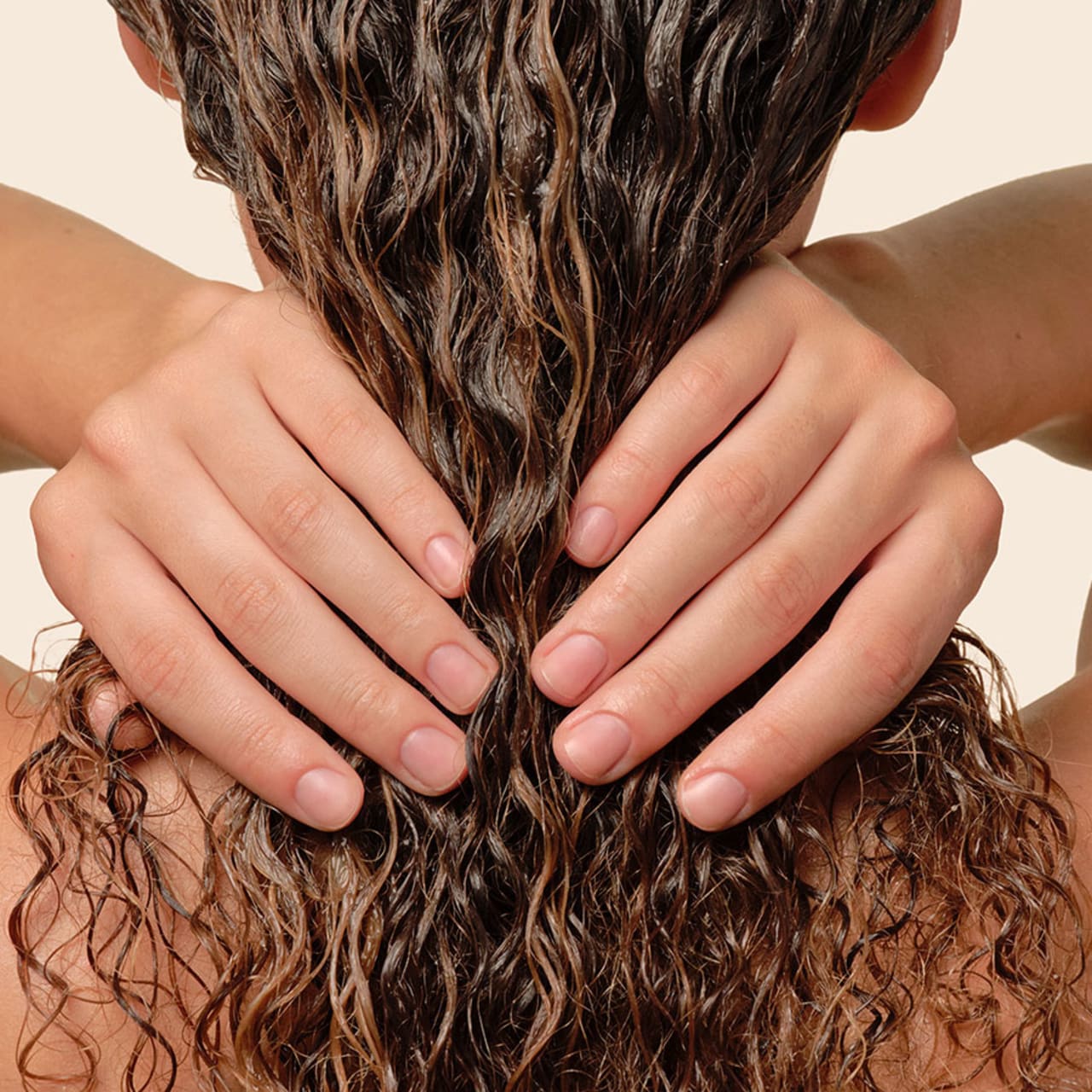
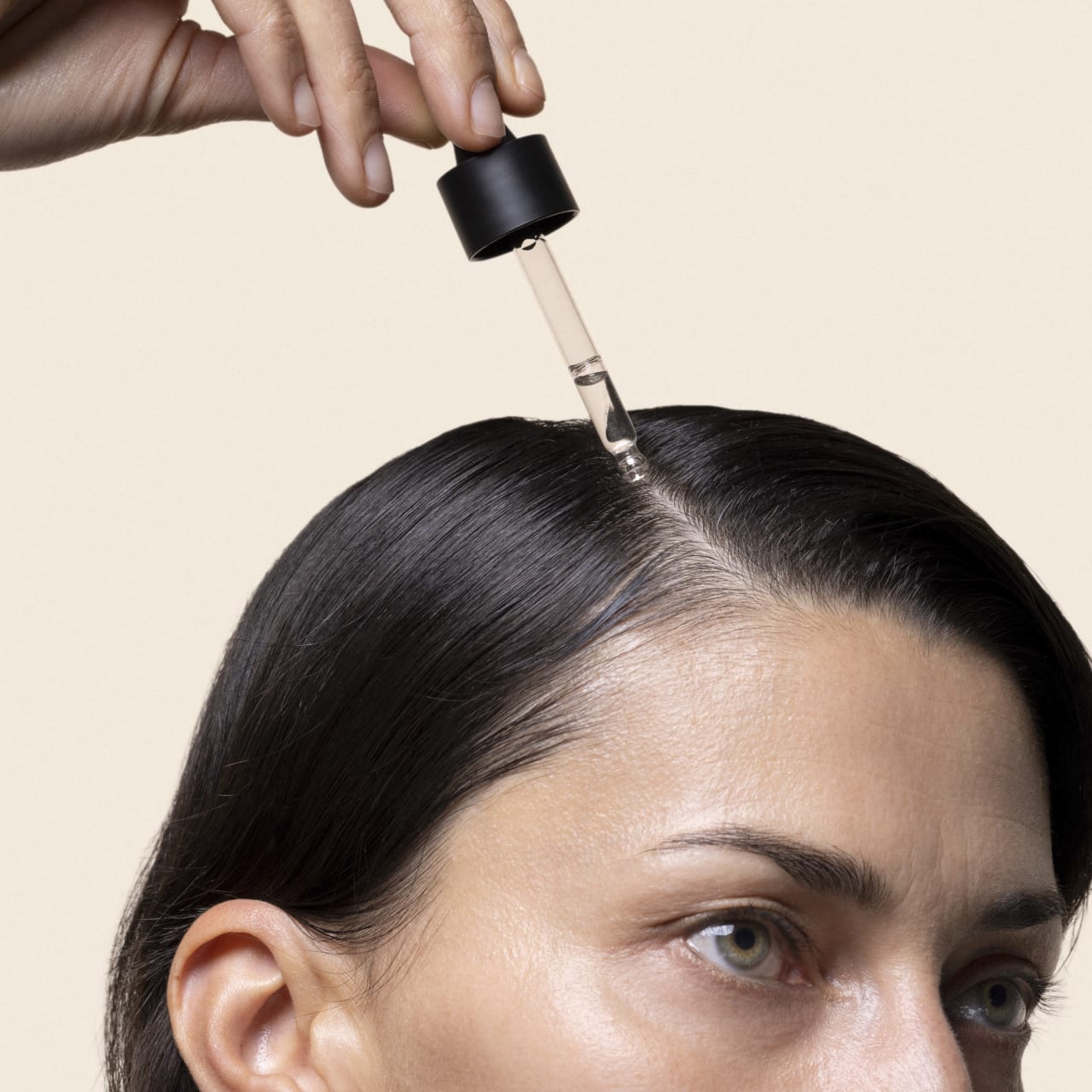
A large part of this category is about the scalp itself, cleansing it properly, keeping it comfortable, and giving it a bit of attention it doesn't always get.
Since hair is produced at the follicle, sitting just beneath the scalp, keeping that environment clean and comfortable is a sensible foundation for a routine.
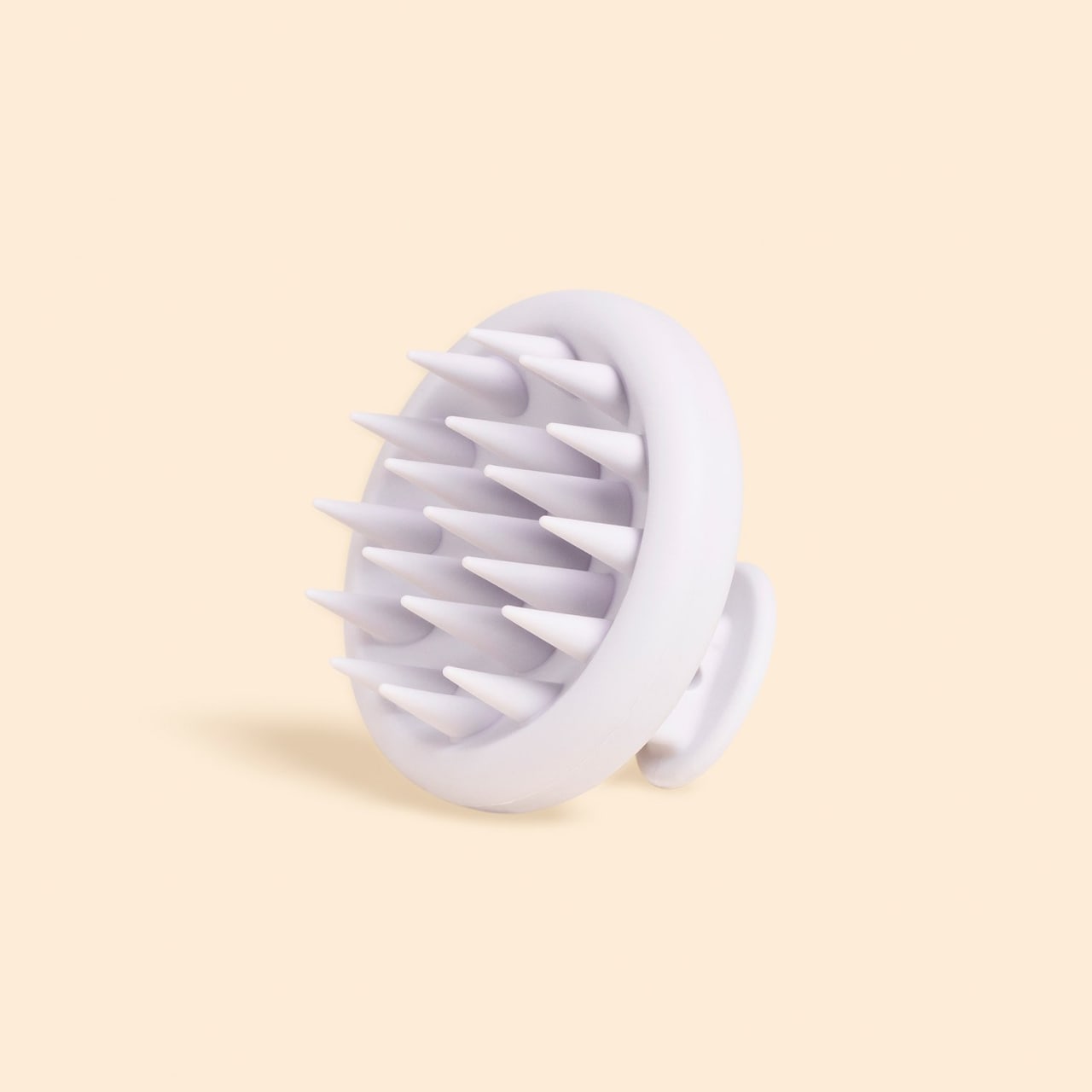
Scalp massage, whether with the fingertips or a tool like a massaging brush, is traditionally associated with scalp care rituals in aromatherapy, and it's a nice, calming habit to build in regardless of anything else.
Discover how to make a scalp scrub at home.
A few things that tend to work against hair growth
Alongside what supports hair, it's worth knowing what can quietly hold it back, some of it product-related, some of it just habit:
Very stripping shampoos. Washing too aggressively, or too often with a harsh, high-foaming formula, can leave both scalp and lengths drier and more prone to breakage than they need to be.
Heat styling without protection. Straighteners, curling irons and daily blow-drying on a high heat all add up, particularly if nothing is applied beforehand to help buffer the strand.
Tight hairstyles, worn constantly. Tight ponytails, buns or braids can put ongoing tension on the hairline and roots, a type of breakage that's more about mechanical stress than anything happening inside the follicle.
Rough brushing, especially on wet hair. Hair is at its most fragile when wet, brushing it the same way you would dry hair is one of the more common causes of avoidable breakage.
Over-processing. Repeated bleaching, perming or chemical straightening in close succession doesn't leave much recovery time between treatments.
Crash diets or very restrictive eating. Since hair is metabolically demanding to produce, the body tends to deprioritise it fairly quickly when nutrition drops off.
Smoking, which has been linked to reduced nutrient and oxygen delivery to the scalp, on top of its many other, better-known effects.
When it's worth speaking to a professional
Hair loss can have a genuinely wide range of causes, hormonal shifts, nutritional deficiencies, high or prolonged stress, certain medications, or simply genetics and age. Some of these settle on their own, others are worth having properly looked at.
If hair loss feels sudden, comes out in noticeable patches, or is causing you real concern, it's always worth speaking to your GP, ideally sooner rather than later. They'll be able to identify what's actually driving it.
Getting the most out of a routine
Consistency matters more than any single product, and because hair grows so slowly, most routines need a few months of regular use before you'd realistically expect to notice a difference.
As with any new product, a patch test is sensible before first use, and anything containing essential oils should always be properly diluted rather than used neat.
Not sure exactly what your hair needs to build the perfect routine? Take our hair assessment and find out.


