
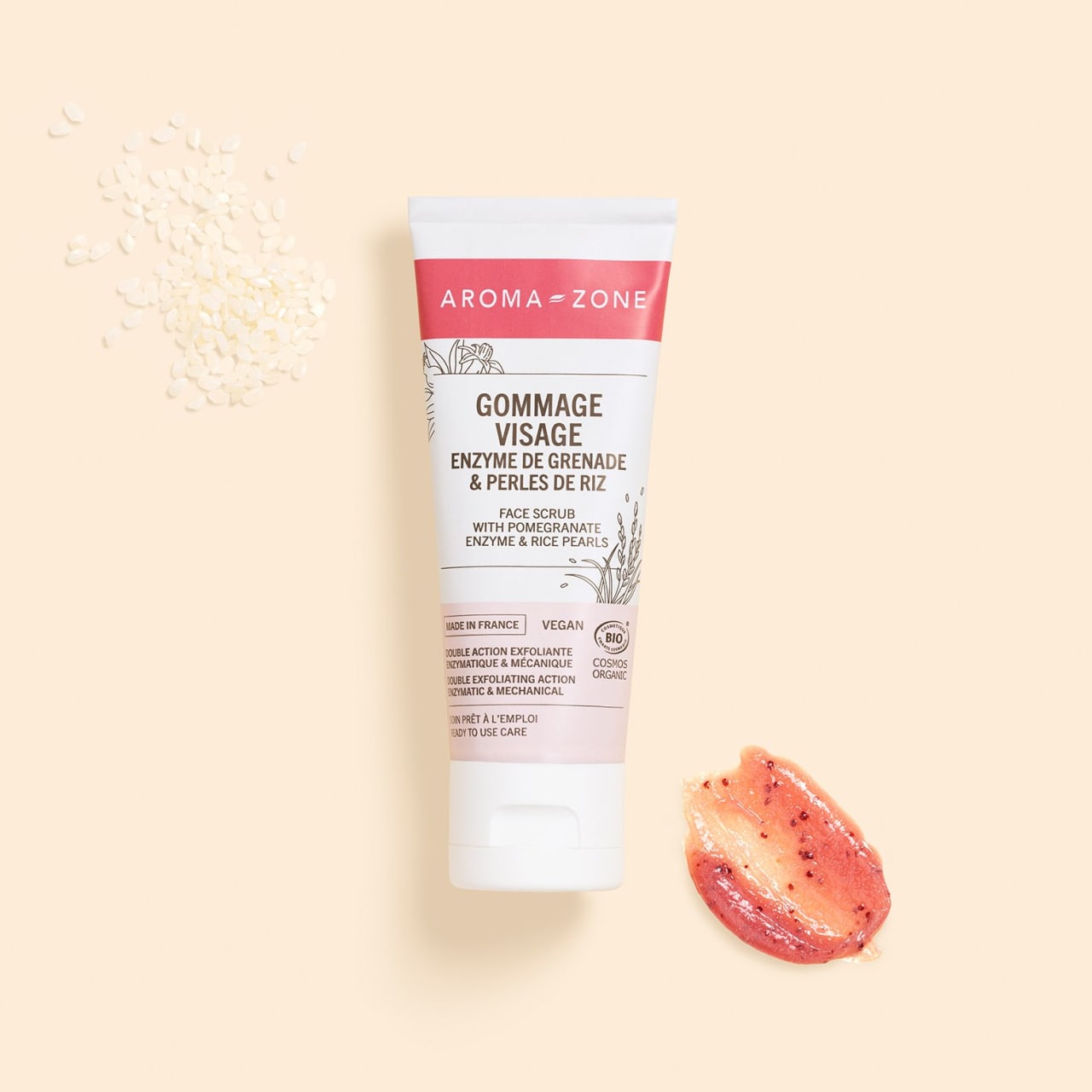
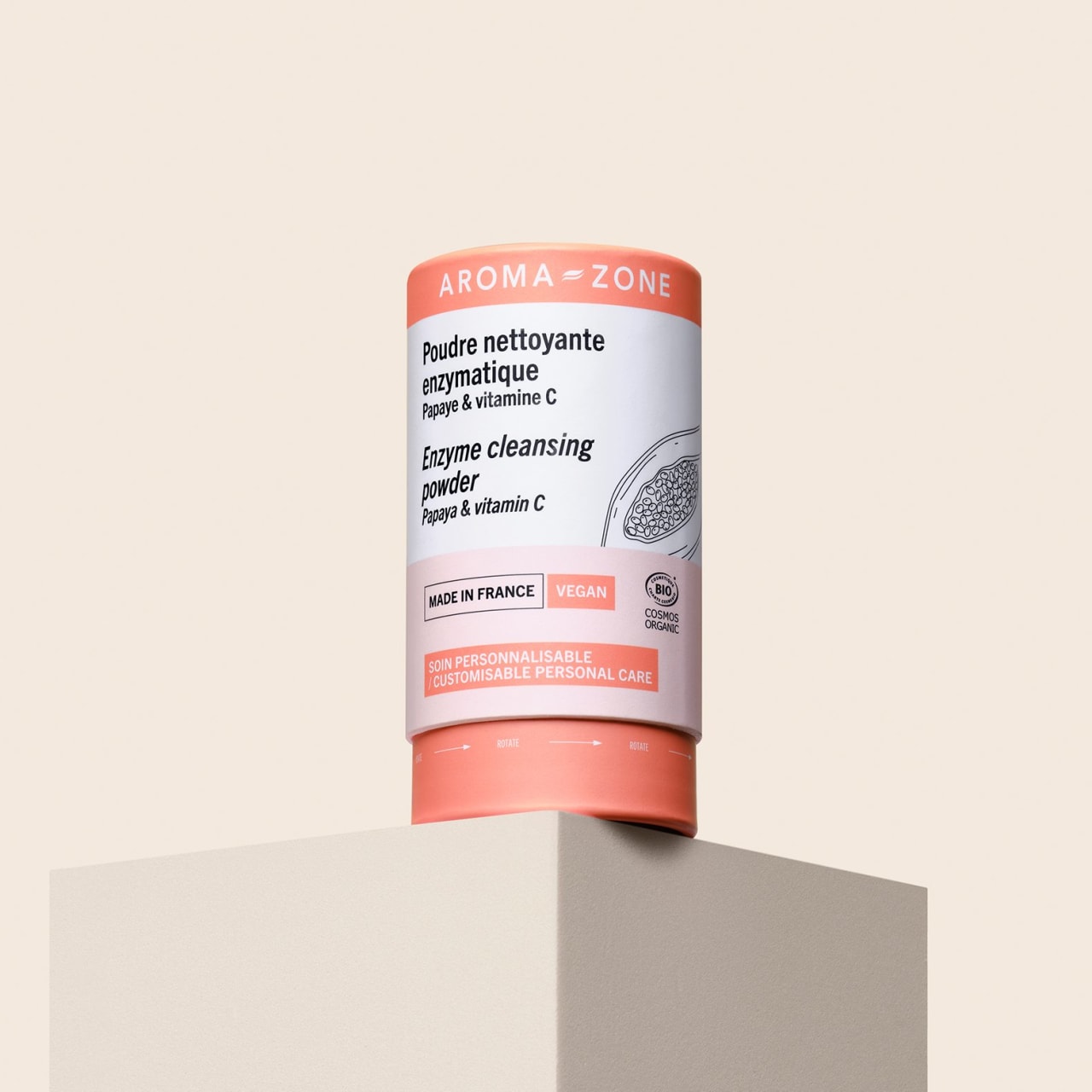

Using a face mask has become an essential part of a regular beauty routine.
It's a skincare product that purifies, moisturises, soothes and tones the skin in just a few minutes.
Whether you use them regularly or occasionally, face masks are a great way to keep your skin looking radiant and youthful.
What is a face mask?
A face mask is a skincare product that comes in a variety of forms such as cream, gel, paste, reusable fabric.
It's applied to the face in a thick layer and left on for a few minutes before being rinsed off with water.
Depending on its properties, a face mask can meet a variety of needs:
Purifying masks: remove impurities, toxins and excess sebum to unclog pores and reduce imperfections.
Moisturising masks: deeply moisturise the skin, leaving it softer, more supple and feeling refreshed.
Soothing masks: calm irritation, redness and feelings of discomfort to soothe the skin and restore its balance.
Toning masks: stimulate blood circulation, firm tissues and restore radiance to the complexion for firmer, more luminous-looking skin.
The benefits of a natural face mask
Our face masks are designed to provide targeted, natural skin care for every skin type. By incorporating our masks into your beauty routine, you benefit from formulas rich in natural, effective ingredients, without compromising on quality.
Purifying
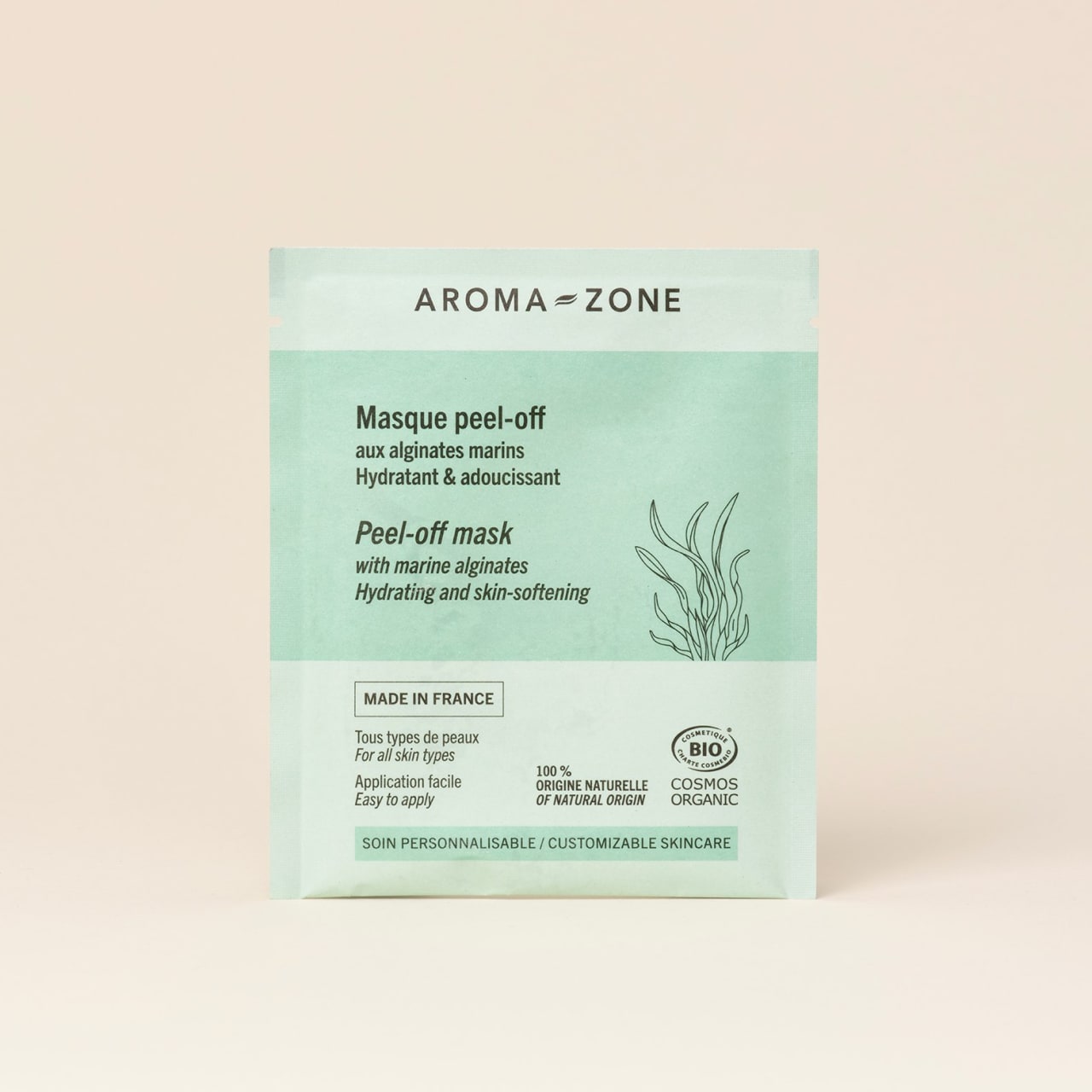
Our purifying masks, like the Organic Marine Alginate Peel-Off Mask, are ideal for eliminating impurities and unclogging pores. Enriched with marine alginates, it absorbs excess sebum and leaves your skin clean and refreshed.
Moisturising
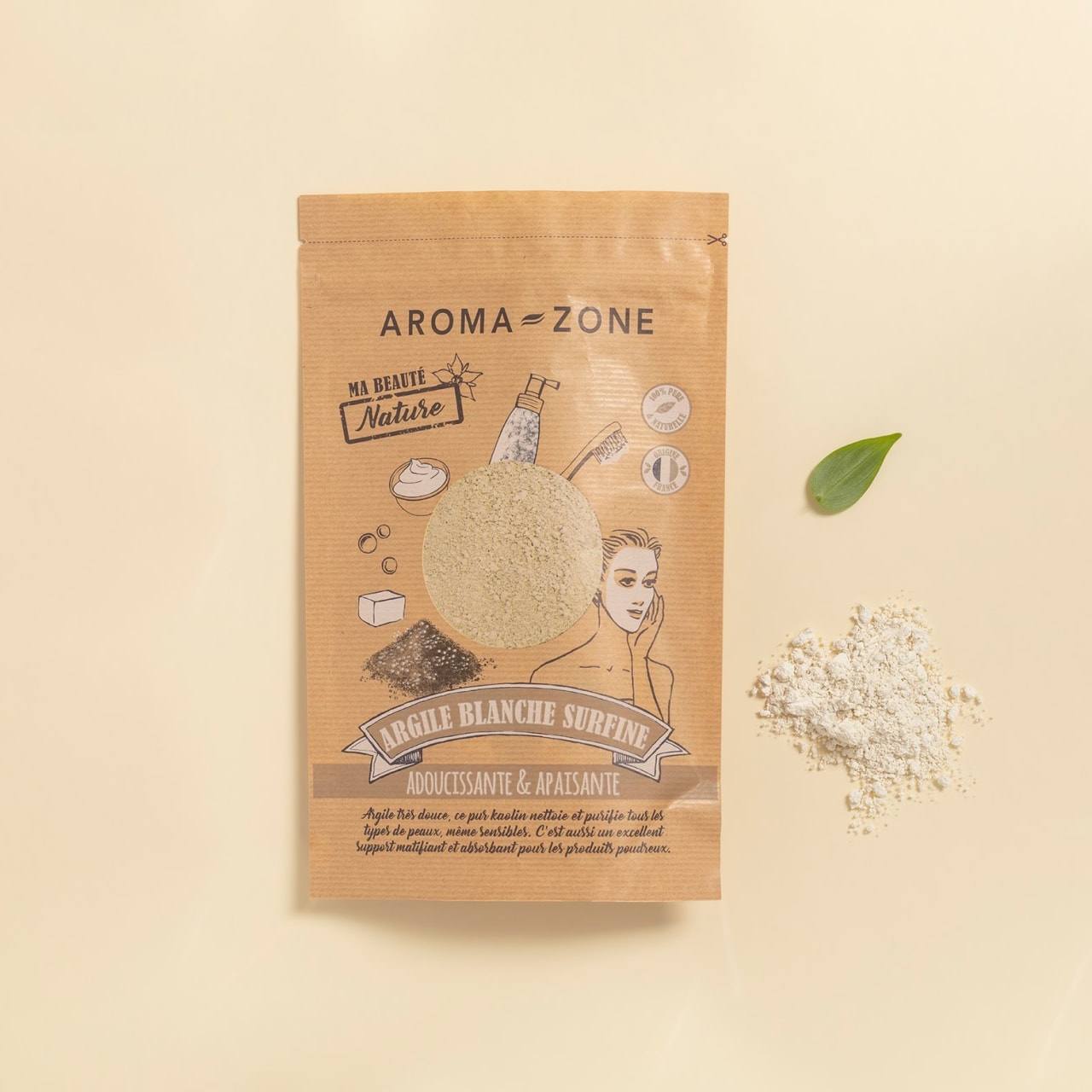
For skin in search of moisture, our moisturising masks provide intense, long-lasting hydration. Different types of clay such as White Clay (Kaolin) or Purple Clay (Surfine) are perfect for deeply moisturising and soothing the skin. They are gentle and suitable for even the most sensitive skin.
Soothing
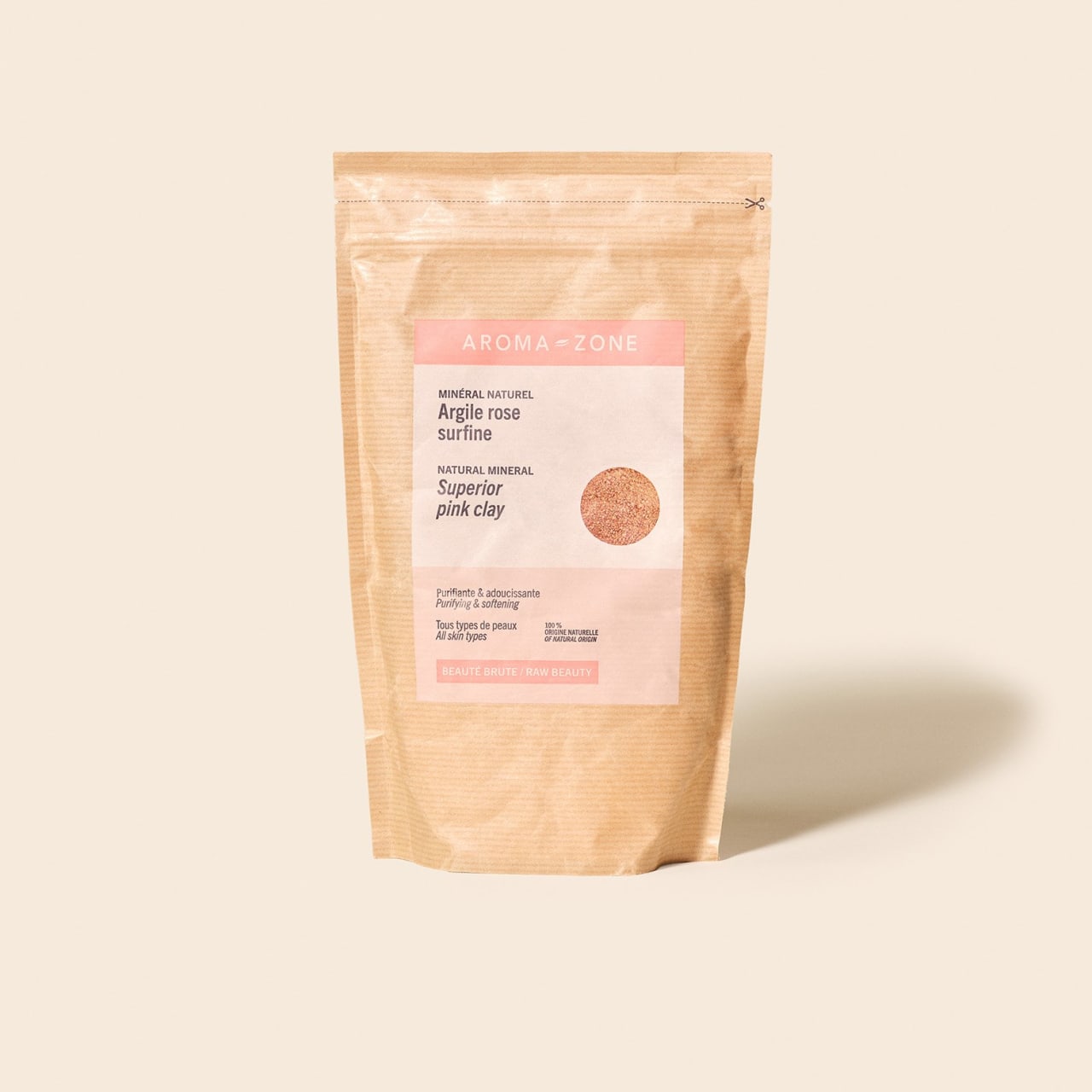
Soothing masks, such as those using Pink Surfine Clay, are excellent for calming irritation and redness. They restore comfort and balance to your skin, making it more supple and feeling soothed after each application.
Toning
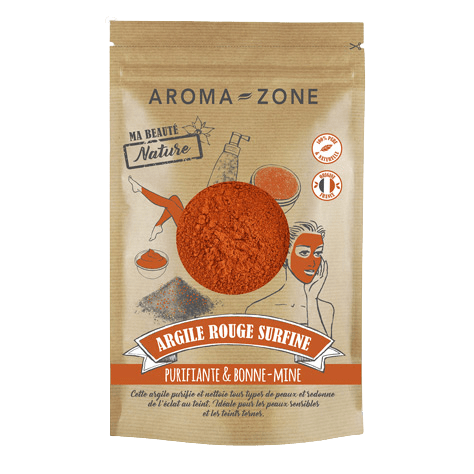
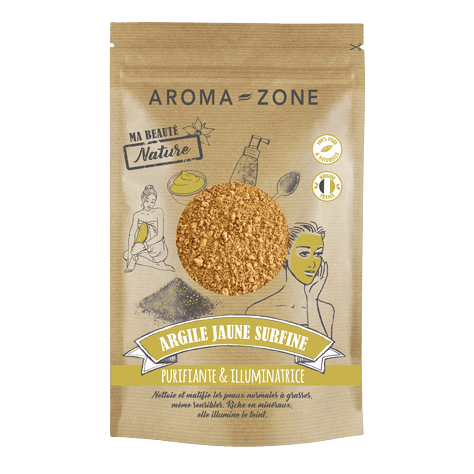
If you're looking to tone and firm your skin, our toning masks stimulate blood circulation and restore radiance to your complexion. Red Superfine Clay and Yellow Superfine Clay are particularly recommended for their ability to revitalise the skin and revive dull complexions.
A unique option: Moroccan Rhassoul
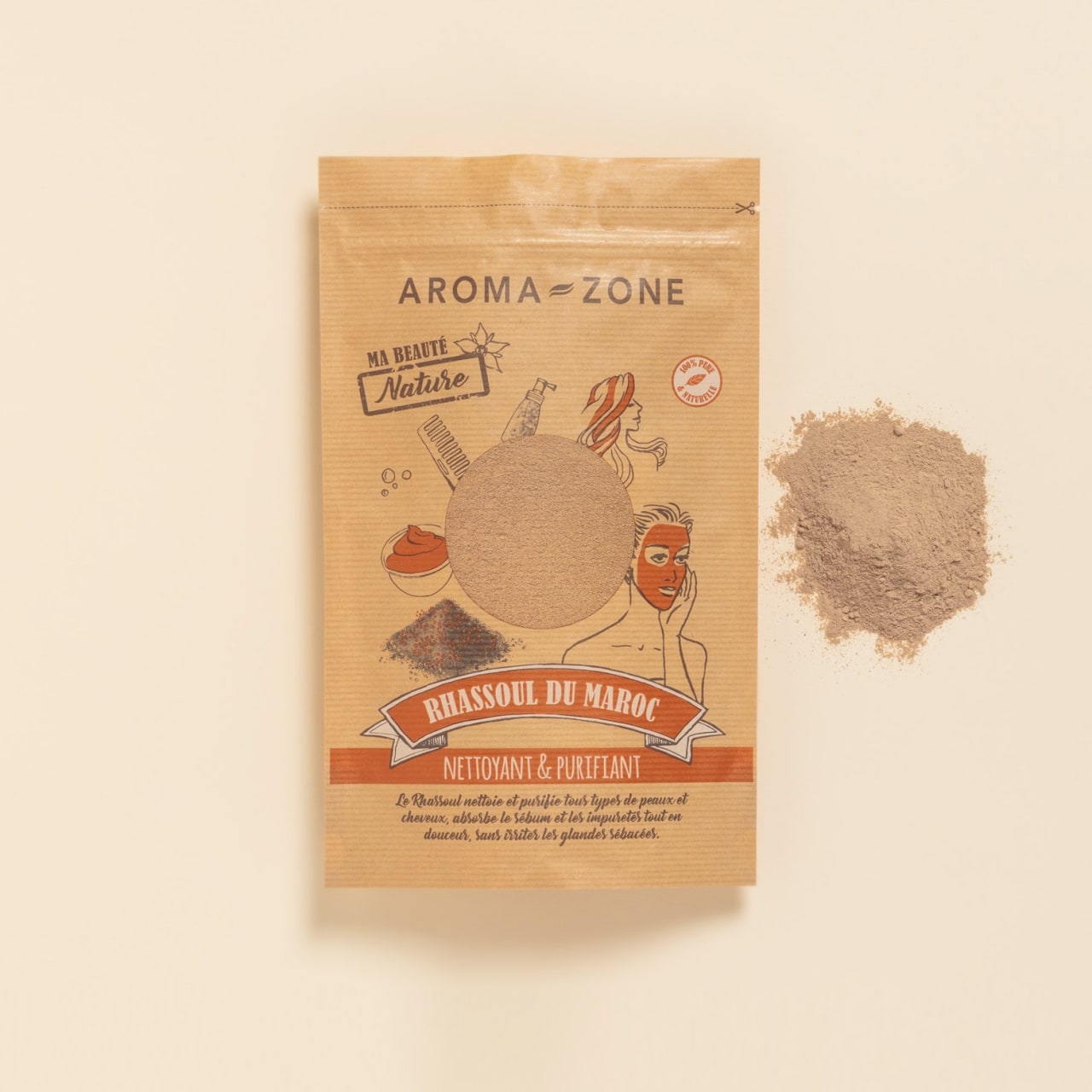
Our products based on Moroccan Rhassoul (Ghassoul) also offer a unique experience. This volcanic clay is renowned for its cleansing and remineralising properties, making it ideal for a complete, natural facial treatment.
Clay Colour cheat sheet
White (Kaolin)
– Superfine White Kaolin Clay: soothing and mattifying, the gentlest of the bunch, good for sensitive or reactive skin.
Green (Illite)
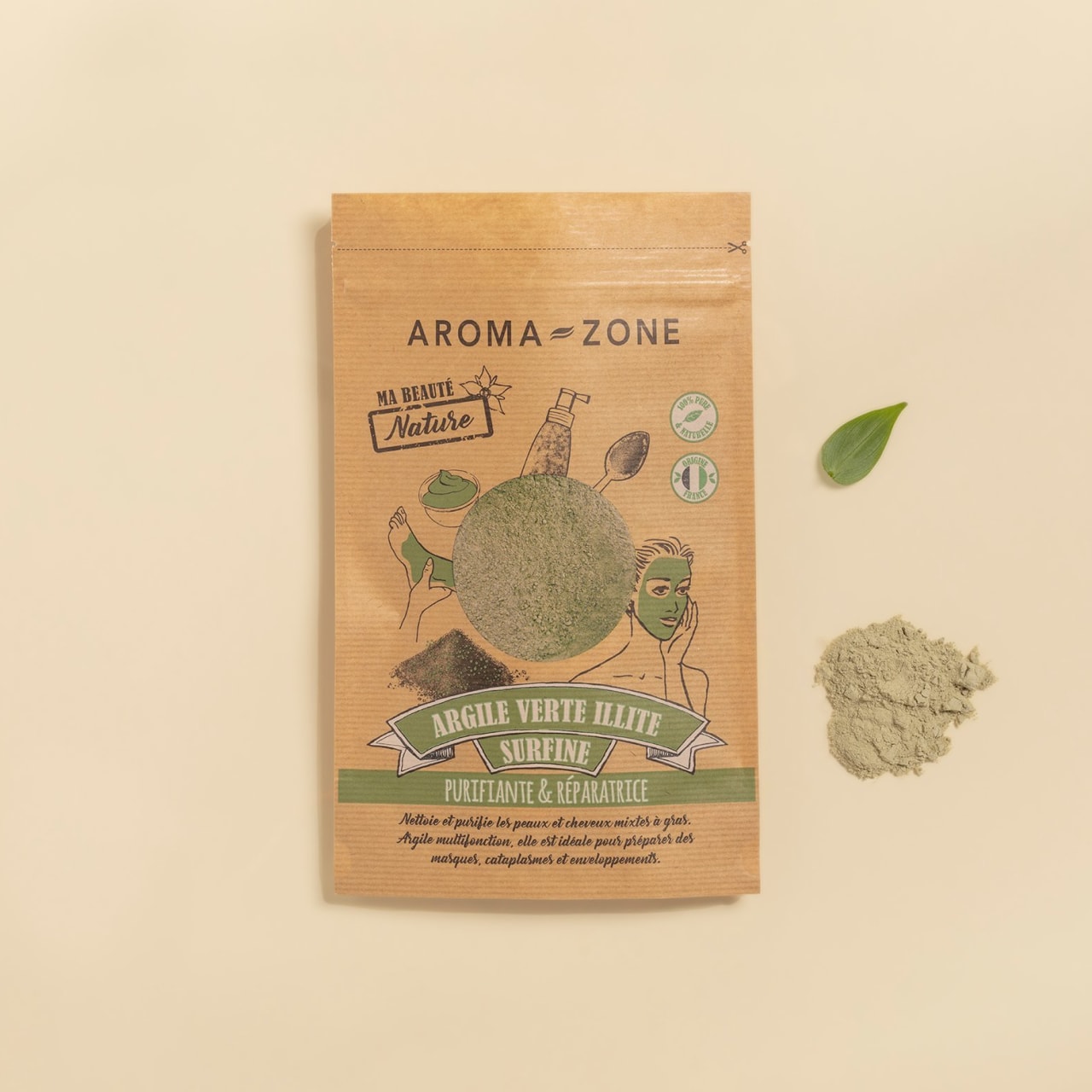
– Superfine Green Illite Clay: cleansing and anti-blemish, good for oily or blemish-prone skin.
Green (Montmorillonite)
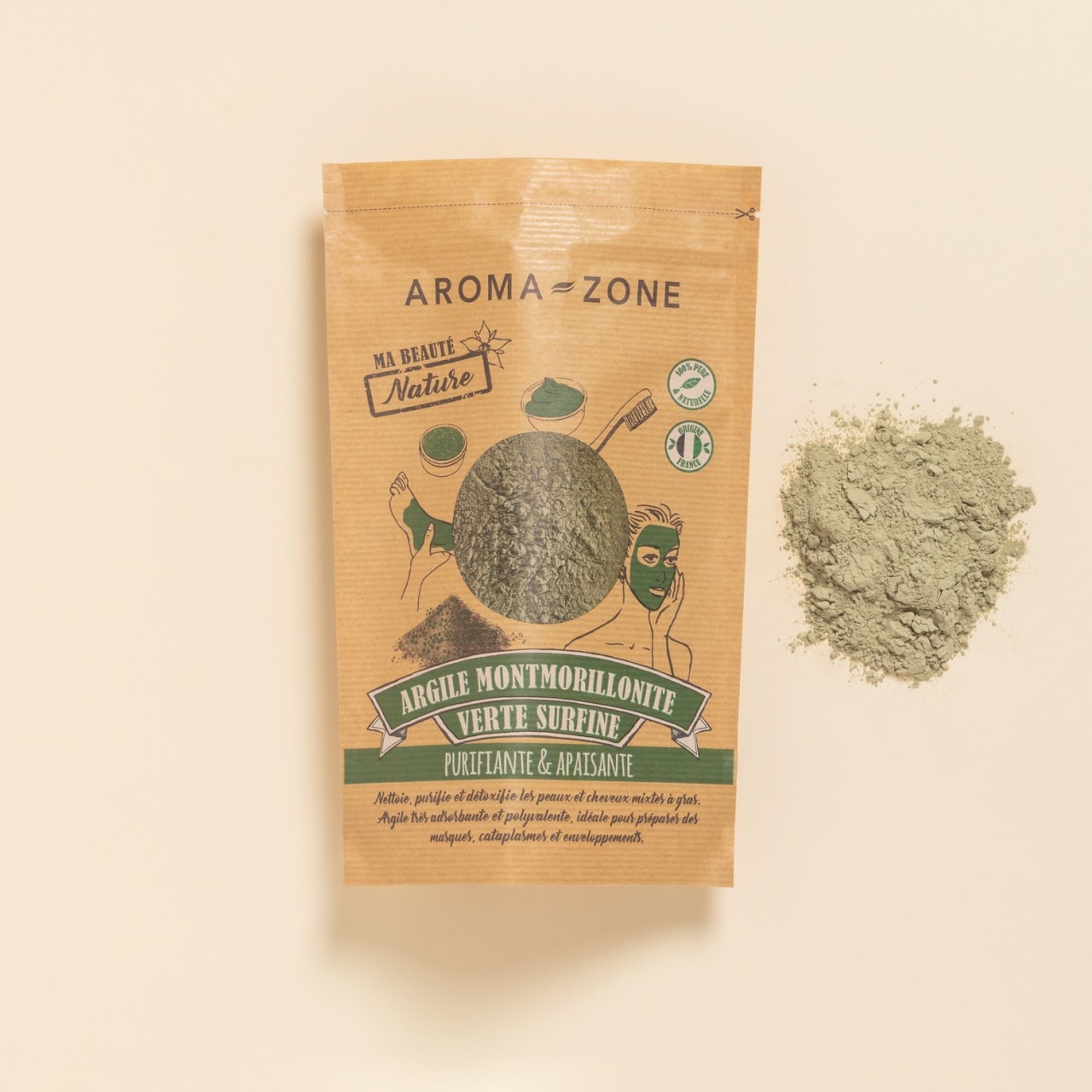
– Superfine Montmorillonite Green Clay: cleansing and anti-blemish, a stronger purifying option best suited to very oily skin.
Pink
– Superfine Pink Clay: purifying yet gentle, a good middle-ground for normal to combination skin.
Yellow
– Superfine Yellow Clay: known for radiance and purifying properties, good for dull, tired-looking skin.
Red
– Superfine Red Clay: purifying, often used for its stimulating, revitalising reputation.
Each Aroma Zone mask is carefully formulated to bring you the benefits of nature. Whether it's to purify, moisturise, soothe or tone, our natural masks are there to meet all your skin's needs, giving you healthier, radiant, revitalised skin. Adopt them as part of your skincare routine and discover skin transformed by the power of natural ingredients.
Mask or peel: What's the difference?
A peeling mask is a face mask with exfoliating properties. Unlike other masks, which act on the surface, a peeling mask removes dead skin cells deep down.
It contains fruit acids or enzymes that dissolve the bonds between dead cells, making them easier to peel off. As it dries, the mask forms a film that is removed to reveal smoother, brighter skin.
Good to know
If your skin is prone to blemishes, blackheads and open pores, a peeling mask can help address these concerns by gently exfoliating dead skin cells and unclogging pores, revealing a smoother, clearer complexion.
Peeling masks also help to regenerate the skin by stimulating cell renewal and promoting the absorption of active ingredients in subsequent treatments.
However, peeling masks are not recommended for sensitive, reactive or irritated skin, or for thin or fragile skin.
How to apply a face mask correctly
To enjoy the benefits of a face mask, there are a few guidelines to follow when applying it:
Prepare your skin by cleansing it thoroughly with a make-up remover and a gentle cleanser.
Gently pat your skin dry with a clean towel.
Apply the mask in a thick layer to the face, avoiding the eye and lip areas.
Leave the mask on for the time indicated on the product (generally 5 to 20 minutes, depending on the mask).
Rinse thoroughly with clean water and pat your skin dry gently with a clean towel.
For best results, we recommend using a face mask once or twice a week, depending on your needs and skin type.
How do I choose the right mask?
There are a multitude of face masks on the market, which can make the choice difficult. To find the mask that's right for your skin, it's important to take a number of criteria into account:
The type of skin: each skin type has specific needs. It's therefore advisable to choose a mask according to your
skin type (oily skin, dry skin, sensitive skin, combination skin, etc.).
The properties of the mask: depending on your needs, you can opt for a purifying, moisturising, soothing or toning mask.
The texture of the mask: some people prefer cream masks, while others prefer gel or fabric masks. It's important to choose a texture that suits your skin and your preferences.
Mask ingredients: we recommend reading the list of ingredients to avoid irritating or allergenic products. You can also opt for natural and organic ingredients.
How often should I use a mask?
The frequency depends largely on your skin type and your specific needs. Here are a few recommendations to guide you:
Normal to combination skin: if you have normal to combination skin and no particular skin problems, applying a mask once a week is generally enough to keep your skin radiant and healthy.
Oily skin: if you have oily or blemish-prone skin, you may want to consider using a mask twice a week. Purifying masks can help control excess oil and unclog pores.
Dry skin: dry skin benefits from moisturising masks. If you have dry skin, use a mask once a week to rehydrate and deeply nourish.
Sensitive skin: sensitive skin needs to be treated gently. Use a soothing mask once every fortnight to calm irritation and redness.
Mature skin: if you have mature skin, you can opt for a firming or anti-ageing mask once a week to help stimulate collagen production and prevent the signs of ageing.
Specific problems: if you have specific skin problems, such as acne, hyperpigmentation or dull skin, follow your dermatologist's recommendations to determine the appropriate frequency of masks.
It's important not to go overboard with masks, as excessive use can sometimes cause skin imbalances. The key is to listen to your skin and adjust the frequency accordingly to maintain healthy, glowing skin.
If you have any doubts, don't hesitate to consult a skin care professional for personalised advice.
What should I do before and after applying a mask?
Before applying a mask, it's essential to prepare your skin properly.
Start by thoroughly cleansing your face to remove impurities and make-up residue.
Use a gentle cleanser and, if necessary, a light scrub to exfoliate your skin and open up the pores. This step allows the ingredients in the mask to penetrate better and be more effective.
After removing the mask:
Rinse your face with warm water to remove any product residue.
Gently dry your skin with a clean towel, patting rather than rubbing.
To finish your routine, apply a toner to rebalance your skin's pH, followed by a serum tailored to your specific needs.
Finally, don't forget to moisturise your skin with a moisturising cream to seal in the benefits of the mask and keep your skin nourished and protected.


