Moisturising mask: discover our natural recipes for soft skin

Moisturising mask: discover our natural recipes for soft skin


By Lauréna Valette

Published on: Wednesday, December 06, 2023, Updated on: Friday, October 30, 2026

This is a habit to maintain year-round to care for your skin: a hydrating mask gives you a fresh, radiant complexion in just one application. When incorporated into your beauty routine, it helps combat the harmful effects of pollution, stress and seasonal changes. Let’s explore natural recipes for hydrating masks to enjoy soft skin.

Contents

Related products

What is a hydrating mask?

In ancient Egypt, Cleopatra used masks made from figs and donkey milk. The idea was to reduce wrinkles and provide the skin with antioxidant protection. This beauty ritual has not disappeared over the centuries—quite the contrary. The moisturising mask is a quick solution to hydrate the skin, soothe tightness and restore suppleness. It’s a useful treatment, especially when the face is exposed to external aggressors, such as cold weather or pollution. There are many moisturising masks available on the market—particularly in the form of sheet masks—but it’s also possible to make one at home to rid the skin of impurities using natural ingredients.

Why make a homemade mask?

  • Increase skin hydration: by using active ingredients with moisturising properties, the mask will stimulate the skin’s natural production of moisture and deeply hydrate it. This will help prevent wrinkles.

  • Strengthen the hydrolipidic film: the mask forms a hydrolipidic film that protects the skin from bacteria and improves the impermeability of the skin barrier.

  • Limit water loss: the mask makes it difficult for water to evaporate. By trapping moisture within the skin layers, it enhances the hydrating effect.

How often should you use a moisturising mask?

If you have dry or combination skin, apply a moisturising mask once a week to enjoy its benefits. Those with oily skin should apply it every two weeks.

Which mask should you use to hydrate your skin?

A nourishing avocado mask

Rich in fatty acids—including oleic acid—avocado is an excellent moisturiser. It deeply nourishes the skin and prevents dryness and flaking. Additionally, it’s a natural source of antioxidants (including vitamin E), which protect the skin from damage caused by free radicals. 

  1. Mash half a ripe avocado and mix with two tablespoons of crème fraîche for normal to combination skin (or one teaspoon of vegetable oil for dry skin).

  2. Apply the mixture to your face and wait 10 to 20 minutes.

  3. Rinse with lukewarm water.

A hydrating and anti-redness mask

Cucumber, rich in water, acts as a natural moisturiser. It revitalises the skin and reduces the feeling of dryness, while soothing irritated skin thanks to its anti-inflammatory properties. Its vitamin content promotes a more radiant and even complexion, free of redness.

  1. Peel a cucumber and mash the flesh.

  2. Apply a thick layer to your face.

  3. Leave on for 15 minutes, then rinse with cold water.

A moisturising mask with olive oil

The anti-ageing properties of olive oil help smooth out wrinkles and fine lines while deeply nourishing the skin. The skin is left soothed, softer, and more supple. 

  1. In a bowl, mix one teaspoon of yoghurt, one tablespoon of honey, and one teaspoon of olive oil.

  2. Apply the mixture to your face with a gentle massage.

  3. Leave on for 20 minutes.

  4. Rinse with cold water.

Beauty mask for a healthy glow

Honey is known for its antioxidant, soothing, and moisturising properties. Combined with lemon—rich in vitamins—it revitalises the skin and smooths its texture.

  1. In a bowl, mix one tablespoon of honey with the juice of one fresh lemon.

  2. Apply to the skin and leave on for 15 minutes.

  3. Rinse with clean water.

Soothing banana mask for oily skin

Rich in nutrients such as vitamin C and antioxidants, bananas nourish the skin, promote elasticity, and reduce signs of ageing. Those with oily skin particularly appreciate it for its natural enzymes, which gently exfoliate the skin and promote a brighter complexion.

  1. In a bowl, mash a ripe banana and add a teaspoon of honey.

  2. Apply to your face and leave on for 15 minutes.

  3. Rinse off with cool water using a washcloth.

Anti-dry skin mask

Honey soothes dry, irritated skin, resulting in a softer skin texture. Wheat germ is rich in vitamin E, a powerful antioxidant that deeply nourishes and hydrates.

  1. In a bowl, mix one teaspoon of honey, one teaspoon of wheat germ oil, and two tablespoons of yoghurt.

  2. Apply to the face and leave on for 20 minutes.

  3. Remove with a cotton pad soaked in rose water.

Mask for acne-prone skin

With healing, anti-infectious and anti-inflammatory properties, honey also helps soothe acne-prone skin. Combined with yogurt, which regulates excess sebum and tightens enlarged pores, it makes for a very easy-to-make moisturising mask. 

  1. In a bowl, mix one yoghurt with one teaspoon of honey.

  2. Apply to your face.

Let it sit for 15 minutes before rinsing 

How do you make a natural moisturising mask?

  1. Your moisturising mask should be applied to skin that is completely cleansed and free of makeup. 

  2. Before doing so, perform a facial scrub, which will enhance its effectiveness by removing impurities and excess sebum that clog pores. The active ingredients in the mask will then penetrate more easily.

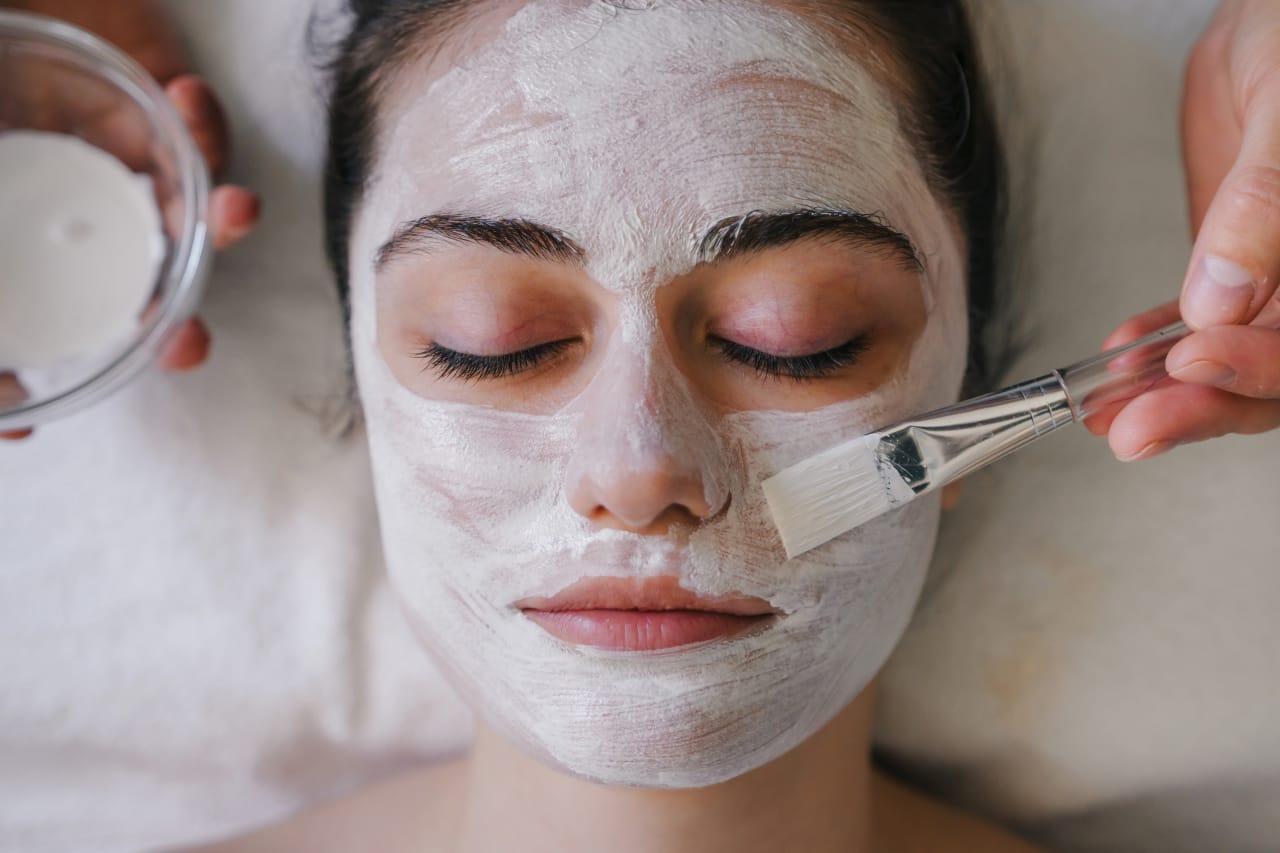
  3. Apply it evenly to dry skin in a medium-thick layer. You can use a special mask brush or your fingers. Avoid the eye area, which is more delicate and may react to certain ingredients. 

  4. Leave the mask on for 10 to 20 minutes. 

  5. Rinse it off with clean water. Then, all you need to do is apply your serum and moisturiser—day or night, depending on the time of day. 

You can also check out our feature: DIY: Homemade Mask Recipes for Revitalised, Radiant Skin

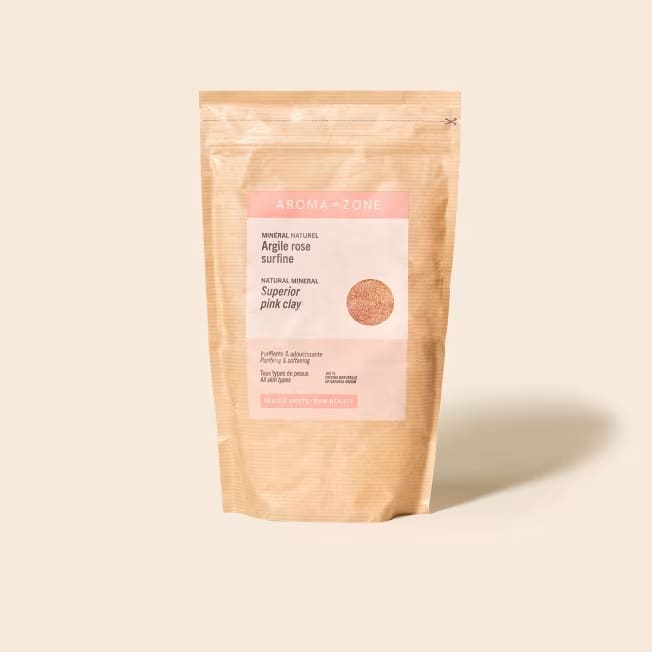
Extra-fine pink clay

Superfine pink clay

Pink clay has a soothing effect; it gently purifies delicate skin and restores radiance to the complexion, making it a top choice in cosmetics. It’s especially ideal for making masks or colouring your homemade soaps.

Discover Surfine Pink Clay

When is the best time to apply a face mask?

The hydrating face mask can be applied in the evening, before going to bed. This way, your face will take advantage of the night to absorb the active ingredients, and when you wake up, your skin will be fully revitalised. Note: if you leave it on overnight, choose gentle ingredients to avoid any potential tightness. It can also be applied after a shower or bath. Your pores are more open then, allowing the ingredients to be better absorbed by the skin. 

Spotlight On Our Writer: Lauréna Valette

Lauréna Valette

Lauréna is a journalist specialising in lifestyle, wellness and psychology. Alongside her writing, she travels the world, discovering all it has to teach us.

Bibliography

  1. Facial Hydration

    https://www.sciencedirect.com/science/article/pii/S0515370011708874

  2. Moisturizing mask, exfoliating treatment

    https://web.archive.org/web/20180718225448id_/https://www.karger.com/Article/Pdf/83762

  3. Non-toxic cosmetics: New recipes

    https://books.google.com/books?hl=fr&lr=&id=9ihJEAAAQBAJ&oi=fnd&pg=PT59&dq=masque+hydratant+visage&ots=24C_Kp8DBU&sig=2V1NXnUDCH_q95pw9IjP3chAUts