



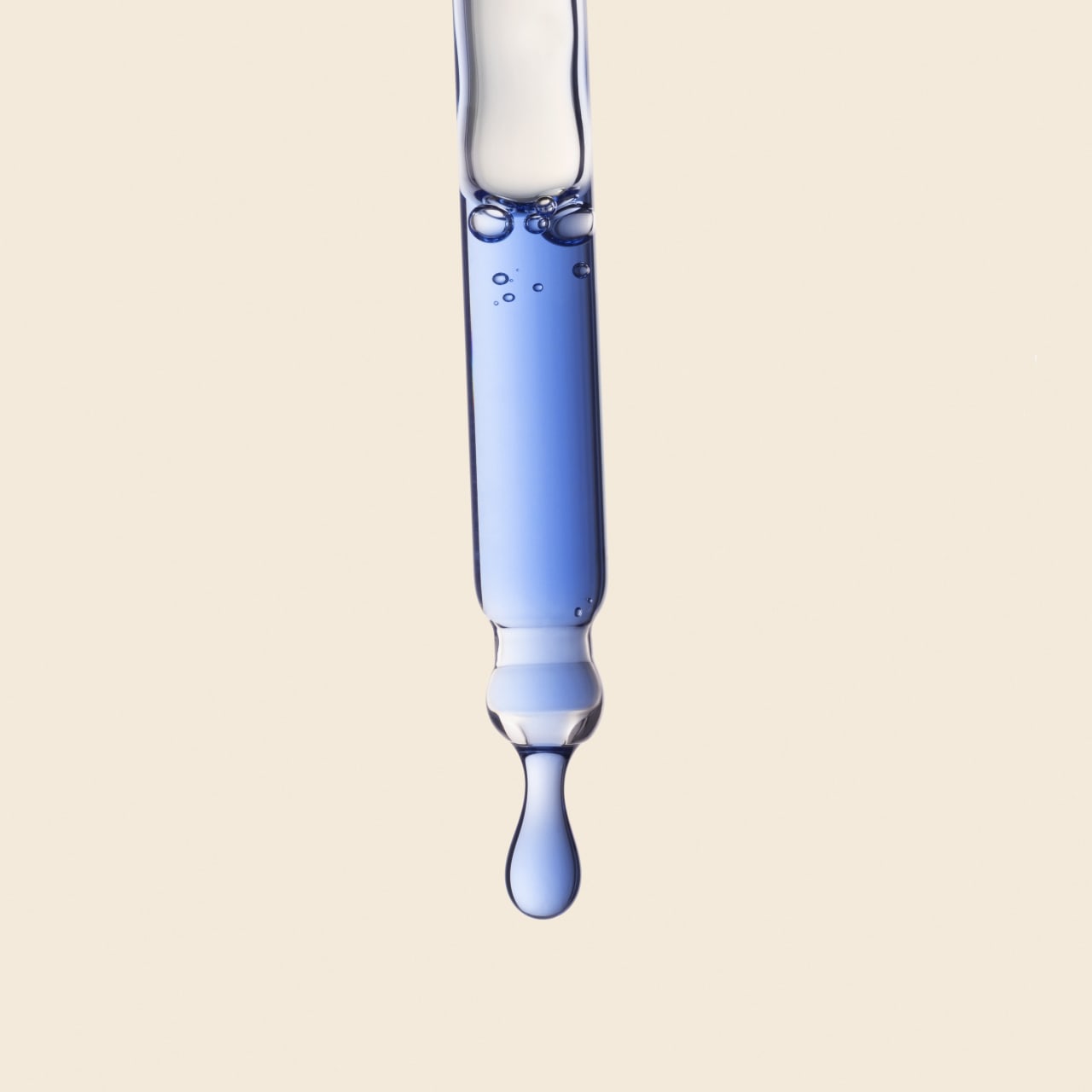
An active ingredient is what turns a basic cream into a targeted treatment. Add a few drops of the right one to your skincare, or build it into a formula of your own, and you can tailor your routine to exactly what your skin or hair needs.
Here's what they are, how to use them safely, and how to pick the right one.
What is a cosmetic active ingredient?
A cosmetic active ingredient is a substance added to a formula for a specific, targeted effect on the skin, hair or nails. The rest of the formula (water, oils, emulsifiers, thickeners) acts as the base that carries it.
Many actives come from natural sources such as plants, algae, fruit or cereals. Hyaluronic acid, for instance, can be produced by fermentation, while vitamin C is famously abundant in citrus fruits.
Each active is chosen to address a particular concern: hydration, anti-ageing, radiance, excess sebum, uneven tone, damaged hair, and even oral care.
Be aware: Active ingredients are concentrated, so a tiny amount goes a long way. That's precisely why using them properly matters.
Two ways to use an active ingredient
You don't have to be a seasoned formulator to get started. There are two ways in.
The quick way: Mix and apply
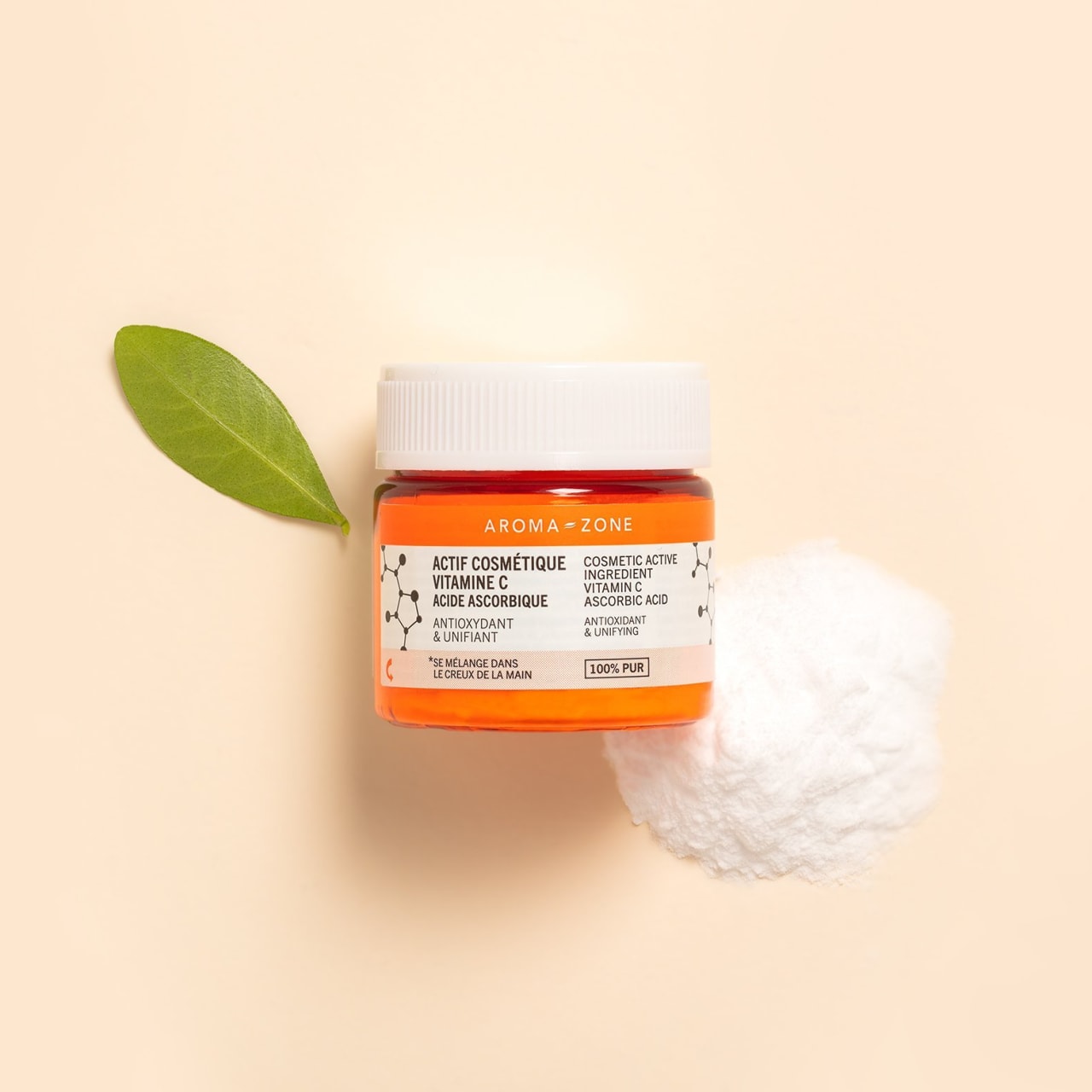
Some actives can be added straight to a ready-made base at the moment you use it. Aroma-Zone's Mix & Apply method is simple: one 0.05 ml scoop of active ingredient for three pumps of neutral cream or serum, mixed in the palm of your hand just before applying. It's ideal for actives that don't keep well once formulated, such as pure vitamin C. Ascorbic acid is sensitive to oxidation, which is why our Ascorbic Acid Pure Vitamin C is designed for this freshly mixed, use-it-now approach.
The DIY way: formulating from scratch
If you make your own creams, serums or gels, actives are added during the recipe. It takes a little more care, but it gives you complete control over the concentration and texture.
How to use an active ingredient in a homemade formula
Every active has its own instructions, set out on its product page and technical sheet. A few golden rules apply across the board.
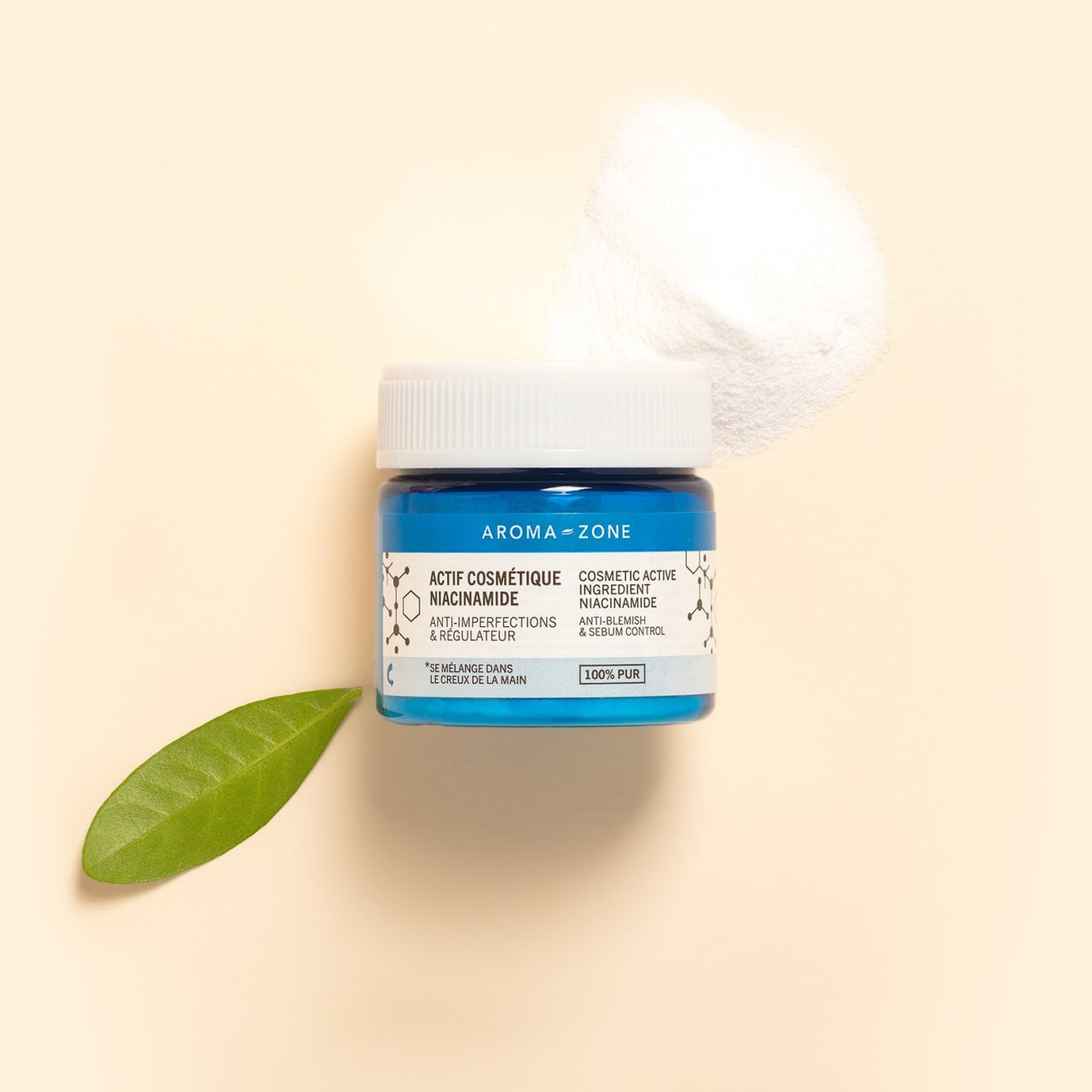
1. Stick to the recommended usage rate Each active comes with a usage rate, expressed as a percentage of your formula's total weight. Hyaluronic acid works at 0.1 to 0.5%, while Niacinamide is used at 1 to 7%. More isn't better: going over the recommended dose won't boost results and can upset sensitive skin.
2. Weigh precisely The quantities involved are tiny. For a 50 ml cream at 0.3% hyaluronic acid, you'll need just 0.09 g. A precision scale is a must-have for anyone serious about DIY skincare.
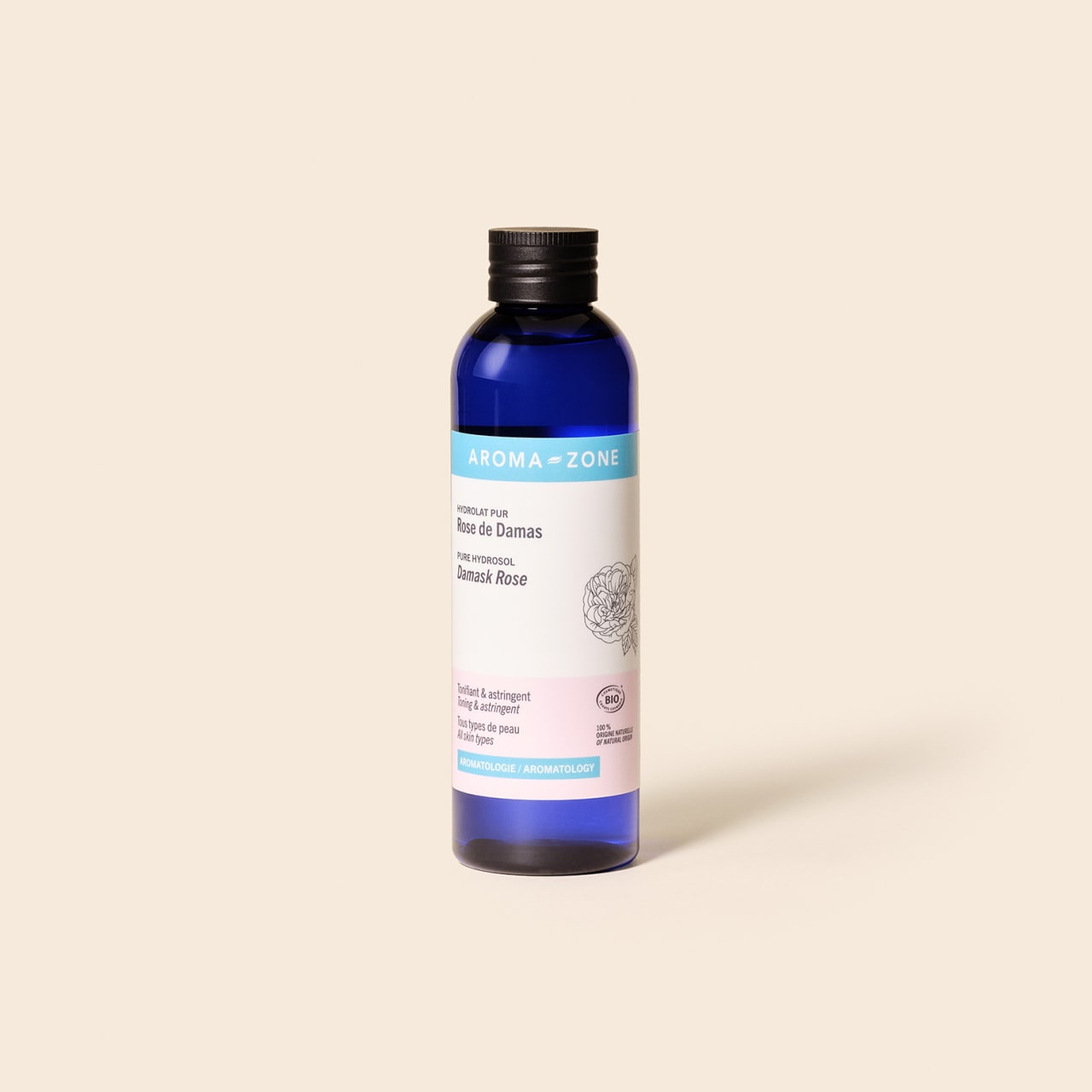
3. Check the solubility This is the step most beginners miss. A water-soluble active (such as hyaluronic acid, niacinamide or AHAs) goes into the water phase of your recipe: hydrosol, aloe vera juice or gel. An oil-soluble active goes into the oil phase. Put it in the wrong phase and it simply won't dissolve properly.
4. Add it at the right moment, usually at the end and when cold Many actives are heat-sensitive. Hyaluronic acid, for example, is added to the finished preparation once it has cooled. A handy tip: pre-mix the powder with a little vegetable glycerin to help it dissolve, then give it time to hydrate.
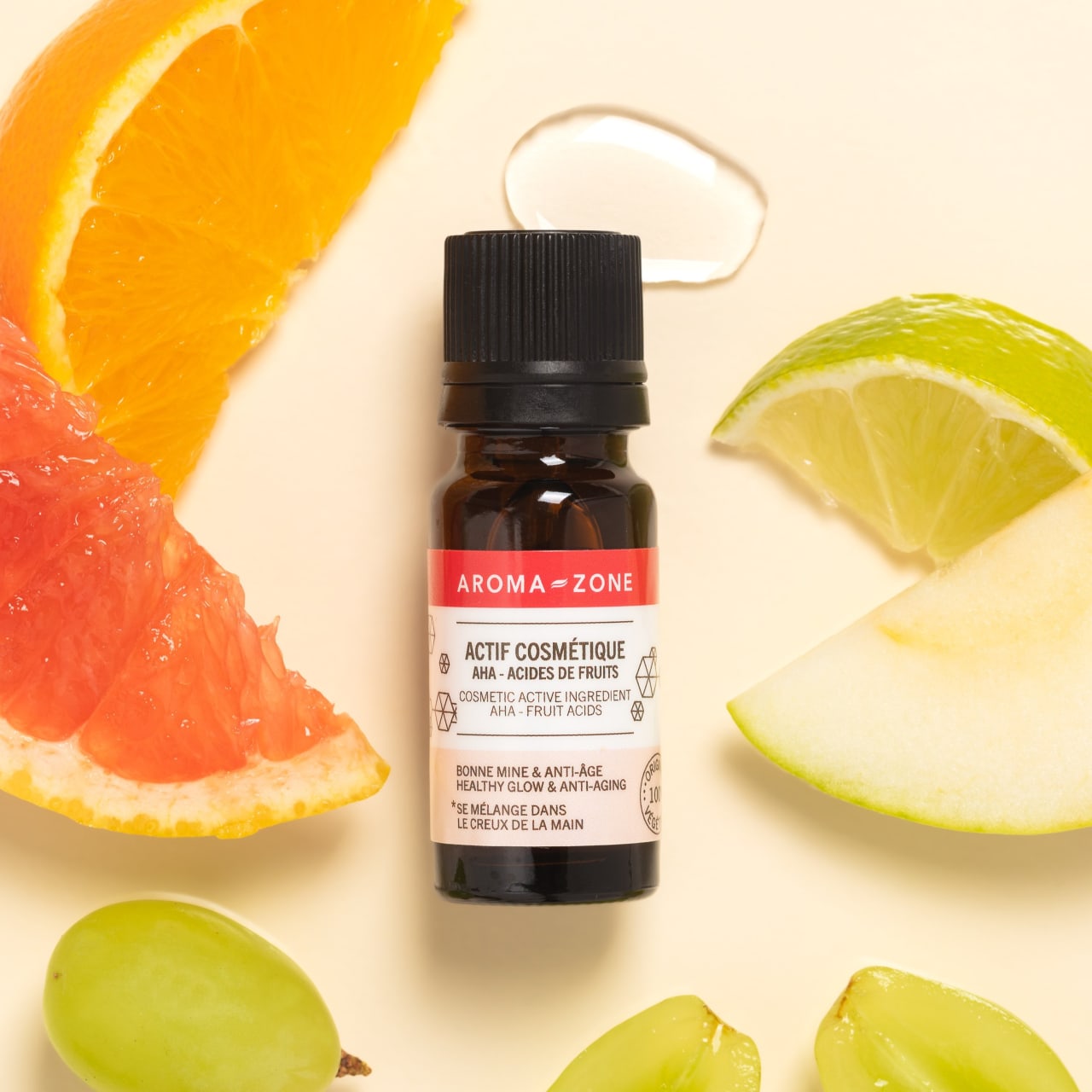
5. Watch the pH Some actives only work properly within a certain pH range. AHA Fruit Acids are recommended at pH 4.0–5.5. They shouldn't be combined with alkalising ingredients such as vitamin C, or used alongside clay masks.
6. Preserve anything containing water As soon as a formula contains an aqueous phase (creams, lotions, milks, gels), it needs a preservative to keep bacteria at bay. Cosgard, for instance, is added at 0.6% (about 6 drops per 30 g), when the formula is cold and has a pH of 7 or below. Browse our full range of preservatives and antioxidants.
7. Patch test first Before using a new formula on your face, try it on a small patch of skin, such as the inside of your elbow. If you have sensitive skin, you can add a soothing active such as bisabolol or allantoin to formulas containing acids.
Why choose natural active ingredients?
Natural active ingredients are derived from plants, minerals and other natural sources. Many are chosen for their gentleness and their lighter environmental footprint, and they often bring extra benefits thanks to the vitamins, antioxidants and other nutrients they naturally contain.
That said, natural doesn't automatically mean risk-free. Plant extracts can still cause reactions on reactive skin, so the golden rules above (the right dose, the right phase, a patch test) apply just as much to natural actives as to any other.
Which active ingredient is right for you?
Each active has its own area of expertise. Here's a guide to the main families.
Hydration
Hyaluronic acid: a powerful moisturiser that helps skin look plumper and smoother.
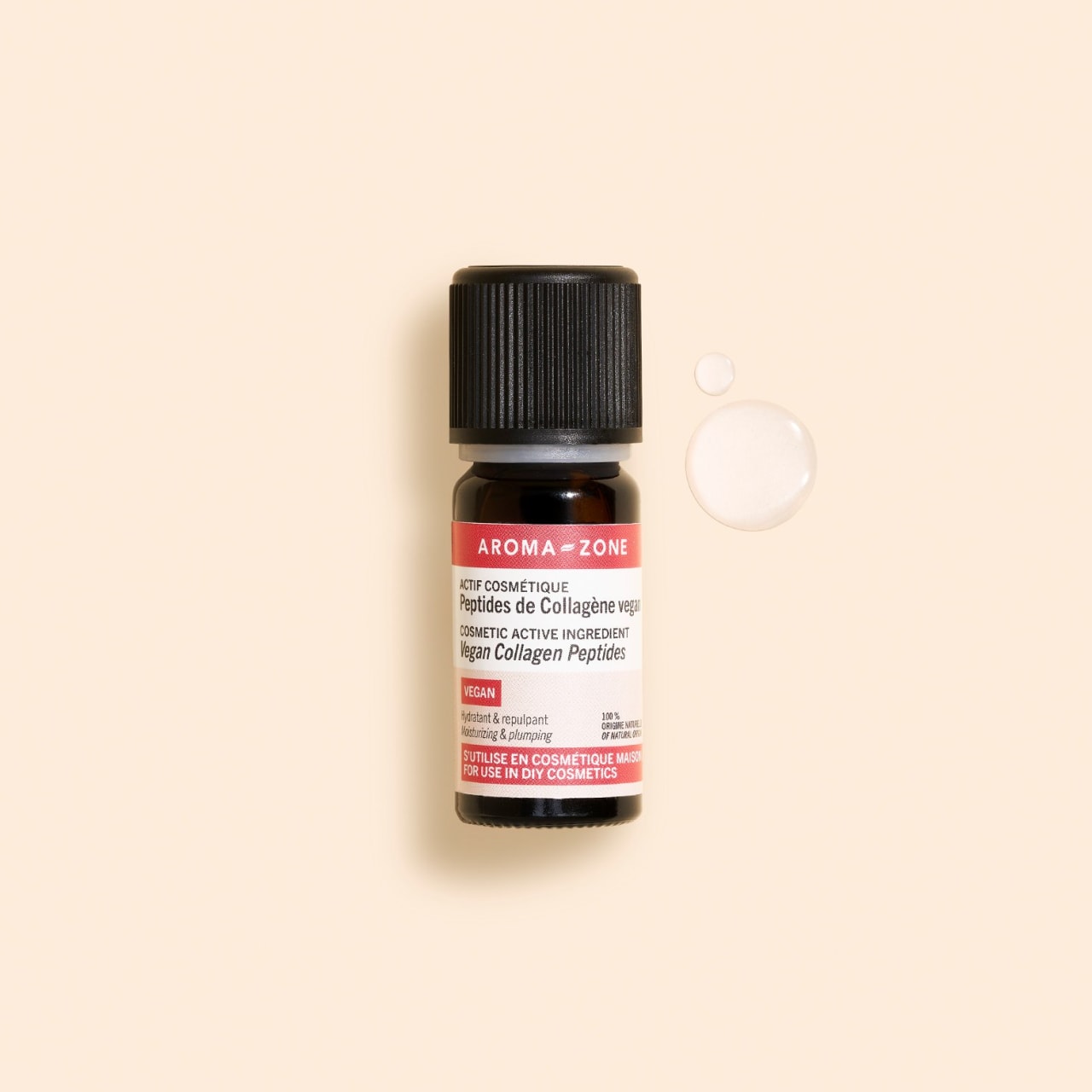
Plant-based collagen: the Plant-Based Collagen Active Ingredient and vegan collagen peptides help skin feel more supple and deeply moisturised.
Cucumber extract: refreshing and moisturising, it's a favourite for sensitive skin.
Aloe vera: known for its soothing and moisturising properties.
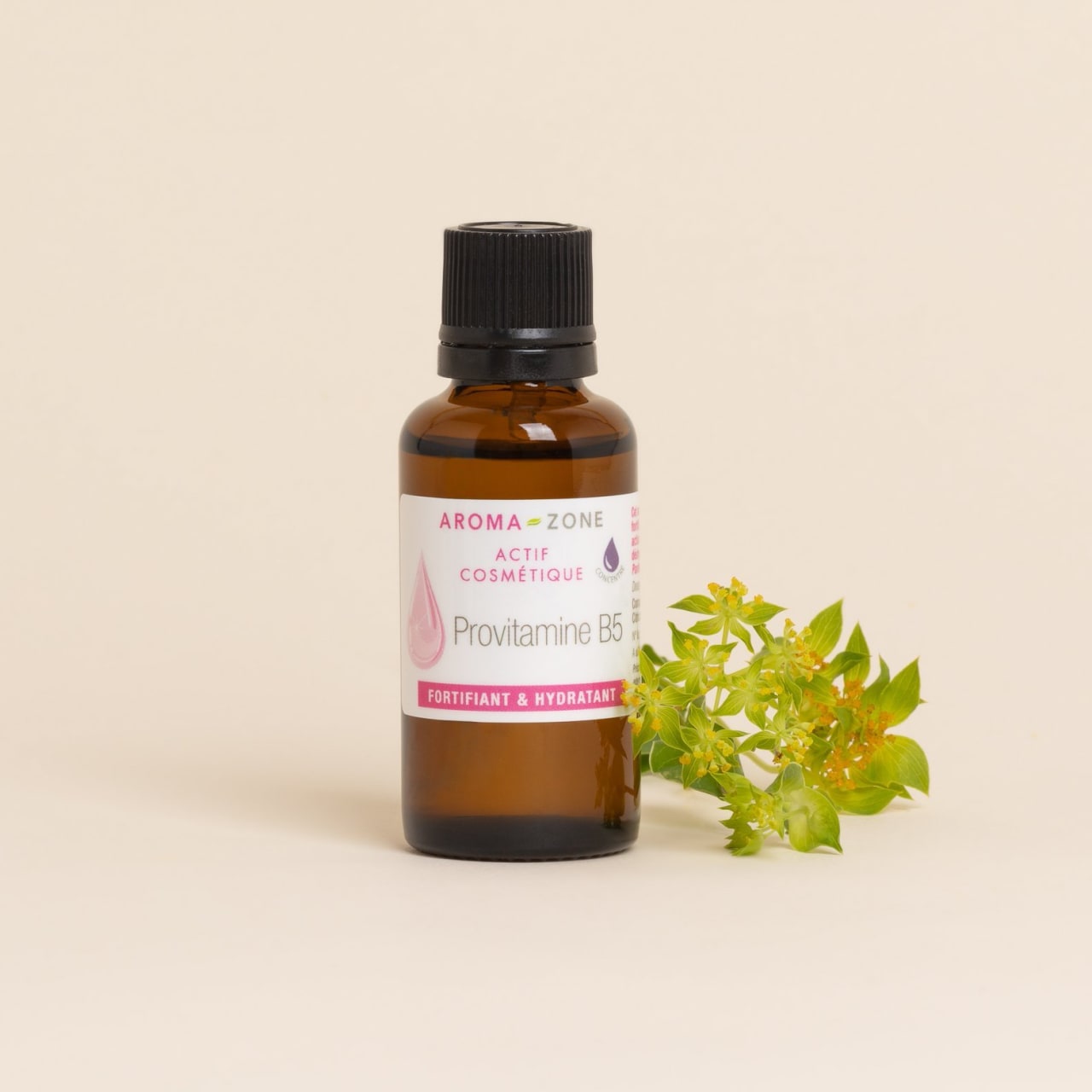
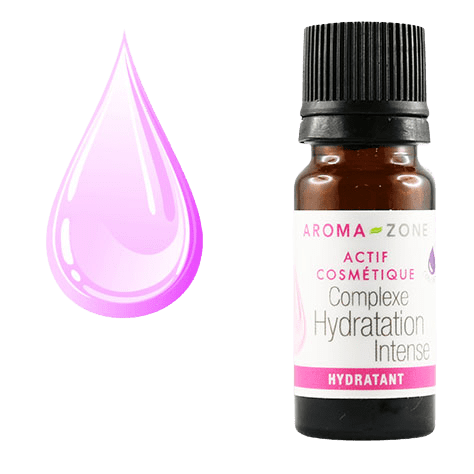
Intense hydration: our Intense Hydration Active Ingredient and Provitamin B5 (Panthenol) are easy additions to any moisturising base.
Purifying care for oily and blemish-prone skin
Niacinamide: helps regulate oily skin and refine the look of pores.
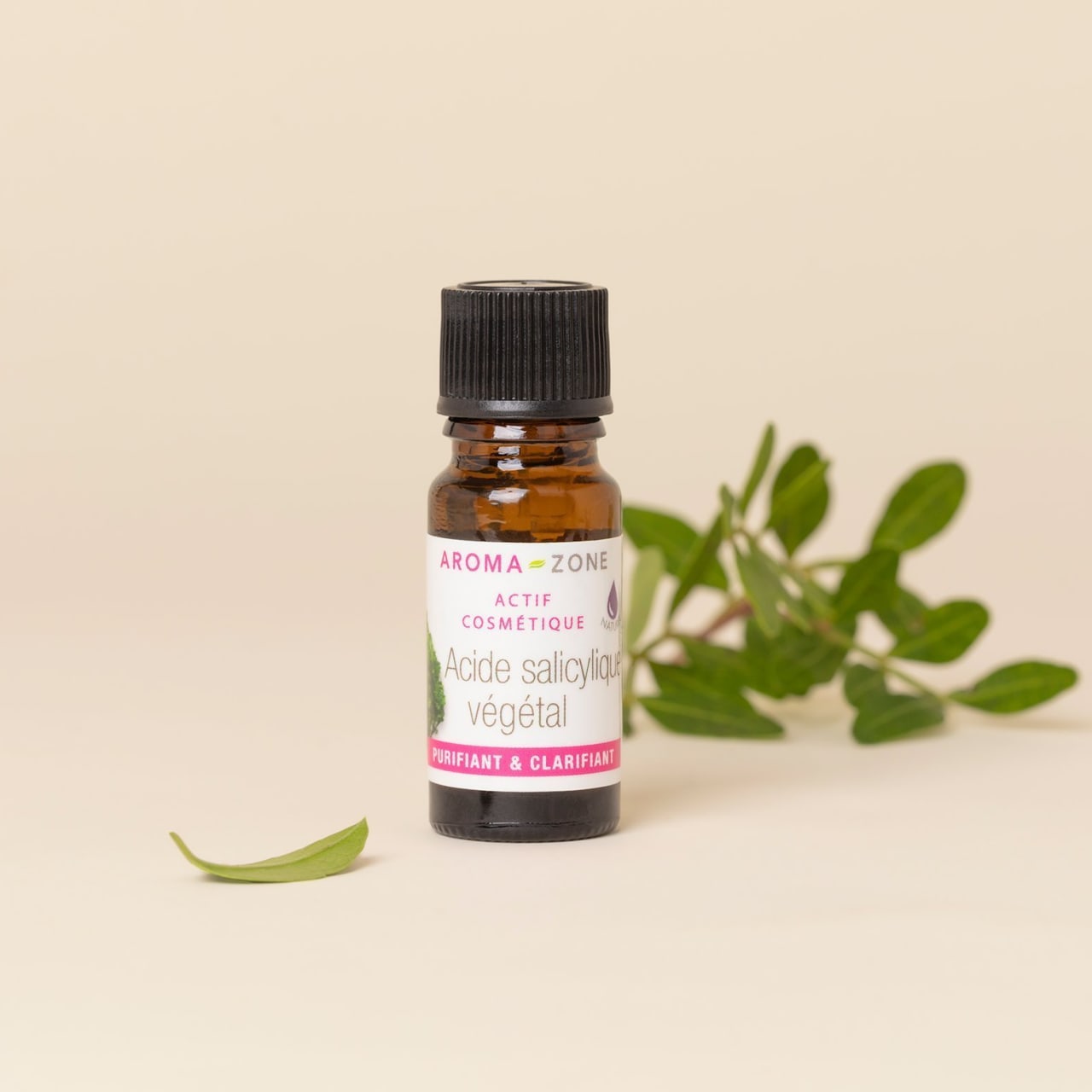
Salicylic acid: a gentle exfoliant that helps unclog pores and reduce imperfections. Ours is plant-derived.
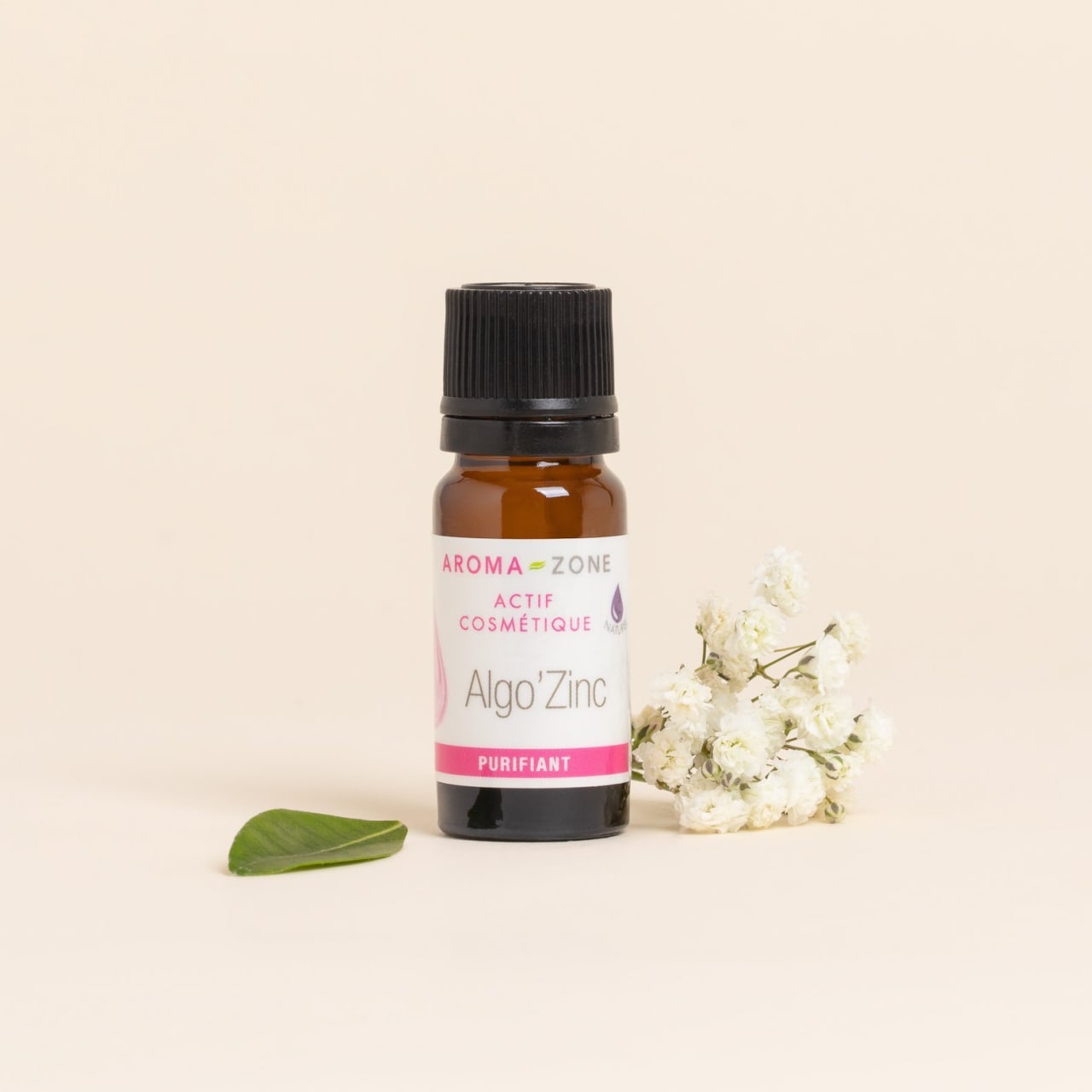
Zinc: Algo'Zinc is designed for purifying, sebum-balancing formulas.
Bamboo beads: a natural exfoliant that helps refine skin texture.
Tea tree extract: known for its purifying, antibacterial properties on blemish-prone skin.
For more tips, read our guide on how to regulate excess sebum naturally.
Anti-ageing
Vitamin C (ascorbic acid): a powerful antioxidant that brightens the complexion and helps reduce the look of wrinkles.
Bakuchiol: often described as a natural alternative to retinol, it helps smooth wrinkles and refine skin texture.
Caffeine: helps reduce the look of puffiness and dark circles while firming the skin.
Glycolic acid: an AHA exfoliant that encourages cell renewal and boosts radiance. You'll find it in our
AHA Fruit Acids, alongside lactic and citric acid.
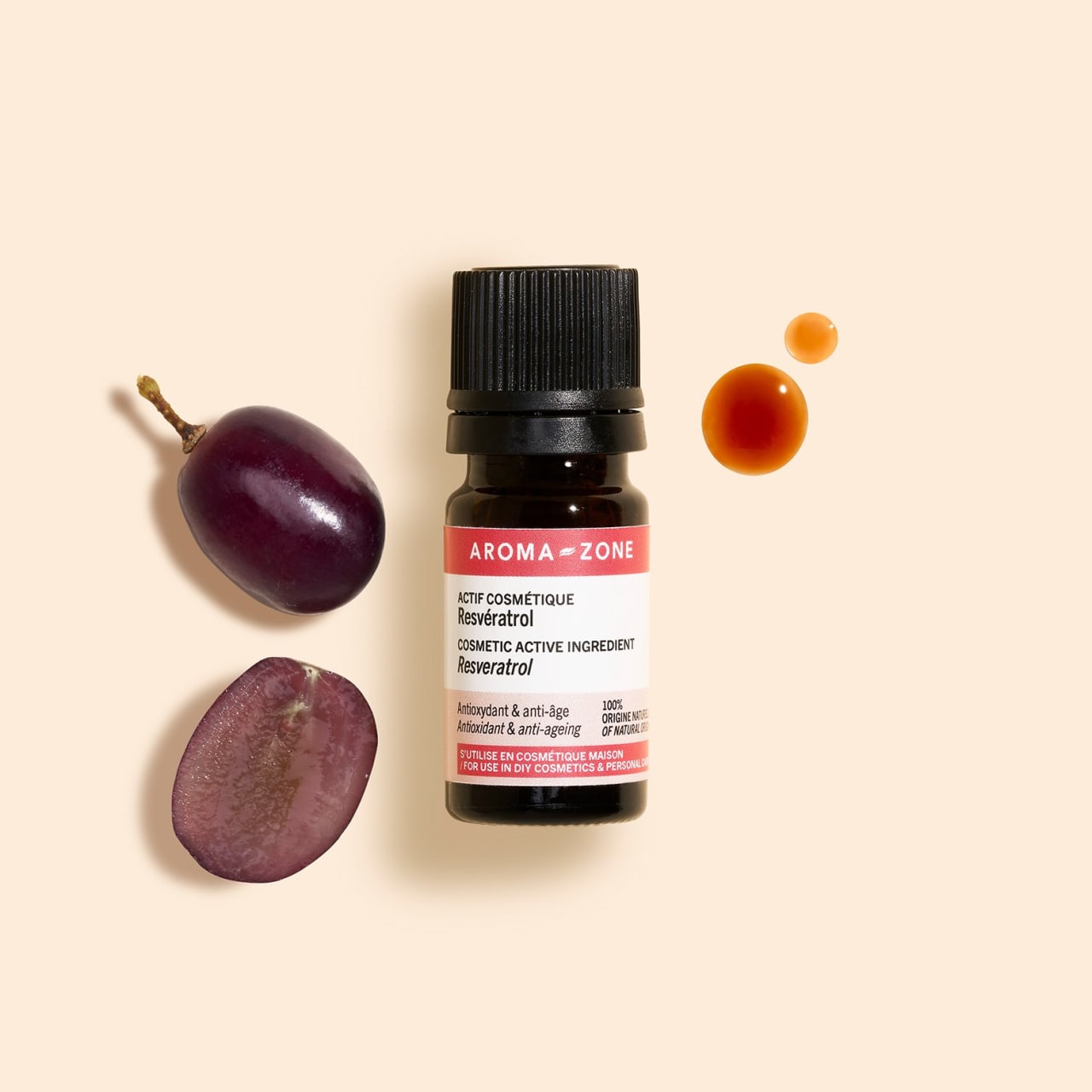
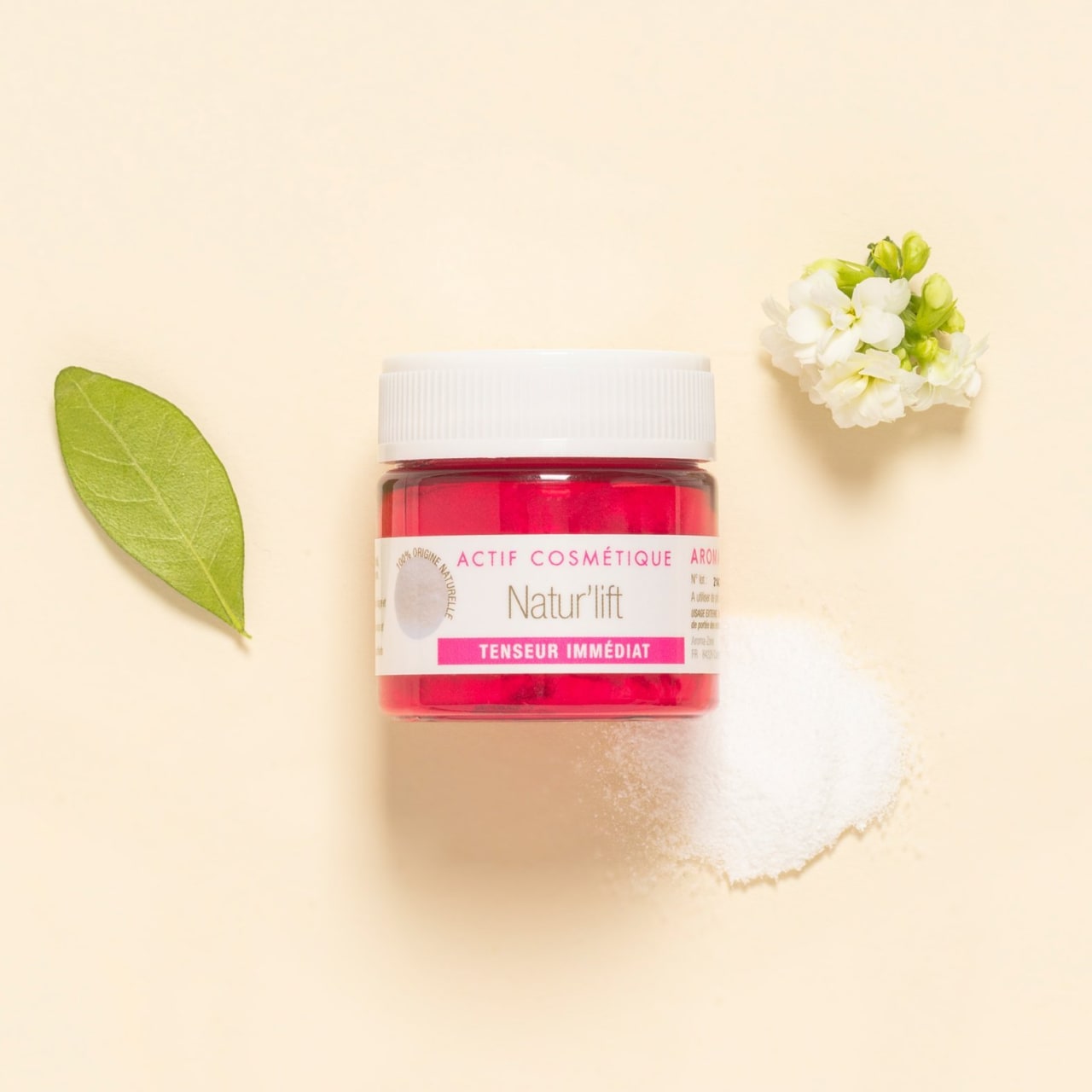
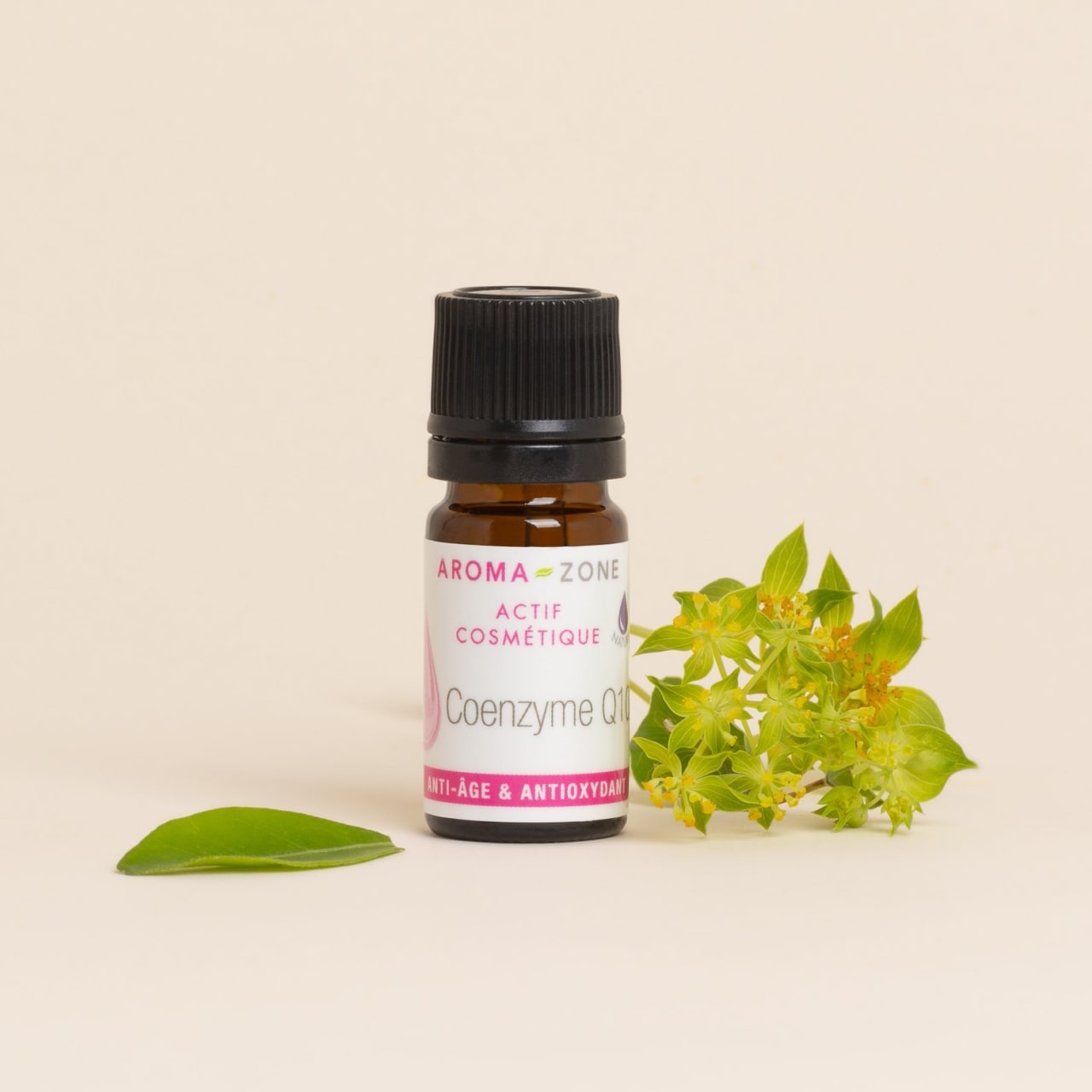
Antioxidants and firming actives: Coenzyme Q10, Resveratrol, Natur'Lift and Remodeller are all designed for mature skin routines.
To go further, explore our guide on how to prevent and reduce wrinkles naturally.
Haircare
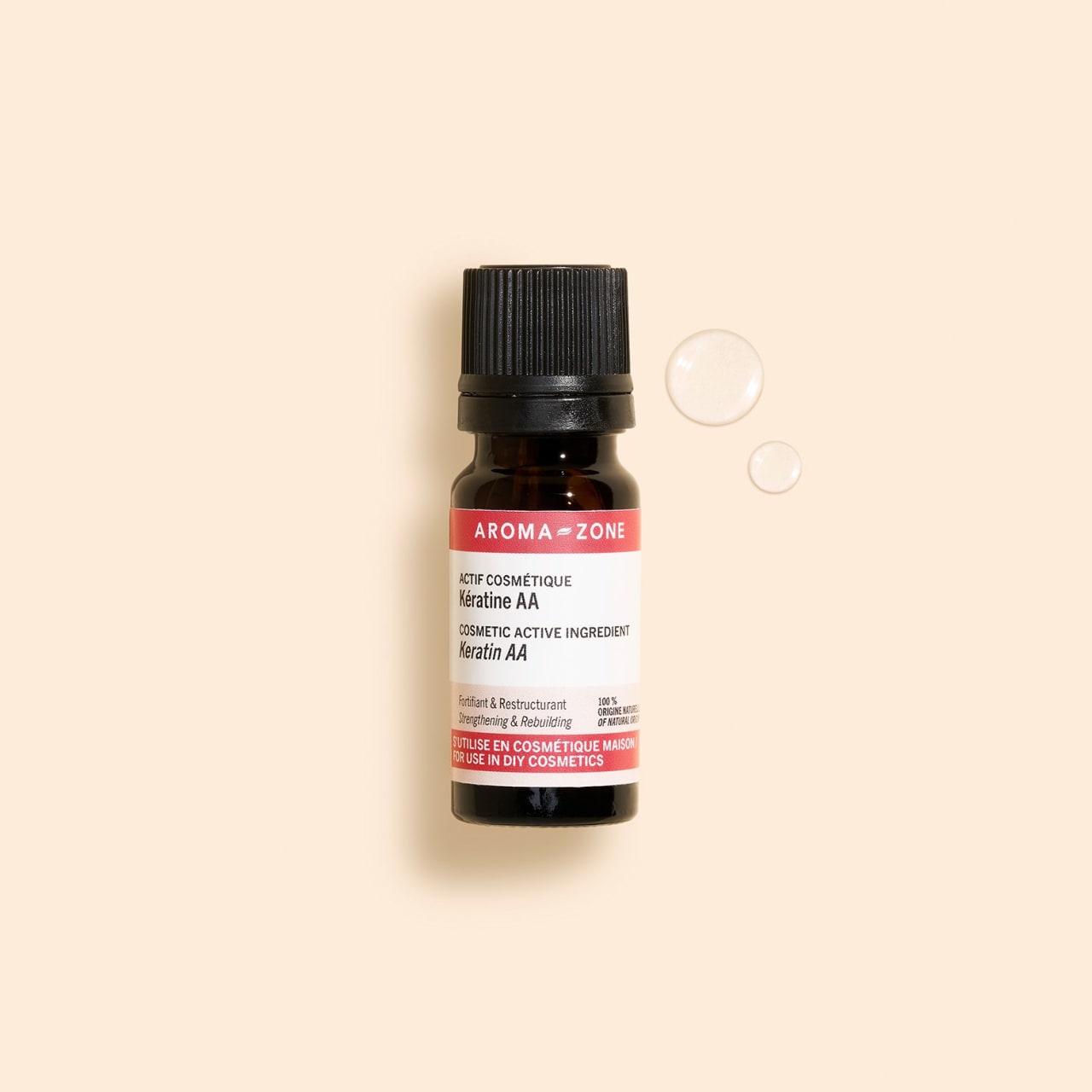
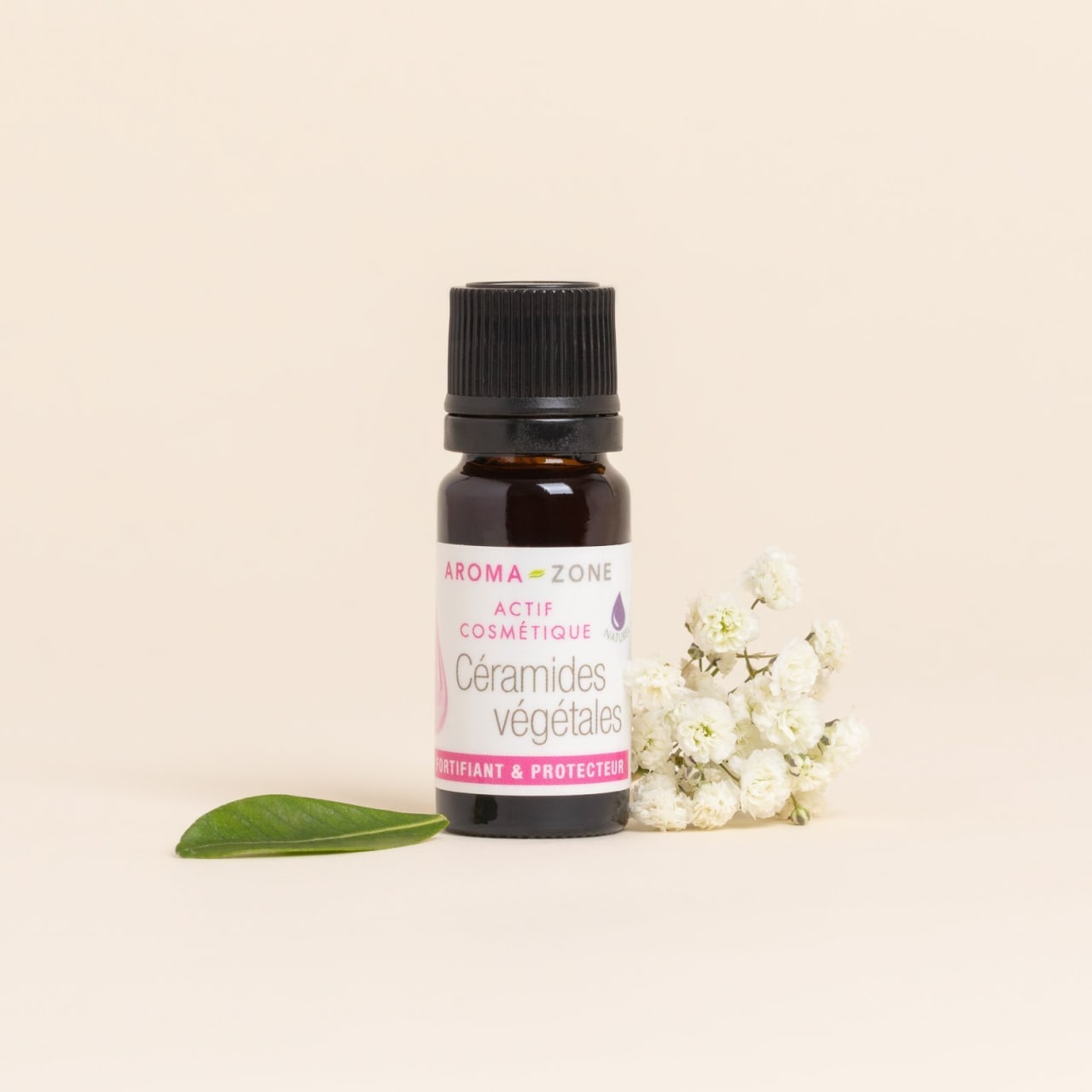
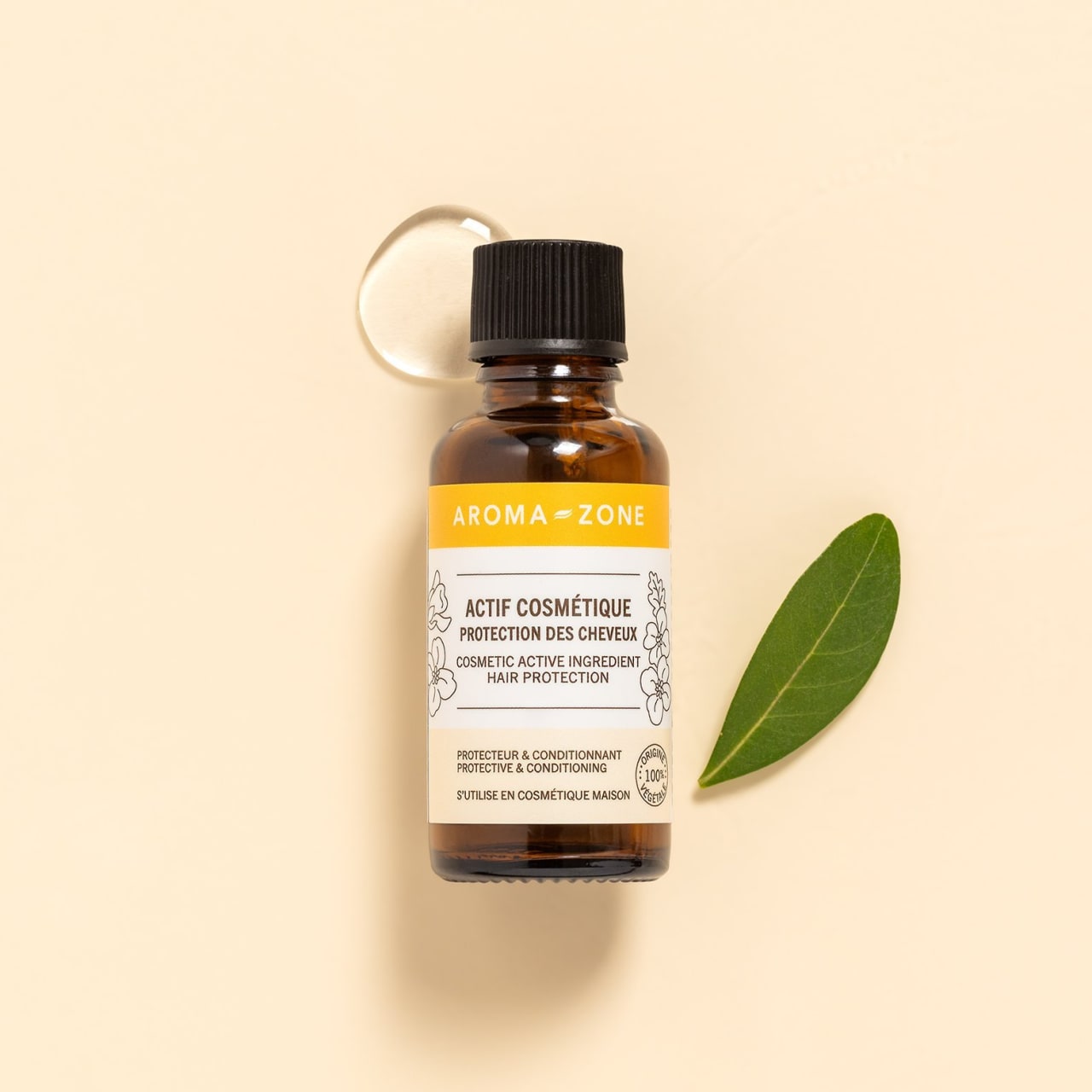
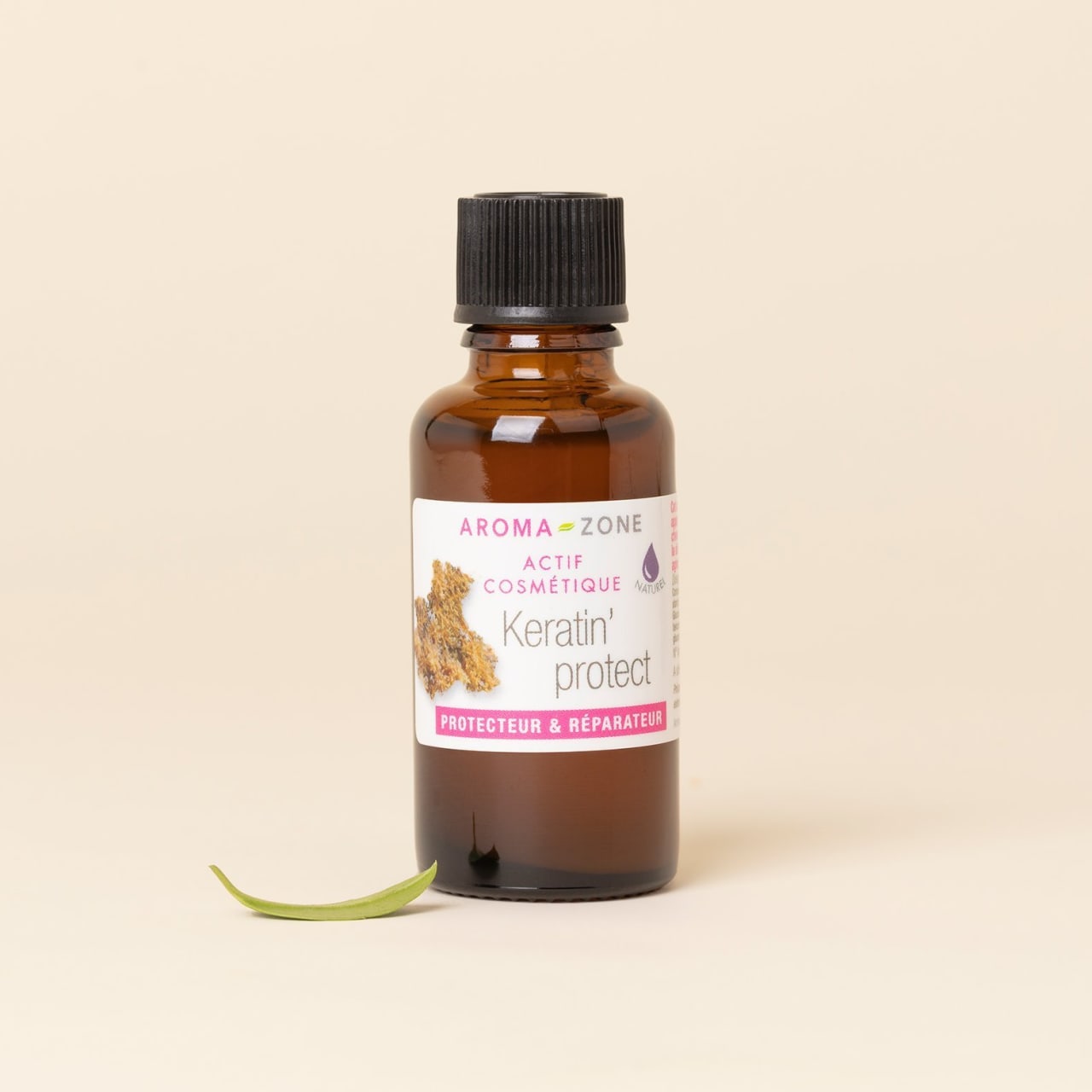
Strengthening and protecting: Keratin AA, Keratin'protect, Hydrolysed Rice Protein and plant-based ceramides help hair feel stronger and more resilient.
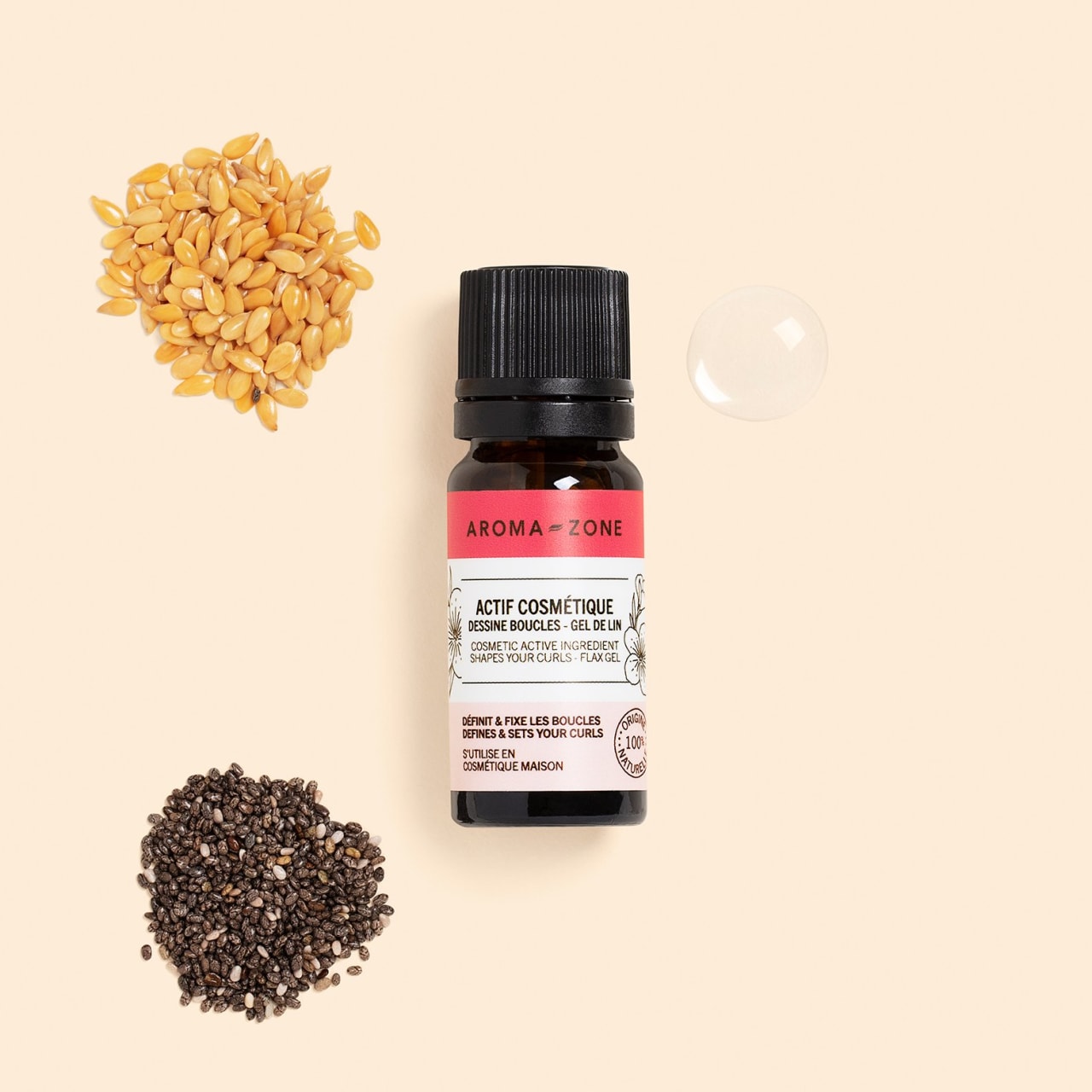
Curl definition: Curl-Defining Flaxseed Gel gives curls hold and bounce.
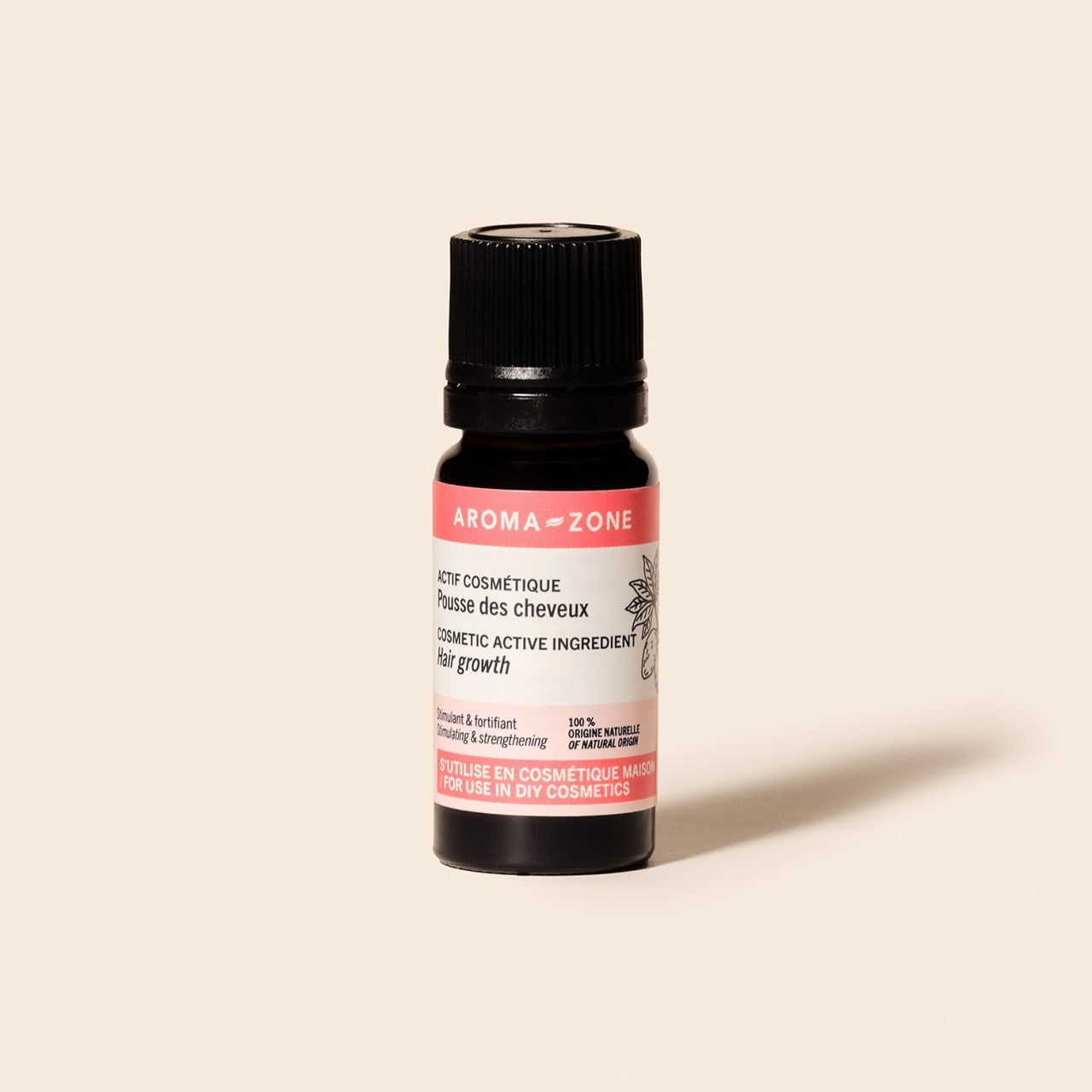
Hair growth rituals: try our Hair Growth Active Ingredient in this hair growth booster mask.
Browse all our active ingredients for hair.
Oral care
Birch xylitol: helps protect against cavities and supports good oral hygiene.
Erythrito: a natural sweetener known for being kind to tooth enamel.
Menthol crystals: bring a fresh feeling and help keep breath fresh.
Reparemail active ingredient: helps strengthen tooth enamel and protect it against demineralisation.
Getting started with active ingredients
If you're new to active ingredients, start with one at a time. Pick the active that matches your main concern, try it with the Mix & Apply method in a neutral base, and see how your skin responds over a few weeks before adding another. Once you're comfortable, you can move on to building your own formulas, adjusting the concentration to suit you.
Not sure where to begin? Our DIY recipes and tutorials walk you through each step, from your first serum to a full homemade skincare routine.


