

Using empty bottles for your homemade cosmetic preparations has a number of advantages. Firstly, they allow you to fully customise your skincare products, giving you the freedom to choose the ingredients to suit your specific needs. This not only guarantees the effectiveness of the products, but also their safety, as you control the ingredients used. What's more, empty bottles are often reusable, helping to reduce waste and adopt a more environmentally-friendly approach. What's more, they're practical for storing and transporting your cosmetic creations, ensuring that you can use them safely and hygienically.
The different types of bottles and their accessories
Empty bottles come in a range of materials and formats, each with its own characteristics and advantages:
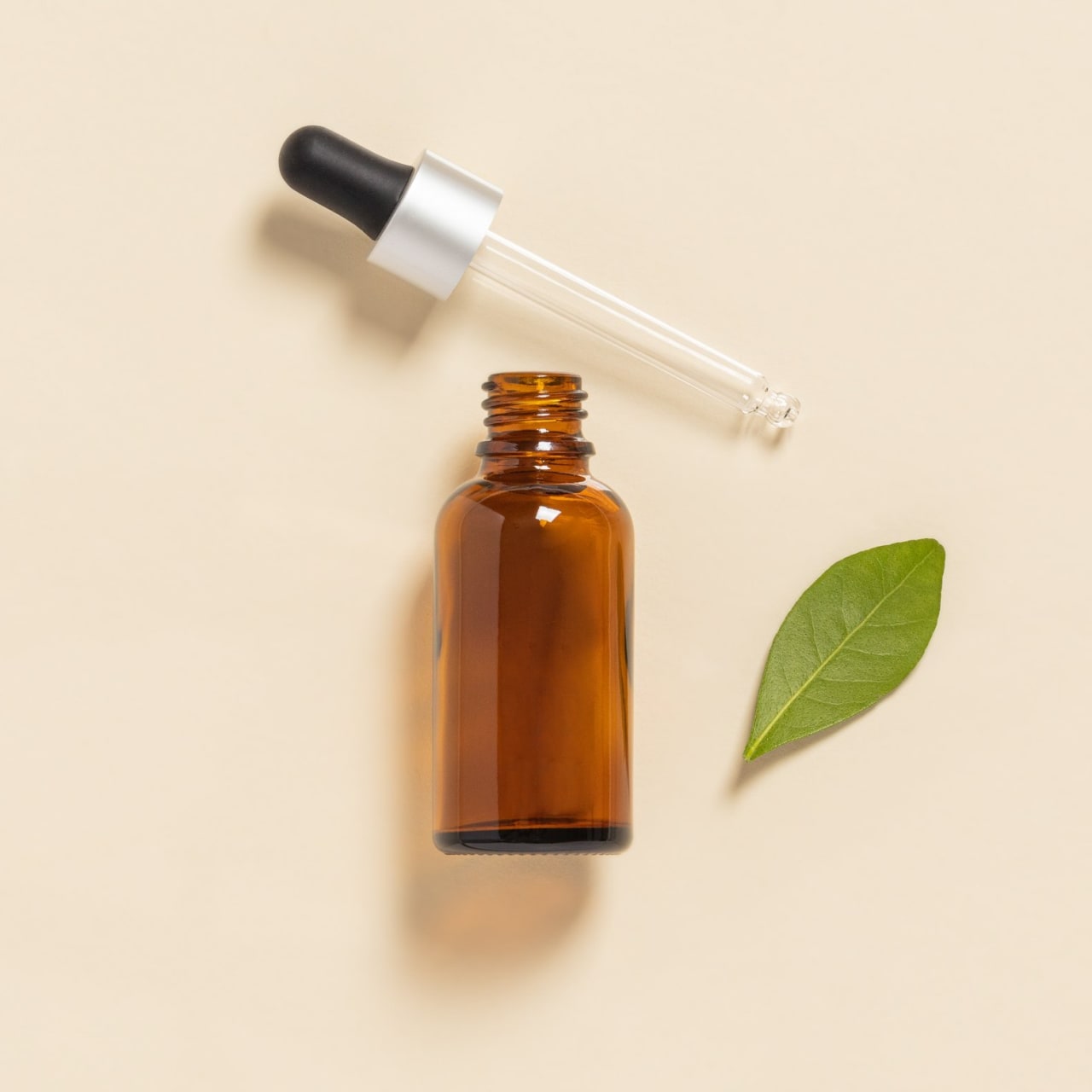
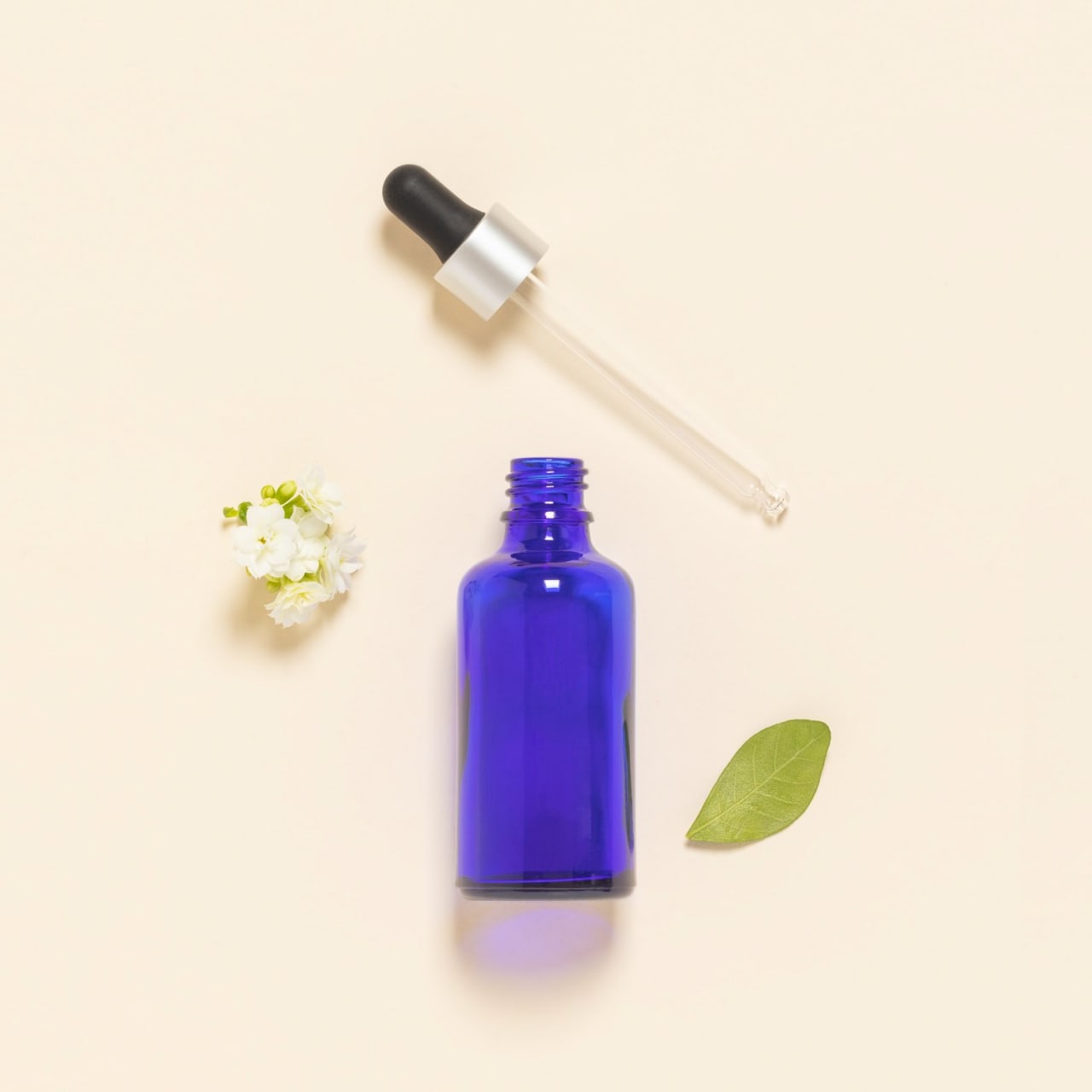
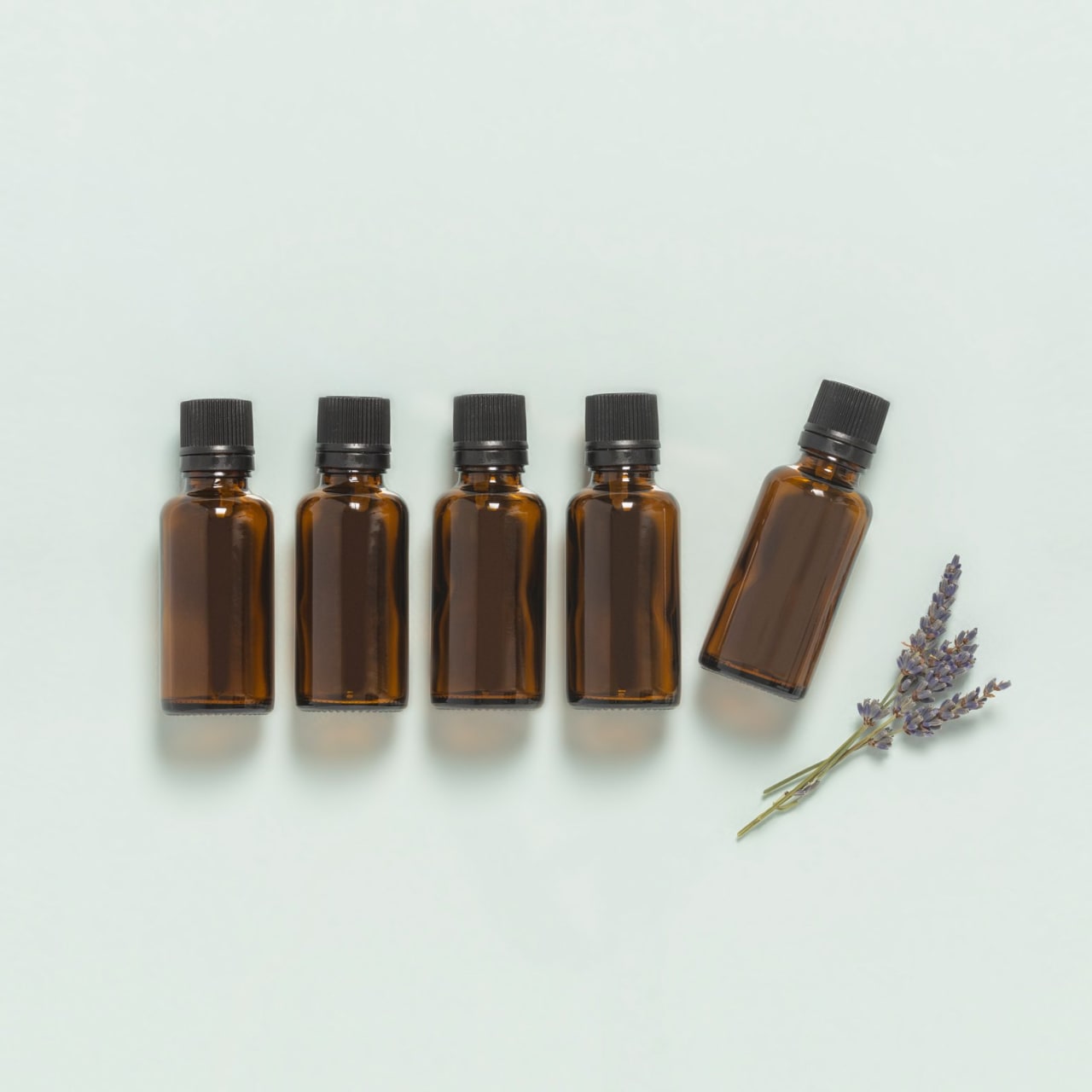
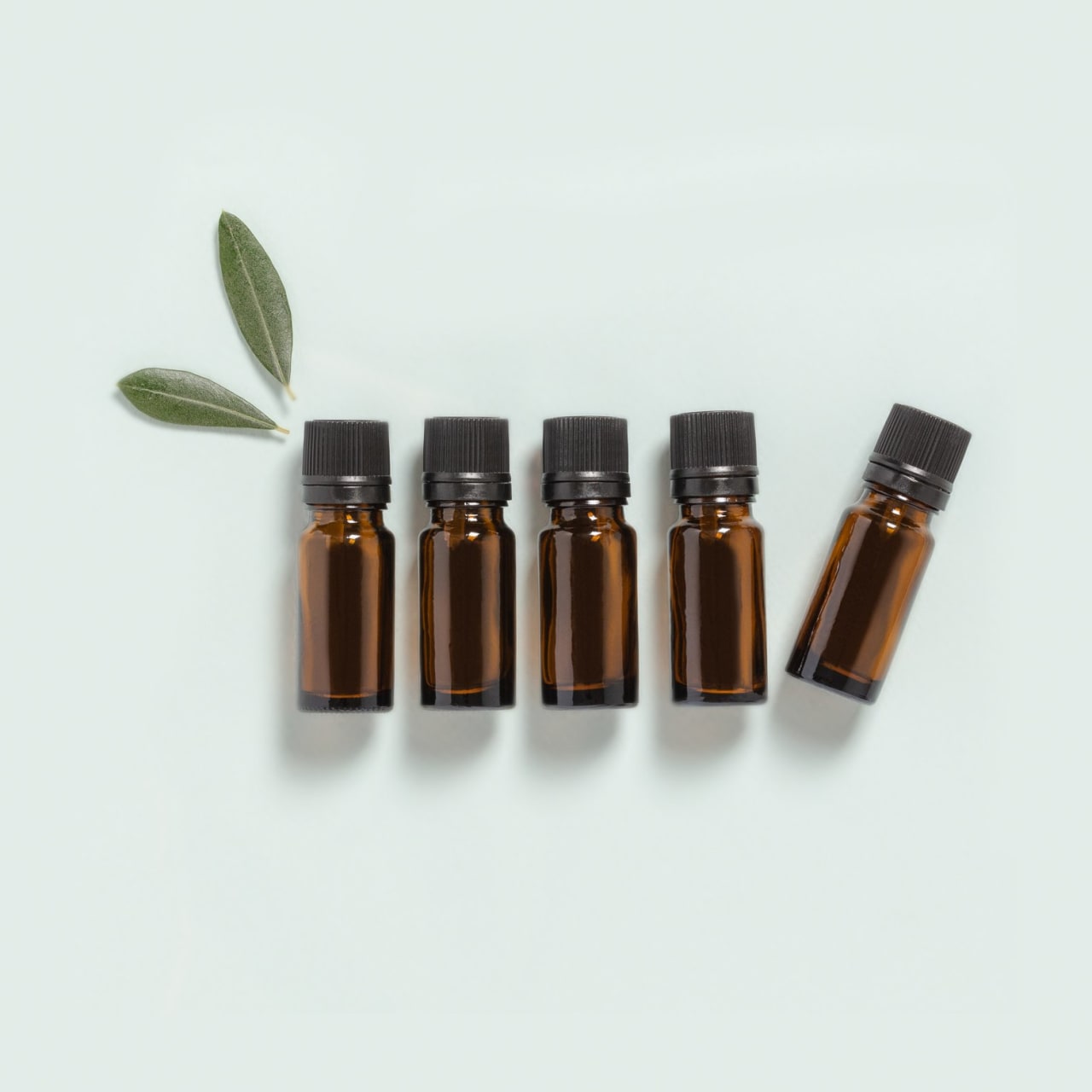
Glass bottles: Available in clear, amber or blue glass, they are ideal for light-sensitive preparations such as essential oils and serums. Glass is non-reactive and recyclable, making it a safe and environmentally-friendly choice.
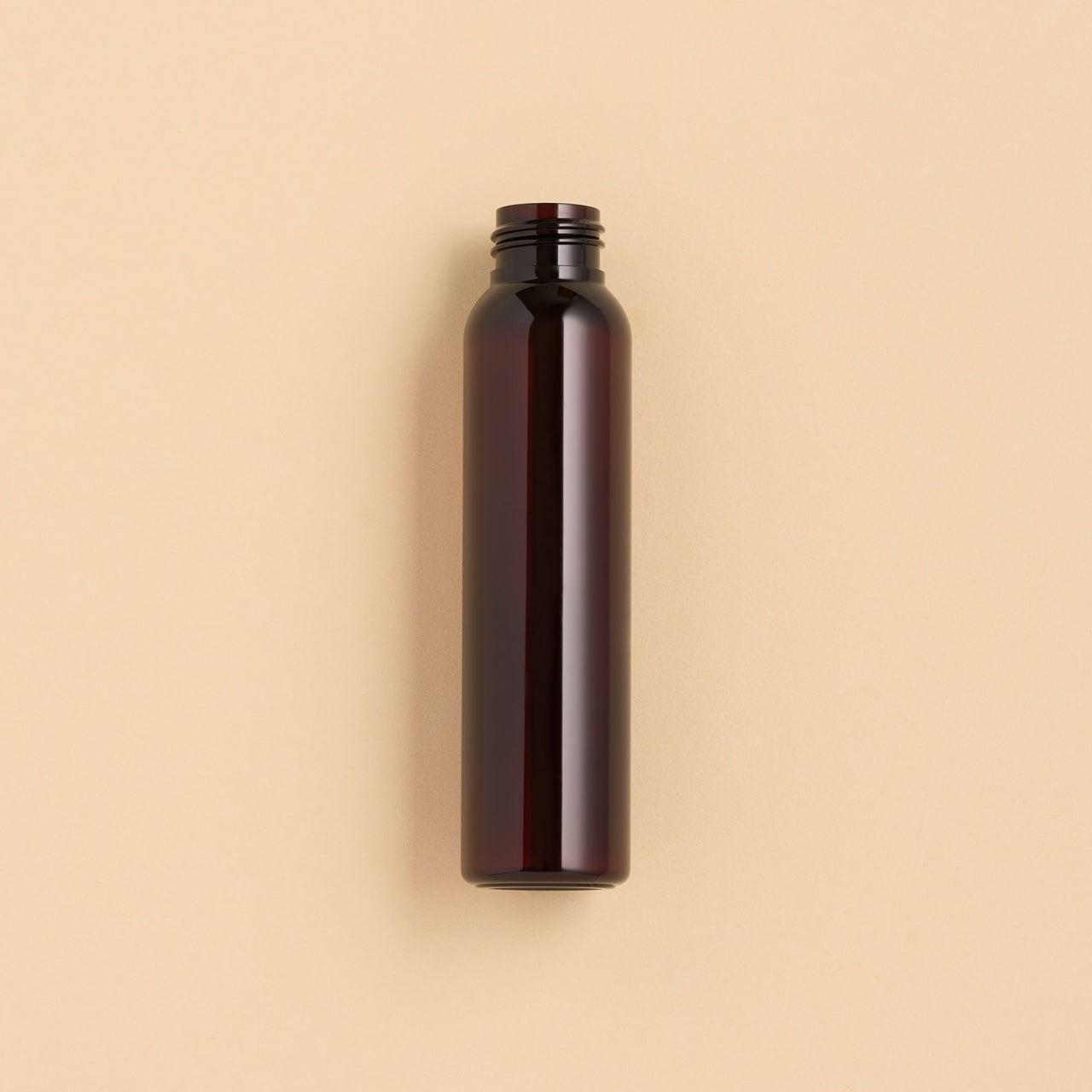
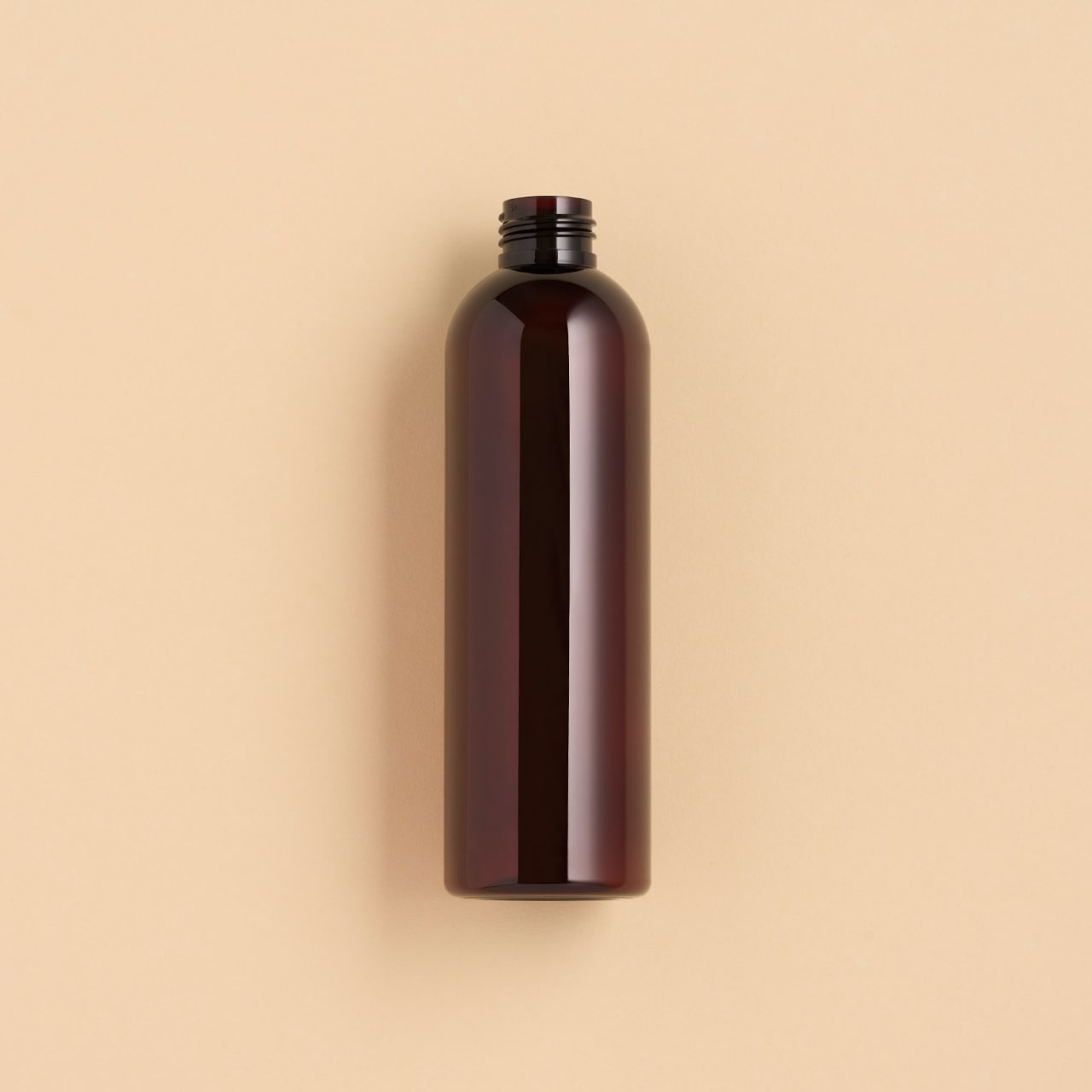
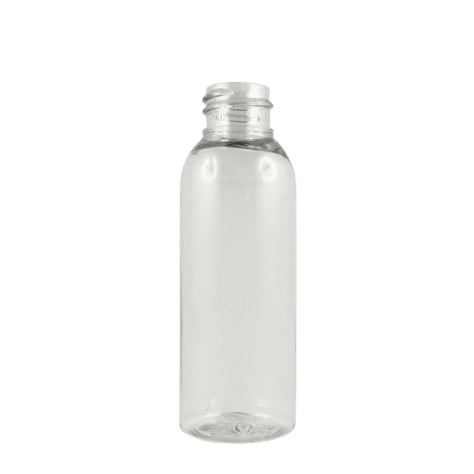
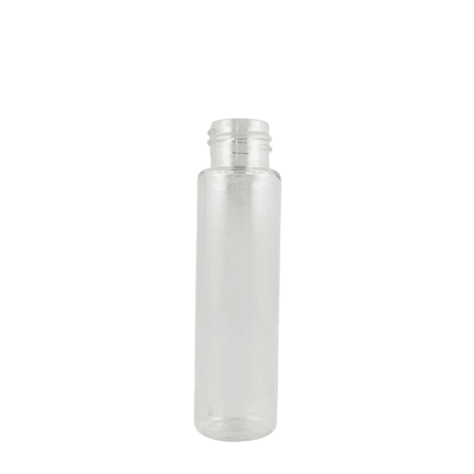
PET (polyethylene terephthalate) bottles: These bottles are lightweight, impact-resistant and transparent, making it easy to see the contents. They are ideal for lotions, gels and other aqueous preparations.
Aluminium bottles: Lightweight and robust, they offer excellent protection against light and air, prolonging the shelf life of sensitive products.
PP (polypropylene) bottles: Flexible and semi-transparent, these bottles are ideal for thick creams and lotions. Their flexibility means you can dose the product precisely.
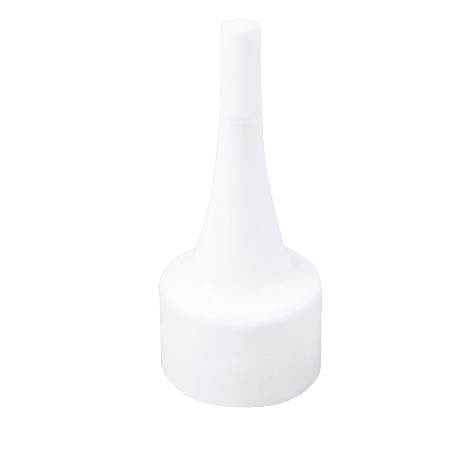
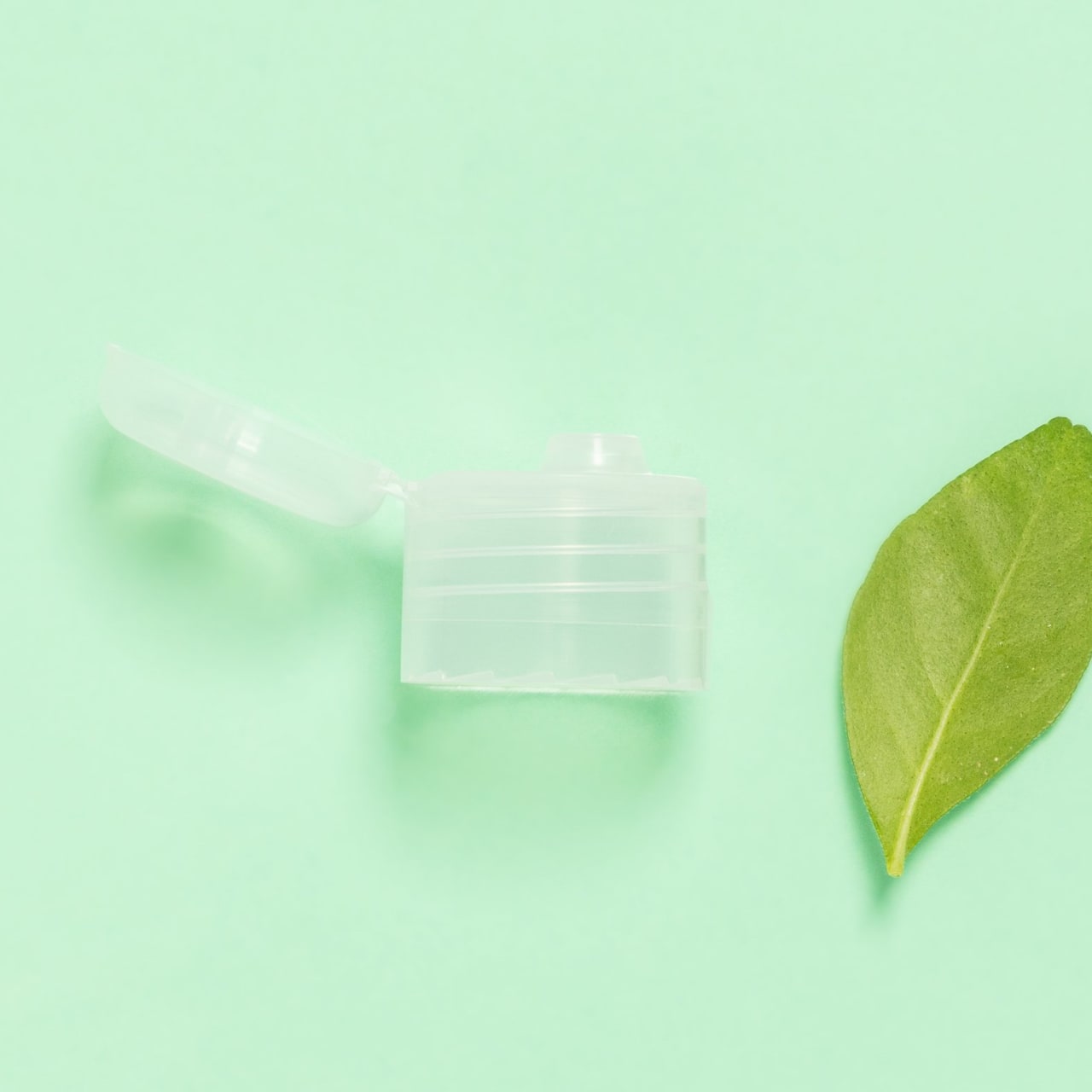
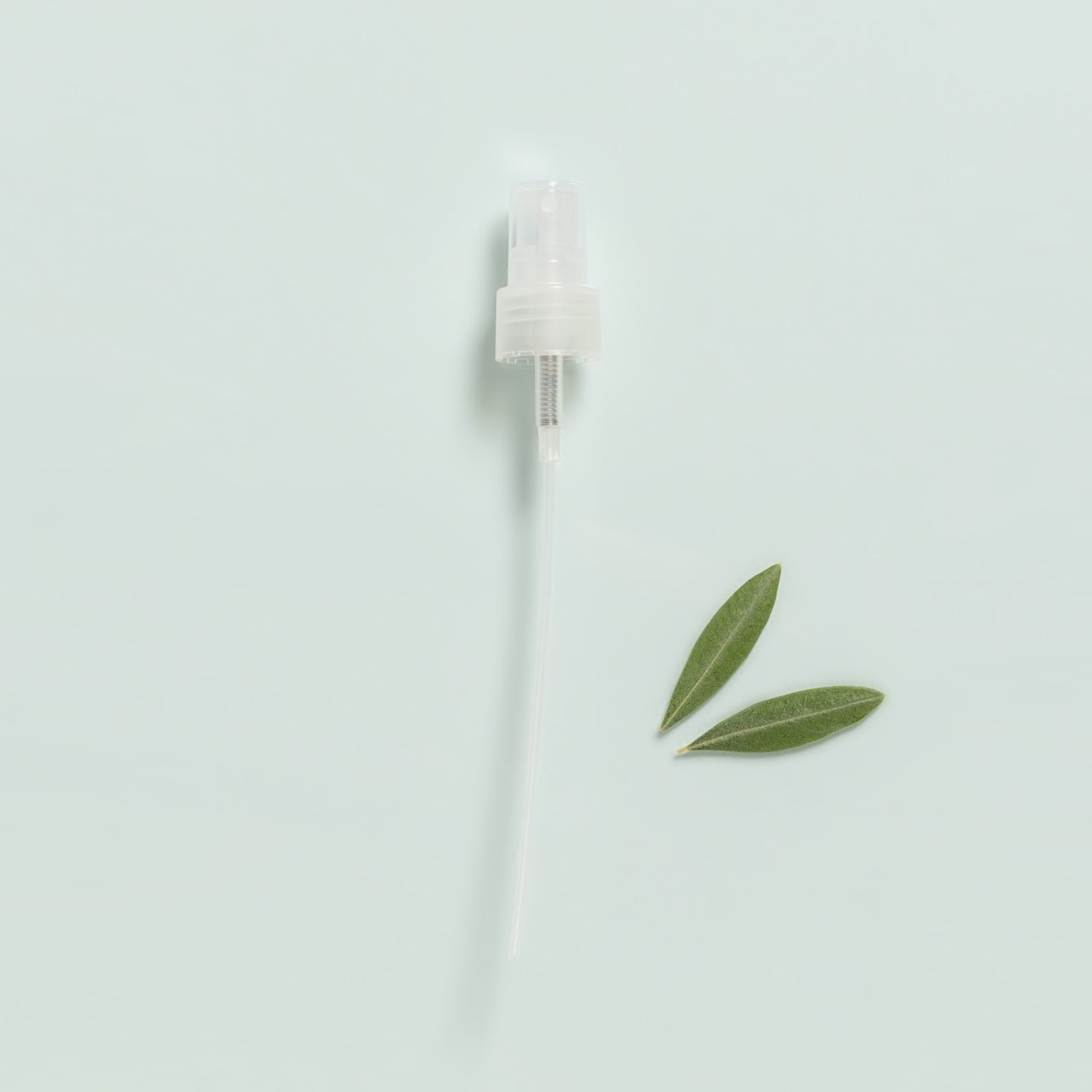
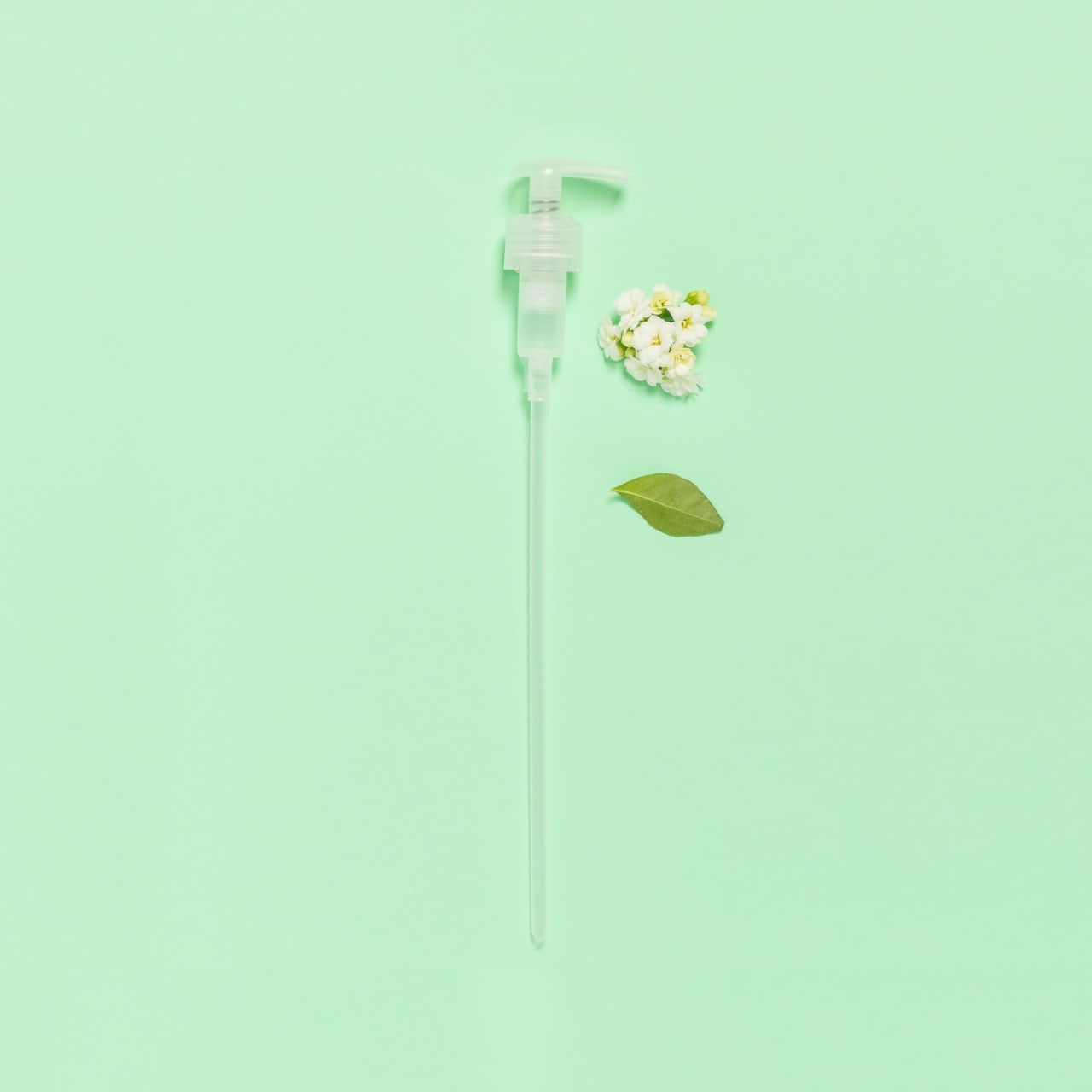
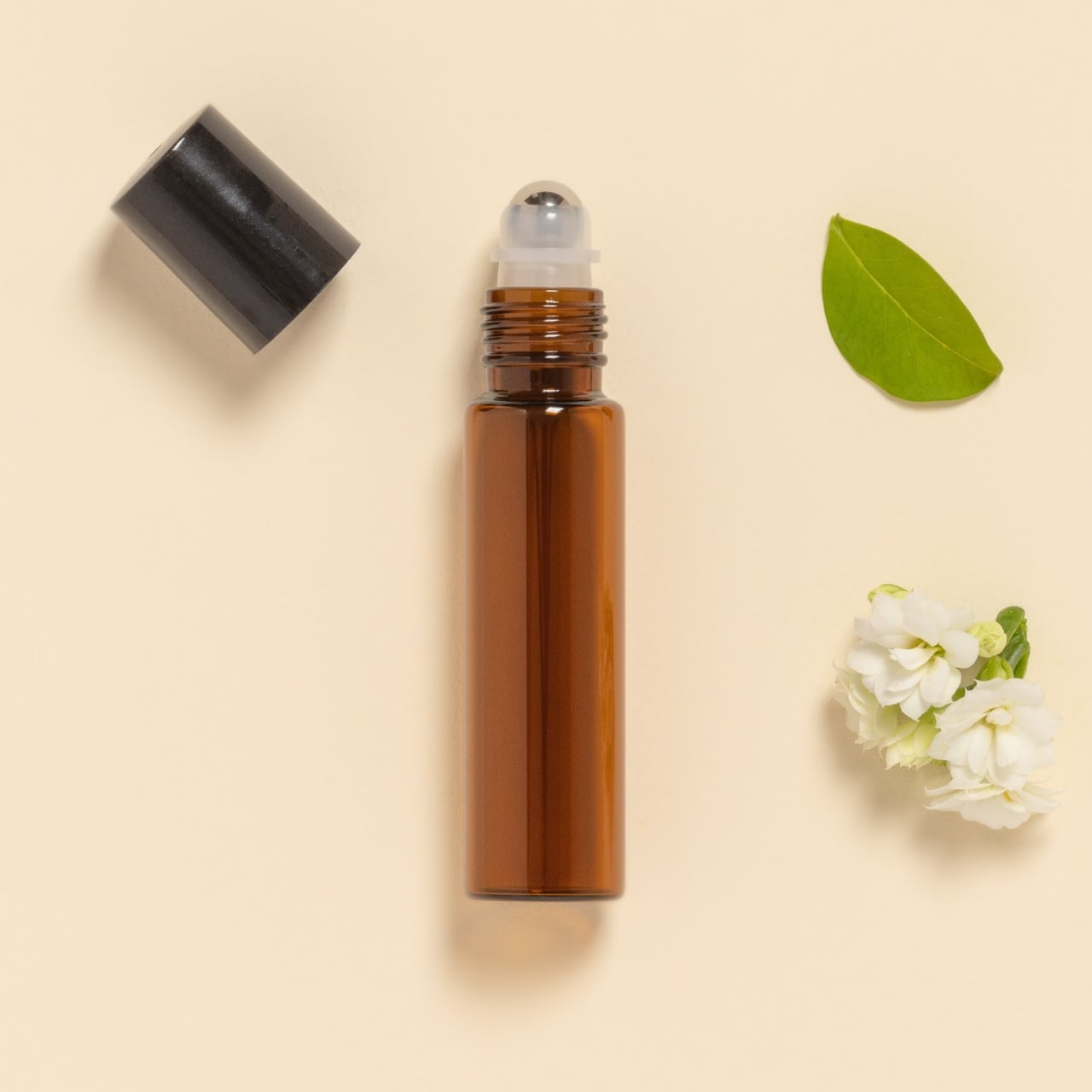
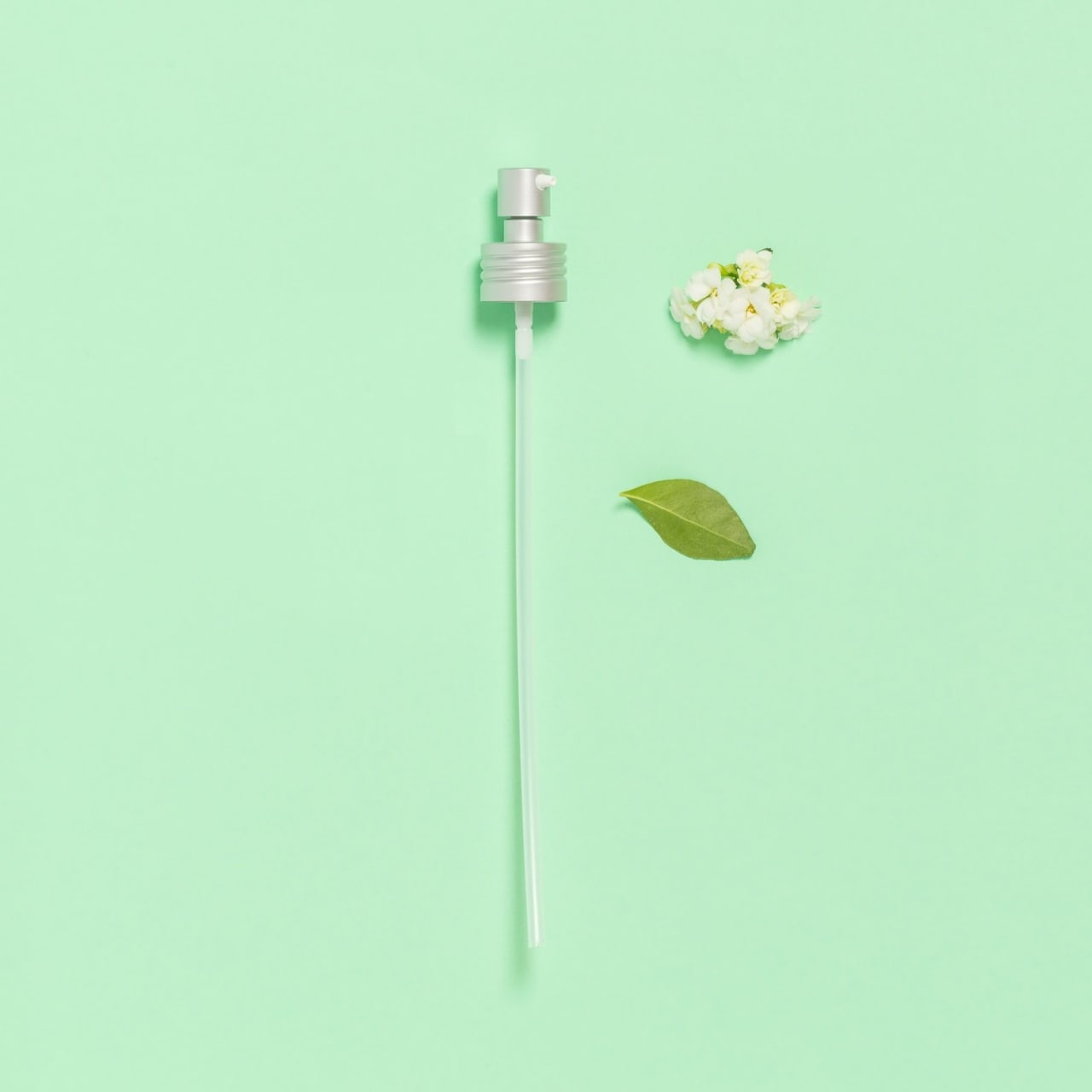
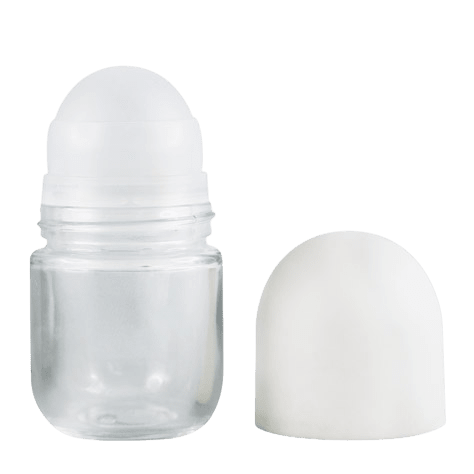
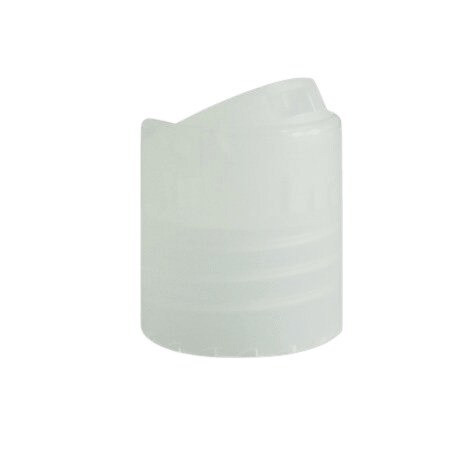
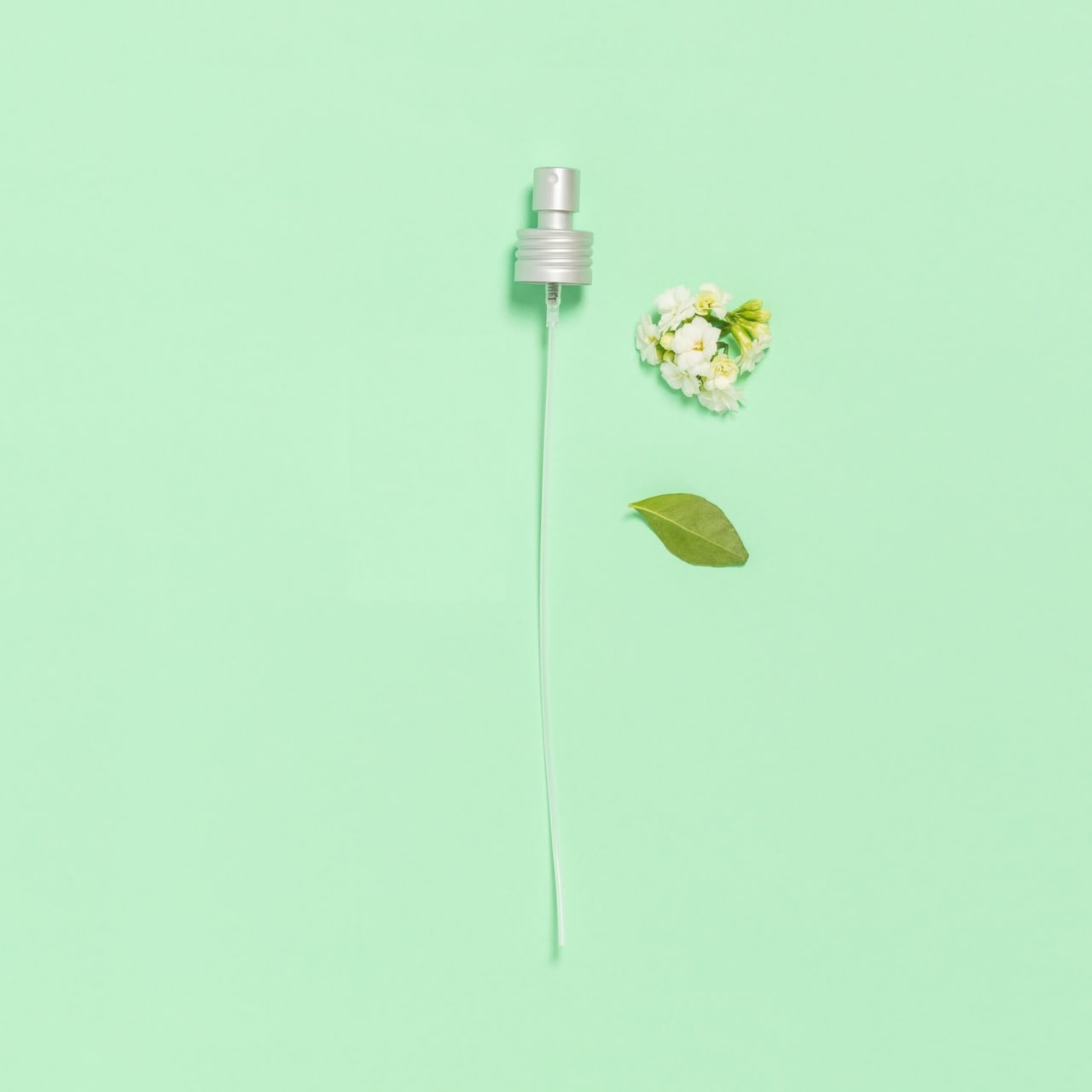
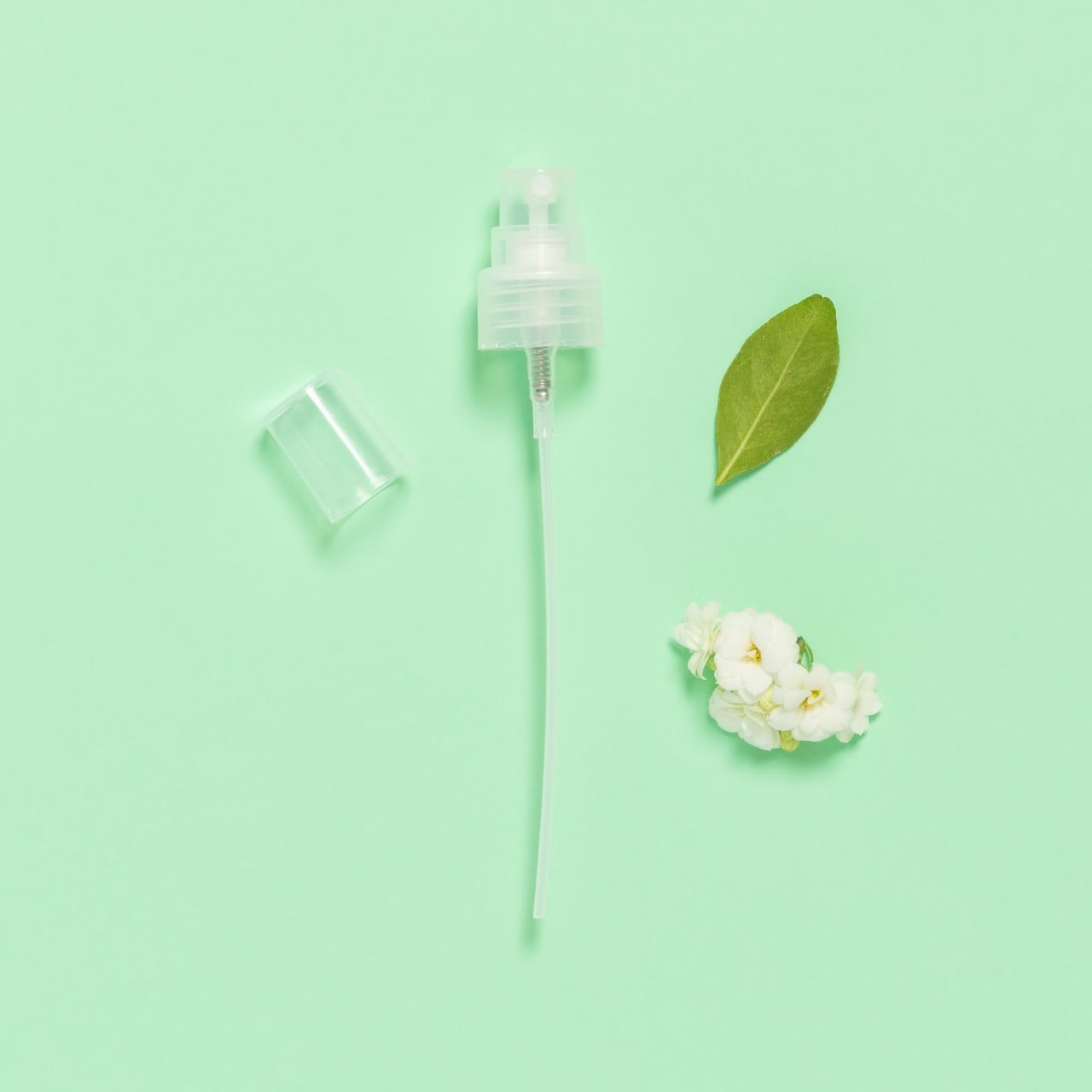
Accessories such as spray pumps, trigger pumps, service capsules and roll-ons add a practical dimension to the use of these bottles, making it easier to apply and dose preparations.
How do you choose and use them for different cosmetics?
The choice of bottle depends on the type of cosmetic preparation you wish to store and use. For oils and serums that are sensitive to oxidation, choose amber or blue glass bottles that protect against light. PET bottles are ideal for lotions and gels, thanks to their transparency and lightness. For thick creams and balms, PP or aluminium bottles are recommended for their robustness and protection.
Use spray or trigger pumps for liquid preparations, to make application easier. For essential oils or aromatic blends, roll-on bottles offer precise, hygienic application. Finally, remember to label your bottles with stickers and cards to easily identify your mixtures and note their expiry dates, guaranteeing their freshness and effectiveness.
By choosing the right type of bottle and using the appropriate accessories, you can optimise the effectiveness and practicality of your homemade cosmetics while contributing to an eco-responsible approach.


