

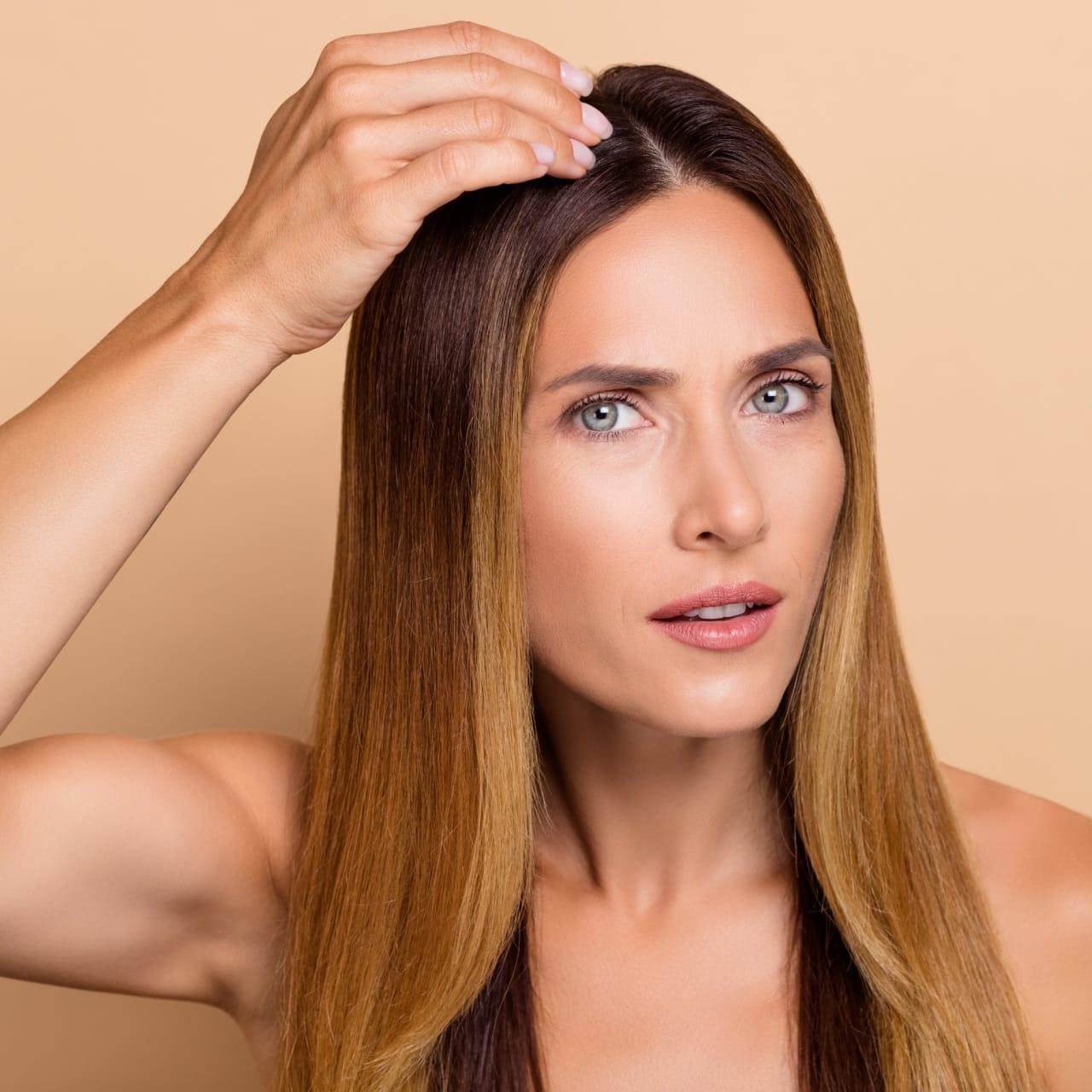
Oily roots by day two, dry ends that snap when you run your fingers through them – combination hair is one of the trickier hair types to manage, mostly because what helps one end of the strand can make things worse at the other.
Here's how to get the balance right.
What is combination hair?
Combination hair has a scalp that produces excess sebum quickly, while the mid-lengths and ends stay dry, dehydrated or sensitised. The roots and tips have completely different needs – which is why standard products often fall short.
How to recognise combination hair
Roots look shiny or flat shortly after washing
Mid-lengths appear dull or feel coarse
Ends are sometimes brittle or prone to breakage
A persistent feeling of imbalance between scalp and lengths
Why does hair become combination hair?
It's rarely just one thing. Excess sebum production at the scalp, heat damage, colouring or repeated styling can all weaken the hair fibre over time. An unsuitable routine such as one that's too harsh or too rich can also tip the balance. Understanding what's driving the imbalance is the first step to fixing it.
How to care for combination hair
The approach needs to be targeted. Regulating the roots and nourishing the lengths are two different jobs, and the products you use need to reflect that. Overly harsh treatments risk stimulating even more sebum production; anything too heavy will weigh the lengths down further.
Step 1 – Cleanse gently but effectively
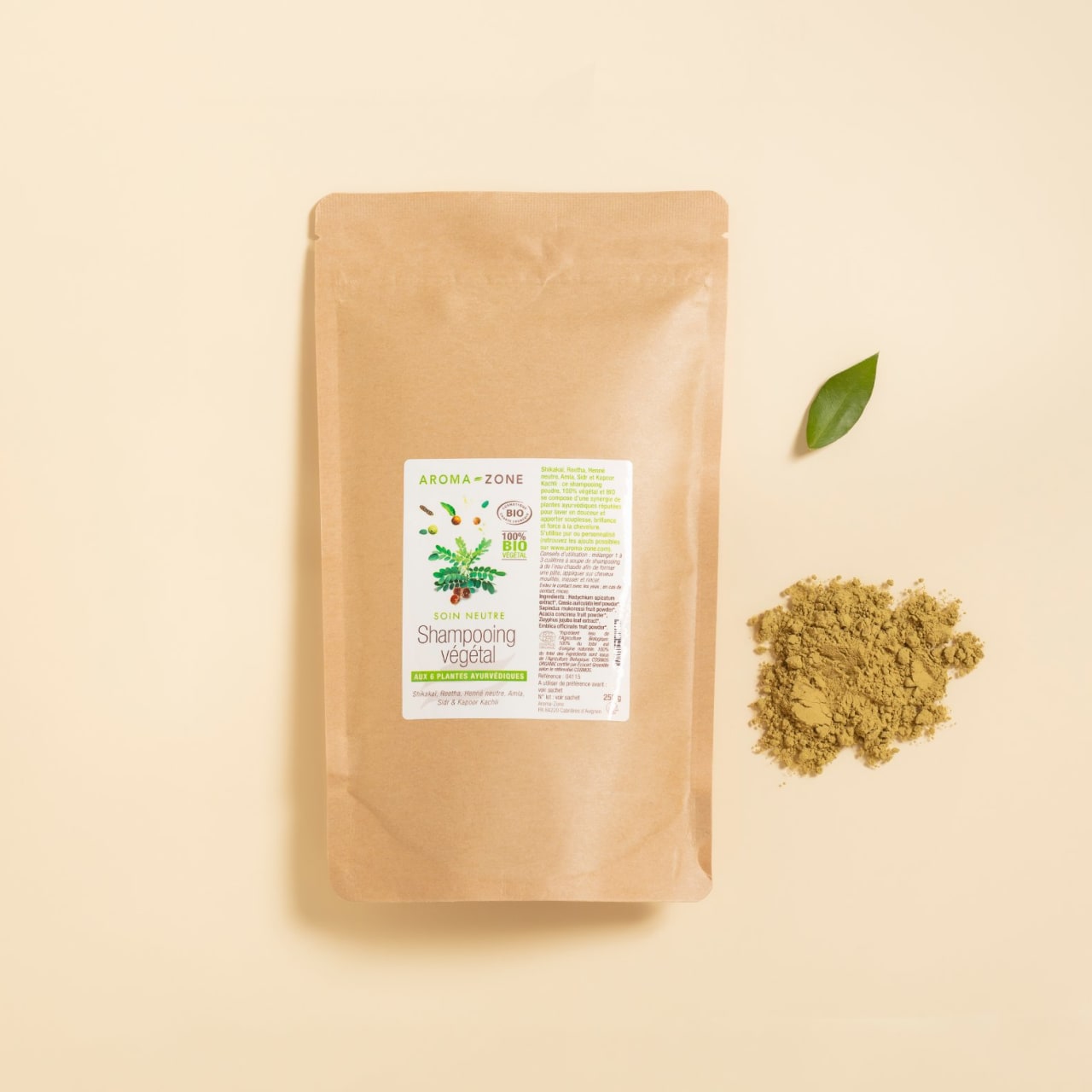
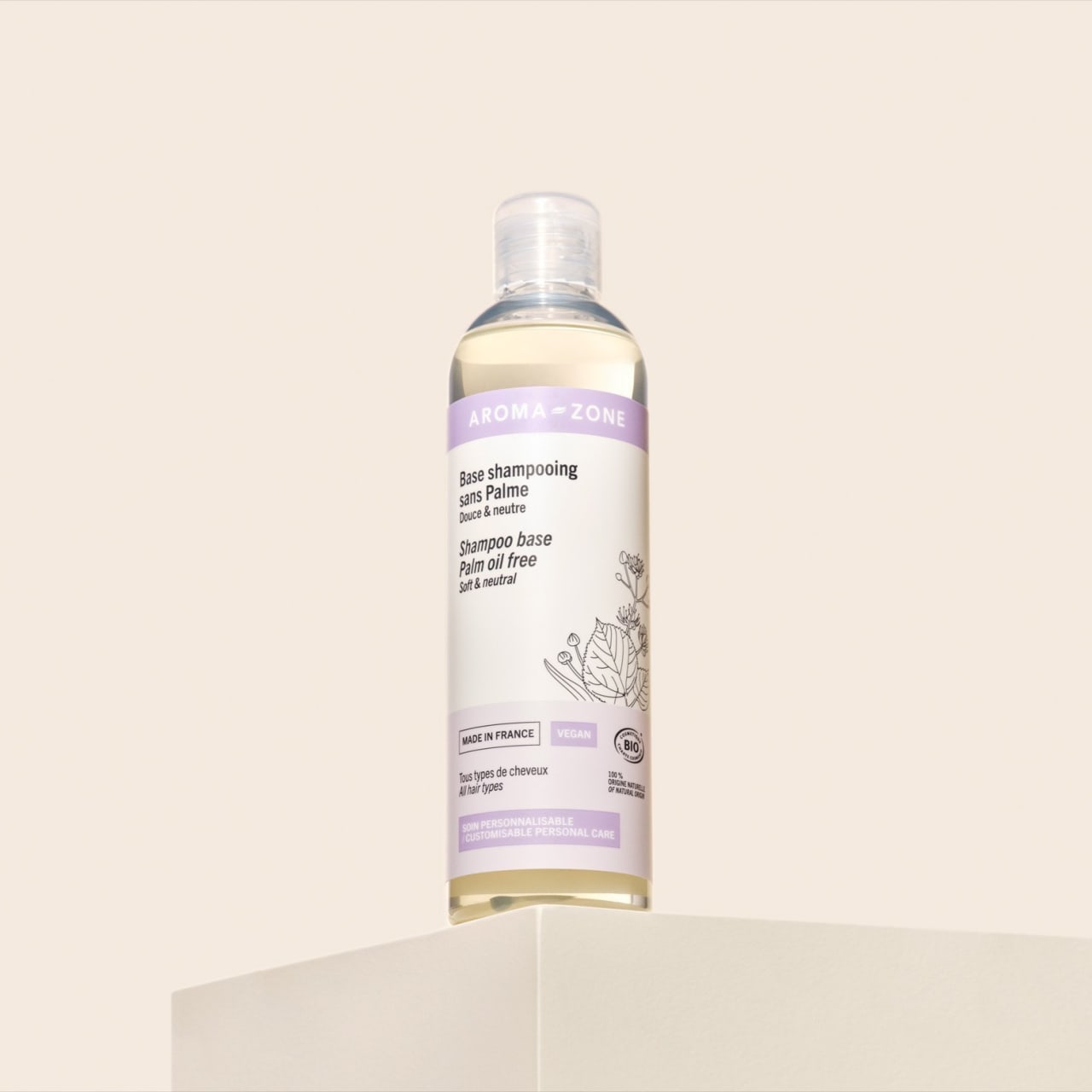
Start with a balancing shampoo for combination hair, such as the Organic Plant-Based Shampoo or Strength & Shine Solid Shampoo bar. If you prefer to customise, the palm-free neutral shampoo base can be adapted with regulating active ingredients.
Step 2 – Regulate the scalp
Green Tea Extract Powder and Organic Grapefruit Furocoumarin-Free Grapefruit Essential Oil can both be incorporated into a suitable formulation to help manage sebum at the roots without stripping the scalp.
Step 3 – Hydrate the lengths
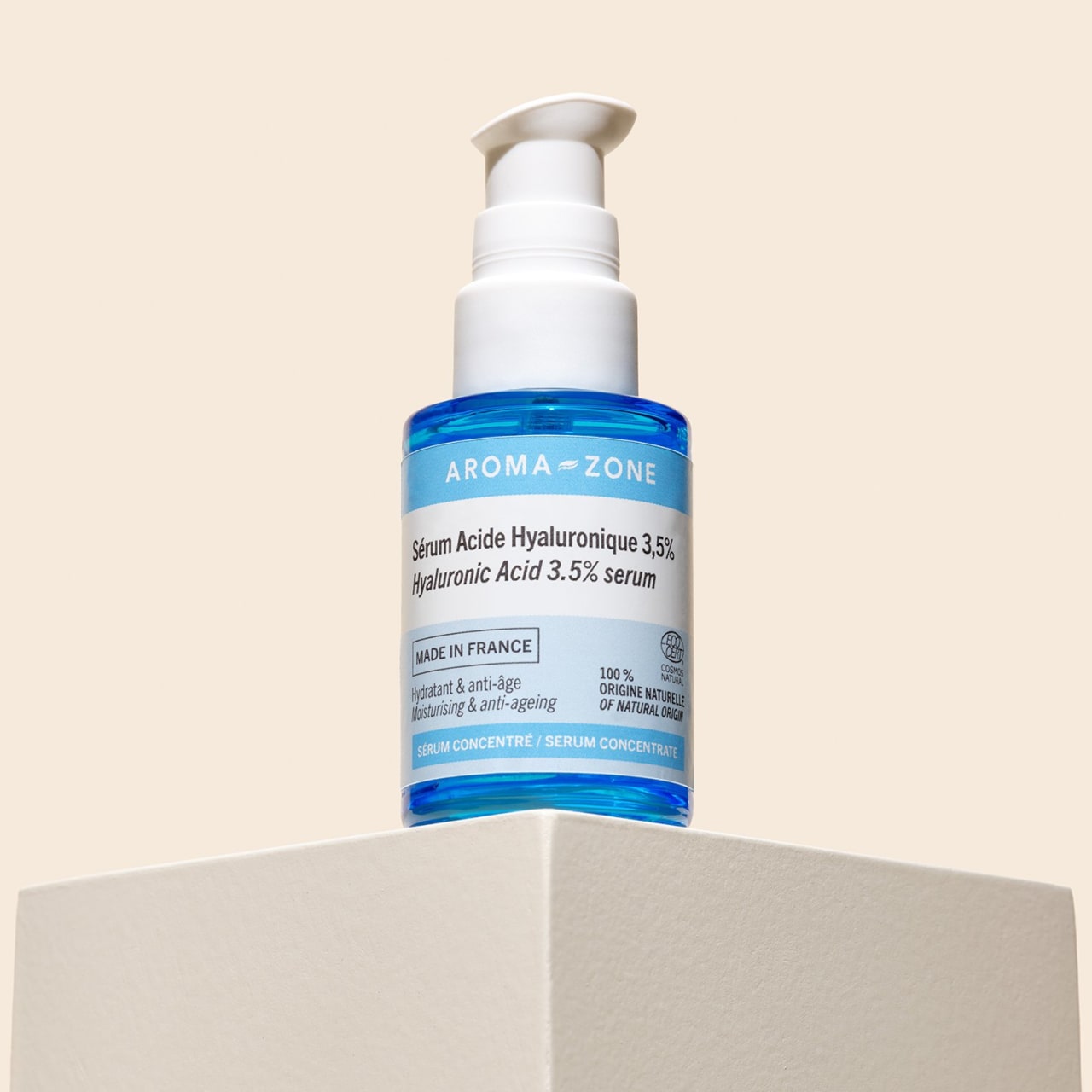
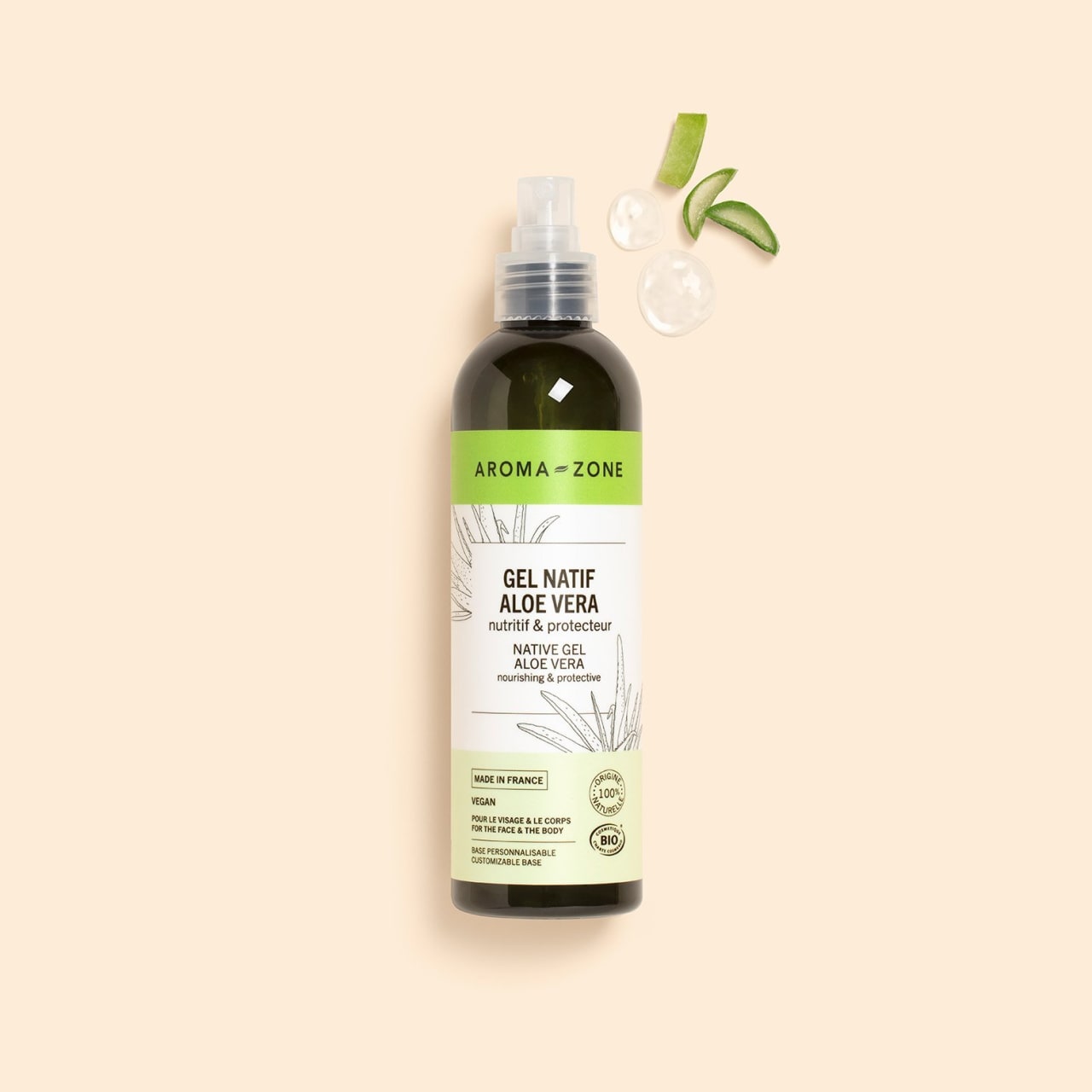
Organic Native Aloe Vera Gel and Hyaluronic Acid Concentrated Serum are good options here – lightweight enough not to leave a greasy residue, but effective at restoring moisture where the hair needs it most.
Step 4 – Protect and strengthen the ends
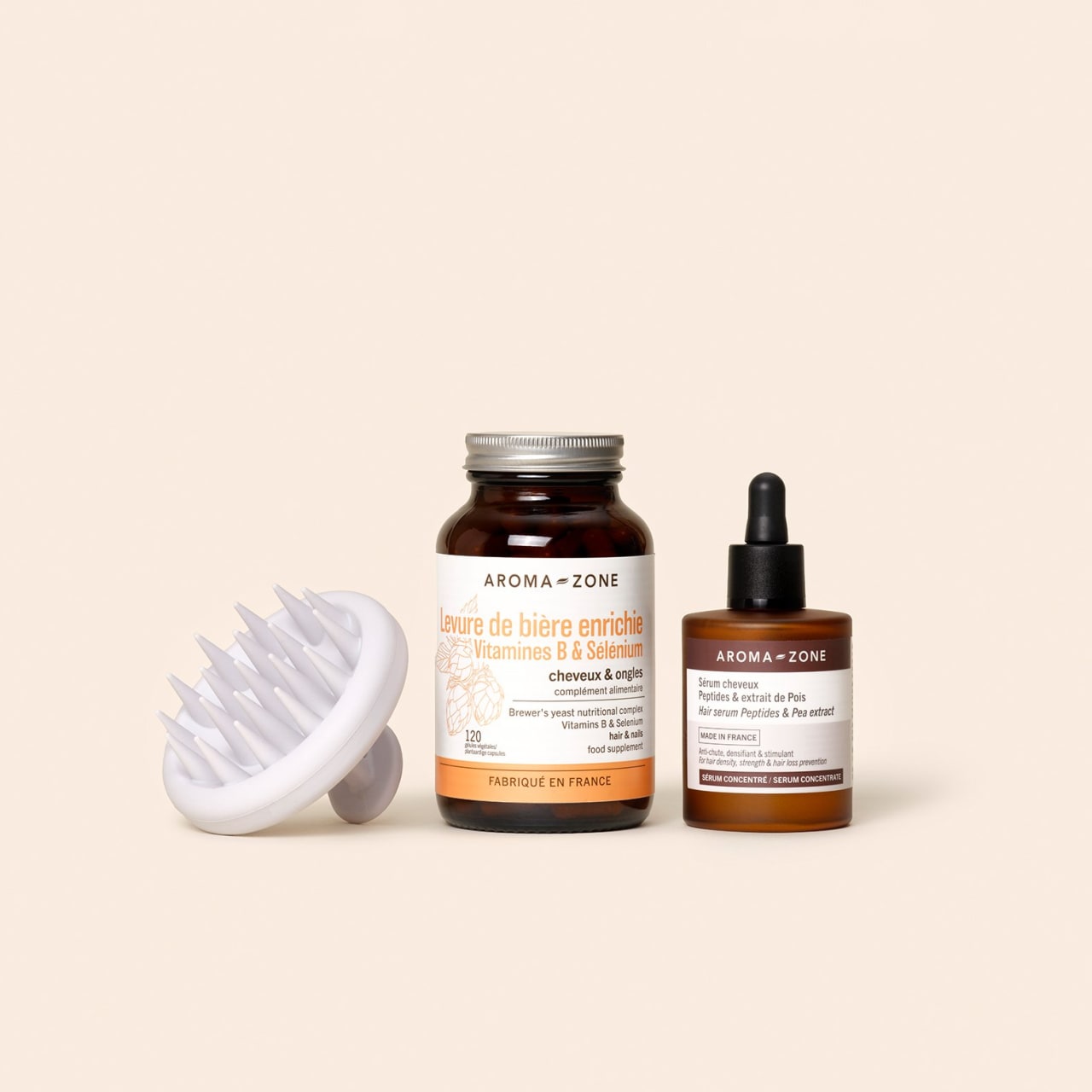
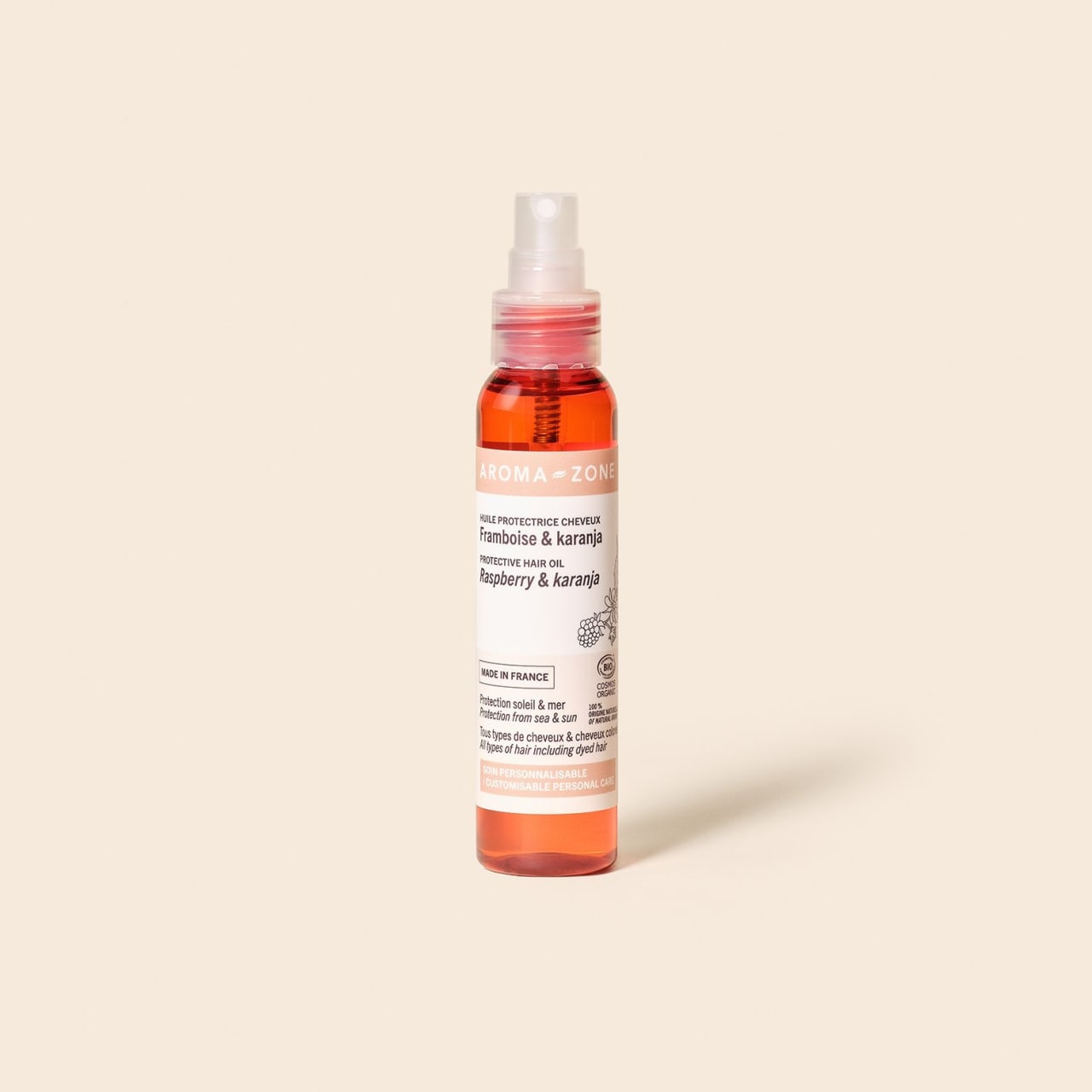
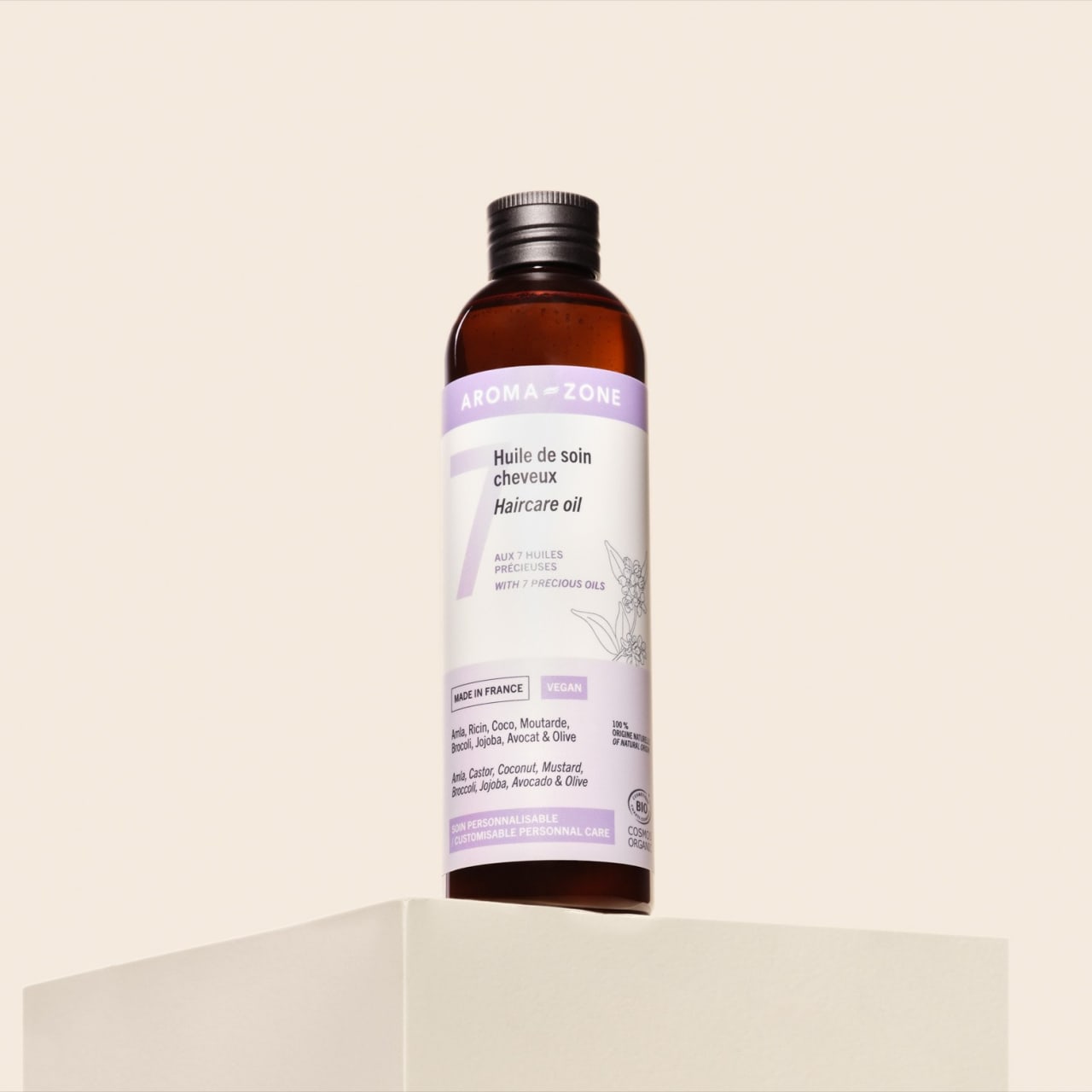
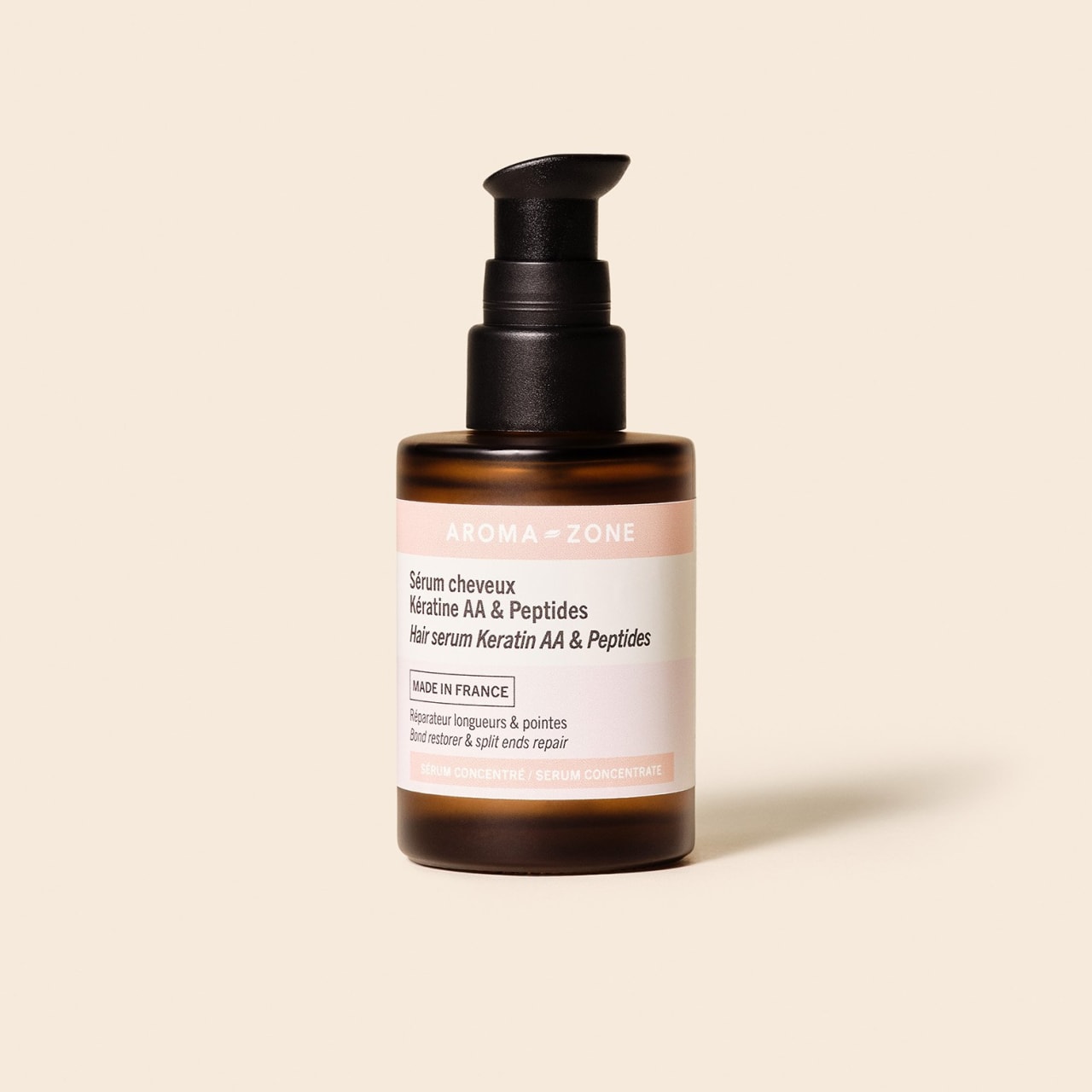
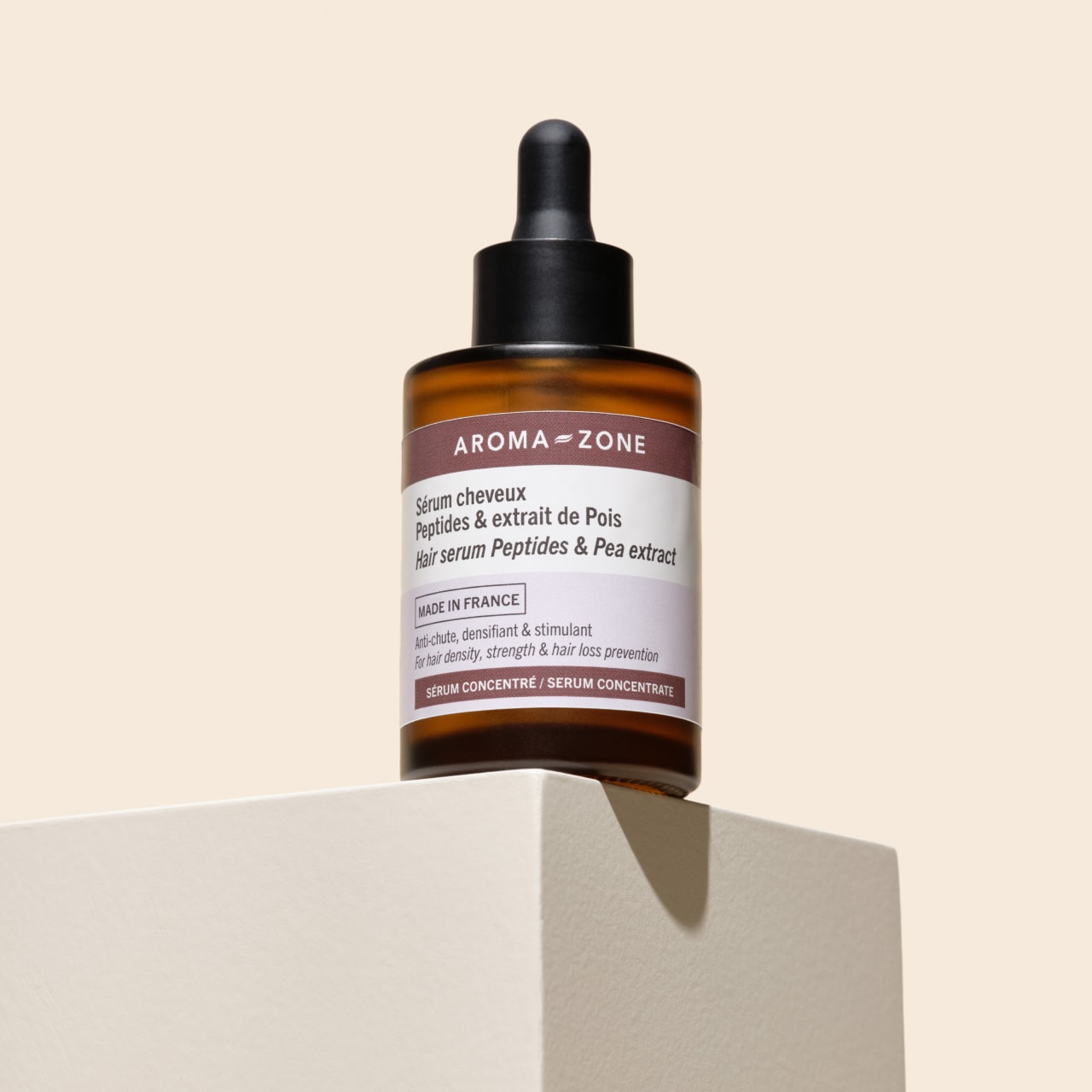
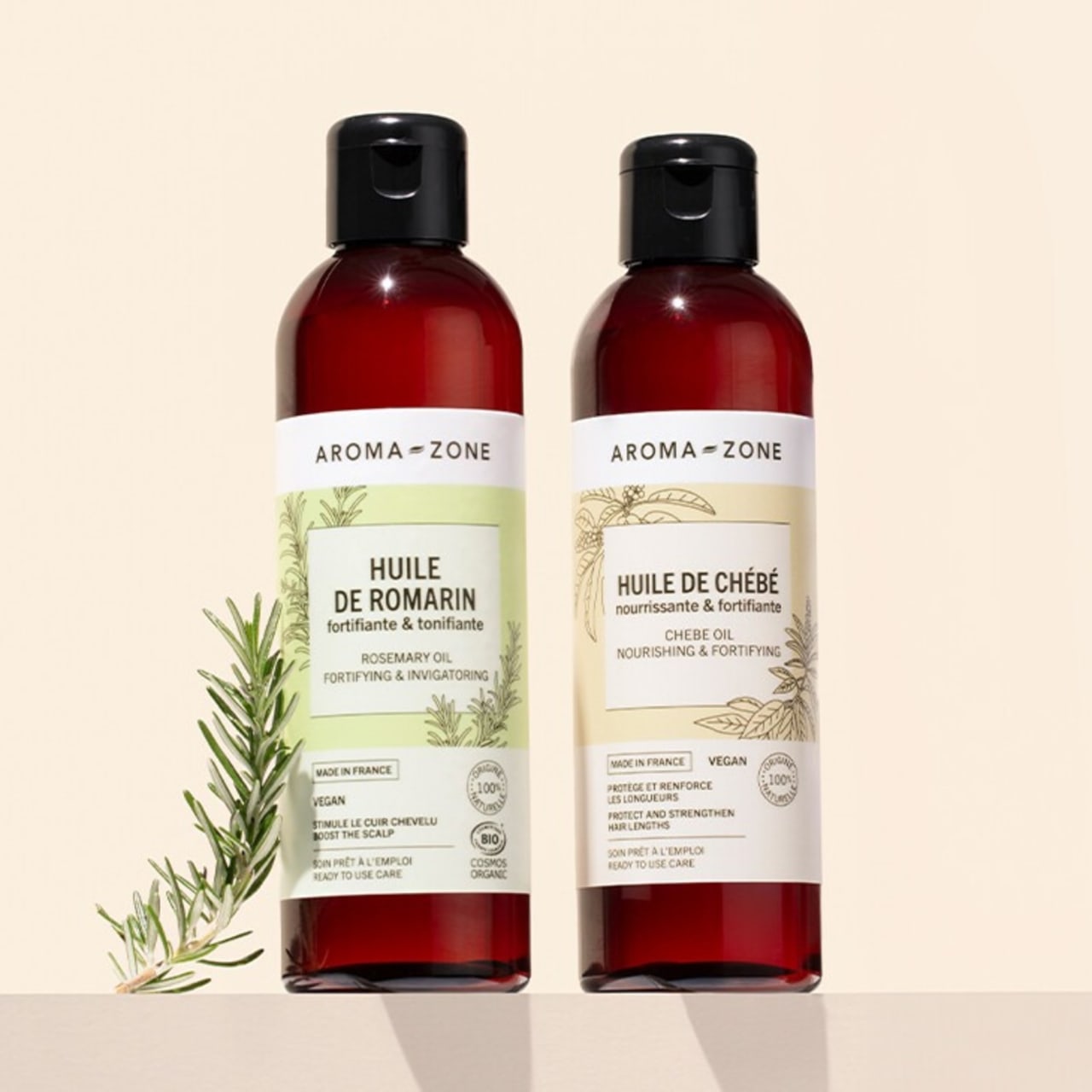
A small amount of Haircare Oil on the ends helps preserve suppleness. For hair that's sensitised or weakened, the Keratin AA, Peptides and Hyaluronic Hair Serum or Keratin Hair Growth and Care Duo can help support the hair fibre.
For a routine tailored specifically to your hair, try the Aroma-Zone Hair Routine assessment to identify your exact needs.
The best ingredients for combination hair
Here are a few ingredients that genuinely earn their place in a combination hair routine:
Green tea: astringent and regulating – good for keeping sebum in check at the roots without drying the scalp out.
Aloe vera: maintains moisture in the lengths without weighing the hair down. One of the most versatile ingredients for this hair type.
Light oils: such as rosemary macerate: toning for the scalp, light enough not to overload the lengths.
Three habits that make a real difference
Routine products aside, these three habits are worth building into your haircare routine:
Moisturise your ends between washes with a small amount of light oil or aloe vera gel, don't wait until wash day.
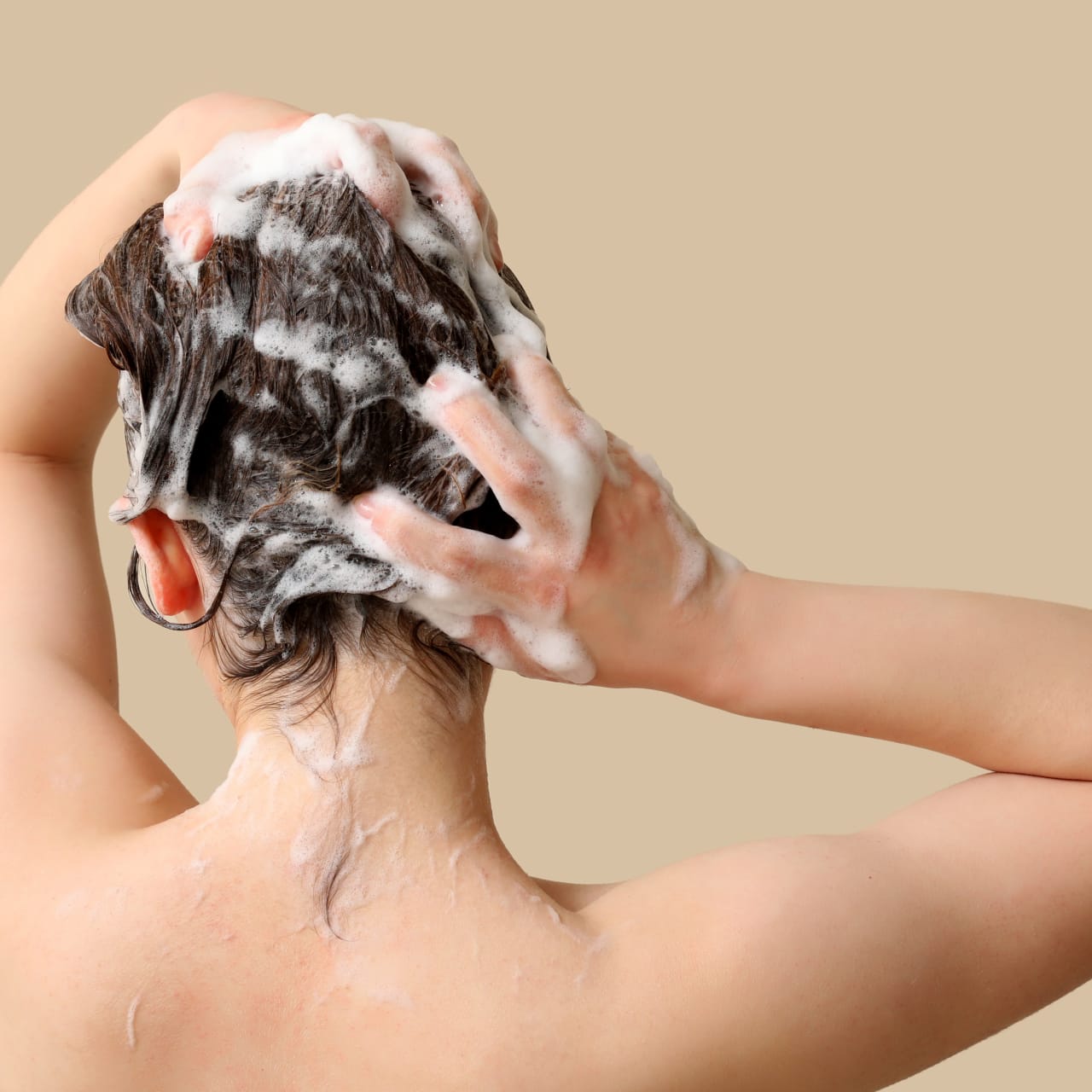
Massage your scalp gently while shampooing to stimulate circulation without irritating the skin or triggering more sebum.
Wash less frequently if you can. It feels counterintuitive when roots are oily, but overwashing often makes sebum production worse, not better.


