What are some natural remedies for brittle hair?

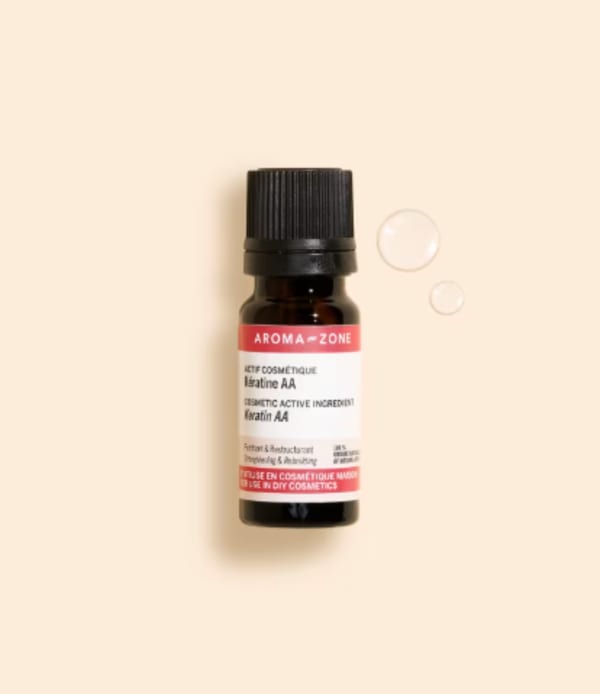
Certain hair types are known to break more easily than others—starting with curly and kinky hair. However, this widespread breakage is rarely inevitable. There are natural solutions to strengthen your hair’s structure and help it withstand the daily mechanical stresses it faces. Our advice: rely on keratin, which is essential for keeping your hair strong, supple, and shiny. Whether used internally or externally, it’s a staple of hair care, no matter your hair type.

Reading time: 0 min.

What does it mean to have brittle hair?

It simply means having weakened hair that is less able to withstand tension and all the daily mechanical stresses (detangling, blow-drying, styling, friction against clothing, etc.). Brittle hair is hair that has lost some of its natural strength. The result: it breaks like glass, and you feel like it never grows.

The source of this breakage lies in the cortex. Similar to the spine of your hair, this layer contains keratin fibers connected by disulfide bonds. When these rigid bonds are damaged, your hair’s structure becomes less solid. It’s a bit like removing the load-bearing walls of a house: its structure is no longer stable, and the building collapses. In short, if your hair breaks, it’s because it has literally lost its structural integrity.

Read also: 5 Signs Your Hair Is Lacking Keratin.

What causes this breakage?

Textured hair: the most vulnerable to breakage

Curly, coily, or kinky hair breaks more easily than straight hair. Each twist in a curl creates a vulnerable spot and a potential breakage point. Afro hair, with its tight curls, is the most fragile. Conversely, straight hair, like that of Asian people, is much more resilient. The secret to its strength is therefore not just a matter of care.

An unsuitable hair care routine: damage that’s easy to avoid

Beyond your hair type, it’s important not to underestimate the impact of your lifestyle habits. Brushing your hair too vigorously, constantly running your fingers through your hair, wearing tight hairstyles every day, overusing heat and chemical treatments… All these habits, which may seem harmless at first glance, can indeed make your hair brittle.

Nutritional deficiency: it causes an internal imbalance

Having brittle hair can indicate a protein deficiency, particularly a deficiency in meat-derived proteins. These provide sulfur-containing amino acids (cysteine, methionine), precursors to hair keratin, which are less abundant in plant-based foods. Deficiencies in vitamins B5, B6, B8, magnesium, and zinc are also known to impair the hair’s natural strength.

Trichotillomania: a sign of psychological distress

Behind this somewhat complicated name lies an obsessive behavior associated with intense stress. It’s a tic that involves compulsively pulling at one’s hair—often several times a day. Over time, this behavior wears down and breaks your hair. It can also lead to patches of alopecia. The priority in this case is to seek help from a healthcare professional to address your distress.

How can you tell if your hair is damaged?

  • Your hair is dry and damaged. Brittle hair is often accompanied by a lack of shine and a rough texture, giving it a lifeless appearance.

  • Your hair has lost volume. Naturally, since your hair breaks more easily, it loses mass and density. It therefore appears noticeably thinner.

  • You find hair everywhere. On your clothes, your brush, in your shower, on the floor… These aren’t actual hair loss, but rather broken strands of hair.

  • Your hair is hard to style. Your hair is becoming increasingly unruly because changes in its keratin bonds alter its texture and make it less manageable.

  • You feel like your hair isn’t growing anymore. This is an illusion: your hair is growing normally, but it breaks before reaching its maximum length.

  • Your usual hair care routine seems ineffective. Weakened and brittle hair requires very specific care to 1/ strengthen its structure and 2/ protect the hair shaft from external aggressors.

A Word from the Trichologist

"Hair breakage occurs when there is a disruption in the cortex due to the breakdown of keratin bonds (disulfide and hydrogen bonds). This fragility manifests as a loss of elasticity and a decrease in the hair’s mechanical strength. Curly and kinky hair is more fragile because its spiral structure creates points of tension with every twist. The The distribution of proteins (keratin) and lipids is not perfectly uniform along the hair shaft: the cuticle may be thinner or less regular in certain areas, making some sections more fragile. (4).

Added to this are nutritional deficiencies, particularly in iron, vitamin D, and B vitamins, which reduce the body’s ability to synthesize keratin. Finally, oxidative stress is recognized as a major factor in weakening the hair shaft, as free radicals accelerate damage to the hair matrix. (5)

My advice as a trichologist: strengthen your hair with horsetail!

Applying a horsetail powder mask to the lengths, rich in organic silica and antioxidants, helps remineralize the hair fiber and reduce breakage.

Perform a patch test 24 hours before application to check for any reactions. "


Dr. Dalila Belmokhtar @dalilahairscience, Doctor of Pharmacy & Trichologist

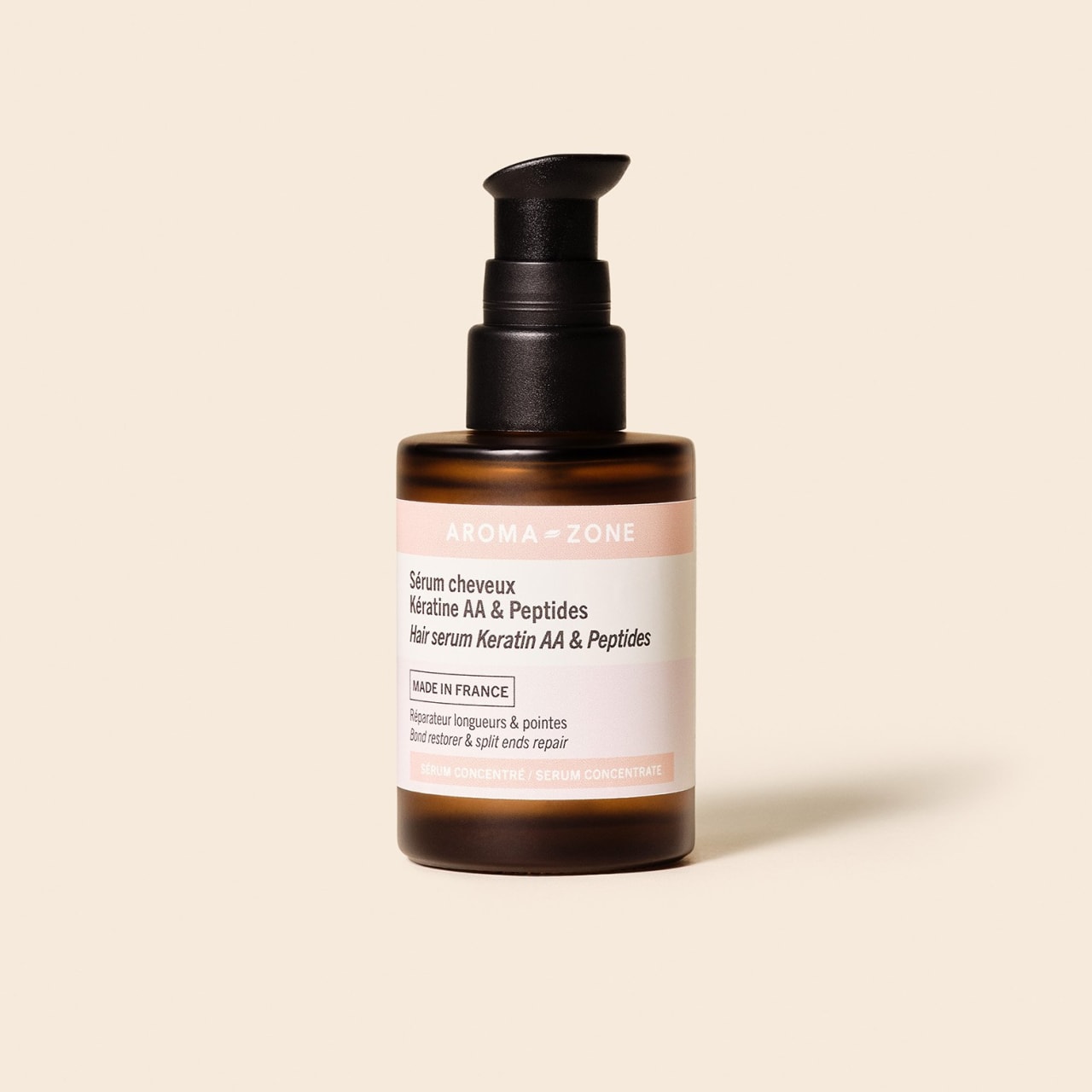
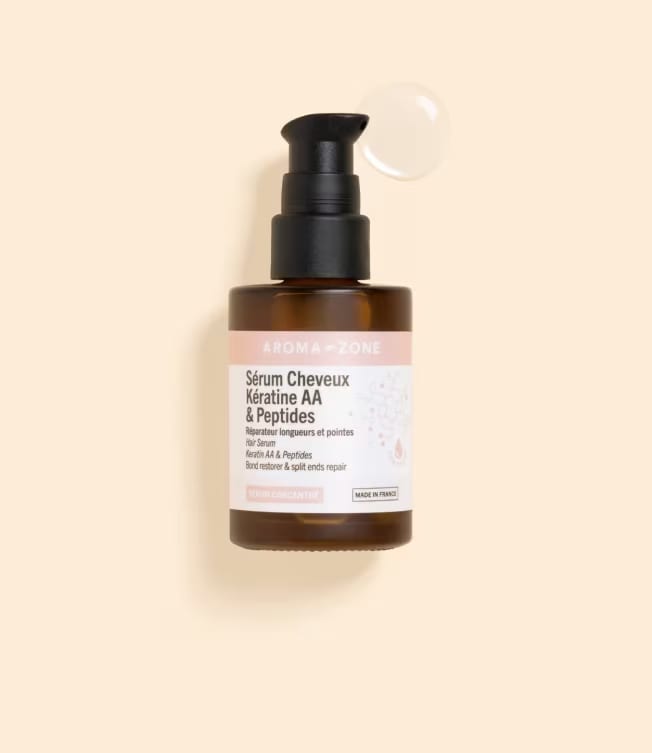
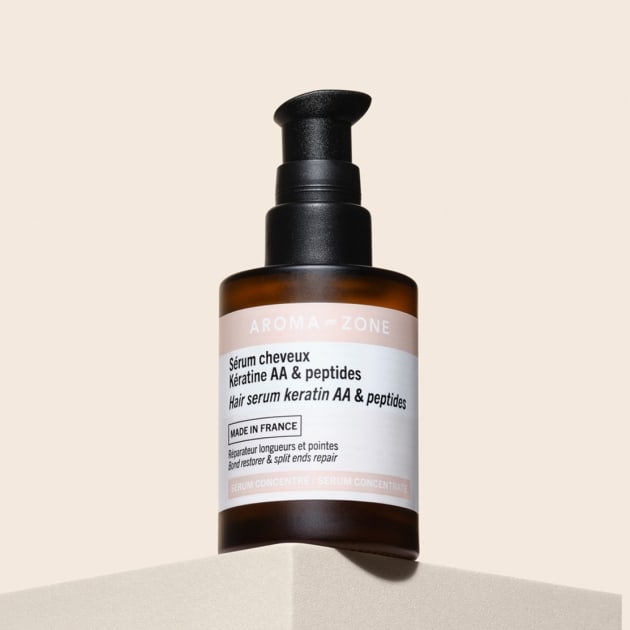
Spotlight on our Keratin AA & Peptides Hair Serum

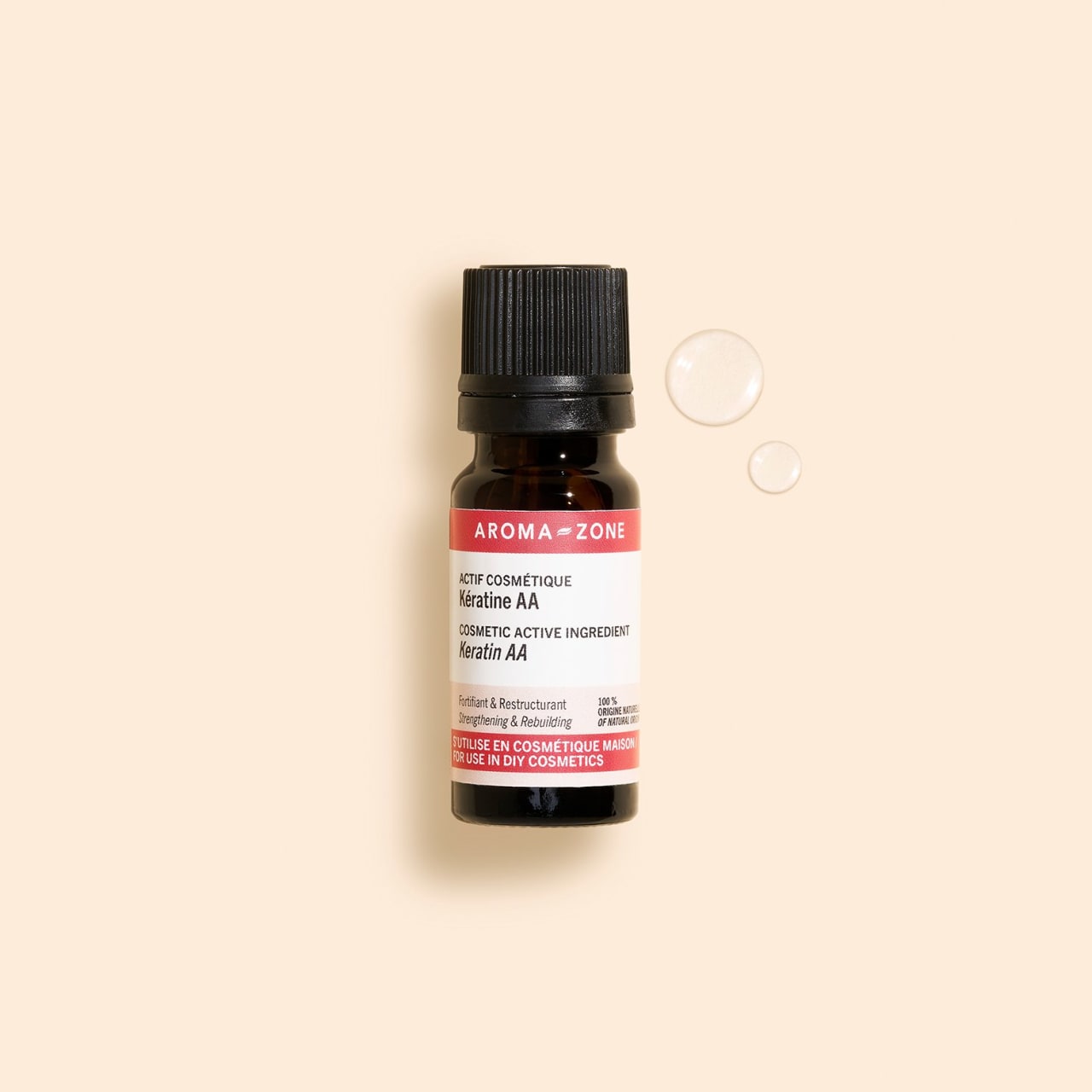
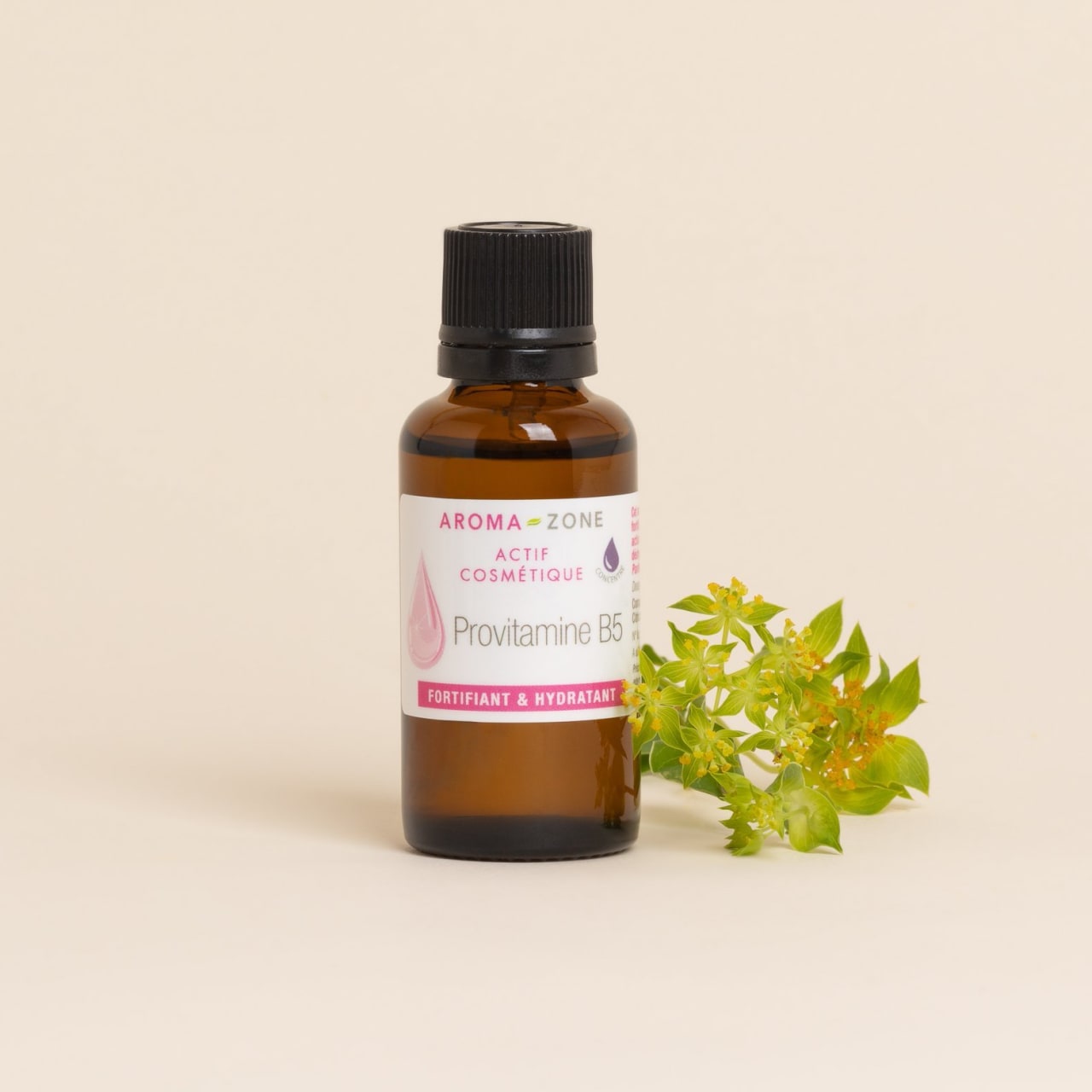
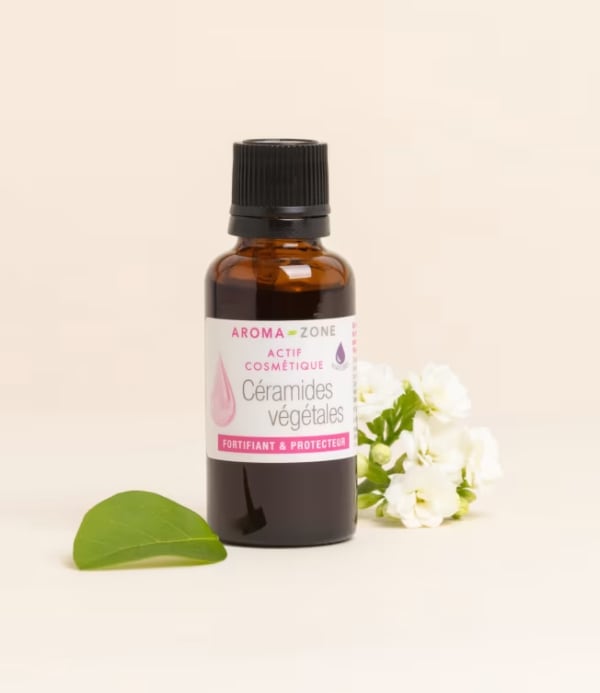
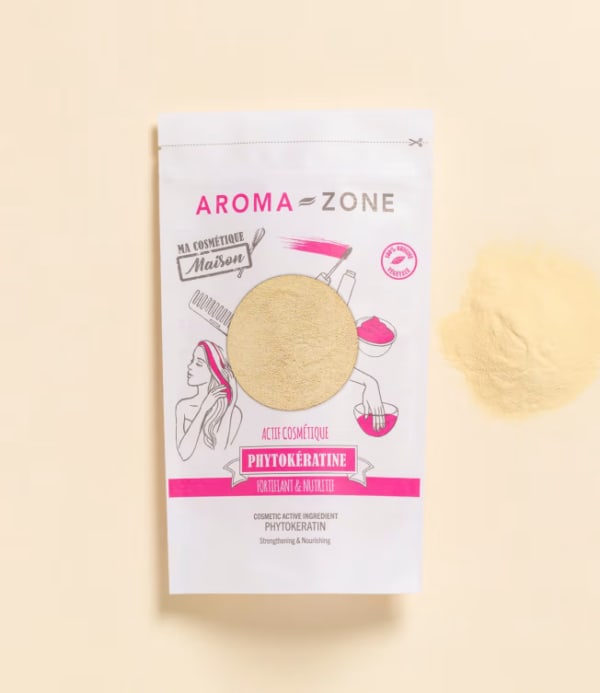
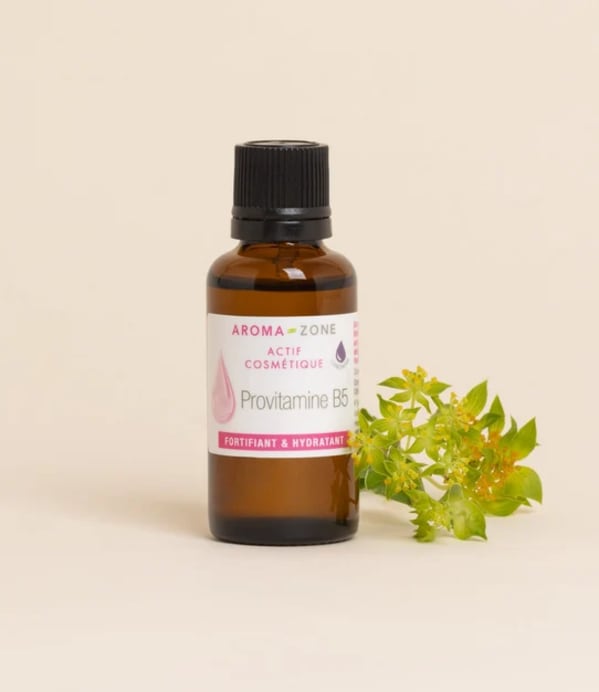
Our best natural ingredients for brittle hair

Here is a selection of strengthening and anti-breakage ingredients, all of natural and/or organic origin. If you’d like to incorporate them into your hair care routine, simply add them to your homemade beauty recipes, following the dosages we recommend. If you’re in a hurry, note that some of these ingredients can also be used to customize our neutral bases, such as our liquid shampoos and hair mask. It’s easy—give it a try!

Our daily routine to prevent breakage

1. Wash your hair: A mild, pH-balanced shampoo, once every two days to let your hair breathe.

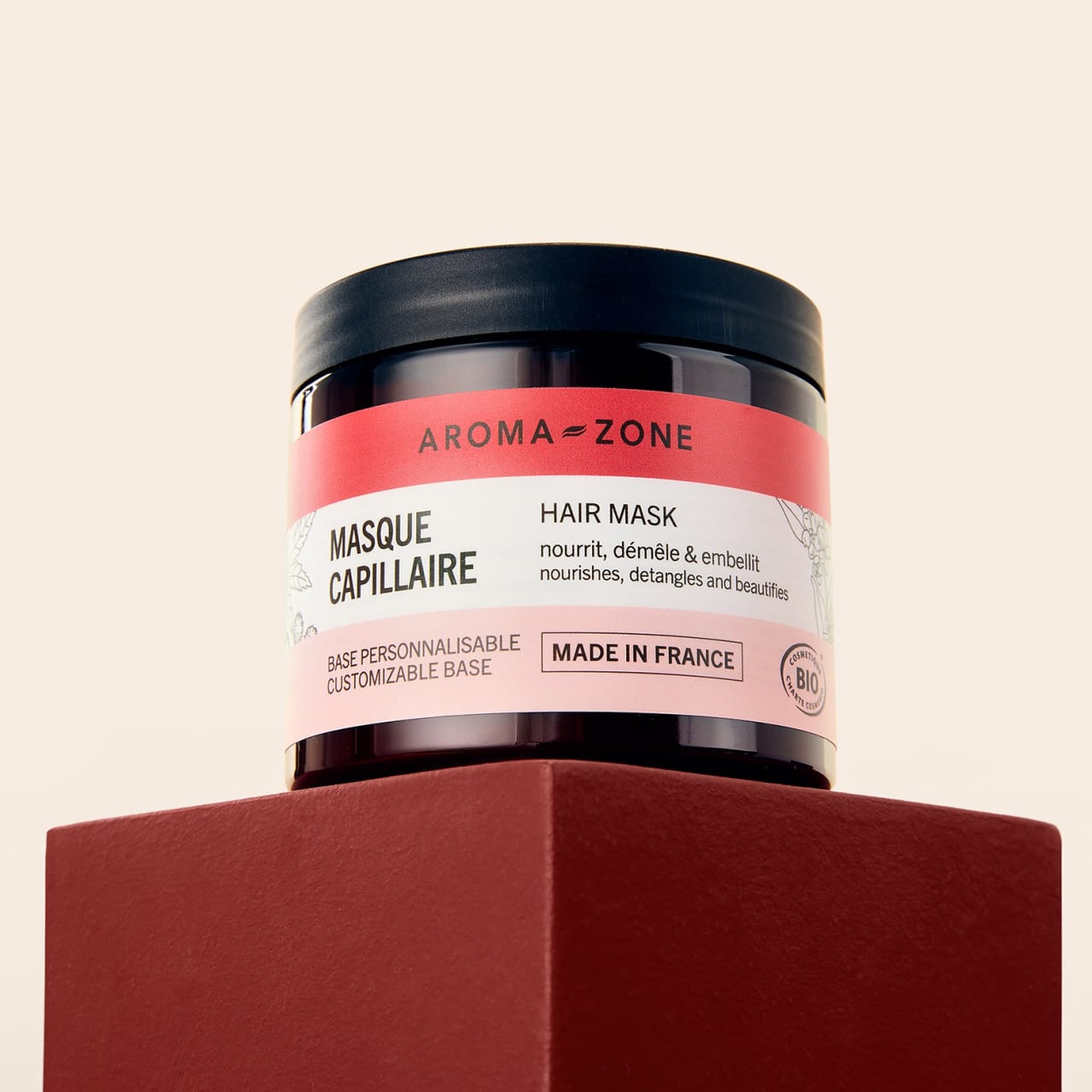
2. Apply a mask: A neutral-base mask to which you add the active ingredient suited to your hair type 1 to 2 times a week is sufficient, depending on your hair.

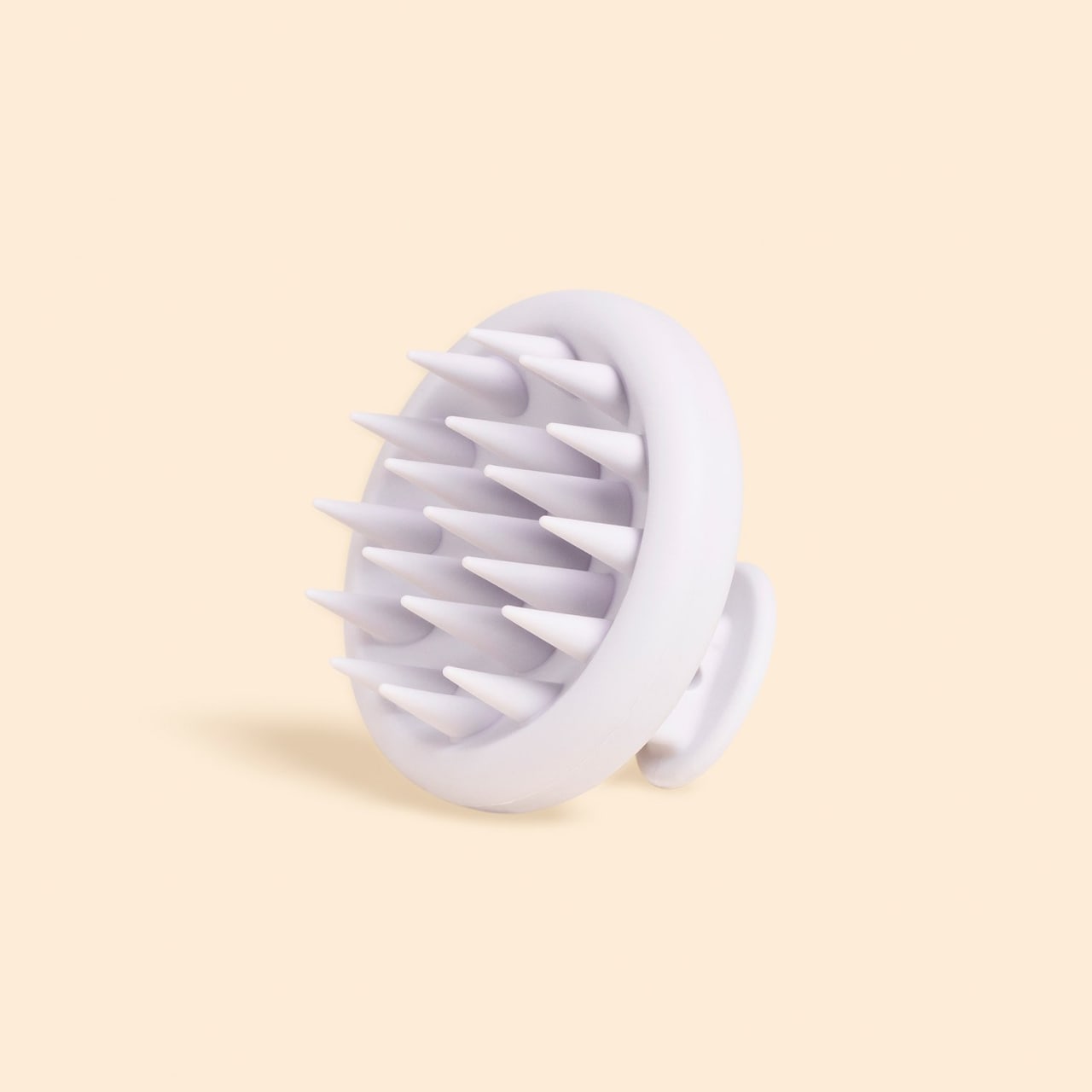
3. Start massaging with the scalp massage brush. Use it to optimize the application of your treatments, masks, and shampoos at the roots. Suitable even for sensitive scalps, it gently supports your hair’s growth.

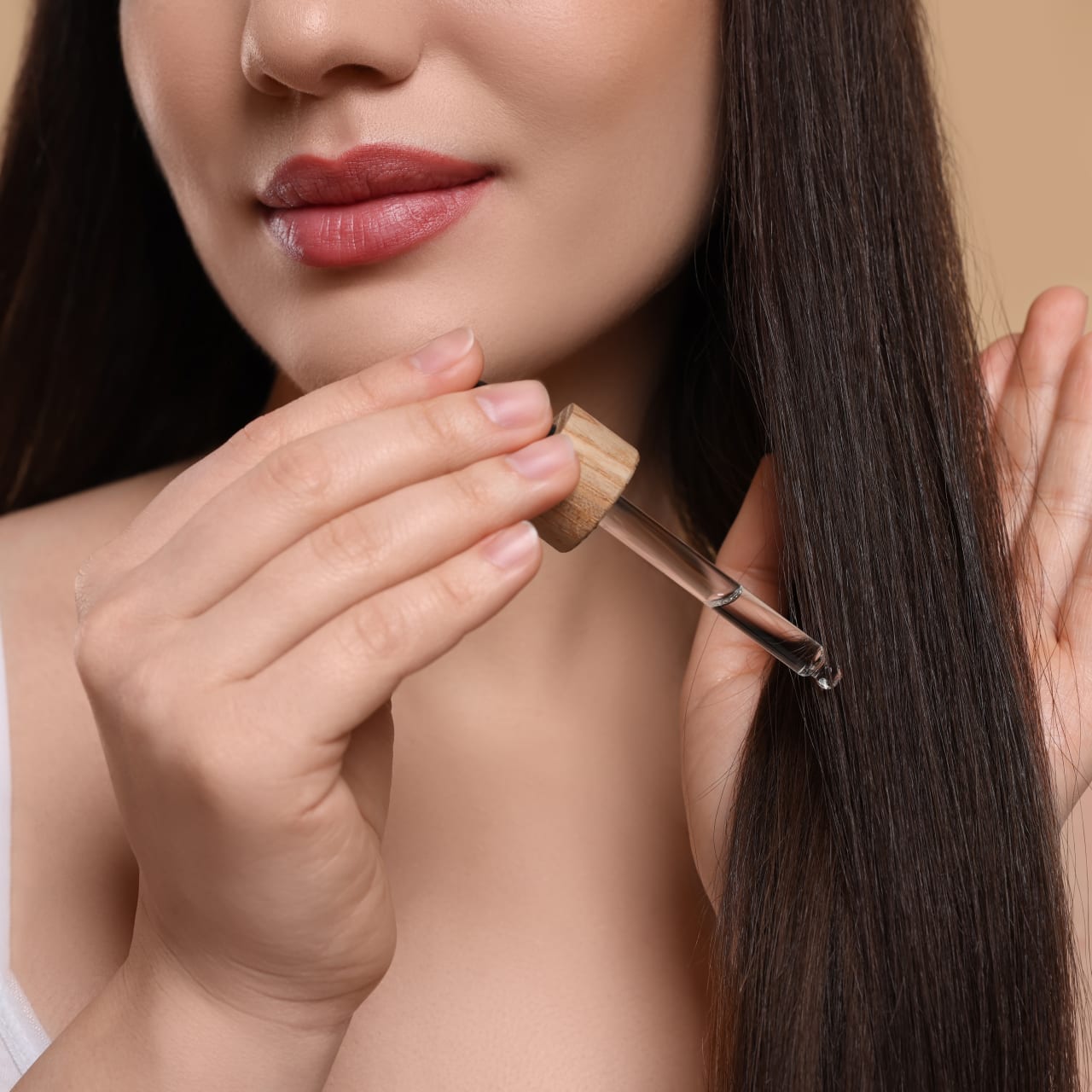
4. Moisturize your ends: Finish with your keratin serum to moisturize your hair from root to tip.

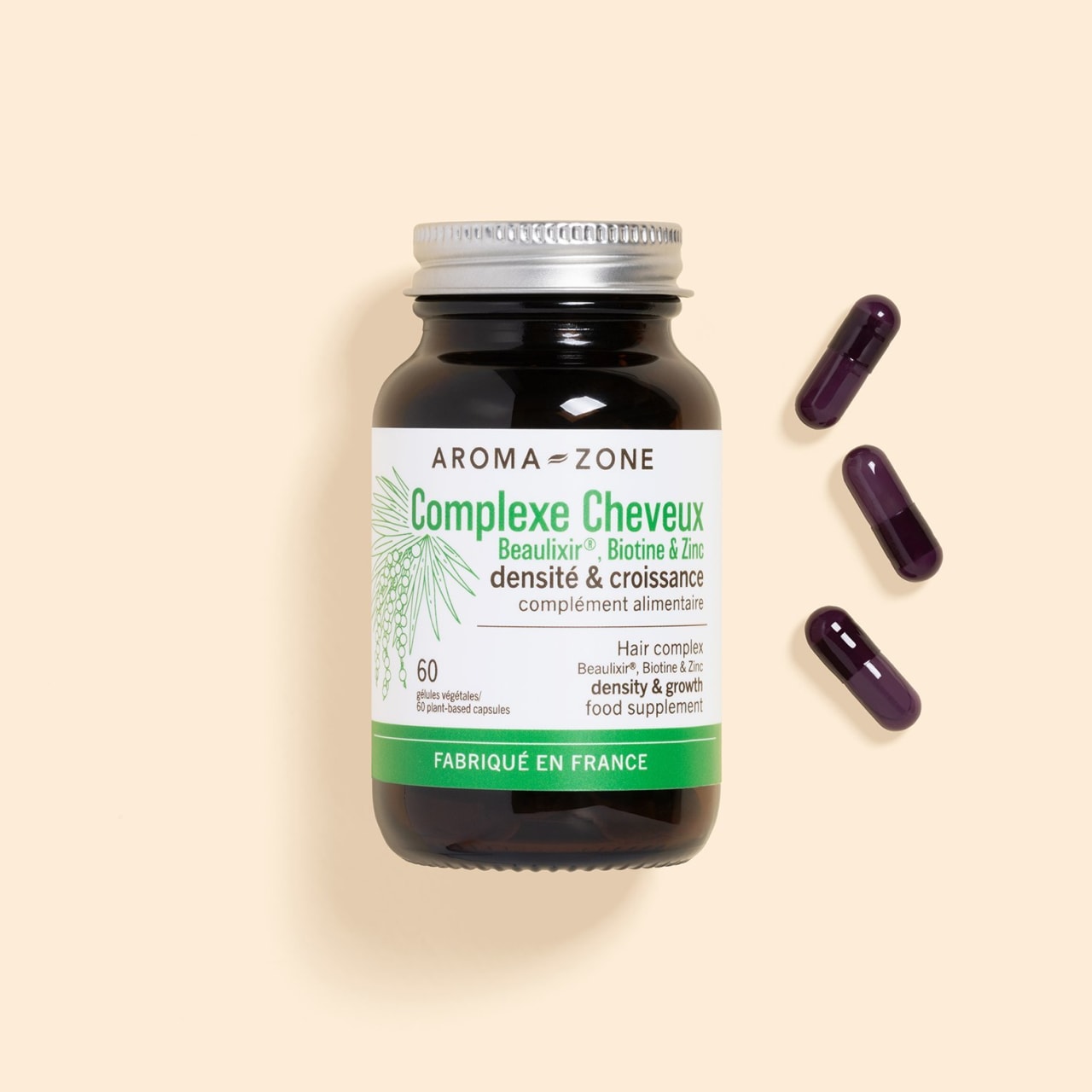
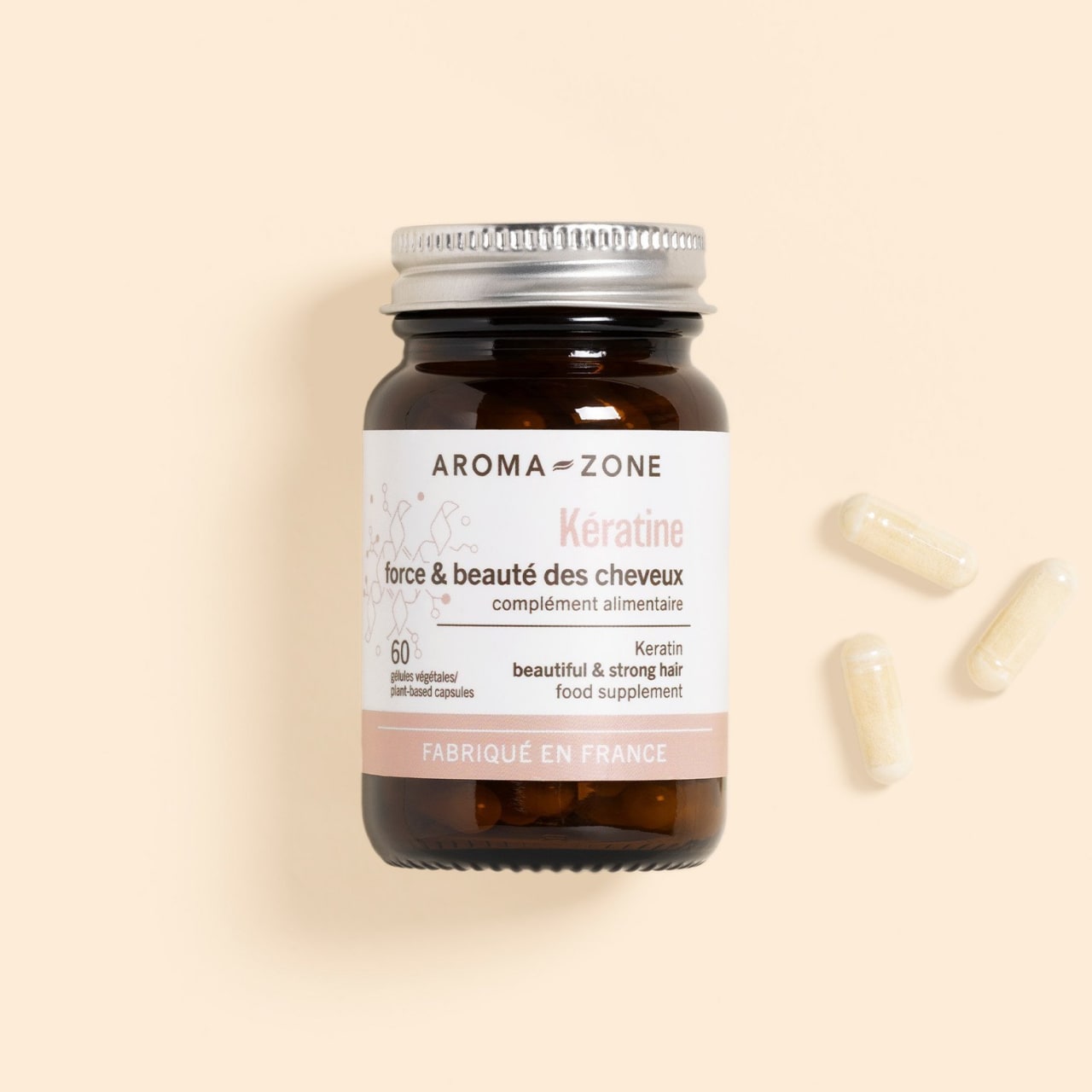
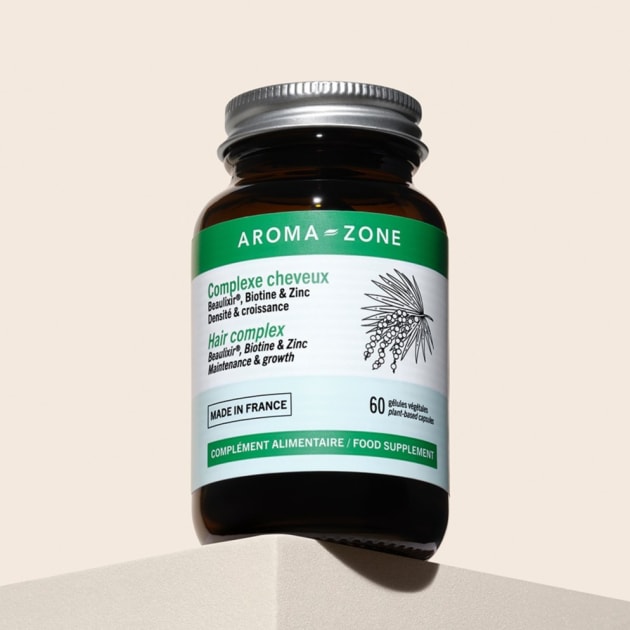
5. Supplement your daily intake with a keratin dietary supplement. It’s scientifically proven: its patented active ingredient, Cynatine HNS®, improves hair strength. Just 2 capsules a day are enough to see results in shine and hair loss.

A few home remedies to strengthen your hair

  • The Avocado Mask. Since brittle hair needs more nutrition than hydration, avocado (so rich in lipids) is an excellent ally. Mash the flesh of a ripe avocado with a little olive oil. Leave the mixture on for 10 minutes from root to tip.

  • Egg shampoo. Much gentler than shampoos containing sulfate surfactants, which damage the cuticle and promote breakage. As a bonus, it will restore body to limp hair. Beat one or two eggs and massage thoroughly into your scalp before rinsing.

  • Nettle decoction. Boil 100 g of nettle rhizomes (Urtica dioica) in 1 L of spring water, starting with cold water. Simmer for 15 minutes, strain, and let cool. Use this softening lotion as the second-to-last rinse.

Our tips for preserving fine hair that falls out easily

  1. Be extra gentle when brushing: start at the ends and work your way up gently toward the roots, holding the lengths if necessary.

  2. Choose a brush with natural bristles, and absolutely avoid brushes with bristles topped by small balls (risk of pulling hair out).

  3. Detangle your hair when it’s dry or slightly damp to minimize the risk of stretching and breakage.

  4. Find the right brushing frequency: at least once a day, without overdoing it... or going to the other extreme.

  5. Opt for protective hairstyles, such as those recommended for textured hair, to shield your strands from mechanical damage.

  6. Limit hair treatments (straightening, coloring, etc.) that damage the hair shaft as much as possible.

  7. Eat a varied and balanced diet to avoid deficiencies, which are often linked to hair loss.

Our hair care recipes for very dry and damaged hair

Anti-breakage hair care cream with Chebe oil

Ingredients (with measurements)

Ingredients (no measurements)

Preparation

1

Place Phase A (Olivem 1000 emulsifier + tucuma butter + chebe oil macerate + mineral water) in a bowl.

2

Heat the bowl in a double boiler (temperature = 80°C using a thermometer). Mix slowly with the mini whisk throughout the heating process.

3

Once the emulsifier has completely melted, remove the bowl from the double boiler (temperature = 80°C).

4

Shake vigorously for 3 minutes (until the temperature reaches ≤ 50°C).

5

Place the bowl in a basin of cold water and stir slowly until it cools (to a temperature ≤ 30°C).

6

Add Phase B (the remaining ingredients) and mix.

7

Transfer the mixture to a jar.

Precaution: If product comes into contact with eyes, rinse thoroughly with clean water.

Store your bottle away from light and heat.

* Shelf life: bWhen stored properly and manufactured under optimal hygienic conditions, your product will remain effective for at least 3 months.

Learn more

The anti-breakage hair care cream with Chebe oil is formulated with:

Hair butter for dry and brittle hair

Ingredients (no measurements)

Preparation

1

Place the butters, vegetable oil, and coconut silicone in a bowl.

2

Melt in a double boiler over low heat, then remove from the heat.

3

Add fragrance and vitamin E.

4

Place the bowl in the freezer and stir occasionally until you get a smooth, creamy paste.

5

Pour the paste-like mixture into a jar.


Store your jar away from light and heat.

*Storage: When stored properly and manufactured under optimal hygienic conditions, your product will last at least 6 months.

Precautions for use

The active ingredients and products mentioned in this content may require specific precautions for use. Consult our technical data sheets before use.

Dietary supplements are not a substitute for a varied and balanced diet or a healthy lifestyle. Consult a doctor before starting a treatment regimen. Always follow the recommended daily doses.

Expert advice

Have you heard of silk pillowcases? Their soft, smooth weave is said to limit friction between the hair strands and the pillow and preserve moisture—whereas cotton pillowcases are thought to “suck it up.” By extension, they may help prevent breakage. Keep this in mind if you tend to toss and turn at night: your hair might thank you for it! If you can’t find any, you can also opt for a silk scarf to wrap around your hair.

Learn more

My hair is breaking and won’t grow anymore: what should I do?

Rest assured: your hair is definitely growing. To help it reach your desired length, the priority is to protect it from all external aggressors that damage and break it. Give your hair time to recover by taking a break from straightening, coloring, and perms. At the same time, treat it to nourishing, regenerating, and stimulating care.

How can you restore density after a period of hair loss or breakage?

Massage stimulating rubs into the roots using mustard seed oil (always diluted) or arugula oil. Both of these oils are known to promote hair growth. If you prefer non-greasy textures, opt for a scalp-thickening serum. Opt for natural active ingredients such as panthenol, peptides, or pea extract.

Spotlight on our specialist editor, Hélène Betoux

Hélène Betoux is a French beauty journalist specialising in web media. Every day she writes tips, advice and guides to help consumers choose the right beauty products. With a strong interest in natural, organic and clean cosmetics, she analyses and shares trends and innovations in the sector.

Bibliography

1

Little Secrets of Natural Beauty and Well-being, Larousse, 2022.

2

Coucke-Haddad S., Grandmother’s Remedies for Everyday Ailments, Asap, NC.

3

De Lorenzi C., Quenan S., “When Hair Breaks” in Rev Med Suisse, issue 14, 2018, pp. 662–669.