How can I prevent hair loss?

No, hair loss is not inevitable! You can help slow hair loss and stimulate the scalp's microcirculation using natural ingredients such as plant oils (castor, mustard), plant powders (nettle, bhringaraj) and essential oils (clary sage, atlas cedar). Anti-hair loss shampoos, oils rich in omega-3-rich oils applied as scalp massages, strengthening lotions and hydrosols. Discover our selection of recipe ideas: simple and natural, they're packed with natural plant extracts to significantly reduce hair loss. And because stress and nutritional deficiencies are often the key contributors to hair loss, we also share some simple, effective tips to help you manage them better.

By The Aroma-Zone editorial team

Reading time: 0 min.

What is hair loss?

Hair loss, also known as alopecia, is a natural process whereby hair falls from the scalp. Every day, it is normal to lose between 50 and 100 hairs, as they are part of the natural hair growth cycle, which comprises three phases: the anagen phase (growth), the catagen phase (transition) and the telogen phase (rest and fall).

Why does hair fall out? What causes it?

  • Genetic factors: The most common cause of hair loss is heredity. Male and female baldness, known as androgenetic alopecia, is due to genetic factors.

  • Hormones: Hormonal changes, such as those that occur during pregnancy, the menopause or thyroid disorders, can cause temporary or permanent hair loss.

  • Stress and trauma: Significant physical or emotional stress can lead to temporary hair loss, known as telogen effluvium.

  • Nutritional deficiencies: A diet lacking in essential nutrients such as iron, zinc, B vitamins and protein can contribute to hair loss.

  • Diseases and infections: Certain diseases, such as scalp infections, alopecia areata (an autoimmune disease) and chronic illnesses, can cause hair loss.

  • Medication: Some medications, including those used to treat cancer, arthritis, depression, heart problems and high blood pressure, can have side effects that include hair loss.

  • Hair products and treatments: Excessive use of harsh chemicals, such as dyes, perms and straighteners, as well as heated styling tools, can damage hair and cause it to fall out.

  • Seasonal changes: Some people notice an increase in hair loss during seasonal changes, such as autumn.

  • Lifestyle factors: Smoking, excessive alcohol consumption and poor scalp hygiene can also contribute to hair loss.

A word from the trichologist

Hair health does not depend solely on hair follicles or hormones: it also depends on the scalp microbiota. The scalp microbiota—a community of microorganisms living on the surface of the skin—acts as a natural immune barrier. It limits the proliferation of pathogens (such as Malassezia spp.) and regulates local inflammation. (1) When it is unbalanced (due to harsh shampoos or prolonged use of antifungal agents), it can induce low-grade chronic inflammation, which contributes to the progressive miniaturization of hair follicles. (1,2)

At the same time, a deficiency in essential nutrients (iron, zinc, B vitamins—particularly B8, or biotin) impairs the synthesis of keratin, the main protein in hair. (3) Sulfur-containing amino acids such as methionine and cysteine, as well as antioxidant micronutrients (vitamins A, C, E, selenium, polyphenols), play a crucial role in hair regeneration by limiting oxidative stress.(3,4) This is one of the major causes of premature follicle aging and slowing of the anagen phase.


My advice: Consider an energy cut to stimulate hair growth!

The energy cut is a method of cutting with a vibrating razor that goes beyond aesthetics. Each pass of the blade generates micro-vibrations that are transmitted directly to the scalp. These vibrations stimulate the deep sensory receptors located around the hair follicles, promoting microcirculation and oxygenation of the bulb. Result: the hair is better nourished, more firmly anchored, and its growth can be stimulated.

Dr. Dalila Belmokhtar @dalilapharmacien, Doctor of Pharmacy & Trichologist

Our most effective solutions for hair loss

Top active ingredients and natural extracts to promote hair growth

Hair loss: our tips

Tip 1

Massage your scalp regularly to irrigate it and activate microcirculation. This strengthens the hair bulb, making it more receptive to treatment and limiting massive hair loss. Massage from the back of the neck up to the forehead, then from behind the ears to the top of the head.

Tip No. 2

Avoid wrapping your hair in a towel when you've just washed it. Traditional towels have thick fibres that prevent the hair from breathing. The weight of the towel on your head is also a factor in hair loss. Instead, opt for a quick-dry with a light, super-absorbent microfibre towel to avoid weakening the hair.

Tip no. 3

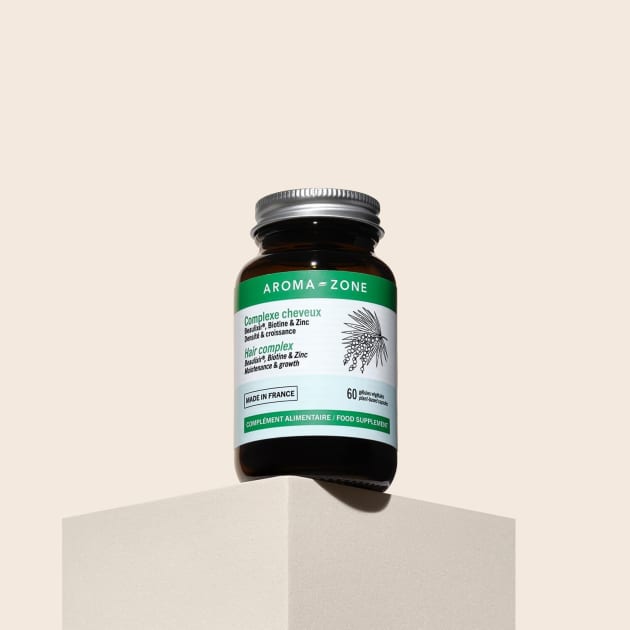
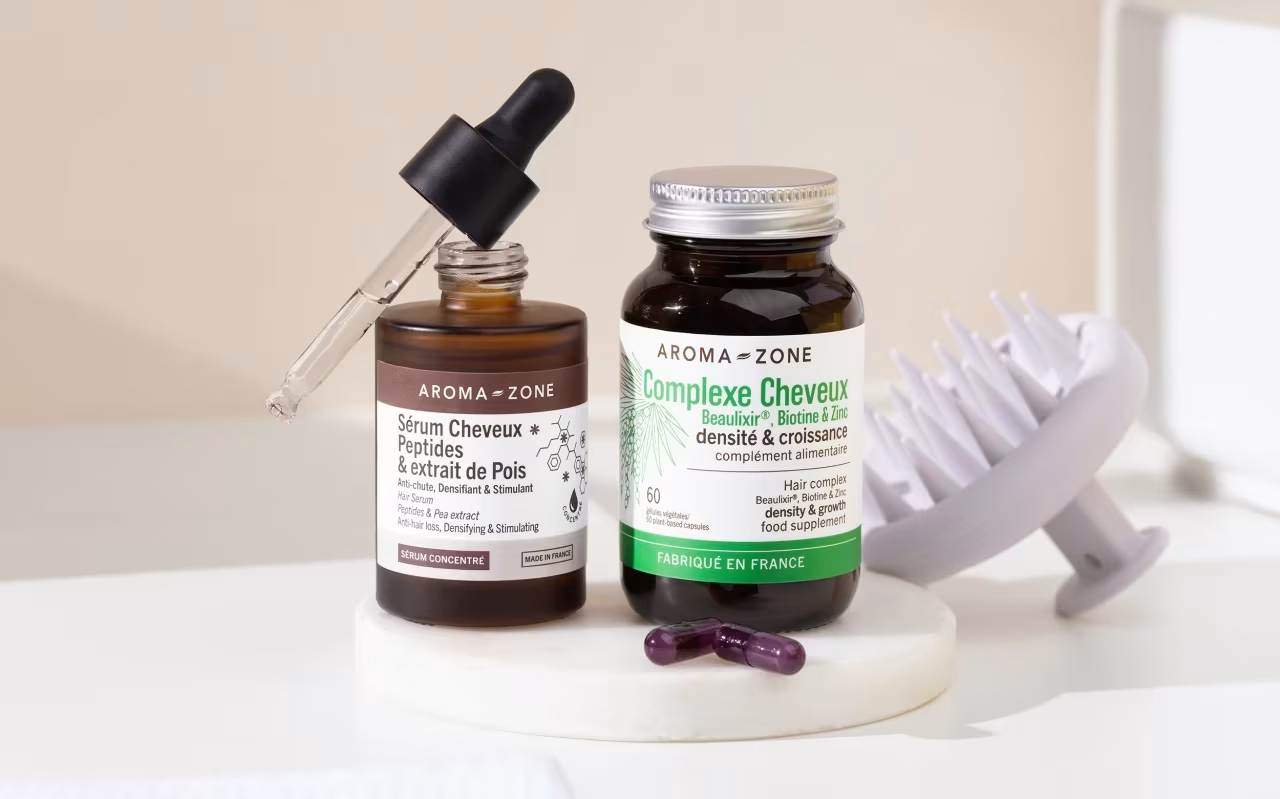
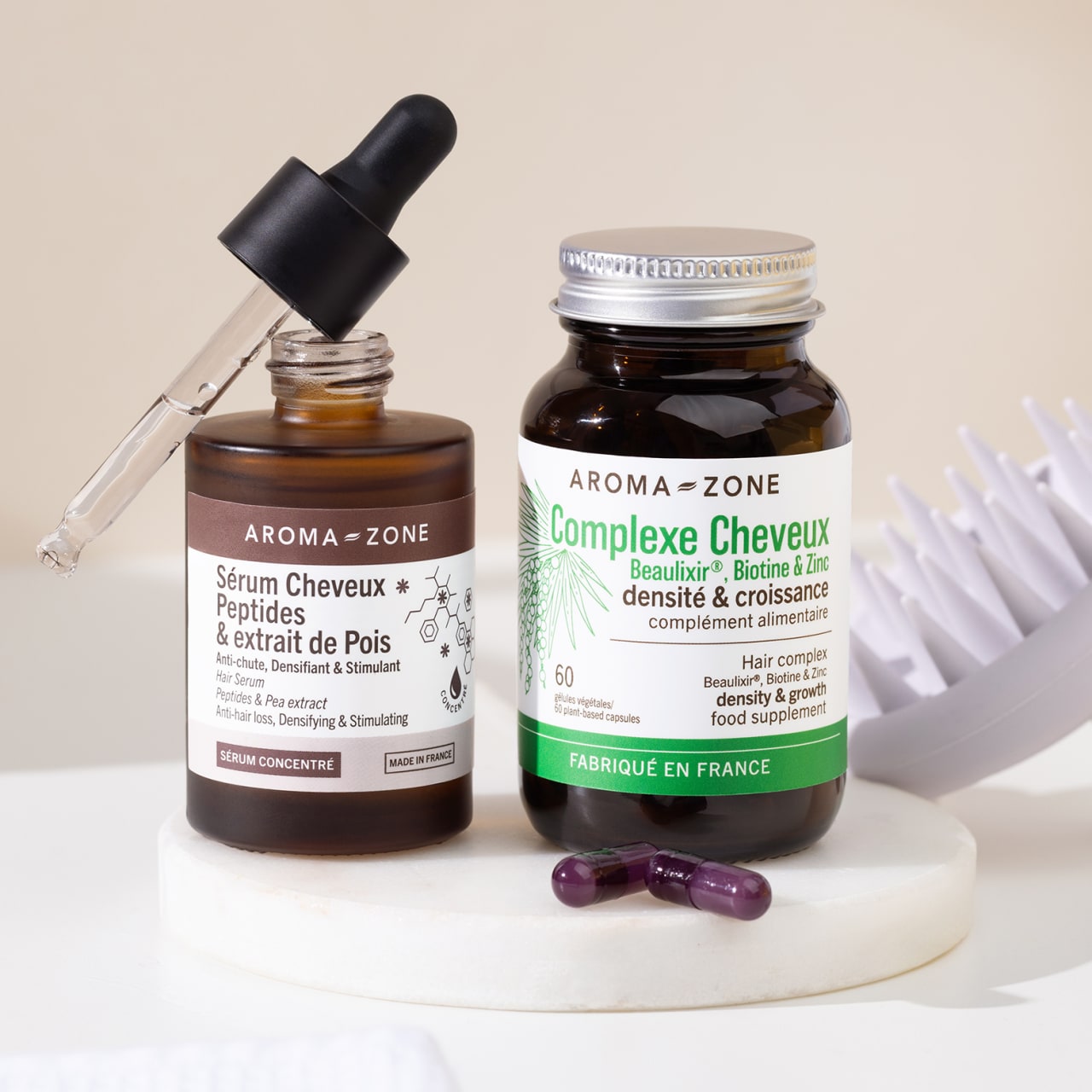
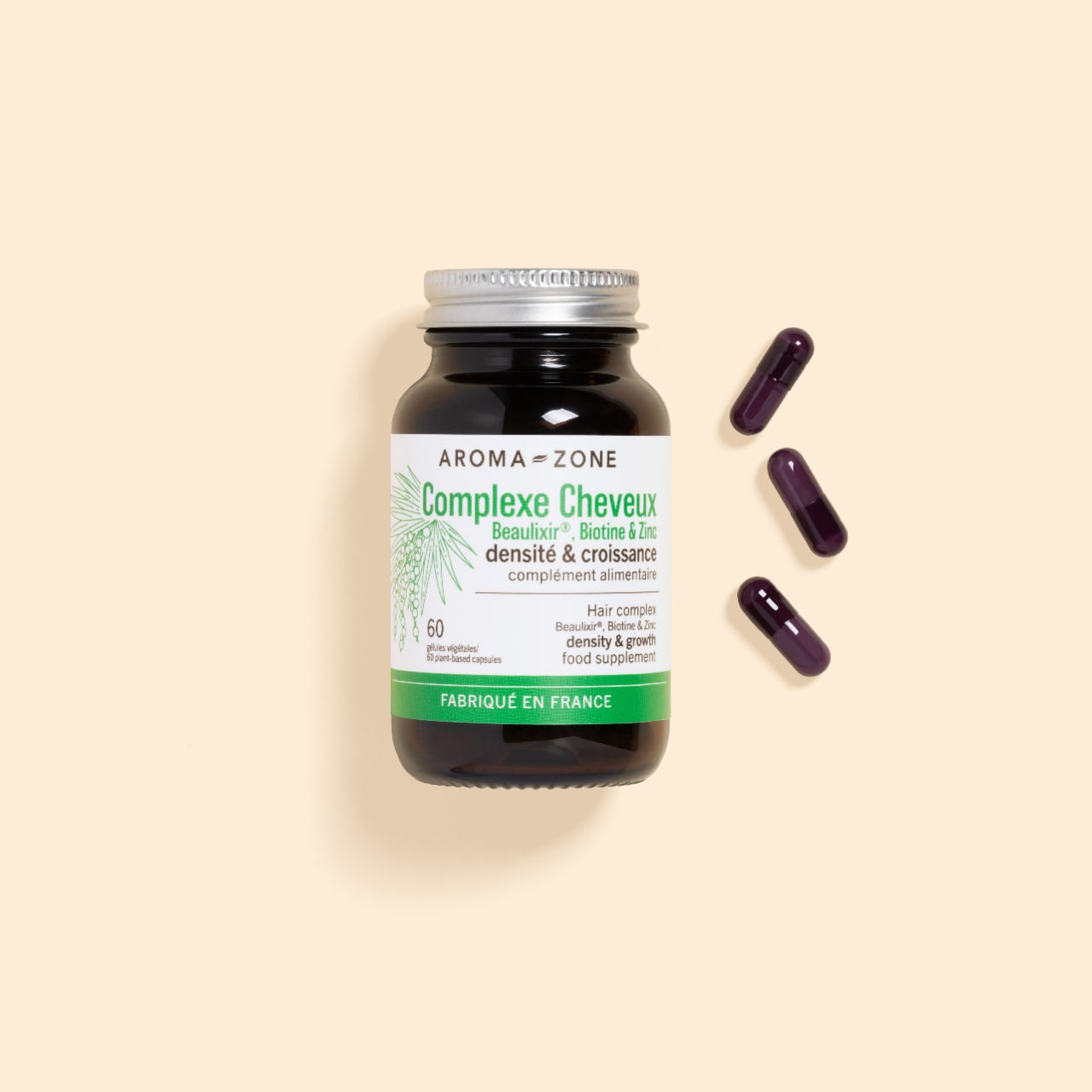
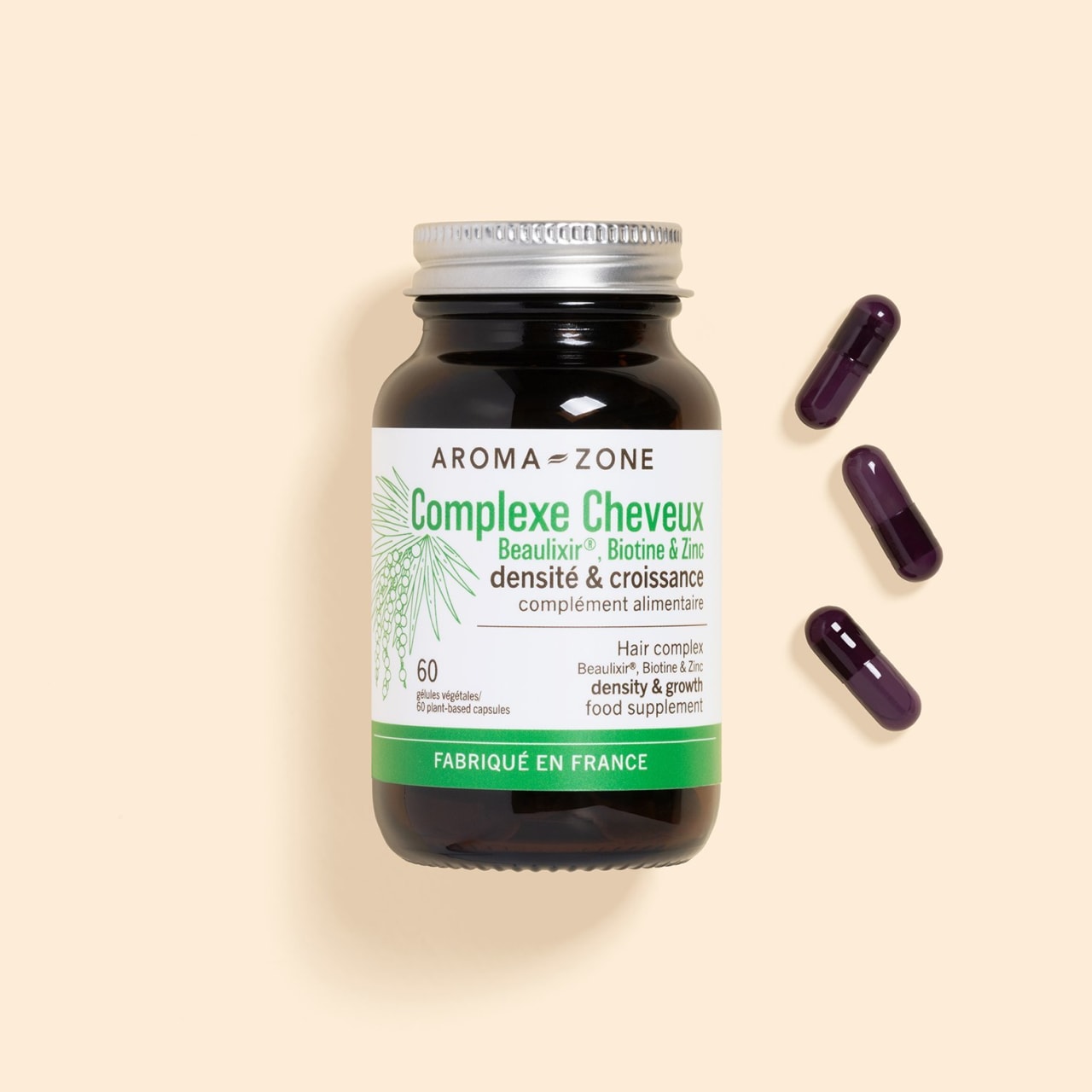
To combat hair loss, think about food supplements. Hair is an excellent indicator of deficiencies in the body. Hair loss is often associated with a lack of zinc, magnesium, calcium, vitamin B and, above all, iron. Opt for fortifying capsules rich in minerals. After a week's treatment, you'll notice a reduction in hair loss.

Tip 4

Give yourself time to relax and let go. Stress is one of the factors that have a significant influence on hair loss. Olfactotherapy is a great way to learn how to combat stress. Diffuse into the air, or smell the bottle itself, a combination of soothing essential oils based on Petitgrain Bigarade, Sweet Orange or Sweet Marjoram. As a complement, don't forget herbal infusions made from soothing plants such as Lemon Balm, Verbena, Lime tree and Camomile.

Some recipe ideas

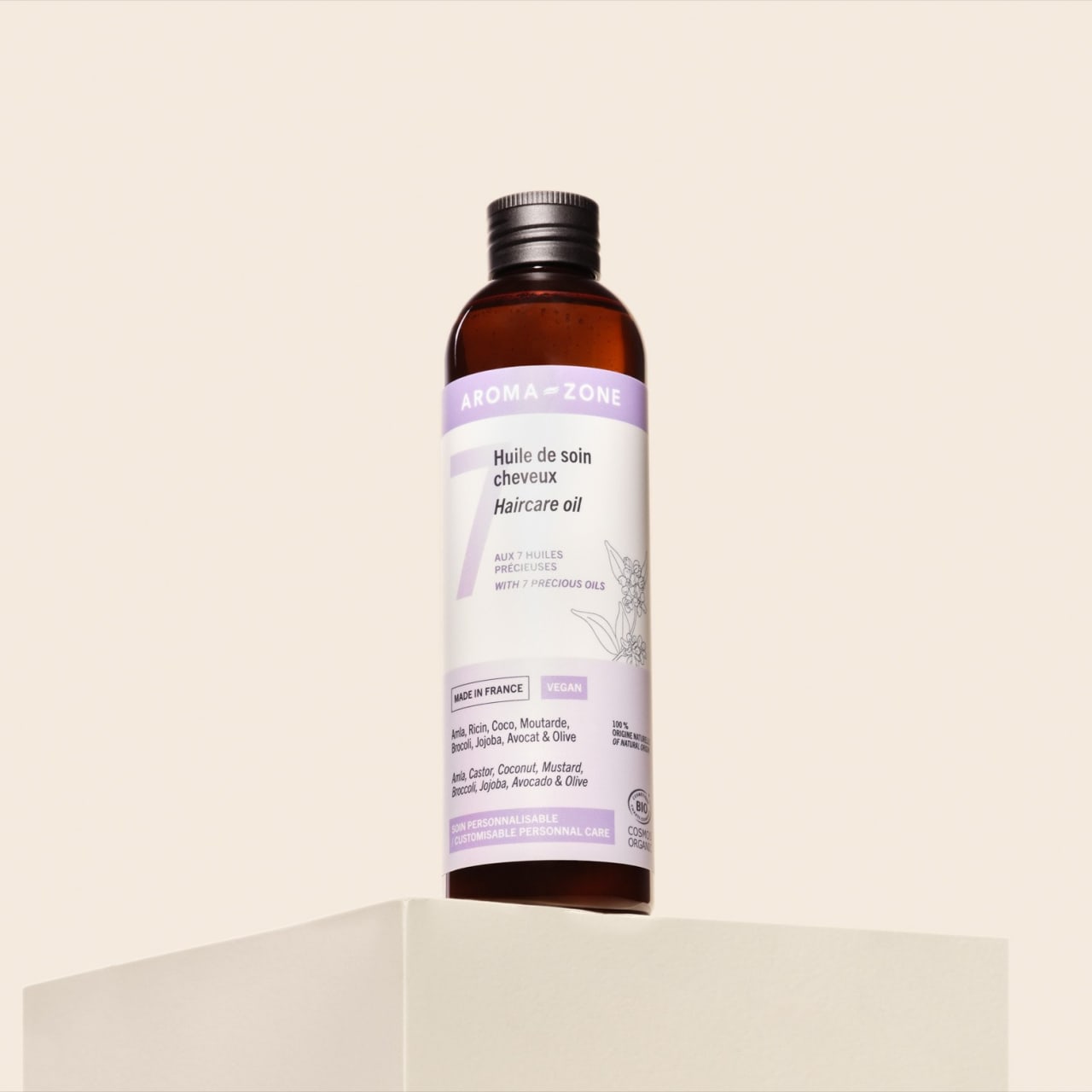
Anti-hair loss massage oil to oxygenate the scalp and limit hair loss

Hair care

1

Pour all the ingredients into a bottle.

2

Close the bottle and shake.

3

All set!


Apply a few drops of this aromatic oil to the scalp, massaging it in with your fingertips. Leave for 30 minutes before shampooing off. The combined action of massage and plant oils with toning and anti-hair loss properties will give your hair a boost!

Fortifying pre-shampoo mask to reduce hair loss

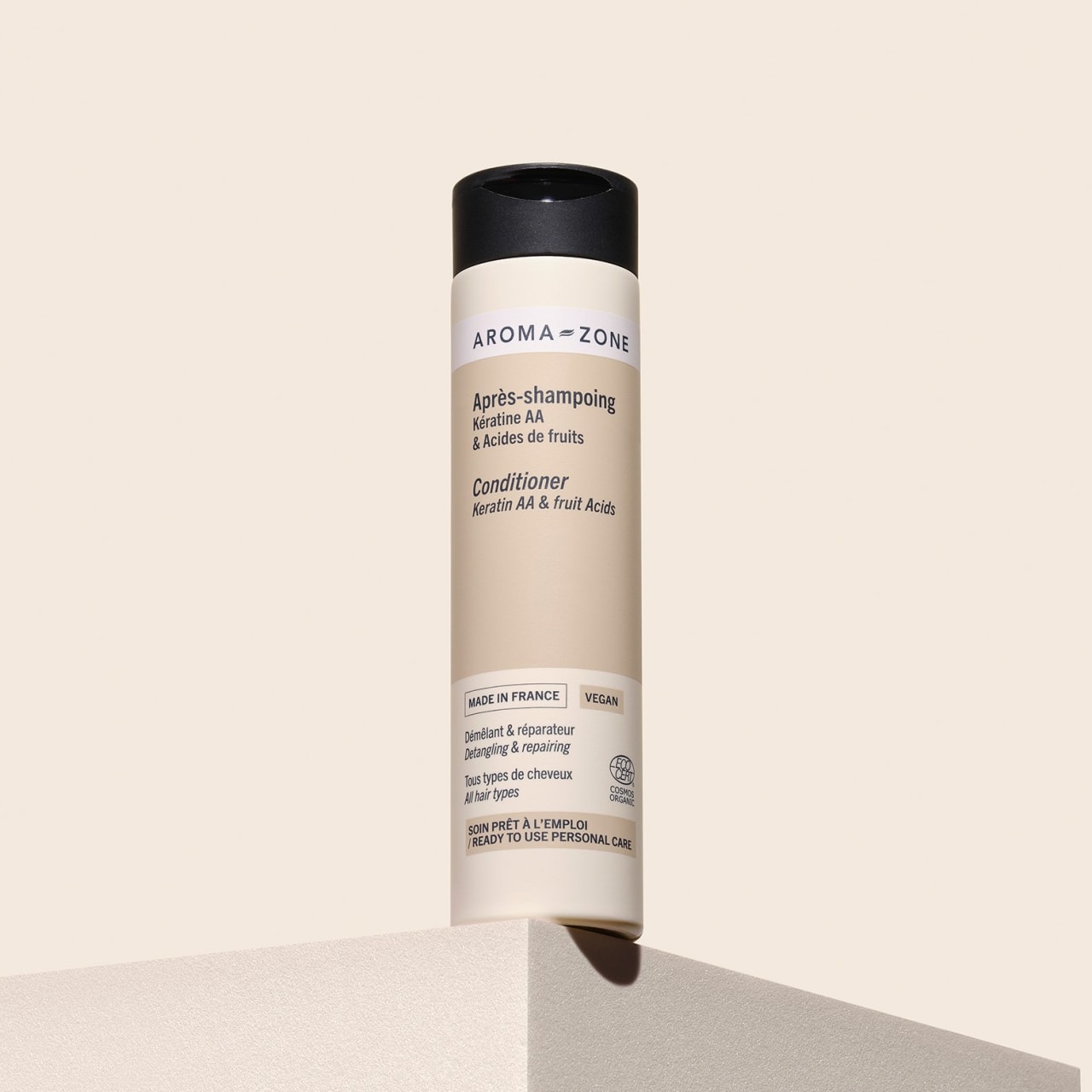
Conditioners and masks

1

Mix the Fenugreek and Bhringaraj powders with theCoconut oil in a bowl.

2

Gradually add the mineral water, mixing until you obtain a smooth, homogenous paste.

NB: The amount of water needed to obtain a good paste may vary depending on the powder used. Adjust the amount if necessary.


This fortifying pre-shampoo mask combines a combination of plants renowned for fortifying hair, promoting hair growth and slowing down hair loss. The result: radiant, flawless hair! Apply this mask to wet hair on the scalp and lengths, massage into the scalp, leave on for 10 to 15 minutes and rinse with clean water before shampooing.

Anti-hair loss shampoo with powerful active ingredients to slow down hair loss

Hair care

1

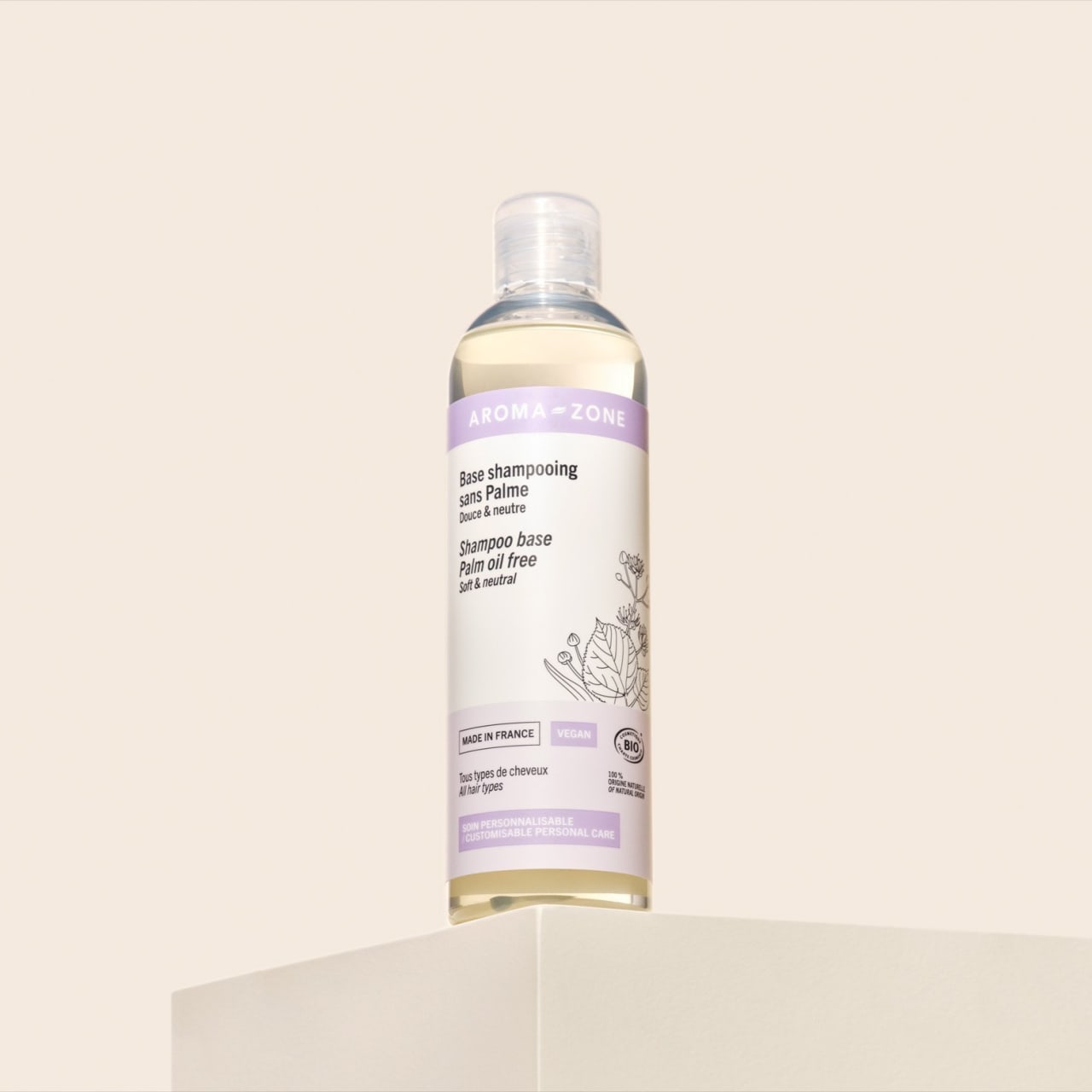
Put the neutral shampoo in a bowl.

2

Gradually add the rest of the ingredients , mixing well between each addition.

3

Pour the mixture into the bottle.


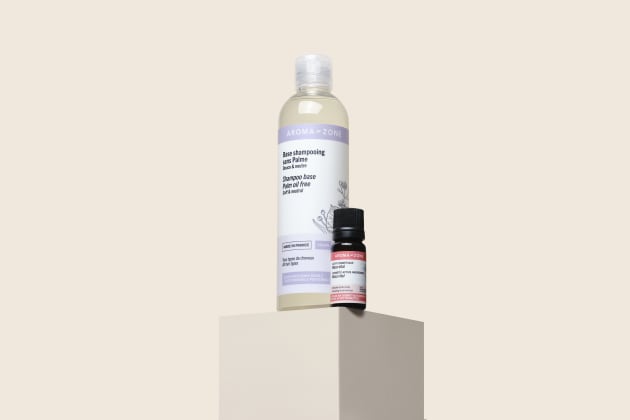
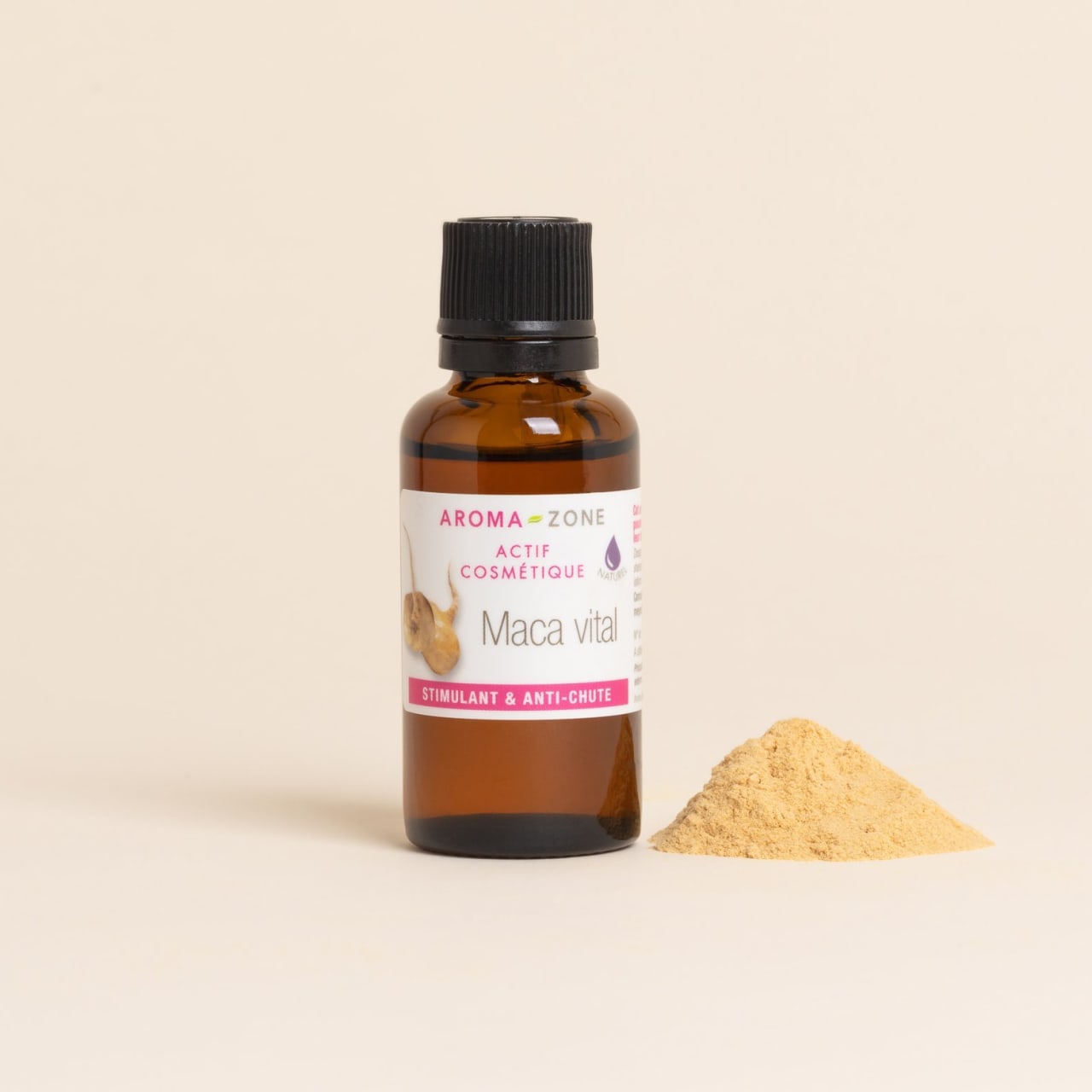
This shampoo combines Maca Vital, an active ingredient renowned for stimulating hair growth and improving the resistance of the hair bulb, and Atlas Cedar, renowned for slowing hair loss. A powerful combination for an ultra-effective formula! Apply to wet scalp, massage in with fingertips and rinse with clean water.

Rinse lotion to prevent hair loss

Hair care

1

Put all the ingredients in a spray bottle.

2

Close the bottle and shake.

Note: the pH of this blend is approximately 4.0-5.0.


An aromatic potion, this botanical lotion combines the unique virtues of four powerful hair care plants, reputed to strengthen hair, prevent hair loss and restore shine. It is ideal for enhancing the effect of your haircare products (shampoos, masks, etc.). Spray onto the scalp and all over the hair after shampooing, and leave to dry in the open air or with a hairdryer.

Find out more

What causes hair loss?

Hair loss, when it remains moderate, is the body's natural reaction. For a few weeks, or even a few months, the hair enters a telogen phase (resting period) and eventually falls out. This ensures hair renewal without damaging the hair mass. Hair loss can also have secondary causes, such as hormonal variations (pregnancy, menopause, thyroid disorders, etc.), stress, autoimmune diseases, chemotherapy, nutritional deficiencies, scalp infections, climate change, pollution, fatigue, etc. Whether hair loss is partial or total, its cause can take many forms.

What causes hair loss in men?

Alopecia in men is also known as baldness. When heredity is the primary cause, we speak of androgenetic alopecia. This form of hair loss mainly affects men and is due to a hormonal factor: testosterone. This male hormone is transformed in the body into another hormone, dihydrotestosterone. By attaching itself to the hair follicles, this hormone accelerates the hair production process. As the hair follicles renew themselves more and more quickly, they become exhausted. As a result, the hair grows back thinner and thinner over time and ends up disappearing prematurely. To combat hair loss in men, there are a number of ingredients and haircare products to choose from.

What causes hair loss in women?

The mechanisms of hair loss are identical in women and men, following the rhythm of hormones. Female hormones (oestrogen and progesterone) encourage hair growth. Male hormones (testosterone), on the other hand, speed up the hair cycle, leading to faster hair loss. As oestrogen levels are higher in women, hair loss is less spectacular than in men. On the other hand, the hormonal changes brought about by pregnancy or the menopause, characterised by a drop in female hormones, are highly conducive to hair loss. Overall, two out of three women experience hair loss at some point in their lives.

Hair loss in women (female alopecia) manifests itself differently from hair loss in men: it is more diffuse, not affecting the hair on the frontal line as in men, at the temples and at the top of the head, and is also more gradual, which explains why, unlike men, women never go completely bald. They lose their hair more sparsely: this is known as "diffuse female androgenetic alopecia". Although this condition is benign, it is often difficult to cope with emotionally, causing stress and lowered self-esteem.

Expert advice

Expert advice

The lifespan of a hair ranges between 4 and 6 years. For a few weeks, or even several months, it enters the telogen phase before naturally shedding. We lose between 60 and 100 hairs a day, allowing for continuous renewal without any visible loss of density. In autumn and spring, the change in light affects the hormonal system, leading to increased hair shedding. To minimise hair loss linked to these seasonal and hormonal variations, but also to avoid reaching the stage of alopecia (massive and accelerated hair loss), it is important to address nutritional deficiencies and protect yourself from intense emotional stress, which is a major contributing factor in hair loss.

Bibliography

1

Chen, Y.-C. et al. (2021). The human scalp microbiome and its role in hair disorders. Experimental Dermatology, 30(3), 282–288.

2

Del Campo, R. et al. (2018). Scalp Microbiome and Seborrheic Dermatitis: A Review. American Journal of Clinical Dermatology, 19(4), 499–509.

3

Almohanna, H. M. et al. (2019). The Role of Vitamins and Minerals in Hair Loss: A Review. Dermatology and Therapy, 9(1), 51–70.

4

Mirmirani, P. (2015). Mechanisms of hair loss in inflammatory dermatoses. Journal of Investigative Dermatology Symposium Proceedings, 17(2), 49–52.