What causes hair loss and what can be done about it?

What causes hair loss and what can be done about it?


By The Aroma-Zone editorial team

Published on: Monday, September 18, 2023, Updated on: Tuesday, September 15, 2026

Finding a few more hairs than usual on your brush or at the bottom of the shower almost always causes concern. However, hair loss is part of a natural cycle, continuously renewed by the hair follicle: it is only when hair loss becomes more severe or prolonged that it warrants serious attention. In this article, we look at the most common causes of hair loss, the warning signs to watch out for, and natural remedies that can help slow it down in the long term.

Contents

Related products

In brief

In brief:

  • Hair loss can be seasonal, or linked to stress, hormones, ageing, iron or protein deficiencies, certain medical conditions, and harsh hair care practices. The article helps to distinguish between telogen effluvium, which is often reversible, and androgenetic alopecia, and presents natural solutions such as relaxation, a balanced diet, oils and toning hydrosols.

  • An appropriate approach begins with identifying the cause and symptoms, followed by a targeted routine. Hair follows a four-phase cycle, and normal hair loss ranges from 50 to 100 hairs per day. To stimulate microcirculation, the recommended protocol involves the daily application of a hydrosol of rosemary, peppermint, Atlas cedar or linalool thyme, massaged in using circular movements without rinsing; details on how to optimise this are set out in the article.

  • Sudden hair loss, thinning patches, a sensitive scalp or above-normal hair loss warrant medical advice. The article details the signs used to distinguish between different types of alopecia and advises carrying out a skin tolerance test in the crook of the elbow 24 hours before application.

Causes of hair loss

Let's start by analysing hair loss and its various causes. It is important to know the cause of your hair loss in order to treat it in the most appropriate way possible. For example, if you experience hair loss during a change of season, then you would treat it differently compared to androgenetic alopecia.

Similarly, sudden hair loss due to excessive stress can be treated not only with cosmetic active ingredients, but also through a focus on relaxation.

Also, natural ageing often leads to a gradual reduction in hair density. Illnesses such as thyroiditis, diabetes and autoimmune disorders can also lead to increased hair loss.

As well as that, certain medical treatments, including chemotherapy, as well as the prolonged use of certain medications, can cause temporary or permanent hair loss. Hormonal changes, especially those cause by pregnancy, the menopause or contraceptives, are also factors to consider. An unbalanced diet, lacking essential nutrients such as iron or protein, can weaken hair and lead to hair loss.

Last but not least, aggressive hair care, such as tight hairstyles (ponytails, plaits) or excessive use of chemicals, can damage hair follicles and contribute to hair loss. Emotional shock, meanwhile, can cause significant hair loss, often a few months after the stressful event.

What is the hair’s life cycle?

Hair does not grow continuously: it follows a cycle comprising several phases, specific to each hair follicle.

  • Anagen phase (growth): the follicle actively produces hair. This phase lasts between 2 and 5 years and accounts for around 85 to 90 per cent of the hair;

  • Catagen phase (transition) : growth slows down and then stops. This brief stage (2 to 3 weeks) affects around 1 per cent of the hair at any given time;

  • Telogen phase (resting): the hair remains anchored in the follicle without growing for 2 to 3 months. This phase accounts for 10 to 15 per cent of the hair;

  • Exogen phase (shedding): the hair falls out, making way for a new anagen cycle. 

When this cycle is disrupted, the anagen phase becomes shorter and the proportion of hair in the telogen phase increases: it is this mechanism that accounts for most cases of excessive hair loss.
What deficiency causes hair loss?

Nutritional deficiencies play a crucial role in hair health. Iron deficiency is one of the most common causes of hair loss, particularly in women. Iron is essential for the production of keratin, the main protein in hair. Similarly, a zinc deficiency can weaken hair follicles, leading to hair loss. B-group vitamins, particularly biotin (vitamin B8) and vitamin B12, are also important for maintaining healthy hair. A diet low in protein or essential fatty acids, such as omega-3, can also compromise hair growth and lead to increased hair loss.

Stress and emotional trauma

Intense stress, an emotional shock or a significant life event (childbirth, illness, surgery) can cause many follicles to enter the telogen phase prematurely. The resulting hair loss, known as telogen effluvium, usually occurs two to three months after the triggering event. Researchers at Harvard have identified a biological mechanism in mice: the stress hormone appears to keep hair follicle stem cells in a prolonged resting phase, preventing them from regenerating hair (2). This mechanism has yet to be confirmed in humans, but it sheds light on why long-term stress can have a more severe impact on the hair than a one-off episode.

Seasonal changes

In autumn and spring, it is common to notice increased hair loss . Studies suggest that there are seasonal variations in the hair cycle, sometimes with a second, more subtle peak in spring, but the causes of these remain poorly understood. This increase in hair loss may be temporary (7).

Hormonal imbalances

Pregnancy, post-partum, the menopause, and stopping hormonal contraception: these hormonal fluctuations are among the most common causes of hair loss in women. In the vast majority of cases, the situation gradually returns to normal once hormonal balance has been restored.

Heredity: androgenetic alopecia

Androgenetic alopecia is a form of progressive hair loss that is most often hereditary, linked to a genetic sensitivity of the hair follicles to DHT, a derivative of testosterone. In men, it generally begins at the temples and then progresses towards the crown of the head. In women, it tends to manifest as diffuse thinning on the top of the head, with the hairline generally remaining intact.

Nutritional deficiencies and an unbalanced diet

A lack of iron, zinc, protein or B vitamins weakens the follicle and can accelerate hair loss. L-lysine, an essential amino acid, may also play a role, particularly when combined with iron (4). In this article, we devote an entire section to deficiencies that may contribute to hair loss.

Certain health conditions and treatments

A thyroid disorder, an autoimmune condition, or certain intensive medical treatments (notably chemotherapy) can also cause hair loss to a greater or lesser extent. Hair growth usually resumes once the cause has been identified and treated by a healthcare professional.

Haircare routines that are too harsh

Very tight hairstyles can lead to traction alopecia (hair loss caused by repeated tension). Conversely, repeated colouring, heat and vigorous brushing mainly weaken the hair shaft and cause it to break, without causing hair to fall out at the root.

What are the symptoms of hair loss?

Hair loss can manifest itself in different ways, and it's important to recognise the early signs in order to get appropriate treatment. Here are some common symptoms of hair loss:

  • Thinning of the hair: a decrease in hair density may be manifested by a progressive thinning of the hair, especially at the crown of the head or at the temples.

  • Widening parting: a gradually widening parting of the hair can be an early sign of hair loss, especially in men.

  • Thinning hair: areas of thinning hair or bald spots may appear on the scalp, indicating more advanced hair loss.

  • Excessive hair loss: a significant increase in the amount of hair that falls out when brushing, washing or simply touching the hair can be a sign of hair loss.

  • Scalp tenderness: scalp tenderness or pain can accompany hair loss, especially if associated with inflammation or irritation.

If you notice any of these symptoms, it is recommended that you consult a dermatologist or healthcare professional for an accurate diagnosis and to discuss available treatment options.

A word from the dermatologist

“Hair loss is a symptom that is often trivialised, yet it warrants an examination of the scalp and the hair, and, if necessary, a blood test – usually to check for iron deficiency or a thyroid condition. In the case of so-called ‘seasonal’ hair loss, an anti-hair loss serum can speed up regrowth. It should be applied whilst gently massaging the scalp to stimulate blood circulation, ensuring better absorption. It takes three months to assess the effectiveness of the treatment.”

Dr Reyhan Amode, dermatologist and member of the Aroma-Zone College of Dermatologists

How does hair grow?

Hair growth is a cyclical process that takes place in several distinct stages:

  1. The growth phase (anagen): during this phase, the hair follicles actively produce new hair. This phase can last from two to six years and determines hair length.

  2. The transition phase (catagen): at the end of the growth phase, the hair follicles enter a transition phase where growth activity slows down and the hair stops growing. This phase generally lasts a few weeks.

  3. The resting (telogen) phase: during this phase, the hair is at rest and remains attached to the hair follicle but does not actively grow. This phase lasts about three months before the hair falls out naturally.

  4. The hair loss phase (exogenous): at the end of the resting phase, the hair naturally falls out to make way for new hair in the growth phase.

This cycle of hair growth and loss is continually repeated throughout a person's life.

Our product solutions for hair loss

Step 1 – Cleanse my scalp

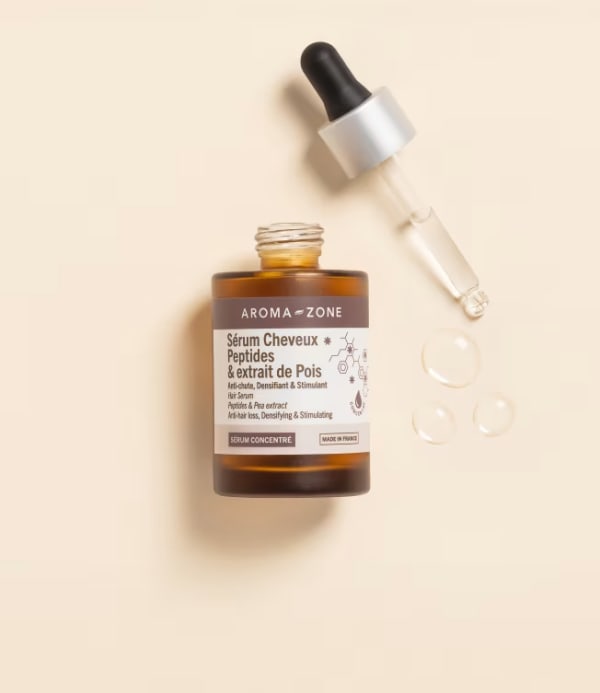
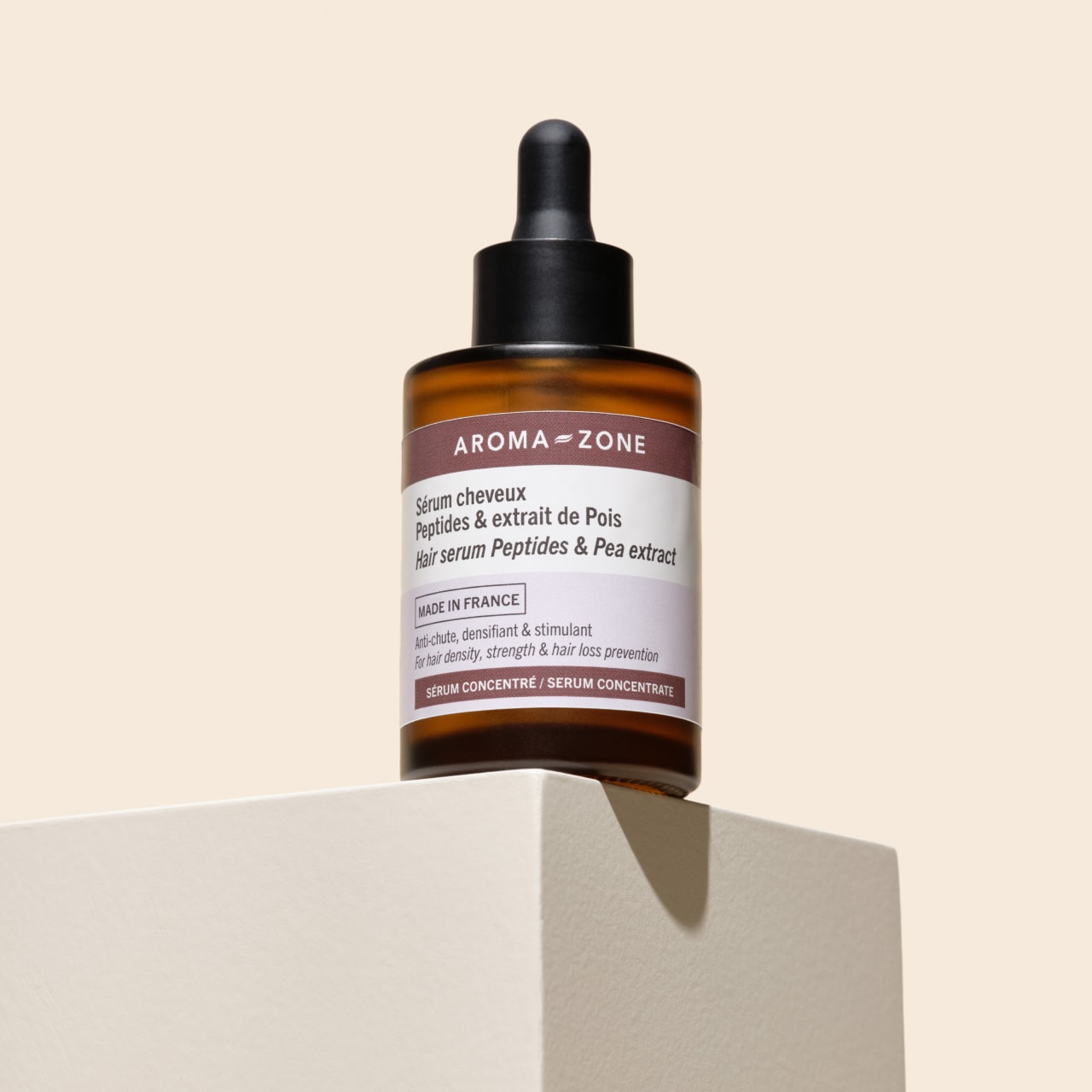
Anti-hair loss serum

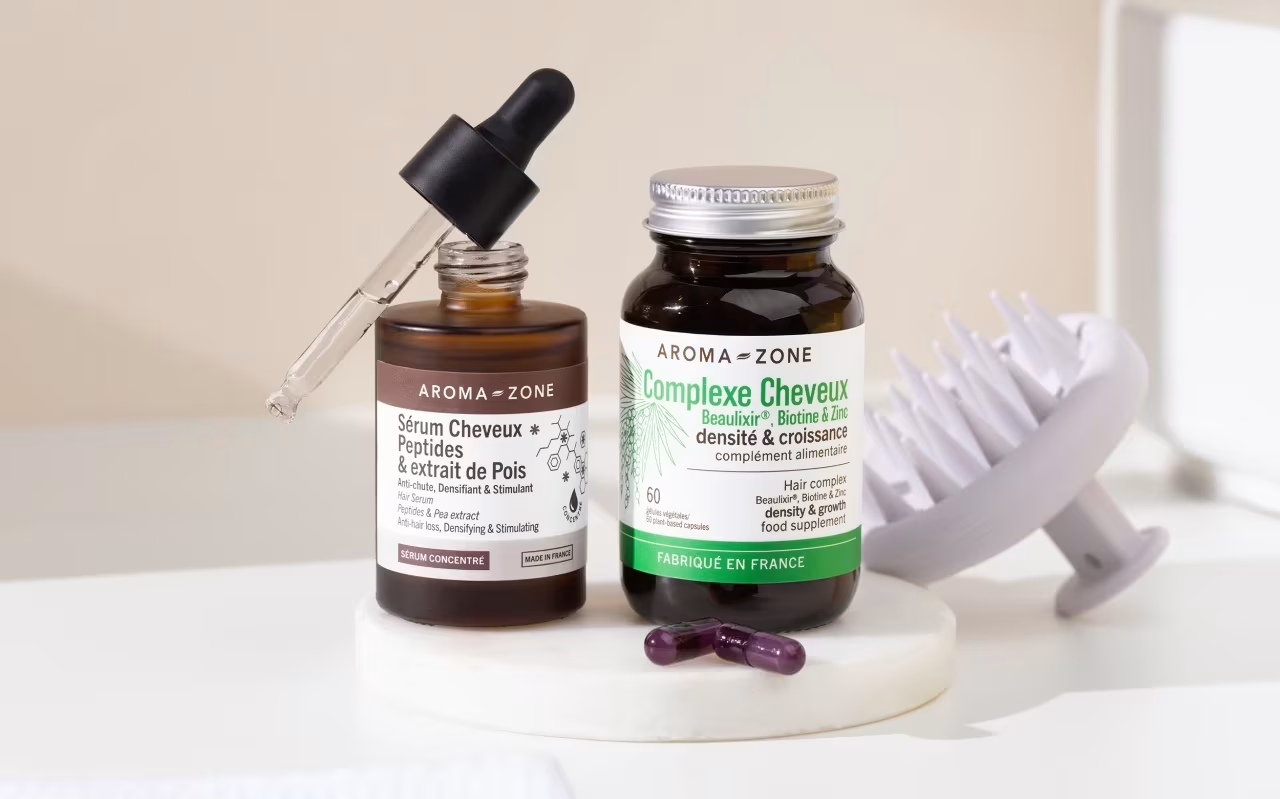
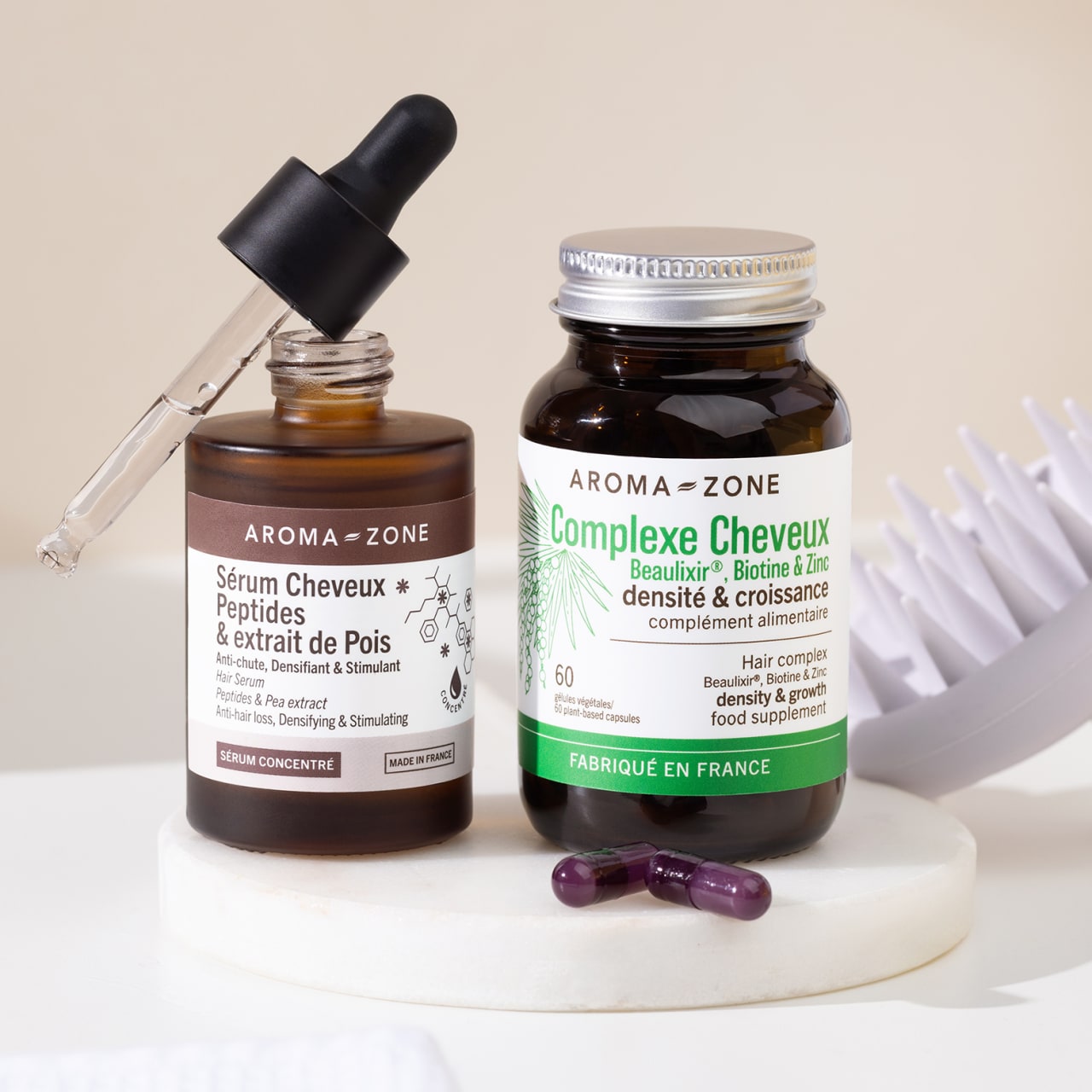
A cocktail of active ingredients with proven efficacy, targeted to rebalance the hair's life cycle by lengthening the growth phase and promoting hair anchorage for thicker, stronger, more resistant hair.

Discover the strengthening and thickening hair serum

Step 2 – Tackling the second cause of hair loss: breakage

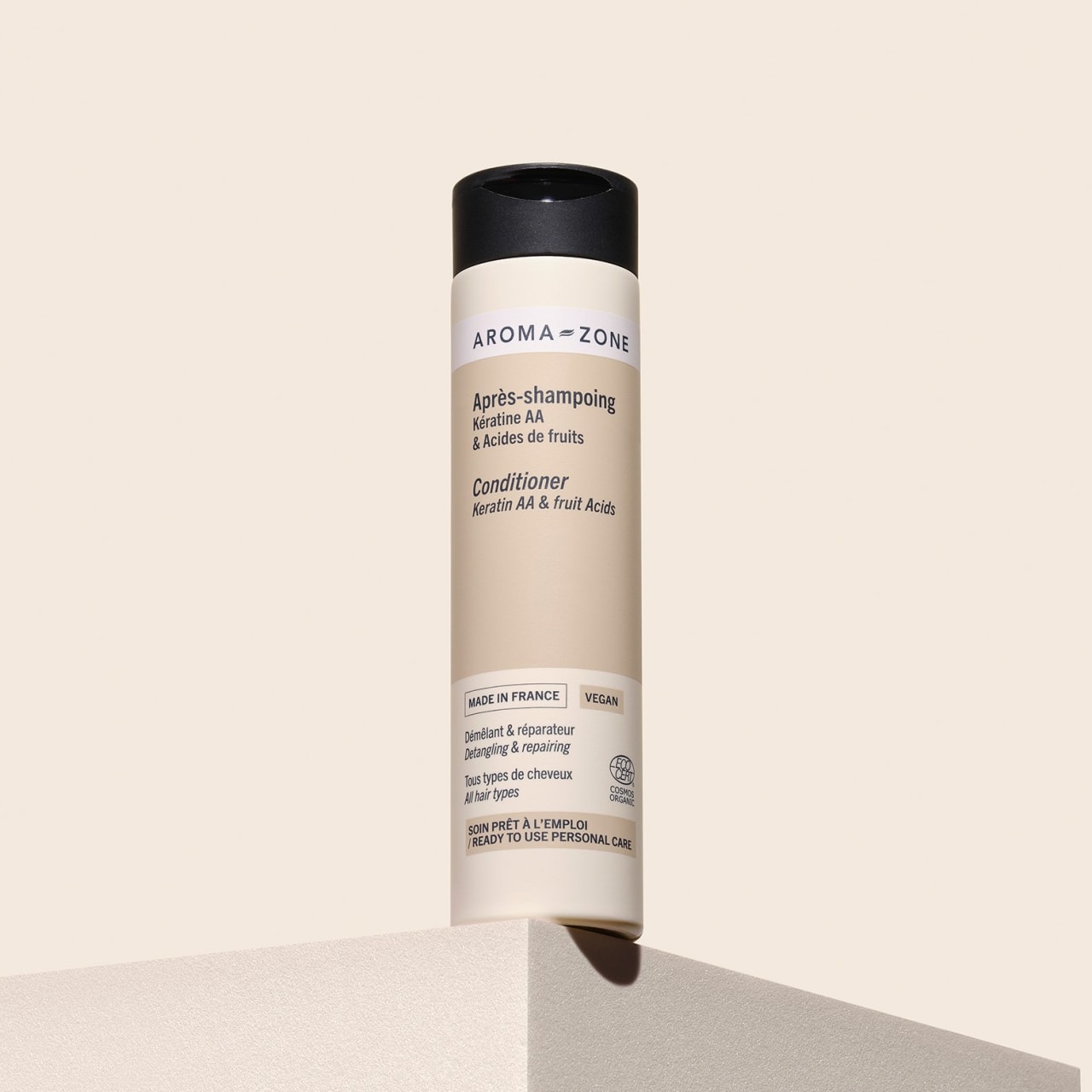
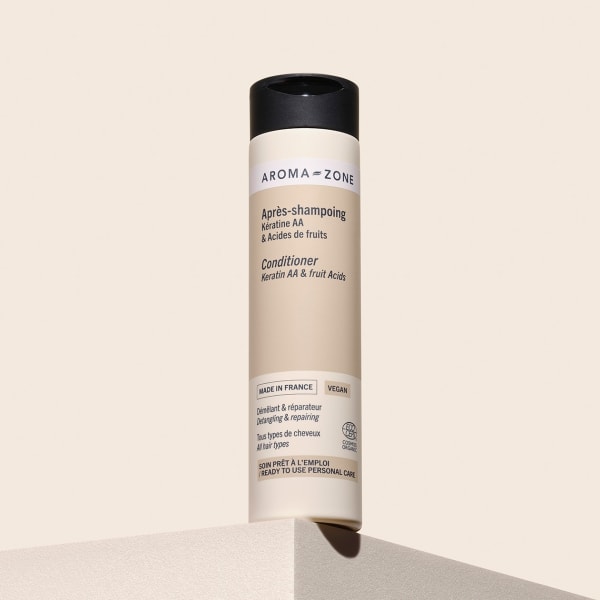
Keratin AA & Fruit Acids Detangling and Repairing Conditioner

Castor oil

A star plant oil for combating hair loss and promoting hair growth: castor oil, of course. Ideal for repairing and nourishing dry, lifeless, split and brittle hair, it also plays an important role in combating hair loss.

Discover Castor Oil

Step 3 – Identifying my specific problem

Brewer's Yeast Food Supplement

A real nutritional bomb for the hair, it guarantees 100% of the daily intake of B group vitamins (B1, B2, B9, B12) and also contains Selenium, which is very beneficial to the health of the scalp.

Discover the enriched Brewer's yeast food supplement

Step 4 – My dietary supplement

Capture d'écran 2026-07-28 113529

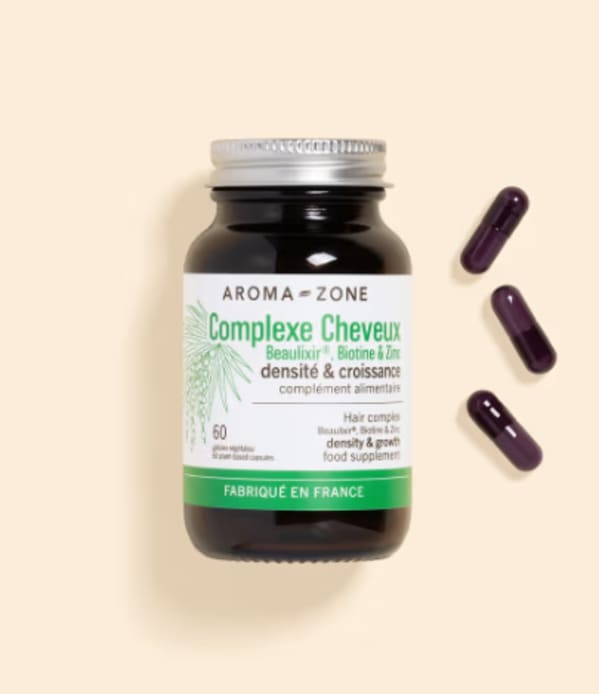
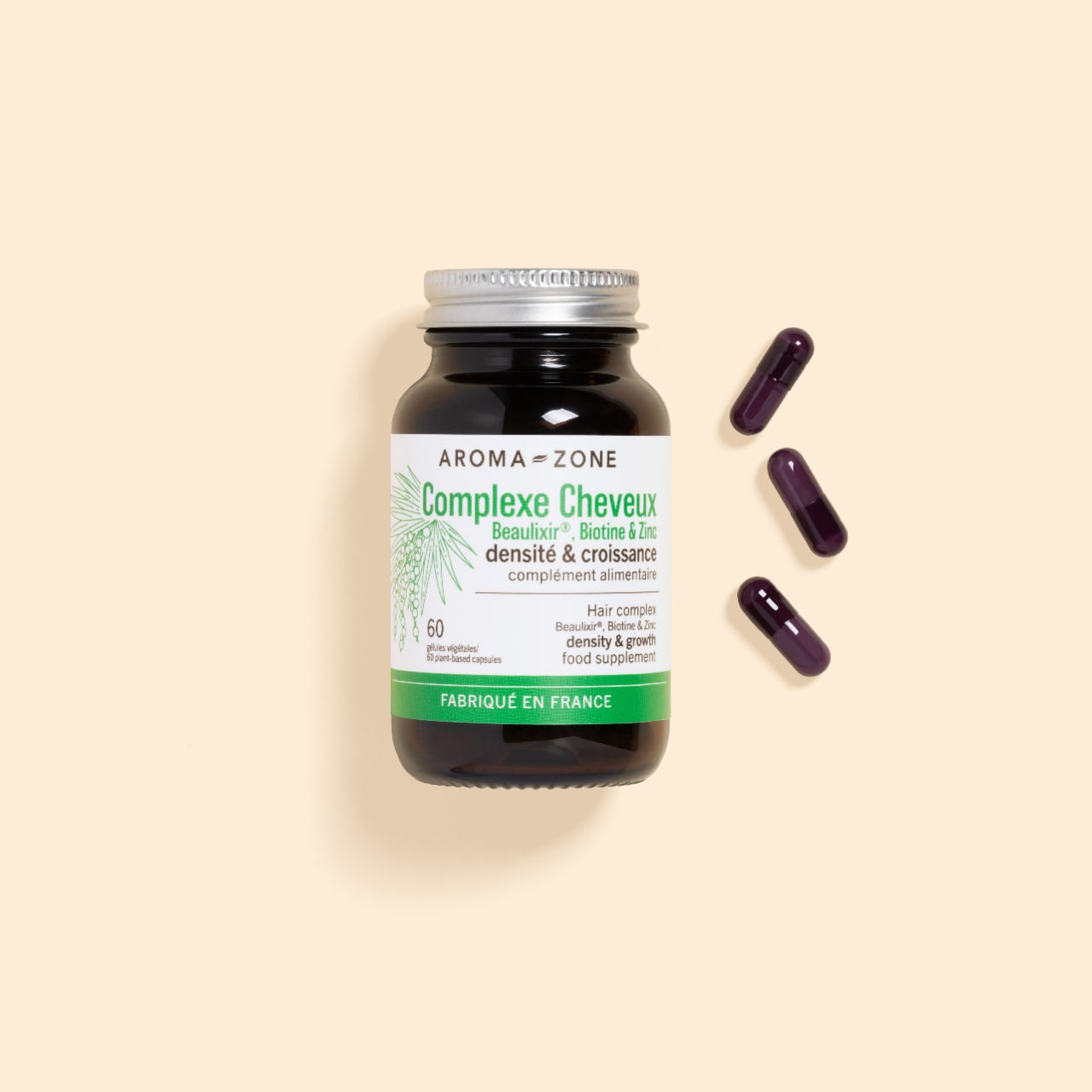
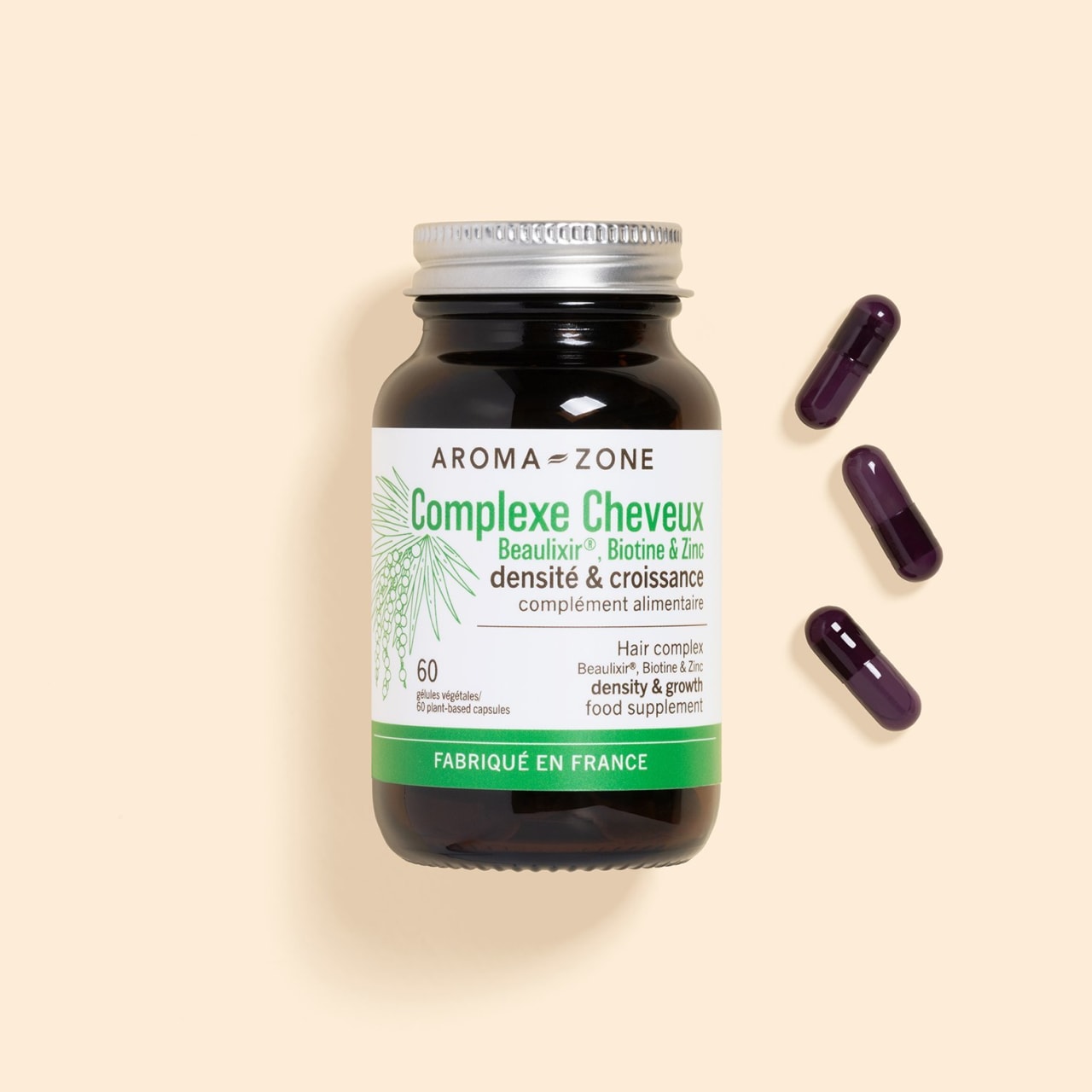
Hair Complex – 60 capsules – Food supplement

This formula combines saw palmetto, natural biotin, zinc bisglycinate and plant-based oils to target the main factors involved in hair loss. Zinc and biotin help maintain normal hair.

Discover the Hair Complex – 60 capsules – Food supplement

Natural solutions

  1. Relaxation and stress management: Regularly practising relaxation techniques such as meditation, yoga or deep breathing can help reduce stress and promote hair growth.

  2. A balanced diet: Eating a diet rich in fruit, vegetables, lean proteins and essential fatty acids can provide hair with the nutrients it needs to stay strong and healthy.

  3. Natural haircare: Opting for natural, gentle haircare products that are free from harsh chemicals can help prevent breakage and hair loss while preserving hair's natural health and shine.

  4. Herbal treatments: Certain plants such as Rosemary, Chamomile and Nettle are renowned for their beneficial properties for the hair and scalp. Infusions and essential oils made from these plants can be used in hair treatments to strengthen hair and encourage growth.

By incorporating these natural solutions into your hair routine, you can help prevent hair loss and promote natural, healthy hair growth.

Our natural active ingredients, the solution to combat hair loss

It is advisable to consult a healthcare professional if hair loss is more severe than usual, and particularly if it is accompanied by other symptoms such as patches of baldness, generalised thinning or unusual brittleness of the hair. Hair loss that persists for several weeks, or which worsens over time, may be a sign of a hormonal imbalance, an autoimmune disease or a significant nutritional deficiency. Do not hesitate to seek your doctor’s advice.

Our recipes for natural solutions to hair loss

Hair loss that becomes more severe, persists for a long time or is accompanied by other symptoms (itching, patches, scalp pain) warrants medical advice: your GP or a dermatologist will be able to identify the cause and advise you on the most appropriate treatment, particularly if you are pregnant, breastfeeding or currently undergoing medical treatment.

When using products, always follow the instructions and dosages stated on the product leaflet and carry out a skin tolerance test in the crook of your elbow 48 hours before using a new product for the first time. For dietary supplements, adhere to the recommended daily dose: they are not a substitute for a varied and balanced diet and must be kept out of the reach of young children.

Precautions for using essential oils

Essential oils are powerful natural concentrates. Please refer carefully to the intended uses and precautions for use on each product information sheet. Store them in a suitable glass bottle, away from light and air. Keep out of reach of children. Do not use on pregnant or breastfeeding women, or on children under 6 years of age. Avoid contact with the eyes and mucous membranes. Please consult the general information sheet on precautions relating to essential oils as well as the specific information sheet for each essential oil.

When should you worry about hair loss?

It's important to start worrying about hair loss if you notice more hair loss than usual, especially if it's accompanied by other symptoms such as bald patches, general thinning or unusual hair fragility. Hair loss that persists for several weeks, or worsens over time, may be a sign of a health problem, such as a hormonal imbalance, an autoimmune disease or a serious nutritional deficiency. In these cases, it is advisable to consult a healthcare professional for a precise diagnosis and appropriate treatment.

Bibliography

  1. Guo, E. L., & Katta, R. (2017). Diet and hair loss: Effects of nutrient deficiency and supplement use. Dermatology Practical & Conceptual, 7(1), 1–10.

    https://doi.org/10.5826/dpc.0701a01

  2. Lau, J. (31 March 2021). How chronic stress leads to hair loss. Harvard Stem Cell Institute.

    https://www.hsci.harvard.edu/news/how-chronic-stress-leads-to-hair-loss

  3. Hasan, R., Juma, H., Eid, F. A., Alaswad, H. A., Ali, W. M., & Aladraj, F. J. (2022). Effects of Hormones and Endocrine Disorders on Hair Growth. Cureus, 14(12), e32726.

    https://doi.org/10.7759/cureus.32726

  4. Rushton, D. H. (2002). Nutritional factors and hair loss. Clinical and Experimental Dermatology, 27(5), 396–404.

    https://doi.org/10.1046/j.1365-2230.2002.01076.x

  5. Paus, R. (1998). Principles of hair cycle control. The Journal of Dermatology, 25(12), 793–802.

    https://doi.org/10.1111/j.1346-8138.1998.tb02507.x

  6. American Academy of Dermatology Association. (n.d.). Do you have hair loss or hair shedding? Retrieved 27 August 2026, from

    https://www.aad.org/public/diseases/hair-loss/insider/shedding

  7. Kunz, M., Seifert, B., & Trüeb, R. M. (2009). Seasonality of hair shedding in healthy women complaining of hair loss. Dermatology, 219(2), 105–110.

    https://doi.org/10.1159/000216832

Frequently Asked Questions

Frequently Asked Questions