

Dry skin is skin that naturally lacks lipids. It produces less sebum and can feel uncomfortable, tight, or even rough in places.
Dehydrated skin, on the other hand, lacks water. It can affect all skin types, even combination or oily skin, and often manifests as a dull complexion and fine lines caused by dehydration.
What is the difference between dry and dehydrated skin?
Dry skin: long-term lipid deficiency, weakened skin barrier, need for nourishment.
Dehydrated skin: temporary or chronic lack of water, need for hydration and water retention in the skin.
Some skin types have both problems and require a routine that combines hydration and nourishment.
For more information, see our article: Dry skin or dehydrated skin: what are the differences?
The main causes of dry skin
Cold weather, wind, heating, sun exposure, age, and the use of overly harsh skincare products can damage the skin barrier. Over time, the skin naturally produces less sebum and retains less water, which increases dryness.
How can I tell if I have dry skin?
The most common signs are:
a feeling of tightness after cleansing,
persistent discomfort,
lack of suppleness,
dull complexion,
makeup that highlights areas of dryness.
If in doubt, take our personalized beauty diagnosis: Beauty diagnosis
Identifying your exact skin type allows you to choose the right skincare products.
What routine should you follow if you have dry skin?
A routine for dry skin should focus on gentleness, repair, and protection. Here are four steps to follow every day:
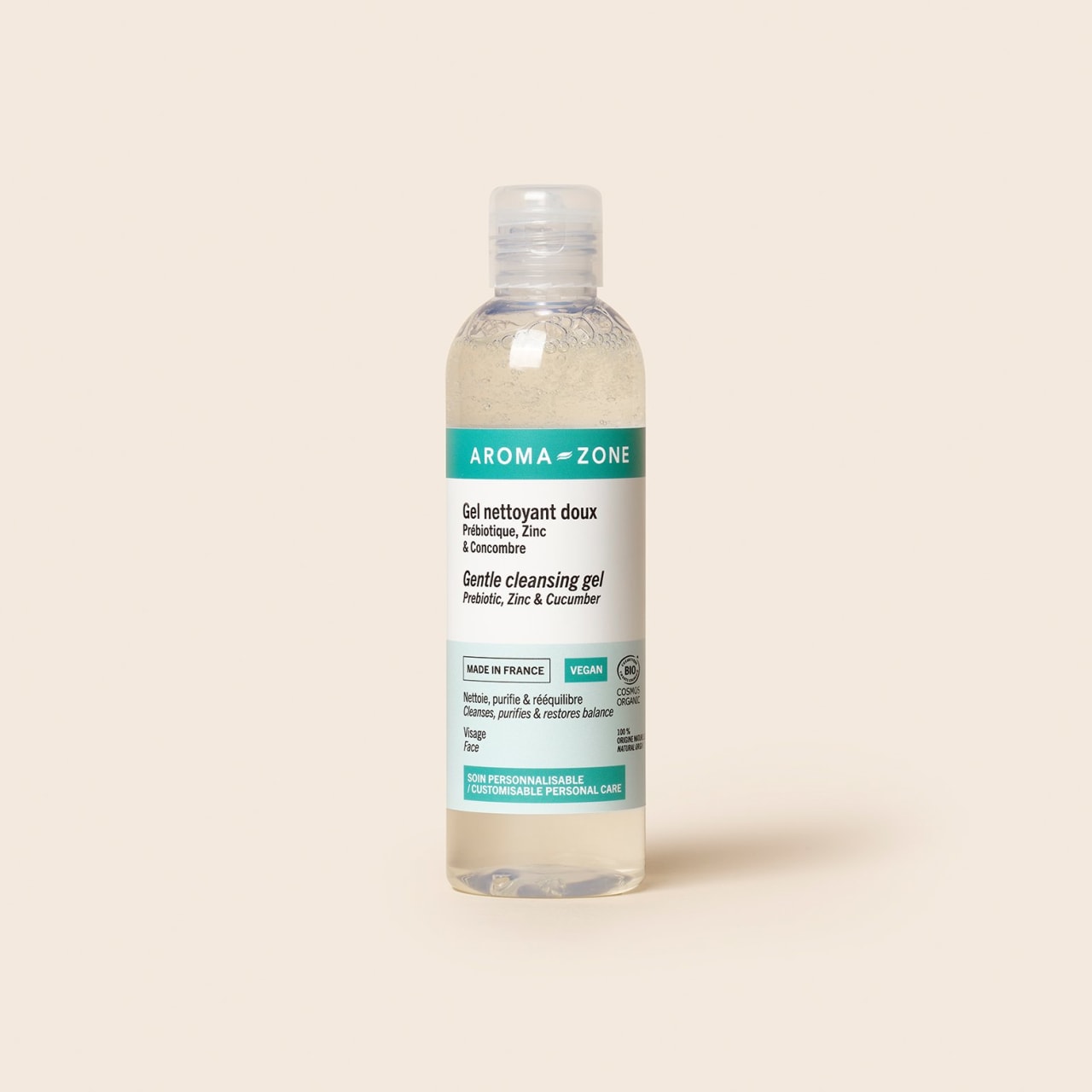
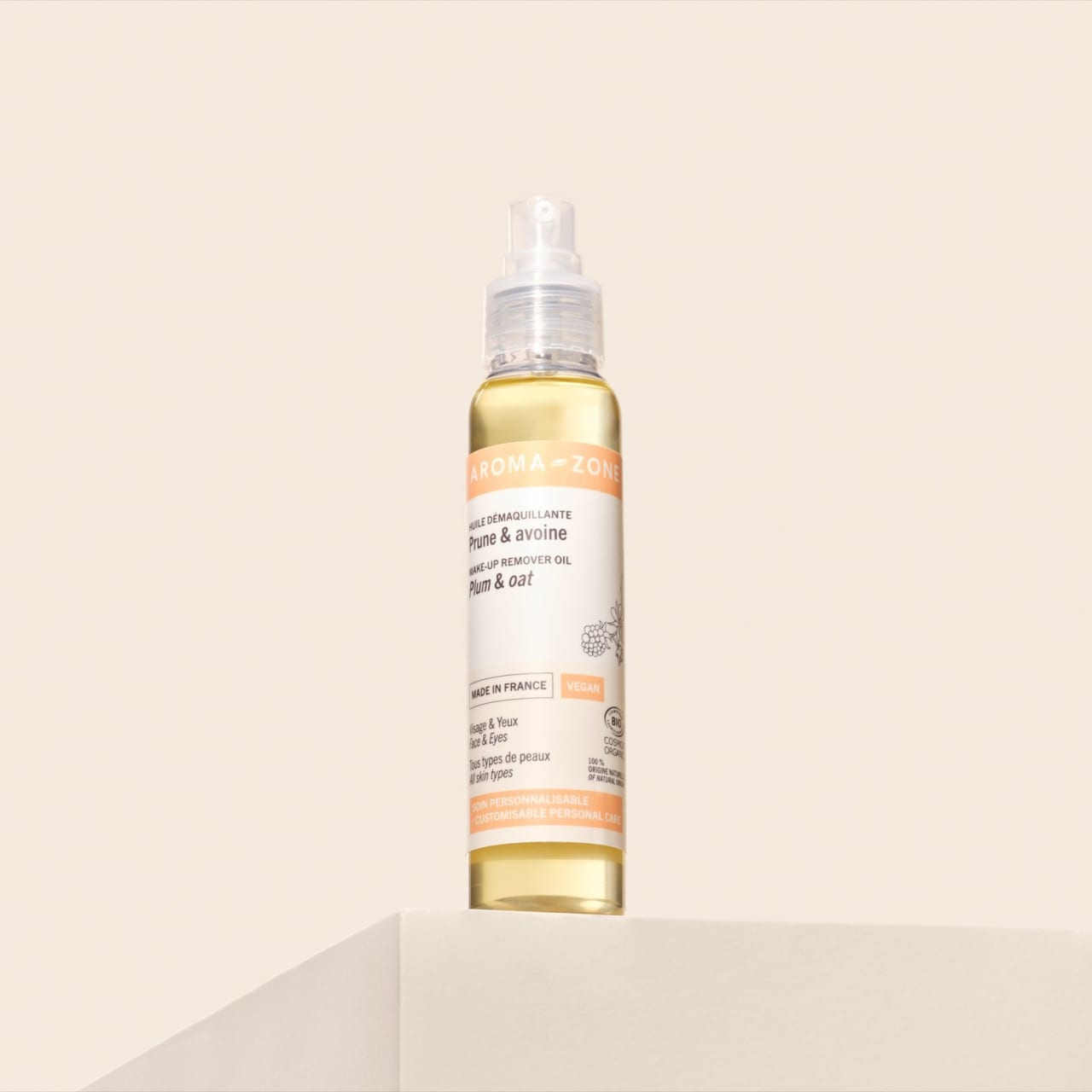
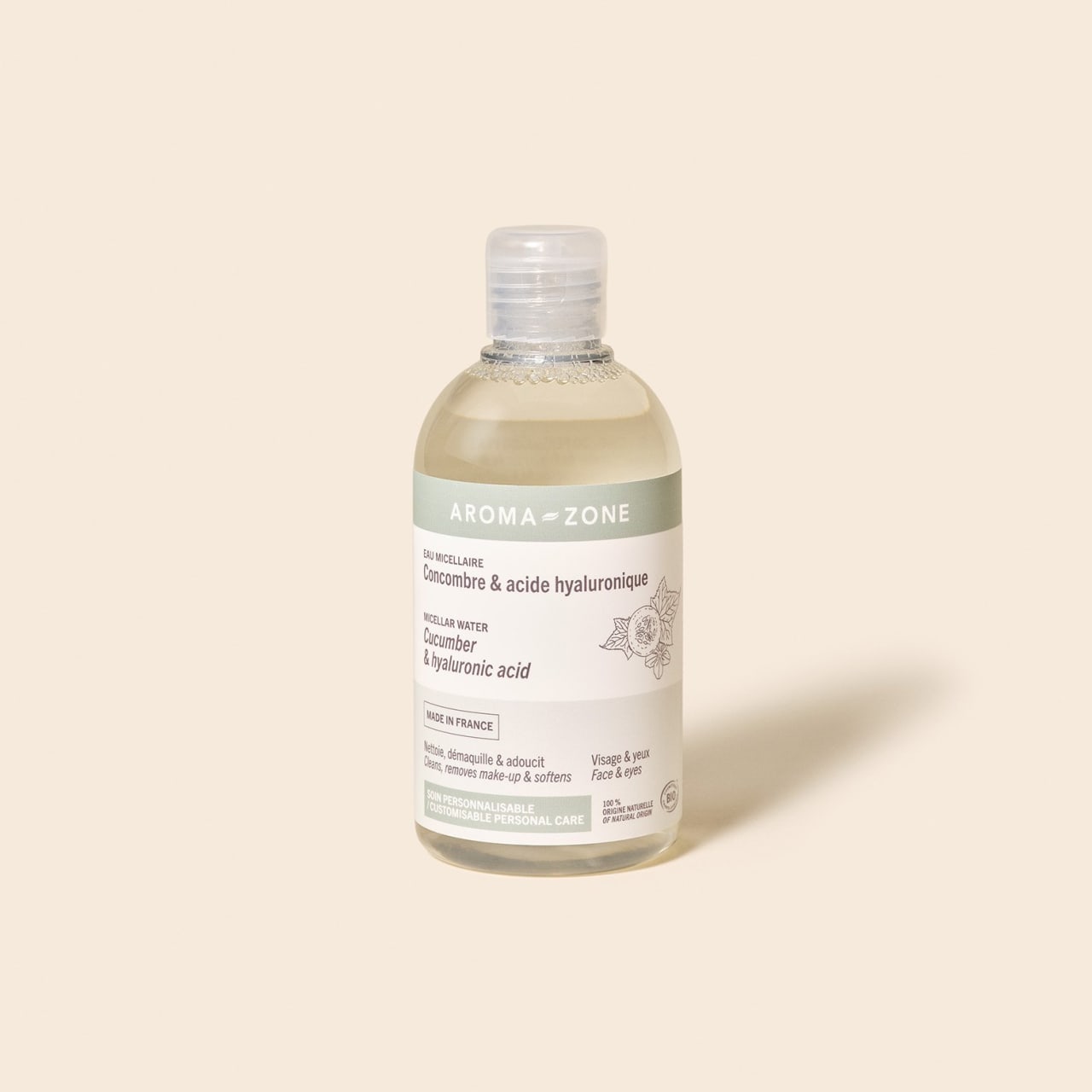
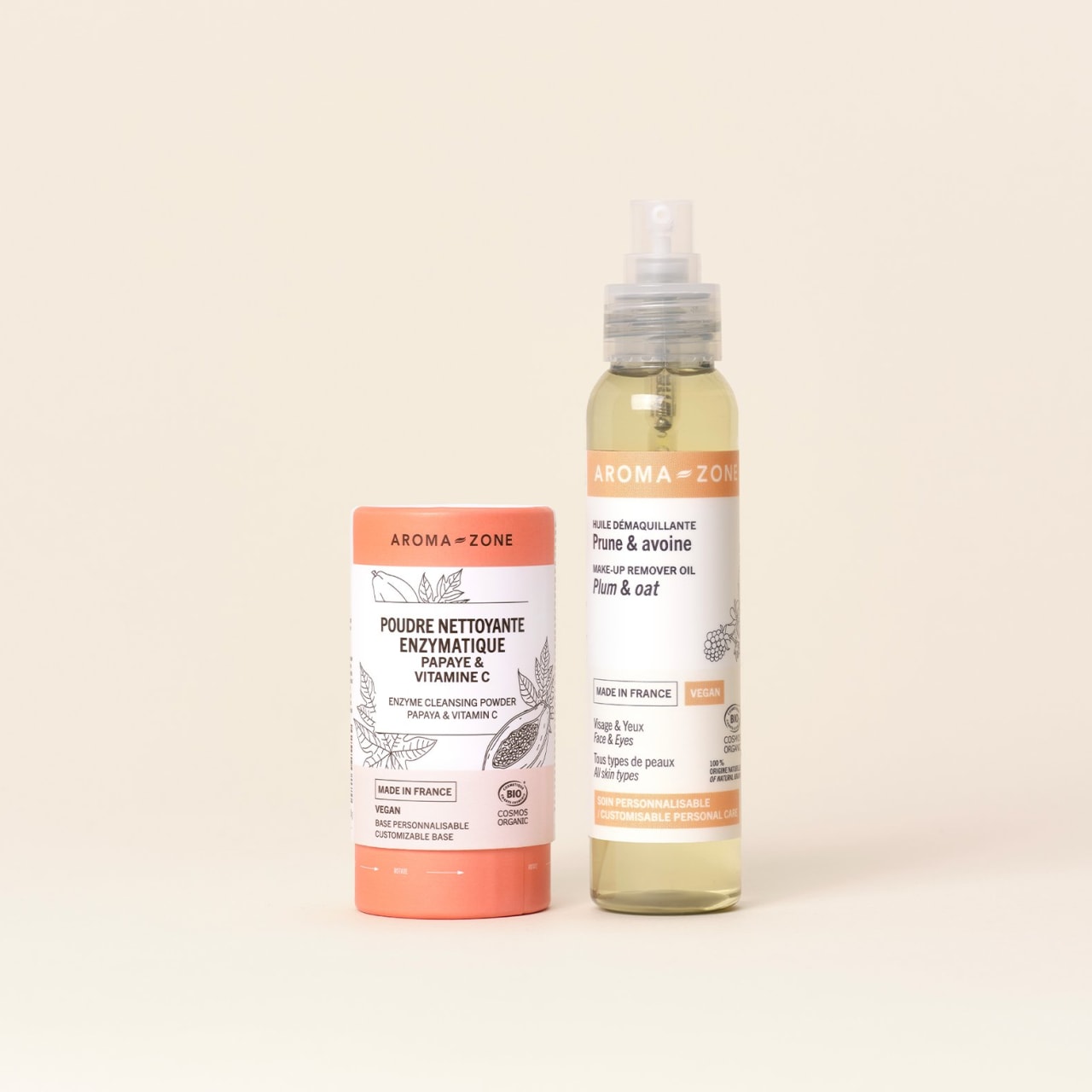
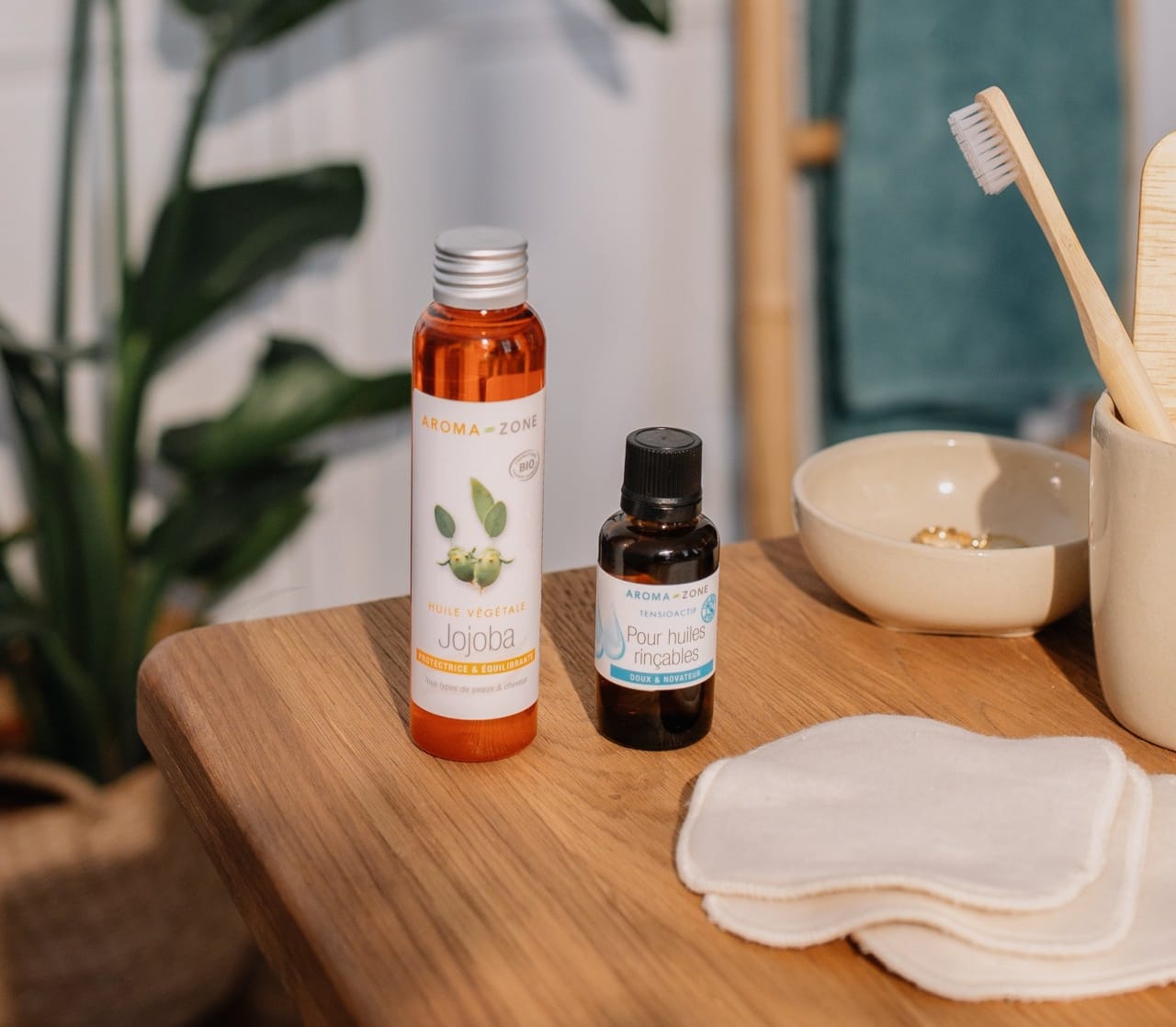
Cleanse without irritating: Choose a cleansing oil, gentle micellar water, or soap-free cleansing bar to preserve the hydrolipidic film.
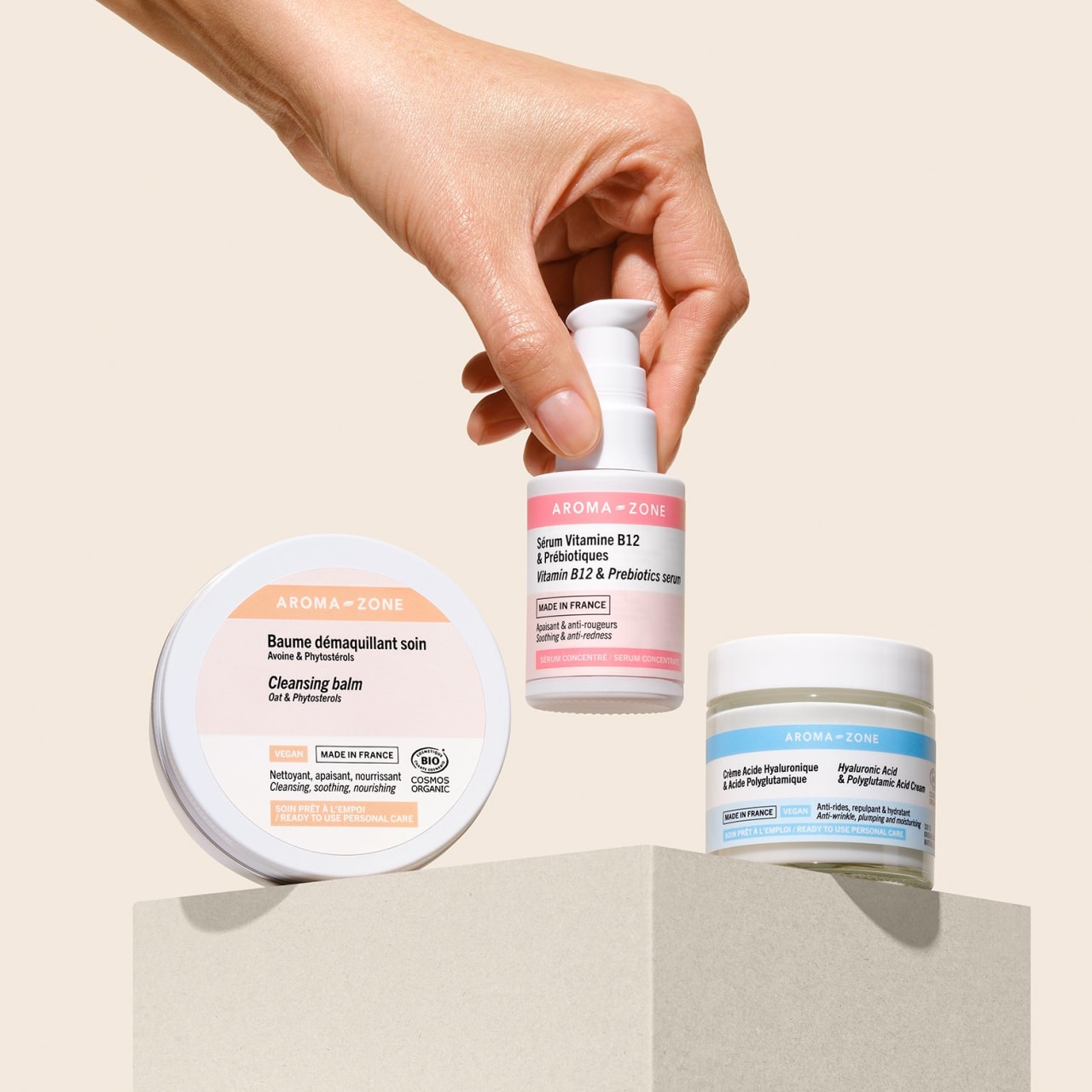
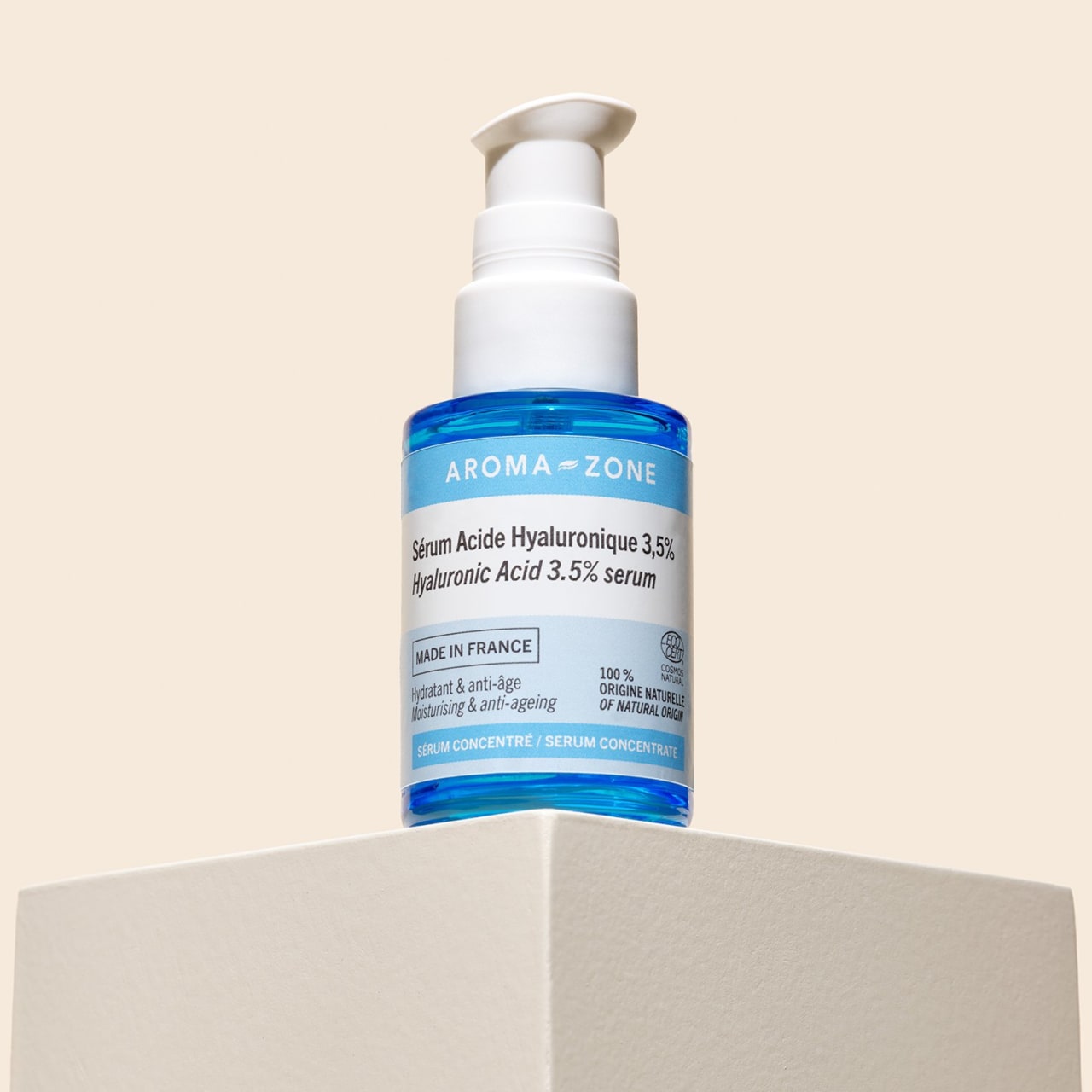
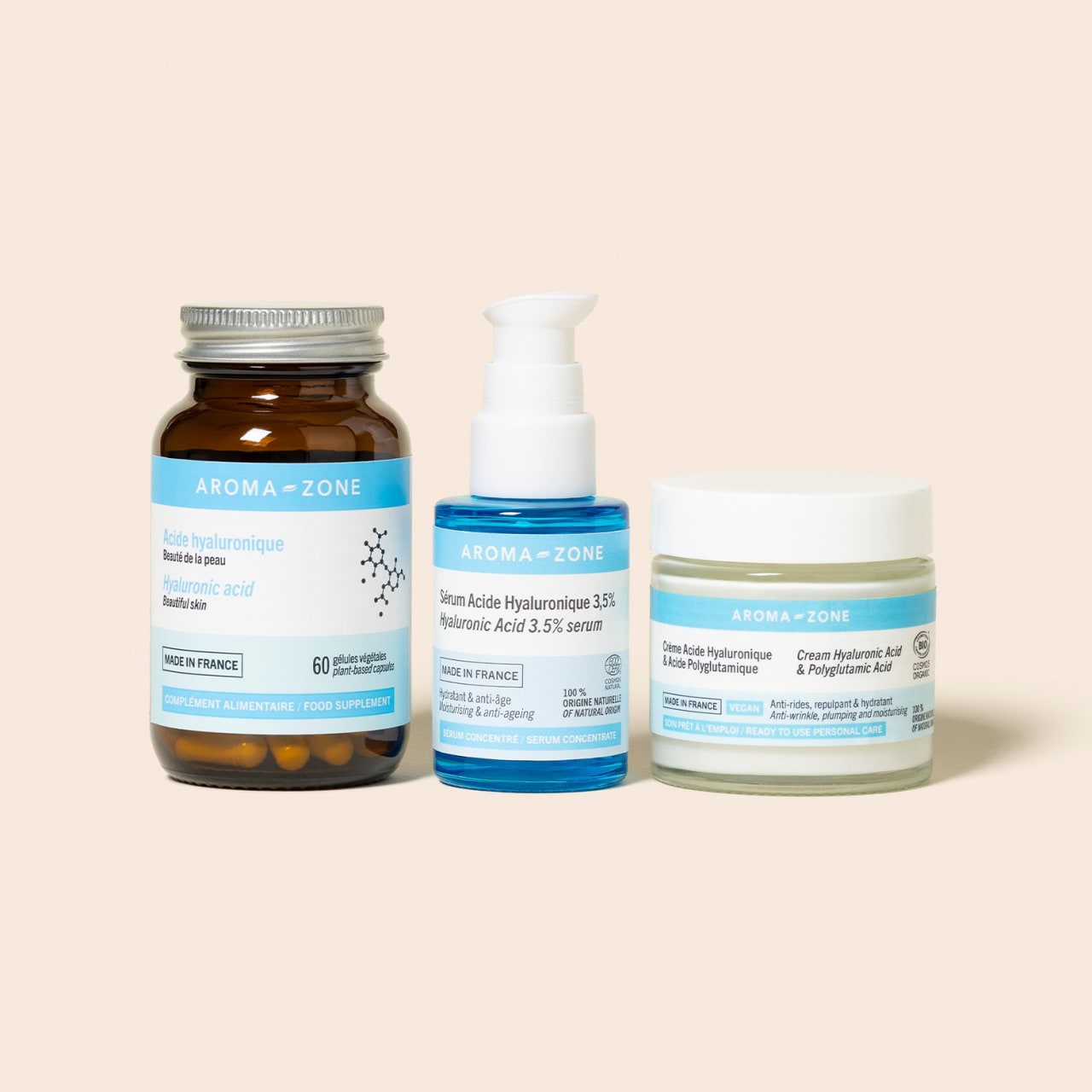
Provide targeted hydration: The 3.5% Hyaluronic Acid Concentrated Serum or Hyaluronic Acid Serum Pearls help maintain hydration and give a plumper appearance.
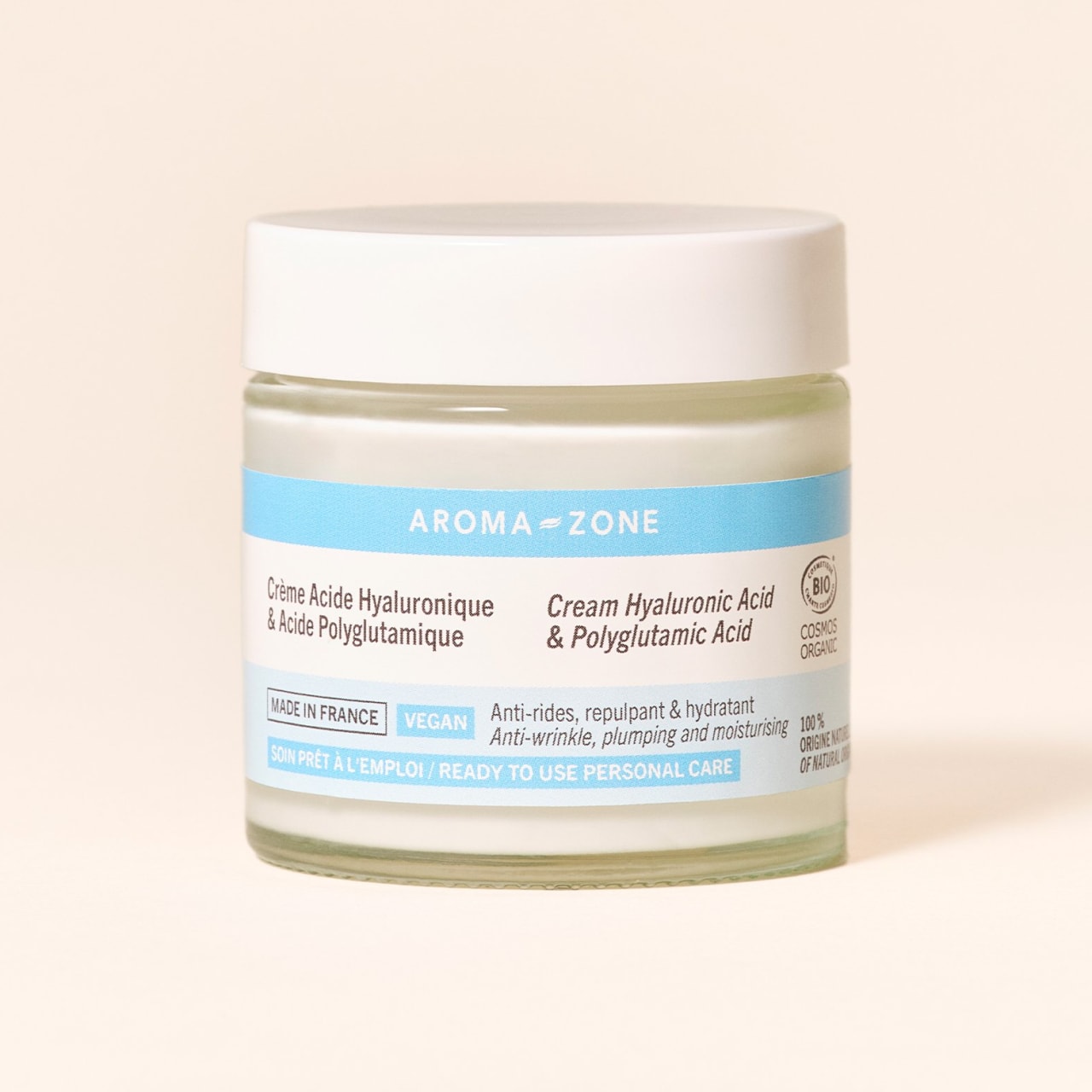
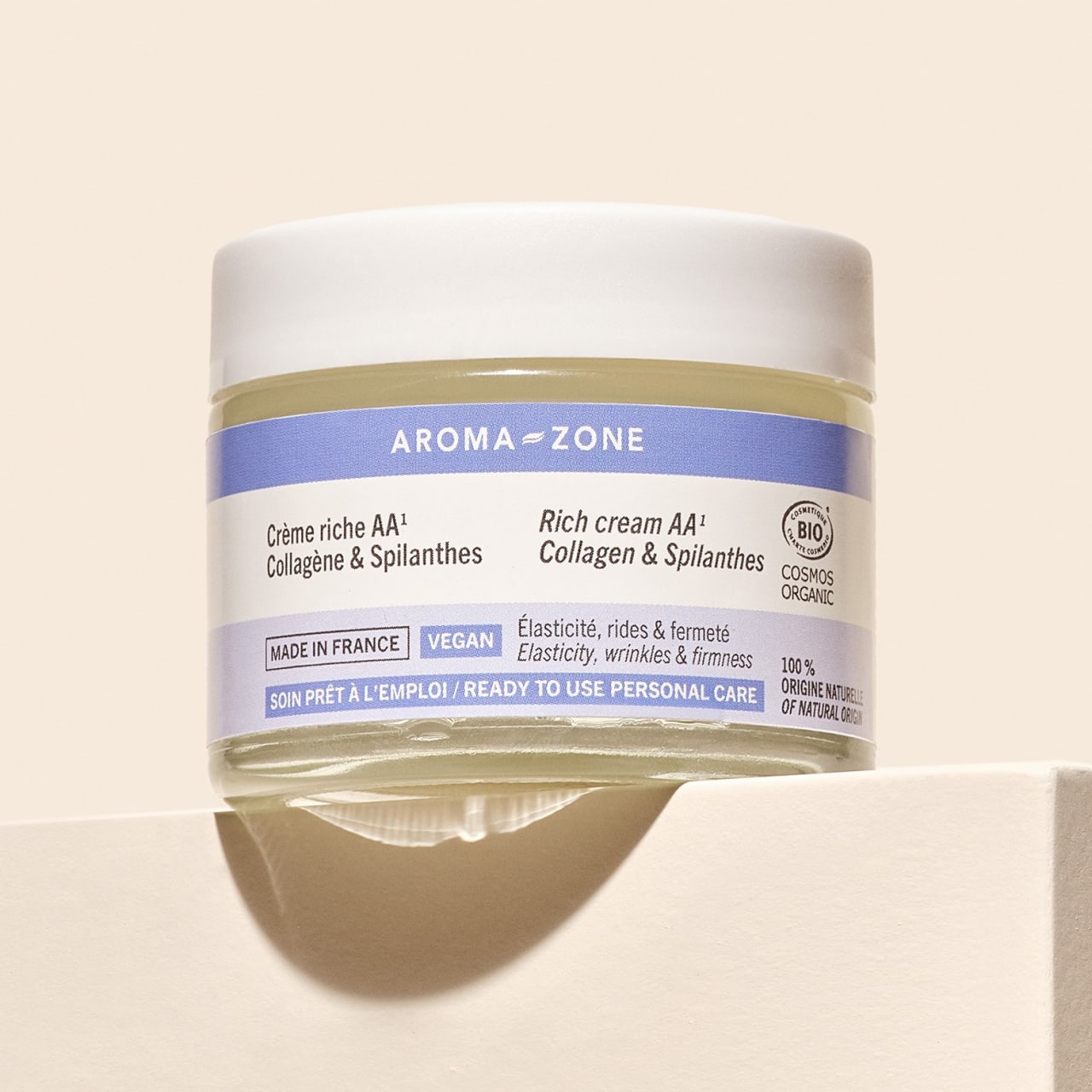
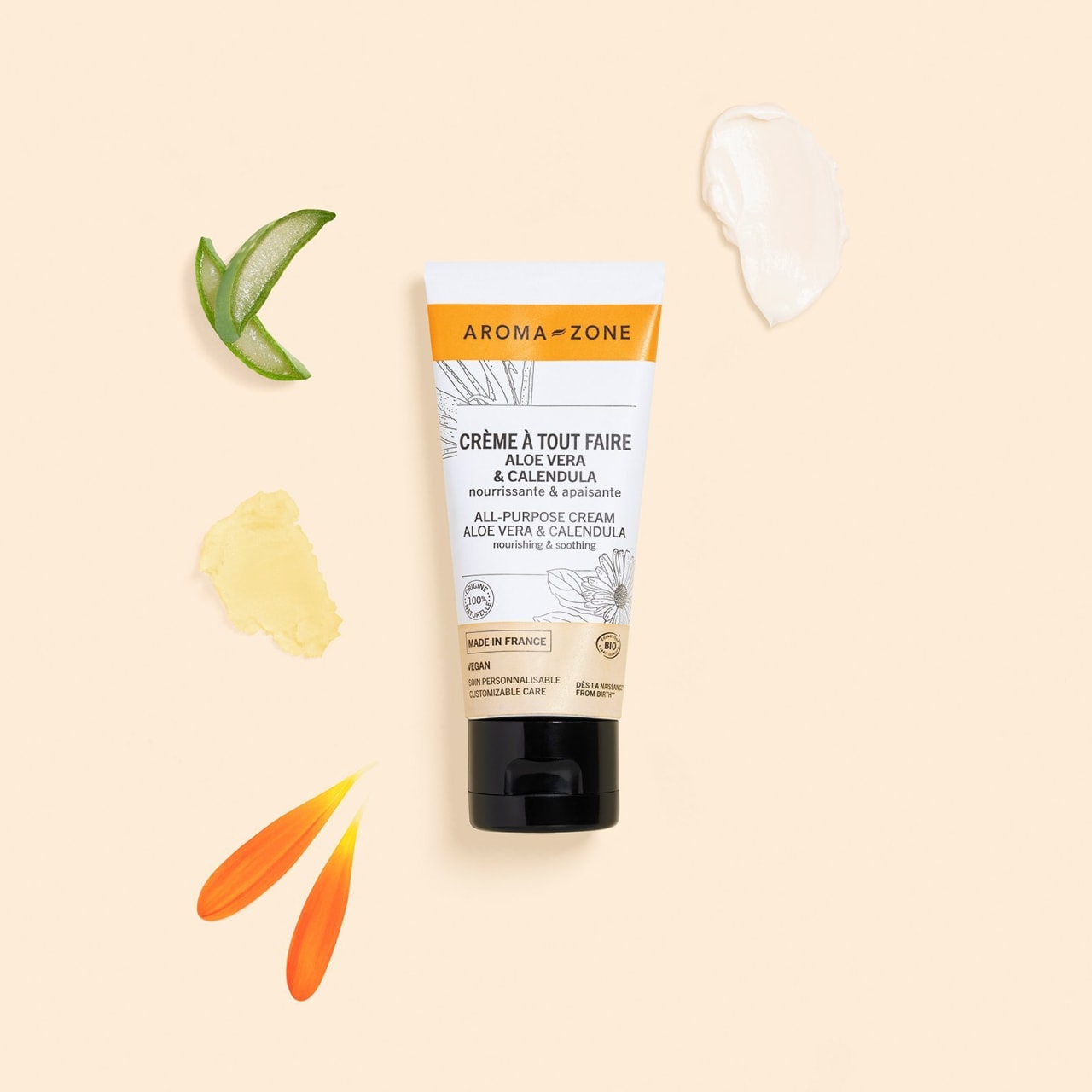
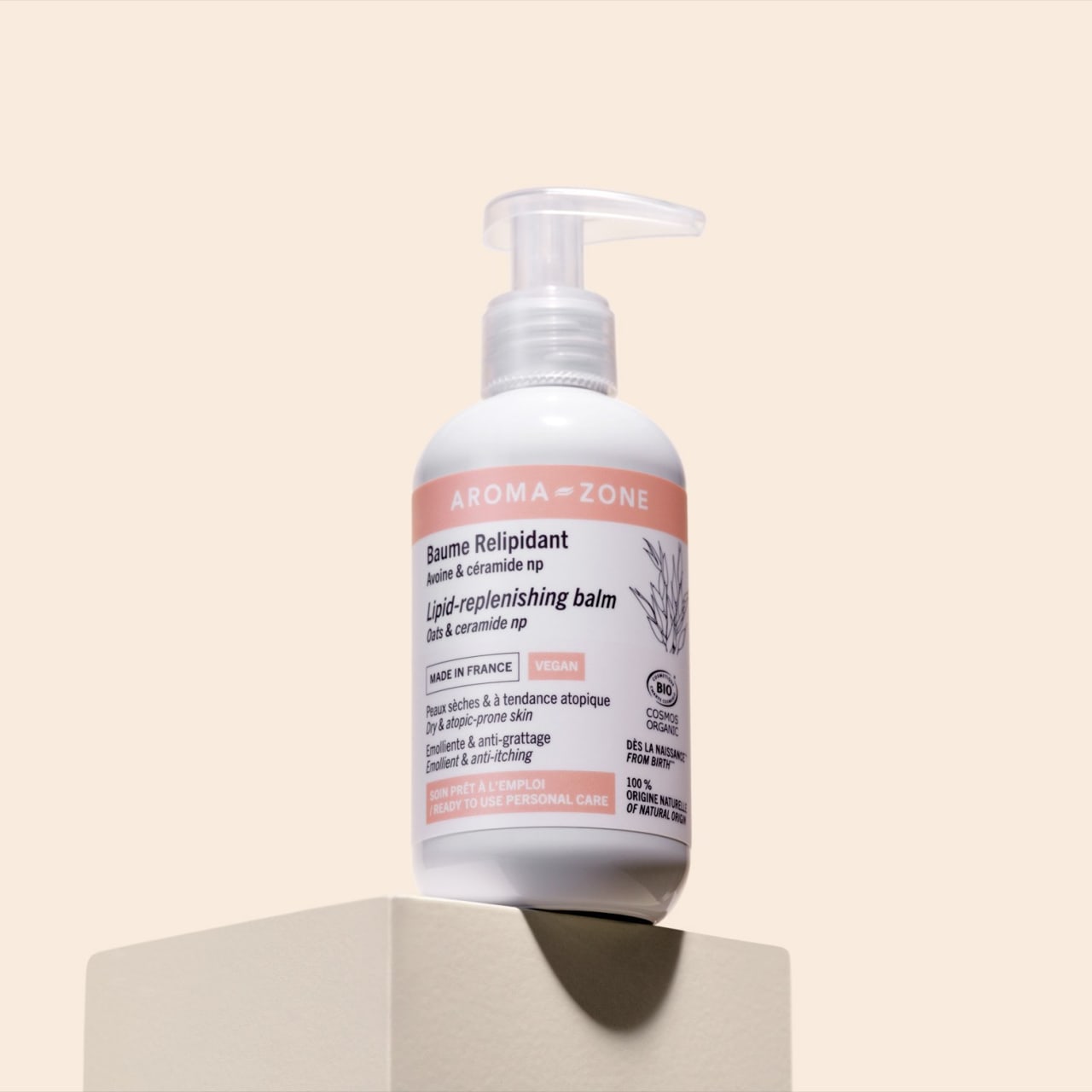
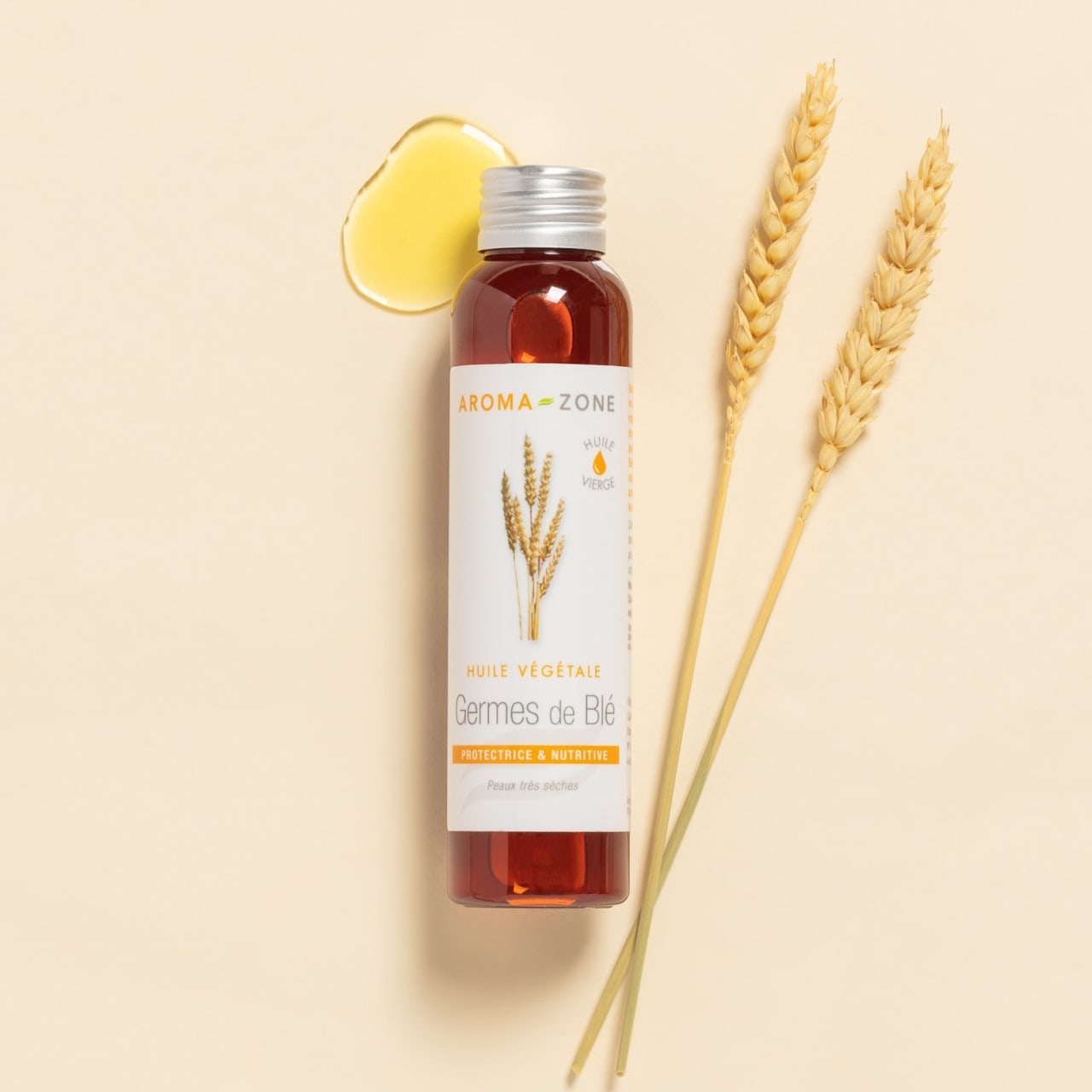
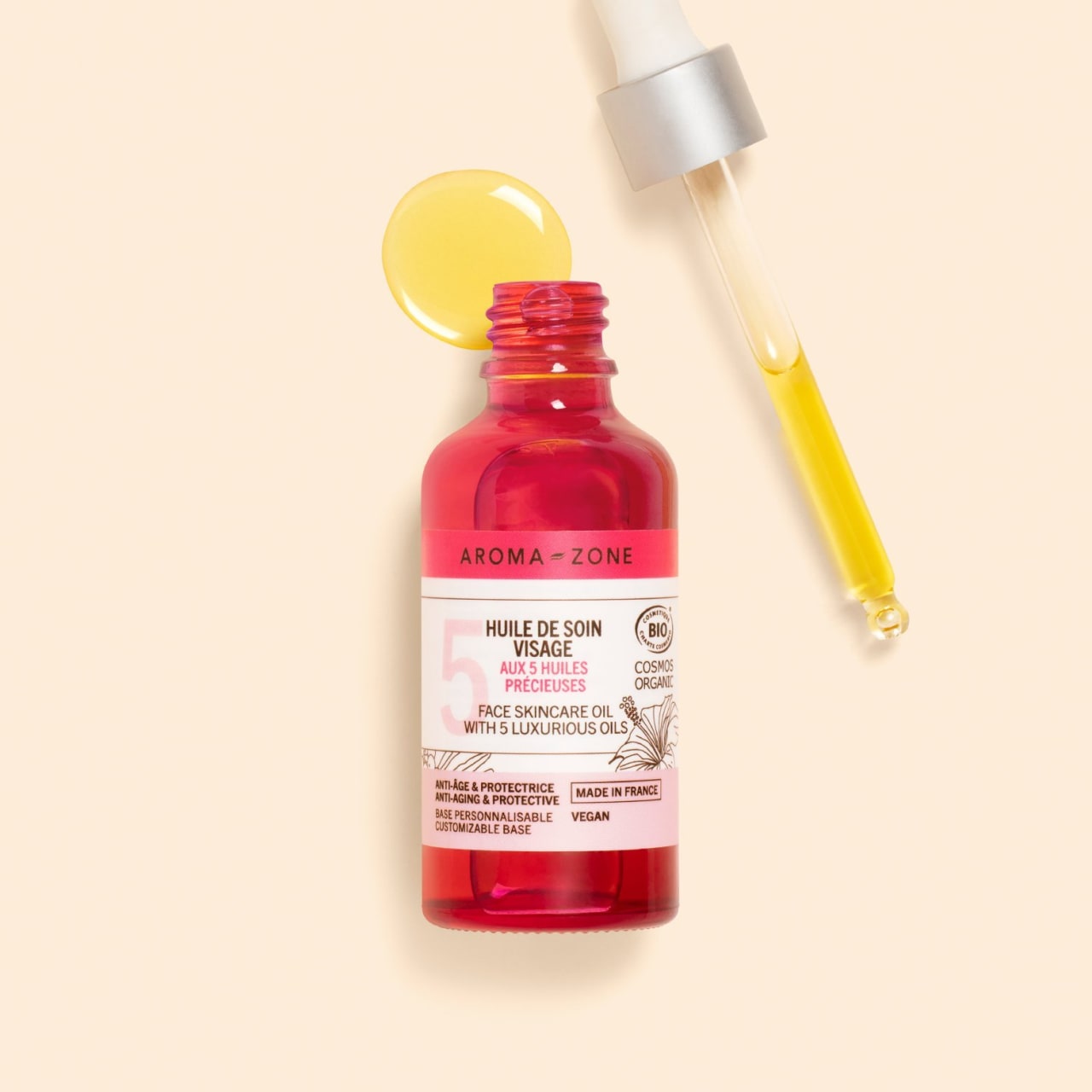
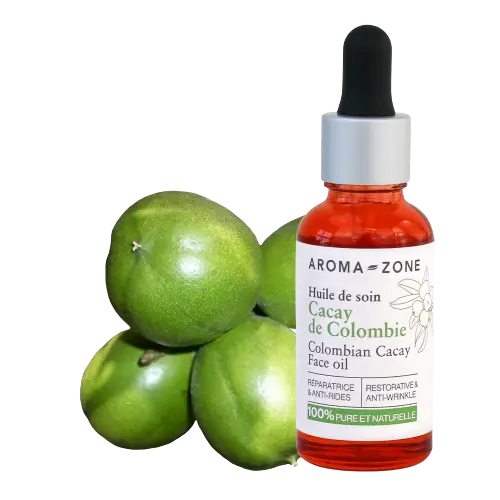
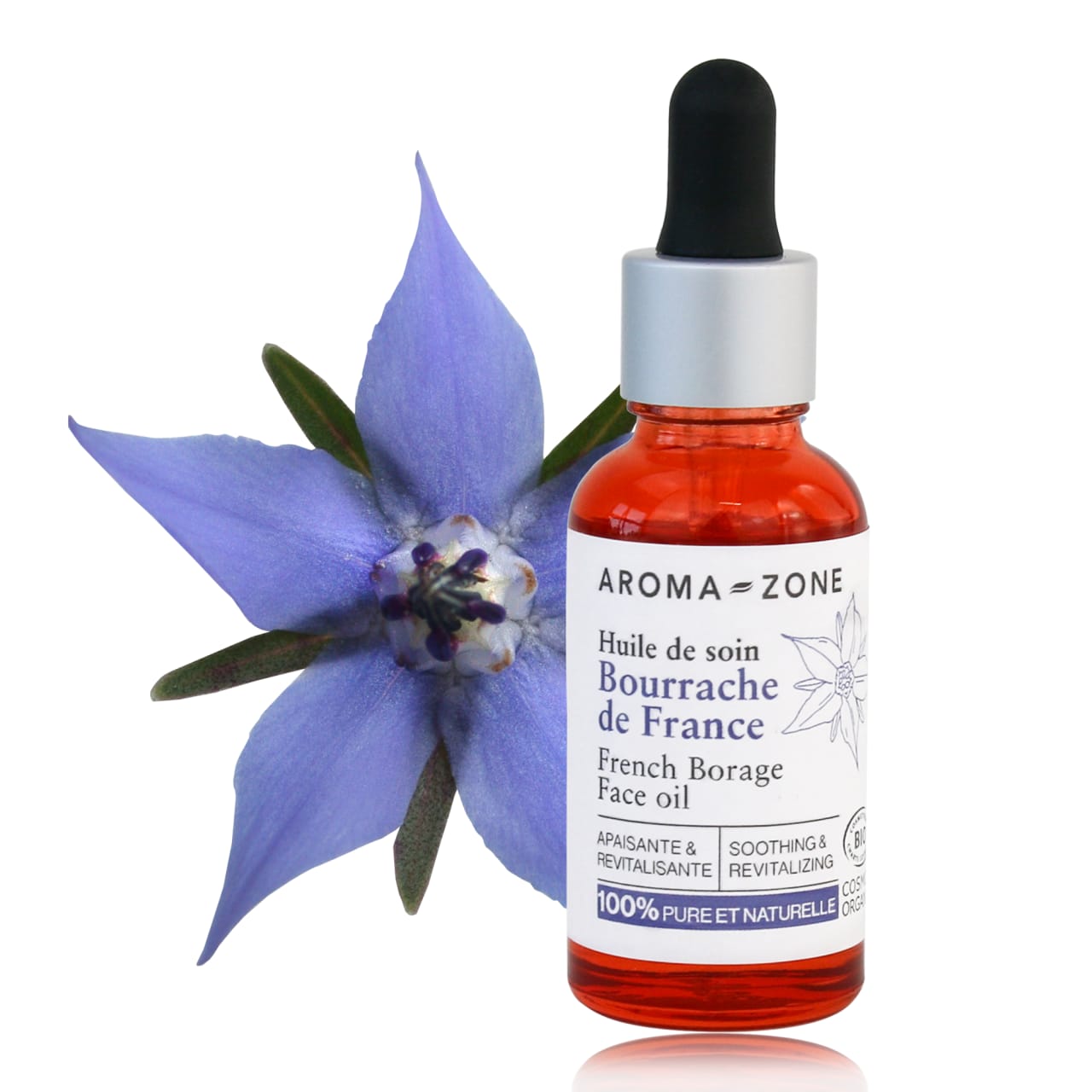
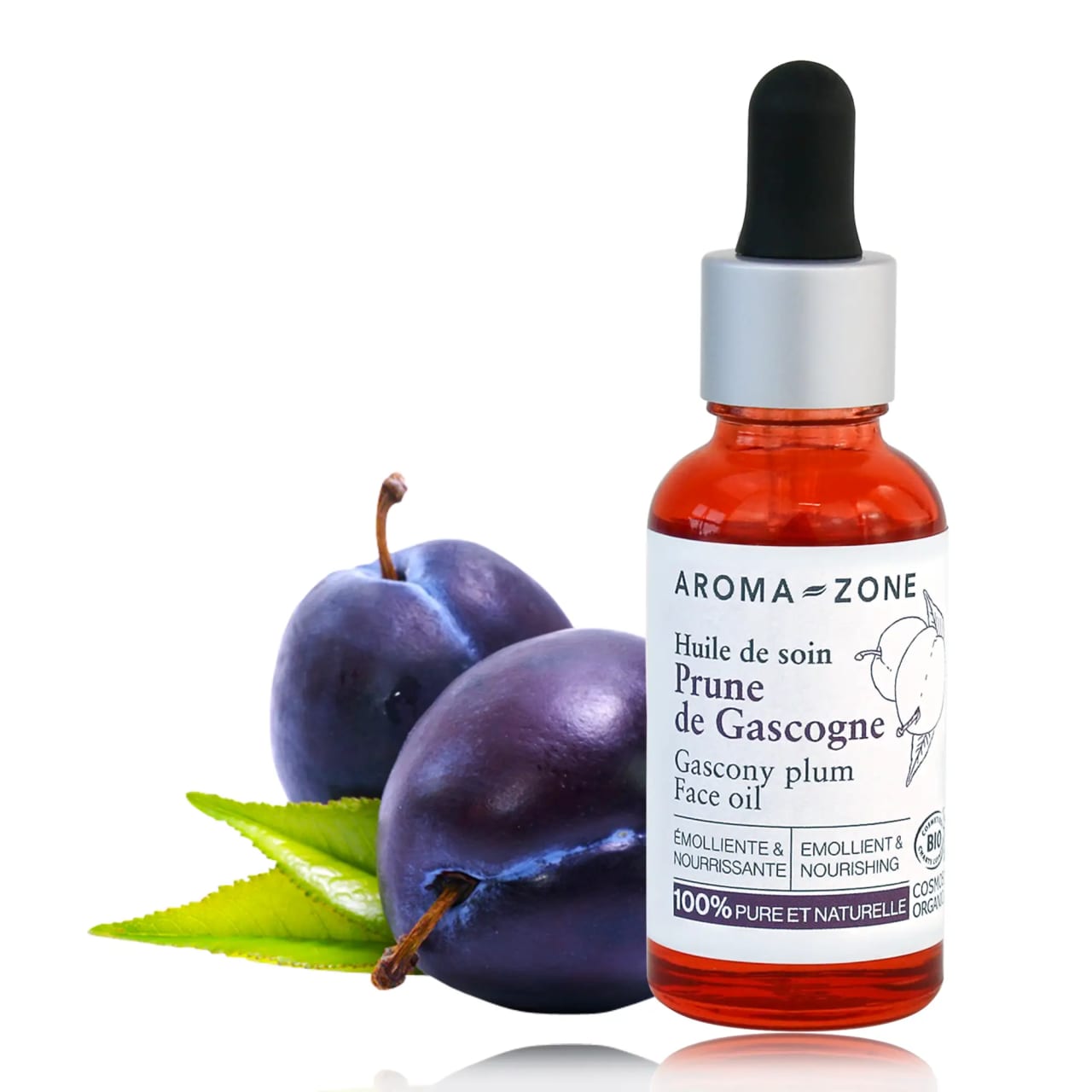
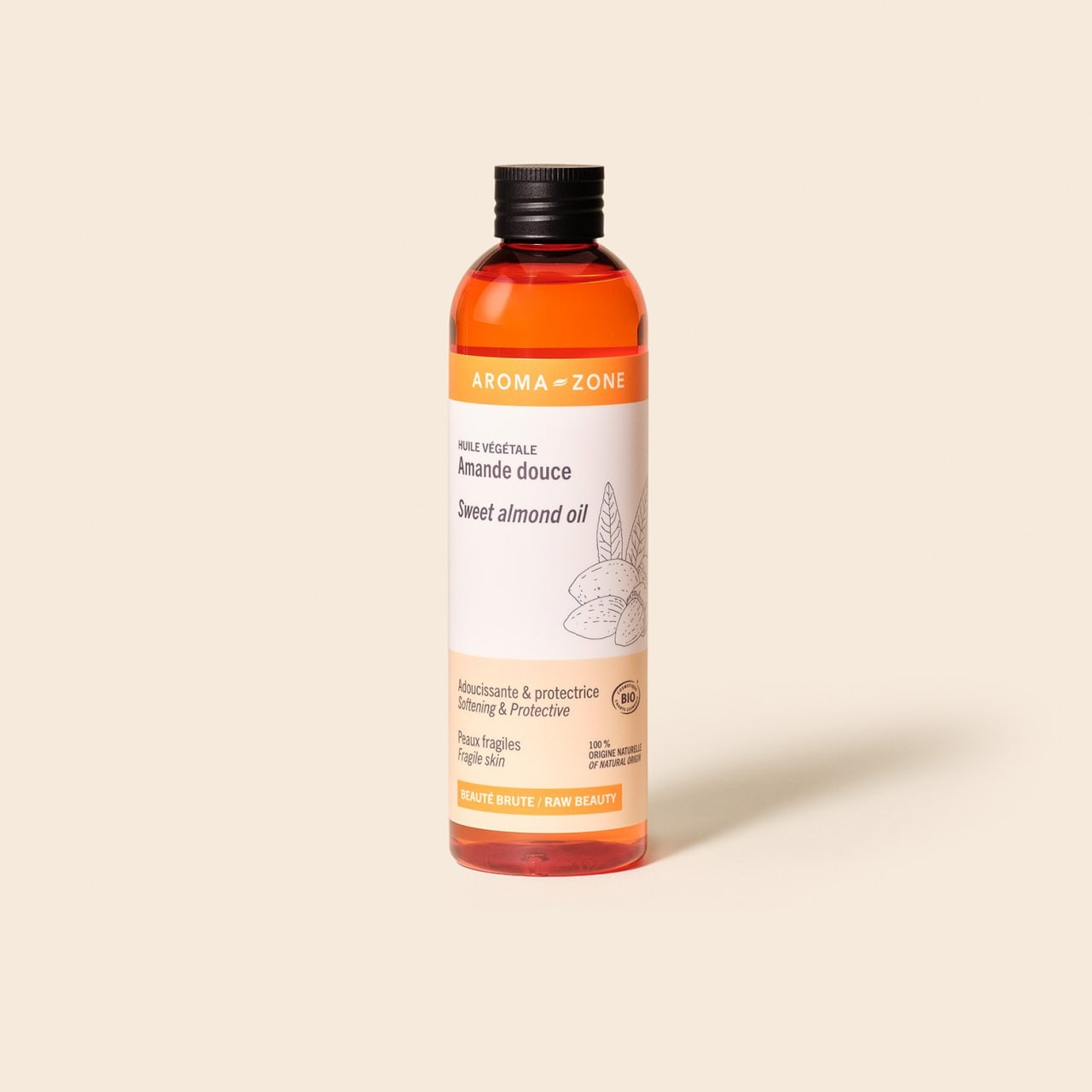
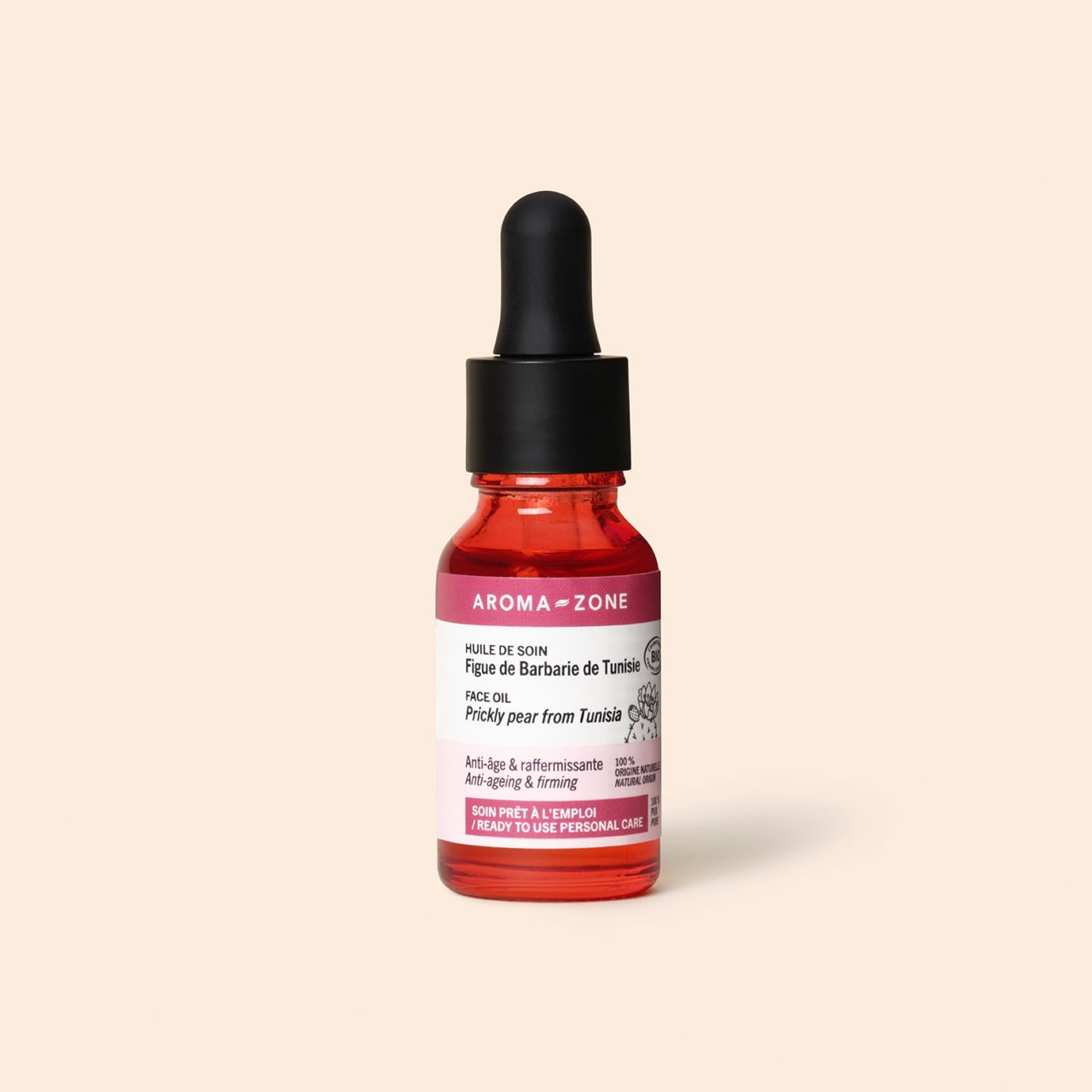
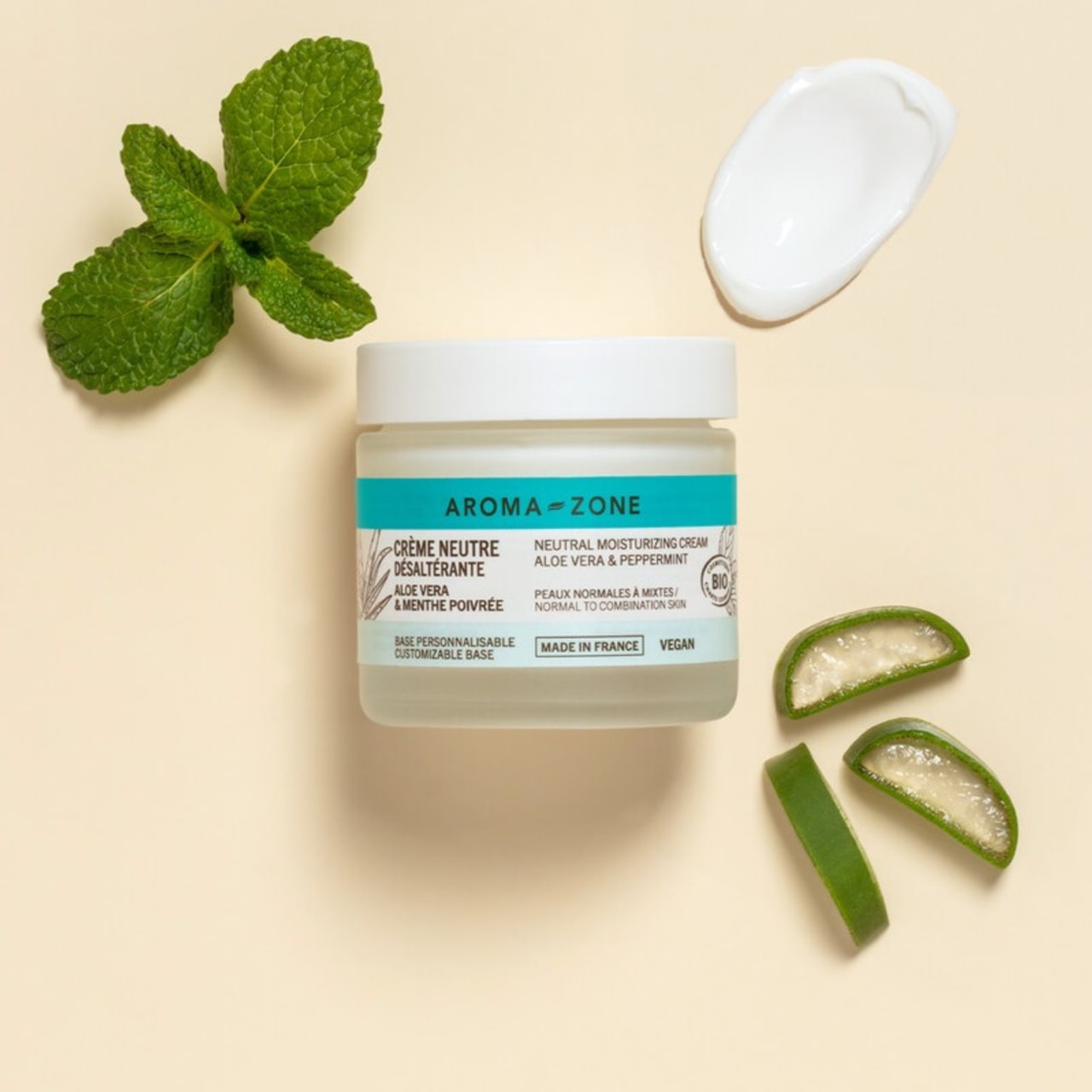
Nourish and strengthen: Vegan Collagen & Spilanthes Rich Cream, Hyaluronic Acid & Polyglutamic Acid Cream, or Lipid-Replenishing Balm provide comfort and suppleness. A skincare oil, such as Sweet Almond Oil or Wheat Germ Oil, can complete your evening routine.
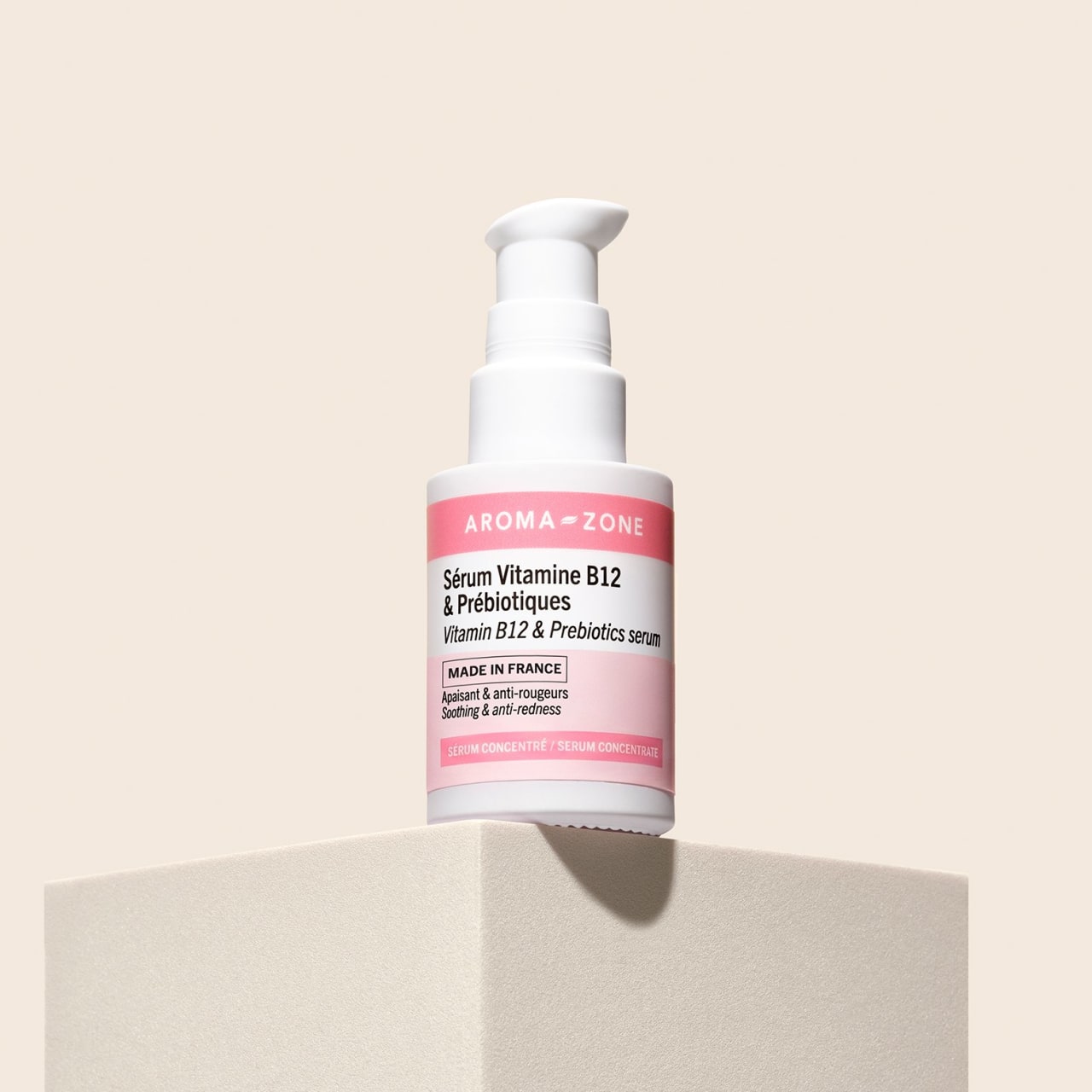
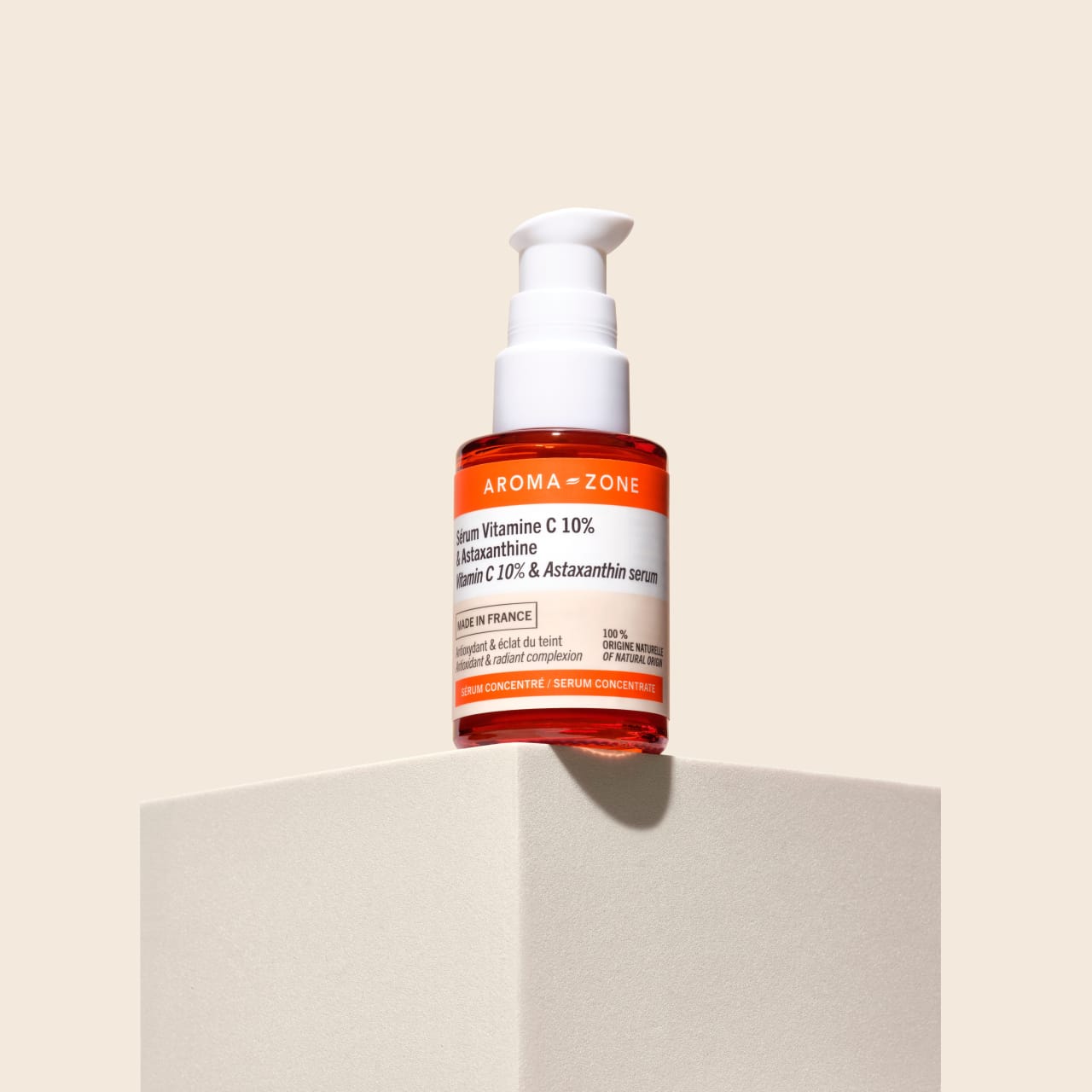
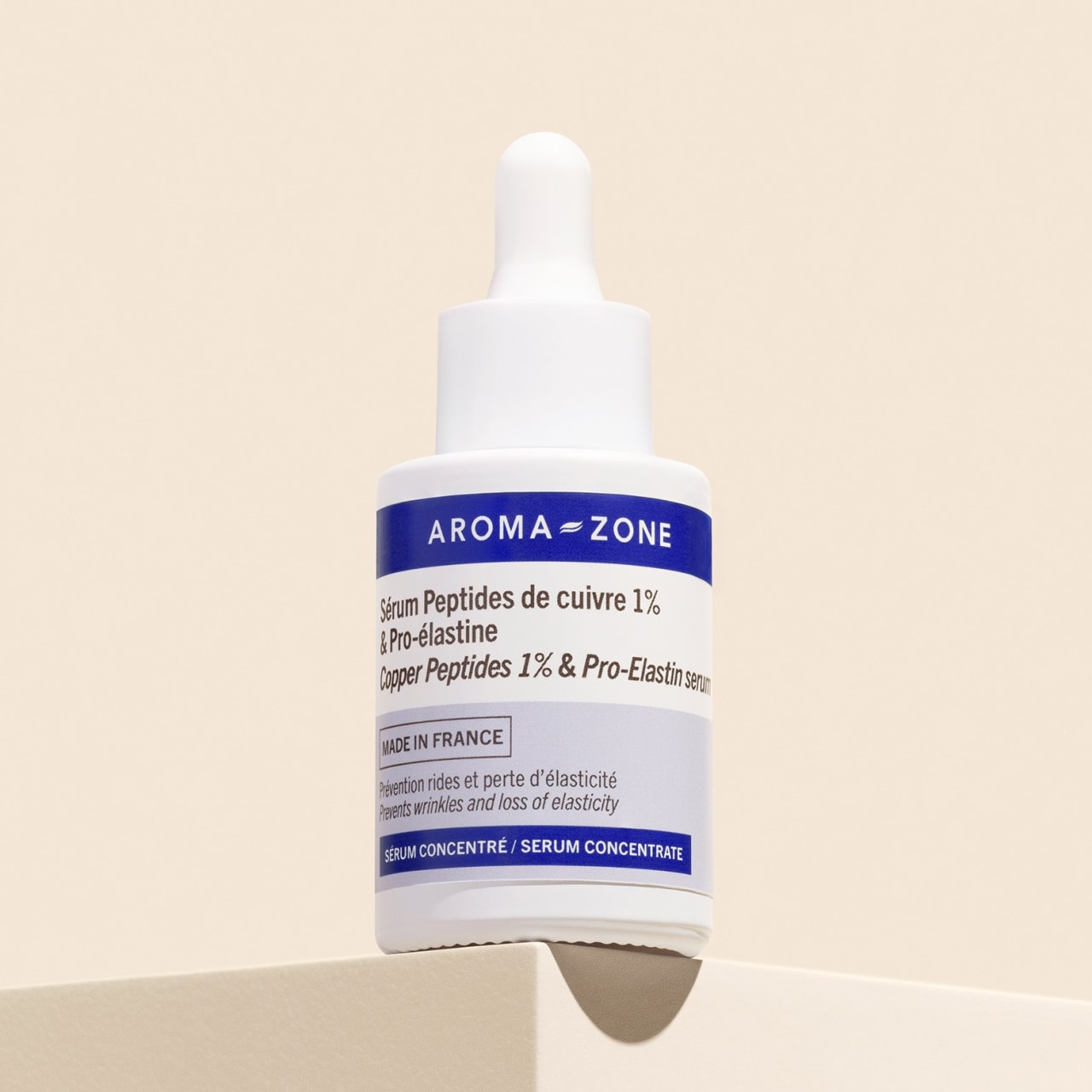
Target specific needs: To restore radiance, opt for the 10% Vitamin C & Astaxanthin Serum; to restore firmness, try the Copper Peptides & Pro-Elastin Serum; and finally, to work on your eye area, choose the Concentrated Eye Contour Serum.
Frequency of complementary treatments
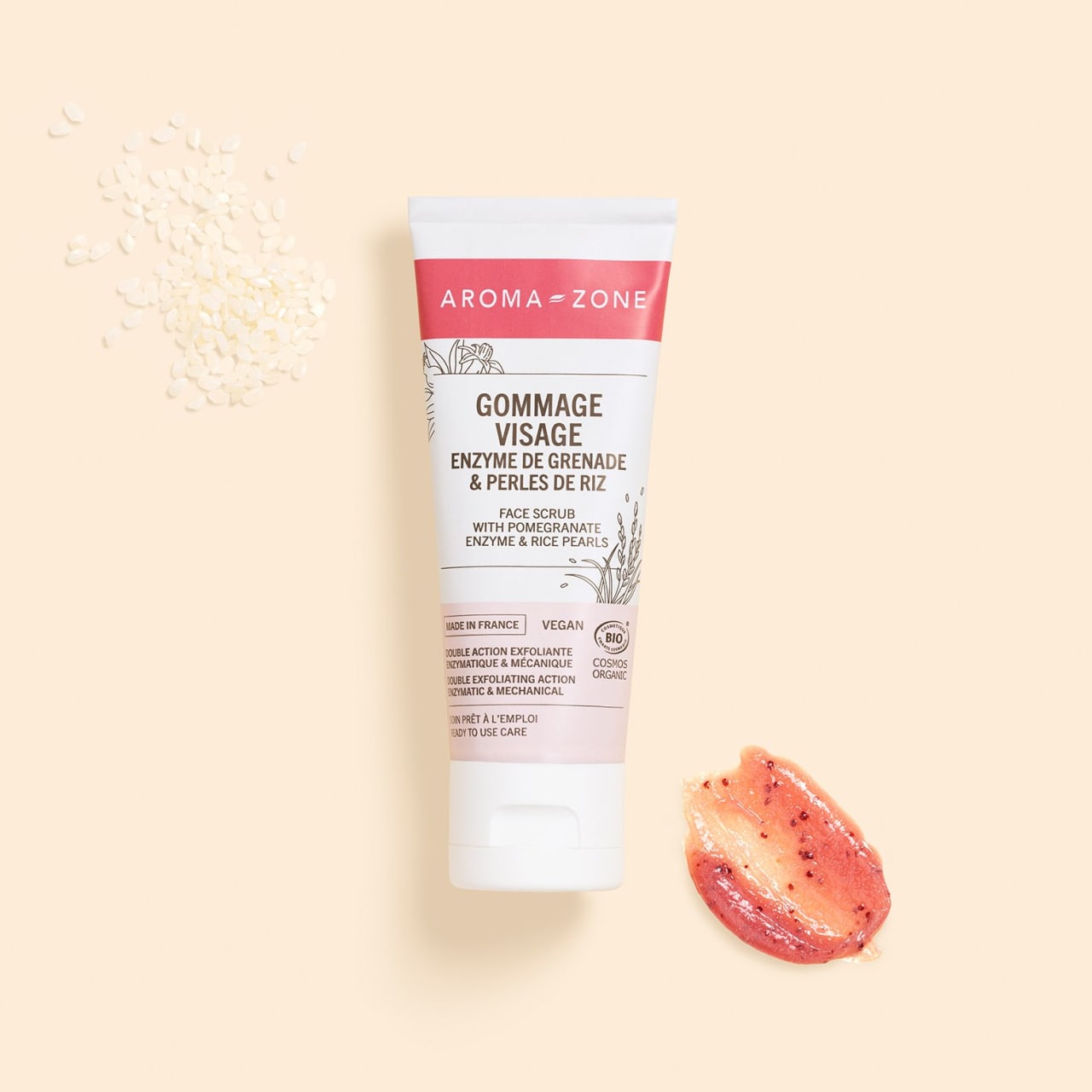
For gentle exfoliation, use once every 10 to 15 days.
For a nourishing or moisturizing mask: once or twice a week, as needed.
Consistency is more important than using multiple products.
Key ingredients for effective dry skin care
Certain active ingredients are particularly suitable:
Hyaluronic acid: helps maintain hydration and plump up the appearance of the skin.
Ceramides and plant oils: help strengthen the skin barrier and limit water loss.
Collagen and peptides: help improve the appearance of firmness and smoothness.
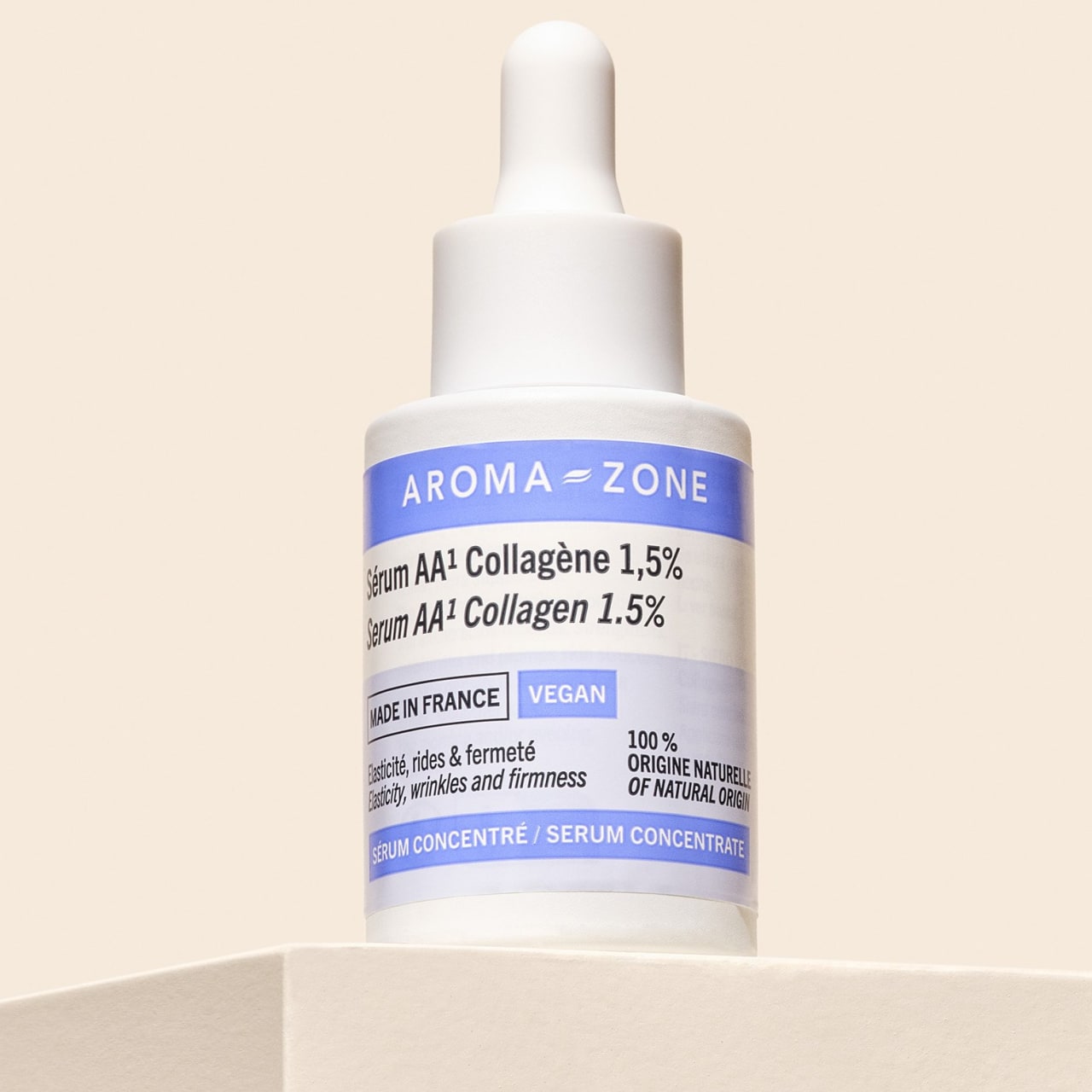
Products such as AA Collagen 1.5% Serum, Pro Collagen & Copper Peptide Serum Pearls, and Youth Face and Body Cream can help meet these needs.
Expert advice for optimizing your dry skin care routine
Adapt your skincare routine to the season
In winter, choose richer, more enveloping textures. In summer, maintain hydration with light serums while maintaining appropriate nourishing protection. Dry skin changes throughout the year, so your routine needs to adapt.
Mistakes to avoid with dry skin
Using cleansers that are too harsh or too frequent.
Neglecting to moisturize under the pretext of applying a rich cream.
Exfoliating too often, which further weakens the skin barrier.


