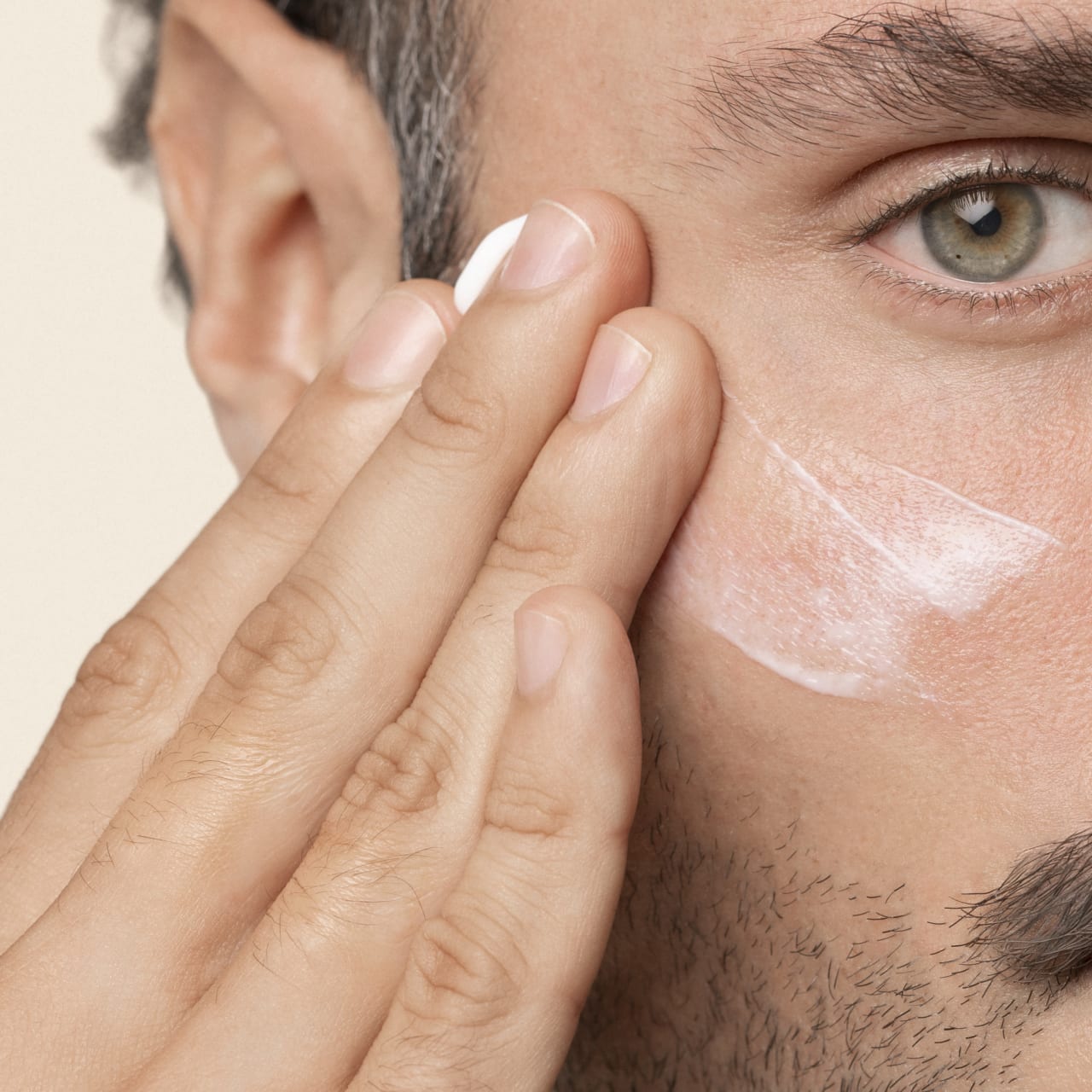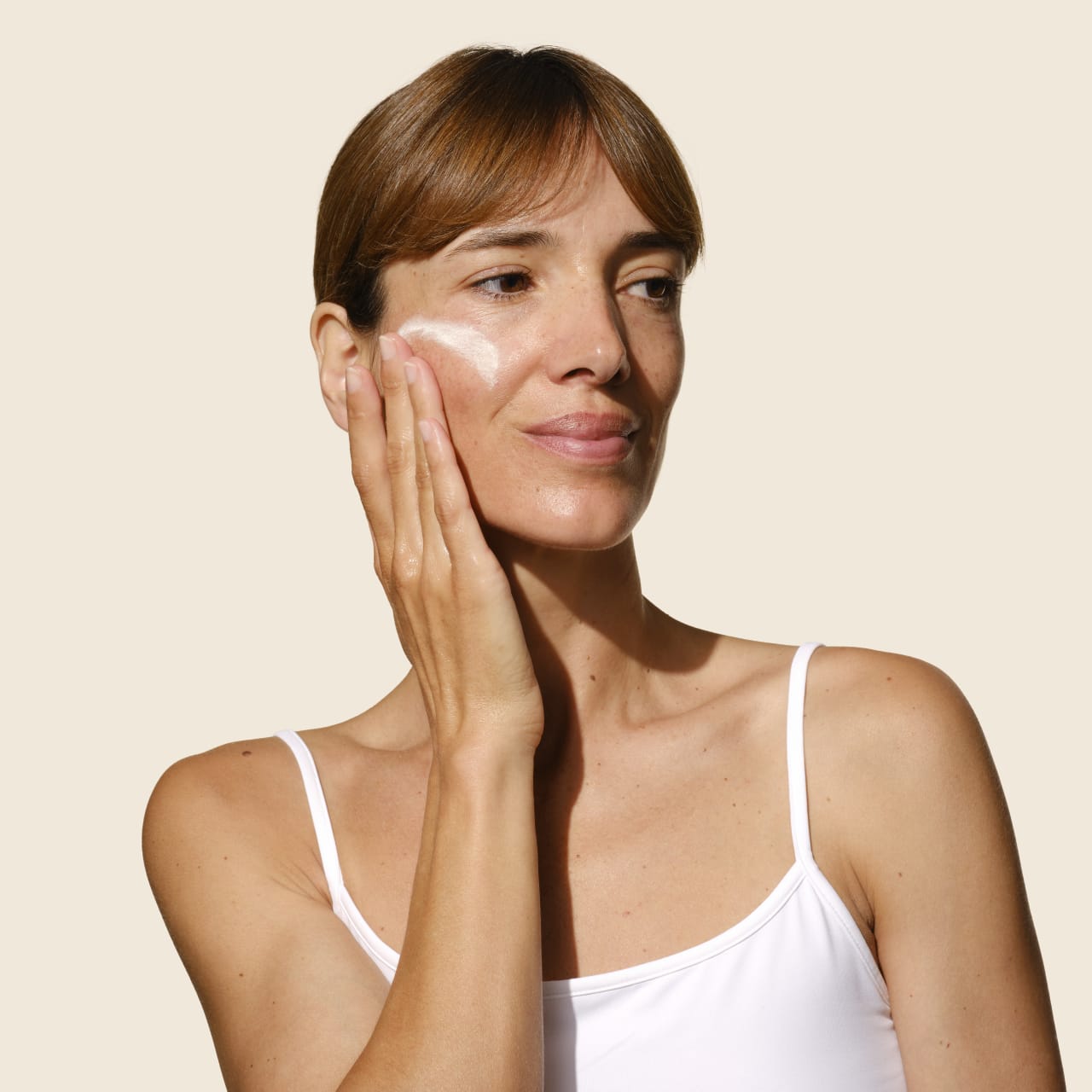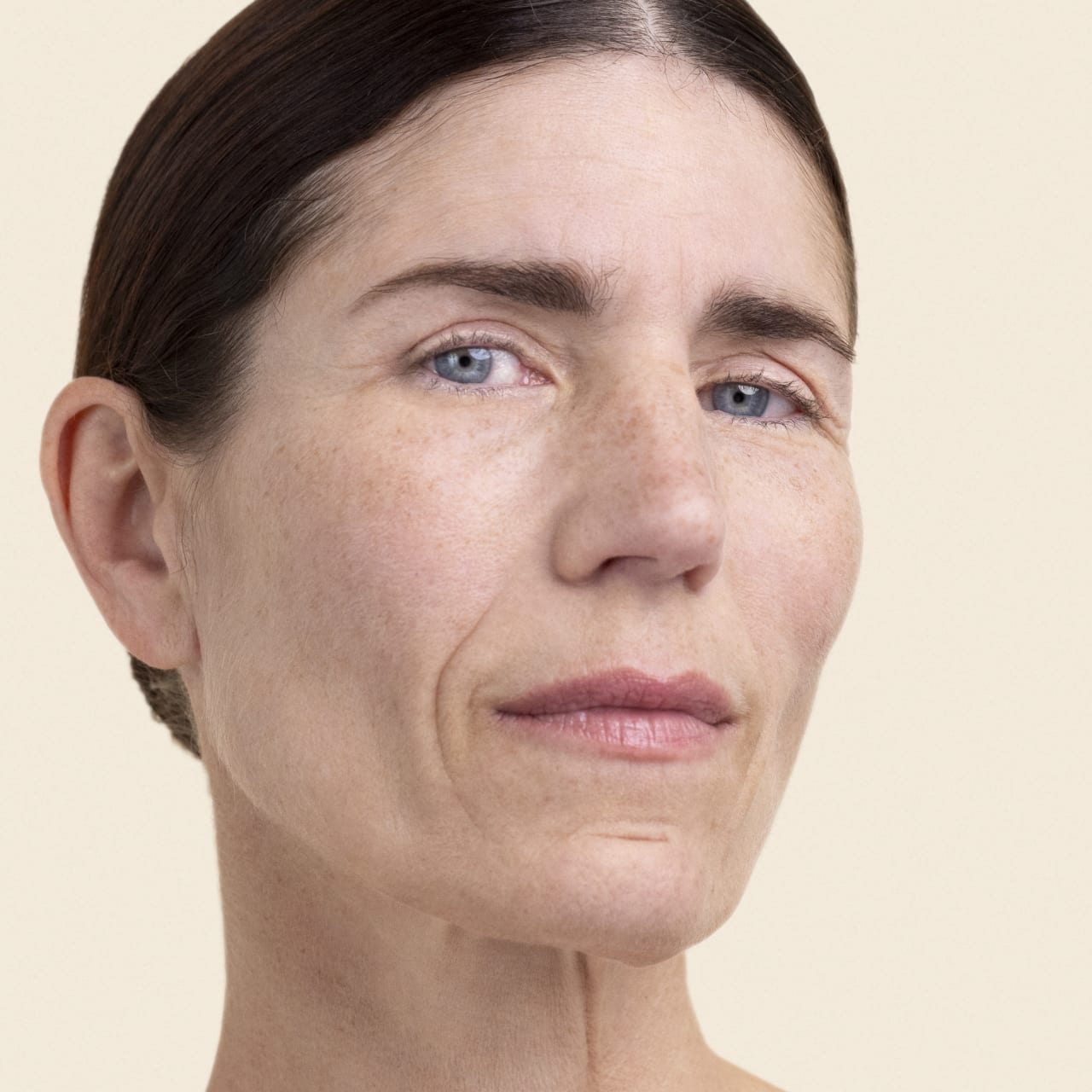



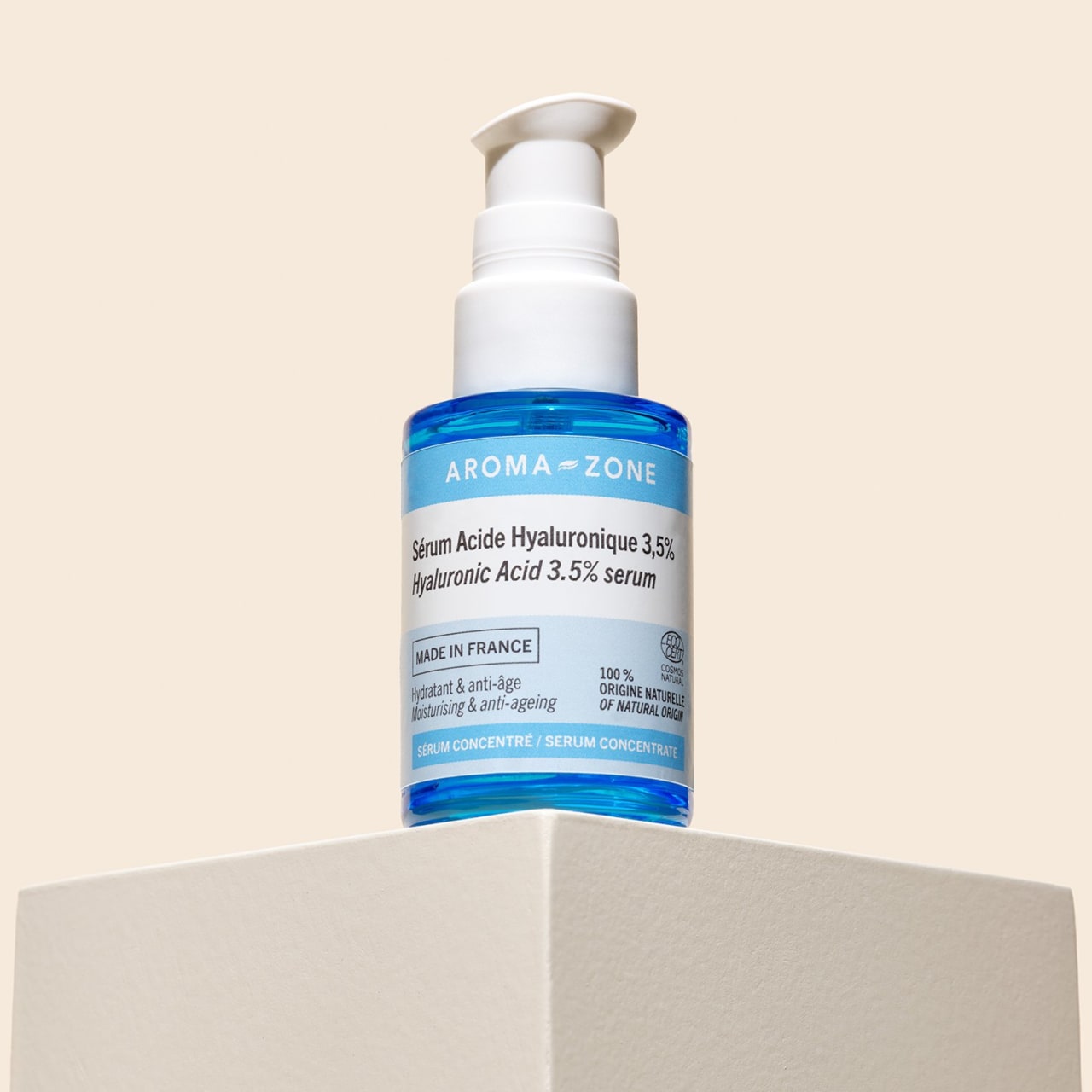
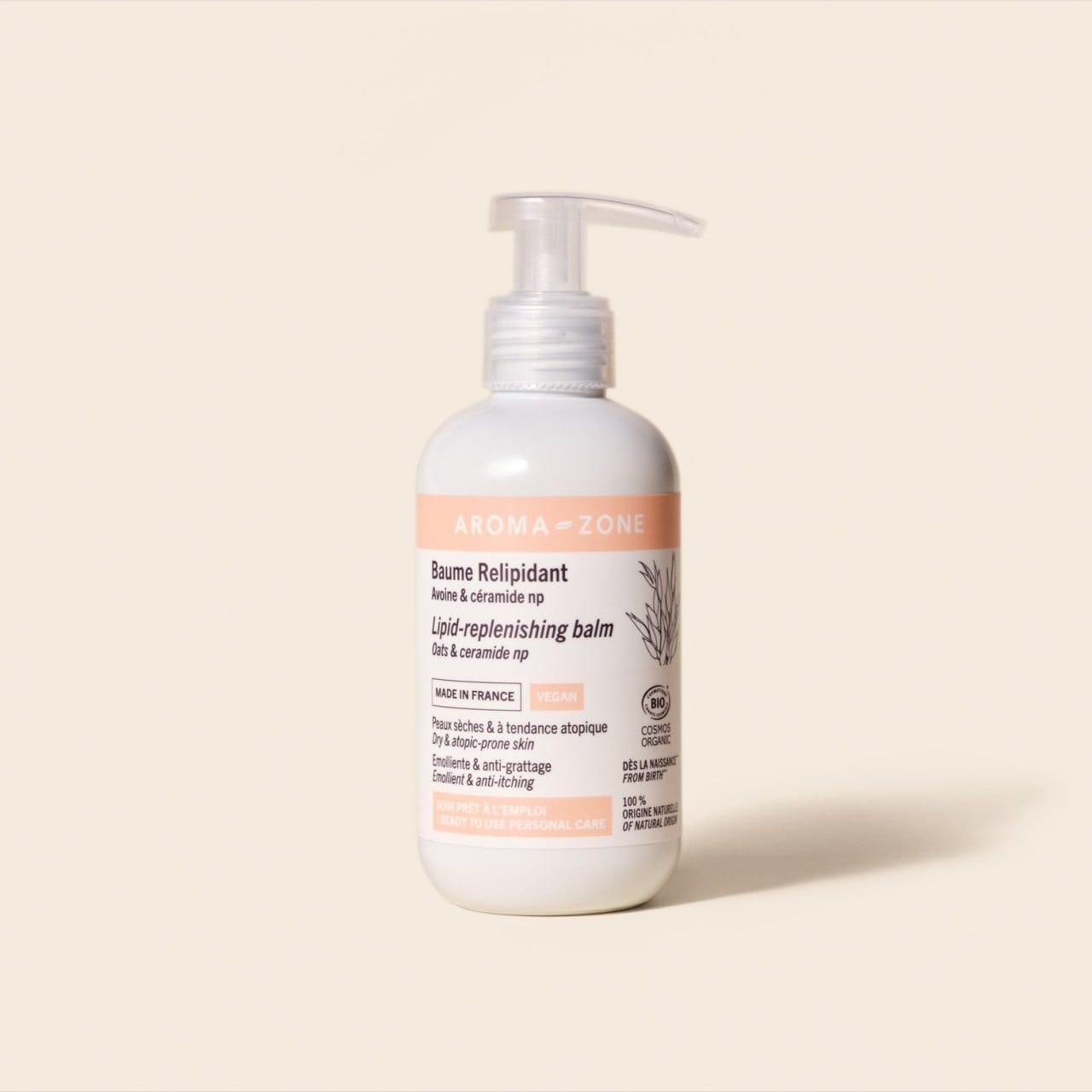

Dehydrated skin is a condition in which the skin lacks water, which can make it dull, rough and uncomfortable. Unlike dry skin, which lacks lipids, dehydrated skin lacks moisture. Here are a few signs that indicate dehydrated skin:
Tightness: You may feel a sensation of dryness and tightness, especially after cleansing your face or taking a shower.
Dull appearance: Dehydrated skin can look dull and tired, with a lack of radiance and vitality.
Irritation and redness: Dehydrated skin can be prone to irritation and redness, especially when exposed to extreme environmental conditions.
The causes of skin dehydration can be diverse, ranging from external factors such as exposure to the sun, wind or dry air, to internal factors such as poor hydration, stress or certain medications.