
Organic Shea Butter
£10.85
£15.50
1 article = 500 ml
Price per L = £31.00£21.70
free delivery up to £25 in United Kingdom
100% secure payment CB, Visa, Mastercard, Paypal, Apple Pay, Google Pay
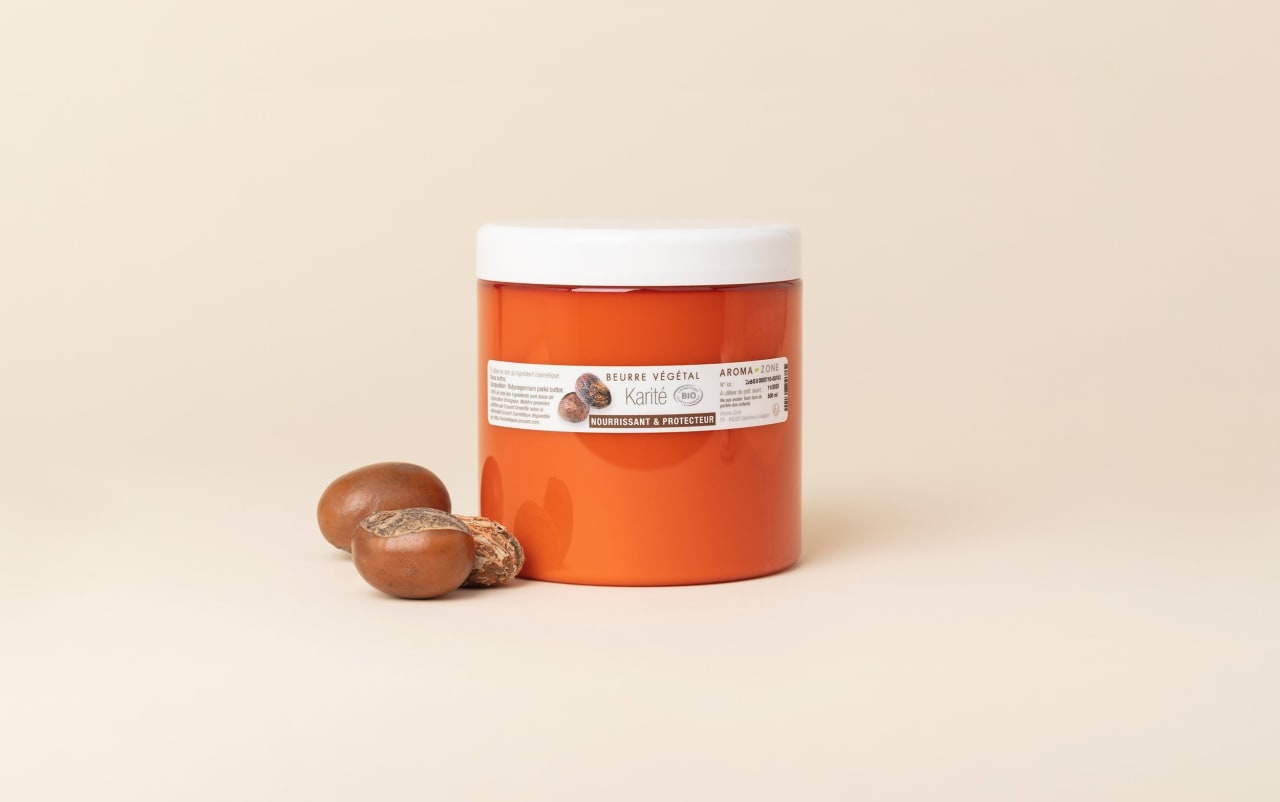
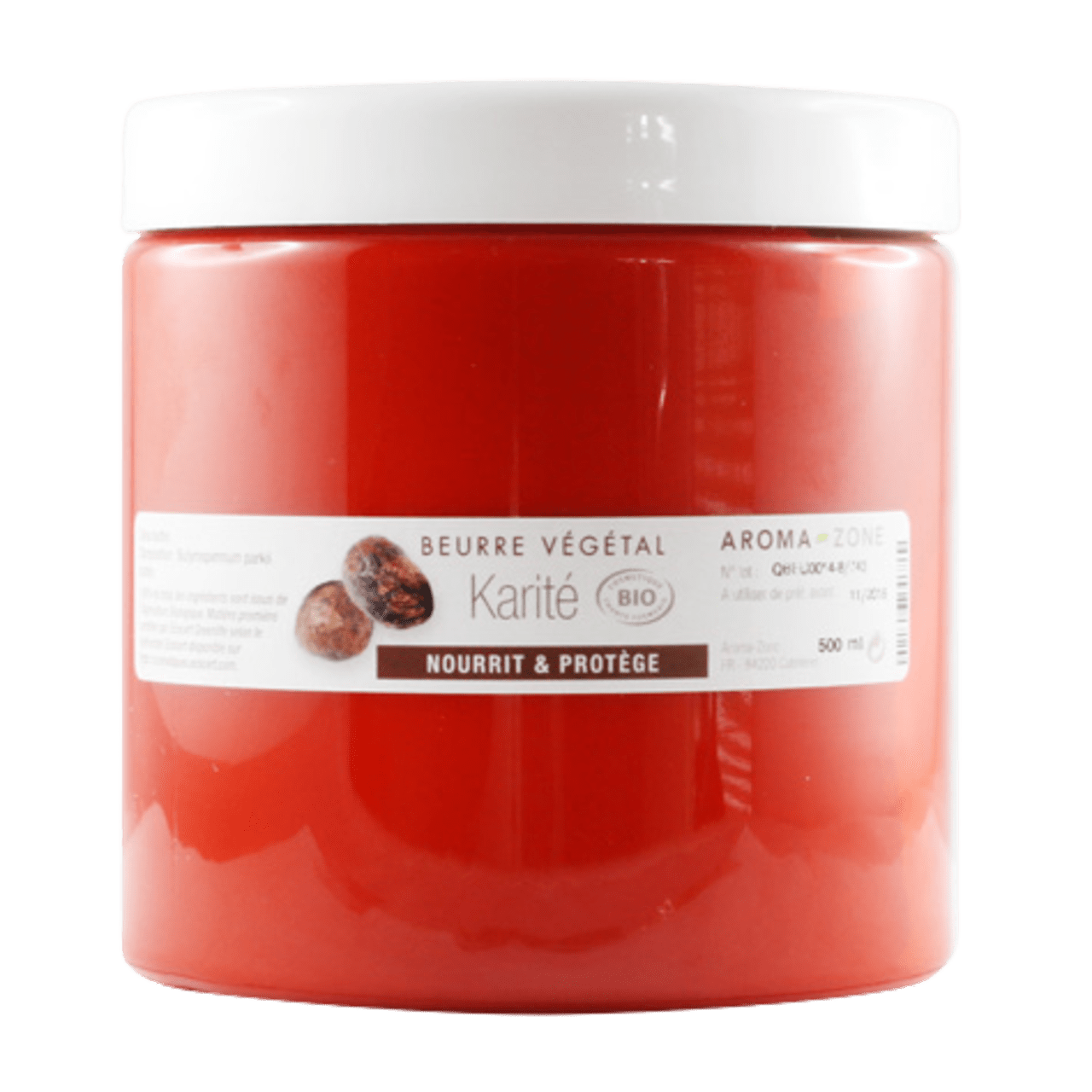
Organic Shea Butter
500 ml

Label Cosmétique Bio Test

Foraged

100% Pure And Natural

Ecocert
Properties
As a cosmetic ingredient, organic raw shea butter is known for the following properties:
Rich in karitene, vitamin A and terpene alcohols, which help to regenerate the skin against the damaging effects of the sun.
Rich in phytosterols, alpha and beta amyrin, it helps to calm and soothe tight, overheated skin.
Promotes healing thanks to the terpene alcohols (lupeol, pareol) and phytosterols it contains.
Deeply moisturises and nourishes the skin.
As a skin regenerator, it revitalises tissues and restores the skin's elasticity.
Prolongs tanning.
Indications
All skin types.
Sensitised and damaged skin (shaving, hair removal, laser, etc.).
Lips and dry areas of the face and body.
Products for skin exposed to extreme weather conditions.
Repair creams or balms for damaged hands (outdoor workers, intensive hand washing, cold).
Properties
As a hair improvement ingredient, organic raw shea butter is known for the following properties:
Restoring hair's shine and improving its appearance.
Deeply nourishing the hair fibre.
Prolonging and protecting hair dye.
Indications
Dry, brittle or split hair
Products for frizzy and afros hair
Coloured hair
Uses
As an ingredient in your cosmetic preparations to formulate:
Emulsions or body balms for before and after sun exposure
Nourishing body balms
Soothing and protective lip balms
Nighttime facial care for dry skin
Soothing and regenerating care for sensitive skin
Protective balms for scarred areas
Satin-finish body care
Shower scrub butters
Repairing balms for hands
As an active superfatting ingredient for making "superfatted" soaps
Uses
As an ingredient in your cosmetic preparations to formulate:
Hair masks and balms to add shine
Nourishing and repairing care for Afro-textured hair or dry hair
In practice
This butter can be added as an ingredient in the oil phase of your cosmetic preparations for nourishing creams, balms, and sticks: from 1 to 80% for a balm and from 1 to 5% in an emulsion.
May sometimes give a grainy texture: stir well throughout the cooling process.
In the bath: Mix into your bath preparation. Pour your mixture into hot bath water for silky, protected skin.
Recommended blends
For sensitive skin: lavender, roman chamomile or blue cypress essential oils.
As an oily treatment for sensitive skin: calendula (CO2 extract and macerated oil).
In a soothing cream: yarrow and roman chamomile hydrosols.
In practice
This butter can be added as an ingredient in the oil phase of your homemade hair cream (conditioner, mask) and hair balm recipes. Apply your mixture to your hair, focusing on the ends. Massage into hair, then wrap in a warm towel. Leave on overnight if possible, then shampoo.
You can also add it as an ingredient in the oil phase of your hair repair preparations: apply to dry or Afro-textured hair to restore shine and lustre to your hair.
Recommended blends
To make your hair colour last longer: tucuma butter and buriti carrier oil.
To improve hair condition and make it shiny: ceramides, castor oil, ylang-ylang essential oil.
Hair care products for blonde hair or highlights: German chamomile essential oil, hydrosol and turmeric powder (emulsion).
Hair care products for brown hair: walnut husk and chestnut henna (emulsion).
Culture
Organic & wild (lot 22BEU0028)
Organic, certified by Ecocert Greenlife in accordance with the Ecocert standard available at http://cosmetiques.ecocert.com
Quality
100% pure and natural butter
Production process
Mechanical pressure
Part of the plant used
Sorted nuts
Botanical name
Butyrospermum parkii
Botanical family
Sapotaceae
Function
Cosmetic
Other names
Butter tree, vitellaria paradoxa
Oxidative potential
Low sensitivity
Shea butter is extracted from the fruit of the shea tree, which grows wild in the savannahs of West Africa. It can grow to more than 12 metres high and the trunk to two metres wide.
The flesh fruit resembles a small avocado. Its sweet, edible pulp contains a nut at its centre. When pressed, this produces Shea butter. This butter has been widely used for centuries in certain regions of Africa.
It is also part of the Senegalese pharmacopoeia, traditionally recommended to help soothe sprains, aches and rheumatism.
It is deodorised by simply drying in the sun, using a traditional ancestral technique passed down by the women of the village, without solvents or water vapour. This process eliminates the sour odour of the organic shea butter without raising its temperature, and retains all its benefits.
Yellow in colour, it has a light fragrance with hints of almond. It has a rich texture and a soft feel.
This exceptionally high-quality organic shea butter, made with respect for the product and the women who produce it, will be a firm favourite!
Organoleptic properties
Appearance: solid butter with a waxy appearance at room temperature; oily above 34°C
Colour: light yellow to beige
Odour: characteristic of seeds with almond notes
Feel: rich and melting
Density
0.90 (density corresponds to density at 20°C)
Density at 40°C
0.89 (measured by the Aroma-Zone quality laboratory)
Melting point
35°C (measured by the Aroma-Zone quality laboratory)
Saponification index
160-200
Storage
Store in a dry place away from heat and light.
Precautions
Shea butter naturally contains latex and should therefore be avoided if you have a latex allergy.
Warning
The properties, indications and methods of use described above are derived from scientific literature and/or reference books or websites in aromatherapy, hydrolatherapy and phytotherapy. This general information is provided for informational purposes only and cannot under any circumstances be considered as medical information. This information cannot under any circumstances replace a diagnosis, consultation or medical follow-up, nor engage our liability.
Environmental qualities and characteristics product sheet
Reference
0116801 - Organic Shea butter sample 10 ml
Main packaging material
PP Pot
Recyclability
Most packaging can be recycled
Reference
0074202 - Organic Shea butter 100 ml
Main packaging material
RPET (recycled PET) pot
Recyclability
Most packaging can be recycled
Recycled material
Packaging contains at least 65% recycled material.
Rewards and penalties
Aroma-Zone gets a bonus for managing packaging made from recycled plastic.
Reference
0074302 - Organic Shea butter 500 ml
Main packaging material
RPET (recycled PET) pot
Recyclability
Most packaging can be recycled
Recycled material
Packaging contains at least 75% recycled material.
Rewards and penalties
Aroma-Zone gets a bonus for managing packaging made from recycled plastic.
Reference
0174401 - Organic Shea butter 1 L
Main packaging material
PP Pot
Recyclability
Most packaging can be recycled

EO = Essential Oil
VO = Carrier Oil or Macerated Oil
9g Shea butter
3g Sesame oil
3g organic beeswax
1 teaspoonful of honey (manuka honey, for example)
9 drops Mandarin essential oil
Directions: melt the wax and butter in the oil in a bain-marie. When the wax has melted, remove from the heat and place the container in a cold water bath to cool the preparation. Add the honey and mandarin essential oil and mix vigorously with a mini whisk. Pour immediately into a jar or stick mould before the mixture hardens.
90g organic shea butter
10 ml argan carrier oil
10 ml macadamia carrier oil
10 ml Chilean rosehip seed carrier oil
1 tsp aloe vera gel
10 drops of gum rockrose essential oil
10 drops of neroli essential oil
7 drops of natural vitamin E
Directions: crush the butter and carrier oils with a pestle and mortar to obtain a smooth, creamy paste. Add the rest of the ingredients, mix well and pour the balm into its jar.
Important notes (Aroma-Zone): it's not easy to make a stable emulsion (cream or lotion) using only the wax. Waxes have a low emulsifying power, so we recommend adding an emulsifier. We also recommend adding a preservative to ensure that this blend is preserved.
Use: massage a large dab of this creamy balm into the affected areas every evening for 1 month. Do not use during pregnancy due to the presence of essential oils.
60g shea butter
20g baobab oil
20g rice bran wax
4 teaspoons plant-based glycerine
20 drops Rof oman chamomile essential oil
7 drops of natural vitamin E
Directions: melt the wax and butter in the carrier oil in a bain-marie. When the wax has melted, remove from the heat and leave to cool for a few minutes. Add the remaining ingredients and mix with a whisk or pestle. Pour into the jar before the mixture hardens.
Use: use in summer and winter to soothe, soften and rehydrate skin exposed to heat or cold.
40 ml andiroba carrier oil
25 ml verbena hydrosol
3g shea butter
4g rice bran wax
1 teaspoon soy lecithin
1 teaspoon plant-based glycerine
30 drops of Litsea cubeba essential oil
20 drops of grapefruit seed extract
7 drops of natural vitamin E
Directions: melt the wax and butter in the carrier oil over a bain-marie. Remove from the heat and add the hydrosol in small quantities while emulsifying. Then add the soy lecithin. Next add the glycerine and the rest of the ingredients and mix well.
Use: apply a small dab of balm to the ends of your hair after shampooing. Massage into hair without brushing and rinse thoroughly.
For approximately 100g of balm:
Sweet almond oil: 40g
Olive oil: 30g
Shea butter: 15g
Beeswax: 10g
Glycerine: 5g
Lavender essential oil: 5 drops
Sandalwood essential oil: 5 drops
Directions: heat the wax, carrier oils and shea butter in a bain-marie. Mix the glycerine and essential oils in a container. When the wax has melted, remove it from the heat immediately. Leave to cool for a while, stirring occasionally, then add the essential oil mixture and transfer to a jar. Leave to cool.
Directions for use: you can use this balm as a mask. Generously coat your hands with it, put on cotton gloves and go to bed, leaving the balm to work.
Important information from Aroma-Zone: Beeswax acts as an emulsifier, making the emulsion "hold". However, for a much more stable emulsion that is easier to make, we recommend using an emulsifier. We also recommend that you add a preservative to preserve the emulsion.
For approximately 100 g of balm:
Shea butter: 50 g
Sweet almond oil: 30 g
Aloe vera gel: 15 g
Beeswax: 10 g
Glycerine: 5 g
Lemon essential oil: 10 drops
Mediterranean cypress essential oil: 10 drops
True lavender essential oil: 5 drops
Tea tree essential oil: 5 drops
Directions: Melt the shea butter and carrier oil in a bain-marie. Mix the aloe vera gel, glycerine and essential oils in a container. When the oils begin to cool, add the essential oil mixture and transfer to a jar. Leave to cool before use How to use: This balm is perfect as a thick layer to protect your feet during a run or hike, but it's also an excellent regular treatment that can be applied as a mask overnight by putting cotton socks on top. Sports people can also prep their feet by tanning them with fresh lemon juice Important notes from Aroma-Zone: beeswax acts as an emulsifier here, making the emulsion "hold". However, for a much more stable emulsion that is easier to make, we recommend using an emulsifier. In addition, we recommend that you add a preservative to preserve this blend.
70 ml grape seed oil
10 ml Coconut oil
20g stearic acid
10g Shea butter
4g Beeswax
15 drops aromatic Coconut extract
15 drops Vanilla extract
10 drops of ylang-ylang essential oil
6 drops of natural vitamin E
Procedure: melt the beeswax in the carrier oil and stearic acid in a bain-marie. Remove from the heat and add the remaining ingredients. Pour the mixture into a glass jar and leave to cool. When the wax begins to set but remains soft, place a cotton wick in the centre of the glass. Light the candle, wait for the wax to melt and then extinguish the flame.
How to use: apply the treatment to the skin or hair (the wax should be soft but cool).
9g organic shea butter
6g Jojoba oil
3g beeswax
1 teaspoon vegetable glycerine
15 drops Vanilla extract
3 drops Bergamot essential oil
3 drops Ylang-Ylang essential oil
Procedure: melt the butter and wax in the carrier oil and glycerine in a double boiler. When the wax has melted, remove it from the heat and wait for the mixture to cool. Add the vanilla extract and essential oils, then mix with a hand blender. Pour the mixture immediately into a 15 ml jar before it hardens.
Use: apply a dab of concrete to the inside of the wrists and the neck.
9g organic shea Butter
6g camellia Oil
3g mimosa wax
1 tablespoon vegetable glycerine
10 drops jasmine absolute
10 drops of bourbon geranium essential oil
10 drops of rhododendron essential oil
Directions: melt the shea butter and mimosa wax with the camellia oil in a bain-marie over a low heat. Remove the pan from the heat when the wax has melted and wait for the preparation to cool. Add the vegetable glycerine, the absolute and the two essential oils, then mix with a mini whisk. Immediately pour the preparation into a 15 ml jar before it hardens.
2 tablespoons shea butter
1 tablespoon of argan carrier oil
1 tablespoon of avocado carrier oil
3 teaspoons of rose hydrosol
1 teaspoon of vegetable glycerine
1 teaspoon honey and royal jelly mixture (10% fresh royal jelly and 90% honey)
10 drops geranium EO
6 drops of grapefruit seed extract
2 drops of natural vitamin E
How to use: mix the carrier oils and butter until smooth. Gradually add the hydrosol while emulsifying. Add the vegetable glycerin, then the rest of the ingredients.
Shea butter: 60 g
Rosehip oil: 100 ml
Argan oil: 1 tablespoon
Geranium essential oil: 10 drops
Carrot essential oil: 10 drops
Method: Melt the Shea butter with the oils in a bain-marie while stirring. Remove from the heat, add the essential oils and stir until cool. Pour into jars.
Shea butter: 40g
Jojoba oil: 60g
Beeswax: 40g
Cinnamon infusion: 80g
Avocado oil: 1 tablespoon
Borage oil: 1 tablespoon
Orange juice: 1 tablespoon
Sandalwood essential oil: 5 drops
Directions: melt the shea butter and wax in a bain-marie while stirring. Remove from the heat and add the oils, orange juice, infusion and essential oil, stirring until cool. Pour into jars.
Important notes (Aroma-Zone): it's not easy to make a stable emulsion (cream, lotion) using only a wax. Waxes have a low emulsifying power, so we advise you to add an emulsifier. We also recommend adding a preservative.
Shea butter: 80g
Sesame carrier oil: 20g
Ylang-ylang essential oil: 4 drops
Calendula infusion: 1 tablespoon
Directions: melt the shea butter with the oil in a bain-marie, stirring constantly. Remove from the heat, add the essential oil and infusion and stir until cool. Pour into jars and leave to cool.
Shea butter: 50g
Calophylla oil: 50 ml
Lemon essential oil: 2 drops
Ylang ylang essential oil: 2 drops
Geranium essential oil: 2 drops
Procedure: melt the shea butter gently over a bain-marie. Remove from the heat and stir in the oil and essential oils.
For a 50 ml glass jar
Equipment: 1 saucepan, 1 pestle and mortar, 1 mini whisk and 1 weighing scale.
Aloe vera macerated oil: 15g
Organic rosemary verbenone hydrosol: 5g
Lanolin plant substitute: 2g
Rice bran wax: 2g
Shea butter: 1g
Liquorice powder: 1 teaspoon
Propolis plant tincture: 5 drops
Natural vitamin E: 4 drops
Directions: pour the aloe vera macerated oil, rice bran wax and shea butter into the mortar. Heat the mixture in a saucepan over a bain-marie until the rice wax and shea butter have completely melted. Remove the pan from the heat and wait for the mixture to cool slightly. Add the rosemary hydrosol in small streams, drawing figures of eight with the pestle in the mortar to set the emulsion. Add the liquorice powder, lanolin plant substitute, propolis plant tincture and vitamin E, continuing to make the figure of eight motion with the pestle. Pour the mixture into the jar and store in a cool place.
Aroma-Zone important note: it is not easy to create a stable emulsion (cream, lotion) using only a wax. Waxes have a low emulsifying power, so we advise you to add an emulsifier. We also recommend adding a preservative to ensure that the preparation is preserved.
Oily phase
Avocado oil: 10g
Shea butter: 10g
Beeswax: 4g
Lanolin: 6g
Aqueous phase
Lemon balm hydrosol: 24g
Soap flakes: 2g
Directions: heat the oil and water phases separately in a double boiler at around 65°C, then add the water phase to the oil phase while hot, slowly and with vigorous stirring.
Important notes (Aroma-Zone): it is not easy to make a stable emulsion (cream, lotion) using only a wax. Waxes have a low emulsifying power, so we advise you to add an emulsifier. In addition, we recommend adding a preservative to ensure that the product is preserved.
Shea butter: 15g
Sweet almond or jojoba carrier oil: 12 ml
Rose hydrosol: 5-10 ml
Lemon essential oil: 1 drop
Directions: melt the shea butter with the oil in a bain-marie, stirring constantly. Remove from the heat, add the hydrosol and essential oil and stir until cool. Pour into jars.
Important notes (Aroma-Zone): it's not easy to make a stable emulsion (cream, lotion) without an emulsifier. We recommend adding an emulsifier. We also recommend adding a preservative to make your product last longer.
1-2 tablespoons sesame oil (depending on desired consistency)
1 level tablespoon of shea butter
3 teaspoons of ancient rose floral water
1 teaspoon of bamboo sap powder
1 teaspoon vegetable glycerine
9 drops of geranium essential oil (1% dilution)
6 drops of grapefruit seed extract
2 drops of natural vitamin E essential oil
Method: mix the butter and oil with a pestle and mortar until you obtain a smooth, creamy texture. Gradually add the floral water while emulsifying. Stir in the glycerine to add shine and a velvety texture, followed by the bamboo sap. Finally, add the remaining ingredients and blend.
Important notes (Aroma-Zone): it's not easy to make a stable emulsion (cream, lotion) without an emulsifier, so we recommend adding one.
2 tablespoons shea butter
2 tablespoons oil of your choice (e.g. Jojoba oil)
1 tablespoon orange blossom hydrosol
10 drops mandarin essential oil
2 drops of lemon essential oil
1 teaspoon of acerola powder
12 drops of grapefruit seed extract
5 drops of natural vitamin E
Directions: In a pestle and mortar, crush the butter and one tablespoon of carrier oil until you obtain a thick, lump-free cream. Slowly and gradually add the hydrosol while emulsifying. While still stirring, gradually add the second tablespoon of carrier oil. Finally, while still stirring, add the remaining ingredients. Pour the mixture into the jar.
Important notes (Aroma-Zone): it's not easy to make a stable emulsion (cream, lotion) without an emulsifier, so we recommend adding one.
Directions for use: apply daily to the face to deeply moisturise and nourish.
Solid form (cream)
Peppermint essential oil: 0.5 ml
Blue tansy essential oil: 0.5 ml
Katafray essential oil: 0.5 ml
Helichrysum essential oil: 1 ml
Evening primrose oil: 5 ml
Argan oil: 5 ml
Calendula oil: 5 ml
Eucerin pH5 (or shea butter): add up to 100 g as required for product optimisation
Use: apply topically 2-3 times a day until you see a noticeable improvement.
Otuki MF, Vieira-Lima F, Malheiros A, Yunes RA, Calixto JB. Eur Topical antiinflammatory effects of the ether extract from Protium kleinii and alpha-amyrin pentacyclic triterpene. J Pharmacol, 2005, 507(1-3), 253-9.
Medeiros R, Otuki MF,Amyrin.docx Avellar MC, Calixto JB. Mechanisms underlying the inhibitory actions of the pentacyclic triterpene alpha-amyrin in the mouse skin inflammation induced by phorbol ester 12-O-tetradecanoylphorbol-13-acetate. Eur J Pharmacol, 2007, 559(2-3), 227-35.
Maranz S, Wiesman Z. Influence of climate on the tocopherol content of shea butter. J Agric Food Chem, 2004, 52(10), 2934-7.
Monmarche P. and Sousselier L. New insights into the cosmetic benefits of shea butter. World Directory for the Cosmetics Industry (conference), April 2001
Supplier documentation
"Votre beauté au naturel" by Chantal Clergeaud
'Making Aromatherapy Creams & Lotions: 101 Natural Formulas to Revitalize & Nourish Your Skin' by Donna Maria
"Cosmétiques naturels" by Hélène Baron and Tiphaine Chagnoux
'90 recettes de beauté Organic à faire soi-même' by S. Macheteau and Vanina Guet
"Secret de beauté au naturel" by Amélie Brochier
"Skin care with essential oils" by Chantal Lacroix
Frequently Asked Questions
Essential Oils
1 ml = approximately 35 drops (with our Aroma-Zone dropper caps)
Carrier Oils
1 pump (Aroma-Zone aluminium pump) = approx. 0.15 ml
Mass / Volume conversion (for a liquid)
Mass (g) = Density x Volume (ml) at 20°C
Further information
1 full teaspoon = between 3 and 4.5 ml
1 full tablespoon = between 7.5 and 10 ml
However, these spoon ratios depend on a number of factors (e.g. viscosity of the liquid, temperature, depth and size of the spoon, rheological behaviour of the liquid), and we strongly advise you to use precise measuring equipment, such as graduated test tubes, graduated pipettes, and precision scales.
Loading...
I took advantage of the offer, superior quality to one bought on Amazon, soft, foamy
Used on the skin, very moisturizing product
Excellent product (raw organic shea butter), I like the scent, it's round and natural. Fast shipping.
It is very emollient
Excellente, qualité semblable à celle que j'achète au Burkina Faso. Je l'utilise soir et matin pour l'instant car ma peau était tiraillée après un changement d'environnement , de climat . Ma peau du visage est plus souple, hydratée et reposée. Je l'utilise avec le sérum Hyaluronic 3.5
Associated products
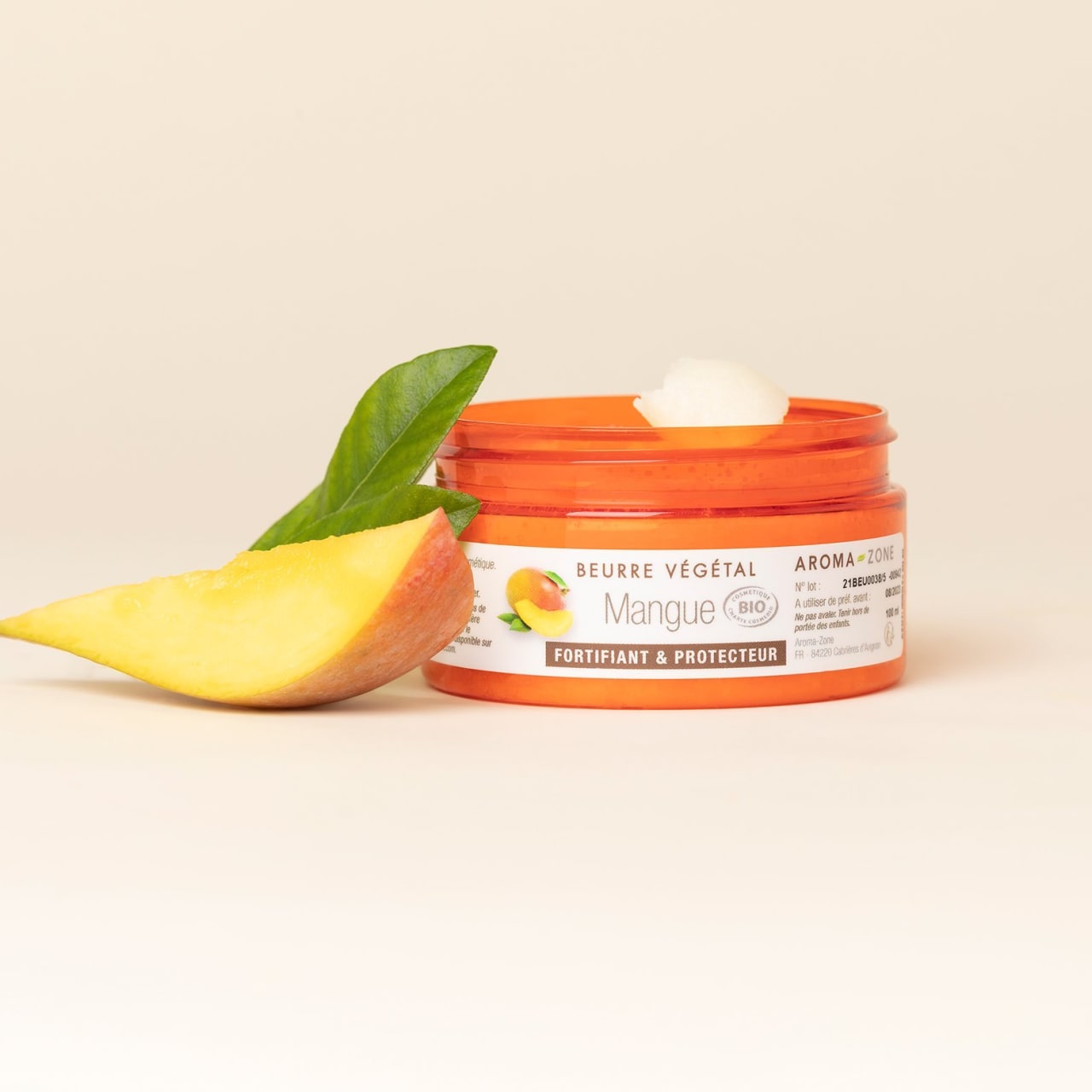
£5.50
100 ml
2 options
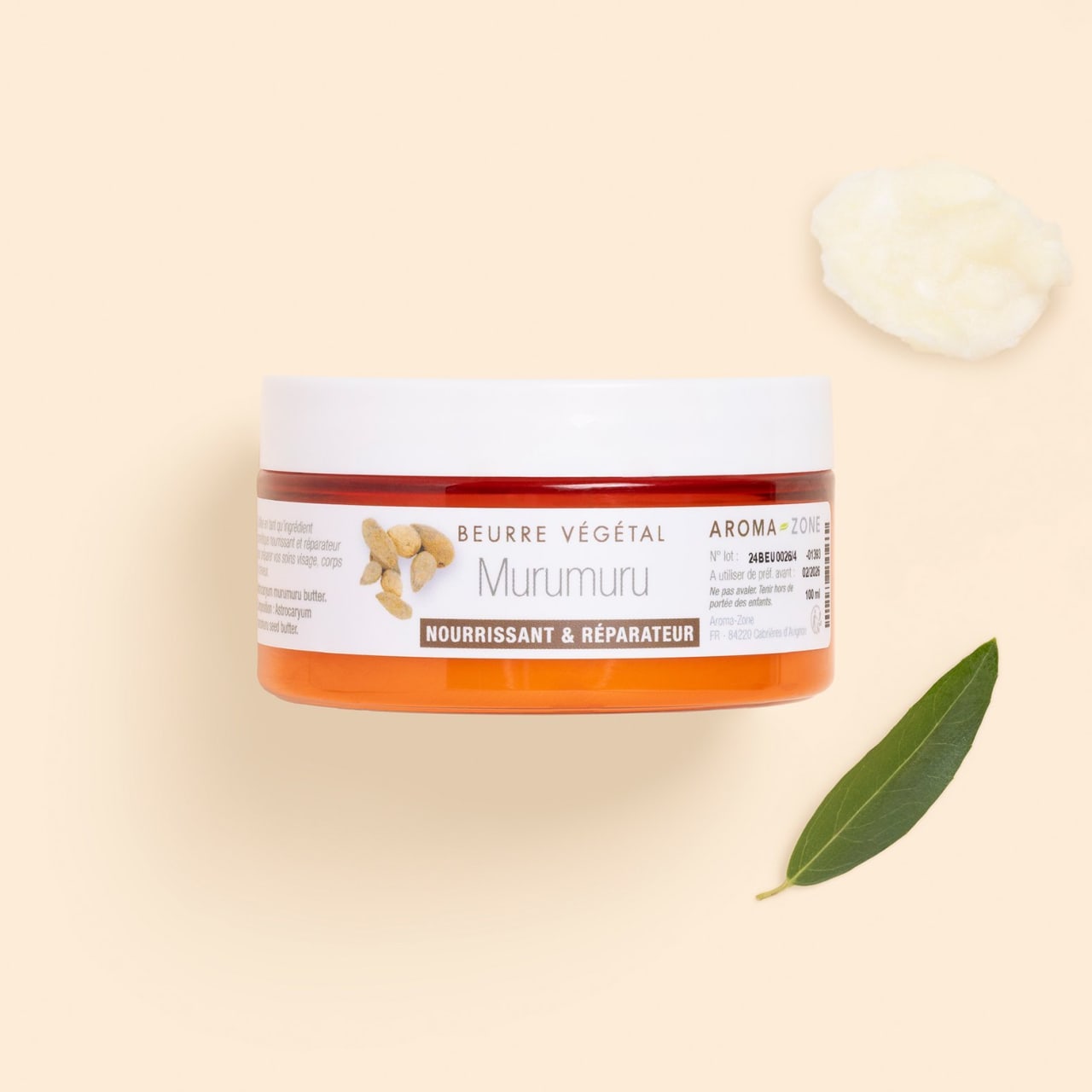
£8.50
100 ml
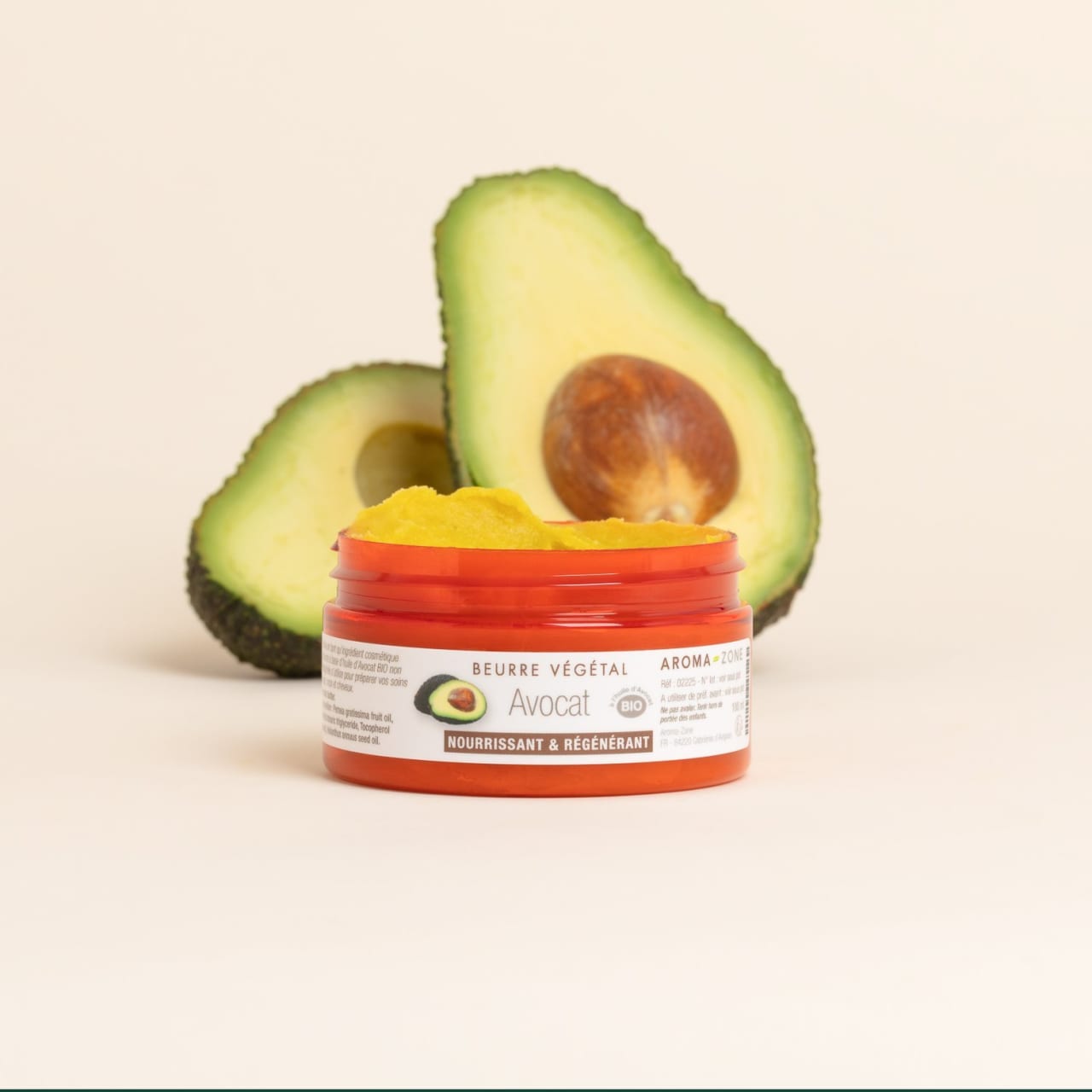
£8.50
100 ml
Associated recipe
Aromatherapy & Wellness


