




Whether they showed up after a summer in the sun, lingered long after a breakout or crept in quietly over the years, dark spots rarely fade as fast as we'd like. The good news? With the right active ingredients, a little patience and daily sun protection, you can visibly soften them and get a more even-looking complexion.
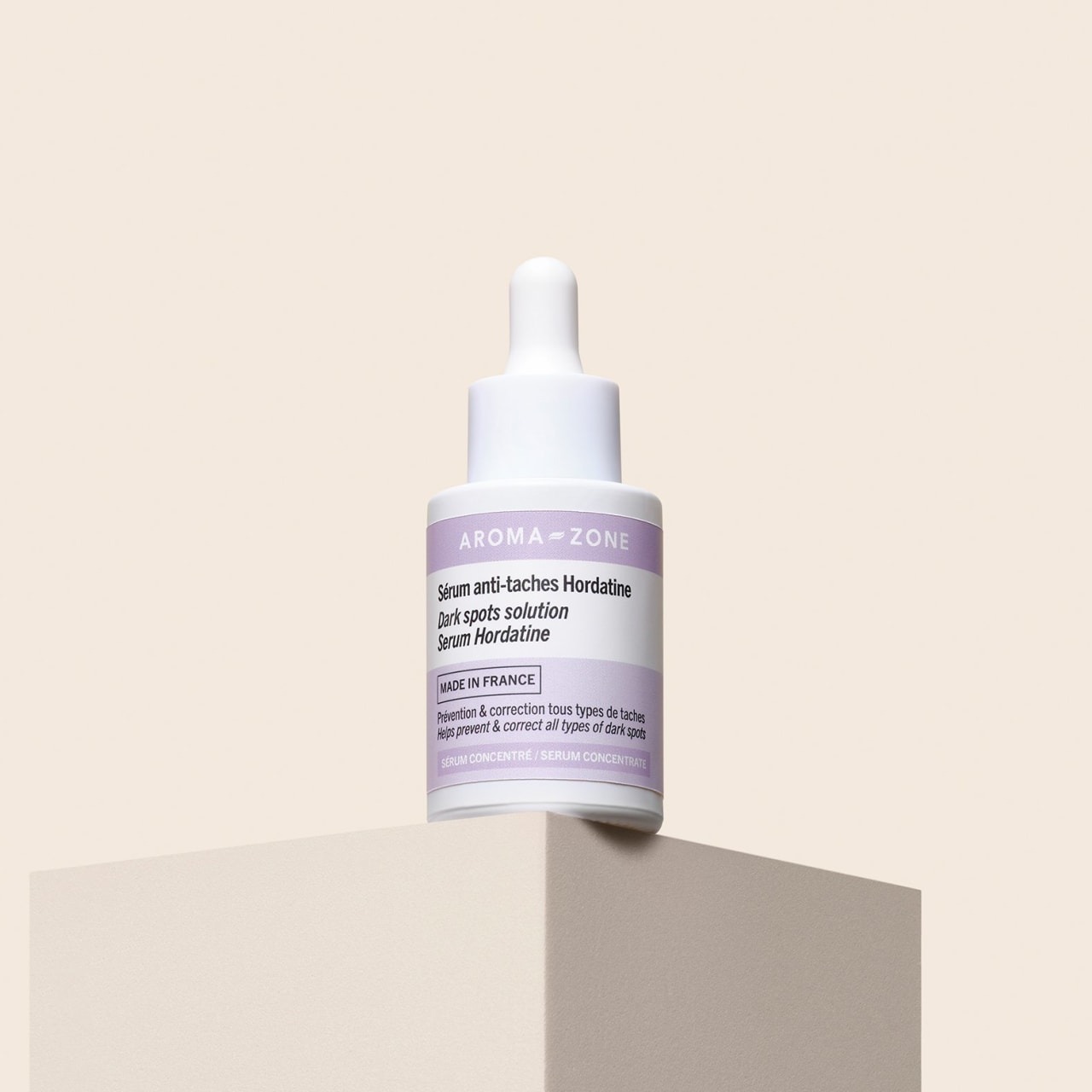
This selection brings together our most targeted serums, from our dedicated Hordatine & Liquorice Extract Serum to multi-tasking niacinamide, vitamin C and retinal formulas.
First things first: what causes dark spots on the face?
Dark spots, or hyperpigmentation, appear when melanin (the pigment that gives skin its colour) builds up unevenly in certain areas. They don't all have the same origin, and knowing which type you're dealing with helps you choose the right care.
Sun spots and age spots
These are the most common. They're small, flat brown marks that tend to appear on the areas that see the most sun, like the face, but also the hands and décolletage. Years of repeated UV exposure are the main culprit, which is why they often become more visible with age.
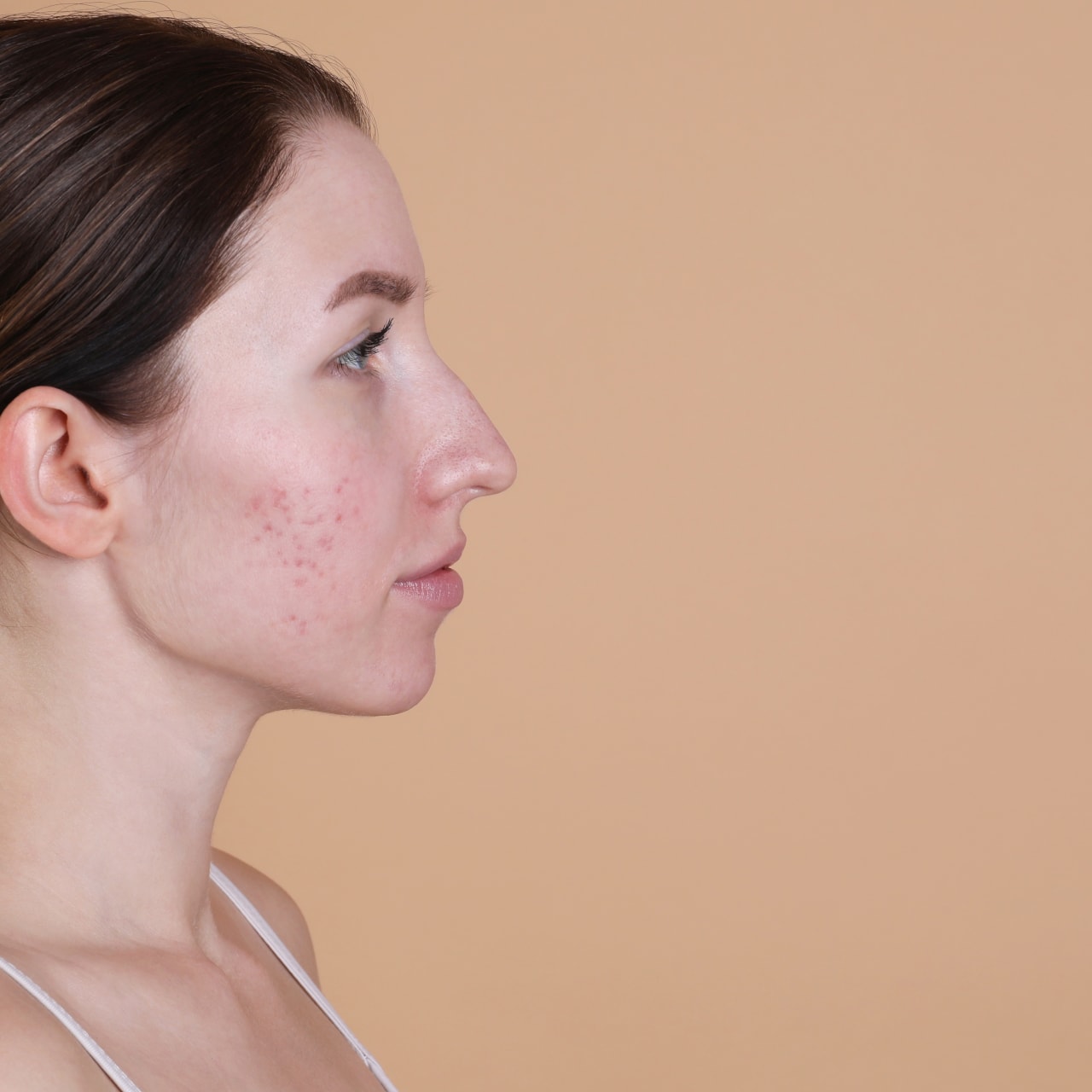
Post-blemish marks
Once a spot has healed, it can leave a brown or reddish mark behind that takes weeks, sometimes months, to fade. Picking or squeezing makes them far more likely to linger.
Discover how to use tea tree essential oil to reduce spots!
Melasma, also called pregnancy mask
Melasma shows up as larger, patchier areas of pigmentation. It's closely linked to hormonal changes such as pregnancy, the contraceptive pill or HRT, and sun exposure can trigger it or make it worse. It's also more common in people with darker skin tones and those who tan easily.
Which active ingredients help fade dark spots?
Now that we know where dark spots come from, let's take a closer look at the ingredients that can help fade them.
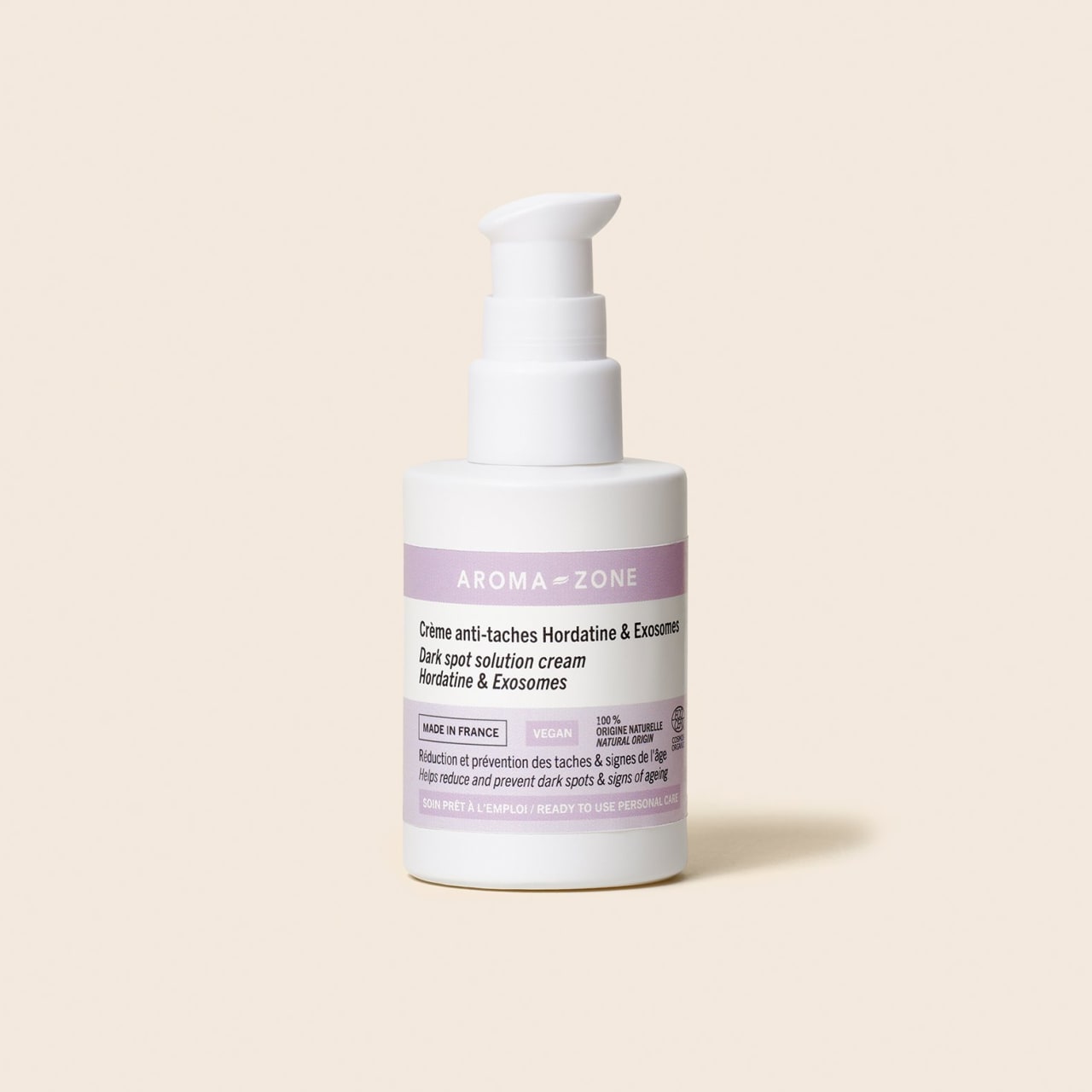
Hordatine, liquorice & niacinamide: the most targeted formula in the range. It combines hordatine, rainbow algae and liquorice extracts with 5% niacinamide.
It was designed for every type of spot and every skin tone, is suitable for
sensitive skin, and its efficacy has been clinically tested.
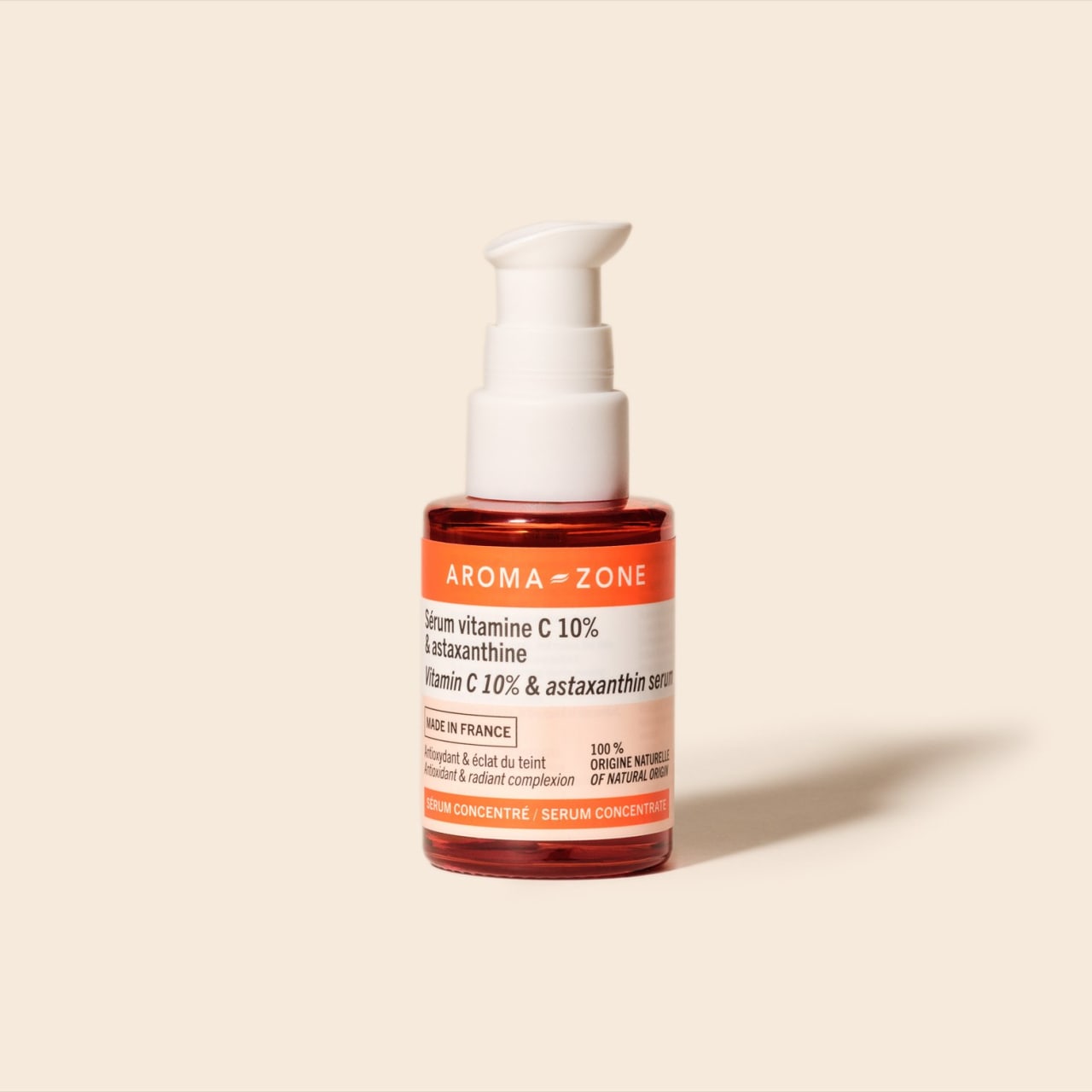
Vitamin C: the Vitamin C 10% & Astaxanthin Serum pairs stabilised vitamin C with antioxidant astaxanthin to even out skin tone and bring back radiance.
A tip from our Aroma-Zone experts:
Stick to one vitamin C product at a time rather than layering several.
Find out how to use vitamin C safely in the sun
in our dedicated guide.
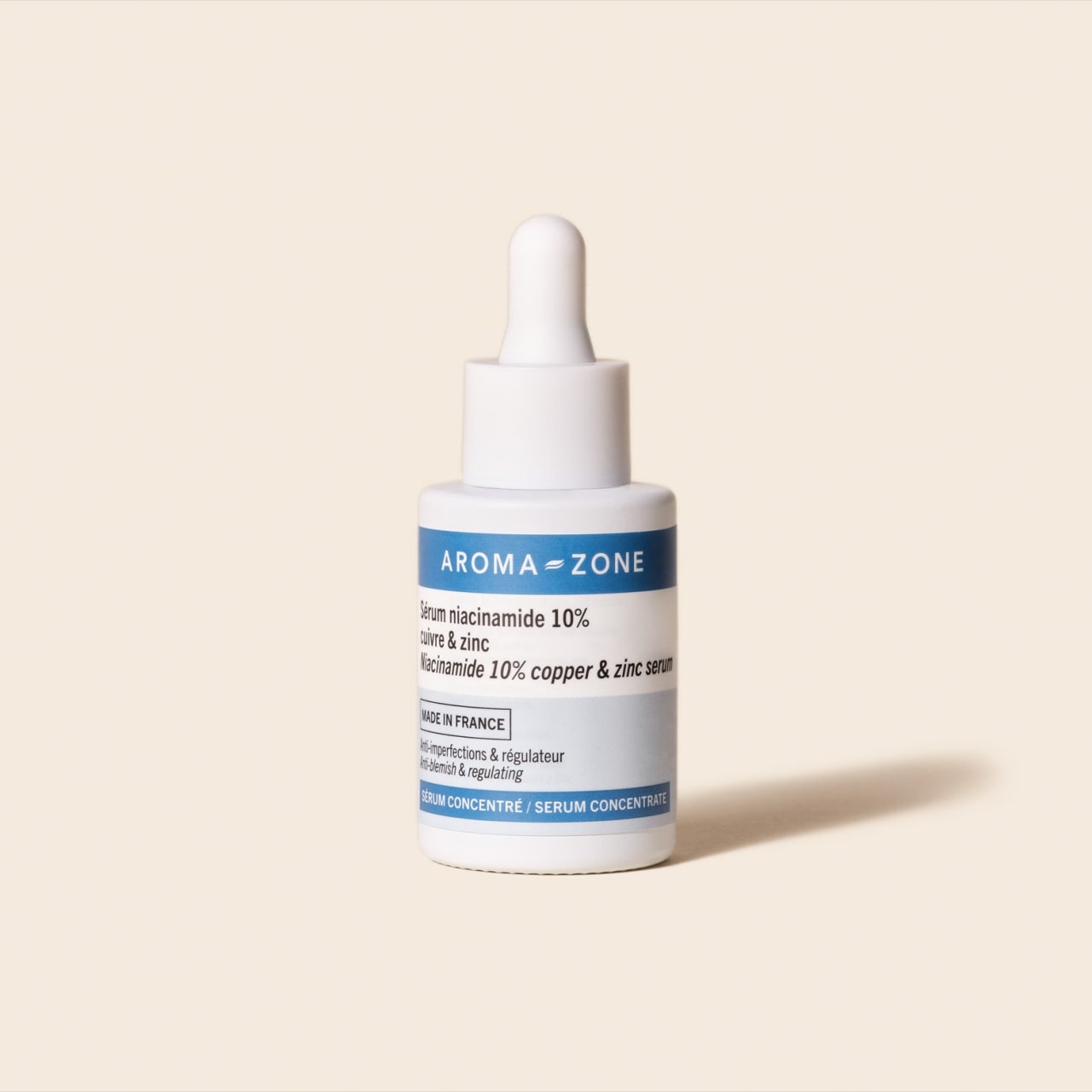
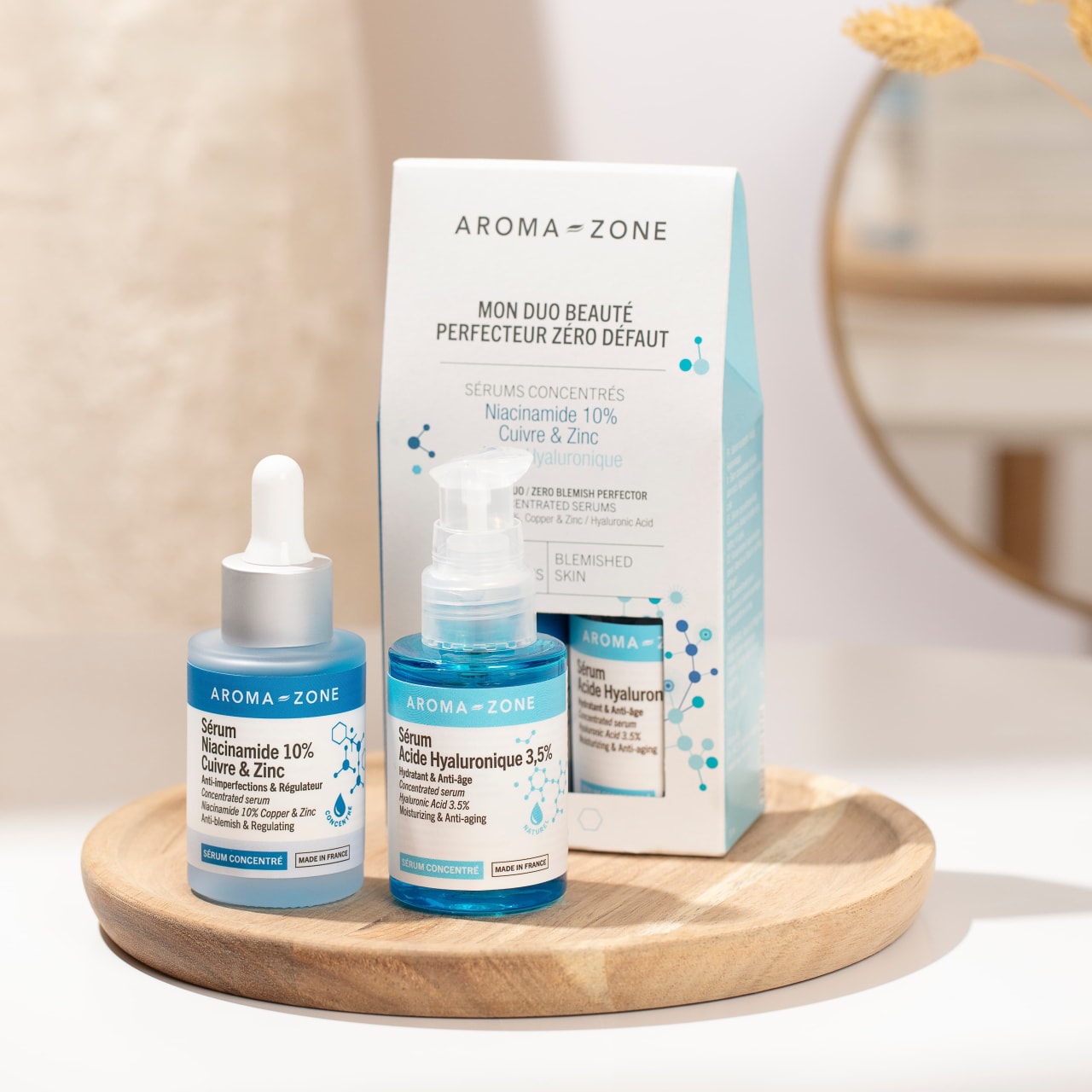
Niacinamide (vitamin B3): helps reduce the look of dark spots and redness. It's a smart pick for oily, combination or blemish-prone skin prone to post-blemish marks. Find out more in The benefits of nicotinamide.
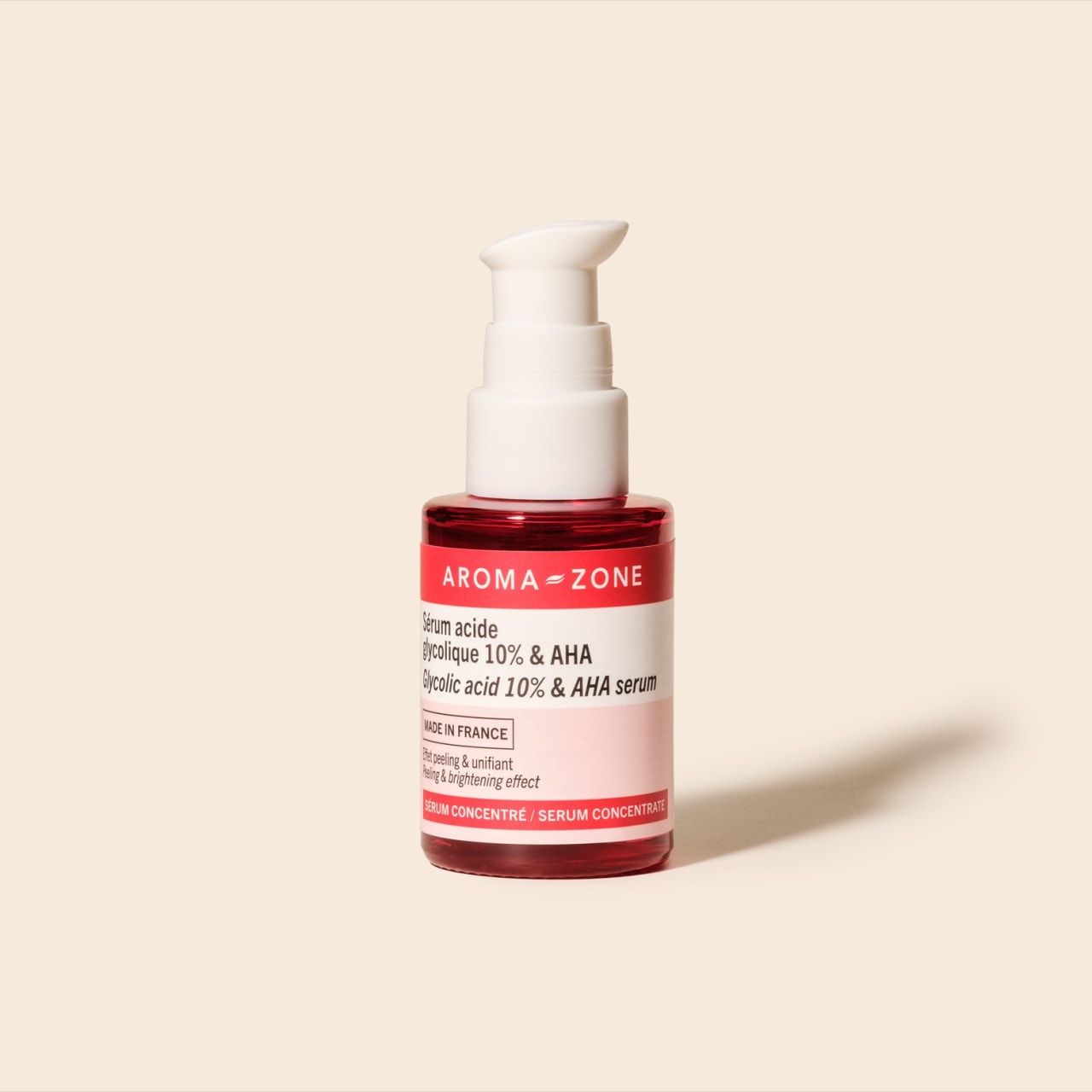
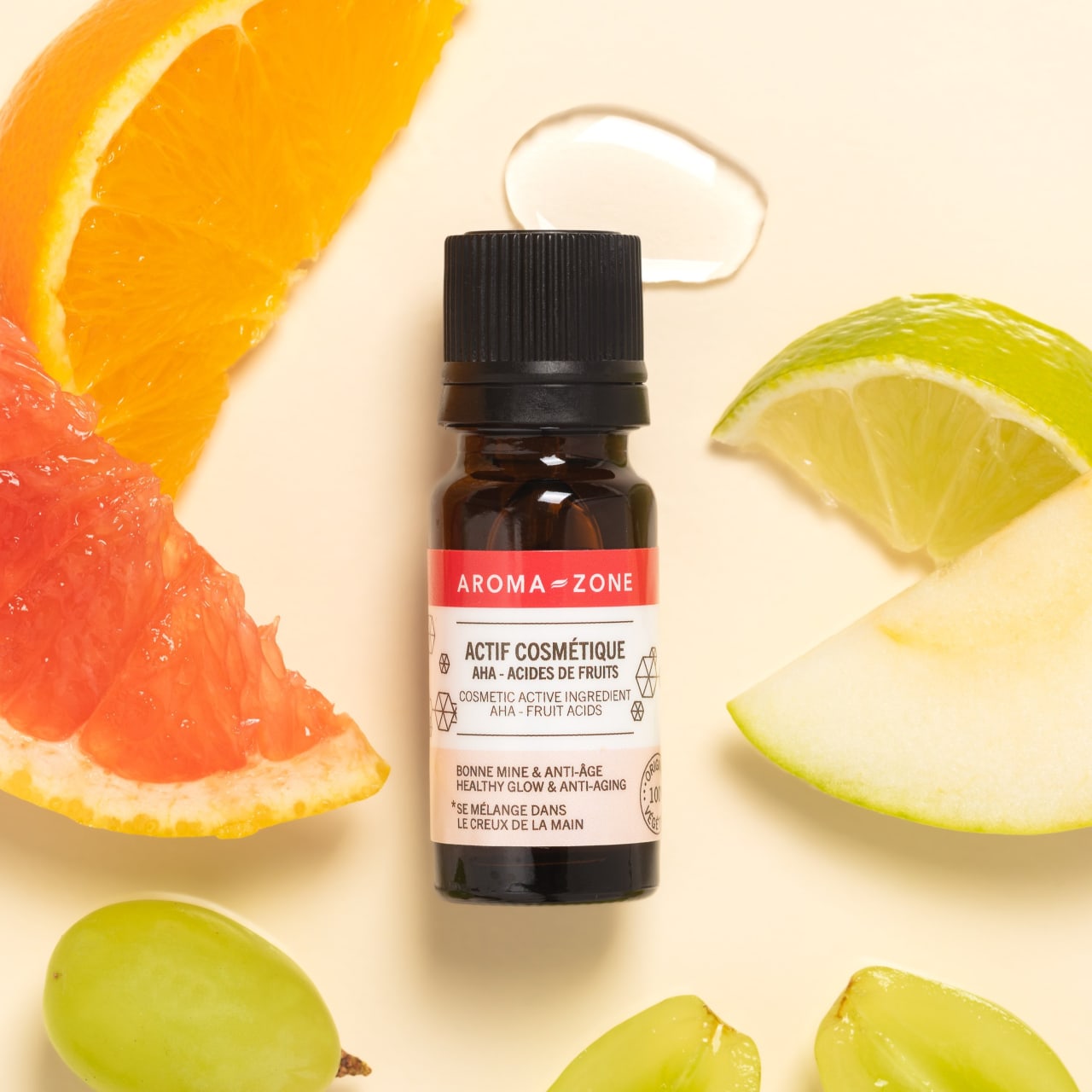
Glycolic acid & AHAs: the gentle peeling effect of the Glycolic Acid 10% & AHA Serum clears away dead cells to reveal a smoother, more even-toned complexion. It's for evening use only and isn't suitable for sensitive skin. If you make your own skincare, the AHA Fruit Acids Active Ingredient works along the same lines.
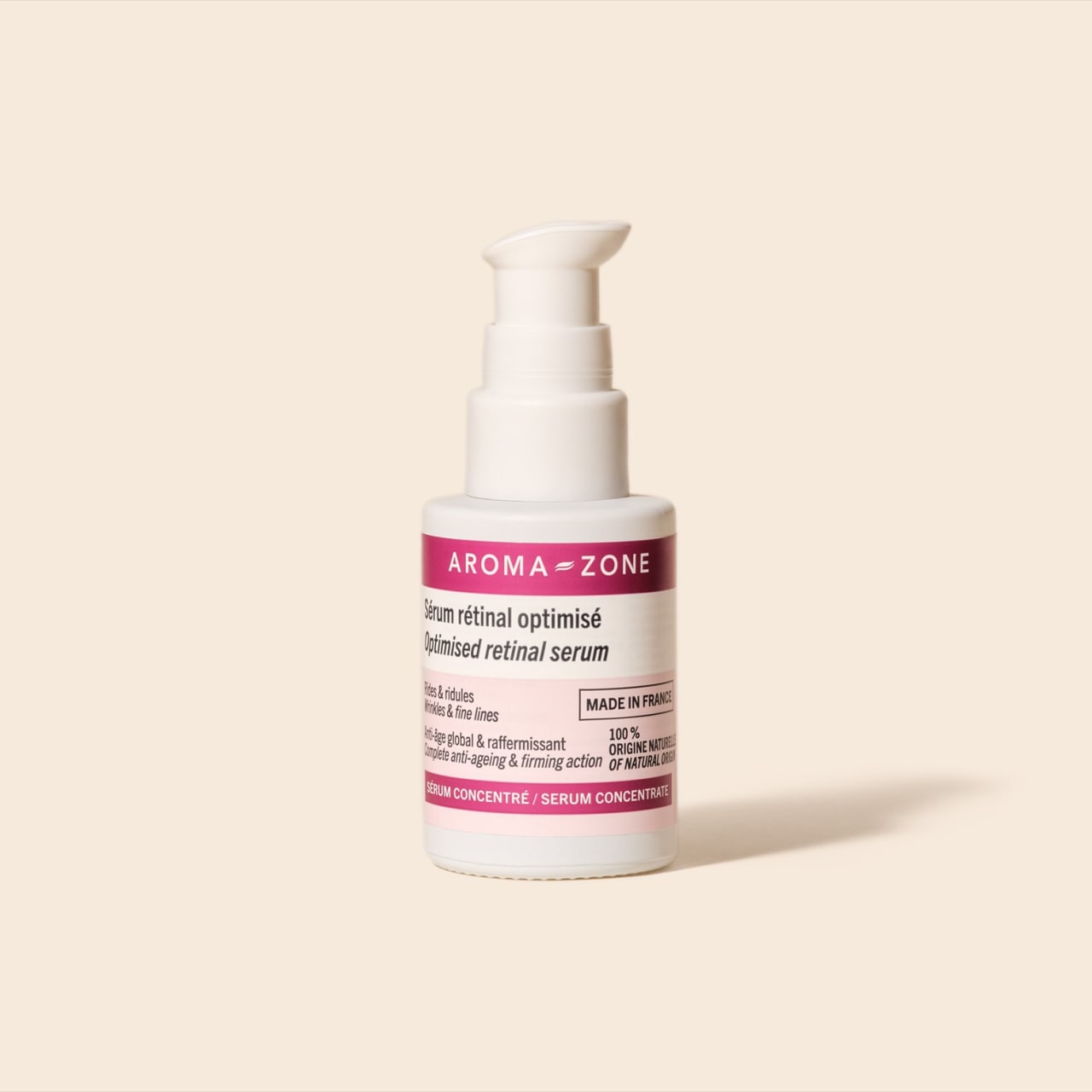
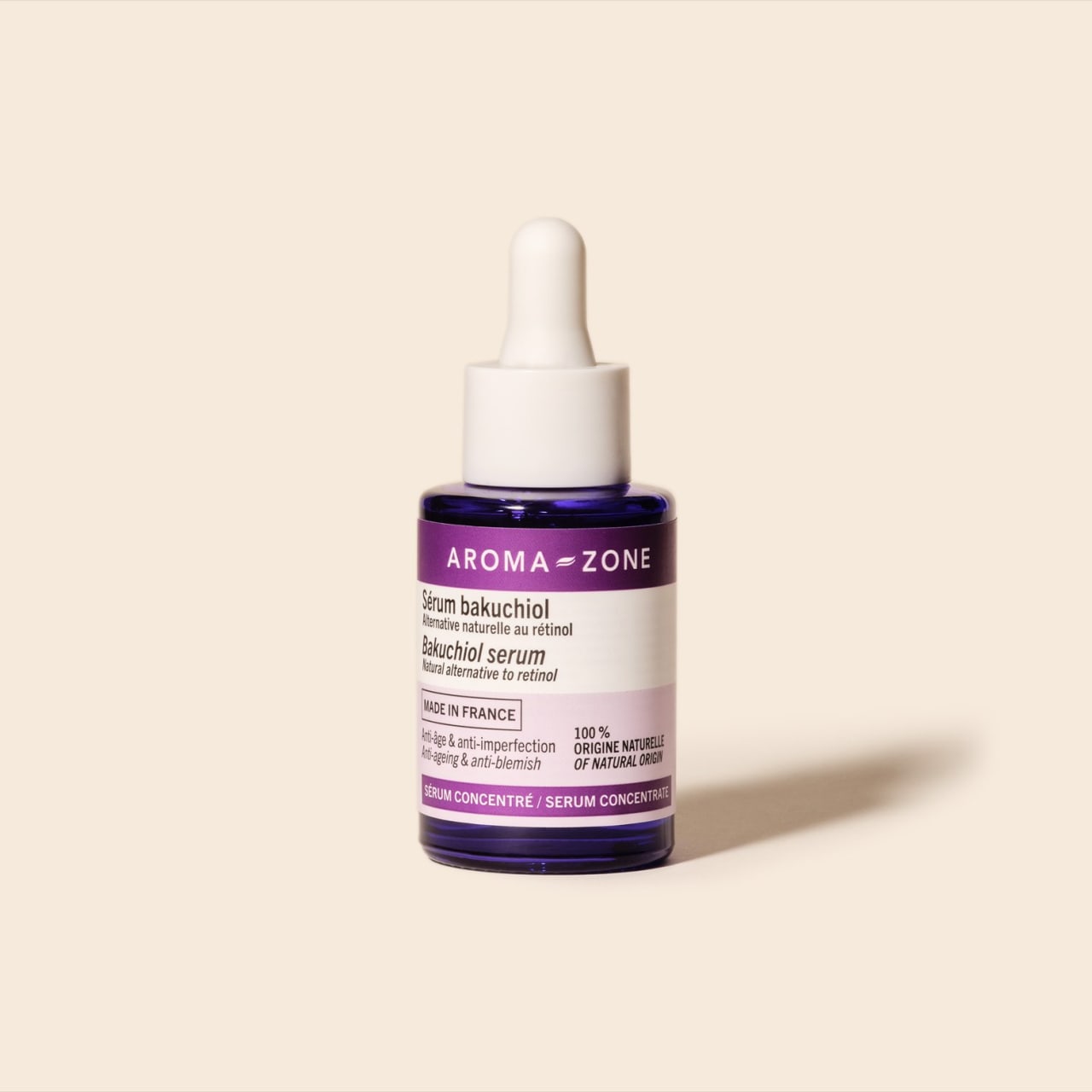
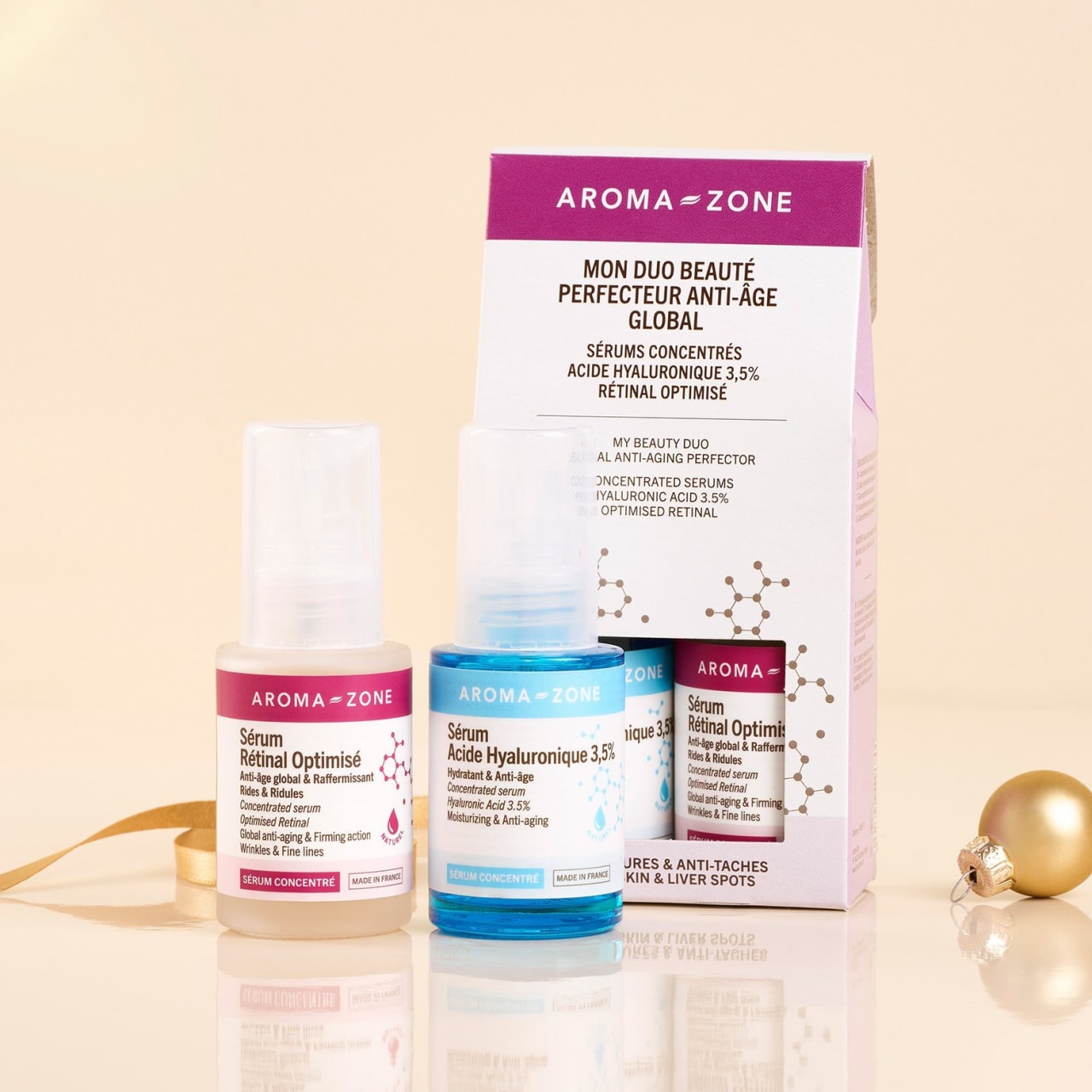
Retinal & bakuchiol: the Optimised Retinal Serum targets several signs of ageing at once, dark spots included, and suits all skin types, even delicate ones. Extracted from babchi seeds, bakuchiol is often described as a plant-based alternative to retinol. Our Bakuchiol Serum is a gentle night option for smoother-looking, firmer-feeling skin. See Retinol: what are the alternatives? to weigh them up, and check each product page for guidance during pregnancy and breastfeeding.
Build your own routine for dark spots
Cleanse your skin gently,
morning and evening, without stripping it.
In the morning
apply your brightening serum (vitamin C or hordatine), then your moisturiser, then your sun protection.
In the evening
use your glycolic acid or retinal serum. Introduce one strong active at a time and see how your skin responds before adding another. Our guide How do you choose and combine facial serums? explains which pairings work well together.
Be patient
Give a new serum at least four weeks before judging the results, which is the length of most of our efficacy tests.
Not sure which serum suits your skin? Take our 2-minute serum assessment for recommendations tailored to your needs.
Everyday habits to keep dark spots at bay
Wear sun protection every day, all year round
The NHS recommends at least SPF 30 with 4-star UVA protection. It matters even more when you're using exfoliating acids!
Hands off your spots
Resisting the urge to pick is one of the simplest ways to avoid post-blemish marks.
Get anything unusual checked
If a mole changes in size, shape or colour, becomes itchy or bleeds, or a new mark doesn't go away after a few weeks, see your GP before reaching for skincare.
For natural recipes and more tips, explore our guide How do you remove brown spots naturally?. And if your skin mainly looks tired, take a look at our dull complexion selection.


