How to apply niacinamide: 3 golden rules

Niacinamide, the active form of vitamin B3, is one of the star ingredients in dermocosmetics for improving the skin’s overall appearance. It’s neither difficult nor restrictive to use. This versatile cosmetic active is generally easy to incorporate into a skincare routine, regardless of skin type. Curious about this multi-benefit ingredient? Here are our tips for mastering its use from A to Z.

Reading time: +4 min.

In short:

  • Niacinamide, the active form of vitamin B3, is renowned for its ability to boost radiance, regulate excess sebum, reduce the appearance of blemishes, and strengthen the skin barrier, while remaining suitable for all skin types.

  • The article outlines a three-step protocol: using an ideal concentration of 10%, applying it to clean skin before moisturiser, and combining it with other active ingredients where appropriate, with specific guidance on maximising synergies and avoiding incompatibilities.

  • The article also highlights the risk of irritation for very sensitive skin, as well as the precautions to take when combining niacinamide with exfoliating acids or vitamin C.

What is Niacinamide used for?

What is Niacinamide used for?

Today, niacinamide is widely used as a cosmetic active ingredient in various skincare products. It is most commonly found in serums and creams, but its popularity has also led to its inclusion in cleansers, lotions, and eye contour treatments. With its multi-action benefits, it is generally appreciated for helping to combat signs of ageing and promote a more even complexion.

Niacinamide is also well tolerated when applied topically, making it a particularly interesting ingredient for all skin types. It is especially recommended for combination to oily skin prone to imperfections, as it combines two qualities that are rarely found in a single ingredient: purifying and soothing effects.

What are the effects of niacinamide on the skin?

Its benefits

Using niacinamide on your skin can help you... 

  • Refine the appearance of enlarged pores and reduce excessive sebum production, which causes shine. It improves the overall appearance of blemish-prone skin.

  • Soothe redness and improve microcirculation. This helps restore a luminous, even complexion.

  • Combat the appearance of dark spots and premature skin aging. It is known to reduce the appearance of wrinkles and fine lines.

  • Strengthen the skin barrier by improving lipid cohesion. It thus helps maintain normal hydration in the stratum corneum.

To learn more, read: The beauty benefits of Niacinamide.
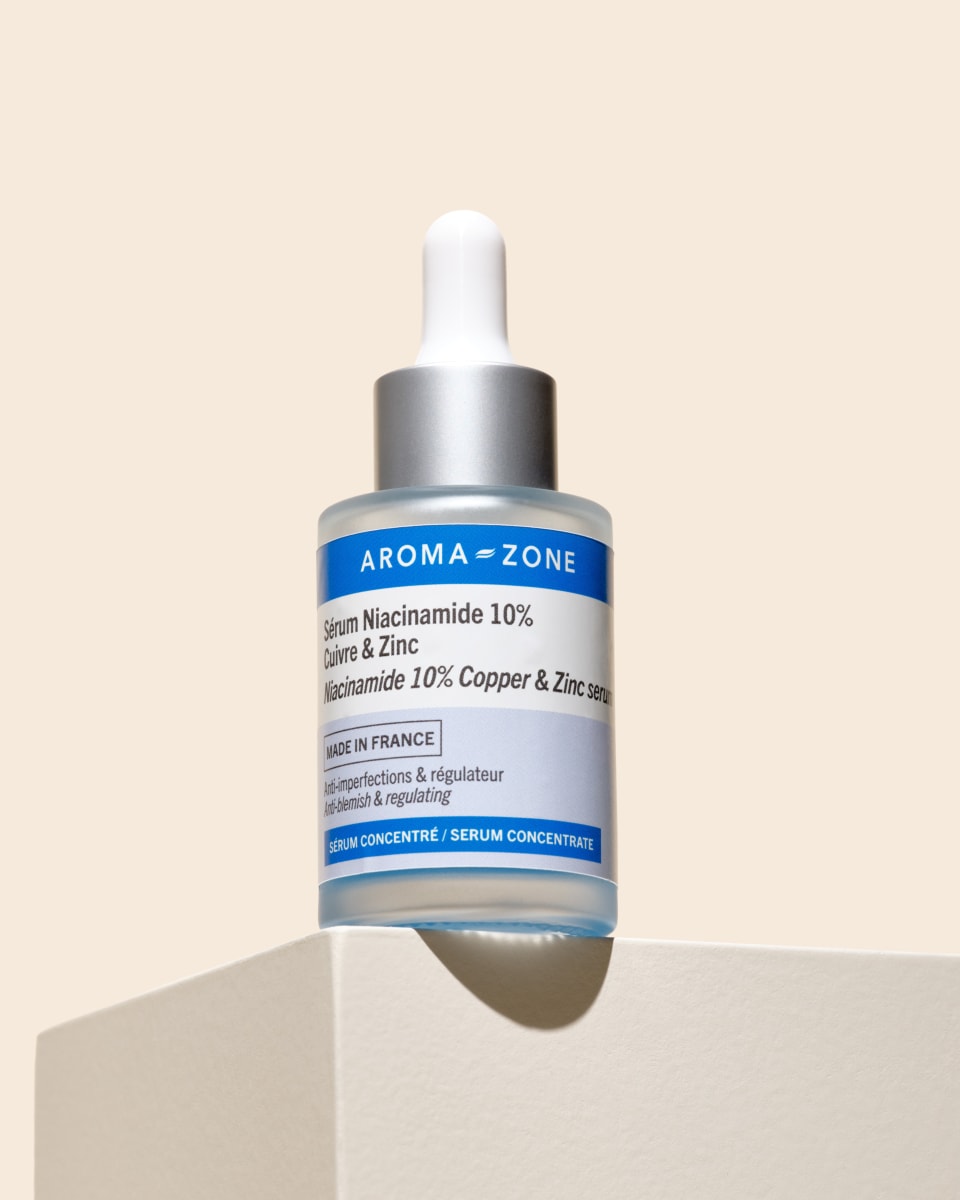
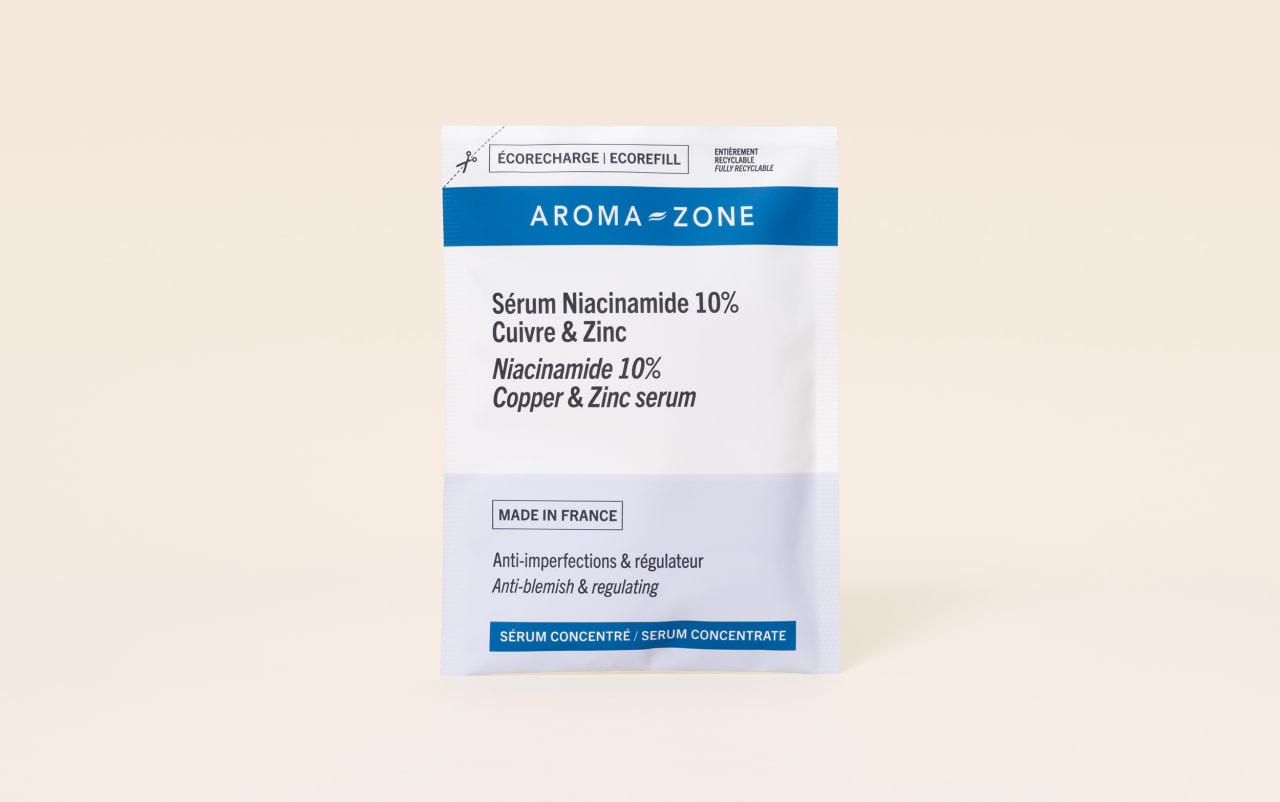
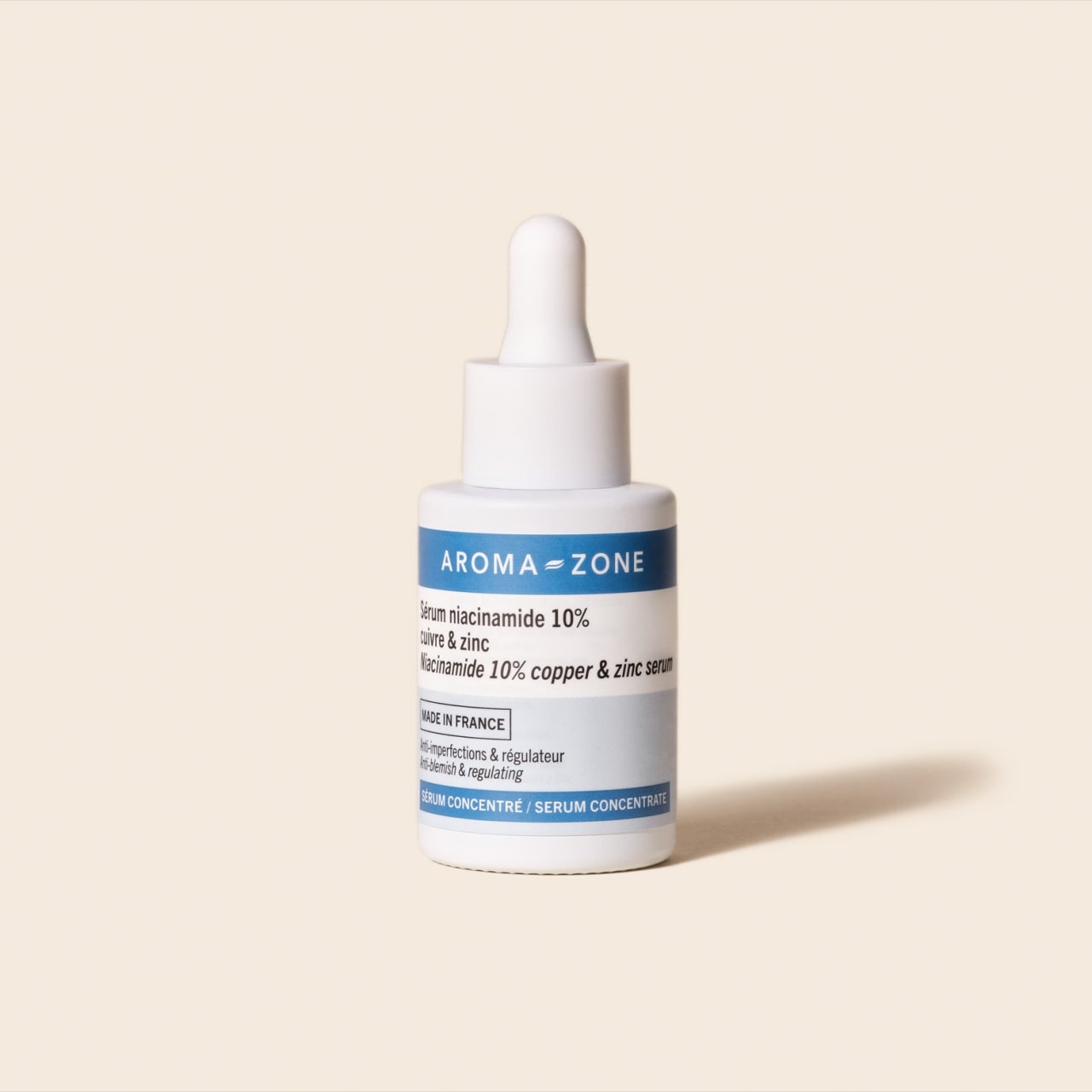
Focus on our 10% Niacinamide, Copper & Zinc Concentrated Face Serum

How to use niacinamide on your face?

Where should you apply niacinamide?

  • The face

  • The neck

  • The décolleté (only if specified in the instructions for use of your product)

  • The eye contour area (except if you are using a product specifically designed for the eye contour area)

Good to know: the fact that vitamin B3 is often used at relatively high concentrations in skincare products does not mean that every skin type will tolerate it equally well. Certain concentrations may be too strong for more delicate skin and can trigger signs of sensitivity or irritation. So be sure to choose a formula that is optimised for your skin's sensitivity level. Do as you would with retinol: start gradually and increase usage as your skin adapts.

Acidic active ingredients and niacinamide: a combination to avoid

Which products should not be mixed with niacinamide? All acids! The topical combination of vitamin B3 with products with an acidic pH can cause irritation and discomfort. It's a bit "too much" for the skin to handle all at once! The list of active ingredients to avoid includes: 

  • Glycolic acid (AHA)

  • Vitamin C (it is not the active ingredient itself that is the problem, but rather the formulas in which it is found, which most often have an acidic pH)

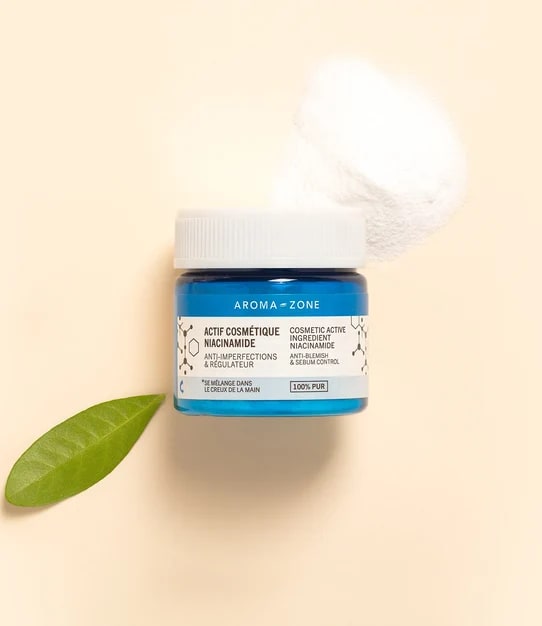
A Closer Look at Our Niacinamide Active Ingredient

How often should you use a niacinamide skincare product?

When should you apply niacinamide serum: morning or evening?


Vitamin B3 can be suitable for daily or even twice-daily use. It is therefore possible to use a niacinamide-based skincare product at any time of day, depending on your preferred routine. This allows you to choose between three usage frequencies:

  • Morning only

    (ideal for helping protect the skin from external aggressors and supporting a mattified complexion)

  • Evening only

    (ideal for helping restore the integrity of the skin barrier and targeting the appearance of imperfections overnight)

  • Morning and evening

Are There Any Contraindications When Exposed to Sunlight?

No, the use of niacinamide is not known to cause issues during sun exposure. It is not considered photosensitising, meaning it does not increase the skin’s sensitivity to UV rays. As a result, there is no contraindication to using it during the day, whether with or without sunscreen (although daily use of SPF is still recommended).

Good to know: A formulation may contain other ingredients that are not suitable for morning use or that require the application of sun protection. Therefore, be sure to check the usage precautions indicated on the packaging before starting to use your product.

Spotlight on our specialist editor, Hélène Betoux

Hélène Betoux is a French beauty journalist specialising in web media. Every day she writes tips, advice and guides to help consumers choose the right beauty products. With a strong interest in natural, organic and clean cosmetics, she analyses and shares trends and innovations in the sector.