
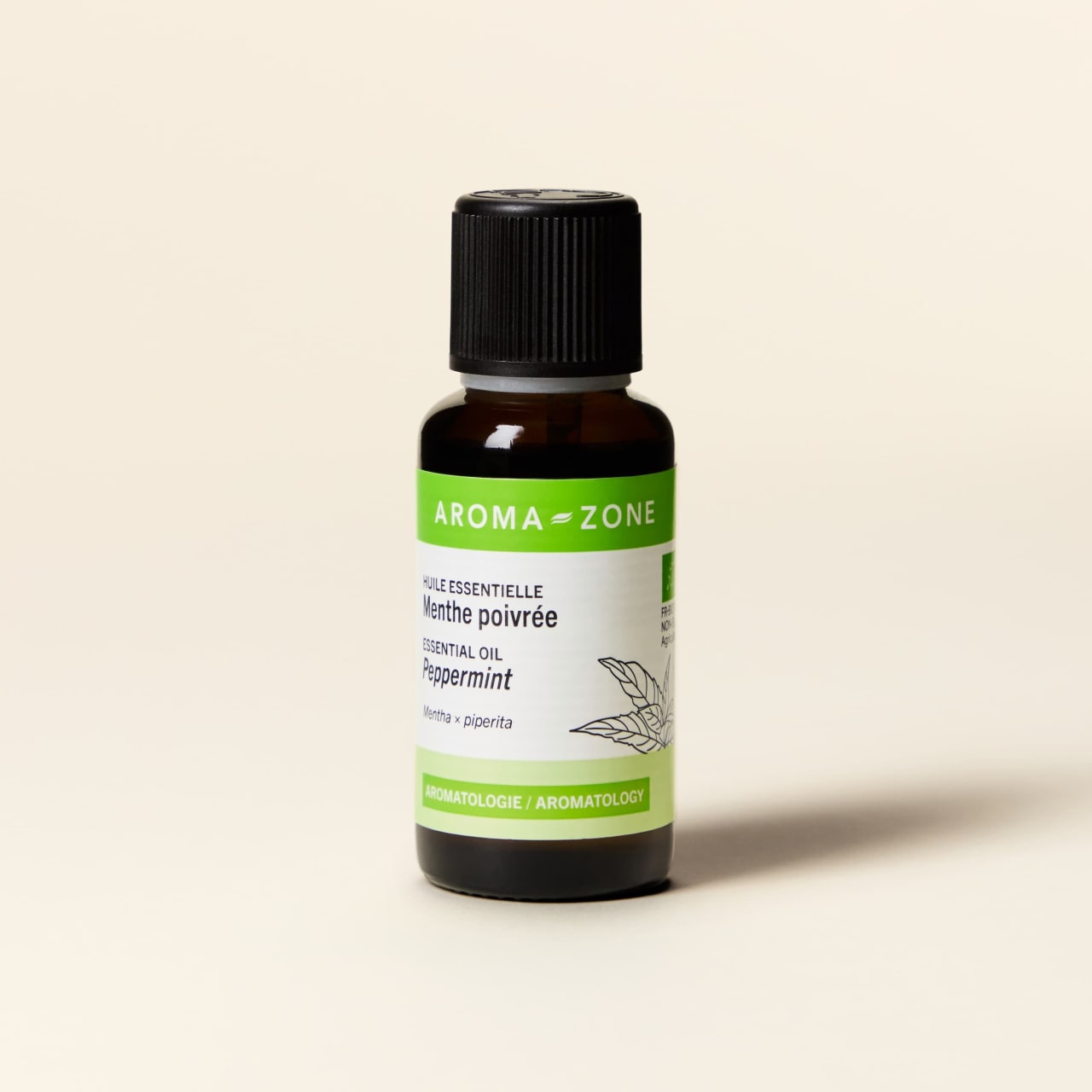
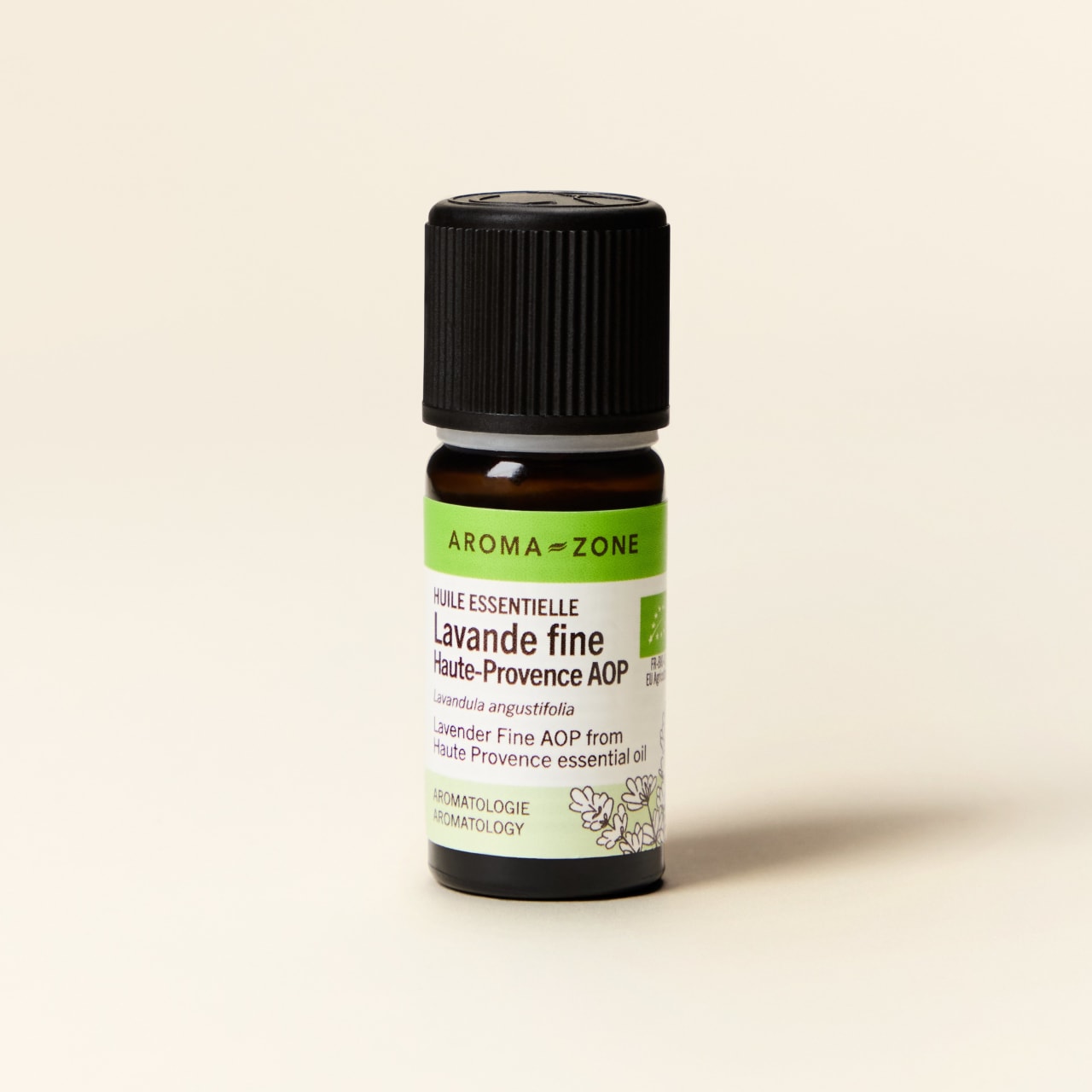
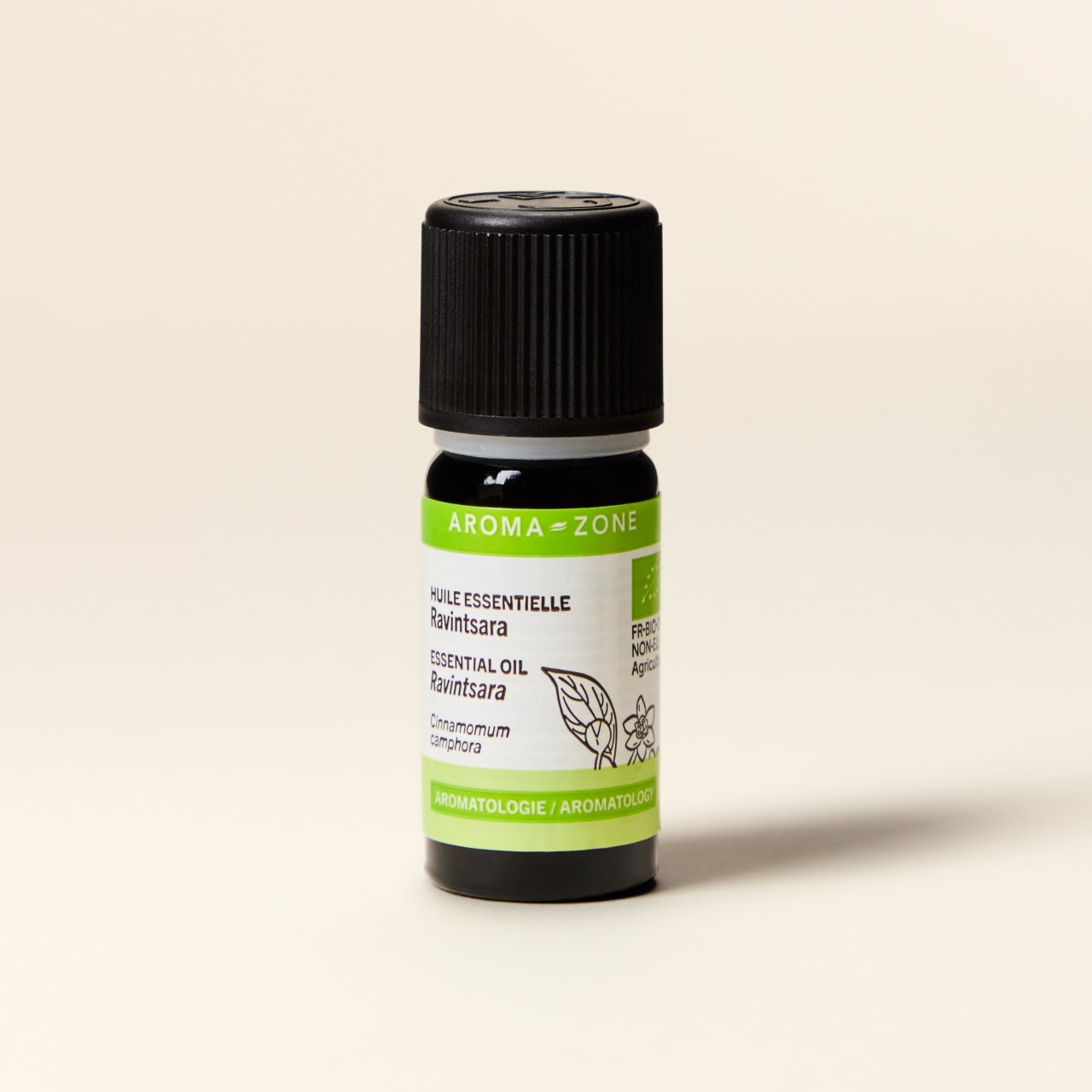
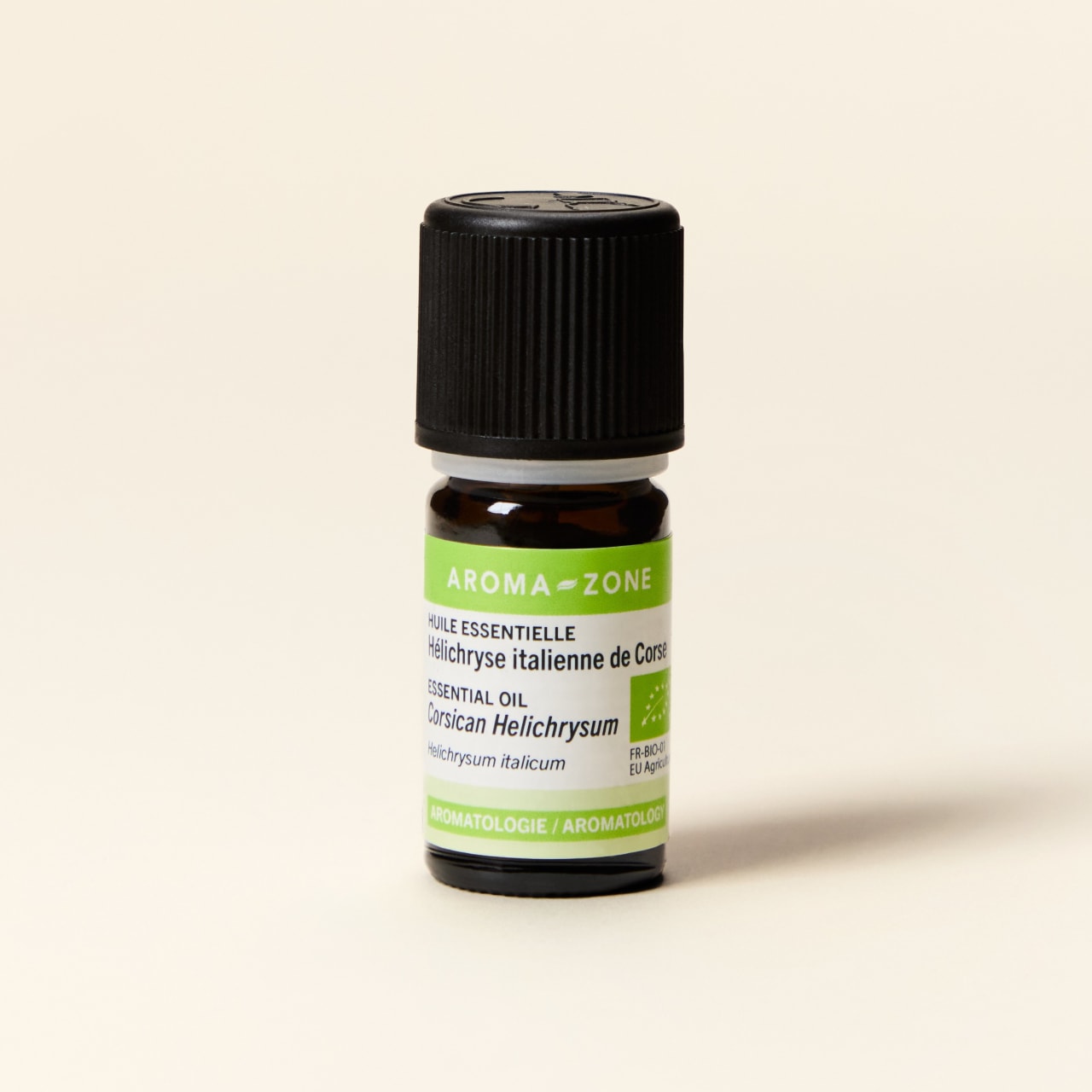
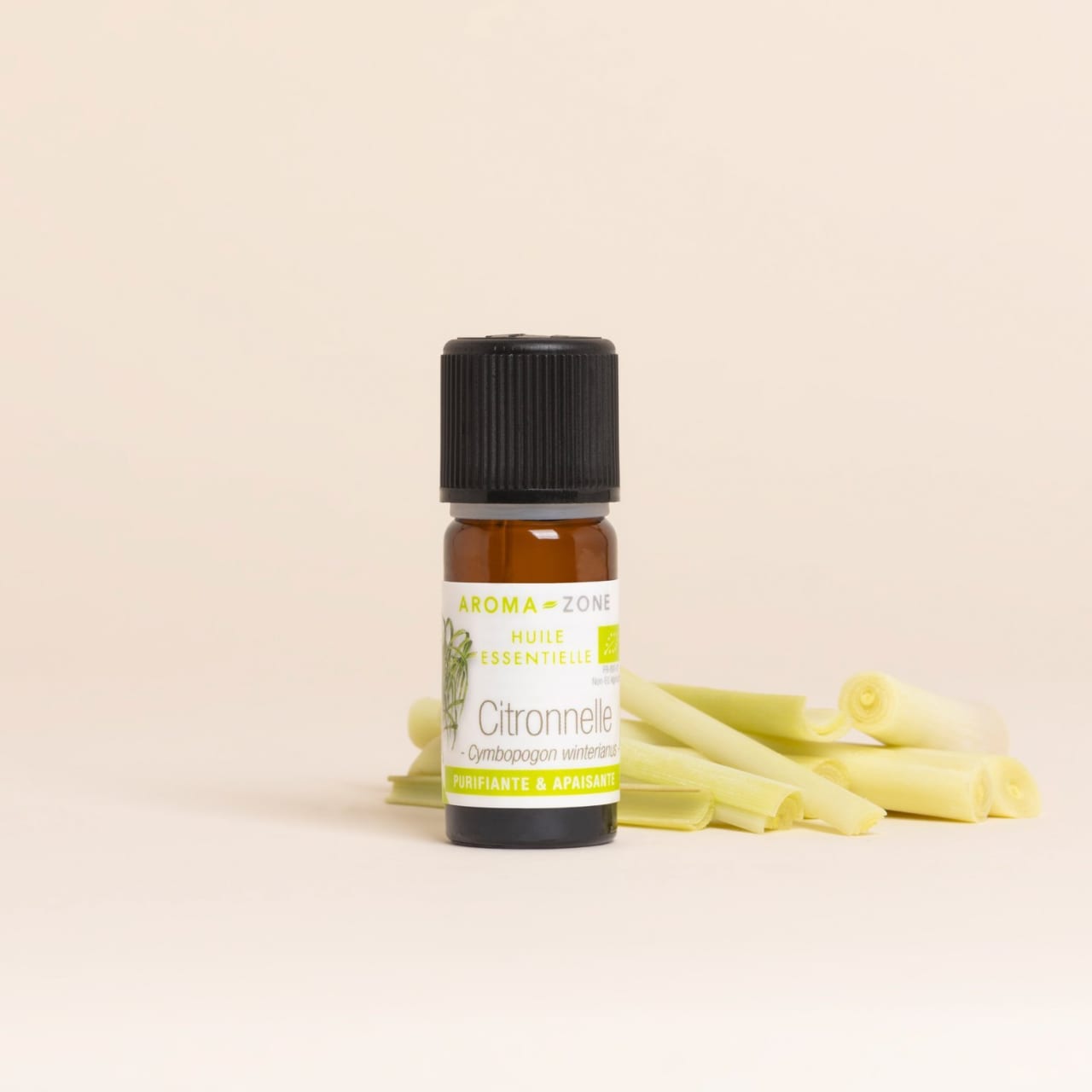
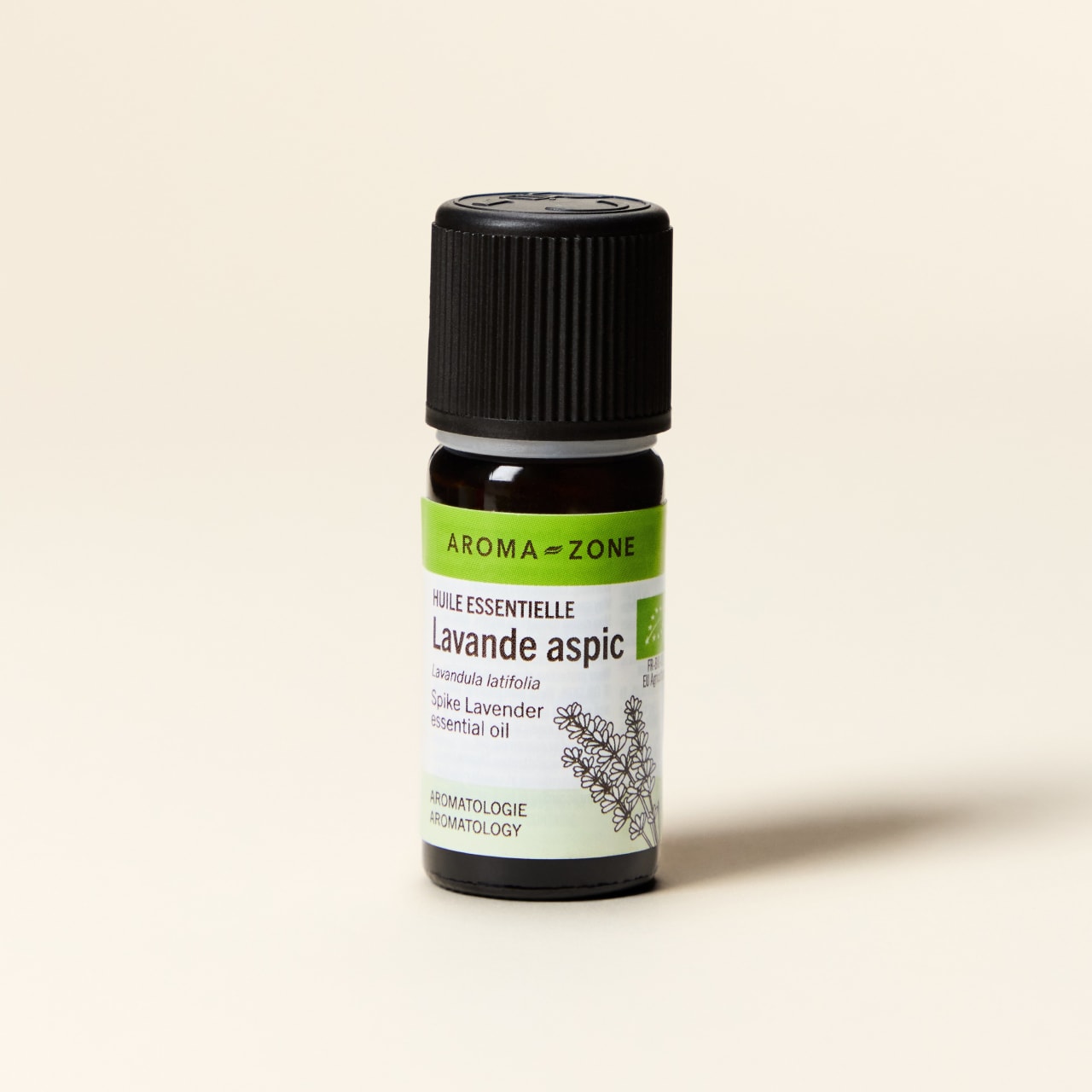
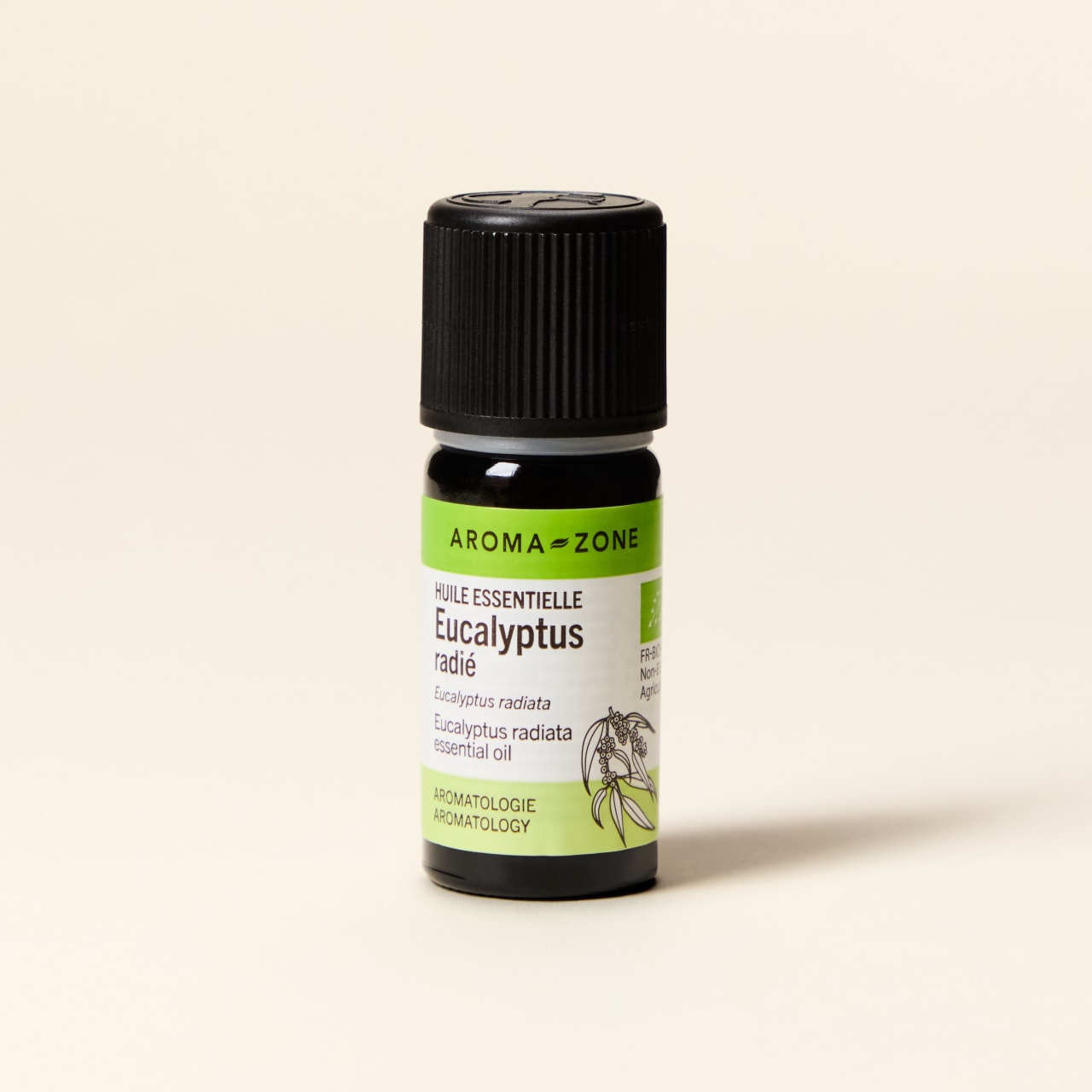
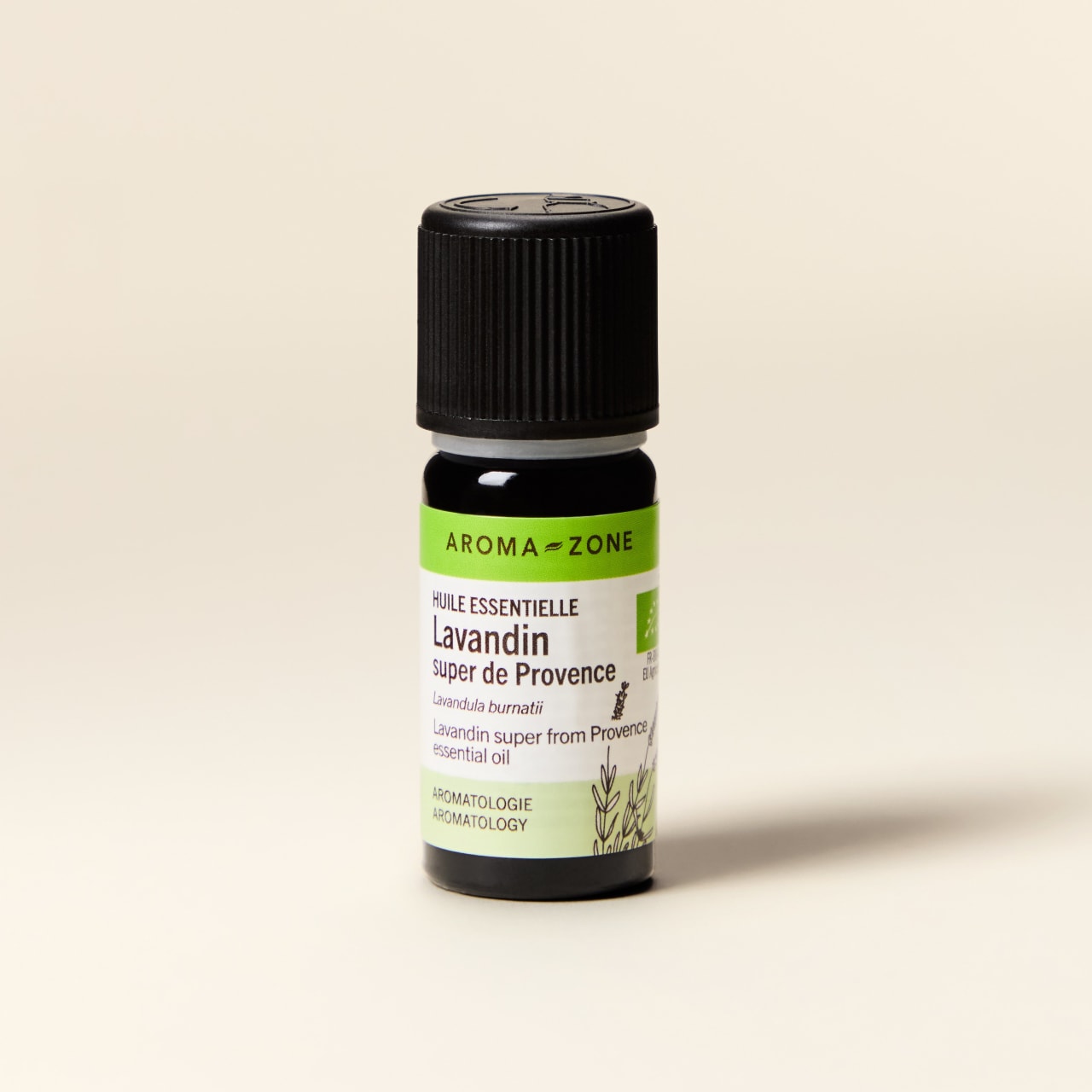
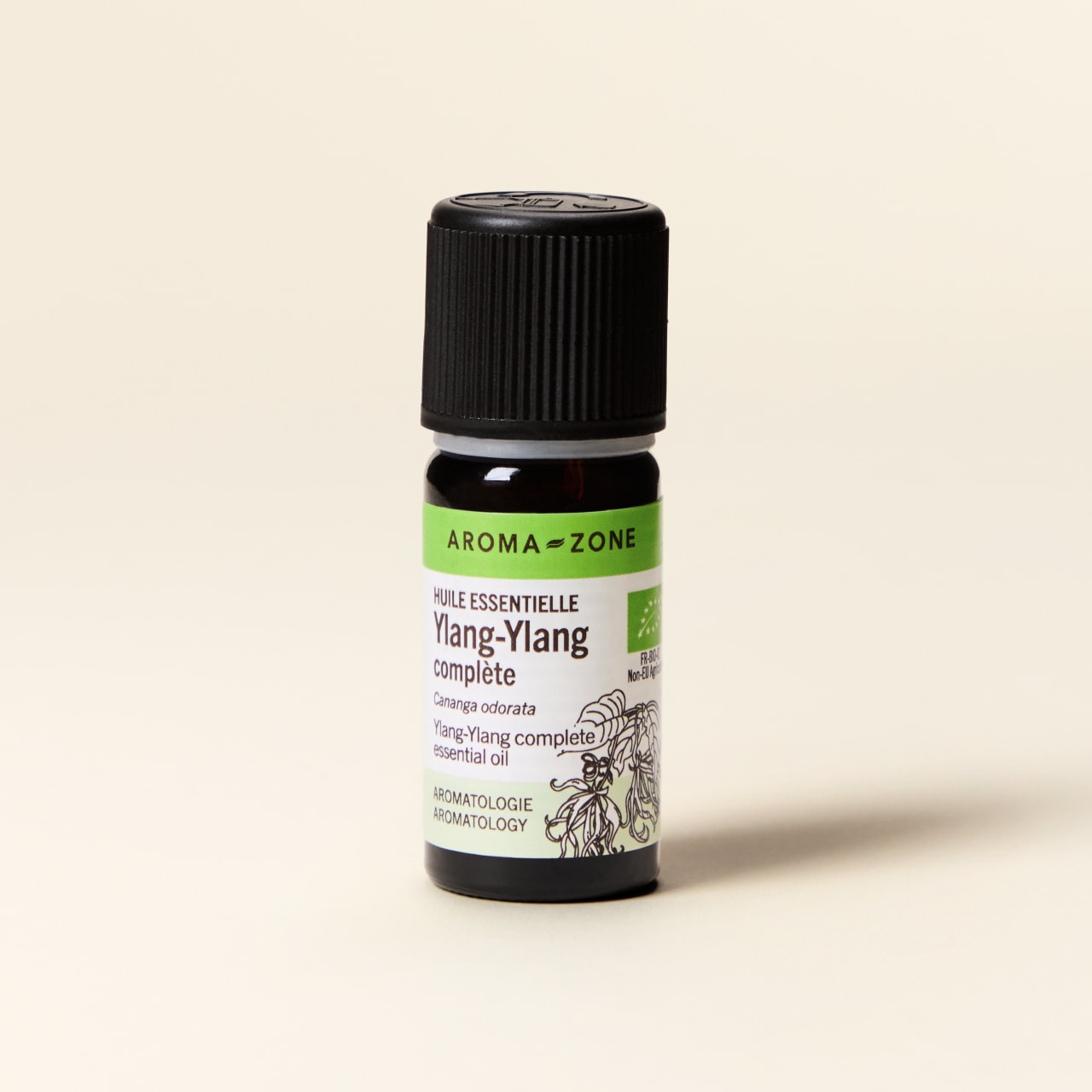
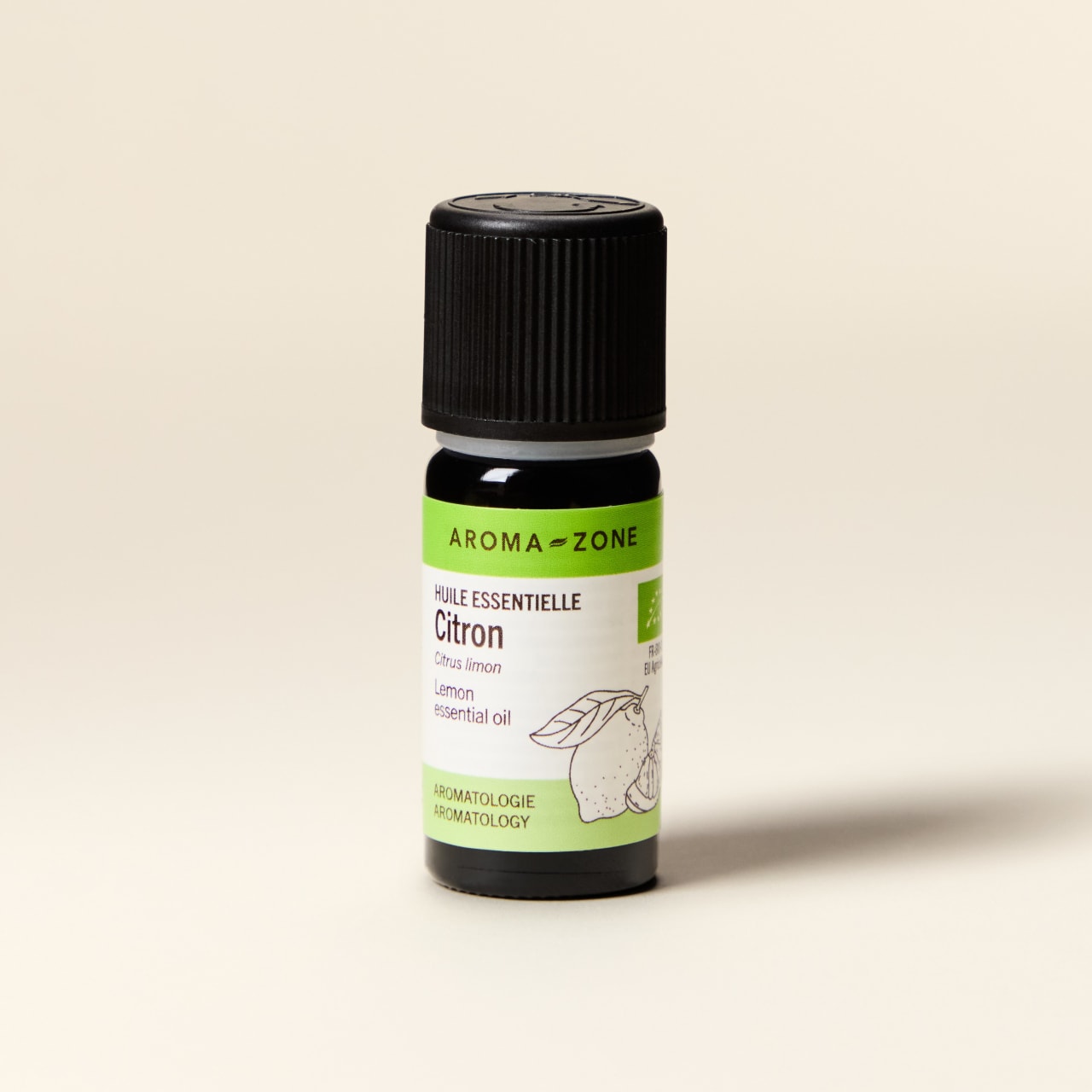
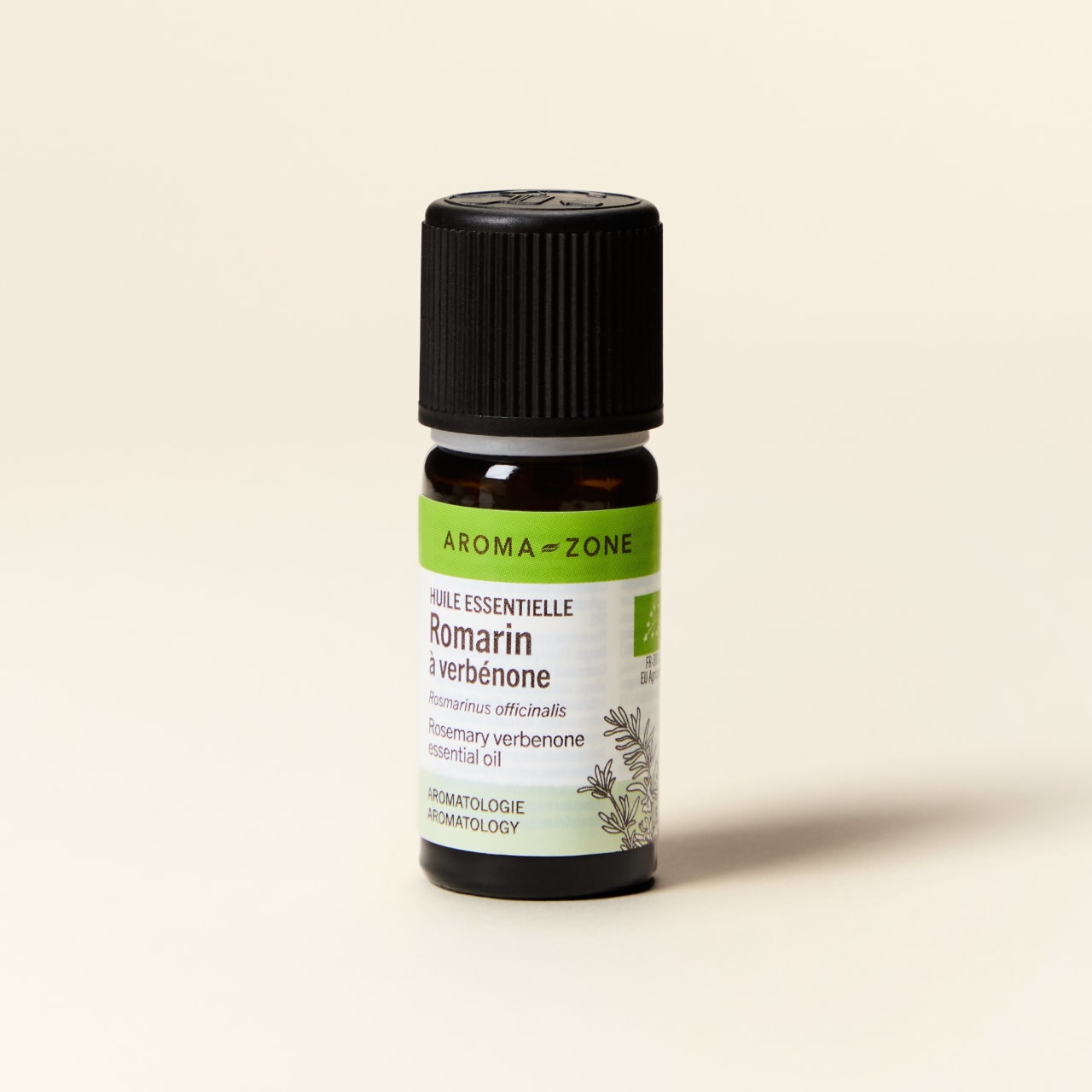
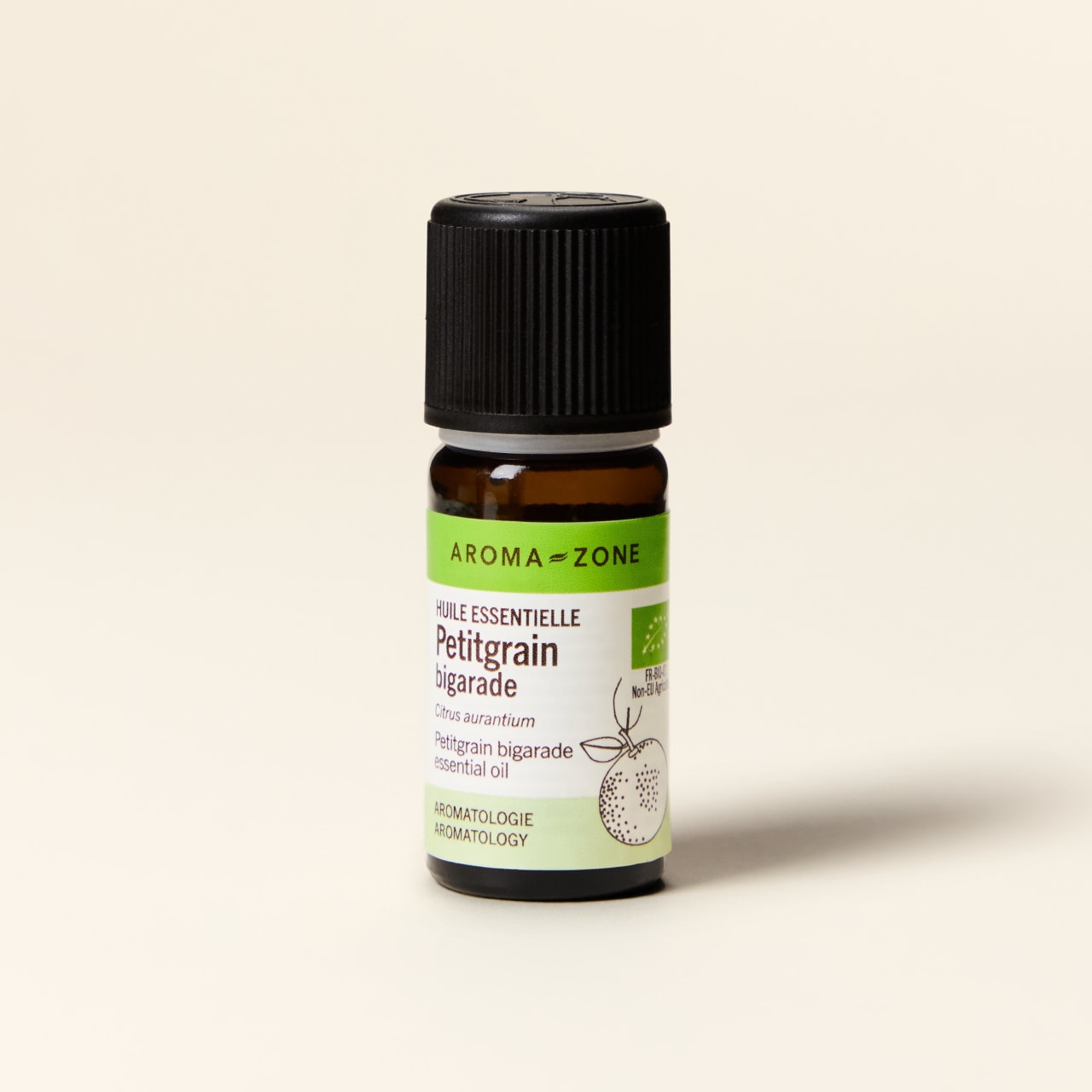
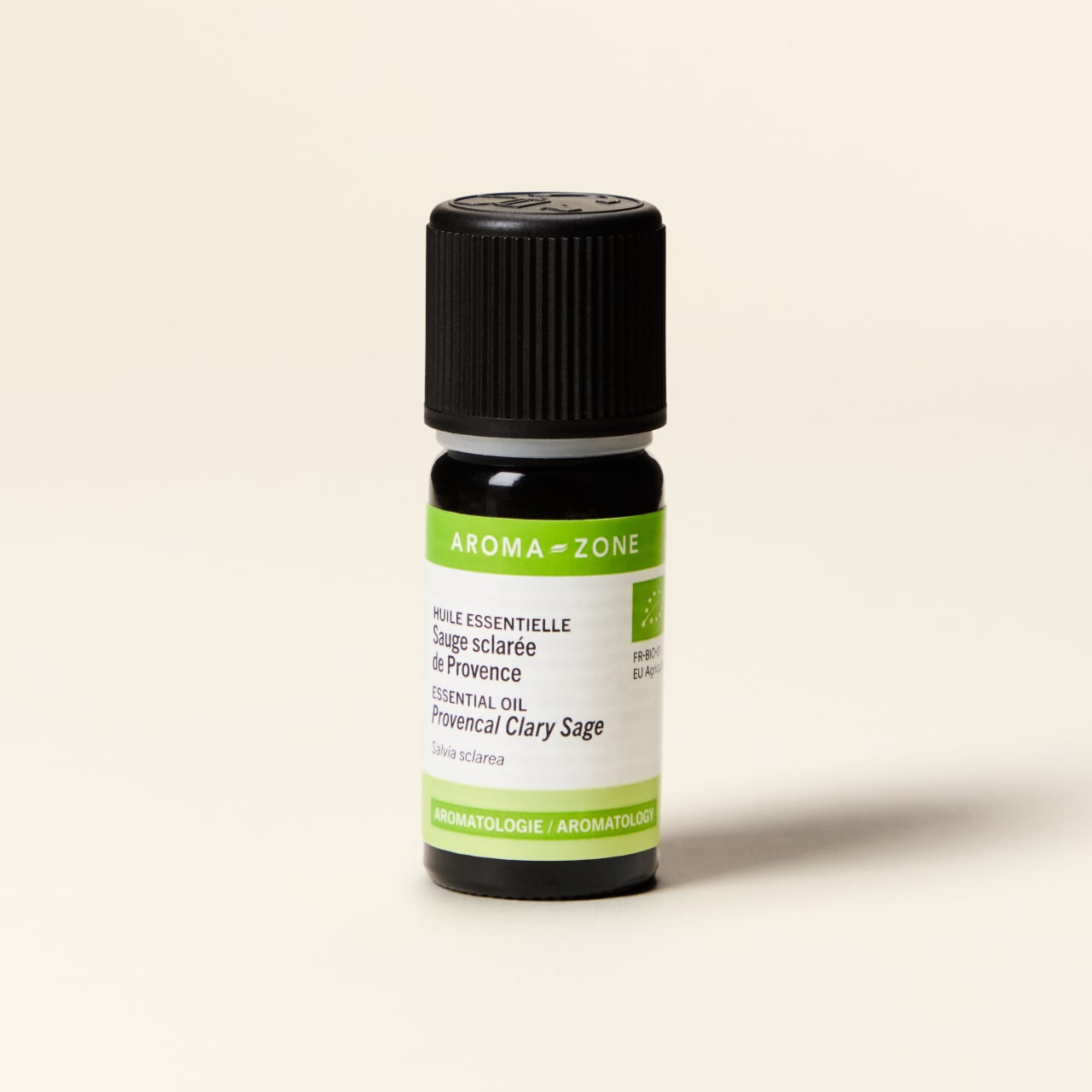
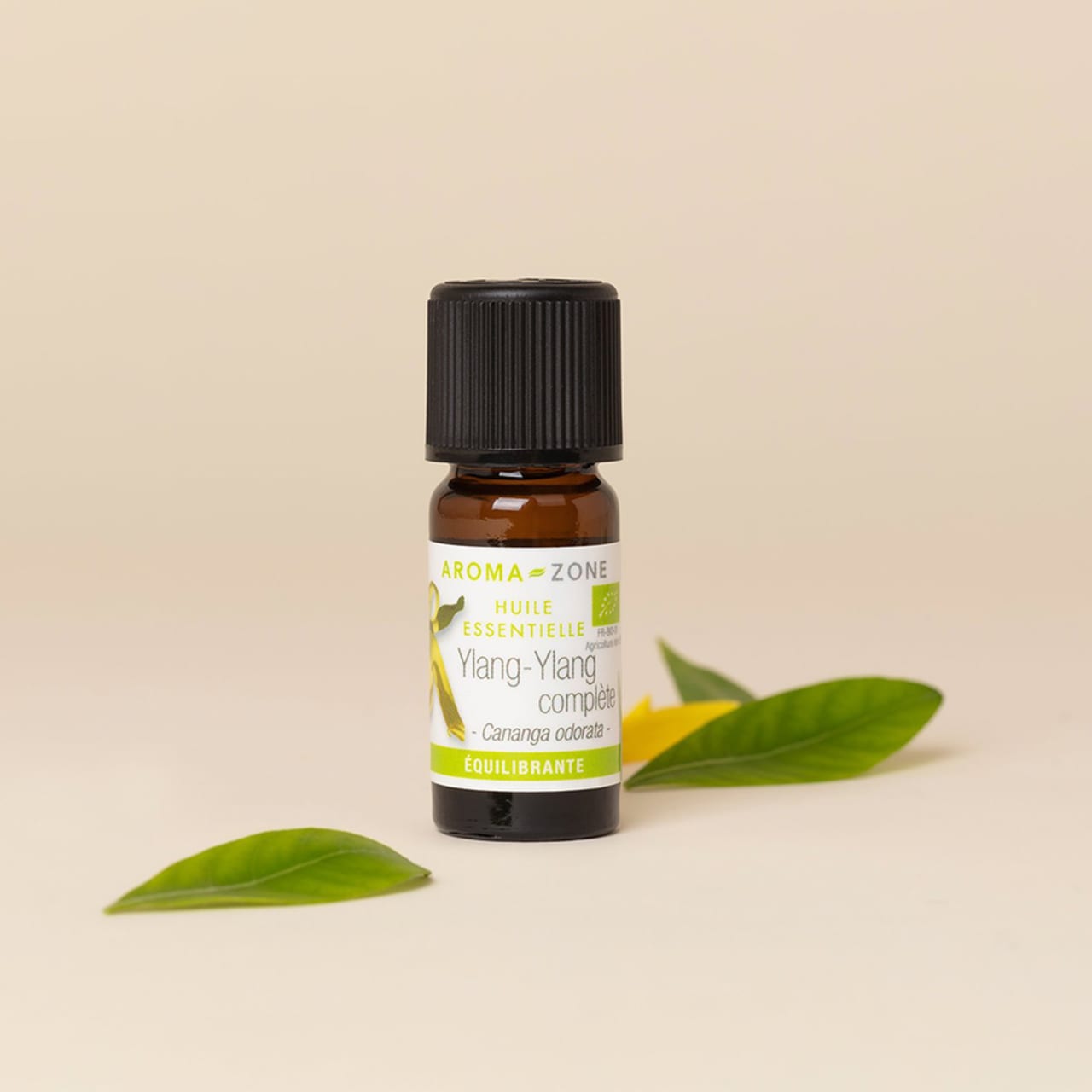
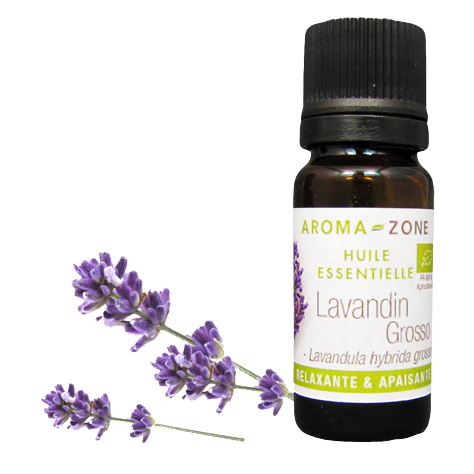
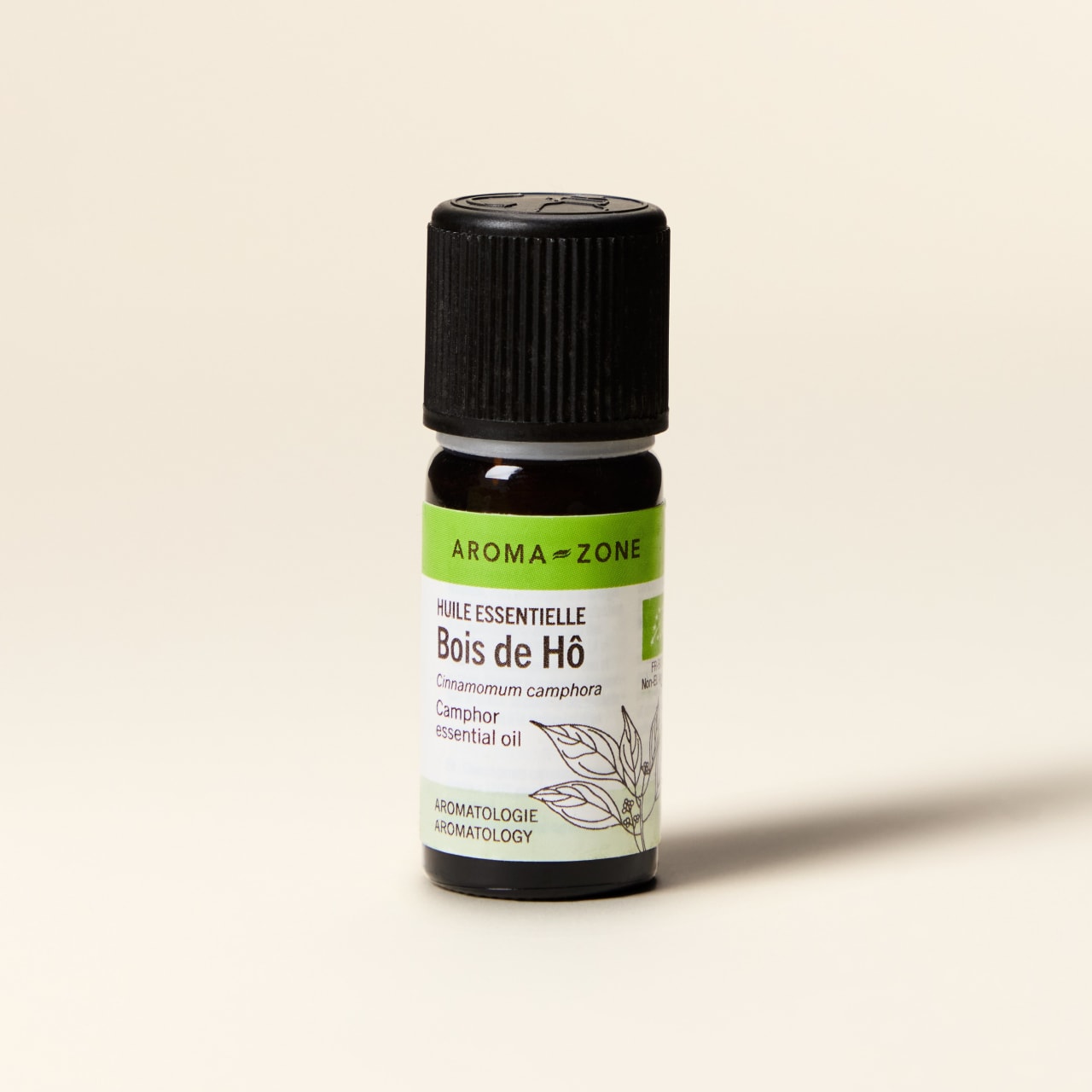
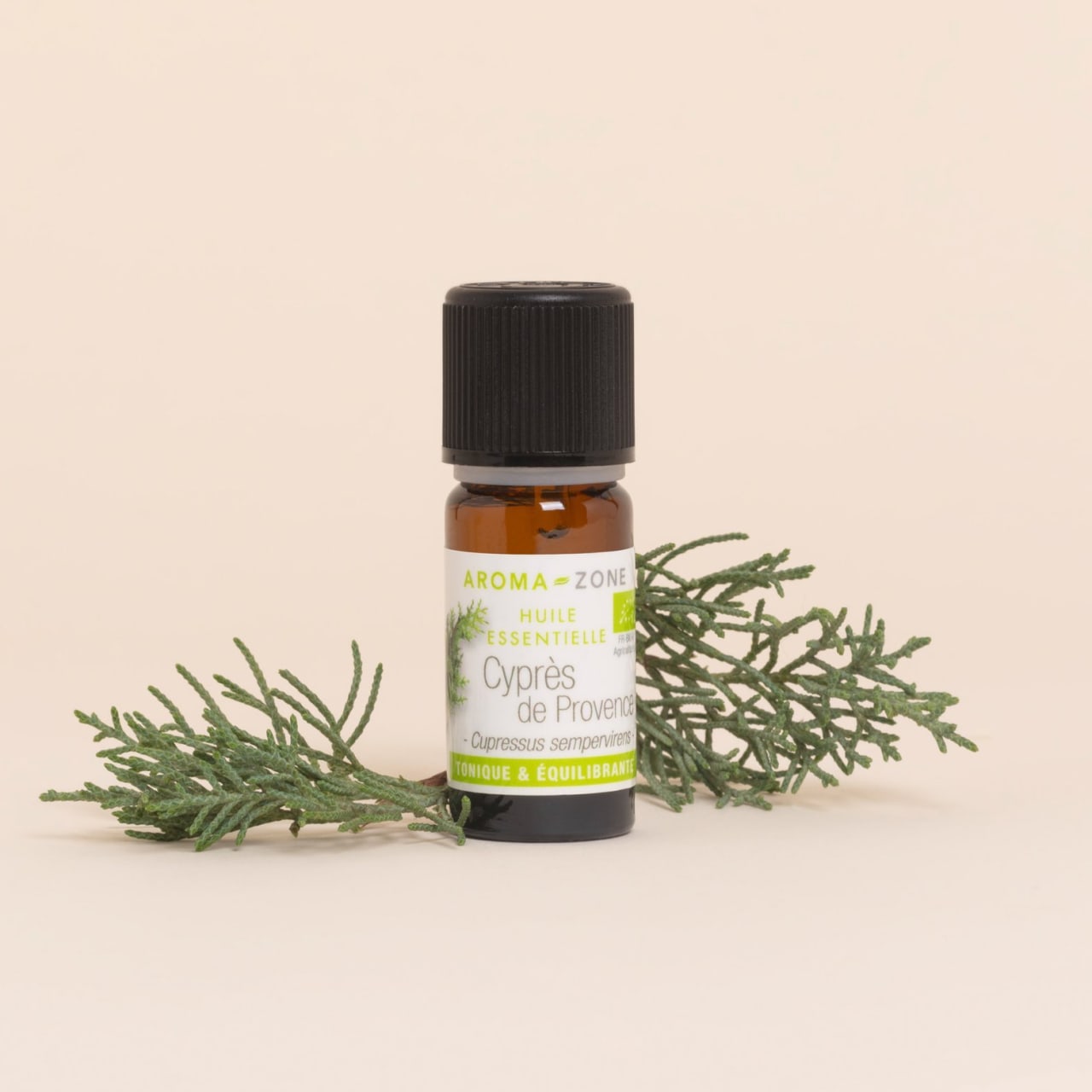
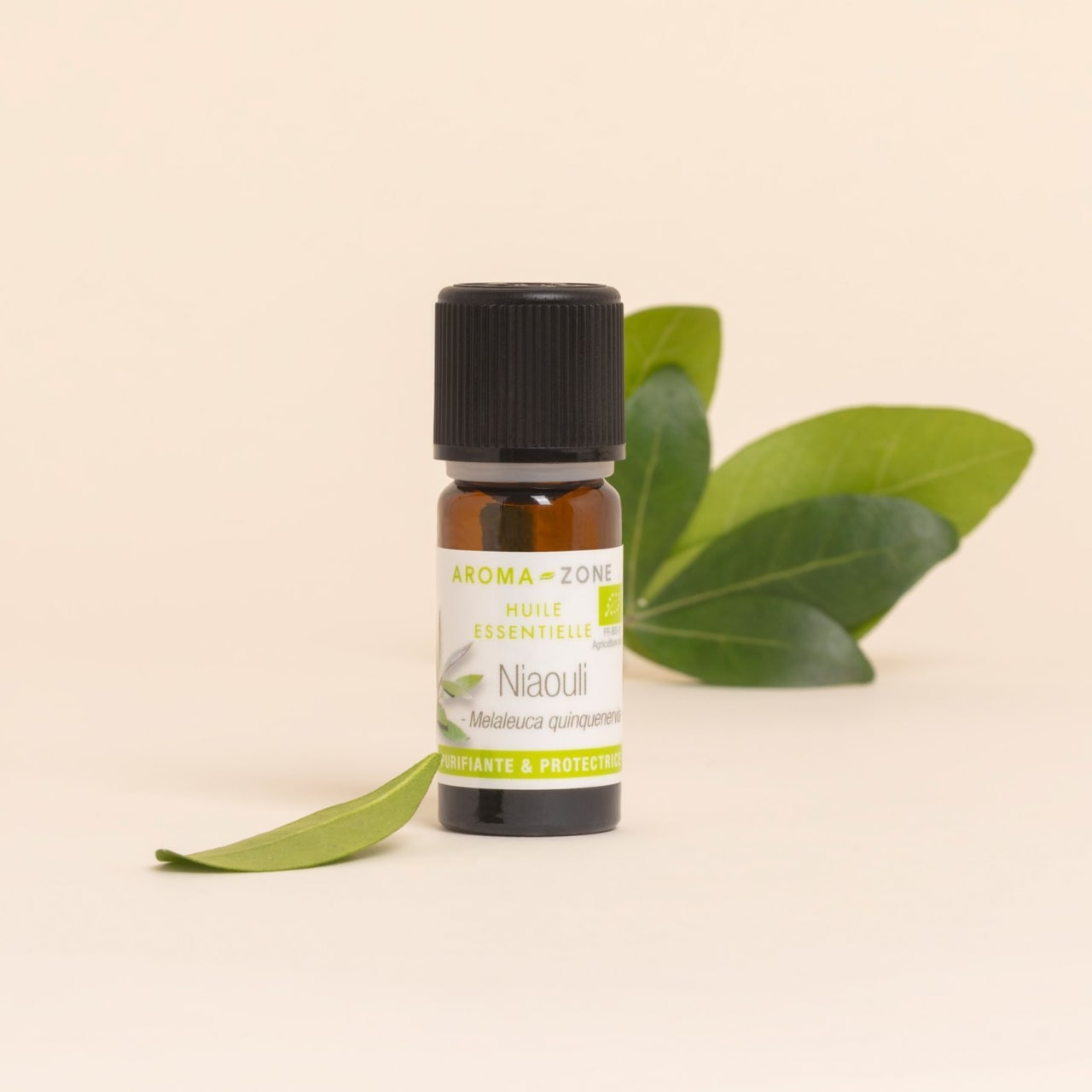
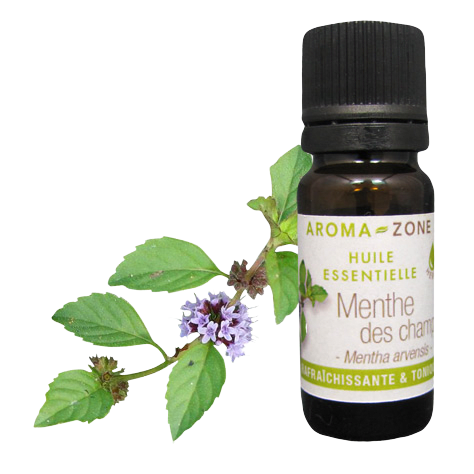
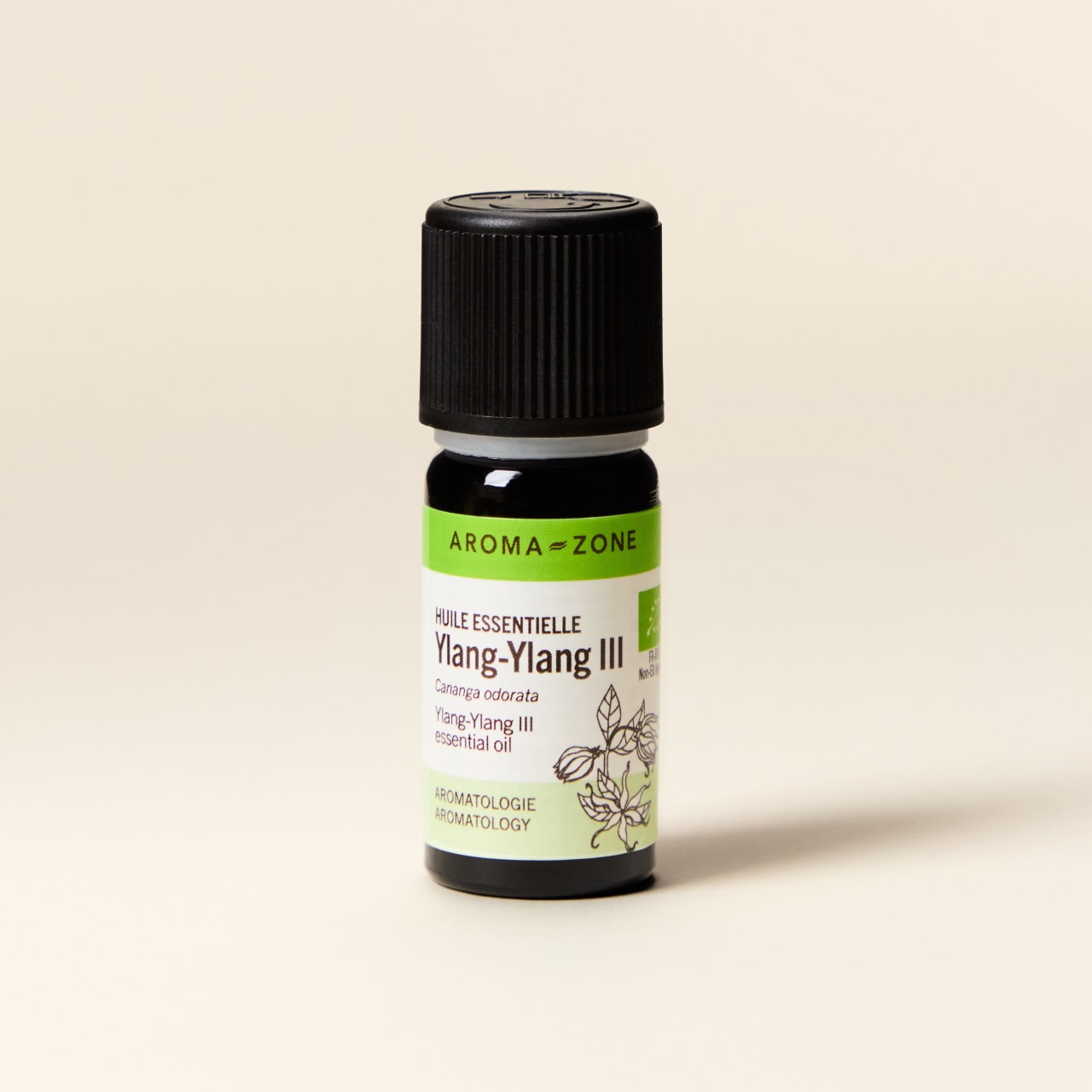
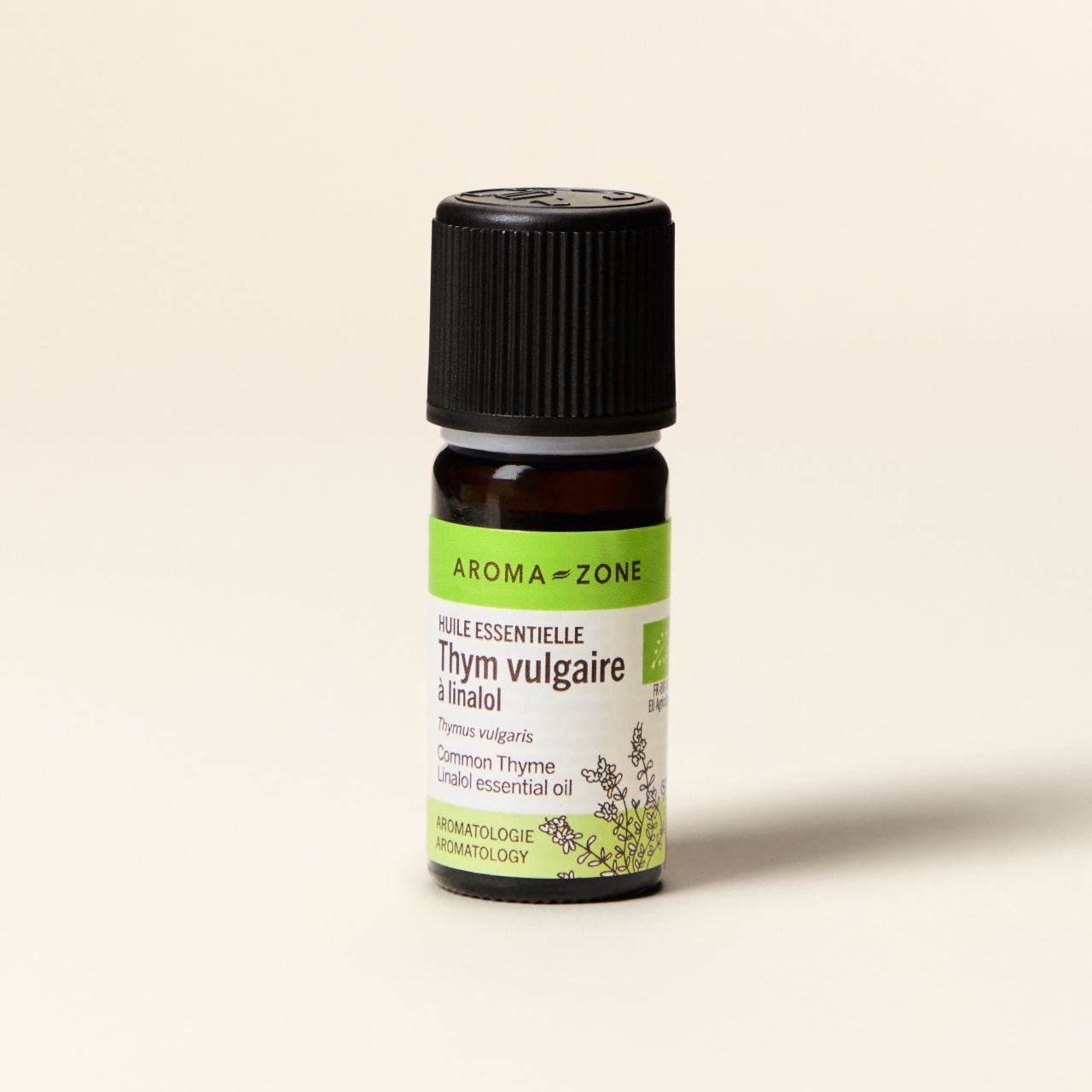
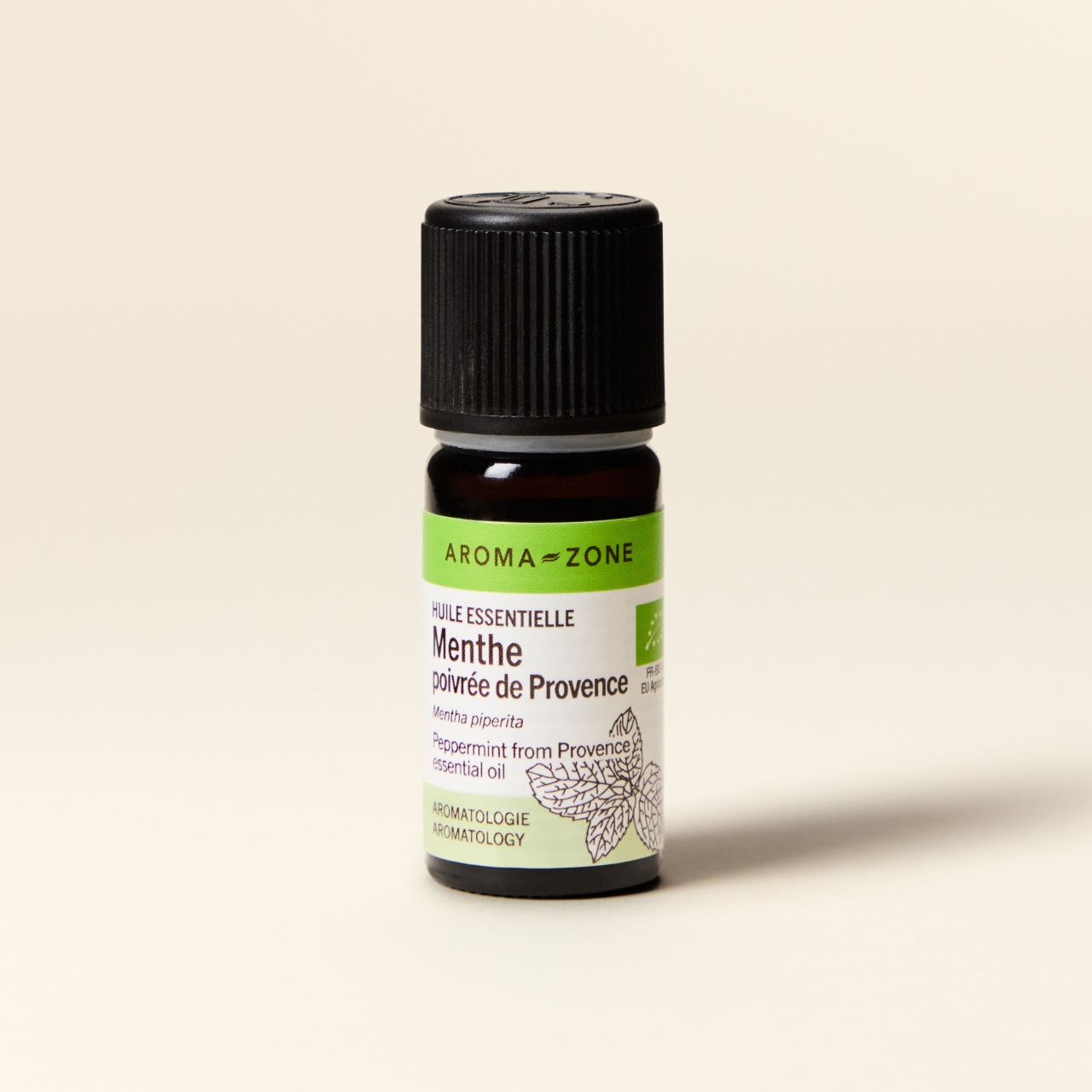
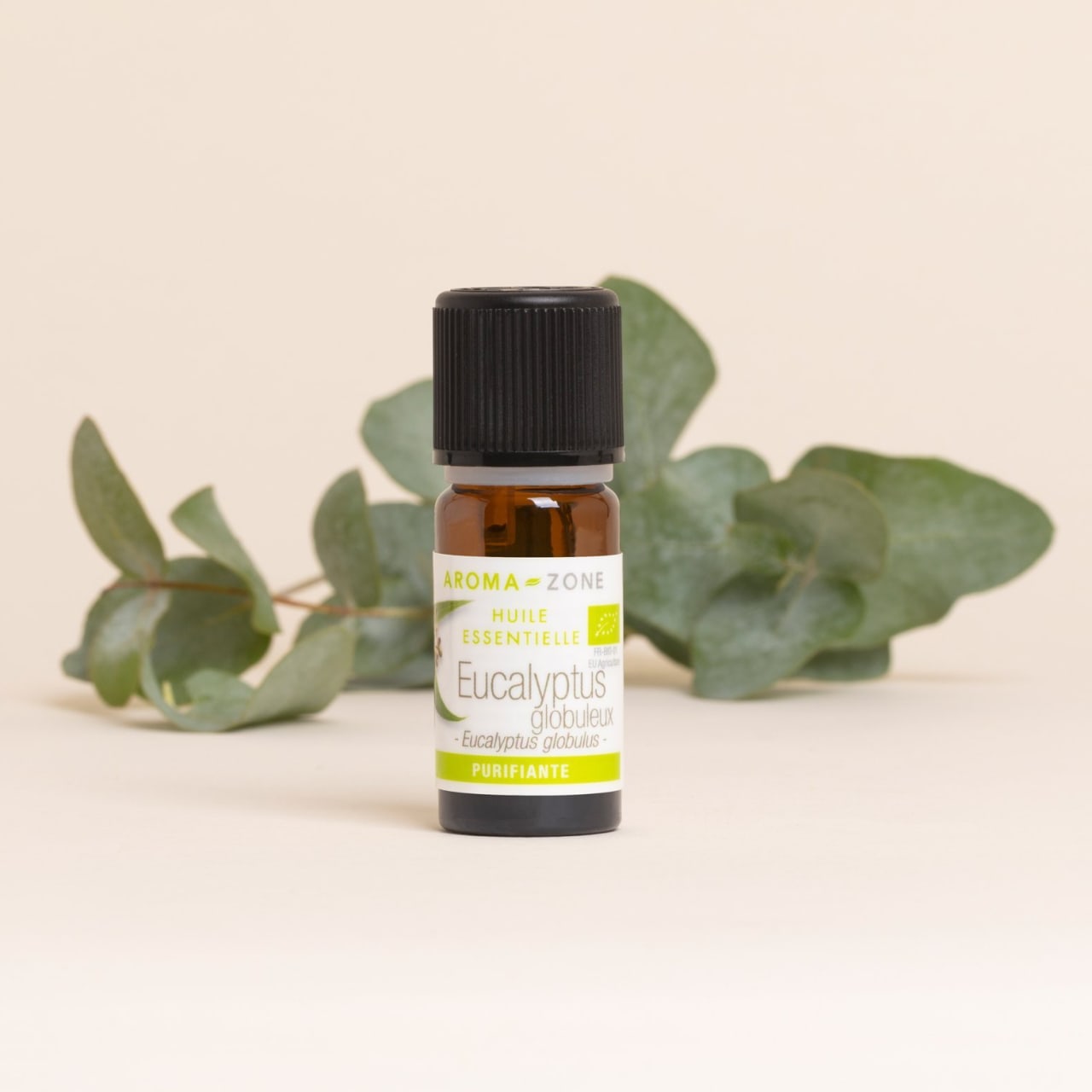
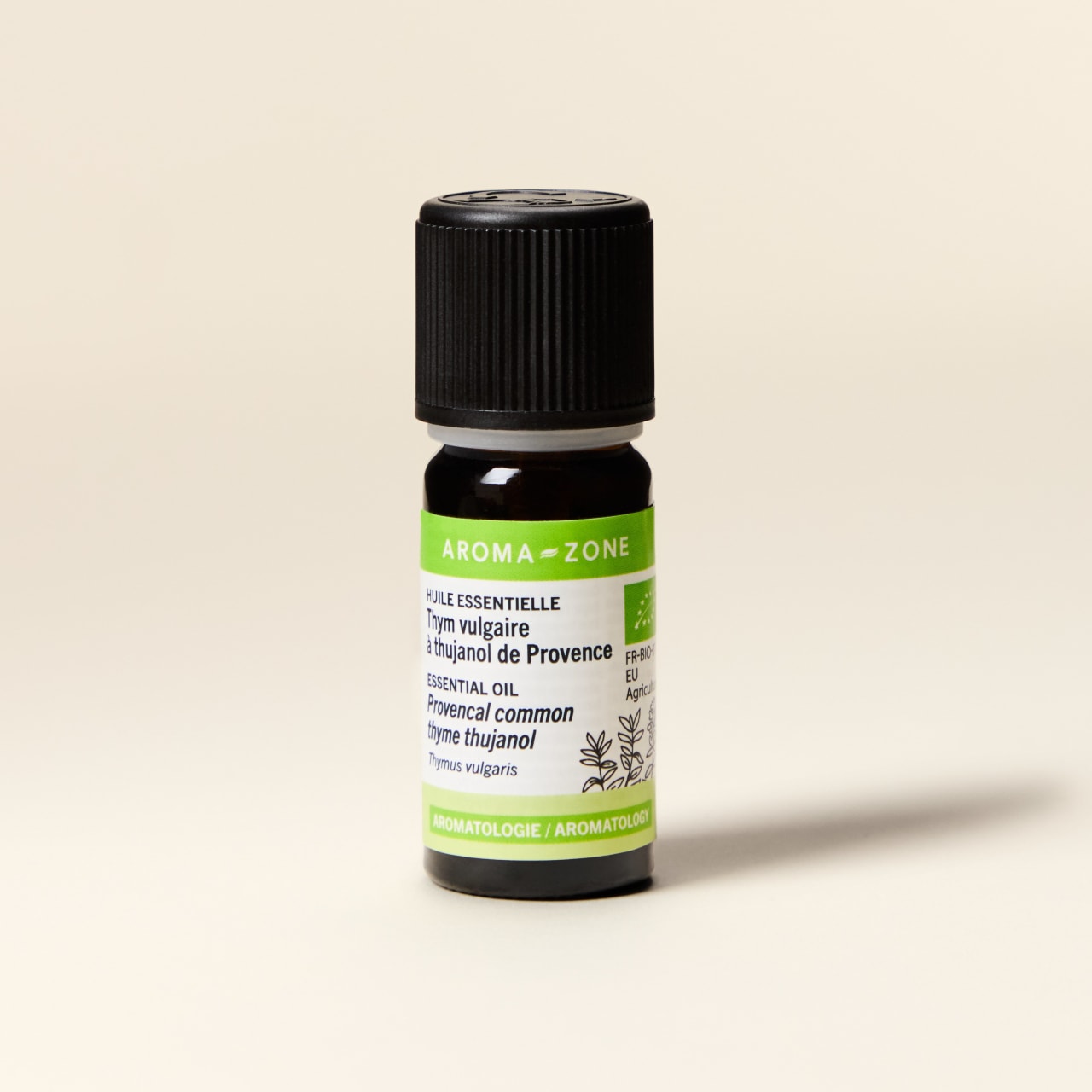
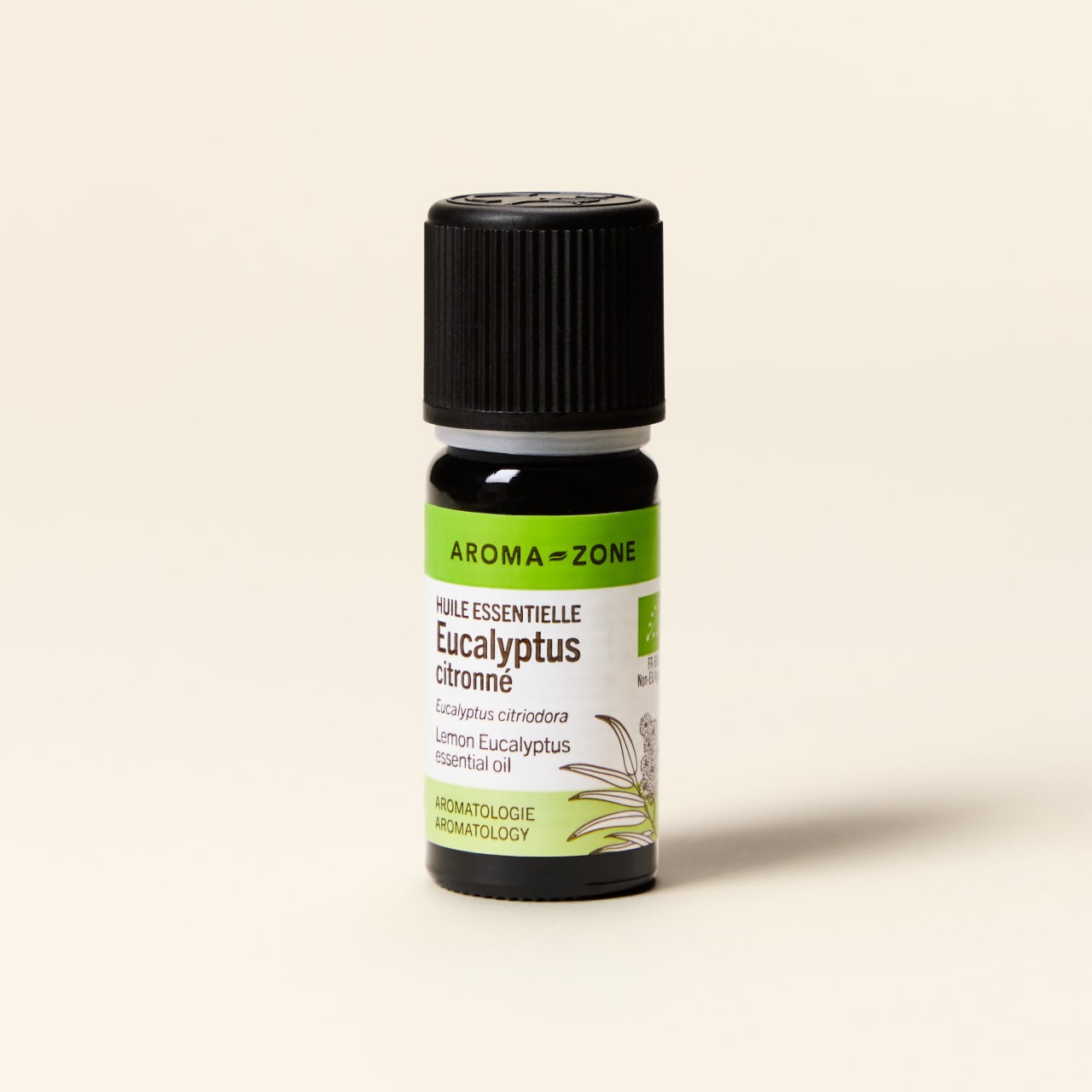
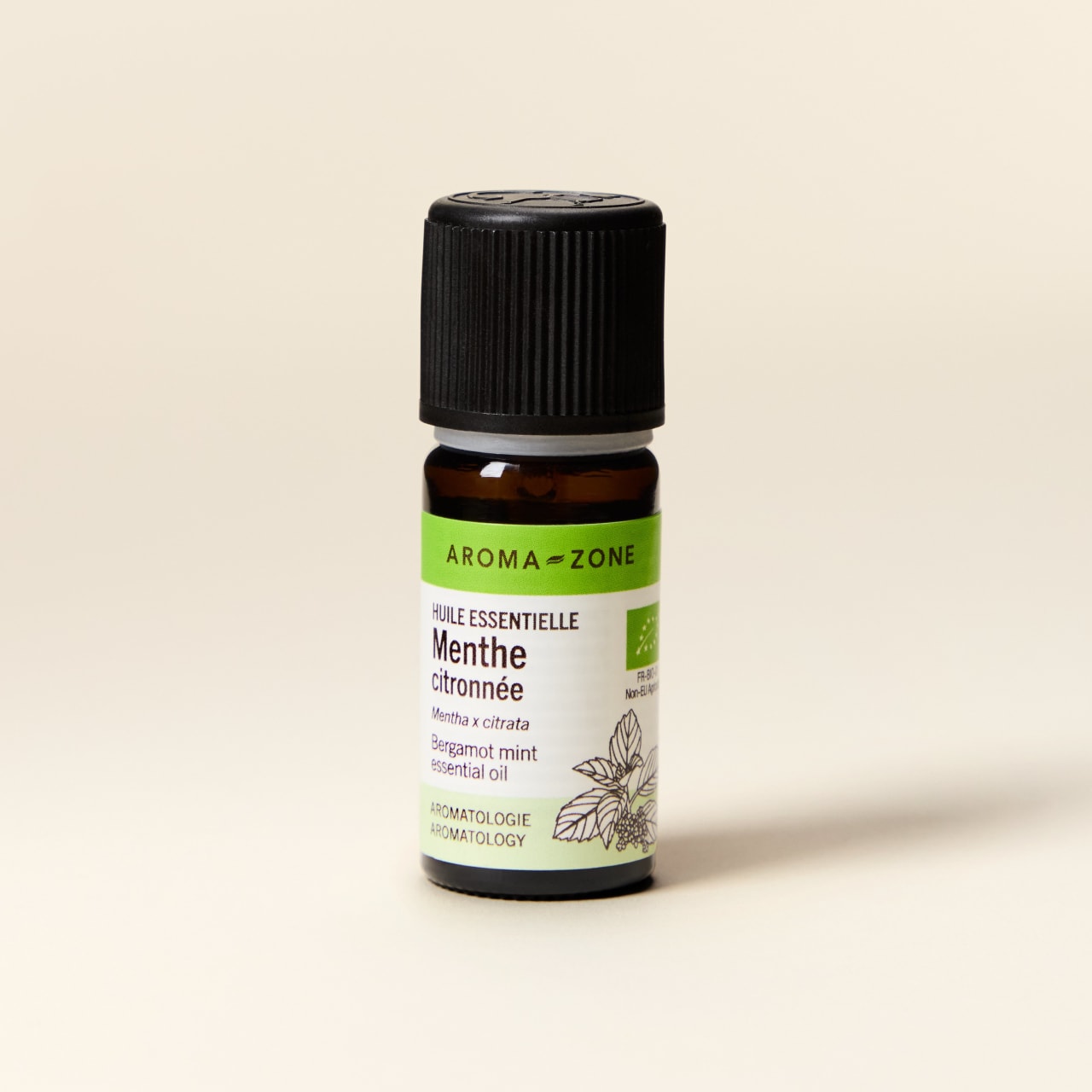
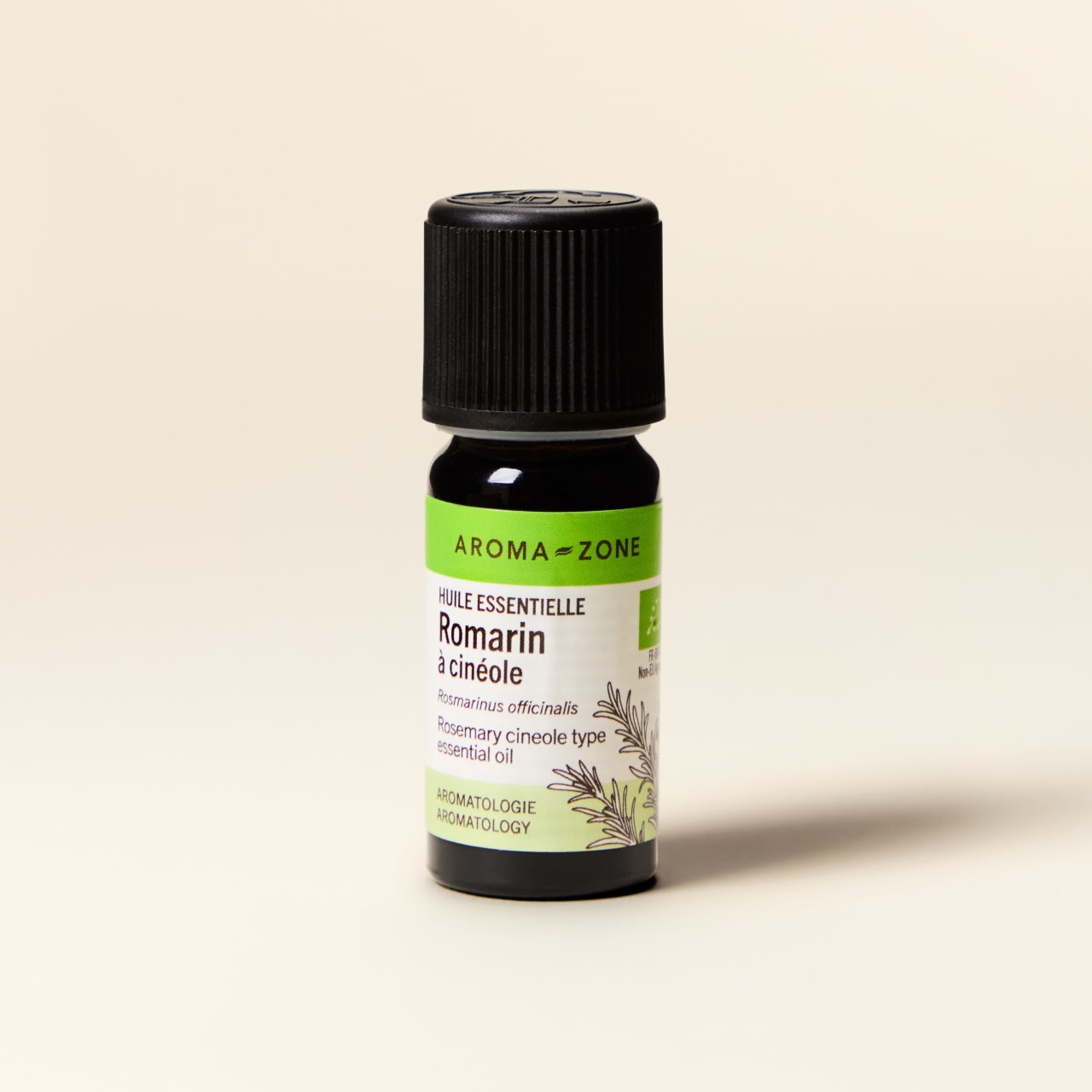
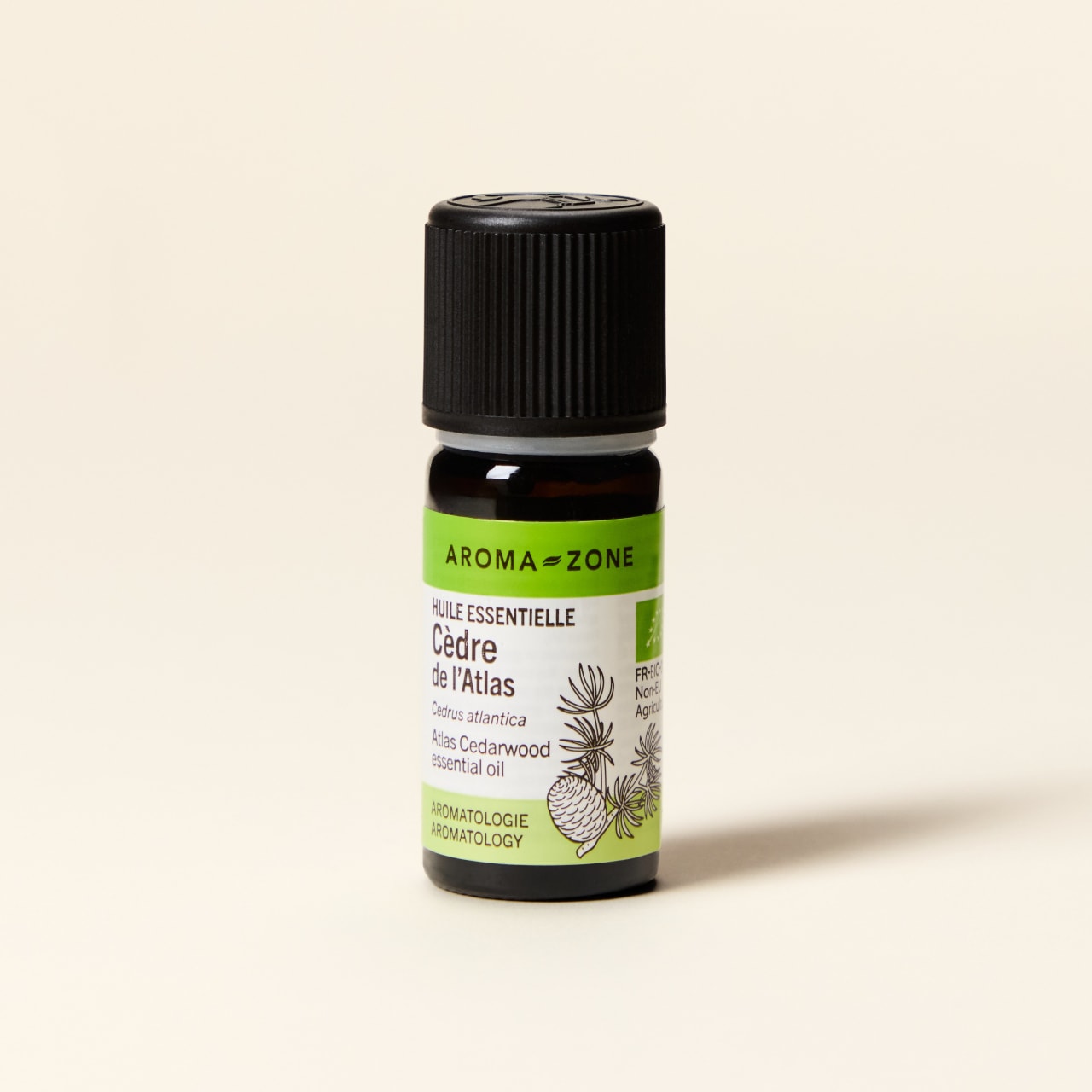
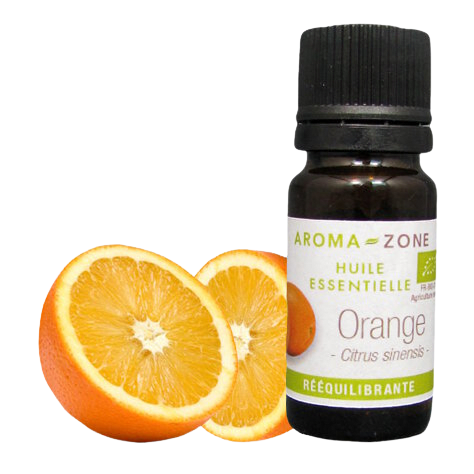
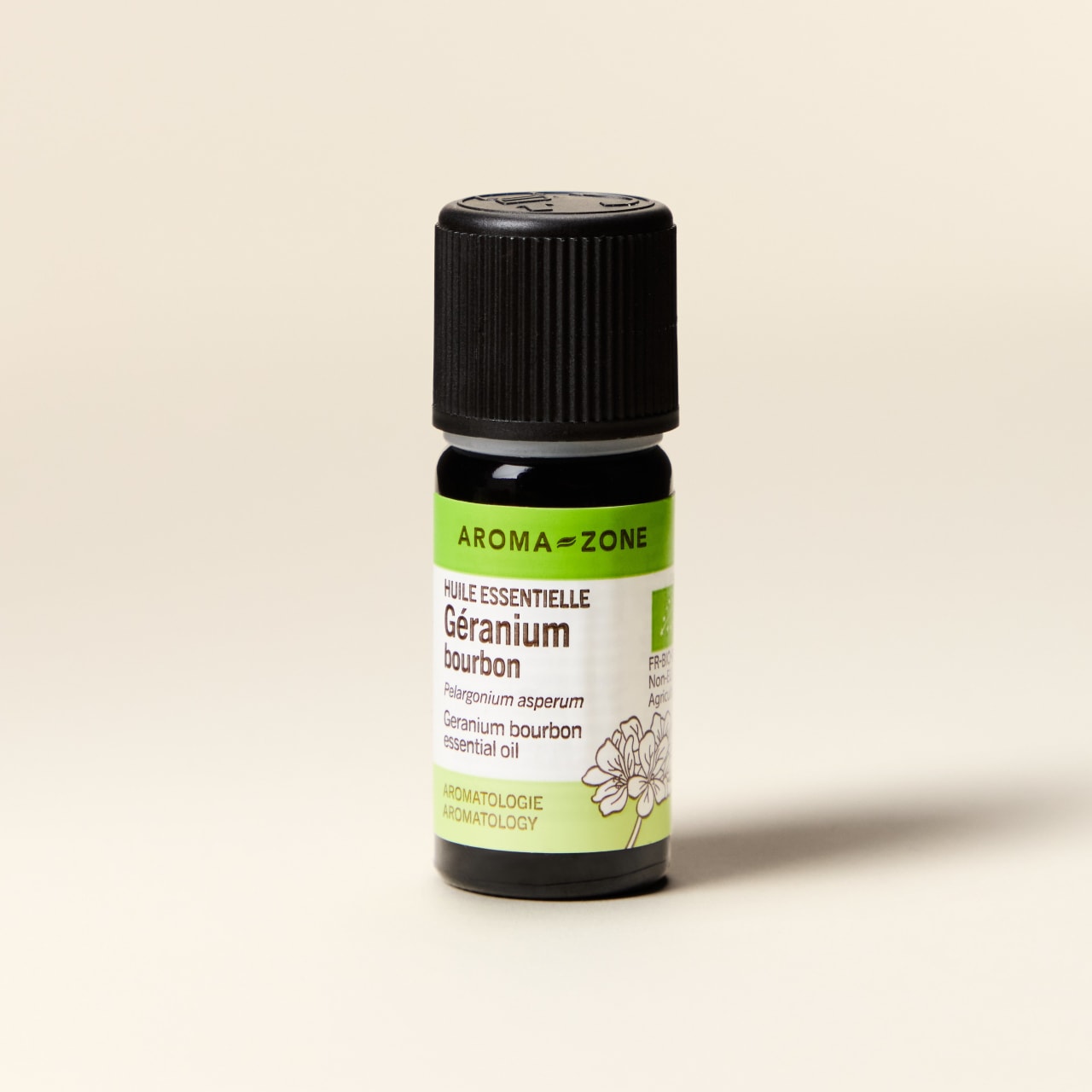
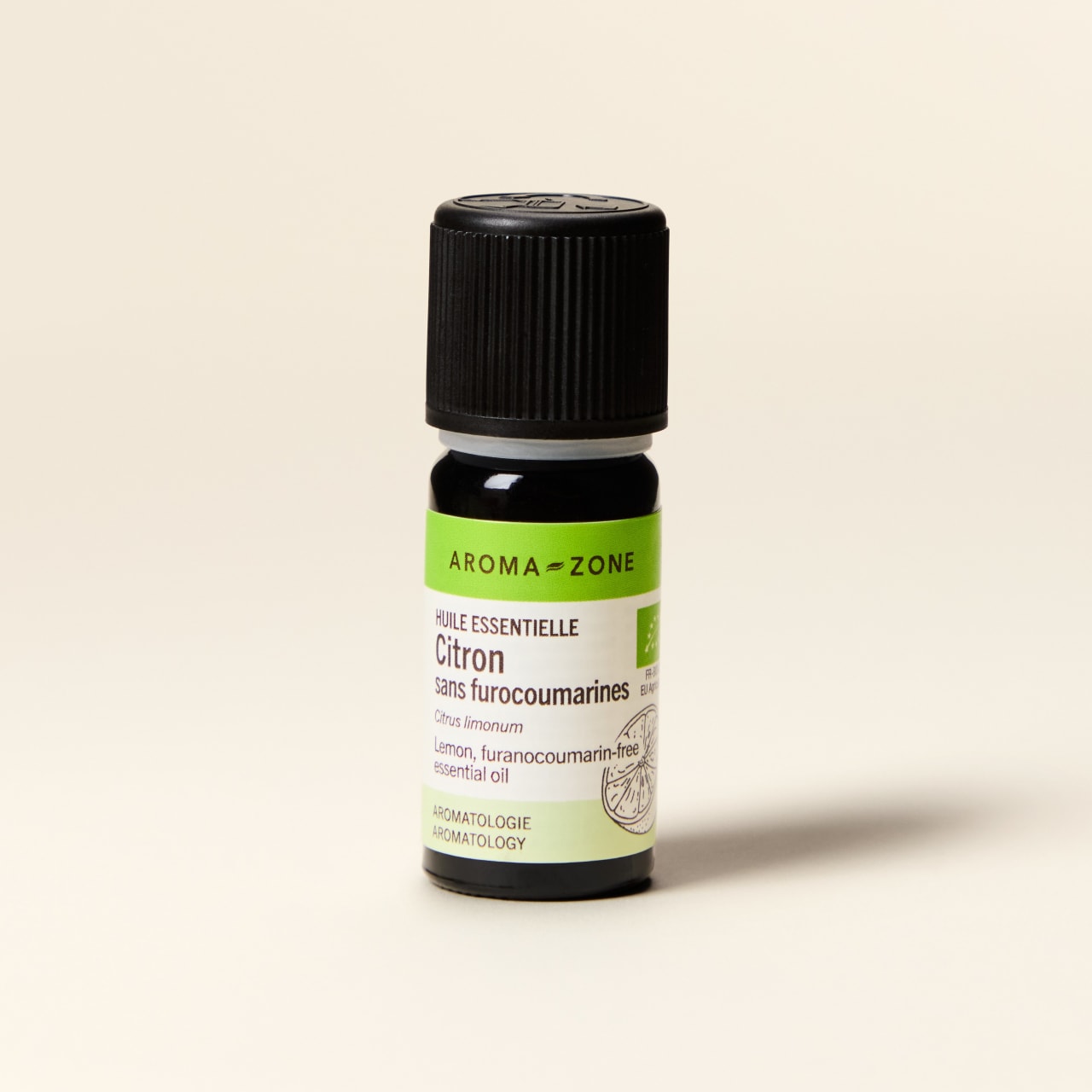
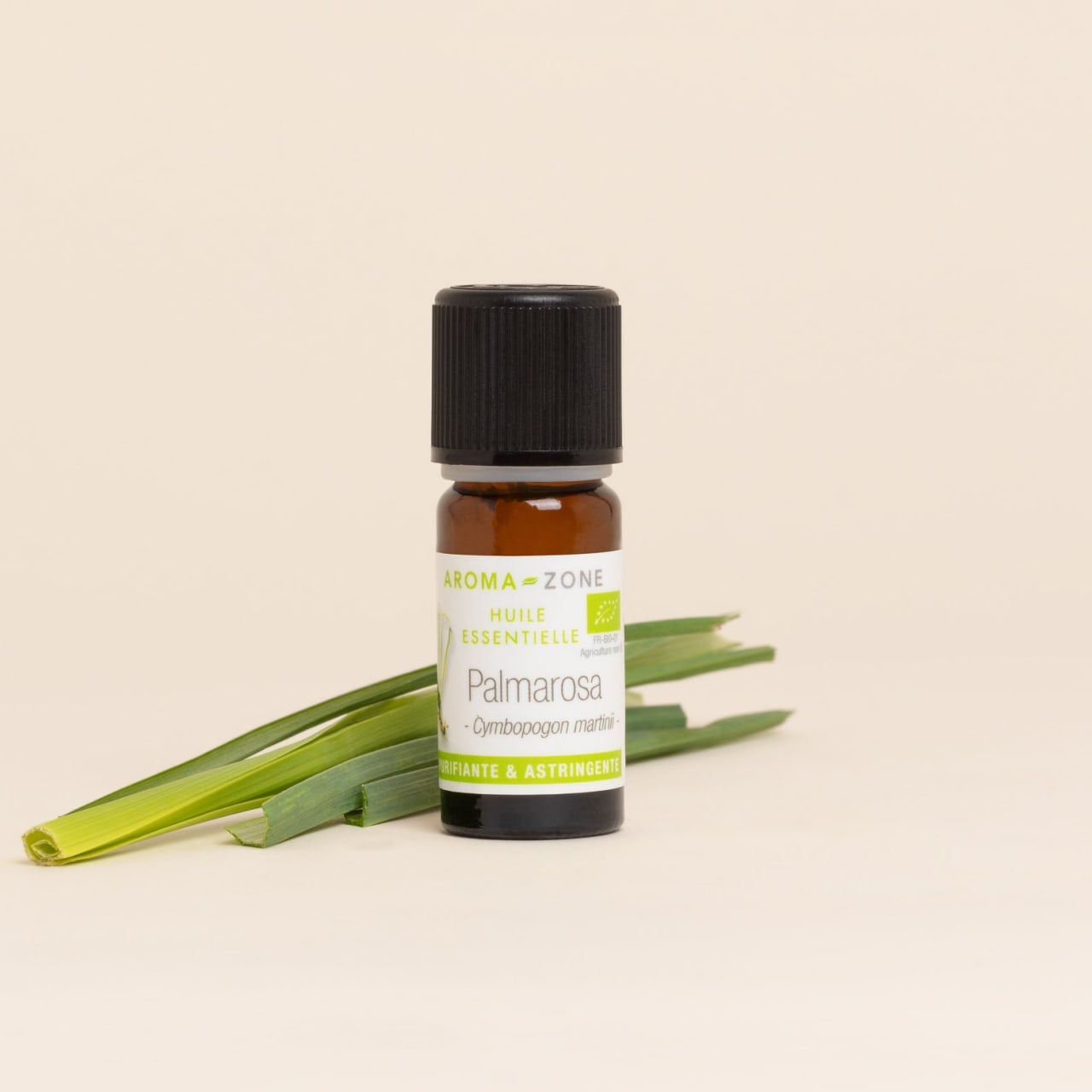
The benefits of organic essential oils
Organic essential oils offer many advantages over their non-organic counterparts. Firstly, they are produced from plants grown without the use of chemical pesticides or synthetic fertilisers, guaranteeing superior purity and quality. What's more, organic growing methods respect the environment by preserving biodiversity and avoiding soil and water contamination.
Therapeutically, organic essential oils are free from undesirable chemical residues, making them safer for use in aromatherapy. Their concentration of active ingredients is often higher, making them more effective. By choosing organic essential oils, you are helping to promote sustainable farming practices while benefiting from products of exceptional quality.
Extraction methods for organic essential oils
Organic essential oils are extracted from plants using environmentally-friendly methods. Common extraction methods include steam distillation, cold expression and supercritical CO2 extraction. These techniques preserve the purity of essential oils by avoiding the use of chemical solvents.
Common uses of organic essential oils in aromatherapy
Organic essential oils are widely used in aromatherapy for their therapeutic properties. They can be used to relieve stress, improve sleep, soothe muscle pain, boost the immune system and much more.
Organic essential oils can be diffused into the air, diluted in carrier oils for massages, added to relaxing baths or used as inhalants. They can also be used to make homemade cosmetics, for hair and skin care, or for household cleaning products.
How should essential oils be stored?
To guarantee the shelf life and effectiveness of your organic essential oils, it is essential to store them correctly. Store them in tinted glass bottles away from direct sunlight and heat. Be sure to close the caps tightly after each use to prevent evaporation. Store them in a cool, dry place, preferably in a refrigerator, to prolong their shelf life.
What are the contraindications to using essential oils?
Pregnant women: some essential oils may be harmful to pregnant and breast-feeding women. It is advisable to consult a health professional before use.
Young children: essential oils may be too powerful for young children. They should be avoided or used with caution under the supervision of a health professional.
Medical conditions: if you suffer from medical conditions such as epilepsy, asthma, high blood pressure or other ailments, certain essential oils may be contraindicated. Consult your doctor before using them.
Medication: if you are taking medication, certain essential oils may interact with it. Ask your doctor or pharmacist before using them at the same time.
Allergies: if you have a history of skin or respiratory allergies, do a skin test beforehand with a small quantity of diluted essential oil to avoid any allergic reaction.
Internal use: never ingest essential oils without the advice of a health professional, as this can be dangerous.
Skin sensitivity: some essential oils can cause skin irritation. Always carry out a sensitivity test by diluting the essential oil in a carrier oil before applying to the skin.
Photosensitising essential oils: certain essential oils, such as lemon or orange, can make the skin more sensitive to the sun. Avoid direct exposure to the sun after applying them.


