
The common cold, also known as viral rhinitis, is a mild infection of the upper respiratory tract, mainly localized in the nasal mucosa. It is caused by various viruses, including rhinoviruses, which are easily transmitted through direct contact or by inhaling airborne droplets. The common cold usually manifests after an incubation period of 1 to 3 days following exposure to the virus. The average duration of a cold is about 7 to 10 days, but some symptoms may persist for up to two weeks. During this period, many natural remedies can greatly help relieve the discomfort of symptoms, especially when the nose starts to run.
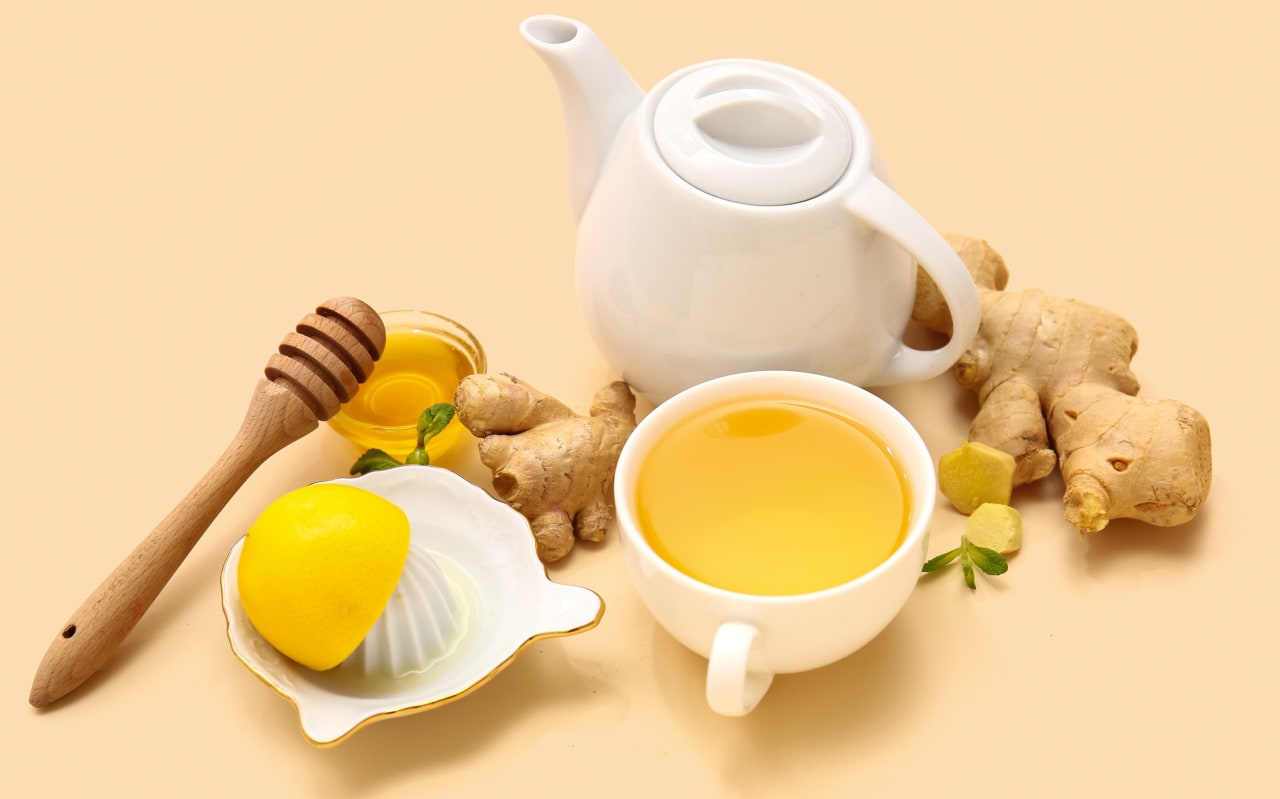
Inhalations: what home remedies are there for colds?
Published on: Thursday, November 07, 2024, Updated on: Wednesday, September 30, 2026
Winter is approaching, and with it comes the return of colds and runny noses. These common seasonal annoyances can make daily life uncomfortable, with symptoms such as nasal congestion, sneezing, and general fatigue. Fortunately, nature offers a range of simple and effective solutions to help relieve these symptoms and support the immune system.Inhalation is one gentle, natural method to help you breathe more easily during a cold. In this article, we explain everything you need to know about inhalation and traditional remedies for easing cold symptoms.
Contents
Related products
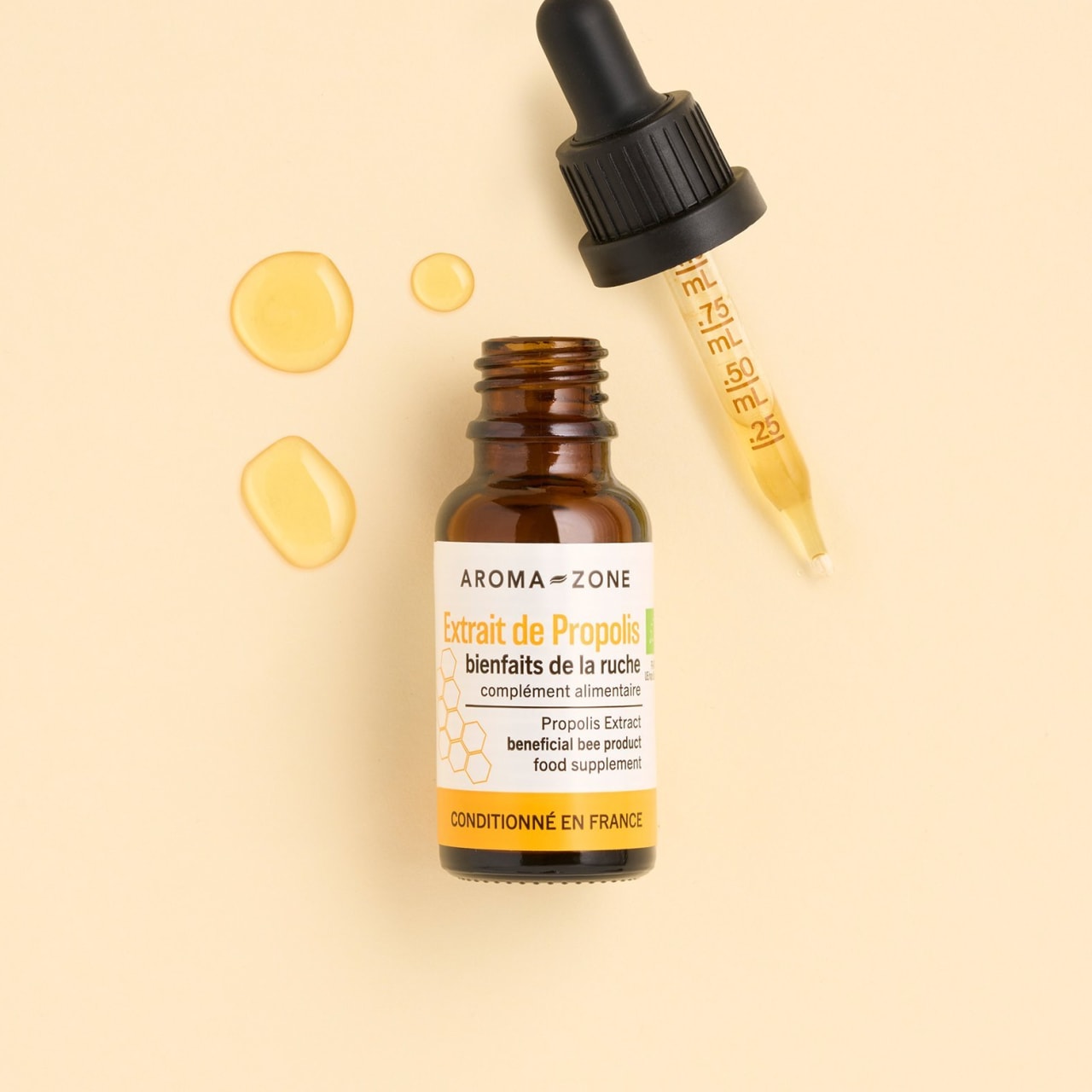
Liquid Propolis Extract
Natural defenses
£7.00
20 ml
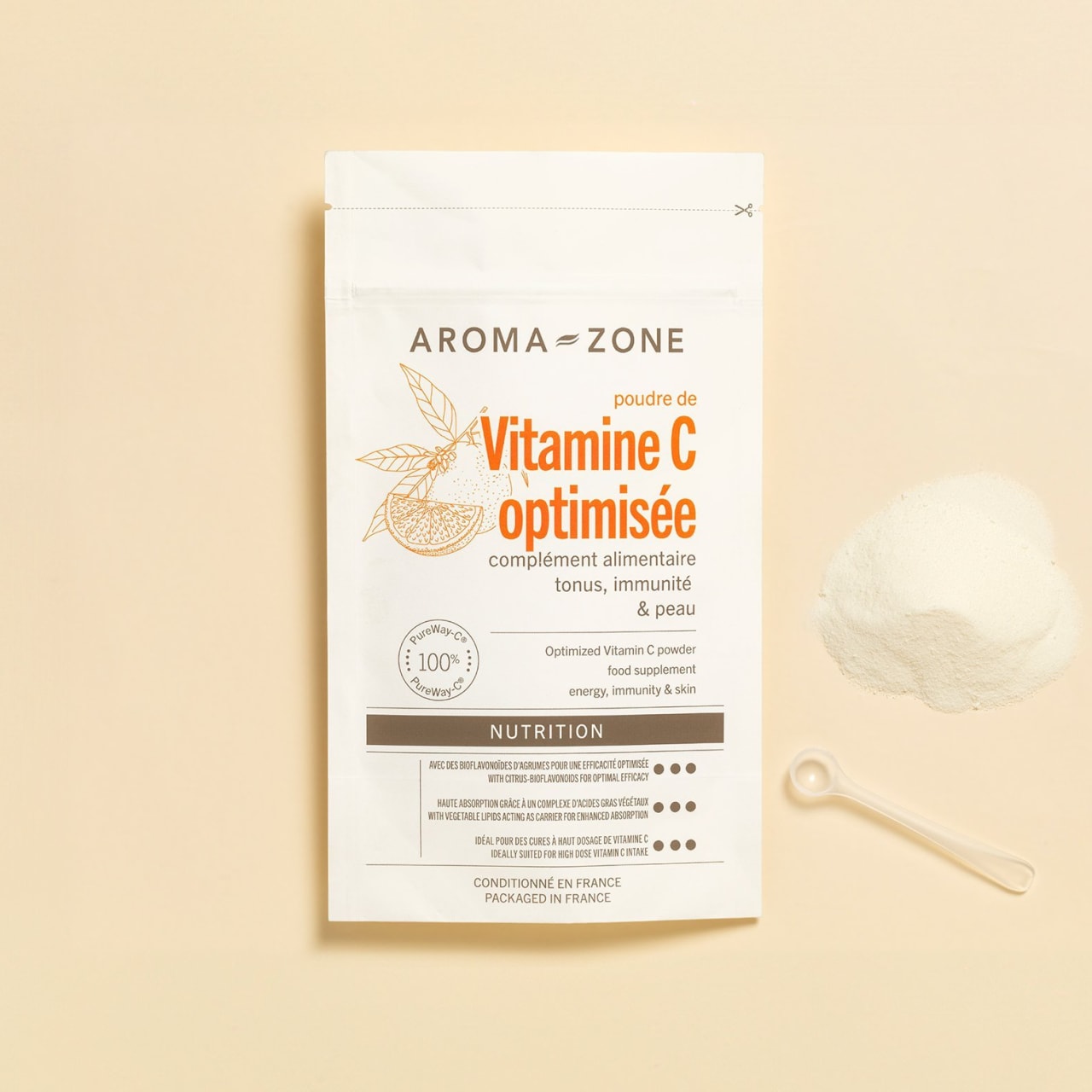
Optimised Vitamin C Powder
Vitality
£16.00
150 g
What is a cold?
What are the symptoms of a cold?
A cold manifests itself through a set of symptoms that reflect inflammation of the upper respiratory tract. The most common symptoms are:
Runny nose: frequent and annoying, it is often clear at first, then thickens and may change colour
Nasal congestion: breathing becomes difficult due to inflammation of the nasal mucous membranes
Sore throat: irritation due to inflammation and the presence of mucus, which may be accompanied by a cough that is initially dry and then sometimes productive
Frequent sneezing: sneezing is one of the first signs and appears quickly
Mild fever: present in some people, it remains moderate
Headaches: often linked to sinus congestion
Fatigue and muscle aches: felt as the immune system fights the virus
Good to know: These often mild symptoms can be alleviated with plenty of rest and the use of certain traditional inhalation remedies that have proven effective against colds. If the symptoms persist, do not hesitate to contact your doctor.
Inhalations for colds: our traditional remedies
These simple and natural home remedies for inhalation against colds help clear the nose and alleviate discomfort thanks to the steam and properties of the selected plants. Find out below which home remedies to use for inhalation to relieve cold symptoms.
Hot steam inhalation
Hot steam inhalation is traditionally used to provide temporary relief from a stuffy nose. The heat and humidity help to thin secretions and soothe the mucous membranes. With this in mind, some traditional remedies combine steam with aromatic plants, mainly for their pleasant fragrance and comforting effect.
Thyme inhalation
Thyme is traditionally used in our grandmothers' recipes for inhalations to treat colds because of its rich aroma, which contains aromatic compounds, including thymol, that are released by heat. When inhaled, these aromatic vapors add to the moisturizing effect of the steam and help to make breathing easier. To enjoy this traditional remedy, pour a teaspoon of dried thyme into a bowl of simmering water, then gently inhale the steam for a few minutes.
Eucalyptus inhalation
Eucalyptus is one of the most commonly used plants in traditional inhalations for colds, thanks in particular to its scent, which is rich in cineole, a naturally volatile aromatic compound. When diffused in hot steam, these aromas help to clear the airways and provide temporary respiratory relief. To benefit from this traditional remedy, add a teaspoon of dried eucalyptus leaves to a bowl of simmering water, then gently inhale the steam for a few minutes.
Rosemary inhalation
Inhalation with Rosemary is one of the traditional practices used to treat mild respiratory discomfort. Rosemary contains volatile compounds such as cineole, which diffuse with heat and provide a fresh scent that is often appreciated when suffering from a blocked nose. Simply add a few sprigs of fresh or dried rosemary to a bowl of hot water and breathe in the steam for a few minutes to benefit from this comforting tradition.
Ginger inhalation
Ginger has a special place in many traditional remedies, particularly for its warm and stimulating properties. When inhaled, its aromas released by hot water complement the effect of the steam and can help enhance the feeling of respiratory relief. For this recipe, cut a few slices of fresh ginger, place them in a bowl of simmering water, then gently inhale the steam for a few minutes.
Onion inhalation
Onions are often used in traditional remedies thanks to their volatile sulfur compounds, which are naturally released when they are cut. Gently breathing in a freshly cut onion can cause slight stimulation of the mucous membranes and give you a clearer nose. This method relies on the direct action of the onion's aromatic compounds, without the need for steam or hot water.
Our other ready-to-use natural remedies for a runny nose
In addition to traditional remedies for inhalation to treat colds, certain ready-to-use Aroma-Zone products can be a great help when your nose won't stop running.
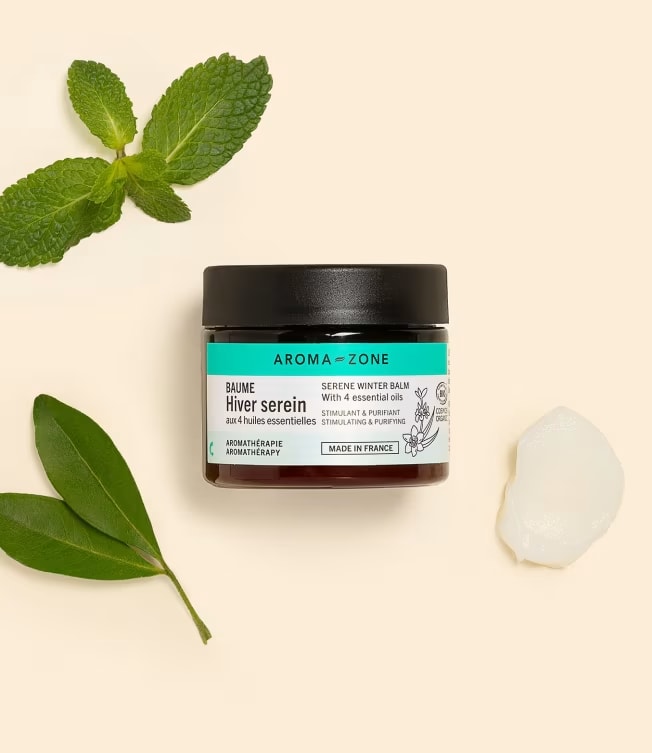
Winter Serenity aromatherapy balm with 4 essential oils
This Hiver Serein chest balm combines organic essential oils of eucalyptus radiata, ravintsara, thyme thymol, and turpentine, enriched with organic camphor and menthol. Its melt-in texture is easily absorbed, providing an immediate cooling effect and releasing a purifying, minty scent. Ideal for treating minor winter ailments such as a stuffy nose, it is 100% natural and certified organic. To enjoy its benefits, massage it onto the chest, upper back, neck, or behind the ears for a stimulating and comforting treatment, as needed. This balm should be avoided by pregnant women, children under 6 years of age, and people with epilepsy, asthma, allergies, or a tendency for convulsions . It is for external use only. Avoid the mucous membranes and the eye area, and wash your hands thoroughly after application.

Organic Propolis Extract
Organic Propolis extract is a natural supplement derived from beehives, 100% organic and alcohol-free. Rich in polyphenols, it contributes to the proper functioning of the body's natural defenses, especially during seasonal changes, making it a good everyday companion. It is easy to take, with one 1 ml pipette per day, either neat or diluted in a little water or honey, for a simple and gentle way to improve your well-being when you have a cold. Be sure to keep this product out of the reach of children and follow the recommended daily dose, as a supplement to a varied diet and a balanced lifestyle. It is not recommended for people with allergies to bee products, pregnant or breastfeeding women, or children under 6 years of age without medical advice. Finally, note that it should not be used for more than three weeks without medical advice.
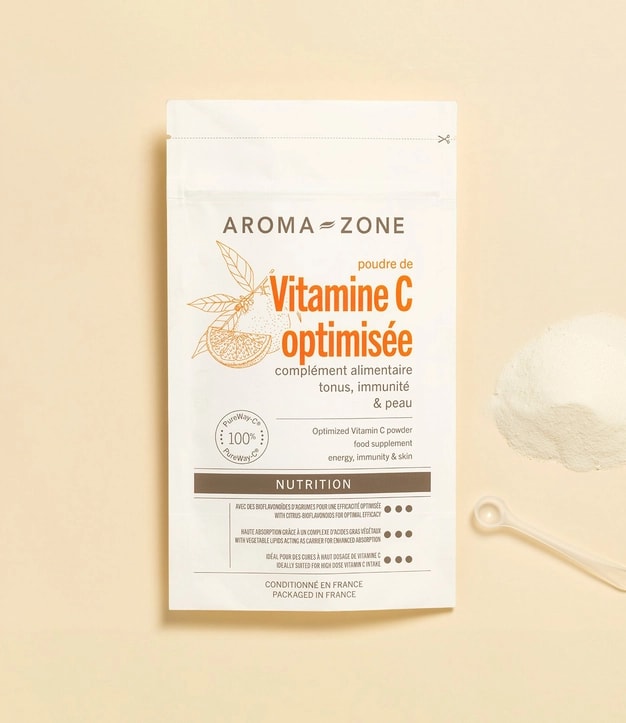
Optimized vitamin C powder
If you have a cold or want to boost your defenses during the winter, this 100% natural and organic vitamin C powder can help. It contributes to the proper functioning of your immune system and soothes feelings of temporary fatigue. To enjoy its benefits, mix 1 to 2 measuring spoons (500 mg each) in a glass of water, fruit juice, or a shake, whichever suits you best. This vitamin C supplement is not a substitute for a varied diet and a healthy lifestyle, and the recommended daily dose should not be exceeded. It is intended for adults only, and pregnant or breastfeeding women should consult a healthcare professional before use. Keep out of reach of children.
What routine should you adopt to fight a cold?
To avoid catching a cold and having to use traditional remedies for inhalation to treat colds, good lifestyle habits can make all the difference. Below, we share our 10 tips for preventing colds when the weather turns colder:
Wash your hands regularly: Frequent washing with soap and water for at least 20 seconds helps eliminate viruses and bacteria.
Avoid close contact with people who have colds: keep your distance from those with cold symptoms to reduce the risk of contagion.
Boost your immune system: Eat foods rich in vitamin C, such as citrus fruits, kiwis, and peppers, to support your natural defenses.
Stay hydrated: drink water, herbal teas, or broths to keep your body well hydrated and help thin mucus.
Eat a balanced diet: include fruits, vegetables, lean proteins, and healthy fats in your diet to promote overall good health.
Get regular exercise: moderate exercise helps strengthen the immune system and improves blood circulation.
Avoid stress: Stress management techniques such as meditation, yoga, or breathing exercises can enhance your well-being.
Make sure you get enough sleep: Quality sleep and sufficient quantity are important for your immune system to function optimally.
Maintain a healthy environment: ventilate your home regularly, use a humidifier if necessary, and avoid tobacco smoke and pollutants.
Consult a healthcare professional: if you have any doubts about your health or if you are at risk of complications, do not hesitate to consult a doctor.
Our tailored recipes


Precautions
The traditional inhalation remedies for colds provided in this article are for informational purposes only and are not a substitute for the advice of a healthcare professional. Certain medicinal plants should not be consumed in excess to avoid any adverse effects, and it is important to always check for possible contraindications or interactions. Finally, in the event of persistent or worsening symptoms, it is essential to consult a doctor and never substitute natural remedies for recommended medical treatment.
Expert advice
In addition to inhalation and home remedies, remember to maintain good hygiene in your environment to prevent colds. Regularly clean frequently touched surfaces such as doorknobs, remote controls, and computer keyboards. This can help reduce the spread of germs and viruses, especially during cold and flu season.
Spotlight on Our Naturopathic Writer, Stéphanie Catrysse

Stéphanie Catrysse, naturopath (certified by FENA), wellness massage practitioner, lymphatic drainage therapist and personal development advisor.
Passionate about natural medicine, she practises with a holistic approach to health.
Bibliography
Singh, M., Singh, M., Jaiswal, N., & Chauhan, A.
(2017). Heated, humidified air for the common cold. PubMed. https://pubmed.ncbi.nlm.nih.gov/28849871/
Ophir, D. Elad, Y.
(1987). Effects of steam inhalation on nasal patency and nasal symptoms in patients with the common cold. PubMed. https://pubmed.ncbi.nlm.nih.gov/3303983/
French Language Society of Pulmonology.
(2010). Recommendations for the diagnosis and management of allergic rhinitis. Journal of Respiratory Diseases. https://splf.fr/wp-content/uploads/2014/07/RHIN2010-1-texte-long.pdf
Biechy Clog, R.
(2022). Evaluation of the effectiveness of aromatherapy through a systematic review of the literature. Life Sciences. https://dumas.ccsd.cnrs.fr/dumas-03659433/document
Frequently Asked Questions
Associated recipe
Associated tips
Respiratory and ENT comfort tips

Respiratory and ENT comfort tips


