

Natural cough remedies

When your respiratory tract is irritated or inflamed, you start coughing. Whether it's a dry, irritating cough or an oily cough with mucus, a natural remedy can relieve you, soothe your coughs and help you heal more quickly. But what are the natural solutions for dry coughs, wet coughs and hacking coughs? And what should you do if your baby is coughing? Here's our advice.

Reading time: 0 min.

What causes a cough?

A cough is the forced, noisy expulsion of air through the narrowed glottis, generally caused by irritation of the mucous membranes of the respiratory tract.

It is the body's defence mechanism for expelling mucus or irritating pathogens from the respiratory tract.

Coughs have different causes and can take different forms. They can be dry, oily, acute or chronic.

Most of the time, a cough is caused by a viral infection such as the common cold, viral sore throat, bronchitis, nasopharyngitis or coronavirus. Or to a bacterial infection such as pneumonia or whooping cough, recognisable by its typical hoarse cough.

A cough can also be chronic, caused by allergy, gastro-oesophageal reflux, asthma or certain medications such as high blood pressure.
The different types of cough

Coughs are classified according to their symptoms and duration:

  • Dry cough: this is caused by irritation of the bronchi and does not produce mucus. It is irritating, painful and tiring because the coughing fits last a long time and in turn irritate the bronchial tubes, causing another coughing fit. It is often accompanied by an irritated, ticklish or itchy throat, making coughing episodes even more uncomfortable, especially at night. Dry cough remedies are antitussive and soothing. A dry cough may become chesty after a few days, as part of the normal course of the condition (this is not necessarily a bad thing).

  • A hacking cough: this is associated with expectoration of mucus (thick or translucent sputum), which means that the body needs to expel excess secretions due to inflammation of the respiratory tract. Remedies for chesty coughs include mucolytics and fluidifiers, which help to liquefy and loosen mucus so that it can be coughed up or swallowed for easier elimination. Cough suppressants are therefore not recommended in cases of chesty coughs, as they block the natural expulsion mechanisms.

  • Acute cough: lasts less than 3 weeks. It is often caused by a viral infection.

  • Chronic cough: unlike an acute cough, this is persistent and lasts for more than 3 weeks. It may occur at night or during the day. It may be caused by smoking, pollution, allergies or gastro-oesophageal reflux, for example. We advise you to consult a doctor, who will help you find the causes.

Episodes of coughing generally last no more than 10 days. In all cases, we recommend that you consult your doctor, especially if the cough persists or if it is accompanied by fever, breathing difficulties or any other symptoms.

Why choose a natural cough remedy?

Natural solutions are ideal if you prefer:

  • staying warm and using ingredients you probably already have at home

  • Or avoiding taking medicines (and sometimes antibiotics) with their potential side-effects.

In fact, certain natural ingredients and recipes such as honey, herbal infusions, essential oils, ginger, inhalations, gargles and onions are excellent cough remedies.

Obviously, we only recommend using these remedies if you know the cause of your cough. If this is not the case, you should consult your doctor.

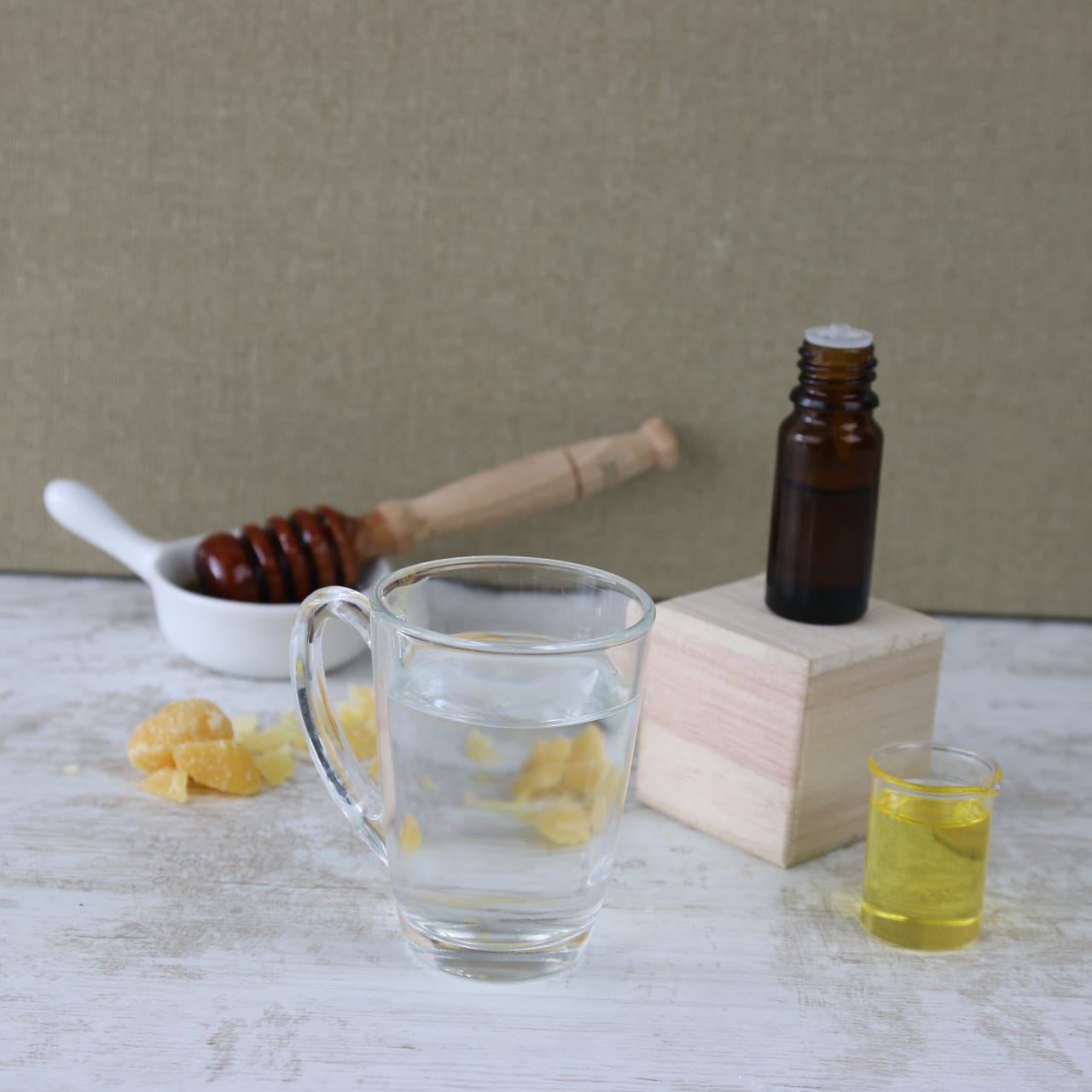
Home-made niaouli sweets with honey recipe

Kitchen

Level: beginner

Cooking time: 10 mins

You'll love these adorable sweets with their ultra-fresh flavour, perfect for freshening your breath, easing digestion after a meal or soothing the throat. 100% natural, they are very easy to make with just a few ingredients. They're also perfect if you are losing your voice.

1

Mix the water and honey in a saucepan.

2

Using a whisk, add the agar agar gum.

3

Gently bring to the boil until it reaches 90°C.

4

Leave to boil for 30 seconds, then add the niaouli and peppermint essential oils and stir to blend.

5

Pour into a square silicone mould.

6

Leave to cool to room temperature.

7

Unmould and cut into small cubes using a soap cutter. Store in a dry place.

What natural remedies are there for wet coughs?

Herbal infusions to combat wet coughs

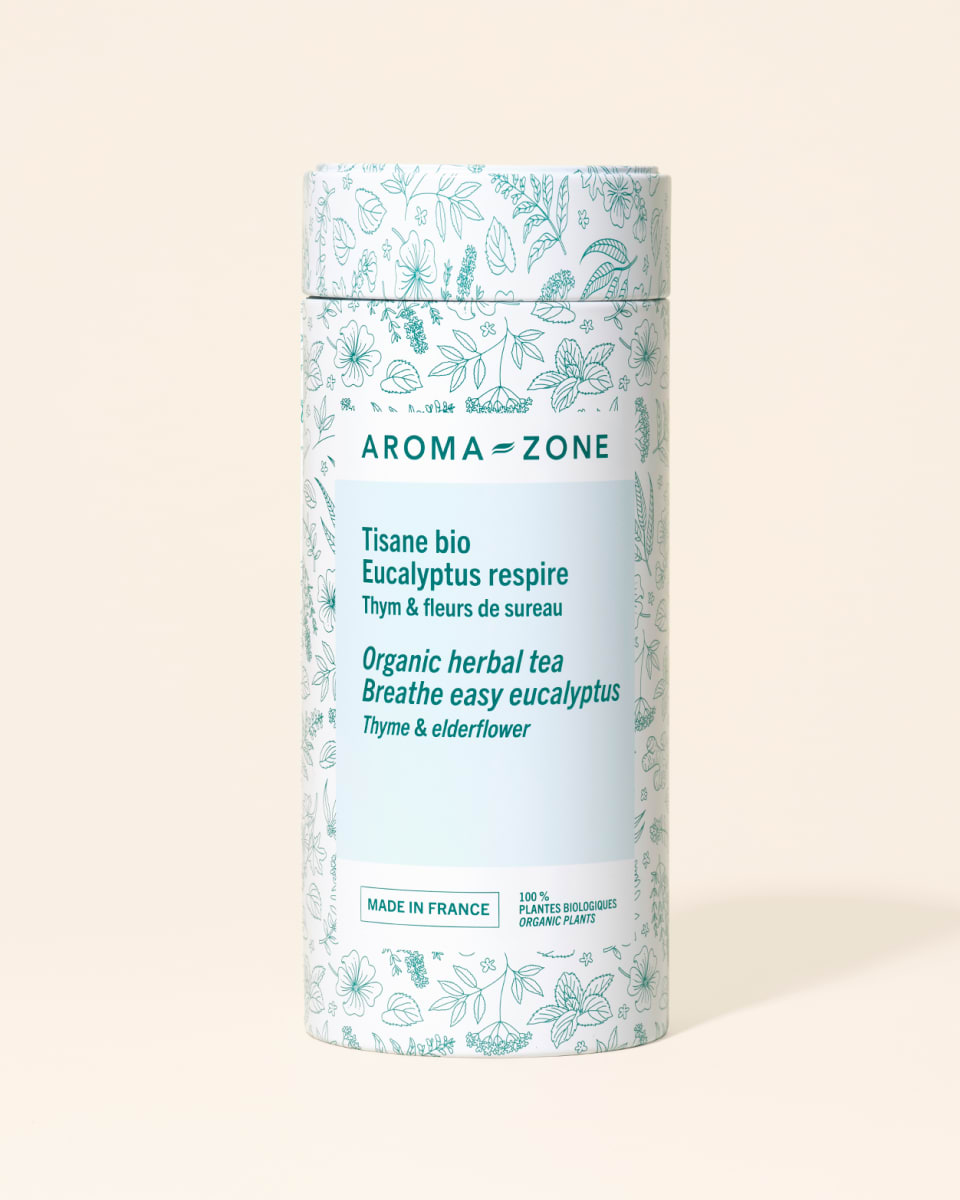
Herbal infusions and decoctions can help relieve a hacking cough. They warm you up, help you cough up phlegm, soothe your mucous membranes and boost your immunity. We recommend

  • Thyme (Thymus vulgaris) : expectorant, fluidifying, antiseptic, antiviral, decongestant, antispasmodic, anti-inflammatory. We recommend infusing 1 to 2 g of dried plant in a large cup of simmering water for 10 to 15 minutes, 3 to 5 cups a day. During pregnancy, we advise you not to exceed one cup a day. We advise against thyme infusion for children under the age of 2 and for people with high blood pressure or allergies.

  • Mullein or white broth (Verbascum thapsus) expectorant, mucolytic, anti-inflammatory, analgesic. Pour 1 heaped teaspoon of dried flowers into a cup of simmering water, leave to infuse for 10 to 15 minutes, filter well to remove any small irritating hairs from the plant and drink 3 cups a day. We advise against the use of white broth by young children and pregnant or breast-feeding women.

  • Fennel (Foeniculum vulgare) Anti-inflammatory, expectorant, antispasmodic, antimicrobial. Pour 1 teaspoon of seeds into a cup of hot water, leave to infuse for 10 minutes then filter. Use 2 to 3 cups a day. For young children, pour in 1 to 2g of seeds and leave to infuse for 5 minutes, then allow the infusion to cool before giving them a drink. We advise against use in the case of hormone-dependent conditions.

Natural cough remedies for babies and infants

If your baby has a dry, hacking or wheezing cough, we recommend that you consult your paediatrician first to find out the cause and the most appropriate treatment.

You can also take certain steps:

  • Air your baby's room regularly, maintaining a temperature of 19°C.

  • Make sure the air in the room is not too dry, or place a bowl of hot water in a corner of the room if necessary (in a place that is safe for your baby).

  • Moisturise your baby regularly to help thin his mucus

  • Blow your baby's nose regularly with saline solution

  • Raise your baby's mattress to help secretions "sink" at night, and keep him or her in a sitting position regularly during the day.

  • Run a nice bath so that your baby can inhale the steam while relaxing.

  • Respiratory physiotherapy can also help them to clear up their bronchial tubes, encourage expectoration and clear the nose.

Find out more

How can I stop a coughing fit at night?

Here are a few natural tips to stop a coughing fit at night:

  • Hydration and humidification: drink a glass of lukewarm water or a herbal tea before going to bed to hydrate your mucous membranes. Use a humidifier or place a bowl of warm water in your bedroom to maintain the right level of humidity and prevent your airways from drying out.

  • Sleeping position: elevate your head with an extra pillow to help secretions drain more easily and reduce the irritation that triggers night-time coughing fits.

  • Inhaling essential oils: a few drops of red myrtle or Mediterranean cypress essential oil in a bowl of hot water can help relieve congestion and soothe the airways. Inhale the vapours before going to bed.

  • Honey remedy: take a spoonful of honey before bed for its soothing and antiseptic properties. Honey coats the throat and reduces irritation.

  • Salt water gargle: gargling with warm salt water can soothe irritation and reduce throat inflammation. Do it before going to bed for prolonged effects throughout the night.

These simple, natural methods can go a long way towards reducing night-time coughing fits and improving the quality of your sleep. Don't forget to consult a doctor if the cough persists.

Why won't my dry cough go away?

If your dry cough persists, several factors may be to blame. It may be the result of ongoing irritation of the respiratory tract, caused by a dry environment, pollution or allergens. Gastro-oesophageal reflux or certain medications can also prolong the cough. To soothe your throat and reduce irritation, try natural remedies such as infusions of thyme or marshmallow, and steam inhalations of essential oils such as red myrtle or Mediterranean cypress. Consult a doctor if the cough persists despite these measures.

Focus on our Naturopathic editor, Stéphanie Catrysse

Stéphanie Catrysse is a naturopath (certified by the FENA), a wellness massage and lymphatic drainage practitioner, and a personal development consultant. 

Passionate about alternative medicine, she practices a holistic approach to health.