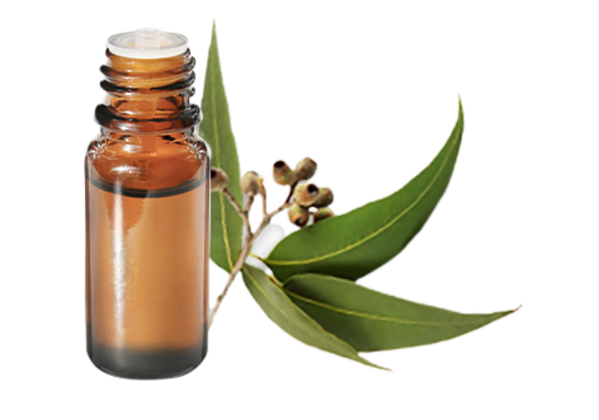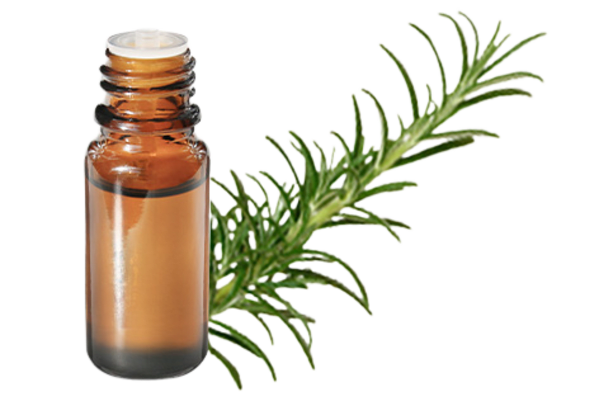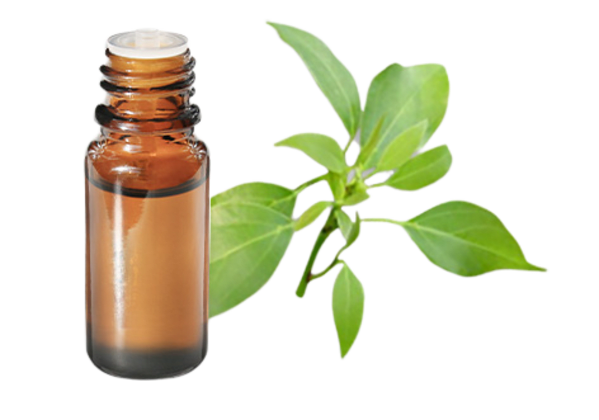
To quickly stop a productive cough, we recommend using essential oils with antitussive and expectorant properties. Eucalyptus radiata and ravintsara are two effective options. You can diffuse them in your environment to benefit from their decongestant properties, or inhale them by adding a few drops to a bowl of hot water.
Getting rid of a chest cough and phlegm: natural solutions
Follow our experts' advice and choose natural, effective solutions to soothe a persistent cough, loosen congestion, and breathe easily again without discomfort.

What is a productive cough?
A wet cough, also known as a productive cough, is characterized by the presence of thick secretions or phlegm in the airways. It is often the result of irritation or inflammation of the nose, throat, or upper respiratory tract. Unlike a dry cough, which is irritating and does not produce mucus, a productive cough is accompanied by sputum or phlegm.
When the airways are inflamed, the body produces mucus to protect them from irritants or infections. This buildup of mucus can cause a feeling of congestion in the chest and throat, which leads to a productive cough. This cough is actually a natural mechanism of the body to expel excess secretions and impurities from the airways, which helps to clear the airways and promote easier breathing.
How can you overcome a persistent cough?
Colds, flu, bronchitis, laryngitis, smoking... these are all factors that can cause a productive cough. A productive cough is not a disease in itself, but rather a symptom caused by an infection or inflammation. symptom caused by an infection or inflammation of the bronchi. In response to this attack, the bronchi produce secretions that are filled with microbes and other impurities and are expelled when you cough. To facilitate this expulsion, adopt simple daily habits:
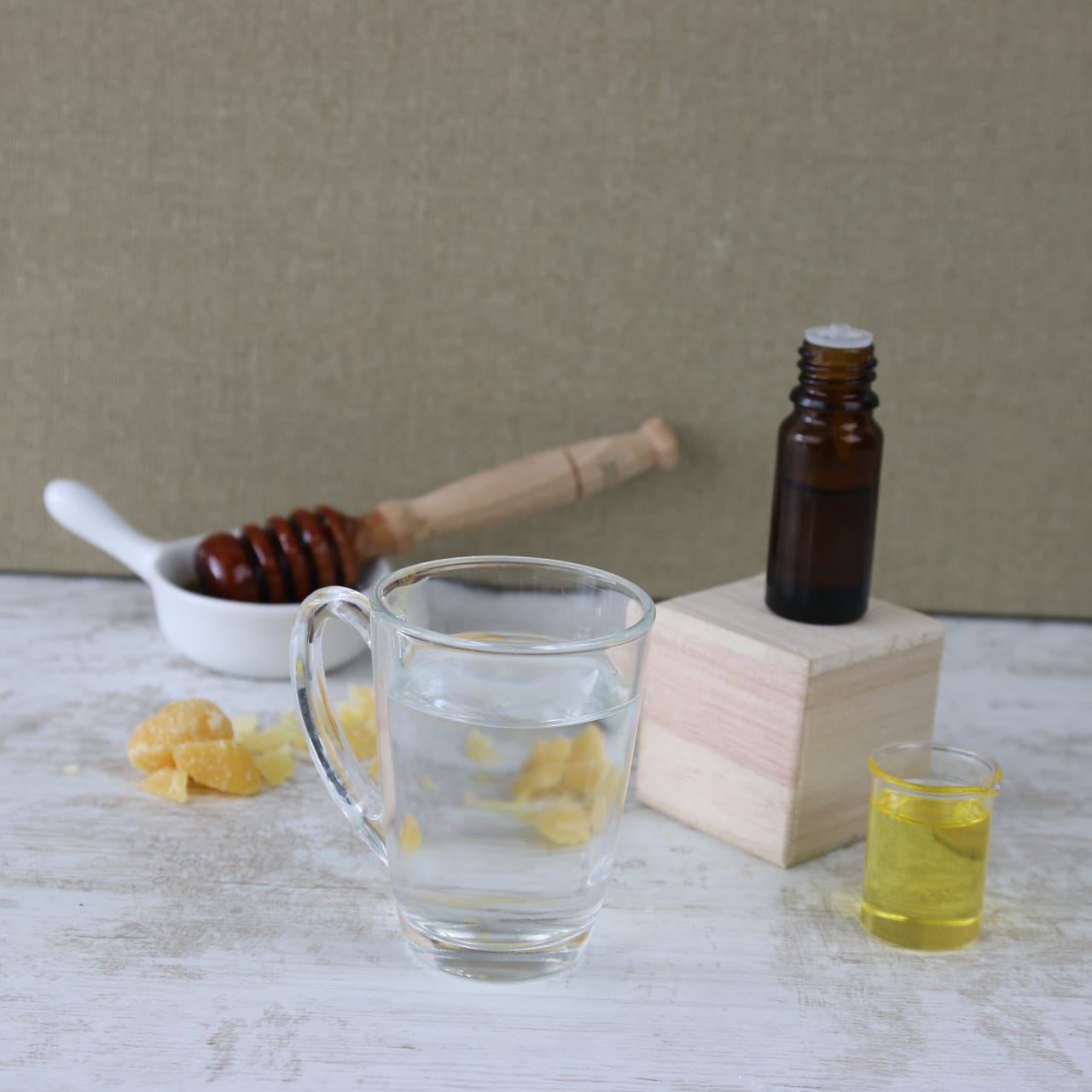
Drink: to thin the secretions and thus expel them. Drinking hot beverages regularly will relieve your throat. You can add lemon for its antiseptic properties and honey for its soothing properties.
Ventilate your home every day and maintain a temperature of 64-68°F in your bedroom to promote healthy air that is not too dry. Use a humidifier if the atmosphere in your home is very dry.
Stop smoking or using any other irritants that affect the mucous membranes: cigarette smoke aggravates symptoms.
Get plenty of rest: rest helps the body fight infection.
Don't force yourself to eat if you're not hungry. Temporarily exclude mucus-producing and pro-inflammatory foods from your diet: refined sugars, alcohol, red meat, and dairy products in particular.
Use inhalers to relieve your cough.
Natural remedies for a productive cough
Self-medication is strongly discouraged. Consult a doctor for advice on treating your cough. The solutions below are not intended to treat your cough, but to relieve it.
Essential oils
Natural solutions to support immunity
Preventive measures can be taken to stop irritants from entering our respiratory tract and attacking our mucous membranes. Boosting our immunity is a good reflex.
Zinc
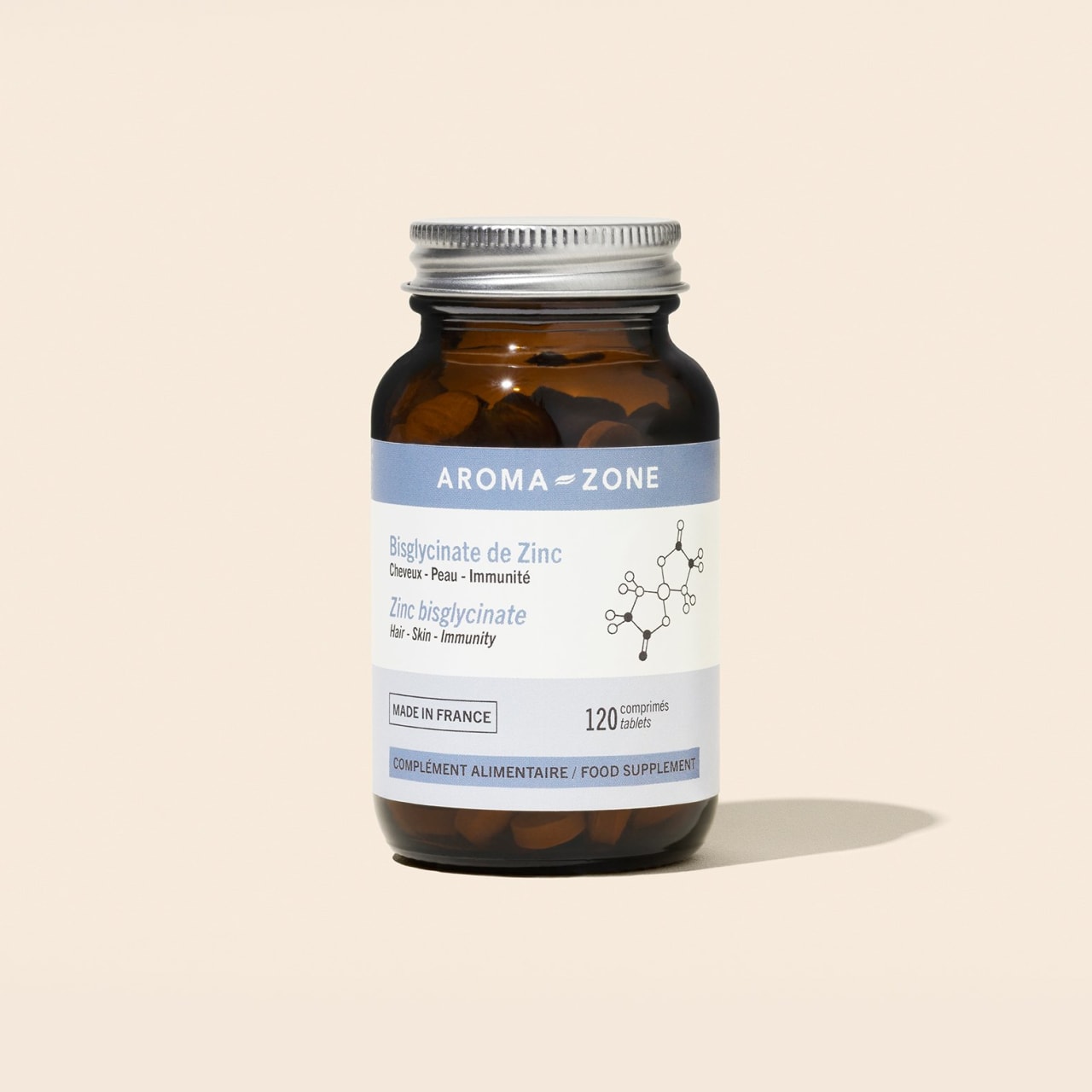
Zinc contributes to the normal functioning of the immune system. The highly bioavailable zinc formula in Aroma-Zone's Zinc Bisglycinate tablets provides 100% of the recommended daily intake.
Discover Zinc Bisglycinate: Dietary supplement - Aroma Zone
Precautions : Consumption should be limited to a few weeks/months. Pregnant or breastfeeding women are advised to consult a healthcare professional before taking any supplements. For adult use only.
Vitamin D
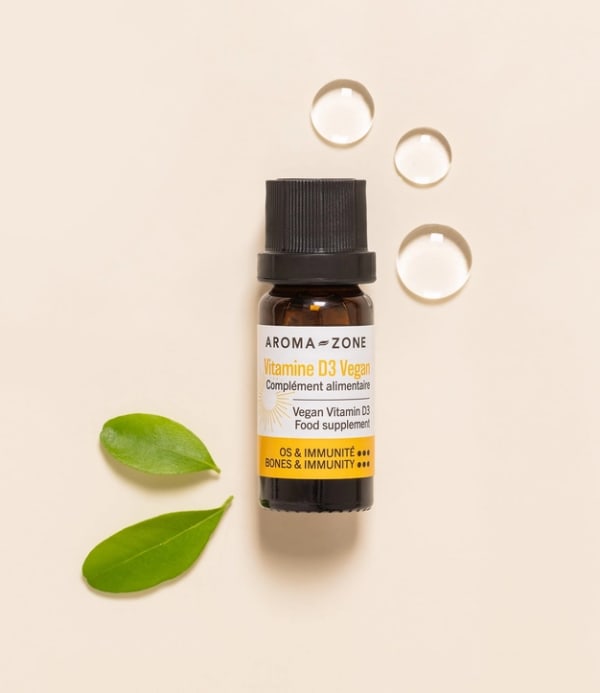
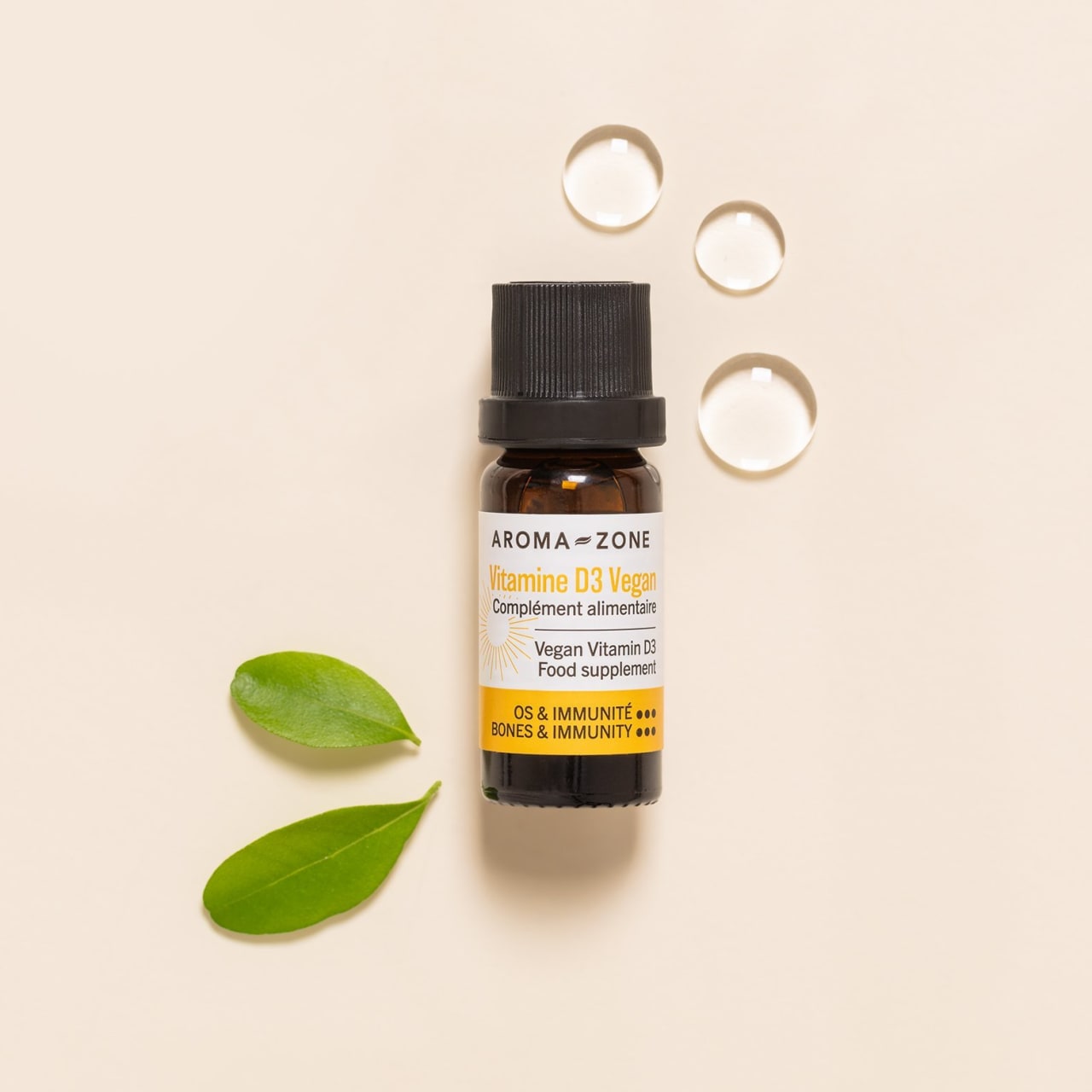
Vitamin D3 contributes to the normal functioning of the immune system. It is particularly recommended when exposure to sunlight is limited.
Discover Vegan Vitamin D3 - Dietary supplement - Aroma-Zone
Precautions: Do not use on children under 3 years of age. Pregnant or breastfeeding women should consult a healthcare professional before taking any supplements.
How can you relieve a productive cough in pregnant women and children?
In general, a productive cough that persists for more than a week in children or pregnant women, or that is accompanied by pain, fever, or sputum, must be treated by a doctor. fever, and phlegm, must be treated by a doctor as soon as possible.
During pregnancy, it is advisable to limit the use of essential oils to a minimum as a precaution. They may only be used from the second trimester of pregnancy onwards, in limited quantities, never internally, and only if they are suitable essential oils. Similarly, the use of essential oils is very delicate in babies and young children, should only be done on medical advice, and should be avoided before the age of 3. Be sure to refer to the specific properties of each essential oil.
Contraindications and precautions for use
Although essential oils can be beneficial in relieving a productive cough, it is important to take certain precautions, especially in certain populations. Pregnant and breastfeeding women, young children, people with epilepsy, and people with asthma or respiratory problems should consult a healthcare professional before using essential oils.
In addition, some essential oils may irritate the skin or cause allergic reactions in certain sensitive individuals. It is therefore recommended to perform a skin tolerance test by diluting the essential oil in a vegetable oil before any skin use. If in doubt or if an adverse reaction occurs, it is best to discontinue use and consult a pharmacist or healthcare professional.
The properties, indications, and methods of use below are quotes from reference books or websites on aromatherapy, hydrolatherapy, and phytotherapy. This general information is provided for informational purposes only and does not constitute medical advice. This information cannot replace a diagnosis, consultation, or medical follow-up, nor can it engage our responsibility. We recommend that you consult the essential oils guide before use to learn about the precautions. If in doubt, consult a doctor before using essential oils.
Expert advice
Expert advice
Maintaining a healthy immune system is essential for preventing coughs. Take vitamin D supplements, which are ideal for boosting the immune system. To get rid of a productive cough, consider foot reflexology: use your thumb to massage the arched area at the base of the toes under the foot to stimulate the reflex point corresponding to the lung area. To prevent nighttime coughing, make sure the air in your bedroom is humid, especially in winter.
Find out more

How can you quickly stop a productive cough?

How can you quickly stop a productive cough?

Is tea tree good for coughs?

Is tea tree good for coughs?
Tea tree, or tea tree essential oil, is known for its antibacterial and antiviral properties, making it a good choice for coughs. Although it is not specifically known to relieve coughs, its action on respiratory infections can help reduce associated symptoms, such as congestion and throat irritation.

Which essential oil is best for coughs and bronchial problems?

Which essential oil is best for coughs and bronchial problems?
To effectively relieve coughs and respiratory tract conditions, Ravintsara essential oil is often recommended. With antiviral and expectorant properties, it helps clear the bronchial tubes by promoting the elimination of mucus. When diffused or inhaled, a few drops of Ravintsara in a diffuser or bowl of hot water can provide quick and effective relief. However, it is always advisable to dilute essential oils in a vegetable oil before applying them to the skin, and to consult a healthcare professional if symptoms persist.
Precautions for use of Ravintsara essential oil: Do not use during the first three months of pregnancy or on children under 6 years of age (unless advised by a doctor). Not recommended for people with asthma (especially when inhaled or diffused). Prefer skin use or diffusion/inhalation; oral use is less appropriate for this essential oil. Possible interactions with medications (due to its 1,8-cineole content, which has an inducing effect on certain enzymes); do not use orally without medical advice while undergoing medical treatment.

Ravintsara essential oil
Ravintsara essential oil, meaning "good leaf" in Malagasy, has many traditional uses. A key oil in aromatherapy, Ravintsara essential oil is widely used to treat winter infections. With its calming properties, Ravintsara essential oil is prized for promoting sleep. Relaxing, Ravintsara essential oil also helps combat nervousness. A must-have!
The expert: Aude Maillard, Doctor of Pharmacy, Aromatherapist, and Reflexologist

A practitioner and graduate in scientific aromatherapy, foot reflexology, and olfactotherapy, Aude Maillard has a comprehensive approach to essential oils, combining both scientific and energetic perspectives. She is also, above all, passionate about essential oils and eager to share her knowledge.Aude Maillard now runs Aroma-Zone aromatherapy workshops and is also available for personalized consultations. For more information, visit www.aude-maillard.fr
Bibliography
1
Ameli, Cough: mechanism of occurrence and causes; accessed on 01/15/2026
2
ANSES, Risks associated with the use of essential oils and precautions to take; accessed on 01.15.2026
3
Smith A, Matthews O. Aromatic ointments for the common cold: what does the science say? Drugs Context. 2022 Aug 1;11:2022-5-6. doi: 10.7573/dic.2022-5-6. PMID: 35975030; PMCID: PMC9354706.