Vegan Vitamin D3
Natural defenses
Bone health
£10.00
1 article = 10 ml
Price per L = £1,000.00
free delivery up to £25 in United Kingdom
100% secure payment CB, Visa, Mastercard, Paypal, Apple Pay, Google Pay
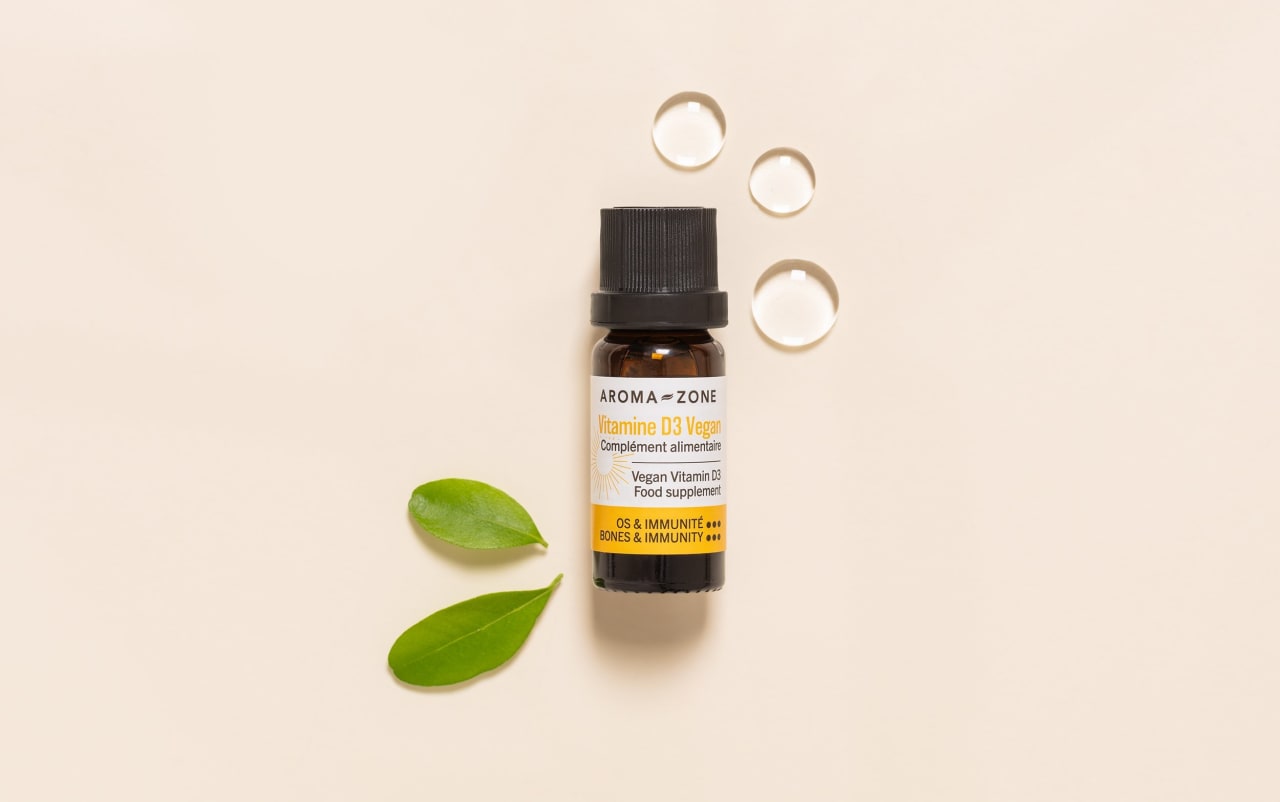
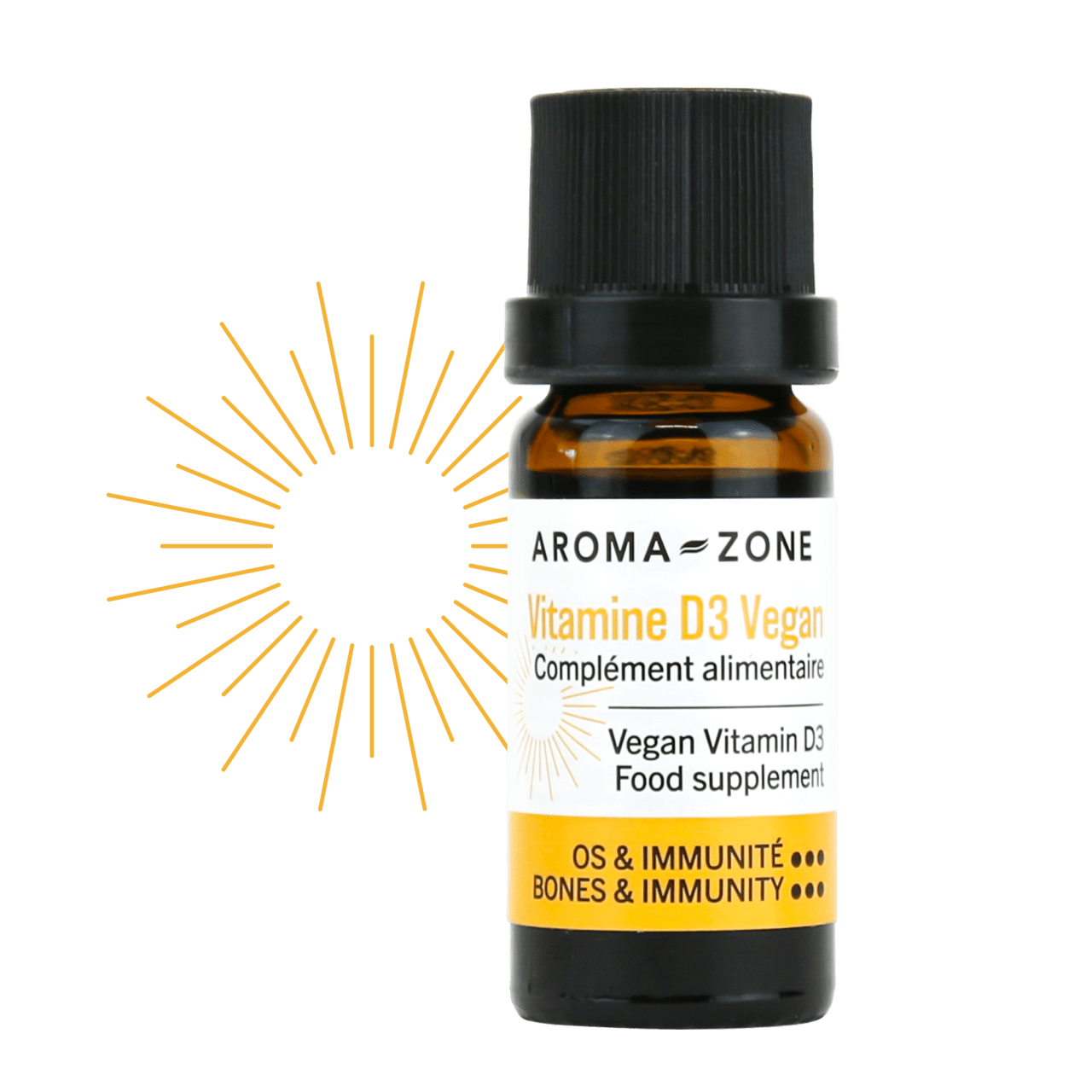
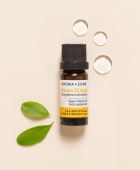
Vegan Vitamin D3
10 ml

100% natural

Vegan
Why we love it
Natural, vegan vitamin D3, extracted from seaweed.
We use Cholecalciferol, as this form of Vitamin D is best absorbed by the body.
Coconut MCT oil carrier for optimal absorption.
Renowned for immunity and bone health* benefits.
Liquid formula for easy use.
Neutral taste.
No unnecessary additives.
Dosage: 1 drop = 400 IU, i.e. take 5 drops a day for a 2000 IU intake.
*Vitamin D contributes to the normal functioning of the immune system and the maintenance of normal bone and teeth. Vitamin D contributes to the normal absorption of calcium and phosphorus.
How many drops of vitamin D3 do I need?
Adults: 2 to 5 drops per day (800 to 2000 IU).
Pregnant and breastfeeding women: 5 drops per day (2000 IU).
People with increased needs (People with darker skin tones living in regions with little sunshine, elderly people and sportspeople, etc.): 5 drops a day (2000 IU).
Teenagers (12 to 18 years): 2 to 4 drops a day (400 to 1600 IU).
Children (3 to 11 years): 1 drop a day (400 IU).
How do I use the vegan vitamin D3 food supplement?
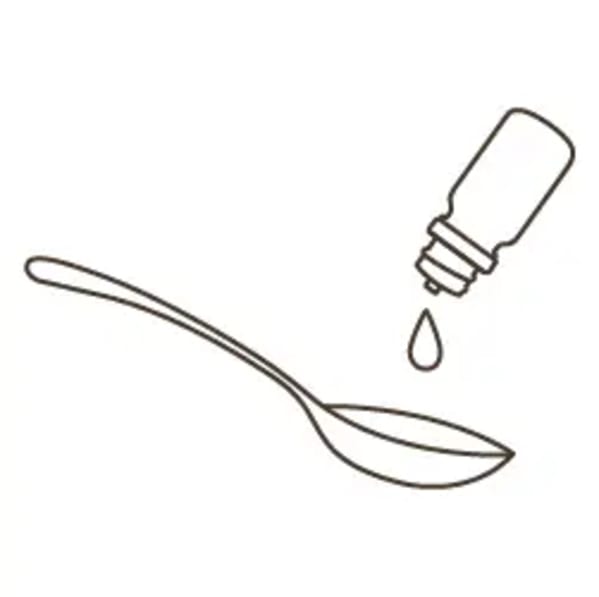
Place the recommended number of drops on a teaspoon and swallow.
To make it easier to count the drops, we recommend tilting the bottle gently over the spoon, then straightening it immediately after each drop to stop the flow. This allows the oil to be poured drop by drop. Repeat for each drop.
1 bottle = 2-month course
Why choose Aroma-Zone's Vegan Vitamin D3 food supplement?
We developed this dietary supplement because we wanted to offer you high-quality Vitamin D:
D3 or Cholecalciferol is a bioactive form of Vitamin D. It is the same type of Vitamin D that our bodies naturally produce when exposed to the sun. Our bodies easily absorb D3. Therefore, it is the most effective form for a food supplement.
Derived from algae, it is both 100% natural and vegan.
Our Vitamin D3 is available in liquid form with a neutral-tasting oil base (coconut MCT oil), making it easy to take and avoiding any unnecessary additives. Taking Vitamin D drops means you can adapt the dose to your individual needs.
An optimum concentration of 400 IU per drop for a high dose that's easily adaptable for the whole family and avoids overdosing.
When should Vitamin D3 be taken?
During the winter, or if you live in regions where there is little sun exposure.
To support the body's natural defences, particularly against winter viruses.
To look after your bone density, especially for women after menopause.
People with darker skin tones living in areas with little sunshine can have insufficient sun exposure and may benefit from taking Vitamin D3.
Elderly people, whose natural Vitamin D3 production is reduced, especially if they spend little time outdoors.
What are the benefits of Vitamin D3?
Vitamin D is involved in numerous physiological functions in the body, and is known for the following properties in particular:
Vitamin D contributes to the normal functioning of the immune system.
Vitamin D contributes to the maintenance of normal bone structure.
Vitamin D contributes to the maintenance of normal teeth.
Vitamin D contributes to normal muscle function.
Vitamin D contributes to normal blood calcium levels.
Vitamin D contributes to the normal absorption and use of calcium and phosphorus.
Vitamin D plays a role in the cell division process.
Vitamin D is necessary for normal growth and bone development in children.
Vitamin D contributes to the normal functioning of children's immune systems.
Vitamin D helps reduce the risk of falls associated with postural instability and muscular weakness. Men and women over 60 are at risk of falling and fracturing bones.
Vitamin D3-based food supplement.
Ingredients: MCT oil (from coconut, carrier), D-alphatocopherol (antioxidant of natural origin), Cholecalciferol (vitamin D3, derived from algae).
*NRV: Nutrient Reference Value
Function
Food supplement
Country of origin
Manufactured and packaged in the Netherlands
Capacity
10 ml
Learn more
Often referred to as the "sunshine vitamin", Vitamin D is a hormone naturally produced in the skin by the effect UVB rays have on cholesterol derivatives in the body. This fat-soluble vitamin is also found in certain foods, such as cod liver oil, oily fish, eggs, butter, milk and certain mushrooms. However, if sun exposure is limited, it is difficult to meet your natural Vitamin D requirements through diet alone, especially for vegetarians and vegans.
The risks of Vitamin D deficiency are particularly high in the following cases, between October and March in mainland France:
In people who have little exposure to the sun, or only with clothing covering their skin or high-factor sun protection. It should be noted that exposure to the sun behind a car window or a house window does not 'count', as these glasses filter out the UVBs that enable Vitamin D to be synthesised.
People with darker skin tones, if they live in areas with little sunshine, as the melanin in the skin acts as a UV filter.
Older people.
People who are overweight.
People suffering from certain medical conditions, such as kidney failure or bile duct obstruction.
Vitamin D exists in several forms, including ergocalciferol (Vitamin D2), found mainly in plants, and cholecalciferol (Vitamin D3), found in animal products, as well as in certain lichens and algae. Vitamin D3 is naturally produced in the skin and is the most effective for supplementation. Vitamin D3 is a bioactive form of Vitamin D that is more stable and better absorbed than Vitamin D2. Vitamin D2 is not considered a reliable source of Vitamin D for supplementation. In food supplements, Vitamin D3 is most often either synthetic or animal-based (derived from sheep lanolin). But there are now Vitamin D3s derived from lichen or algae, like the one we offer. Our food supplement is both 100% natural and vegan.
In the body, cholecalciferol (Vitamin D3) is transformed in the liver into a compound called 25-hydroxyvitamin D3, which serves as a sort of active reserve for this hormone. This compound is then transformed into its active form (1,25-dihydroxyvitamin D3), mainly in the kidneys. This active form diffuses into the body and acts like a hormone in a number of physiological mechanisms: in the intestine, where it increases calcium absorption; in the central nervous system, where it has a protective function; and in the epidermis, where it helps maintain tissue integrity.
Vitamin D is essential for maintaining the body's phosphocalcic balance, ensuring the quality of bone and muscle tissue. It contributes to normal bone growth in children, ensures the normal mineralisation of bones, cartilage and teeth, and prevents osteoporosis, particularly in post-menopausal women. Vitamin D is also important for strengthening the immune system. A Vitamin D deficiency causes rickets, bone and muscle disorders and an increased risk of fracture. A lack of Vitamin D has also been associated with an increased number of diseases in some studies. There is much debate about the ideal amount of Vitamin D to take via supplements. In Europe, the daily intake of vitamin D is 15 μg per day (or 600 IU) for an adult. But experts now agree that this is not enough of a dose to cover the needs of most people with insufficient exposure to the sun. Many studies agree that Vitamin D3 supplementation at 50 μg per day (or 2000 IU) is optimal for adults. It is also important to avoid overdosing, as this vitamin is stored in fat, which accumulates in the body.
Storage
Store away from light, heat and moisture, in a tightly closed bottle.
Precautions
Keep out of reach of children
Not a substitute for a varied and balanced diet and a healthy lifestyle. Do not exceed the recommended daily dose.
Not for use by children under 3 years of age.
Pregnant or breastfeeding women should consult a health professional before taking any supplements.
We also recommend that you seek a healthcare professional's advice before giving supplements to children.
Environmental qualities and characteristics product sheet
Reference
0460501 - CA vegan Vitamin D3 10 mL
Main Packaging Material
Glass bottle
Recyclability
Most packaging can be recycled

Vitamin D: Metabolism, regulation and associated diseases
Emilie Tissandié, Yann Guéguen, Jean-Marc A.Lobaccaro, Jocelyne Aigueperse and Maâmar Souidi, Med Sci
Frequently Asked Questions
You can take vitamin D3 at any time of day. But for best absorption, we advise taking it with a meal.
Regularity is important if food supplements are to be effective, so we recommend establishing a routine where you take your capsules at the same time every day.
It is often advised that you take Vitamin D3 throughout the winter period, between October and March, to compensate for the lack of sun exposure and strengthen your natural defences against winter viruses. For certain people with increased needs or limited exposure to the sun, supplementation can be extended throughout the year.
A bottle of Aroma-Zone Vegan Vitamin D3 will last for around 2 months if you take 5 drops a day.
There are no known risks to taking the recommended dose of Vegan Vitamin D3 continuously over a long period of time. However, during the summer when you are exposed to the sun (without covering your skin), your body naturally produces its own Vitamin D. So, unless there is an identified deficiency, supplementation is not normally necessary during periods of exposure to strong sunlight.
Yes, Vegan Vitamin D3 is suitable for pregnant or breastfeeding women, with a maximum dose of 5 drops (2000 IU) per day. However, it is advisable to seek medical advice before taking any supplements during pregnancy.
If you've taken a few more drops than planned, don't panic. There's no risk of a one-off overdose of Vitamin D3, as it is stored by the body. The excess will be put into reserve, so all you have to do is reduce the next day's dose or skip a dose to rebalance the overall dosage. However, it is important to avoid chronic overdosing. Always follow the recommended doses for food supplements.
Loading...
Practical
Good product, if I may. The only thing I would point out is that a pipette would be more convenient because with the dropper dispenser, too many drops often come out.
I do not have the absolute results on the efficiency yet but it is very easy to take :)
Very good supplement
Perfect value for money for a product I used to buy at the pharmacy!
Associated products
£15.00
article