
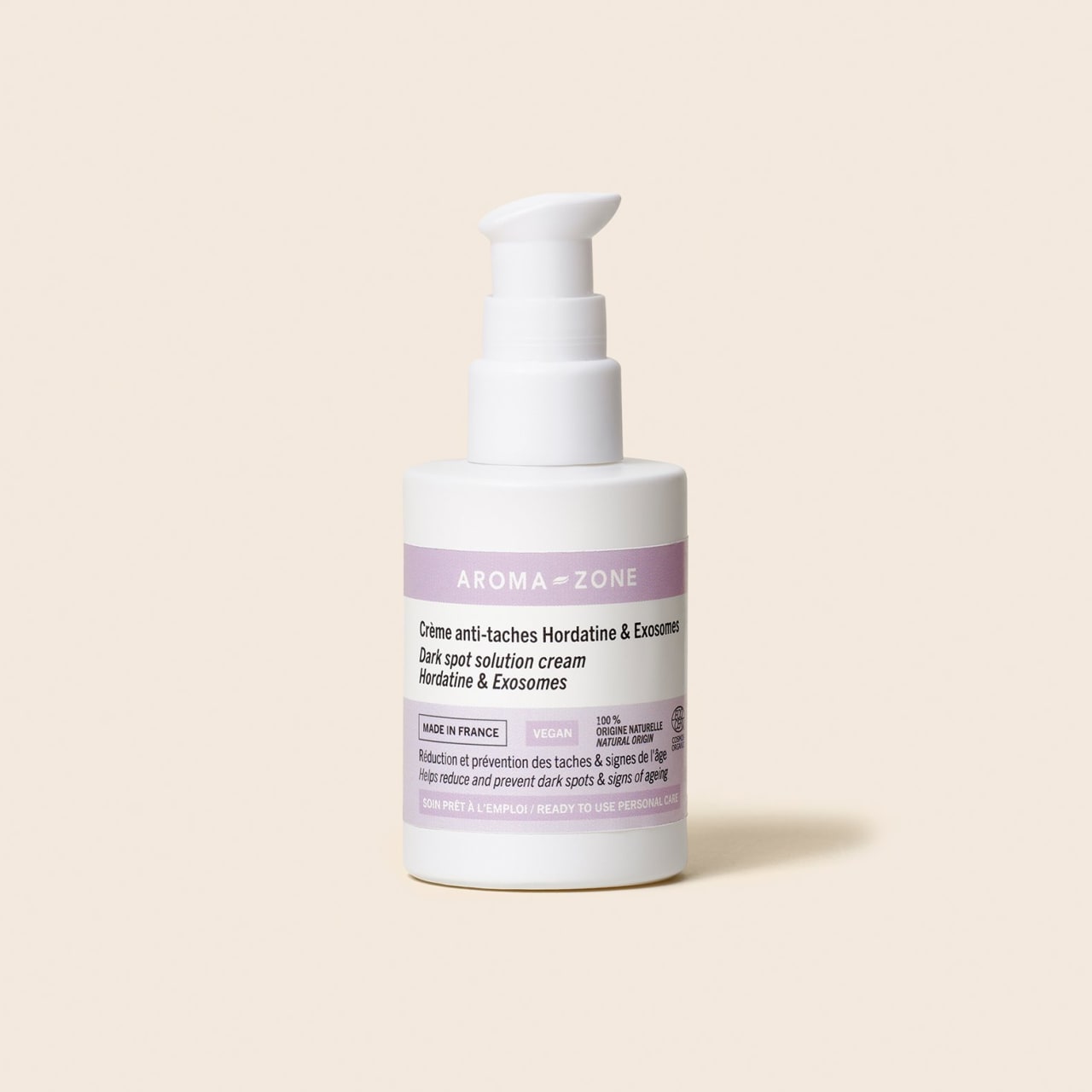
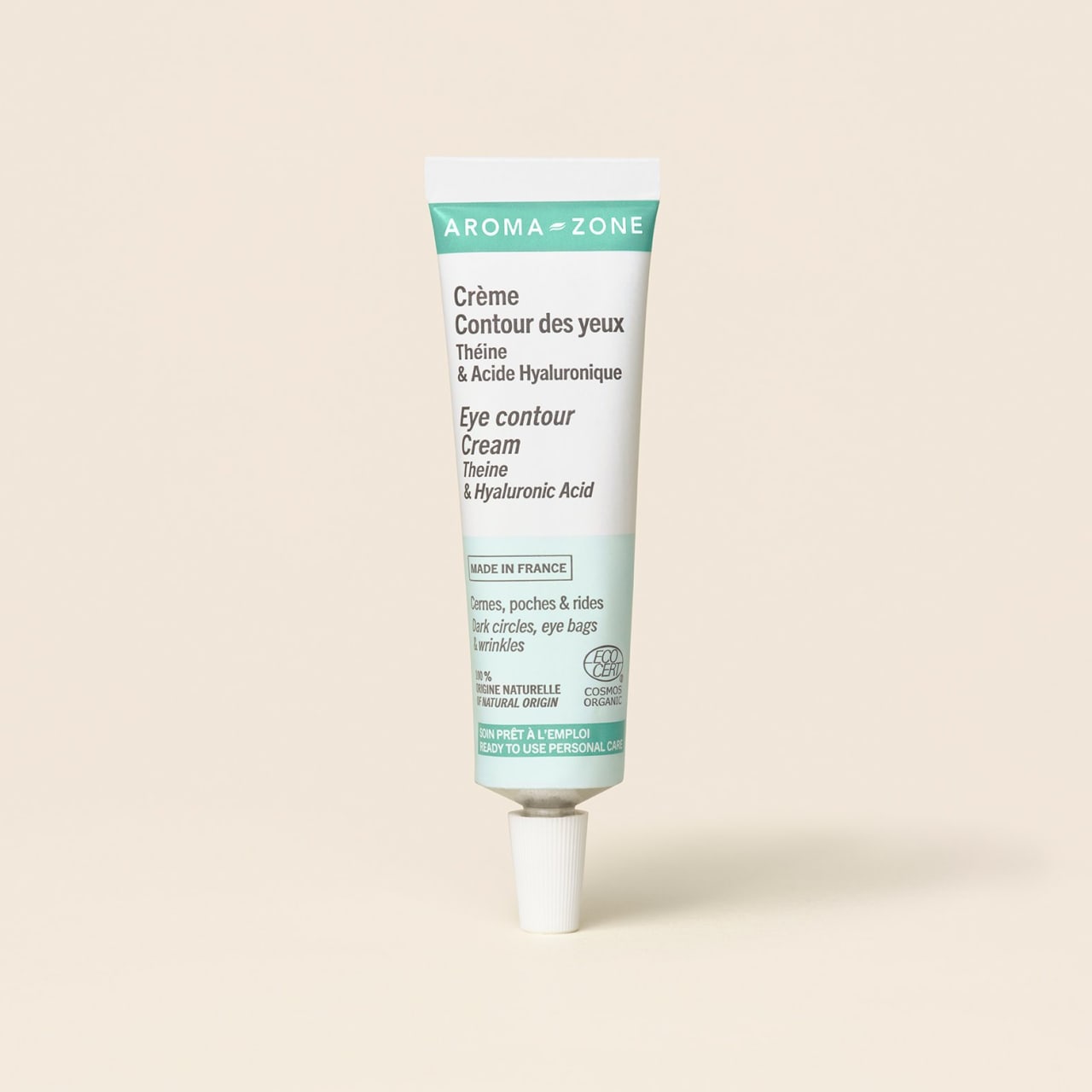
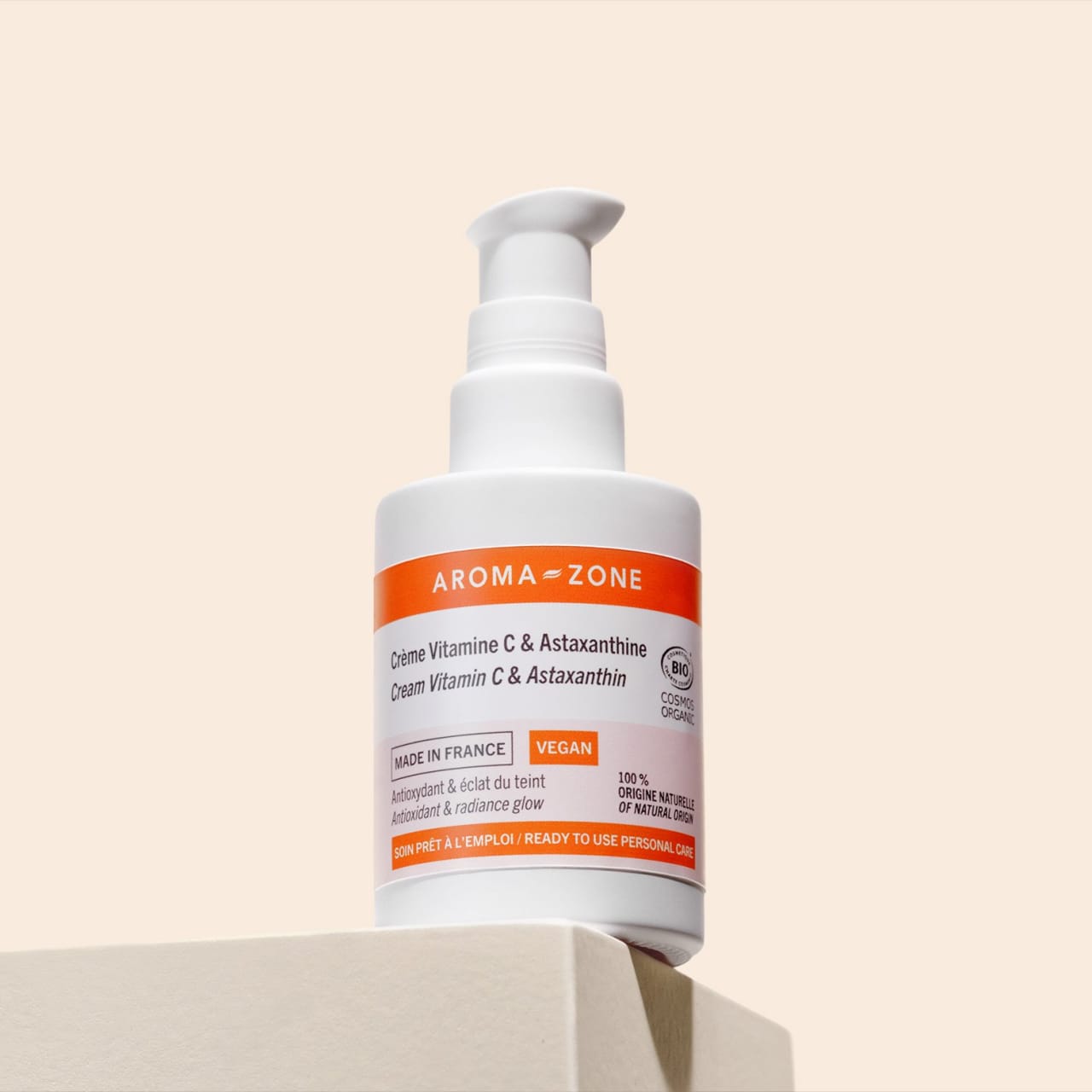
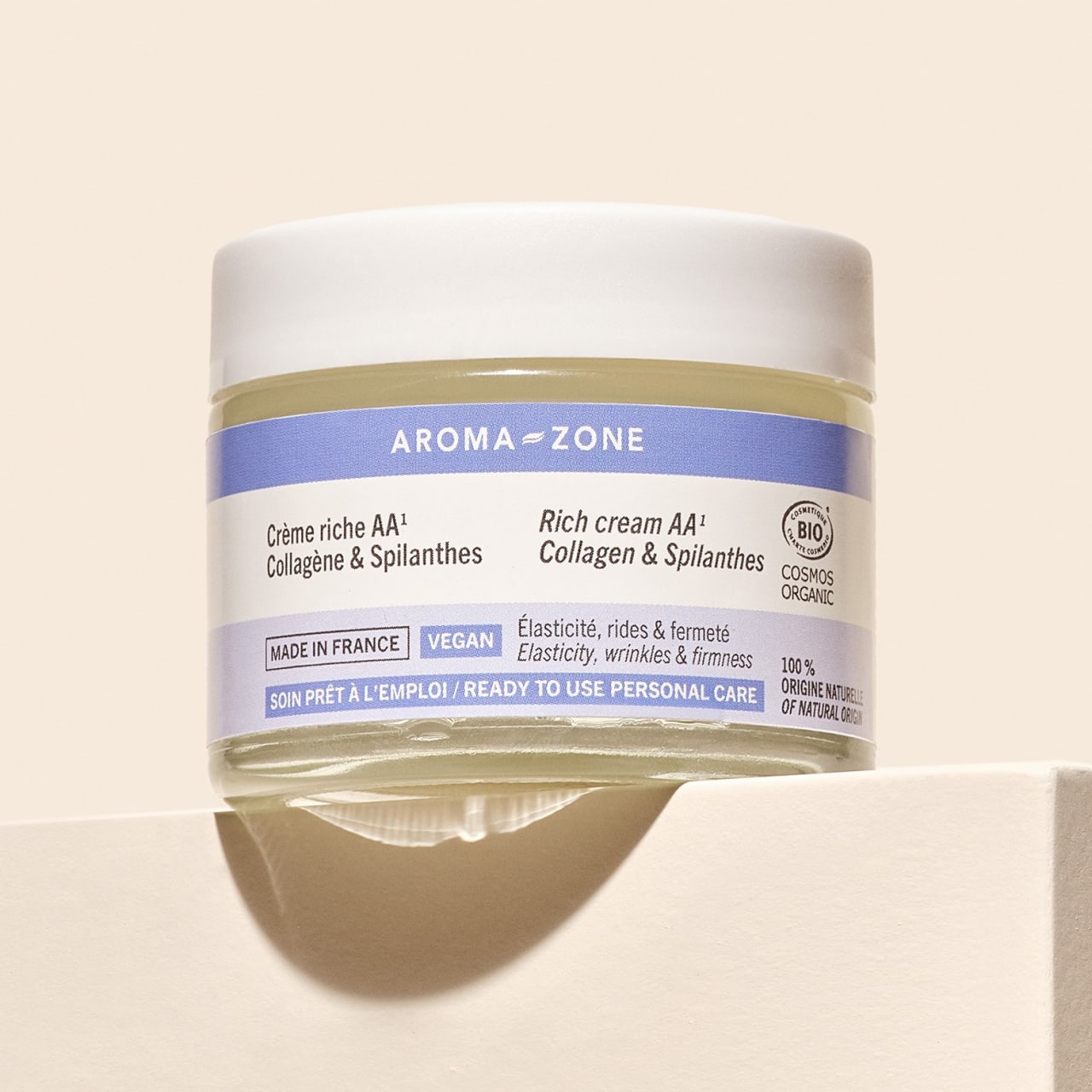
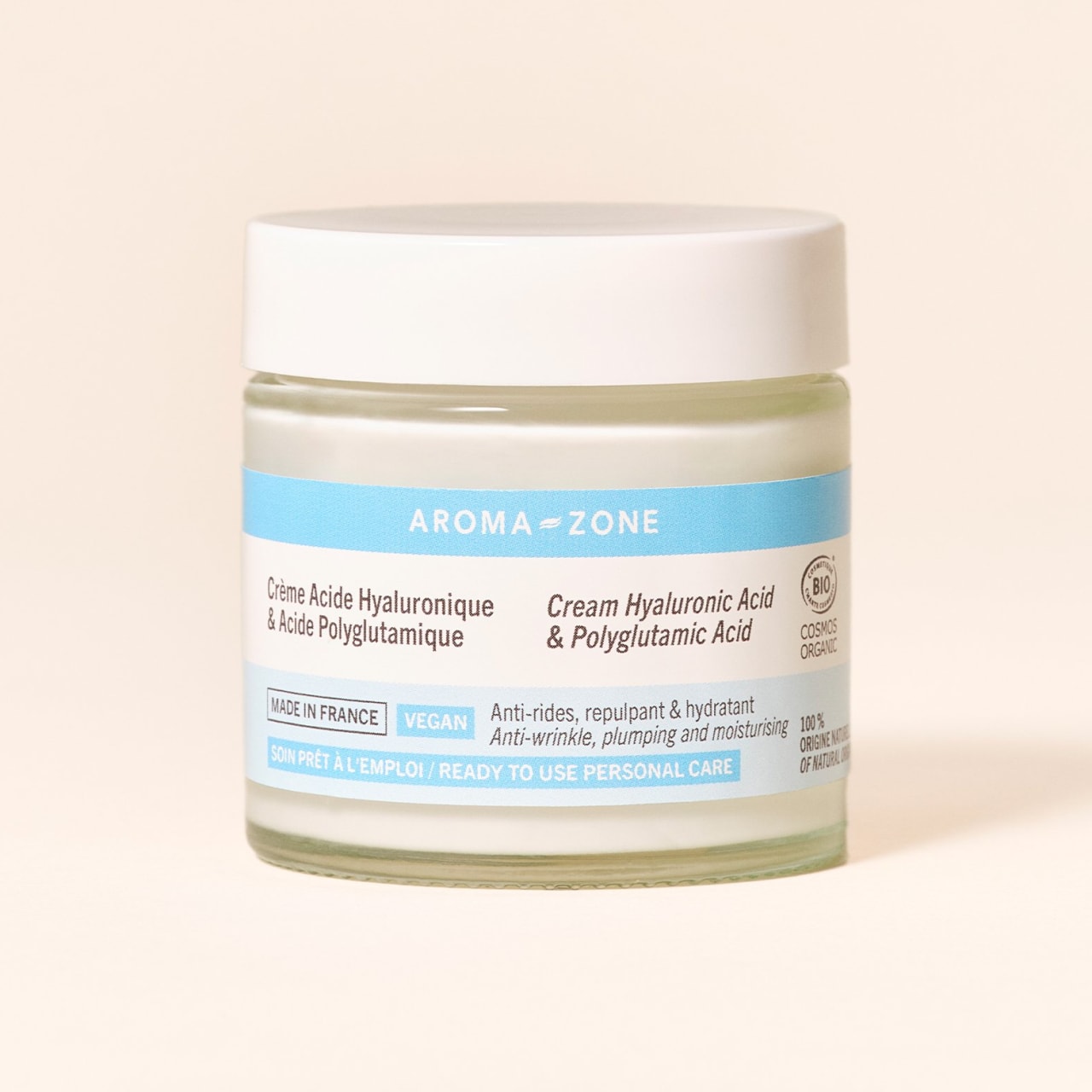

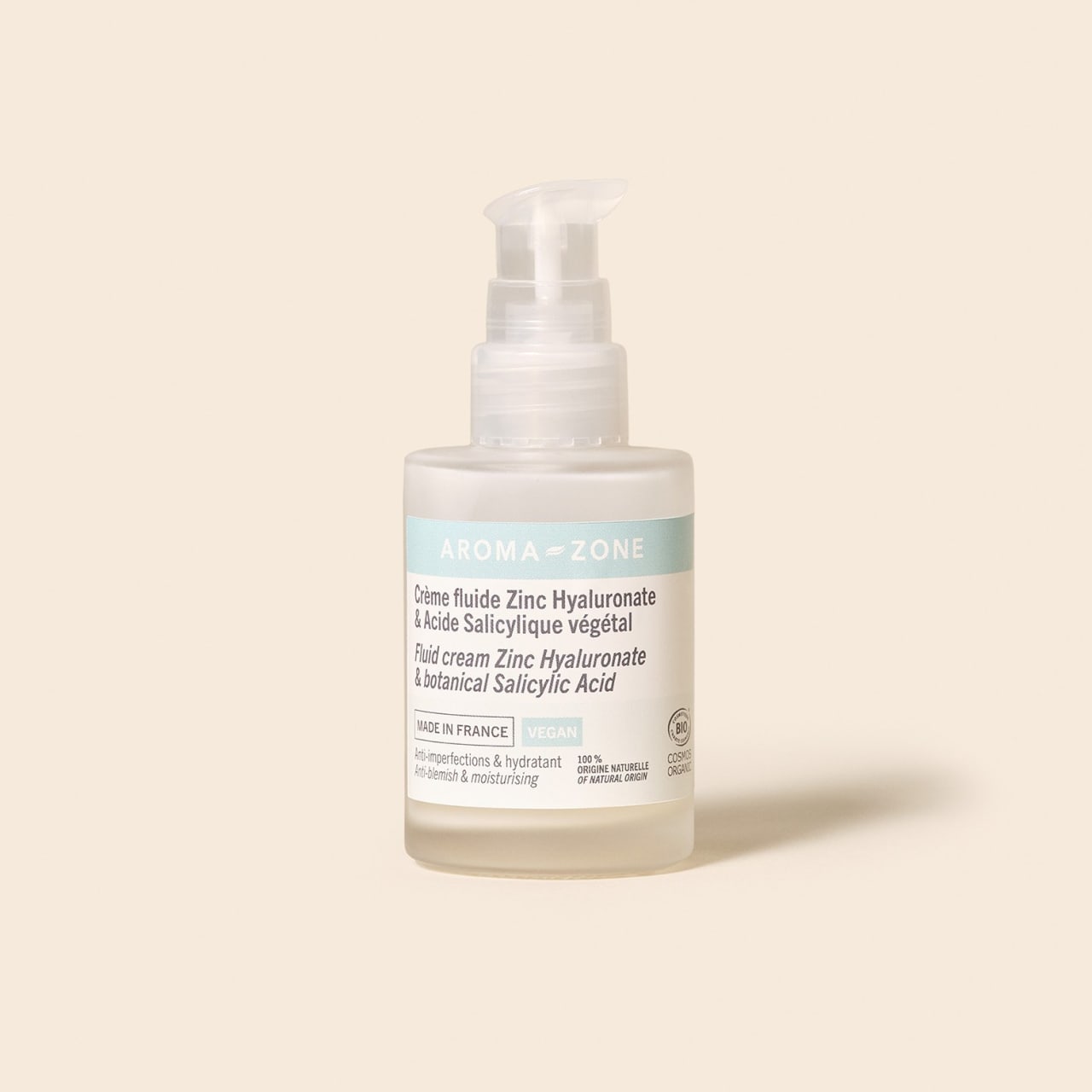
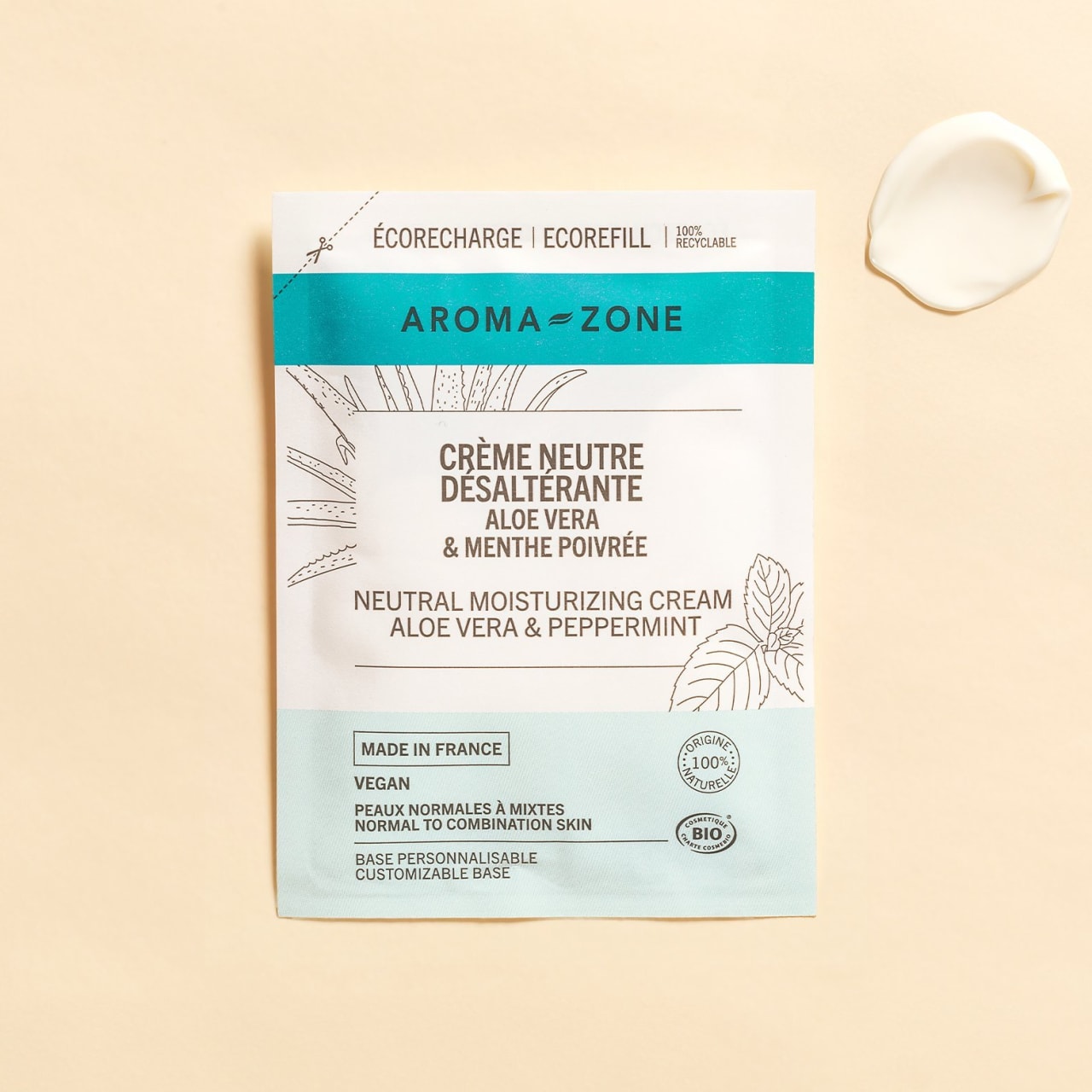
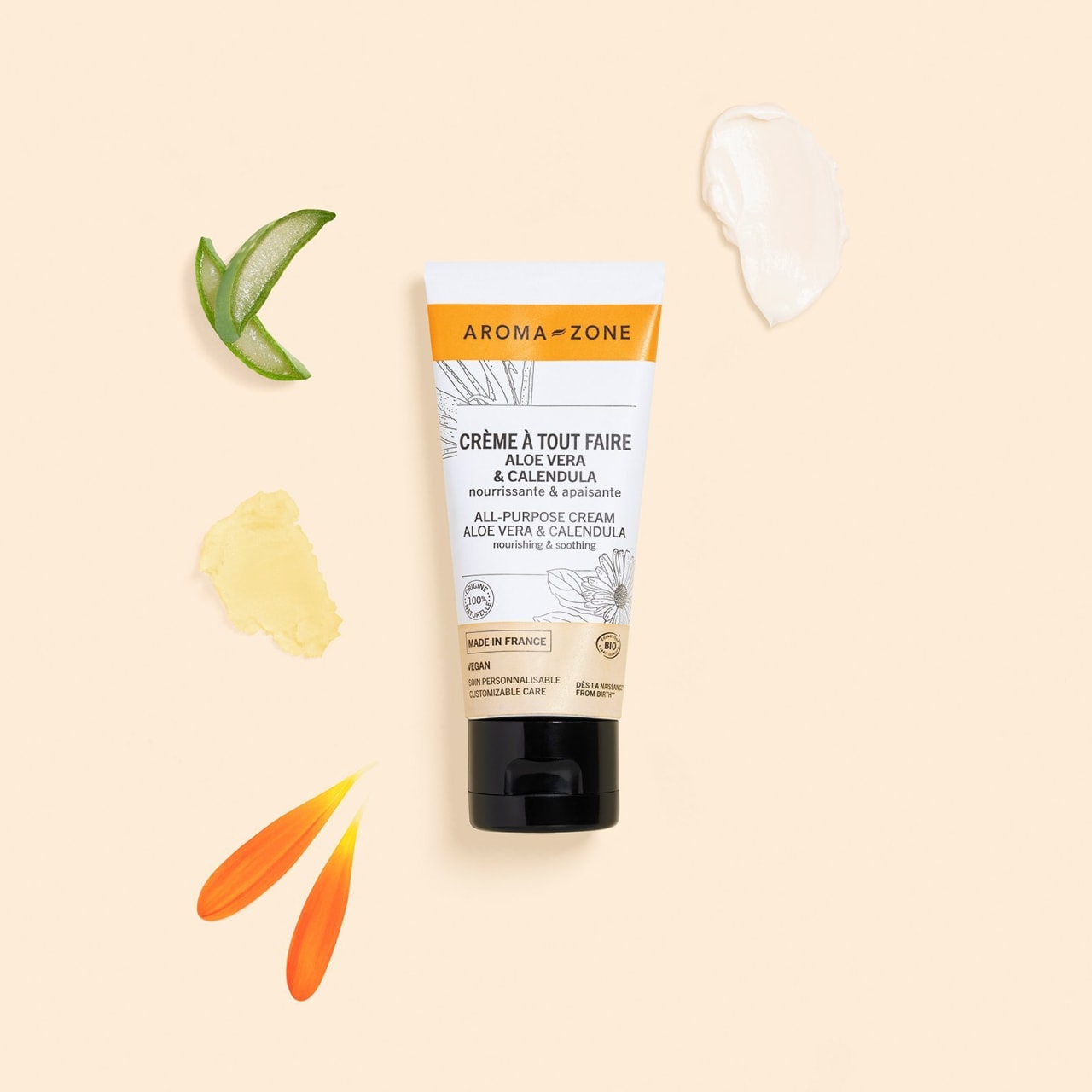
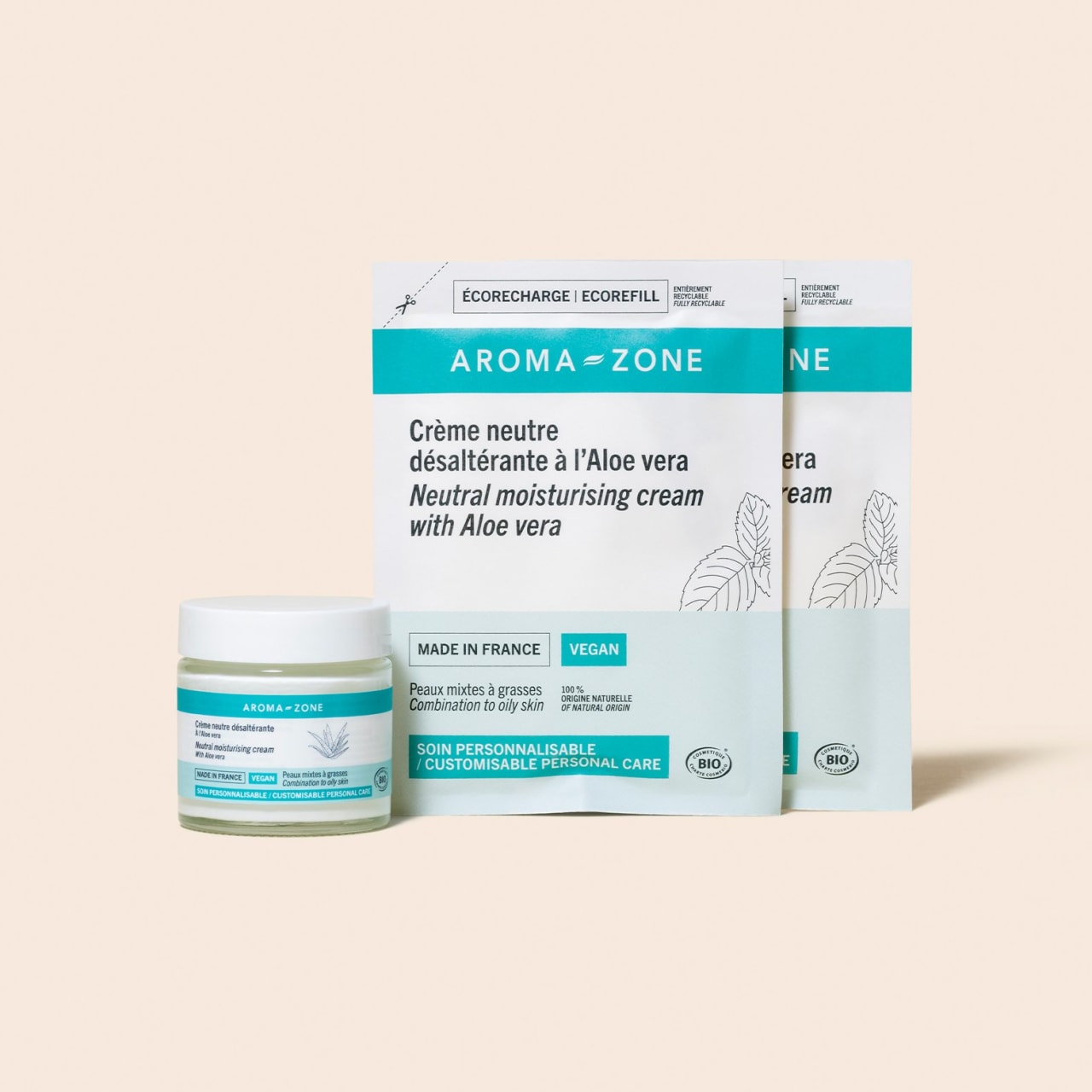
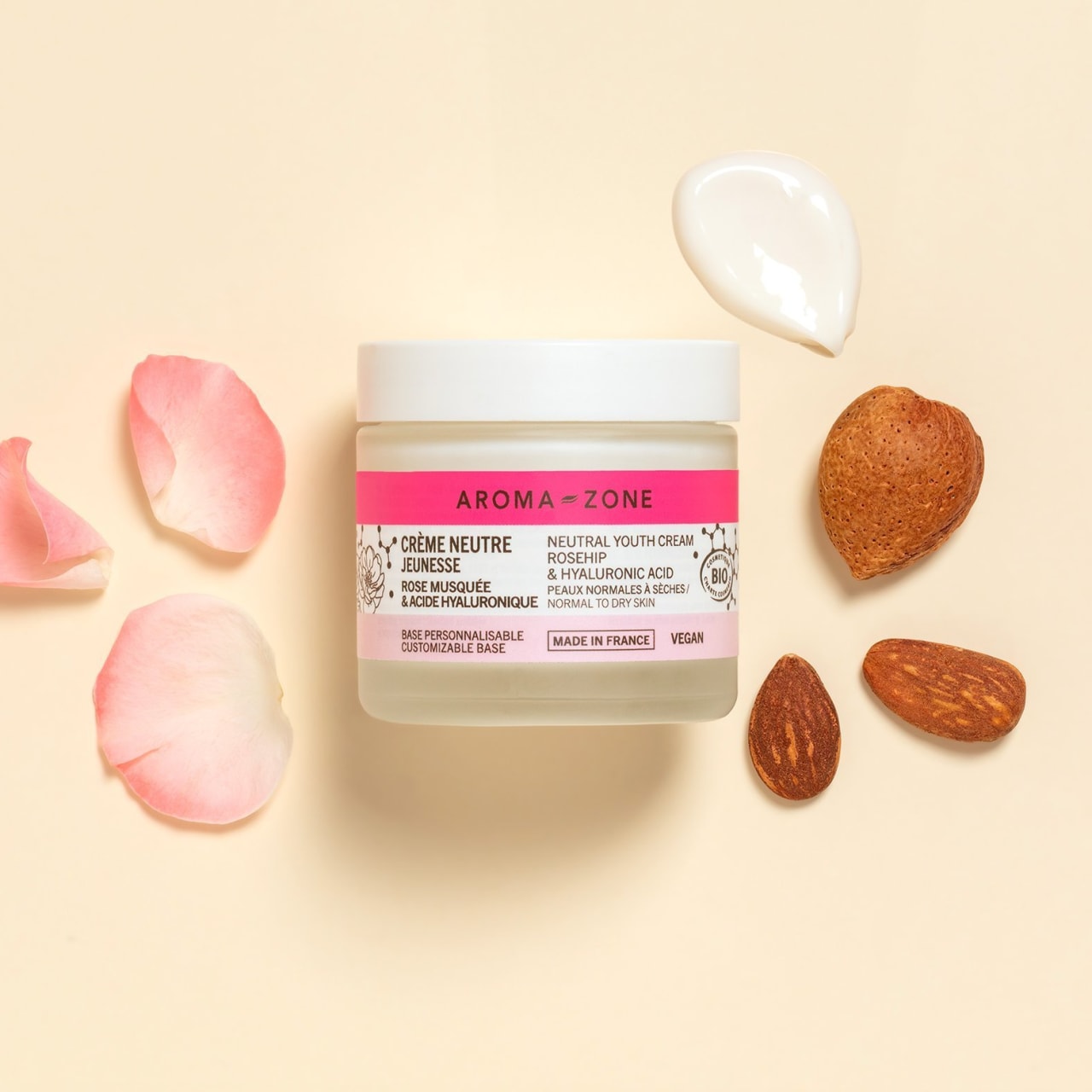
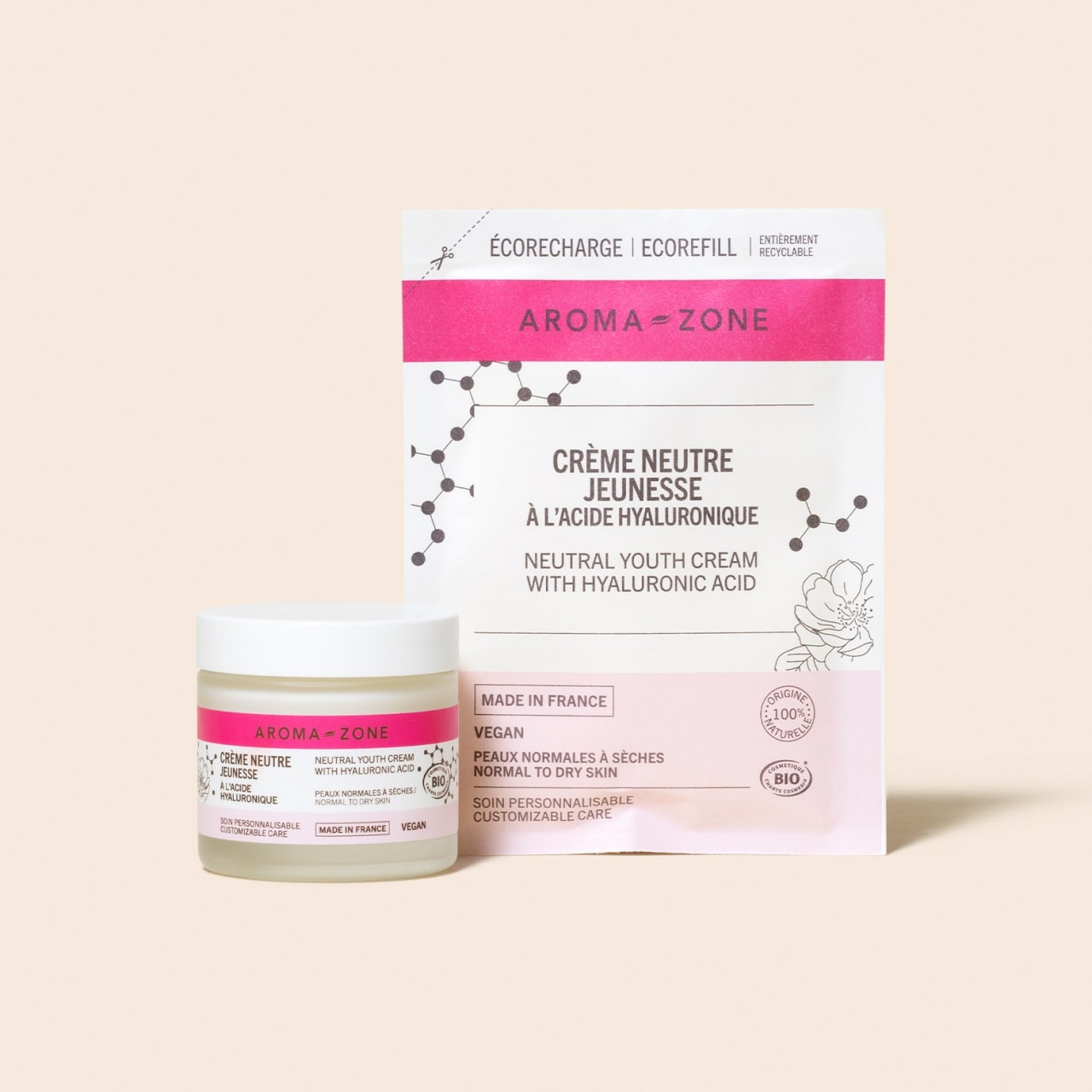
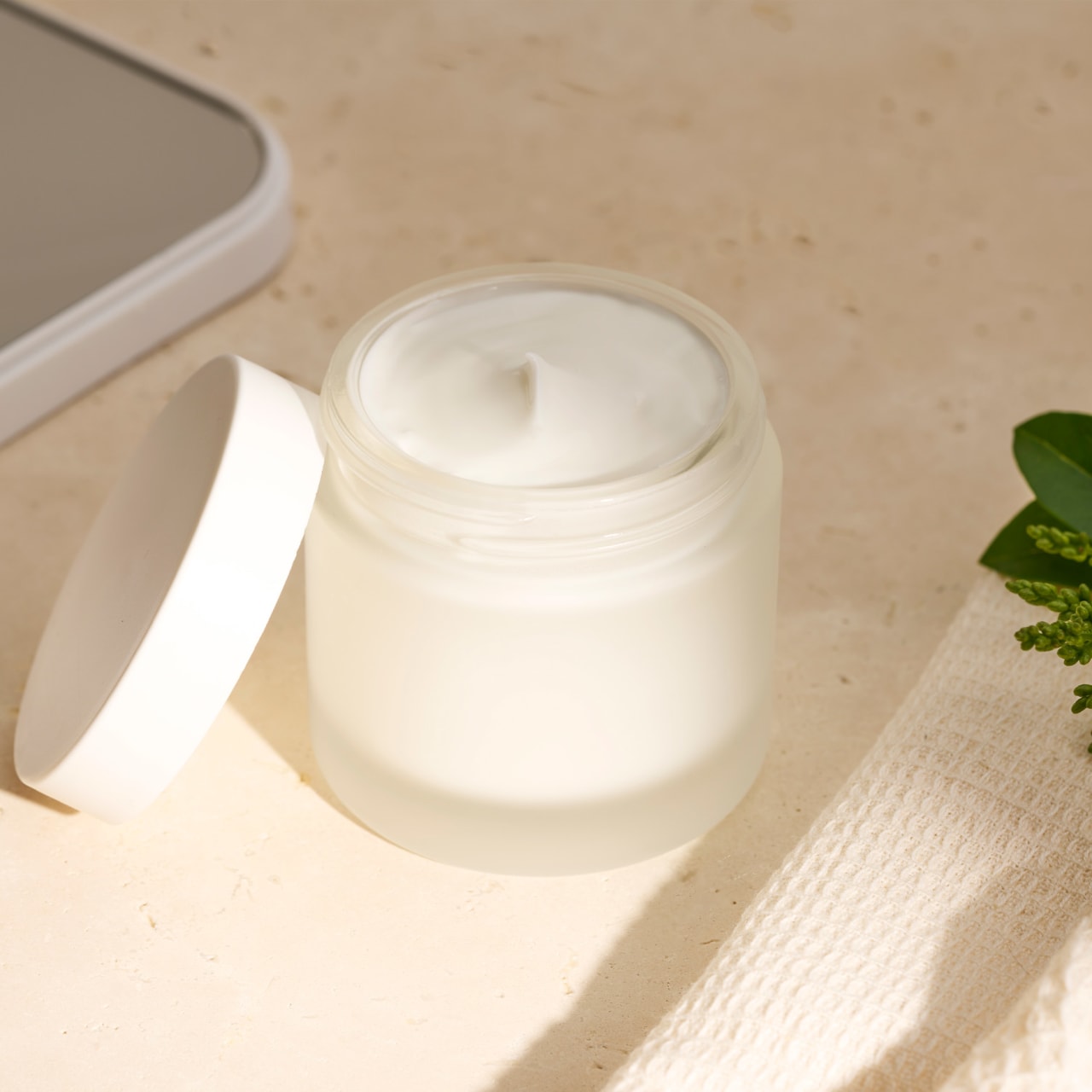
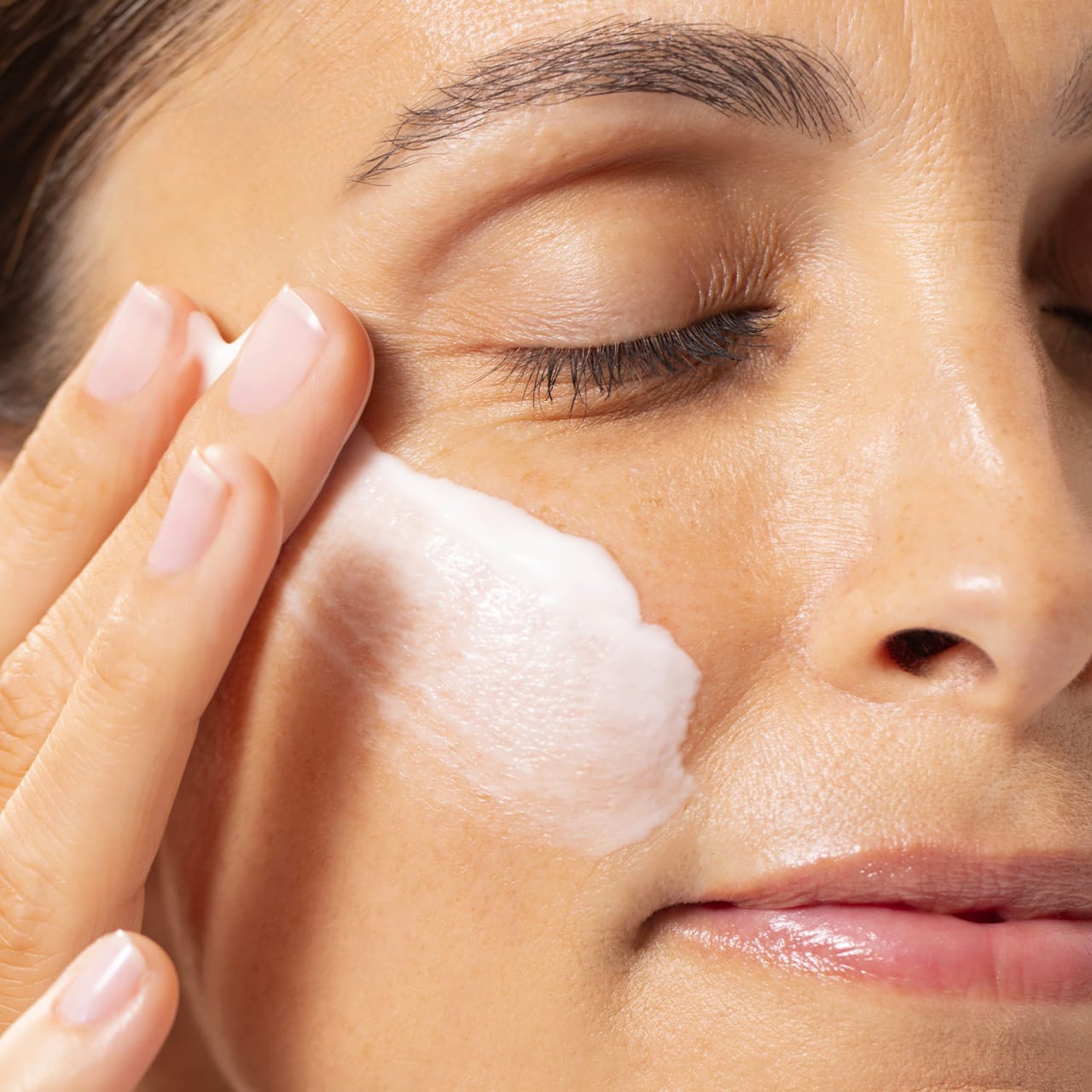


A face cream, also known as a face moisturiser, is a cosmetic skincare product designed to moisturise, nourish and protect the skin on your face. It is often used to prevent the signs of ageing, such as wrinkles, fine lines and dark spots.
There is a wide variety of face creams on the market, each with different ingredients and benefits. In this article, we'll explore the benefits of using a face cream and how to choose the right one for your skin type.
Understanding the different types of face cream
Day cream
Day cream is applied daily to clean, dry skin every morning. It helps protect the skin from external aggressors such as pollution and UV rays, while providing the moisture needed to keep skin soft and supple throughout the day.
Night cream
To complement your day cream, we recommend using a night cream. At night, the skin regenerates and a specific cream can provide the nutrients and restorative active ingredients needed to support this process, improving the skin's texture and appearance when you wake up in the morning.
Texture matters
The texture of the cream is also an important factor to consider. For dry skin, a rich, creamy texture is ideal for providing intense hydration. Oily skin will benefit from a light texture to avoid shine and clogged pores. Sensitive skin prefers gentle, soothing textures to minimise irritation.
The benefits of using a face cream
Deep hydration for soft, supple skin
One of the most important benefits of using a face cream is deep hydration, which is essential for keeping skin soft, supple, and radiant
Protection against environmental stressors
Face creams act as a protective barrier against external elements such as UV rays, pollution, and wind, helping to prevent skin damage.
Anti-ageing properties
By using a face cream regularly, you can help prevent signs of ageing such as wrinkles, fine lines, and dark spots.
Key ingredients in face creams
Face creams contain a variety of specific ingredients and active ingredients, each providing unique benefits for the skin. Here are some of the commonly used ingredients and their benefits:
Hyaluronic Acid: Known for its moisturising properties, it helps retain water in the skin, leaving it moisturised and looking fuller.
Retinol (vitamin A): A powerful anti-ageing active ingredient, it promotes cell renewal and smooths fine lines and wrinkles.
Nicotinamide (vitamin B3): Ideal for oily, blemish-prone skin, it regulates sebum production and reduces redness.
Vitamin C: An antioxidant that brightens the complexion, boosts skin radiance, reduces pigmentation spots and protects against damage caused by free radicals.
Peptides: Stimulate the production of collagen and elastin, improving the skin's firmness and elasticity.
Aloe vera cream or gel: Soothing and moisturising, it is ideal for sensitive and irritated skin.
Argan oil: Nourishing and rich in essential fatty acids, it repairs and moisturises dry skin.
By incorporating these ingredients into your skincare routine, you can target specific issues and improve your skin's overall health and appearance.
Choosing the right face cream for your skin type
For Dry Skin
For dry skin, a moisturising face cream with nourishing ingredients is ideal. Ingredients such as argan oil, shea butter and hyaluronic acid can help to deeply nourish the skin. Make sure you also choose a cream that is rich enough to help restore your skin's natural moisture.
For oily skin
If you have oily skin, you should opt for a light, water-based face cream. Ingredients such as salicylic acid, zinc and niacinamide can help reduce sebum production and prevent clogged pores. It's important to choose a face cream that doesn't contain ingredients that clog pores or is too rich for your skin type.
For sensitive skin
Sensitive skin needs a gentle, fragrance-free face cream that won't cause irritation or redness. Ingredients such as colloidal oatmeal, panthenol and bisabolol can help soothe the skin and protect it from irritation. It's important to test a small amount of the face cream on a small area of your skin before applying it to your entire face.
Incorporating face cream into your skin care routine
Incorporating a face cream into your skincare routine is simple:
Use it twice a day, morning and evening, on clean skin.
Start by cleansing your face with a gentle cleanser
Apply a serum to target specific needs (hydration, radiance, anti-ageing).
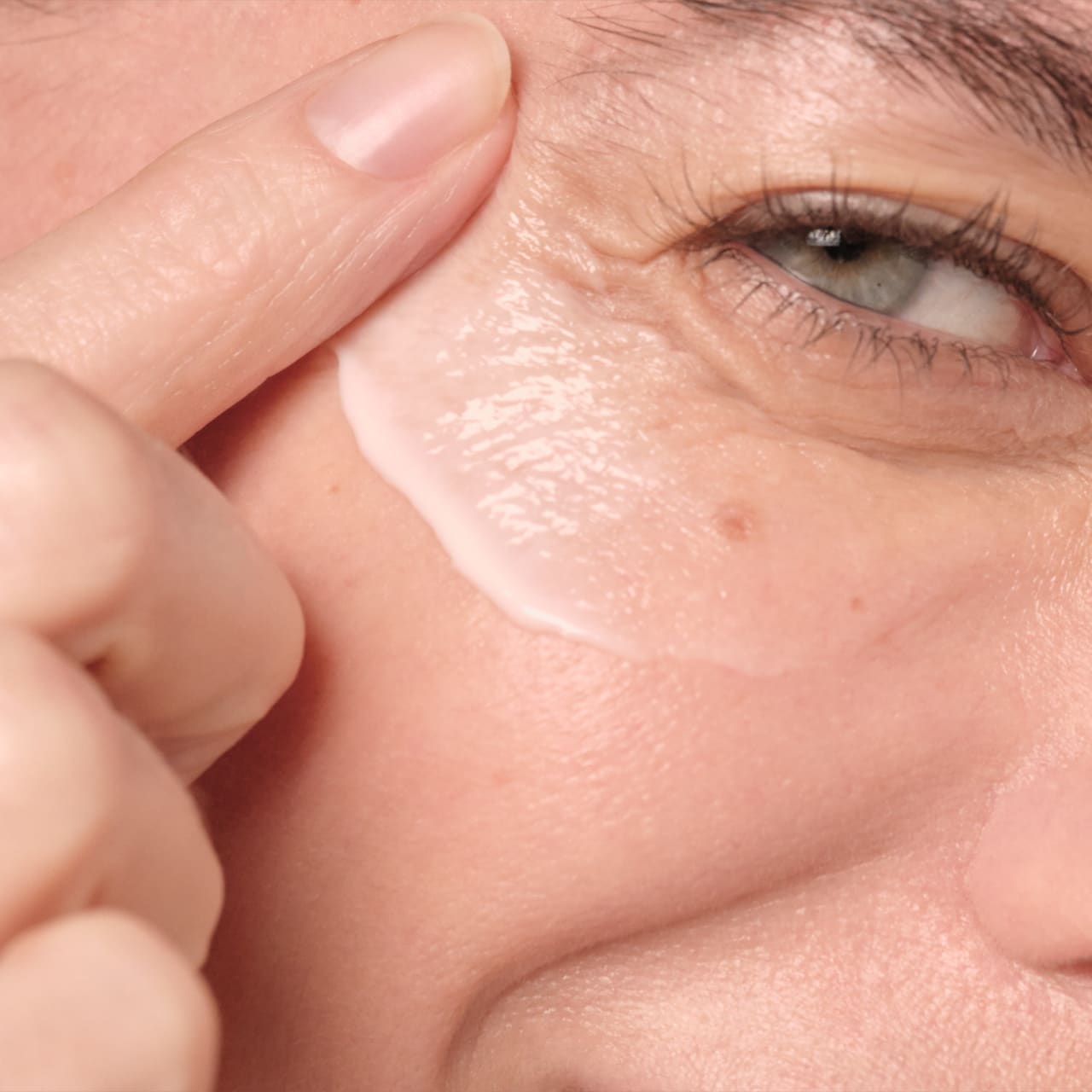
Gently massage in your face cream using circular motions, not forgetting your neck.
In the morning, choose a cream with SPF to protect your skin from UV rays
In the evening, opt for a richer cream to promote regeneration and moisturisation during the night
Always choose a face cream suited to your skin type for optimal results, and remember to use a face mask suited to your needs weekly: a moisturising mask to deeply nourish or a cleansing mask to purify and detoxify the skin.
Discover the perfect face cream for your skin
Finding the best face cream for your skin type is essential for maintaining healthy, radiant skin. By understanding the different types of face creams, their benefits, and the key ingredients to look for, you can make an informed decision when choosing the right face moisturiser for your unique needs.
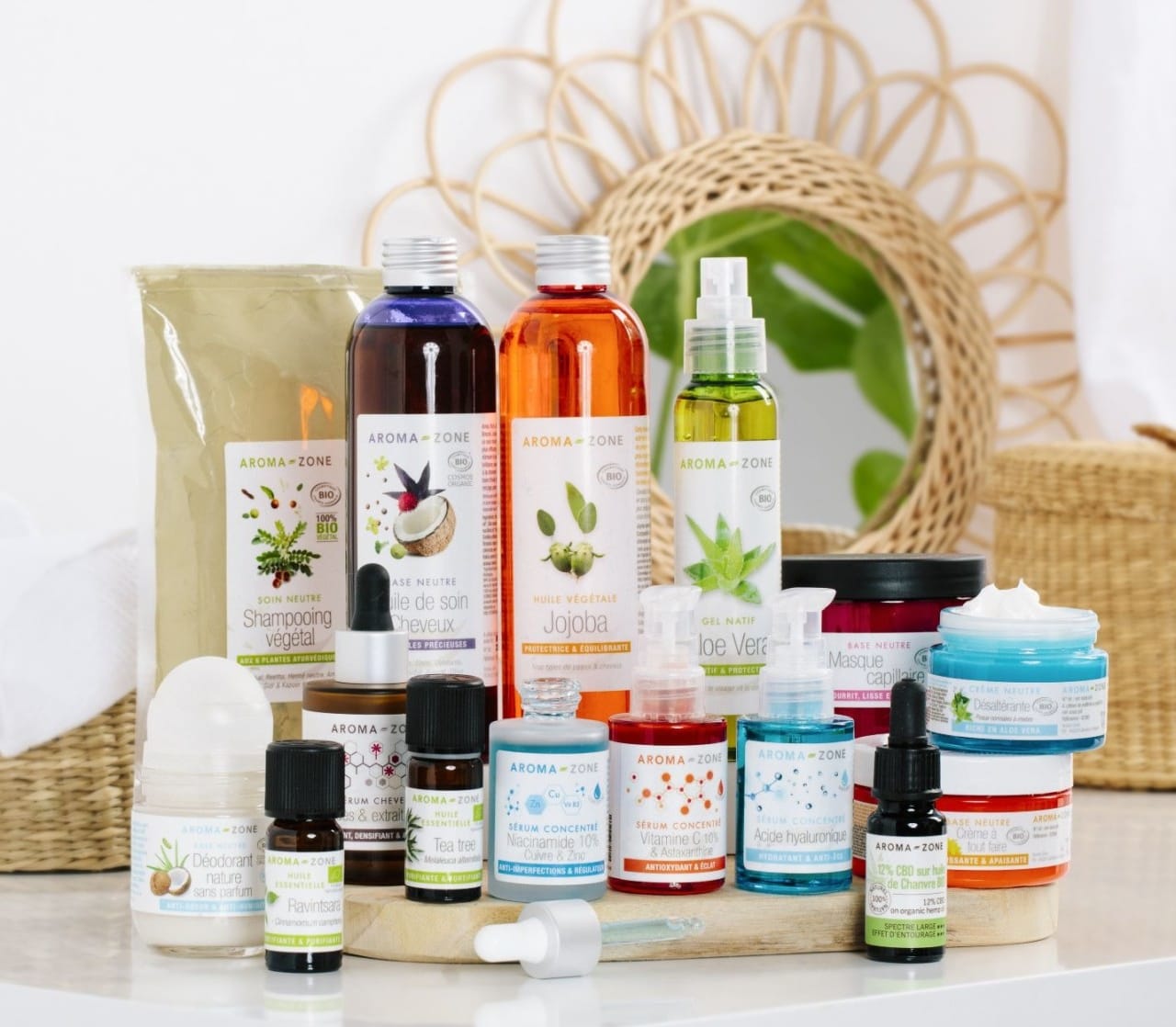
Explore our range of face creams and discover the perfect match for your skin type and concerns.
In case you're wondering
How often should I use a face cream?
Face creams should be used twice a day, in the morning and at night before going to bed, as part of your regular skin care routine.
Can I use the same face cream for day and night?
While it is possible to use the same face cream day and night, you will often get better results with two targeted face creams, one for day and one for night. Day face creams are often lighter and contain protective elements such as UV filters, while face creams for nighttime are thicker and more moisturising to help rehydrate the skin overnight.
What's the difference between a face cream and a moisturiser?
Face creams and face moisturisers are often used interchangeably to describe the same product, as they both serve to hydrate and nourish the skin.
At what age should I start using a face cream?
It's never too early to start using a face cream. Developing a good skincare routine, including cleansing, moisturising, and sun protection, in your 20s can help maintain healthy, youthful-looking skin.


