
Skin pores are tiny openings on the skin’s surface that allow sweat and sebum to be released. These substances can then reach the surface of the epidermis to perform their respective functions. Sometimes pores become enlarged, meaning their diameter widens and they become more visible. Enlarged pores on the face can actually affect all skin types, although skin prone to oiliness and blemishes is slightly more affected. In these cases, it is mainly the T-zone (forehead, nose, inner cheeks, and chin) that is affected.
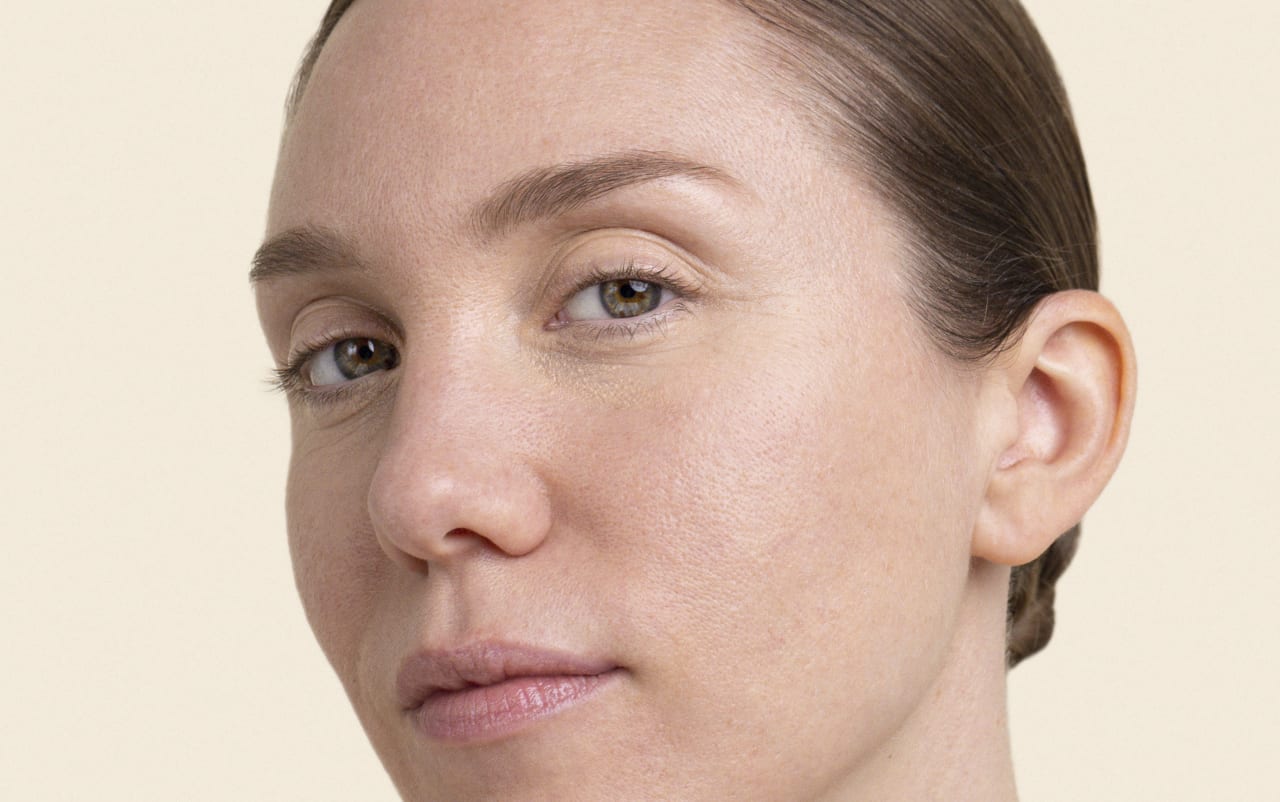
How do you reduce enlarged pores on the face?
By Agathe Aoun
Published on: Thursday, November 21, 2024, Updated on: Monday, October 05, 2026
With age and on blemish-prone skin, pores can become more visible and unsightly. In this article, discover everything you need to know about enlarged facial pores, their causes, and the natural solutions available to improve their appearance.
Contents
Related products
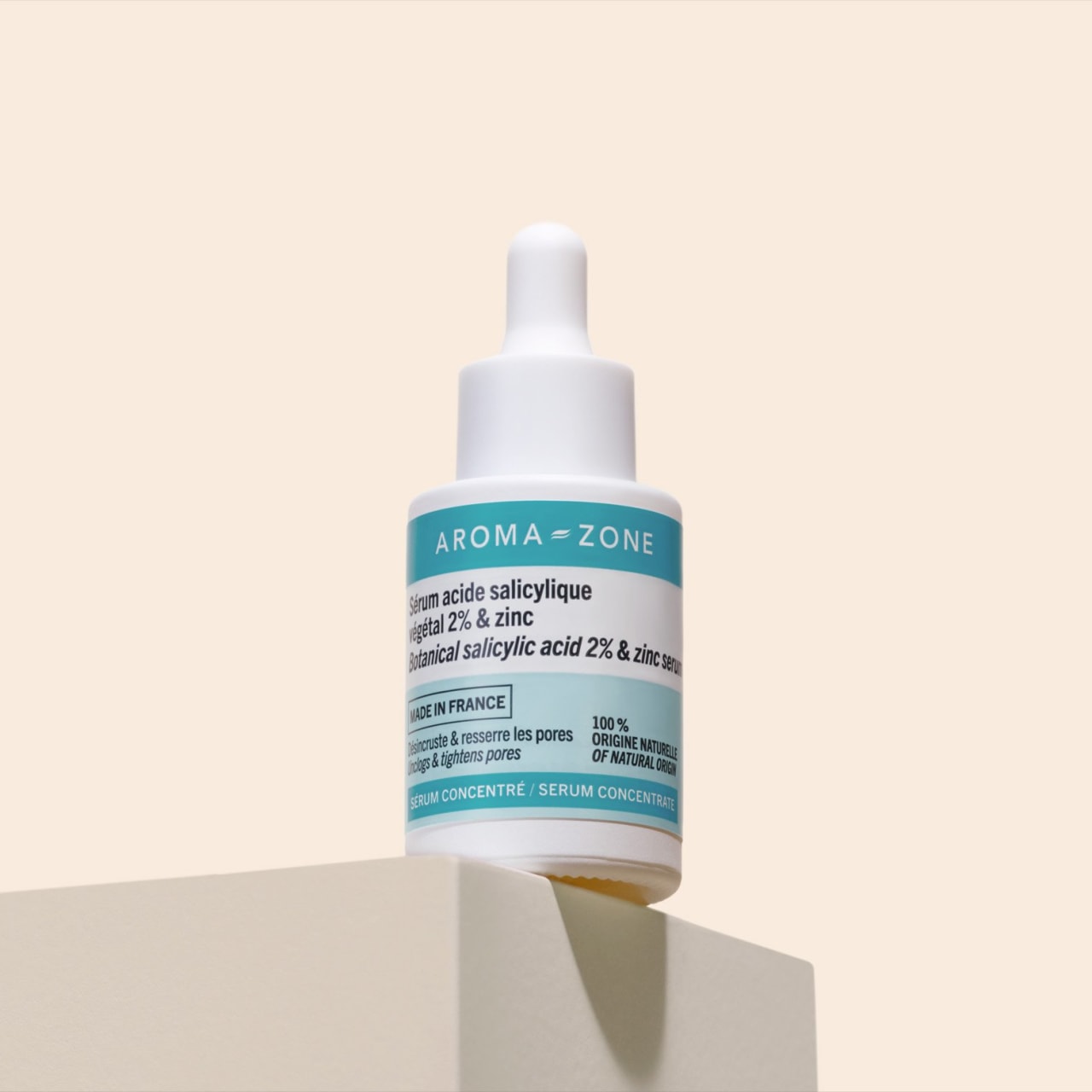
Salicylic Acid 2% & Zinc Serum
Sebum-regulating
Anti-blemishes
£8.00
30 ml
2 options
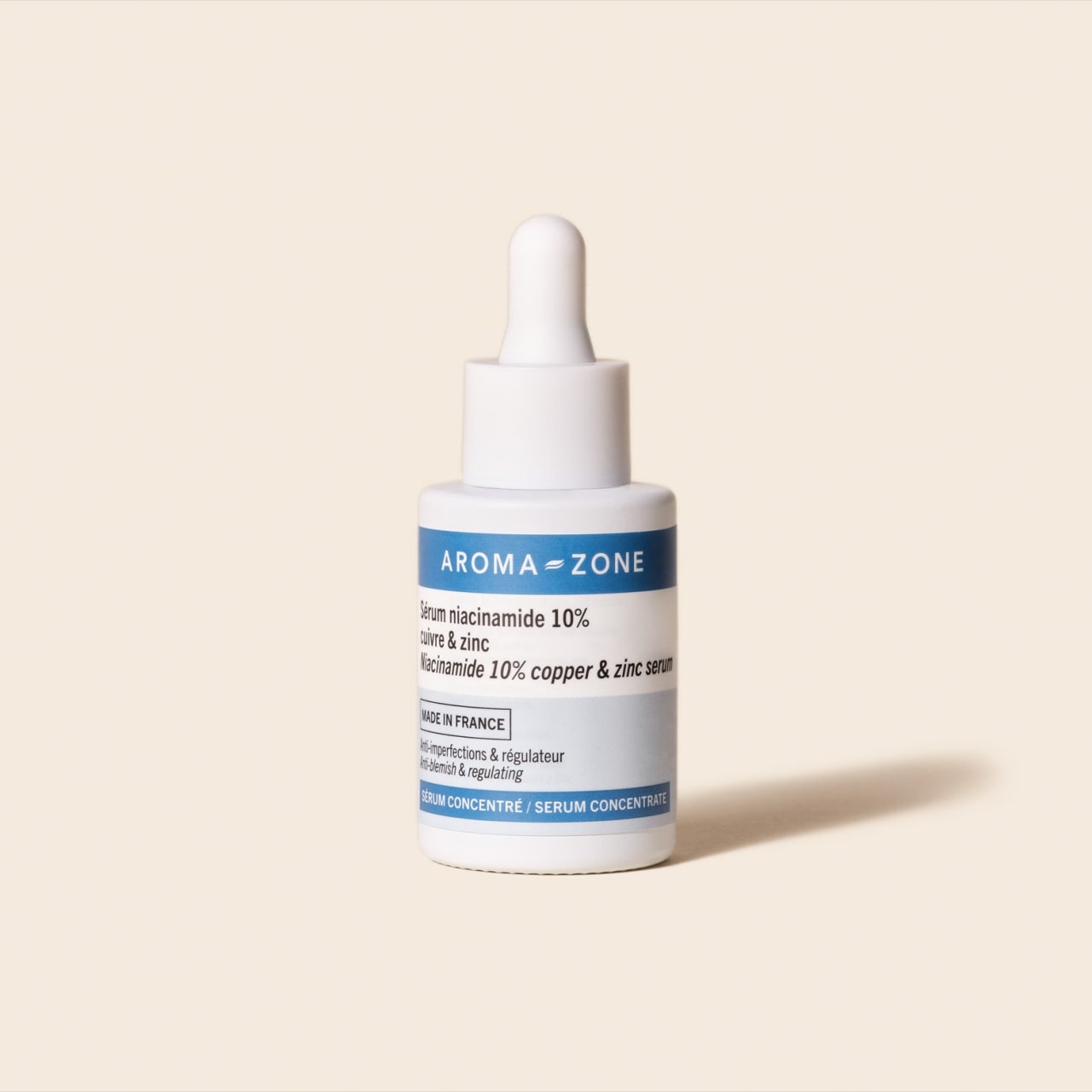
Niacinamide 10%, Copper & Zinc Serum
Anti-blemishes
Sebum-regulating
£8.00
30 ml
4 options
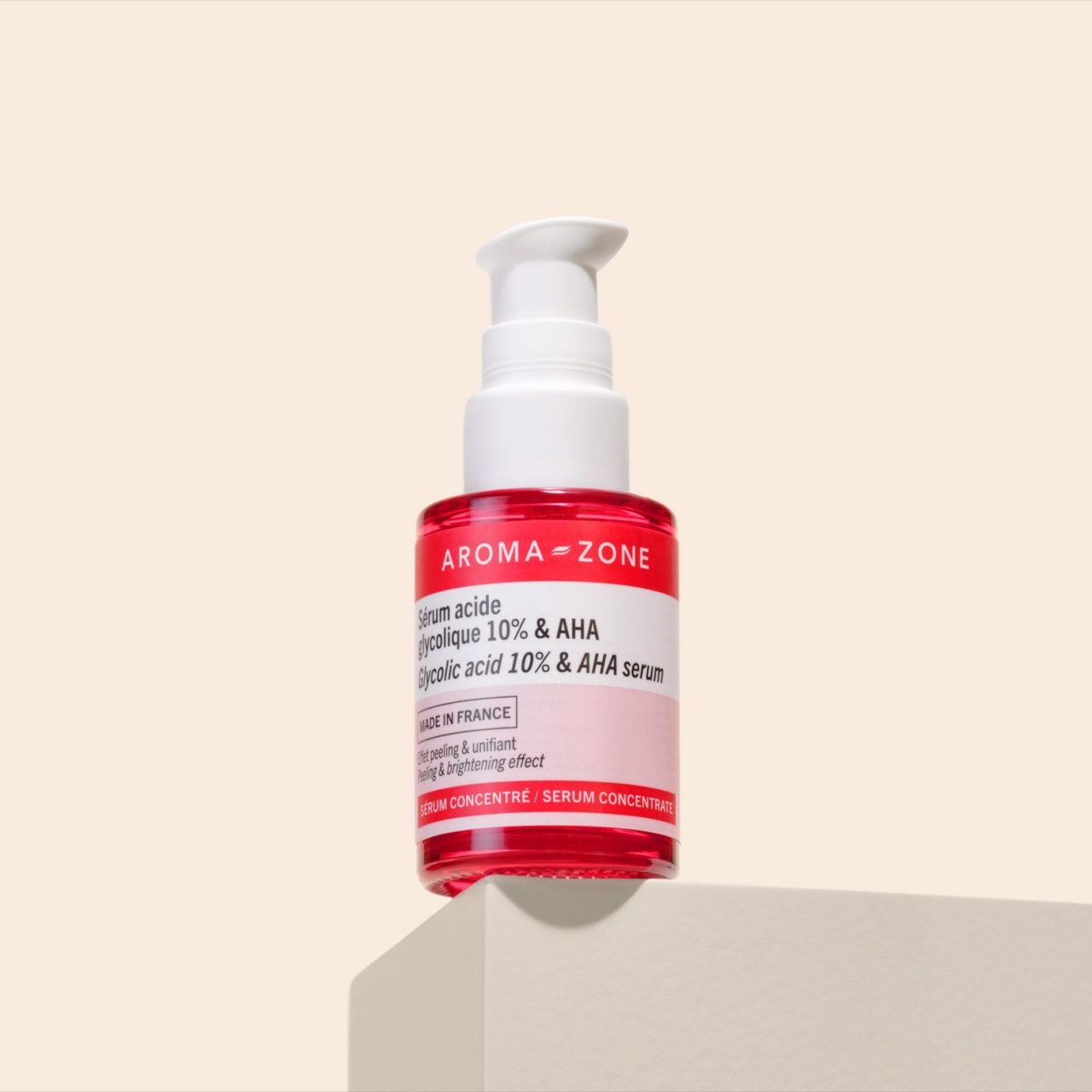
Glycolic Acid 10% & AHA Serum
Exfoliating
Peeling effect
£8.00
30 ml
4 options
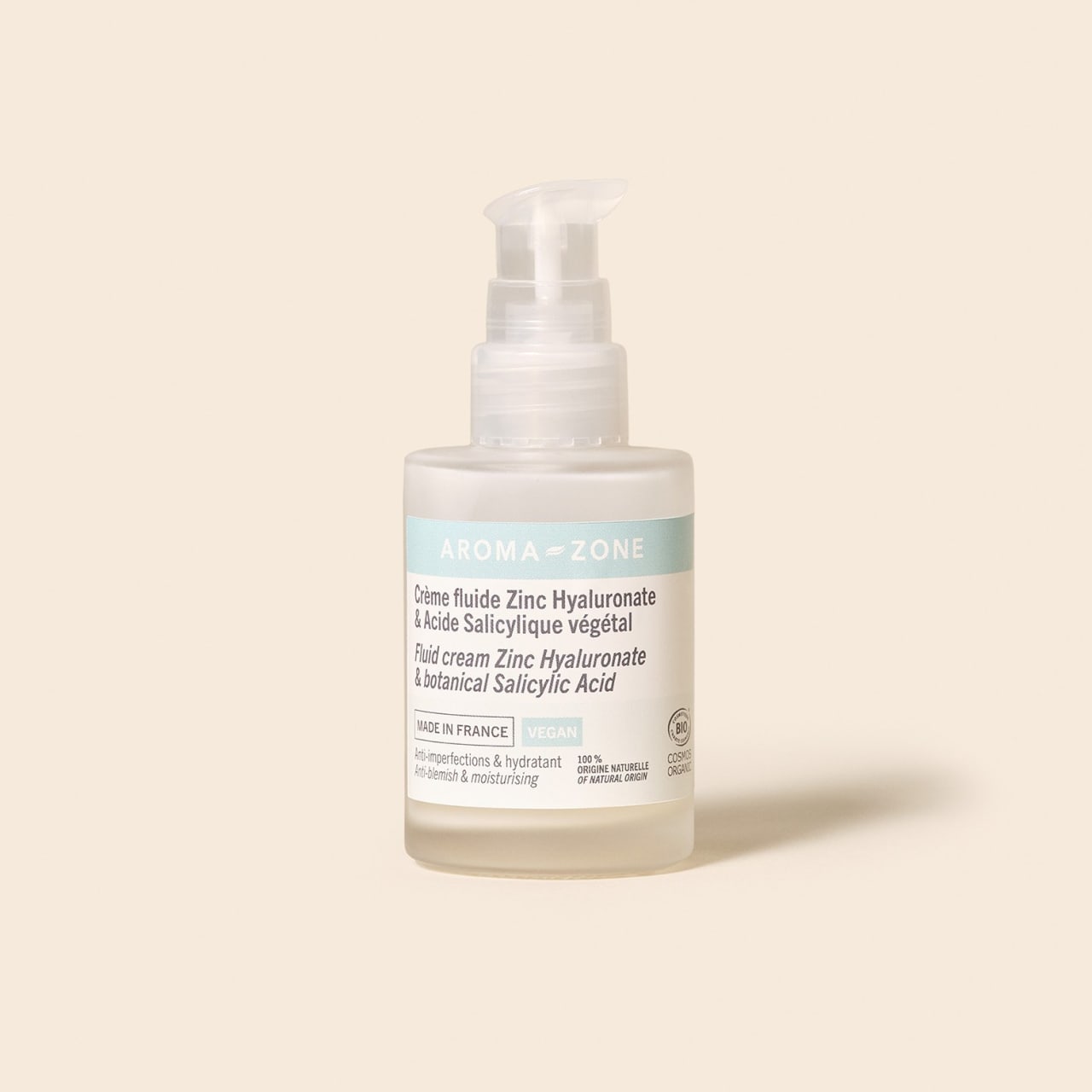
£8.00
50 ml
2 options
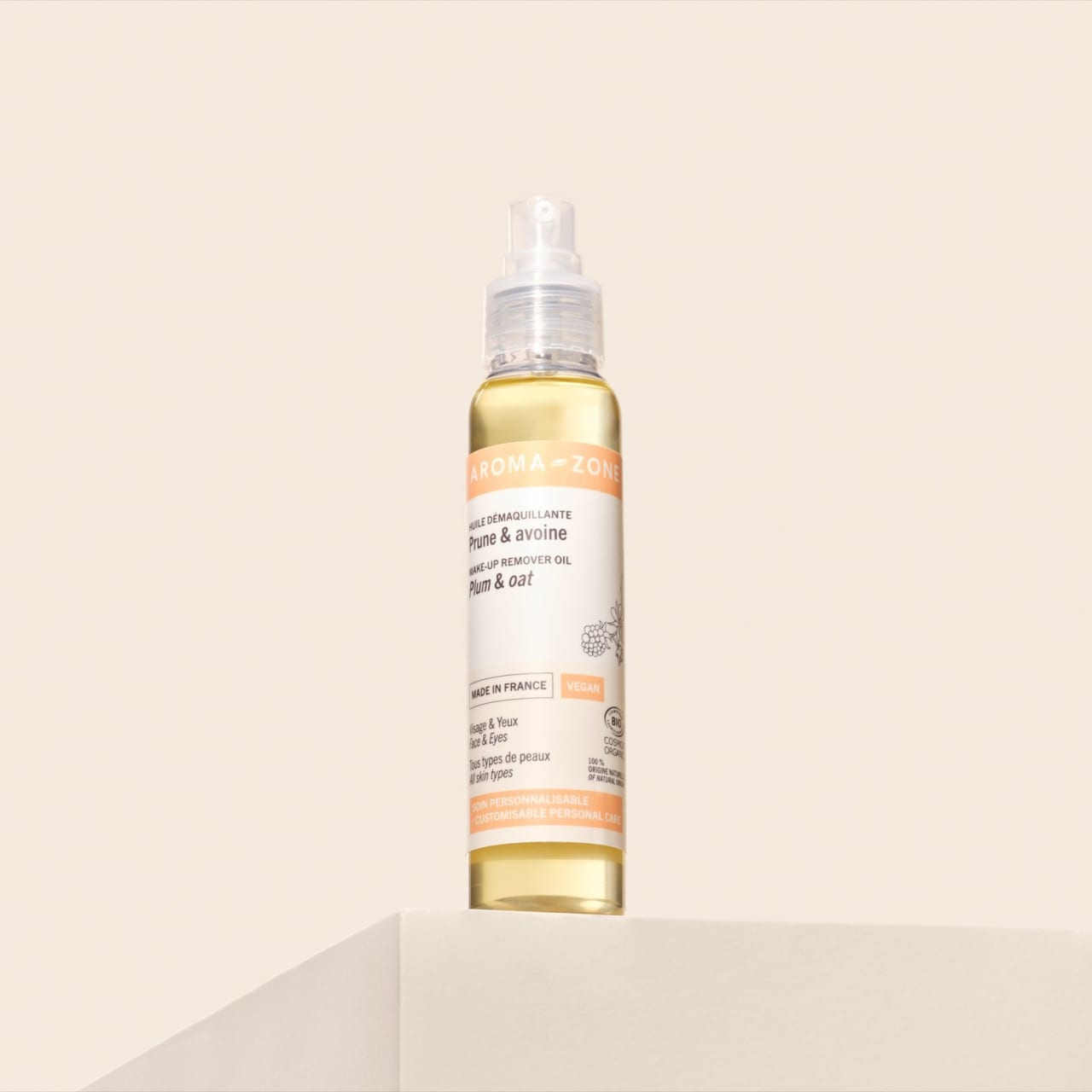
Plum & Oat Make-Up Remover Oil
Makeup remover
Nourishing
£9.00
100 ml
Niacinamide 10%, Copper & Zinc Serum
Anti-blemishes
Sebum-regulating
£8.00
30 ml
4 options
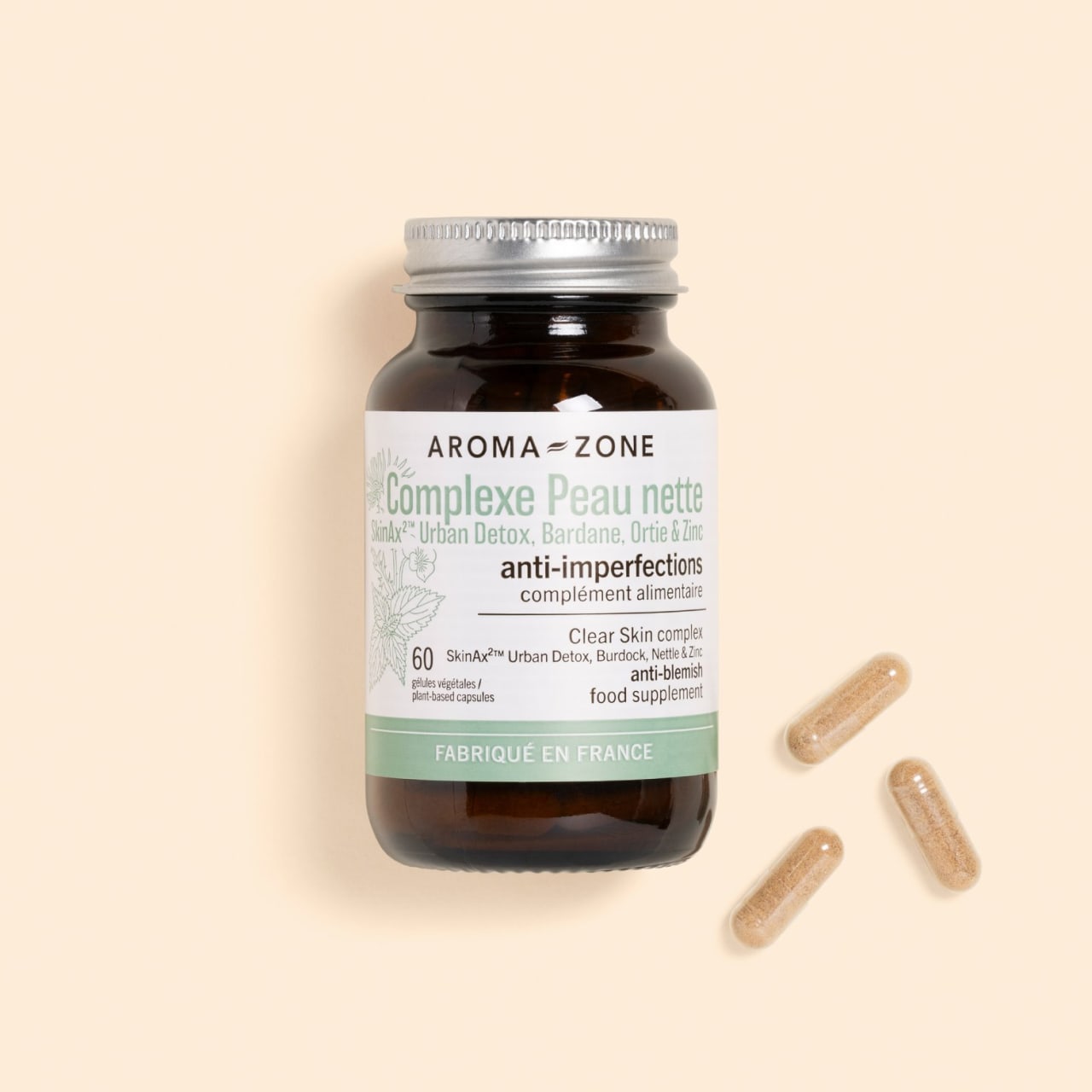
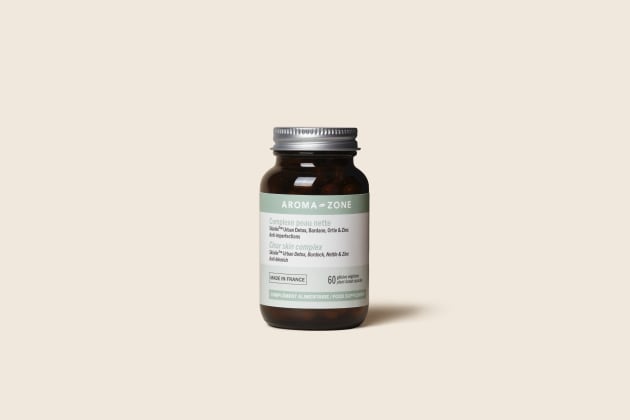
Clear Skin Complex - 60 Capsules
Anti-blemishes
Purifying
£17.00
article
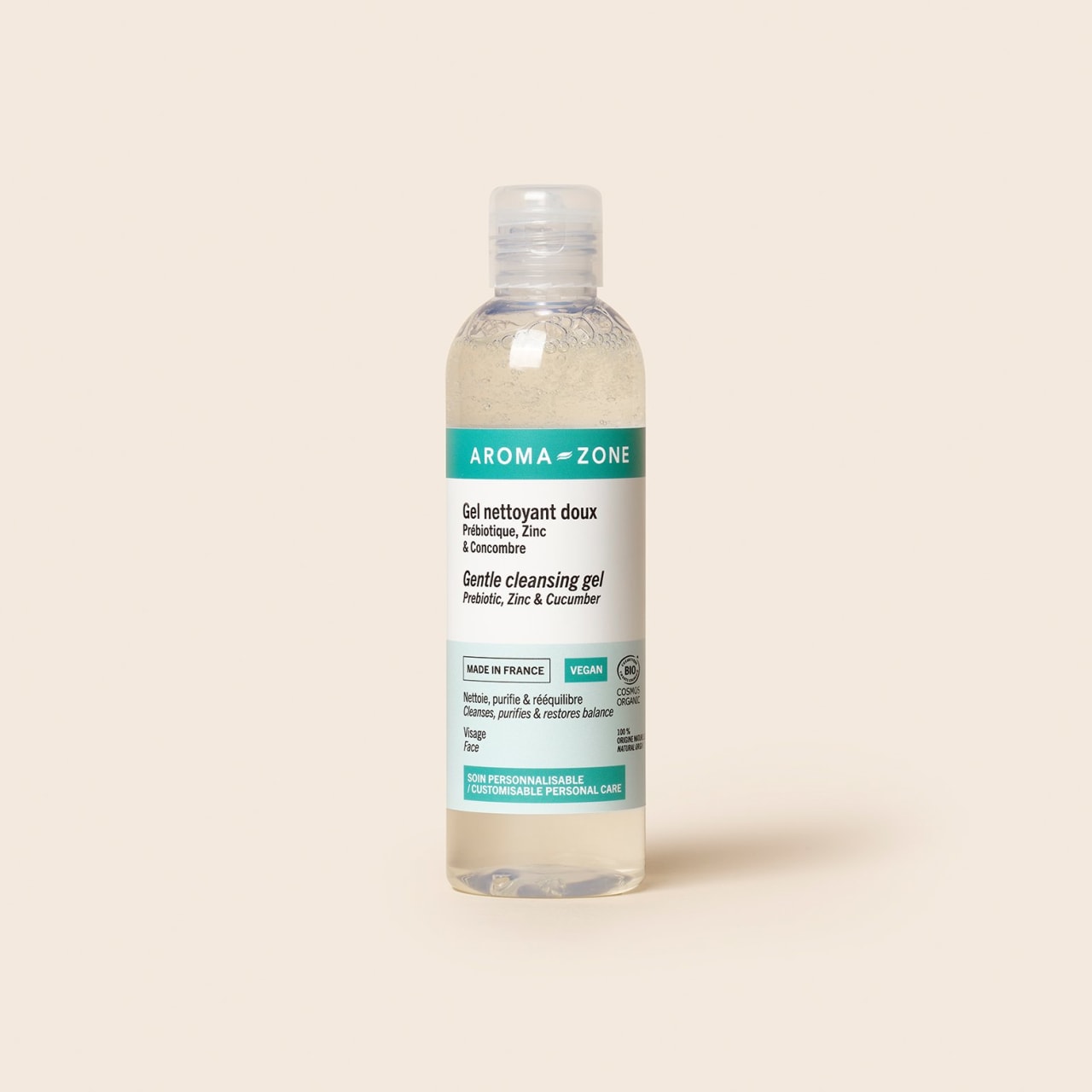
£7.50
200 ml
£11.50
8.5 g
2 options
What is an "enlarged" pore?
Enlarged Pores: What Causes Them
Enlarged facial pores can result from several factors:
Genetic factors: Pore size is largely determined by genetics. If your parents have enlarged pores, you are likely to inherit them as well.
Excessive sebum production: An excessive production of sebum can clog pores, making them more visible. This overproduction is often linked to hormonal imbalances or oily skin.
Skin ageing: With age, the loss of collagen and elasticity leads to sagging skin, which can accentuate the appearance of enlarged pores. Sun damage also exacerbates this phenomenon.
Lifestyle: An unbalanced diet, excessive exposure to pollution, smoking, or inadequate skin cleansing can contribute to clogged and enlarged pores. Conversely, inappropriate or overly harsh skincare products can weaken the skin and worsen this problem.
Characteristics of enlarged facial pores
Enlarged facial pores often manifest through one or more of these signs:
Enlarged and visible pores, especially in areas rich in sebaceous glands (nose, forehead, chin).
Uneven skin texture, sometimes giving the skin a rough appearance.
Tendency toward excess sebum, which can lead to a "shiny skin" effect.
Prone to the accumulation of impurities in the pores (blackheads or comedones).
Appearance becomes more pronounced with age due to the loss of skin firmness and elasticity.
Influenced by weather conditions: pores are more visible in hot or humid conditions.
Which cosmetic ingredients are recommended to combat enlarged pores?
Here are the main active ingredients recommended for targeting blemishes and reducing the appearance of enlarged pores:
Glycolic acid: this exfoliating acid derived from AHAs (alpha-hydroxy acids) helps remove dead skin cells from the skin’s surface, promoting cell turnover and a smoother skin texture.
Salicylic acid: fat-soluble and belonging to the family of BHA (beta-hydroxy acids), it penetrates deep into the pores to unclog them and reduce excess sebum, thereby minimizing their appearance.
Retinol, topical retinoids, or vitamin A acid: these vitamin A derivatives stimulate collagen production and accelerate cell turnover, thereby improving skin elasticity and tightening enlarged pores over the long term.
Azelaic acid: This multifunctional ingredient acts as an anti-inflammatory and sebum regulator, while gently exfoliating to reduce pore congestion and associated redness.
Niacinamide: Vitamin B3 is known for its sebum-regulating and soothing properties, helping to reduce excess sebum while tightening pores and improving the overall complexion.
Clay: Found in masks, clay (such as green or white clay) absorbs excess sebum and impurities, leaving skin clearer and pores visibly less enlarged.
Zinc: Excessive sebum production can clog pores, making them more visible. Zinc helps balance this production.
What are the best natural solutions for combating enlarged pores?
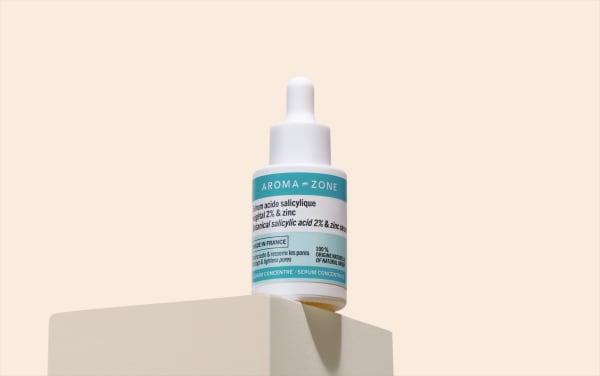
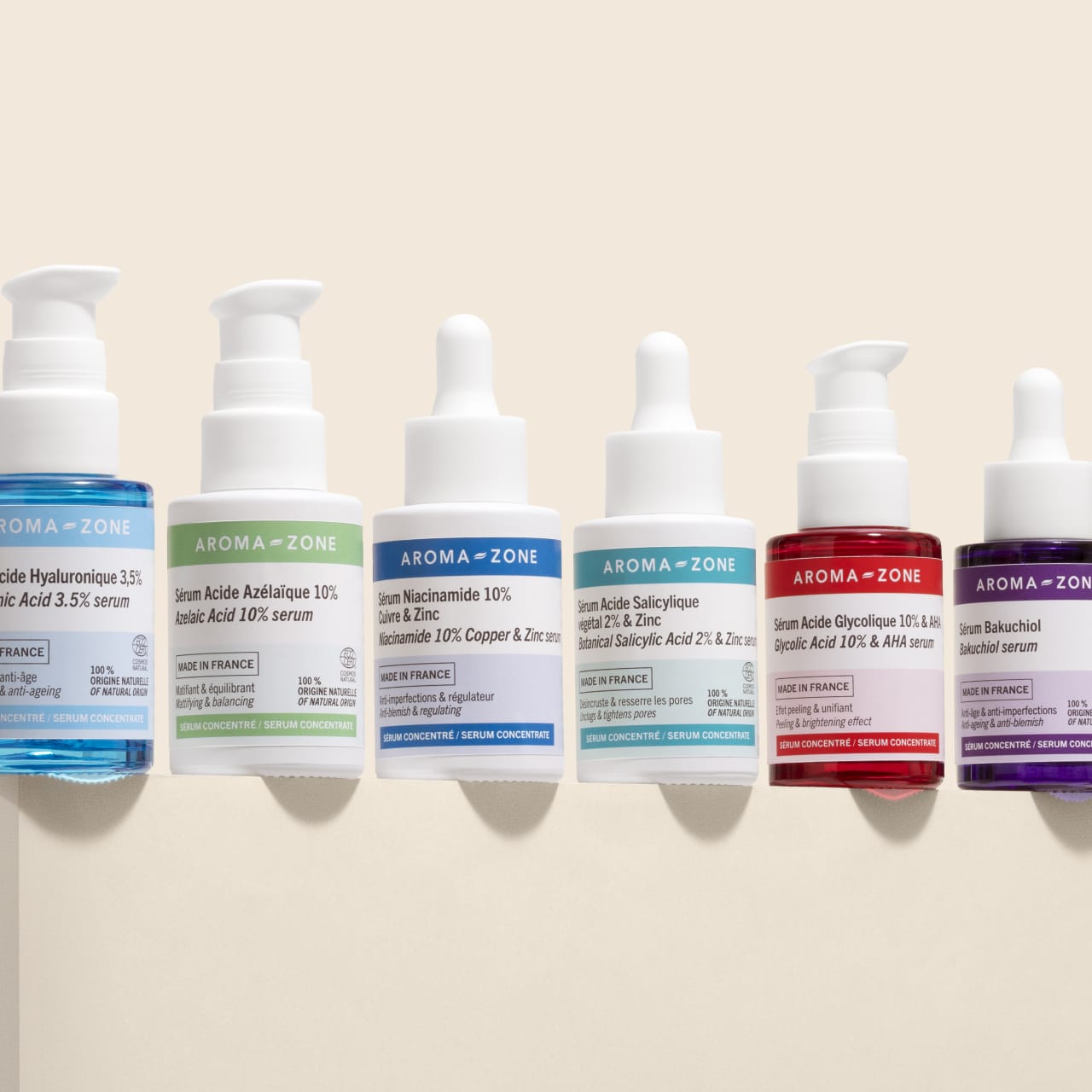
2% Salicylic Acid & Zinc Concentrated Serum: The secret to flawless skin, this multi-action serum reduces pore size and appearance while fighting blemishes. Purifying and keratolytic, this complex of plant-based salicylic acid, mushroom extract, and zinc regulates excess sebum, unclogs pores, and prevents the appearance of blackheads. This serum leaves the skin purified and the skin texture refined, without drying it out.
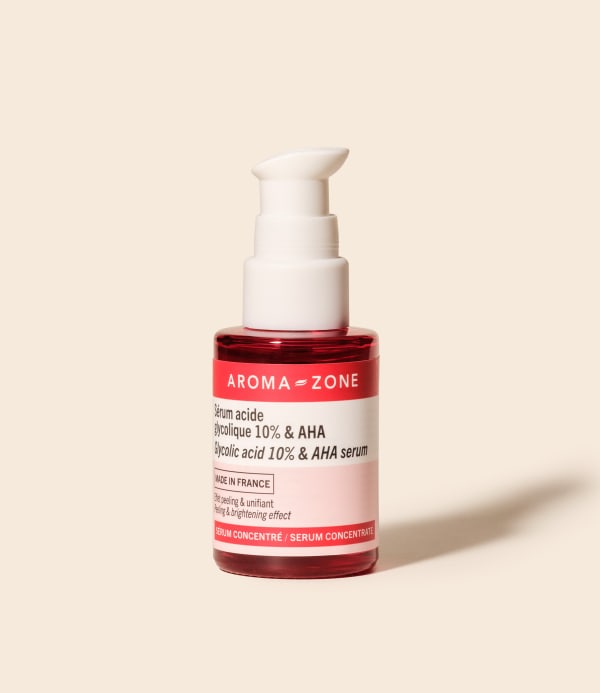
10% Glycolic Acid and AHA Concentrated Serum: Thanks to its exfoliating effect, this serum removes dead skin cells and stimulates skin renewal for a radiant, even complexion. Particularly suitable for skin affected by sun exposure, smoking, or premature aging, it reduces acne scars and smooths out unevenness. It also tightens pores, fights blackheads, and reduces wrinkles and dark spots.
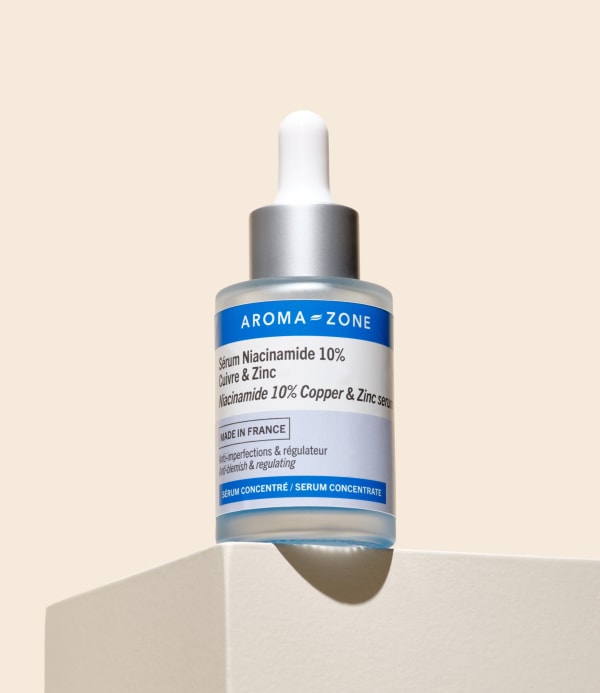
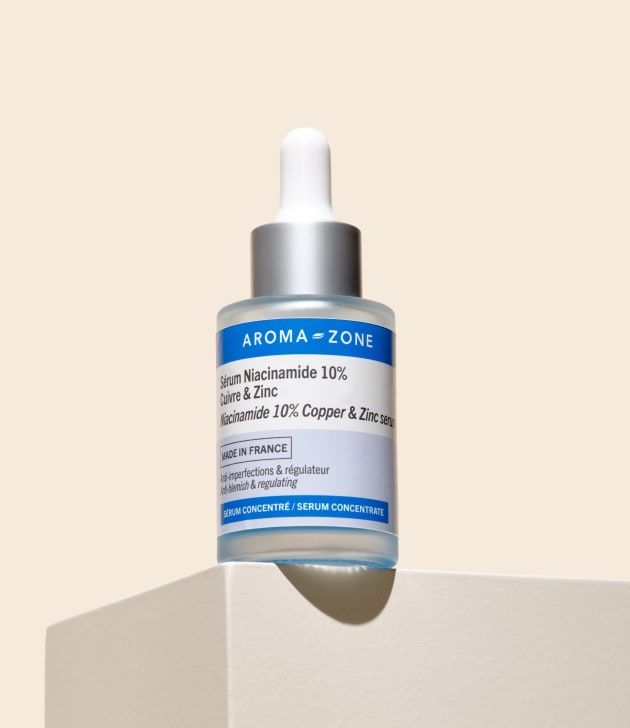
10% Niacinamide, Copper, and Zinc Concentrated Serum: Highly concentrated in Niacinamide (vitamin B3), zinc, and copper, this serum is clinically proven to tighten pores, regulate sebum production, help prevent breakouts, and reduce redness and dark spots. Enriched with hydrating hyaluronic acid, it evens out skin tone and refines skin texture.
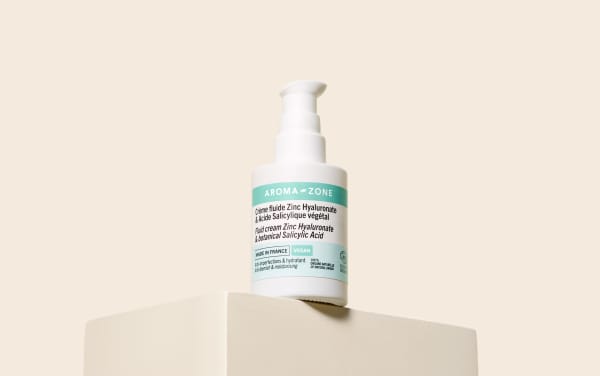
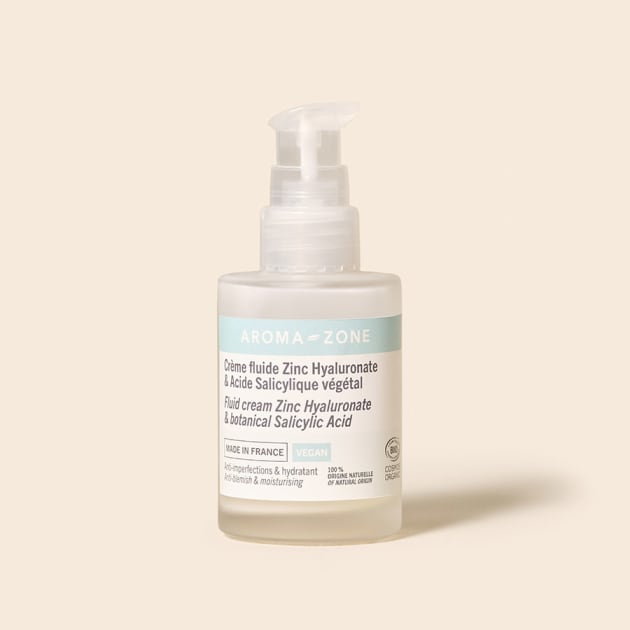
Organic Purifying & Hydrating Fluid: Restore healthy, blemish-free skin without compromising on gentleness or effectiveness. This purifying fluid acts as a skin perfector, simultaneously rebalancing, mattifying, and hydrating. Concentrated in Zinc Hyaluronate, an innovative active ingredient with proven efficacy in reducing blemishes, helping prevent their appearance, repairing, hydrating, mattifying, and soothing inflammation. Purifying and keratolytic Salicylic Acid stimulates cell renewal, smooths blemishes, fights blackheads, and tightens pores.
Precautions
Always test new cosmetic products you wish to use on the inside of your elbow before incorporating them into your daily routine: wait 48 hours to ensure there is no allergic reaction.
Expert advice
The approach to enlarged pores depends on age: for younger people, it is essential to control excess sebum with a tailored routine and targeted treatments, such as exfoliants or deep cleanses. For mature skin, it is best to focus on firmness with topical treatments, collagen supplements, or treatments such as injectables or radiofrequency. These approaches address the specific needs of each stage of life to improve skin texture and appearance.

Dr Agathe AOUN - COUSSIEU is a dermatologist in Martinique, where she practises general, surgical and cosmetic dermatology. With a keen interest in skin wellbeing, she also provides advice and treatments that are as natural as possible and tailored to sensitive or specific skin types. She has also set up an Instagram account where you can find her favourite products, explanations of skin conditions and skincare advice (@dragatheaoun).
Bibliography
Roh M, Han M, Kim D, Chung K. Sebum output as a factor contributing to the size of facial pores.
Br J Dermatol. 2006 Nov;155(5):890-4. doi: 10.1111/j.1365-2133.2006.07465.x. PMID: 17034515.
Parvar SY, Amani M, Shafiei M, Rastaghi F, Hosseini SA, Ahramiyanpour N. "The efficacy and adverse effects of treatment options for facial pores
"A review article." J Cosmet Dermatol. 2023 Mar;22(3):763-775. doi: 10.1111/jocd.15502. Epub 2022 Nov 28. PMID: 36440737.
Frequently Asked Questions
Associated tips
Skin care tips
Face care tips


