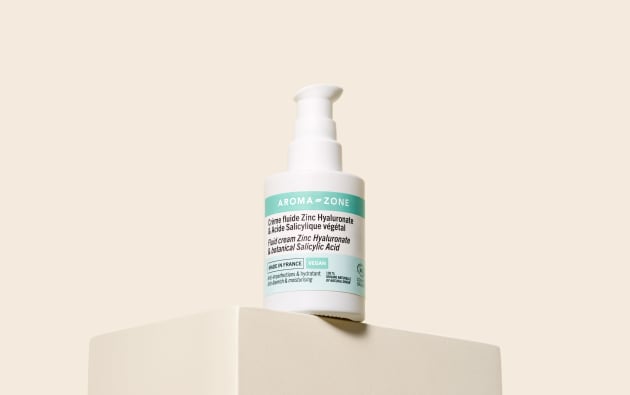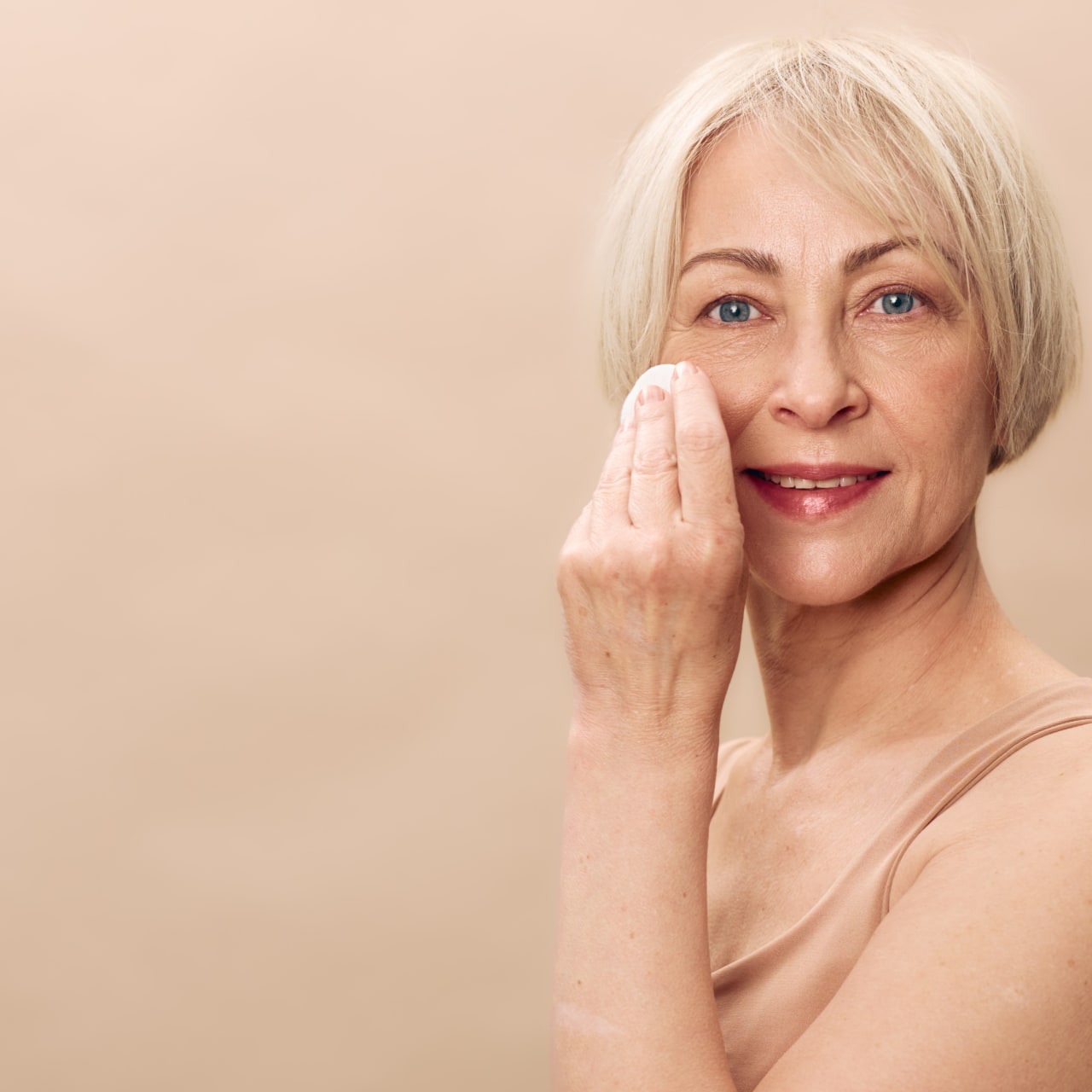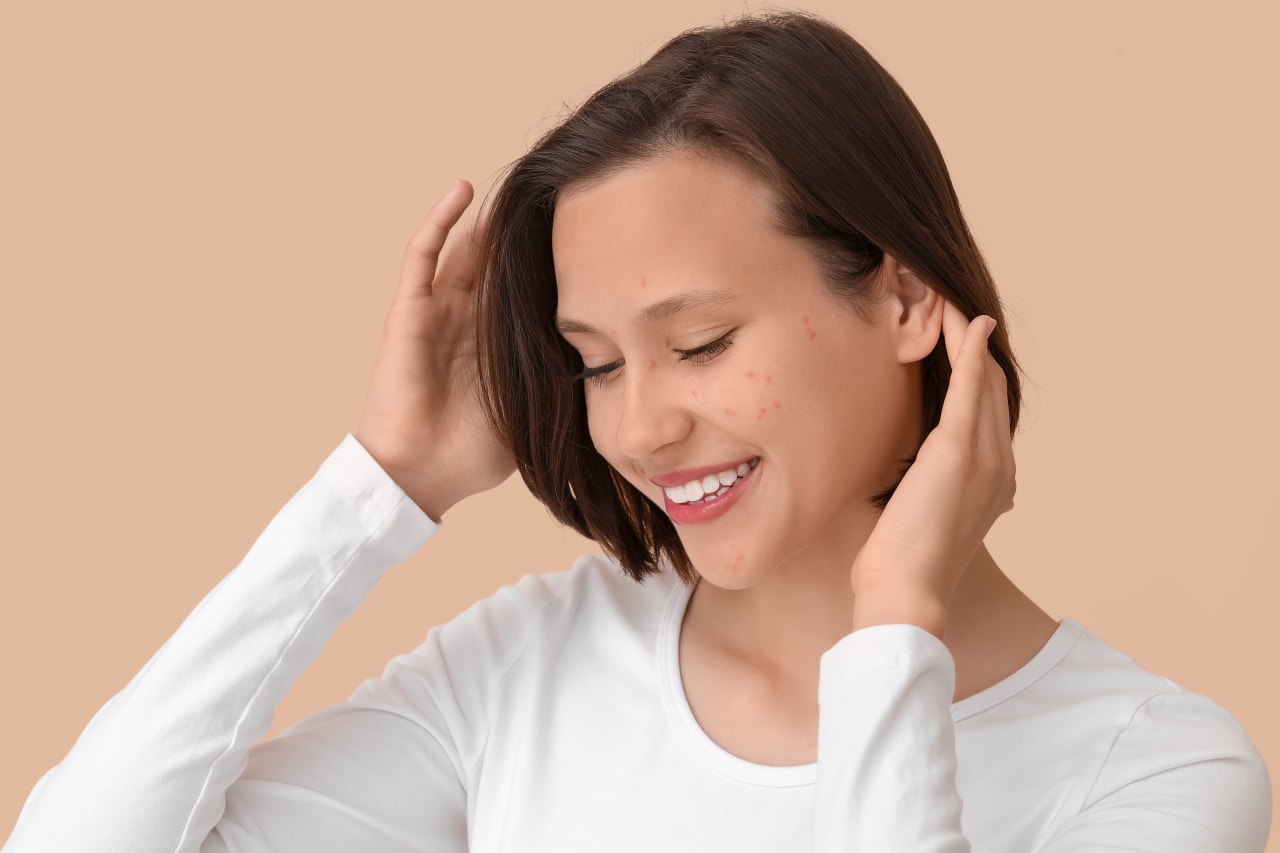
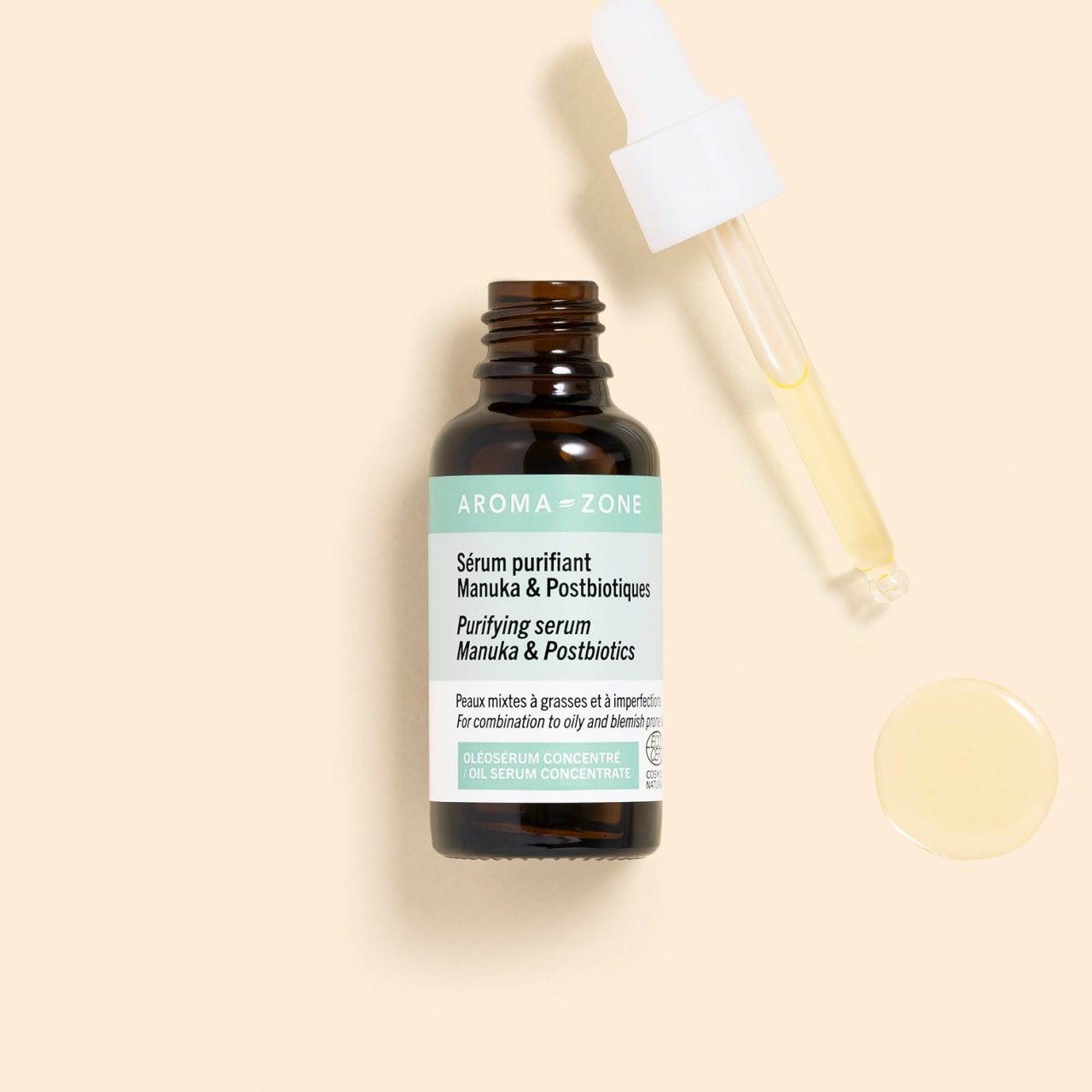
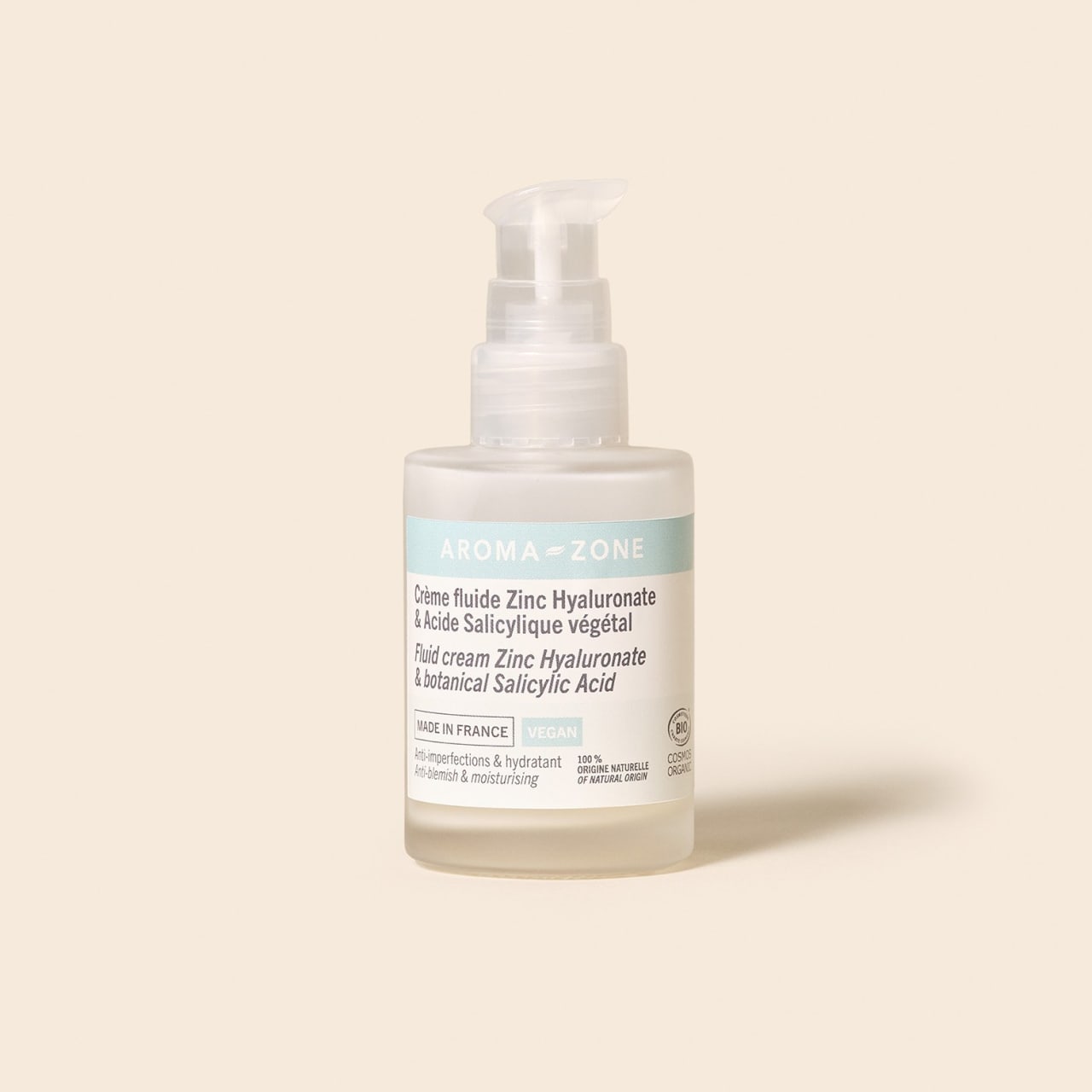
A suitable cream can complement a serum’s action on enlarged pores, provided it contains targeted active ingredients. Salicylic acid, glycolic acid, and niacinamide help remove dead skin cells, control excess sebum, and visibly smooth the skin’s texture.
Which serum should you choose to tighten pores?
Shine, uneven skin texture, a less even complexion… When pores are enlarged, the skin can quickly appear less smooth and less clear. Often more visible in the T-zone, they are a sign of excess sebum. To refine skin texture, serums offer targeted action: their high concentration of active ingredients acts directly on the cause of the imbalance. But which active ingredient should you choose, and what type of serum is best? Here’s a rundown of the ingredients and steps to follow to refine skin texture and make pores less visible.

What is a skin pore?
A pore is a small opening on the skin’s surface. Visible pores are primarily linked to the pilosebaceous follicles—that is, the structures associated with the sebaceous glands. They allow sebum to rise to the skin’s surface, where it helps protect the skin and maintain its comfort.
Found on almost all of the skin, pores are generally more visible on the face, upper back, or décolleté, where sebum production is highest. Their apparent size can vary depending on several factors, such as skin type, age, genetic predisposition, or repeated sun exposure.
When pores become more visible, the skin may appear less smooth and the skin texture less even. This phenomenon is often observed in combination to oily skin, but also when the skin loses firmness or has imperfections.
What causes enlarged pores?
What is a serum?
A serum is a skincare product concentrated in active ingredients, distinguished by its ability to target specific skin needs, particularly for mature skin. It has a lightweight texture, often liquid or gel-based, which allows for rapid absorption into the skin. Serum helps intensely hydrate the skin, combat visible signs of ageing, and restore radiance to the complexion. In a skincare routine, serum is applied immediately after cleansing and before moisturiser. It thus prepares the skin to receive other treatments and optimises their effects.
Which serums are effective for tightening pores?
Certain serums, formulated with targeted active ingredients, can help tighten pores and refine skin texture:

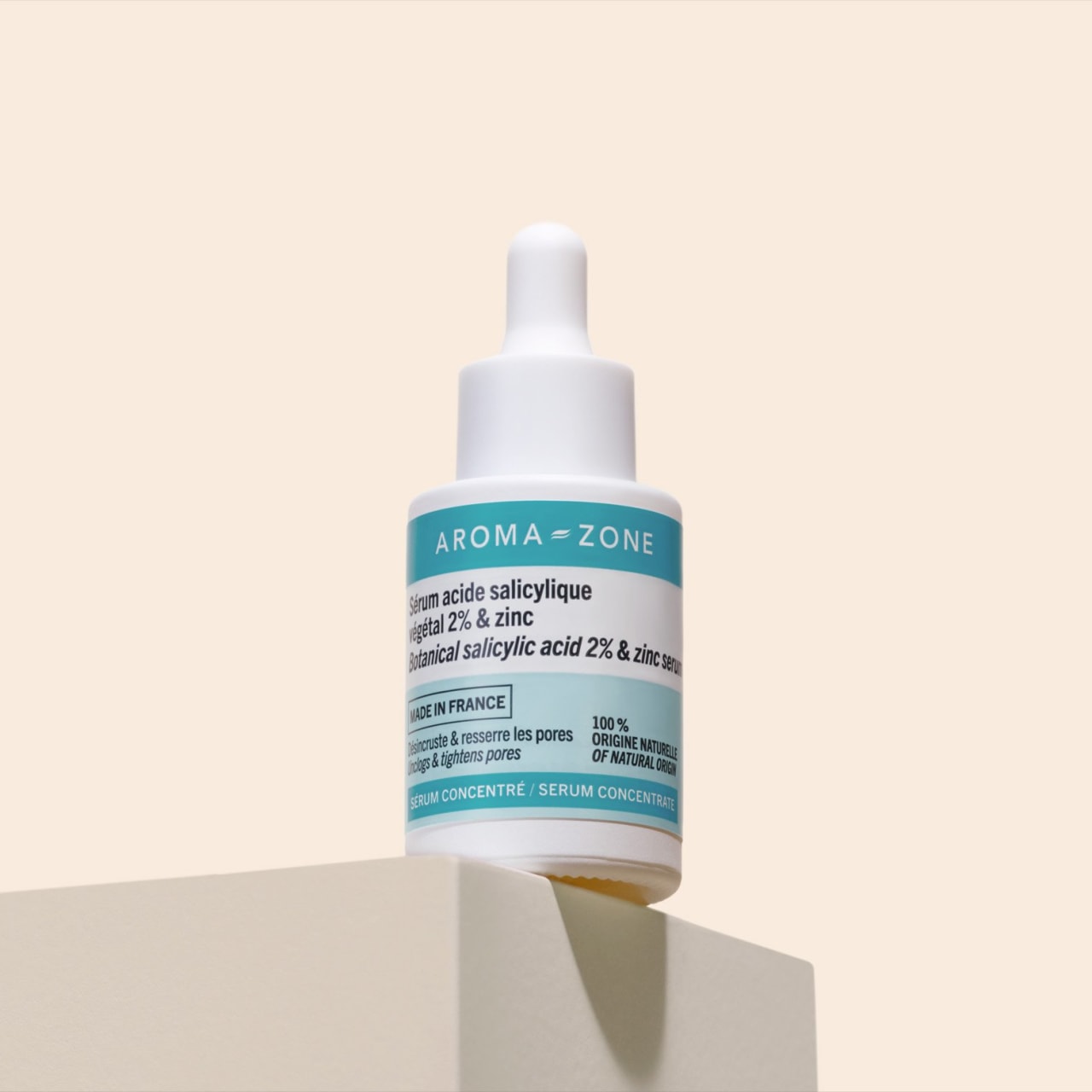
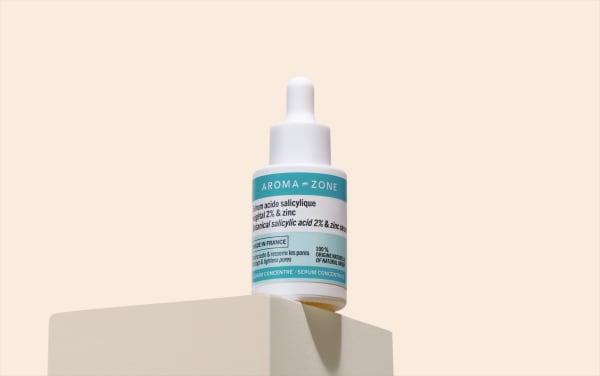
2% Salicylic Acid & Zinc Concentrated Serum
The secret to flawless skin, this multi-action serum reduces pore size and appearance while fighting blemishes. Purifying and keratolytic, this complex of plant-based salicylic acid, mushroom extract, and zinc regulates excess sebum, unclogs pores, and prevents the appearance of blackheads. This serum leaves the skin purified and the skin texture refined, without drying it out.

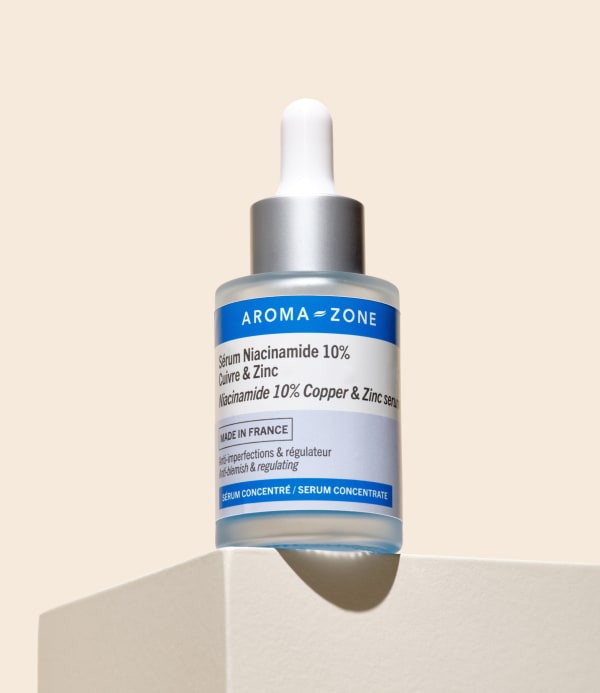
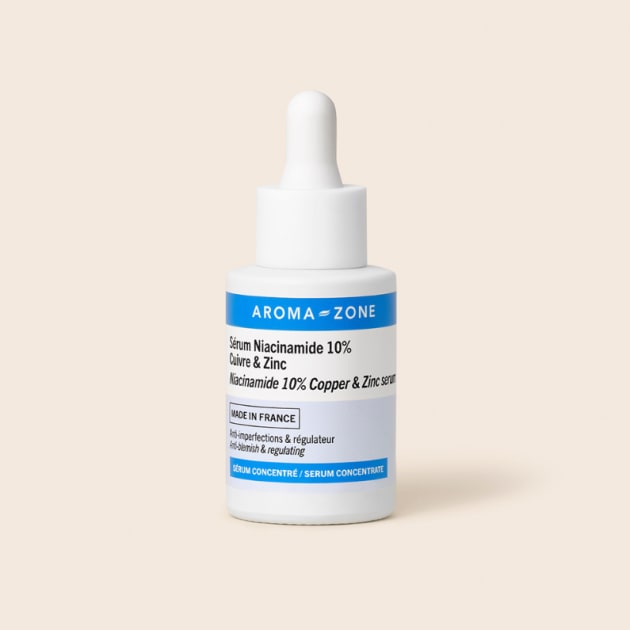
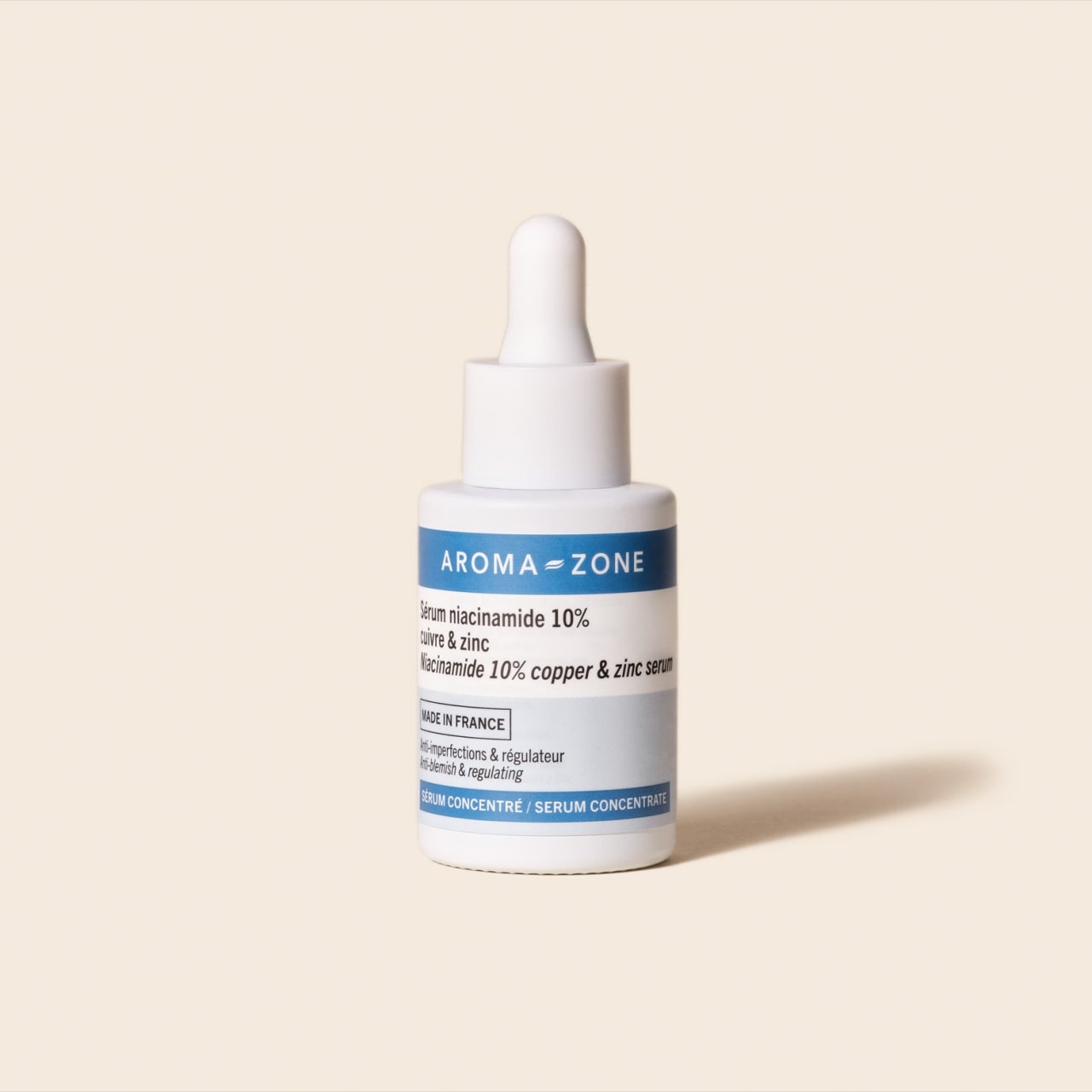
10% Niacinamide, Copper & Zinc Concentrated Serum
Highly concentrated in niacinamide (vitamin B3), zinc, and copper, this clinically proven serum tightens pores, regulates sebum production, and helps prevent breakouts. Enriched with hydrating hyaluronic acid, it also helps fade dark spots, even out skin tone, and refine skin texture. Its gentle, non-greasy gel texture absorbs quickly without leaving a greasy film.
Discover the 10% Niacinamide, Copper & Zinc Concentrated Serum

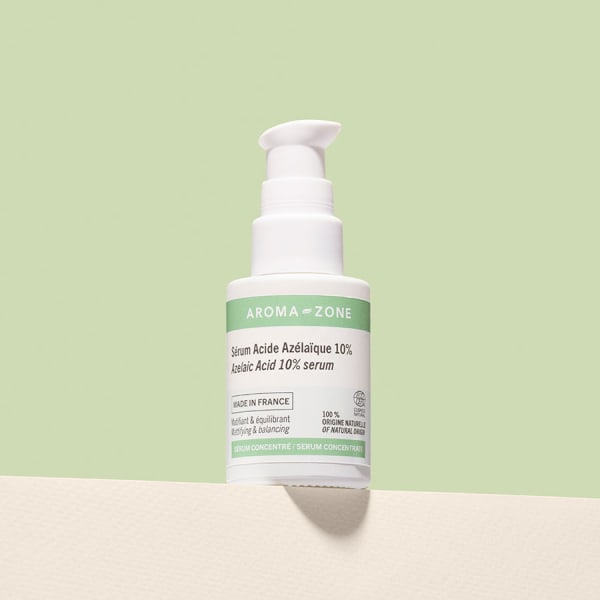
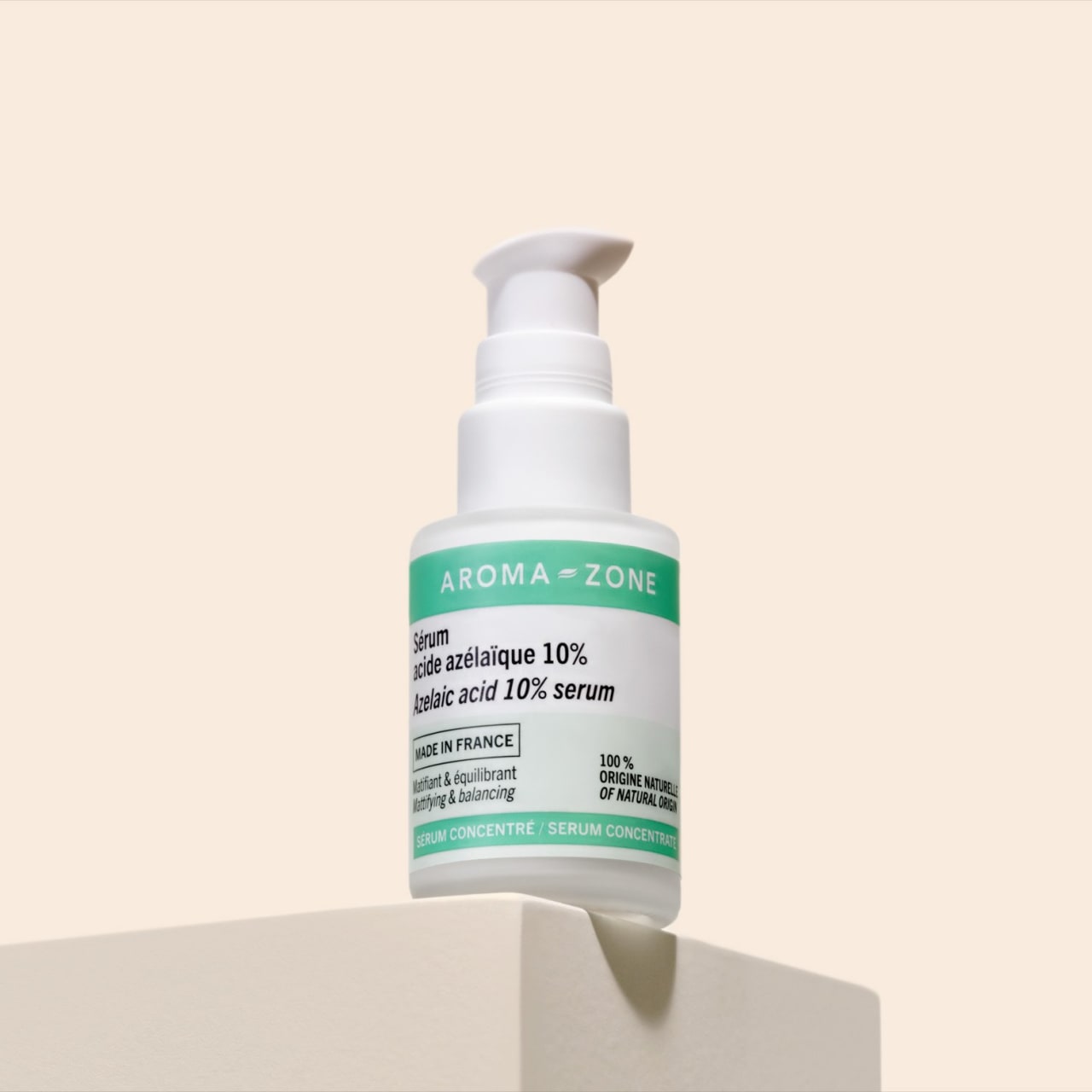
10% Azelaic Acid Concentrated Serum
This serum, concentrated with 10% 100% naturally derived azelaic acid, is designed for combination, oily, and acne-prone skin. It unclogs pores, regulates sebum, reduces blackheads and redness, and mattifies the complexion without drying it out. Enriched with hyaluronic acid and silica, it hydrates while absorbing excess sebum. Highly concentrated; introduce gradually (2 to 3 times a week at first).
What routine should you follow to tighten enlarged pores?
What natural tips can help tighten pores?
While it’s not possible to eliminate pores, you can still minimise their appearance and refine skin texture. The goal: to regulate excess sebum and limit the buildup of dead skin cells to maintain a clear complexion without weakening the skin.
Opt for clay masks: Green clay or Rhassoul are often used when the skin appears shiny and has visible pores. By absorbing excess sebum and helping to purify the skin, they can help visibly refine the skin’s texture. A single application is sufficient; do not leave it on for too long to avoid drying out the skin
Gently exfoliate the skin: Regular exfoliation removes dead skin cells that clog pores and dull the complexion. It’s best to opt for enzymatic or gentle chemical exfoliants (AHAs, BHAs), which are less harsh than grainy scrubs that can irritate the skin
Moisturise with lightweight formulas: well-hydrated skin naturally appears smoother. Even oily skin needs moisture to maintain its balance. The trick is to choose fluid, non-greasy, and non-comedogenic formulas that quench the skin’s thirst without weighing it down
Pay attention to your lifestyle: A balanced diet, rich in fruits, vegetables, and good sources of fatty acids, can help preserve skin quality. Smoking, stress, or lack of sleep, on the other hand, can dull the complexion and exacerbate certain skin imbalances
Avoid overly harsh treatments: harsh cleansers, repeated manipulation, or overly abrasive skincare products can irritate the skin and stimulate sebum production. Conversely, a gentler, regular routine often helps gradually improve the appearance of pores.
Precautions for use
Before using a new skincare product on your entire face, it’s recommended to test it on a small area to ensure good tolerance and minimize the risk of irritation.
Expert advice
Enlarged pores are not a flaw in themselves, but a reflection of a skin imbalance, often linked to excess sebum. To make them less visible, it’s best to avoid stripping the skin and instead opt for a gentle, consistent, and well-targeted routine. Above all, it’s the right steps, repeated regularly, that visibly improve skin texture.
Learn more

What is the best cream for tightening pores?

What is the best cream for tightening pores?

What type of face mask should you use to tighten pores?

What type of face mask should you use to tighten pores?
Using a face mask can be very beneficial for tightening pores. A clay mask, known for its absorbent and purifying properties, helps eliminate excess sebum and impurities while refining skin texture. Green clay is ideal for oily skin but not suitable for sensitive skin. In that case, opt for pink clay, for example. There are also sheet masks specifically designed for skin with enlarged pores. These masks are generally infused with active ingredients that help reduce the appearance of pores.

Can retinol tighten pores?

Can retinol tighten pores?
Retinol is a vitamin A derivative that promotes cell turnover, stimulates collagen production, and improves skin texture. By reducing the buildup of sebum and dead skin cells, it helps tighten pores. However, it is not recommended for sensitive skin.
Spotlight on our specialist writer, Charlie Morel

Charlie holds a Master’s degree in cosmetic formulation. Passionate about cosmetology but also a great lover of words, she decided in 2020 to become a web editor specialising in cosmetics and beauty. It was her desire for a career change that gave her the idea of going freelance, as she wanted to be able to work from anywhere in the world.
Bibliography
1
Lee, S. J., Seok, J., Jeong, S. Y., Park, K. Y., Li, K., & Seo, S. J. (2016), Facial pores: Definition, causes, and treatment options, Dermatologic Surgery
DOI: 10.1097/DSS.0000000000000657
2
Roh, M., Han, M., Kim, D., & Chung, K. (2006), Sebum output as a factor contributing to the size of facial pores, British Journal of Dermatology
DOI: 10.1111/j.1365-2133.2006.07465.x
3
Flament, F., François, G., Qiu, H., Ye, C., Hanaya, T., Batisse, D., Cointereau-Chardon, S., Seixas, M. D. G., Dal Belo, S. E., & Bazin, R. (2015), Facial skin pores: A multiethnic study, Clinical, Cosmetic and Investigational Dermatology
doi: 10.2147/CCID.S74401
4
Draelos, Z. D., Matsubara, A., & Smiles, K. (2006), The effect of 2% niacinamide on facial sebum production, Journal of Cosmetic and Laser Therapy
DOI: 10.1080/14764170600717704
5
Arif, T. (2015), Salicylic acid as a peeling agent: A comprehensive review, Clinical, Cosmetic and Investigational Dermatology
doi: 10.2147/CCID.S84765