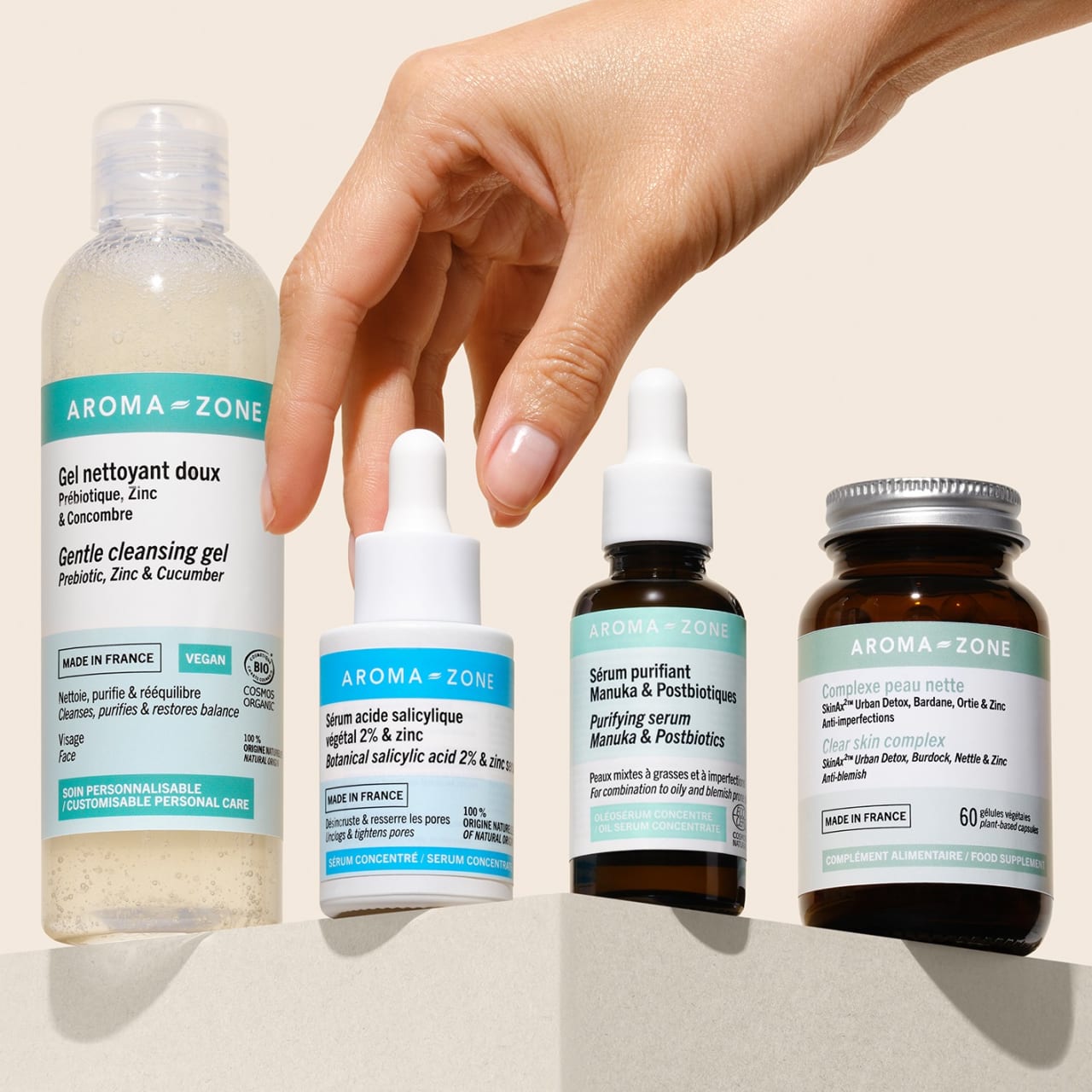
How can I naturally regulate excess sebum?

How can I naturally regulate excess sebum?


By The Aroma-Zone editorial team

Published on: Monday, August 01, 2022, Updated on: Monday, October 26, 2026

Remove excess sebum and say goodbye to ‘shiny skin’ thanks to purifying, mattifying and regulating natural extracts such as clary sage essential oil, sage and grapefruit hydrosols, and carrier oil. Cleanse your combination to oily skin and apply exfoliating and purifying products to get rid of excess sebum. Discover simple, natural and effective recipes using natural ingredients to purify, regulate sebum production, and mattify the skin.

Contents

Related products

What is excess sebum?

Sebum is a lipid substance naturally produced by sebocytes, cells located in the sebaceous glands at the base of hair follicles in the dermis. Its composition (triglycerides, squalene, waxes, free fatty acids) (1) enables it to form a protective hydrolipid film on the skin’s surface: this limits dehydration, protects against external aggressors and helps maintain the skin’s suppleness.

When the sebaceous glands produce more sebum than is necessary, this film becomes too thick. It then clogs the pores and can lead to the appearance of blackheads, spots or shiny skin: this is known as excess sebum, or hyperseborrhoea.

Spotlight on Aroma-Zone’s Green Clay Stick Mask

Aroma-zone Purifying Stick 0091

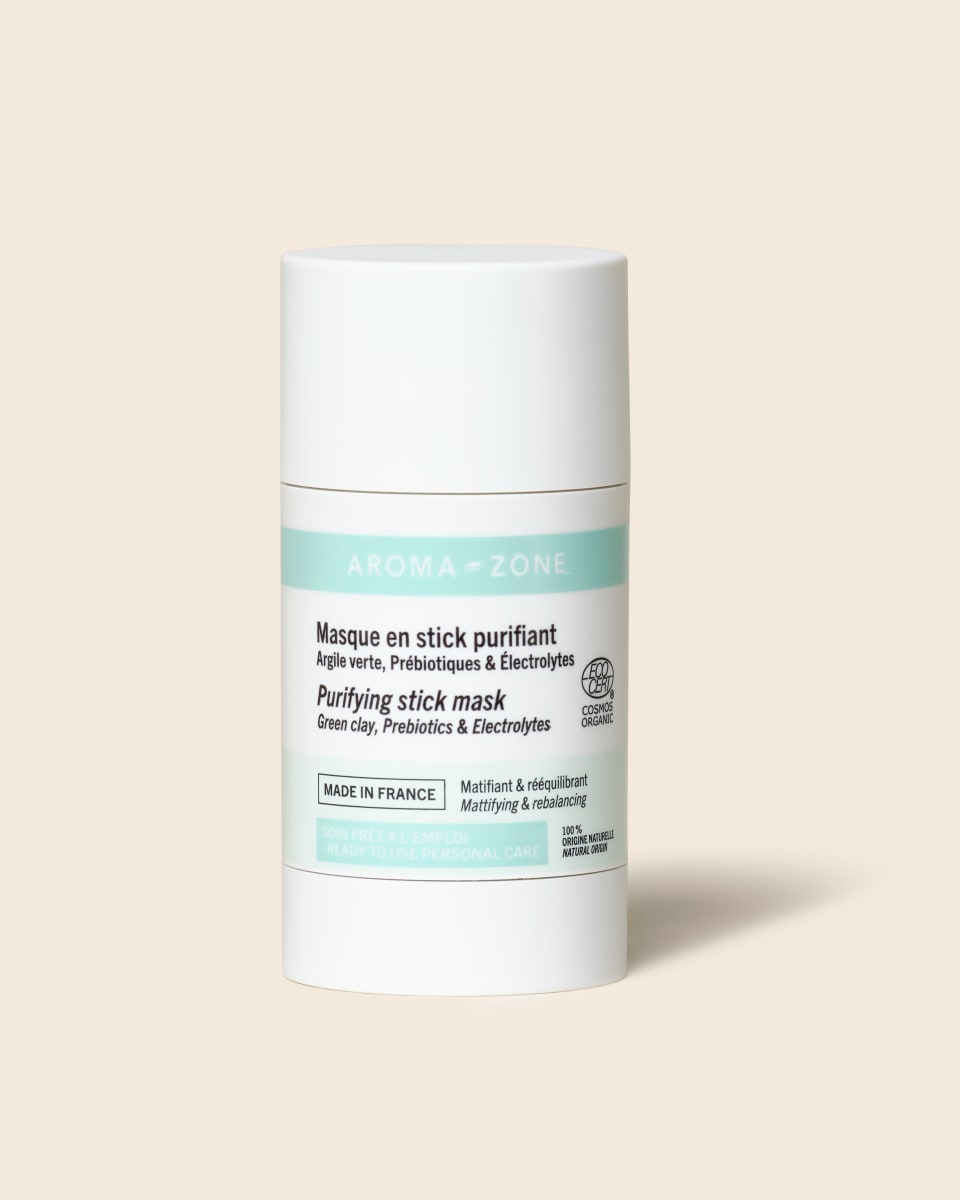
Our purifying mask stick combines green clay, chlorella extract with prebiotic properties and marine electrolytes to rebalance the skin and leave it looking healthier. Green clay has the highest absorption capacity of all types of clay. It is renowned for absorbing excess sebum and impurities from the skin’s surface. Thanks to its broad-spectrum prebiotic action, chlorella sourced from the lakes of the Pyrenees helps to strengthen the skin’s microbiome and mattify the complexion. Finally, marine electrolytes from Noirmoutier combine the electrolyte-rich properties of seawater with minerals absorbed as it passes through the Earth’s crust. Approved by dermatologists, the Aroma-Zone green clay mask in a stick format is suitable for combination to oily skin or skin prone to blemishes. It is also suitable for children aged 12 and over, as well as pregnant and breastfeeding women.

Discover the Aroma-Zone Green Clay Mask Stick

Hyperseborrhoea and dysseborrhoea: what’s the difference?

Hyperseborrhoea and dysseborrhoea are two terms used to describe imbalances in sebum production: one refers to an excess in quantity, the other to an imbalance in quality.

Hyper-seborrhoea: This refers to overproduction of sebum by the sebaceous glands, which generally results in oily skin. The causes may be hormonal (adolescence or the menstrual cycle), genetic or linked to physiological changes. Affected skin often exhibits a marked shine, enlarged pores and an increased number of blackheads or blemishes.

Dysseborrhoea: This refers to a qualitative imbalance in the composition of sebum, rather than simply overproduction. The sebum becomes altered in quality. It may be too thick, too runny, or with a changed composition. This can lead to dryness, tightness, irritation or redness. The imbalance may be linked to hormonal fluctuations, stress or an unbalanced diet.

What causes excess sebum on the face?

Several factors can contribute to excess sebum production.

Hormonal factors

Hormonal fluctuations can directly influence the activity of the sebaceous glands. Androgens, hormones found in both men and women, play a particularly important role in sebum production. This is why skin may become oilier at certain stages of life, such as during puberty, the menstrual cycle or other periods of hormonal change.

Genetic predisposition

The amount of sebum produced naturally varies from person to person. Genetics can influence the size and activity of the sebaceous glands. Some people therefore have naturally oilier skin, with more visible pores and a greater tendency to become shiny.

Stress and fatigue

Stress can also affect the skin and lead to the appearance of stress spots. During periods of stress, the body releases various hormones, including cortisol, which can influence the activity of the sebaceous glands. In some people, this can result in skin that is temporarily oilier or more prone to blemishes.

Hot and humid weather

When temperatures rise, the skin may appear oilier and shinier. Heat and humidity encourage sweating, which mixes with the sebum on the skin’s surface. This phenomenon is often particularly noticeable on the T-zone, i.e. the forehead, nose and chin.

Unsuitable cosmetics

Skincare products that are too harsh or unsuitable for your skin type can weaken the skin barrier and cause discomfort and imbalance. Conversely, products that are too rich or comedogenic can contribute to blocked pores and accentuate the skin’s oily appearance. It is therefore best to opt for gentle skincare products tailored to the needs of skin prone to oiliness.

Unbalanced diet

Diet may also play a role in sebum production and the development of blemishes. A diet with a high glycaemic load, particularly one rich in refined sugars, is regularly studied for its influence on certain hormonal mechanisms involved in the activity of the sebaceous glands. The link with dairy products is also being investigated, but the evidence remains more nuanced and does not allow us to regard them systematically as a cause of oily skin.

Does hyperseborrhoea manifest itself through several visible signs?

Yes, there are several signs that make it easy to recognise excess sebum:

  • Shiny skin: The surface of the skin, particularly in the T-zone (forehead, nose and chin), may appear shiny and oily;

  • Enlarged pores: The pores on the skin may appear larger and more visible;

  • Spots and blackheads: Excess sebum can block the pores, leading to the appearance of spots, blackheads and other blemishes;

  • Uneven texture: The skin may have an uneven, grainy texture due to the build-up of sebum and dead skin cells.

To find out more, discover which skincare products to choose for congested skin.

What natural routine can you follow to combat excess sebum?

Step 1 – Cleanse my skin

Gentle Prebiotic, Zinc & Cucumber Cleansing Gel

Gentle Prebiotic, Zinc & Cucumber Cleansing Gel

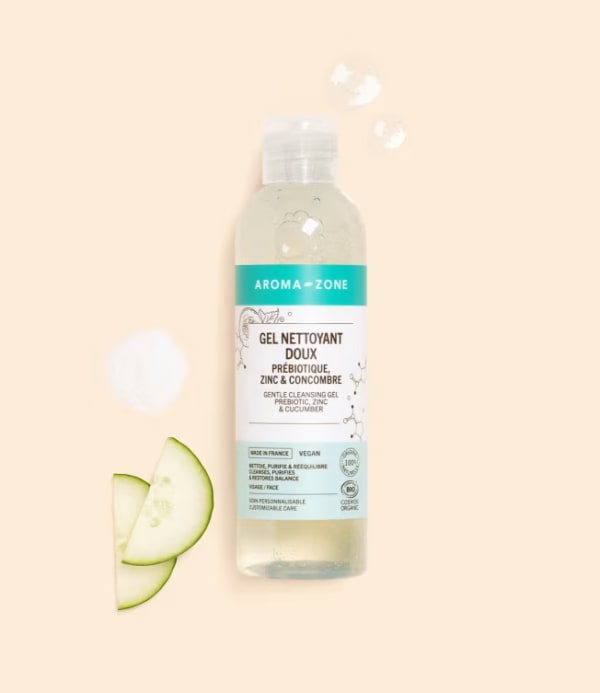
This cleansing gel gently purifies the skin and removes excess sebum, impurities and make-up residue without disrupting its natural balance. Its formula, enriched with Zinc PCA and prebiotics, helps regulate sebum production whilst respecting the skin’s barrier.

Recommended use: Morning and evening, apply to damp skin on the face and neck using circular massage movements, then rinse with lukewarm water.

Discover the Gentle Prebiotic, Zinc & Cucumber Cleansing Gel

Step 2 – Identify my specific concern

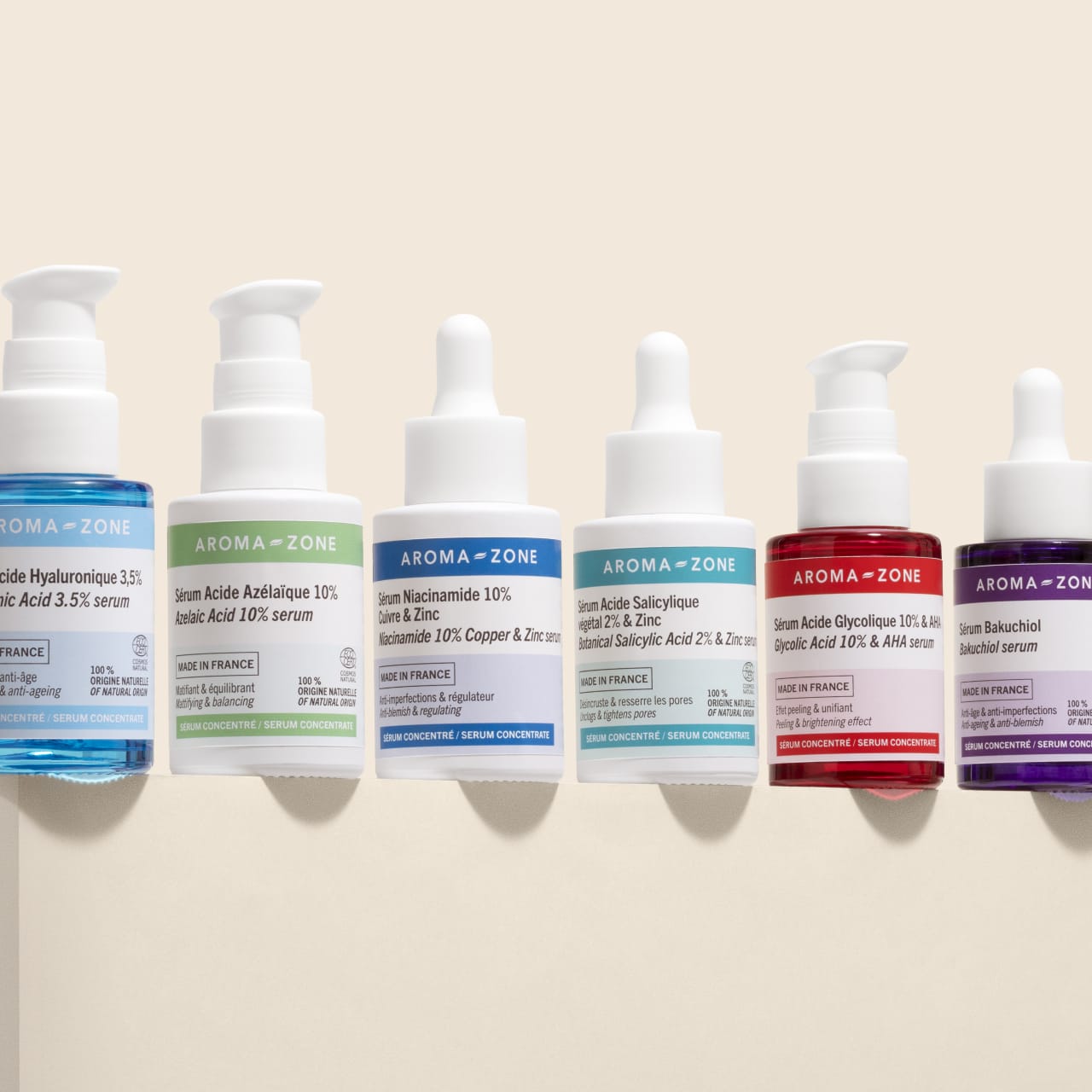
10% Niacinamide, Copper & Zinc Concentrated Serum

10% Niacinamide, Copper & Zinc Concentrated Serum

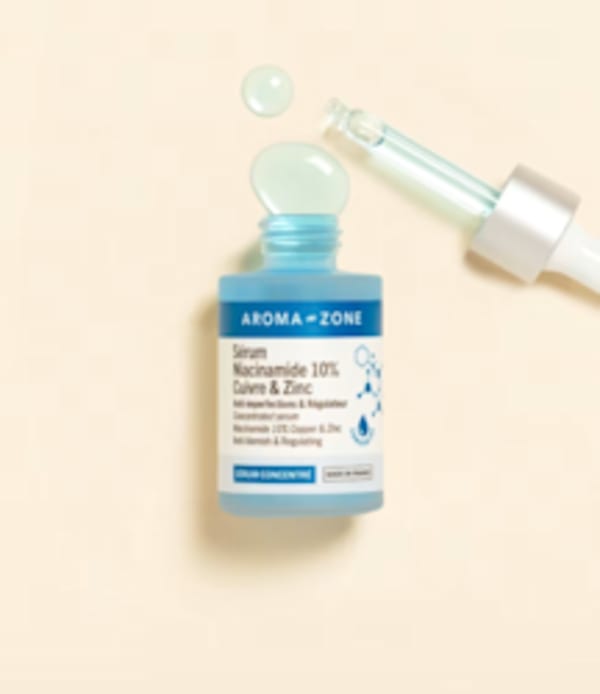
This serum regulates sebum production, reduces shine and minimises the appearance of pores thanks to niacinamide, zinc and copper.

Recommended use: Morning and evening, after cleansing skin, apply a few drops to the face and neck, massaging gently to help the product absorb.

Contraindications: If irritation occurs, discontinue use. Keep out of reach of children. Not suitable for skin prone to erythema couperose.

Discover the 10% Niacinamide, Copper & Zinc Concentrated Serum

Step 3 – Moisturise my skin

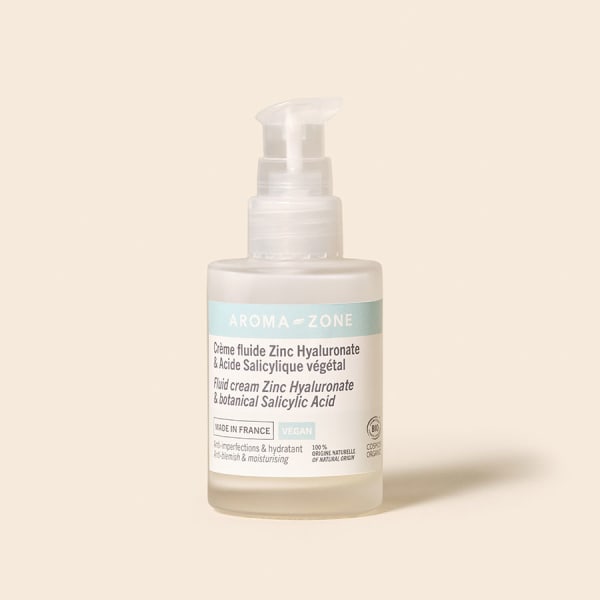
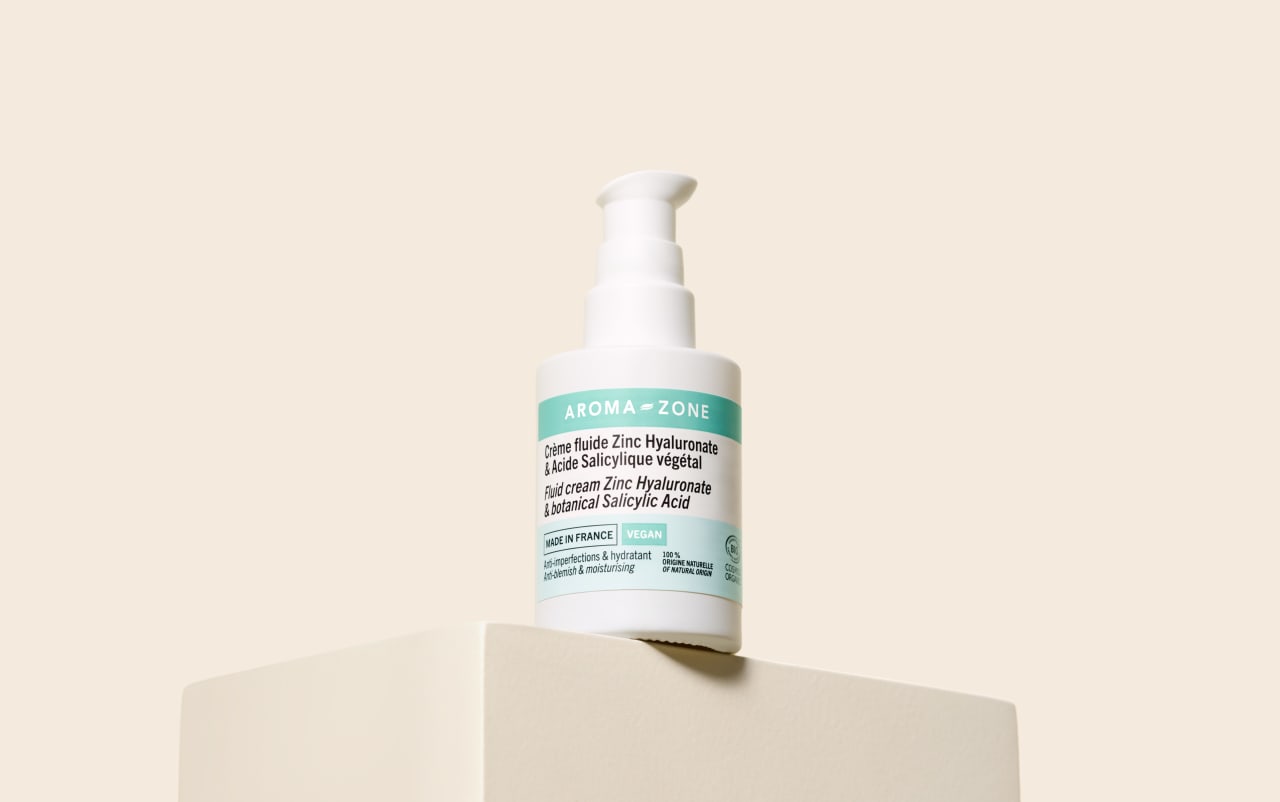
fluid-cream-with-zinc-hyaluronate-and-plant-based-salicylic-acid-mc

Zinc Hyaluronate & Plant-Based Salicylic Acid Fluid Cream

This lightweight cream moisturises the skin whilst regulating excess sebum and reducing shine. It mattifies the complexion, refines the appearance of pores and leaves the skin feeling soft and comfortable, without any greasy residue.

Recommended use: Apply the cream to the face and neck in the morning and evening, after your serum.

Discover the Zinc Hyaluronate & Plant-Based Salicylic Acid Light Cream

Step 4 – Mattify my skin

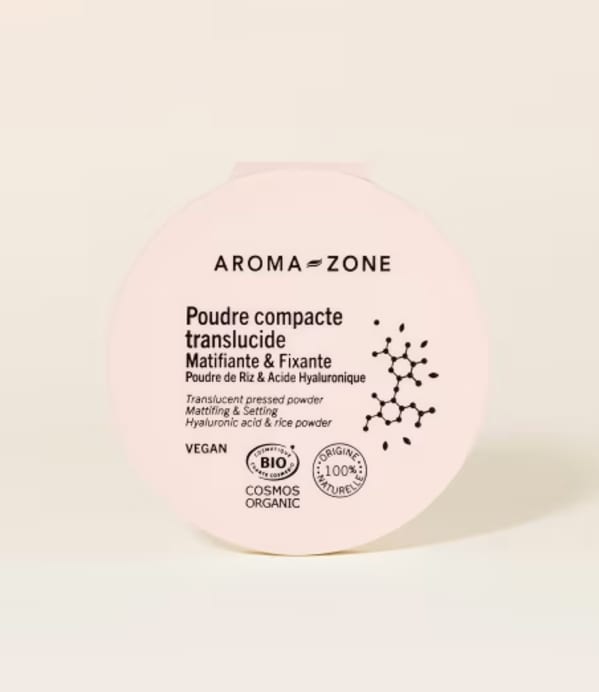
Refillable translucent mattifying compact powder

Refillable Translucent Mattifying Compact Powder

This translucent powder absorbs excess sebum, mattifies the skin and blurs the appearance of pores for a more even complexion. Lightweight and invisible, it sets make-up or can be used on its own to control shine throughout the day.

Recommended use: In the morning, as the final step in your routine, apply all over the face or to the T-zone. Reapply throughout the day as needed to mattify shiny areas.

Discover the Refillable Translucent Mattifying Compact Powder

Step 5 – My dietary supplement

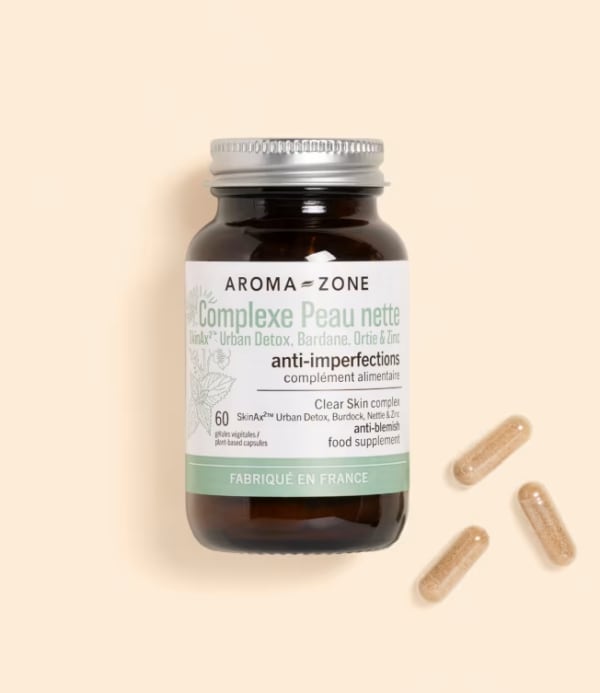
Clear Skin Complex – 60 capsules – Dietary supplement

Clear Skin Complex – Dietary supplement

This dietary supplement helps regulate sebum production and improve the overall appearance of the skin. Its combination of plants, zinc and a patented active ingredient helps to rebalance oily skin and reduce shine over the long term.

Recommended use: 2 capsules a day, to be swallowed with a glass of water, as a course of treatment lasting at least 2 months.

Contraindications: For adults only. Not recommended for pregnant or breastfeeding women, or in cases of oedematous heart or kidney failure. Not recommended in cases of allergy to salicylate derivatives or known cross-allergies, particularly to plants of the Asteraceae family.

Discover the Clear Skin Complex – Food supplement

Simple, effective tips for regulating sebum production

Tip no. 1: Protect your skin from the sun

Don’t skip sun protection! Although exposure to the sun may initially seem to dry out your skin and reduce blemishes, this effect is only temporary. Your skin may then produce more sebum, leading to blemishes. For everyday use, choose a sun cream suitable for combination to oily skin, with a light, non-comedogenic texture. You could also opt for natural sunscreen when making your own skincare products.

Tip no. 2: Look after your lifestyle

The skin’s balance also depends on internal factors and lifestyle. A varied and balanced diet, good hydration and sufficient sleep all contribute to the body’s proper functioning and skin balance. Certain plants traditionally used in cosmetics for oily skin, such as burdock, can also be incorporated into your beauty routine.

Tip no. 3: Clean your make-up brushes regularly

Remember to clean your make-up brushes and sponges at least once a week. With repeated use, they accumulate make-up residue, sebum and various impurities. Repeated contact with the face can contribute to blocked pores and the appearance of blemishes. Leave them to air-dry thoroughly before using them again.

Tip no. 4: Avoid over-cleansing your skin

Oily skin does not need to be over-cleansed. Cleansing too frequently, using harsh scrubs or highly detergent-based products can damage the skin barrier and cause discomfort and irritation. Opt for gentle cleansing in the morning and evening, using products suitable for combination to oily skin. The aim is to remove excess sebum without completely stripping away the natural lipid film on the skin’s surface.

What is sebum for?

Sebum is a lipid substance produced by the sebaceous glands. Its composition comprises triglycerides, waxes, free fatty acids and a small amount of cholesterol, mixed with epithelial cells.

Thanks to this composition, sebum fulfils several essential functions:

  • Lubrication of the skin and hair, preventing them from drying out;

  • Protection against external aggressors (pollution, bacteria);

  • Maintaining skin hydration by limiting water loss;

  • Softness and elasticity of the skin, by preserving its structure;

  • Antimicrobial defence, thanks to certain components of sebum that contribute to the skin’s natural defence mechanisms;

  • Involvement in the skin’s inflammatory and immune mechanisms, particularly through its interaction with the skin microbiome. (2)

As you will have gathered, sebum is not just responsible for shine, blackheads and other minor blemishes. It plays a vital role in maintaining the skin barrier and is also involved in the skin’s antimicrobial defence mechanisms and inflammatory responses. It is therefore all a question of balance: when sebum production or composition is disrupted, it can contribute to certain skin problems.

Precautions for use

Before using a new skincare product, always carry out a patch test on the inside of your elbow and wait 24 to 48 hours before applying it more widely. Avoid contact with the eyes and mucous membranes. If you experience redness, irritation or persistent discomfort, stop using the product in question. Finally, if your skin has significant, persistent or painful blemishes, seek advice from a dermatologist.

Expert advice

Whether you have combination or acne-prone skin, the T-zone – which stretches across the entire forehead and down to the chin via the nose – is often prone to excess sebum. The pores in this area are often more dilated and sebum production is higher, which can lead to a shiny complexion and, at times, the appearance of small spots and blackheads. The T-zone is therefore more sensitive and requires specialised care. Opt for light moisturisers for the T-zone and richer products to nourish and hydrate the rest of your face.

Bibliography

Frequently Asked Questions

Frequently Asked Questions