Blackheads on the face: a guide to natural solutions
Blackheads are one of the most common blemishes in combination to oily skin. While both men and women may suffer from them, you can get rid of them if you use the right skincare products and follow the right advice. So why do we get blackheads? Which cosmetics should you choose? How do you eliminate blackheads using skincare recipes that are easy to make at home? Follow the guide and discover our natural solutions.
Reading time: 0 min.

What is a blackhead?
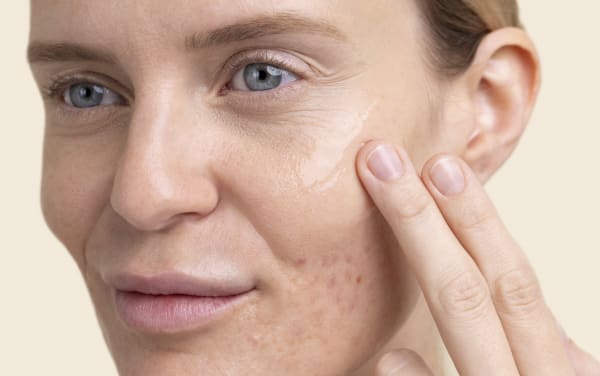
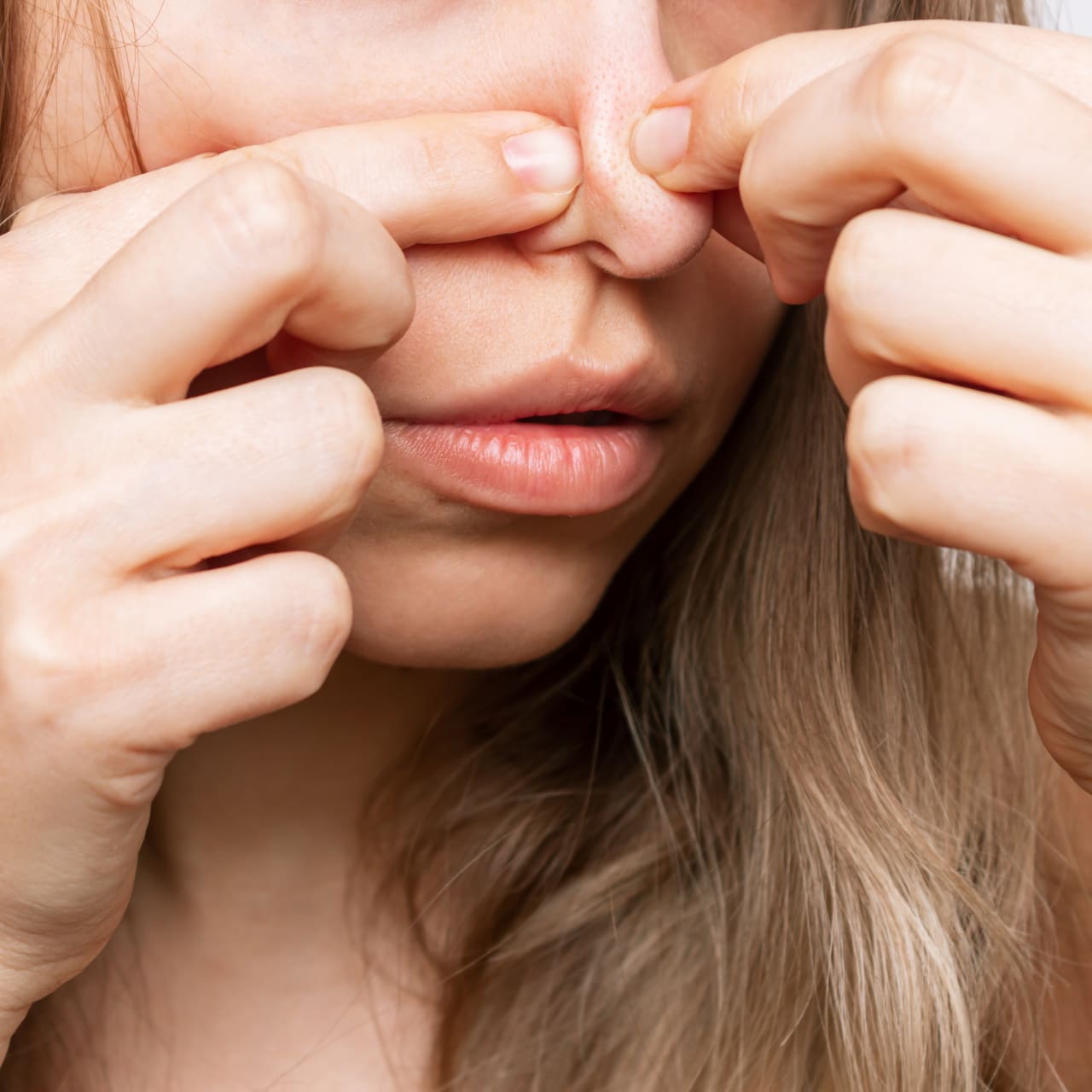
A blackhead is what is known as an ‘open comedone’. In other words, it's a sort of open spot. This completely benign lesion takes the form of a tiny spot of around 1 millimetre. It releases an oily substance when squeezed. Blackheads on the face or body can be identified by their characteristic greyish or blackish tinge. This is the result of an oxidisation of the impurities that caused the comedone.
Blackheads on the cheeks, nose or chin should not be confused with sebaceous filaments. The latter are very common on skin prone to heavy sebum secretion. How can you tell the difference? They are smaller, lighter and more numerous than blackheads. Although sometimes considered unsightly, they are a completely normal phenomenon.
The appearance of blackheads is directly linked to the sebaceous impregnation of the upper layers of the epidermis. This means that open blackheads thrive where sebaceous glands are numerous and active. The entire T-zone of the face is therefore affected.
Mechanism behind blackhead formation
Blackheads form when dead skin cells accumulate at the entrance of the sebaceous glands, the ‘pilosebaceous orifices’ or ‘follicular ostia’. These pores are used to excrete sebum, an oily substance produced to moisturise and protect the skin. When there is an excess of dead cells and sebum, a plug forms, obstructing the pore.
Rather than remaining under the skin, the blackhead therefore ends up on the surface due to the pressure of the sebum that continues to flow. Once it comes into contact with the air, the lipids in the plug oxidise, causing the exposed area to darken. This results in a blackhead that is visible on the surface.
The cause of blackheads on the face
Excessive sebum production, often influenced by hormonal factors, frequently occurs during puberty or under stress. Over-stimulated sebaceous glands produce more sebum, which increases the risk of clogged pores.
Your environment and lifestyle also play a role: pollution and a diet high in sugars, fats and processed foods can cause blackheads to form and stimulates the production of sebum.
Finally, an unsuitable skincare routine can also be a factor. Using products that are too aggressive or what is known as "comedogenic" upsets the skin's hydrolipidic balance and can disrupt sebum production, exacerbating the problem of clogged pores.
What are the characteristics of blackheads?
Pore clogging: caused by the build-up of sebum and dead skin cells.
Dark spots or blackheads: mainly on the T-zone (nose, forehead, chin) where sebum production is high. Clogged pores oxidise on contact with air, giving them their characteristic black colour.
Irregular texture: the skin shows irregularities in texture, the skin texture is granular, the skin is oily and the pores are open particularly in the T-zone.
All you need to know about blackheads and open pores
What is the difference between blackheads and open pores?
Although they are sometimes confused and have some similarities, blackheads and open pores are quite different. Blackheads are the result of clogged pores that fill with sebum, dead skin cells and impurities. All this accumulates and oxidises, leaving characteristic little blackheads or dark spots. They are mainly found on the T-zone (nose, forehead, chin), where sebum production is highest.
Open pores, on the other hand, do not contain build-ups of sebum; they look more like small holes visible on the surface of the skin or the pores that can be found on the surface of a citrus fruit. Their appearance is due to factors such as genetics, oily skin or a poor lifestyle. They generally appear in the T-zone.
Development of the open comedone
Blackheads can develop in different ways, depending on how the skin is treated. In some cases, it can develop into a more problematic form: acne. Acne is often associated with a specific bacterium: Propionibacterium acnes, also known as Cutibacterium acnes.
This bacterium can infect blackheads and trigger an inflammatory reaction. Certain strains are usually behind the development of inflammatory lesions characteristic of acne, such as pustules (pus-filled spots) and papules (red, swollen spots). These blemishes can be painful and can leave scars or pigmentation spots if not treated properly.
Where do blackheads develop?
Blackheads appear as a result of sebaceous impregnation of the upper layers of the epidermis. This means that open blackheads thrive where there are many active sebaceous glands. The entire T-zone of the face is therefore affected.
If you are prone to seborrhoea ( = hypersecretion of sebum), you can thus experience...
blackheads on the nose, particularly around the wings of the nose, where it tends to be more shiny.
Blackheads on the cheeks, located more towards the inside of the face.
Open blackheads on the chin, between the eyebrows or on the forehead, which are generally difficult to remove.
Sometimes even large blackheads in the ears. These can be due to poor hygiene or regular use of headphones.
Clogged pores on the body, particularly on the shoulders, upper back and around the breast area.
What's your blackhead routine?
How do you get rid of blackheads?
Active ingredients to get rid of blackheads
Here are some active ingredients recommended for open pores and blackheads:

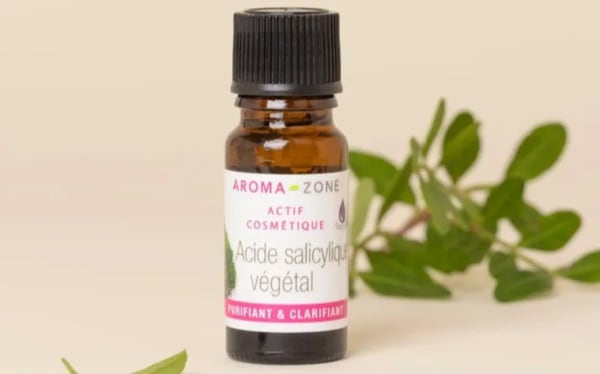
Plant-Derived Salicylic Acid active ingredient
Salicylic acid is a powerful ingredient to incorporate into your formulas for oily, dull or acne-prone skin. Purifying and keratolytic, it stimulates skin renewal, smoothes out blemishes and combats blackheads by helping to rid the skin of dead cells that clog pores.

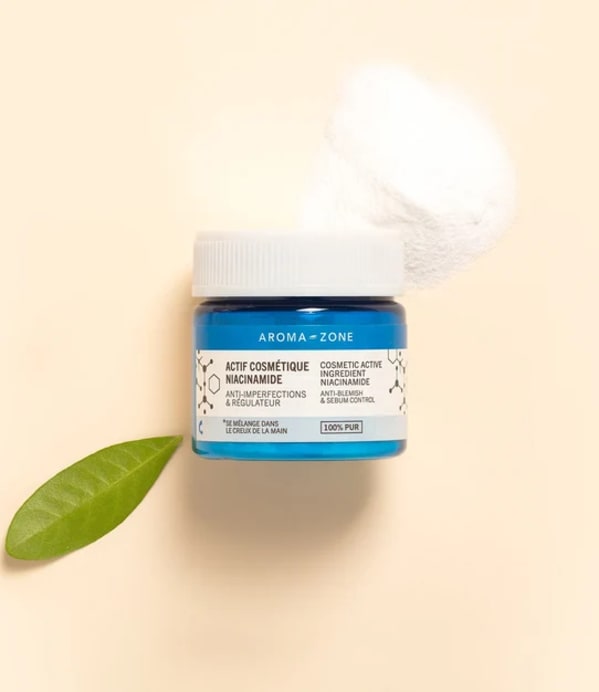
Nicotinamide active ingredient
An ideal solution for oily skin, it is popular for its multiple benefits: it regulates the production of sebum, reduces brown spots and redness, evens out the complexion and tightens pores, preventing blackheads from appearing.

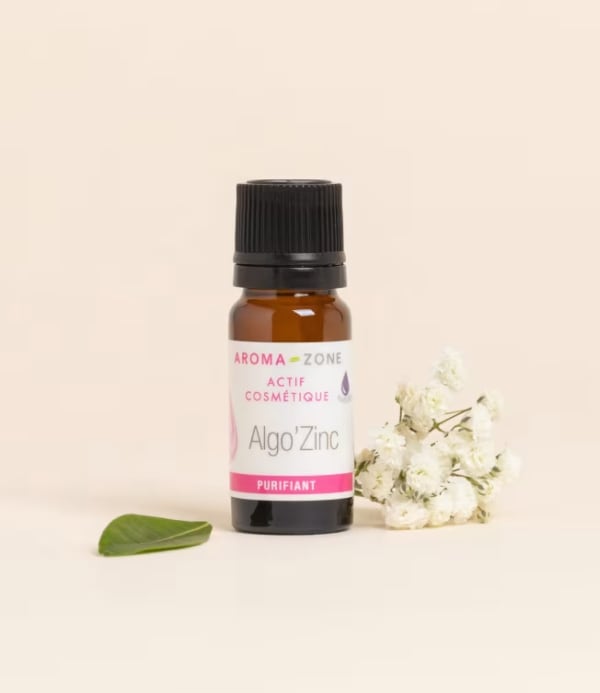
Algo'Zinc active ingredient
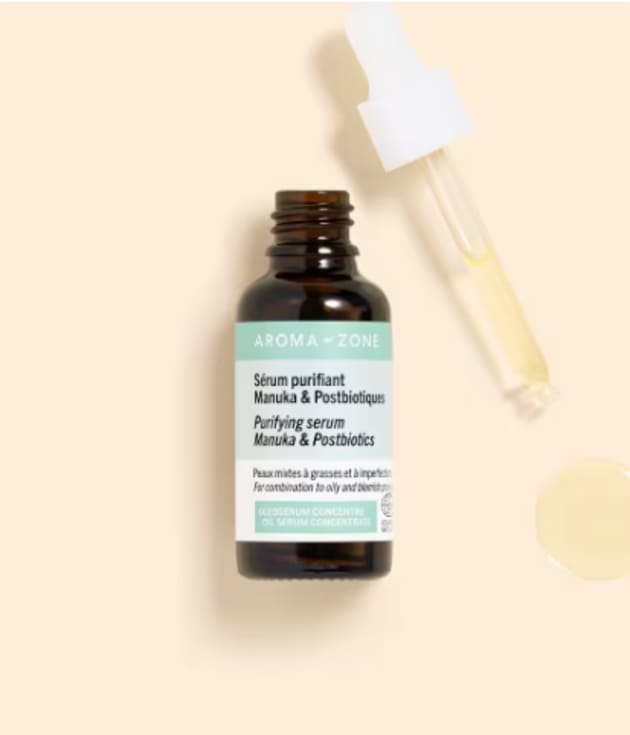
This zinc-based active complexed with laminaria seaweed extract has proven purifying, sebum-regulating and soothing properties. Its effectiveness is proven against Propionibacterium acnes (the bacteria responsible for acne) and Staphyloccocus aureus.

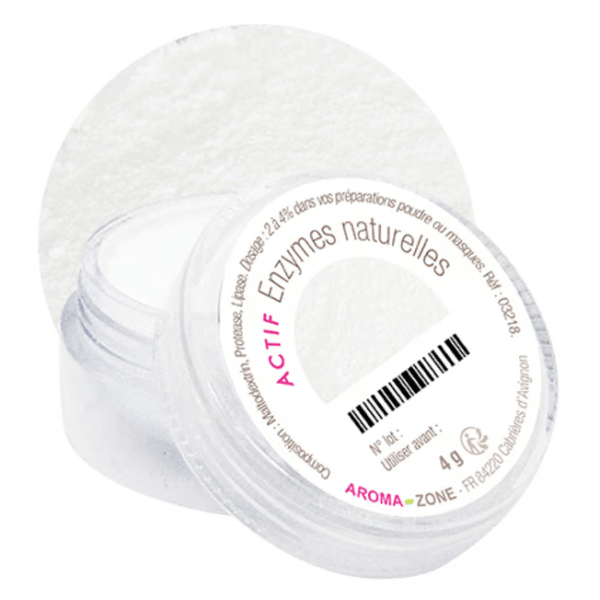
Natural Enzymes cosmetic active ingredient
Natural enzymes are used to make powder peels and enzymatic scrubs. Composed of natural lipases and proteases, this active ingredient effectively removes dead cells and impurities without damaging the skin. Its exfoliating effects help to unclog pores and prevent blackheads appearing.
Natural solutions to reduce blackheads
Hydrosols

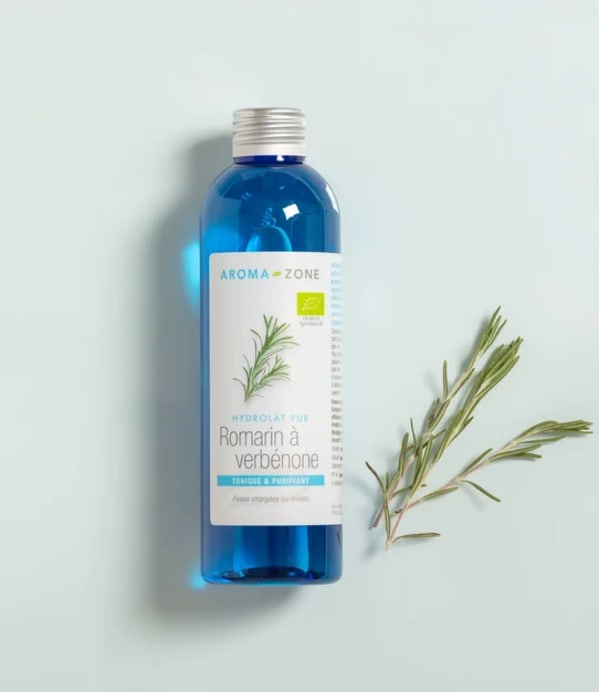
Organic rosemary verbenone hydrosol
Purifying cleanser for problem skin that is reknowned for unclogging pores and restoring oily skin's balance.

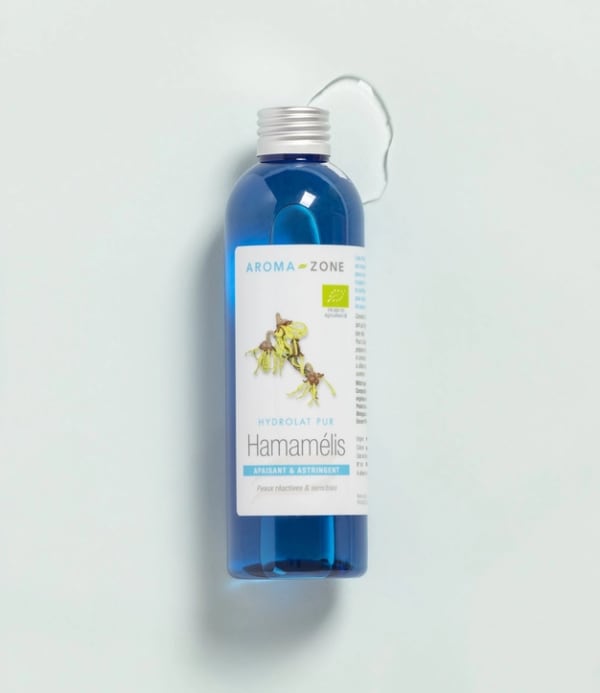
Organic witch hazel hydrosol
Witch hazel floral water has astringent, toning and purifying properties, making it an ideal ingredient for combination and oily skin care products. It tightens pores and eliminates excess sebum, helping to reduce blackheads.
Serums

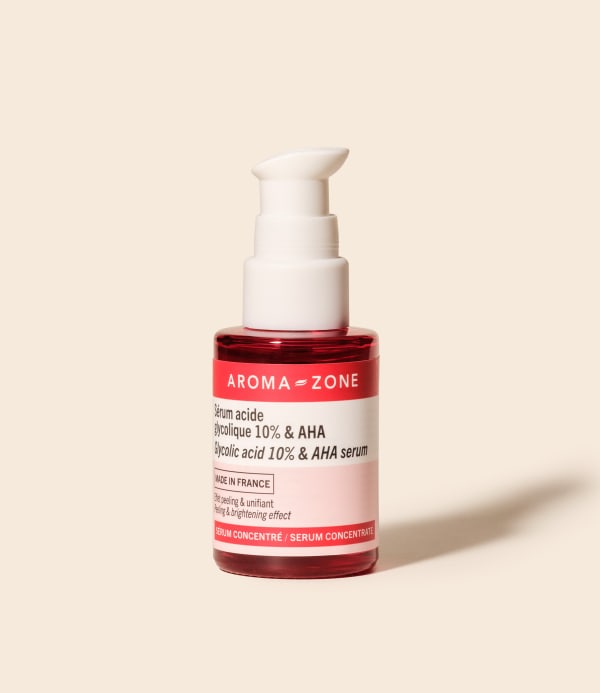
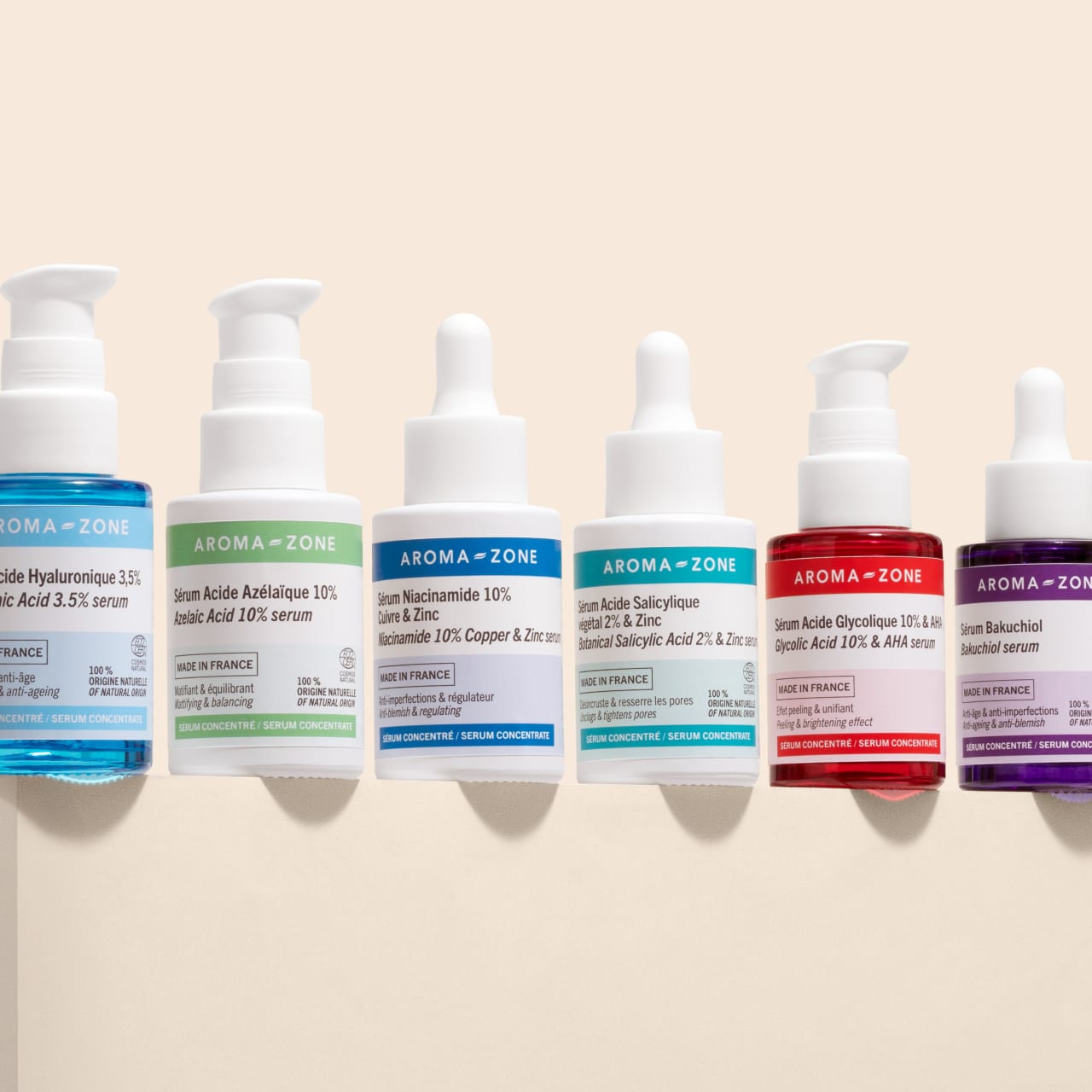
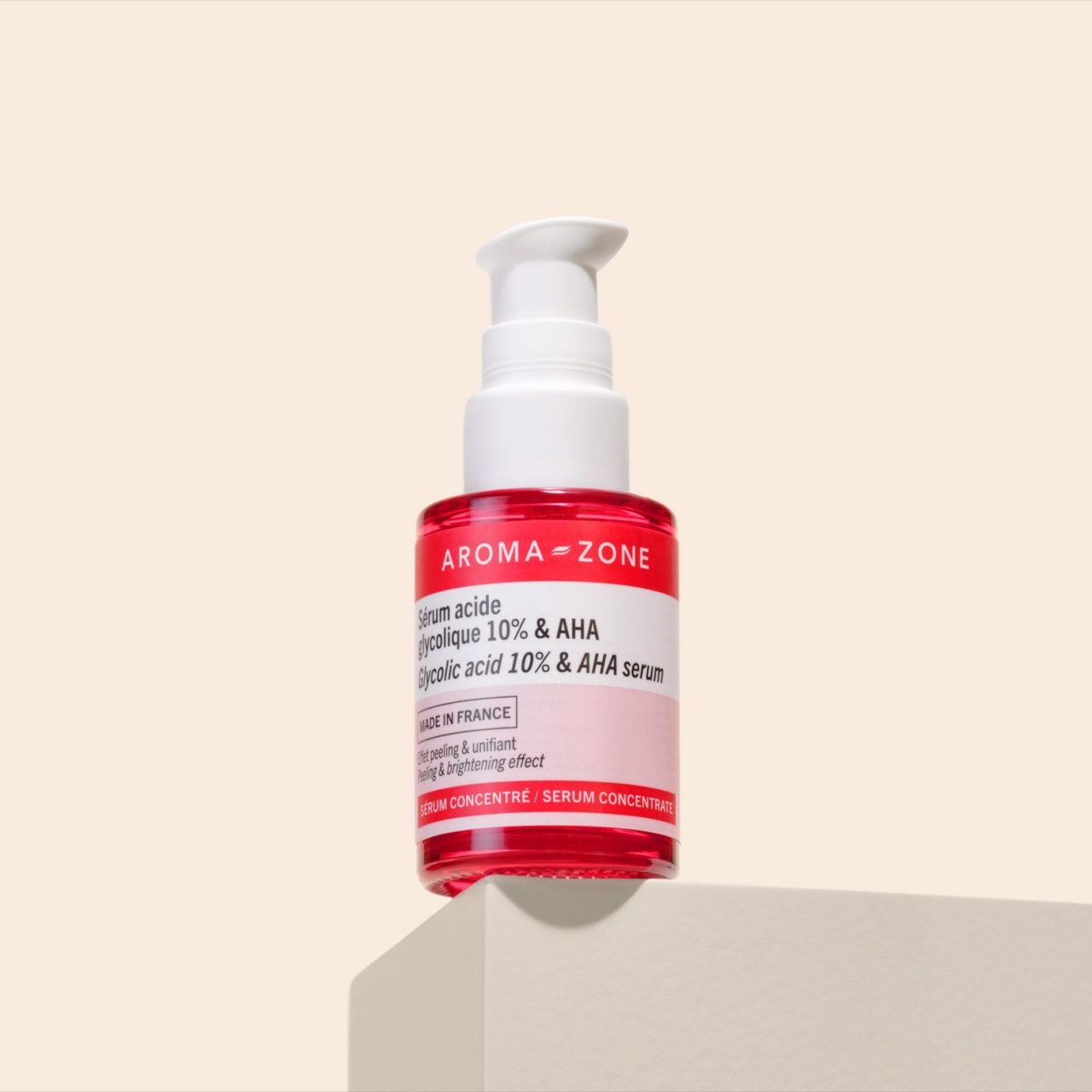
10% Glycolic Acid And AHA Serum Concentrate
A multi-action treatment for ‘new skin’. Its gentle peeling effect refines skin texture and smoothes out irregularities, for a radiant, even complexion.

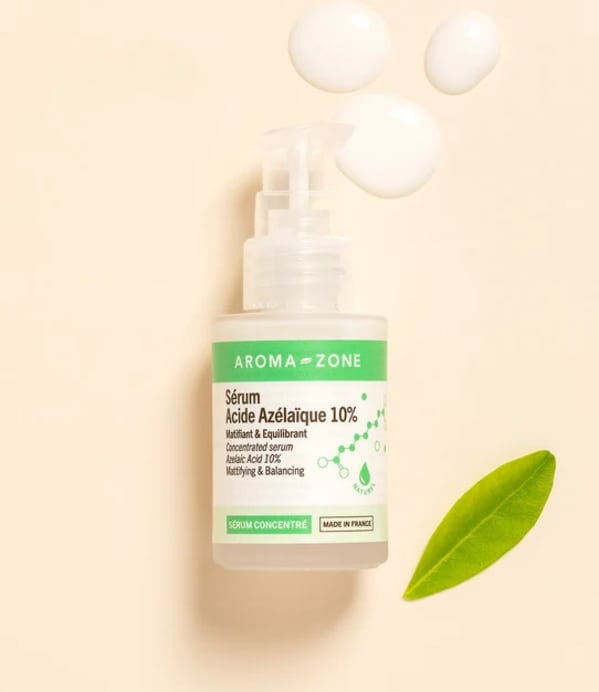
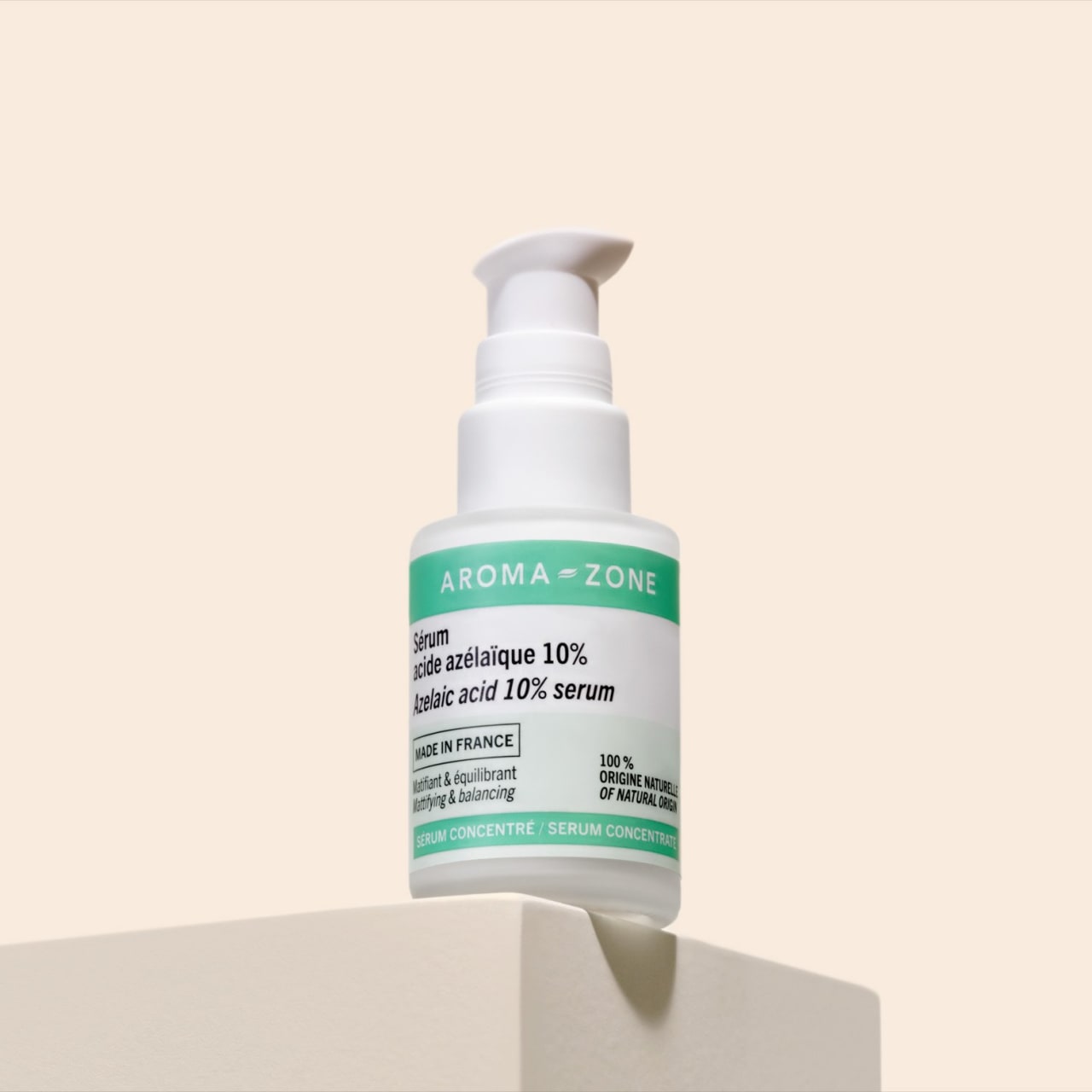
10% Azelaic Acid Serum Concentrate
A global anti-blemish solution, this 10% Azelaic Acid Serum Concentrate is the answer for combination skin, oily skin, blemish- and acne-prone skin to restore a clear complexation. Azelaic acid is known for its keratolytic, anti-comedonal and antibacterial effects.

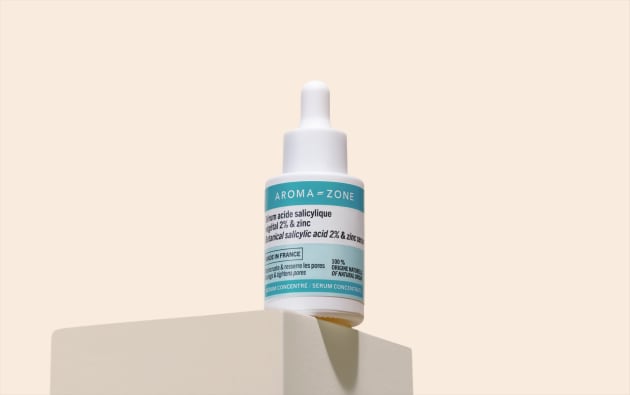
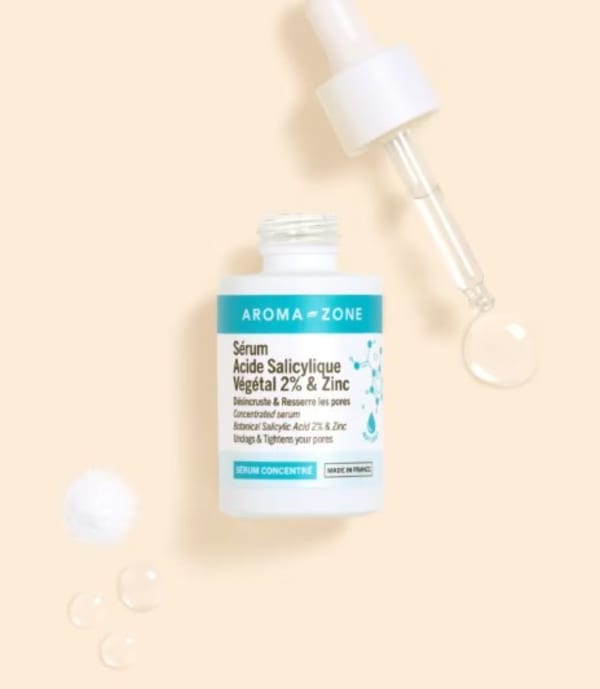
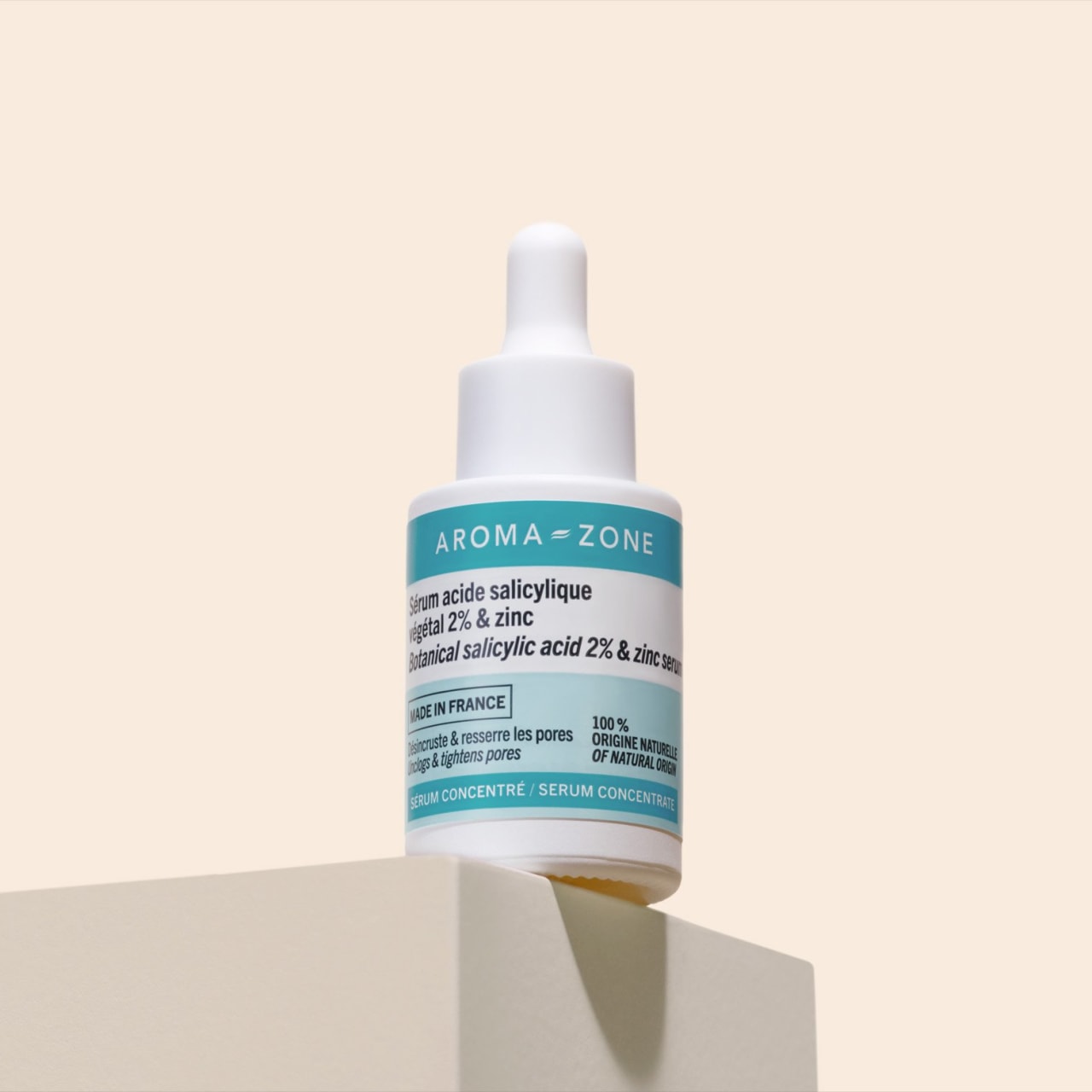
2% Salicylic Acid & Zinc Serum Concentrate
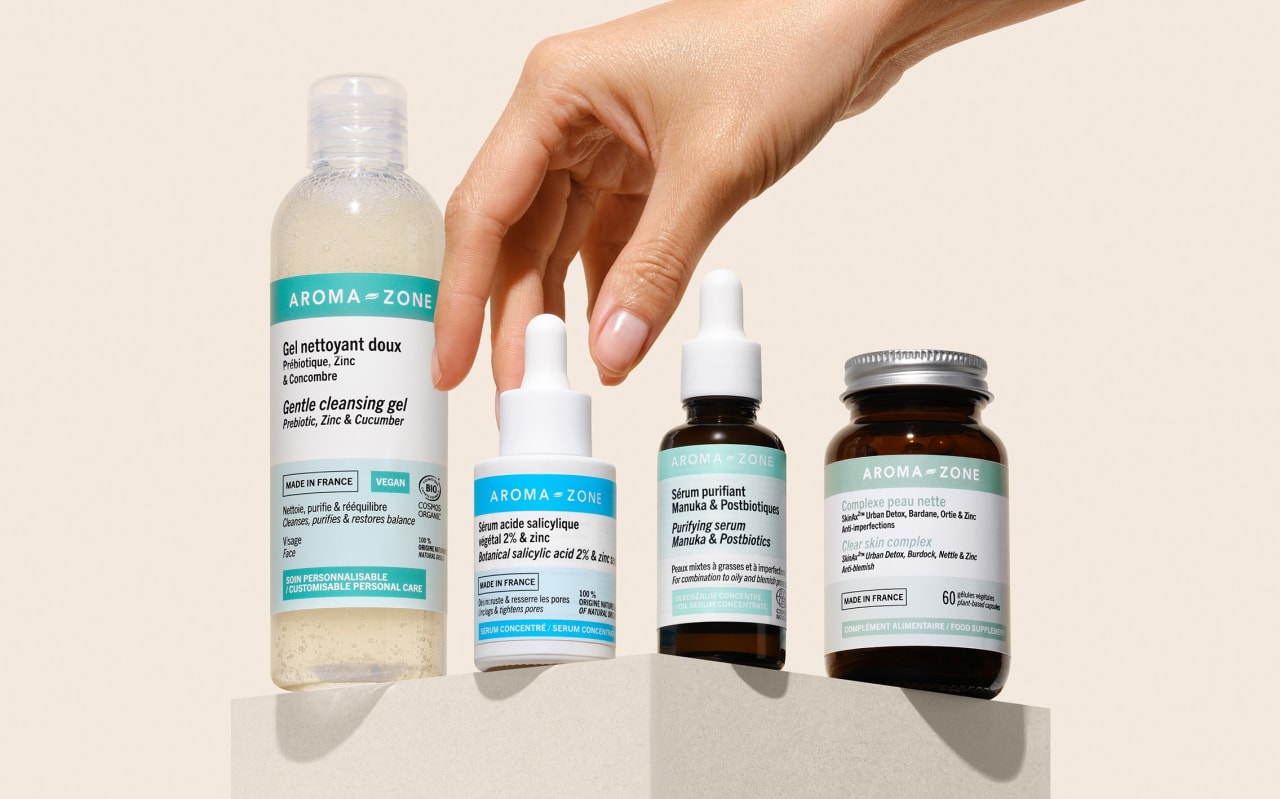
Reduces the size and surface area of pores while combating blemishes. Purifying and keratolytic, this complex of plant-based salicylic acid and zinc regulates excess sebum, unclogs pores and prevents the appearance of blackheads.
Scrubs

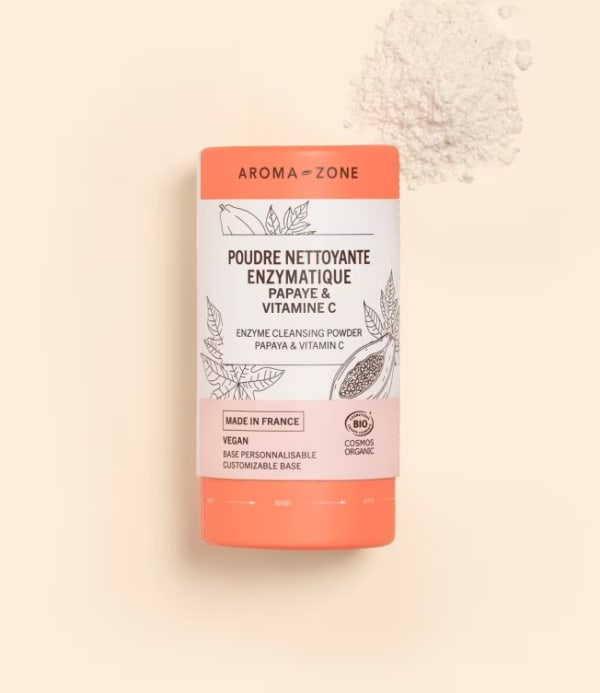
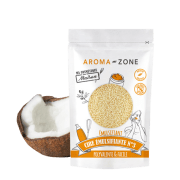
Papaya and Vitamin C Enzymatic Cleansing Powder
A cleansing and exfoliating 2-in-1 powder with natural enzymes. It unclogs pores, prevents blackheads and refines skin texture through grain-free enzymatic exfoliation,
Discover our Papaya and Vitamin C Enzymatic Cleansing Powder
Masks

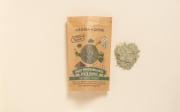
Clay mask
Superfine green montmorillonite clay especially has powerful absorbent and adsorbent properties. As such, it helps to trap impurities in seborrhoeic skin.
Discover our superfine montmorillonite green clay (smectite)
Directions: mix a small amount of clay with water or hydrosol to form a paste. Apply to clean, dry skin and leave on for 10 minutes before rinsing thoroughly. Do not leave the mask to dry: remember to rewet it if necessary.
Creams

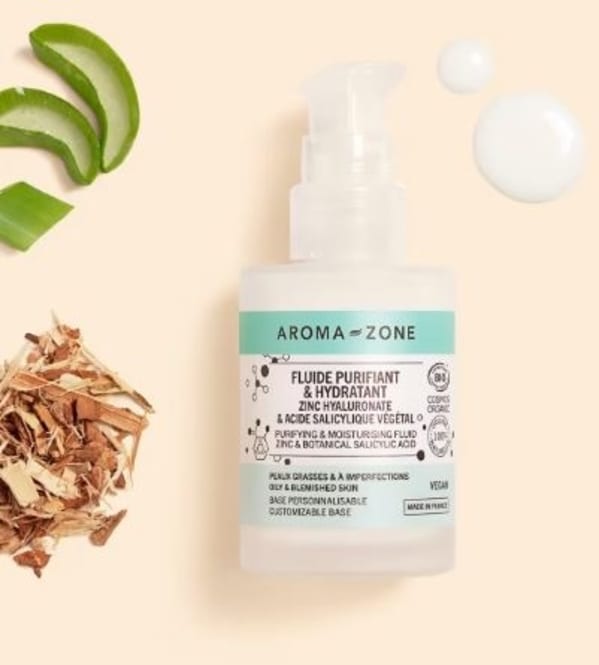
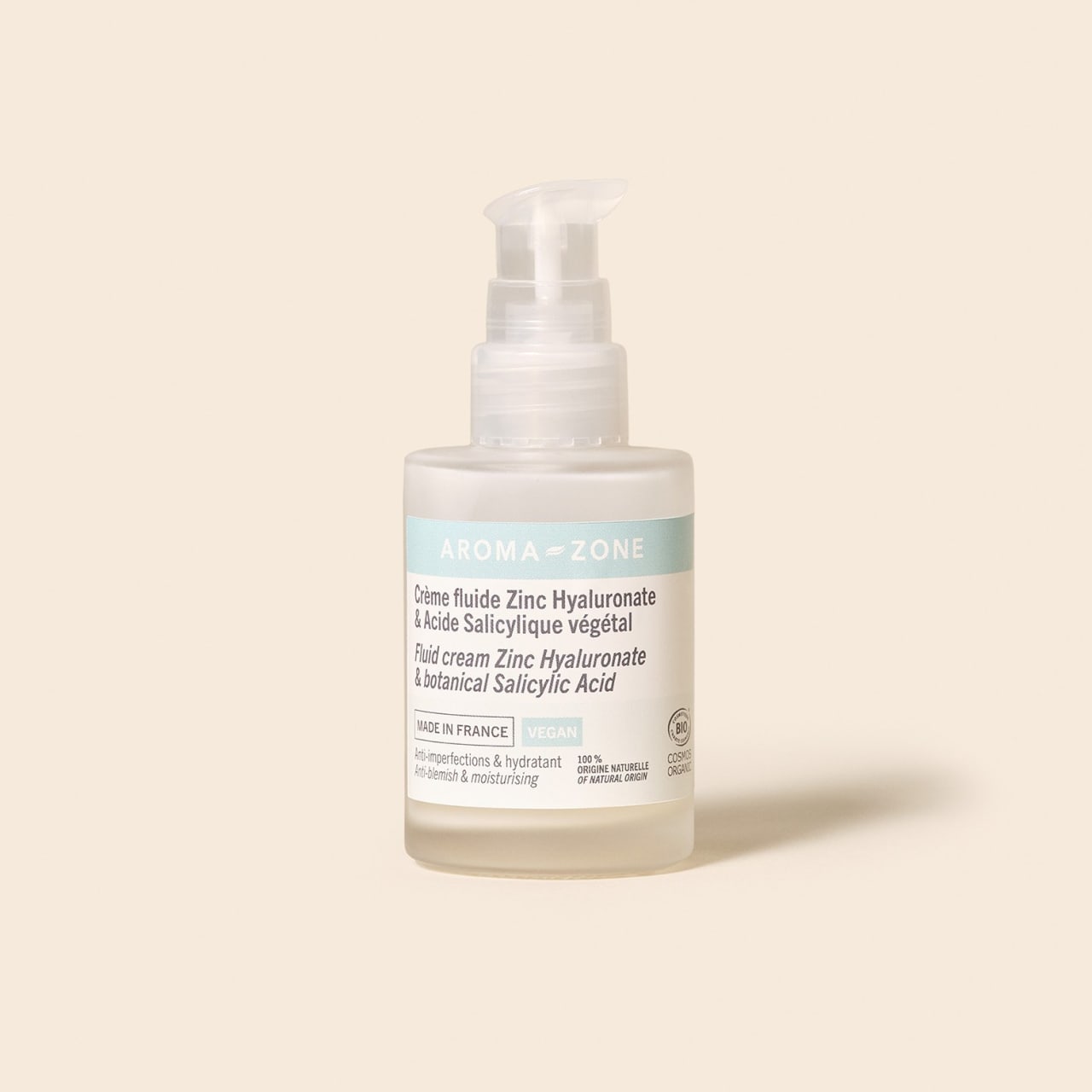
Organic Purifying and Moisturising Lotion
This purifying fluid is perfectly suited to oily skin with blemishes: balancing, mattifying and moisturising at the same time, its formula enriched with zinc hyaluronate is proven effective in reducing blemishes, mattifying the skin and regulating sebum production. In addition, purifying and keratolytic salicylic acid stimulates cell renewal, smoothes skin texture, reduces blackheads and tightens pores.

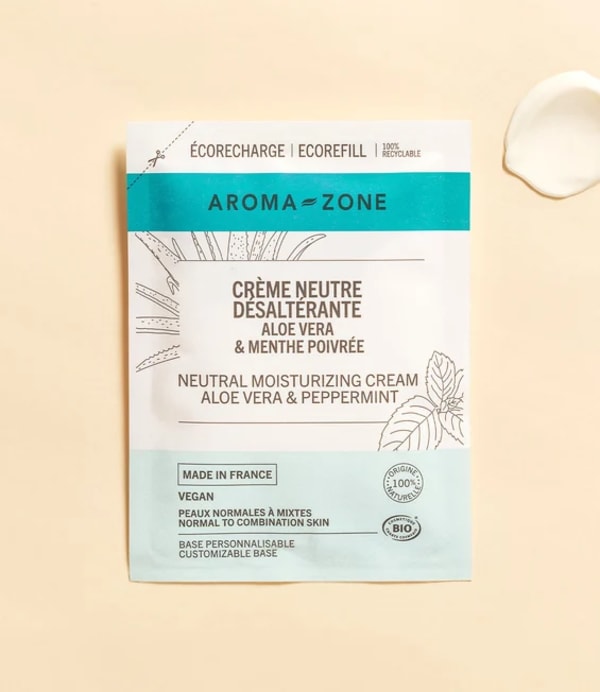
Intensely Moisturising Face and Body Cream
Enriched with aloe vera and peppermint hydrosol, active ingredients known for their moisturising and refreshing effects, this cream provides your skin with long-lasting intense moisturisation for up to 8 hours after application. It can be used pure as it is or customised with other purifying active ingredients to specifically target oily skin with blemishes.
How do you get rid of stubborn blackheads?
Some large blackheads are so ingrained that they are difficult to remove with traditional solutions. You can help get rid of them more easily by using devices, accessories or objects designed to remove blackheads. But be careful, they must be used only occasionally and gently to avoid irritating the skin.
A blackhead remover. This is a small metal instrument that is very easy to find in shops. It can be used to unclog pores and minimise the risk of contamination by pathogenic micro-organisms.
A blackhead patch. These self-adhesive strips often contain charcoal and keratolytic agents. They attach to the head of the blackhead to make it easier to remove when the patch is peeled off.
Consult a specialist
To combat blackheads without damaging your skin, you can opt for professional solutions, which are generally more long-lasting and less invasive.
Extraction of blackheads in an institute (steam bath, vibrating spatula, etc.).
Treatment of blackheads by a dermatologist (acids, laser, LED, etc.).
How can I get rid of blackheads with oil gritting?
The process of ‘oil gritting’ is a new process designed to unclog pores and eliminate blackheads. Thanks to the combined action of oil and clay, applied one after the other, the sebaceous filaments are gradually loosened by the mechanical exfoliation of the skin during the massage, leaving the skin clearer and reducing the appearance of blackheads and blemishes.
This method involves 3 steps:
Gently massage the skin for 10 to 15 minutes with an oil-based cleanser
Apply a clay mask to oil-covered skin
Rinse thoroughly
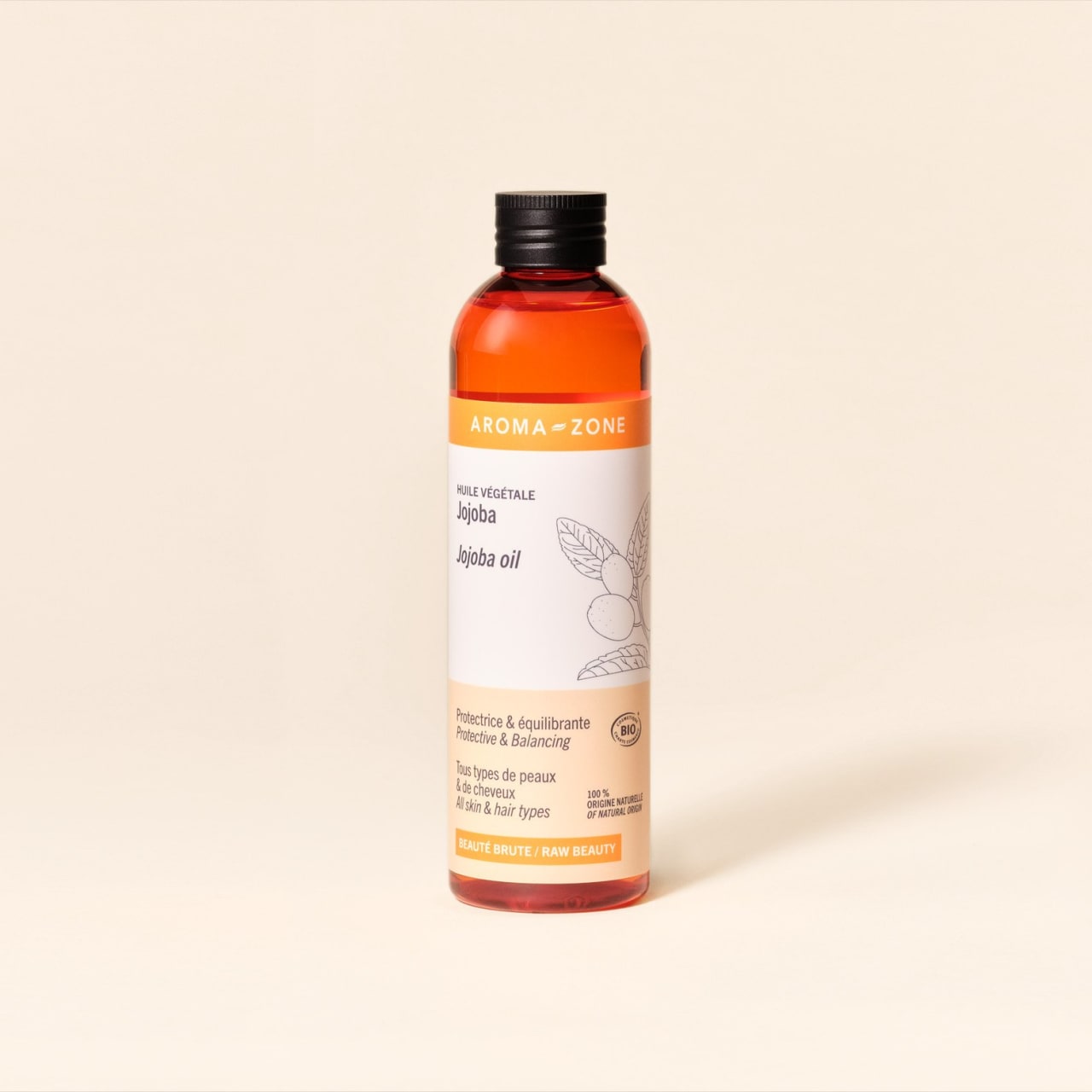
This method can be used on all skin types, however, for people with sensitive skin, a 15-minute oil massage may be a little too aggressive and cause redness. We also recommend non-comedogenic oils.
Recipes to prevent blackheads
Make these recipes at home to cleanse your skin and help eliminate blackheads:


Anti-blackhead exfoliating mask

Anti-blackhead exfoliating mask

Anti-blackhead exfoliating mask
Ingredients (without scales)
Preparation
1
Mix all the ingredients together in a bowl.
2
Gradually add lukewarm water, stirring until a paste forms.
* Storage: this instant mask can be used immediately and does not keep for long.
Precautions to be taken
Blackheads can be a symptom of acne, a dermatological condition that can vary in severity. For persistent or severe acne, it is essential to consult a specialist, such as a dermatologist, in order to determine the type of acne and obtain appropriate treatment.
Expert advice
Touching blemishes and blackheads with dirty hands is the best way to infect them and cause inflammation, which can lead to a pimple. Hence the importance of not removing blackheads without taking precautions. Always wash your hands before handling your blackheads, and disinfect your blackhead remover if you use one beforehand.
Find out more

Is just waiting for them to go the best way to get rid of blackheads?

Is just waiting for them to go the best way to get rid of blackheads?
Wondering how to get rid of blackheads on your face? There's a very simple solution to eliminating blackheads without leaving a trace: wait! This is because the body always gets rid of open blackheads on its own. The only drawback is that this natural process takes time.
But did you know? You can do a few things to speed up the elimination process. There are a number of traditional recipes and natural tips for preventing and combating blackheads. All you need to do is learn about them and adapt them to your skin type.

Recurring blackheads on the nose: what is the cause?

Recurring blackheads on the nose: what is the cause?
It's very tempting to pierce your blackheads and make a clean sweep. But beware of the pitfalls. Subjecting the skin to physical stress (like "squeezing" your pimples) should only be done once in a while. This is because you risk developing permanent open pores as a result of emptying them. It's a vicious circle: because the pores are wide open, they clog up more easily.
Bibliography
1
Bhate, K., & Williams, H.
"Epidemiology of Acne Vulgaris." British Journal of Dermatology, vol. 168, no. 3, 2013, pp. 474-485. DOI: 10.1111/bjd.12149.
2
Zaenglein, A. L., et al.
"Guidelines of Care for the Management of Acne Vulgaris." Journal of the American Academy of Dermatology, vol. 74, no. 5, 2016, pp. 945-973.e33. DOI: 10.1016/j.jaad.2015.12.037.