Why shouldn’t you squeeze blackheads?

Why shouldn’t you squeeze blackheads?


By Gipsy Dauge

Published on: Friday, December 08, 2023, Updated on: Thursday, September 24, 2026

Popping blackheads can be tempting to get rid of those unsightly little dark spots. However, this practice carries significant risks. In fact, popping blackheads exposes the skin to bacterial infections, inflammation, and potential scarring. Furthermore, this method can disrupt the skin’s natural balance by stimulating excessive sebum production, thereby contributing to the formation of new blackheads. Discover our safe tips for a gentle approach.

Contents

Related products

Why do we call them blackheads?

A blemish that lives up to its name

The blackhead gets its name from its dark color visible on the skin’s surface. It appears when a pore is blocked by a mixture of sebum (a protective fluid naturally produced by the skin) and dead skin cells, forming what is known as an open comedone. Contrary to popular belief, this black coloration is not caused by dirt, but by oxidation upon contact with air. As it remains open, the plug oxidizes and darkens, giving it its characteristic appearance.

Blackheads and deep pores

The holes often associated with blackheads are actually enlarged pores visible on the skin’s surface. When a blackhead remains lodged in a pore for a long time, the pore stretches and expands to allow the excess sebum to escape. Even after the blackhead is removed, the pore may remain enlarged, giving the skin a pitted appearance. In some cases, these holes can turn into permanent residual marks.

Where do blackheads form?

Blackheads develop in the pores, small openings on the skin’s surface connected to hair follicles and sebaceous glands. Blackheads primarily form on the T-zone of the face (nose, forehead, chin), where sebaceous glands are most numerous and active. They can also appear on other parts of the body such as the back, chest, neck, shoulders, and arms—all areas rich in sebaceous glands. The nose is often the most affected area, as it has a high concentration of pores and sebaceous glands. Blackheads develop individually or in clusters.
Why shouldn’t you squeeze blackheads?

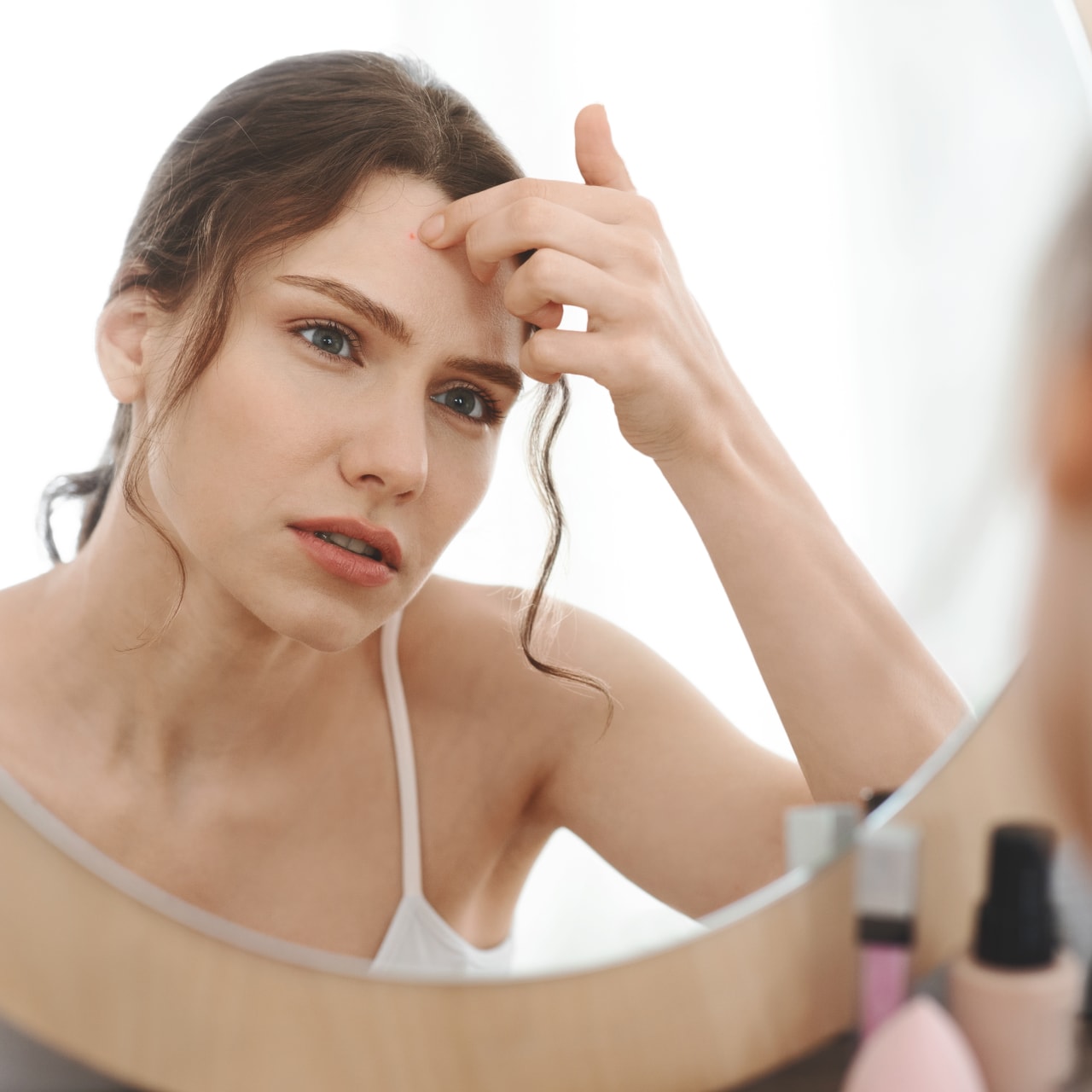
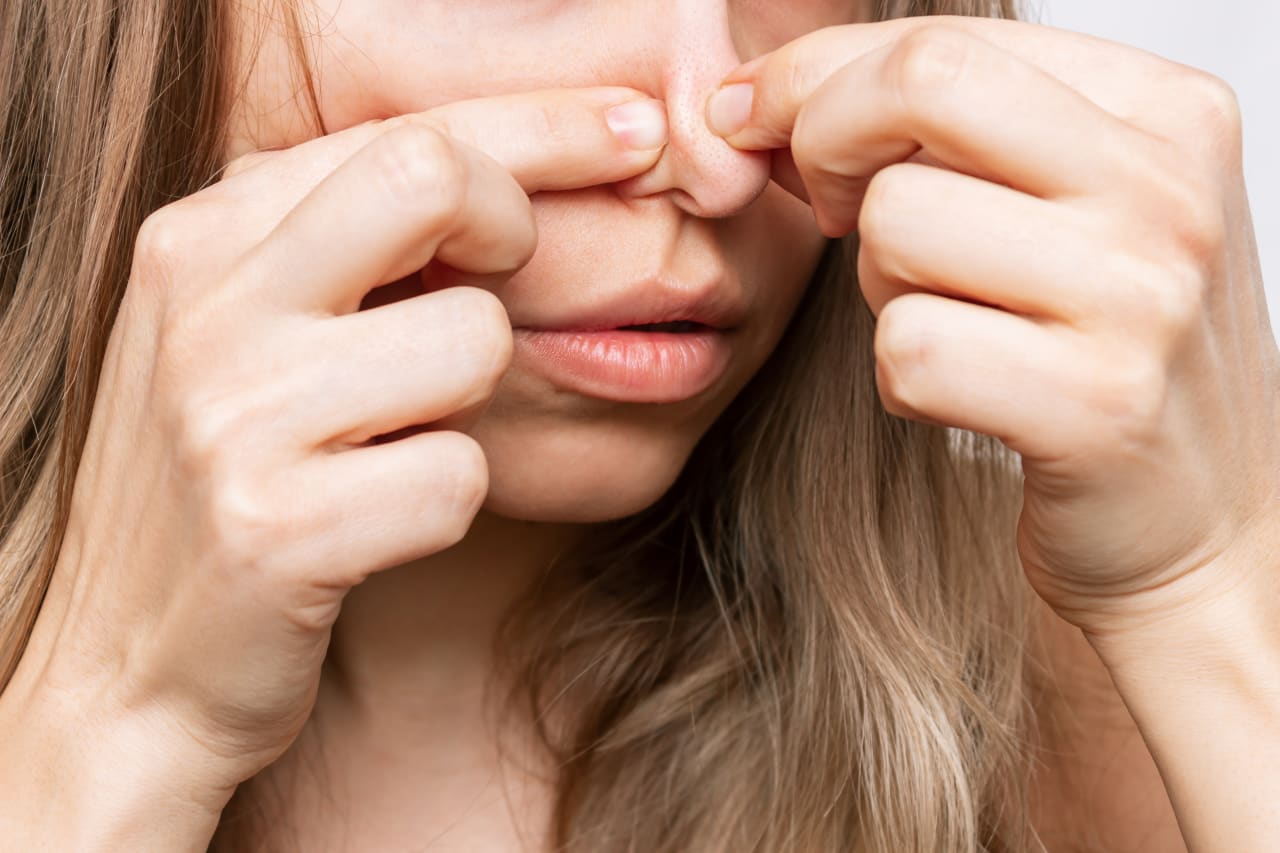
Even though it may be very tempting, squeezing blackheads is strongly discouraged.

Risk of infection

When you try to squeeze a blackhead with your fingers or nails, you increase the risk of introducing bacteria into the already clogged pore. These microorganisms can cause inflammation and turn a simple blackhead into a painful red pimple, or even a subcutaneous cyst.

Residual marks

The strong pressure applied to the skin when you try to squeeze a blackhead damages the surrounding skin tissue. The healing process may be incomplete and leave a temporary—or even permanent—mark. Furthermore, squeezing a blackhead can also trigger an overproduction of melanin—the skin’s response to this trauma—and leave behind a persistent brown spot.

Enlarged pores

By squeezing a blackhead to pop it, you risk irreversibly stretching the pore. The enlarged pore becomes more visible and more prone to clogging. Furthermore, this action disrupts the skin’s natural balance and can stimulate excess sebum production, paradoxically promoting the appearance of new blackheads.

Incomplete extraction

Most attempts at home extraction result in the blackhead not being fully removed. Sebum and impurities remain partially lodged in the pore, causing inflammation that is more severe than the original blackhead. If you absolutely want to have your blackheads extracted, it is best to consult a dermatologist or a qualified professional who will use sterilized tools and appropriate techniques.

Why do we get blackheads?

Excessive sebum production

Sebaceous glands naturally produce sebum to protect and moisturize the skin. When this production malfunctions and becomes excessive, sebum accumulates with dead skin cells on the skin’s surface and clogs the pores. This phenomenon is particularly common in people with oily or combination skin, as the sebaceous glands are naturally more active in these skin types. Excess sebum creates an environment conducive to the formation of clogs, which, once oxidized upon contact with air, turn into blackheads.

Accumulation of dead skin cells

Hyperkeratinization—the thickening of the skin—promotes pore blockage. Dead skin cells that aren’t properly shed accumulate at the opening of the sebaceous glands and mix with sebum to form a plug. This phenomenon is exacerbated when skin cell turnover is disrupted or when natural exfoliation does not occur properly. The mixture of dead skin cells and sebum then creates a substance that clogs pores and prevents them from functioning normally.

Other factors

Hormonal changes (adolescence, pregnancy, the menstrual cycle, or stopping birth control pills), pollution particles, smoking, a diet high in refined sugars, dairy products, and saturated fats, stress, and the use of comedogenic (pore-clogging) or overly harsh cosmetics are all factors that contribute to the appearance of blackheads.

What natural routine can help reduce blackheads?

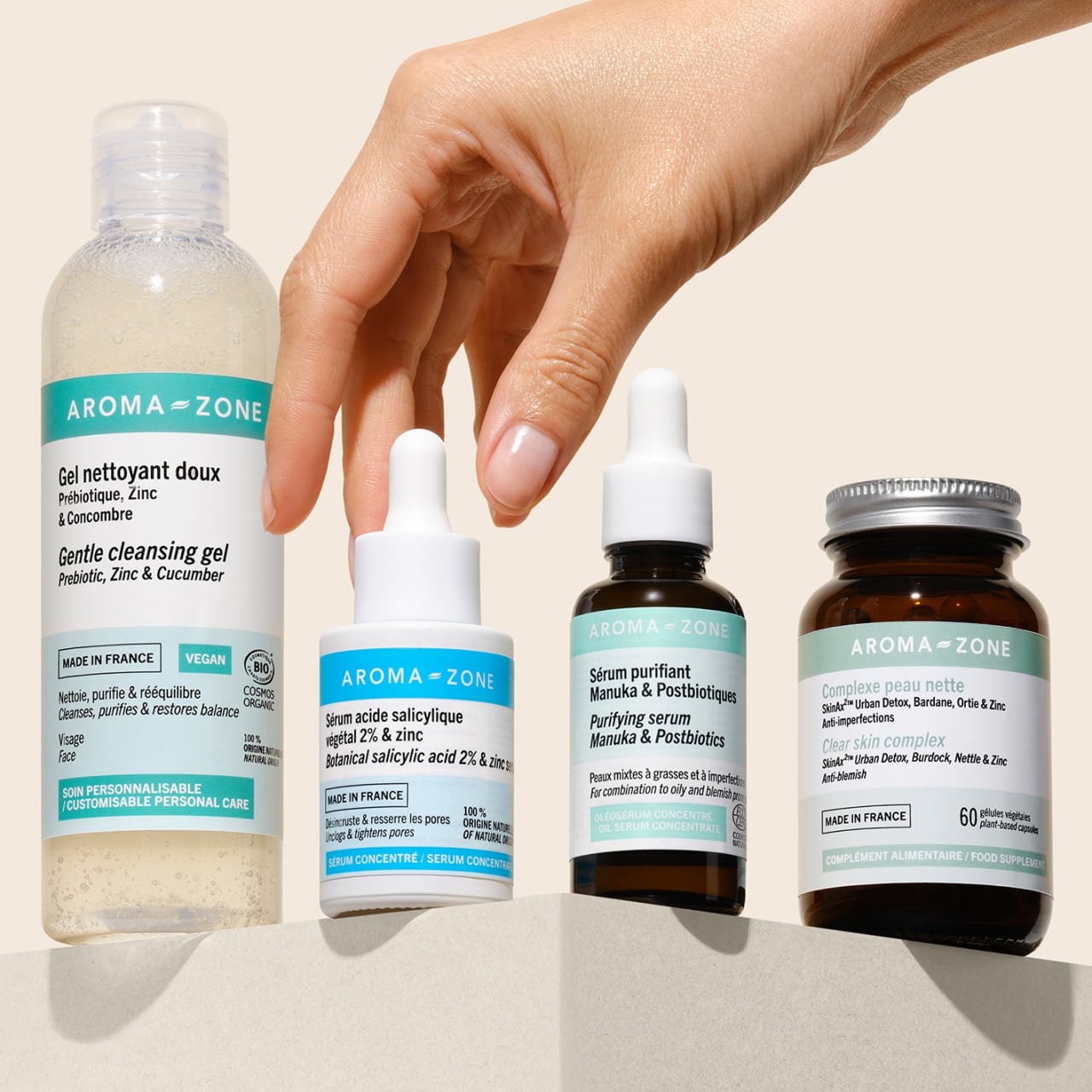
To care for your skin daily with simple, targeted steps, here is a complete natural routine that’s easy to adopt and tailored to the needs of skin prone to blackheads.

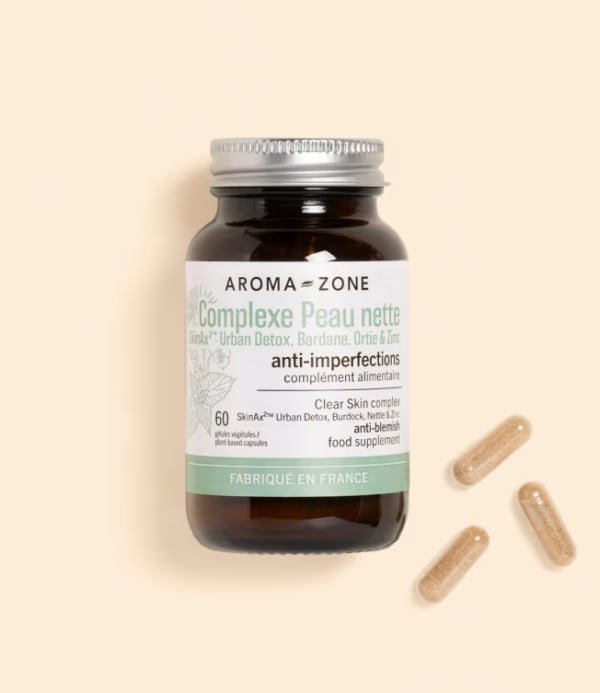
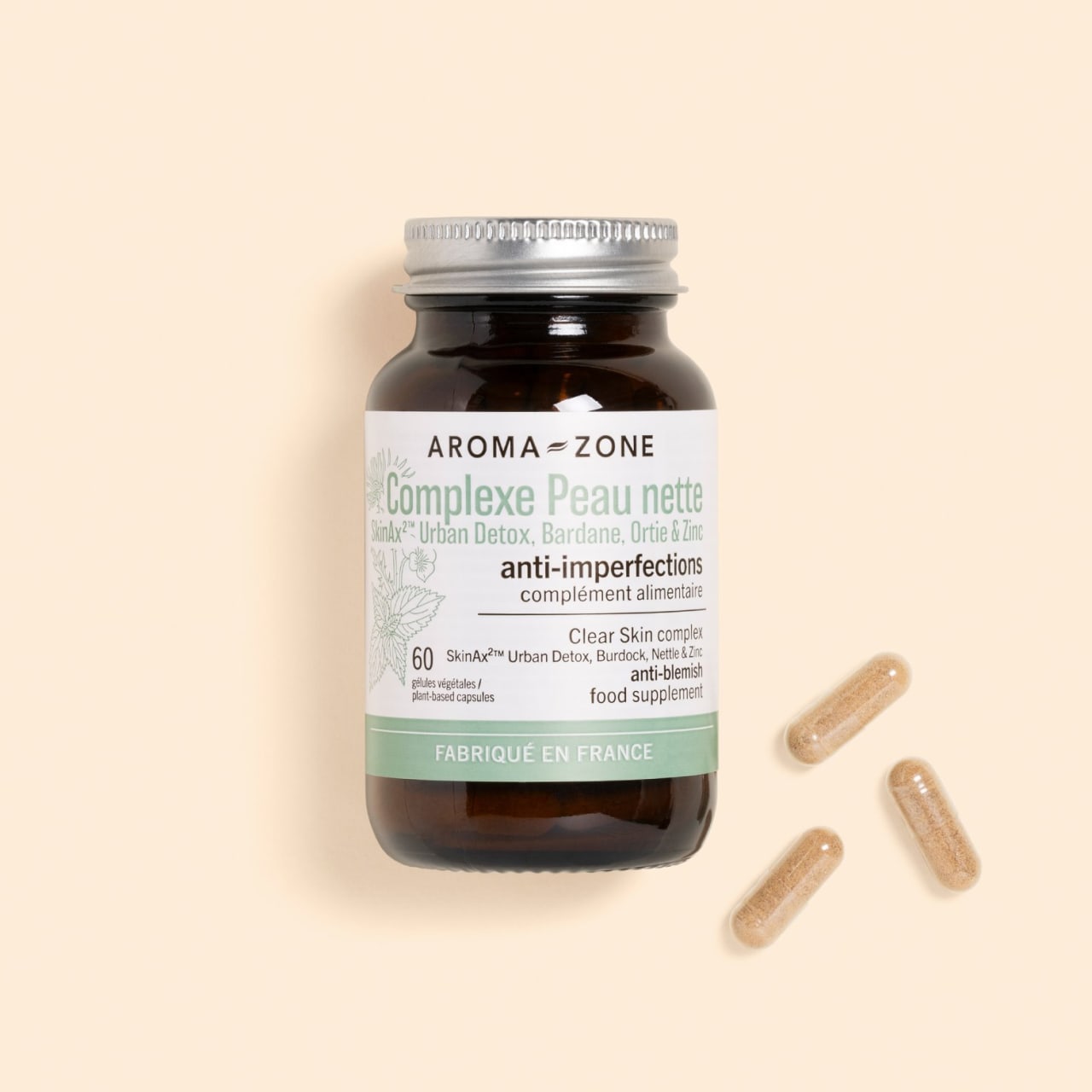
Clear Skin Complex - 60 capsules - Dietary supplement

What are the best practices to minimize blackheads?

  • Try a steam bath : this type of facial sauna helps open pores to facilitate the removal of impurities. Place your face over a bowl of hot water for 5 to 10 minutes to open the pores, soften accumulated sebum, and prepare the skin for a purifying mask

  • Turn to purifying masks : Once a week, apply a green clay mask only to areas prone to blackheads. The clay absorbs excess sebum and draws impurities out of the pores thanks to its purifying and absorbent properties

  • Try a coffee grounds scrub: Organic coffee grounds are an excellent natural exfoliant for removing dead skin cells from the skin’s surface. Note: This method may not be suitable for sensitive or reactive skin

  • Avoid comedogenic products : Comedogenic products form an occlusive layer that prevents the skin from breathing. They promote the buildup of sebum and dead skin cells, which cause blackheads and blemishes

  • Never touch your face with your hands: Your hands carry bacteria and impurities that transfer to your face and contribute to clogged pores. If you must touch your face, make sure your hands are clean

  • Change your pillowcases regularly: Pillowcases accumulate sebum, dead skin cells, and bacteria that end up on your face overnight. Change them once a week to limit this transfer of impurities.

What are some alternative solutions for removing blackheads?

As you can see, it’s best to avoid squeezing blackheads with your fingers or nails. If you really want to remove them yourself, you can use a blackhead remover or a blackhead patch. After a steam bath to open the pores, place the loop of the blackhead remover around the blackhead and apply gentle pressure to dislodge it, then immediately disinfect the area with an antiseptic solution. However, this method requires strict hygiene of the tool (sterilization before and after use) and a mastered technique to avoid any skin trauma.

Blackhead patches offer a quick and painless solution: applied to damp skin for 10 to 15 minutes, they harden and pull out the blackheads when removed. However, their effectiveness is limited to the surface, as they remove only the visible part of the comedone without deeply cleansing the pore. Furthermore, if used too frequently, they can irritate the skin, stimulate excess sebum production, and cause redness or flaking.

Professional extraction at a beauty salon or dermatologist’s office remains the safest and most effective solution. Professionals use sterilized tools, are skilled in extraction techniques, and can complement the procedure with tailored treatments to tighten pores and prevent inflammation.

Why does oily skin develop more blackheads?

Oily skin tends to produce excessive sebum. When the sebaceous glands are overstimulated, sebum accumulates more easily on the skin’s surface and in the pores, which promotes their blockage. This is why oily skin is more prone to blackheads and requires special attention when it comes to cleansing and skincare to prevent this from happening.

Precautions for use

Dermatologists and healthcare professionals strongly advise against squeezing blackheads at home. It is best to have blackheads extracted by a qualified professional who works under optimal hygienic conditions. They use specialized instruments to gently incise and squeeze while disinfecting, which minimizes the risk of infection, scarring, and inflammation.

Expert Tip

If you use a blackhead remover at home, prepare your skin with heat (a steam bath or a warm towel) to open the pores. Wash your hands thoroughly before handling, disinfect the skin, and use a metal blackhead remover that has been sterilized beforehand. Apply an antiseptic solution immediately after extraction.

Spotlight on Our Writer: Gipsy Dauge

Gipsy is a graduate of ESJ Paris. After 10 years working in the general and women's specialist press, she chose to specialise in writing about health and well-being. Now a certified Yin Yoga teacher, she skillfully combines her passion for writing with her love of yoga. Her goal goes far beyond simply informing the reader. She is passionate about helping readers embrace simple, practical habits that support their well-being while encouraging a more mindful approach to the world around them. Every article is an invitation to adopt a healthier, more balanced and fulfilling lifestyle.

Bibliography

  1. Skincare - The Goal: Beautiful Skin, by Laurent Pan and Coralie Petermann, 2022

    https://books.google.fr/books?id=sWyXEAAAQBAJ&pg=PA34&dq=points+noirs+peau&hl=fr&newbks=1&newbks_redir=0&sa=X&ved=2ahUKEwjS583Frv-CAxWhgv0HHVr1B7YQ6AF6BAgKEAI#v=onepage&q=blackheads+skin&f=false

  2. Unbeatable Parents Vol. 3: Your Child Aged 12 and Up, by Myriam Katz, 2019

    https://books.google.fr/books?id=BlTYEAAAQBAJ&pg=PT29&dq=points+noirs+peau+percer&hl=fr&newbks=1&newbks_redir=0&sa=X&ved=2ahUKEwjIgaXLsv-CAxUpU6QEHX_SBpsQ6AF6BAgLEAI#v=onepage&q=blackheads+skin+extract&f=false

Frequently Asked Questions

Frequently Asked Questions