What Is Oil Gritting?

What Is Oil Gritting?


By Hélène Betoux

Published on: Wednesday, May 22, 2024, Updated on: Wednesday, October 28, 2026

Do your blackheads and sebaceous filaments seem to resist everything? Then you've no doubt heard of the oil gritting technique. Its promise is to give you a clear complexion and super-soft skin with a little plant oil and a bit of elbow grease! While the effectiveness of this technique is still debated and open to question, it's very easy to incorporate into your routine once a week. For best results on your blackheads, we recommend combining it with tried-and-tested keratolytic active ingredients, particularly fruit acids. Here's a step-by-step guide to the technique and the products to use so you can try oil gritting at home.

Contents

Related products

In brief

  • Oil gritting involves applying a plant oil to the face and then massaging it in for around ten minutes to remove impurities and blackheads

  • This technique is suitable for all skin types to provide a deep cleanse, but must be carried out gently so as not to damage the skin barrier. The use of non-comedogenic oils is recommended

  • The article points out that this routine may not be suitable for sensitive or reactive skin, and that it remains important to choose skincare products tailored to your skin’s specific needs

What Is the Oil Gritting Method?

Oil gritting is a skin-cleansing technique popularised by social media. It’s also known as ‘skin gritting’, which literally means ‘scrubbing the skin’ or ‘oil scrubbing’ in French. It involves massaging the skin on your face for around ten minutes with an oily cleanser (preferably a plant oil).

Why Do It?

This beauty trend is based on the following principle: a long massage of the skin is said to help dislodge the clumps of impurities that block and enlarge the follicular ostia. As oils are lipophilic substances, they are then able to dissolve these nasty greasy plugs and carry away lipid-based impurities (oily). It is, in a sense, an oil cleansing method taken to the extreme to unclog the pilosebaceous orifices and tighten enlarged pores.

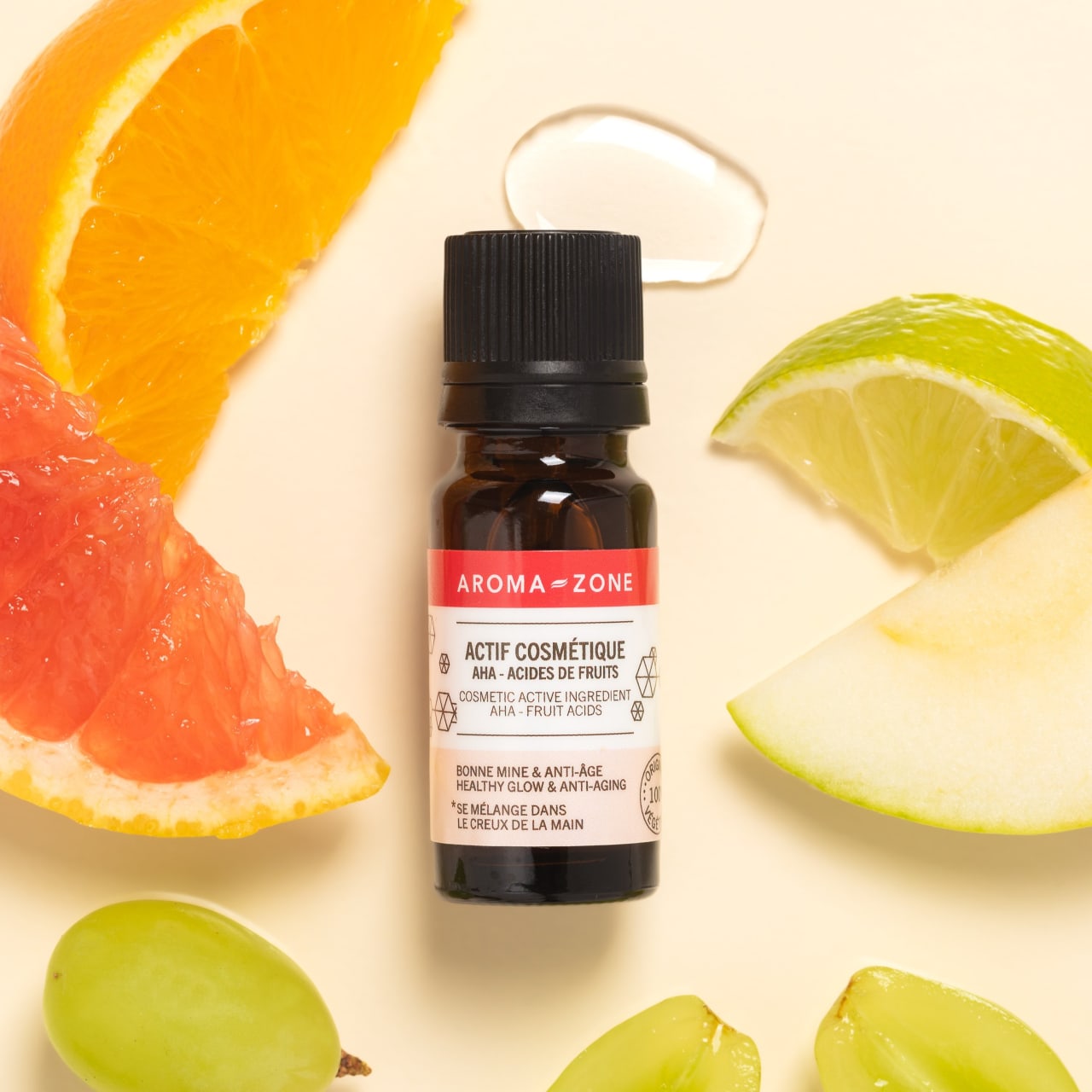
Some variations recommend following this oil massage with a clay mask. This is said to remove excess sebum and any remaining impurities that might clog the pores. You can also enhance the benefits of the routine with keratolytic treatments containing AHAs (fruit acids) and BHA (salicylic acid).
What Are the Benefits of Oil Gritting?

To date, we still lack solid evidence to confirm the potential benefits of oil gritting. Its benefits for the skin are therefore based primarily on individual testimonials, as noted below. This means that results can vary greatly, or may even be non-existent.

  • Smoothing the Skin’s Texture: Rubbing your fingers over the skin of your face creates a gentle mechanical exfoliation. This helps to smooth the surface of rough skin. It can also stimulate cellular activity in the epidermis by facilitating biological exchanges

  • Reducing Blemishes: During the massage, the oil carries away excess sebum and impurities. It is therefore thought to help combat the formation of sebaceous filaments. It's worth noting, however, that blackheads may be a little more difficult to remove

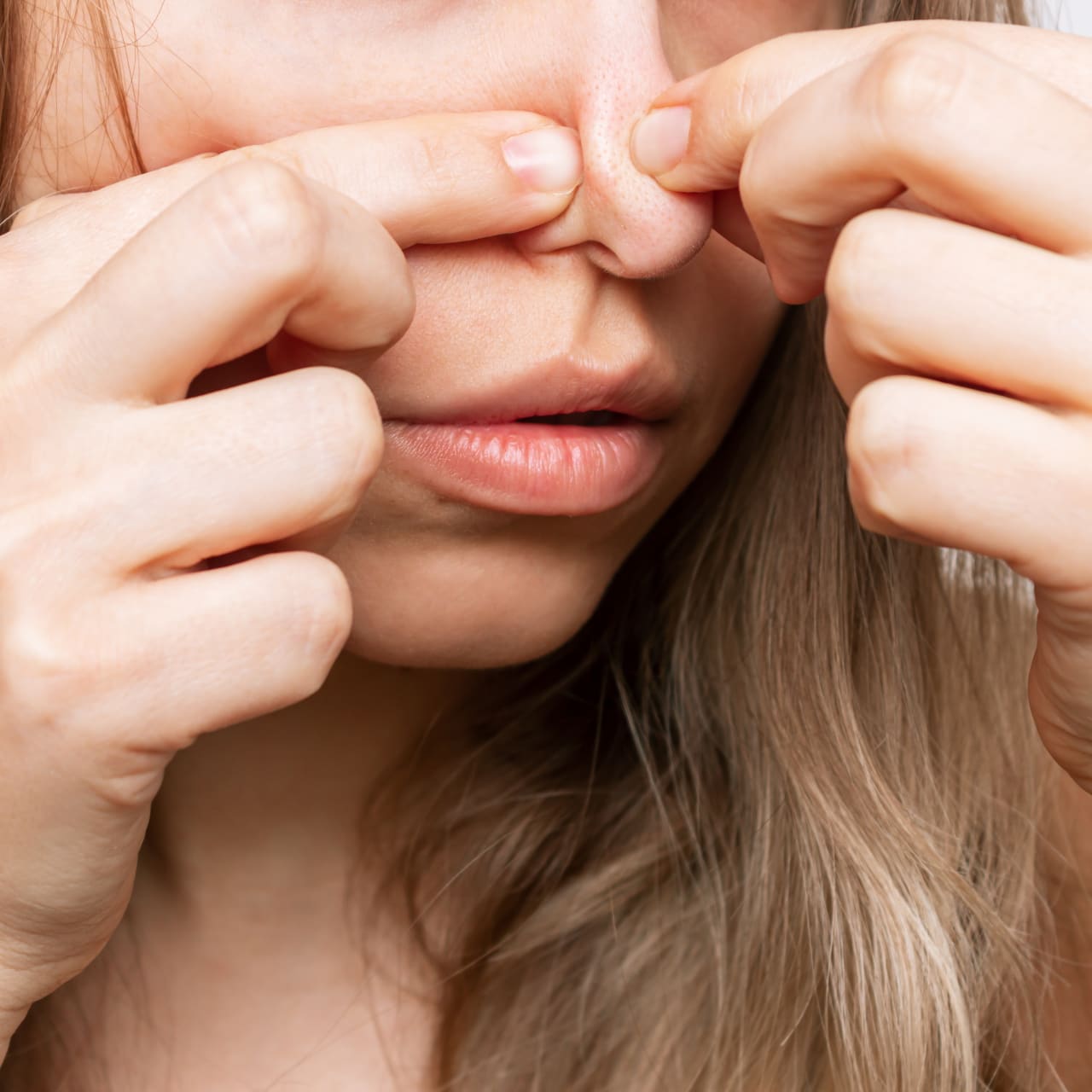
  • Tightening the Pores: Once cleansed of excess substances, the pores are supposed to close naturally. Oil gritting would therefore serve as an alternative to manually squeezing out blackheads, a bad habit that often causes long-term damage to the pore

Which Skin Types is This Cleansing Method Suitable For?

For Combination to Oily Skin: The oil gritting method helps dissolve excess sebum and thus reduce shine. It can also provide occasional extra help in preventing open comedones (the infamous blackheads) and sebaceous filaments.

For Normal Skin: Even if your skin doesn’t have any particular problems, you can try skin gritting if you fancy a deeper cleanse. This routine can help you maintain soft skin and a lovely complexion.

For Dry Skin: A facial massage with oil is a tried-and-tested method for skin prone to dryness. Here, the aim is not to remove blackheads. It’s primarily about cleansing the skin while strengthening its natural barrier function for greater comfort. The most important thing is to treat dry skin very gently.

How Can You Try the Oil Gritting Technique at Home?

It’s worth noting that there are several oil gritting techniques. Some, for example, incorporate a clay mask and/or acids. Others suggest leaving the oil to work overnight and rinsing it off the next morning before applying (yet again!) a few drops of non-comedogenic oil. We’ve outlined a simplified version below. If you’d like to take it a step further, see the following three-step purifying and ‘deep-cleansing’ routine suggestd below.

  1. Take a Generous Amount of Oil and warm it up for a few seconds by rubbing it between your palms. Apply it to your face after removing any make-up

  2. Start Massaging Your Face, focusing on areas prone to blemishes and blackheads. These are typically the nose, forehead, chin, and sometimes the cheeks. Massage for 5 minutes if you have dry skin and for up to 15 minutes if you have oily skin.

  3. Wipe Away Any Remaining Oil using a cloth soaked in hot water (or lukewarm water if you have sensitive skin). If you are particularly prone to breakouts, follow up with a foaming cleanser to remove any remaining traces of oil.

Where Do the Tiny Particles Come From That Are Left on My Hands After the Oil Massage?

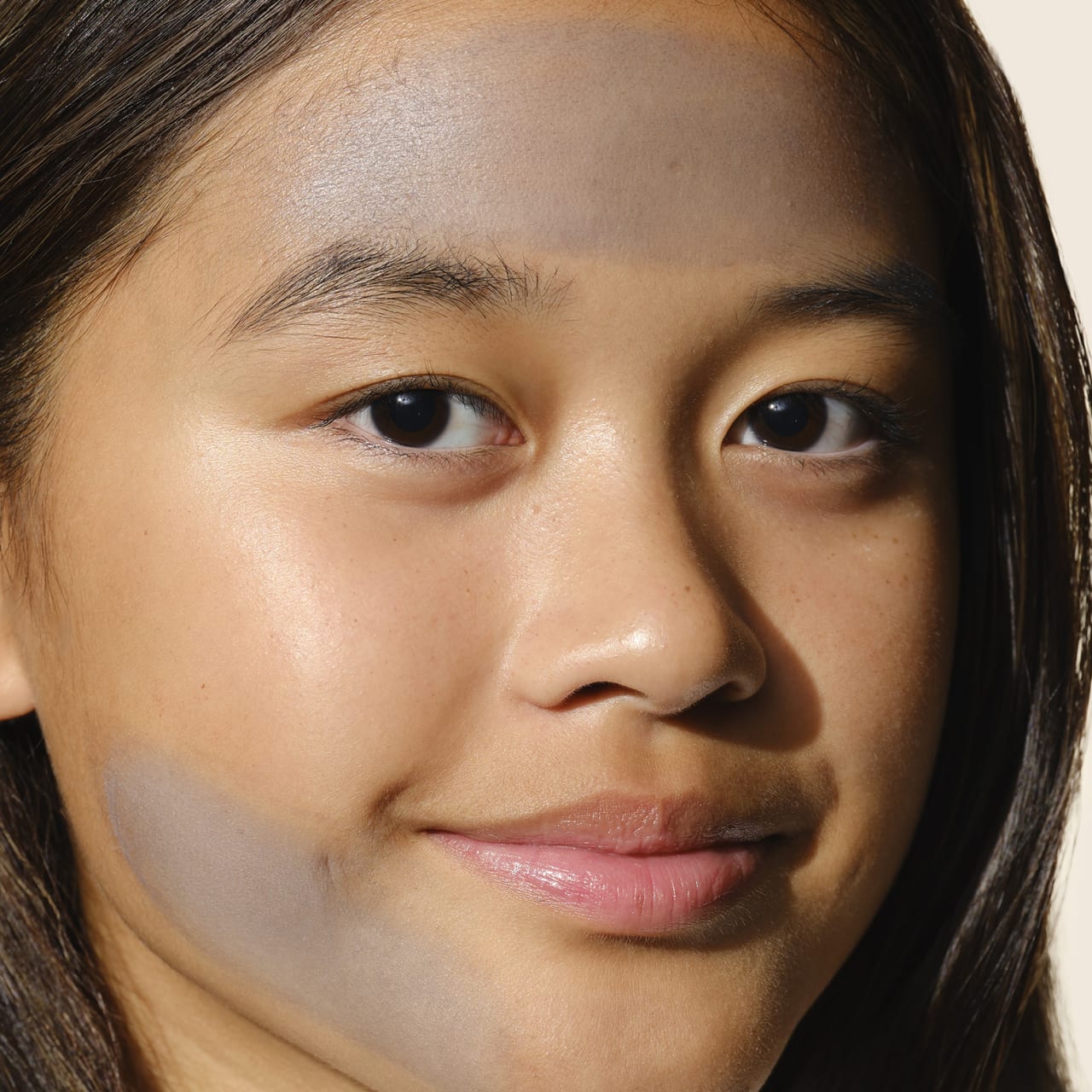
As you massage the oil into your skin, you may feel small particles rolling beneath your fingers. These are usually greyish in colour. Contrary to what you may read or hear, these are not the contents of your follicular ostia (i.e., neither your blackheads nor your sebaceous filaments). They are much more likely to be dead skin cells, impurities and product residues (e.g., sun cream) that have clumped together during the skin gritting process.

What Are the Best Oils for Oil Gritting?

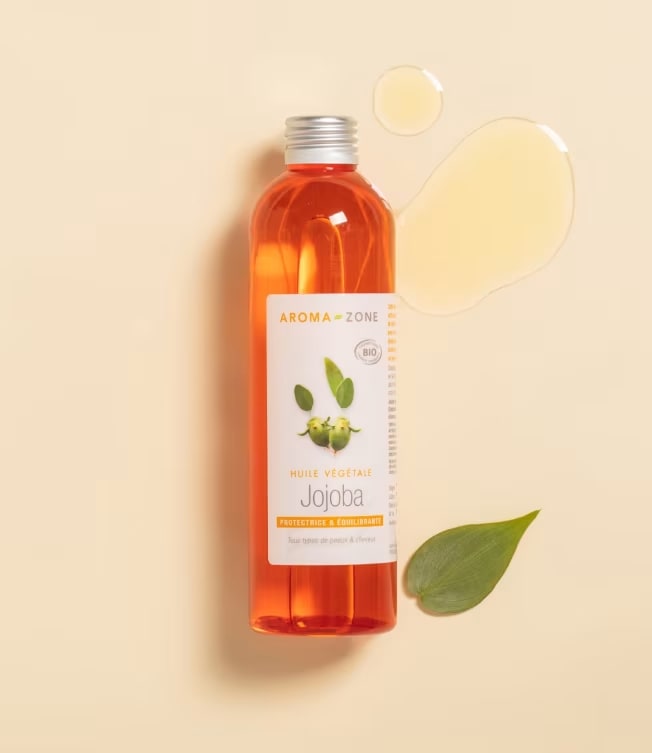
Jojoba oil is undoubtedly one of the best oils to use for this technique. It has a lipid profile very similar to that of human sebum, which has earned it a solid reputation as a sebum-regulating oil. It’s also an excellent non-comedogenic massage base. You could also opt for plant-based olive squalane (whose fine, dry texture is reminiscent of silicones) or argan oil, which is ideal for dry skin.

Organic Jojoba Oil

With its balancing and softening properties, this oil is a popular ingredient thanks to its lightweight texture that absorbs quickly without leaving a greasy film. It protects the skin from dehydration and is ideal as a base for creating massage oils and make-up removers.

Discover our Organic Jojoba Oil

What Routine Should You Follow to Combat Blackheads?

This oil gritting routine sets out the main steps to follow to prevent the appearance of blackheads and blemishes. We recommend carrying it out in the evening. Set aside about twenty minutes to follow this routine in full. Doing it once a week should be enough to see results without over-stressing your skin.

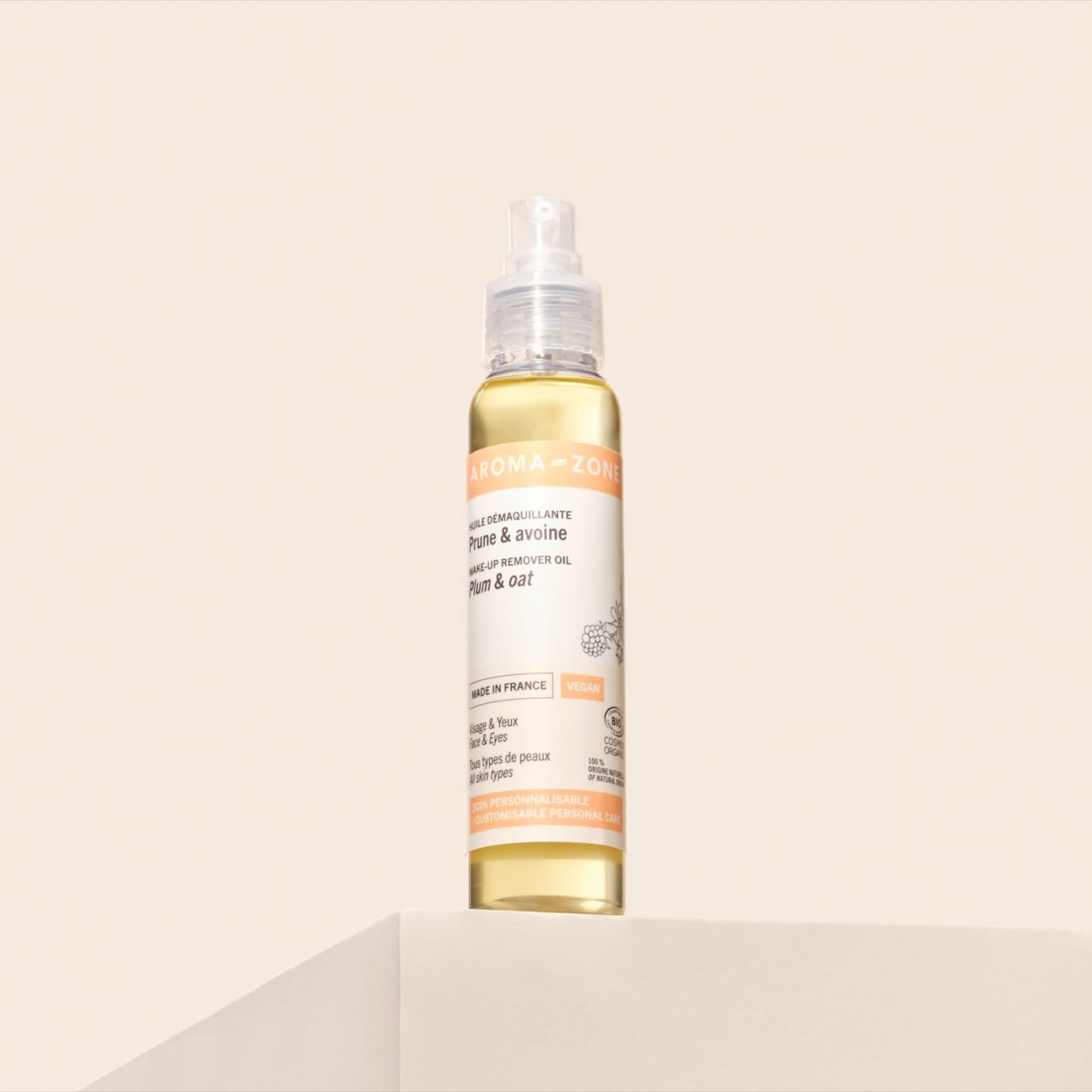
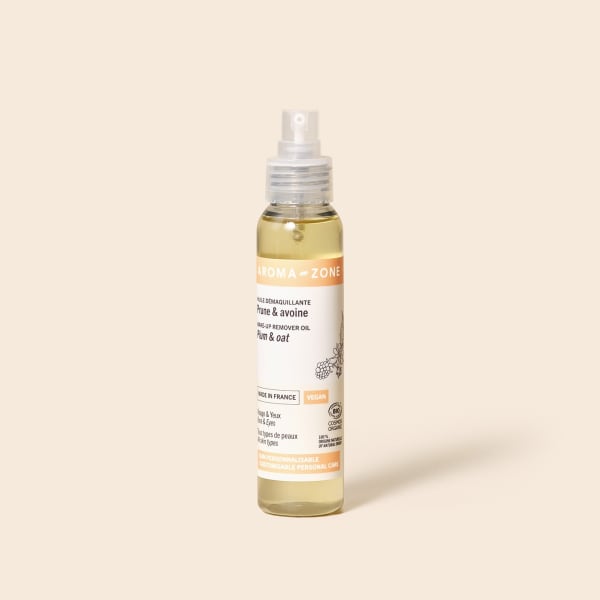
Plum & Oat Cleansing Oil

Oil gritting: Plum & Oat Cleansing Oil. This 100% natural oil is a 3-in-1 treatment that removes make-up, gently cleanses and nourishes. Apply four pumps to your face, including your eyes and lips. Massage your skin with your fingertips using circular movements, without applying too much pressure, for 5 to 15 minutes. Do not rinse; move straight on to the next step.

Discover Our Plum & Oat Cleansing Oil

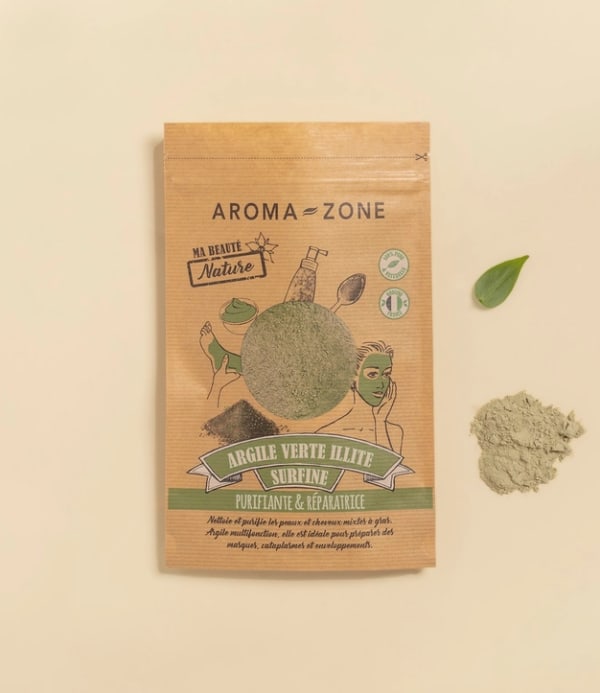
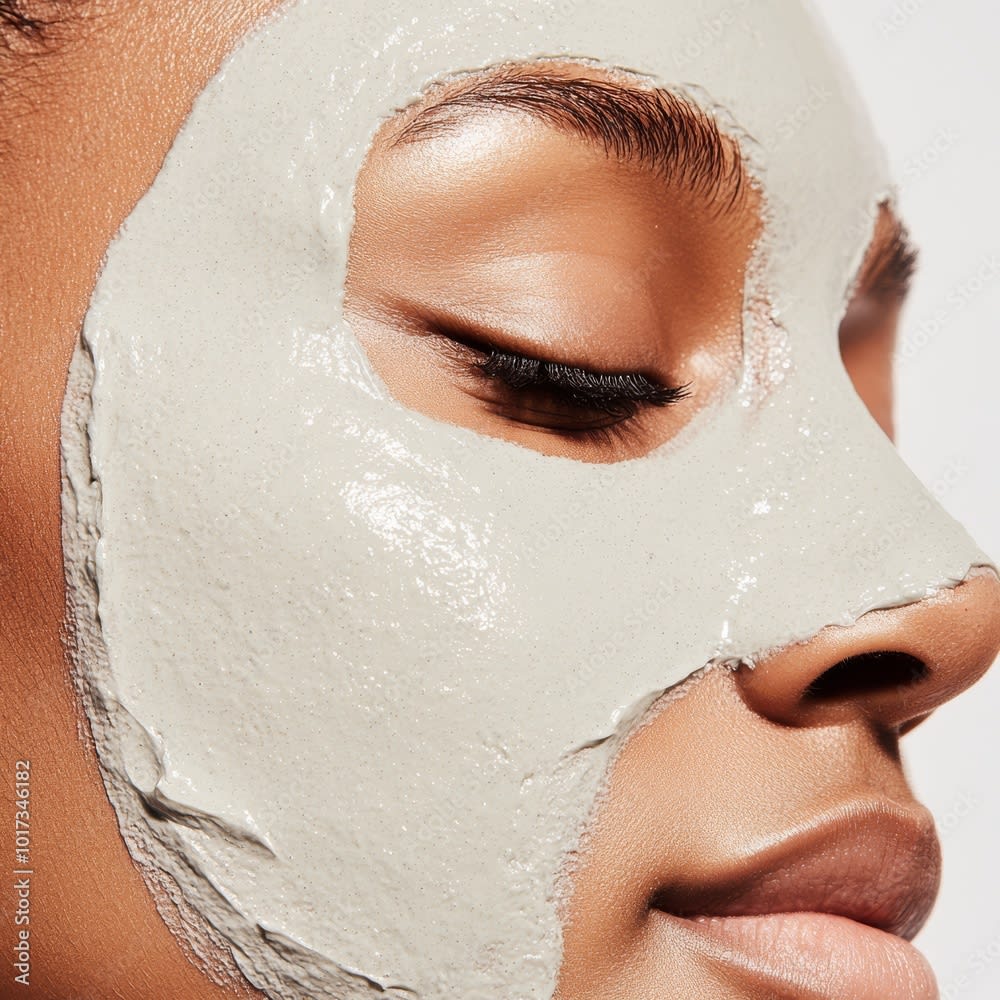
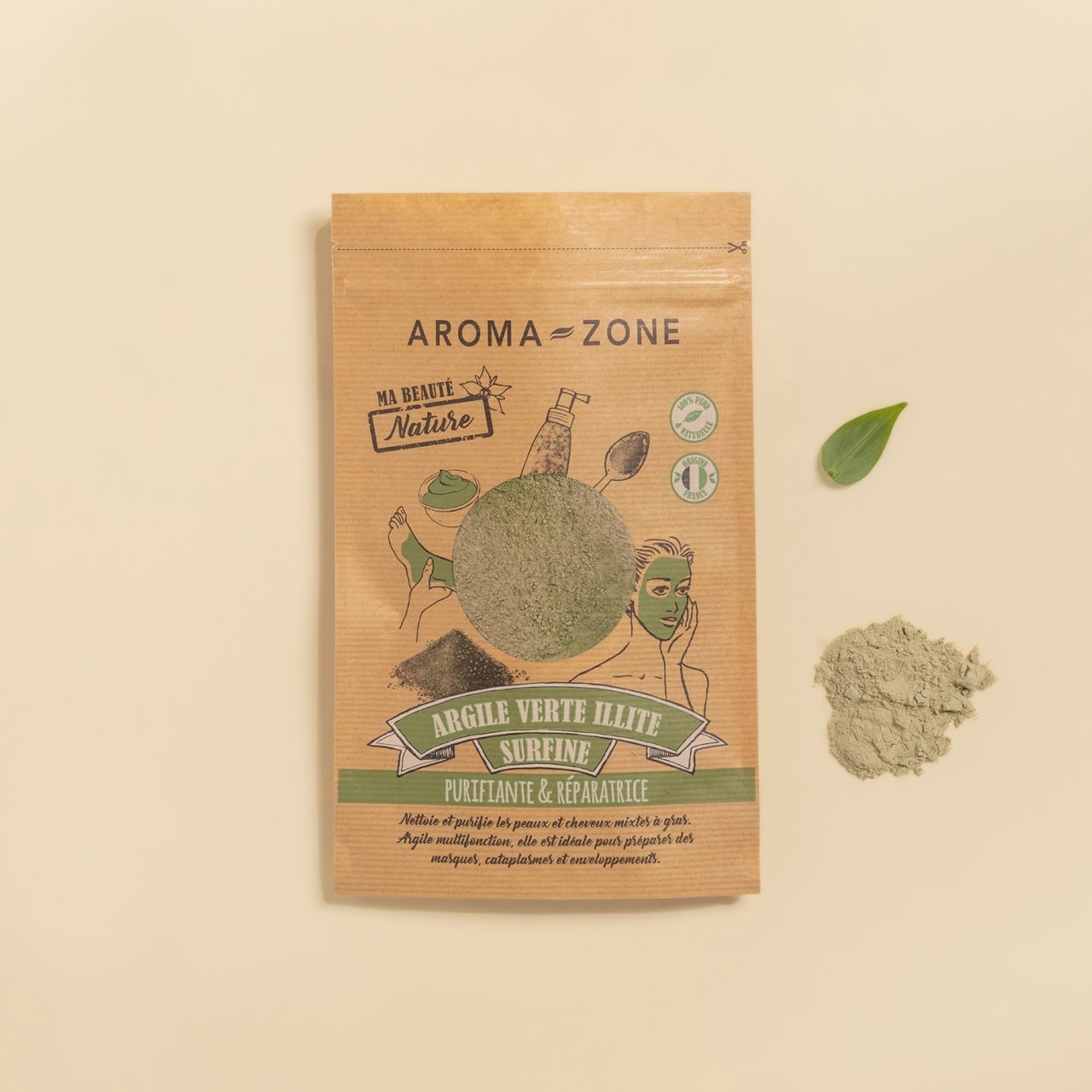
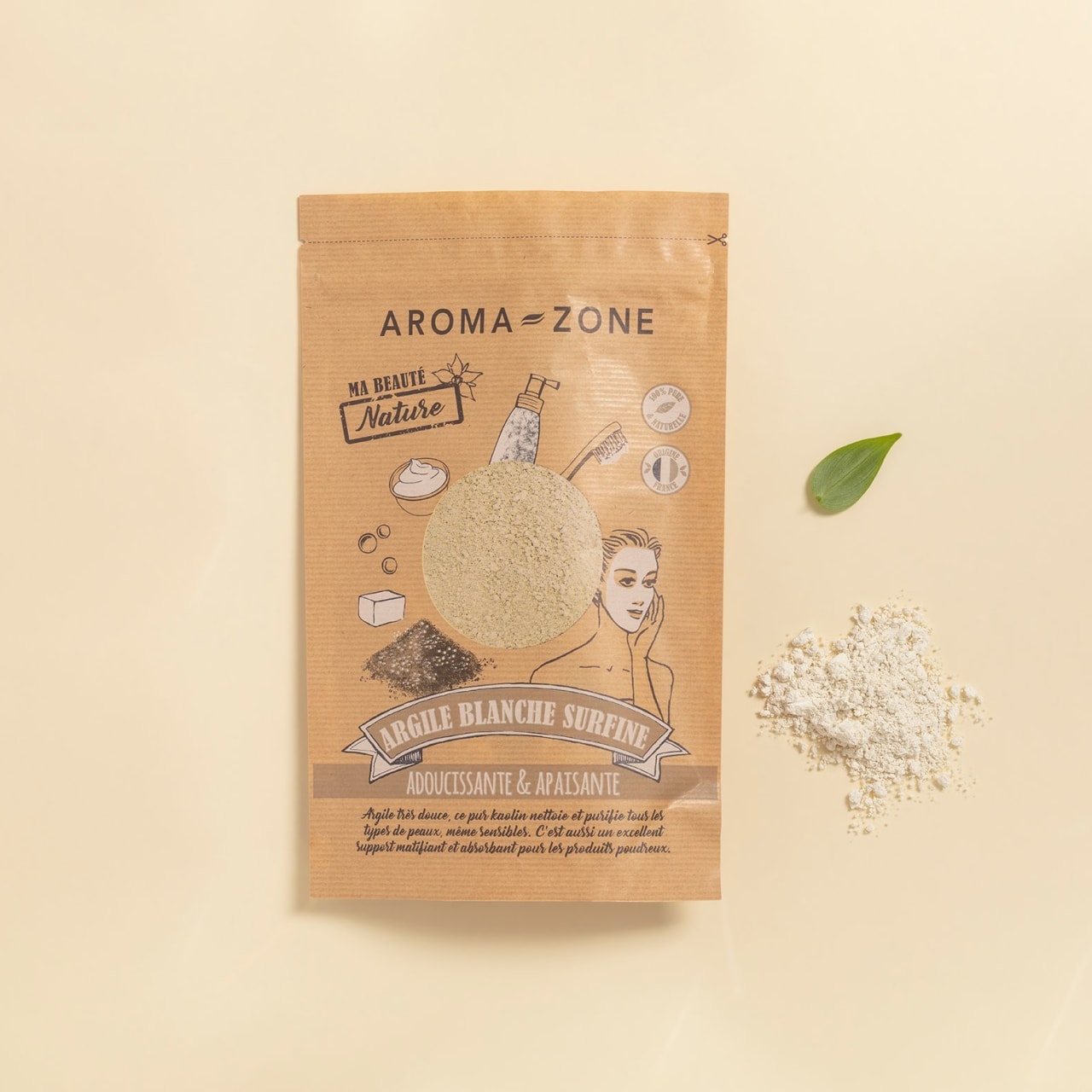
The Clay Mask: Ultra-fine illite green clay. If you have combination to oily skin, this is the clay for you (one of the most absorbent available). For those with normal to dry skin, superfine white clay is the best choice. Simply mix 2 tablespoons of clay with 2 small tablespoons of water in a bowl using a wooden spoon. Apply the resulting paste to your face, which you’ve already moisturised with oil, avoiding the eye area. Leave on for about 5 minutes, then rinse off your clay mask with clean water.

Discover Our Extra-Fine Illite Green Clay

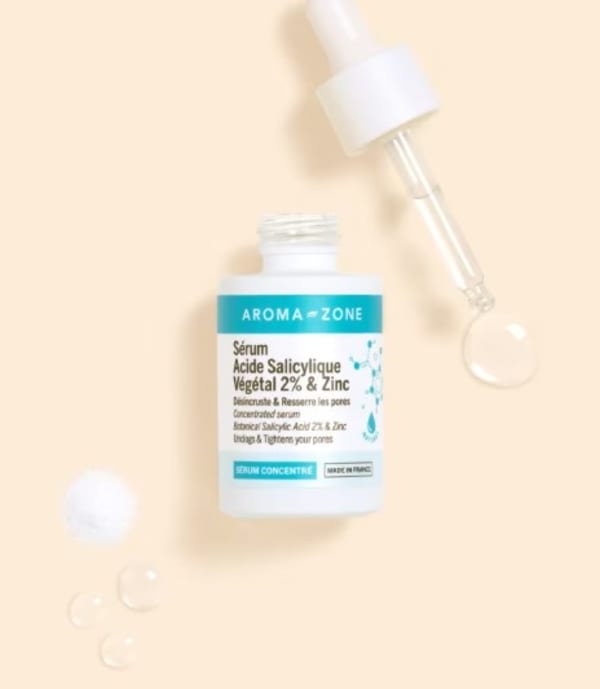
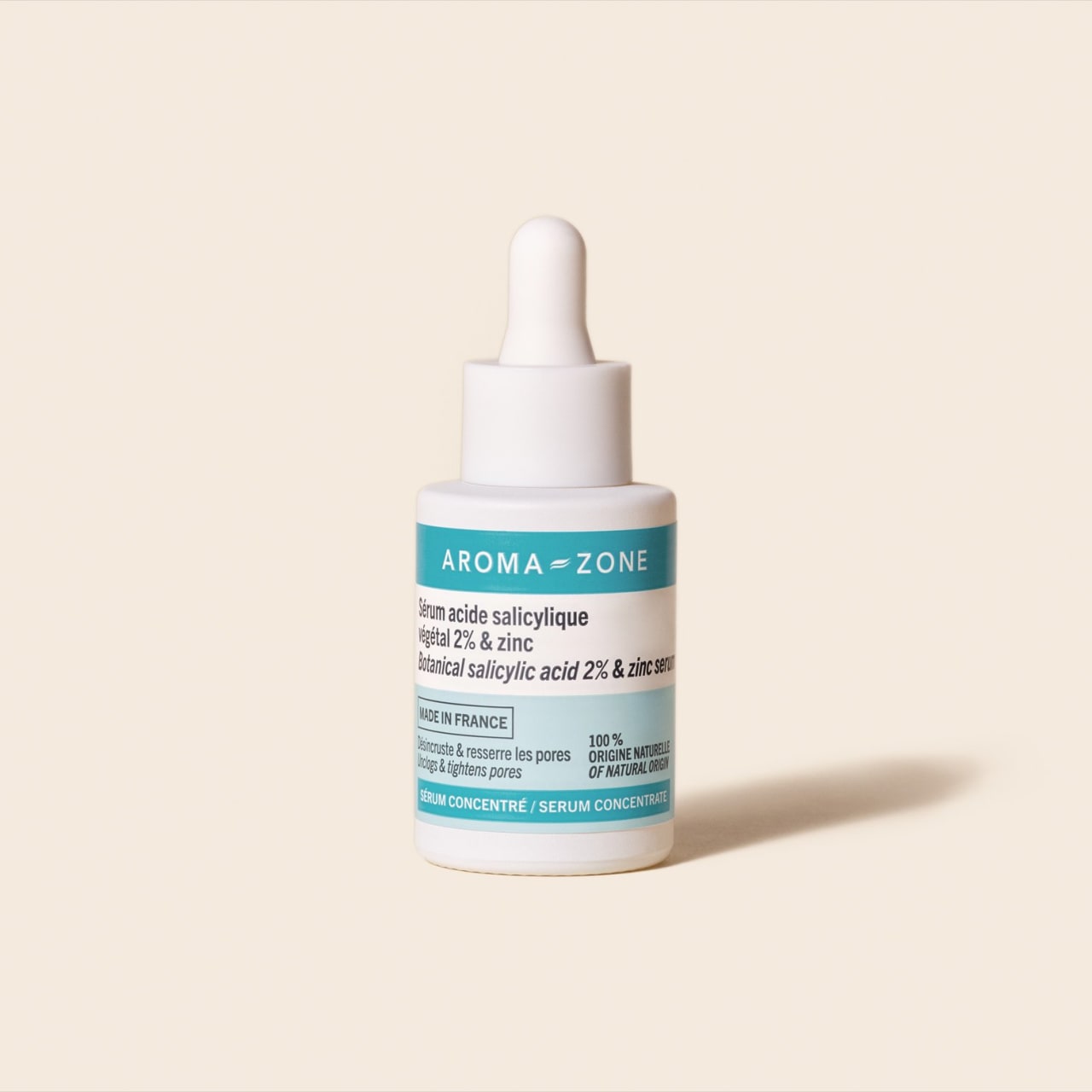
The 2% Salicylic Acid & Zinc Concentrated Serum: The secret to flawless skin, this multi-action serum reduces the size and appearance of pores while combating blemishes. With purifying and keratolytic properties, this complex of plant-based salicylic acid, mushroom extract and zinc regulates excess sebum, unclogs pores, and prevents the appearance of blackheads. This serum leaves the skin purified and the skin texture refined, without drying it out.

Discover Our 2% Salicylic Acid & Zinc Concentrated Serum

To find out more, check out our blackhead-fighting routine.

Precautions for Use

  • Plum & Oat Cleansing Oil: If you’re customising your cleansing oil with essential oils and fragrances, we recommend using your personalised oil on the face only, avoiding contact with the eyes. In case of contact, rinse with clean water

  • Extra-fine Illite Green Clay: This is a powdery product; do not use near a ventilation source and do not inhale. Keep out of reach of children. As the clay absorbs impurities and toxins, do not reuse clay that has already been used

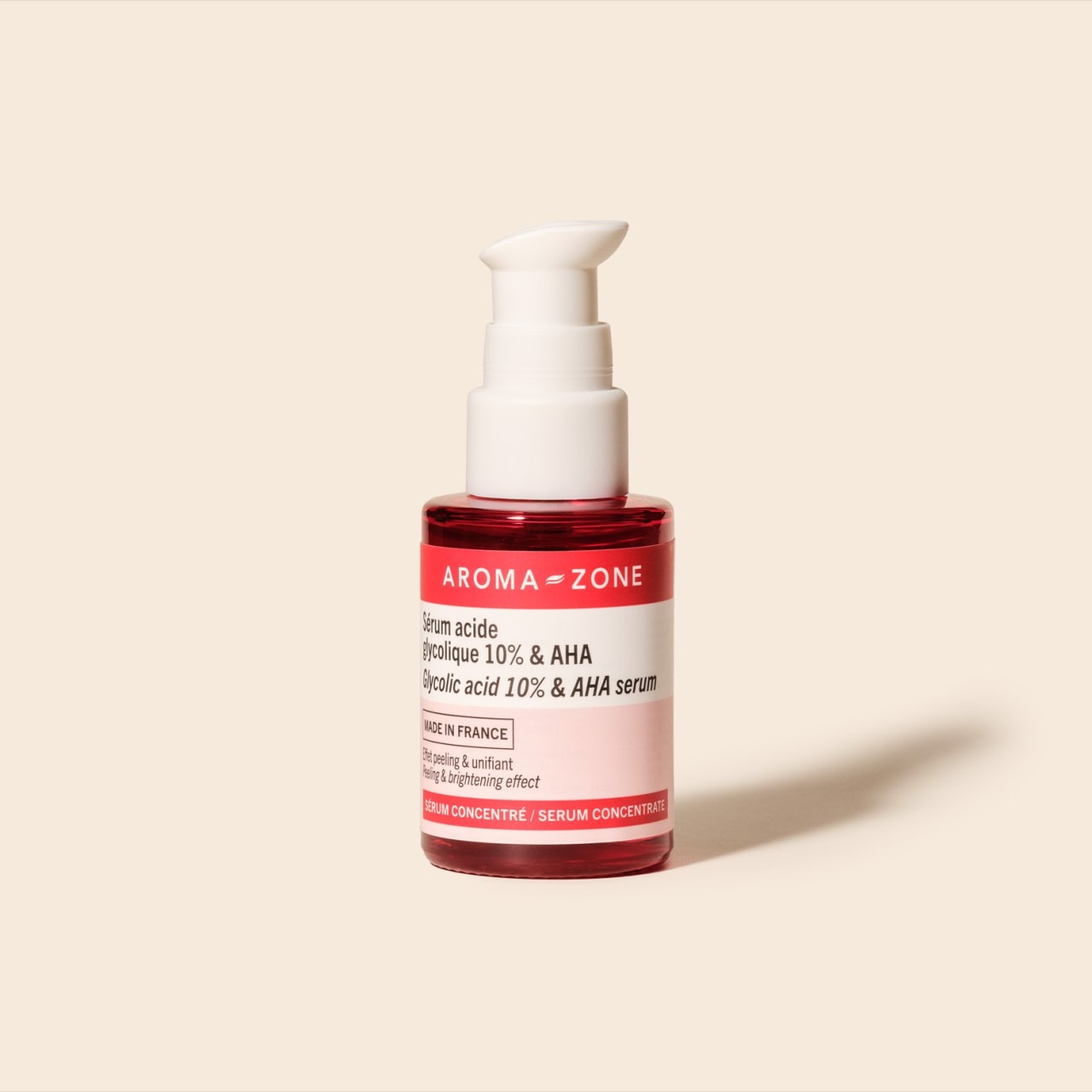
  • Concentrated 10% Glycolic Acid & AHA Serum: This exfoliating serum is for evening use only. Use daily sun protection and avoid sun exposure for up to one week after the last application. Avoid the eye area. If irritation occurs, discontinue use. Keep out of reach of children

Expert Advice

Excessive use of the skin gritting routine can be quite harsh on delicate skin. Repeated skin-to-skin rubbing over a long period may cause the skin to become hot or even irritated. This is why we advise against this technique if you have sensitive, atopic, (such as rosacea or eczema) or acne-prone skin. You can, of course, continue to use the double-cleansing technique (make-up removal with oil followed by cleansing with a foaming gel), but without rubbing the products endlessly over the surface of your skin. Choosing the right skincare products for your skin type and using them correctly remains the best (and simplest) way to see encouraging results.

Spotlight on Our Writer, Hélène Betoux

Hélène Betoux is a French beauty journalist specialising in digital media. She writes practical tips, advice and guides to help readers choose the right beauty products. Passionate about natural, organic and clean beauty, she explores the latest trends and innovations in the industry.

Bibliography

  1. Lauren Sharkey, Cynthia Cobb. Everything you need to know about skin gritting.

    Healthline, 22 November 2019. Online: https://www.healthline.com/health/beauty-skin-care/gritting