
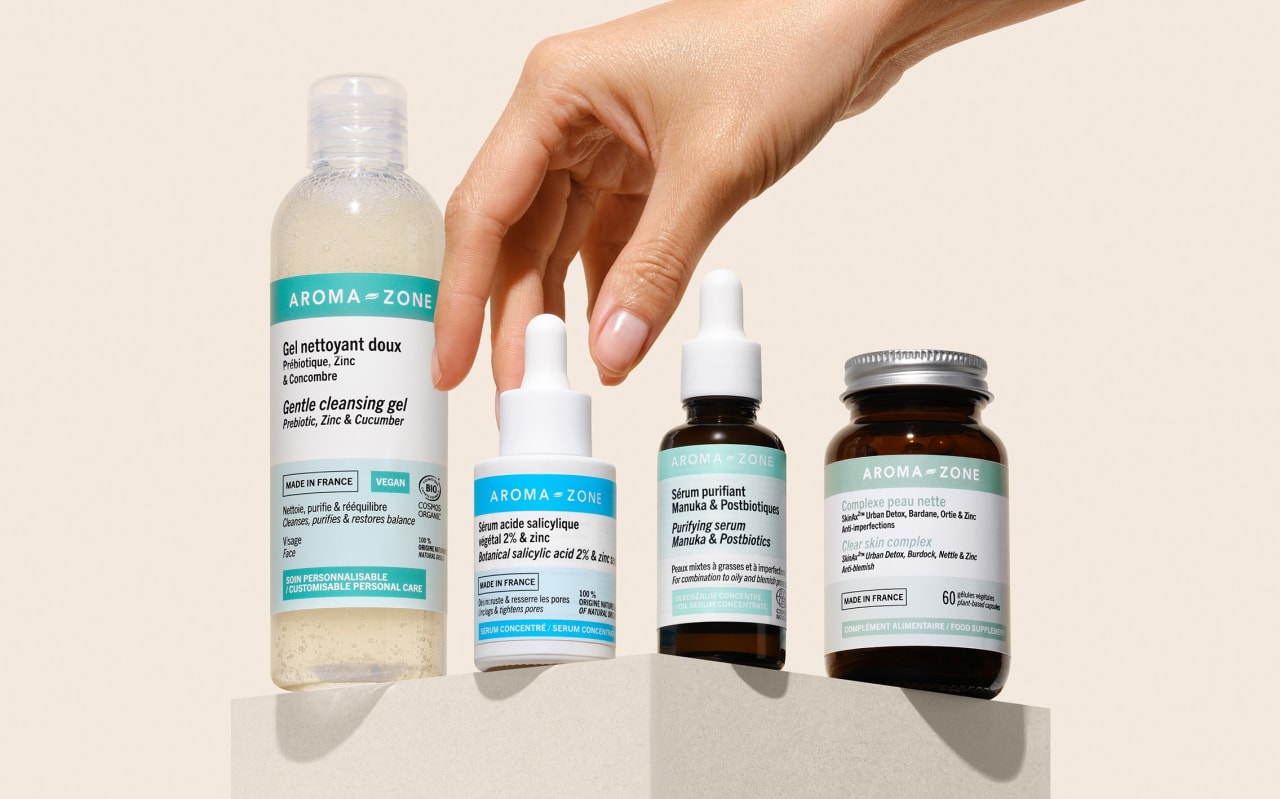
Our Experts’ Blackhead-Fighting Routine
By The Aroma-Zone editorial team
Published on: Thursday, May 28, 2026, Updated on: Friday, October 09, 2026
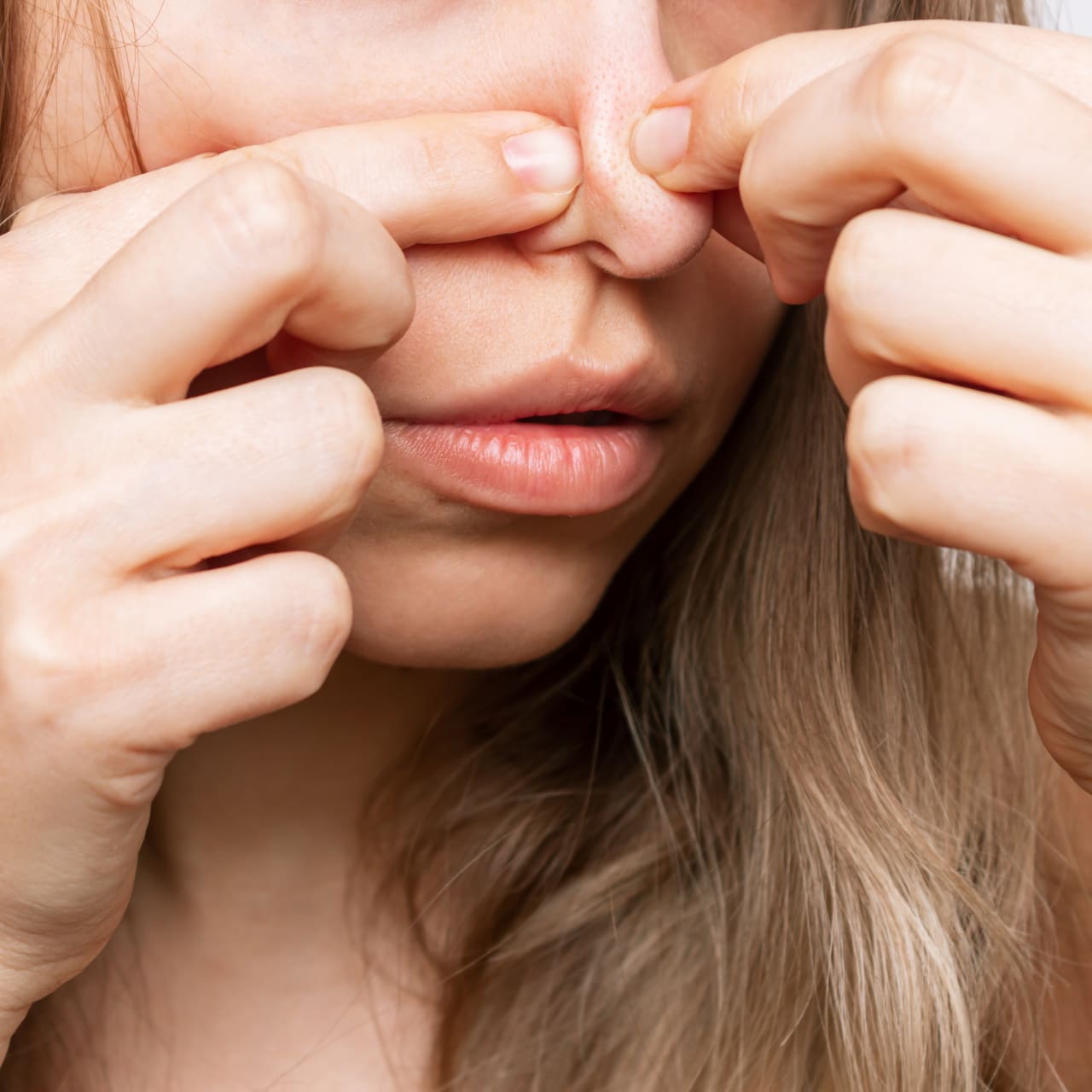
Blackheads are caused by pores blocked by a mixture of sebum and dead skin cells, which oxidises on contact with the air. They are common in areas where the sebaceous glands are most active: the nose, forehead and chin (1) (2).
Approved by dermatologists, our routine prevents the formation of blackheads and works to unclog the skin.
Contents
My 4-step routine
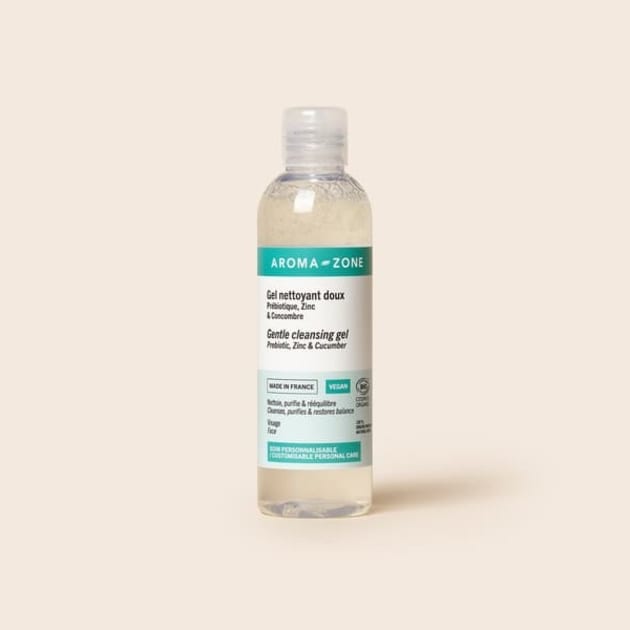
Step 1 – Cleanse my skin
Gentle Prebiotic, Zinc & Cucumber Cleansing Gel
Its purifying formula removes excess sebum, helps unclog pores and reduce blackheads whilst maintaining the skin’s natural balance, without drying it out.
Recommended use: apply morning and evening to damp skin on the face and neck, massaging in circular motions, then rinse off with lukewarm water.
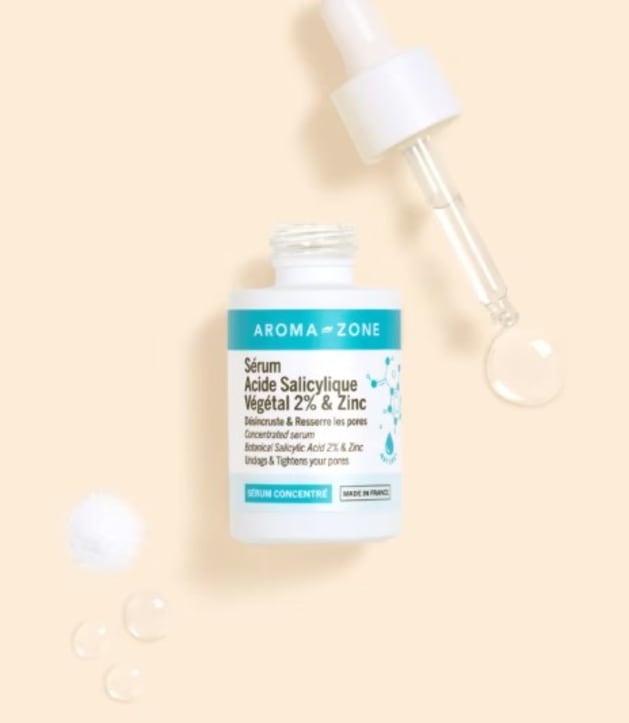
Step 2 – Identifying my specific concern
2% Salicylic Acid & Zinc Concentrated Serum
Its purifying and keratolytic formula regulates excess sebum, unclogs pores and helps reduce blackheads, for visibly refined skin texture.
Recommended use: in the evening only, on cleansed skin, apply a few drops to the face and neck, massaging gently to help the product absorb.
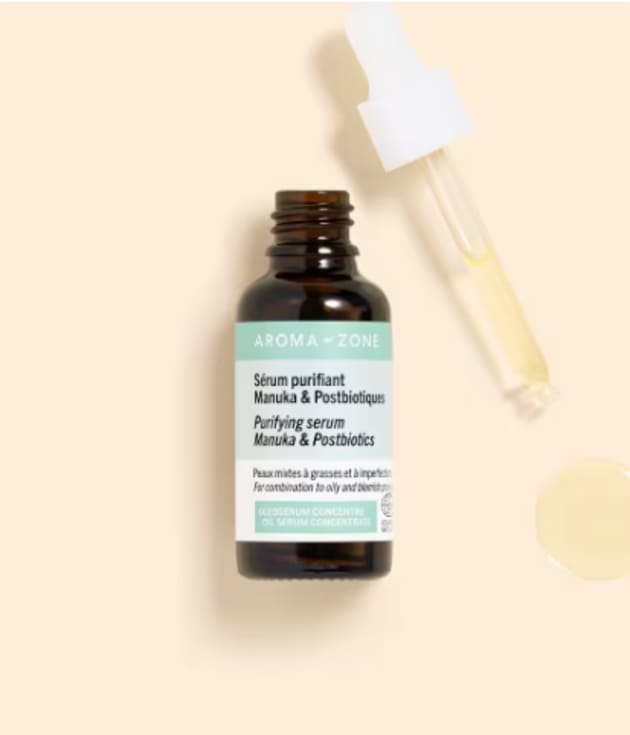
Step 3 – Moisturising my skin
Manuka & Postbiotics Purifying and Balancing Oil Serum
Non-comedogenic and specially formulated for oily and blemish-prone skin, this purifying oil serum helps reduce blackheads, shine and enlarged pores whilst rebalancing the skin’s microbiome, for visibly clearer skin. Leaving no greasy residue on the skin, it reduces excess sebum on the skin’s surface, tightens and minimises the appearance of pores, reduces shine over the long term and refines the skin’s texture.
Recommended use: Apply the Oil Serum to the face and neck in the morning on its own and in the evening after your serum.
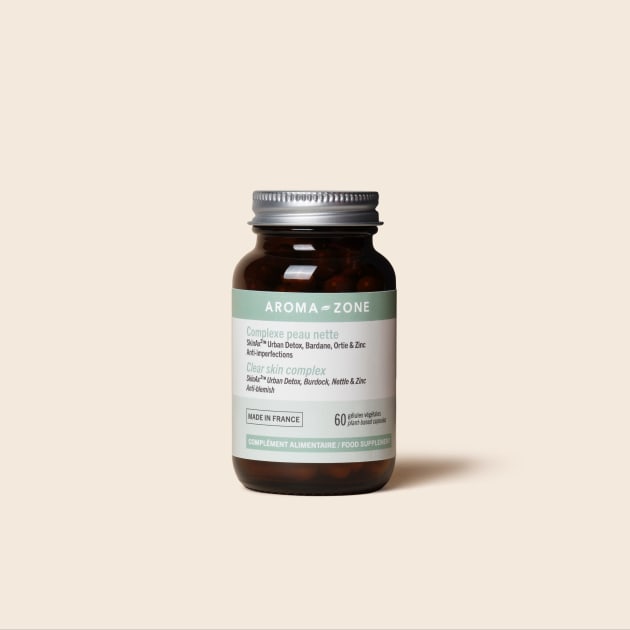
Step 4 – Treating the problem from within – My dietary supplement
This formula combines the patented active ingredient SkinAx²™ Urban Detox – proven to reduce excess sebum – with burdock, wild pansy and zinc to help reduce sebum production, visibly reduce blackheads and minimise the appearance of enlarged pores.
Recommended use: 2 capsules a day, to be swallowed with a glass of water, as a course of treatment lasting at least 2 months.
The complementary skincare step
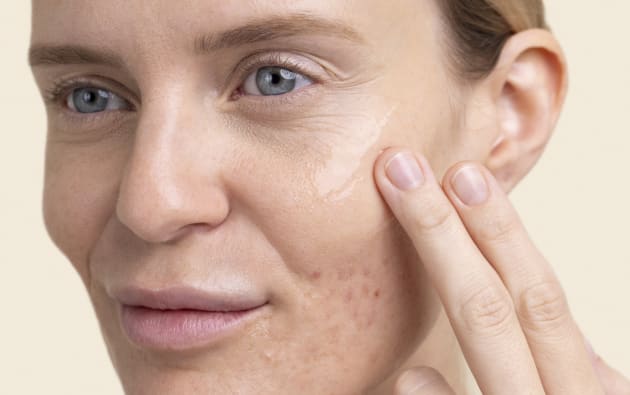
DISCOVER OUR ANTI-BLACKHEAD ROLL-ON
Complete your anti-blackhead skincare routine with our essential oil roll-on, specially designed to target imperfections. Thanks to its purifying properties, it helps improve the appearance of the skin and reduce the appearance of blemishes, leaving your complexion looking clearer and more even.
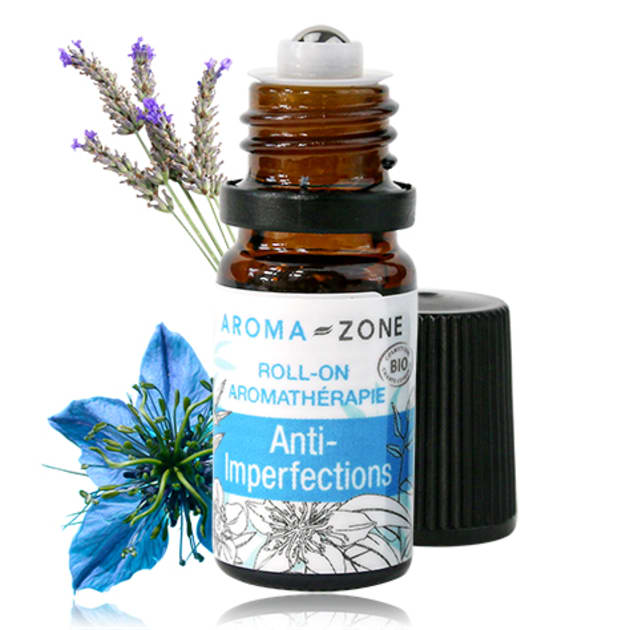
The AROMA solution
Anti-blemish essential oil roll-on
Apply 2 to 3 times a day, directly to blemishes and blackheads. Do not squeeze your blackheads; instead, apply this blend of essential oils with purifying and restorative properties directly to the affected areas.
A word from the experts
Dr Reyhan Amode, Dermatologist

“Blackheads are a build-up of sebum that has oxidised on contact with the air. Whilst it is possible to remove them manually, this is not sufficient to achieve long-term results. Indeed, blackheads, or comedones, are most often associated with microcysts and hyperseborrhoea. This form of acne, known as retention acne, requires the medium-term use of active ingredients such as salicylic acid, the irritating effect of which must be counteracted by compensatory moisturising. To combat hyperseborrhoea, a low-glycaemic-index diet is ideal. Giving up smoking is, of course, a key therapeutic measure!”
Advice from the naturopath
Did you know that spikes in blood sugar can contribute to the appearance of blackheads (3)?
A diet high in sugar causes a sharp rise in blood sugar levels. This increase stimulates the secretion of insulin, a hormone that influences the activity of the sebaceous glands. When this sebum builds up, the pores become easily blocked.
Reducing your intake of refined sugars, pastries, fizzy drinks and ultra-processed foods can help improve your skin’s balance. Opt for a low-glycaemic-index diet, fibre (vegetables, whole grains), high-quality protein and healthy fats, whilst avoiding exposure to frying oils.
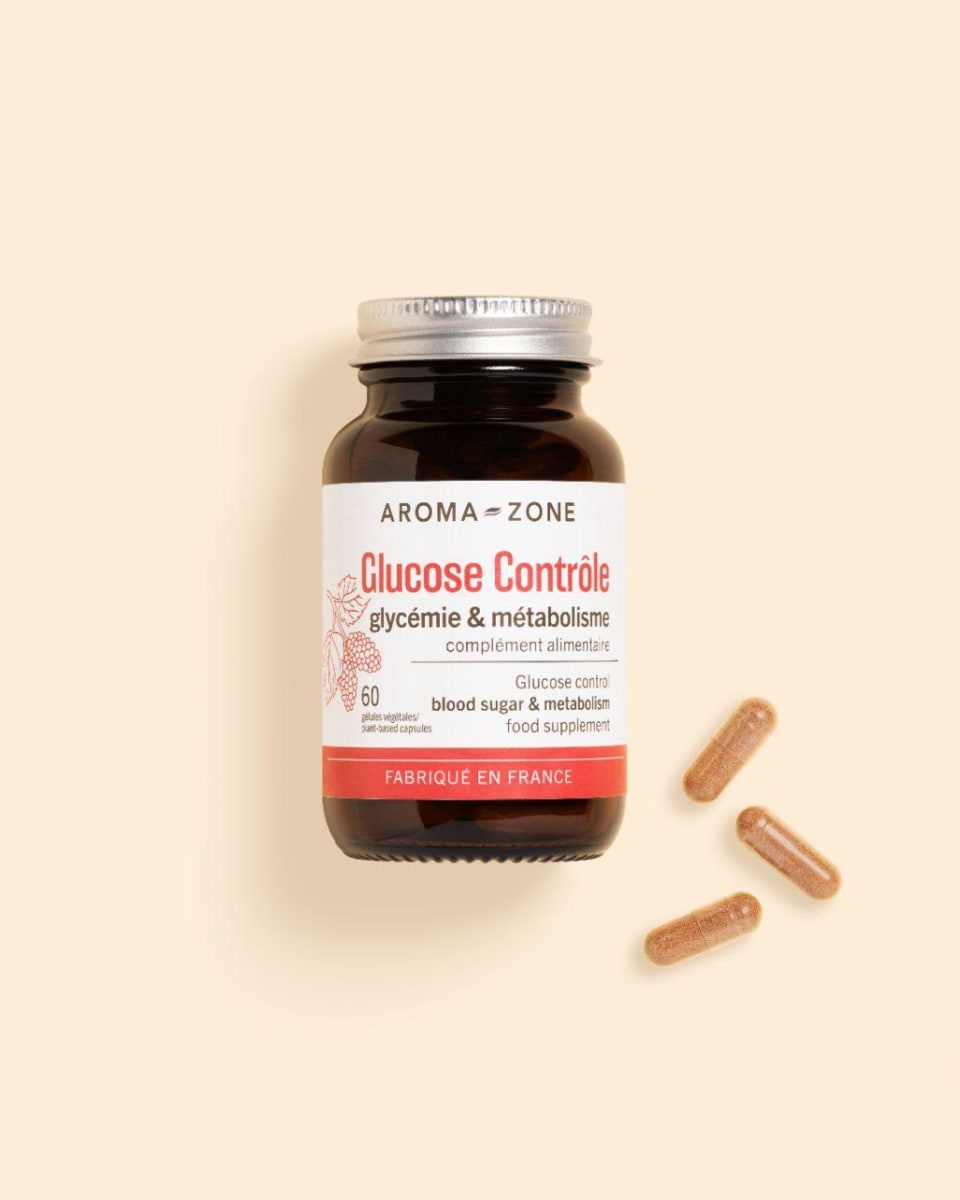
In addition to a suitable diet, the Glucose Contrôle dietary supplement, formulated with Ceylon cinnamon extract and Reducose® white mulberry extract, helps maintain normal blood sugar levels. This approach can form part of a comprehensive strategy aimed at limiting hormonal fluctuations that may influence sebum production.
Precautions for use
References

Frequently Asked Questions
Associated tip
Face care tips


