
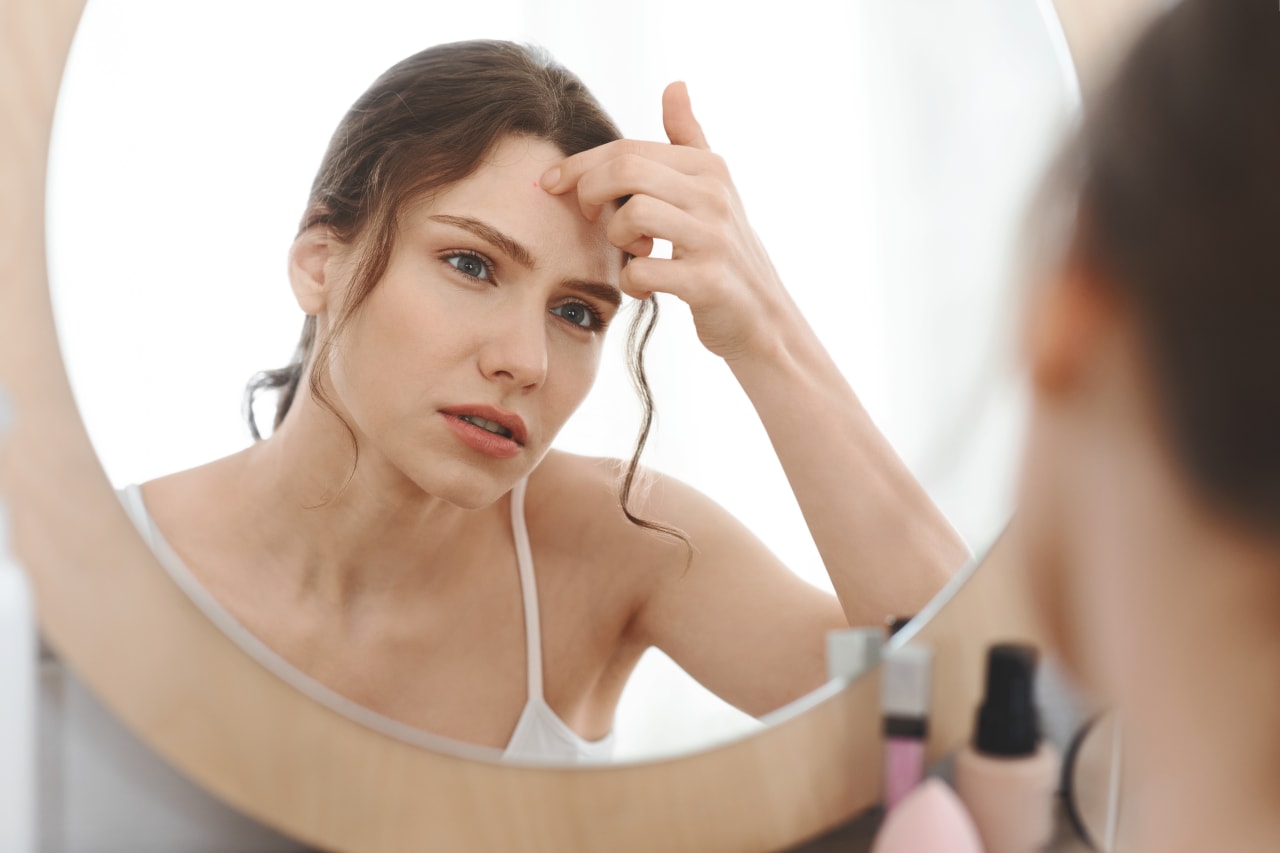
Open comedone or blackhead: what are the differences?
Published on: Friday, December 01, 2023, Updated on: Thursday, October 15, 2026
Comedones and blackheads are often confused, as they share the same formation mechanism linked to blocked pores. However, they do not refer to exactly the same thing. Comedones are a category of skin imperfections, whilst blackheads represent a specific form of them. Their appearance is linked to the build-up of sebum and dead skin cells in the pilosebaceous follicle, influenced by various internal and external factors. A better understanding of these differences helps to identify their cause and adopt appropriate measures to maintain the skin’s balance on a daily basis.
Contents
Related products
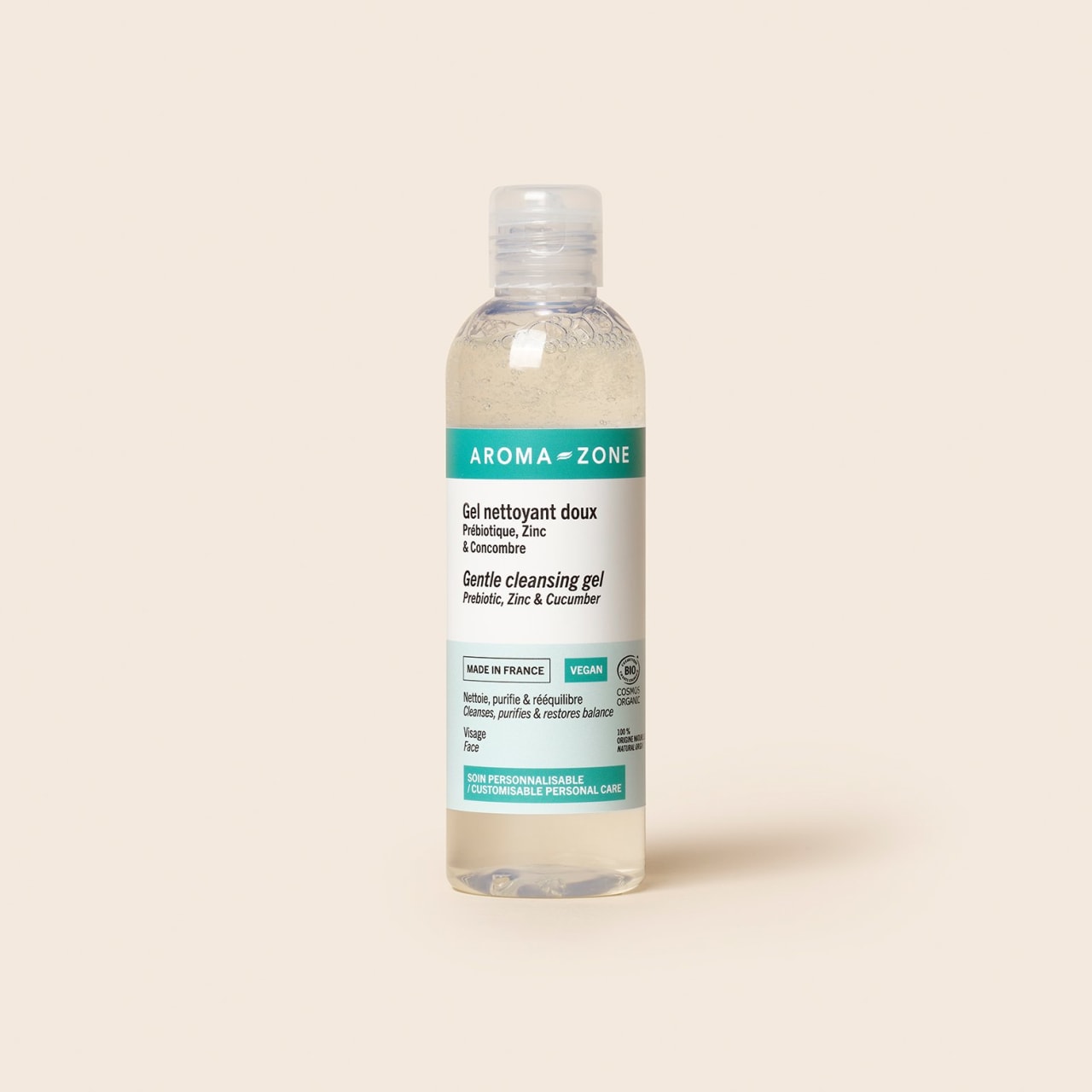
£7.50
200 ml
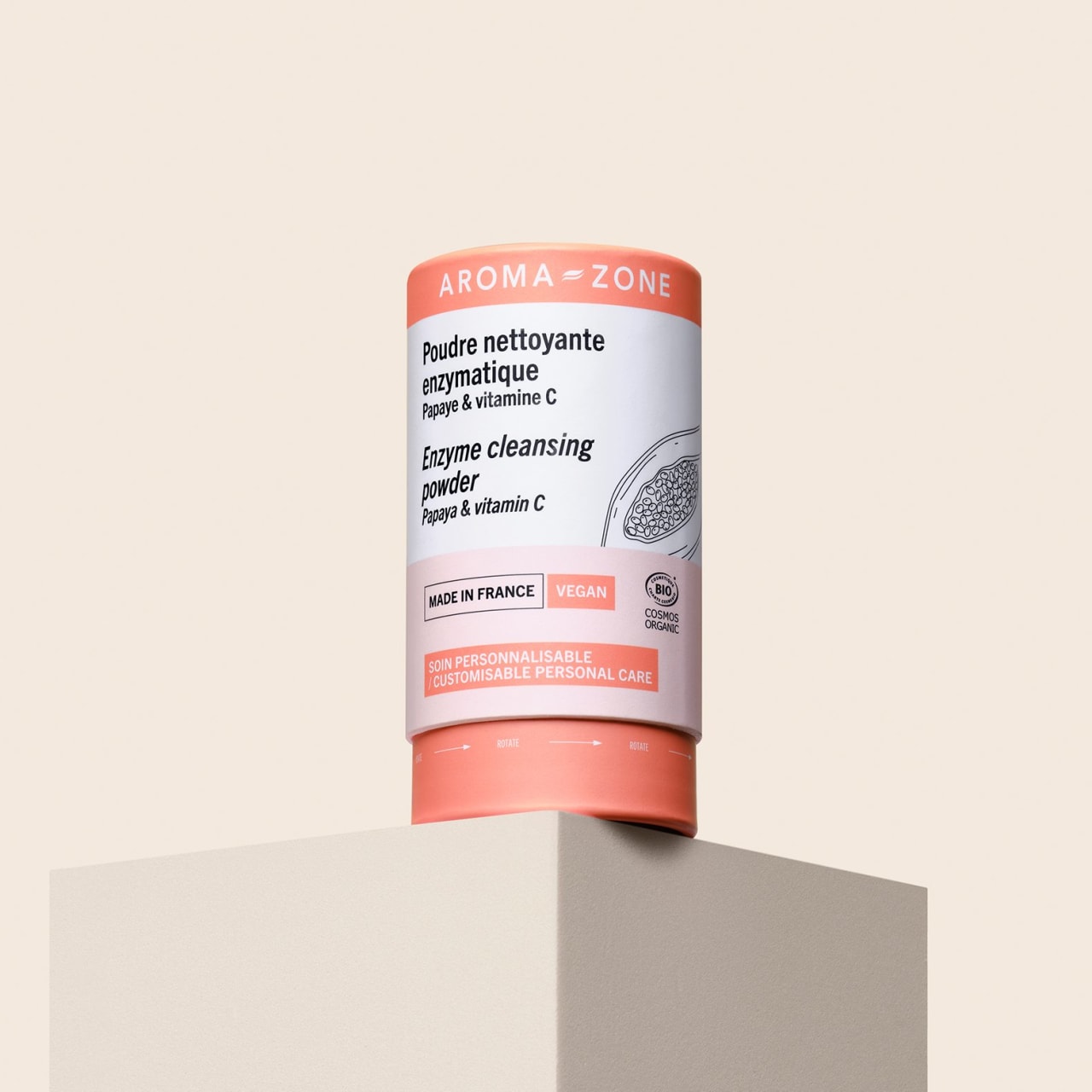
Cleansing
Exfoliating
£8.00
30 g
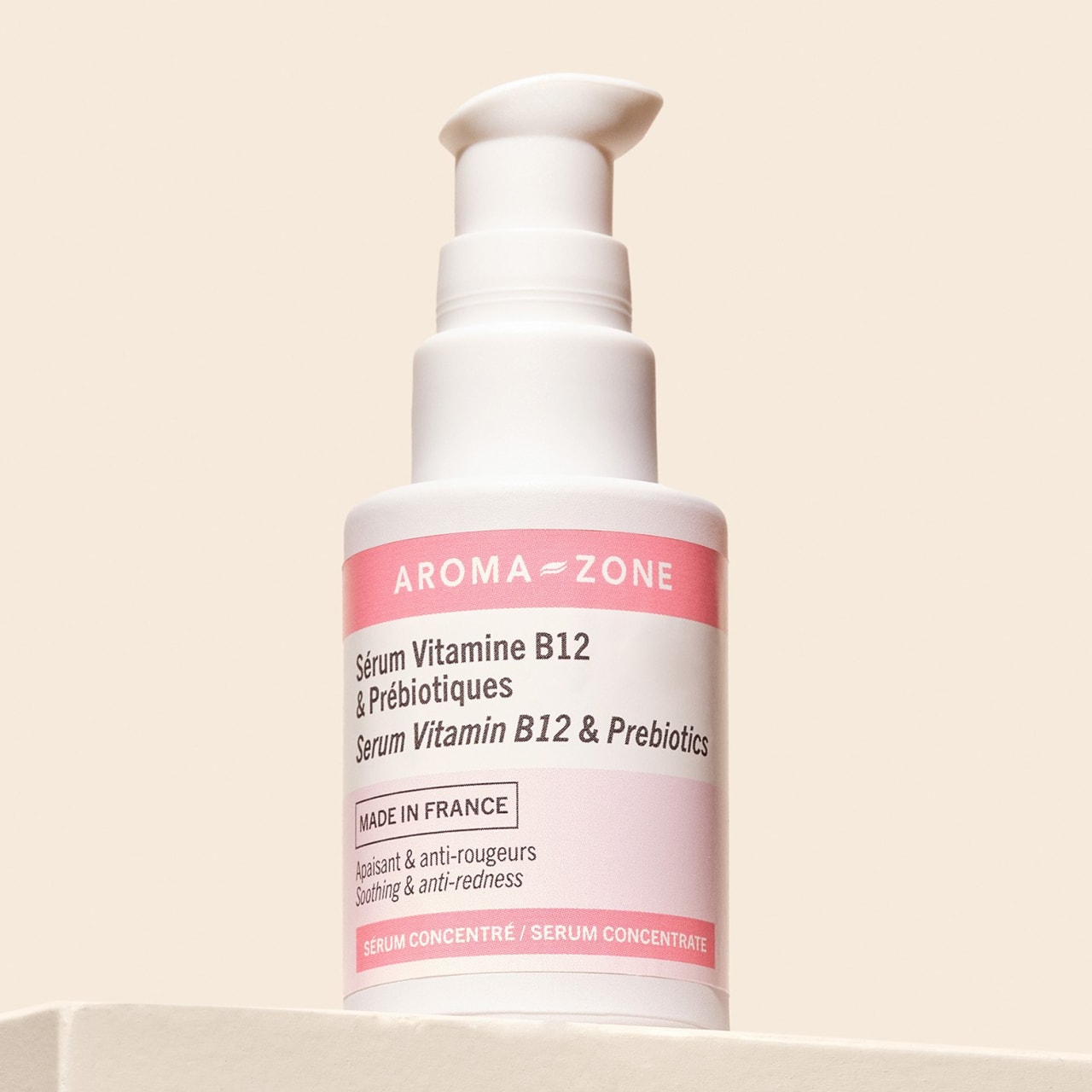
Soothing
Repairing
£9.00
30 ml
2 options
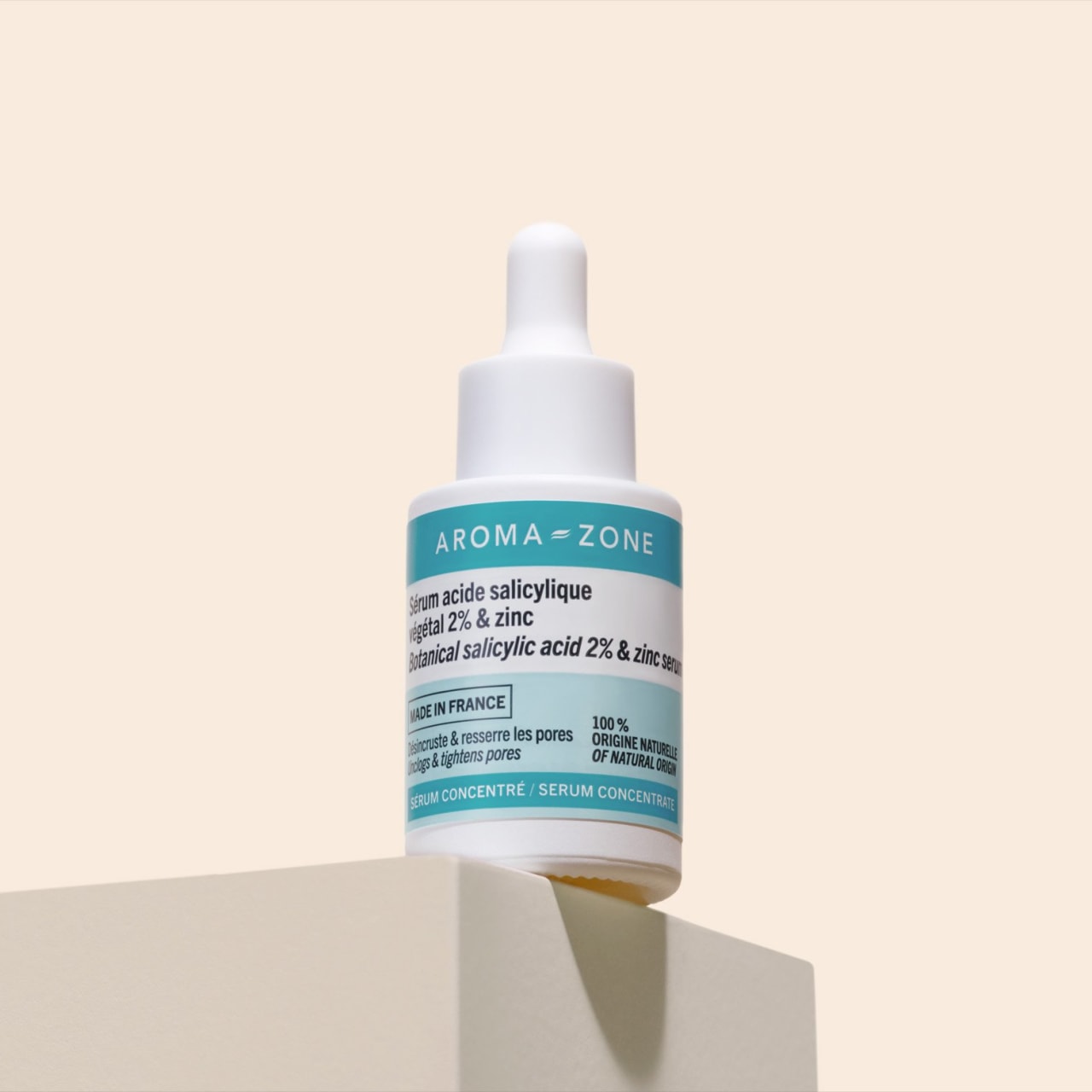
Sebum-regulating
Anti-blemishes
£8.00
30 ml
2 options
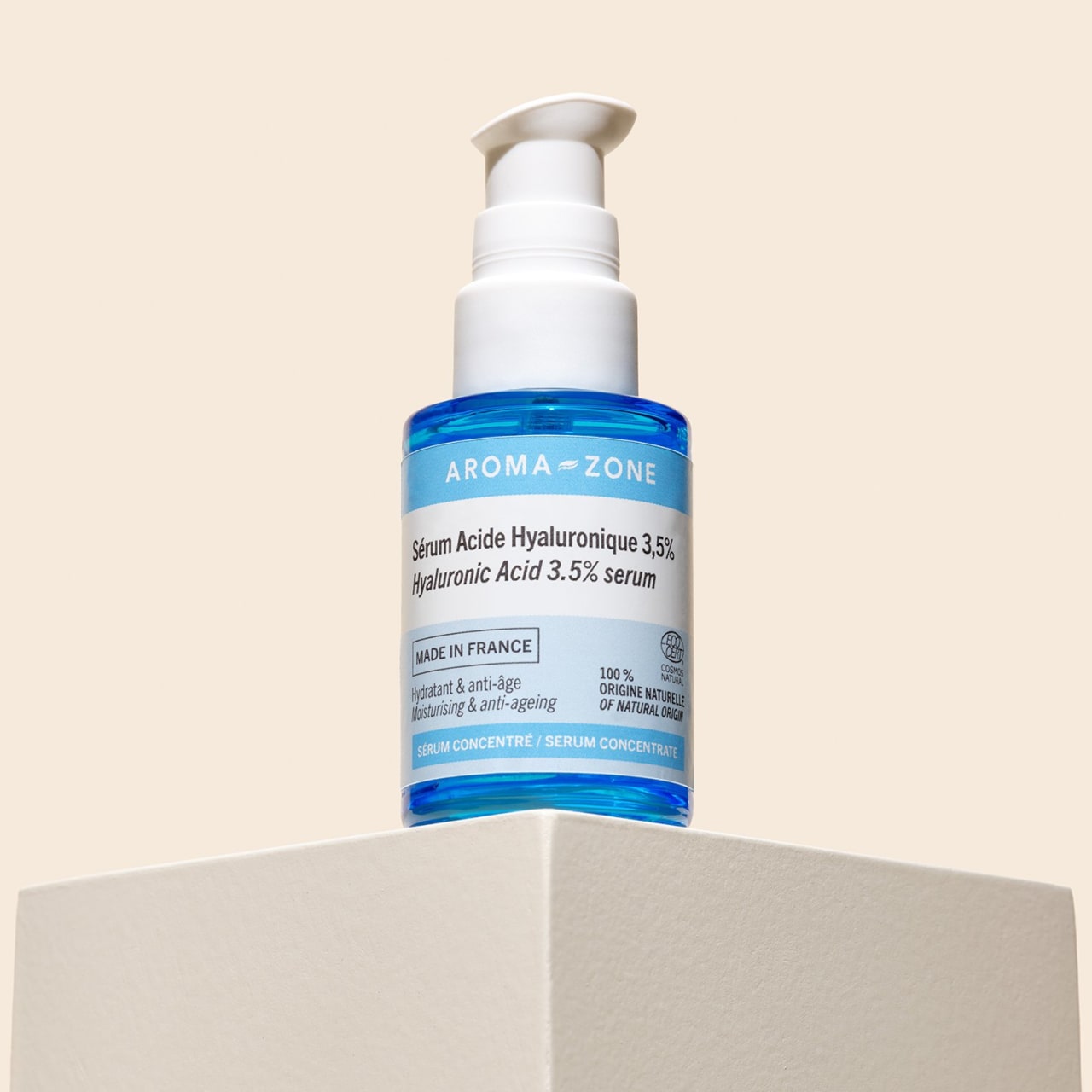
Moisturising
Plumping
£6.50
30 ml
3 options
In brief
Open comedones, more commonly known as blackheads, form when the skin’s pores become blocked by a mixture of sebum and dead skin cells, which oxidise on contact with the air and darken, unlike closed comedones, which remain white beneath the skin.
An anti-blackhead routine involves gently cleansing the skin, using non-comedogenic products, and regular exfoliation, a targeted serum and a moisturiser. Dietary supplements can also be incorporated to help maintain the skin’s balance.
The article advises caution with products that are too harsh, as they may irritate the skin, and recommends introducing new skincare products gradually.
Blackheads and comedones: why do they appear?
The appearance of open comedones is a common occurrence, caused by several factors linked to both the skin’s natural functions and lifestyle. Whilst not a cause for concern, they often indicate a slight imbalance in the skin. A better understanding of their causes enables you to adopt simple, appropriate measures to maintain the skin’s balance on a daily basis.
Excess sebum
Sebum plays an essential role: it protects the skin and helps maintain its moisture levels. However, when produced in excessive quantities, it can build up in the pores and cause them to become blocked. This is particularly common on areas such as the forehead, nose and chin. To find out more about this, read our article: Excess sebum on the face: what are the causes?
Accumulation of dead skin cells
The skin renews itself naturally, but sometimes dead skin cells are not shed effectively. They can then remain on the skin’s surface, mix with sebum and form a plug in the pores, leading to the formation of comedones.
Imbalance in the skin’s microbiome
The skin naturally harbours microorganisms that help maintain its balance. When a pore becomes blocked, this balance can be slightly disrupted, which may lead to the appearance of blemishes. Caring for your skin gently helps to preserve this fragile ecosystem. To better understand this phenomenon, read our article: What is the skin microbiome?
Hormonal factors
Hormonal fluctuations can affect sebum production. At certain stages of life, such as adolescence or the menstrual cycle, the skin may become more prone to blemishes. These fluctuations are natural and may explain the occasional appearance of blackheads.
Lifestyle and environment
Stress, tiredness and pollution can all affect the skin’s balance. Whilst not direct causes, these factors can contribute to increased sebum production or less effective skin renewal.
Diet
Diet also plays a role in the skin’s overall balance. A varied and balanced diet helps the skin to function properly, whilst certain excesses can, in some people, contribute to the appearance of blemishes.
Spotlight on Our Writer: Coralie Técher

Coralie has spent seven years working as a journalist specialising in women’s issues. With a particular passion for beauty and well-being, she is committed to exploring natural self-care approaches. She keeps up to date with current research and trends and enjoys sharing relevant, reliable information with her readers.
Bibliography

Frequently Asked Questions
Associated tip
Face care tips


