Skin imperfections: our top-rated skincare products, approved by our experts

Skin imperfections: our top-rated skincare products, approved by our experts


By Hélène Betoux

Published on: Thursday, February 05, 2026, Updated on: Monday, October 12, 2026

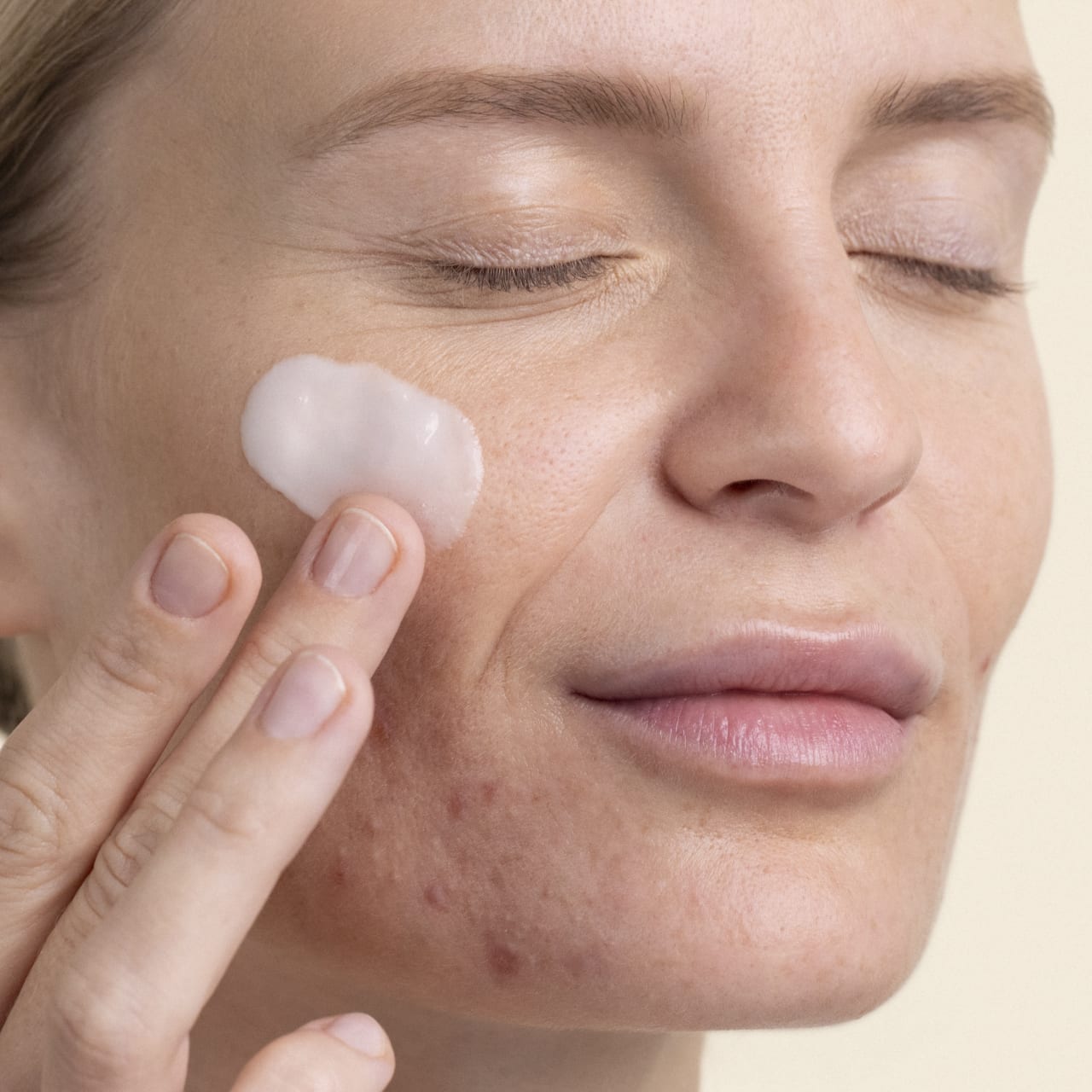
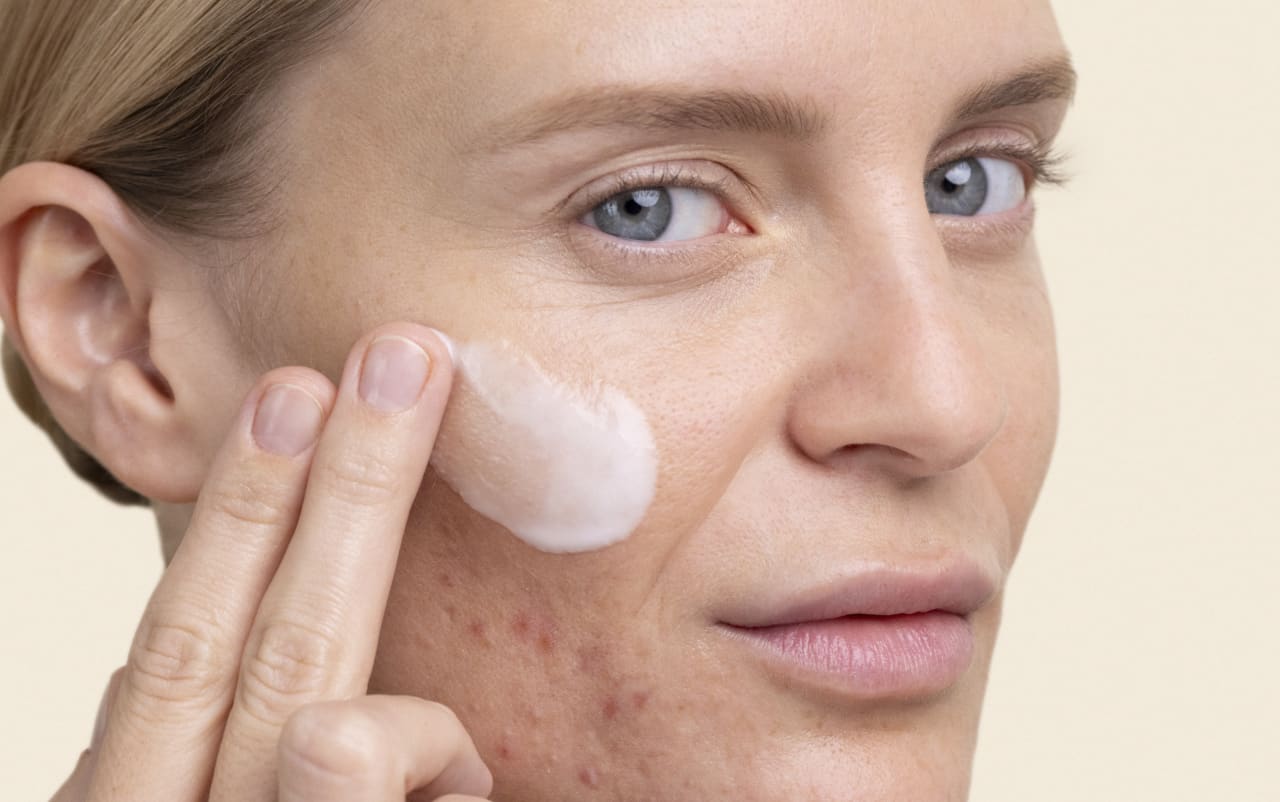
We may all experience blemishes at one time or another, when our skin is at its most vulnerable or during a transitional phase for our bodies. Whilst not necessarily cause for alarm, they can lead to aesthetic concerns that sometimes give rise to self-consciousness. To help you cope better with this temporary situation, there are natural solutions designed to prevent and minimise the appearance of established blackheads. In this article, we detail the top 10 best-rated Aroma-Zone anti-blemish treatments, ranging from essential oils to ready-to-use formulas and natural cosmetic active ingredients. You’ll also find an introduction explaining how blackheads and whiteheads form, along with lifestyle advice from our experts.

Contents

Related products

In brief

In brief: blackheads, whiteheads, shine, acne-prone skin… Skin imperfections can affect us for much of our lives, often in response to hormonal fluctuations. This article explores the mechanisms behind this phenomenon, from physiology to exosomes, to help us better understand how to minimise its effects. Active ingredients such as tea tree and niacinamide can help us manage our blackheads more effectively. They feature in the list of Aroma-Zone’s top-rated anti-blemish skincare products.

Why does my skin have blemishes?

How do blackheads form?

The cause of blemishes is very often excess sebum. Sometimes this protective ‘wax’ – which is, incidentally, essential for the skin’s balance – takes on a thicker consistency than necessary, usually due to hormonal influences. It therefore finds it harder to flow out of its secretory pore and ends up accumulating in the pilosebaceous follicles. When mixed with the dead skin cells naturally produced by the epidermis over time, it forms ‘plugs’ that you’re no doubt familiar with as ‘comedones’. These are the well-known blackheads and whiteheads. But the story of your blemishes doesn’t end there… It is possible that an imbalance in the skin’s surface microbiota (generally favouring Cutibacterium acnes, formerly known as Propionibacterium acnes) may then develop alongside this blockage. This microbial overgrowth fuels inflammatory processes and can lead to acne lesions.
Intrinsic factors (1)

Hyperkeratinisation: excessive proliferation of epidermal cells, which accumulate in the pilosebaceous follicles and eventually block them

Seborrhoea: a change in the lipid composition and texture of sebum

Imbalance in the skin’s surface microbiota: excessive proliferation of Cutibacterium acnes

Hormonal changes : particularly in relation to androgens and IGF-1

Impaired protective function of the skin barrier : increased permeability, dryness and redness

Genetic influence: the presence of acne symptoms in parents increases the risk of their offspring developing the condition.

Extrinsic factors (1)

Exposure to pollution : promotes oxidative stress, which fuels inflammatory reactions

Exposure to ultraviolet rays: weakens the skin barrier and contributes to the worsening of lesions

A high-fat diet : one hypothesis is that the proliferation of fat cells leads to the production of a pro-inflammatory hormone (leptin), which also alters the composition of sebum.

Stress: the cells that produce sebum are thought to be stimulated by substance P, levels of which rise with stress.

What criteria should I use when choosing my anti-blemish skincare products?

Key principles

Things to bear in mind

Choose proven anti-blemish active ingredients.

Some examples: salicylic acid (BHA), which is thought to reduce blockages in the pilosebaceous follicles (2) and improve the condition of the skin barrier (3); azelaic acid, with purifying, keratolytic and soothing properties (4); niacinamide, which is effective against blemishes and redness (5) and is well tolerated by the skin (6); and retinoids, although some of these fall outside the scope of cosmetic use (7).

Avoid formulations and ingredients known to be comedogenic.

The term ‘comedogenic’ refers to a substance likely to block the pilosebaceous follicles and, in doing so, promote the formation of blackheads. Although comedogenicity is not an absolute concept (some sources sometimes give conflicting advice regarding a single ingredient), it is generally accepted, for example, that heavy oils, such as coconut oil, should be avoided on blemish-prone skin.

Remember to protect your skin from the sun.

Contrary to popular belief, the sun does not make blemishes disappear. Ultraviolet rays may give the impression of a temporary improvement, but this is often followed by a rebound effect (a strong resurgence of blemishes). Choose a broad-spectrum sunscreen with an SPF of 30 or 50, depending on your skin type. If you find shine bothersome, bear in mind that there are sun creams available with a matt finish.

Treat your blemish-prone skin as if it were sensitive skin.

The appearance of blemishes often goes hand in hand with a compromised skin barrier (10). This means your skin may exhibit signs of hypersensitivity, exacerbated by an inflammatory response. It is therefore best to avoid treating it harshly or abruptly, for example by changing your skincare routine too often. Treat it gently to help it return to homeostasis as effectively as possible.

Follow good hygiene practices.

Cleanse your skin morning and evening to remove excess sebum – which encourages bacterial growth – as well as any impurities that have accumulated on the skin. Wash your hands after touching your face if you have broken spots. Limit your use of exfoliating scrubs, as these may open your whiteheads and spread the bacteria inside them all over your face

Skin imperfections: our 10 top-rated skincare products

Below you’ll find the active ingredients and ready-to-use formulas that are most popular with our community when it comes to treating blemishes. Highly recommended for combination to oily skin, they offer purifying and sebum-regulating benefits, as well as soothing and restorative properties. Our aim: to offer you skincare products that are both effective and gentle, whilst respecting the natural balance of the skin’s surface. It’s a delicate balance that we’re proud to have successfully made accessible to all, thanks to natural ingredients and carefully selected dermocosmetic active ingredients.

Bacti-Pur Active Ingredient

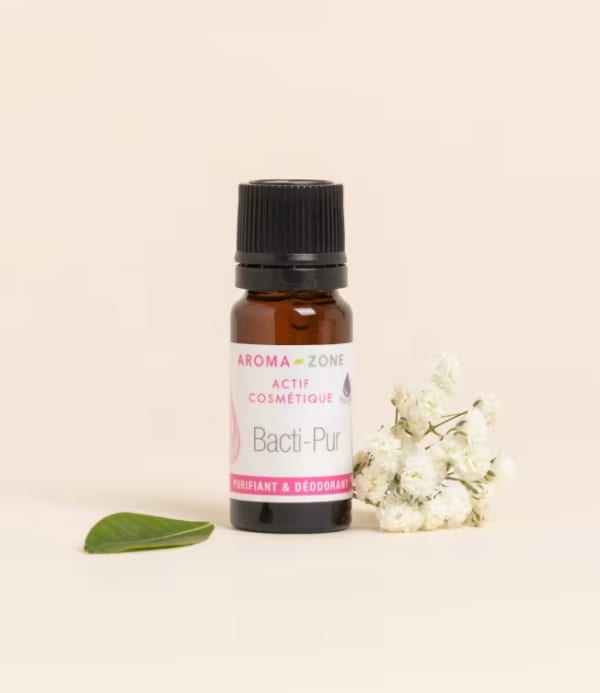
Bacti-Pur active ingredient. This cosmetic active ingredient has proven efficacy against Propionibacterium acnes, the bacterium associated with acne-prone skin. It has also demonstrated its rebalancing benefits in in vivo tests carried out on volunteers with oily skin. When used regularly, it helps to ‘normalise’ sebum secretion. Recommended concentration: 1–2 per cent of the total weight of your formulation (mattifying cream, balancing serum, purifying cleansing gel, etc.). 99.2 per cent of natural origin, obtained through fermentation.

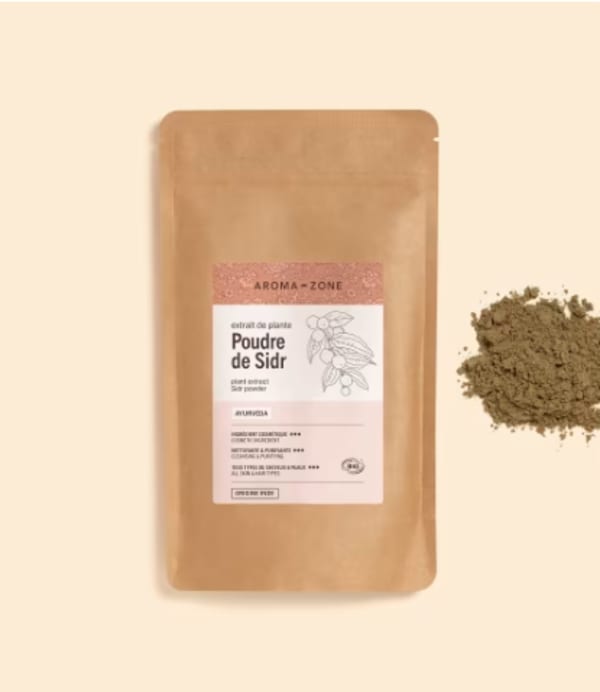
Organic Sidr Powder

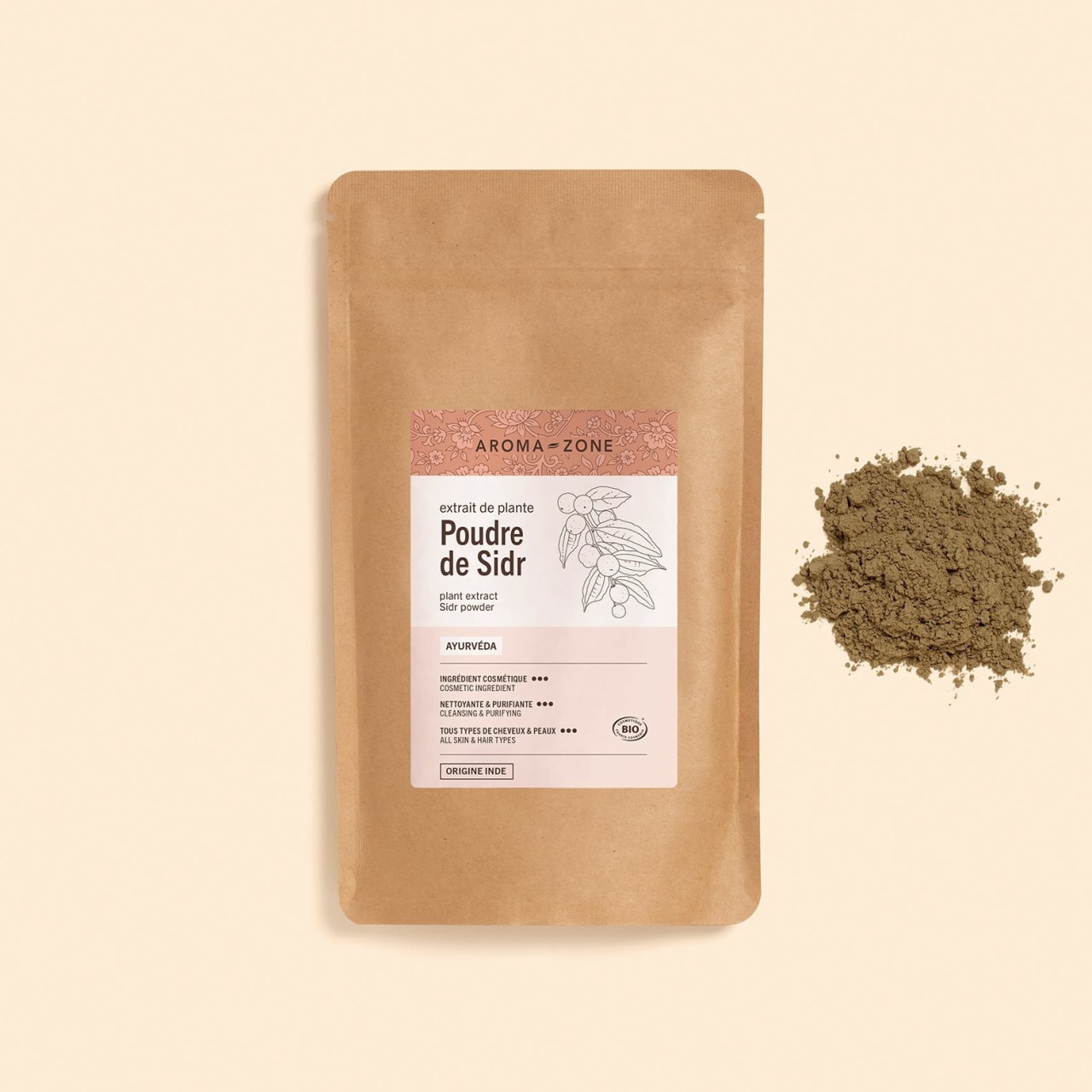
Organic Sidr Powder. Also known as ‘jujube powder’, it combines astringent and cleansing properties that help to soothe problem skin, such as skin prone to acne or itching. In particular, you can use it to make an oil macerate which you can incorporate into a recipe for a calming and soothing oil. A 100% pure and natural product, certified by Ecocert Greenlife in accordance with the Ecocert standard.

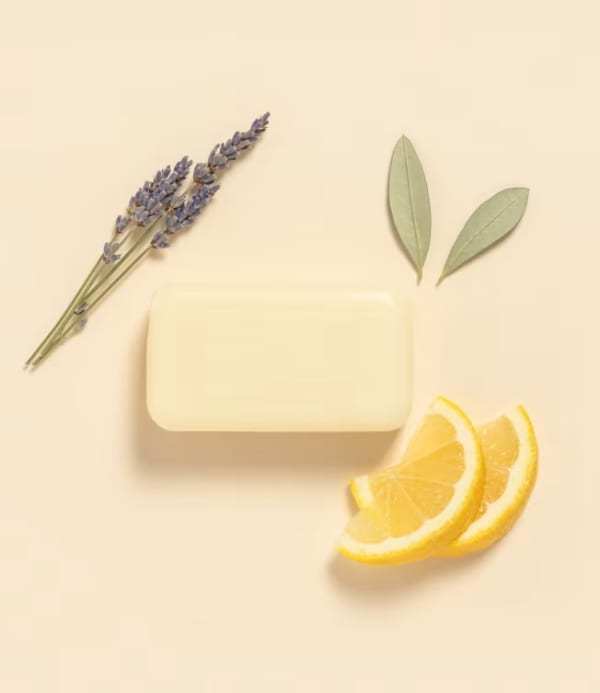
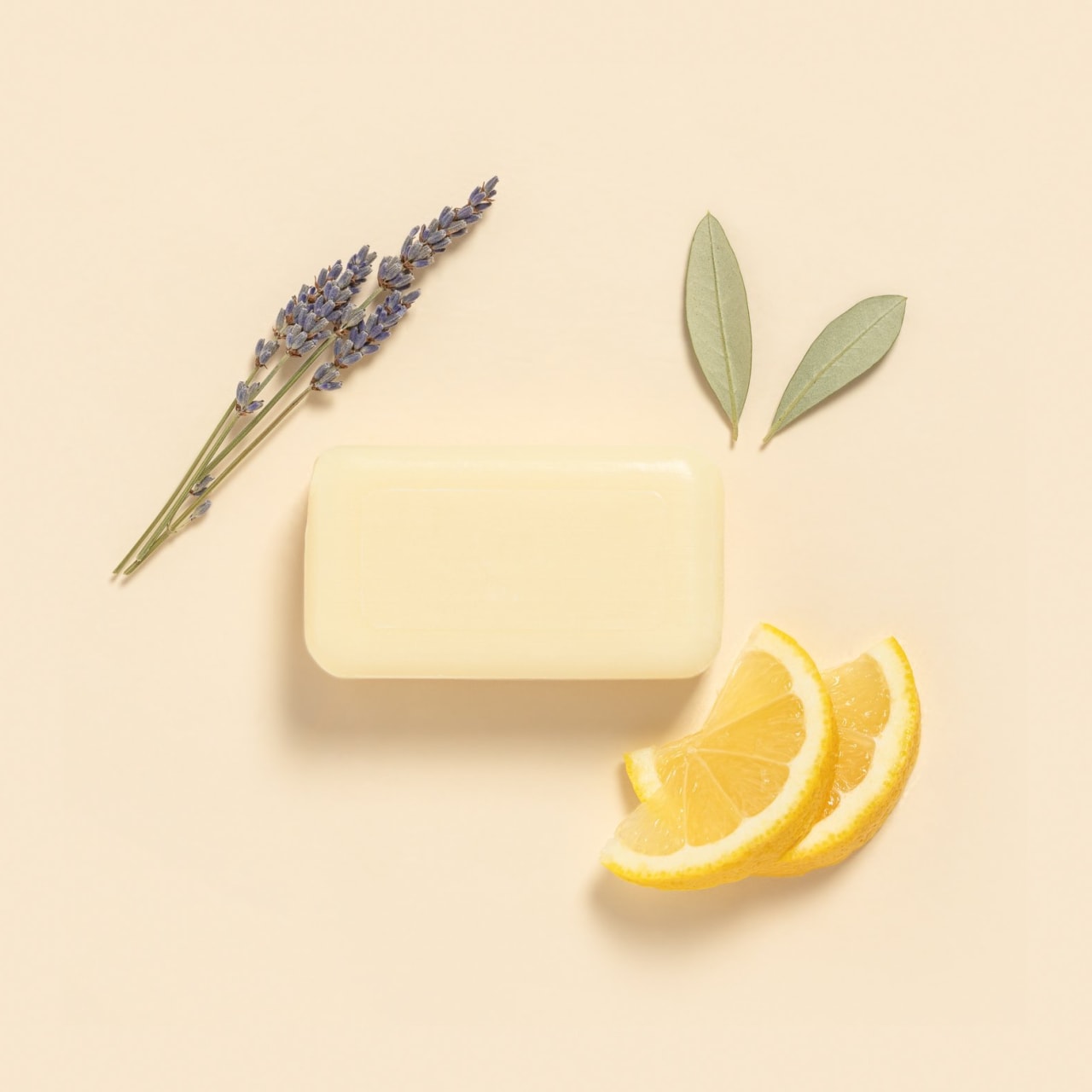
Purifying plant-based soap. This soap is ideal for cleansing acne-prone skin. Its formula, containing shea butter and purifying essential oils, produces a fine, light lather that is easy to rinse off and naturally scented. You can use it on your face, as well as on your body and hands. Made in France, the formula contains 99.9% naturally derived ingredients; it is fragrance-free, contains no synthetic colourants and is certified organic.

Organic tea tree hydrosol

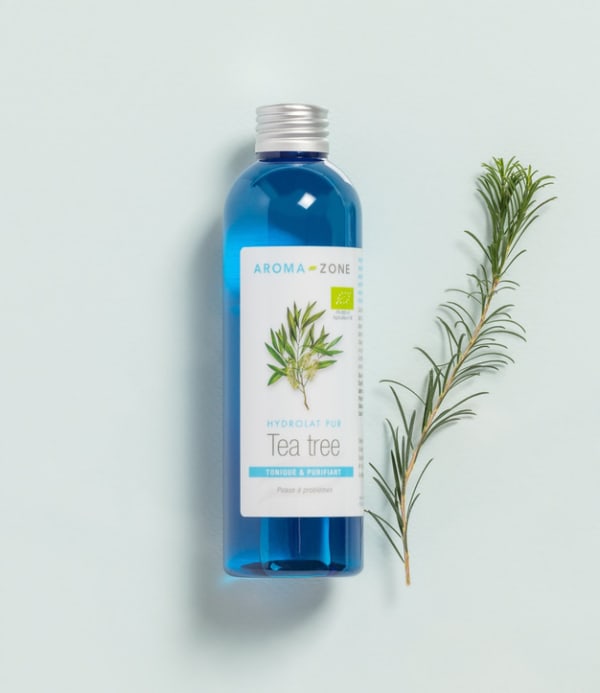
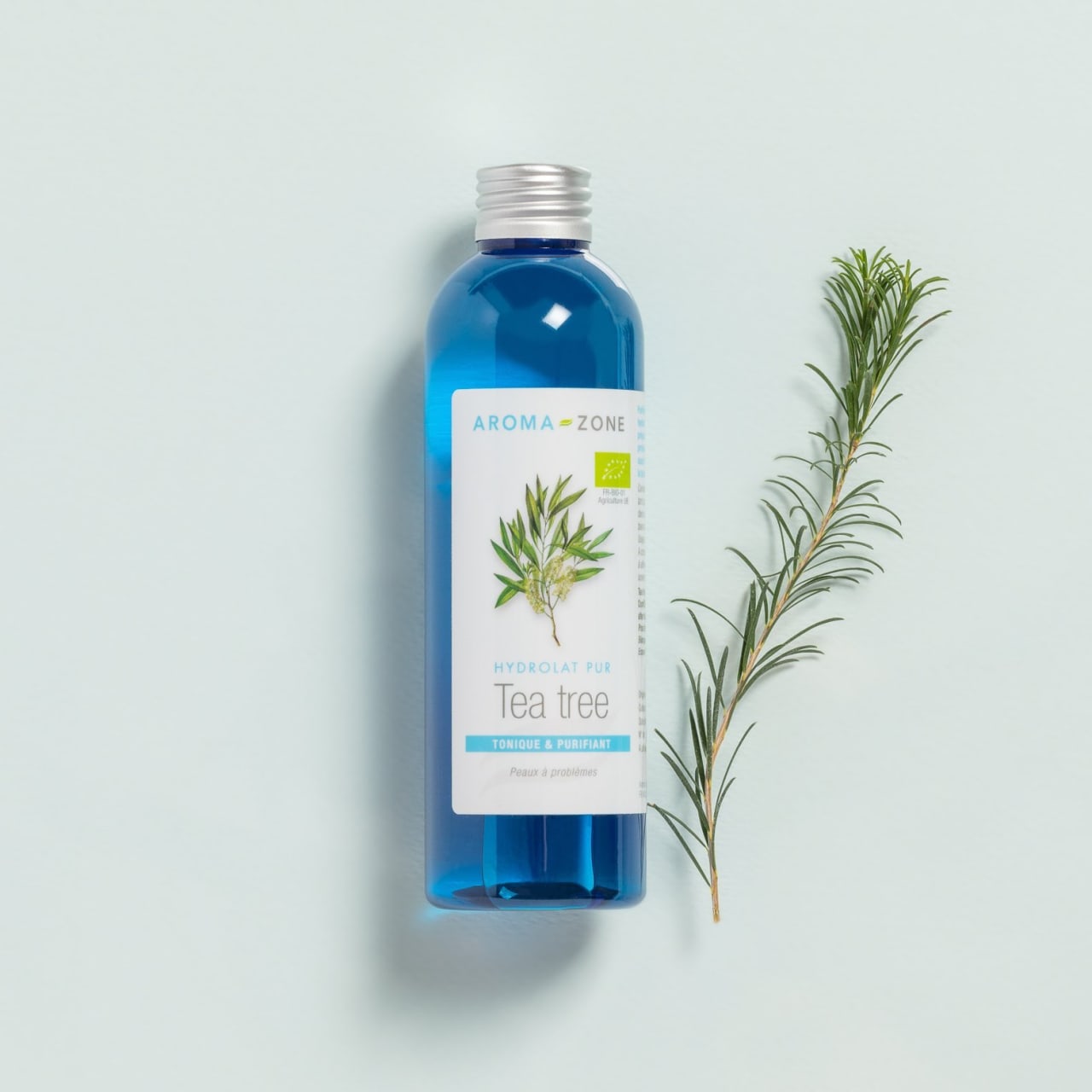
Organic Tea Tree Hydrosol. Renowned for its purifying properties, this hydrosol is an essential ally for blemish-prone skin. It also combats the dull complexion often seen in devitalised skin. You can use it undiluted, applying a few drops to a reusable cotton pad to refresh your face first thing in the morning. You can also incorporate it into a cleansing lotion, purifying mask or mattifying cream. Remember to keep it in the fridge between uses.

romarin-a-verbenone-mc

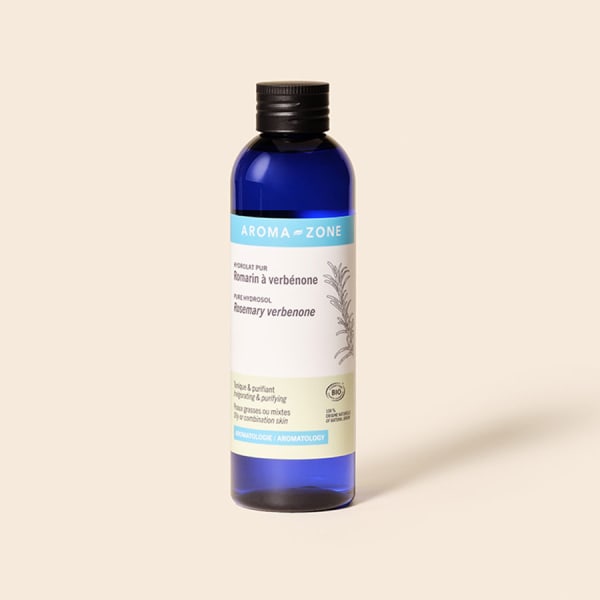
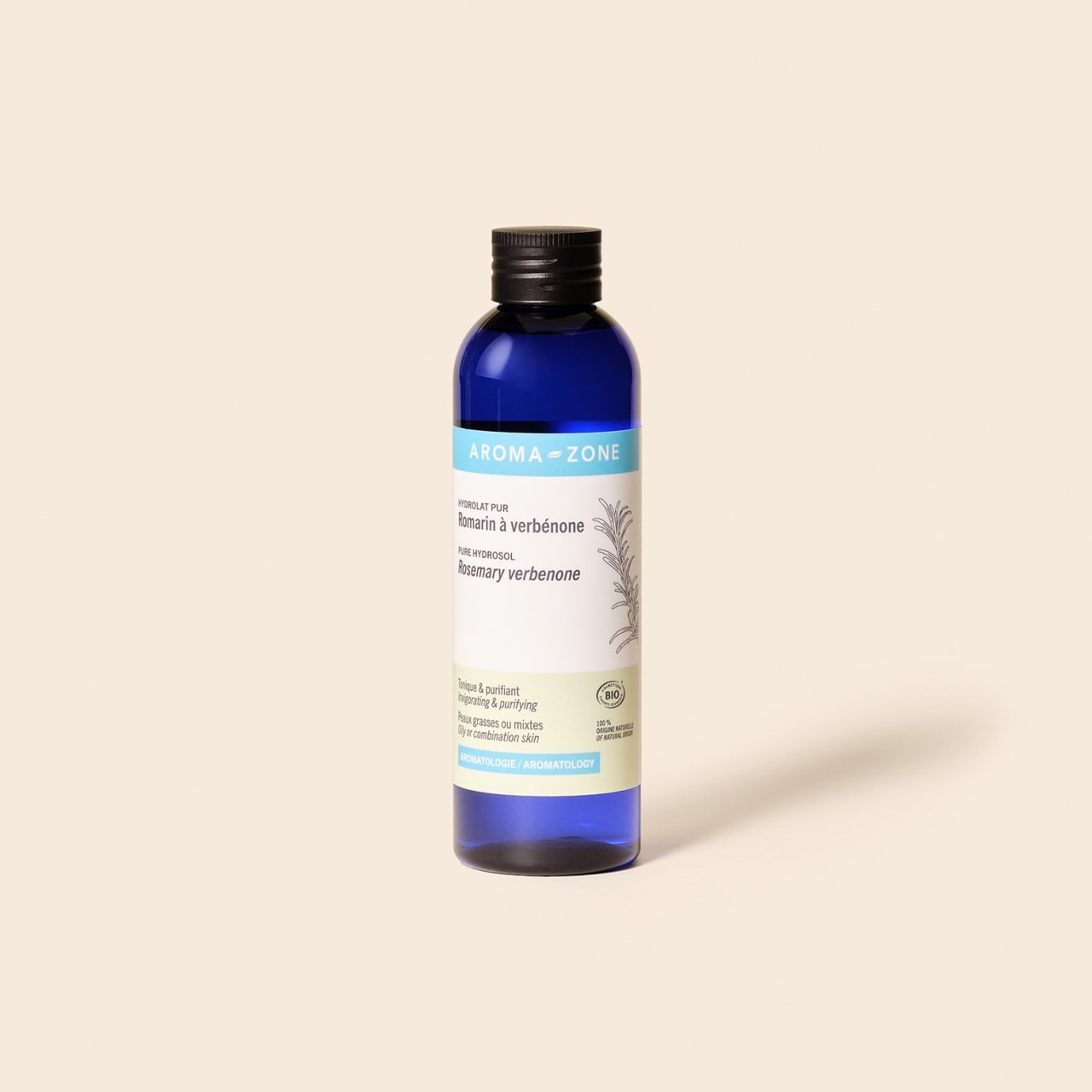
Organic Rosemary with Verbenone Hydrosol. This hydrosol can replace your usual toner to refresh your skin in the morning or complete your make-up removal routine in the evening. It can be used undiluted or combined with other floral waters suitable for combination to oily skin (tea tree, lavender, etc.). Renowned for its purifying and regulating properties, it helps to balance oily, acne-prone skin. Remember to keep it in the fridge between uses.

aroma-zone_april262404.png

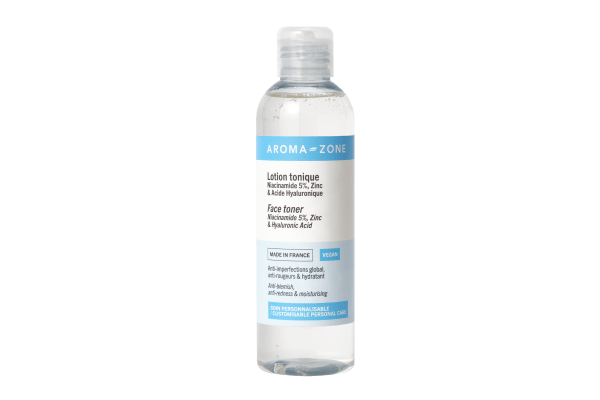
5% Niacinamide, Zinc & Hyaluronic Acid Toner. Clinically proven efficacy: does not dry out the skin, reduces blemishes, refines skin texture, soothes the skin, leaves the complexion radiant, reduces redness and provides a feeling of hydration. This is a very gentle skin-perfecting treatment. Use it after cleansing or removing make-up, before applying your usual serum or cream. Made in France, dermatologically tested, vegan, alcohol-free and fragrance-free, suitable for sensitive skin.

az 22072025 az packshot serum nia 1325

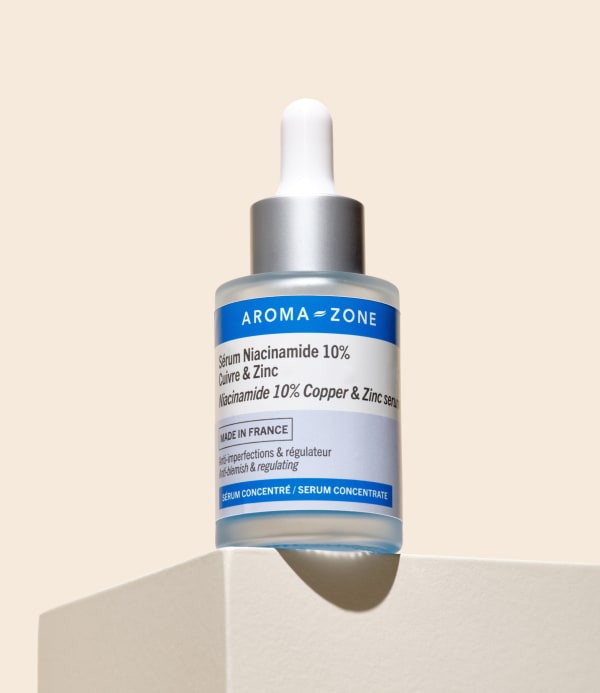
10% Niacinamide, Copper & Zinc Concentrated Serum. Clinically proven to improve the appearance of pores, redness and blackheads, and to reduce sebum production. Formulated with a gel-based texture enriched with hyaluronic acid and Fucocert, it has a gentle texture that is instantly absorbed by the skin without leaving a greasy film. Made in France, dermatologically tested, vegan, suitable for use during pregnancy and whilst breastfeeding, available as an eco-refill.

005-pack-aromazone-0115 2

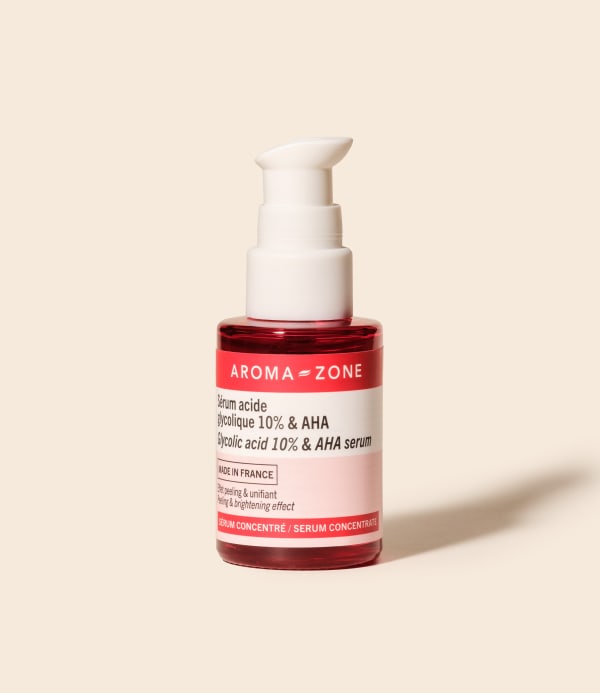
10% Glycolic Acid & AHA Concentrated Serum. Clinically proven to improve the appearance of pores and dark spots, brighten the complexion and smooth the skin’s texture. Comparable to a peel in a bottle, it works through an exfoliating action that combines two benefits: combating blemishes and fighting the signs of ageing. Its formula is gentle on the skin. However, you should only use it in the evening, and apply a suitable sunscreen the following day. Plumping gel texture, made in France, dermatologically tested formula, vegan, available as an eco-refill.

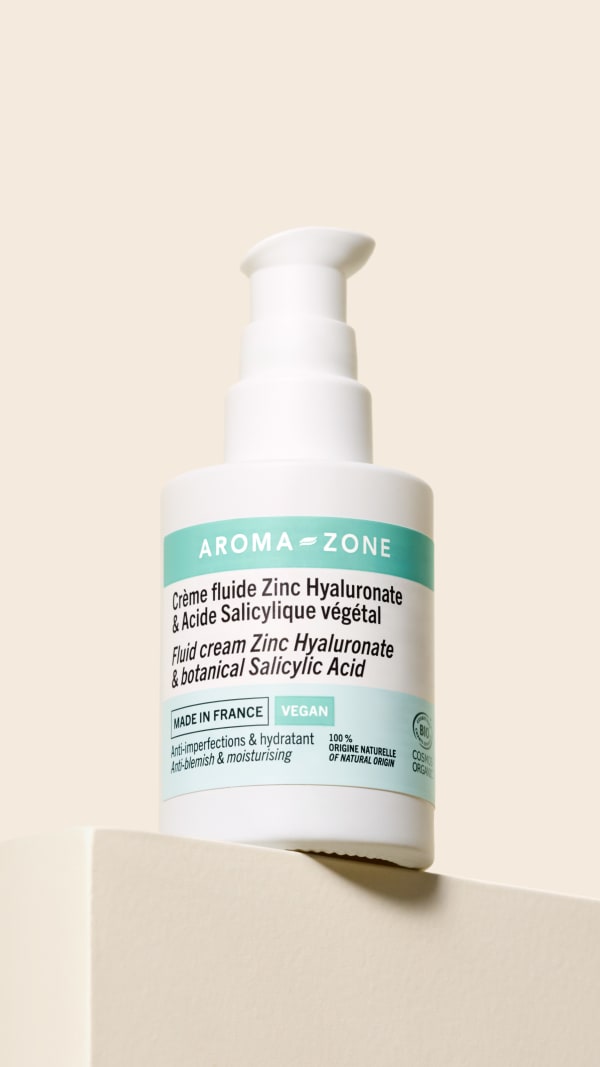
Zinc Hyaluronate & Plant-Based Salicylic Acid Fluid Cream

Zinc Hyaluronate & Plant-Based Salicylic Acid Fluid Cream. This day cream combines gentleness and effectiveness in a lightweight texture with a matt, velvety finish. Ideal for both adults and teenagers, it reduces the appearance of established blemishes whilst providing long-lasting hydration and a soothing effect. Fragrance-free and essential oil-free formula, 100% natural origin, certified organic, vegan and dermatologically tested. Made in France, available as an eco-refill.

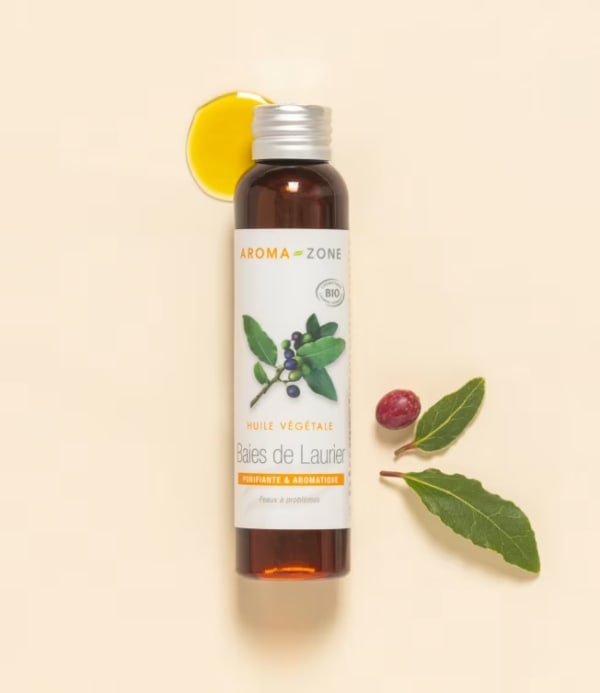
Organic Bay Berry Oil

Organic laurel berry vegetable oil. Ideal for skin prone to acne or atopic conditions (eczema, psoriasis), it has purifying, deep-cleansing and astringent properties. You can incorporate it into your Aleppo soap recipes or use it as a standalone facial treatment. Unlike most vegetable oils, it is too potent to be used undiluted on the skin. We recommend diluting it to a maximum of 40–50 per cent in a more neutral vegetable oil or within a formula.

What our customers say

These testimonials collected on our website show that natural products can be an effective solution to the problems of blemish-prone skin. They tend to prove that simple formulas, based on recognised active ingredients that are gentle on the skin barrier, are generally enough to restore a clearer, more even complexion, without breaking the bank. It’s also worth remembering that it takes time and consistency for the initial results to become long-lasting.

“Excellent product! Used on my face once a day, this soap has significantly reduced my adult acne problems. At the start, you have to wait about two months to really see the results (partly because of the scars). I’ve been using this soap for about four years now and it has really improved my daily life.” Cindy, on the Purifying Plant-Based Soap

"This toner moisturises your face after cleansing. I just follow it up with my serum and moisturiser and it’s amazing! It’s also helped me get rid of the little spots I had around my nose and on my forehead." Hodan, on the 5% Niacinamide, Zinc & Hyaluronic Acid Toner

"This is the third time I’ve bought it – it’s brilliant, the texture is perfect and it gives great results." Carla, on the 10% Niacinamide, Copper & Zinc Concentrated Serum

Our experts’ views

Our Biochemistry and Natural Active Ingredients Engineer, Emilie Ondet

"When you have blemish-prone skin, it’s very tempting to ‘strip’ the skin’s surface. This is a bad idea, as damaged skin will defend itself… notably by producing even more sebum. We therefore recommend avoiding potentially harsh skincare products, starting with soaps that are too alkaline and irritating surfactants such as anionic ones. Instead, opt for very gentle cleansers, but do not use them more than twice a day (morning and evening). Applying a moisturiser is still strongly recommended, even if you have oily skin. Good hydration – and, by extension, an efficient skin barrier – is linked to better management of blemishes (9), including those of a hormonal nature. And of course, avoid touching your spots, as this could lead to infection. If your blemishes persist, consult a dermatologist, as the symptoms of acne, however common they may be, are indeed classified as a chronic inflammatory disease of the pilosebaceous follicle.”

Our naturopath, Lou Dumas

"We tend to forget it, but managing blemishes also involves an internal approach. Several studies have, in fact, shown that lifestyle can contribute to the formation of blackheads. This is particularly true of diet. Generally speaking, it is best to avoid consuming too many foods with a high glycaemic index, as these tend to fuel inflammatory processes (8). There is less clinical evidence regarding ultra-processed foods, but here too, it’s better to be safe than sorry. Instead, opt for natural sources of omega-3s (small oily fish such as mackerel and sardines, and linseed and perilla seed oils), which may play a significant role in preventing blemishes."

Precautions

The cosmetics, ingredients and active ingredients featured in this guide may be subject to precautions and/or restrictions on use. Please read the relevant technical data sheet carefully before use. If you are making your own skincare products at home, please follow the recommended dosages set out in our technical data sheets and recipe sheets. Remember that blemish-prone skin is also sensitive skin. To minimise the risk of a widespread adverse reaction, take the time to test a new formula before incorporating it into your routine. Apply a small amount to your wrist or the crook of your elbow and wait 48 hours to ensure your skin tolerates it.

Focus on Our Writer: Hélène Betoux

Hélène Betoux is a French beauty journalist specialising in web media. Every day she writes tips, advice, and guides to help consumers choose the right beauty products. With a strong interest in natural, organic, and clean cosmetics, she analyses and shares trends and innovations in the sector.

Bibliography

  1. What does acne look like? dermato-info.fr

  2. Liu H, Yu H, Xia J, Liu L, Liu G, Sang H, Peinemann F.

    Evidence-based topical treatments (azelaic acid, salicylic acid, nicotinamide, sulphur, zinc, and fruit acids) for acne: an abridged version of a Cochrane systematic review. J Evid Based Med. 2020 Nov;13(4):275–283. doi: 10.1111/jebm.12411. Epub 9 October 2020. PMID: 33034949

  3. Liu, Ye et al.

    “Clinical Efficacy of a Salicylic Acid-Containing Gel on Acne Management and Skin Barrier Function: A 21-Day Prospective Study.” Journal of Cosmetic Dermatology vol. 24, no. 7 (2025): e70353. doi:10.1111/jocd.70353

  4. Nazzaro-Porro M, Passi S, Picardo M, Breathnach AS, Zina G.

    Azelaic acid in the treatment of acne. G Ital Dermatol Venereol. April 1989;124(4):175–84. Italian. PMID: 2530163

  5. Althwanay, Abdulaziz et al.

    “Efficacy of Topical Treatments in the Management of Mild-to-Moderate Acne Vulgaris: A Systematic Review.” Cureus vol. 16, no. 4, e57909. 9 Apr. 2024, doi:10.7759/cureus.57909

  6. Kaymak Y, Önder M.

    An Investigation of the Efficacy of Topical Niacinamide for the Treatment of Mild and Moderate Acne Vulgaris. J Turk Acad Dermatol. Dec 2008;2(4):0–0. doi:

  7. Kolli SS, Pecone D, Pona A, Cline A, Feldman SR.

    Topical Retinoids in Acne Vulgaris: A Systematic Review. Am J Clin Dermatol. June 2019;20(3):345–365. doi: 10.1007/s40257-019-00423-z. PMID: 30674002

  8. Meixiong J, Ricco C, Vasavda C, Ho BK.

    Diet and acne: A systematic review. JAAD Int. 29 March 2022;7:95–112. doi: 10.1016/j.jdin.2022.02.012. PMID: 35373155; PMCID: PMC8971946

  9. Hacinecipoğlu F, Öner Ü.

    Assessing Skincare Awareness in Acne Vulgaris: A Cross-Sectional Study. Adv Skin Wound Care. 1 January–February 2026;39(1):E11–E15. doi: 10.1097/ASW.0000000000000374. Epub 17 October 2025. PMID: 41115133.

  10. Y. Deng et al.

    Skin Barrier Dysfunction in Acne Vulgaris: Pathogenesis and Therapeutic Approaches. Medical Science Monitor: International Medical Journal of Experimental and Clinical Research, volume 30, 13 December 2024, doi:10.12659/MSM.945336

Frequently Asked Questions

Frequently Asked Questions