The skin thickens to protect itself from UV rays
When exposed to the sun, the skin activates natural defence mechanisms. The thickening of the outermost layer contributes to this protection. However, it has no lasting effect on the skin’s balance.
The sun dries out the skin without regulating sebum production in the long term
The sun promotes water loss from the skin’s surface. The skin may then appear less shiny, giving the impression that sebum production is regulated. This is in fact a case of skin dehydration, and the effect is only temporary.
Pores and spots appear less visible
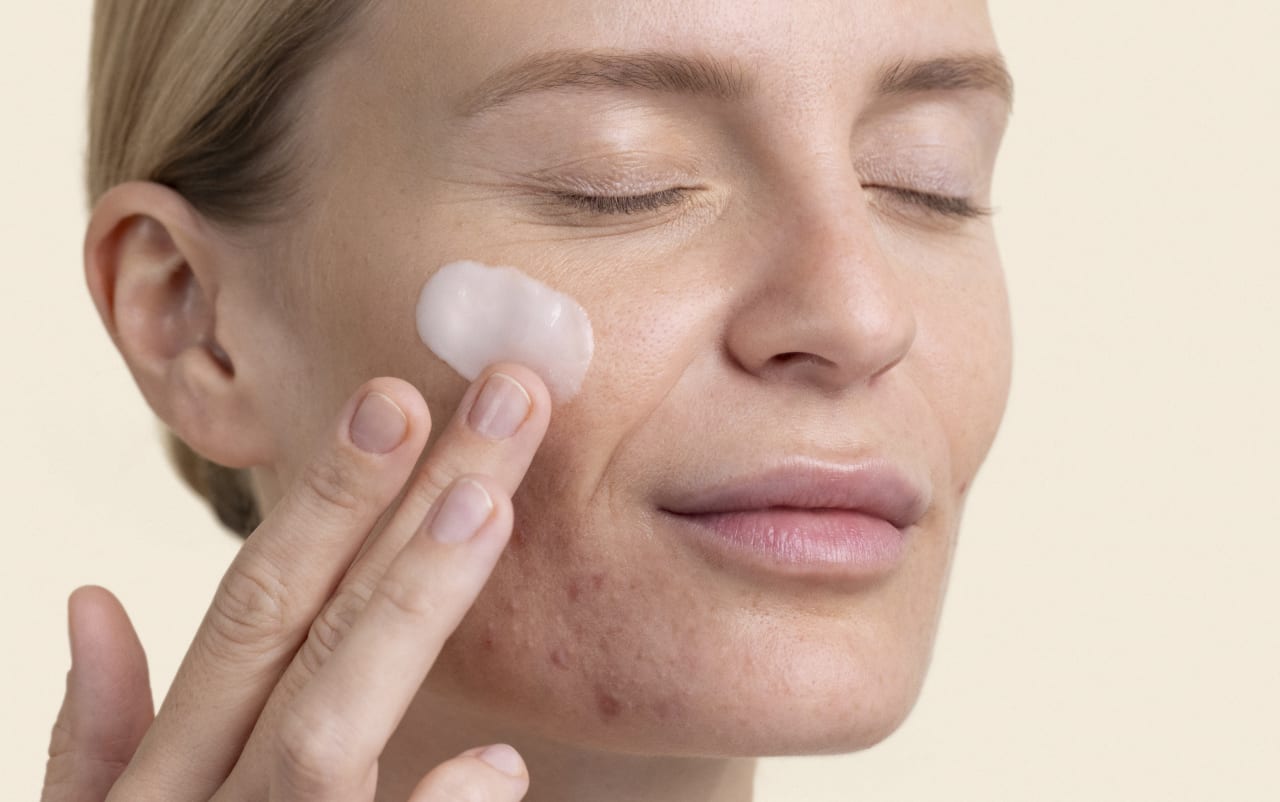
Thicker skin and a tanned complexion can make spots and pores appear less visible. But in reality, this merely alters the skin’s appearance without having a lasting effect on the causes of blemishes.
A tan masks redness without treating blemishes
The pigmentation caused by tanning visually reduces redness, which can give the impression of smoother skin. However, this effect is essentially visual.
The sun masks scars but promotes hyperpigmentation
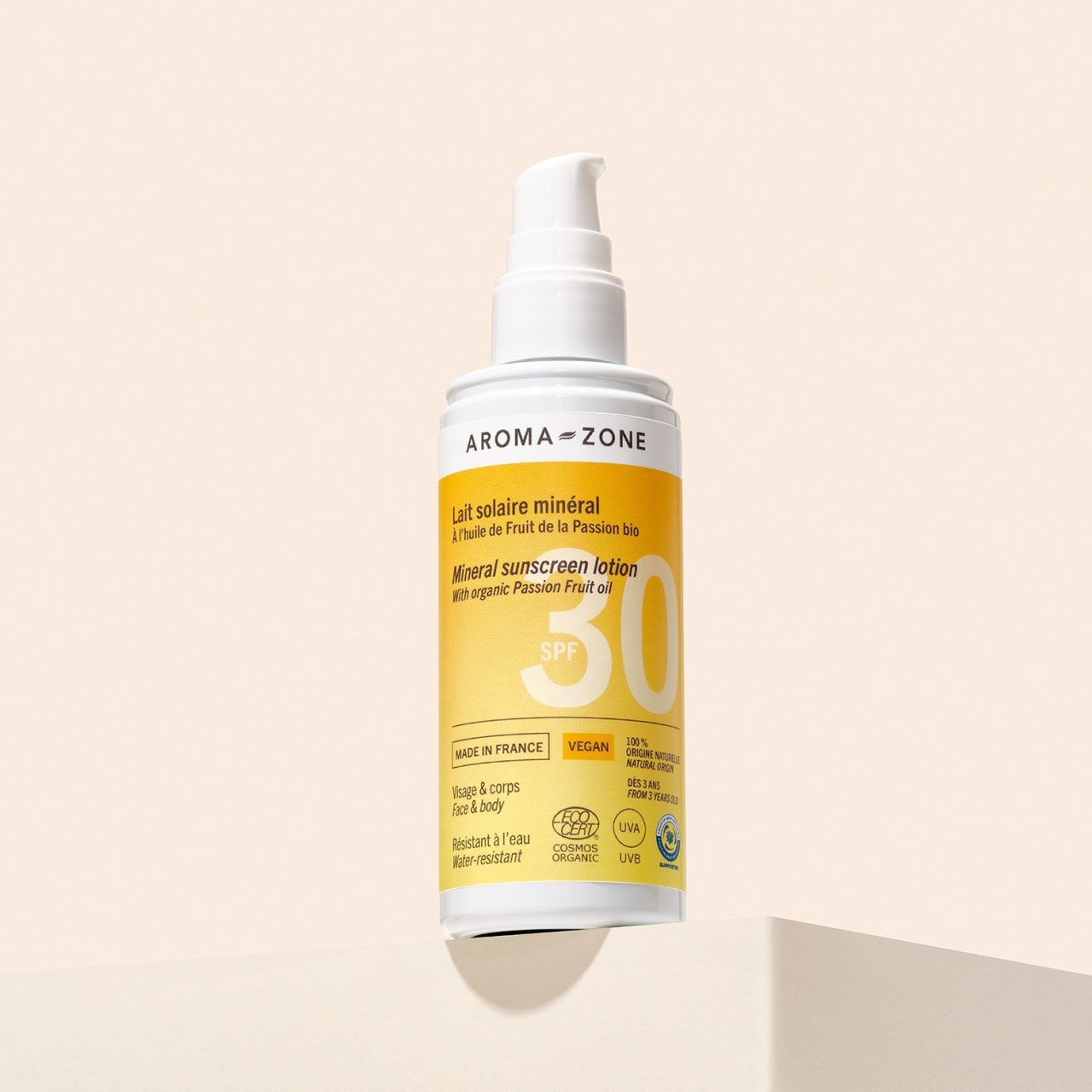
Sun exposure can also create the illusion of reducing acne scars by temporarily evening out the complexion, but this effect is misleading. In reality, UV rays stimulate melanin production and promote hyperpigmentation, which can permanently darken acne scars and make them more visible over time. Appropriate sun protection is therefore essential to ensure proper healing and help reduce the appearance of these marks.
The improvement observed is usually temporary
Consequently, as sun exposure decreases, the skin gradually returns to its normal function. In skin prone to blemishes, spots may then reappear.