
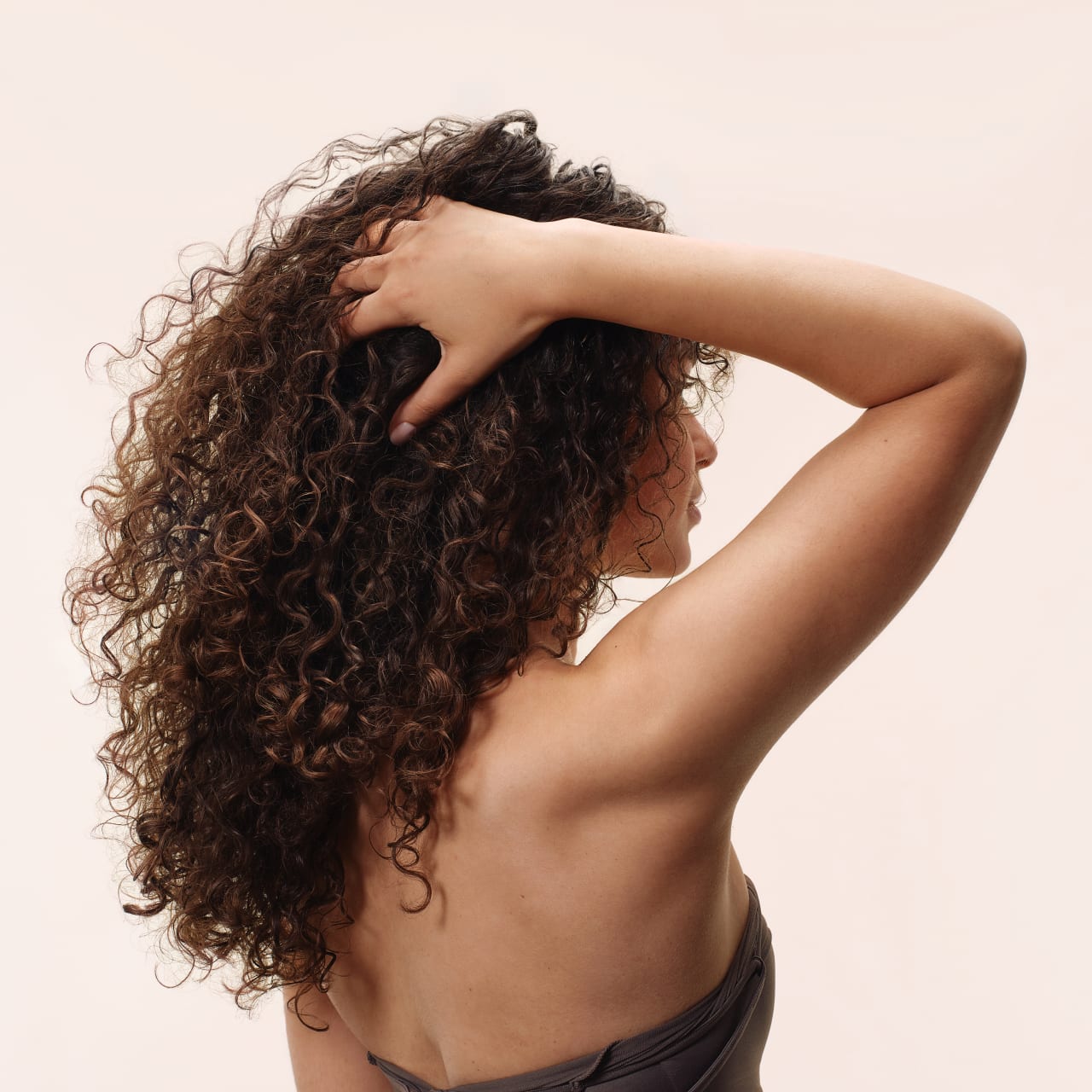
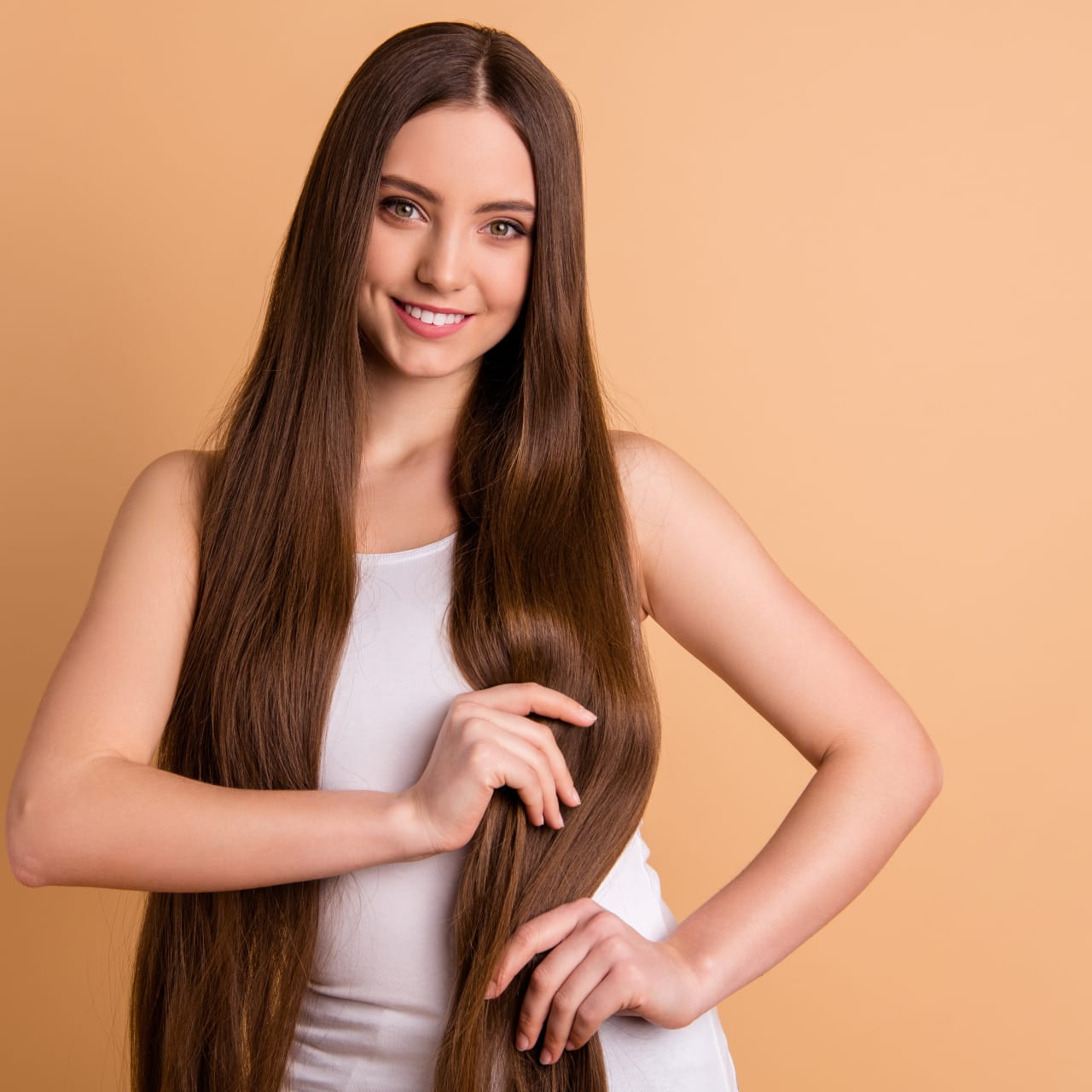
Wavy, curly and textured hair get lumped together often enough, but they're genuinely different, and the difference isn't just aesthetic.
Hair's natural bend comes down to the shape of the follicle it grows from, more oval follicles produce more curl, rounder ones produce straighter hair, and that follicle shape is what the well-known 2A to 4C classification system is built around.
The tighter the pattern, the further natural sebum has to travel from scalp to ends, which is really the single biggest factor behind how each type behaves.
Type 2: Wavy hair and what they need
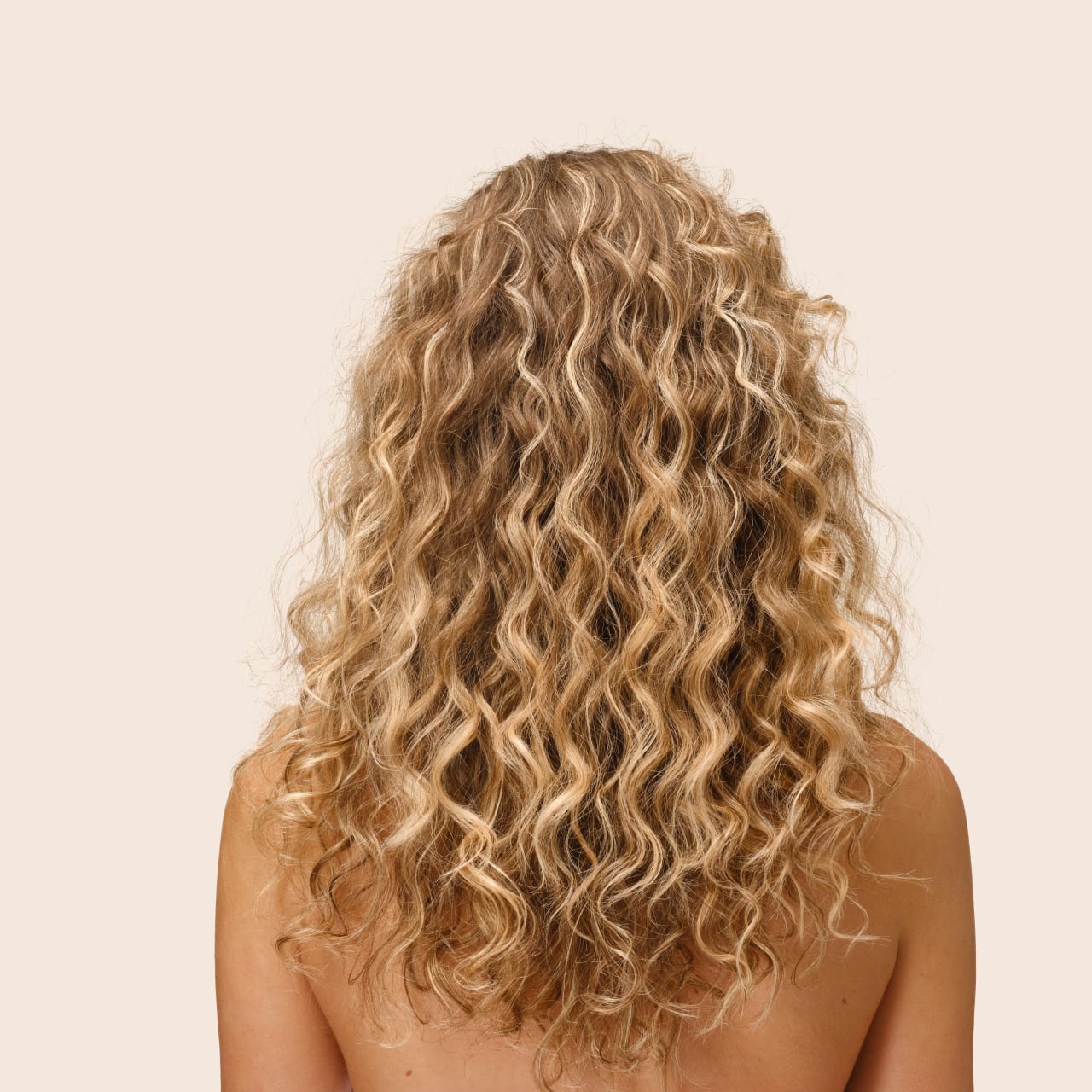
Wavy hair sits closest to straight, with a loose, S-shaped bend rather than a full spiral. It's usually split into three sub-types:
2A: the loosest, most manageable wave,
2B: medium waves starting from the crown, prone to some frizz,
2C: the thickest, most defined wave, often bordering on curly and the most prone to
frizz of the three, since it gets the least natural oil from the scalp.
What does type 2 hair need?
Lightweight formulas tend to work best here, anything too rich risks flattening the wave rather than defining it.
Type 3: Curly hair
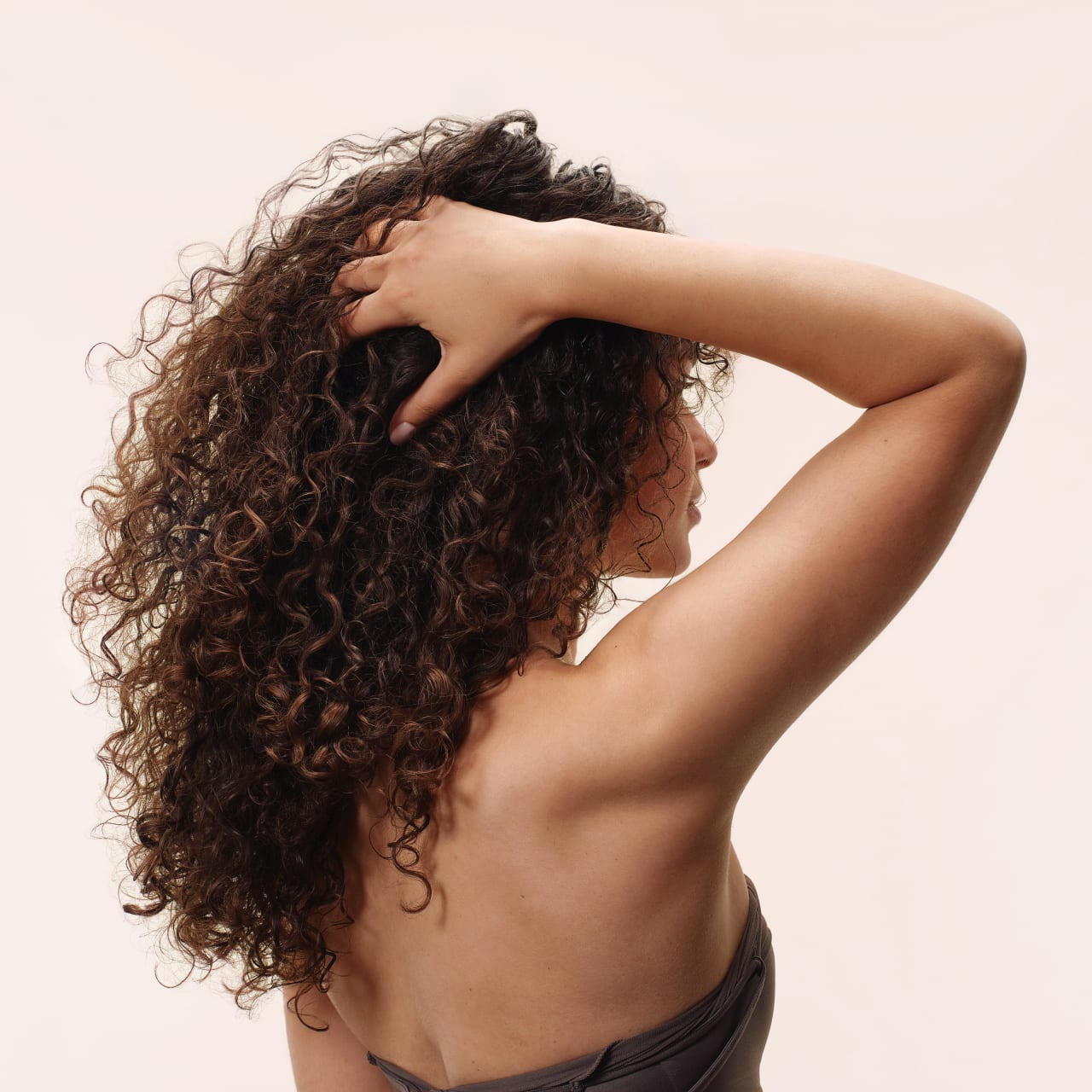
Curly hair forms proper spirals, ranging from :
3A: loose, shiny curls, roughly the width of a piece of chalk,
3B: springier ringlets with real volume,
3C: tight, densely packed corkscrews.
What does type 3 hair need?
Across all three, curly hair is drier by nature, not by bad luck, the tighter the spiral, the harder it is for scalp oils to reach the lengths. Balanced, consistent moisture matters more here than for wavy hair, and heavy product tends to weigh curls down rather than define them.
Type 4: Textured or coily hair
Textured hair has the tightest pattern of all, and the most shrinkage, hair that looks short when dry can stretch out considerably longer when wet.
4A: holds the clearest S-shaped coil and the most definition of the group;
4B: bends at sharper, more angular Z-shapes;
4C: has the tightest, often least visible coil pattern without stretching.
What does type 4 hair need?
This is the most fragile type overall, and needs the richest, most frequent moisture of the three, rich butters and oils are usually essential rather than optional here.
Good to know
It's also worth knowing that most heads aren't just one hair type.
It's common to have looser waves near the face or crown and tighter curls underneath, so it's fine (and normal) to work with more than one pattern in the same routine.
If frizz or dryness is more the issue than curl type itself, our selection by hair concern might be a better starting point.
The major needs of curly hair
Whatever the exact pattern, curly hair tends to share the same core needs. It's easy to end up with a shelf full of products without really knowing which ones are doing the actual work, so here's what each need genuinely means, and what actually addresses it.
Nourishment
Because sebum struggles to travel down a curved hair shaft, curls are drier by nature, not by bad luck, and richer, more regular hydration matters here more than almost anywhere else.
A few of Aroma-Zone's favourites for nourishing hair:
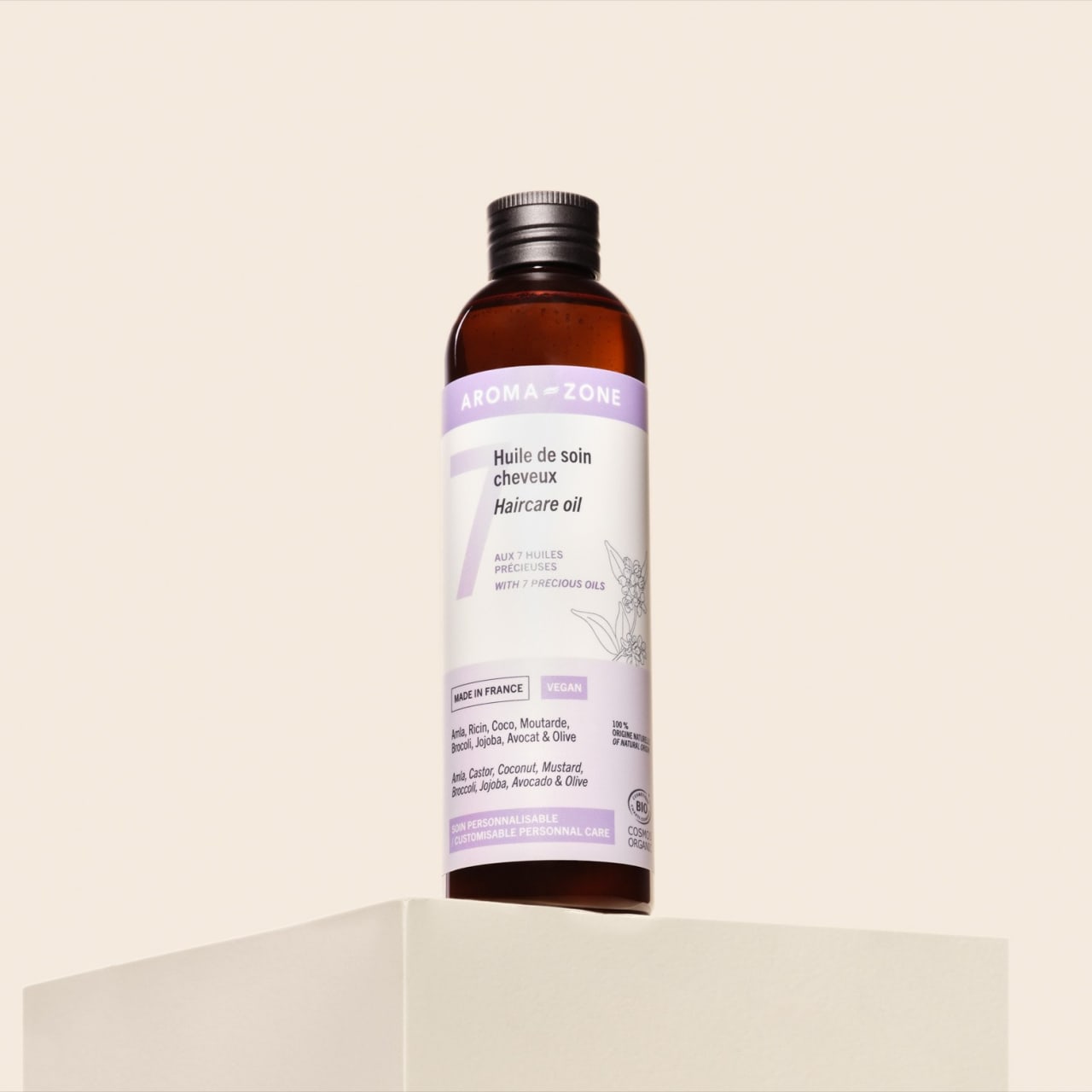
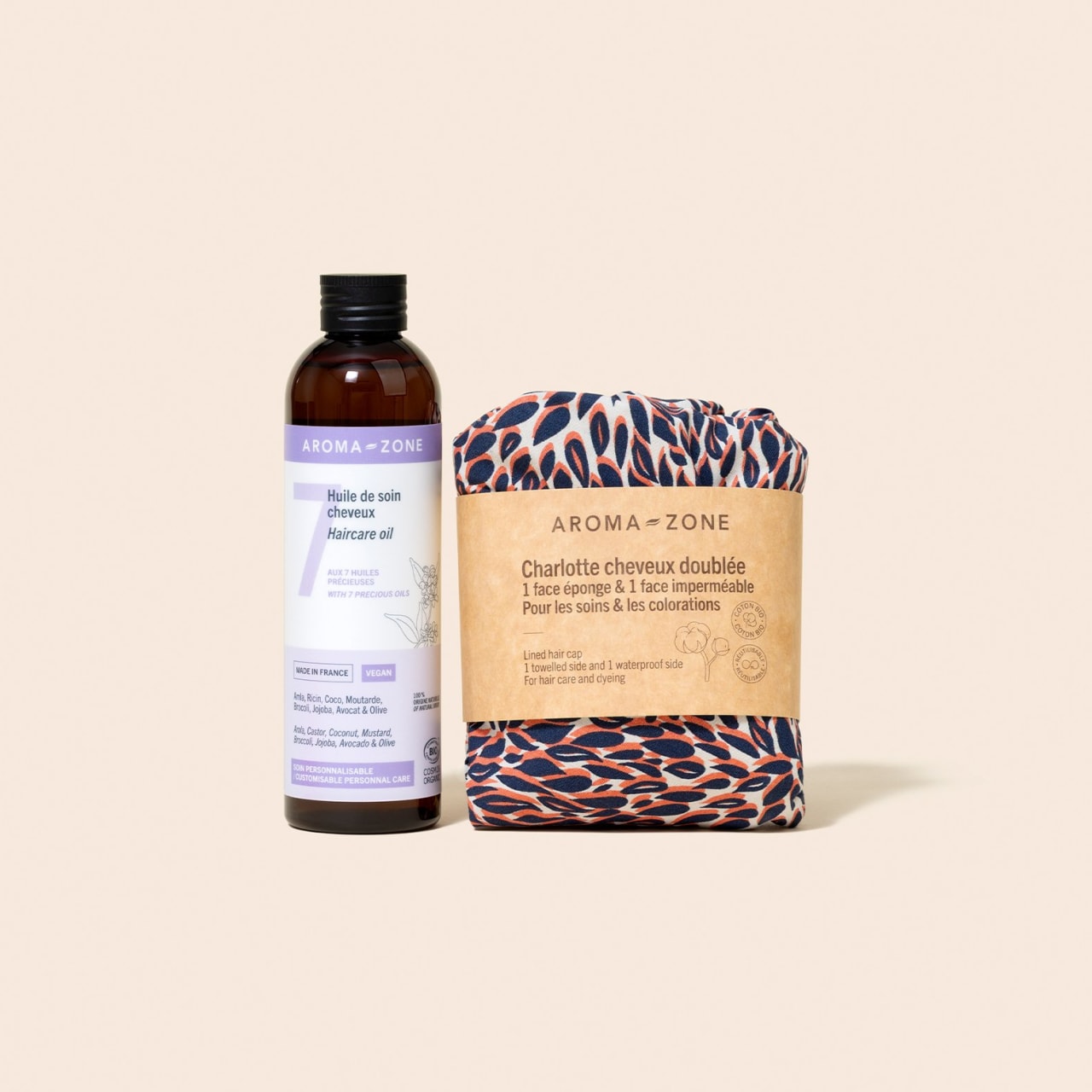
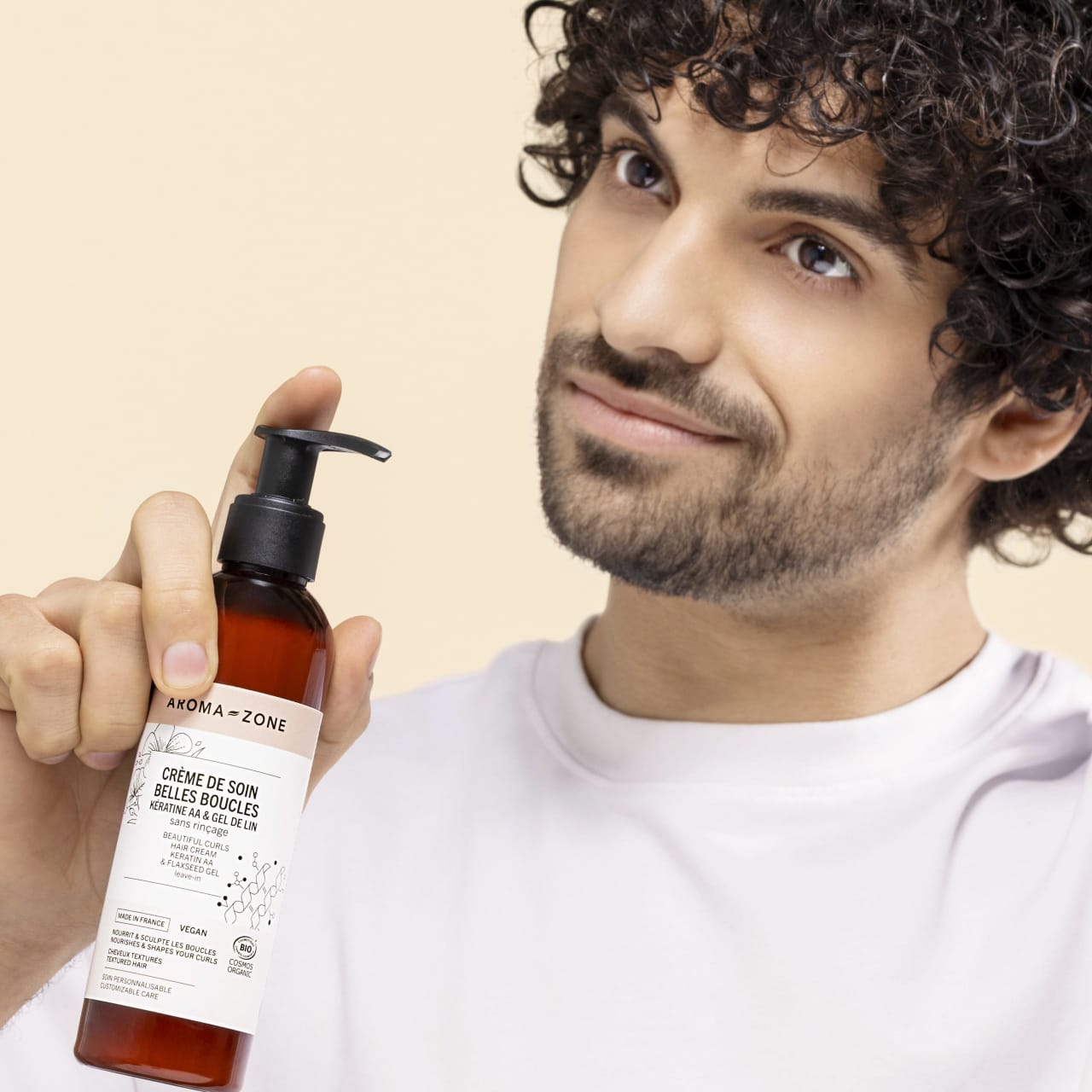
Haircare Oil With 7 Precious Oils, for a weekly top-up treatment
Discover a few of Aroma-Zone's homemade masks for curly hair.
Protection
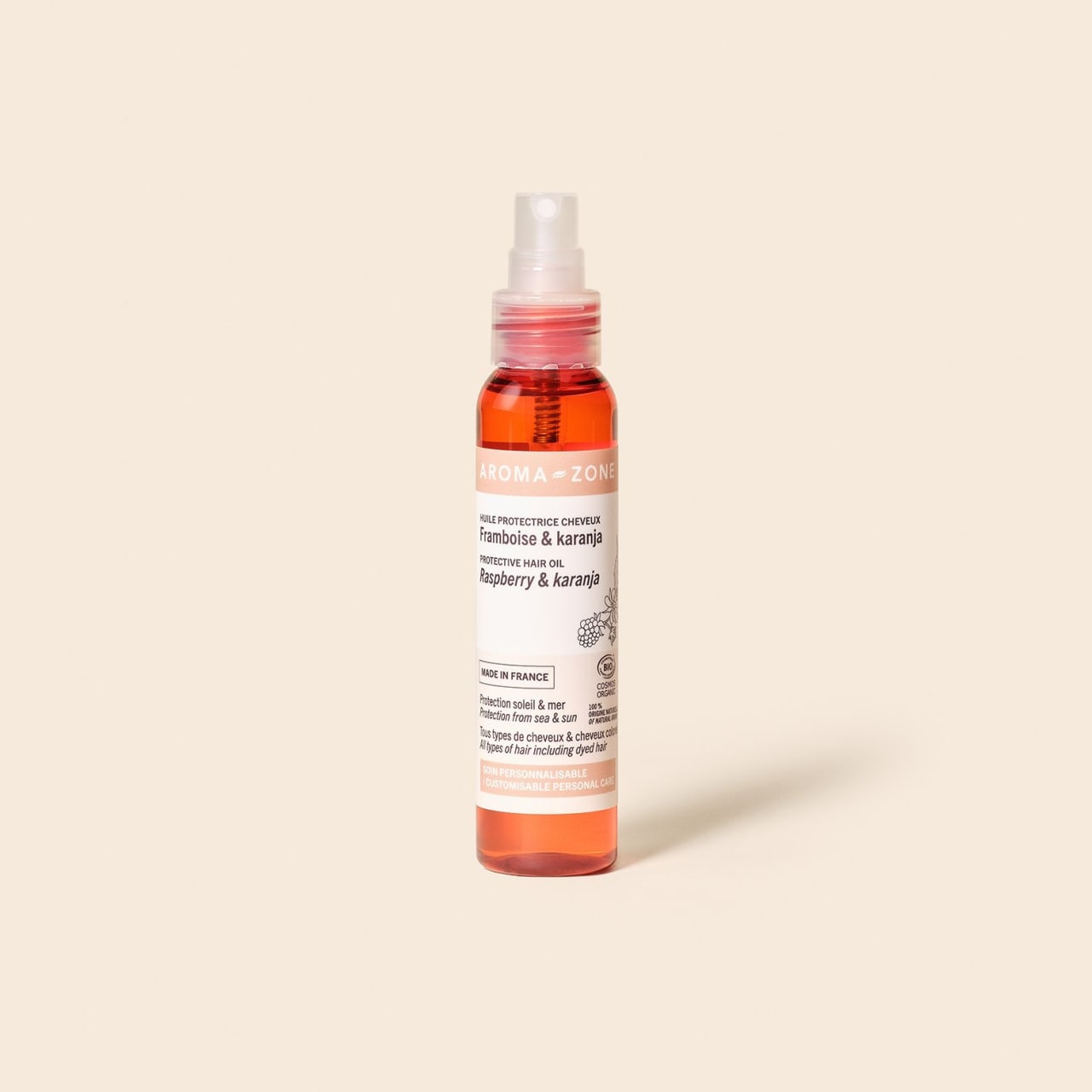
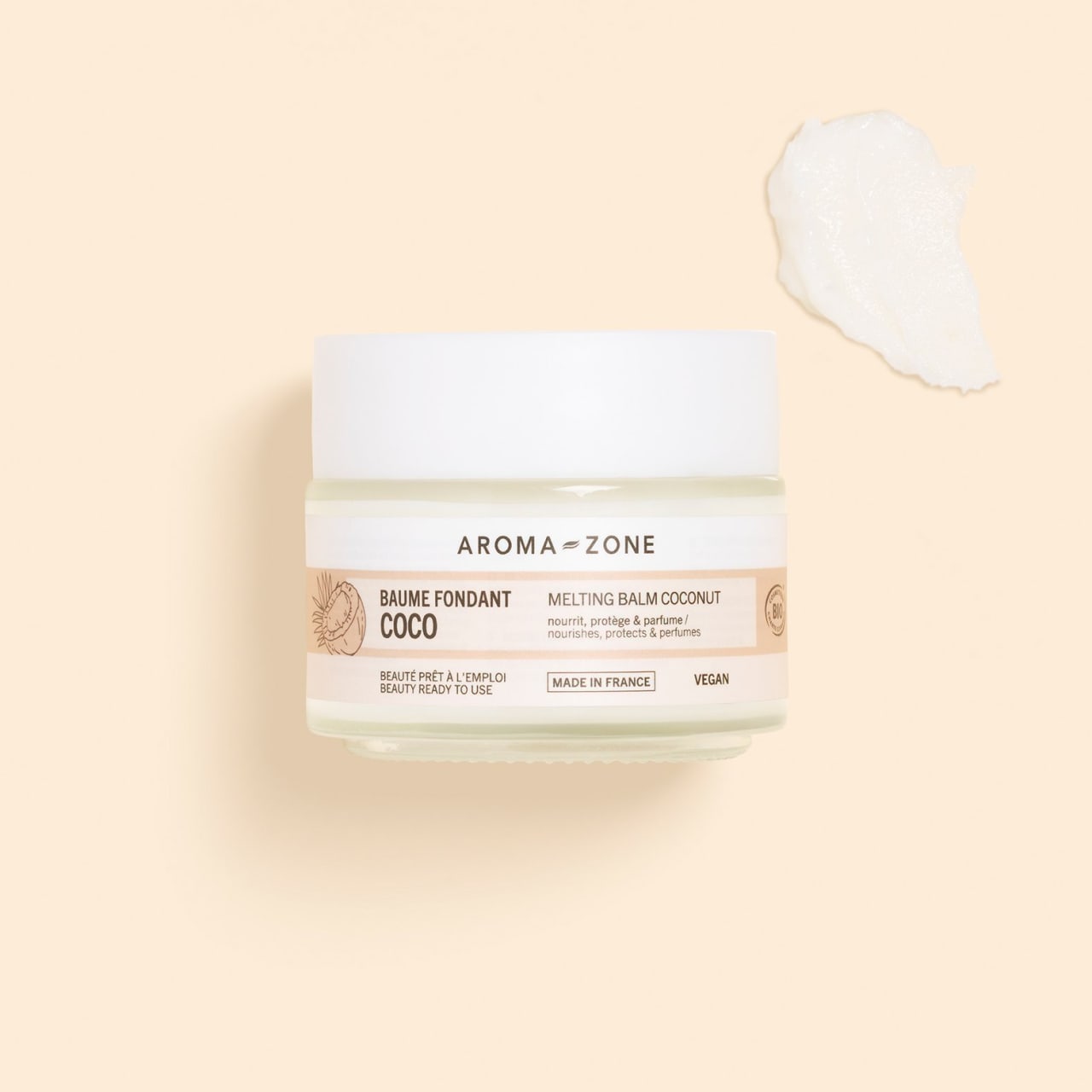
The curl's own structure makes it more prone to breakage and mechanical damage, and most of that damage comes from friction: rough towels, tight hair ties, or a standard cotton pillowcase rubbing against curls overnight. Try out the Karanja & Raspberry Protective Hair Oil or the Organic Coconut Balm.
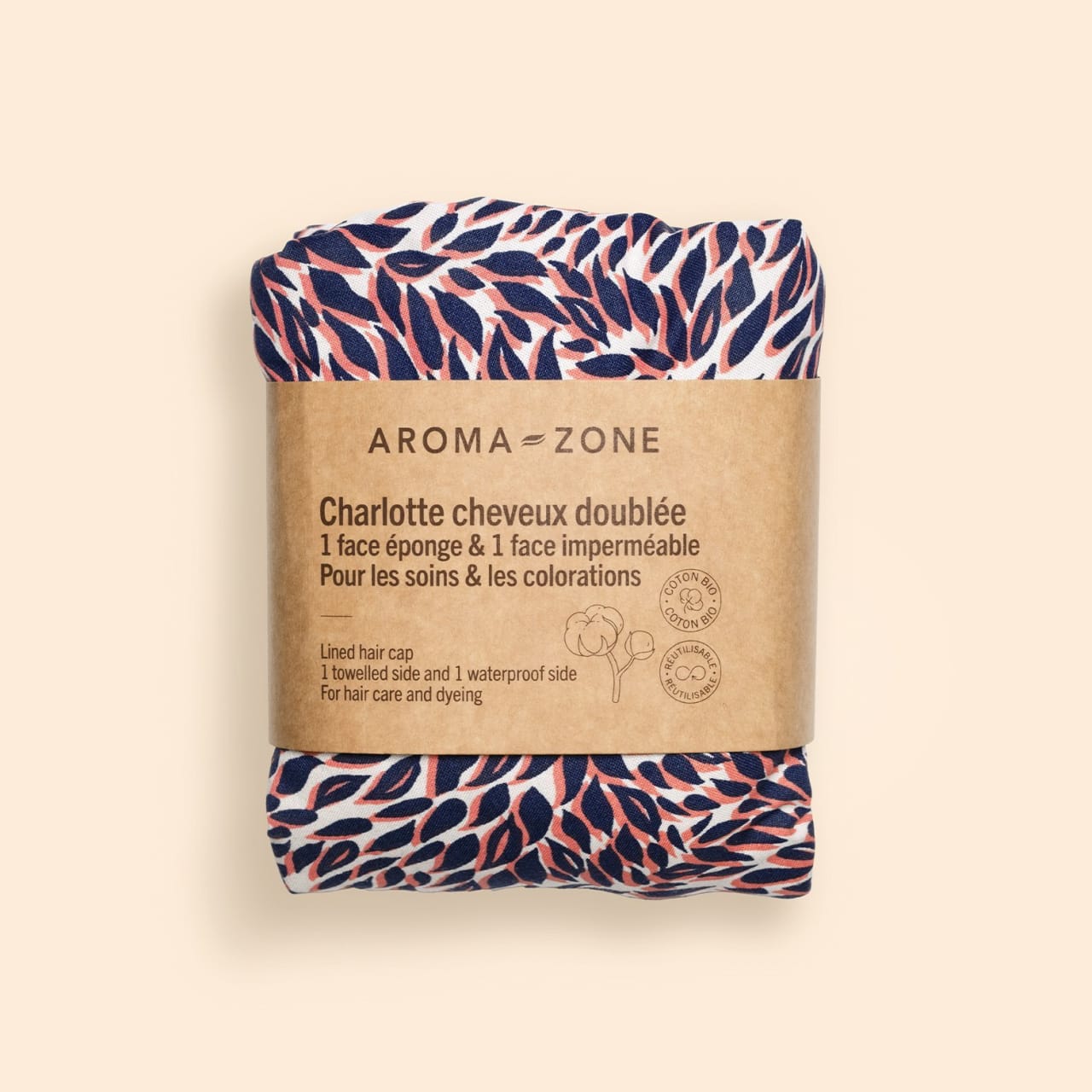
Beyond products, simple swaps help just as much: a soft cotton towel or old t-shirt instead of a standard bath towel, and looser hair ties or a satin/silk pillowcase overnight rather than anything that pulls or rubs.
Definition
Without some kind of hold or structure, curls tend to lose their pattern and frizz rather than clump together. This is where technique matters as much as product: applying a defining formula to soaking wet (not just damp) hair, then scrunching upward from ends to roots, rather than rubbing or brushing through, is what actually encourages curls to clump properly.
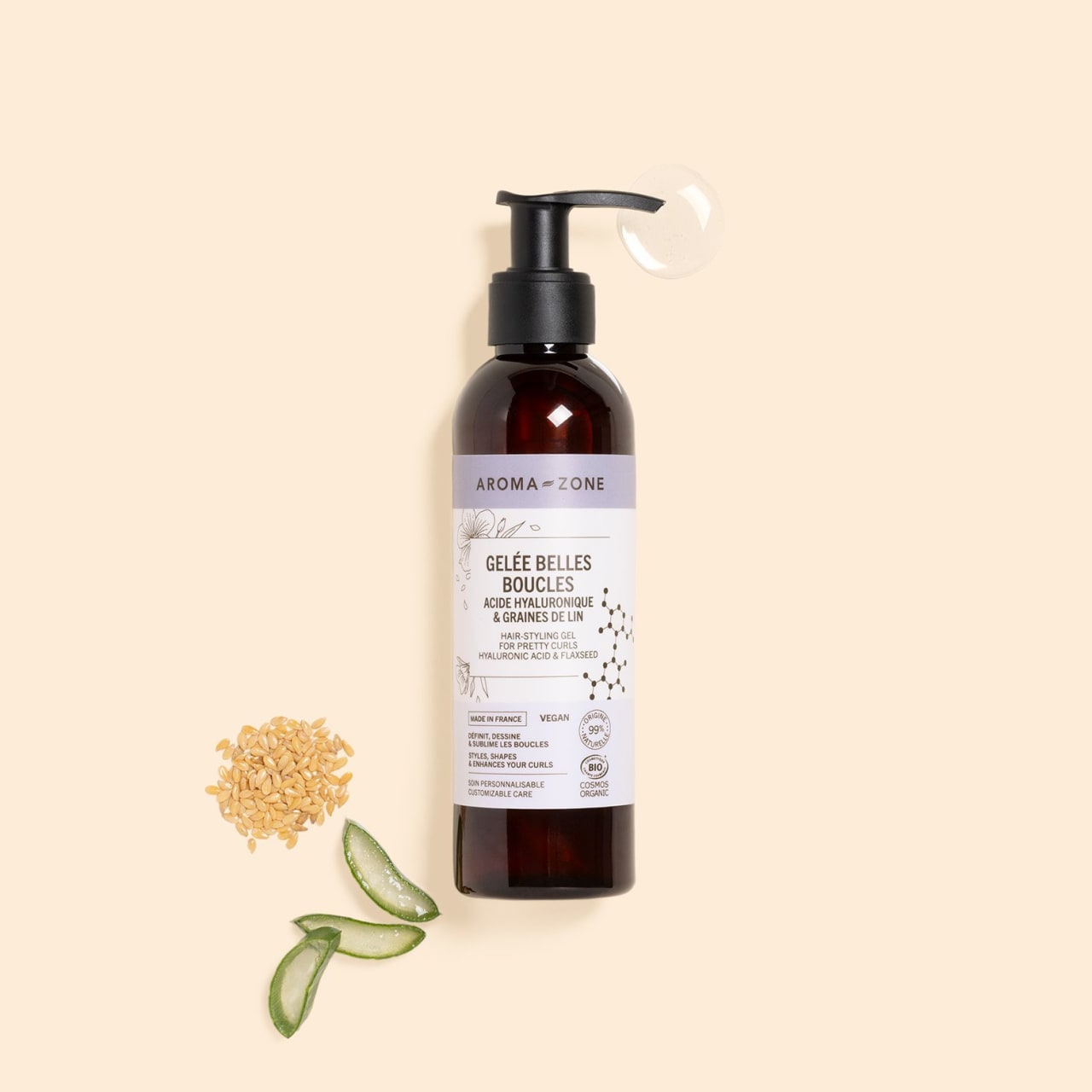
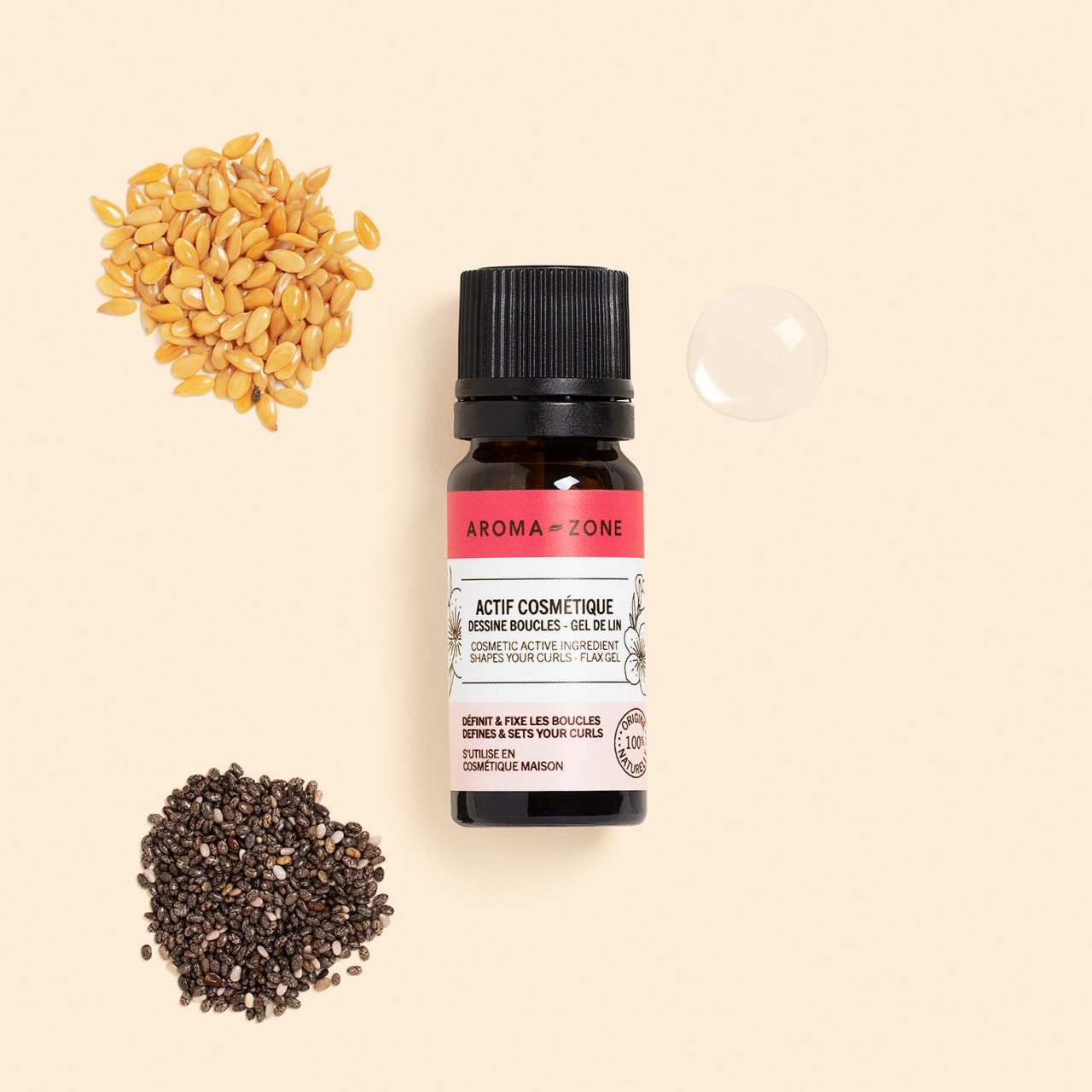
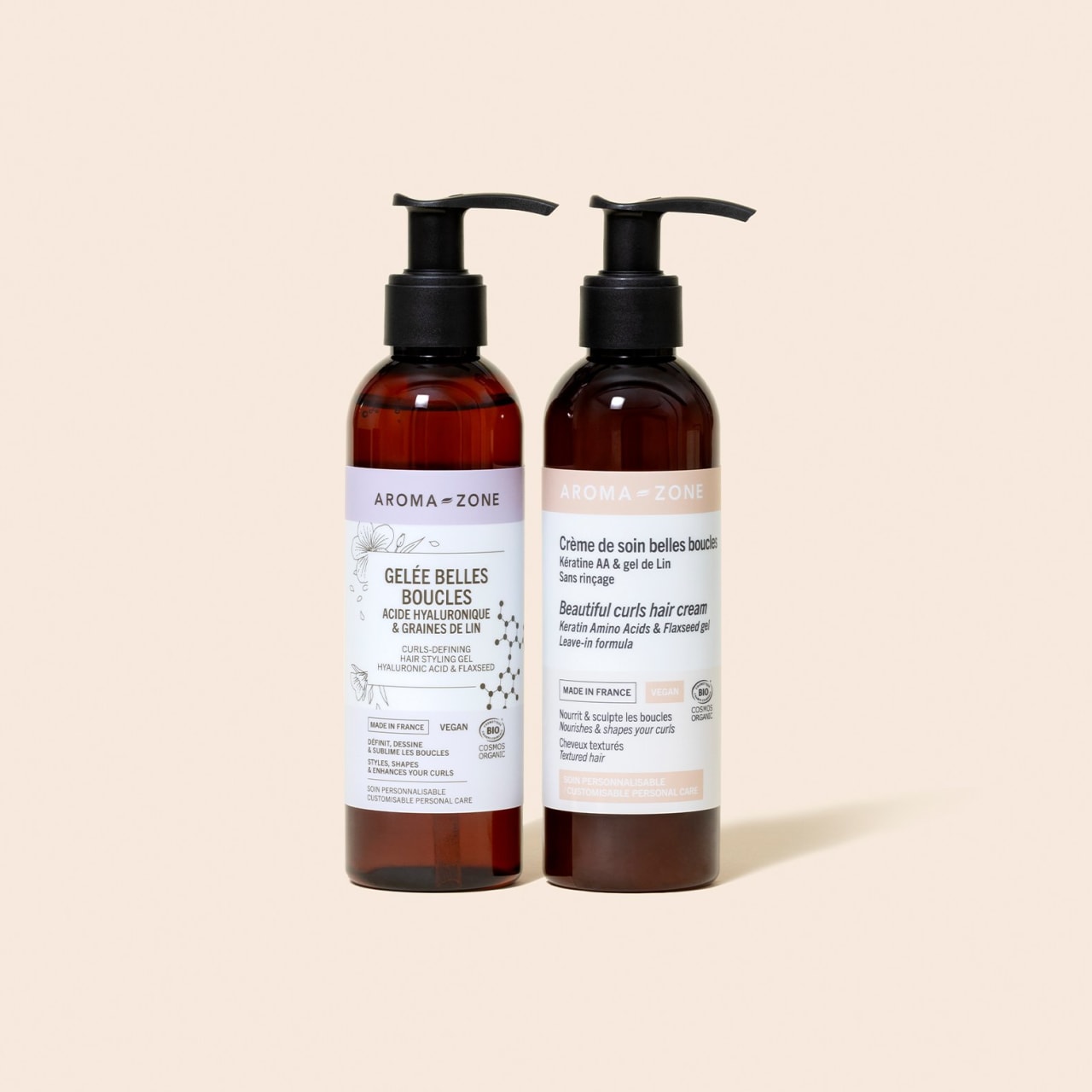
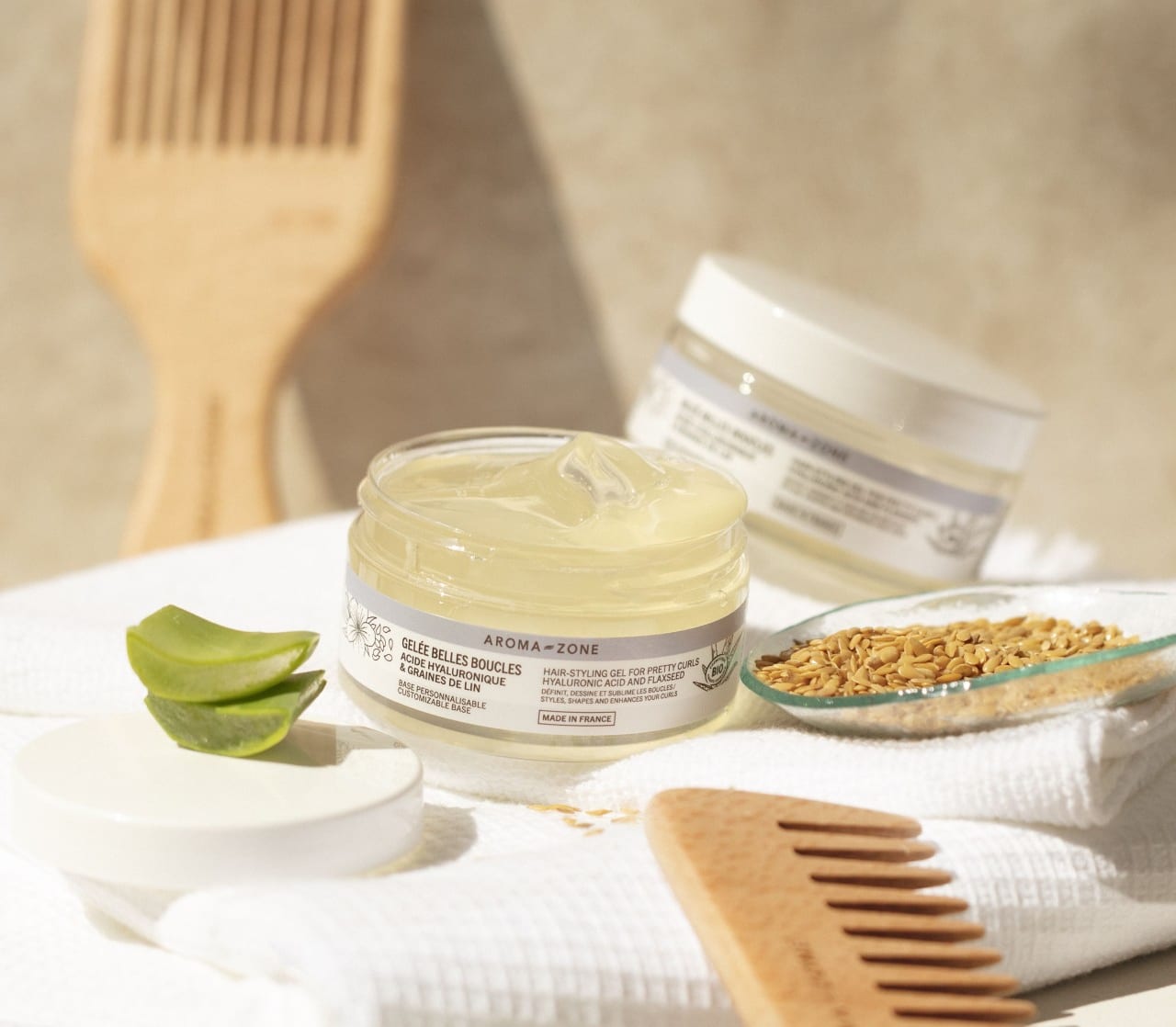
Check the Curl-Defining Gel with Hyaluronic Acid & Flaxseed, Aroma-Zone's bestseller in curl care!
Gentle detangling
Curly and coily hair tangles more easily than straight hair, and the wrong approach, brushing dry, working top to bottom, can do more damage than the tangle itself. Detangling on wet or damp hair, ideally with some conditioner still in, and working from the ends upward in sections, is the gentler approach.
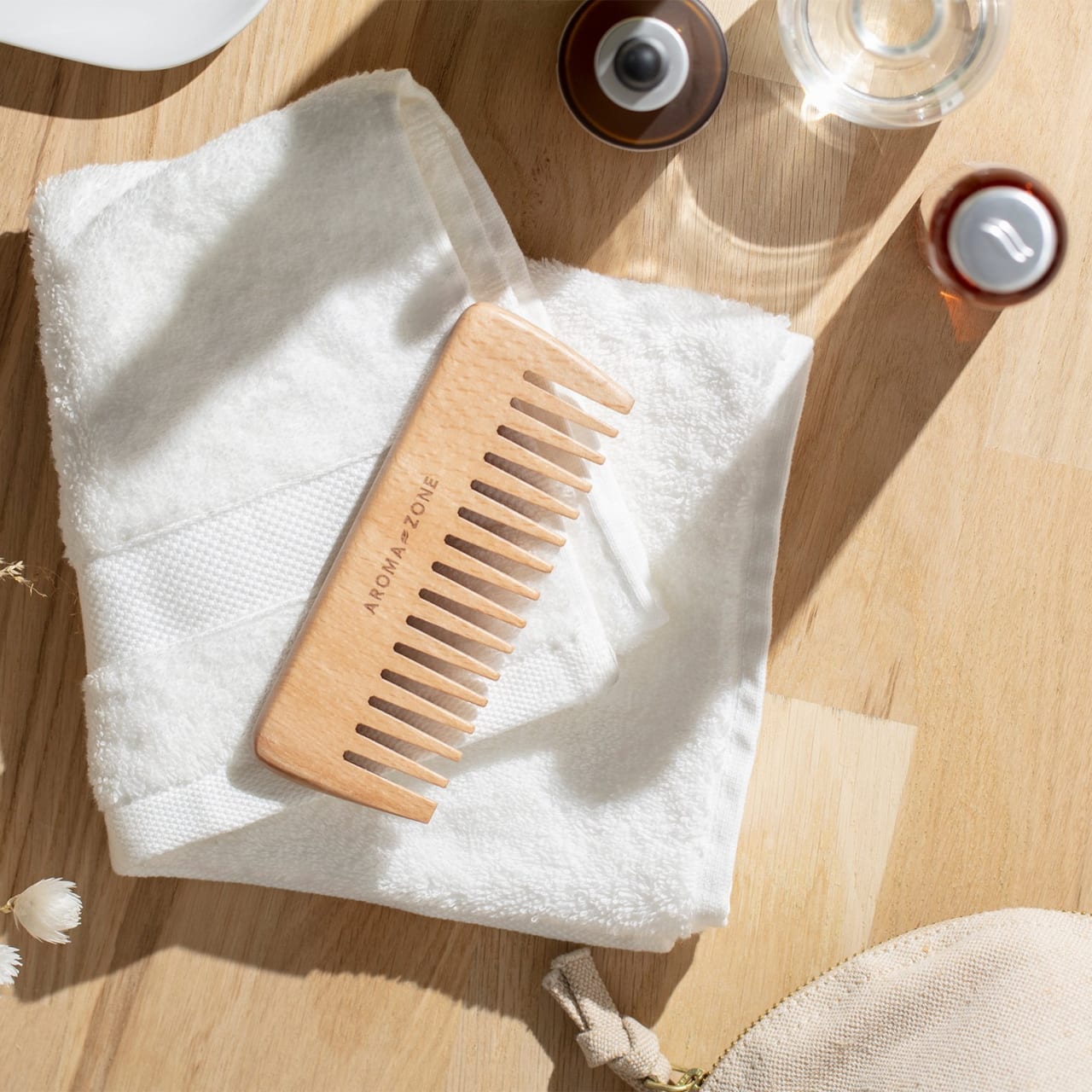
A few of our favourites for this: the Detangling Beechwood Comb works well for everyday detangling, wide, gentle teeth rather than fine bristles that catch and pull, while the Beechwood Curl Volume Comb is better suited to curl-specific patterns, helping separate curls rather than smoothing them out.
How often should you wash curly hair?
Less than you'd think, in most cases. Curly and textured hair produces the same amount of sebum as any other hair type, the difference is that spiral hair struggles to carry that oil down from scalp to lengths.
Washing too often strips away what little natural oil does make it through, which only makes dryness and frizz worse.
Once a week is the sensible starting point for most curly and wavy hair. Between washes, a light refresh (a spritz of water plus a little leave-in) works far better than reaching for shampoo again. If your roots feel oily before the week's up, co-washing, cleansing with conditioner alone, rather than a full shampoo, is a gentler middle ground.
Still not sure? Check our complete guide: How often should I wash my hair?
Our complete curly hair routine
A few habits make just as much difference as the products themselves, so here's the full picture: what to do, when to do it, and what to use.
Wash day
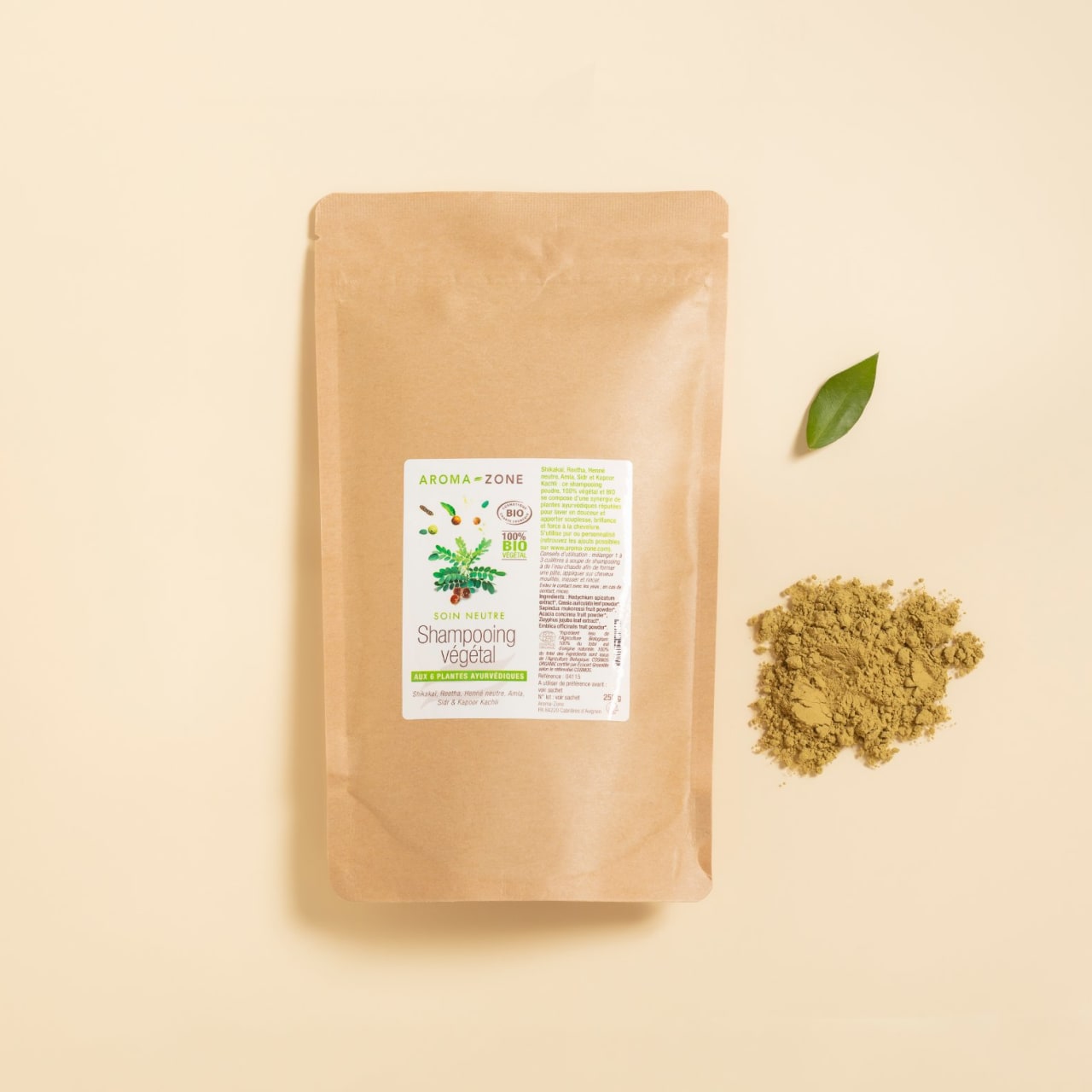
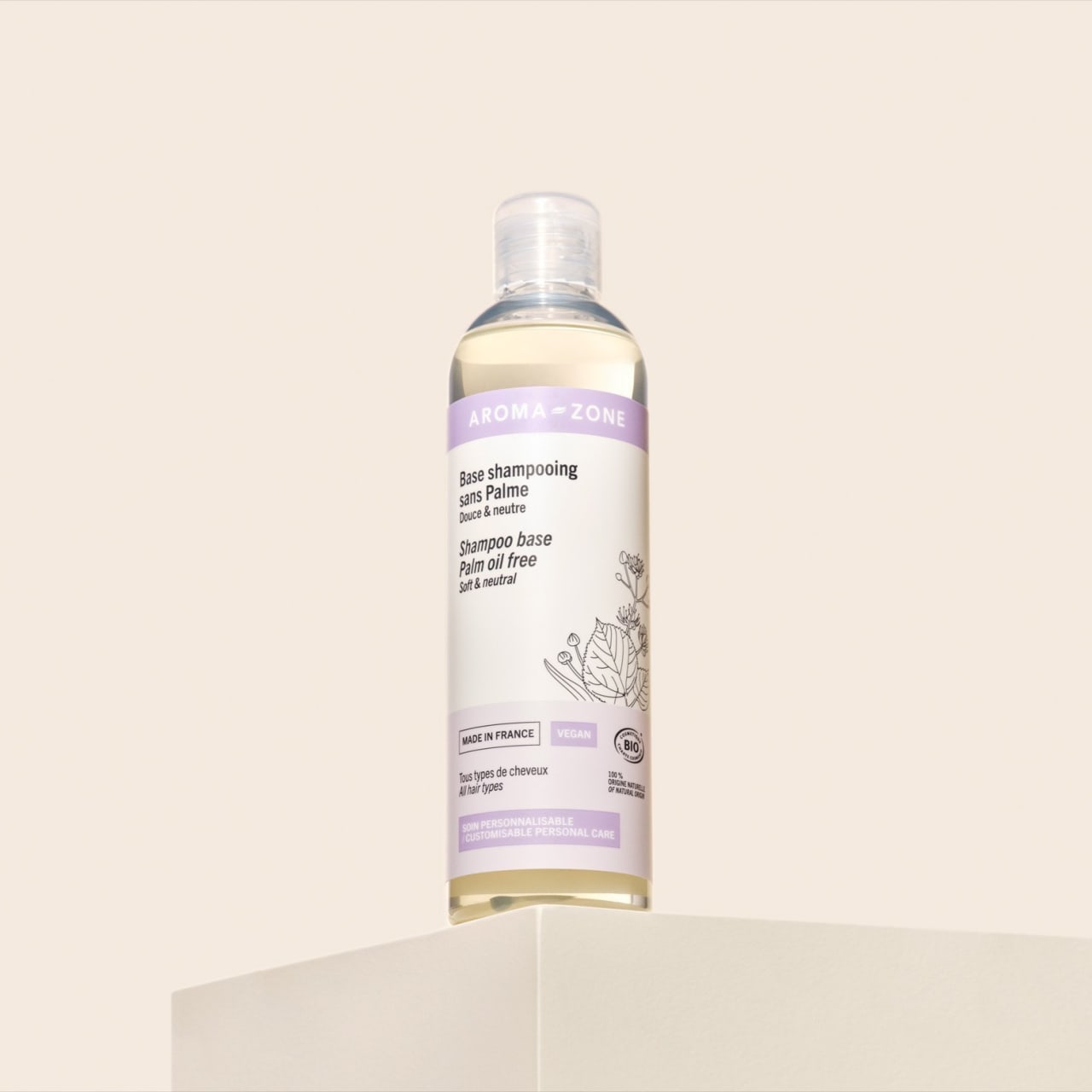
Cleanse with a gentle base like the Organic Plant-Based Shampoo or Palm Oil-Free Neutral Shampoo Base, then follow with the Neutral Hair Mask, left on for extra moisture. Detangle while conditioner is still in, using Aroma-Zone's Beechwood Comb, working from ends to roots in sections rather than brushing straight through.
Styling
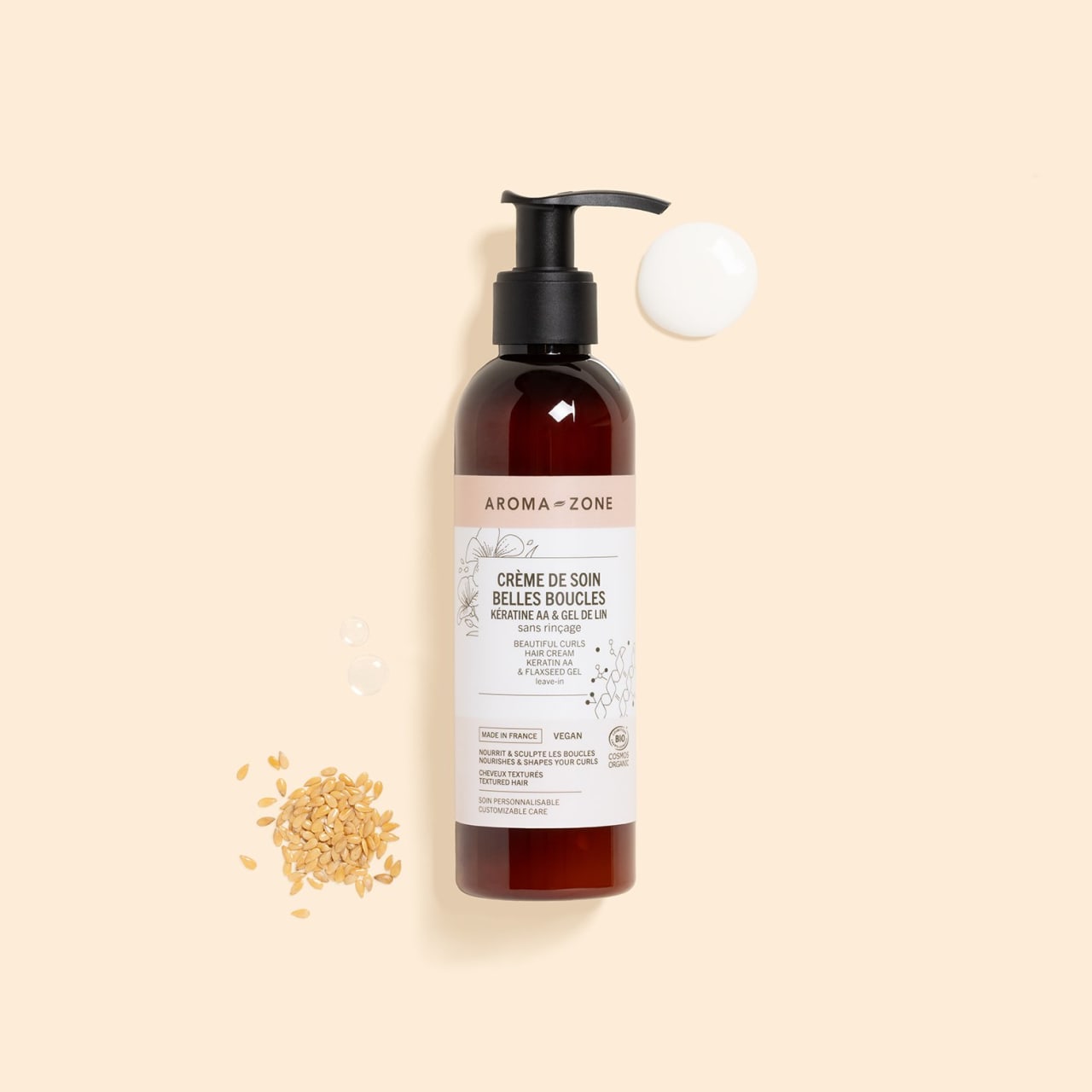
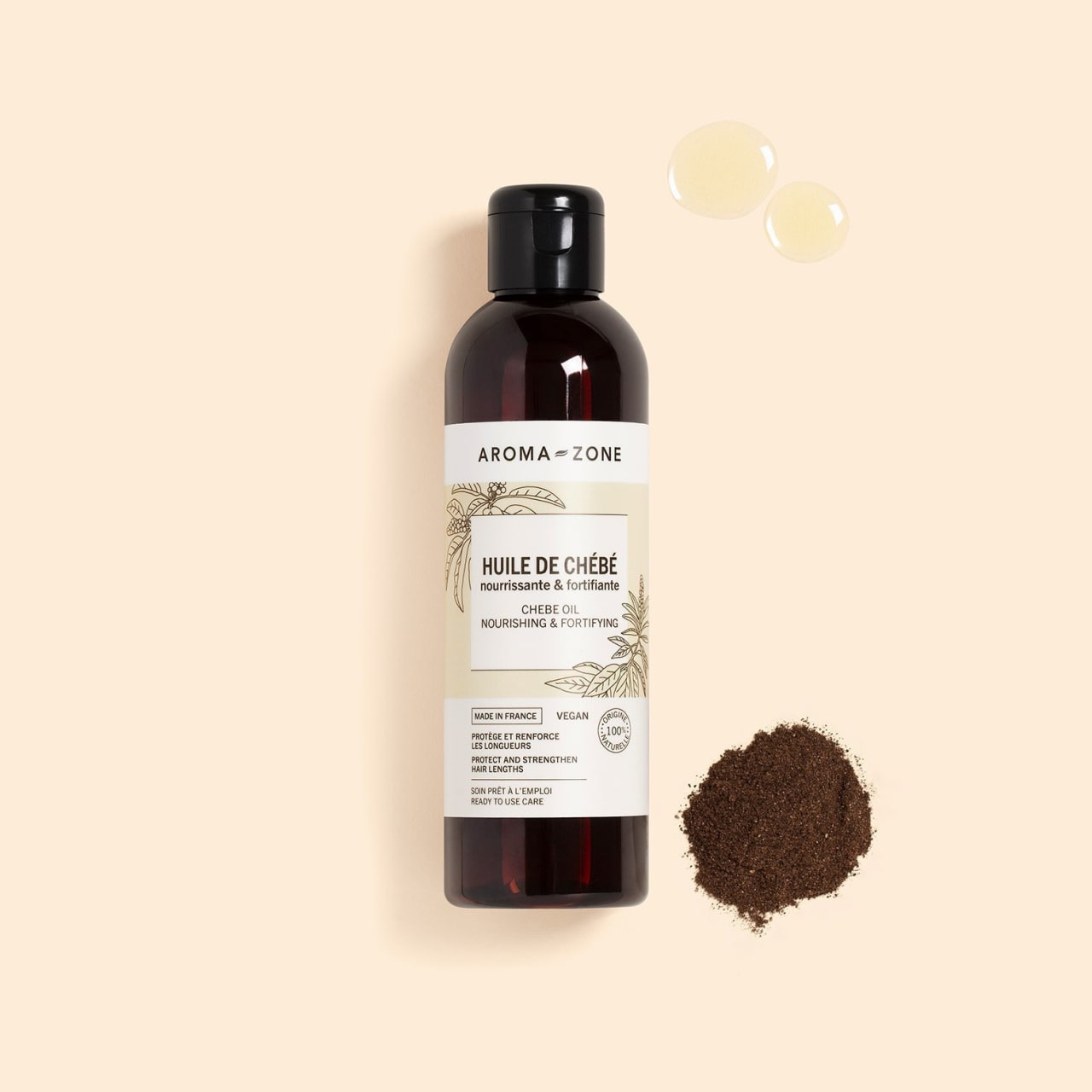
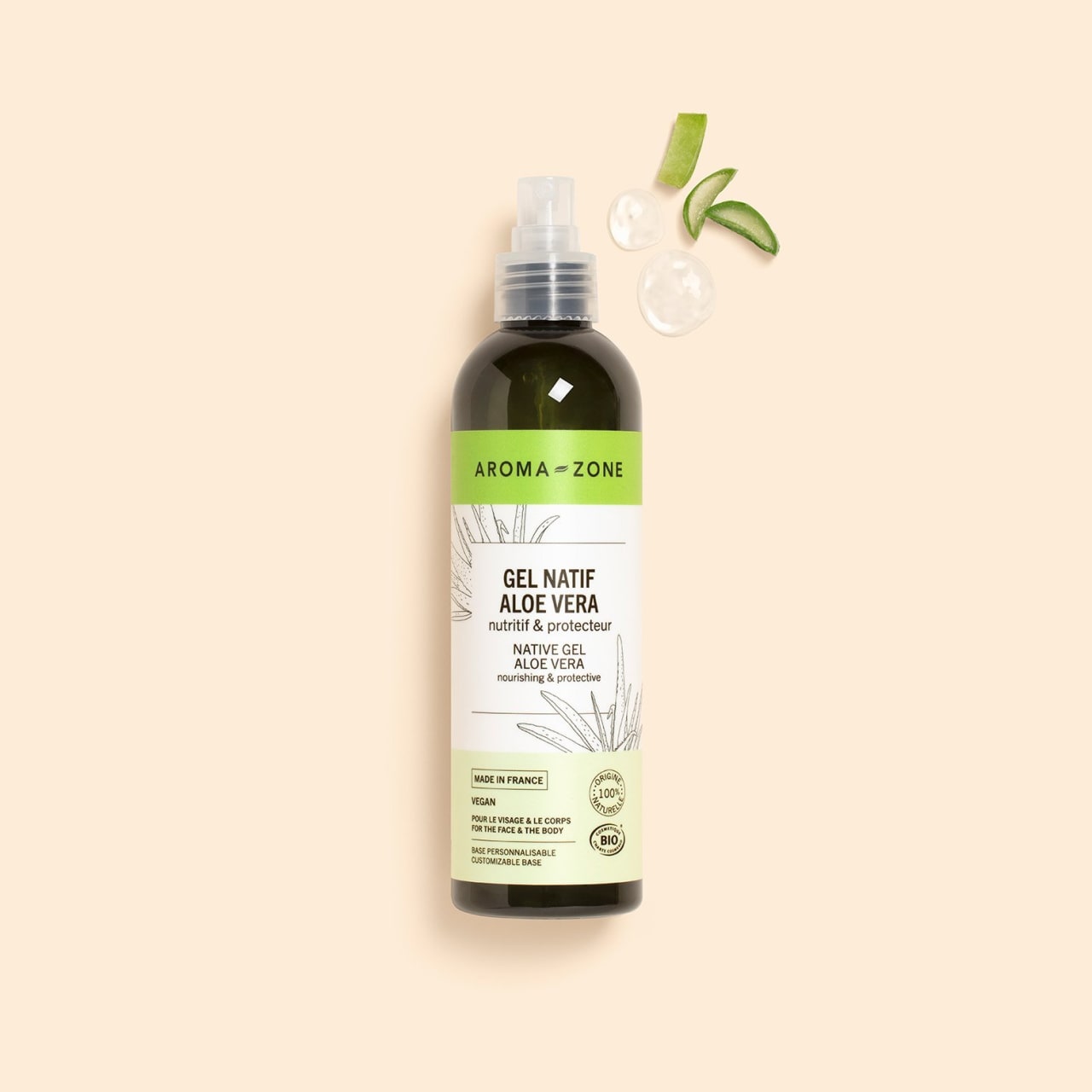
On soaking wet hair, not just damp, curls hold definition far better when properly saturated. Work through a leave-in oil (Chebe Infused Oil or Organic Native Aloe Vera Gel both work well), followed by the Curl-Defining Gel with Hyaluronic Acid & Flaxseed. Scrunch, don't rub, working upward from ends to roots encourages clumping rather than frizz.
Drying
Skip the regular towel, the friction roughs up the cuticle and creates frizz. A soft cotton towel or an old t-shirt is far gentler on wet curls.
In between washes
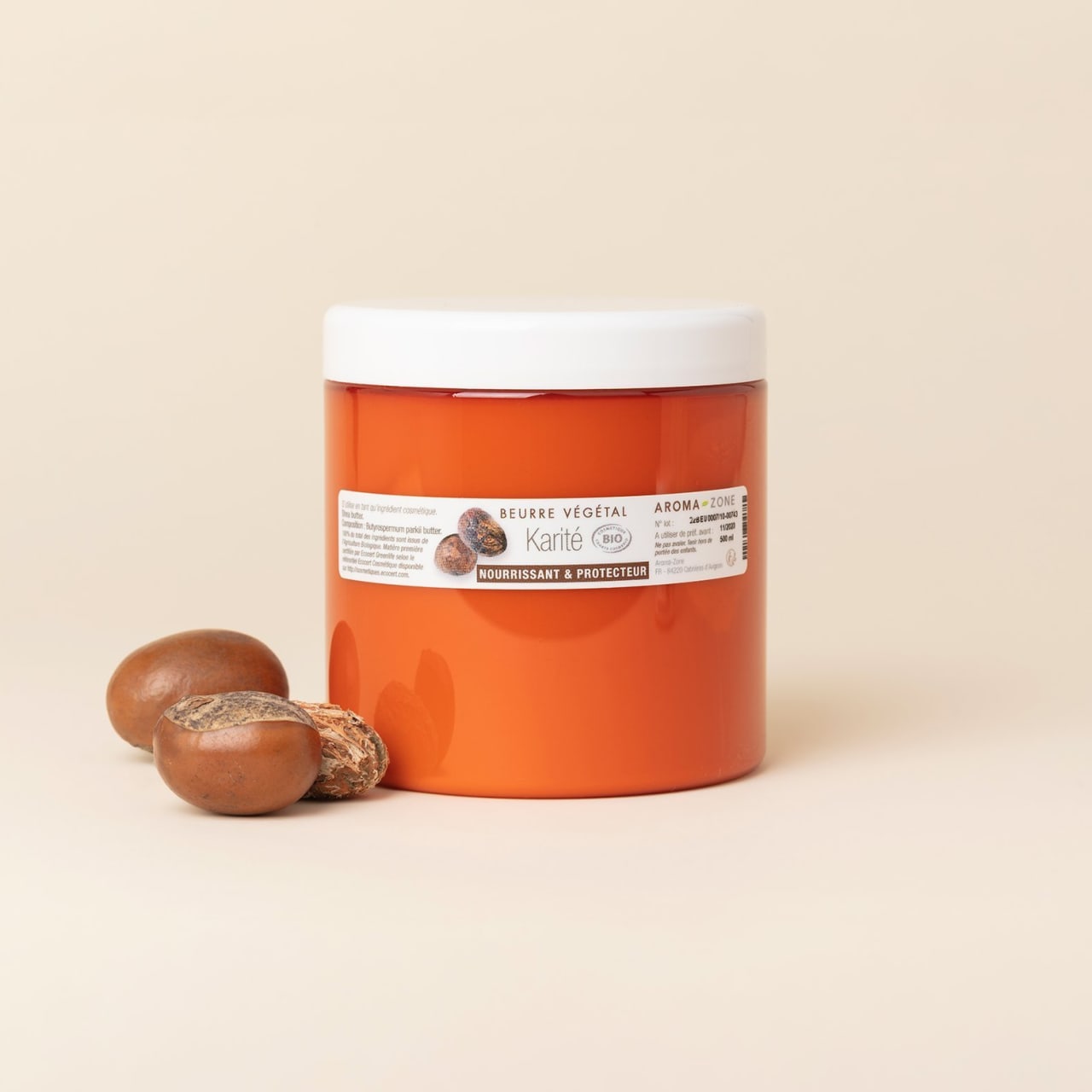
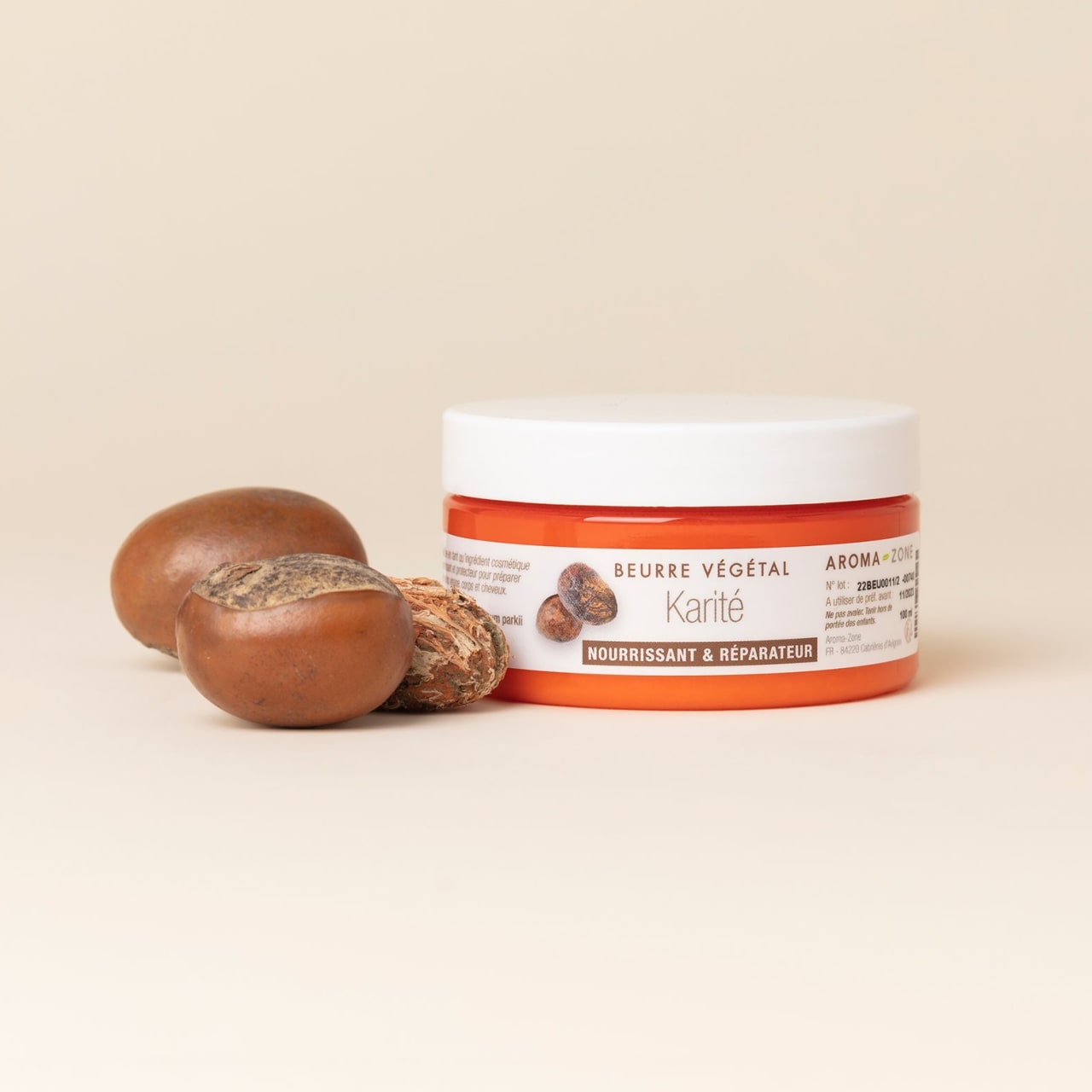
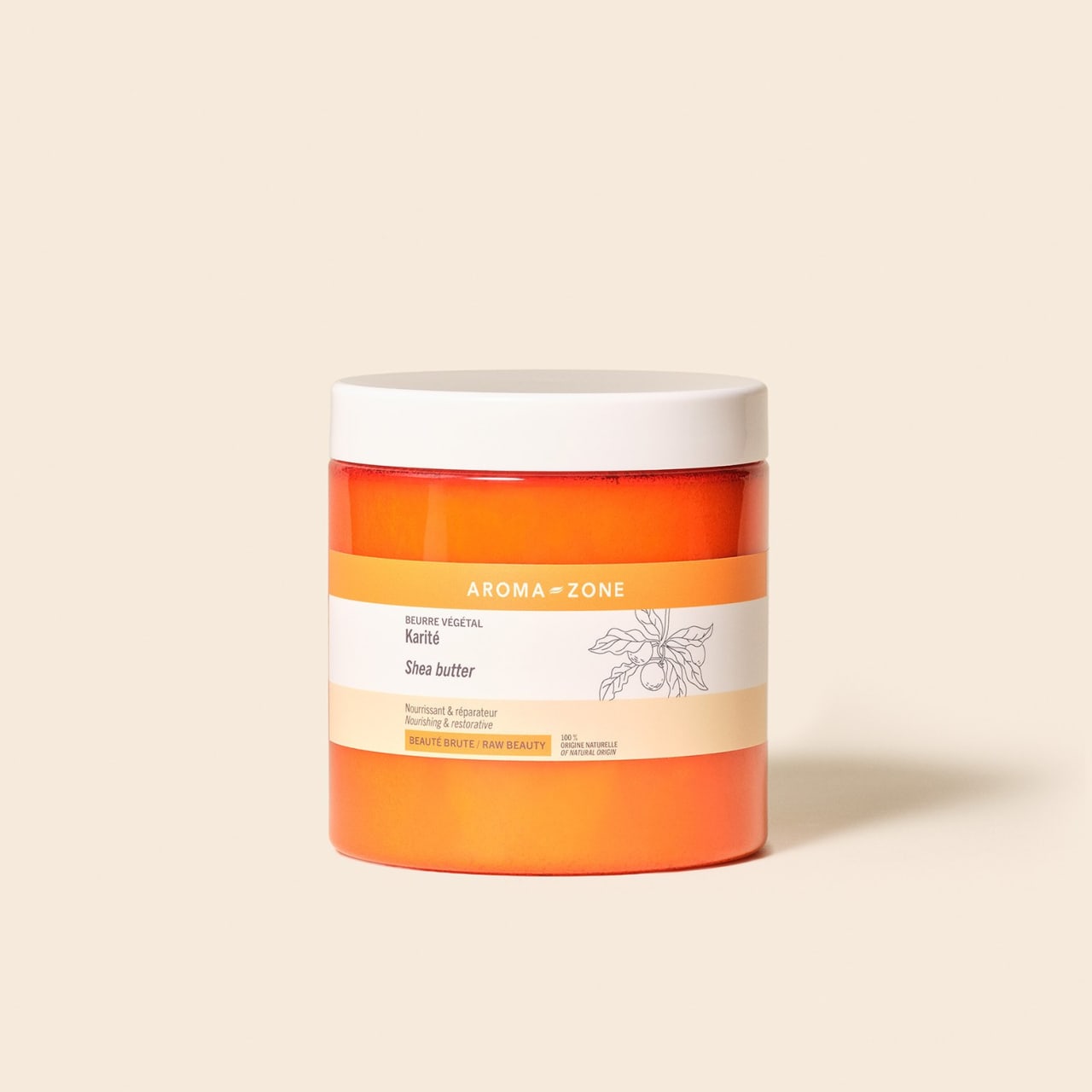
A little Organic Shea Butter or Organic Coconut Balm on the ends refreshes definition without a full restyle.
Weekly
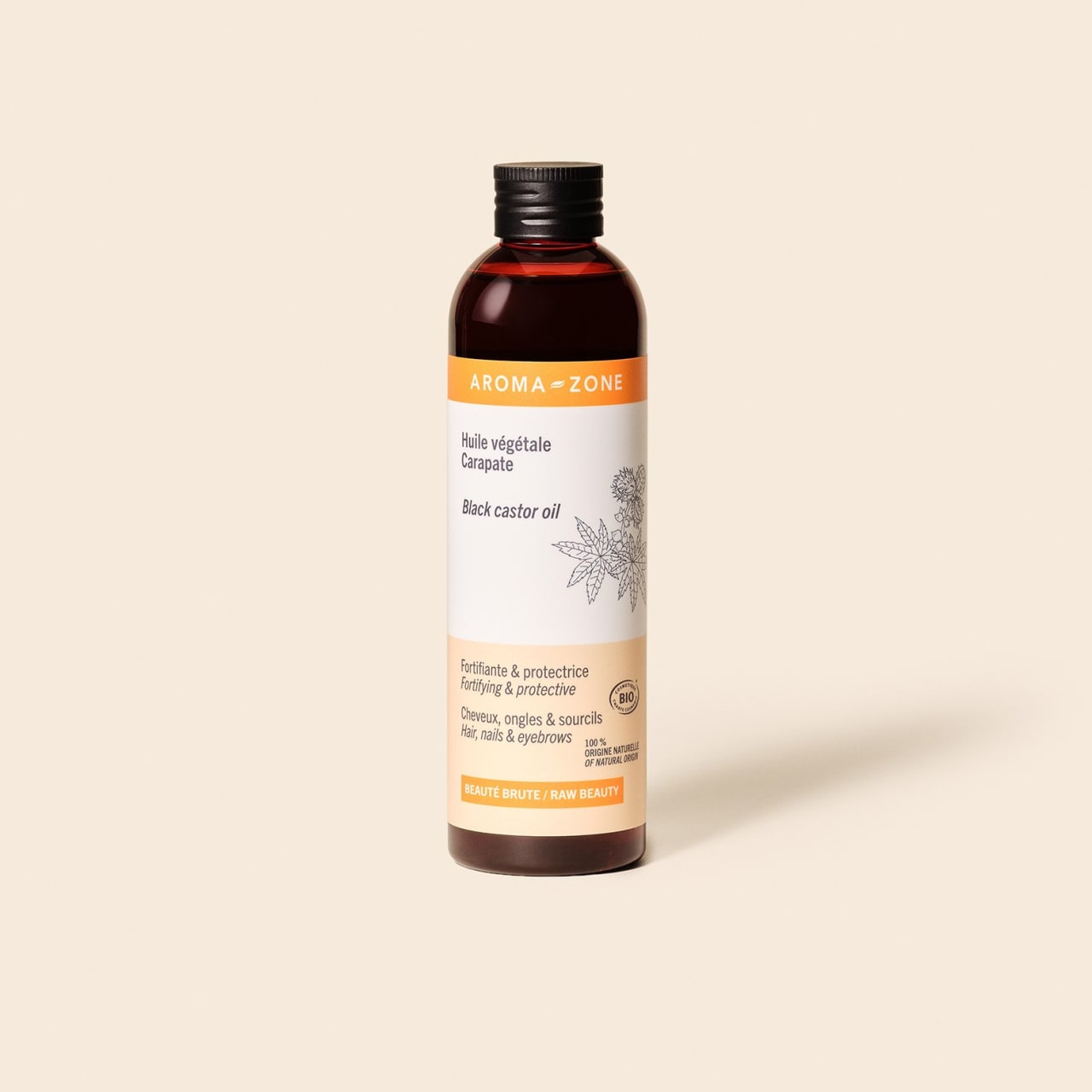
An oil treatment left in for a few hours or overnight, tops up the deeper nourishment curls need more than most hair types.
Overnight
Satin or silk pillowcases (or a loose bun) reduce the friction that undoes definition while you sleep, cotton pillowcases are one of the sneakiest causes of morning frizz.
Every curl pattern is different, yours included...
If you're still not sure what your specific coils or waves actually need, our hair routine assessment can help narrow it down properly, in about two minutes.


