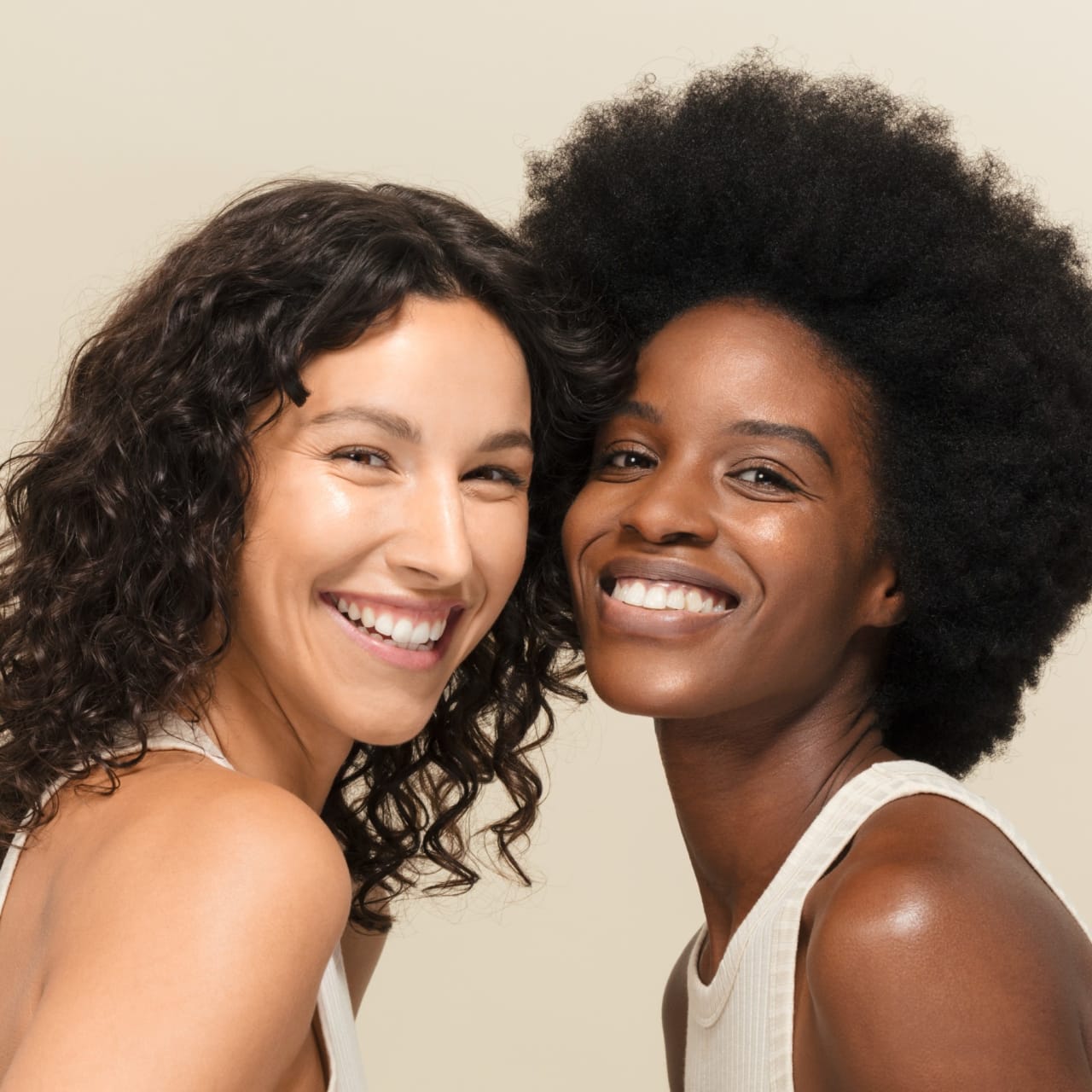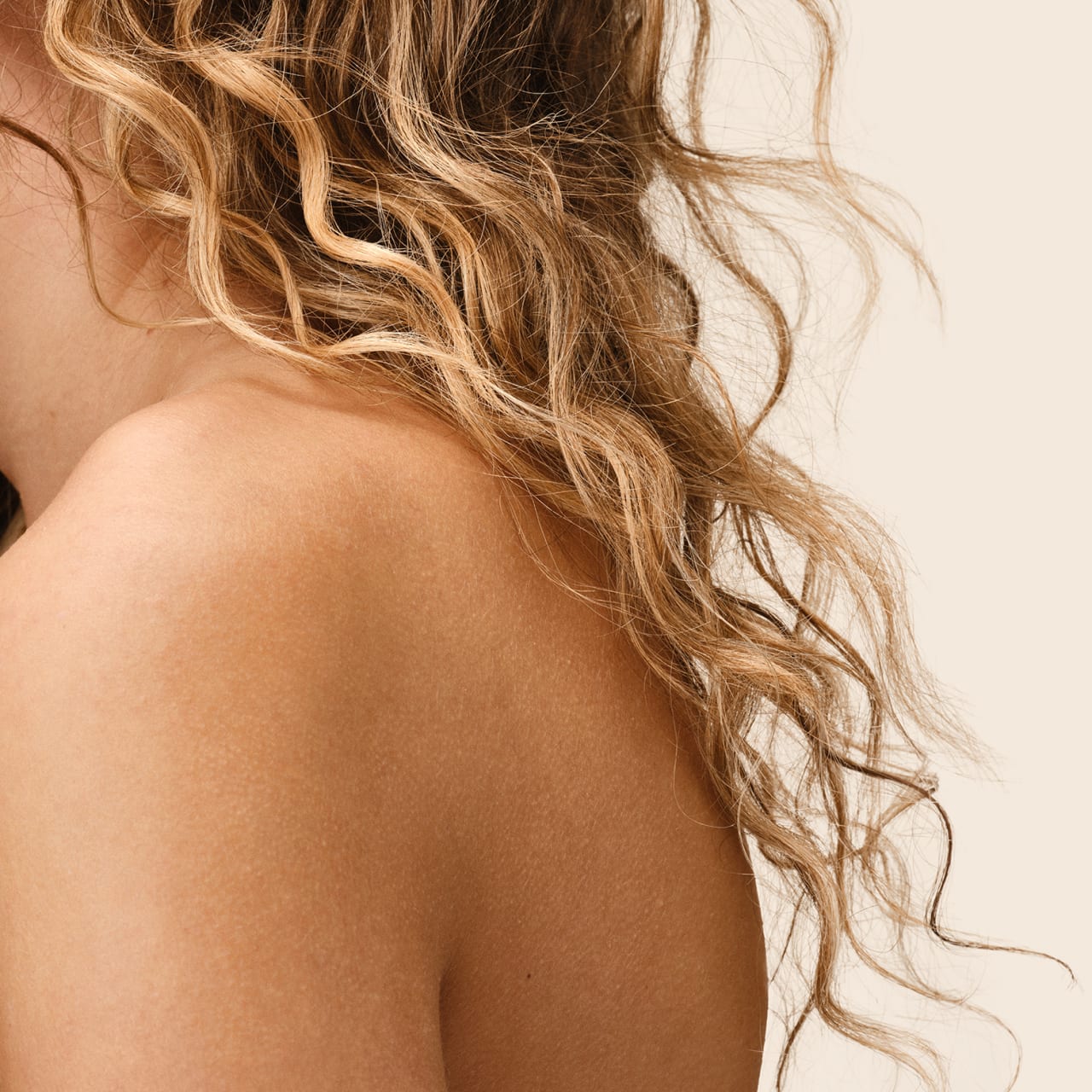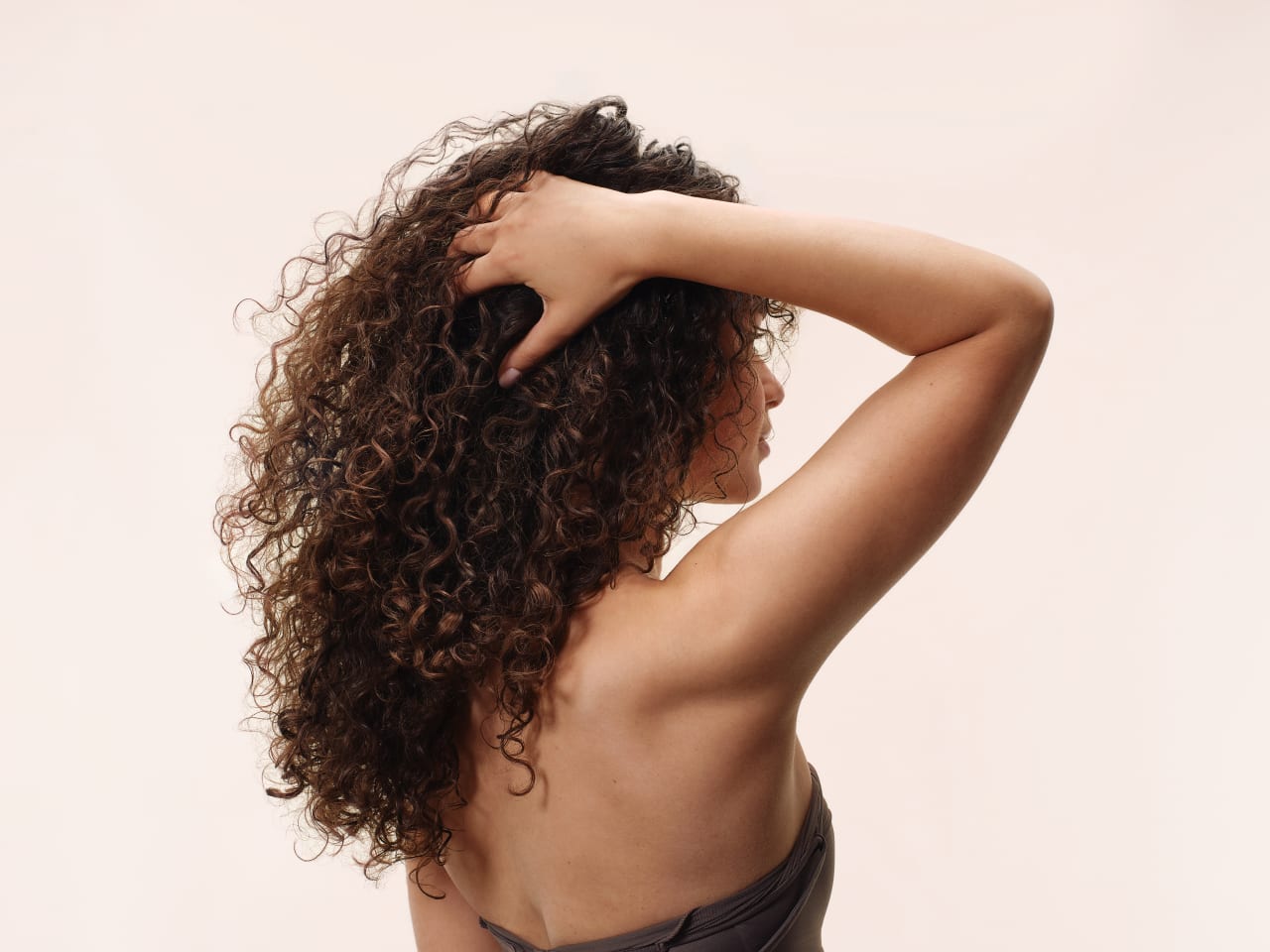



The nature of curly hair is down to the distinctive shape of its hair follicles and the structure of the hair shaft. Unlike straight hair, which has a circular cross-section, the hair shaft of curly hair has an elliptical cross-section and undergoes natural twists along its length. This helical configuration results in an uneven distribution of the sebum produced by the scalp.
The standard classification system is used to identify the different textures:
Type 2 (wavy hair): comprises gentle ‘S’-shaped waves of varying prominence (2A, 2B, 2C), requiring light styling to maintain bounce
Type 3 (curly hair): comprises well-defined curls, ranging from loose rings to tight, spring-like spirals (3A, 3B, 3C), which are particularly prone to dryness at the ends
Type 4 (kinky and textured hair): features a very tight ‘S’-shaped or zigzag pattern (4A, 4B, 4C), characterised by lower mechanical strength and a greater tendency to break during styling.