Our tips for fighting frizz

Our tips for fighting frizz


By The Aroma-Zone editorial team

Published on: Monday, August 01, 2022, Updated on: Friday, November 13, 2026

Frizzy hair, unruly strands, lengths that puff up at the slightest sign of humidity… Frizz can quickly make styling difficult and give your hair an unruly appearance. To minimise it naturally, certain plant-based oils such as Piqui, Broccoli or Pracaxi, combined with conditioning ingredients, help to smooth the hair fibre, tame the lengths and restore hair that is more supple, softer and easier to style.

Contents

Related products

In brief

  • Frizz cannot always be eliminated, but certain plant-based oils and active ingredients can minimise it by smoothing the hair fibre, taming the lengths and making styling easier. Its occurrence depends in particular on humidity, a lack of moisture or nourishment, treatments that weaken the hair, and the nature and porosity of the hair.

  • For unruly or curly hair, Piqui oil helps to coat and define the hair, while Broccoli oil visually smooths the hair and reduces static. Rice proteins, plant-based silicone, plant-based conditioner, Caprylis and Marshmallow also provide softness, suppleness, detangling and protection.

  • The choice of haircare product should be tailored to your hair type and condition. Marshmallow, in particular, is mixed with water to form a gel-like paste, and the usual precautions must be observed.

What is frizz?

Frizz refers to those small strands that stand up or stick out from the rest of the hair, sometimes giving it a fluffy, puffy or unruly appearance. It often affects curly hair, wavy or textured hair, but can also occur in straight hair, particularly when it is dry, damaged or exposed to humidity.

This phenomenon is often linked to a hair fibre that lacks nourishment or moisture. When the hair cuticles are less smooth, moisture penetrates the fibre more easily, which can lead to flyaways. A suitable routine therefore helps to better tame the lengths and restore hair that is more supple, softer and easier to style.

Where does frizz come from?

Frizz can have several causes. It often occurs when the hair shaft is weakened, less smooth or more sensitive to changes in humidity. Understanding the causes better enables you to adapt your routine and minimise the frizzy or unruly appearance of your hair.

Humidity

Humidity is one of the main factors contributing to frizz. When the air is laden with moisture, the hair shaft can absorb this humidity more easily, particularly if it is porous or weakened. The hair then tends to swell, lose its definition and form small, unruly strands.

Lack of hydration and nourishment

Dry, dehydrated or insufficiently nourished hair is more prone to frizz. When the hair shaft is weakened, it absorbs moisture from the air more easily, which can accentuate the frizzy effect. A tailored routine, combining hydration and nourishment, helps to visually smooth the hair shaft and make the hair softer to the touch.

Practices and treatments that weaken the hair shaft

Excessive heat, colour treatments, overly vigorous brushing, repeated styling or unsuitable haircare products can weaken the hair shaft. Once sensitised, the hair becomes less smooth to the touch and more difficult to manage, which encourages frizz and flyaways.

Hair type

Certain hair types are naturally more prone to frizz, particularly curly, wavy, kinky or coily hair. Their texture makes it harder for sebum to be distributed evenly along the lengths, which can then lack nourishment. With targeted care, however, it is possible to better manage the hair and minimise frizz.

Hair porosity

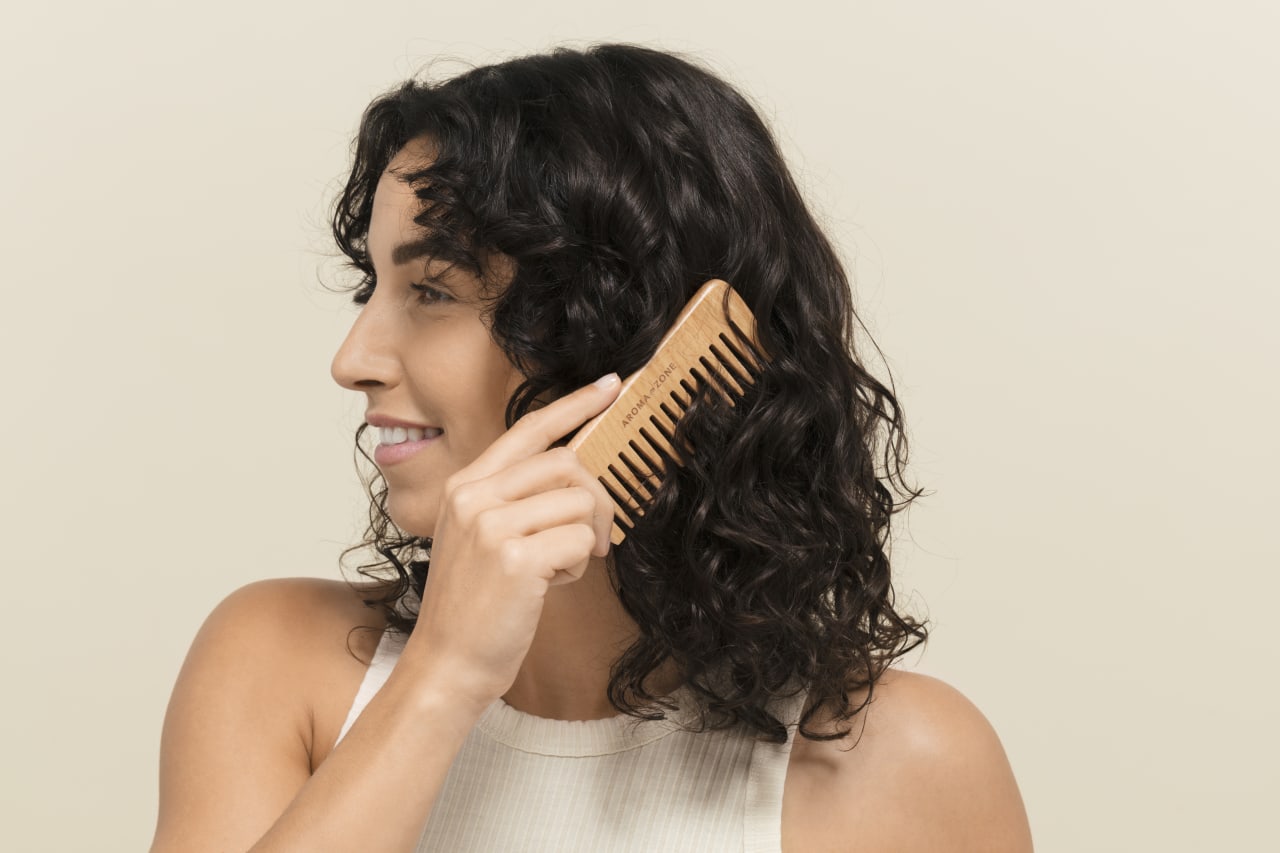
Porosity refers to the hair’s ability to absorb and retain water. When porosity is high, the hair fibre allows moisture to penetrate more easily, but also struggles to retain it. The result is that the hair can swell, become fluffy and be more prone to frizz.

This porosity may be natural, depending on the hair’s structure, or it may be exacerbated by repeated damage such as heat styling, colouring or unsuitable haircare products. Understanding your hair’s porosity better enables you to choose haircare products that are better suited to its needs.

Which anti-frizz products should you choose for your hair type?

Hair type

Key needs

Recommended treatments

Fine hair

Smooth without weighing it down

Light plant-based oils, applied sparingly to the lengths, or a leave-in treatment with a fluid texture.

Dry hair

Nourish and soften the hair fibre

Rich hair masks, plant-based oil treatments or nourishing products to help minimise frizz.

Wavy or curly hair

Define the hair’s natural shape

A leave-in moisturiser, an aloe vera gel or a light spray to reshape curls without making them stiff.

Thick hair

Tame the volume and smooth the lengths

More nourishing treatments, such as a styling cream, a nourishing mask or a few drops of plant-based oil on the ends.

Damaged hair

Enhance softness and minimise breakage

Gentle, detangling and coating treatments, while minimising the use of heat styling tools as much as possible.

Top active ingredients and natural extracts for taming unruly, frizzy hair

To minimise frizz, the aim is to smooth the hair fibre, make styling easier and protect the hair from humidity. Plant-based oils, coating agents or softening ingredients can be incorporated into homemade hair care products or used in suitable formulations.

Plant-based oils to tame the hair

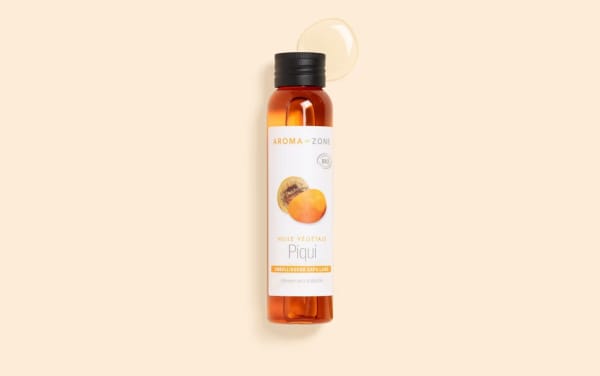
Organic Piqui Oil

Organic Piqui Oil

Renowned for its coating and softening properties, Piqui oil helps to tame unruly hair and reduce frizz. It is particularly popular for defining curls and making styling easier.

Discover Organic Piqui Oil

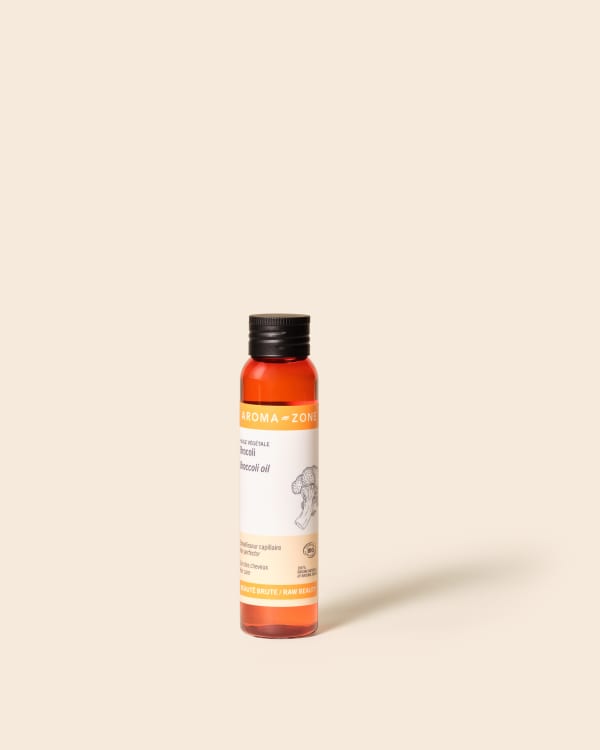
Organic Broccoli Oil

Organic Broccoli Oil

Often compared to plant-based silicones for its silky texture, broccoli oil helps to visually smooth the hair fibre, makes detangling easier and helps to reduce static.

Discover Organic Broccoli Oil

Coating and smoothing active ingredients

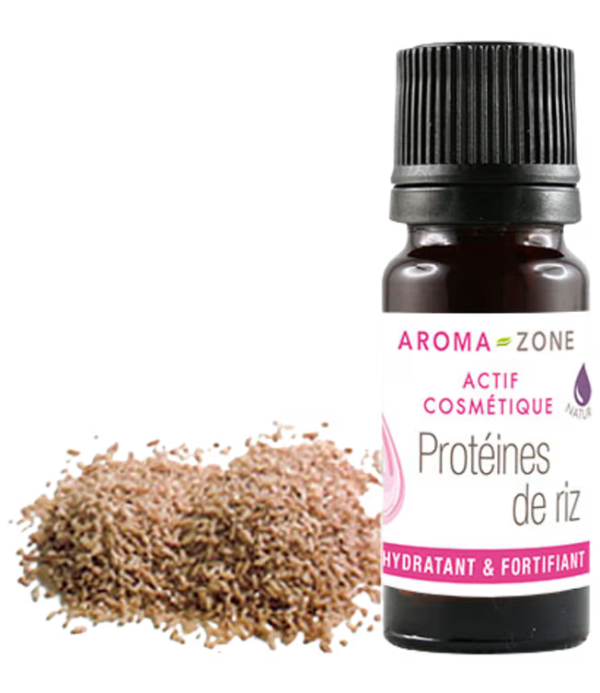
Active ingredient: Hydrolysed rice proteins

Rice Proteins

Hydrolysed rice proteins are prized for their coating effect. They help to improve the softness of the hair, make it easier to style and preserve its suppleness.

Discover Rice Proteins

catalogue_cosmetic-ingredients_plant-based-silicone_4

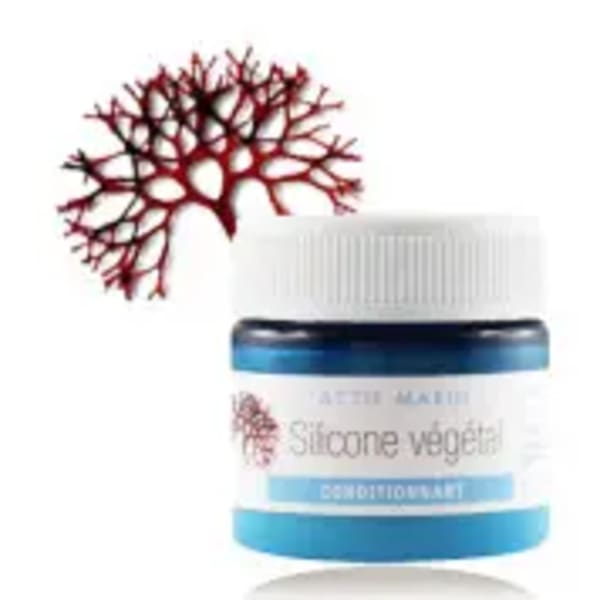
Plant-based silicone

This plant-based active ingredient forms a light film on the surface of the hair, helping to smooth the hair fibre and protect the lengths from external aggressors that cause frizz.

Discover plant-based silicone

Conditioning and softening ingredients

catalogue_emulsifiers_plant-based_conditioner_5

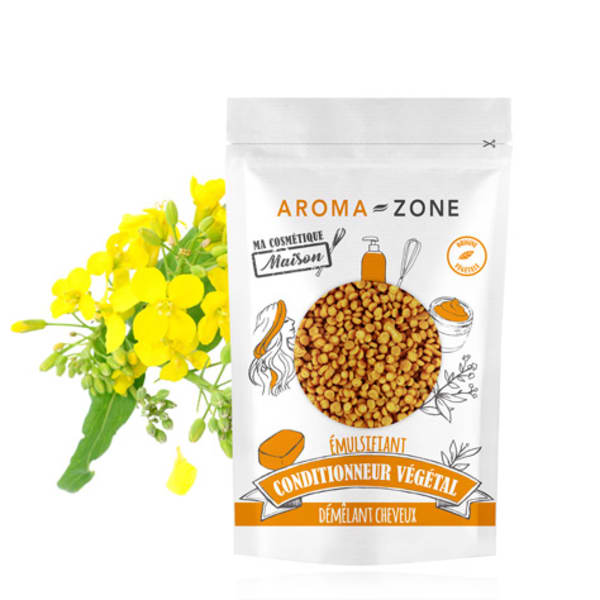
Plant-based conditioner

Widely used in conditioners and detangling treatments, it improves the texture of the hair, makes it easier to detangle and helps to reduce the ‘static’ effect.

Discover the Plant-based Conditioner

Caprylis emollient

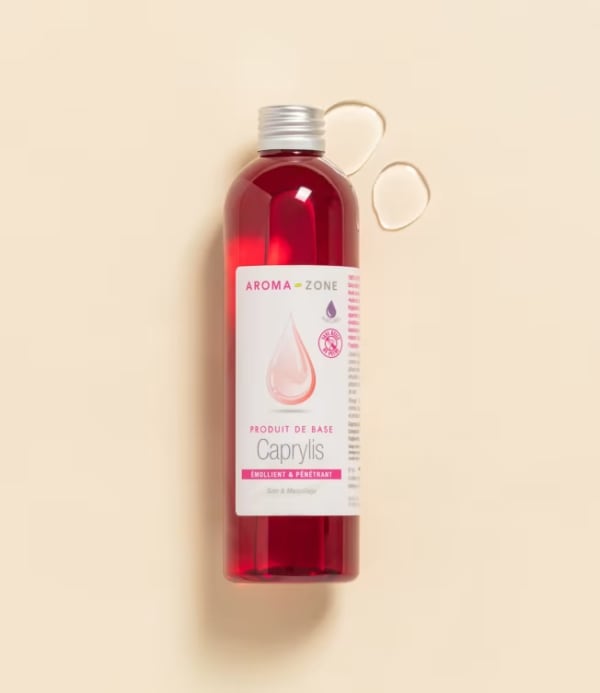
Caprylis

This plant-based emollient with a dry finish leaves hair soft and supple without leaving it feeling greasy. It is often used to improve the glide of hair care products.

Discover the Caprylis emollient

Protective plant extracts

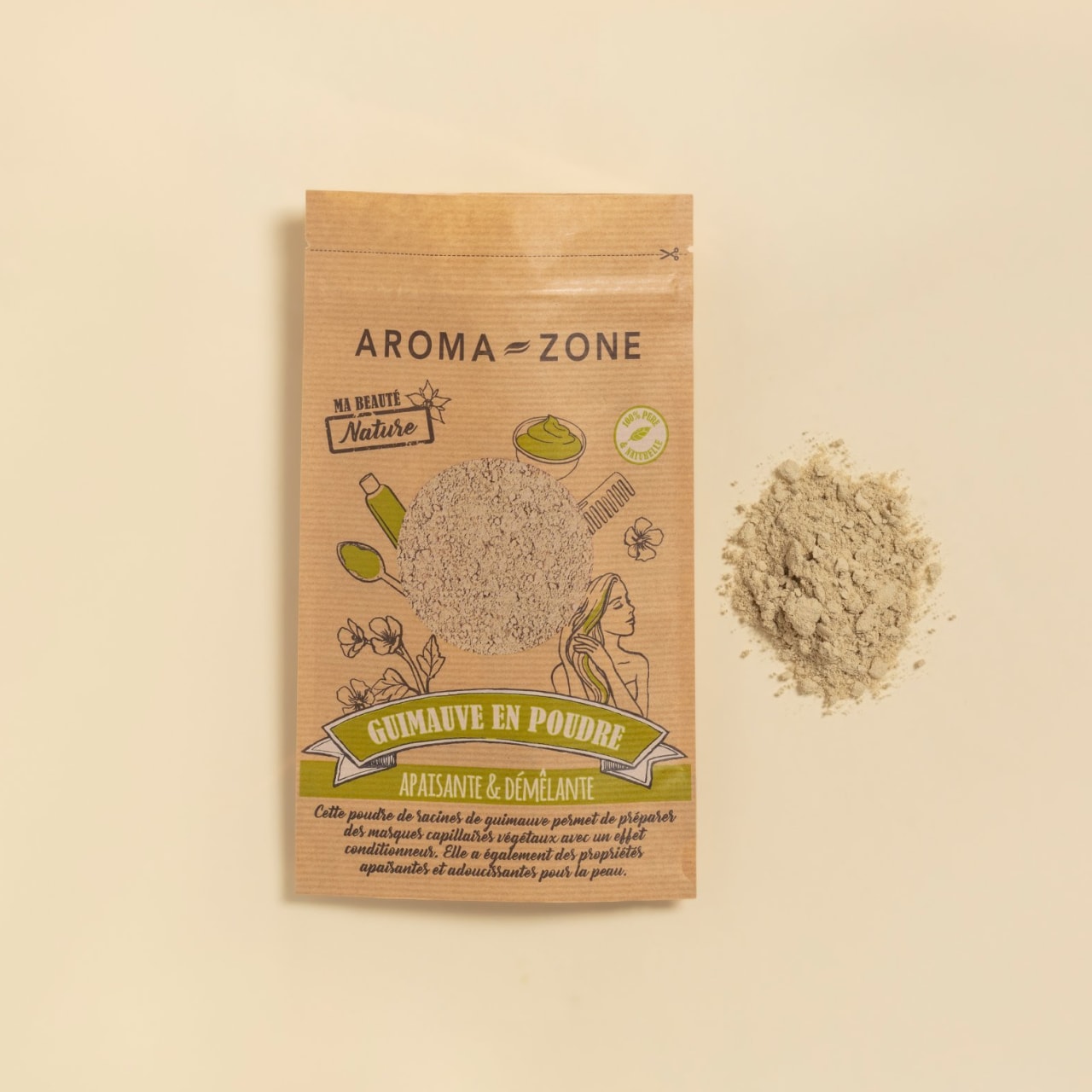
Marshmallow powder

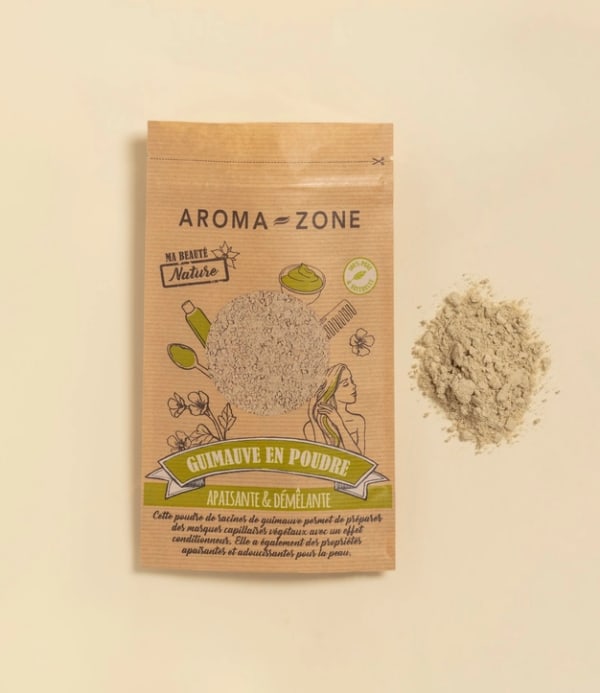
Marshmallow powder

Naturally rich in mucilage, marshmallow is prized for its coating and softening properties. It is used by mixing it with water to form a gel-like paste before incorporating it into a hair care product. It makes detangling easier and helps to make hair more supple and easier to style.

Discover Marshmallow Powder

Good to know: Cosmetic active ingredients and formulation ingredients are generally used as part of a hair care formula (hair mask, conditioner, serum or styling product) and are not intended to be applied neat to the hair.

Simple, effective tips for frizz-free smooth hair

To minimise frizz, the key is to protect the hair fibre and reduce the damage that makes it more sensitive to humidity. Haircare, drying and styling: each step can help keep your hair softer, smoother and easier to style.

  • Choose the right haircare products: opt for haircare products formulated to smooth, nourish or tame your hair, depending on its type and needs. A conditioner after every wash or an occasional hair mask helps, in particular, to soften the hair fibre

  • Gently detangle: use a wide-toothed comb or a soft brush, starting at the ends and working your way up towards the roots, to avoid weakening the hair shafts

  • Gently squeeze out excess water without rubbing: gently press the hair against a soft or microfibre towel. Rubbing can weaken the hair fibre and make it look frizzy

  • Limit heat: avoid using heat-styling tools too frequently or at excessively high temperatures. If you do use them, apply a suitable heat-protectant and opt for a moderate temperature

  • Reduce friction: avoid touching or brushing your hair too often. At night, protect the lengths with a satin pillowcase, a hair cap or a loose hairstyle

  • Refresh your hair when you wake up: spray a little water or a light hair lotion onto your hair, then redefine the strands with your fingers to minimise flyaways.

Precautions for use

Before use, consult the specific recommendations for each ingredient or product. Cosmetic active ingredients and formulation ingredients must be used in accordance with the specified dosages and are generally not intended to be applied undiluted. If you have a sensitive or reactive scalp, carry out a patch test on the inside of your elbow 24 to 48 hours before use. Avoid contact with the eyes. If irritation occurs, stop using the product. Store your ingredients and preparations in accordance with the recommended conditions to preserve their quality.

Expert advice

Frizz is often made worse when hair lacks nourishment. To help soften the hair shaft and minimise frizz, opt for nourishing products containing plant-based oils or butters, such ascoconut oil, babassu oil or murumuru butter. To finish, a suitable leave-in treatment can help tame the lengths and keep your hair more supple, softer and easier to style.

Bibliography

  1. Gavazzoni Dias, M. F. R. (2015), Hair cosmetics: An overview

    International Journal of Trichology doi: 10.4103/0974-7753.153450

  2. Rele, A. S., & Mohile, R. B. (2003), Effect of mineral oil, sunflower oil, and coconut oil on the prevention of hair damage

    Journal of Cosmetic Science PMID: 12715094

  3. Wolfram, L. J. (2003), ‘Human hair: A unique physicochemical composite’

    Journal of the American Academy of Dermatology doi: 10.1067/mjd.2003.276

  4. Howard, J. M., & Jachowicz, J. (2008), True porosity measurement of hair: A new way to study hair damage mechanisms

    Journal of Cosmetic Science PMID: 18818850

Frequently Asked Questions

Frequently Asked Questions

Associated recipe