Magic powders to care for my hair

Magic powders to care for my hair


By The Aroma-Zone editorial team

Published on: Thursday, August 04, 2022, Updated on: Tuesday, November 10, 2026

Derived from plants used in Indian hair care rituals, Ayurvedic powders offer a gentle and gradual effect. Whether used as a shampoo base, a hair mask or a scalp treatment, they provide a plant-based alternative to conventional hair care products, helping to rebalance the scalp and preserve the hair’s natural vitality.

Contents

Related products

In brief

  • Ayurvedic hair powders offer a natural alternative for strengthening, cleansing or enhancing the hair, with effects tailored to the plant chosen, such as amla, shikakai or tulsi.

  • To use them, you need to prepare mixtures of powder and water, to be applied as a mask or shampoo, taking into account your hair type and the desired result, whether that is to promote growth, add shine or regulate the scalp.

  • The article provides further details on precautions for use – particularly to avoid skin reactions or incompatibilities with certain hair dyes – and on the importance of rinsing the powders out thoroughly so as not to weigh the hair down.

What are the benefits of using Ayurvedic powders on your hair?

What is an Ayurvedic powder?

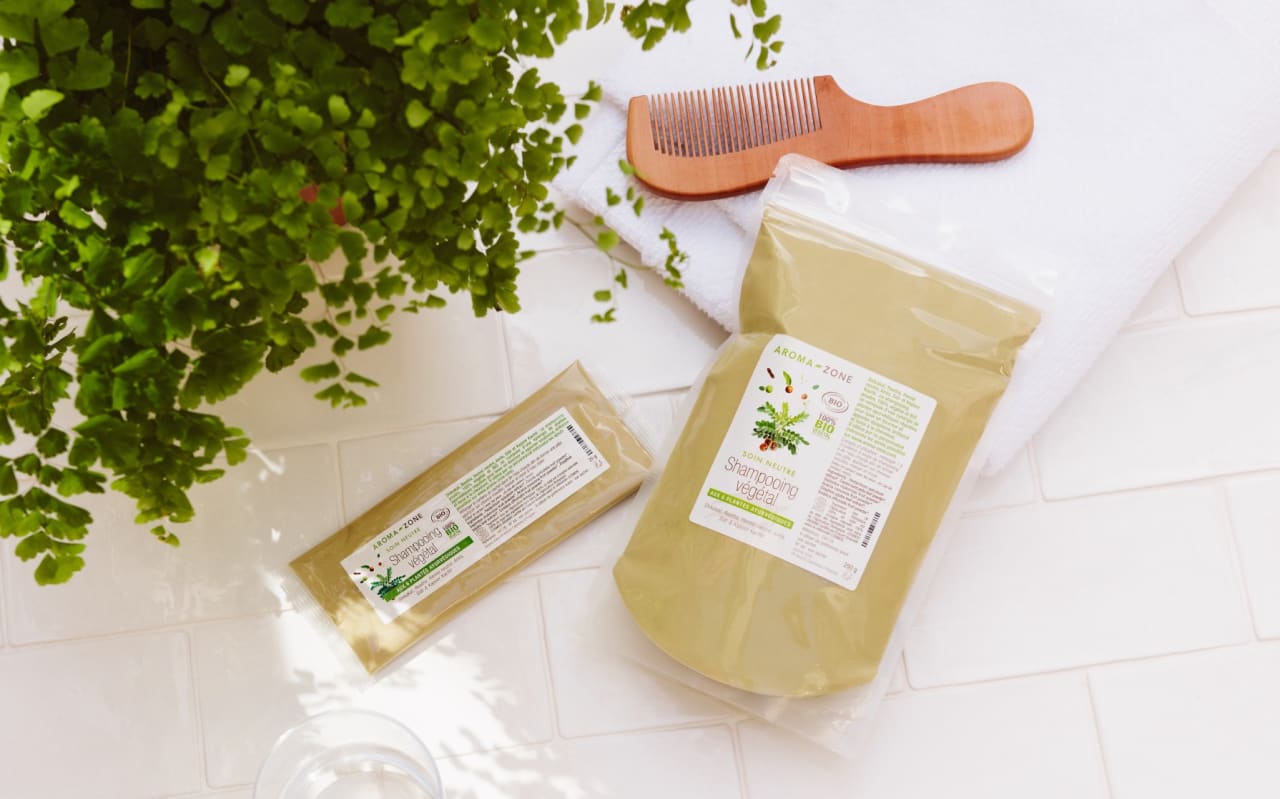
An Ayurvedic powder is made from dried plants native to India – such as leaves, fruits, roots or seeds – which are ground into a fine powder. These powders are used as they are, without synthetic cleansing agents or unnecessary additives. They are mainly used in cleansing treatments or hair masks, after being rehydrated just before application.

The term ‘Ayurvedic’ refers to Ayurveda, an ancient Indian tradition which regards hair care as an extension of the body’s overall balance. In this approach, the aim is not to seek an immediate effect, but to act gradually on the scalp and hair shaft, whilst respecting their natural balance.

Properties and characteristics

Ayurvedic powders are characterised by a simple composition and a gradual approach. They do not cleanse through the action of cleansing agents, but by absorbing excess sebum, impurities and residues present on the scalp. This method of action allows for cleansing without stripping the hair, whilst respecting its natural balance.

What are their benefits for your hair?

Enhance and strengthen your hair

Thanks to their high content of plant-based compounds, Ayurvedic powders are traditionally used to strengthen the hair shaft and improve the appearance of the lengths, whilst preserving their natural lightness.

Detangling and smoothing the hair

These powders, which are naturally rich in mucilage, make detangling easier and leave the lengths feeling softer, particularly on dry or unmanageable hair.

Stimulating hair growth

By helping to restore the scalp’s balance and create a favourable environment at the roots, Ayurvedic powders form part of hair care routines designed to support hair vitality and growth.

Combating hair loss

In Ayurvedic traditions, several plants are used in scalp care to address temporary hair loss, particularly when the hair is thinner, more fragile or stressed.

Adding volume

By cleansing the scalp without weighing down the hair shaft, Ayurvedic powders can restore volume to fine or flat hair, whilst leaving it feeling light.

Adding shine and radiance to the hair

Regular use helps to enhance the hair’s natural shine and reveal its radiance, without creating an artificial coating.

Regulating an oily scalp

Capable of absorbing excess sebum, Ayurvedic powders are particularly suitable for scalps that become oily quickly and can help extend the time between washes.

Combating dandruff

Traditionally, Ayurvedic powders are used on scalps prone to dandruff to soothe discomfort and minimise its occurrence.

Which Ayurvedic powders should you choose depending on your hair type?

The choice of an Ayurvedic powder depends first and foremost on the condition of the scalp and the needs of the hair. Each plant has specific properties, which determine whether it is used for cleansing, nourishing, detangling or balancing the scalp.

Oily hair or a scalp prone to oiliness

Reetha Organic

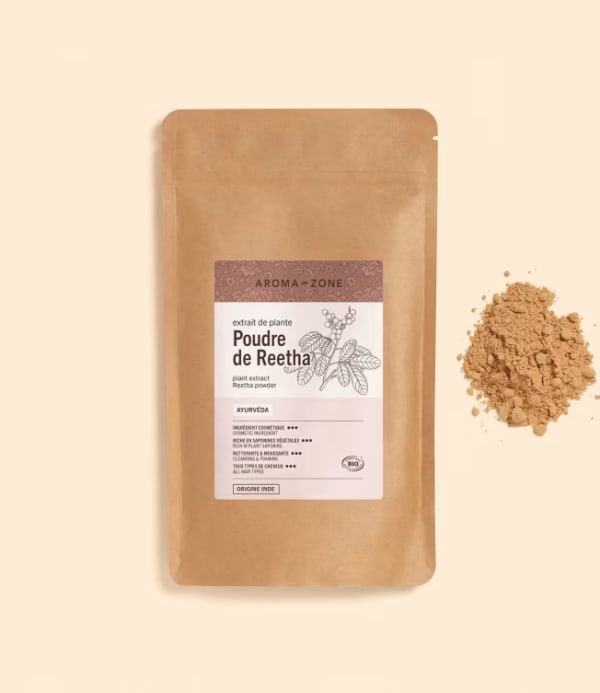
Organic Reetha Powder: rich in plant-based saponins, Reetha powder gently and naturally cleanses and purifies the scalp. It helps dissolve excess sebum and leaves the hair clean, whilst helping to combat dandruff and soothe sensitive scalps.

Discover Organic Reetha Powder

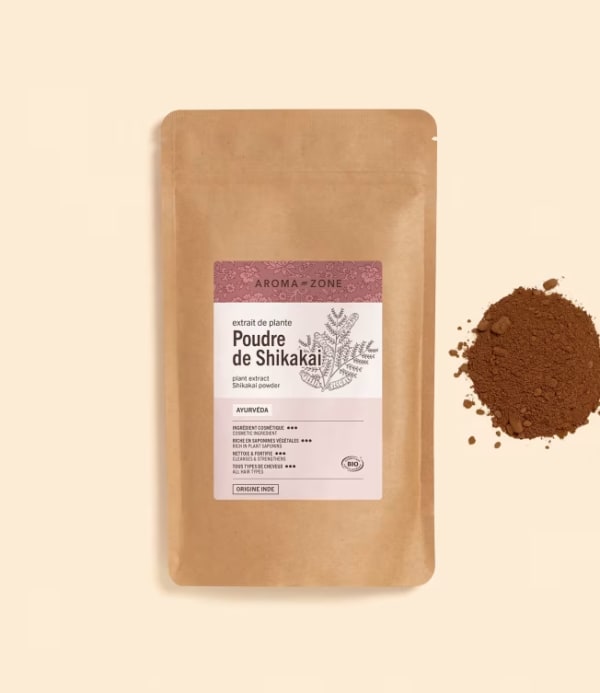
Organic Shikakai powder: Renowned for its gentle action, Shikakai powder cleanses the hair and scalp without stripping it. It adds shine and strength, helps detangle the hair and reduces dandruff, making it an ideal powder for oily or combination scalps.

Discover Organic Shikakai Powder

These two powders can be used on their own or together as a plant-based cleansing base, to gradually space out shampooing.

Dry or damaged hair

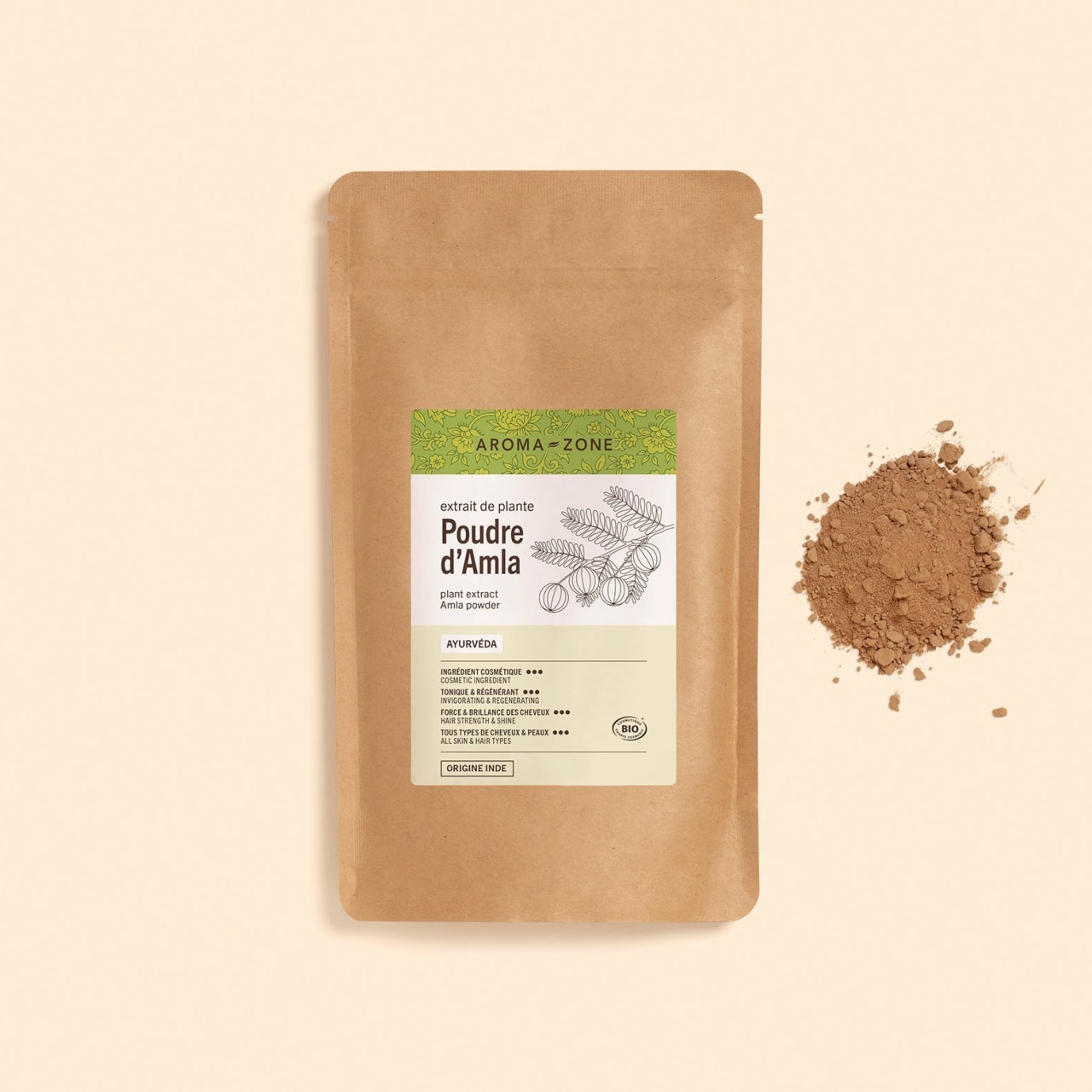
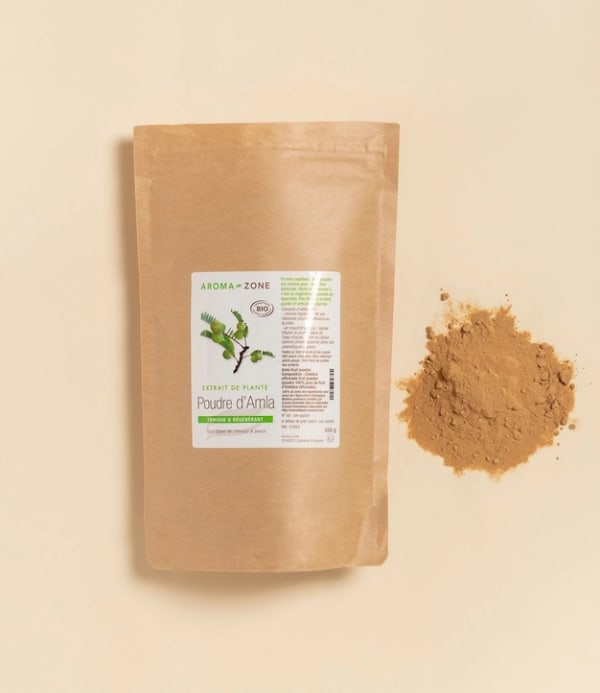
Organic Amla Powder: derived from the Amla fruit, this powder is naturally rich in antioxidants. Used as a hair mask, it is valued for promoting a healthy scalp and strengthening the hair shaft. It also helps to improve the shine and overall appearance of dull or tired hair.

Discover Organic Amla Powder

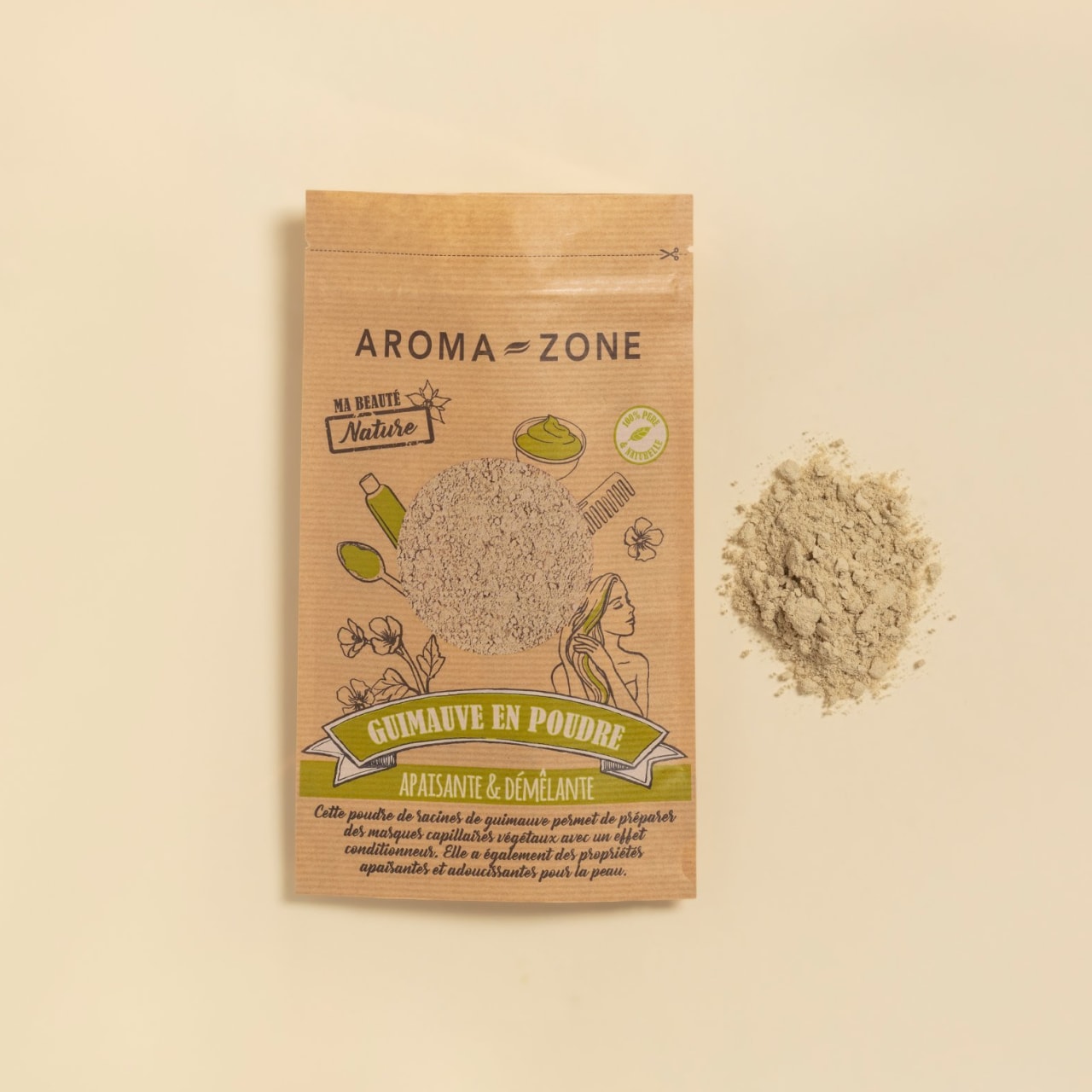
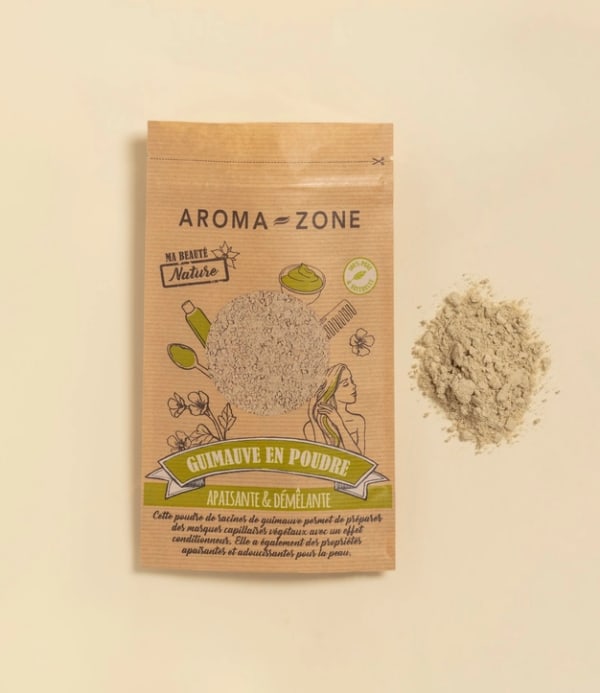
Marshmallow powder: Thanks to its high mucilage content, marshmallow powder leaves the hair soft and supple, making it easier to detangle and improving the feel of dry or damaged hair.

Discover Marshmallow Powder

These powders are often used as a mask or pre-wash treatment to restore the softness and structure of the hair fibre.

Dull or tired hair

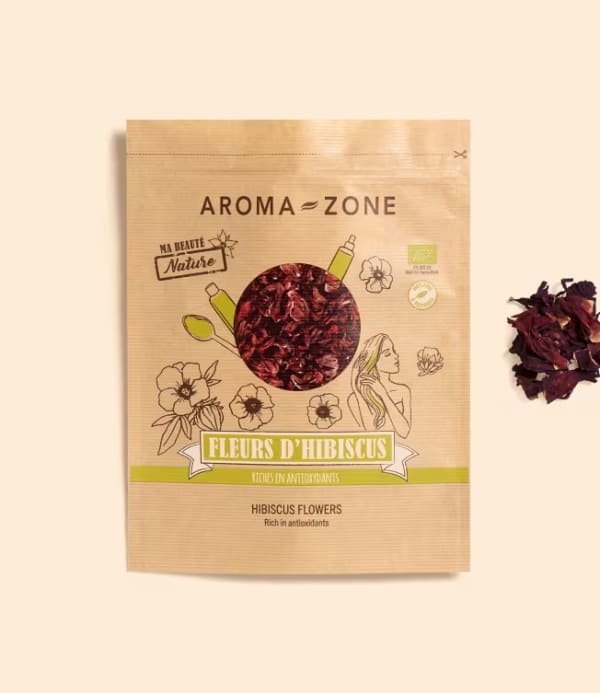
Organic Hibiscus Flowers

Organic Hibiscus Powder: Used in hair care, hibiscus powder is known to nourish hair and help restore its shine. EIt can be combined with Amla for a revitalising treatment.

Discover Organic Hibiscus Powder

Kapoor Kachli powder

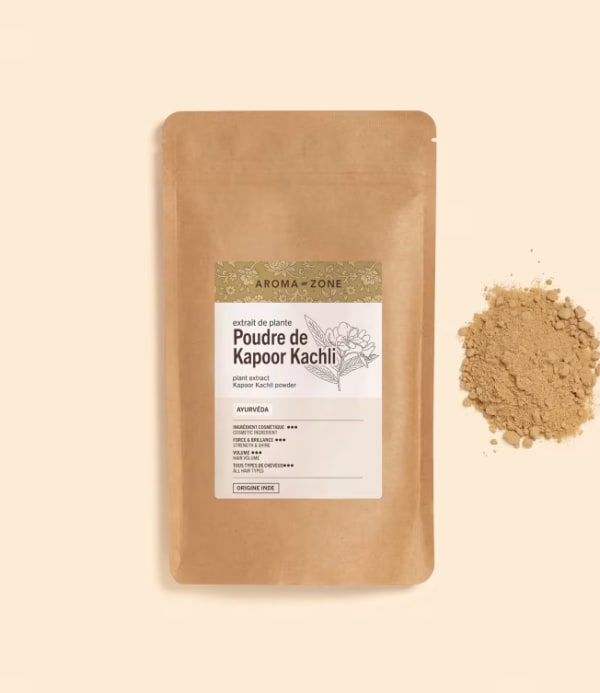
Kapoor Kachli powder: With its antioxidant properties, Kapoor Kachli powder enhances the hair’s shine and helps to make the hair shaft more supple.

Discover Kapoor Kachli Powder

These powders add extra shine to hair that is tired or has lost its lustre.

Sensitive scalp or one prone to discomfort

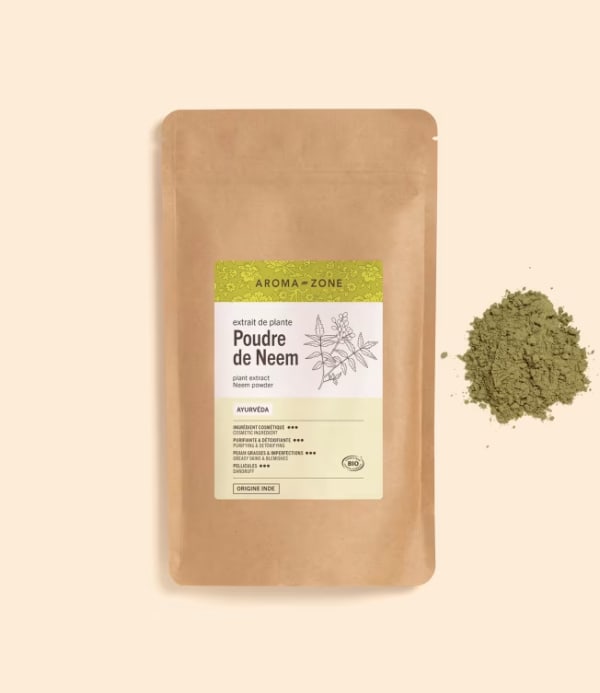
Organic Neem Powder: renowned for its purifying and detoxifying properties, Neem powder helps to cleanse the scalp whilst soothing any discomfort. It is particularly suitable for sensitive scalps or those prone to itching and dandruff.

Discover Organic Neem Powder

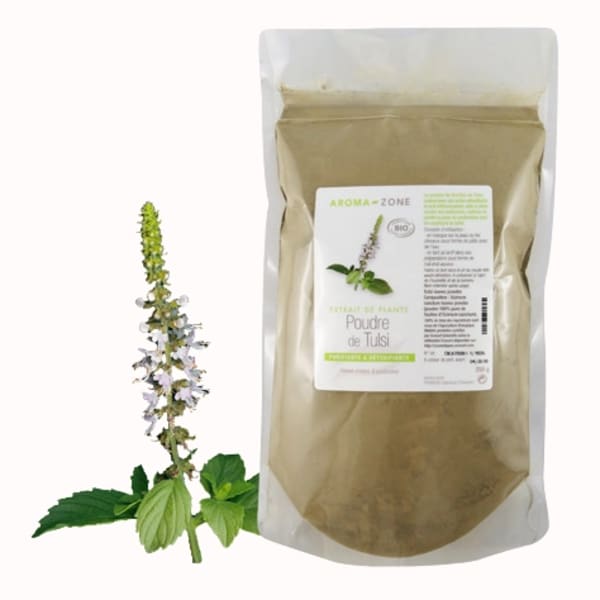
Organic Ayurvedic Tulsi (powder)

Organic Tulsi Powder: purifying and soothing, Tulsi powder is beneficial in cases of toxin build-up or irritation. It complements the action of Neem to promote a more balanced scalp.

Discover Organic Tulsi Powder

If you have a sensitive scalp, it is best to use just one powder at a time, leave it on for a short period, and limit how often you use it. This helps to protect your scalp and prevent any discomfort.

Precautions

Our Ayurvedic powders are sold as ingredients. However, our ingredients are designed to be incorporated into a cosmetic formulation or a finished product. They must not be used undiluted or applied directly to the skin.

How do you use Ayurvedic powders on your hair?

Ayurvedic powders can be incorporated in various ways into a haircare routine, depending on the desired effect and the time you have available. They are used according to instructions that are easy to adapt to the condition of your scalp and hair.

As a cleansing base

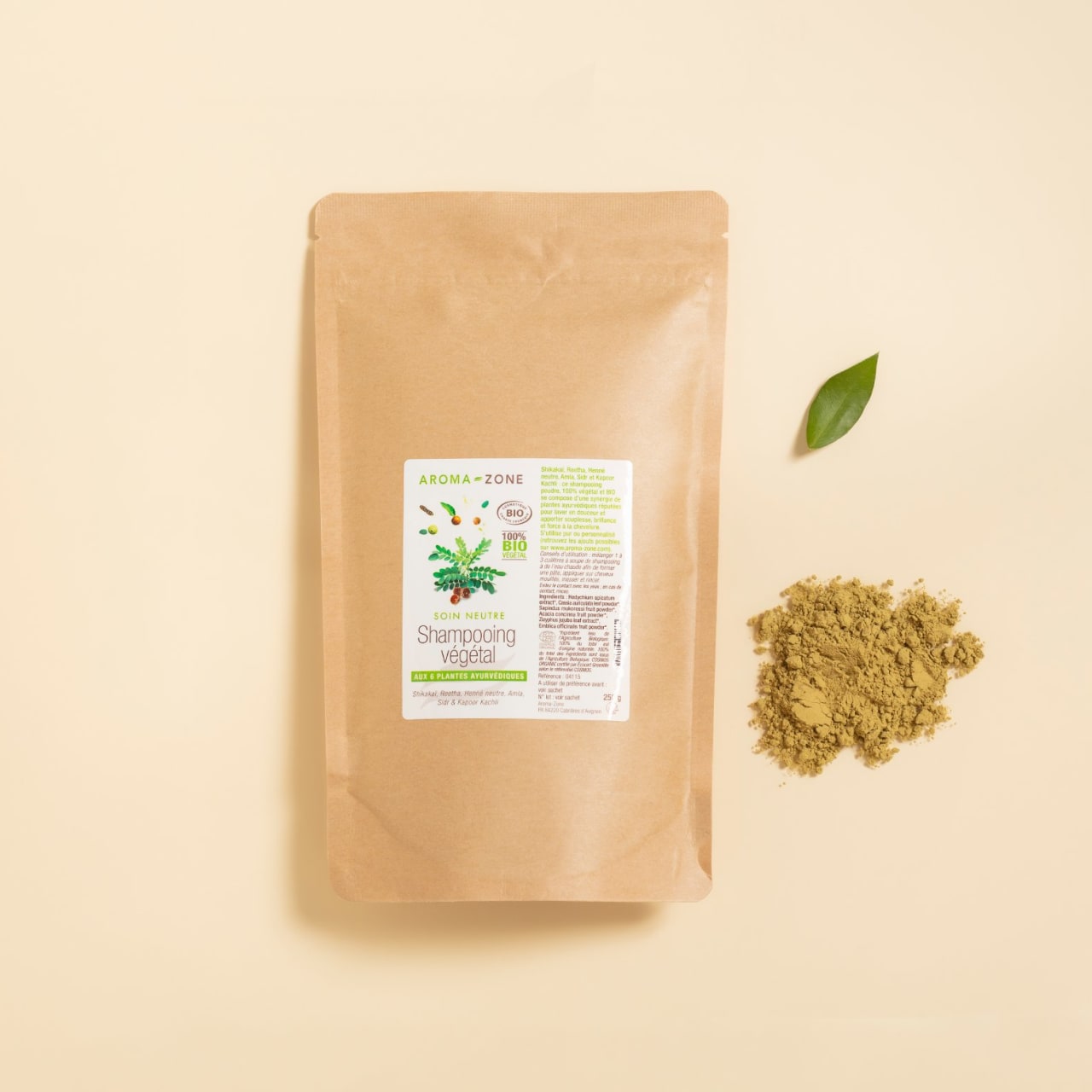
Certain Ayurvedic powders are traditionally used as plant-based cleansing agents. When mixed with water or a hydrolat, they form a paste that is applied directly to the damp scalp. Cleansing takes place without lather, by absorbing excess sebum and impurities. This method is particularly suitable for scalps that become oily quickly or for routines aimed at spacing out shampooing sessions.

As a hair mask

Ayurvedic powders are frequently used as a mask before washing. Once rehydrated, they are applied to the scalp and hair lengths to allow the plant’s properties to take effect. Depending on the powder chosen, the mask can enhance shine, suppleness, scalp comfort or the overall appearance of the hair. The application time should be adjusted according to the sensitivity of the scalp.

For targeted scalp care

Some powders are used topically, applied only to the scalp. This targeted application addresses specific needs, such as excess sebum or feelings of discomfort, without unnecessarily affecting the lengths of the hair.

How can you incorporate Ayurvedic powders into your hair care routine?

Ayurvedic powders are easier to incorporate when used occasionally, as a supplement to your usual routine, depending on the condition of your scalp and hair.

A simple routine to get you started

1. Once a week : apply an Ayurvedic powder as a hair mask before washing. This step allows you to benefit from the plant’s properties whilst letting your scalp gradually get used to it.

2. After leaving it on for the recommended time : rinse thoroughly, then wash gently if necessary, particularly if the powder has been applied to the lengths of the hair.

3. Between uses : stick to your usual routine using a gentle shampoo, to maintain scalp comfort and hair suppleness.

Routine for a scalp that gets oily quickly

1. For occasional plant-based washing : replace your shampoo with a cleansing powder, used on its own or combined with another powder, to help absorb excess sebum.

2. Alternating : alternate with a mild shampoo to maintain the scalp’s balance and adjust the frequency of washing according to your needs.

3. Over time : monitor changes in the scalp over several weeks before adjusting the frequency or combinations of powders.

A word from the trichologist

"Plant-based powders allow you to care for your hair whilst fully respecting its structure. They do not alter the disulphide bonds in keratin: these essential bonds ensure the hair fibre’s strength, elasticity and cohesion. Unlike chemical processes such as oxidative hair colouring or straightening treatments, they do not increase porosity: there is no opening of the cuticles, nor any internal denaturation. Their action is purely mechanical and protective, which preserves the quality of the hair in the long term.

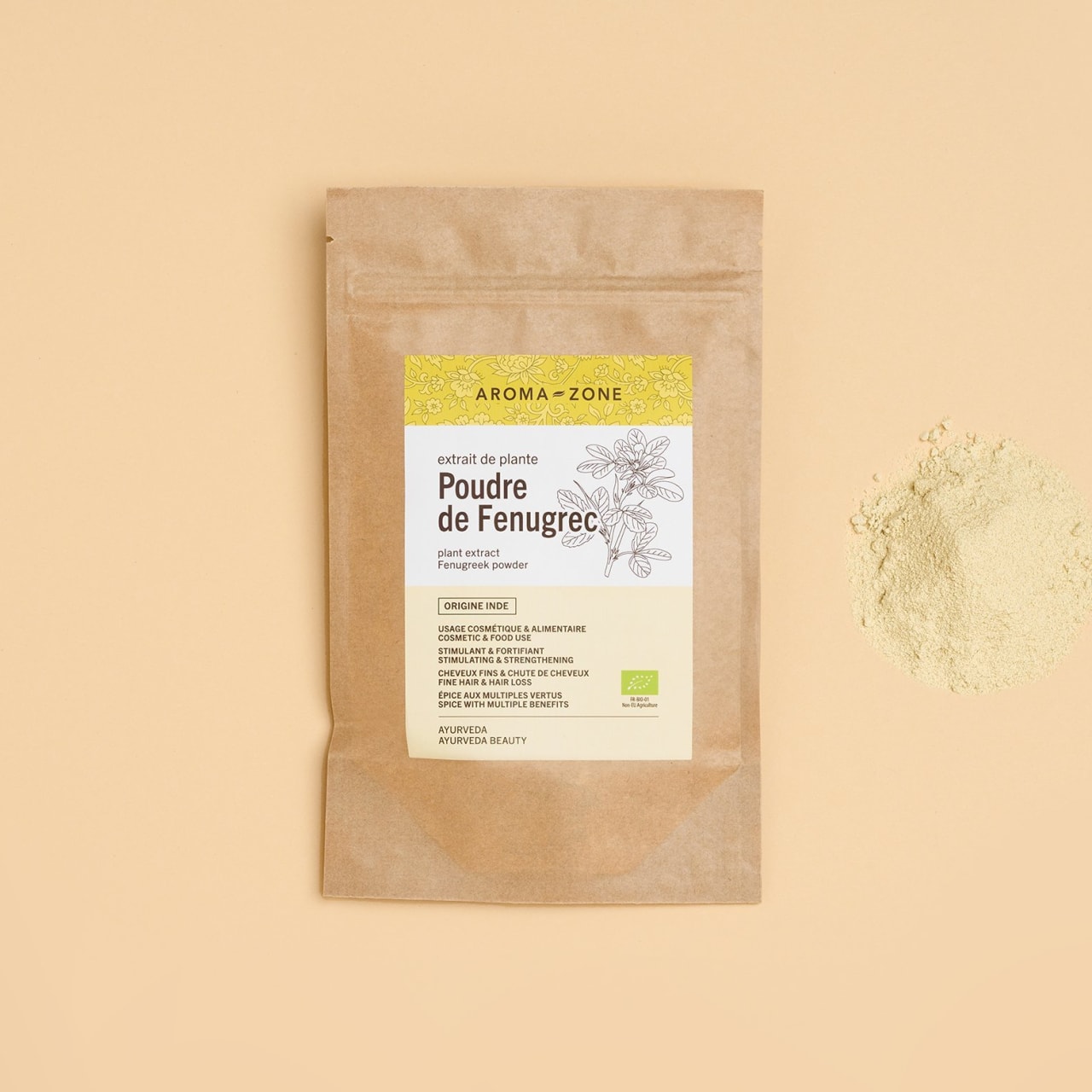
Several powders have a coating and thickening effect. Thanks to their high content of tannins, mucilages or saponins, Brahmi, Amla, Kapoor Kachli and Fenugreek coat the hair fibre, increase its apparent diameter and add volume, particularly to fine hair. Other powders act as natural protectants: the mucilages and tannins found in marshmallow, sidr and shikakai form a protective layer against wind, cold-induced dehydration and pollution, whilst imparting softness and suppleness.

Certain powders help to strengthen the hair shaft: amla, brahmi, bhringaraj and neem improve mechanical strength, reduce breakage and support the hair’s vitality.

In cases of hair loss, certain powders may also be beneficial. Bhringaraj is traditionally used to stimulate the scalp, support the anagen phase and reduce reactive hair loss."

Dalila Belmokhtar, @dalilahairscience Doctor of Pharmacy & Trichologist

Precautions

Ayurvedic powders, although plant-based, require certain precautions when used. Before using them for the first time, it is recommended that you carry out a patch test to check for tolerance, particularly on sensitive scalps. Powder-based preparations must be made immediately before application: a preparation left standing for too long may lose its quality and encourage microbial growth. It is also important to adhere to the recommended dosages and application times, as some powders may dry out the scalp or the hair shafts if used excessively.

When preparing the mixture, care should be taken to avoid inhaling the powders. These should be stored in a dry place, away from moisture and heat, to preserve their quality.

Expert advice

To get the most out of Ayurvedic powders, it is better to focus on consistency rather than frequent changes. Using the same powder over several applications allows you to assess its effects and adapt your routine more easily.

Bibliography

  1. Pal, S. K., Tiwari, S., Mishra, S., & Saran, S. (2024), Formulation and evaluation of herbal shampoo, International Journal of Life Science Research Archive

    https://doi.org/10.53771/ijlsra.2024.7.2.0073

  2. Sapkal, R. N., Kubde, J. A., Hatwar, P. R., & Bakal, R. L. (2025), Exploring herbal remedies for hair care: A review of medicinal plants and their benefits, GSC Biological and Pharmaceutical Sciences

    DOI:10.30574/gscbps.2025.31.2.0206

Frequently Asked Questions

Frequently Asked Questions