Dandruff: Causes and Natural Solutions

Dandruff: Causes and Natural Solutions


By Auriane Oline

Published on: Friday, July 18, 2025, Updated on: Wednesday, November 04, 2026

Dandruff affects up to 50% of the world's population at some point in their lives. Though often seen as just a cosmetic nuisance, it actually reflects an imbalance in the scalp's condition, and can come with itching, irritation, or even a loss in hair density. While conventional treatments exist, recent scientific research also points to the effectiveness of natural solutions. This article looks at the mechanisms behind dandruff, explores its causes, and considers gentle, effective ways to address it.

Contents

Related products

What is dandruff?

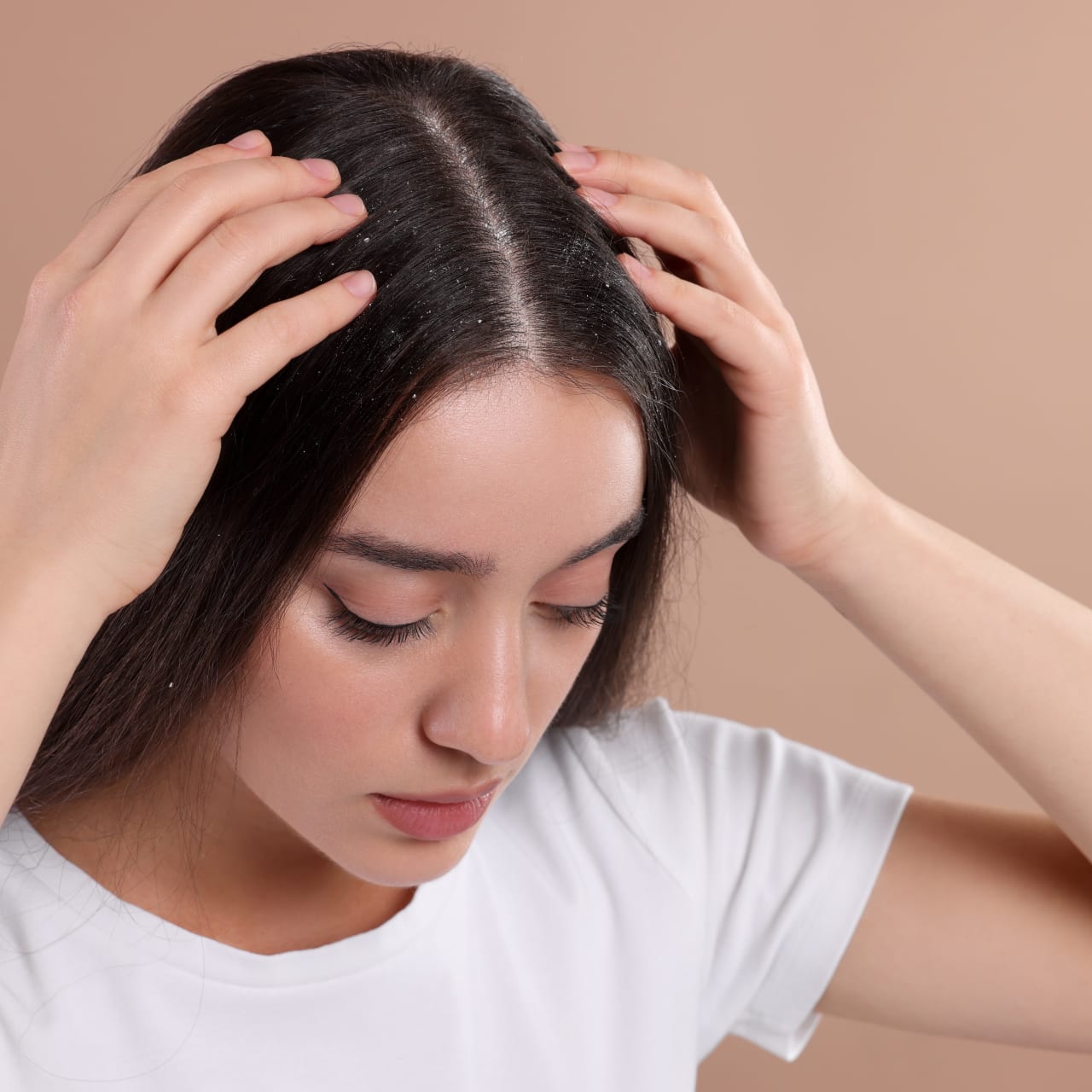
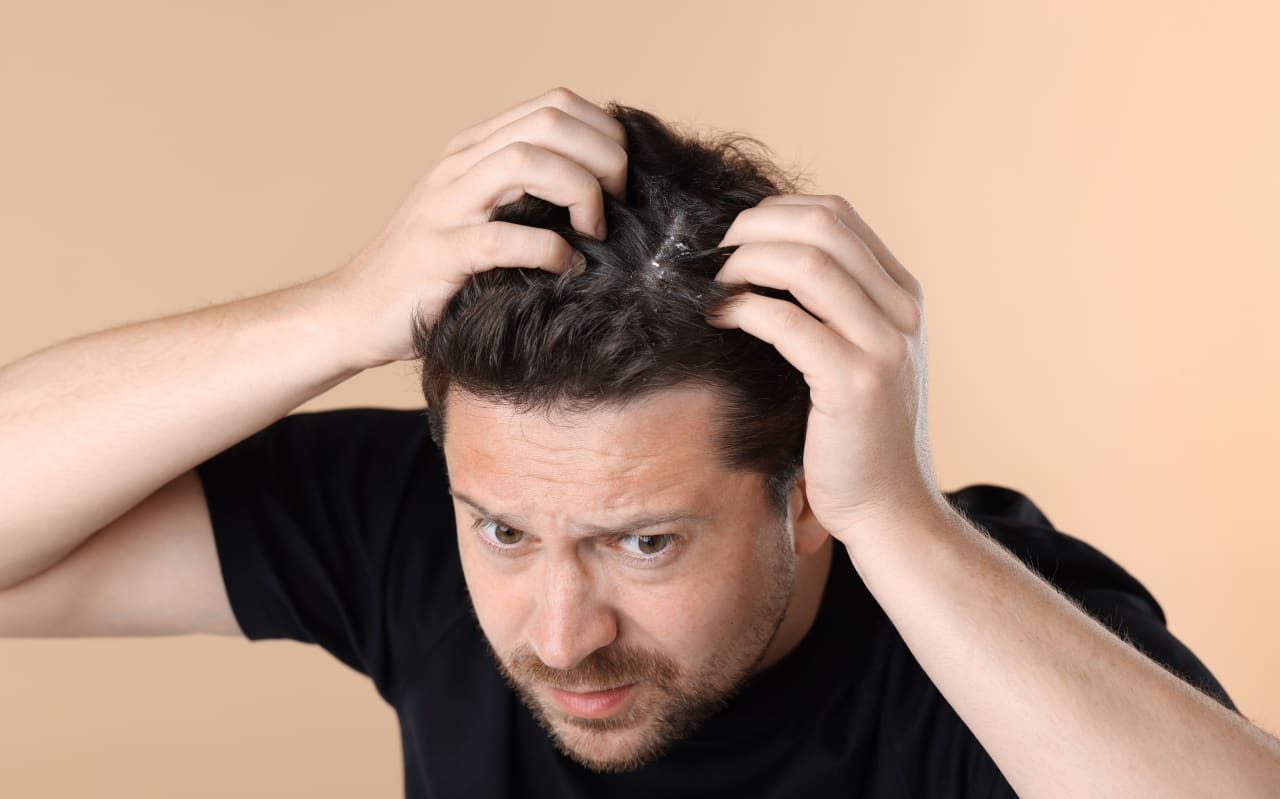
Dandruff consists of visible flakes that detach from the outermost layer of the scalp. It results from a disruption in the natural process of skin shedding – which is usually accelerated – and is frequently accompanied by itching, tightness and, at times, widespread redness. Although benign, it can have a significant psychosocial and aesthetic impact.

The scalp is an area rich in hair follicles and sebaceous glands. Under normal circumstances, epidermal cells are renewed every 28 days. In the case of dandruff, this cycle speeds up considerably (sometimes as short as 7 days), leading to the build-up of dead cells that are not shed properly. These clumps form white or yellowish flakes, which may be more or less sticky depending on the nature of the sebum present.

There are two main types of dandruff:

  • Dry dandruff (pityriasis simplex): Fine, white, flaky, and falls easily onto the shoulders. It often appears on dry or slightly irritated scalps, particularly in winter or in dry climates.

  • Oily dandruff (pityriasis steatoides): Thicker, yellowish in colour, and tends to stick to the scalp due to excess sebum. It is often associated with mild to moderate inflammation, or even a form of seborrhoeic dermatitis.

Some classifications include other specific forms: dandruff associated with psoriasis, deeper fungal infections, or that caused by irritating cosmetics.

Current research highlights the involvement of several biological factors, notably an impairment of the skin barrier, keratinocyte hyperproliferation, and the proliferation of microorganisms such as Malassezia, a yeast naturally present on the scalp. Its lipase activity produces irritating fatty acids, disrupting the scalp’s balance, particularly when its pH is out of balance (ideally around 5.5).
What causes dandruff in the hair?

Dandruff is caused by a multifactorial imbalance involving both internal biological mechanisms and aggravating environmental factors. This scalp condition is based on a complex interaction between the microbiota, the skin barrier and cell renewal.

The biological mechanisms involved

Imbalance in cell renewal

Normally, keratinocytes on the scalp take around 28 days to migrate from the deep layers of the epidermis to the surface. In the case of dandruff, this cycle is significantly accelerated (sometimes reduced to 5–7 days), leading to an accumulation of dead cells that are still partially attached to one another. This phenomenon results in the formation of visible flakes on the surface of the scalp.

Impaired skin barrier

The stratum corneum plays an essential role in protecting the scalp. In people suffering from dandruff, this barrier is weakened: cellular cohesion is impaired, the lipid structure is disrupted and transepidermal water loss (TEWL) is increased. This dysfunction promotes the penetration of external irritants and sensitivity to metabolites of Malassezia (Turner et al., 2012).

Proliferation of Malassezia

Malassezia is a lipophilic yeast naturally present on the scalp. In cases of excess sebum or skin imbalance, certain species such as M. globosa or M. restricta proliferate excessively. They break down the triglycerides in sebum into free fatty acids (particularly oleic acid), which irritate the skin, causing inflammation, itching and increased flaking (Borda & Wikramanayake, 2015).

Aggravating factors

Certain factors can exacerbate the occurrence or severity of dandruff, without being the direct primary cause:

  • Genetic predisposition: some people are naturally more prone to scalp imbalances.

  • Cold, dry weather: these conditions promote skin dryness and the formation of flakes.

  • Chronic stress: this affects local immunity and can exacerbate skin inflammation.

  • Unsuitable hair care products: harsh shampoos, excessive fragrance, alcohol or sulphates can irritate and disrupt the microbiome.

  • Excessive or insufficient hygiene: washing too often weakens the skin barrier; washing too infrequently encourages the build-up of sebum and dead skin cells.

  • An unbalanced diet: high in fast-acting sugars and saturated fats, it can influence sebum production and inflammation.

  • Hormonal changes: androgens stimulate the sebaceous glands and can exacerbate the proliferation of Malassezia.

Understanding these mechanisms and aggravating factors is essential for developing a targeted and sustainable skincare strategy that is both curative and preventative.

Natural remedies for excessive dandruff

To effectively relieve dandruff in the hair, it is essential to address all the underlying mechanisms. A holistic approach will include removing flakes caused by excessive cell renewal, restoring the skin barrier, regulating sebum production, limiting microbial proliferation and managing stress.

Soothing the scalp

The aim here is to strengthen the skin’s barrier function, soothe itching and reduce local inflammation. The following natural active ingredients are recommended:

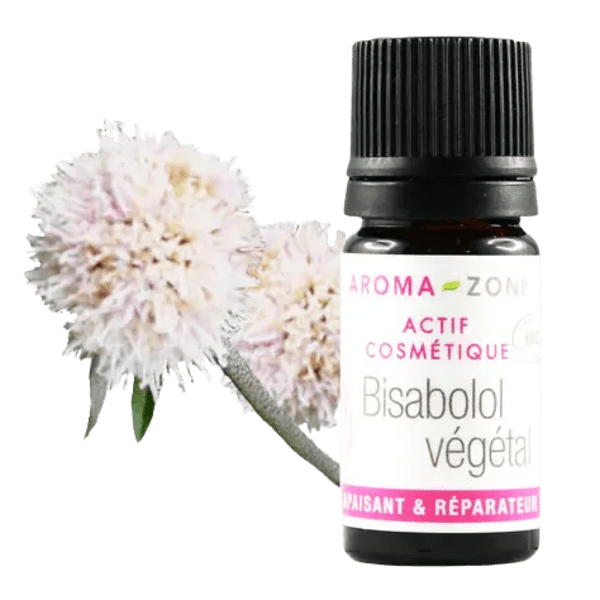
Organic Bisabolol Active Ingredient

Bisabolol

Anti-inflammatory and soothing, ideal for sensitive scalps.

Discover the Organic Bisabolol Active Ingredient

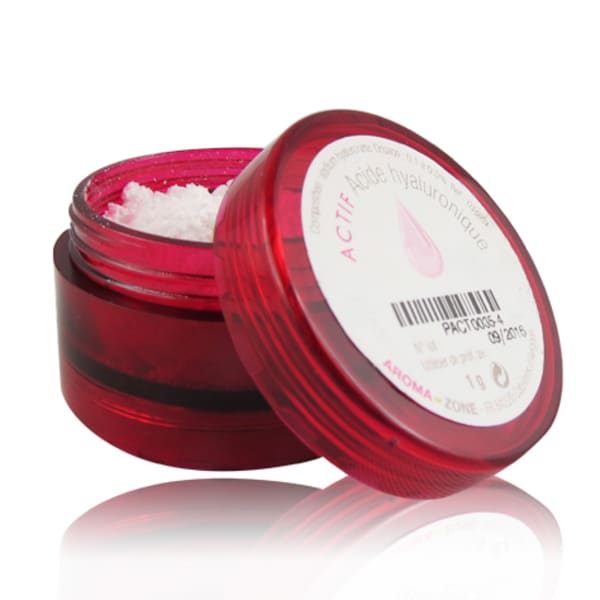
Active ingredient: Natural hyaluronic acid

Intensely hydrates without leaving a greasy residue, restoring skin comfort.

Discover the Natural Hyaluronic Acid Active Ingredient

Regulating cell renewal

To prevent the build-up of dandruff flakes, it is essential to limit the overproduction of keratinocytes:

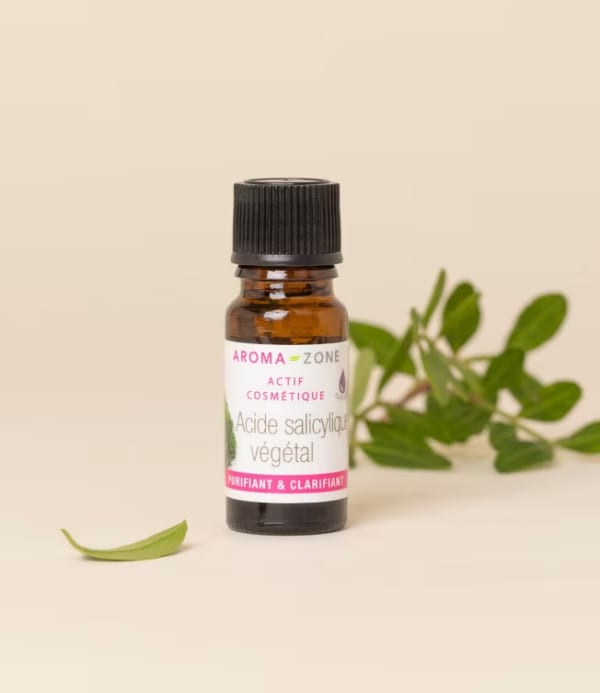
Salicylic acid

A natural keratolytic active ingredient, it helps to gently exfoliate dead skin cells and promote a healthy scalp.

Find out more about salicylic acid

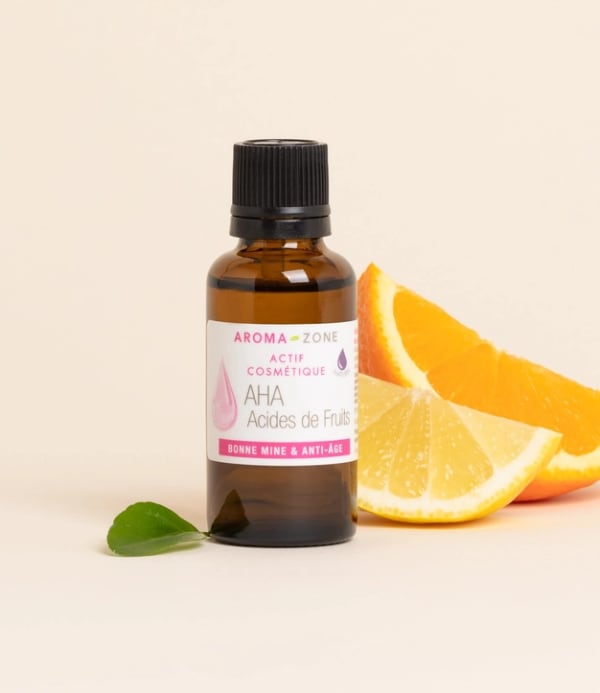
AHA active ingredient – fruit acids

This highly potent active ingredient literally helps to ‘renew the skin’. Thanks to their ‘exfoliating’ effect and their action on cell renewal, AHAs are used as an active ingredient in your formulations to smooth out wrinkles, even out and brighten the complexion, and reduce pigmentation spots and skin imperfections.

Discover the active ingredient AHA – fruit acids

Regulating sebum production

Reducing excess sebum limits the environment favourable to Malassezia:

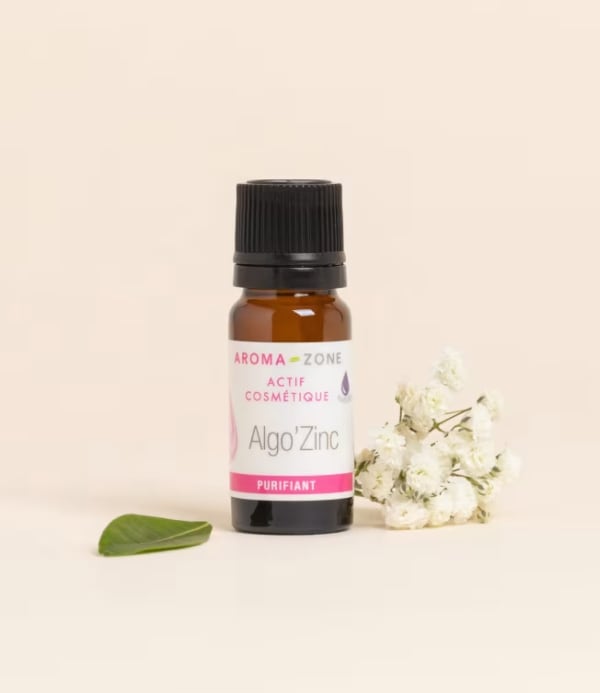
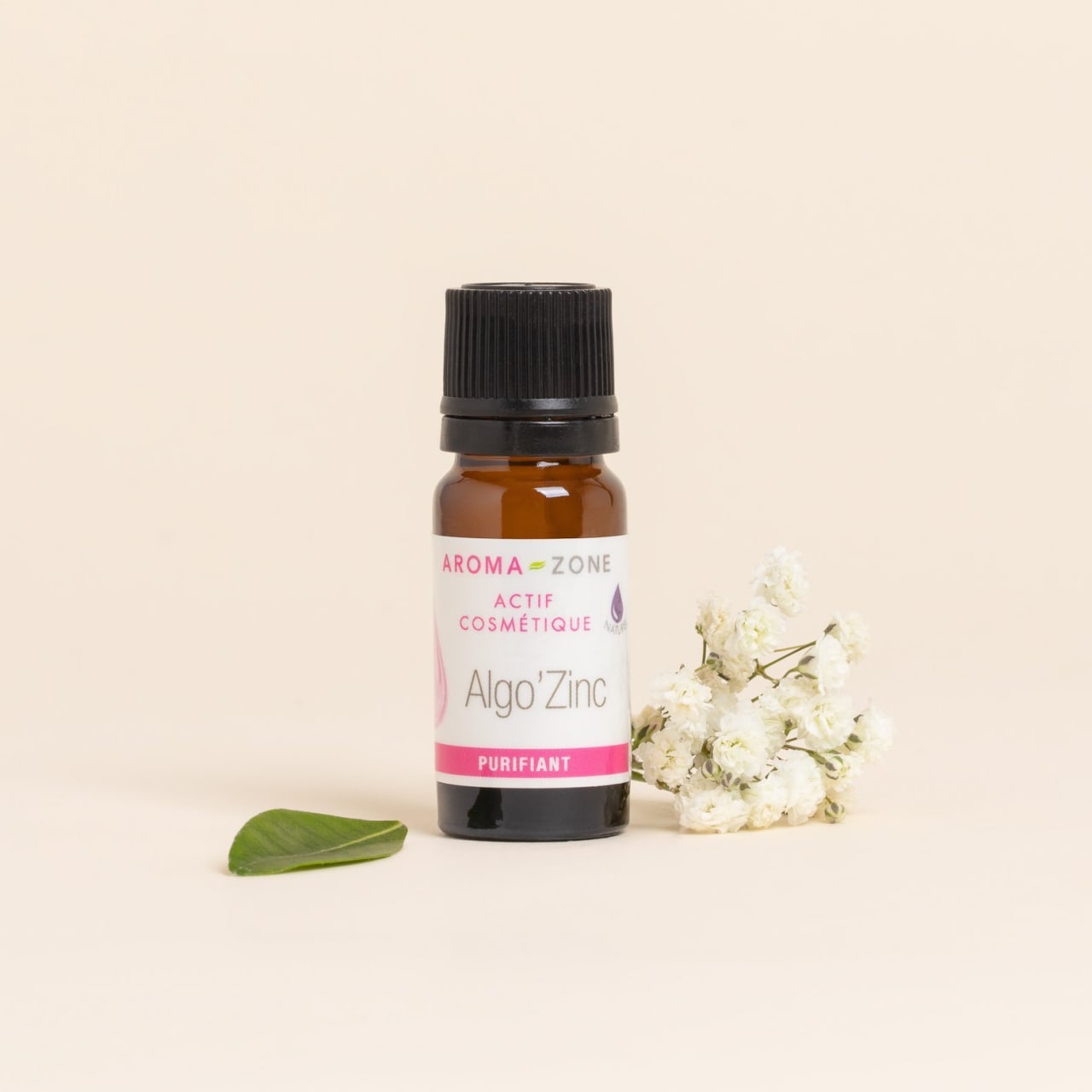
Algo’Zinc

An astringent and sebum-regulating active ingredient, it helps to purify the scalp.

Discover the Algo’Zinc active ingredient

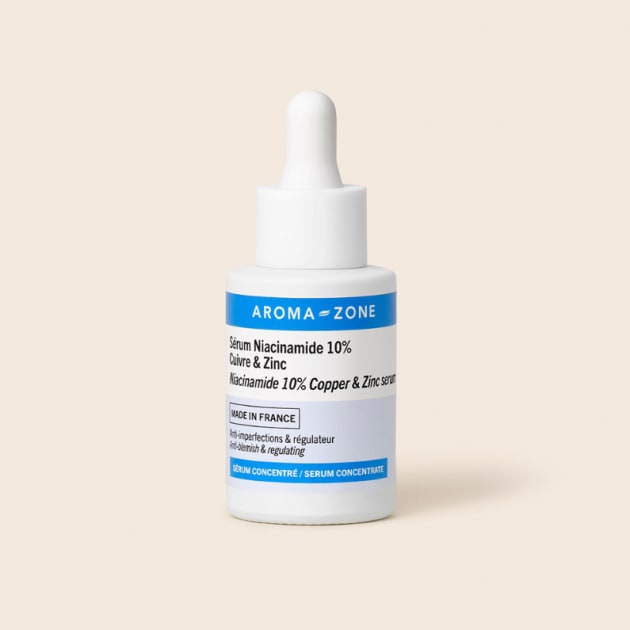
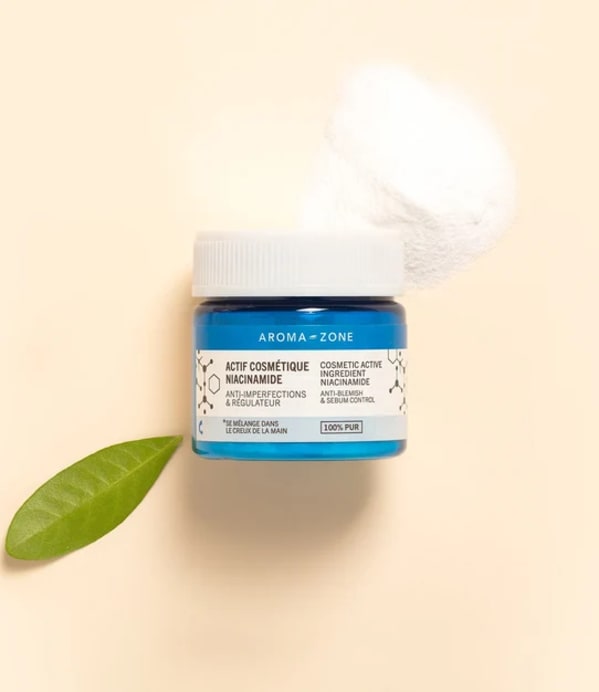
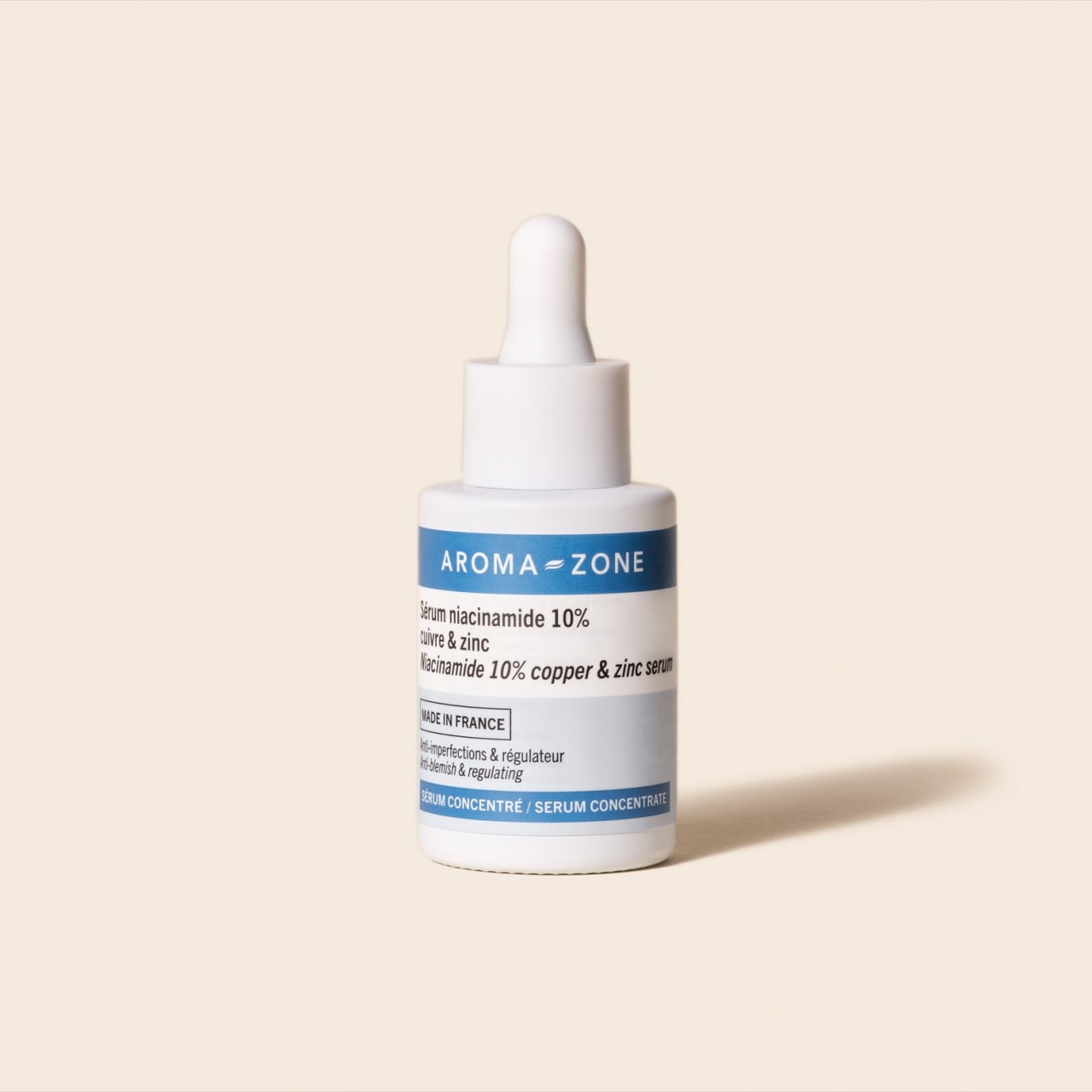
Active ingredient: Niacinamide

Active Ingredient: Niacinamide

Also known as vitamin B3, it regulates and improves skin texture and sebum balance.

Discover the active ingredient Niacinamide

Limiting the proliferation of microorganisms

To control the population of Malassezia without disrupting the balance of the microbiome:

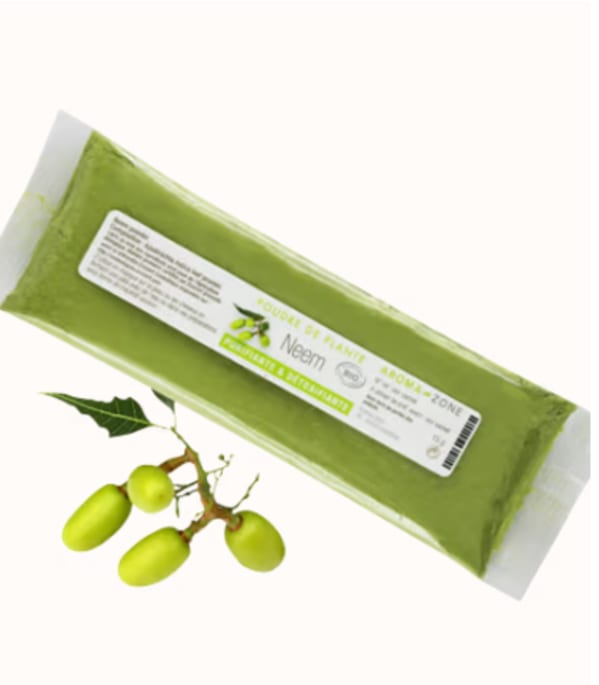
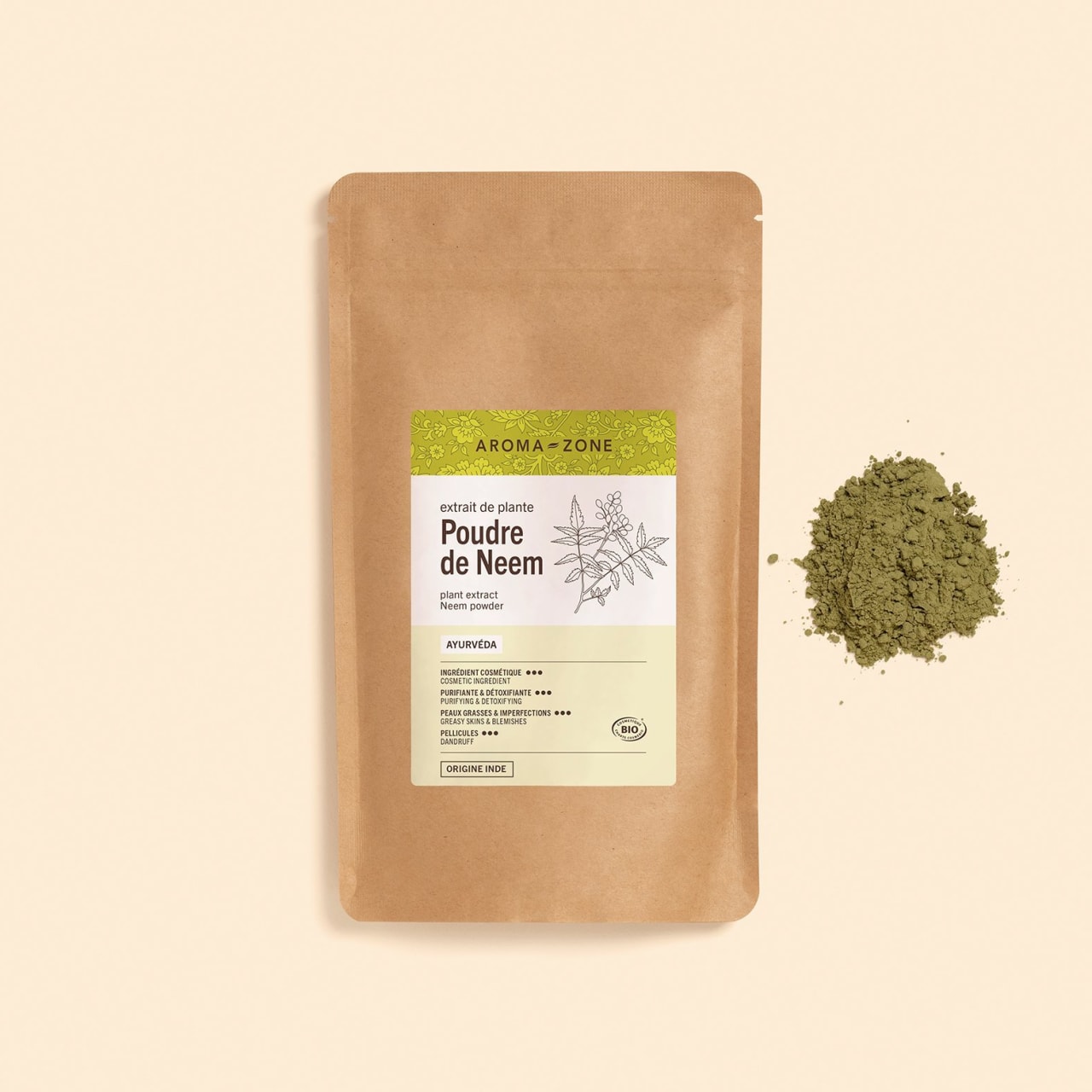
Organic Neem Powder

Neem powder

An Ayurvedic plant with powerful antifungal properties.

Discover Neem Powder

Tulsi powder

Purifying, antiseptic, excellent for use as a hair mask.

Discover Tulsi powder

Improving stress management

Chronic stress can contribute to inflammation and hormonal imbalance. Certain supplements can help support stress resilience:

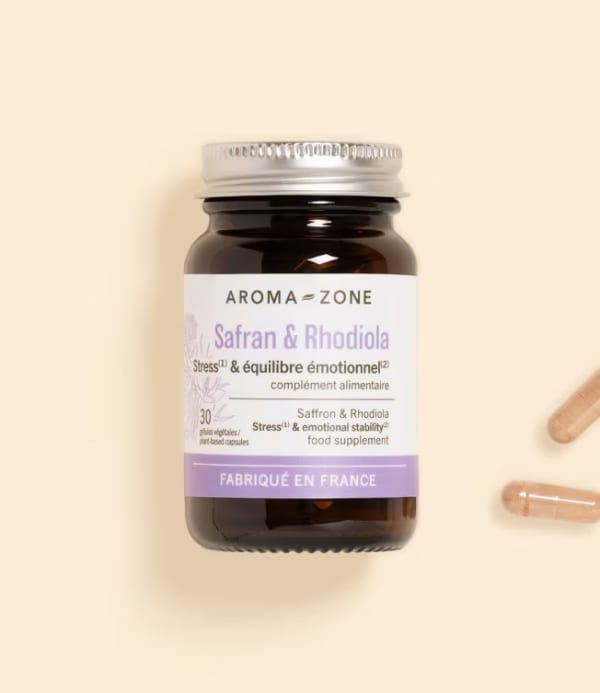
Saffron & Rhodiola – 30 capsules – Dietary supplement

Saffron & Rhodiola

these two adaptogenic plants, recognised for improving mood and reducing stress.

Discover Saffron & Rhodiola – 30 capsules – Food supplement

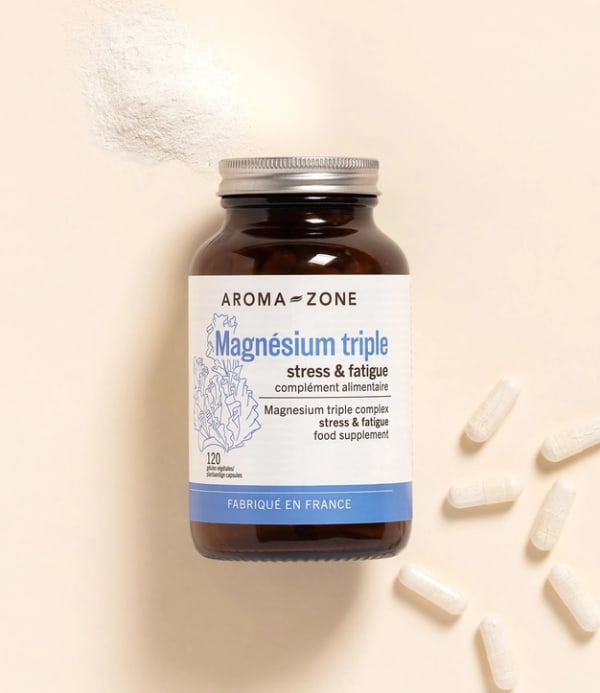
Triple magnesium

Magnesium Triple 120 capsules – Dietary supplement

This mineral helps combat nervous and muscular fatigue and supports emotional balance.

Discover Magnesium Triple 120 capsules – Dietary supplement

Spotlight on our specialist writer, Auriane Oline

Auriane Oline

With master’s degrees in phytochemistry and cosmetic formulation, Auriane applies her scientific expertise to skincare. Passionate about the power of plants, she collaborates with committed brands to provide reliable, educational and caring content. Specialising in sensitive and atopic skin conditions, she clearly explains cosmetic active ingredients and skin mechanisms to make the information accessible to everyone. She also shares her advice on her Instagram account @phytophileae.

Bibliography

  1. Borda, L. J., & Wikramanayake, T. C. (2015). Seborrhoeic dermatitis and dandruff: A comprehensive review. Journal of Clinical Investigative Dermatology, 3(2), 10.13188/2373‑1044.

  2. Hati, D., Bhatnagar, S. P., & Sethi, K. K. (2010). Development and evaluation of polyherbal anti-dandruff hair oil. Pharmacognosy Journal, 2(10), 328–334.

Frequently Asked Questions

Frequently Asked Questions