How do I use Coconut oil for my hair?

You're sure to love its sweet, exotic scent, but do you know about the many properties of Coconut oil for your hair? Whether your hair is fine, dry, dull, brittle, damaged or unruly, Coconut oil is the ideal remedy for deep repair and protection. It also works on your scalp, treating dandruff and even lice.

Reading time: 0 min.

What is coconut oil?

Coconut oil, also known as coconut butter or coconut fat, is a versatile oil used in cosmetics and cooking. Extracted by cold pressing from fresh coconut pulp, this oil comes from the coconut palm_(Cocos nucifera_) grown mainly in Sri Lanka, India, Indonesia and the Philippines.

Its colour varies from white to pearly ivory, and its appearance changes according to temperature. It goes from solid to liquid at 20°C.

Its composition is particularly rich in saturated fatty acids such as lauric, myristic, palmitic, caprylic, stearic and capric acid. It also contains polyunsaturated fatty acids such as linoleic acid (omega 6) and monounsaturated fatty acids such as oleic acid (omega 9). Coconut oil is also a valuable source of vitamins E, A and K, as well as group B vitamins (B3, B5 and B6) and phytosterols.

It should not be confused with Copra oil, made from dried coconut pulp, which is refined and deodorised. The latter has a less interesting composition and is used to make soaps.

What are the properties of Coconut oil?

Thanks to its unique composition, Coconut oil offers a multitude of benefits for hair and skin:

Intense hydration: Coconut oil penetrates deep into the hair fibre and skin, providing intense, long-lasting hydration. It helps restore the hair and skin's natural lipid barrier, leaving hair and skin soft, supple and well hydrated.

Nourishing and fortifying: As well as its moisturising action, Coconut oil is also an excellent nourishing agent. It is rich in essential fatty acids that deeply nourish the hair, strengthening its structure and reducing damage caused by external aggressors such as heat, sun and pollution.

Antibacterial and antifungal: Coconut oil has antibacterial and antifungal properties that help combat dandruff and itching. It is also effective in treating head lice, acting as a suffocating agent for these unwanted parasites.

Soothing and restorative: In the event of skin irritation or sunburn, Coconut oil can provide immediate relief thanks to its soothing and repairing properties. It helps to reduce redness, itching and inflammation, leaving the skin calm and regenerated.

What are the benefits of Coconut oil for hair?

Coconut oil has a number of benefits for your hair, including:

Nourishing, restorative

Coconut oil and its wealth of fatty acids penetrate to the very heart of the hair fibre to nourish its different layers, deeply repair the hair and fill in breakage. Lauric acid is particularly effective on keratin, the fundamental protein that makes up 95% of your hair. Coconut oil is particularly recommended for dry, damaged, brittle and frizzy hair. It is also ideal for repairing the damage caused to your hair by cold, wind, sun and chlorinated or salty water.

Protective, fortifying, smoothing

Coconut oil strengthens the hair's hydrophobic barrier, thanks in particular to its high concentration of lauric acid, which helps to protect and restructure the hair fibre. It forms a protective film around the hair to coat it, prevent damage and limit water absorption (a major factor in hair damage). Its richness in natural antioxidants helps protect your hair from the small external aggressions of everyday life, such as the cold, wind, sun, salt or chlorinated water, tobacco, pollution, heat from styling appliances, etc.… Its vitamin composition helps strengthen your hair, restoring shine and radiance and limiting the appearance of split ends. It is ideal if your hair is brittle, damaged, fragile, dull, split, dry, porous or limp.

Moisturising, smoothing

By having a great capacity to penetrate the hair fibre and strengthen the hair's hydrophobic barrier, Coconut oil seals in moisture directly into the hair fibre. Your hair stays hydrated while being protected from dehydration. Your hair is softer, tidier and less porous. Frizz and flyaways are controlled and hair is much easier to detangle.

Purifying and anti-dandruff

Several studies, including The Properties of Lauric Acid and Their Significance in Coconut Oil by Fabian M. Dayrit, have shown that lauric acid gives coconut oil purifying and cleansing properties that are particularly effective for the scalp. These properties allow the roots to be thoroughly cleansed while nourishing the lengths, making it an ingredient of choice in shampoos. Lauric acid also helps to prevent the proliferation of fungi responsible for dandruff, while preventing dryness and irritation of the scalp.

Focus on ORGANIC Coconut oil

What types of hair should Coconut oil be used on?

Coconut oil is a versatile ingredient that is suitable for a wide variety of hair types, but it can be particularly beneficial for some:

Dry, damaged hair: Coconut oil is ideal for dry, dull and damaged hair, as it helps to restore lost moisture, deeply nourish the hair fibre and repair damage caused by external aggressors.

Curly hair: Because of its rich, nourishing texture, Coconut oil is also recommended for curly hair. It helps to define curls, reduce frizz and maintain the moisture needed for well-defined, plump curls.

Dry, irritated scalp: Thanks to its antibacterial and soothing properties, Coconut oil can help calm scalp irritation, reduce itching and treat dandruff, leaving the scalp calm and balanced.

Fine, fragile hair: Although Coconut oil can be a little too heavy for fine, fragile hair when used on its own, it can be diluted with other lightweight oils such as Sweet Almond oil or Jojoba oil to reduce density and maximise benefits without weighing hair down.

How do I use Coconut oil on my hair?

You can use Coconut oil in several ways to enhance your hair. Don't hesitate to warm your Coconut oil in a bain-marie to make it easier to apply, as it solidifies below 20°C.

Coconut oil mask

Coconut oil is the perfect mask for nourishing, softening and repairing your hair. To do this, you can apply Coconut oil evenly to your lengths and ends.

  1. Separate each strand to make sure you apply it all over. You can massage your roots with the remaining oil on your hands to stimulate blood circulation and nourish your scalp.

  2. Leave in for 20 minutes to an hour (you can wrap your hair in a warm towel or cap) then gently detangle your hair with a round-toothed comb.

  3. Rinse thoroughly and shampoo gently one or two times to remove any residual oil.

Note: You can use it alone or mixed with other plant oils with beneficial properties for your hair (Ricin, Jojoba, Mustard, etc.) or add it to our Aroma-Zone hair mask base.

Coconut oil bath

To deeply nourish and repair your hair, strengthen it and give it volume, you can use Coconut oil baths.

  1. To do this, apply Coconut oil strand by strand from the roots to the ends. If you have a scalp that easily gets greasy, apply to the lengths and ends only. You can use a detangling comb to distribute the oil evenly throughout your hair.

  2. Now it's time to let it absorb: leave it on for as long as you like, an hour or even overnight, making sure you protect your sheets (with a towel or an old pillowcase) to avoid staining them. You can also wrap your hair in a towel or cap.

  3. Once you've finished, rinse your hair well and then shampoo gently one or two times to remove any residual oil.

Note: You can make an oil bath using several plant oils along with Coconut oil to combine their benefits for your hair. For example, Castor oil to promote growth, Argan oil to repair, Avocado oil to nourish or Jojoba oil to coat the hair.

You can carry out this process once or twice a month to maintain beautiful lengths all year round.

Coconut oil no-rinse treatment

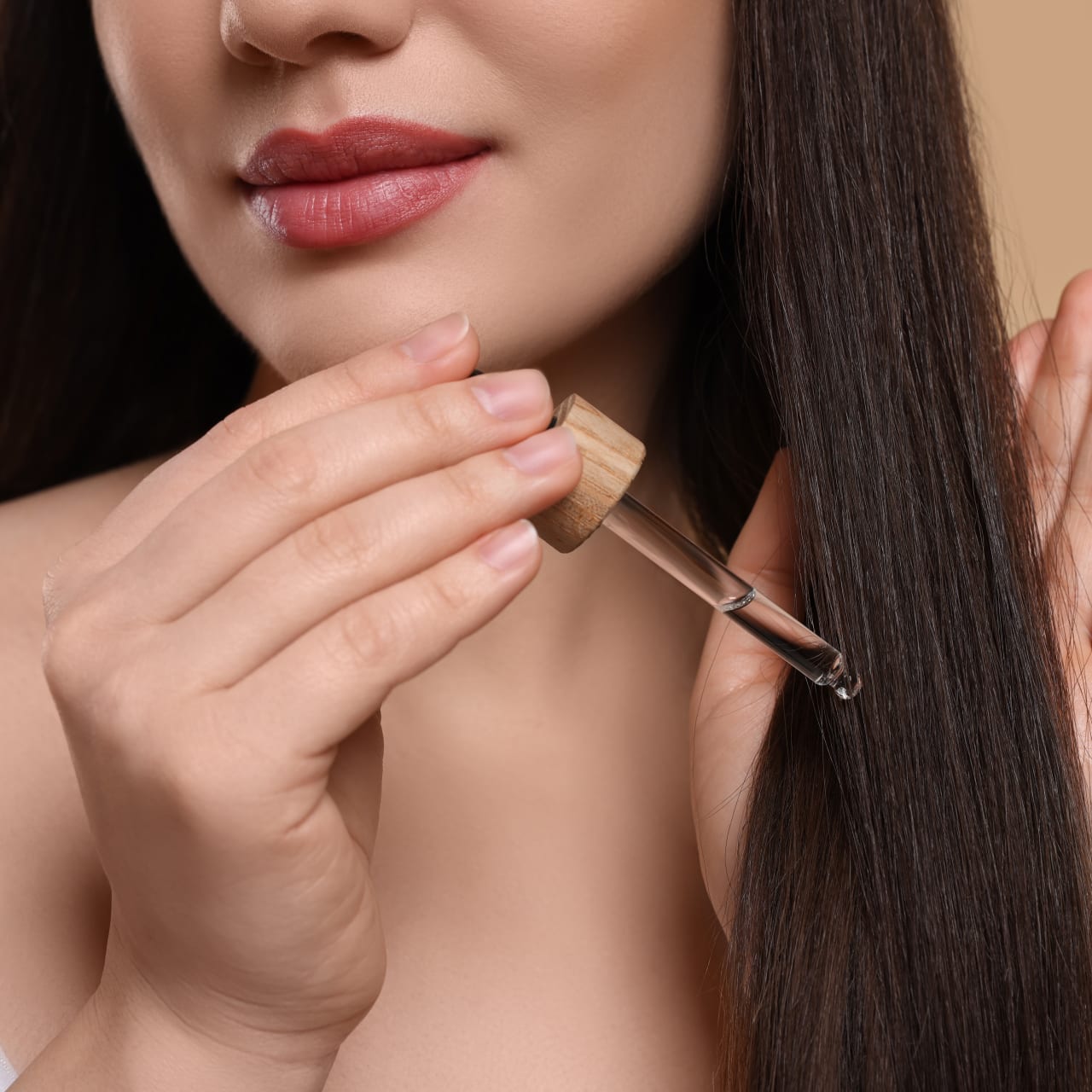
You can apply a tiny dab of Coconut Oil to your curly, frizzy or frizzy hair on a daily basis, to soften, sculpt, nourish and protect it. It will benefit split and damaged ends just as much.

  1. Warm the oil in your hands and spread it over your hair, paying particular attention to the ends. A very small amount is all you need, and we recommend that you avoid applying it to your scalp to avoid weighing your hair down and making it greasy.

  2. Then gently style your lengths and define your curls one by one.

Anti-dandruff treatment with Coconut oil

If you have dandruff, we advise you to determine its cause (dryness, seborrhoeic dermatitis, etc.). If your dandruff is linked to a dry scalp, you can use Coconut oil to nourish your roots.

  1. To do this, apply a small amount of oil evenly to your scalp, massaging it in with your fingertips.

  2. We advise you to apply it in the evening so that it penetrates overnight, and to shampoo gently in the morning.

  3. Repeat the operation as often as necessary until your dandruff disappears.

Note: In this case, remember to protect your sheets with a towel or pillowcase, as you may risk staining them. If you're in a hurry, leave the oil on for a few minutes before shampooing gently.

Detangling care with Coconut oil

To detangle your hair easily, take a very small amount of Coconut Oil.

  1. Spread it over your fingers and glide it over your dry or damp lengths and ends. Don't apply too much, as this will leave your hair greasy and weighed down.

  2. Then gently style your lengths, starting at the bottom and working your way up as the tangles disappear.

Anti-lice solution with Coconut oil

Coconut oil is useful when lice are present, thanks to its texture, which suffocates them.

  1. Apply the oil evenly to your scalp and lengths.

  2. Using your fingertips, massage the oil all over your head to make sure you don't miss any areas.

  3. Then tie up your hair and wrap it in cling film or a relatively airtight cap (to increase the asphyxiant effect).

  4. We recommend you leave it on overnight and rinse thoroughly in the morning before combing through your hair with a special lice comb.

As the nits may not be completely eliminated, we recommend that you repeat the operation 7 days later when they have hatched to ensure they are completely eliminated.

Please note: We recommend that you use this natural anti-lice technique on children aged 3 and over.

How do you incorporate Coconut oil into your skincare routine?

This routine gently nourishes and moisturises your hair, leaving it supple, shiny and detangled.

ORGANIC Coconut Oil Bath

Before washing your hair, apply ORGANIC Coconut Oil to the lengths and ends. Leave in for at least 30 minutes.

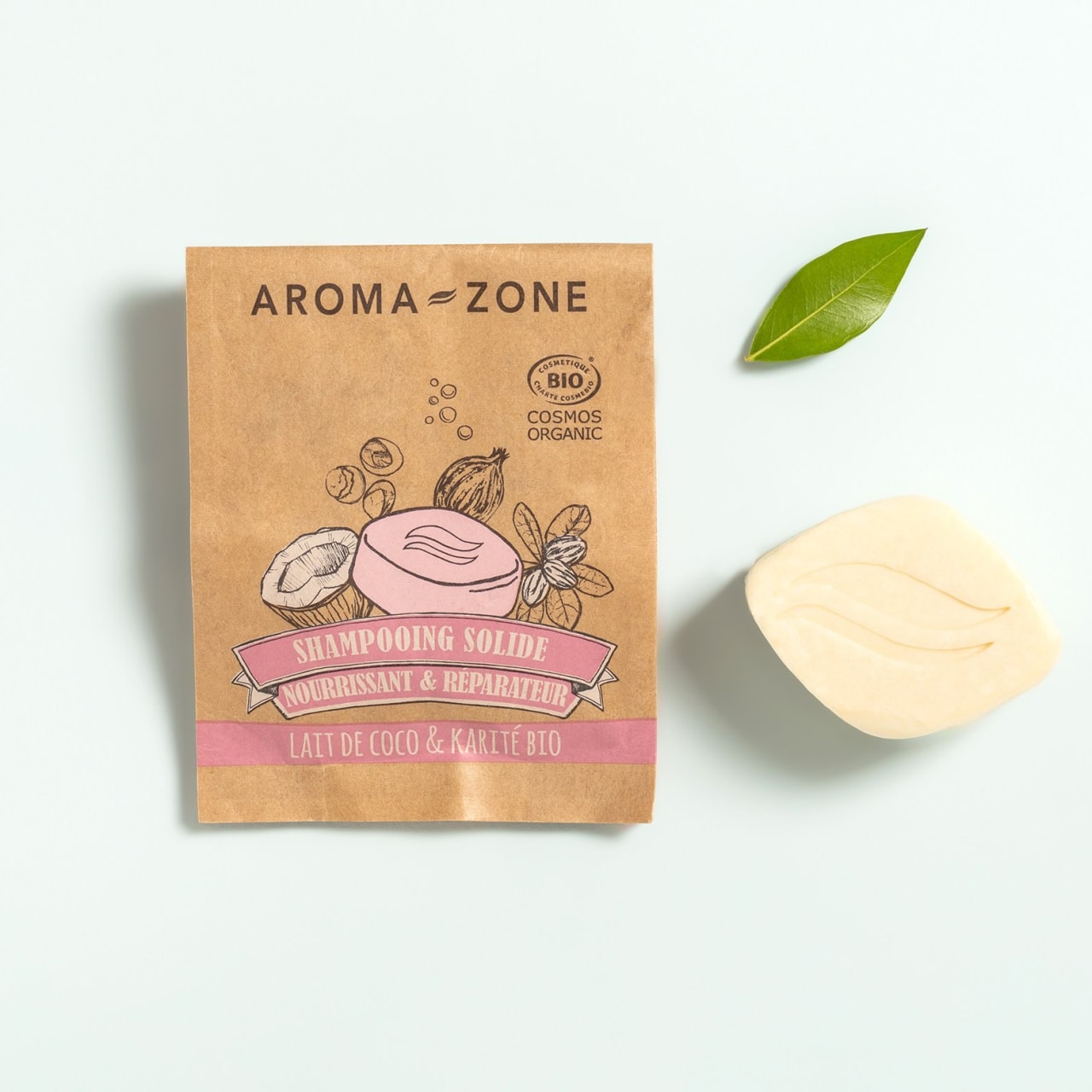
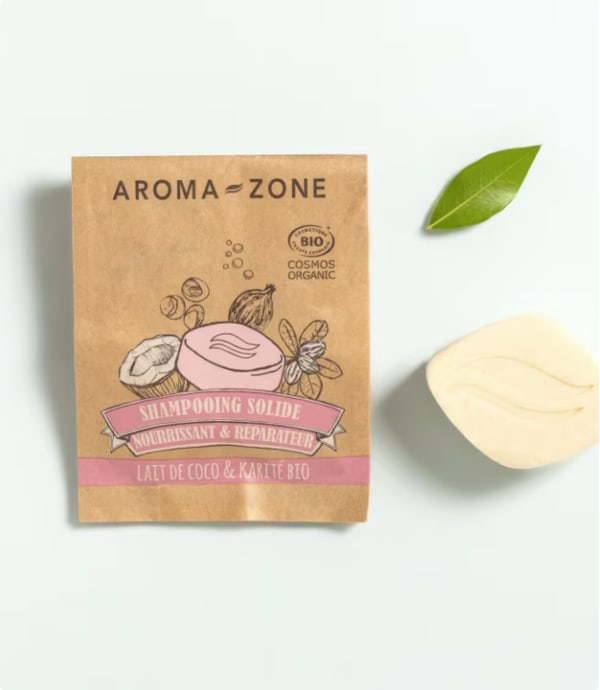
Nourishing & Repairing Shampoo Bar

On wet hair, gently rub the Nourishing and Repairing Shampoo Bar between your hands to work into a lather, then apply the lather to the scalp. Massage gently to deeply cleanse and nourish, then rinse thoroughly with clean water.

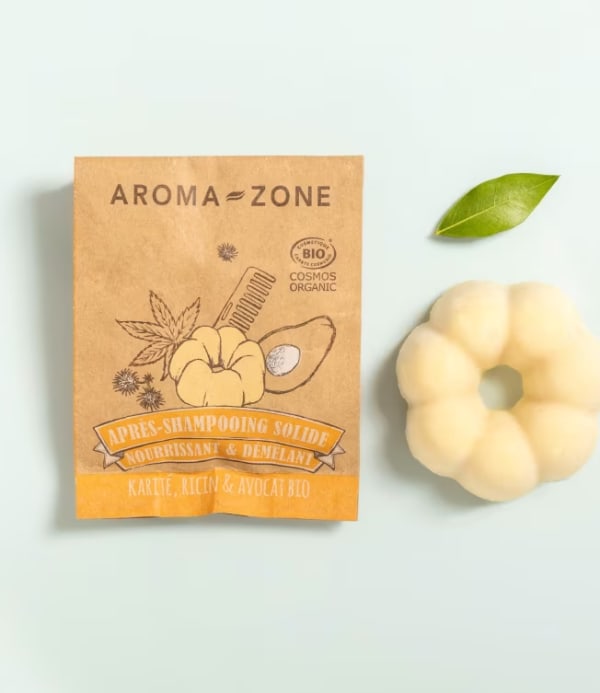
Nourishing and detangling conditioner bar

After shampooing, apply the nourishing and detangling conditioner bar directly to wet lengths. Leave on for a few minutes to allow the product to work, then gently detangle with your fingers or a wide-tooth comb, before rinsing thoroughly.

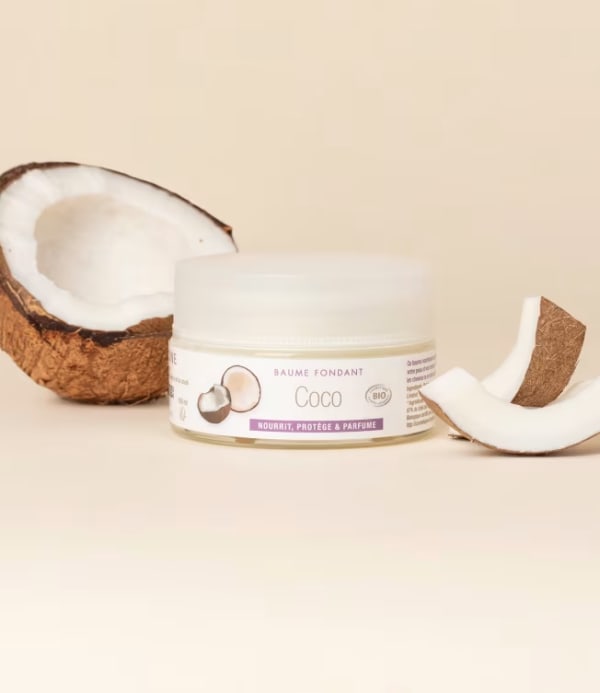
ORGANIC Shea Butter and Coconut Balm

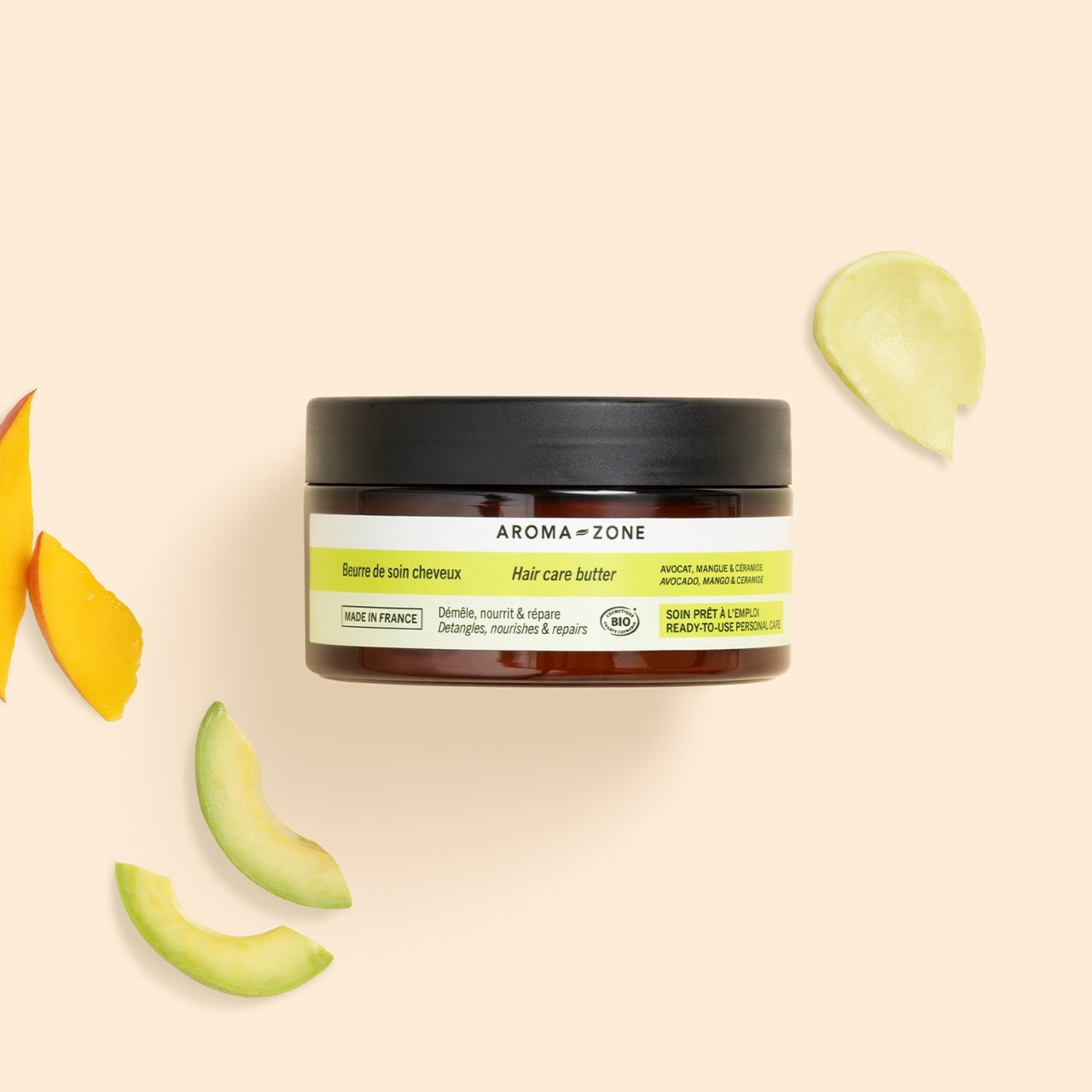
After washing, apply a small amount of ORGANIC Shea & Coconut Balm to damp or dry hair. This balm acts as a moisturising and styling treatment that protects against external damage. You can also use it as a weekly mask, applying a thick layer all over your hair and leaving it on for 20 to 30 minutes before rinsing.

How do you choose and store your Coconut oil?

To ensure its quality and benefits for your hair, we recommend using Coconut oil:

  • Extracted by first cold pressing

  • 100% pure and ORGANIC

  • Free from any chemical treatment

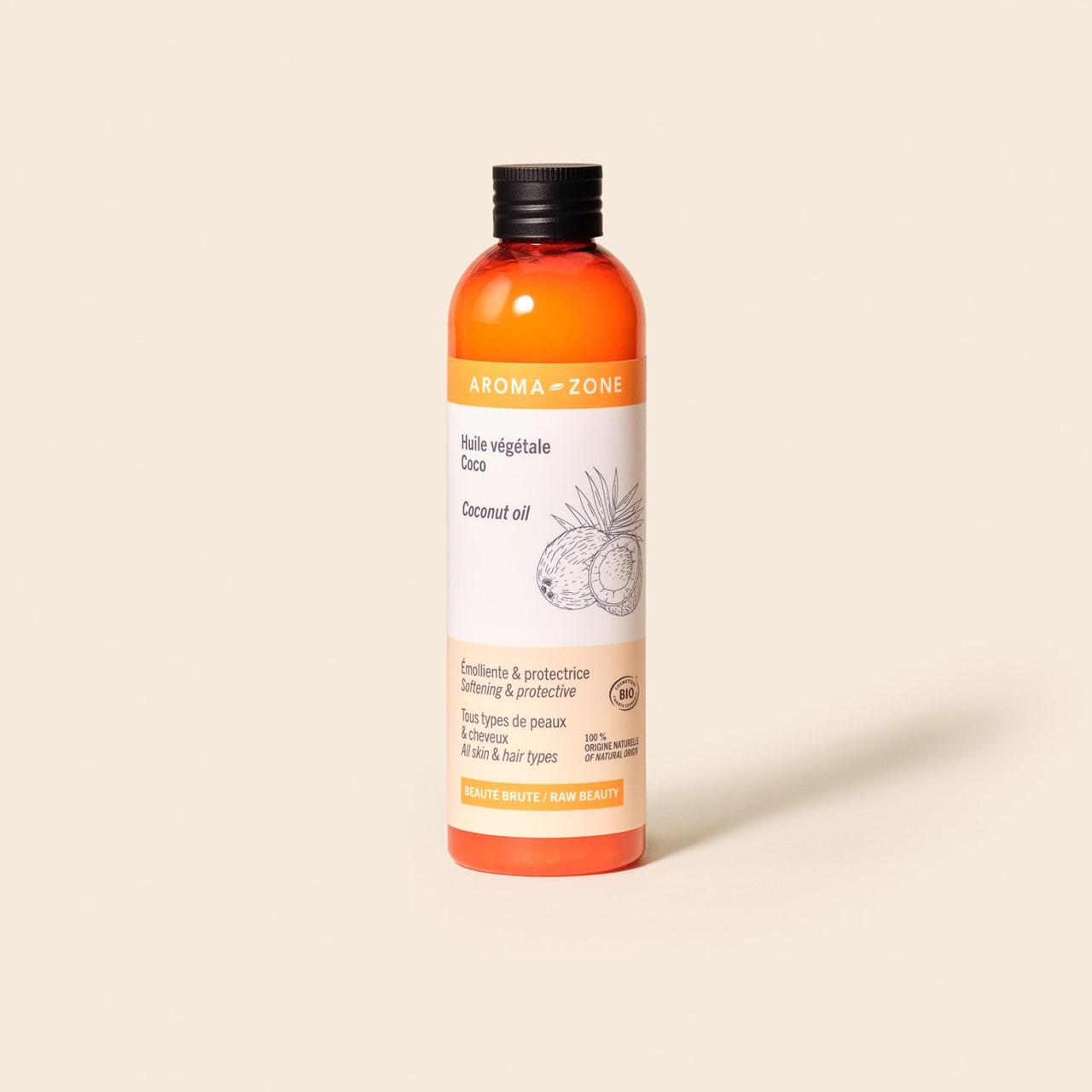
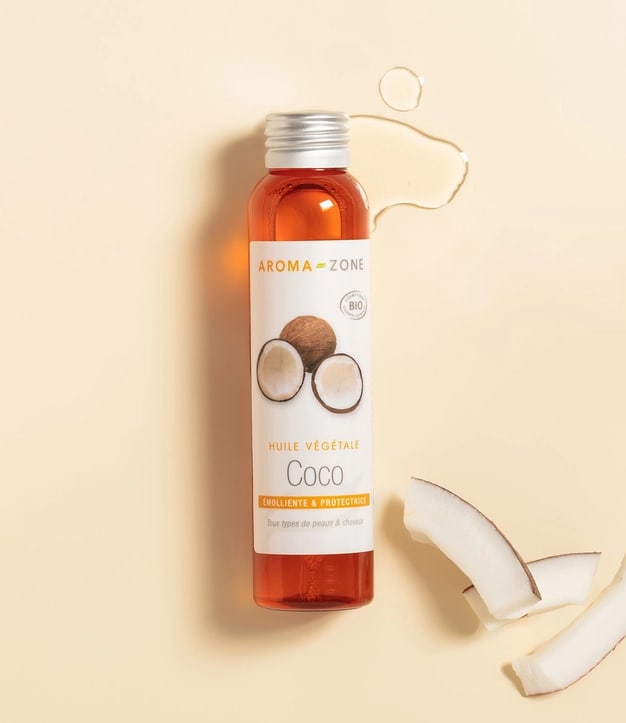
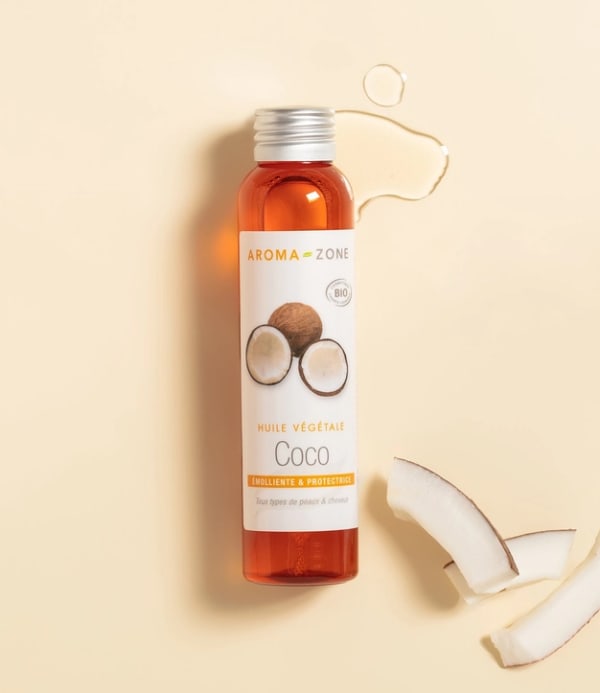
We recommend our Aroma-Zone ORGANIC Coconut oil which meets all these quality criteria. To store your Coconut oil, we recommend keeping it away from light, in a cool, dry place.

Contraindications

When applying Coconut oil to the hair, it's important to make sure it doesn't run into the eyes. Because of its dense texture, it can obstruct the glands around the eyes. What's more, although natural and normally well tolerated, Coconut oil can occasionally irritate the eyes. In the event of accidental contact, we recommend rinsing thoroughly with clean water.

Our Coconut oil recipes for your hair

Our selection of homemade recipes from Aroma-Zone to make your hair shine with Coconut oil:

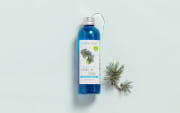
Afros" hair mask for dreamy hair

Ingredients with scales

Ingredients without scales

1

Mix all the ingredients together in a bowl.

2

Use the preparation straight away!

"Coconut bath" nutrition and shine conditioner

Ingredients with scales

Ingredients without scales

1

Transfer phase A (coconut oil + plant-based conditioner) into a bowl.

2

Transfer phase B (cedar hydrosol) to another bowl.

3

Heat both bowls in a bain-marie (75°C/80°C).

4

When the plant-based conditioner has completely melted and the hydrosol has begun to simmer, remove the bowls from the bain-marie.

5

Slowly pour the simmering hydrosol into the other bowl, stirring vigorously for about 3 minutes.

6

Place the bowl in a basin of cold water and continue stirring until cool.

7

Add phase C (the rest of the ingredients) and mix.

8

Pour the mixture into your jar.

Expert advice

If you're using Coconut oil in an oil bath, wrap your hair in a warm towel during the application time.

The heat released by the towel dilates the hair folicles, and once open, the oils and nutrients can penetrate deeper into the hair fibre, maximising the oil's effectiveness.

Find out more

Is it better to use Coconut oil on damp or dry hair?

Coconut oil can be applied to both dry and damp hair, and to help absorption during masks and oil baths, we recommend applying it to damp hair, as the folicles open and ready to receive the restorative treatment.

How often should you use Coconut oil on your hair?

You can use Coconut oil as a mask or oil bath once or twice a week, or more frequently if your hair needs it.

You can also use it daily in very small quantities on the ends and lengths of your dry or curly hair.

Be careful, however, not to overuse Coconut oil so as not to excessively oil your hair, saturating its absorption capacity and ‘suffocating’ it. Too great a quantity on the scalp can also unbalance sebum production.

Is it advisable to use Coconut oil on coloured hair?

If your hair has been damaged by colouring, Coconut oil will help to repair, nourish and protect it, as well as helping to eliminate cold highlights.

If you apply it for a long time in an oil bath, it can help your colour to fade.

Focus on our Naturopathic editor, Stéphanie Catrysse

Stéphanie Catrysse is a naturopath (certified by the FENA), a wellness massage and lymphatic drainage practitioner, and a personal development consultant. 

Passionate about alternative medicine, she practices a holistic approach to health.

Bibliography

1

Zakaria, Z., et al.

"Virgin Coconut Oil-Based Emulsions and Hair Care: A Review of Properties and Benefits." Journal of Cosmetic Science, vol. 65, no. 3, 2014, pp. 125-132.

2

Yew, Y. P., et al.

"A Comprehensive Review on Virgin Coconut Oil: Its Properties, Extraction Methods, and Health Benefits." Journal of the American Oil Chemists' Society, vol. 98, no. 1, 2021, pp. 75-90.

3

Dayrit, F. M. (2015).

The Properties of Lauric Acid and Their Significance in Coconut Oil. Journal of the American Oil Chemists' Society