
Combination skin is one of the most common skin types. It is characterized by an imbalance: some areas of the face produce more sebum, while others lack comfort.
What are its needs?
Combination skin needs balance. It must be:
purified without being stripped,
moisturized without being weighed down,
regulated without being dried out.
The goal is to harmonize sebum production while preserving the skin's natural moisture.
Oily and dry areas of combination skin
The famous T-zone (forehead, nose, chin) often shows signs of shine, enlarged pores, or blemishes. The cheeks, on the other hand, may be drier or more sensitive. It is therefore essential to use skincare products that can treat both of these issues at the same time.
Difference between combination skin and oily skin
Oily skin produces sebum all over the face, while combination skin alternates between oily and normal to dry areas. A skincare routine that is too harsh, designed for oily skin, may aggravate the imbalances of combination skin.
Why is it essential to use skincare products designed for combination skin?
Using skincare products specifically formulated for combination skin helps regulate shine, refine skin texture, maintain light hydration, and preserve the comfort of drier areas.
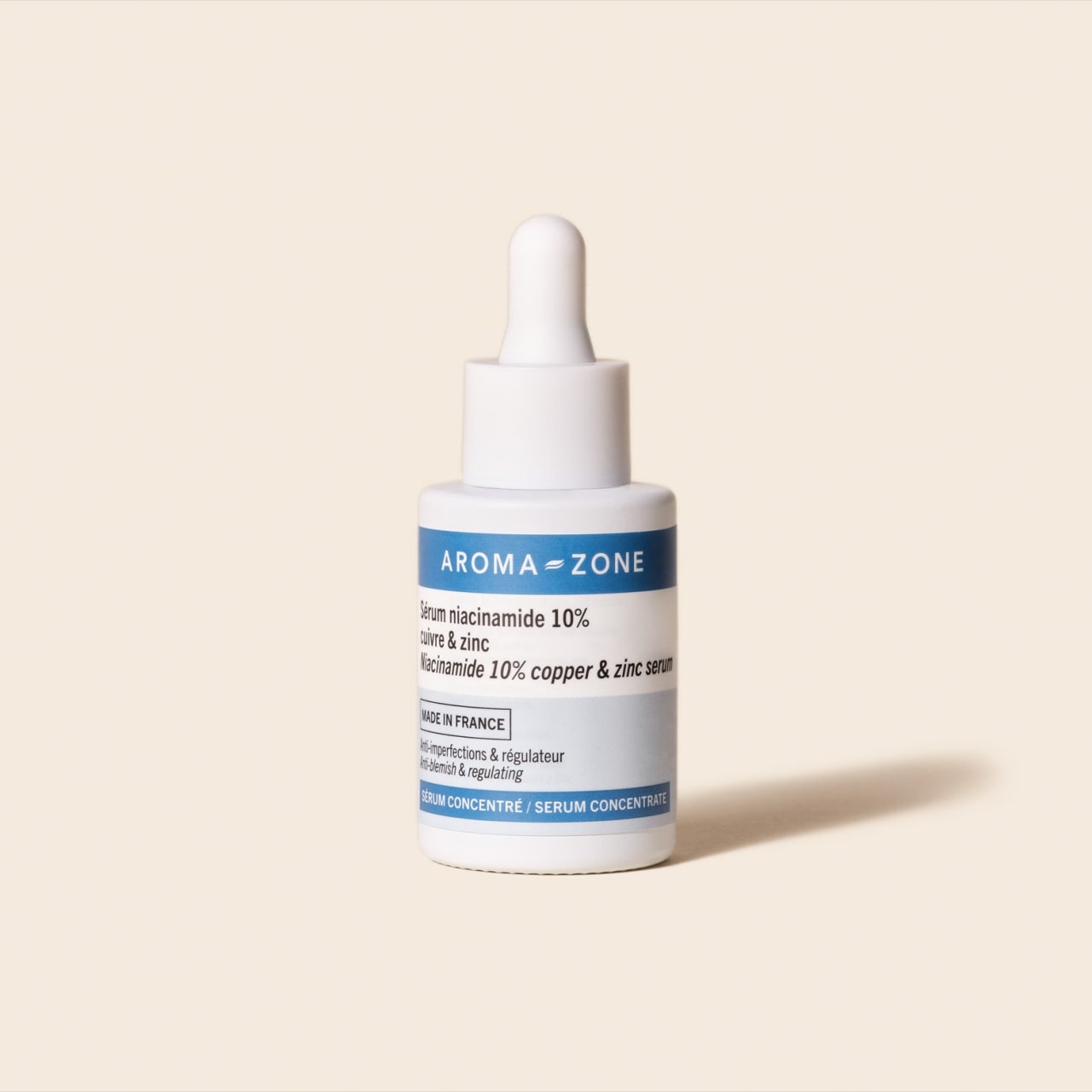
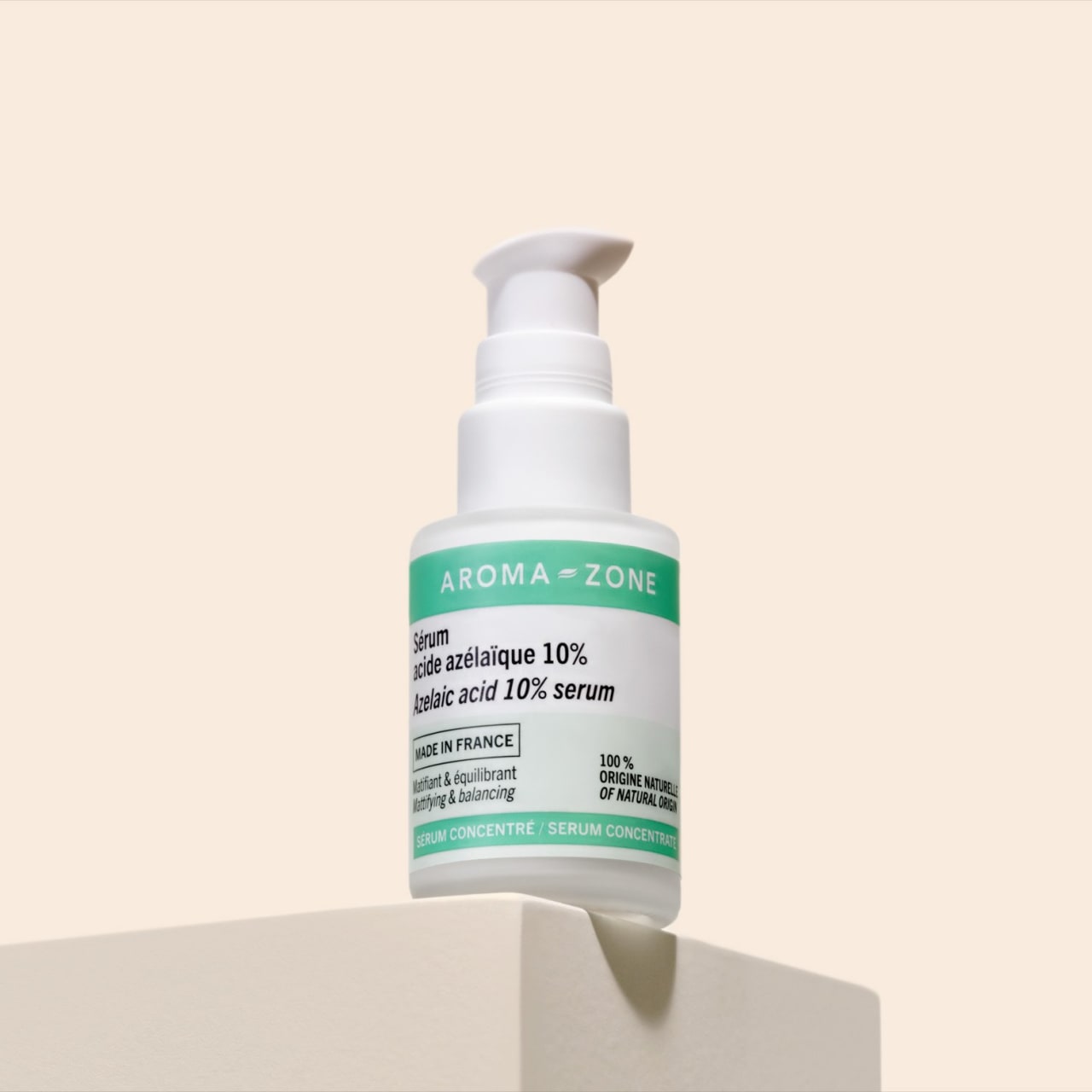
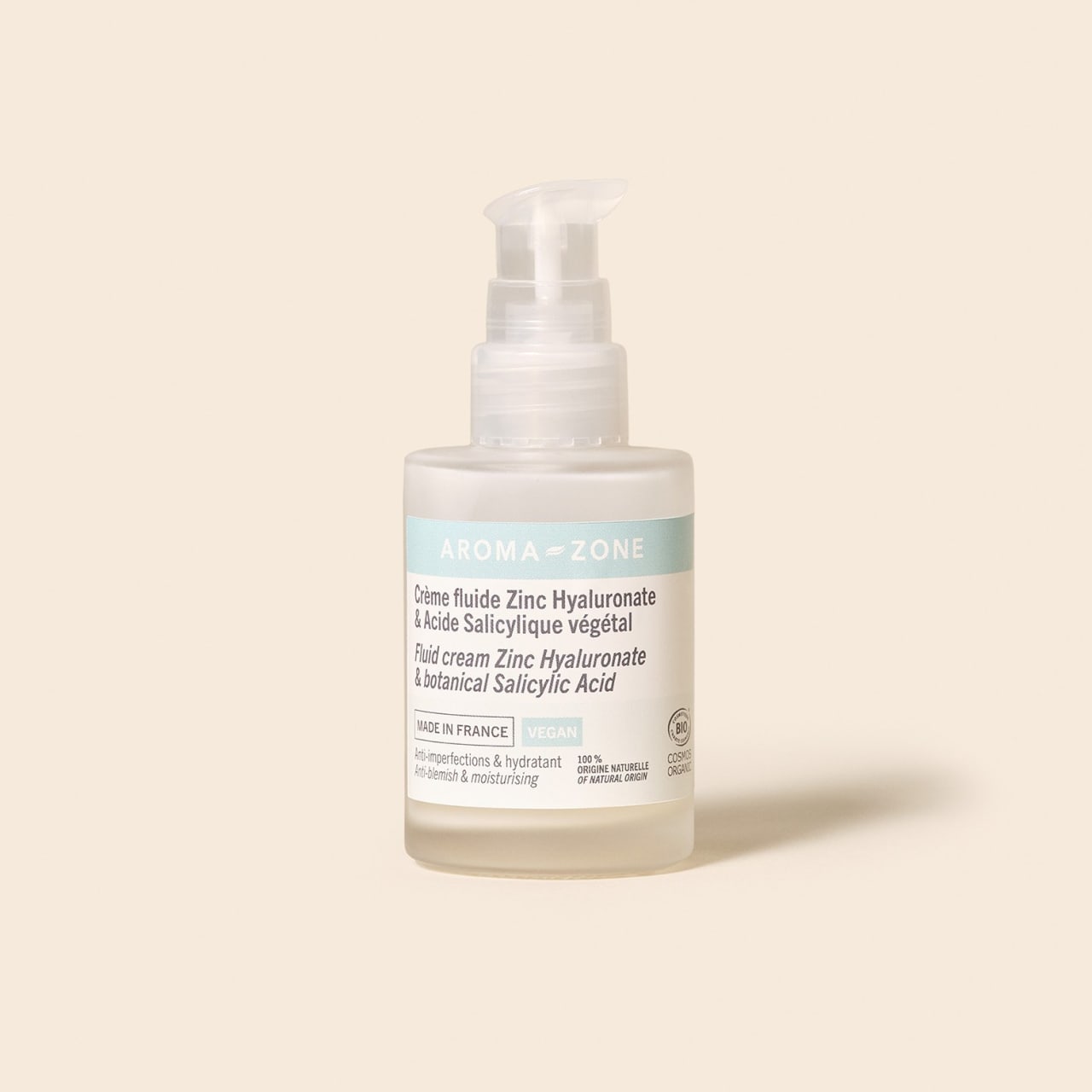
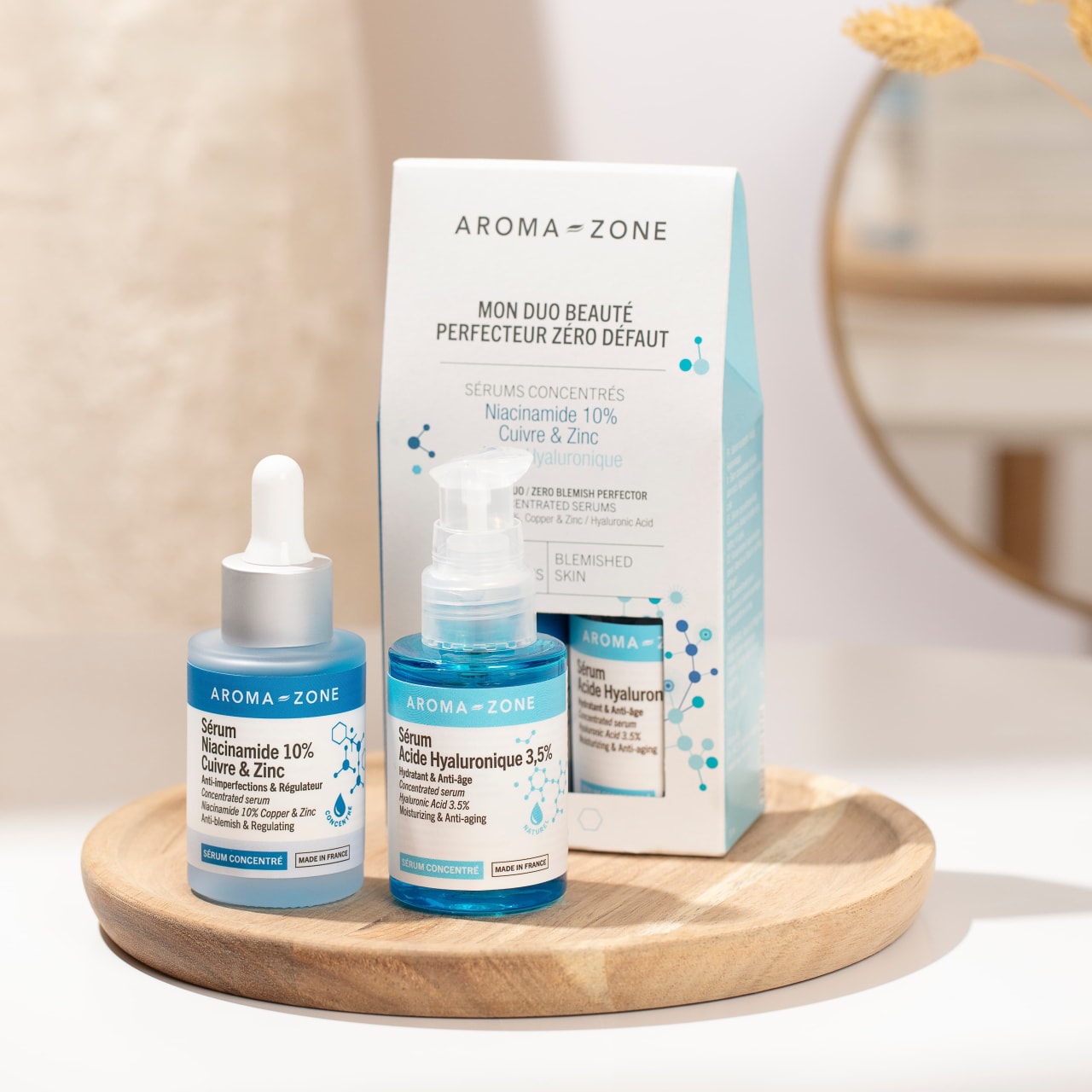
Targeted formulas such as Niacinamide 10%, Copper & Zinc Concentrated Serum, Azelaic Acid 10% Serum, or Zinc Hyaluronate & Plant-Based Salicylic Acid Fluid Cream meet these balancing needs without compromise.
Because combination skin changes with the seasons—more shiny in summer, sometimes more dehydrated in winter—it is essential to adjust your routine to maintain its balance throughout the year.
Combination skin and anti-aging: are they compatible?
Having combination skin doesn't mean you have to give up on skincare products that target the first signs of aging. It's entirely possible to incorporate anti-aging active ingredients, provided you maintain a consistent and balanced routine.
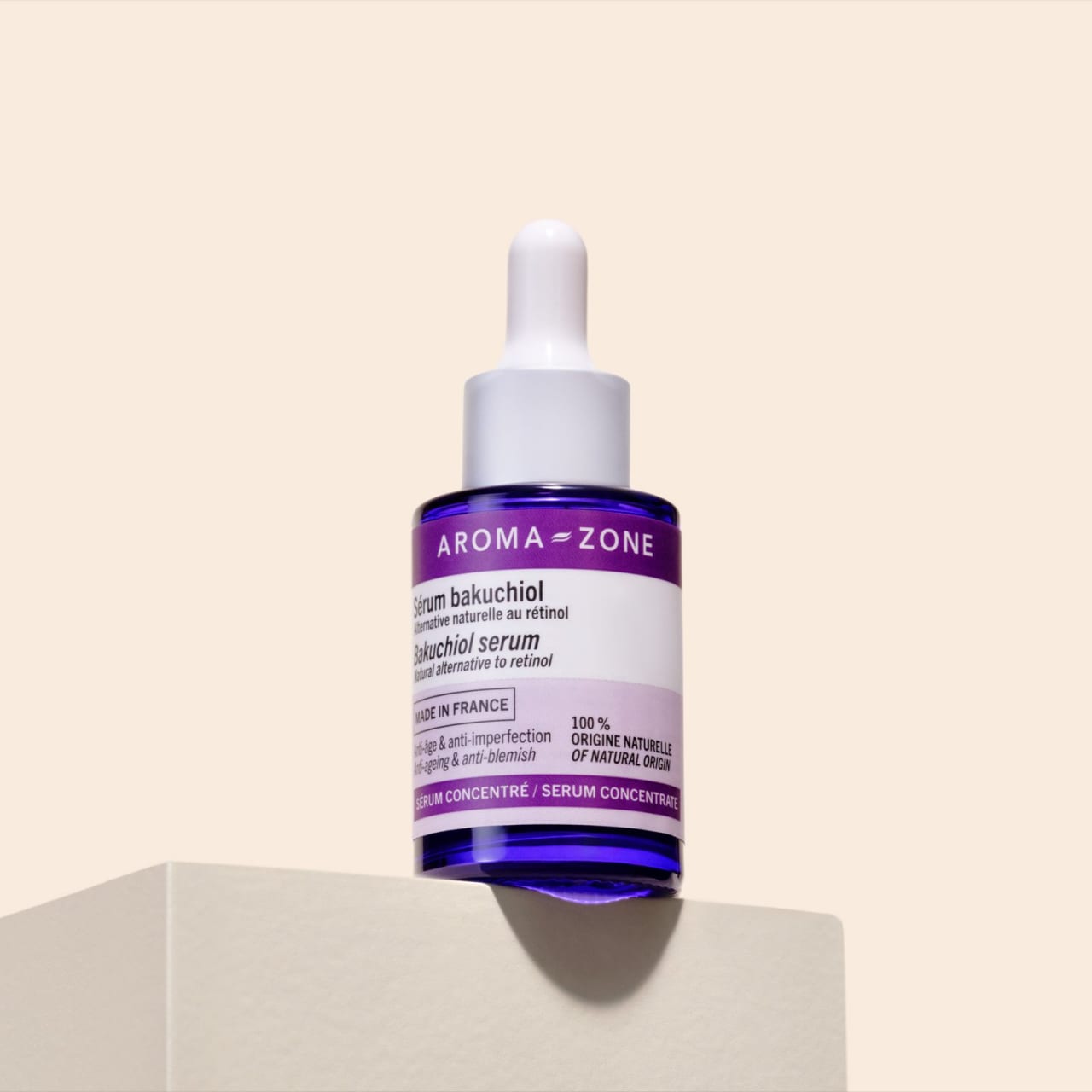
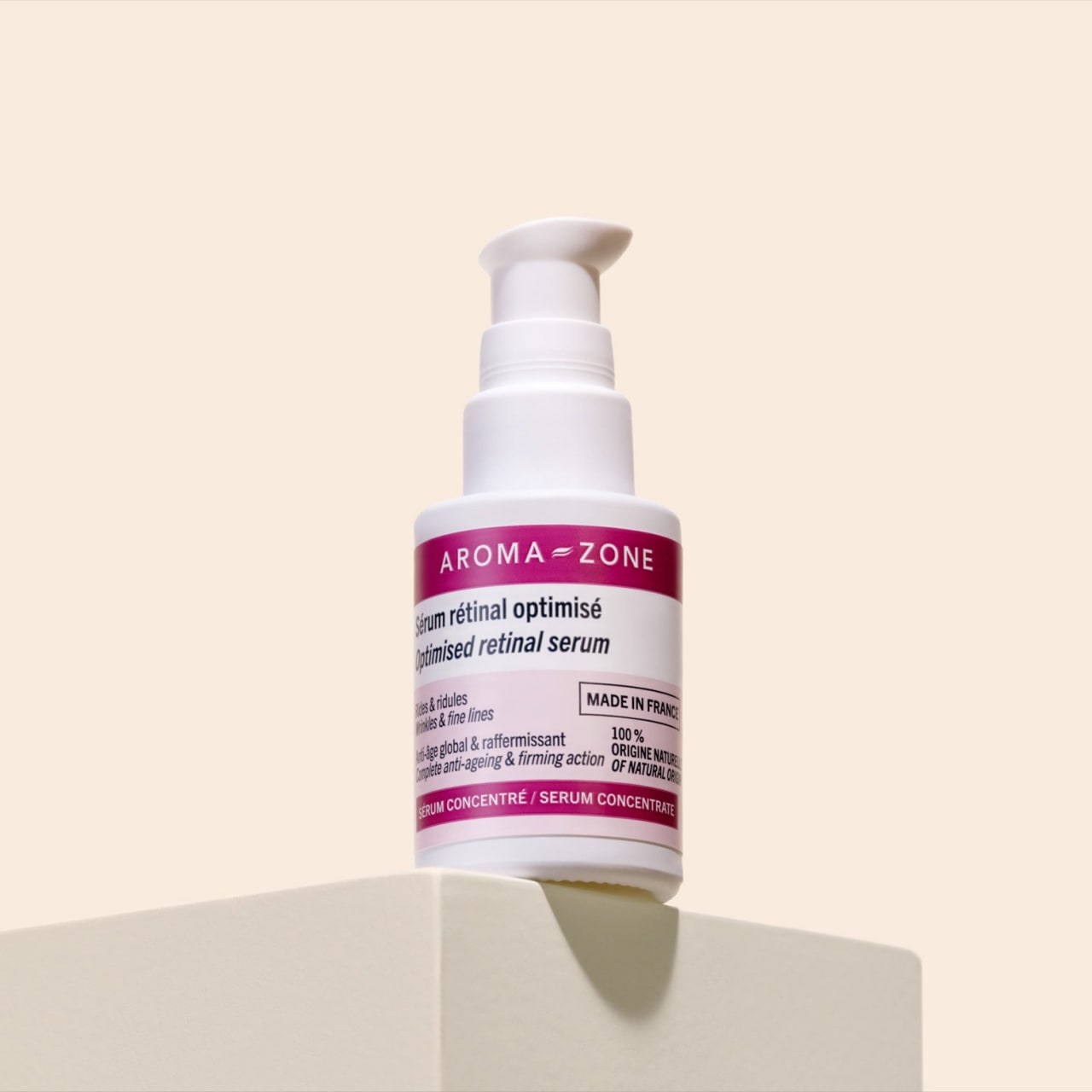
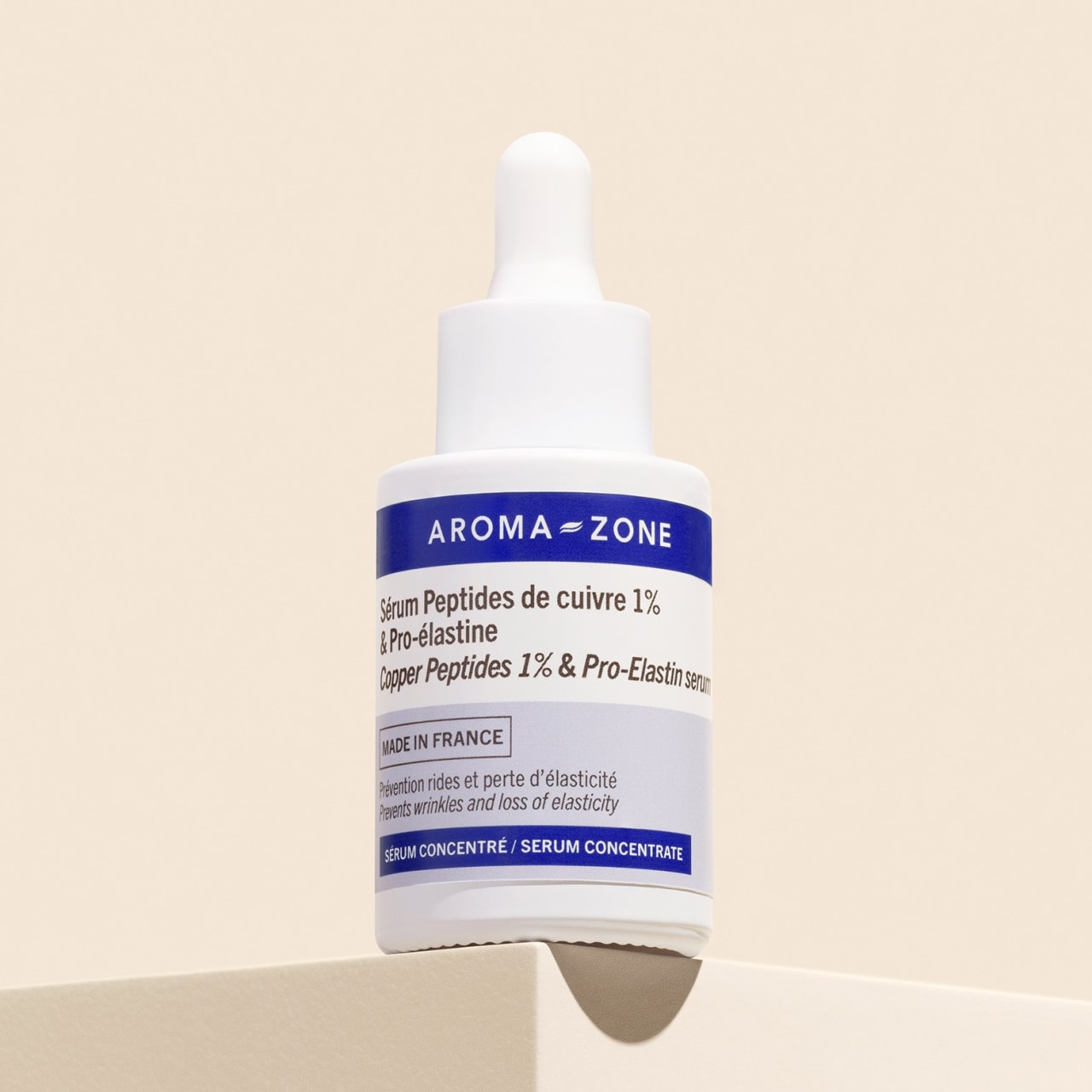
Products such as Bakuchiol Serum, Copper Peptides & Pro-Elastin Serum, and Optimized Retinal Concentrated Face Serum can be gradually incorporated into your routine, in addition to a regulating base.
Key ingredients for effective combination skin care
Certain active ingredients are particularly suitable for combination skin:
Niacinamide & Zinc: help regulate excess sebum and visibly improve the appearance of pores.
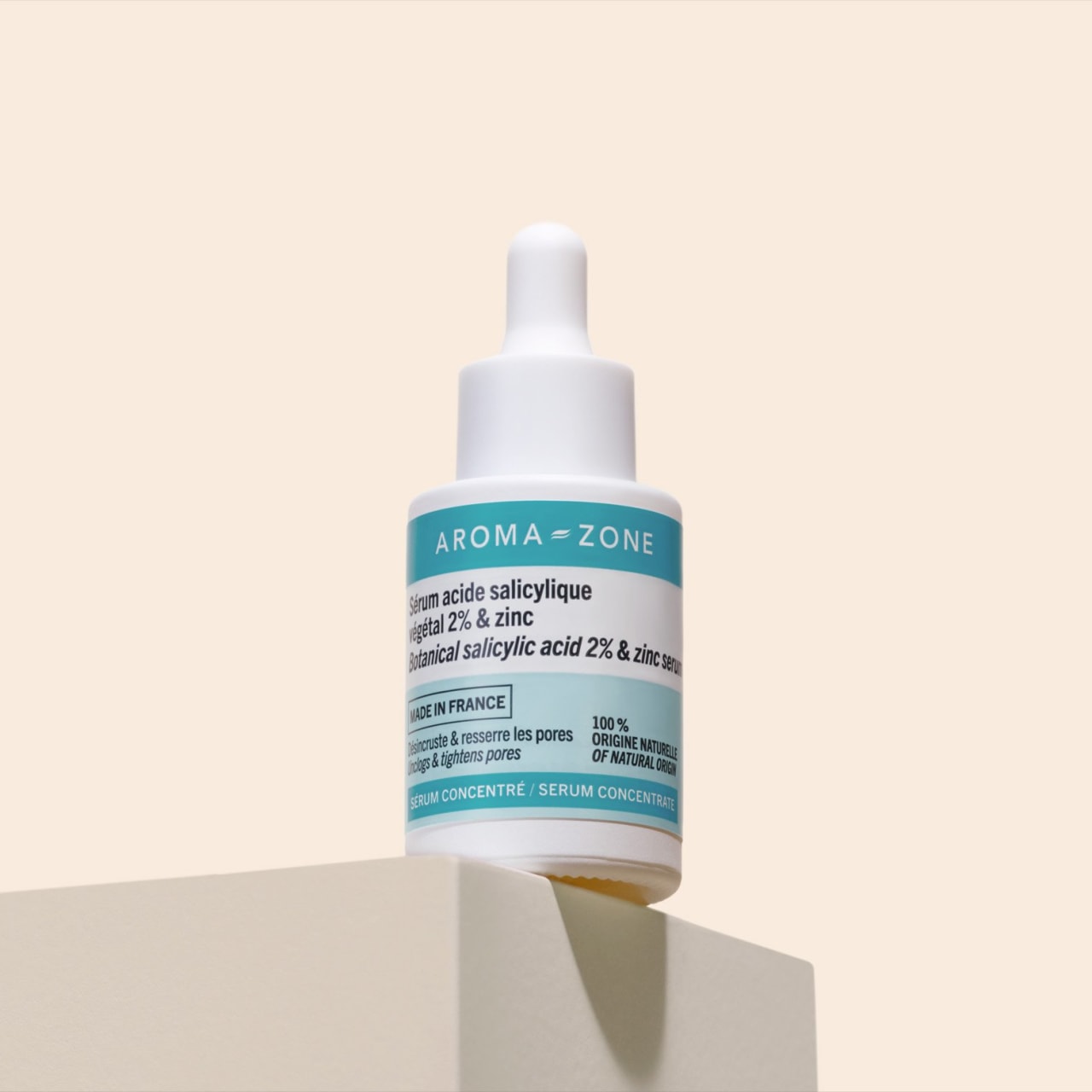
Salicylic acid: a gentle plant-based exfoliant, ideal for purifying areas prone to blemishes.
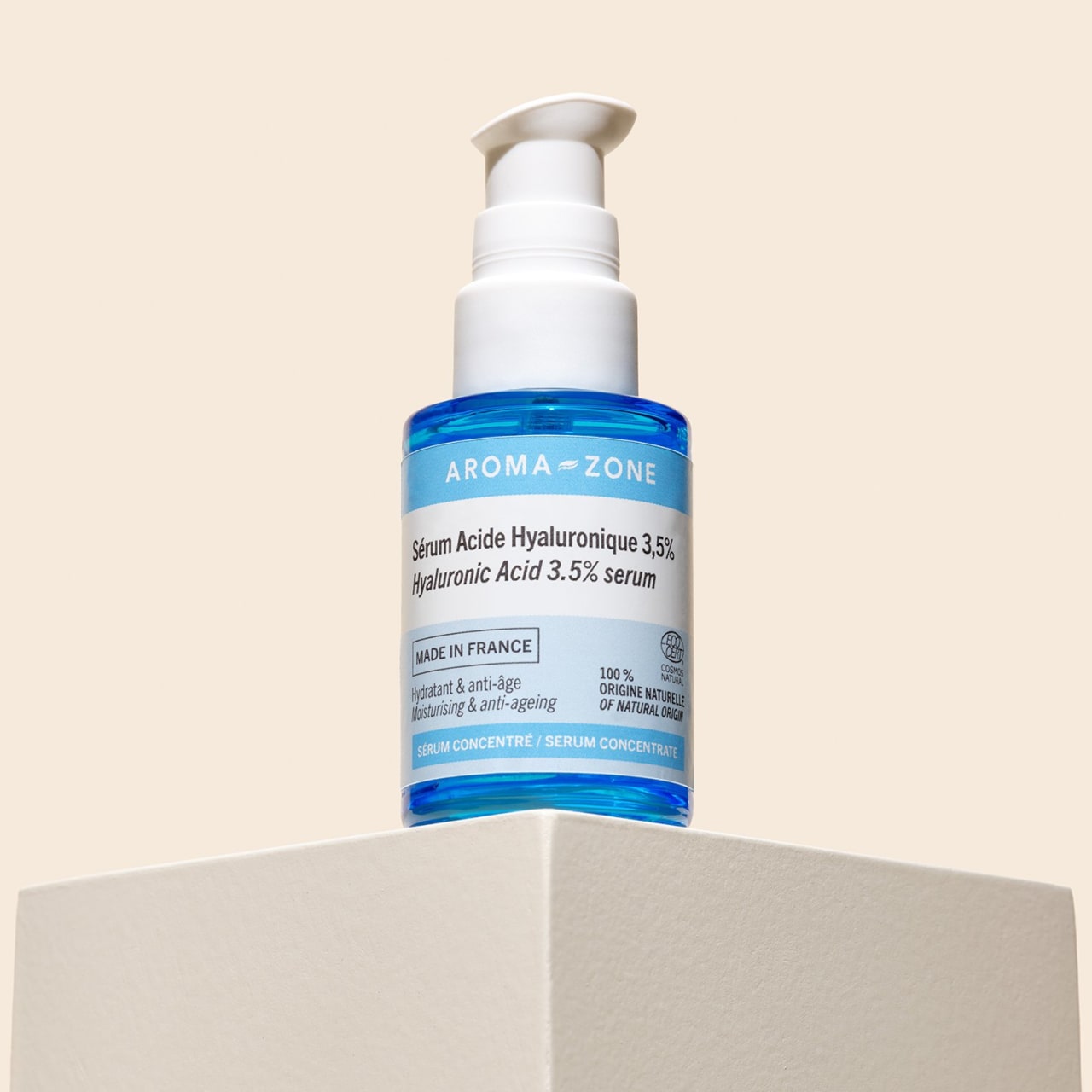
Hyaluronic acid: moisturizes without leaving a greasy residue and preserves skin comfort.
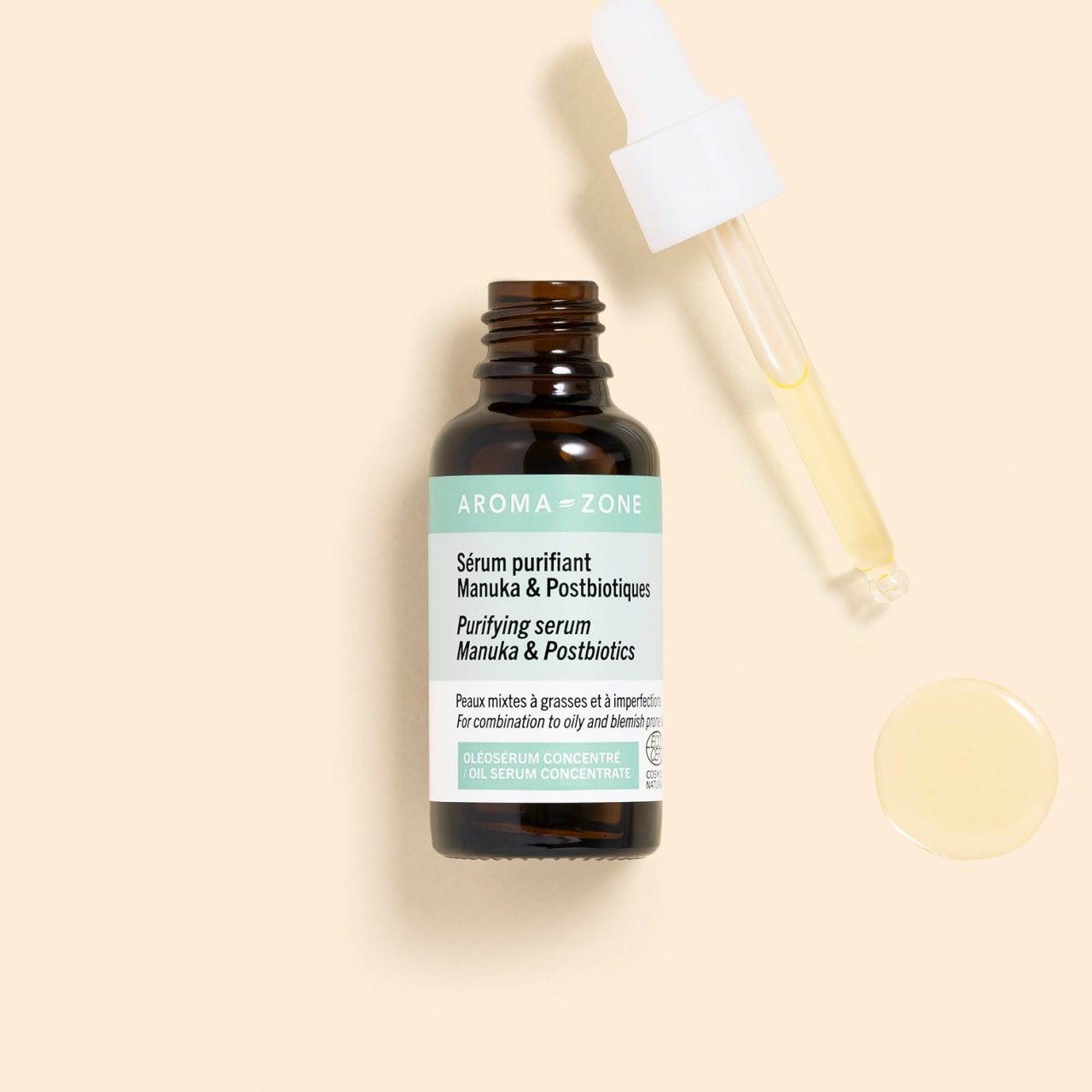
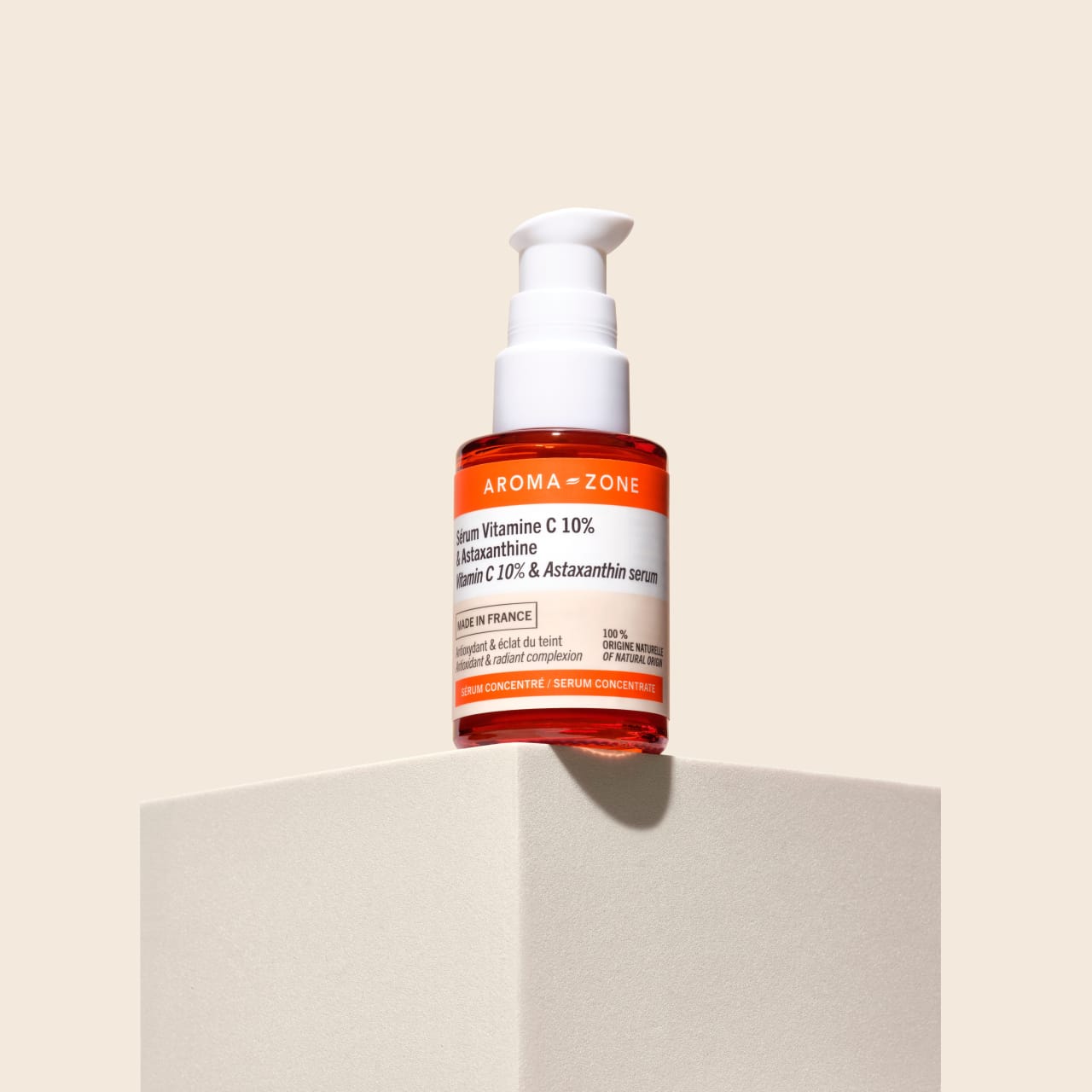
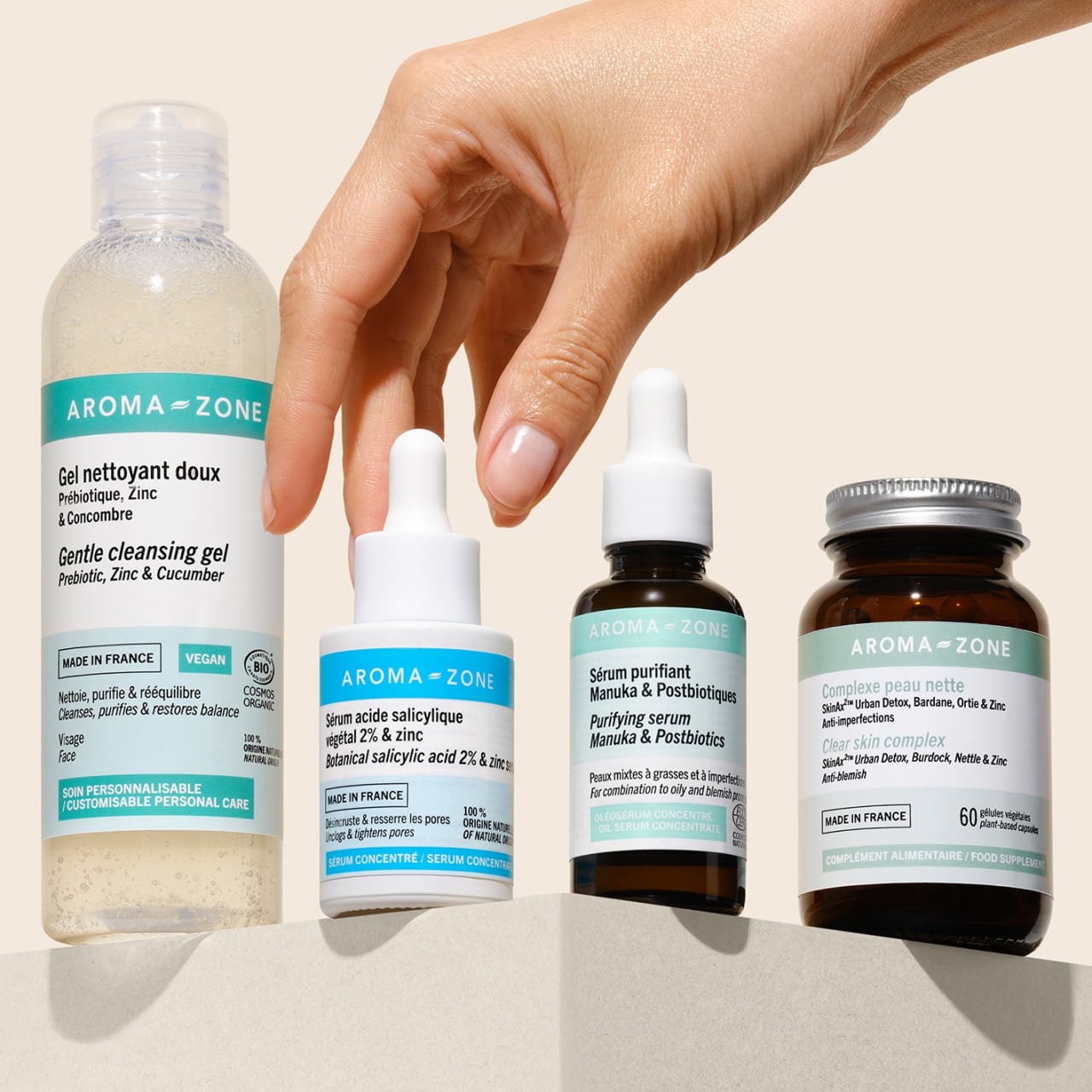
You can also incorporate treatments such as Manuka & Postbiotics Purifying Oil Serum, Bakuchiol Serum (for an anti-blemish and radiance approach), or 10% Vitamin C & Astaxanthin Serum to revive the complexion.
What routine should you follow if you have combination skin?
A consistent routine is key to stabilizing your skin in the long term.
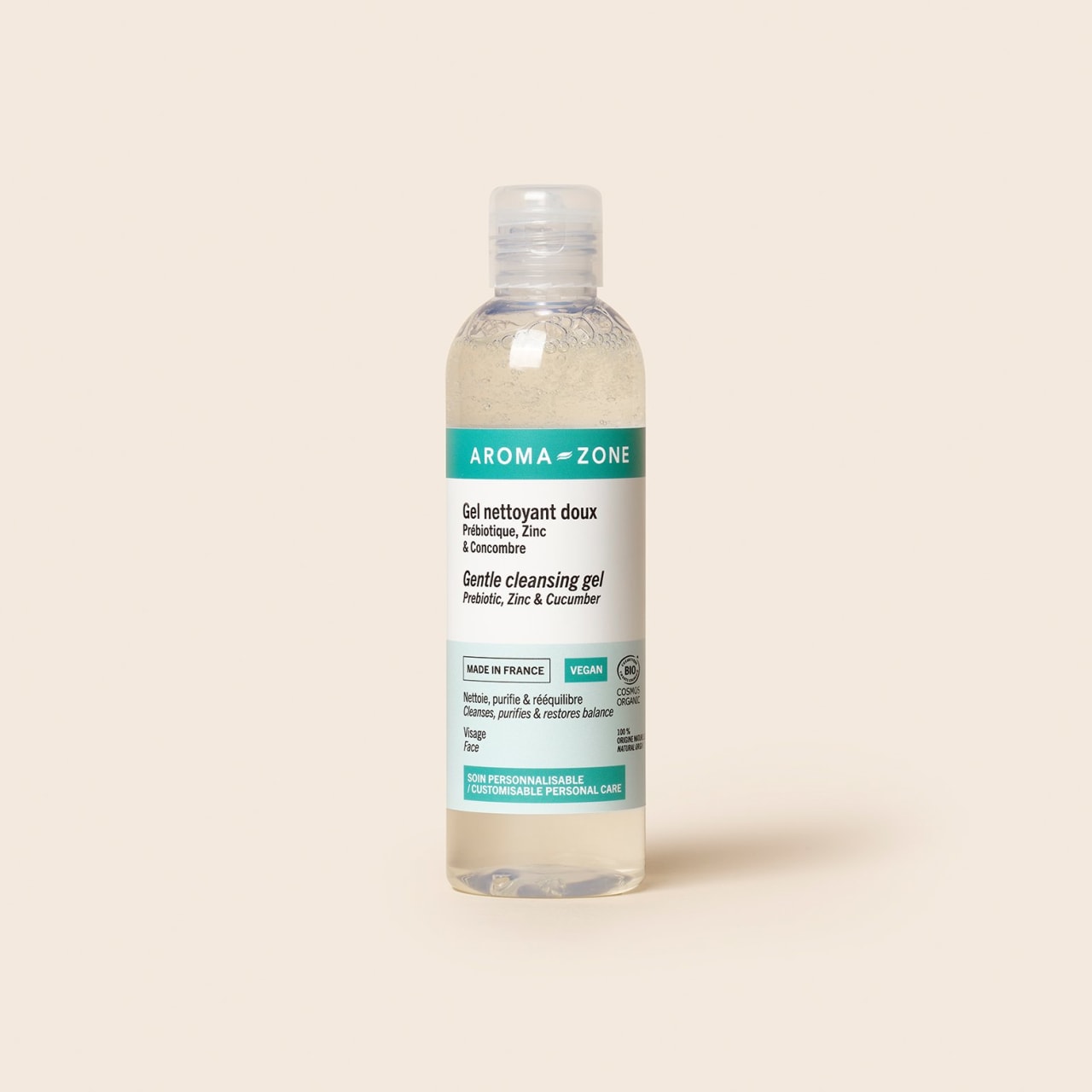
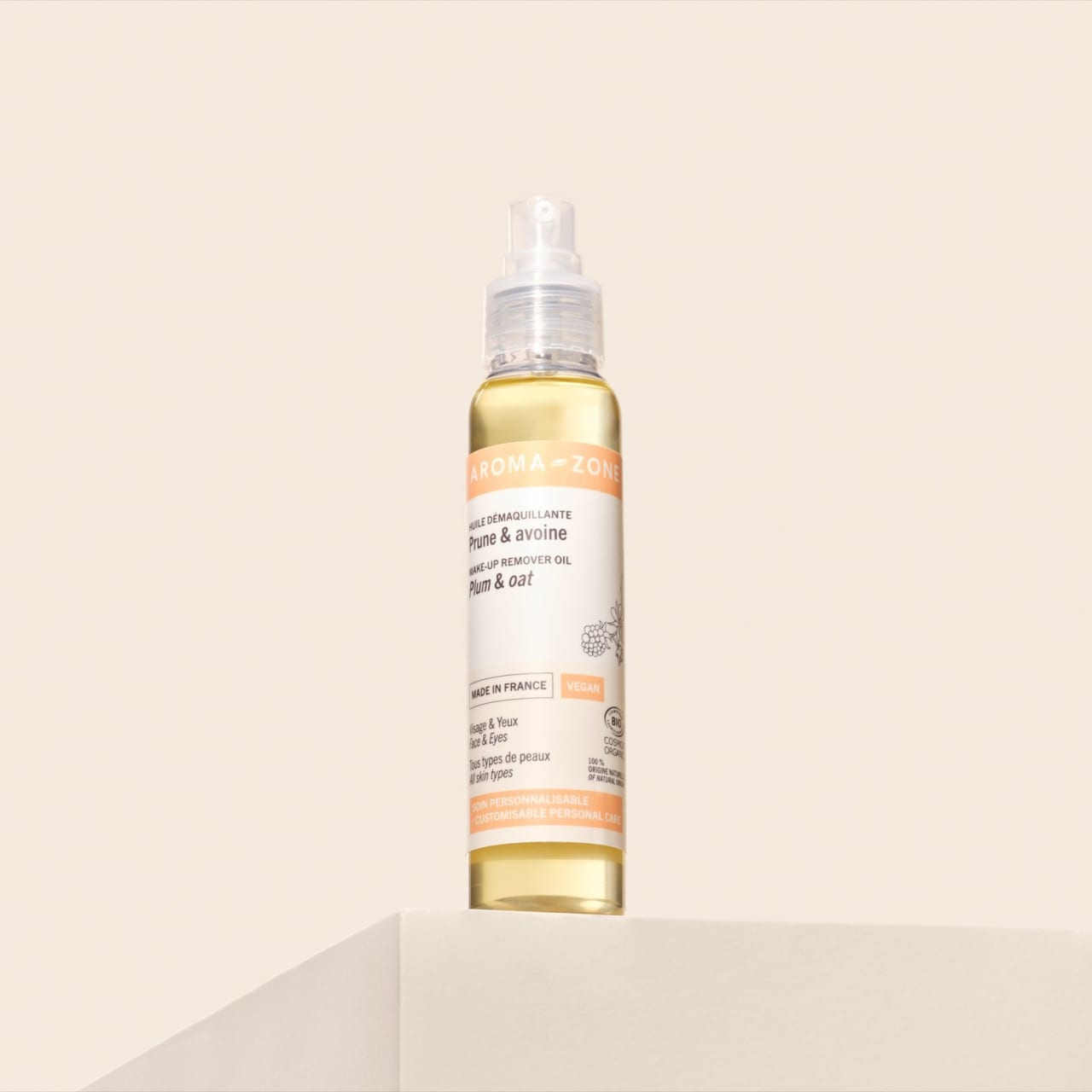
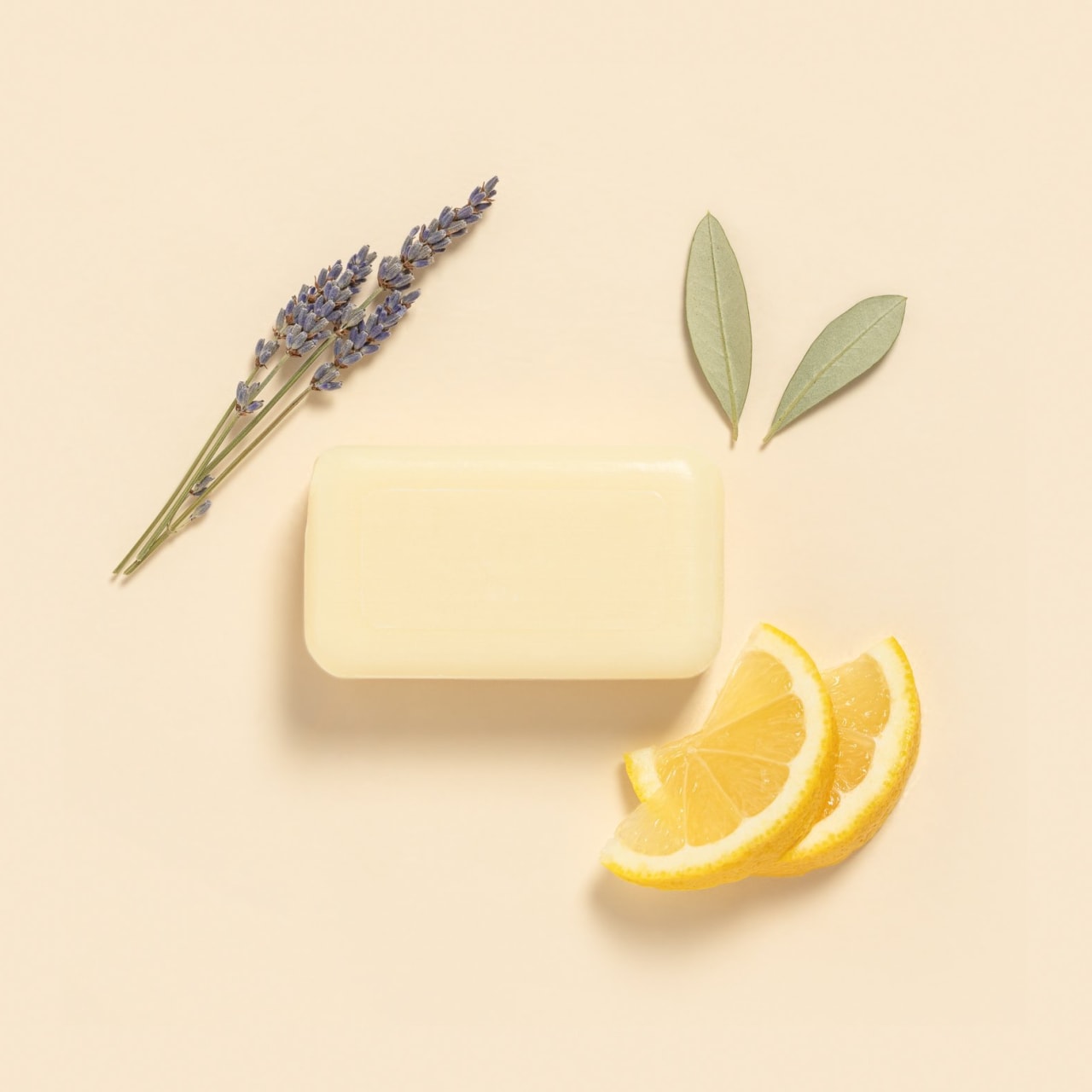
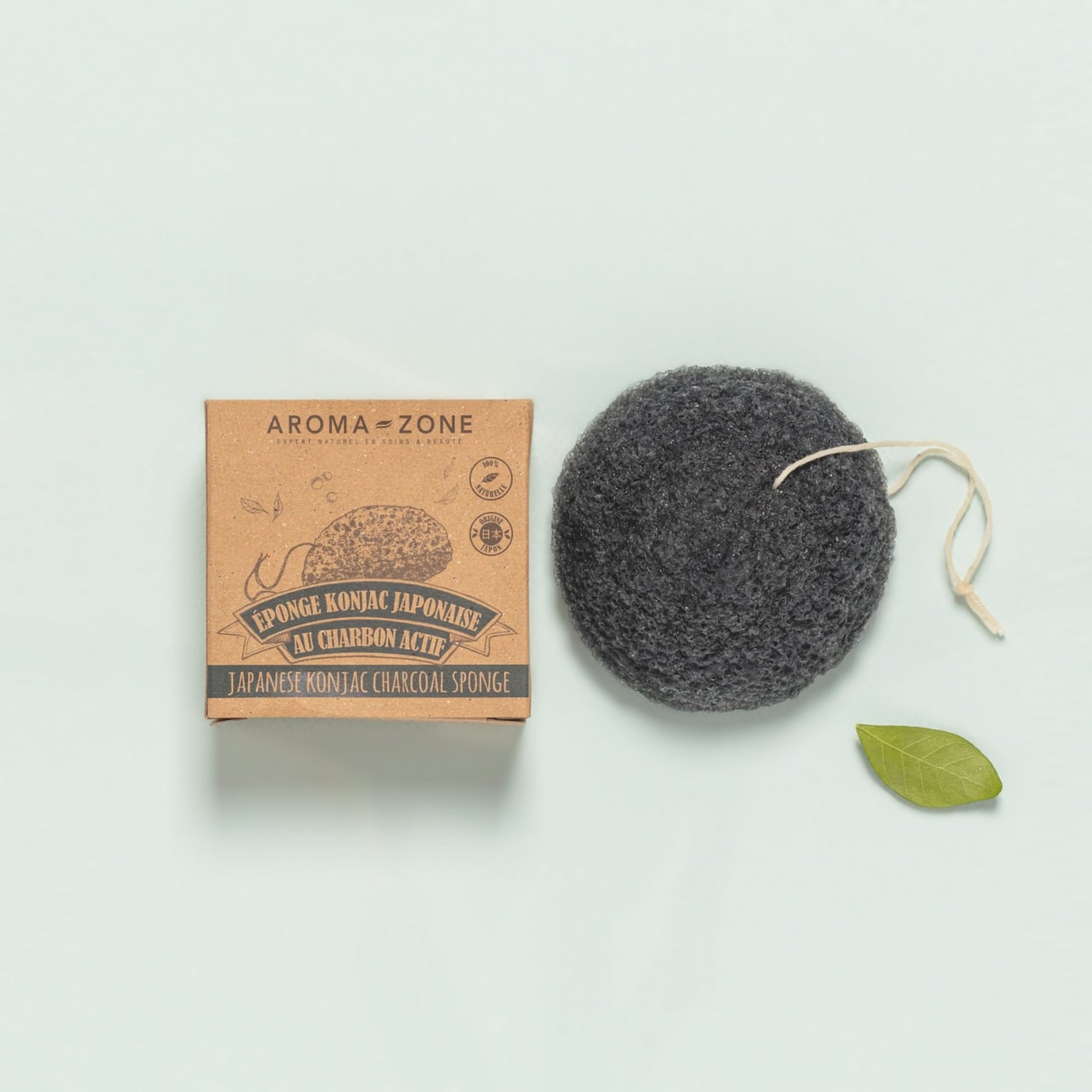
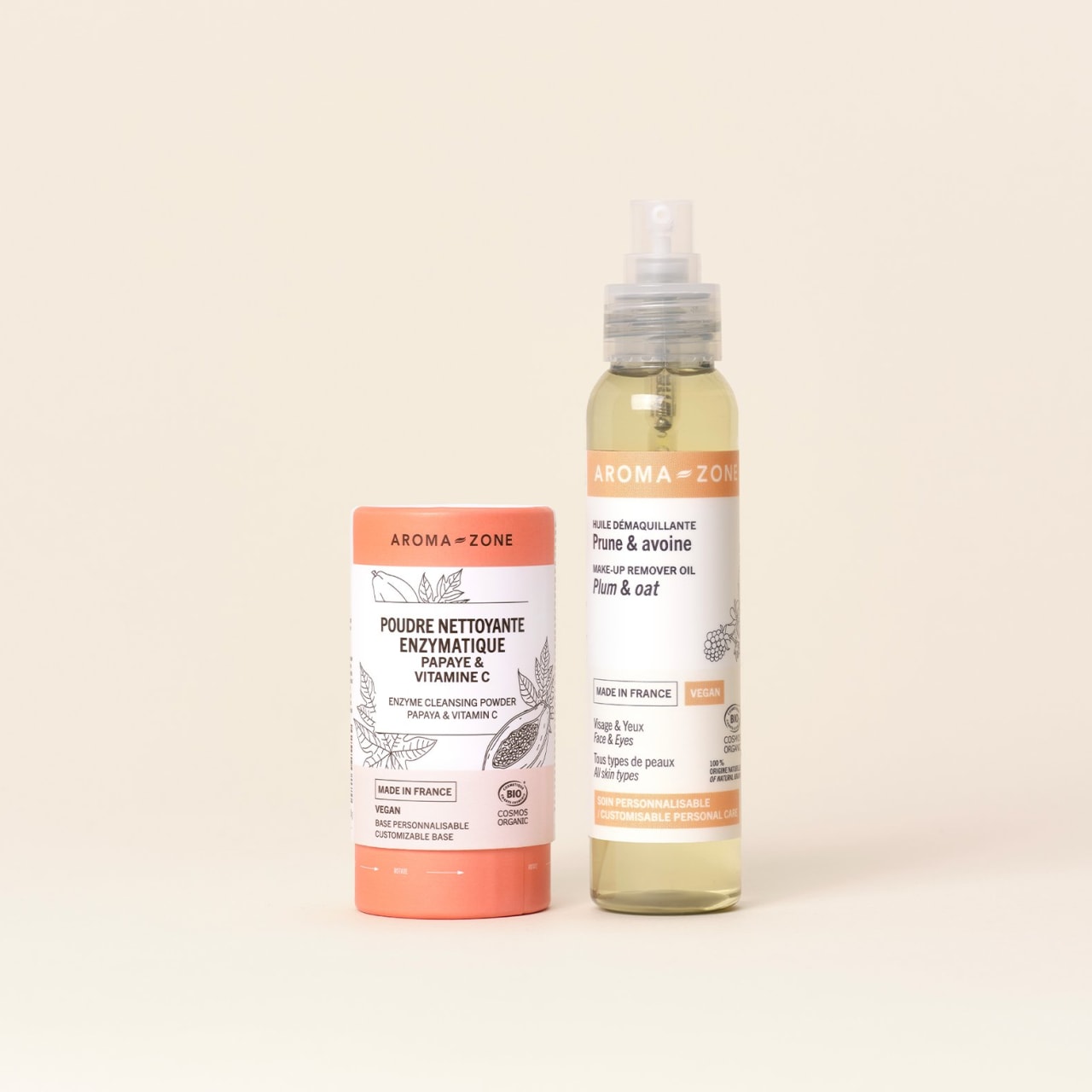
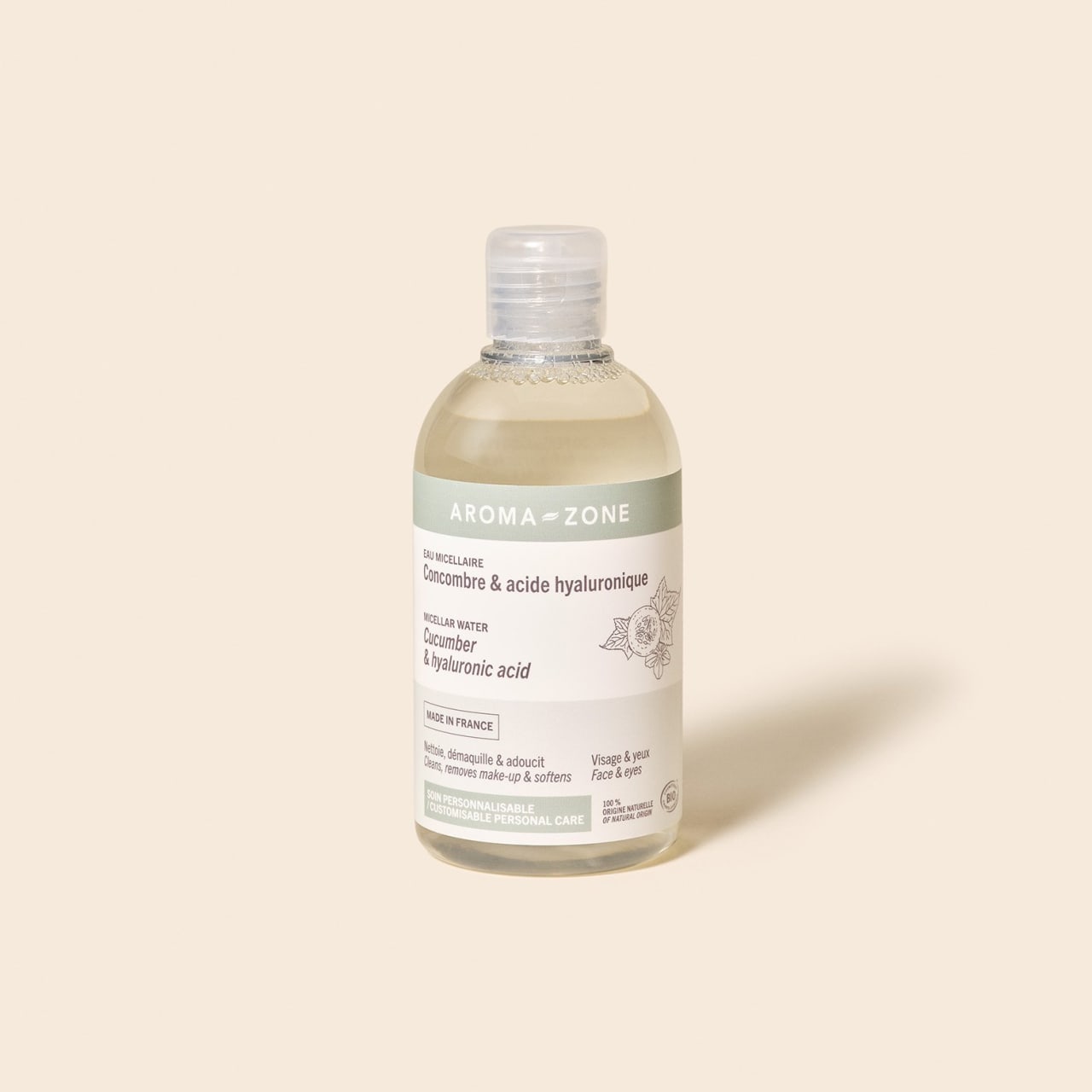
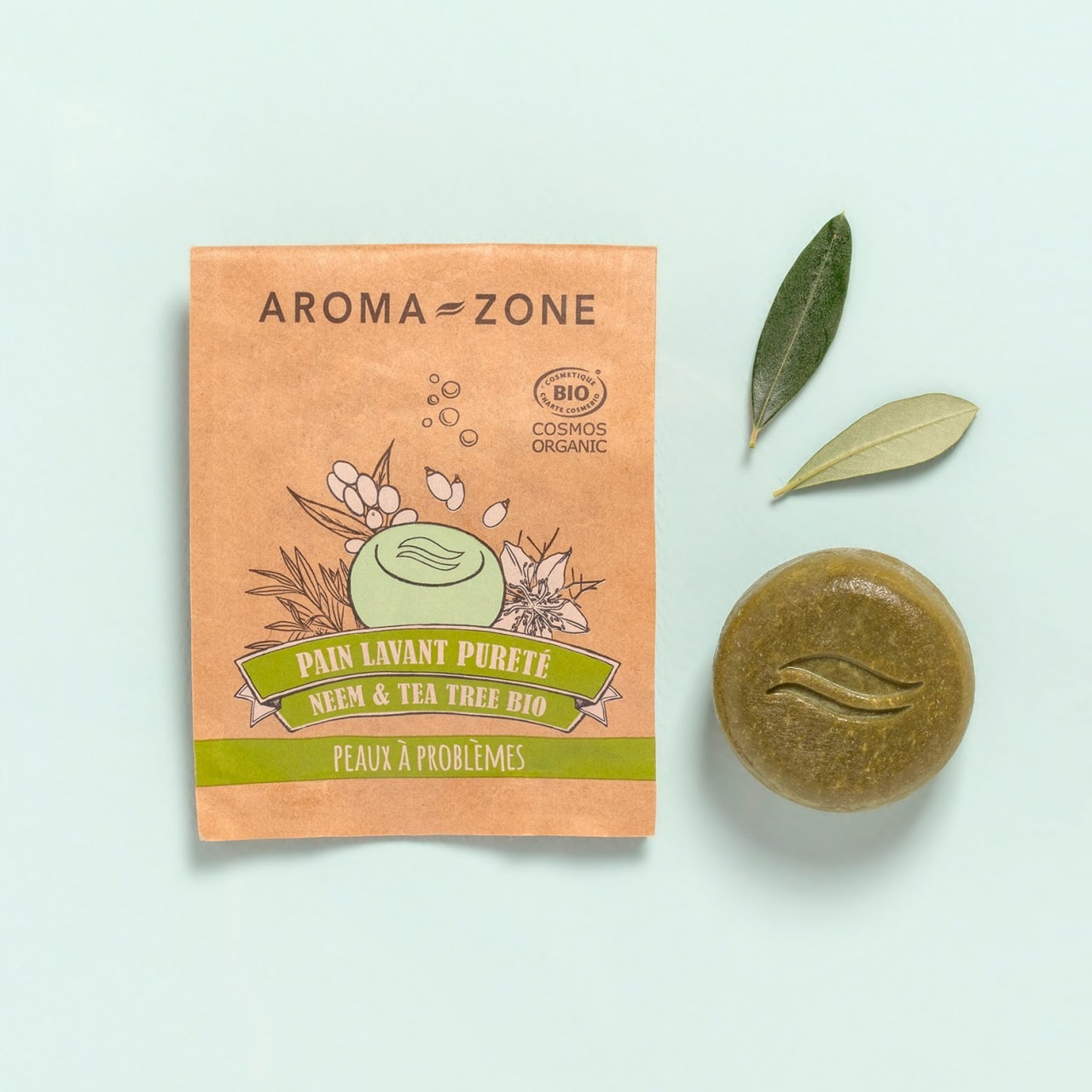
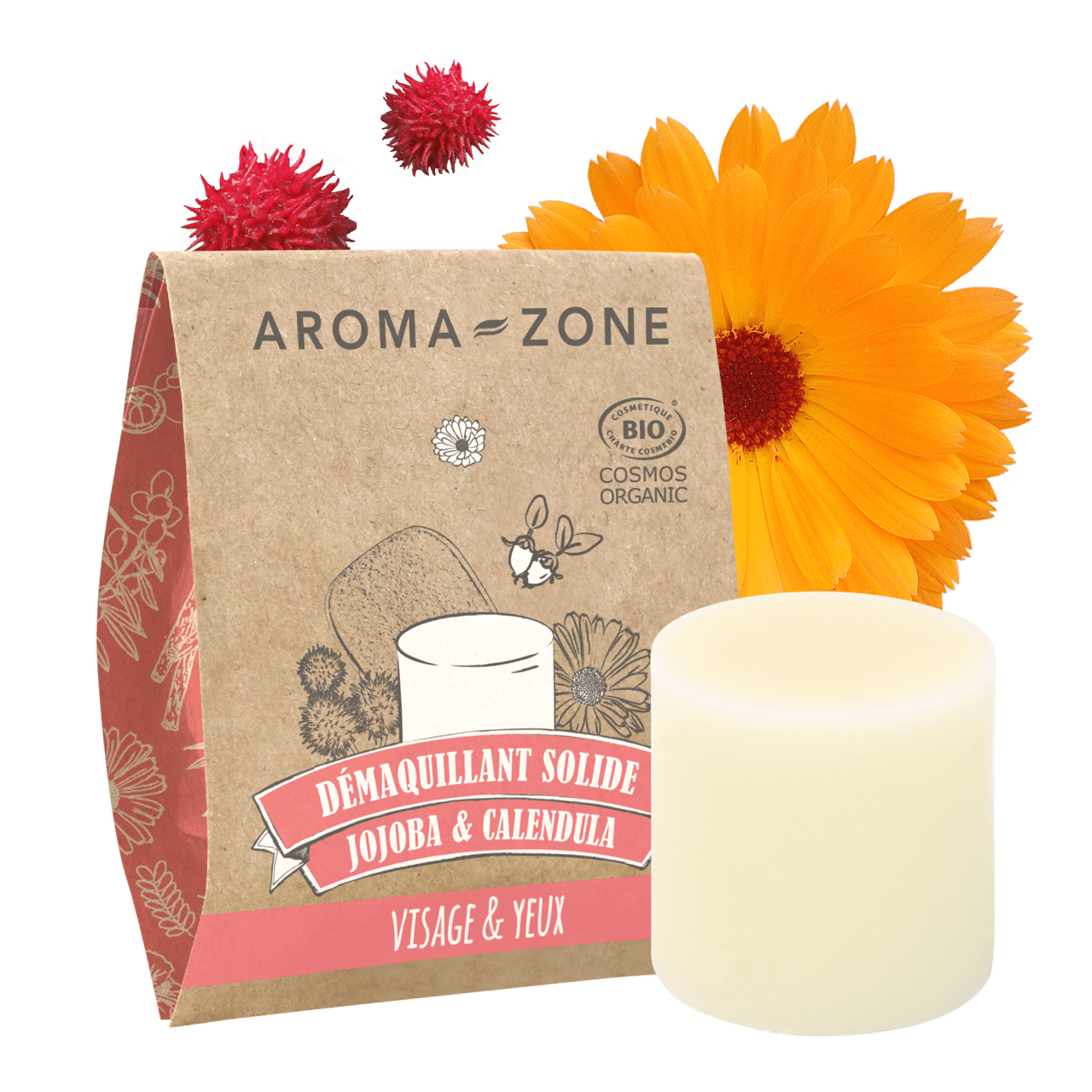
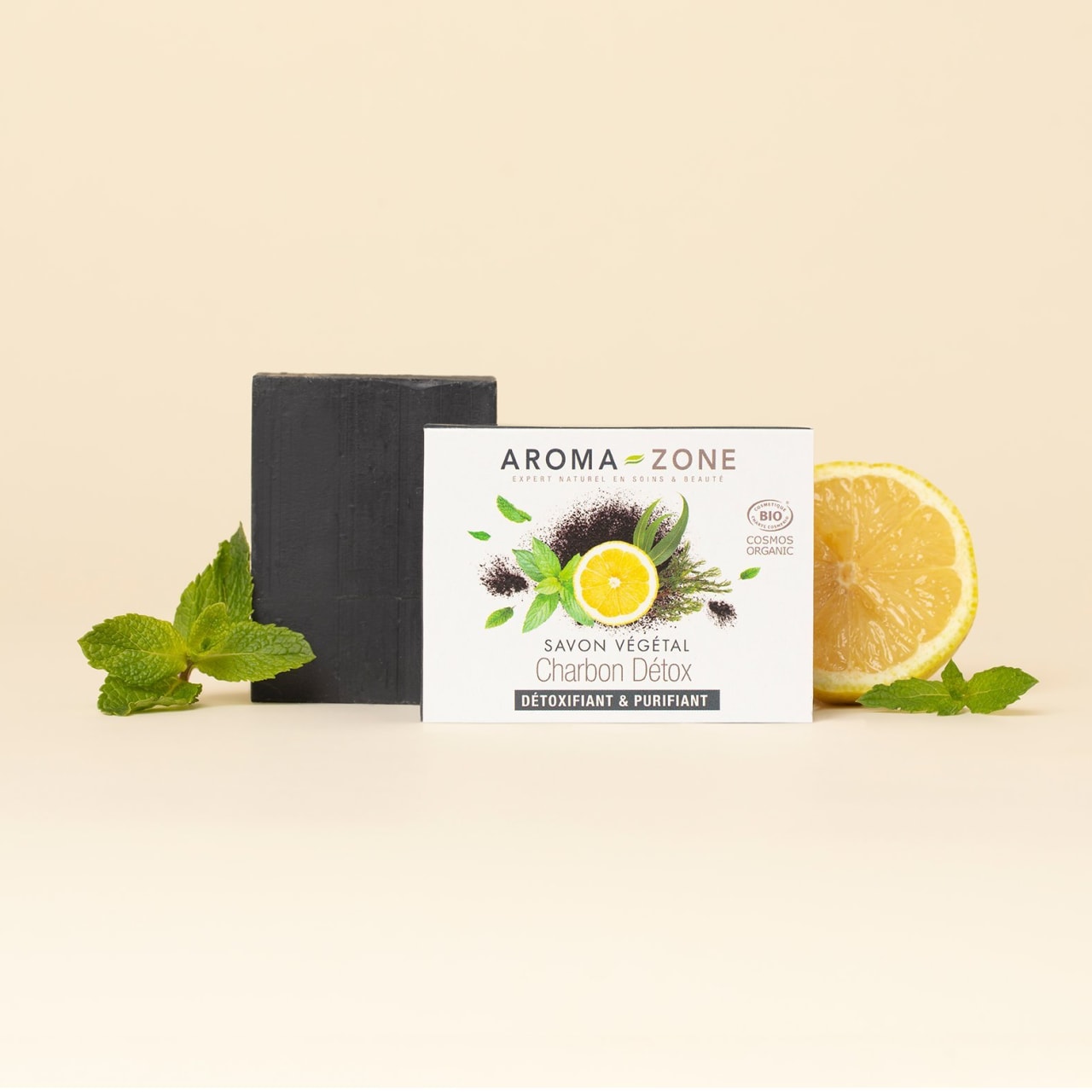
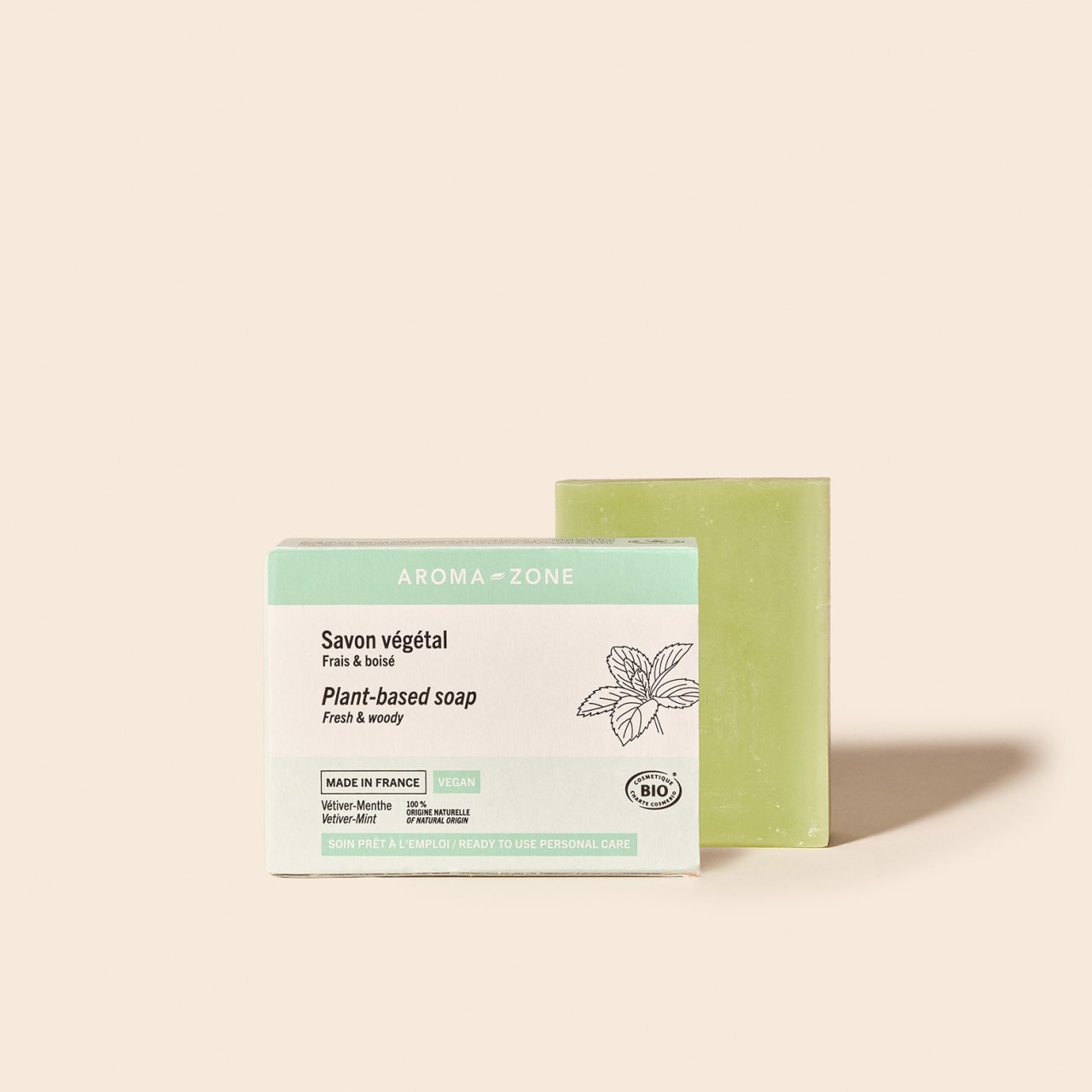
Gently cleanse: Morning and evening, use a rebalancing skincare product such as Prebiotic, Zinc & Cucumber Gentle Cleansing Gel, Cleansing Bar, Purifying Vegetable Soap or a suitable Micellar Water. Plum & Oat Cleansing Oil effectively removes makeup without damaging the skin.
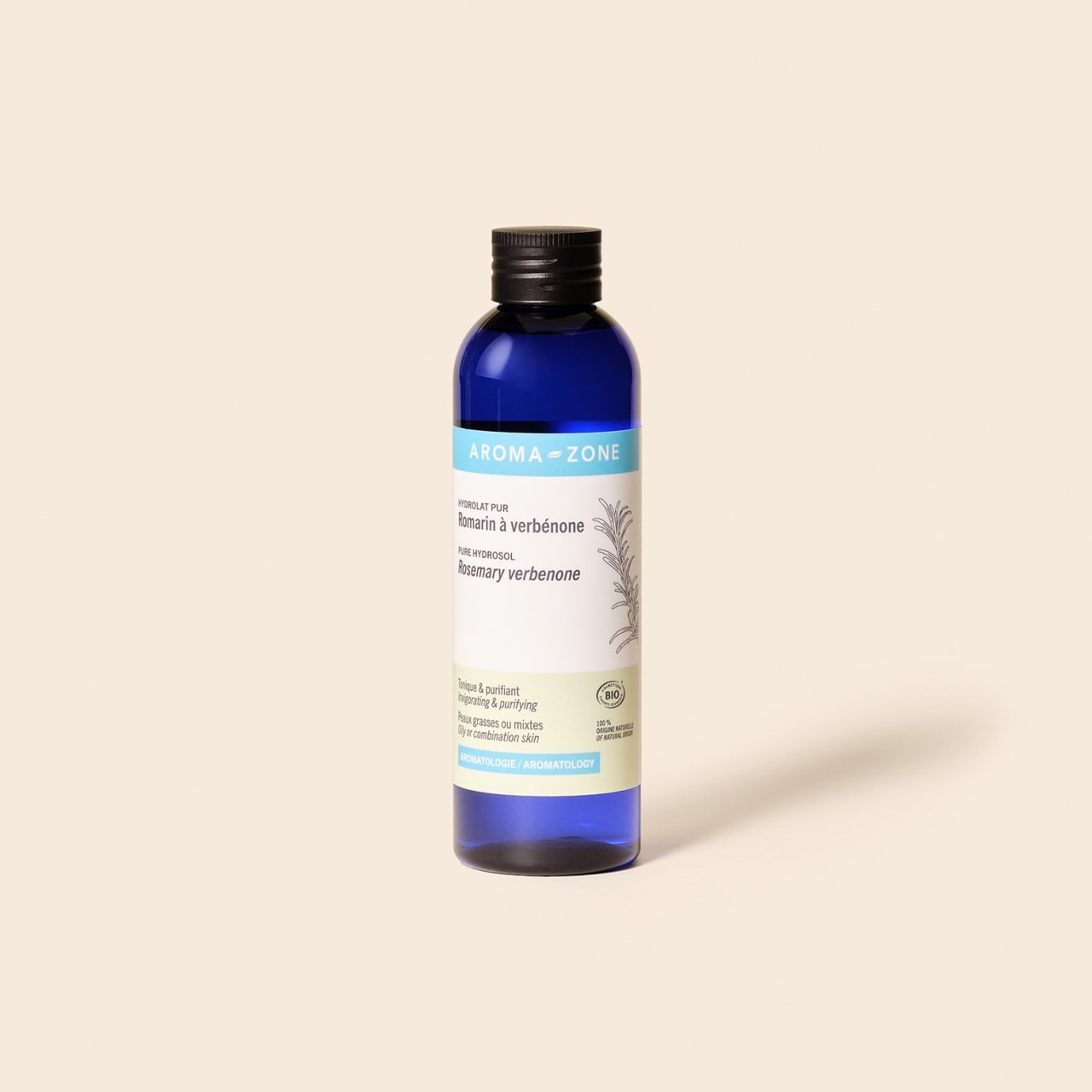
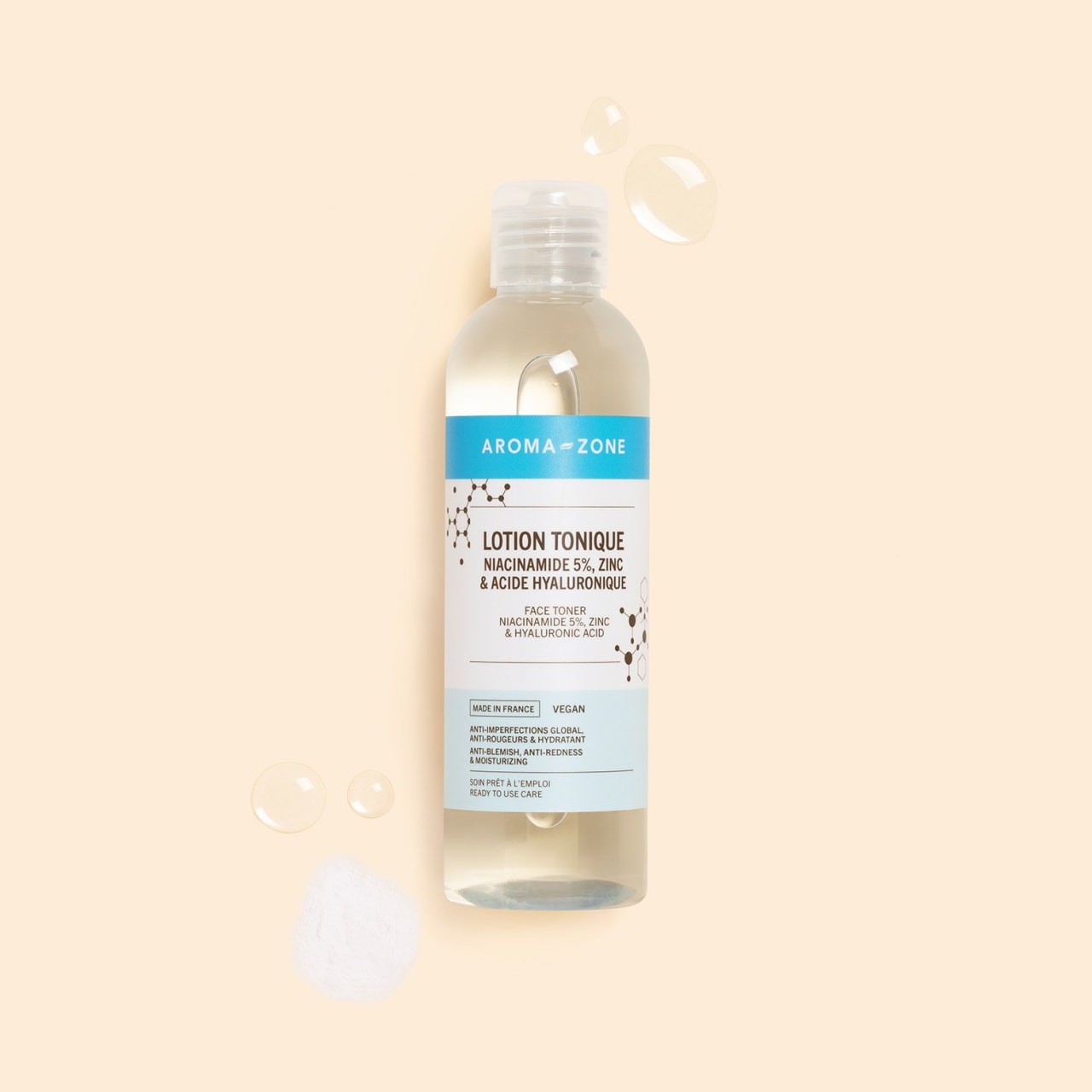
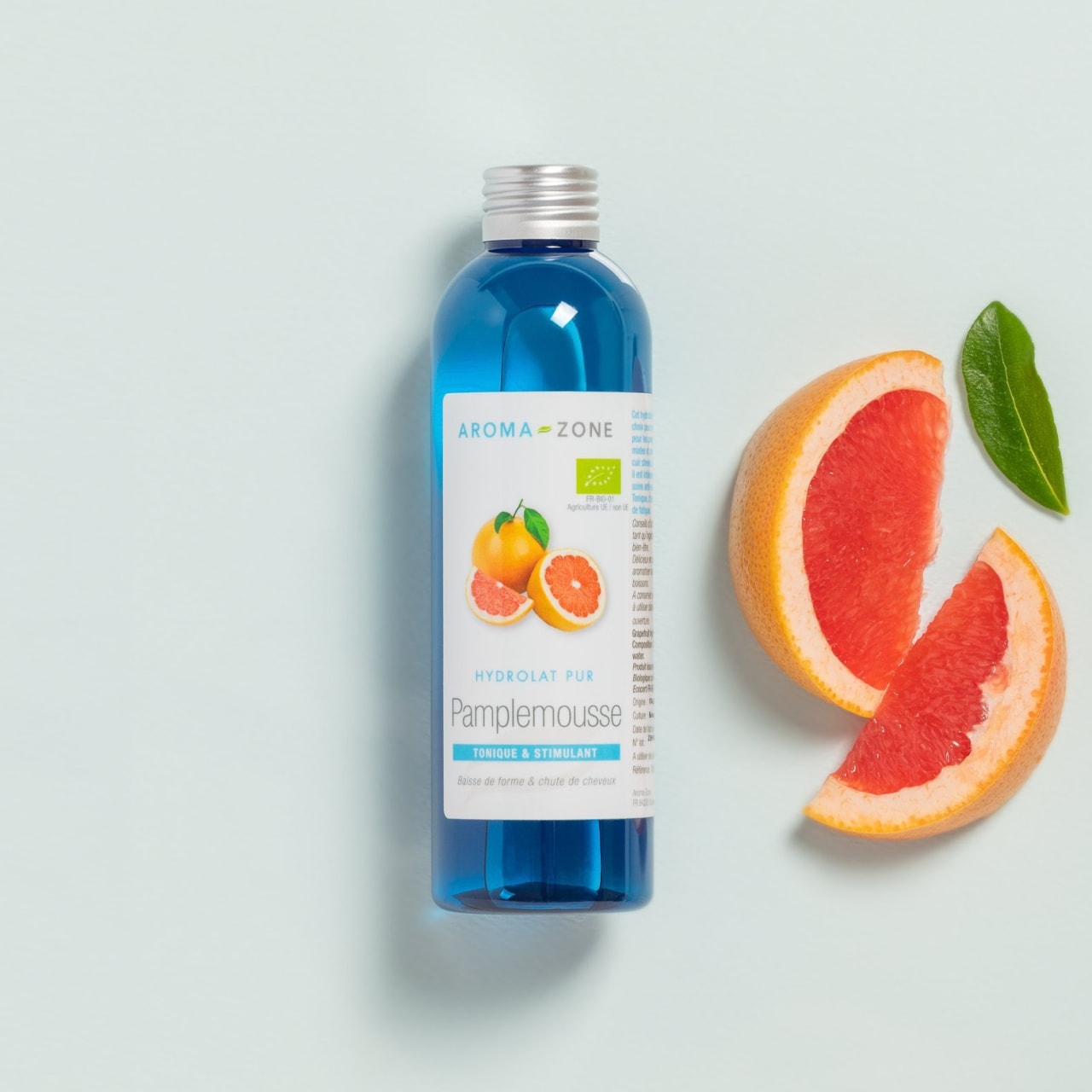
Tone and balance: Prepare your skin for treatment with a lotion such as Niacinamide 5%, Zinc & Hyaluronic Acid Toning Lotion or a purifying hydrosol.
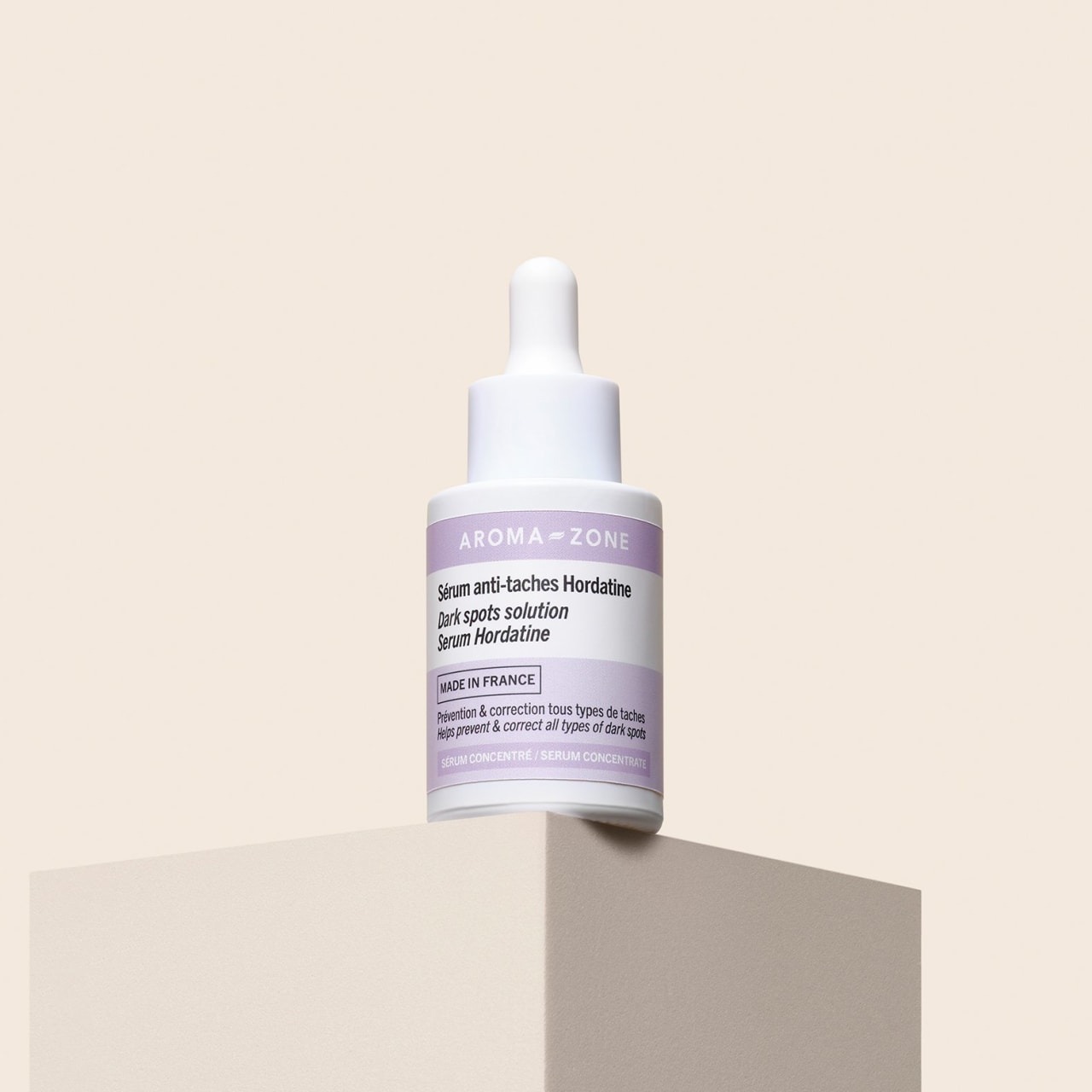
Apply a targeted serum: Use the Niacinamide or Salicylic Acid Serum for the T-zone; or the Hyaluronic Acid Serum for overall hydration; or the Hordatine & Licorice Anti-Dark Spot Serum if you need to even out your skin tone.
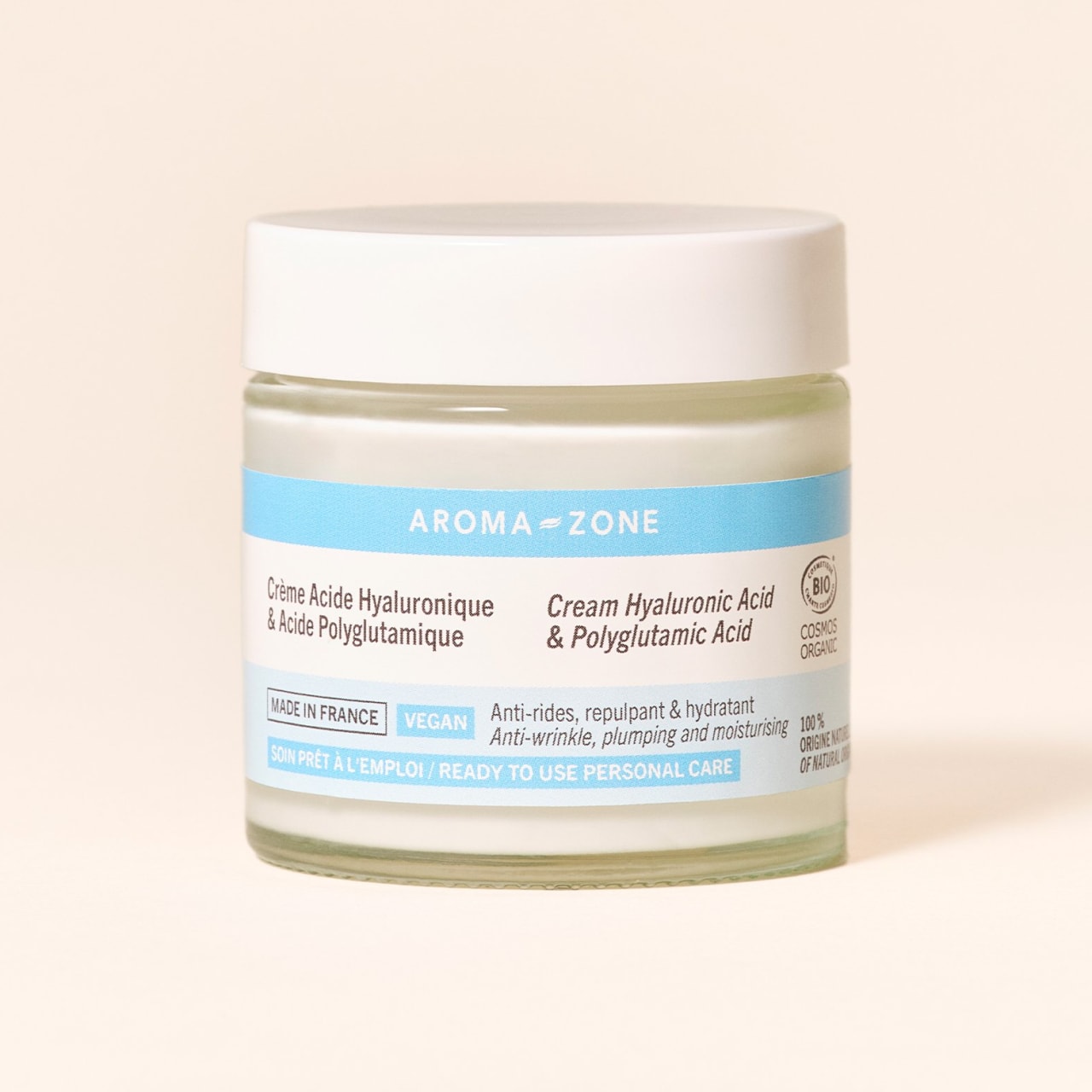
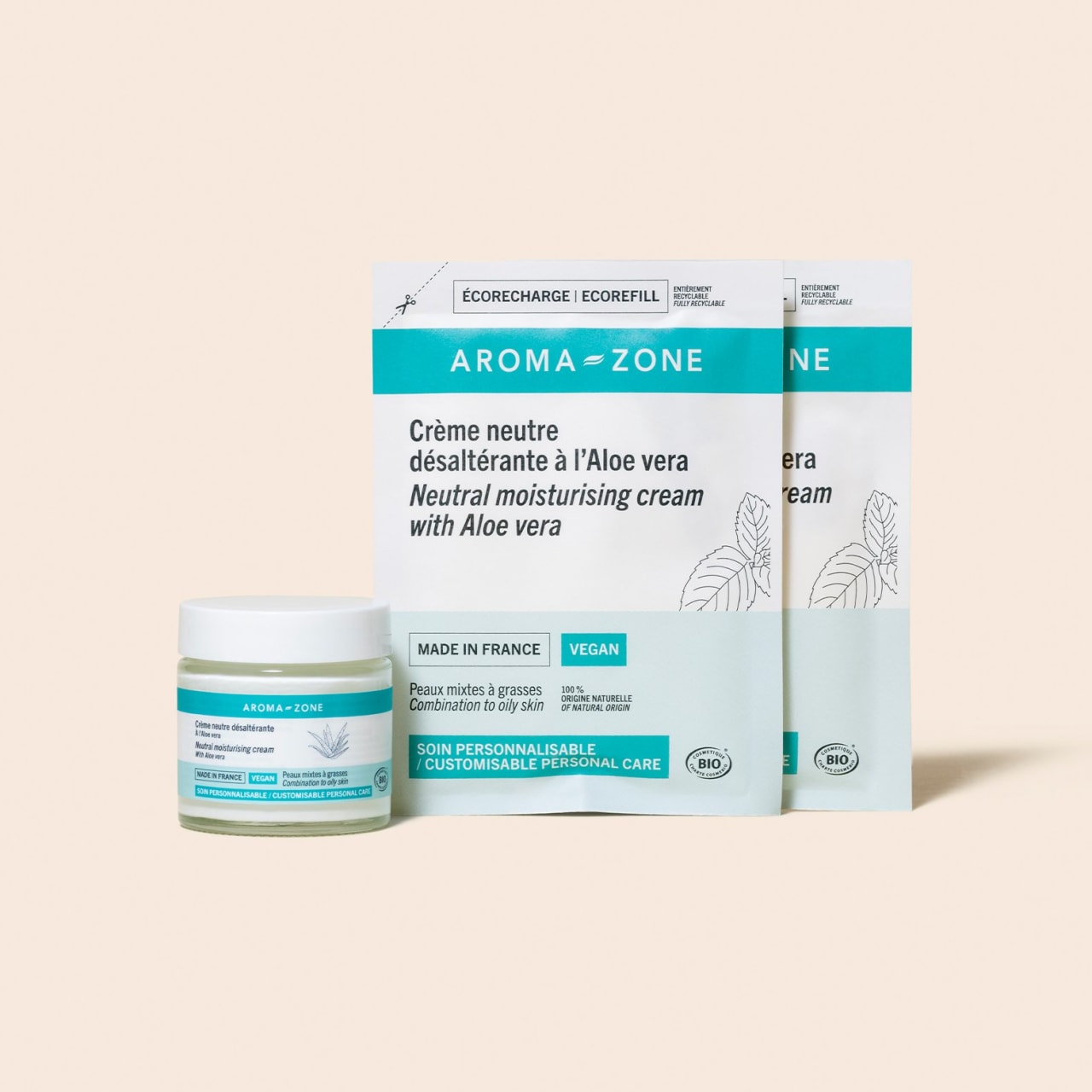
Moisturize without weighing down the skin: Choose Zinc Hyaluronate & Plant-Based Salicylic Acid Fluid Cream or a light skincare product to ensure comfort and a matte finish.
Frequency of complementary treatments
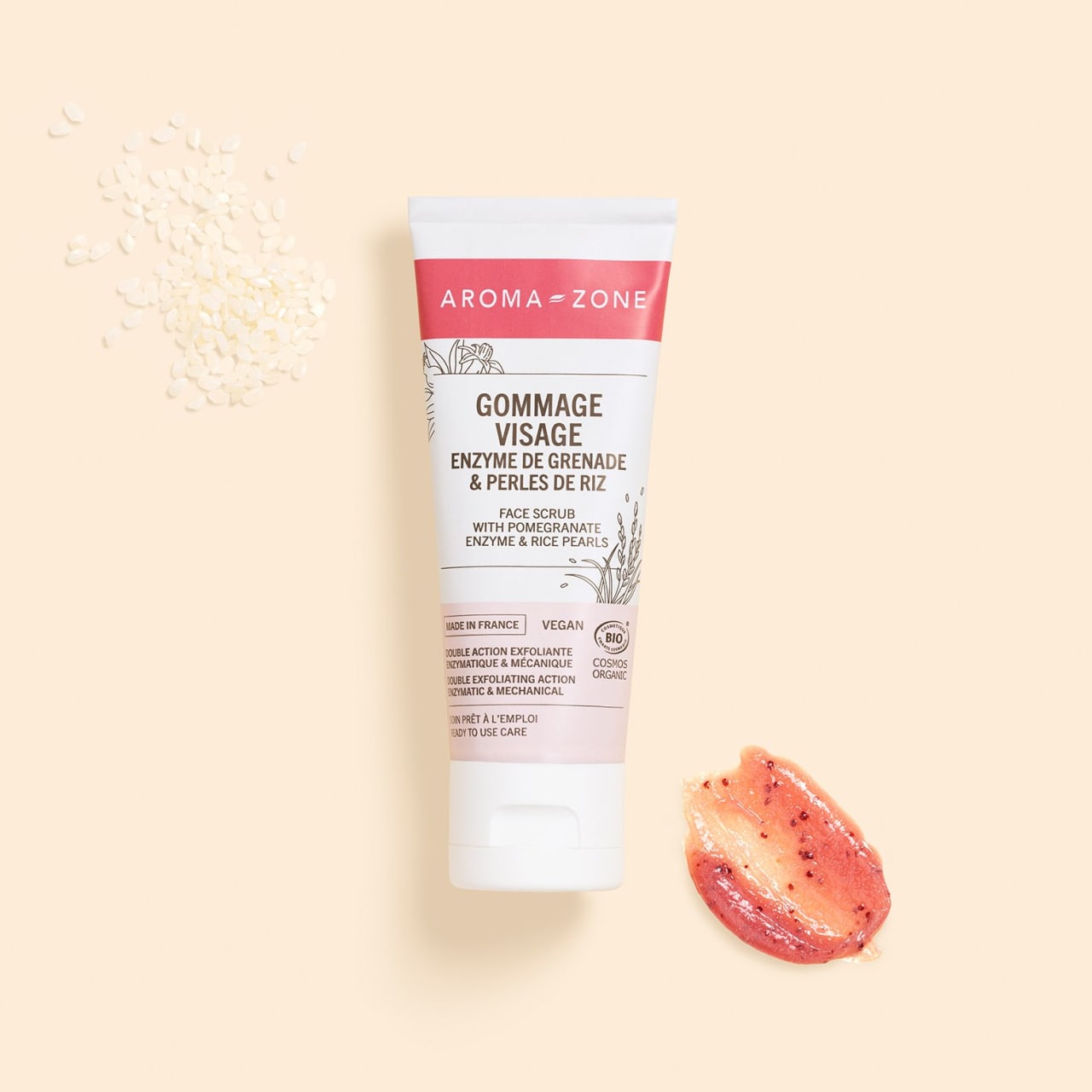
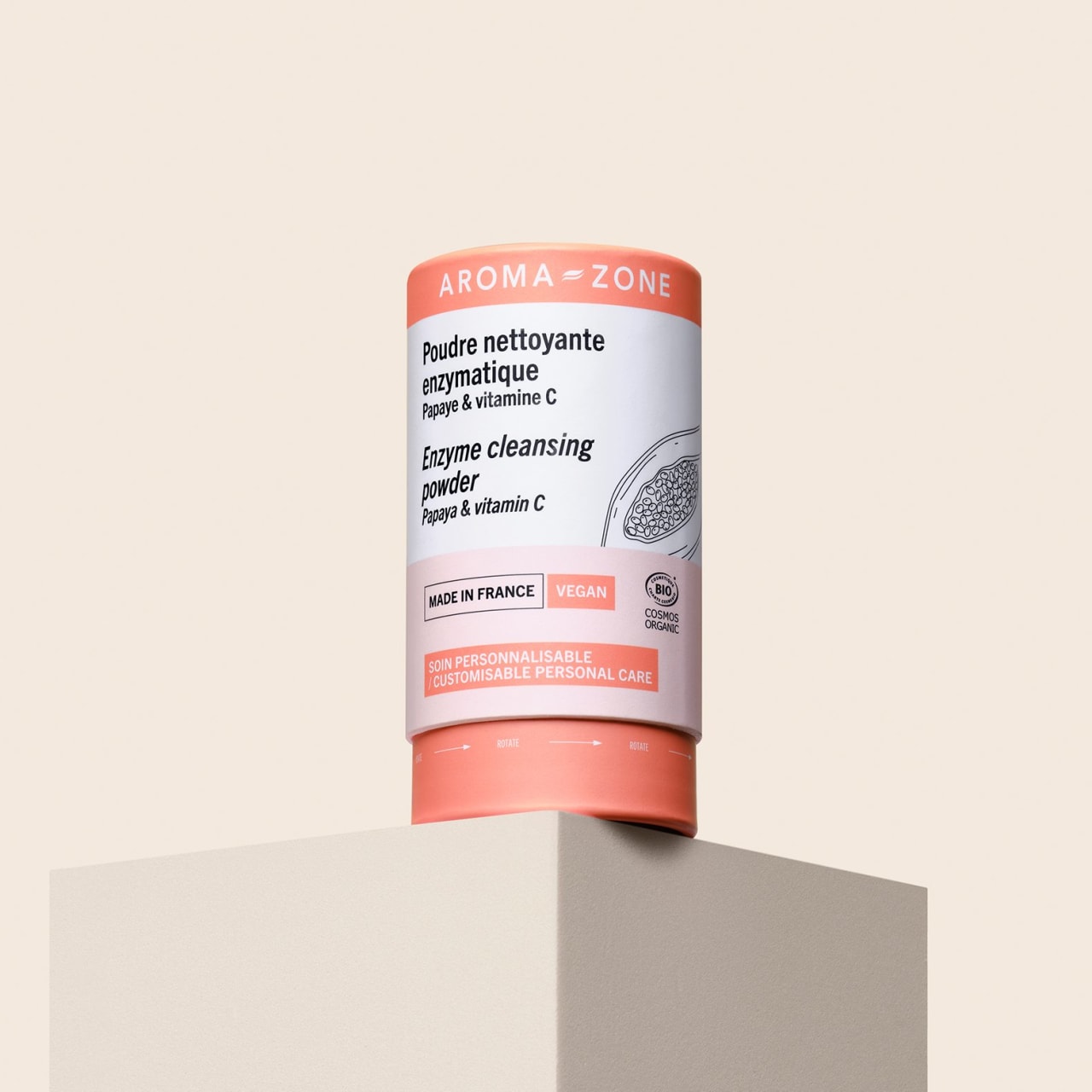
For facial exfoliation (e.g., Pomegranate Enzyme & Rice Pearls): do not exceed once a week.
For a purifying or moisturizing mask: 1 to 2 times per week as needed.
To refine your routine and identify your specific needs, take our personalized beauty diagnosis: Beauty diagnosis
Common mistakes with combination skin
Certain habits can accentuate imbalances:
Over-cleansing the T-zone
Using too many harsh cleansers or powerful purifying active ingredients can stimulate sebum production and weaken drier areas.
Neglecting hydration
Even if your skin is shiny, it still needs moisture. Skipping a light moisturizer can accentuate tightness and compensatory shine.
Using multiple active ingredients without consistency
Layering niacinamide, exfoliating acids, retinal, and vitamin C without structuring your routine can sensitize the skin. It is better to introduce active ingredients gradually and focus on consistency.


