
Oily skin: what are the symptoms?
Oily skin is characterised by an overproduction of sebum, which can lead to problems such as excess shine, open pores and imperfections, especially on the T-zone of the face. The common symptoms of oily skin are mainly due to hormonal imbalance, but can also be caused by excessive or inappropriate use of cosmetics, overly aggressive cleansing of the skin or hypersensitivity of the sebaceous glands to androgens.
How do I choose special cosmetic ingredients for oily skin?
When you have oily skin, it's essential to choose the right products to balance your complexion and maintain healthy skin. Conventional products can often contain ingredients that are not suitable for this skin type, which can exacerbate problems.
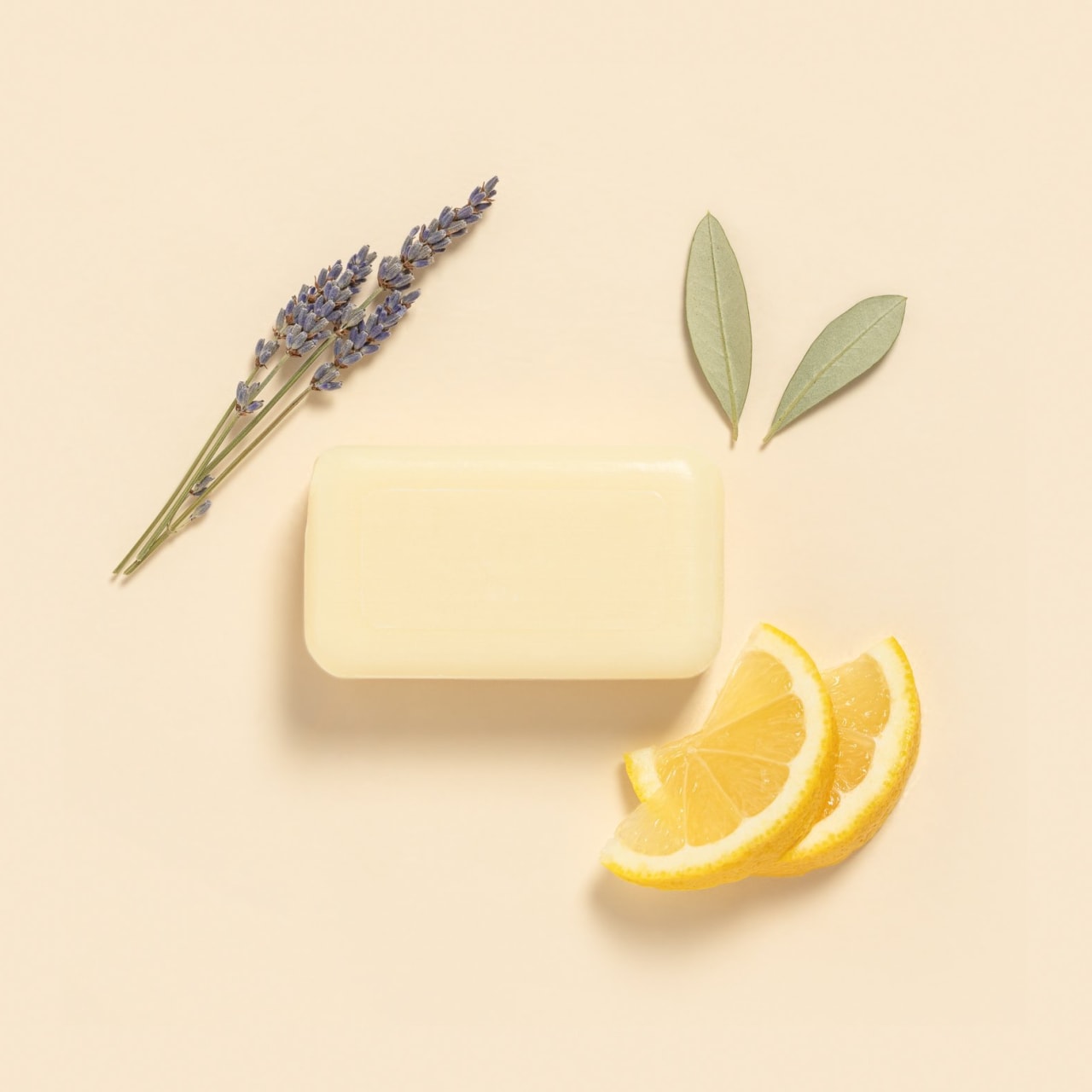
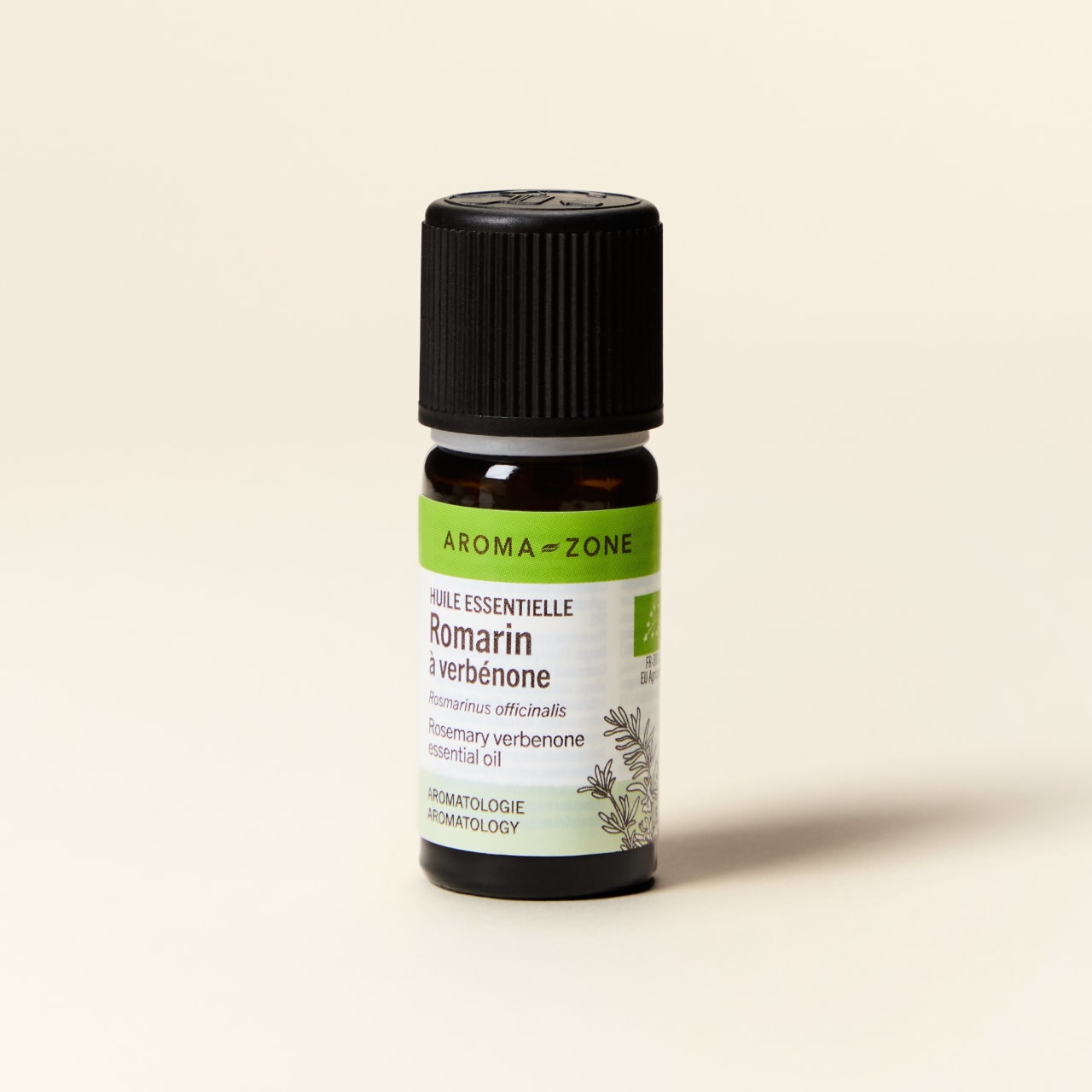
Using special cosmetic ingredients for oily skin will help to regulate sebum production, purify the skin and minimise blemishes. We recommend hydrosols to gently cleanse and purify your skin, such as grapefruit, sage or rosemary verbenone hydrosols. You can also use Aleppo soap.
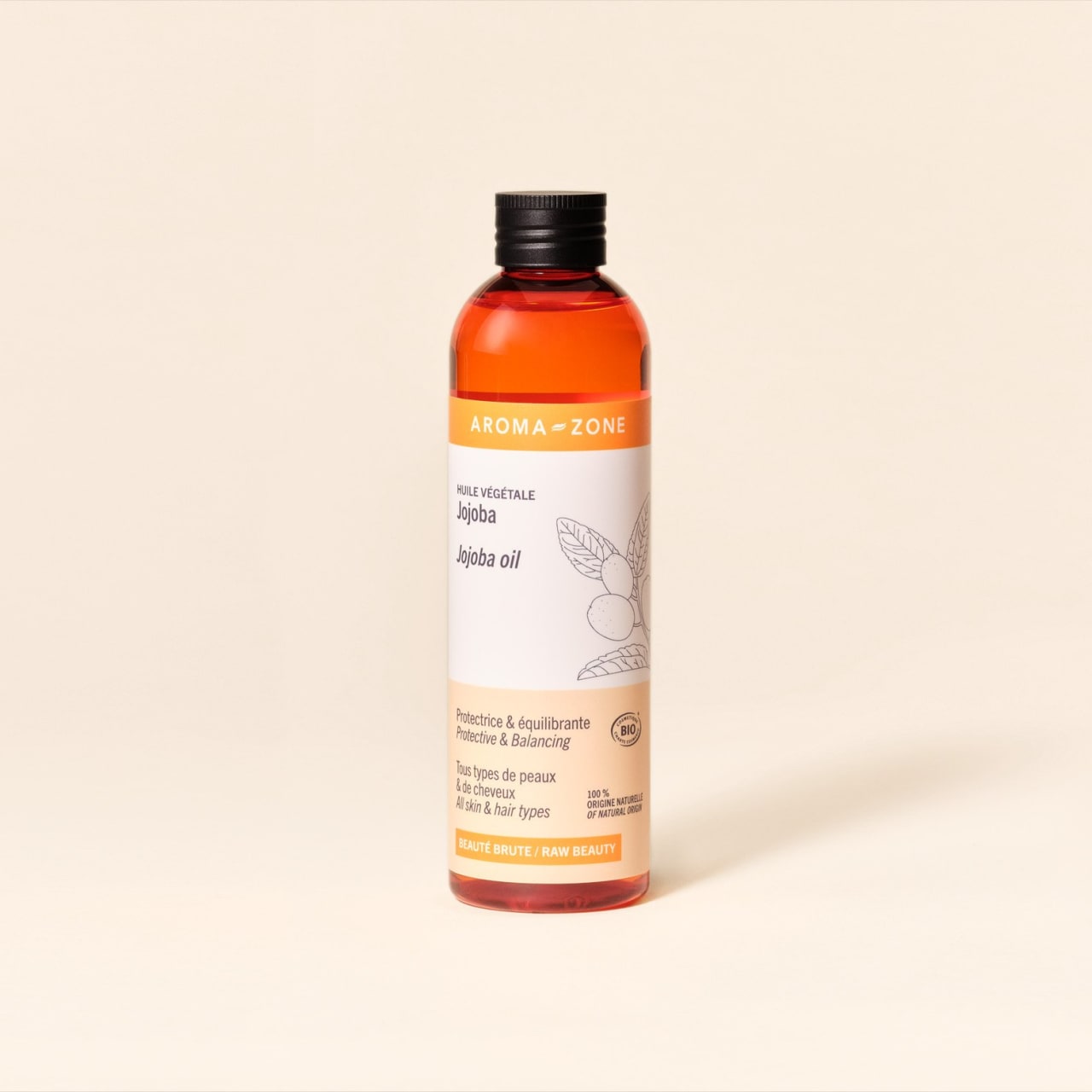
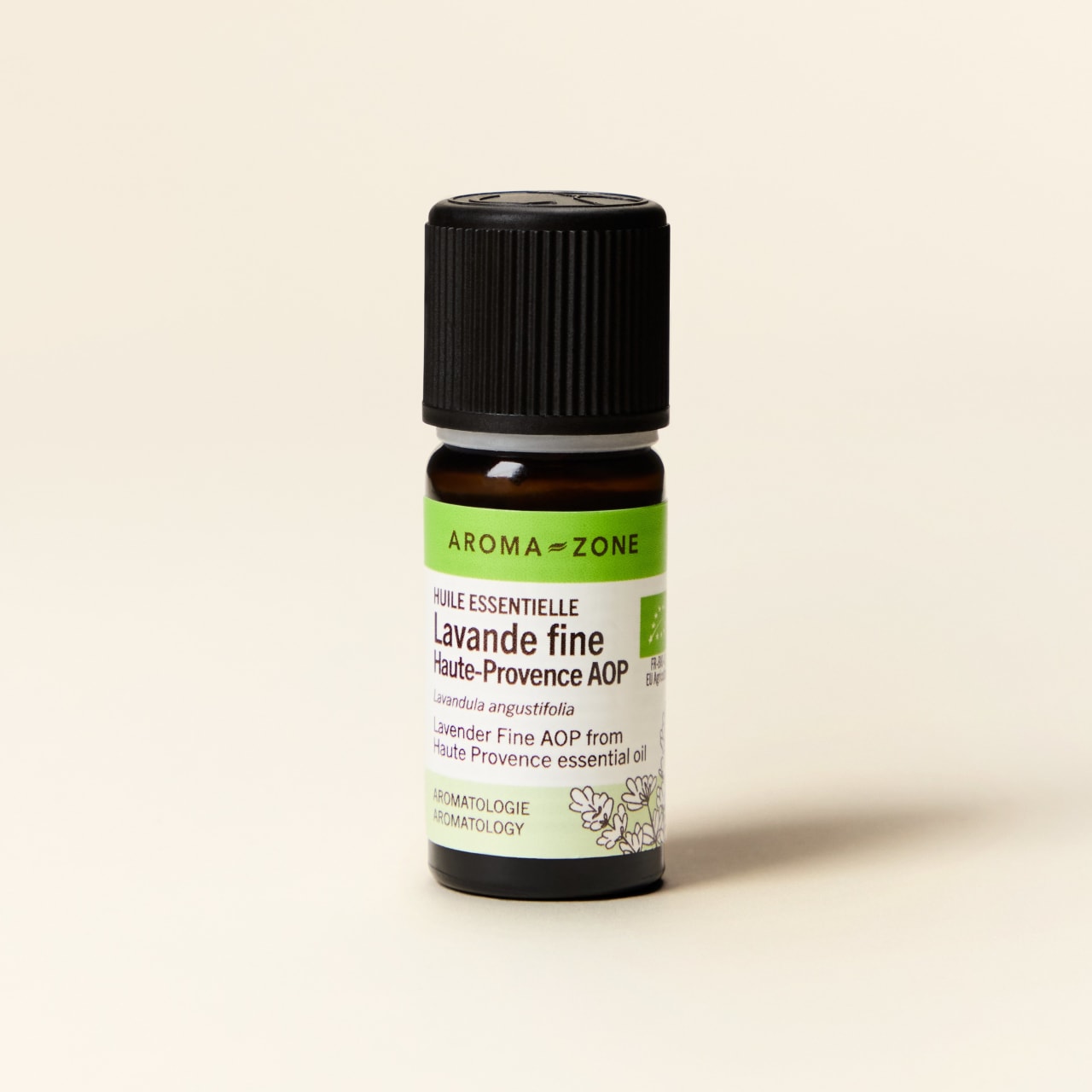
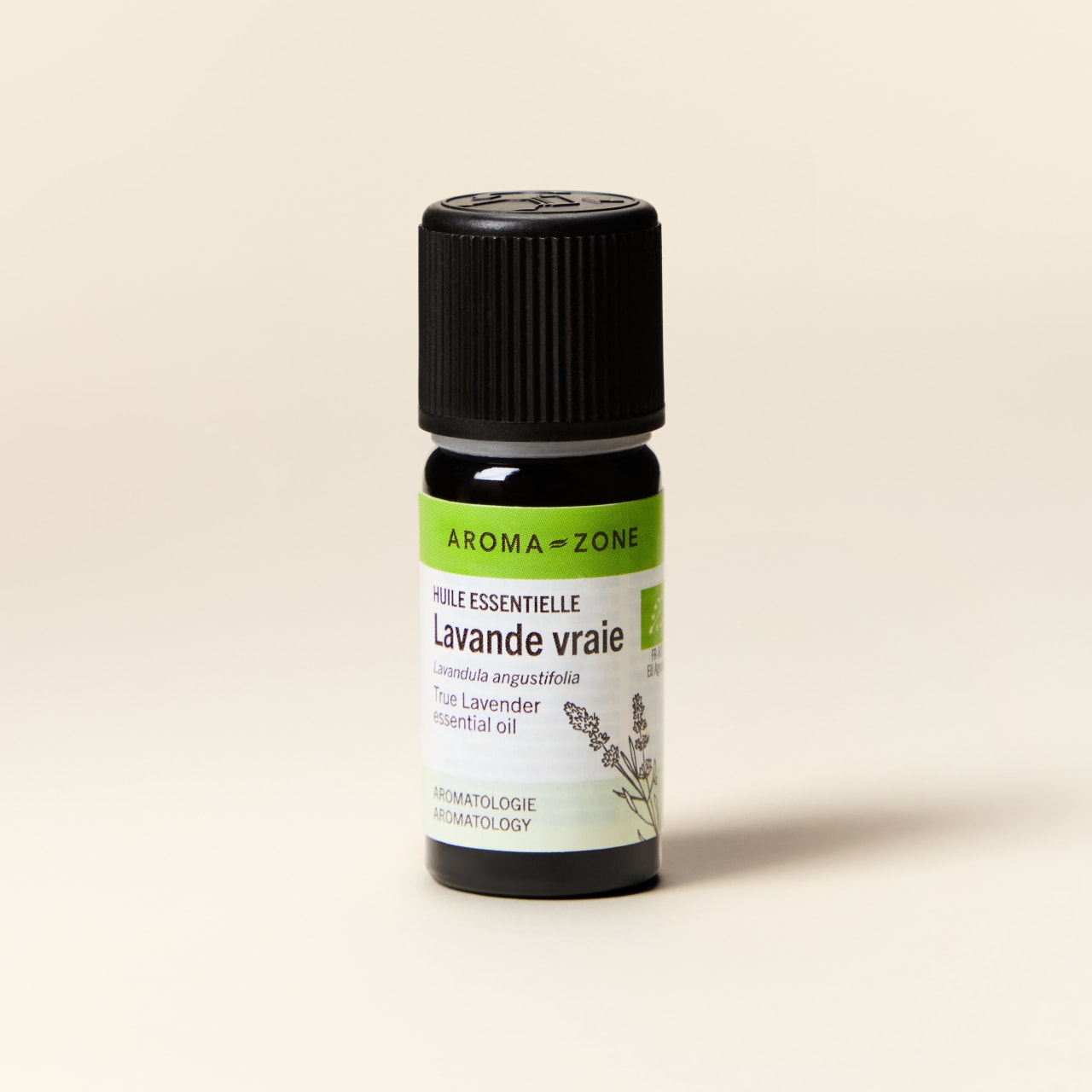
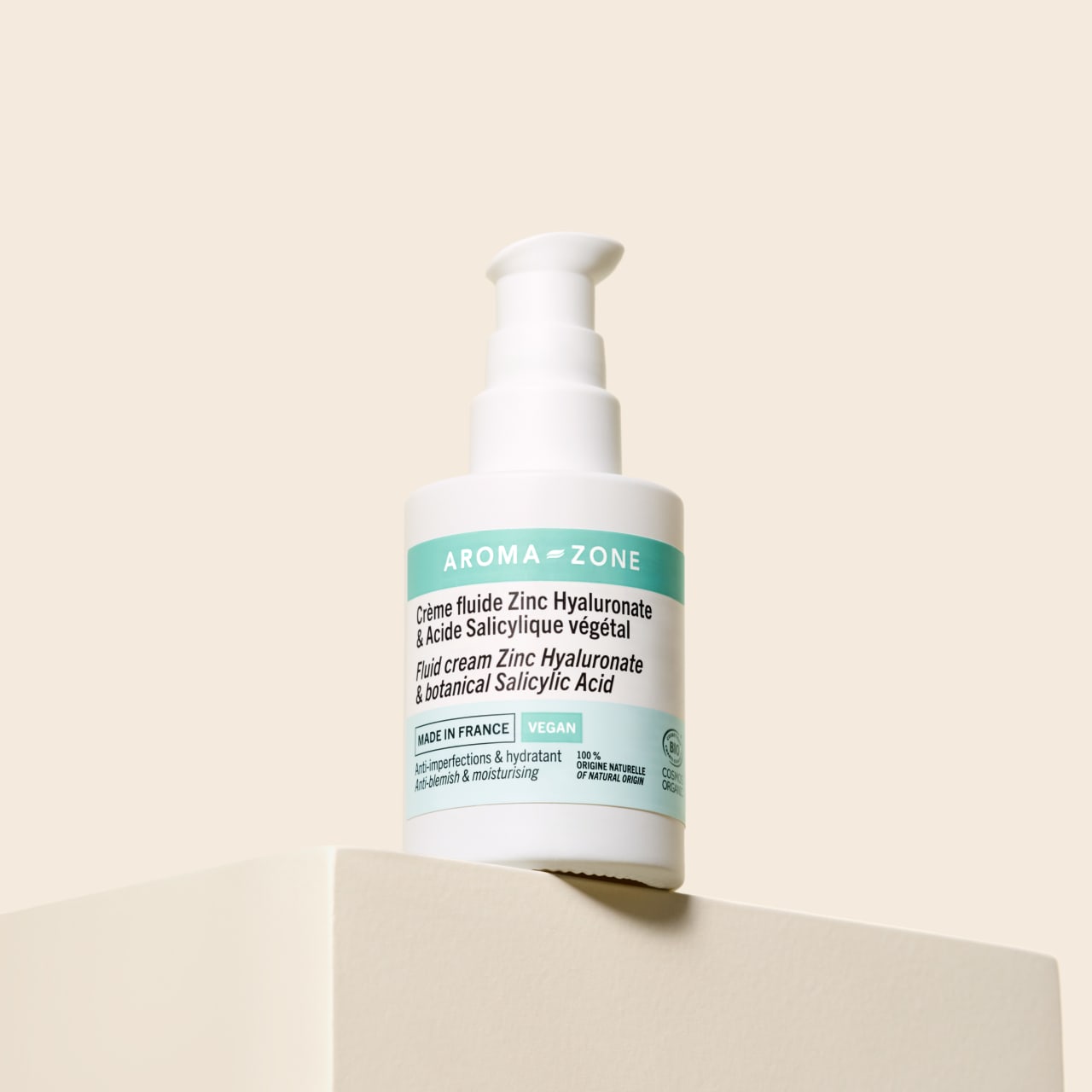
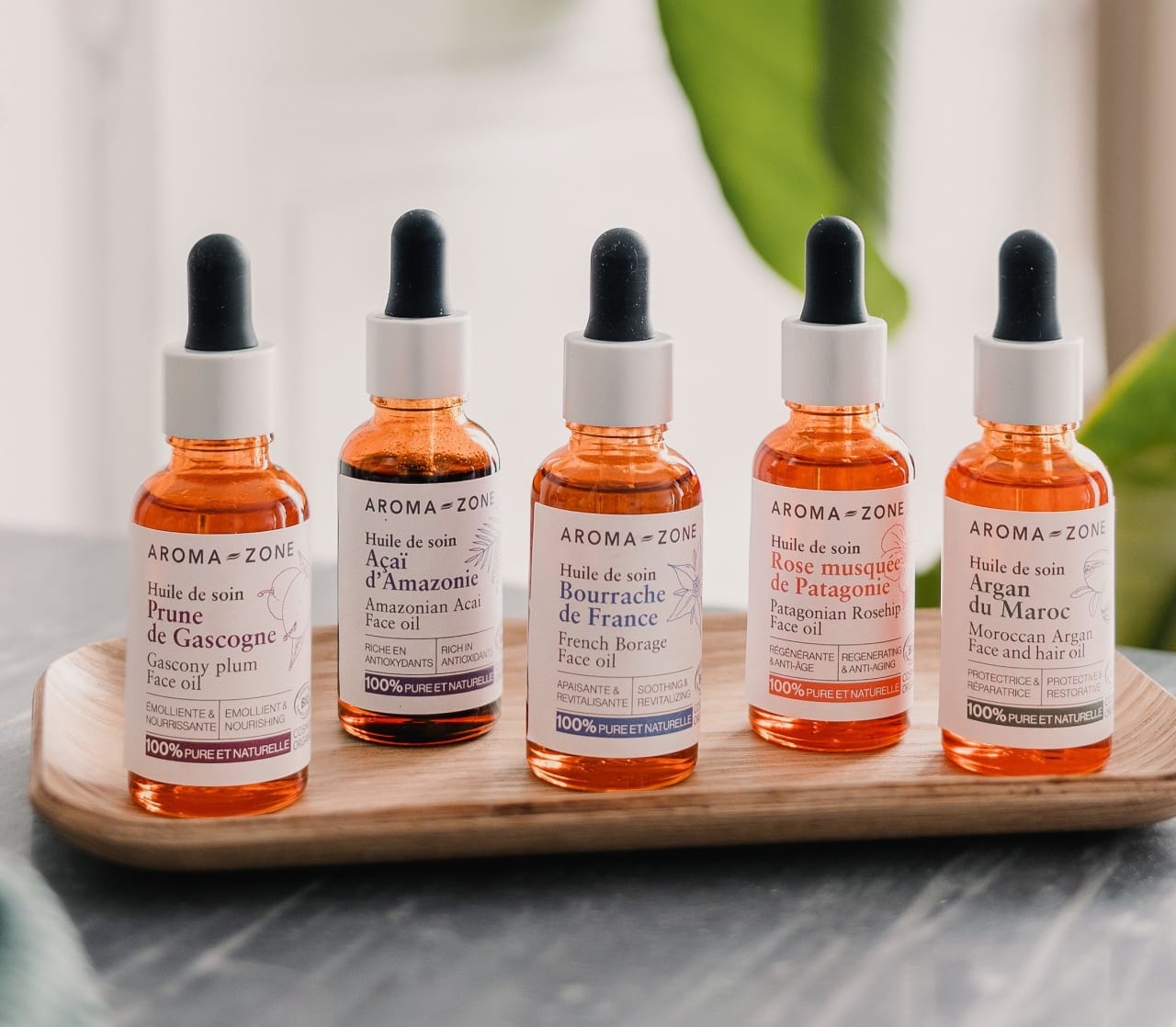
To moisturise and regulate oily skin, opt for light face creams and oils such as Jojoba. Essential oils such as clary sage can also be beneficial in regulating sebum production.
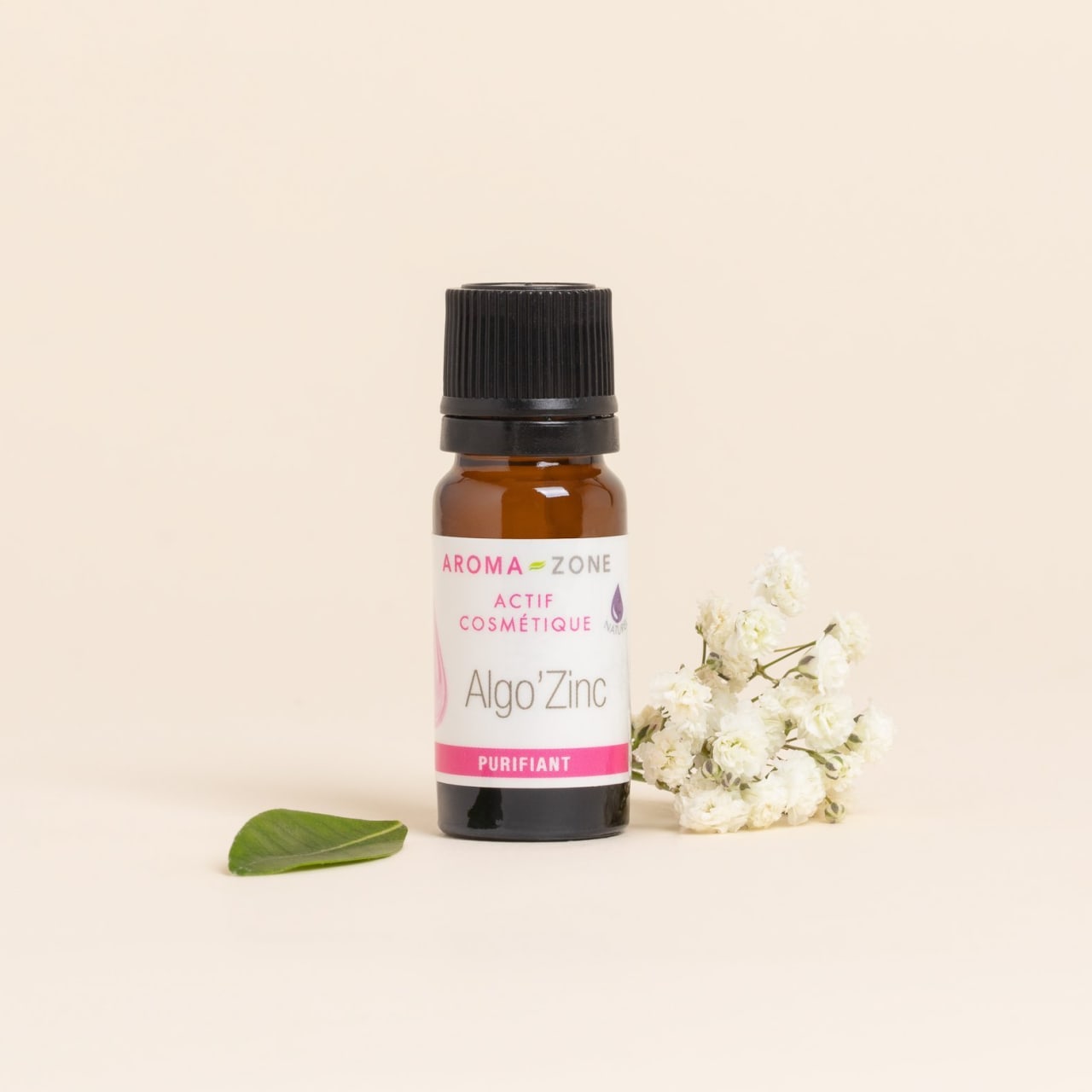
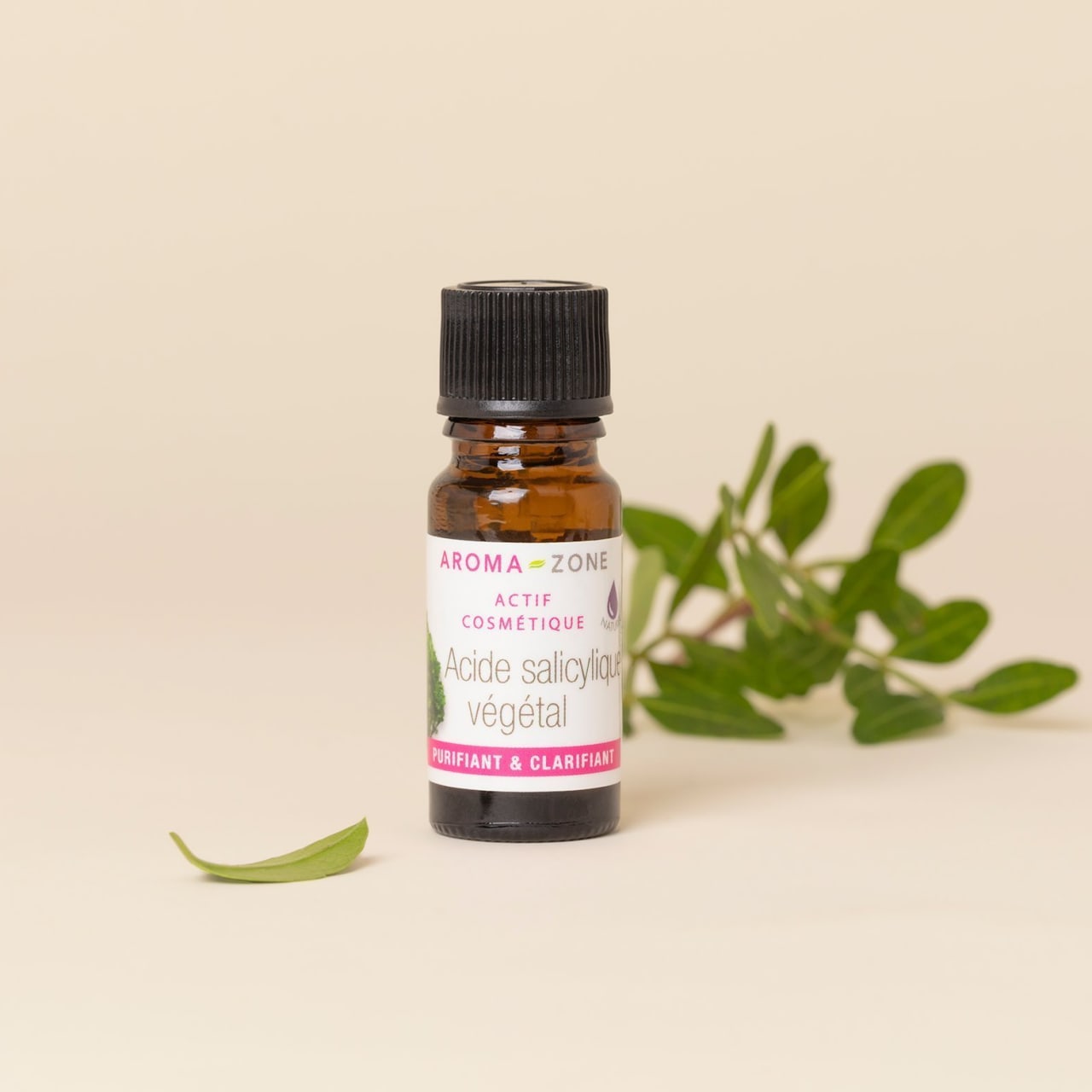
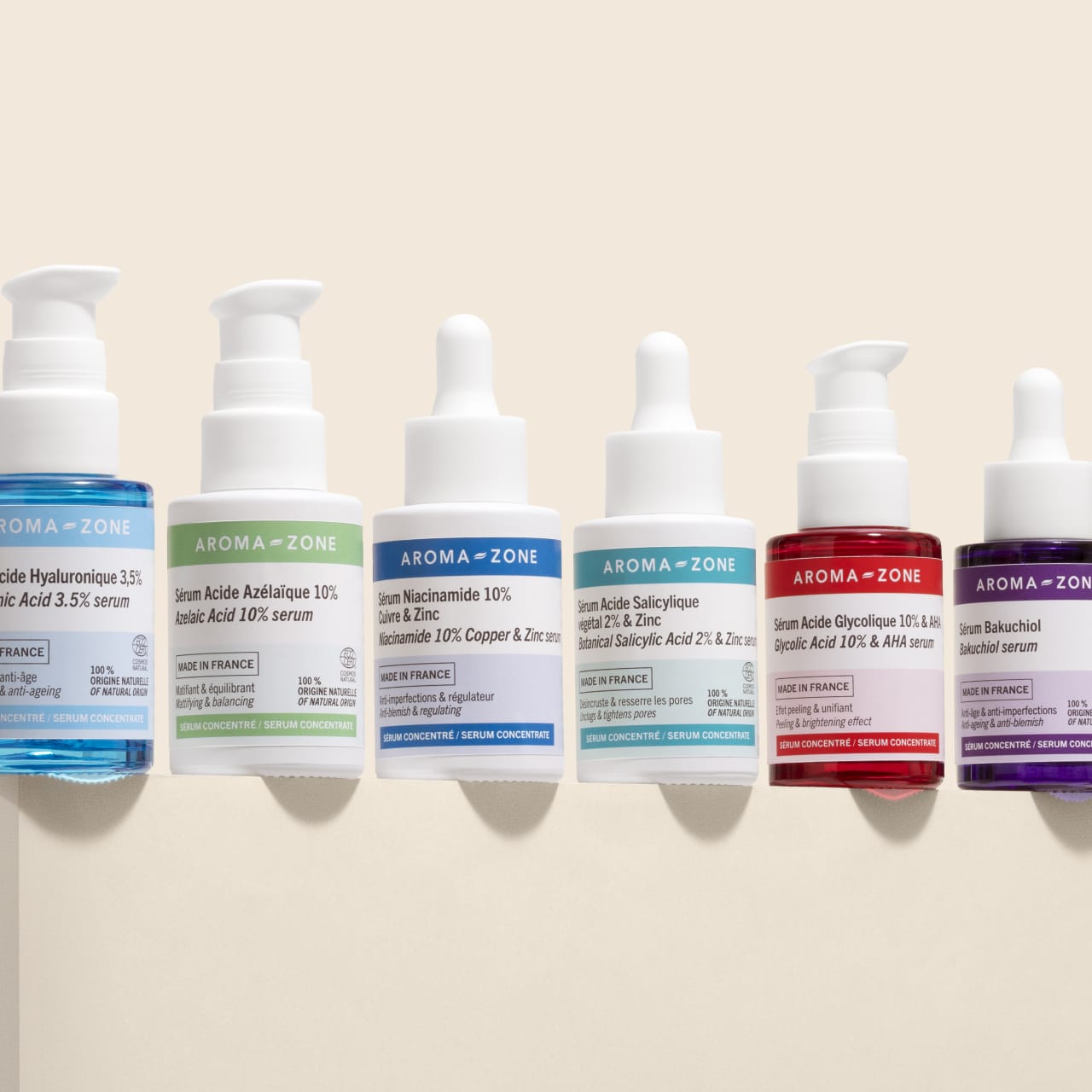
If you're looking to combat blemishes, face serums concentrated with specific active ingredients, such as glycolic acid and Bakuchiol, can be excellent choices. They can help improve skin texture and reduce blemishes.
How can you incorporate these ingredients into your routine?
First of all, reduce astringent or 'stripping' cosmetic products, which apparently eliminate excess sebum but have the side effect of increasing its secretion. Instead, use cosmetic products designed for combination to oily skin that are non-comedogenic.
Start by cleansing your skin with a hydrosol or mild soap, then choose a light neutral base and add targeted active ingredients and essential oils suited to your skin type. Don't forget to use a gentle, purifying scrub regularly to remove dead skin cells, and apply a clay mask for an absorbing, purifying action.
How can I prevent the symptoms of oily skin?
As well as a cosmetic routine adapted to oily skin, we also recommend that you eat a healthy, balanced diet. This is also linked to oily skin, as the sebaceous glands use certain nutrients, such as glucose, acetate and fatty acids. In fact, a diet high in fast sugars or rich in dairy products (except cheese) indirectly increases lipid synthesis by the sebaceous glands. Situations of stress or annoyance can also cause a rise in body temperature and encourage a peak in seborrhoea. The same goes for alcohol. Remember to take part in physical activity and sport.
Precautions and storage of your cosmetic ingredients
When using products for oily skin, be sure to follow the usual precautions. Don't forget to do a skin test beforehand if you are sensitive to certain ingredients.
To guarantee their effectiveness, store your cosmetic ingredients in a cool, dry place away from direct sunlight. Follow the specific storage instructions for each product.


