A skin with imperfections is skin whose balance has been disrupted, most often by the production of sebum. Sebum is useful for protecting the skin, but when produced in excess, it can cause shine, enlarged pores, blackheads or small pimples. This is often referred to as acne-prone skin. Acne is a common skin condition, especially in adolescence, but it can also affect adults. It is caused by the functioning of the pilosebaceous follicle, a small structure in the skin that contains hair and sebaceous glands. Under the influence of androgen hormones, these glands can produce more sebum, which makes it easier for pores to become clogged. In this context, certain bacteria naturally present on the skin, such as Cutibacterium acnes, can multiply and contribute to the appearance of blackheads or inflammatory pimples.
Natural solutions for problem skin, oily skin and acne-prone skin
By The Aroma-Zone editorial team
Published on: Friday, August 05, 2022, Updated on: Wednesday, September 30, 2026
Pimples, excess sebum, blackheads, open pores… While acne, an inflammatory disease of the pilosebaceous follicle, usually is associated with teenagers, these skin issues also affect many adults. Fortunately, there are highly effective natural solutions to reduce the aesthetic and physiological discomfort caused by oily or acne-prone skin. Don't let your skin problem spoil your life! Discover the natural remedies based on carrier oils, essential oils and other cosmetic active ingredients recommended by our experts. Targeted at acne-prone or oily skin, the simple cosmetic recipes they suggest will help you regain clear, flawless skin!
Contents
Related products
Anti-blemishes
Sebum-regulating
£5.00
200 ml
Soothing
Anti-blemishes
£7.50
200 ml
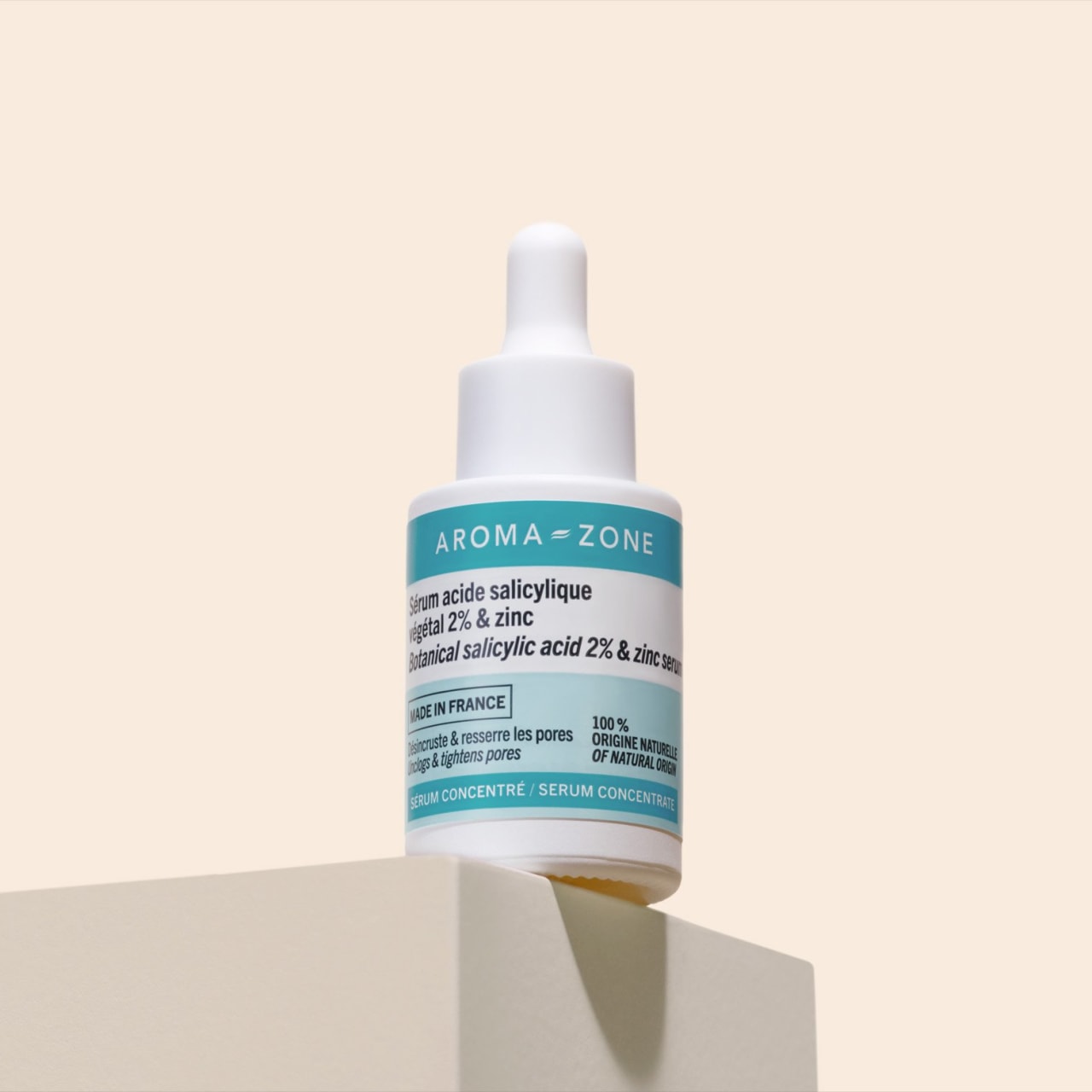
Sebum-regulating
Anti-blemishes
£8.00
30 ml
2 options
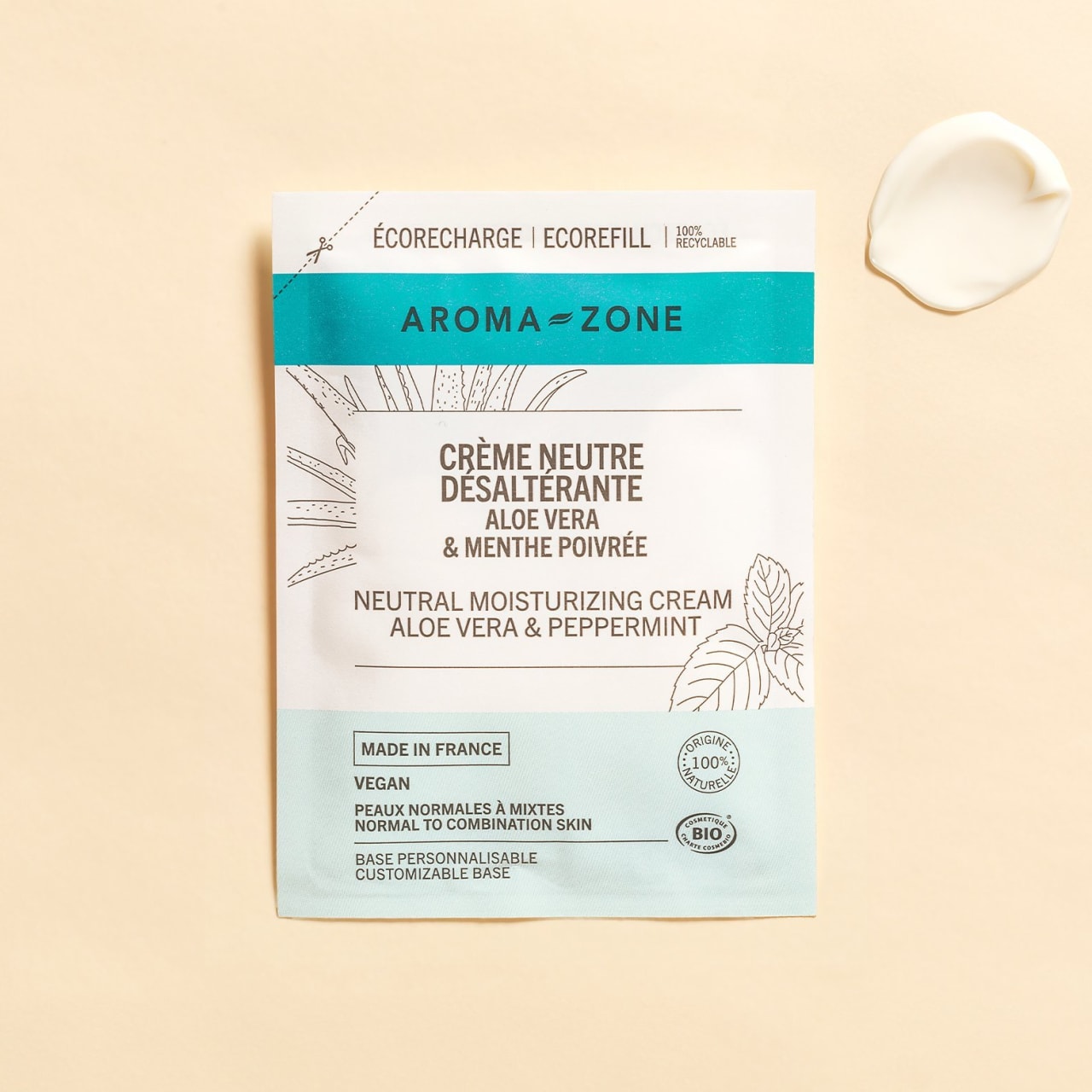
Moisturising
Purifying
£4.50
50 ml
£8.00
50 ml
2 options
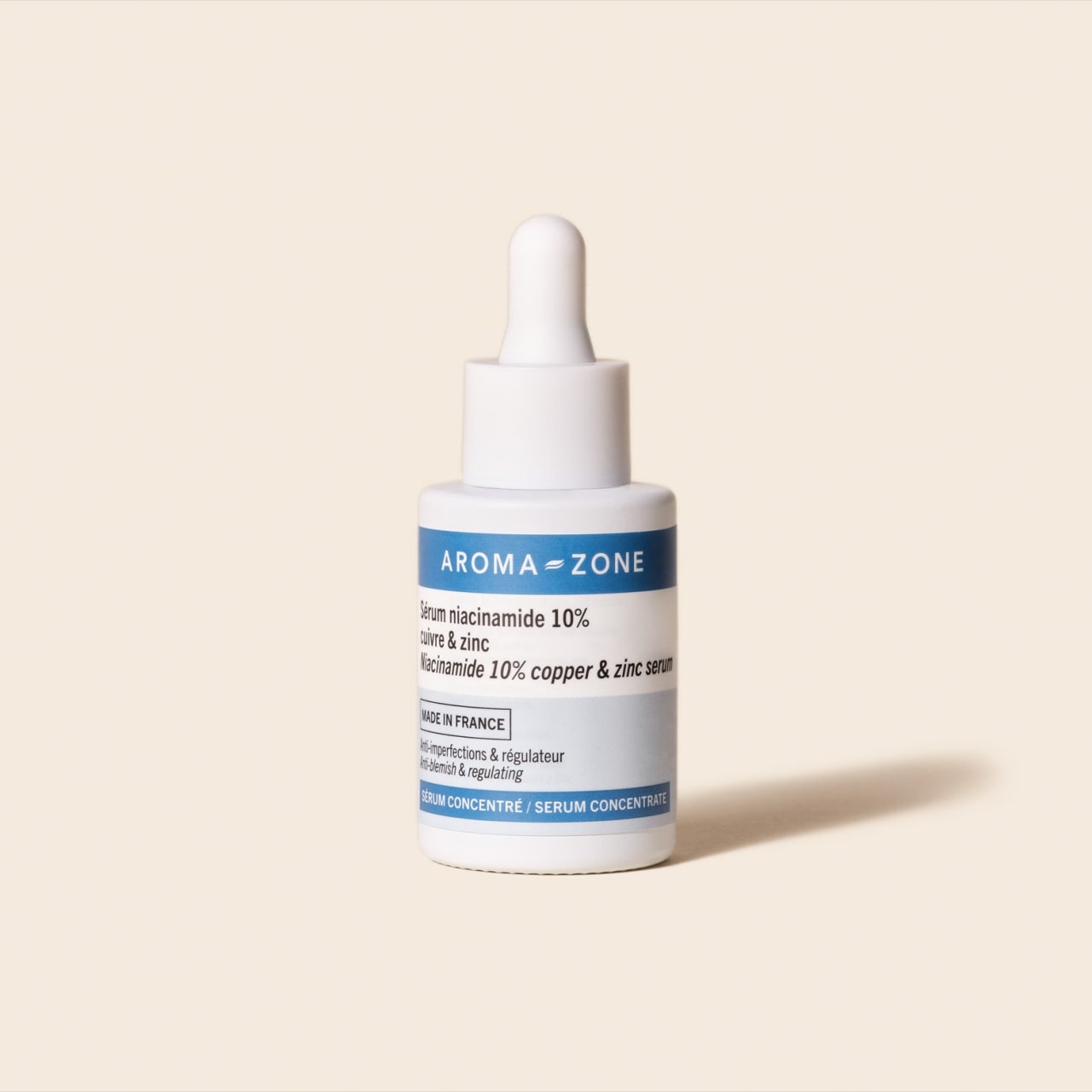
Anti-blemishes
Sebum-regulating
£8.00
30 ml
4 options
Purifying
Sebum-regulating
£4.50
10 ml
2 options
Purifying
Anti-ageing
£2.80
£4.00
10 ml
2 options
Anti-blemishes
Sebum-regulating
£4.00
20 g
What is blemished skin?
Causes of blemished skin
Before considering the best skincare products for problem skin, it is important to understand the factors that can contribute to this imbalance. Blemished skin is often the result of several interacting causes. These include a combination of biological mechanisms and lifestyle factors that can influence the skin's balance. Understanding them better will enable you to adopt more appropriate skincare habits that respect your skin and its specific needs:
Unbalanced diet
Some research suggests that a diet rich in highly processed foods or foods with a high glycemic index may be associated with skin that is more prone to imperfections. These foods promote insulin spikes, which can indirectly stimulate the production of androgens, which are themselves linked to an increase in sebum. High consumption of dairy products is also sometimes associated with oilier skin in some people. These links vary from one individual to another, but a varied and balanced diet promotes better overall balance, including for the skin.
Chronic stress
Stress is a part of life, but when it becomes frequent or prolonged, it can affect the skin. It is accompanied by an increase in cortisol, a hormone that can influence overall hormonal balance and sebum production. In some people, this can coincide with breakouts. Taking care of your emotional well-being therefore also contributes to skin comfort.
Natural hormonal variations
Hormones play an important role in the activity of the sebaceous glands. During adolescence, increased androgens naturally stimulate sebum production. In adulthood, certain periods such as the menstrual cycle, pregnancy, or menopause are also accompanied by hormonal fluctuations that can promote the appearance of pimples. These phenomena are physiological and do not indicate a problem with poor skin care.
Unsuitable cosmetic products
A routine that is too aggressive or unsuitable can weaken the skin barrier. Overly harsh cleansers or a lack of hydration can cause the skin to produce more sebum to protect itself. Conversely, products that are too rich or comedogenic can clog pores. The goal is therefore to find a balance with gentle, non-comedogenic skincare products that are suited to your skin type, in order to support its natural functioning rather than constrain it.
The characteristics of blemished skin
Understanding typical symptoms can help you target the best skincare products for problem skin. Problem skin can manifest itself in different ways depending on the individual and the stage of life. Some signs are occasional, others more regular. Recognizing them helps you better adapt your routine and stay attuned to your skin without upsetting it:
Bumps: small red or white lesions that appear when pores are clogged with excess sebum and dead skin cells
Blackheads: open comedones visible on the surface, linked to the oxidation of sebum on contact with the air
Excess sebum: shiny skin, especially in the T-zone (forehead, nose, chin), reflecting more intense sebaceous activity
Enlarged pores: more visible follicle openings, often associated with high sebum production
Localized redness: inflammatory areas around blemishes, which can cause an uneven complexion
Uneven skin texture: skin that feels or looks less smooth, with small subcutaneous bumps
Residual marks: traces left behind after blemishes, which generally fade over time with appropriate skincare.
What natural skincare routine can help you achieve clearer-looking skin?
To care for your skin daily with simple, targeted steps, feel free to try our natural, comprehensive routine—easy to adopt and tailored to the needs of skin prone to imbalances:
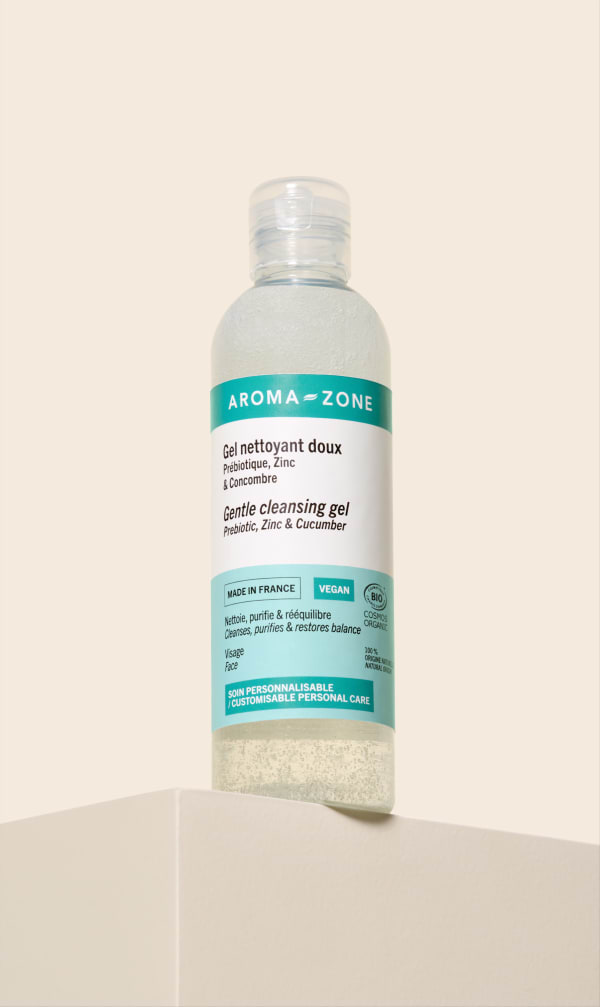
1. Gentle cleansing: Start by cleansing your face morning and evening with our Gentle Prebiotic, Zinc & Cucumber Cleansing Gel, which will help purify your skin while respecting its natural balance. Avoid contact with the eyes. Avoid contact with the eyes. In case of contact with the eyes, rinse thoroughly with clean water.
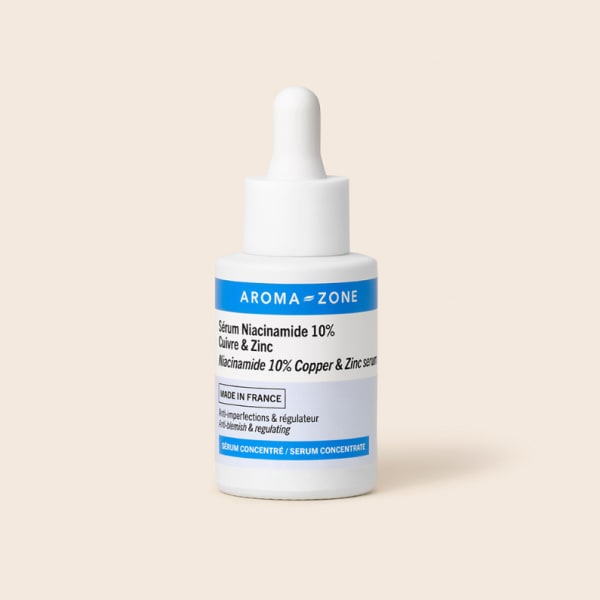
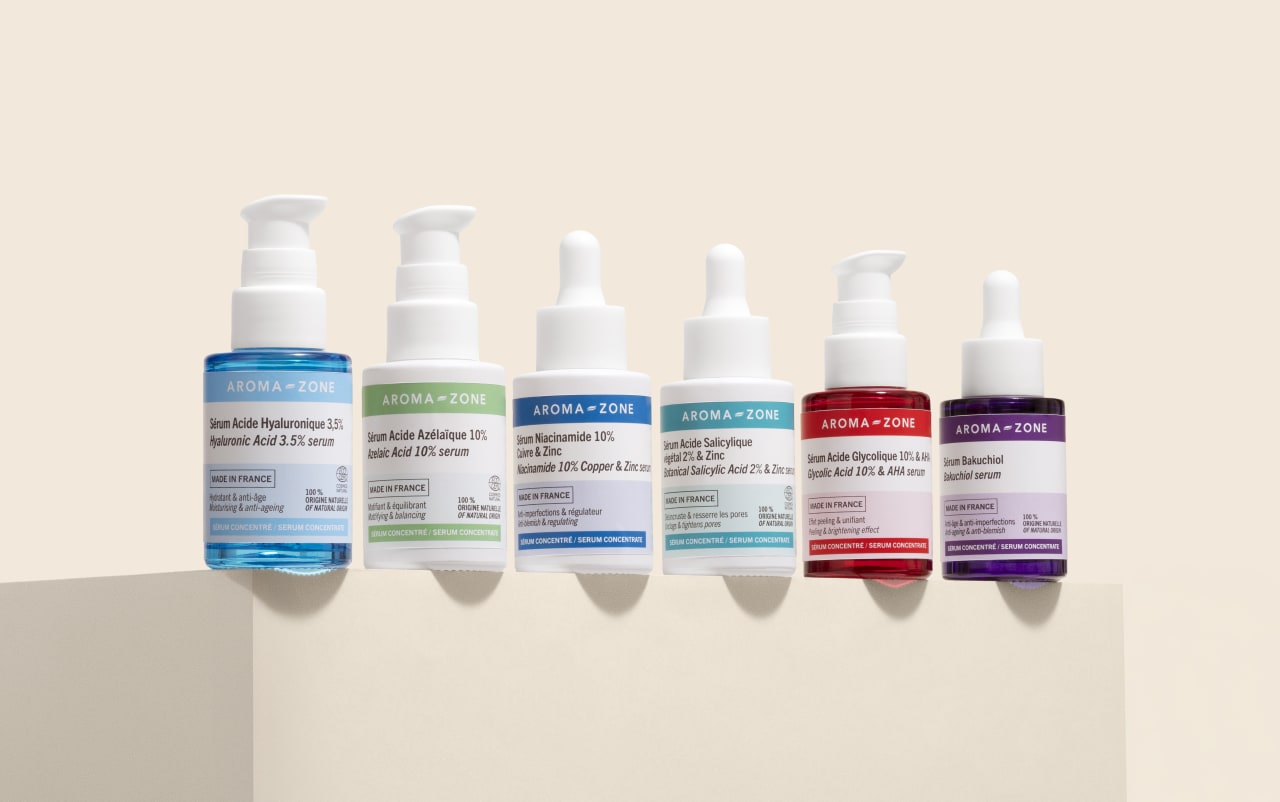
2. Target imbalances: Then apply a few drops of Concentrated Serum Niacinamide 10%, Copper & Zinc. Lightweight and easy to incorporate into your routine, it helps to even out the complexion and improve the overall appearance of the skin. If irritation occurs, discontinue use. Keep out of reach of children. Suitable for combination to oily, non-sensitive skin prone to acne. Not suitable for skin prone to erythrocouperosis redness.
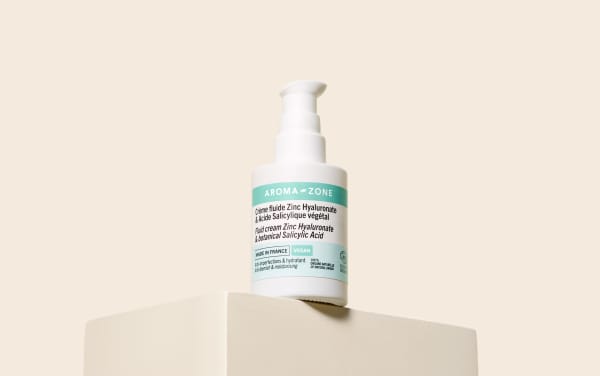
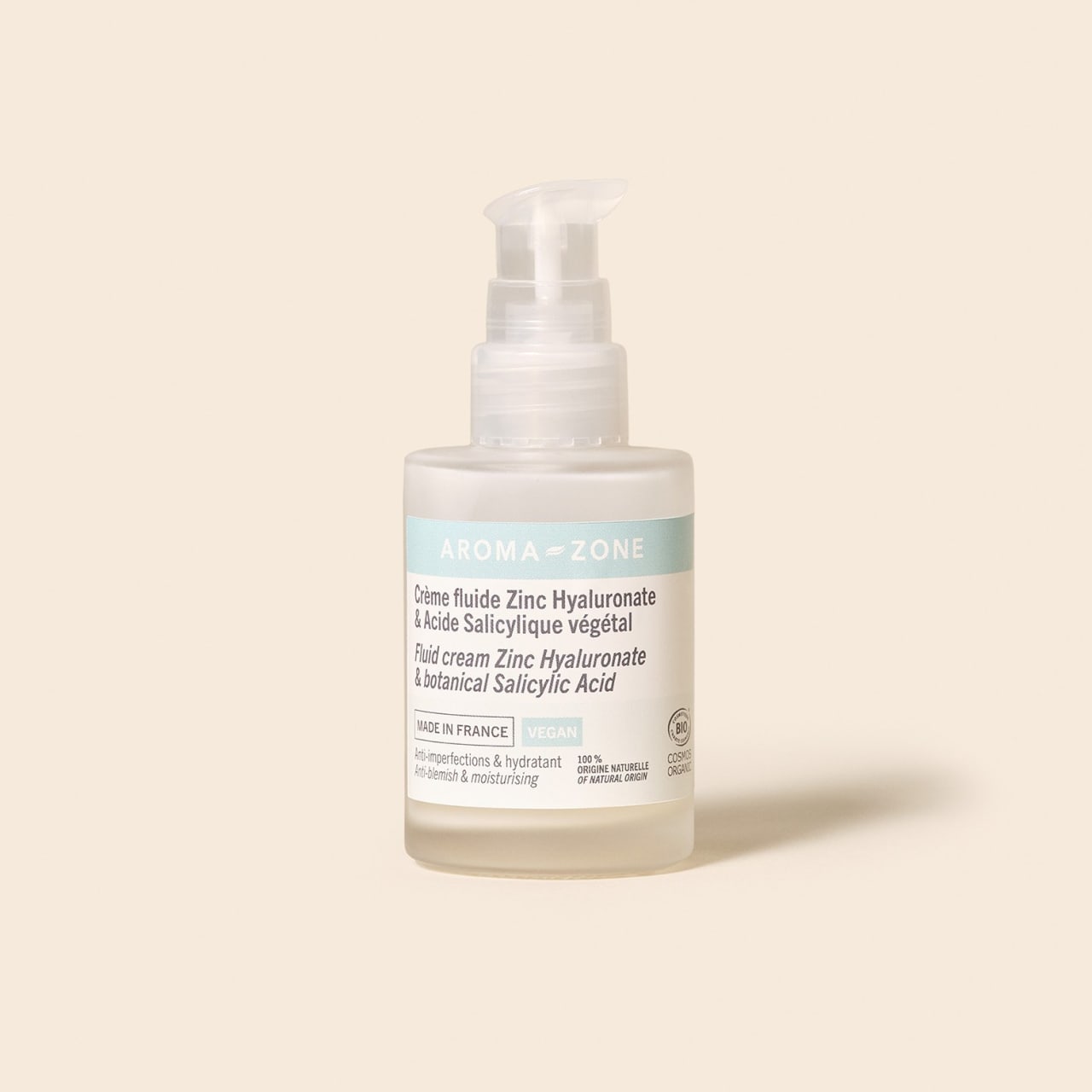
3. Moisturise without weighing skin down: Follow with Zinc Hyaluronate & Plant-Based Salicylic Acid Fluid Cream, a lightweight, non-greasy moisturiser that hydrates the skin while leaving a feeling fresh. Ideal for combination to oily skin. Avoid the eye area; in case of contact with the eyes, rinse immediately with clean water.
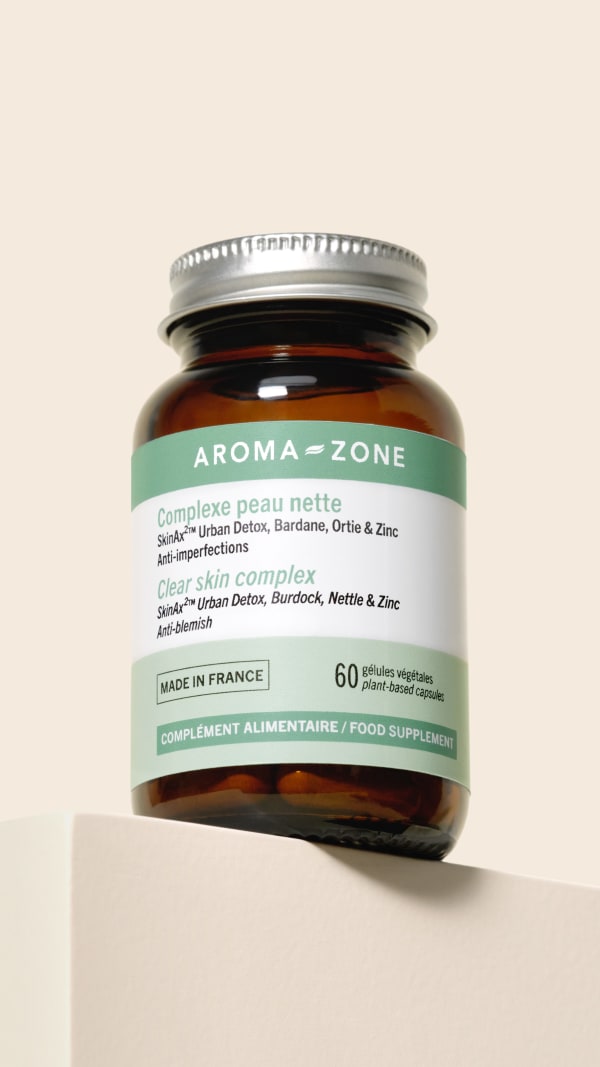
4. Act from within: The Clear Skin dietary supplement combines plant extracts, from burdock to zinc, to support the skin from within. A natural solution to support daily skin balance. Take 2 capsules per day with a glass of water. Not a substitute for a varied and balanced diet and a healthy lifestyle. Do not exceed the recommended daily dose. For adults only. Not recommended for pregnant or breastfeeding women, or in cases of heart failure or oedematous renal failure. Not recommended in cases of allergy to salicylic derivatives or known cross-allergy, particularly to plants of the Asteraceae family. Keep out of reach of children.
To find out more, discover our anti-blemish routine.
Which active ingredients are best for this type of skin?
What natural solutions are there for problem skin?
To care for your problem skin on a daily basis, it is essential to choose appropriate skincare products that respect its natural balance without damaging it. Whether you want to gently purify, soothe sensitive areas, or support hydration without clogging pores, certain targeted products can help you achieve clearer, more comfortable skin. Discover below a selection of the best skincare products for problem skin, carefully chosen to meet the specific needs of blemish-prone skin:
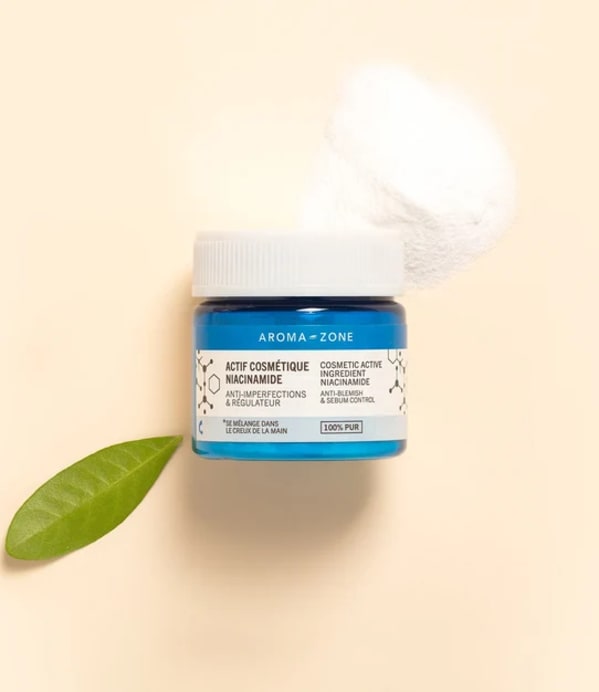
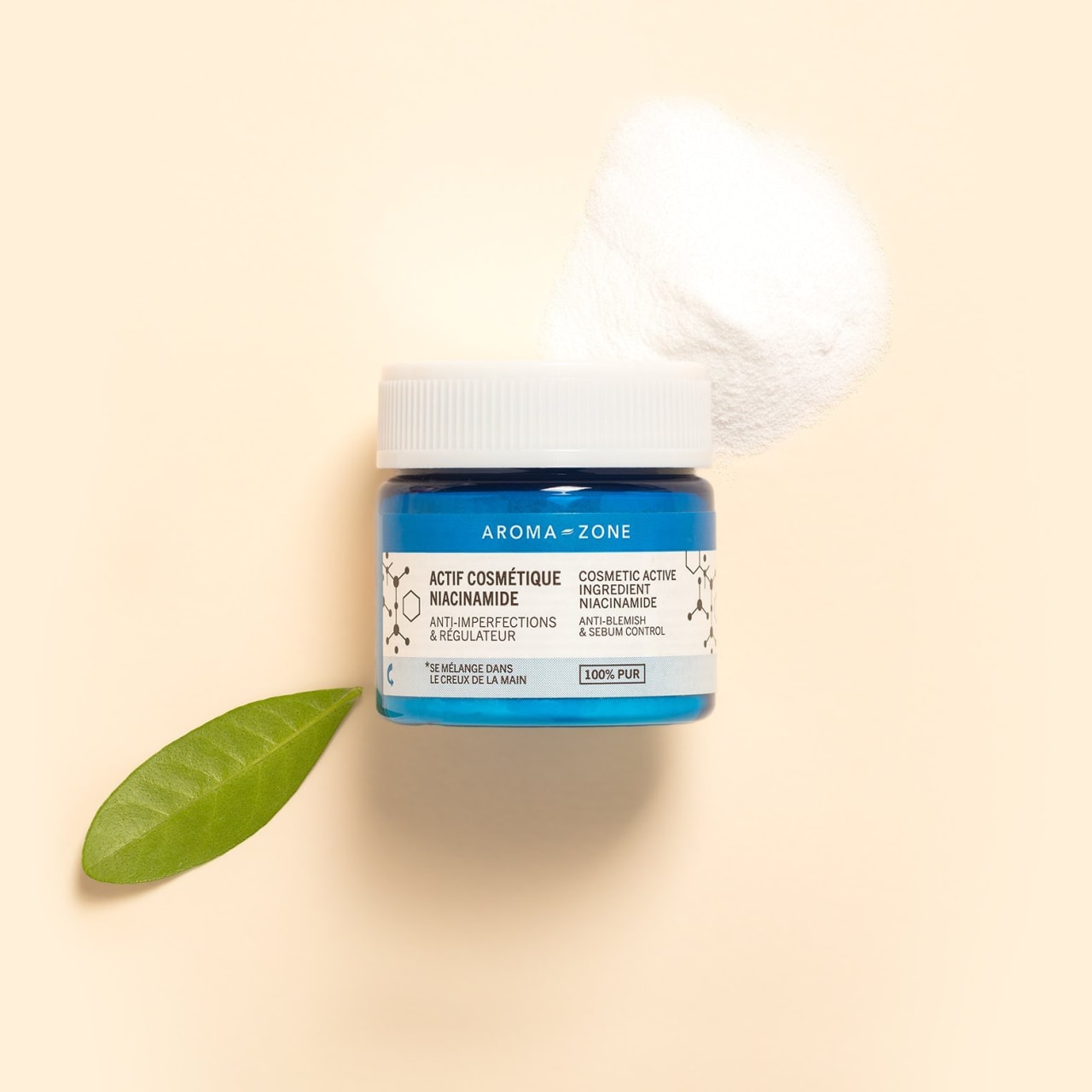
Nicotinamide active ingredient:
Nicotinamide is popular for its multiple benefits: known for regulating sebum production, it also reduces the pigmentation spots that can appear in cases of acne and blemishes. It can be used as an ingredient in your cosmetic recipes as well as an active ingredient in your skin care routine.
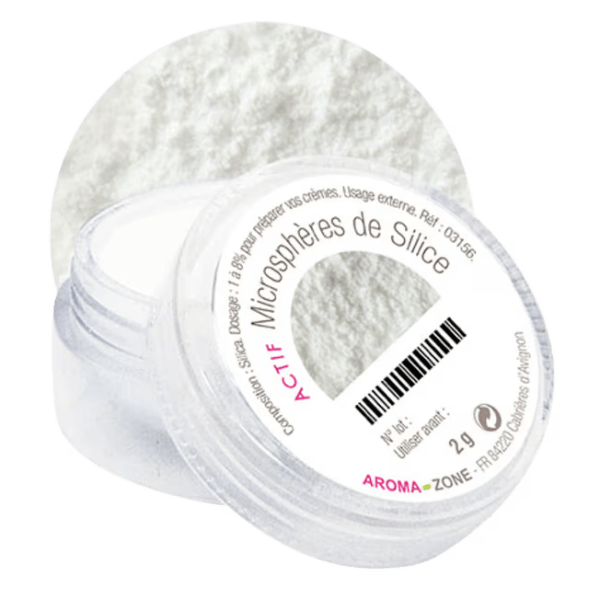
Active silica microspheres
This mattifying 100% mineral silica is used in cosmetic formulations to give the skin a velvety matte finish, absorb excess sebum and conceal blemishes and open pores. It is an active ingredient perfectly suited to oily skin.
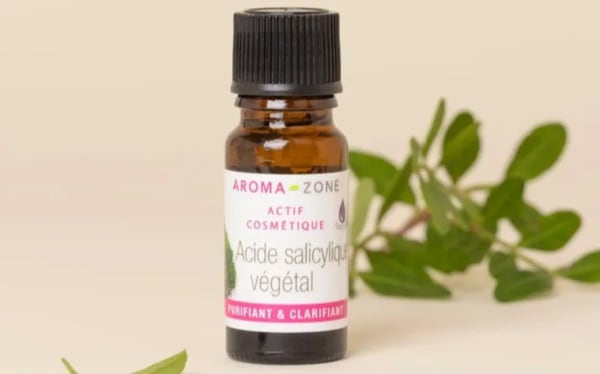
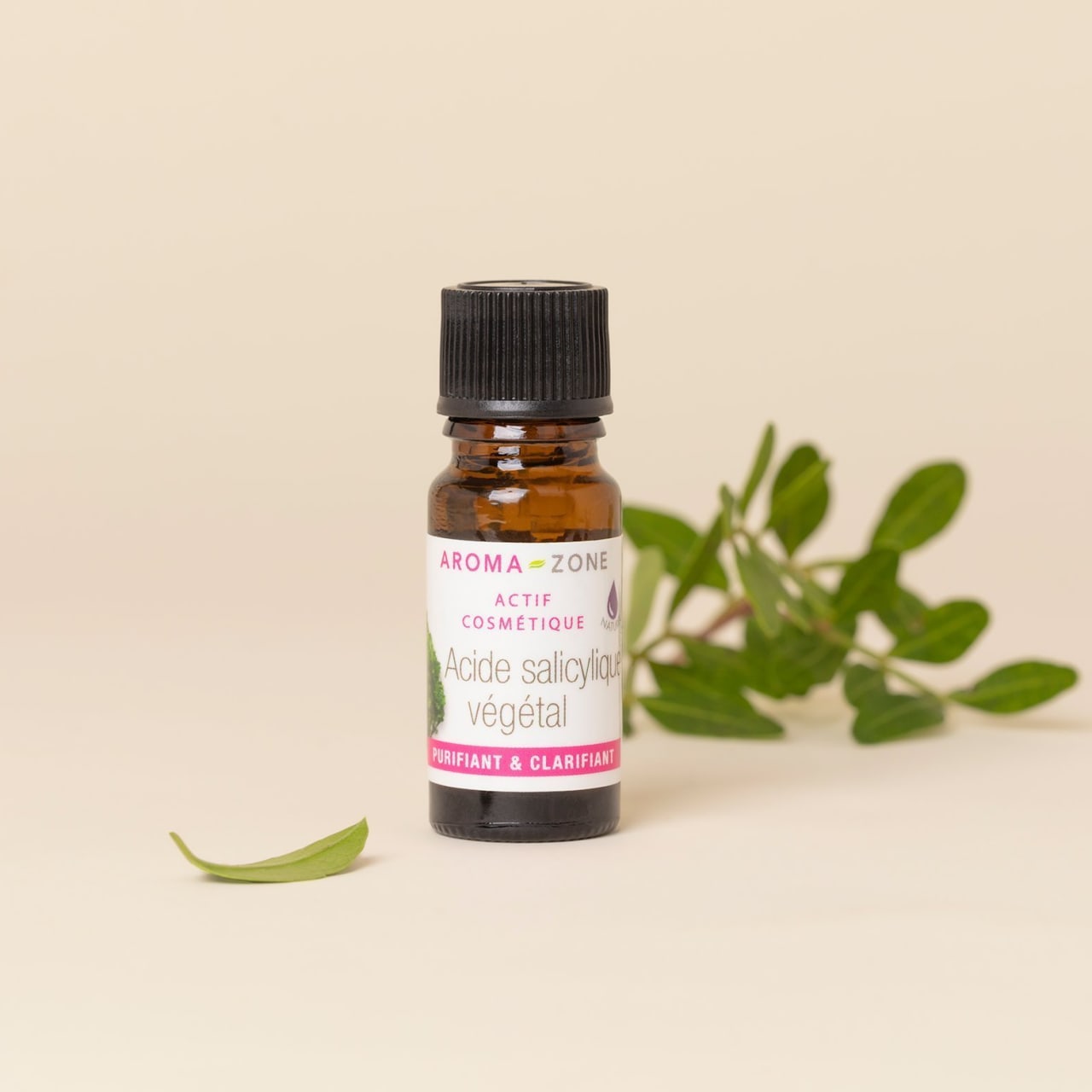
Plant-derived salicylic acid
Smoothing and regenerating, this active ingredient has a gentle peeling effect that stimulates cell renewal to improve the skin's overall appearance. Thanks to its cleansing action, it deeply cleanses pores to help combat the appearance of blackheads and open pores.
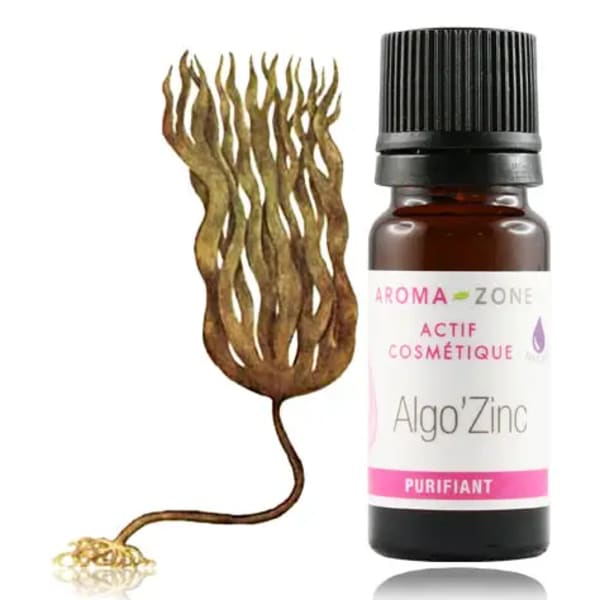
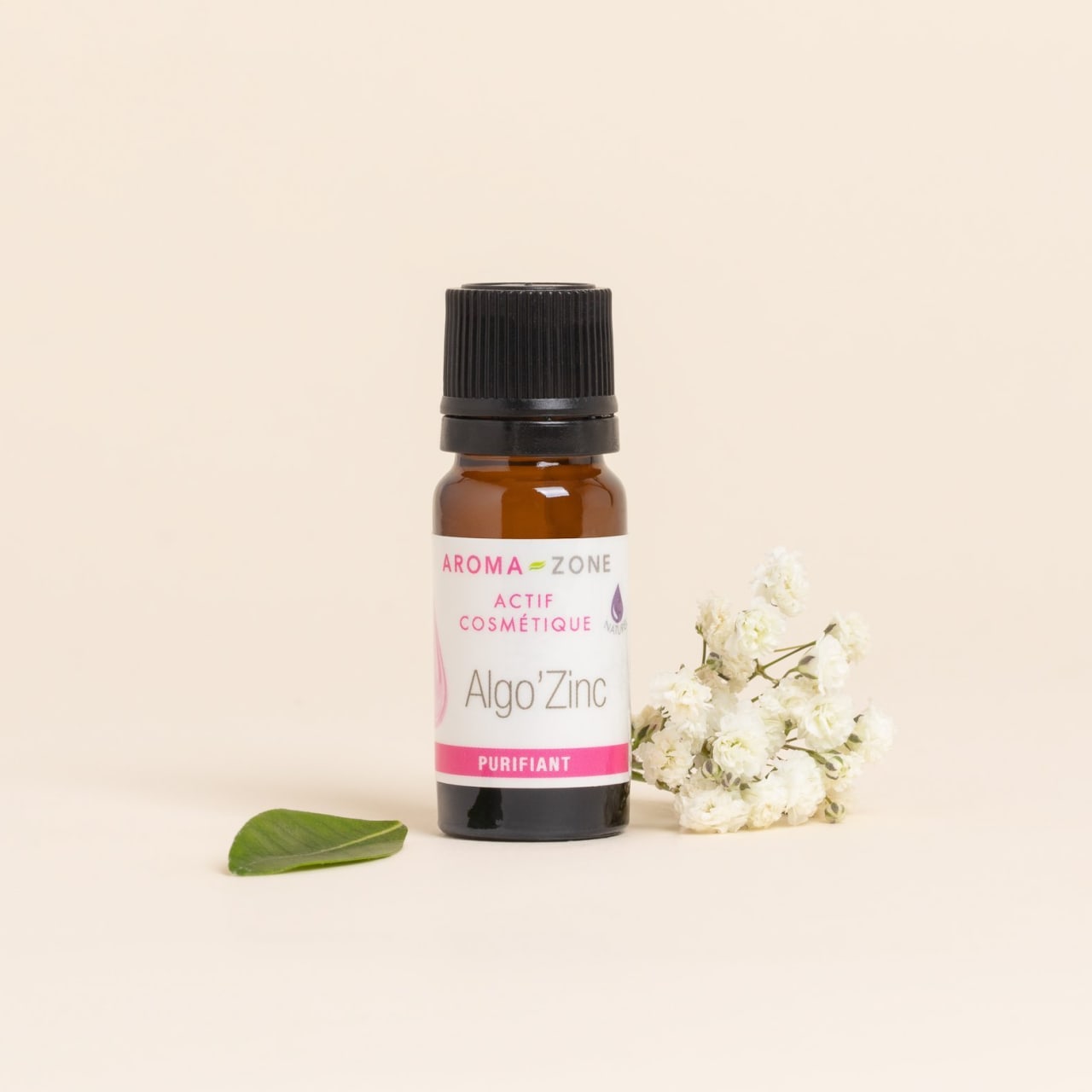
Algo'Zinc cosmetic active ingredient
This rebalancing active ingredient regulates sebum production by inhibiting the cause of hormonal seborrhoea. Purifying, it has proven effectiveness against the bacteria responsible for acne. So it's the perfect active ingredient to include in your moisturiser to combat blemishes from oily or acne-prone skin.
Our traditional remedies for blemished skin
Certain simple tips, passed down from generation to generation, can gently and sensibly care for blemish-prone skin. Without replacing appropriate skincare products, these natural steps focus on balanced habits to help the skin regain comfort and harmony, while respecting its sensitivity:
Steam bath : this is an effective solution for purifying problem skin. It unclogs and dilates pores, stimulates blood circulation, and helps prevent pimples and blackheads. To do this, heat a liter of water, add dried plants such as chamomile or thyme, and place your face over the bowl while covering it with a towel to concentrate the steam. After 5 to 10 minutes, rinse your face, then apply a purifying mask or follow your usual routine.
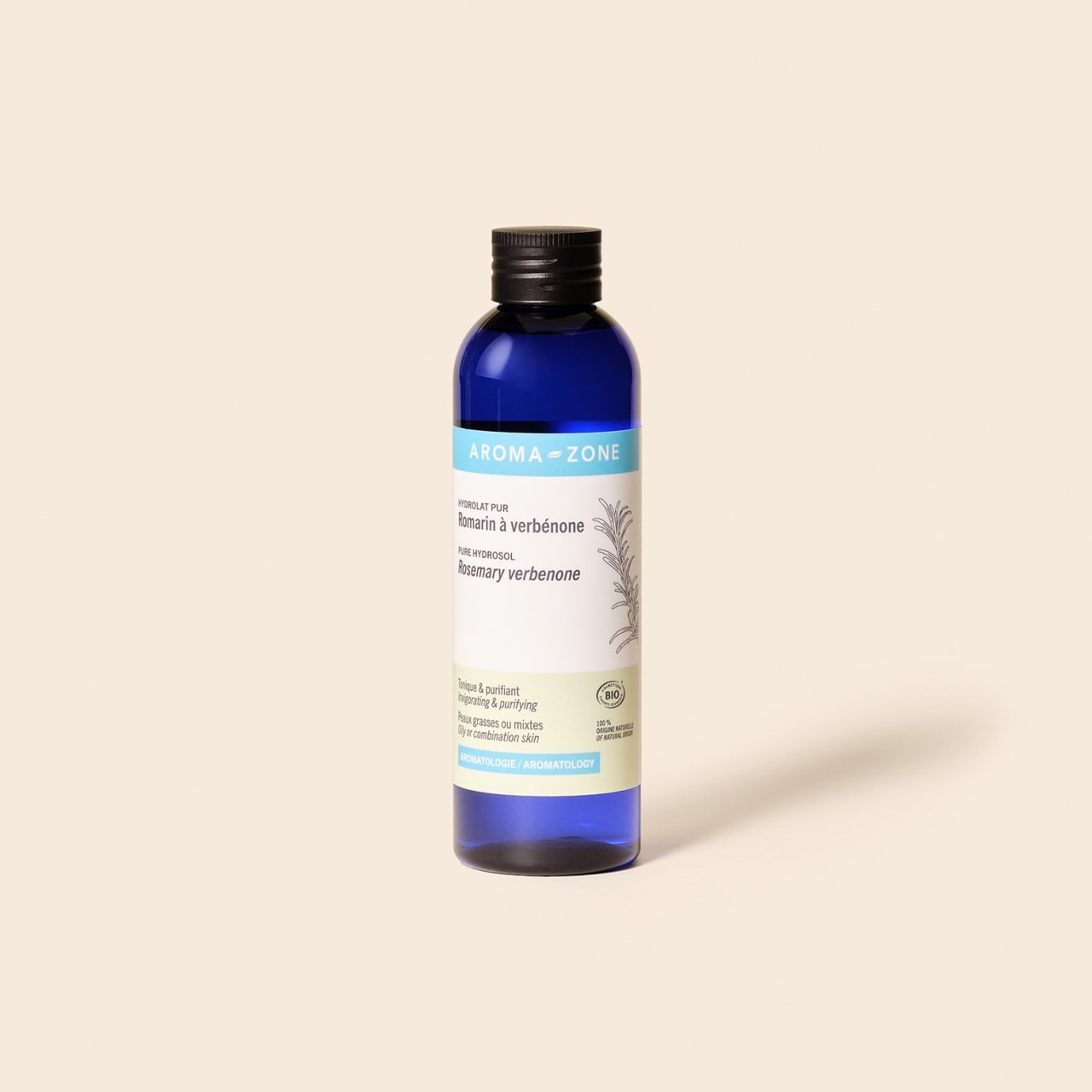
Purifying clay mask : to eliminate excess shine, mix two tablespoons of green montmorillonite clay with a purifying hydrosol such as rosemary hydrosol. These powders absorb excess sebum and purify the skin. Apply this mask to the face, leave on for 10 to 15 minutes, then rinse with warm water. Use this mask once or twice a week for a clearer complexion.
Rinsing with diluted apple cider vinegar: traditionally used to rebalance the skin, it can help to visually tighten pores. Dilute one tablespoon in a glass of water, apply with a cotton pad after cleansing, then rinse if your skin is sensitive.
Honey as a localized treatment: prized for its naturally purifying properties, honey can be applied in a thin layer to affected areas for 10 to 15 minutes before rinsing. It leaves the skin feeling softer and more comfortable.
Aloe vera gel: applied in small quantities to clean skin, it provides freshness and light hydration without leaving a greasy residue. It can be used alone or under your usual cream.
Homemade herbal lotion: an infusion of thyme, rosemary, or lavender, left to cool and then applied as a lotion, can complete your routine for a clearer feeling on your skin.
Problem skin, acne-prone skin, oily skin: what's the link?
These three terms are often used as synonyms, but they do not refer to exactly the same thing. They may overlap, but each corresponds to a particular skin condition or function.
Oily skin is primarily a skin type. It is characterized by higher than average sebum production, which gives it a shiny appearance, especially in the T-zone (forehead, nose, chin). The pores are generally more visible and blackheads or comedones can appear more easily. This overproduction of sebum can promote blemishes, but oily skin does not automatically mean acne-prone skin.
Acne-prone skin, on the other hand, is a skin condition. It can affect different skin types, although it is more common in oily skin. Acne is caused by a combination of factors: excess sebum, clogged pores, imbalances in the skin's microbiota (particularly related to Cutibacterium acnes), and sometimes inflammatory reactions. It manifests as pimples, redness, and sometimes persistent marks.
The concept of problem skin is broader. It encompasses all skin types prone to visible imbalances: occasional blemishes, enlarged pores, uneven texture, redness, or small spots. Combination or even dry skin can therefore be considered "problem skin" if it shows these signs. Sometimes, the skin can also thicken or become more reactive in response to external aggressions or unsuitable skincare products.
In summary, oily skin can promote the appearance of blemishes, acne-prone skin describes a specific condition, while problem skin refers to a more general and sometimes temporary condition. Understanding these nuances allows you to adapt your routine more accurately and gently.
Precautions
It is important not to damage the skin, as this can trigger excess sebum production. Choose gentle, non-stripping skincare products: excessive damage causes the skin to produce more sebum to compensate for the loss of oil and restore the hydrolipidic barrier, thereby aggravating oily skin. Similarly, in cases of severe acne, it is necessary to consult a healthcare professional for a diagnosis and appropriate treatment.
Expert advice
Blemishes can sometimes affect self-confidence, but they are a common and often temporary skin imbalance. By adopting gentle, regular habits that are suited to your skin type, you can gradually improve your skin's balance. Avoid focusing excessively on every little pimple: skin evolves, regenerates, and changes over time. And if imperfections persist, worsen, or become uncomfortable, consulting a dermatologist remains a reassuring and constructive step.
Bibliography
Guinot, C., & Latreille, J. (2019).
Dermatology and nutrition: The role of diet in skin diseases. Elsevier Masson.
Bowe, W. P., & Logan, A. C. (2011). Acne vulgaris, probiotics and the gut–brain–skin axis: From anecdote to translational medicine. Beneficial Microbes.
https://pubmed.ncbi.nlm.nih.gov/23886975/.
Dreno, B., Pécastaings, S., Corvec, S., Veraldi, S., Khammari, A., & Roques, C. (2018). Cutibacterium acnes (Propionibacterium acnes) and acne vulgaris: A brief look at the latest updates. Journal of the European Academy of Dermatology and Venereology.
https://pubmed.ncbi.nlm.nih.gov/29894579/
Katta, R., & Desai, S. P. (2014). Diet and dermatology: The role of dietary intervention in skin disease. Journal of Clinical and Aesthetic Dermatology.
https://pmc.ncbi.nlm.nih.gov/articles/PMC4106357/