


We tend to lavish attention on our face and forget the rest. Yet the body faces triggers the face rarely deals with: the rub of clothing, repeated shaving, skin folds, and areas that see plenty of sun but rarely get SPF, like hands or cleavage.
The result is patches of body hyperpigmentation on the underarms, inner thighs, legs, hands or elbows. These marks are very common and harmless in most cases, but they respond best to care specifically designed.
Face vs body: What's different?
Triggers: on the face, sun and breakouts are usually to blame. On the body,
friction and hair removal
come into play too, particularly where skin rubs against skin or clothing. Marks left by bites, scratches or eczema can also linger for months, especially on darker skin tones.
Surface area: legs, arms and back cover a lot of ground. Rather than a precious drop of serum, it makes more sense to
boost a body lotion with targeted active ingredients.
Sensitivity: underarms and inner thighs are delicate, often irritated by shaving or deodorant. What works on an elbow can be too much for an armpit, so each area deserves its own care.
Dark spots on the body: our tips, area by area
Every part of the body has its own triggers, so it's worth tailoring your care to the area you want to even out.
Dark underarms
Shaving irritation, friction from tight clothing and fragranced products can all gradually darken the underarms. This is a delicate area, so gentleness comes first. Choose a fragrance-free deodorant, and if shaving leaves you with ingrown hairs or razor burn, try adding our Plant-Derived Salicylic Acid Active Ingredient to a neutral lotion (up to 4%). It's specifically recommended for areas prone to ingrown hairs. Avoid over-exfoliating, as irritated skin tends to darken further.
Dark inner thighs
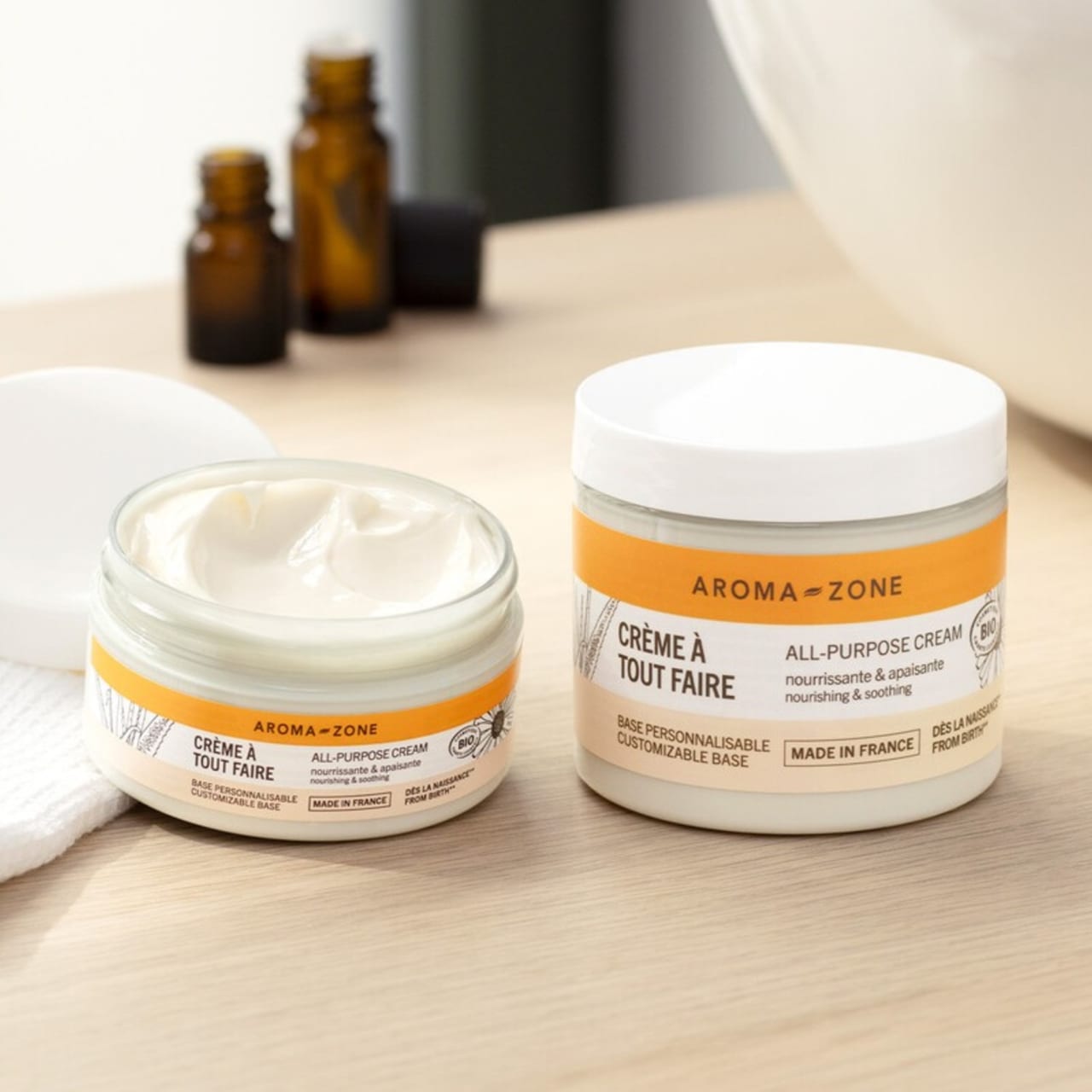
Here, friction is usually the main culprit: skin rubbing against skin or clothing, especially in warm weather or during exercise. Loose, breathable fabrics like cotton help limit chafing. To keep the skin comfortable and its barrier strong, Aroma-Zone Lipid-Replenishing Balm With Oats & Ceramide NP soothes and nourishes dry, sensitive skin, and it's suitable for the whole family.
Dark spots on legs
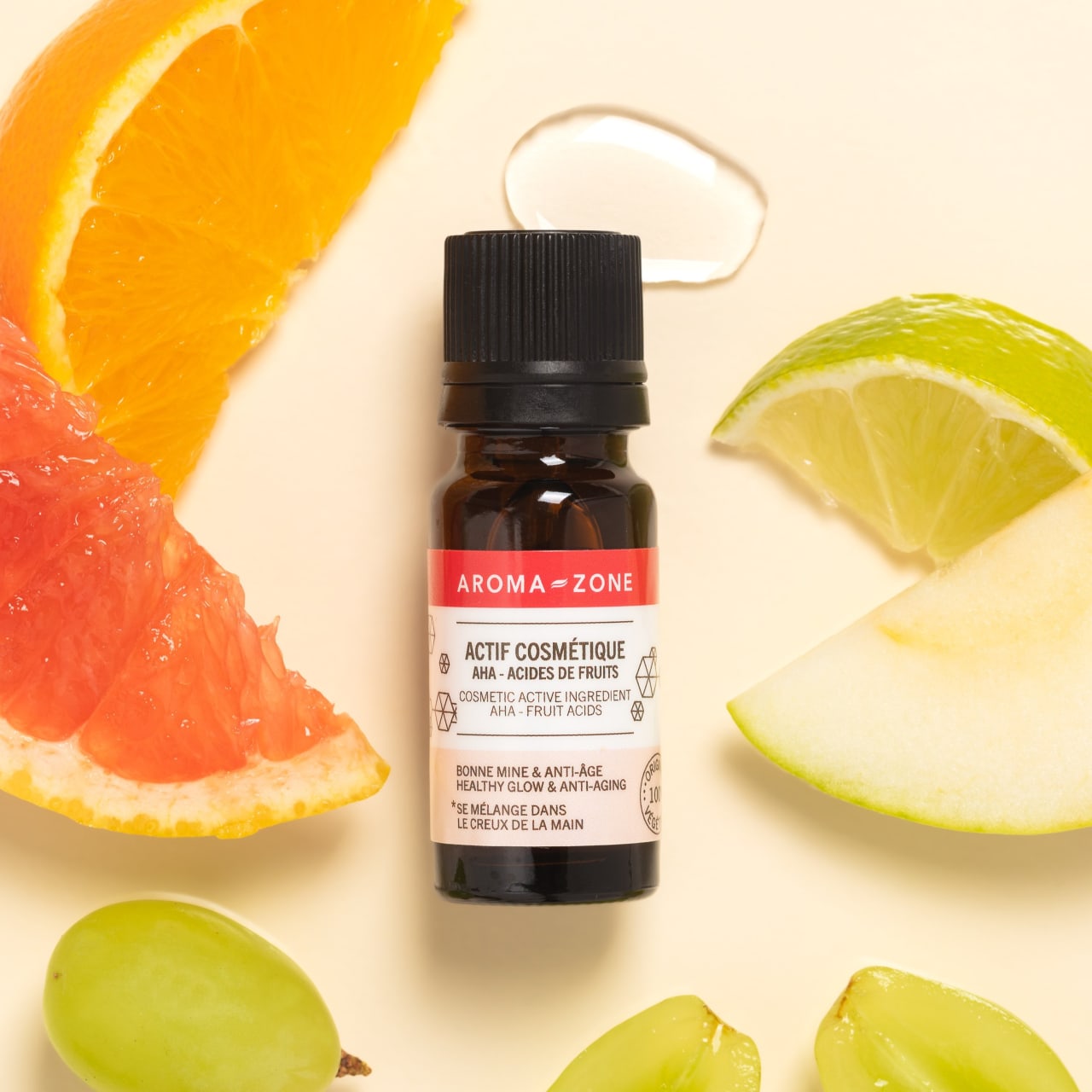
Sun exposure, shaving and old ingrown hairs are the usual suspects when it comes to hyperpigmentation on the legs. An evening body lotion boosted with 1 to 5% AHA Fruit Acids helps renew the skin's surface and even out skin tone, while a regular body scrub keeps ingrown hairs at bay. Tiny dark dots after shaving? Read our full guide Strawberry legs: what to do?
Dark spots on hands
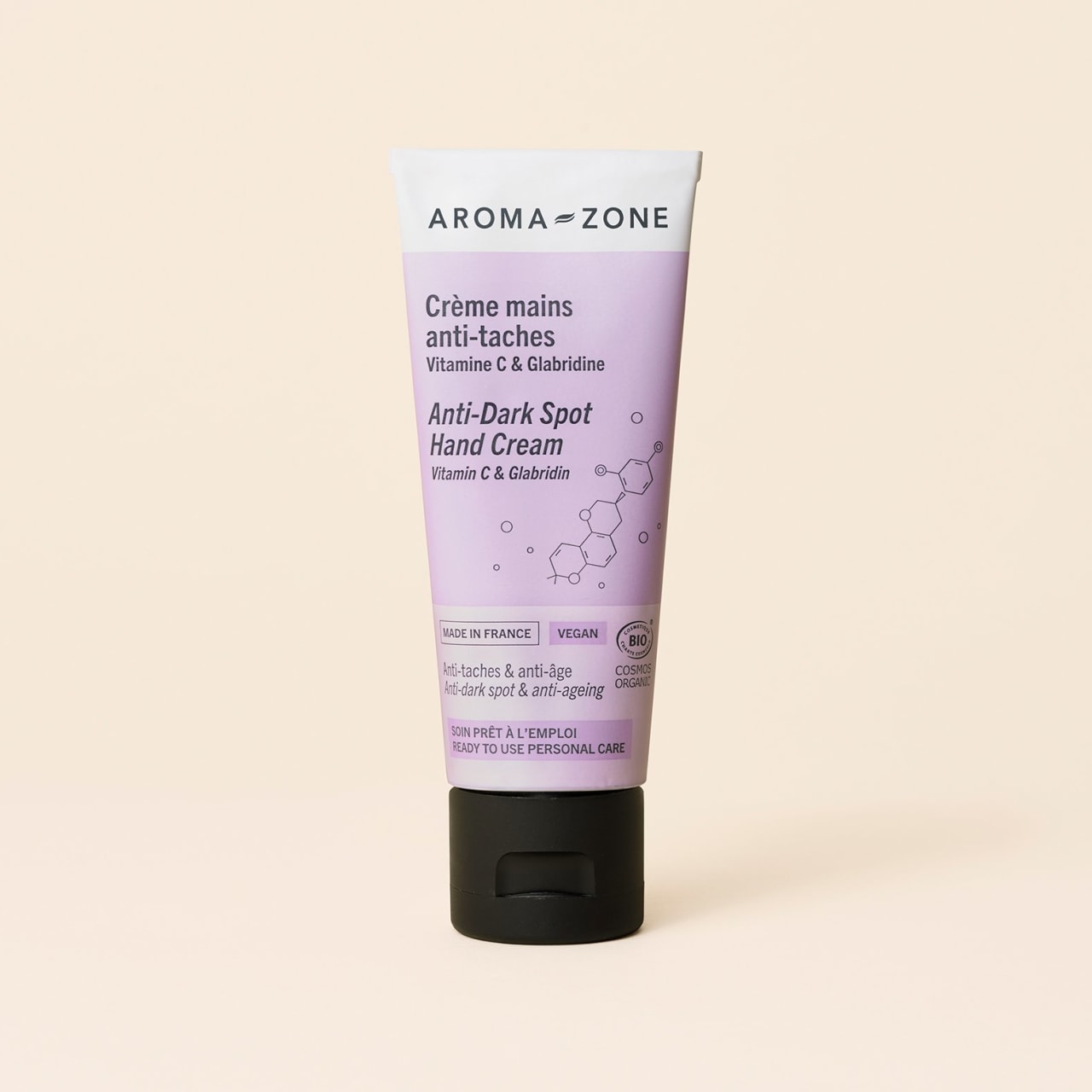
The backs of the hands are among the most sun-exposed areas of the body, yet they're often forgotten when applying SPF. Aroma-Zone Anti-Dark Spot Hand Cream – Vitamin C & Glabridin is perfect for it. In a clinical test, 86% of dark spots were less visible after 56 days. Apply it once or several times a day, and reapply sun protection after washing your hands on sunny days.
Dark elbows and knees
Leaning on hard surfaces and constant friction can leave elbows and knees rougher, drier and darker than the rest of your skin. Moisturise them regularly, especially after washing, with a rich cream from our body creams, lotions and balms, which you can boost with a little AHA to smooth the skin's surface. Resist the urge to scrub hard: you can't scrub dry skin away, and it may just leave the area sore.
Turn your body lotion into a targeted treatment
Our active ingredients let you make your usual body care work harder for pigmentation, with no need to buy a separate product for every area.
For regular use: add 1 to 5% AHA Fruit Acids to a neutral lotion from our body creams, lotions and balms. If you're adding it to a ready-made product, stick to 1 to 3%.
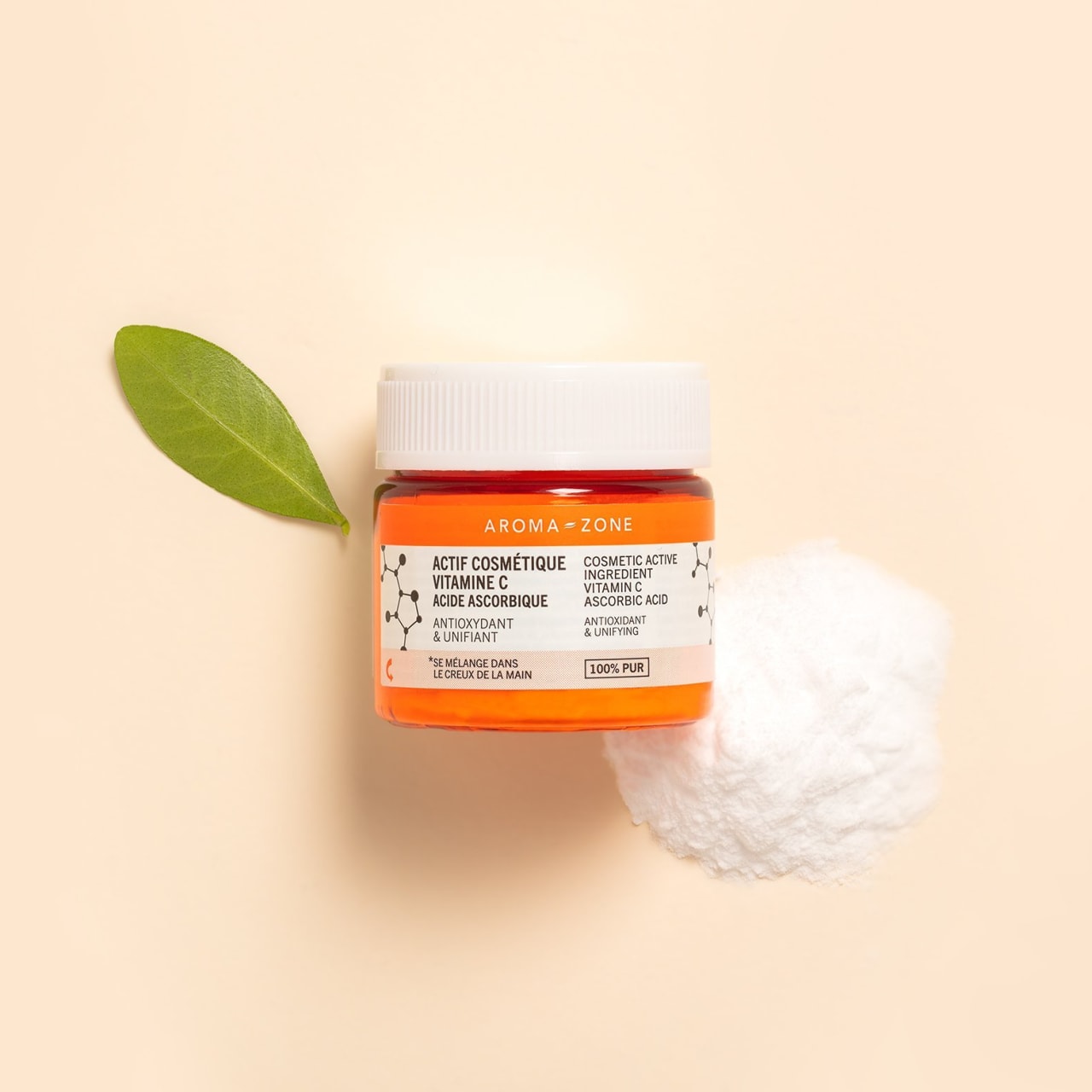
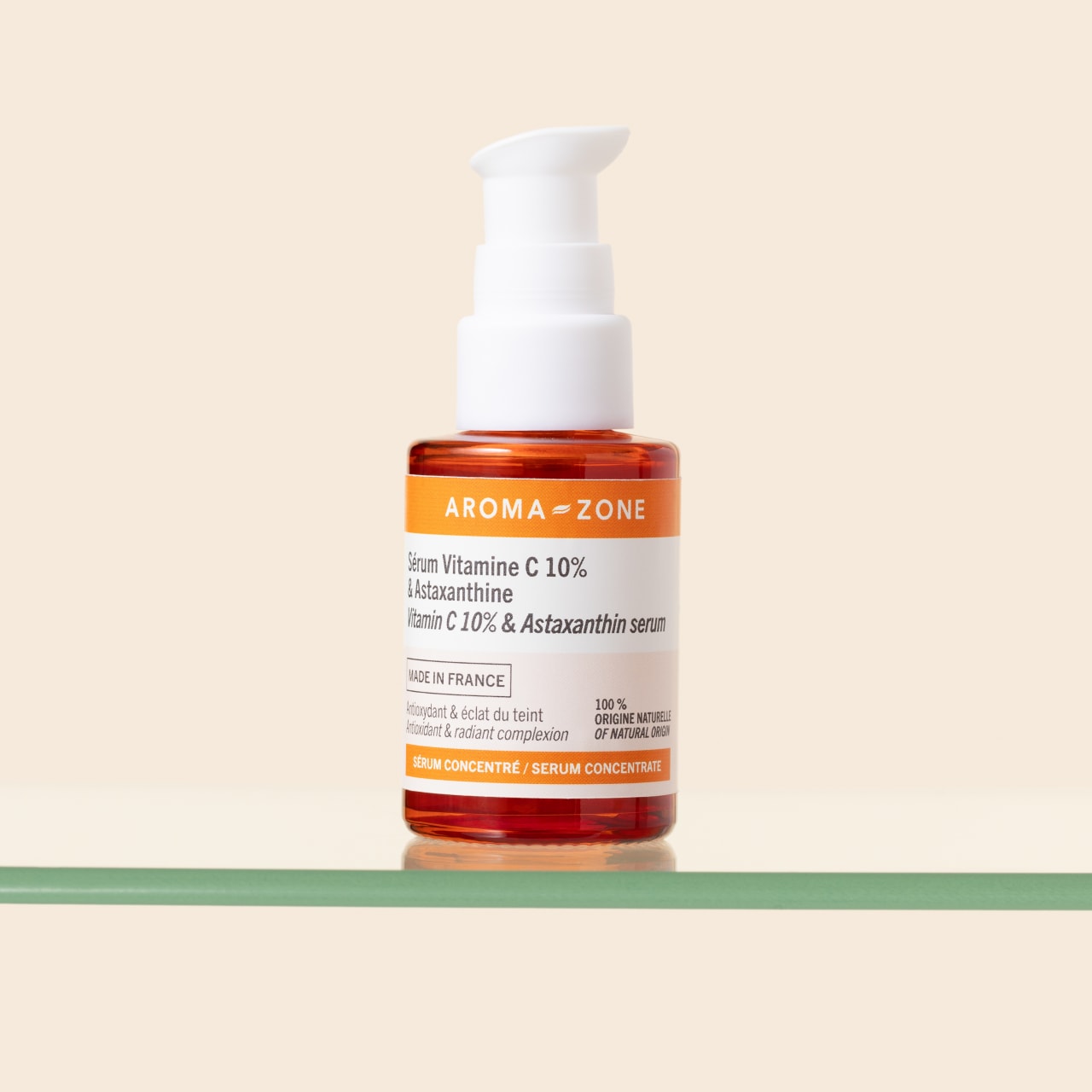
For a vitamin C boost: our Ascorbic Acid Pure Vitamin C Active Ingredient oxidises quickly once formulated, so it's designed to be mixed fresh. Blend one scoop with three pumps of neutral cream in your palm and apply straight away.
For areas prone to ingrown hairs: add up to 4% Plant-Derived Salicylic Acid
to a neutral gel or lotion.
Aroma-Zone expert tip: use AHAs and vitamin C at different times of day rather than in the same mix, and always try a new blend on a small patch of skin first.
The spots your SPF keeps missing
Hands, forearms, shoulders, décolletage: these are the areas that catch the most sun and the ones we forget when applying sunscreen. The NHS recommends at least SPF 30 with 4-star UVA protection. Our tip? Make a habit of applying it to every exposed area, not just your face, especially if you're using AHAs.
When to see your GP?
Most body hyperpigmentation is purely cosmetic. Still, some changes deserve a professional opinion:
darker, thicker patches with a velvety feel, particularly in skin folds such as the armpits, neck or groin,
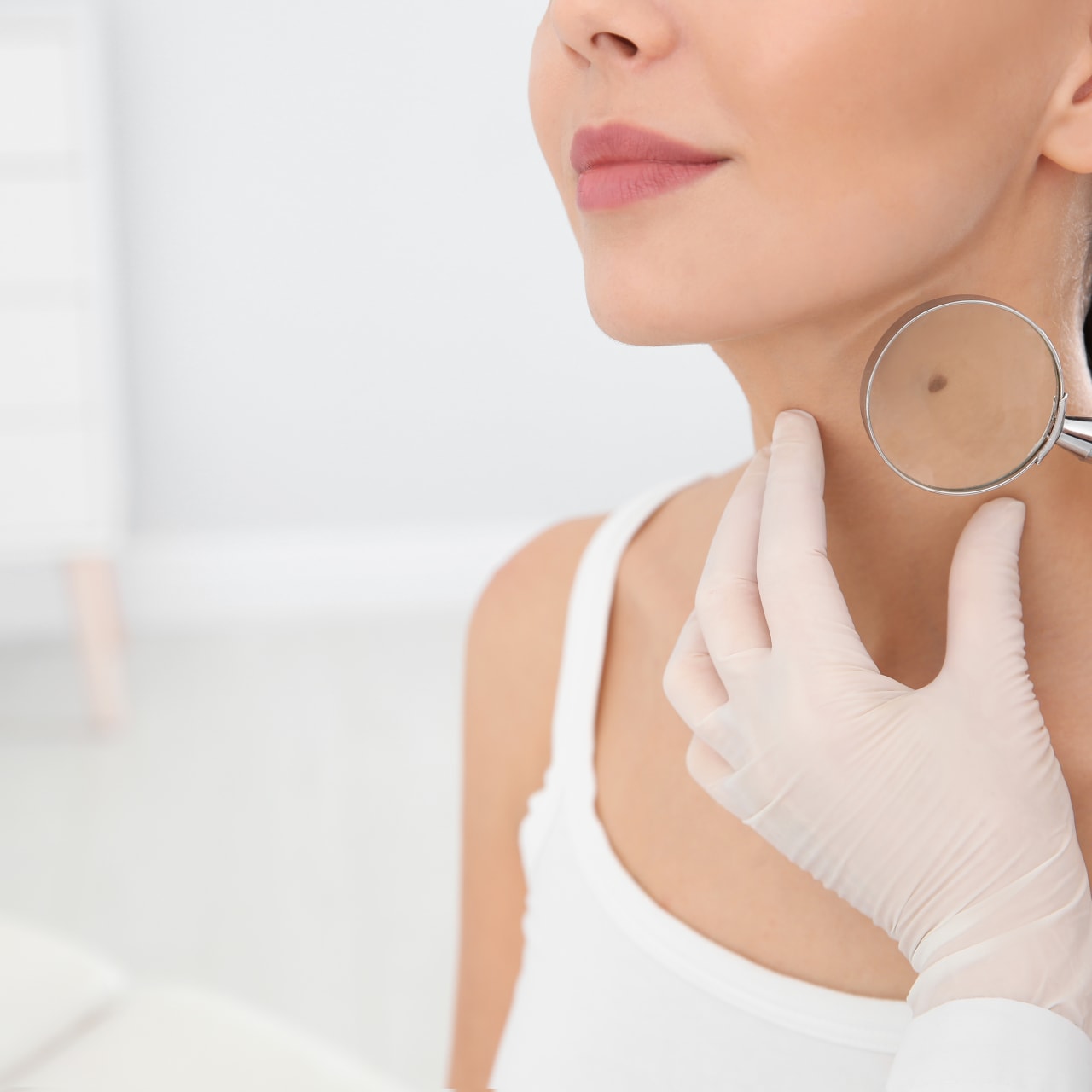
a mole that changes in size, shape or colour, becomes itchy or bleeds,
a new mark that doesn't fade after a few weeks.
To go further, read our guide Melanin and skin: what effects does it have on the epidermis?.
Looking for targeted care for your face? Explore our facial dark spot selection.


