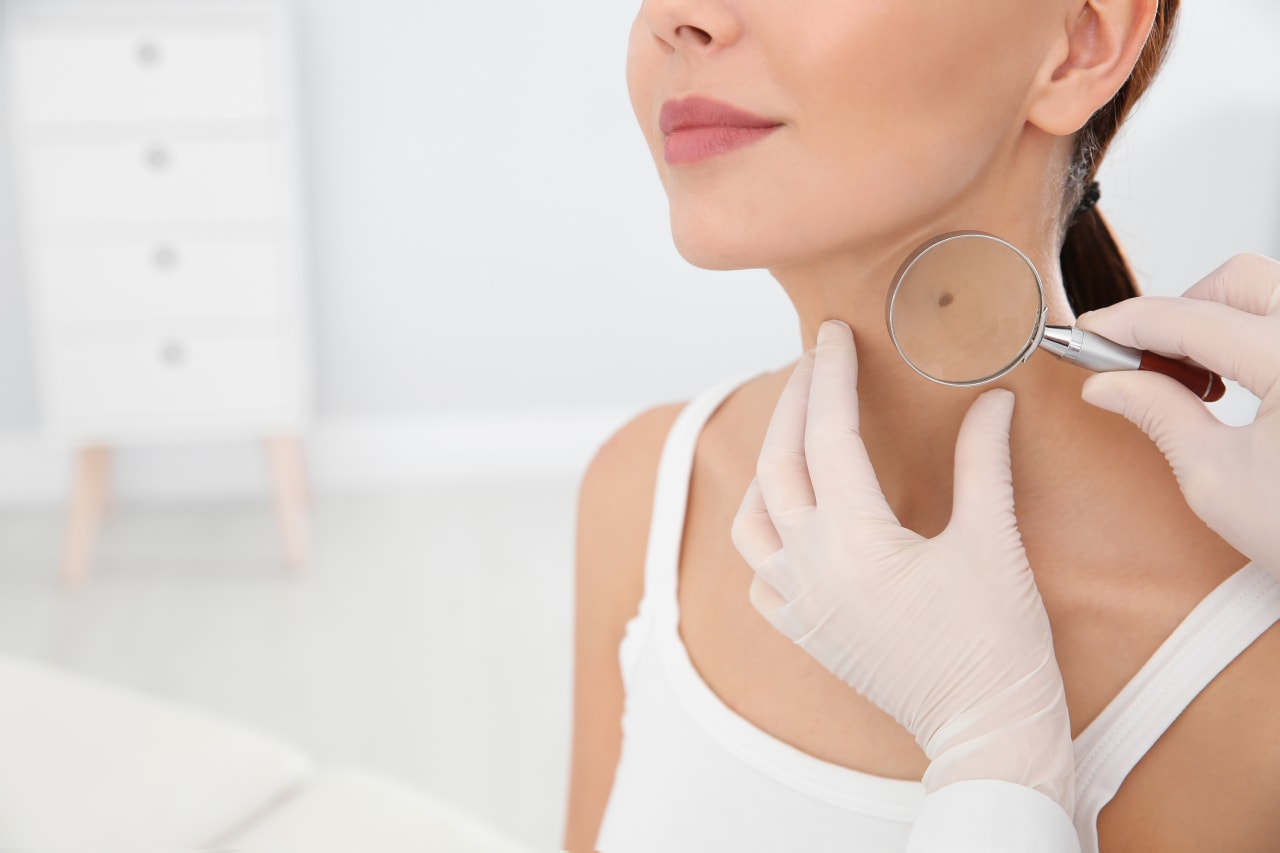
Only dermatologists are authorized to mechanically remove seborrheic warts: they can be removed with a scalpel, a laser, or frozen with nitrogen (cryotherapy). Please note: since this procedure is purely cosmetic, it is not currently covered by health insurance.
Seborrheic keratosis: Causes and symptoms
Seborrheic keratosis refers to skin growths, sometimes resembling warts, ranging in shade from light to dark brown and capable of appearing anywhere on the face or body. Although generally benign, they can still be cosmetically bothersome for those affected. What causes these lesions? How can you recognize, prevent, and naturally reduce them? Follow the guide.

What is seborrheic keratosis?
Seborrheic keratosis isa skin condition frequently observed in older adults. It is actually the most common benign skin growth in patients over 50.
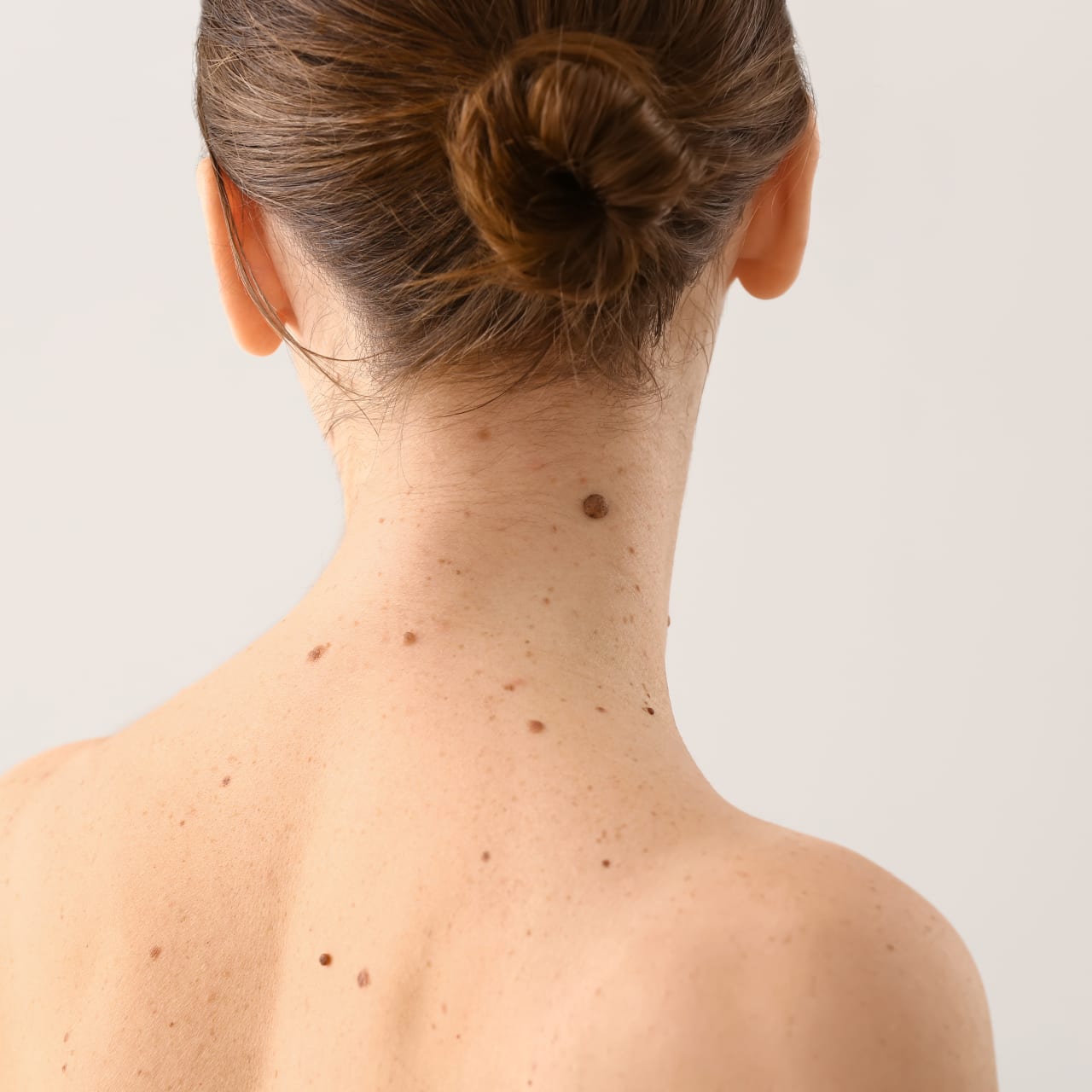
It manifests as growths on the skin, sometimes described as age spots but actually more raised than simple brown spots and can range in color from flesh-toned to black, including all shades of brown.
These lesions are harmless and do not require specific treatment, except for cosmetic or comfort reasons.
The causes of seborrheic keratosis
Although not yet fully understood, the causes of seborrheic keratosis certainly include:
Age: As we’ve seen, this condition is more common in older adults.
Heredity: It has been shown that a family history of seborrheic keratosis increases the risk of developing these lesions.
Oily skin: As the name suggests, seborrheic keratosis is also associated with excess sebum. Although less directly linked to this than acne orseborrheic dermatitis, it nevertheless occurs in a seborrheic environment (inflammation, disruption of the skin microbiome...) that promotes the accumulation of keratinocytes responsible for the growths. The areas of the epidermis richest in sebum (back, face, décolletage, scalp) are, in fact, the most affected.
Sun exposure: While less of a factor here than in other skin conditions, prolonged exposure to UV rays still appears to promote the development of seborrheic keratosis over the long term.
Seborrheic keratosis: what are the associated symptoms?
The characteristic lesions of seborrheic keratosis are usually accompanied by the following symptoms:
A slight raised texture
A round or oval shape
A diameter ranging from 0.5 to several centimeters
A flesh-colored, yellowish, brown, or even black hue
A rough surface and a texture described as waxy or scaly
Potential irritation due to the raised bump, which may cause itching or micro-bleeding.
How can you recognize seborrheic keratosis?
Typical seborrheic keratosis lesions exhibit the various symptoms described below.
While seborrheic keratoses are not brown spots, they are also not similar to moles: they result from the excessive accumulation of epidermal cells, whereas moles or nevi are the result of melanocyte proliferation.
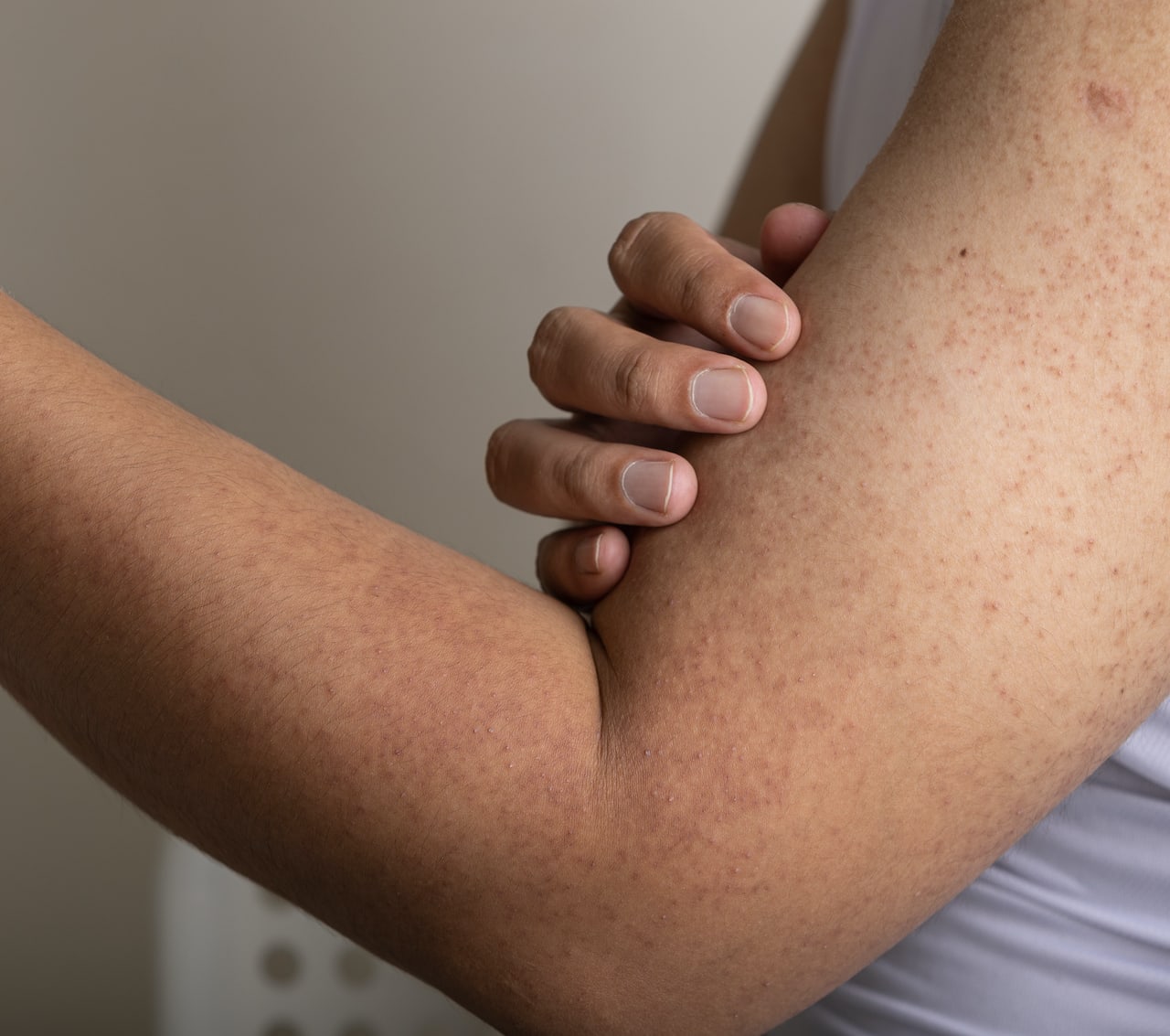
Finally, seborrheic keratosis should not be confused with follicular keratosis, which appears as small, rough, red or brown bumps all over the skin, representing blocked hair follicles.
How can you prevent seborrheic keratosis naturally?

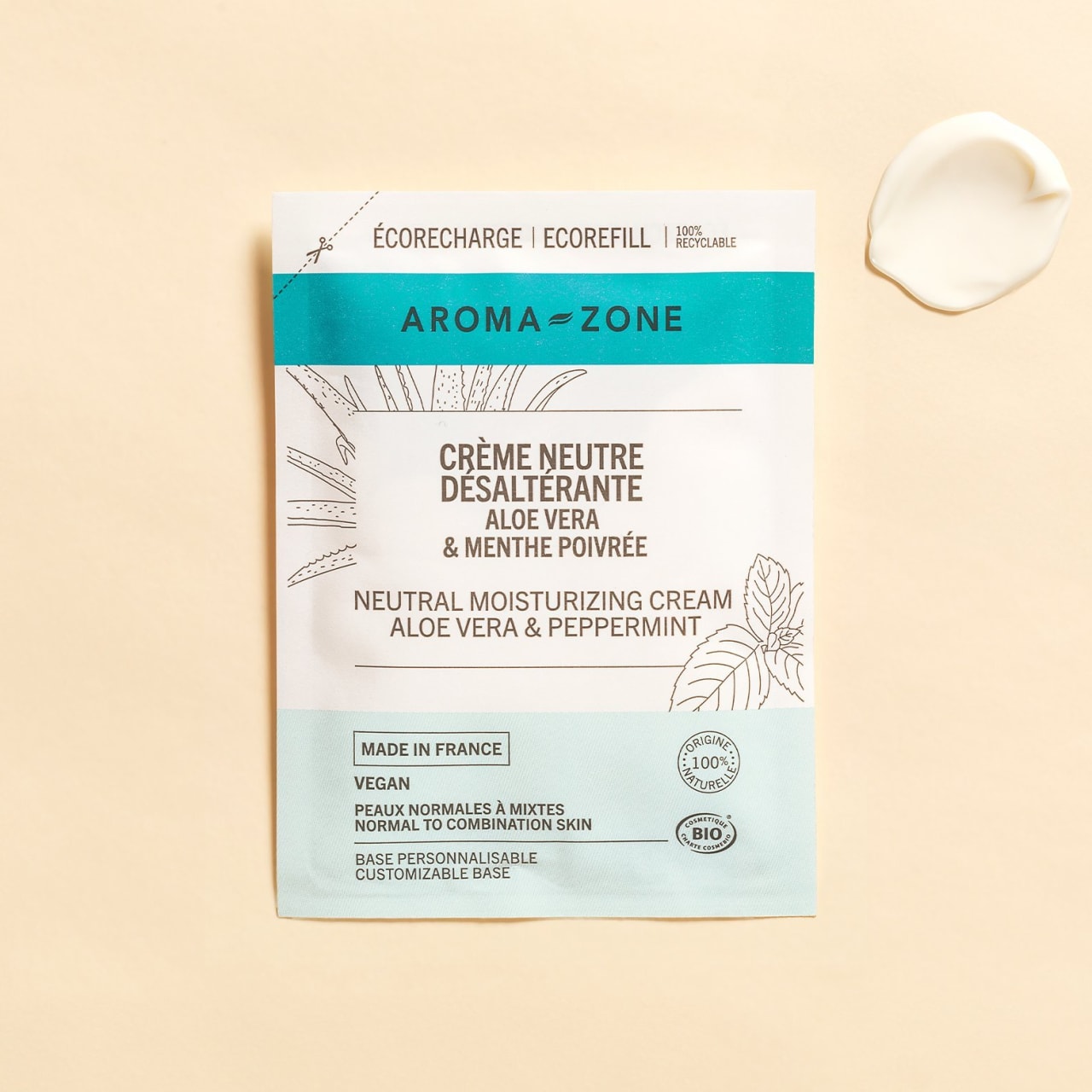
1. Make sure to stay hydrated and moisturize your skin daily: remember to drink (the sensation of thirst decreases with age!) at least 1.5 liters of high-quality water per day (spring water or filtered tap water). Use an effective, gentle moisturizer suitable for oily skin, such as the Hydrating Cream.

2. Exfoliate gently and regularly: To reduce the size of seborrheic keratosis lesions, regular exfoliation of the skin can, for example, help remove dead skin cells and smooth the surface of the affected skin.
What recommendations are there for getting rid of seborrheic keratosis?
If seborrheic keratosis has developed: don’t panic! There are several natural tips you can follow to care for existing lesions and improve their appearance:
The best way to remove a seborrheic keratosis on the face is to consult a dermatologist. They can offer various options such as cryotherapy, curettage, laser treatment, or topical medications.
Homeopathy as a complementary approach: To combat seborrheic keratosis naturally, homeopathic remedies are available. Consult a homeopathic doctor or your pharmacist.
Monitor for the appearance of spots or skin lesions by performing self-exams several times a year and scheduling occasional visits to a dermatologist.
Expert Advice
Plant buds, used in gemmotherapy, can be a great help against a number of skin problems. Elm, Cedar, Plane Tree... these various plants, in the form of bud extracts, may help improve seborrheic keratosis. Keep that in mind!
Learn more

How to remove seborrheic keratoses?

How to remove seborrheic keratoses?

Seborrheic keratosis and skin cancer: seborrheic wart or melanoma?

Seborrheic keratosis and skin cancer: seborrheic wart or melanoma?
Since seborrheic keratosis is non-cancerous, it does not require any special monitoring. However, because these lesions can sometimes be confusing, it is important to have the diagnosis confirmed by a healthcare professional shortly after the growths appear.
Article written by Lou Dumas, Naturopath

Lou graduated from HEC in 2012. She gained ten years of experience in marketing for cosmetics and perfumes before becoming an independent consultant in this field. She recently completed a three-year naturopathy program at the European College of Holistic Naturopathy (CENATHO, Paris) with the goal of supporting the physical and mental health of the people she works with through a holistic approach to lifestyle.
Bibliography
1
Seborrheic keratosis: definition, symptoms, and location - Doctissimo
2
Seborrheic keratoses - MSD Manuals