Aloe vera after-sun: What are the benefits?

If there’s one plant that really does it all, it’s aloe vera! Moisturising, soothing, antibacterial and regenerating all at once – that’s all it took for this plant to dethrone shop-bought after-sun products. But is it really effective, and how can you make the most of all its benefits? Read on.

Reading time: 0 min.

What is aloe vera?

Aloe vera, also known as aloe, is a succulent plant native to Africa and widely cultivated in tropical and subtropical regions around the world. 

It is characterised by its fleshy leaves, which contain a water-rich pulp. This pulp, also known as ‘latex’, is extracted to produce a clear gel used in skincare products. This gel is rich in vitamins (A, C and E), minerals (calcium, magnesium and zinc), amino acids and polysaccharides, which give it beneficial properties for the skin.
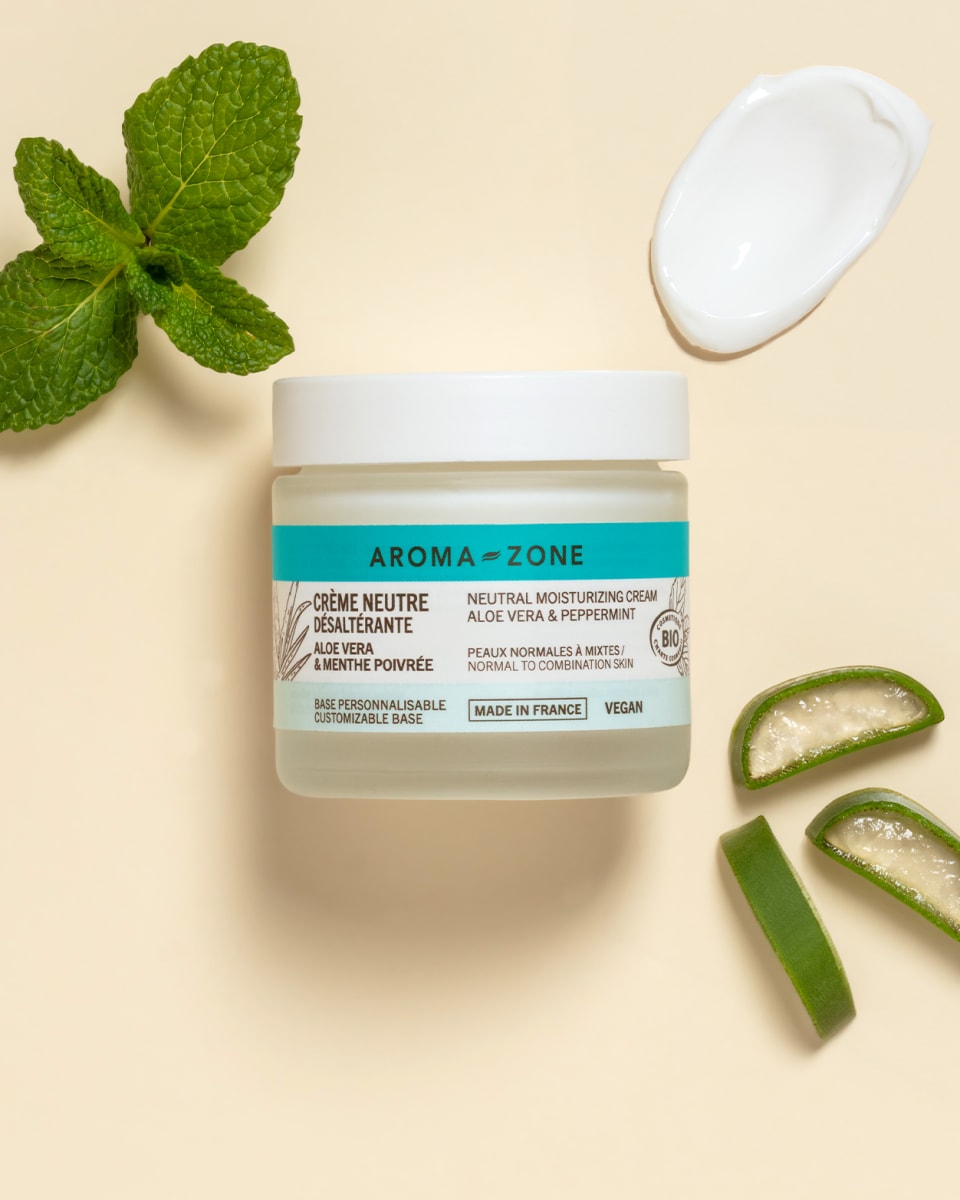
Why use aloe vera after sun exposure?

If you’re still unsure, here are three good reasons to choose aloe vera over shop-bought after-sun products: 

Because it’s 100% natural: unlike many shop-bought after-sun products, which may contain synthetic ingredients, harsh preservatives and artificial fragrances, aloe vera is a natural and gentle option for your skin. 

Because it restores moisture and prolongs your tan: Aloe vera is a powerful natural moisturiser that quickly penetrates the skin to restore its moisture balance and suppleness. By deeply moisturising sun-dried skin, aloe vera helps prolong the life of your tan and keep your skin soft and supple all summer long.

Because it’s affordable: Aloe vera is not only effective but also economical. Whether bought in its raw form, as a gel or directly as a plant, it costs just a few euros. It’s the affordable and sustainable solution for the whole family!

Is aloe vera good for sunburn? What are its benefits?

Aloe vera has been used since time immemorial, both in medicine and in cosmetics. It forms the basis of Ayurvedic medicine, and its main benefits for the skin are: 

  • It deeply moisturises: Aloe vera is 99% water, making it an exceptional natural moisturiser for the skin. By penetrating deep into the layers of the epidermis, aloe vera gel intensely moisturises skin dried out by UV rays.

  • It restores the layers of sunburnt skin: Aloe vera’s regenerative properties promote the healing of damage caused by UV rays by stimulating the production of new skin cells. By applying aloe vera gel to sunburn, you help your skin to repair itself more quickly and regain its healthy appearance.

  • It cools the skin and relieves pain: The soothing, cooling sensation of aloe vera gel provides immediate relief for sunburnt skin. By soothing nerve endings and reducing inflammation, aloe vera helps to alleviate the burning sensation and discomfort associated with sunburn.

  • It reduces itching: The anti-inflammatory and anti-pruritic properties of aloe vera help to soothe itching and skin irritation caused by sunburn. Apply it as soon as you feel the urge to scratch to prevent more serious skin damage. 

  • It has antibacterial properties: After a day at the beach or the swimming pool, the skin can be exposed to various impurities and bacteria, such as those found in salt water, chlorine and sand. Aloe vera has natural antibacterial properties that help to deeply cleanse the skin, leaving it feeling fresh and clean after prolonged exposure to the sun.

Which format should you choose?

If you’d prefer a chemical-based after-sun product, there are several options available to you:

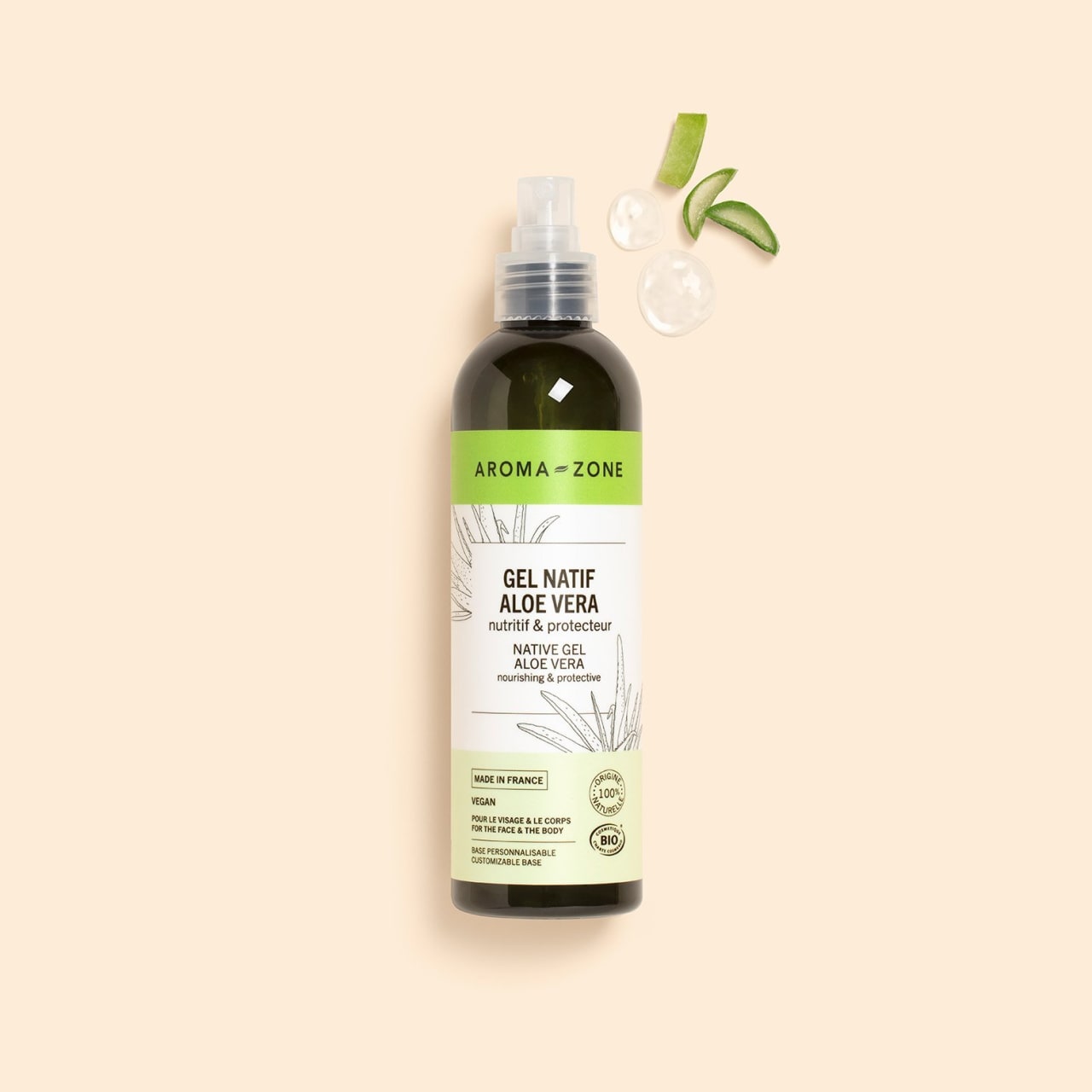
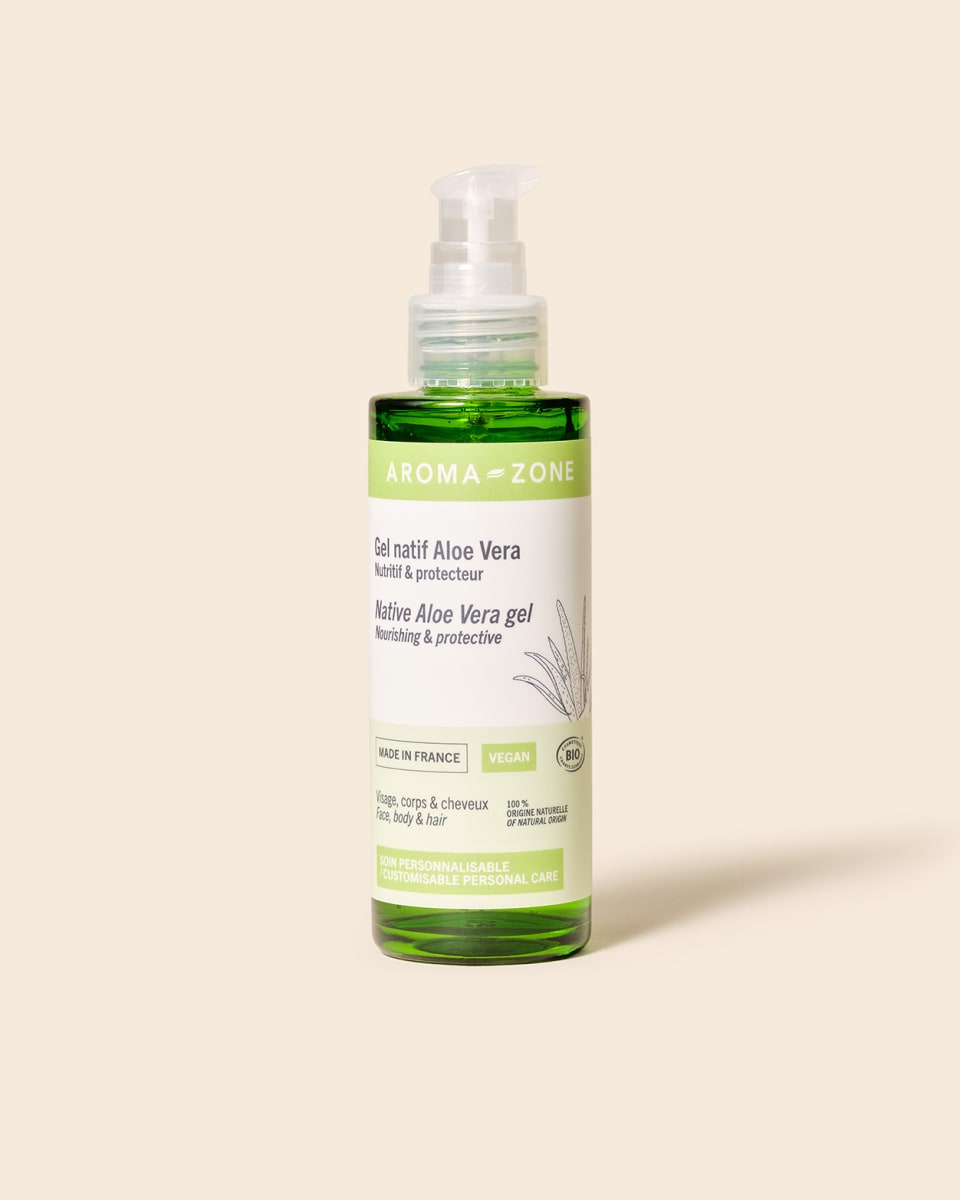
The gel format

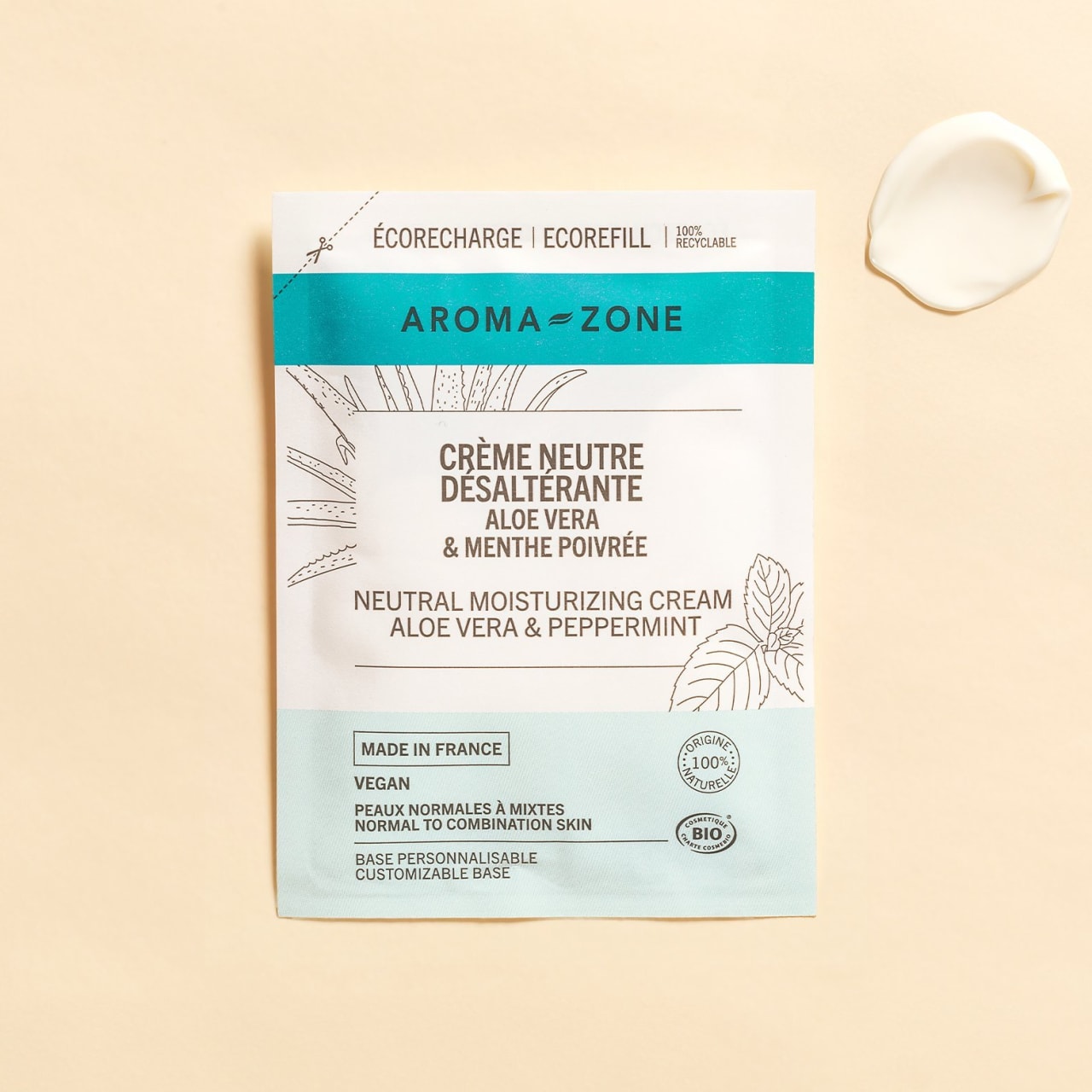
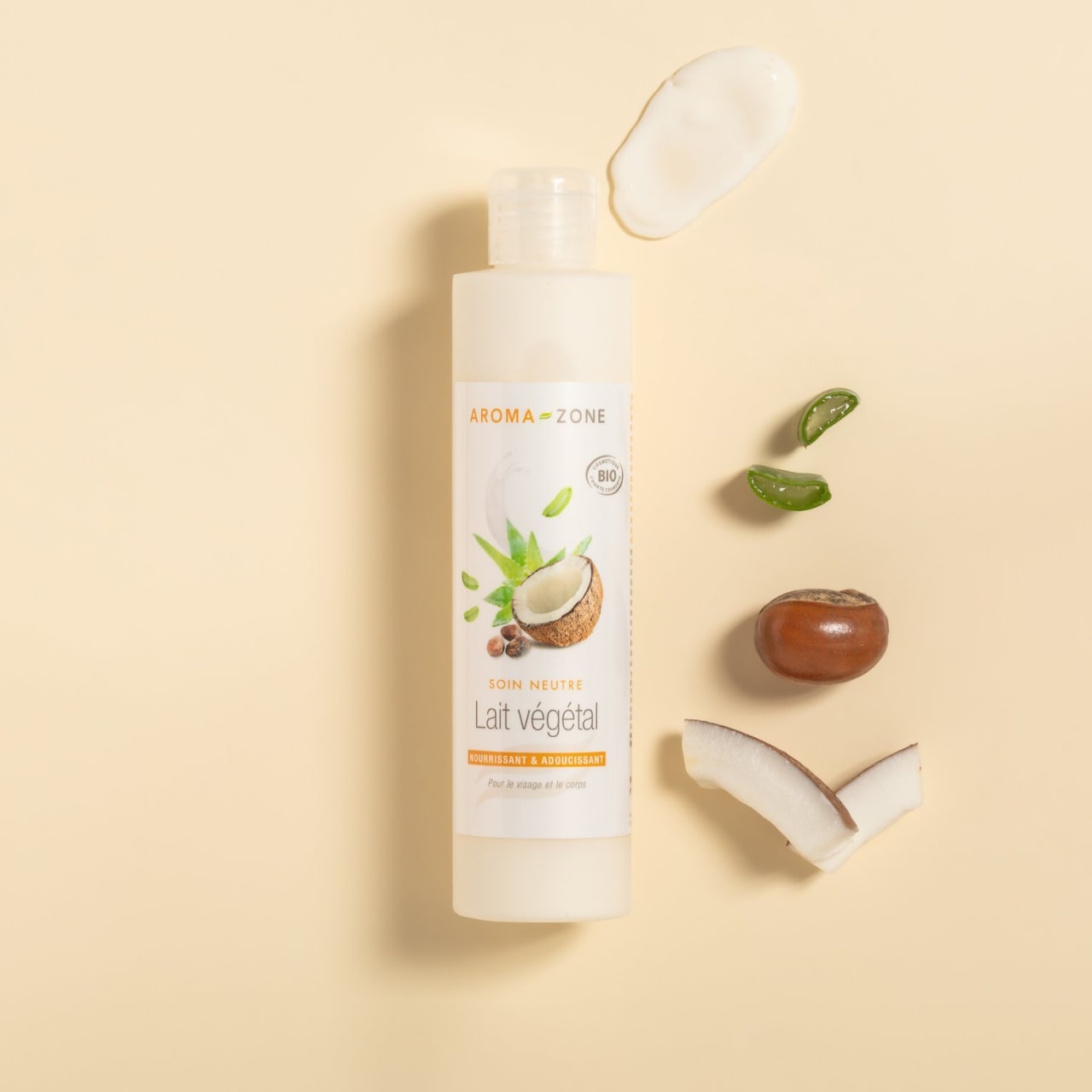
The cream format

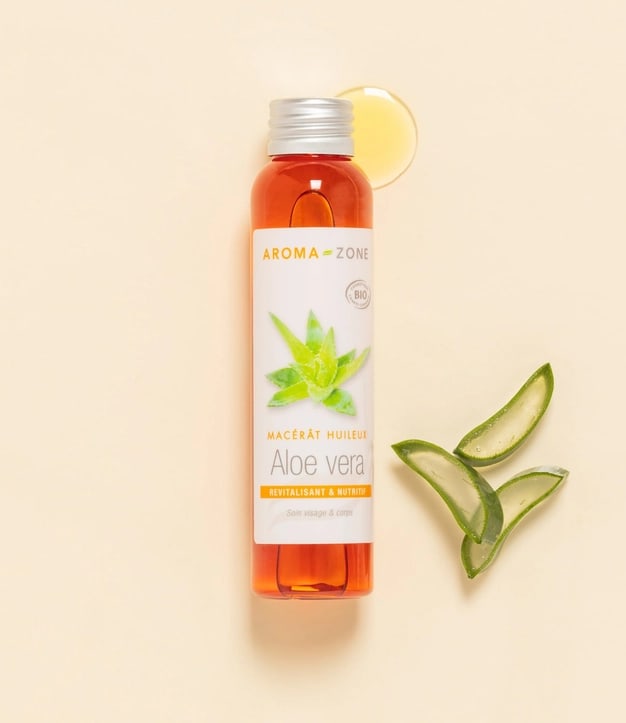
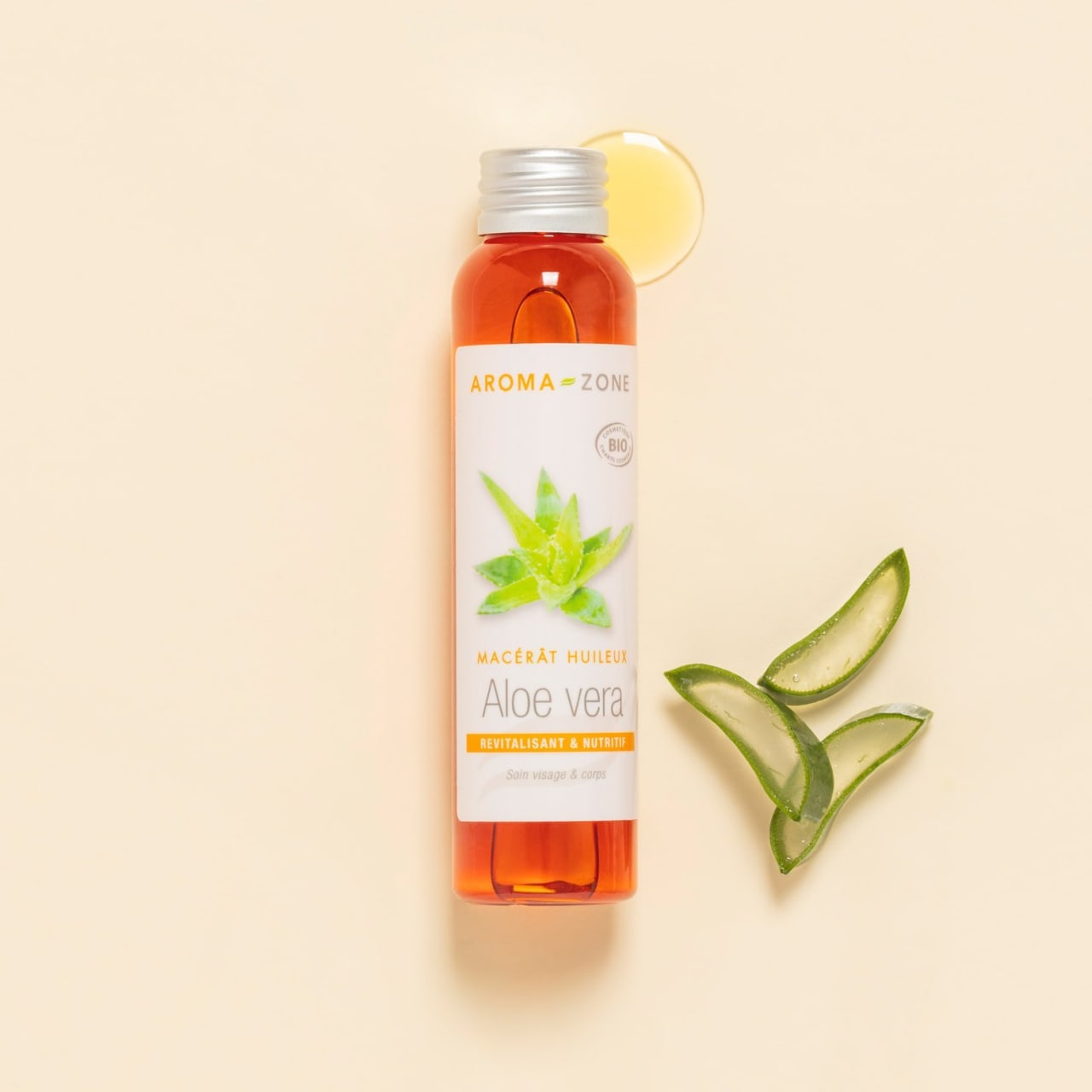
The oil format

How to apply aloe vera correctly? Our tips

Just like any after-sun product, aloe vera is simply applied by massaging it into sun-exposed areas. Whether you’re using gel, oil or cream, massage it in until fully absorbed and repeat as often as you like, especially if you feel any heat or discomfort.

When should you apply after-sun?

Apply your aloe vera after-sun product as soon as possible, ideally within 24 hours of sun exposure. This helps to quickly soothe the skin, deeply moisturise it and promote faster recovery from UV damage.

Make your own homemade after-sun lotion with organic aloe vera

To make your own after-sun lotion at home, the recipe is very simple and can be customised in countless ways.

Homemade after-sun lotion with organic aloe vera

  1. Mix 100ml of our organic neutral plant-based milk with 50ml of our organic aloe vera oil.

  2. Mix well until you have a smooth, fairly runny mixture.

  3. Apply after every time you’ve been out in the sun

You can also enhance the recipe with fragrances, hydrosols and other oils for maximum hydration and benefits.

Precautions and side effects

Although aloe vera is generally well tolerated by the skin, it’s always important to take a few precautions to avoid any adverse reactions. Before applying aloe vera all over your body, carry out a patch test on a small area of skin first.

Avoid applying aloe vera to open wounds, cuts or severe burns, as this may cause further irritation. Similarly, avoid contact with the eyes and mucous membranes, as this may cause irritation.

Expert advice

In the event of severe sunburn, don’t hesitate to apply your aloe cream or gel in thick layers and leave it on. After several hours, or once it has been fully absorbed, massage it in and enjoy its soothing effects. You can even leave it on overnight if necessary.

Find out more

What’s the best natural after-sun treatment?

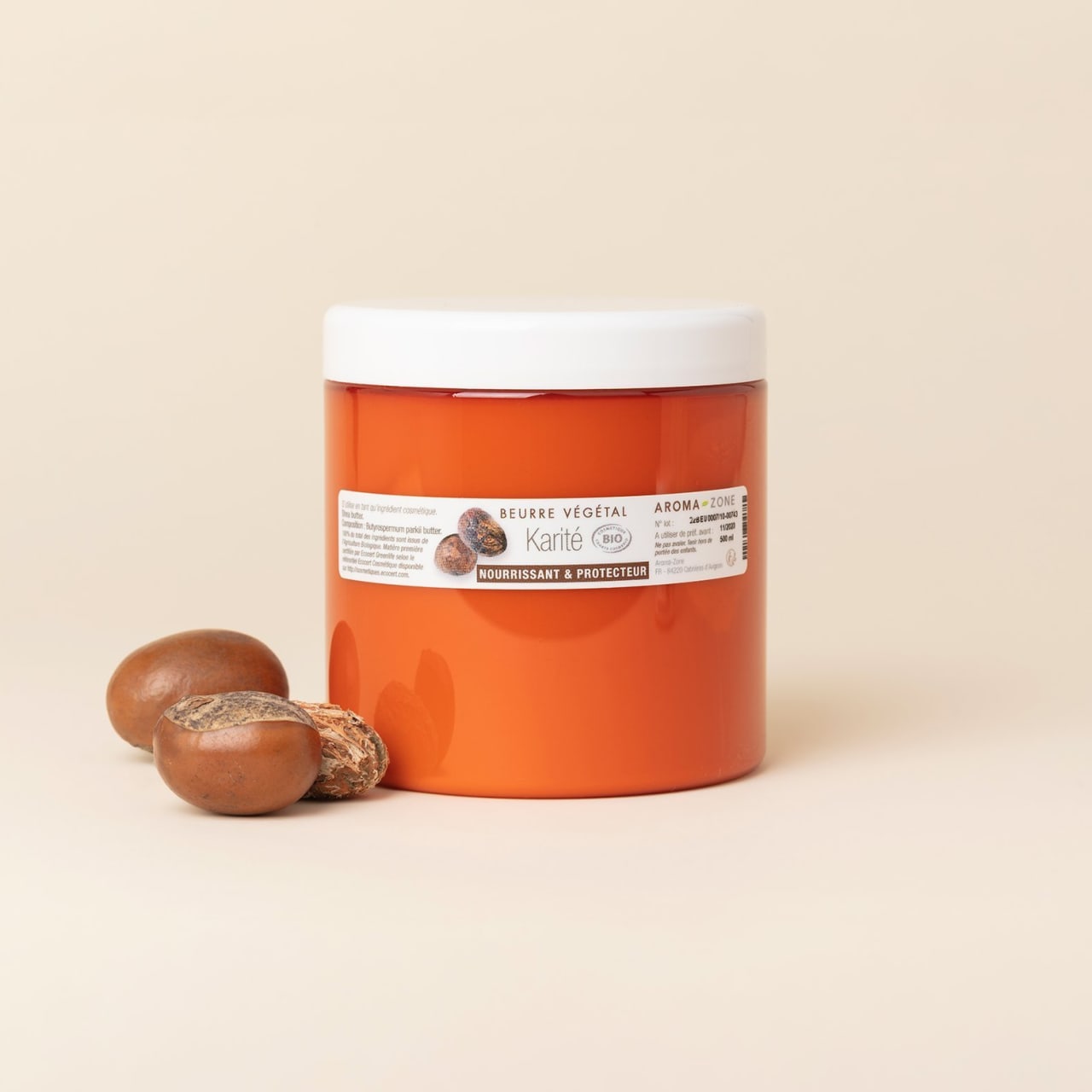
As well as aloe vera, there are many other natural ingredients that help to soothe and moisturise the skin after sun exposure. For example, coconut oil, which is rich in nourishing fatty acids, is an excellent moisturiser for sun-dried skin. Shea butter, with its anti-inflammatory and regenerative properties, is also very effective at soothing sunburn and restoring the skin’s elasticity.

Is aloe vera useful for sunburn?

Absolutely! Aloe vera is one of the most popular and effective remedies for relieving sunburn. Thanks to its soothing, moisturising and regenerating properties, aloe vera helps to reduce inflammation, relieve pain and promote faster healing of sunburnt skin.

However, if you have severe sunburn affecting more than 10 per cent of your total skin surface area and are experiencing unusual symptoms such as nausea, headaches, chills and persistent tiredness, we advise you to see a doctor as soon as possible.

Spotlight on our well-being editor, Laura Almeras

Laura is a health, beauty and lifestyle writer. Passionate about travel and gastronomy, she shares her nutritional advice on how to combine pleasure and well-being. Through her articles, she aims to provide you with meaningful information and practical advice to nourish your body and mind.

Bibliography

1

2

3

4