

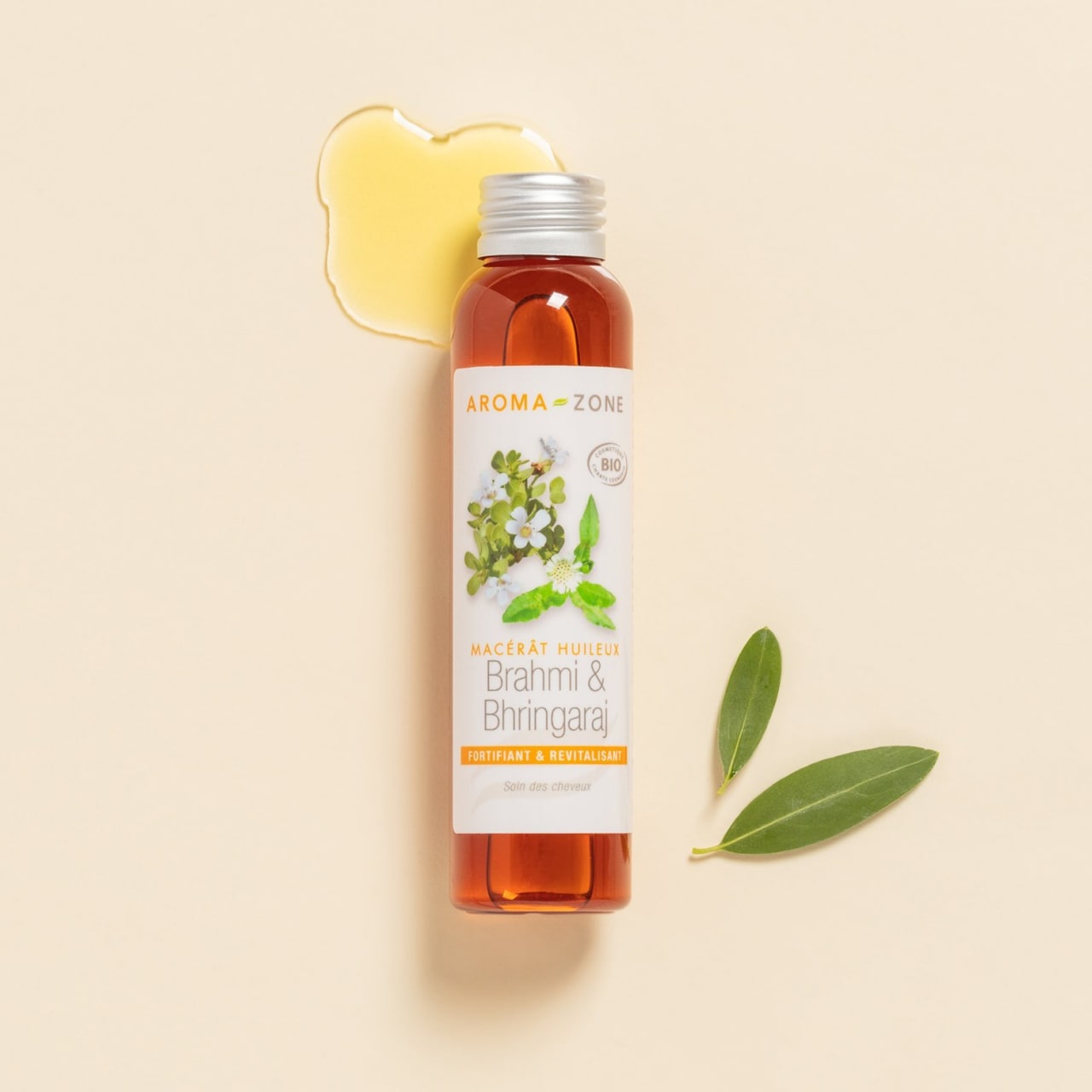
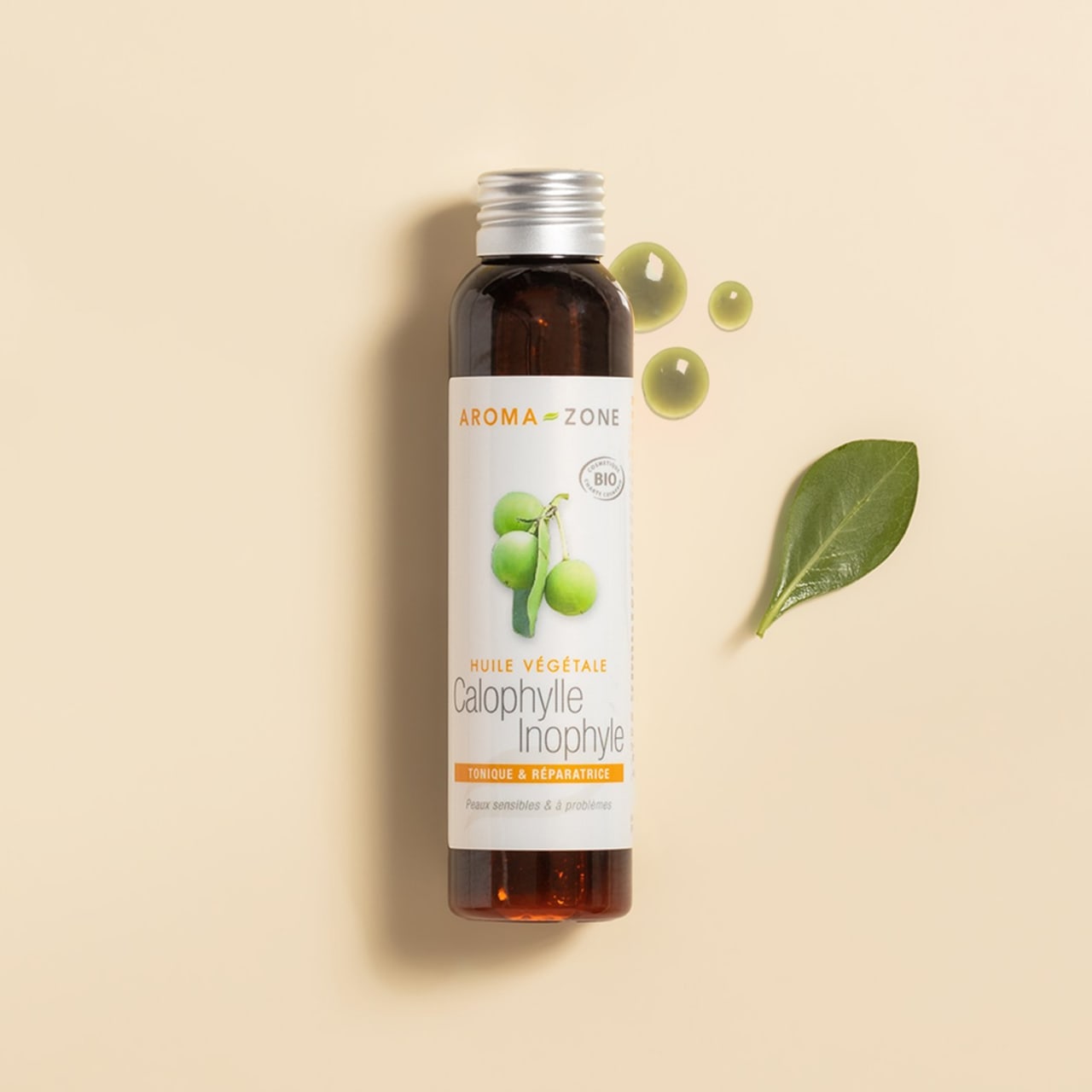


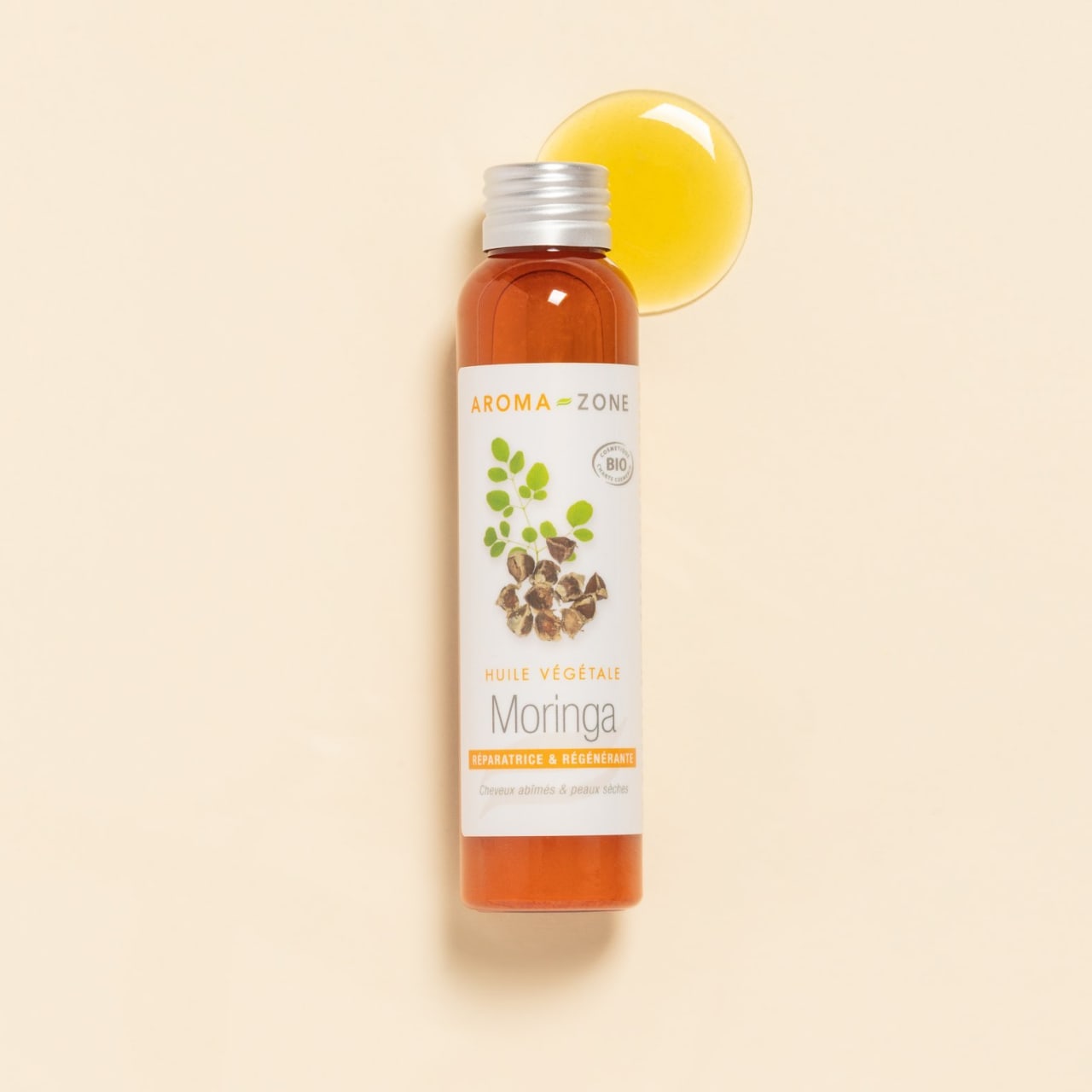
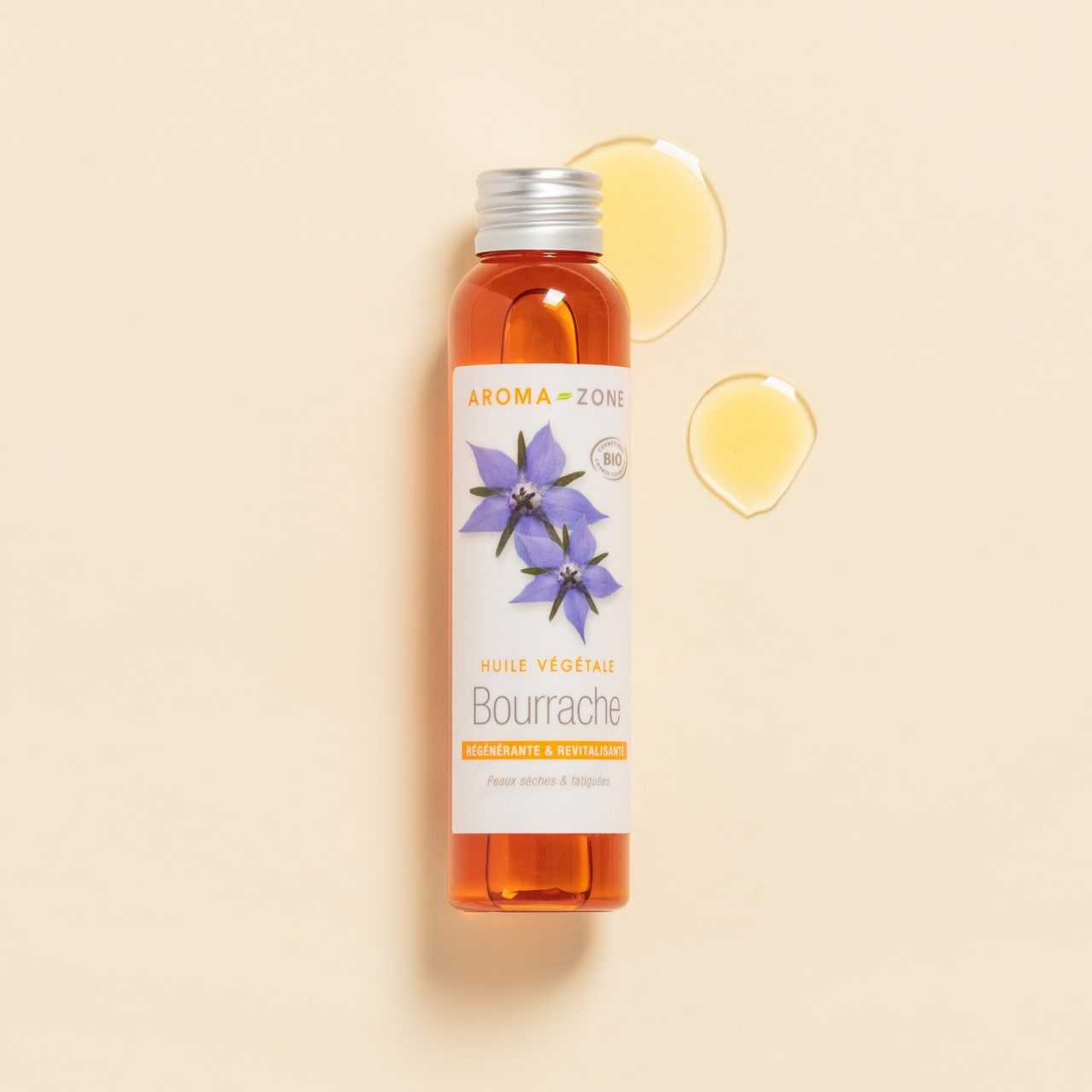



A carrier oil (sometimes called a vegetable oil, or, when a plant has been infused in it, an oily macerate, more on macerated oils here) is simply an oil extracted from a plant's seeds, nuts, kernels or fruit, rich in fatty acids, vitamins and, in many cases, antioxidants.
That composition is exactly why they've become such a staple of natural skin and hair care, each oil carries its own particular balance of these, which is why no single one suits every skin type or every need.
What can a carrier oil actually do?
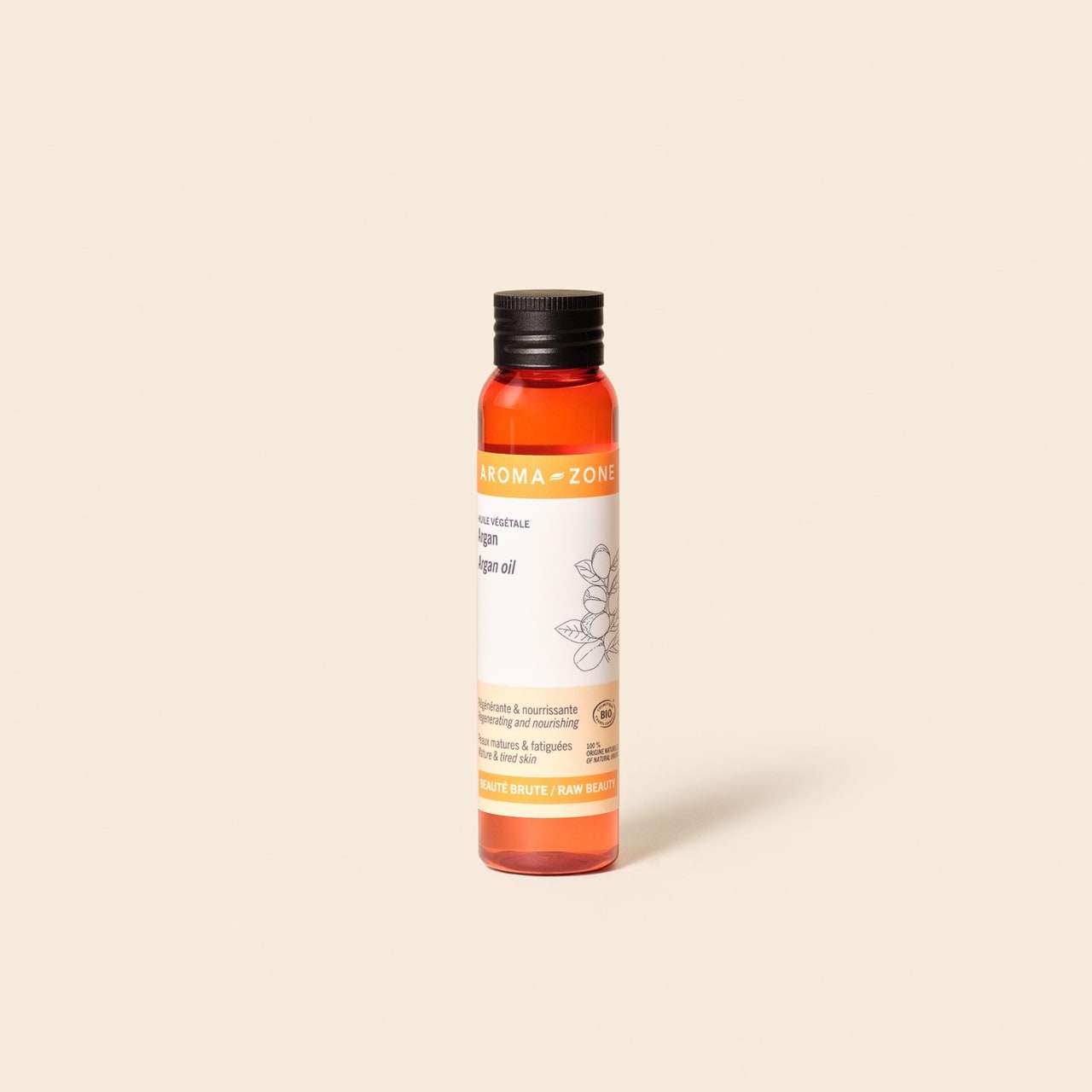
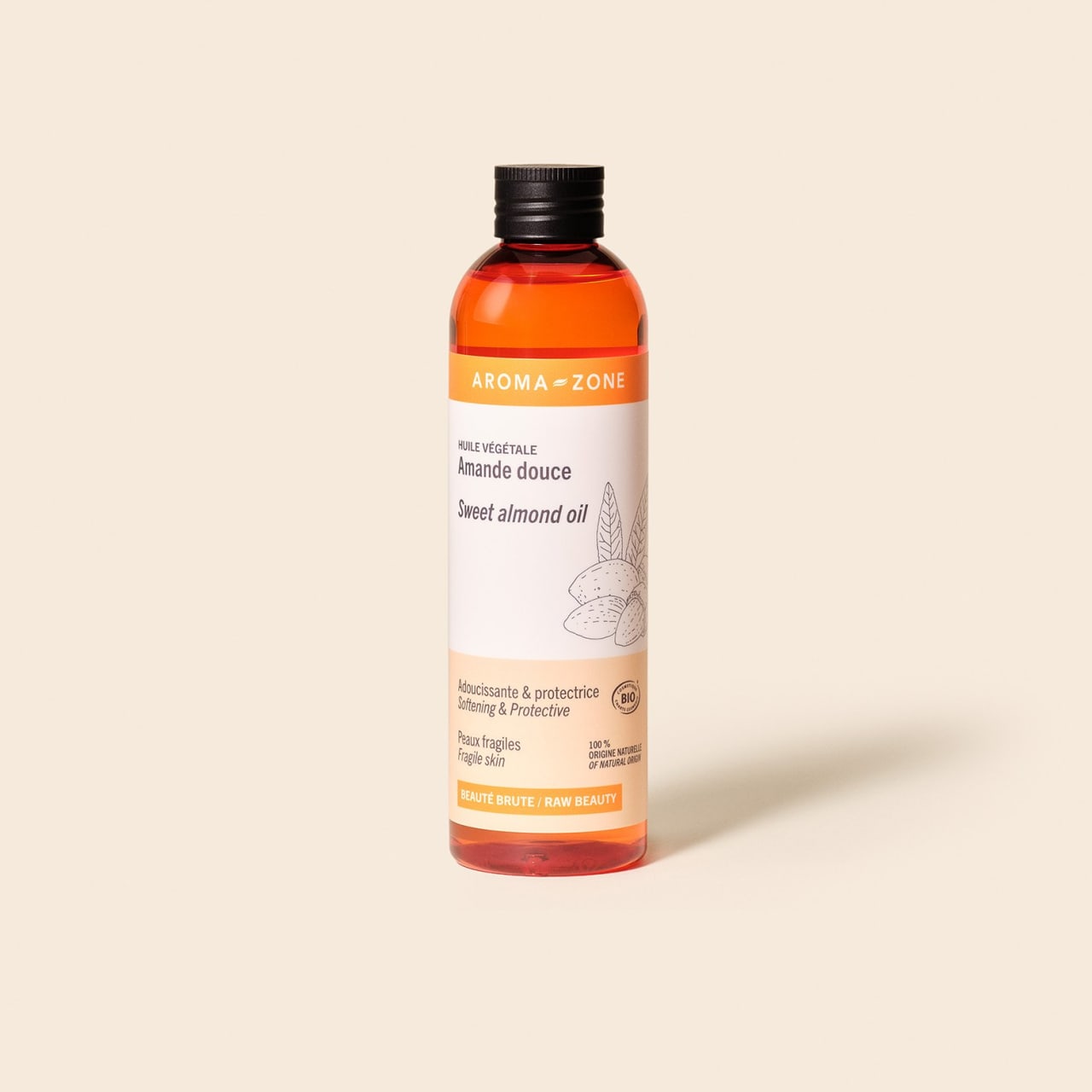
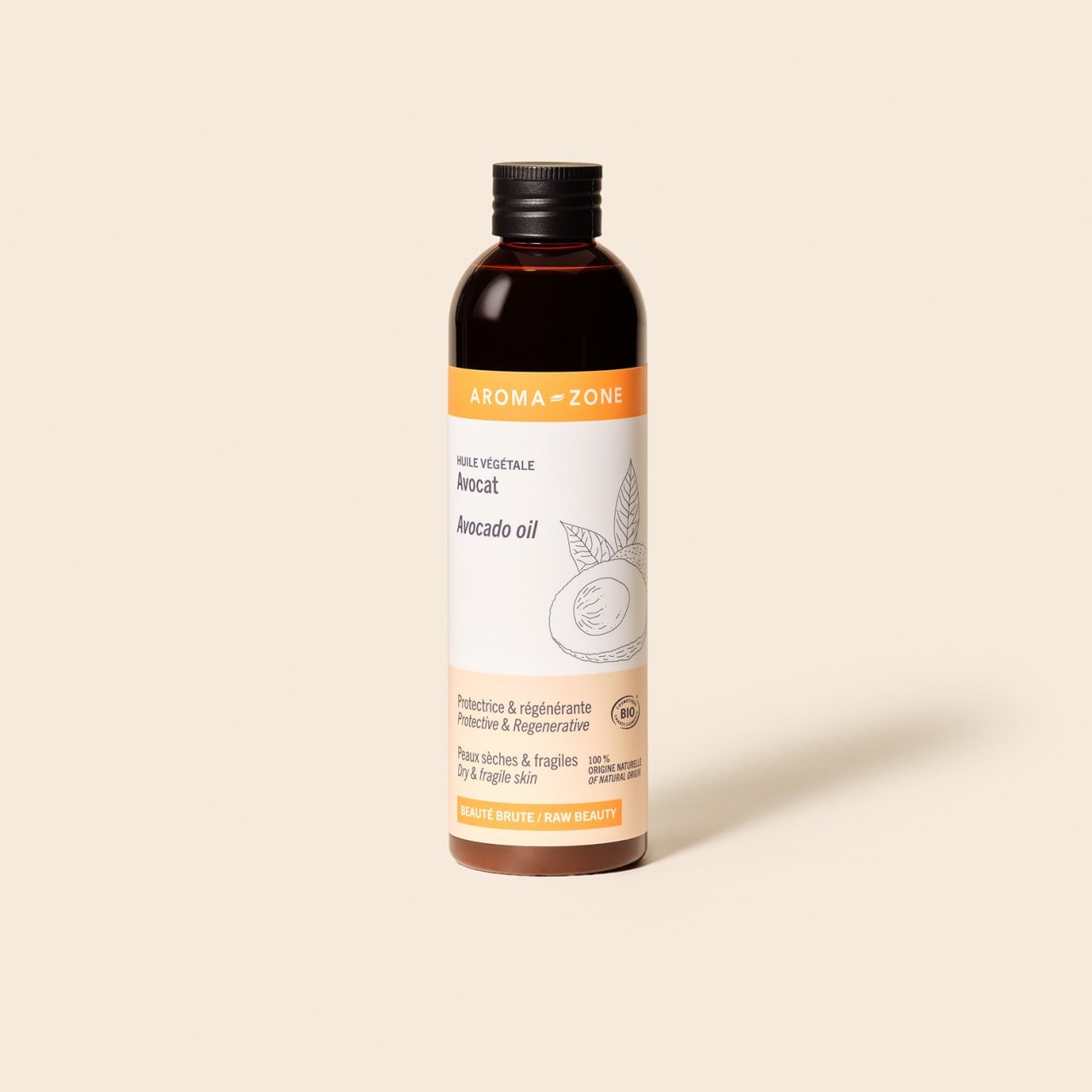
Moisturising the skin. Oils rich in essential fatty acids, like argan, avocado and sweet almond oil, are reached for again and again for dry or dehydrated skin, a few drops worked into a moisturiser, or used on their own.
Supporting a visibly firmer, more even-looking complexion. Oils rich in antioxidants, rosehip in particular, and
grapeseed oil, are popular additions to a routine focused on the visible signs of skin ageing.
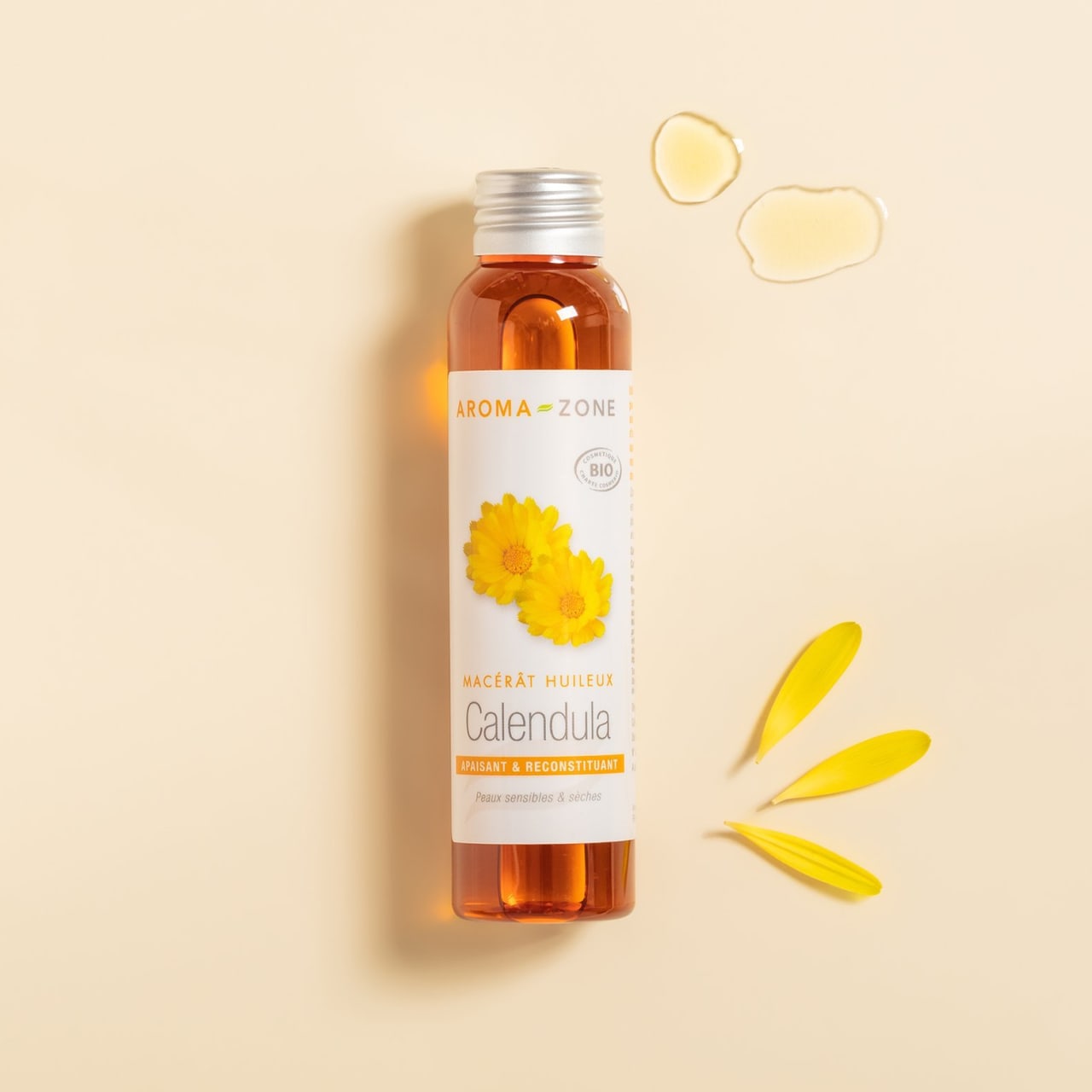
Soothing sensitive or easily irritated skin. Calendula infused oil has a long-standing soothing reputation, gentle enough for reactive skin that doesn't get on with much else.
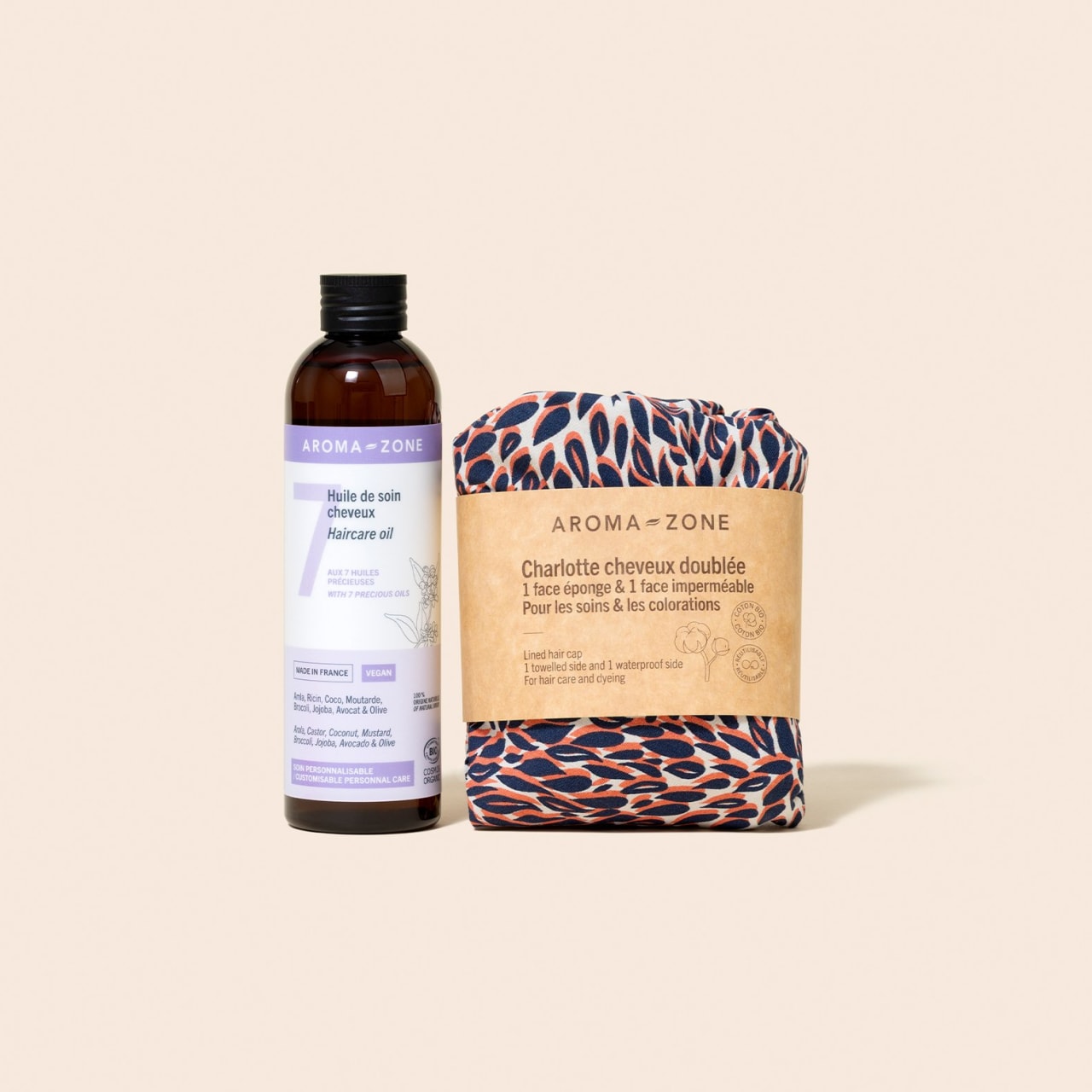
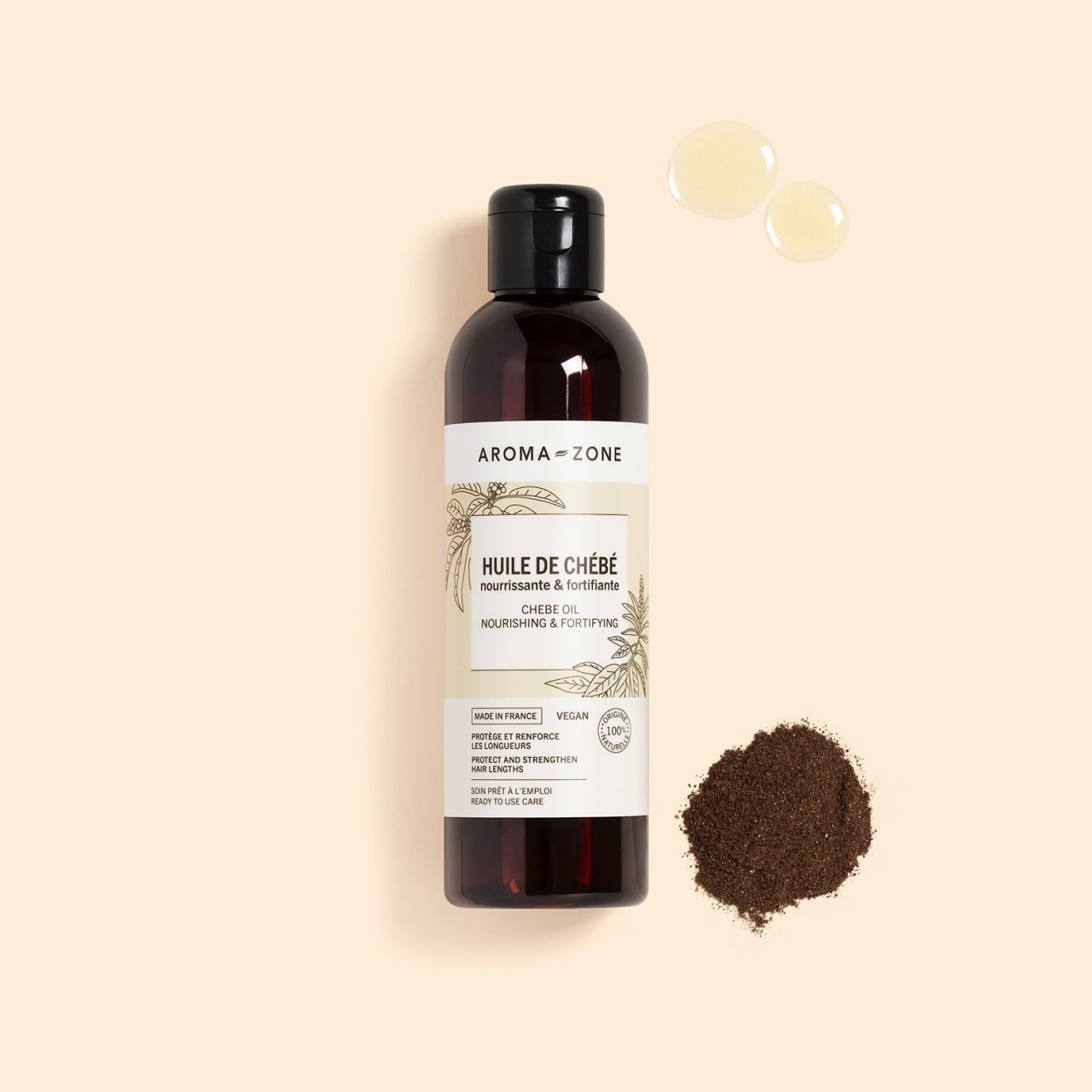
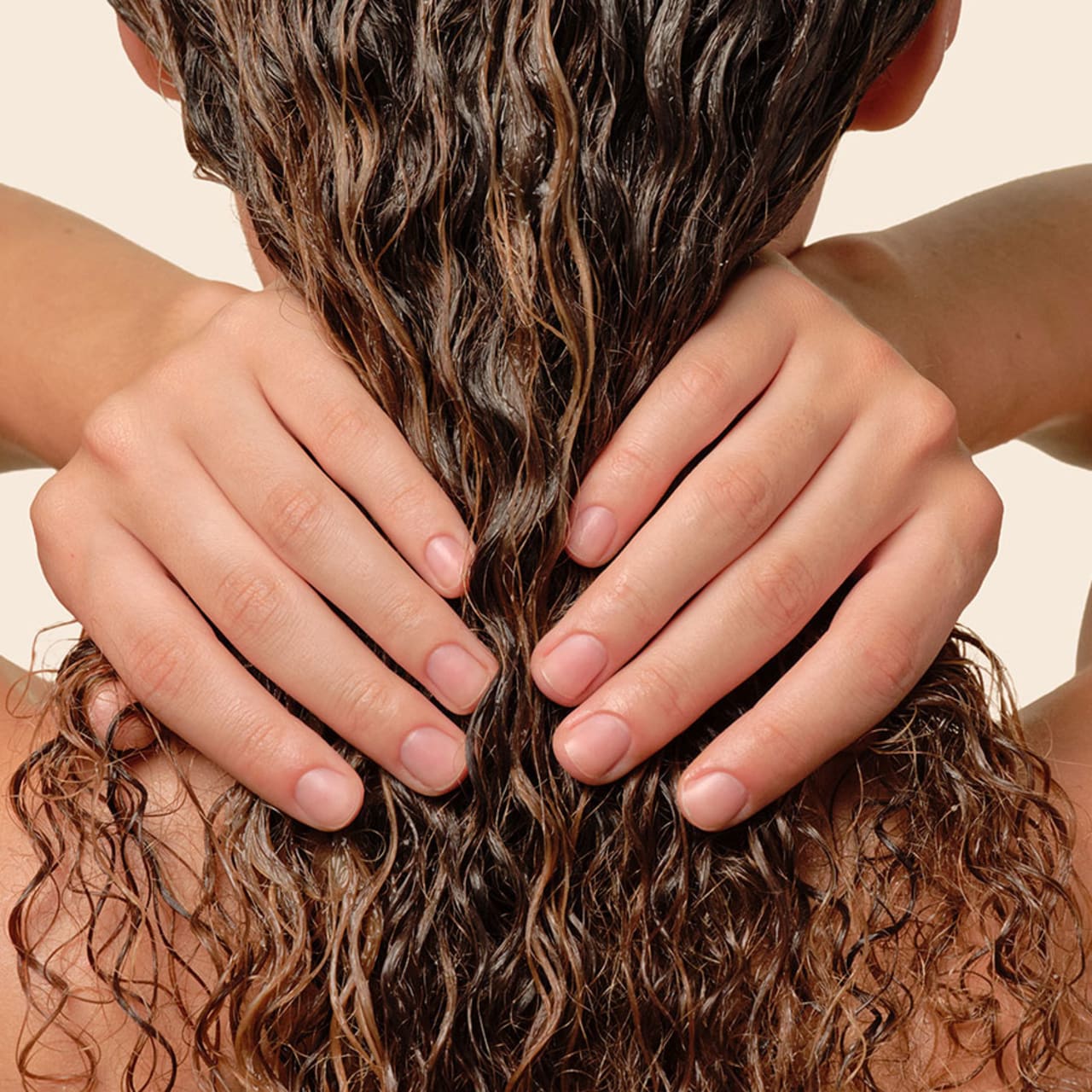
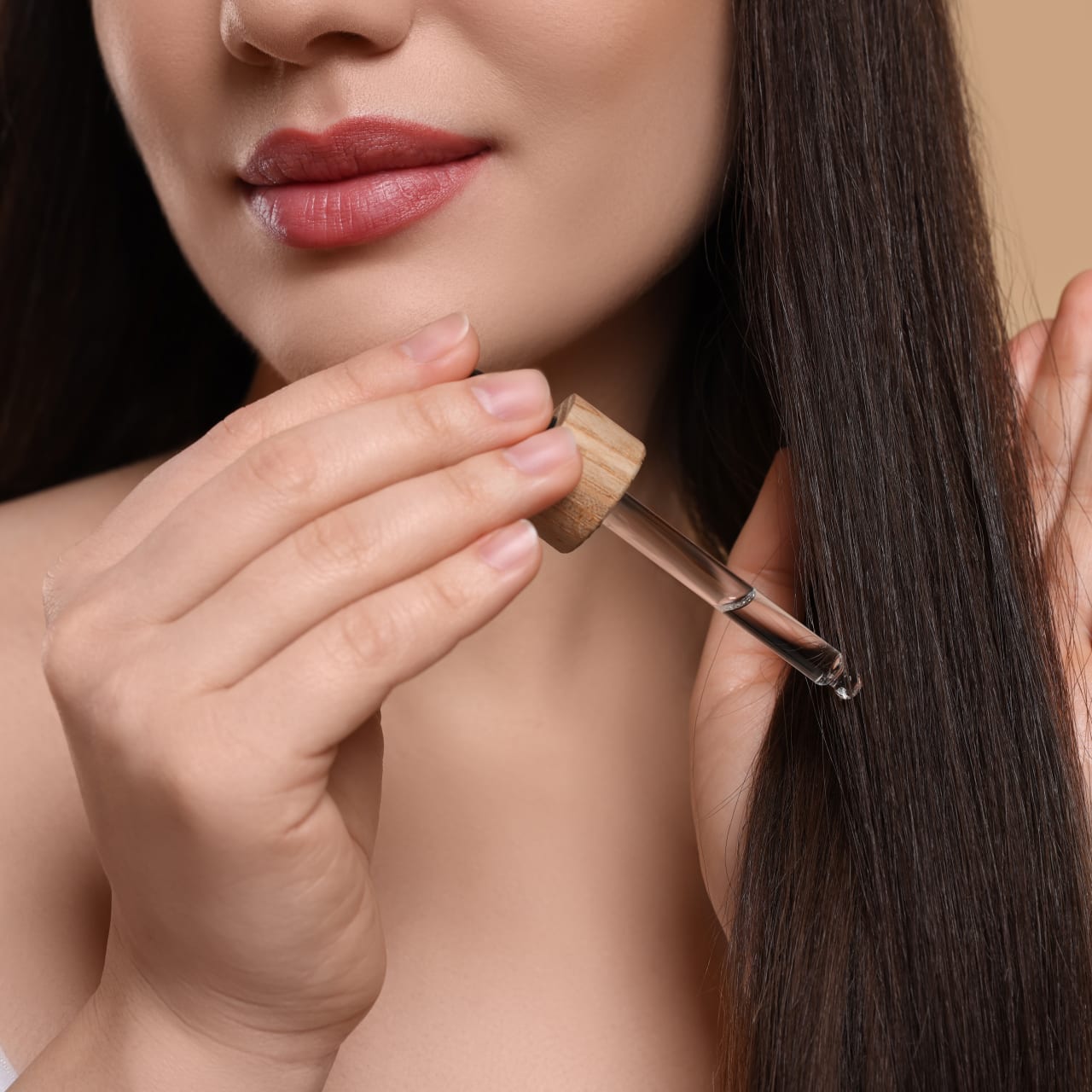
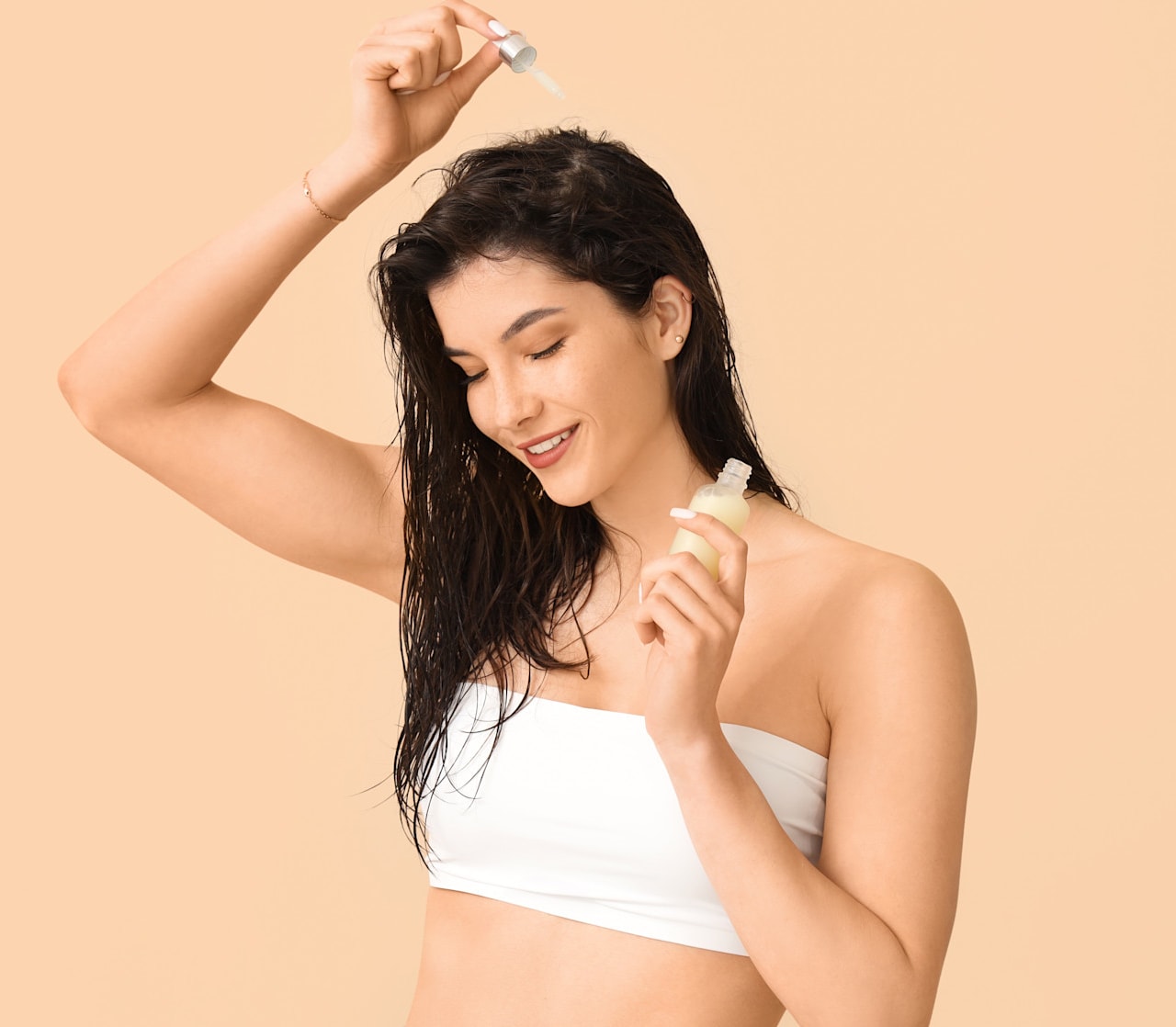
Caring for the hair. Jojoba, coconut and argan oil are all popular choices for nourishing hair and leaving it feeling softer, jojoba in particular is structurally close to the skin's own sebum, which is part of why it's so well tolerated on both hair and scalp.
Not a substitute for sunscreen
It's worth flagging one thing directly: carrier oils are not a substitute for sunscreen.
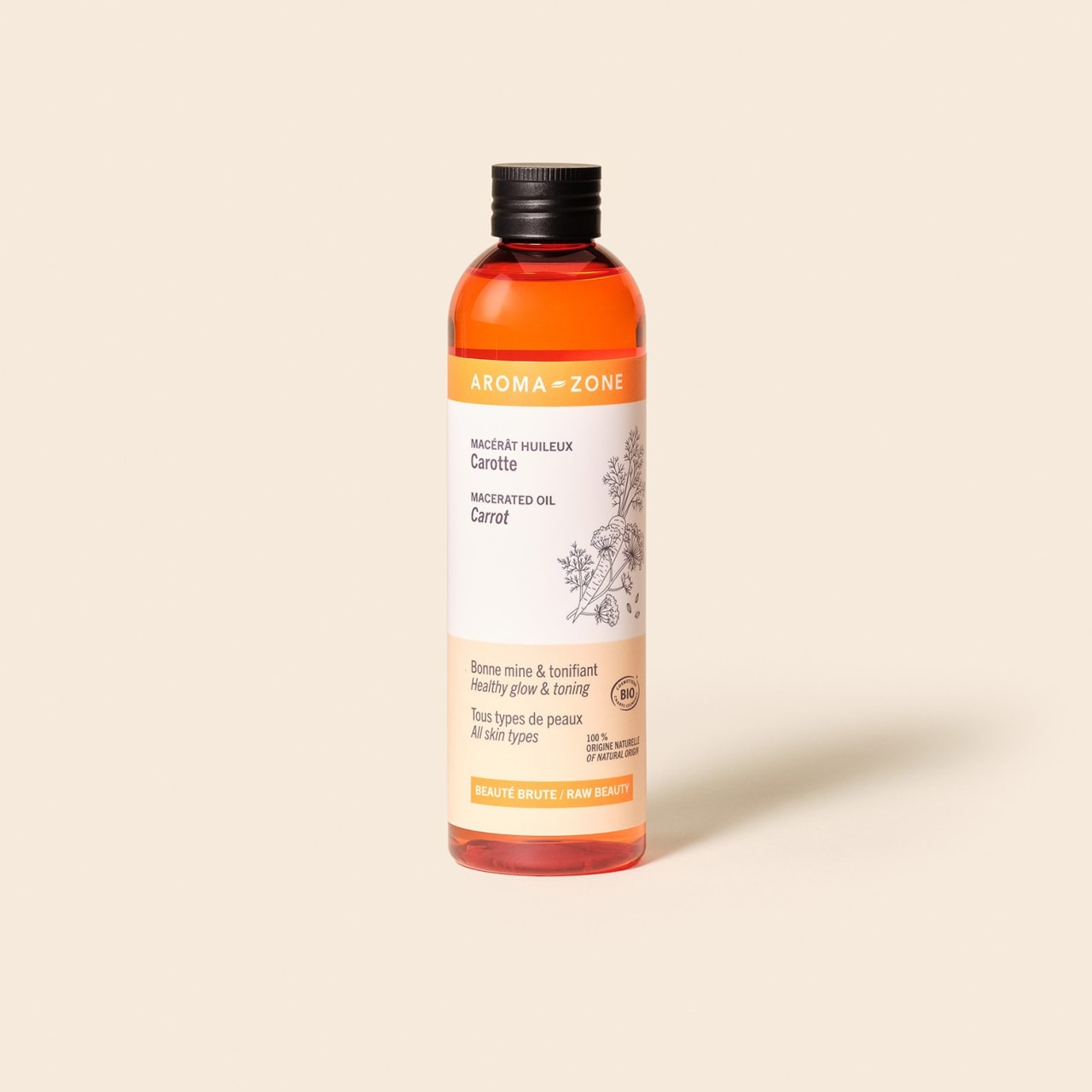
You may come across claims that coconut or carrot oil offer sun protection, but they block only a fraction of UV rays compared with a proper sunscreen, nowhere near enough to rely on.
Carrot infused oil is lovely for the warm, golden tint it can lend the skin, a nice one before or after sun exposure, but neither oil replaces an SPF product, and treating either as sun protection risks real sunburn. As with any new product, it's worth doing a patch test before using a carrier oil for the first time, and bearing in mind that not every oil suits every skin or hair type equally well.
Carrier oils at a glance and which one to choose
Choose your carrier oil by benefit
Here's the quick version, by benefit:
Moisturising: argan, avocado, sweet almond, shea olein
Visible signs of ageing: rosehip, grapeseed, sea buckthorn, evening primrose
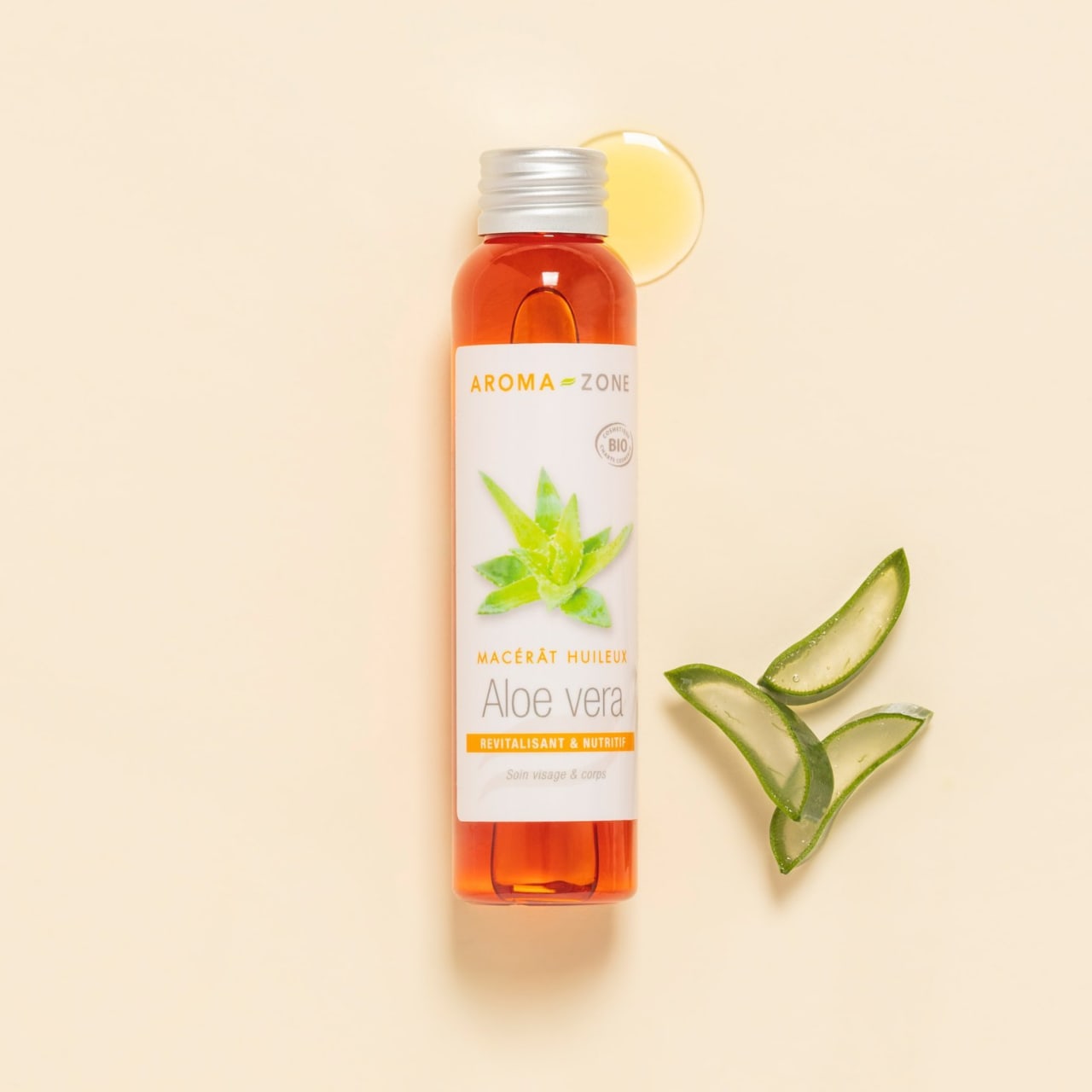
Soothing, sensitive skin: calendula, aloe vera, oat
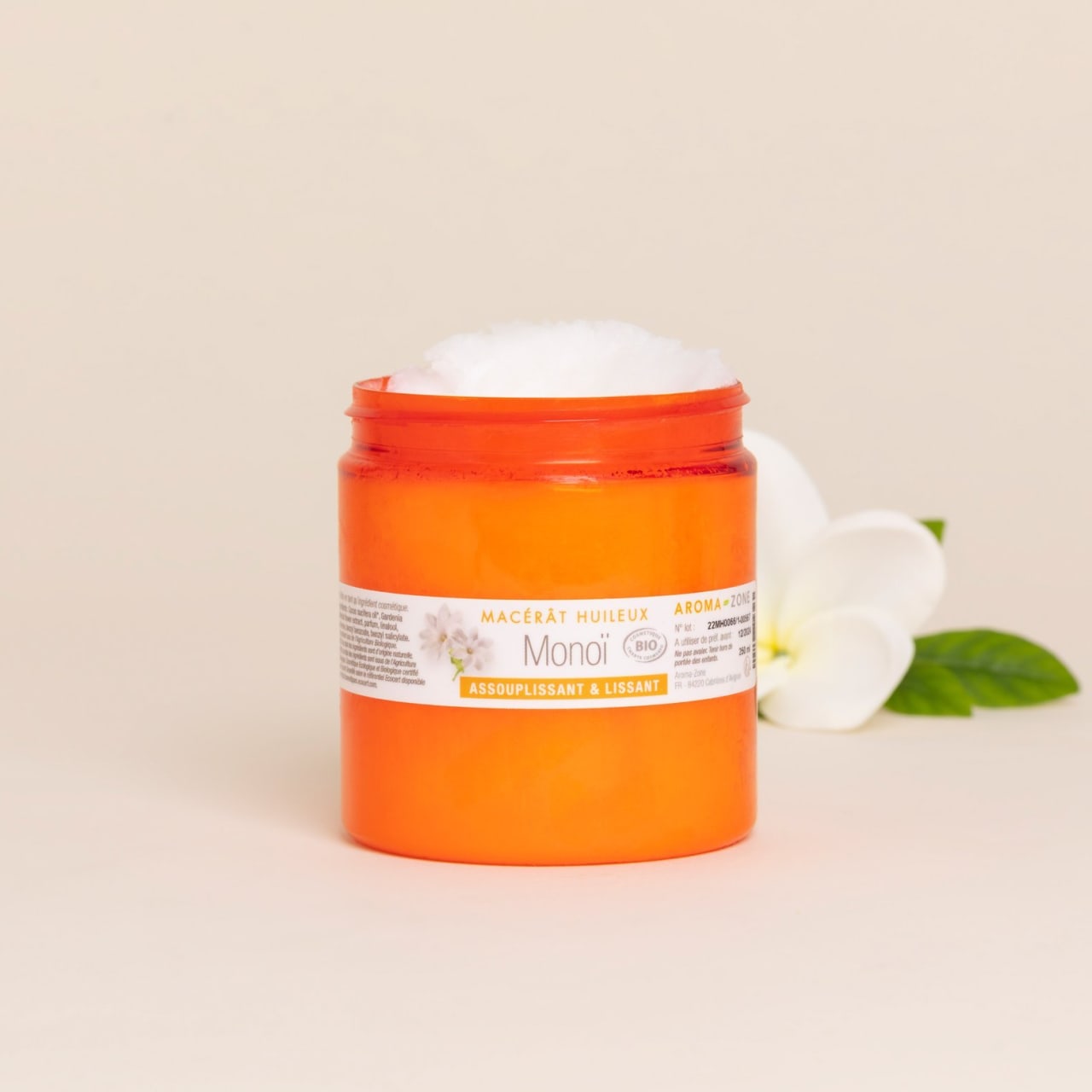
Hair and scalp: jojoba, coconut, castor, broccoli, monoï
Oily or combination skin: grapeseed, hemp, hazelnut, rice bran
A warm, golden tint: carrot infused oil, sea buckthorn
Your carrier oils, in detail
Want a bit more detail before you decide? Here's a closer look at each oil, and what it's best reached for:
Organic Argan Oil, a rich, nourishing all-rounder for dry skin, dry ends, or a daily hair oil.
Organic Avocado Oil, deeply nourishing, a good match for very dry or mature skin that wants something a bit richer.
Organic Sweet Almond Oil, gentle and classic, a reliable everyday choice for sensitive skin.
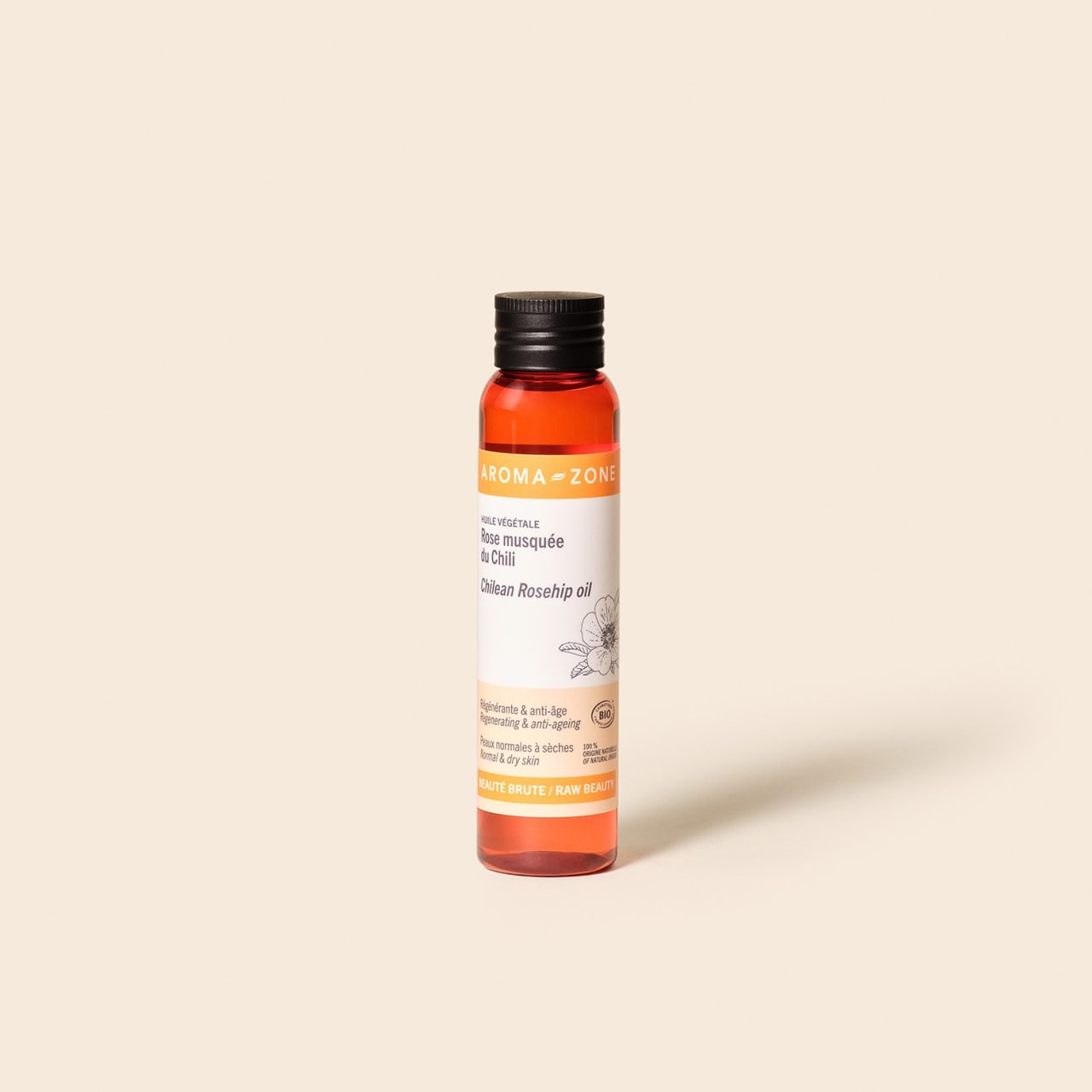
Organic Chilean Rosehip Seed Oil, popular in routines focused on tone and the visible signs of ageing, particularly on the face.
Grape Seed Oil, light and fast-absorbing, a good option for oilier or combination skin that doesn't want a heavy finish.
Organic Calendula Infused Oil, soothing and gentle, well suited to sensitive or easily irritated skin.
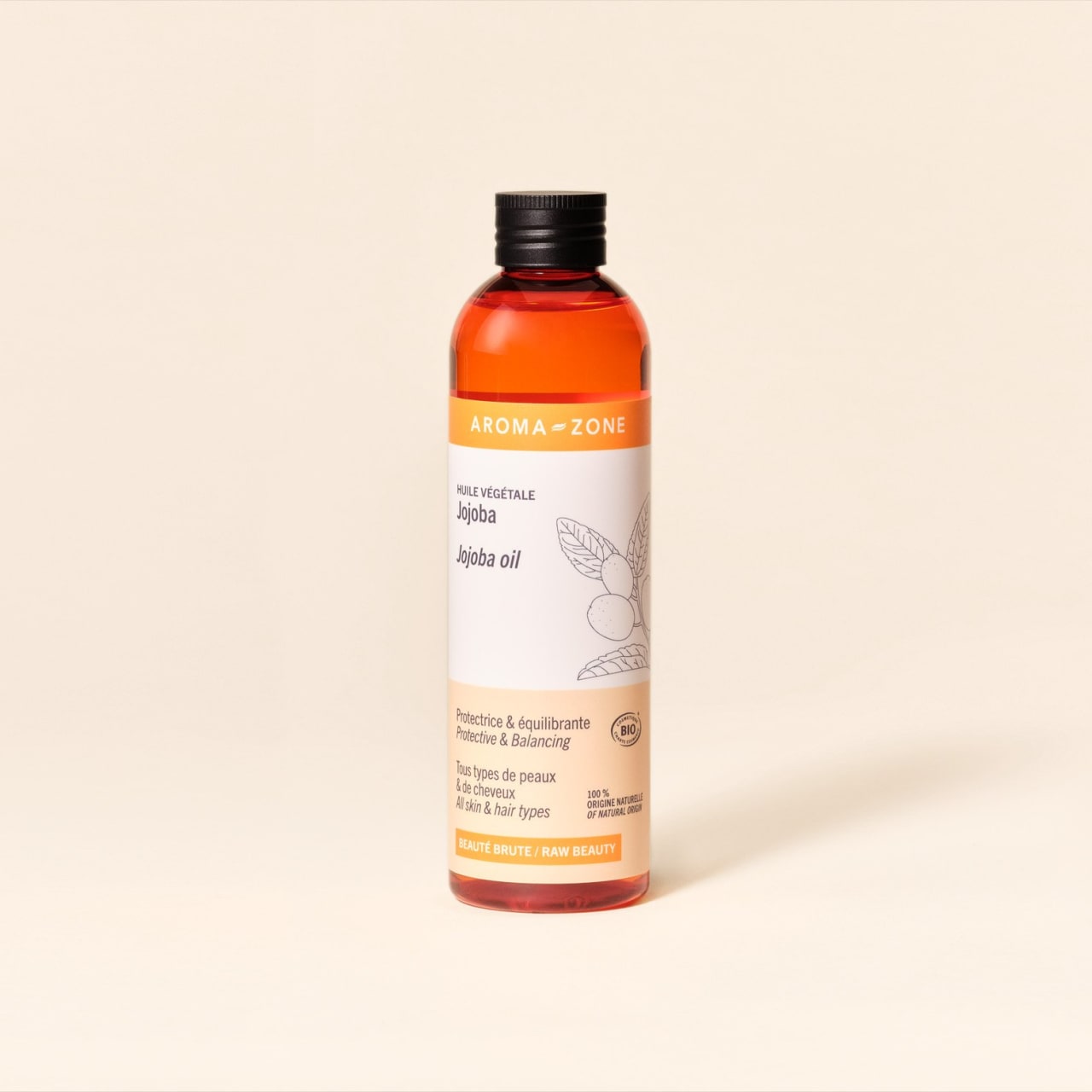
Organic Jojoba Oil, closely resembles skin's own sebum, a balanced choice for combination skin and the scalp alike.
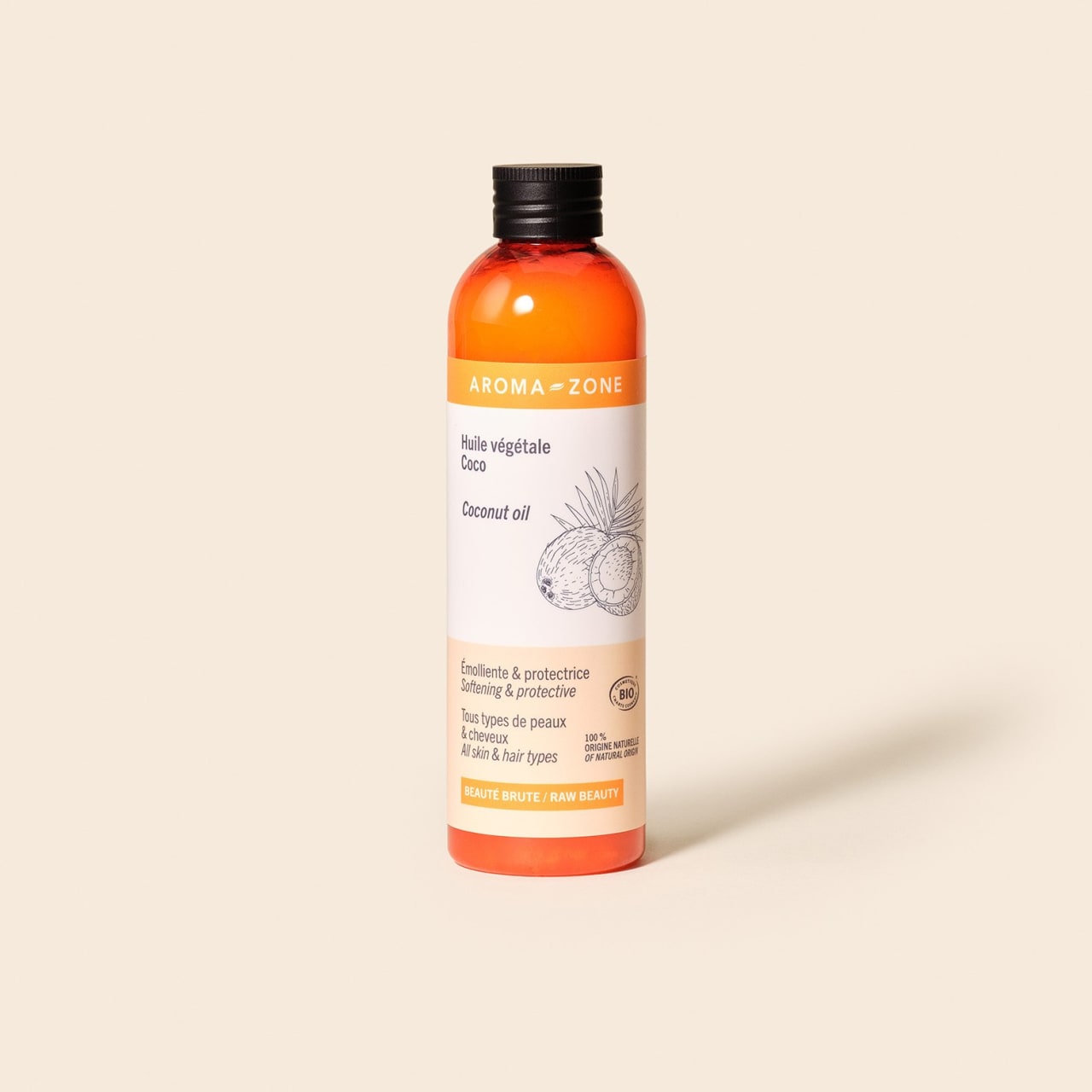
Organic Coconut Oil, richly nourishing, a classic for dry hair lengths and ends (worth noting it solidifies below around 24°C, entirely normal, it melts again on contact with warm skin).
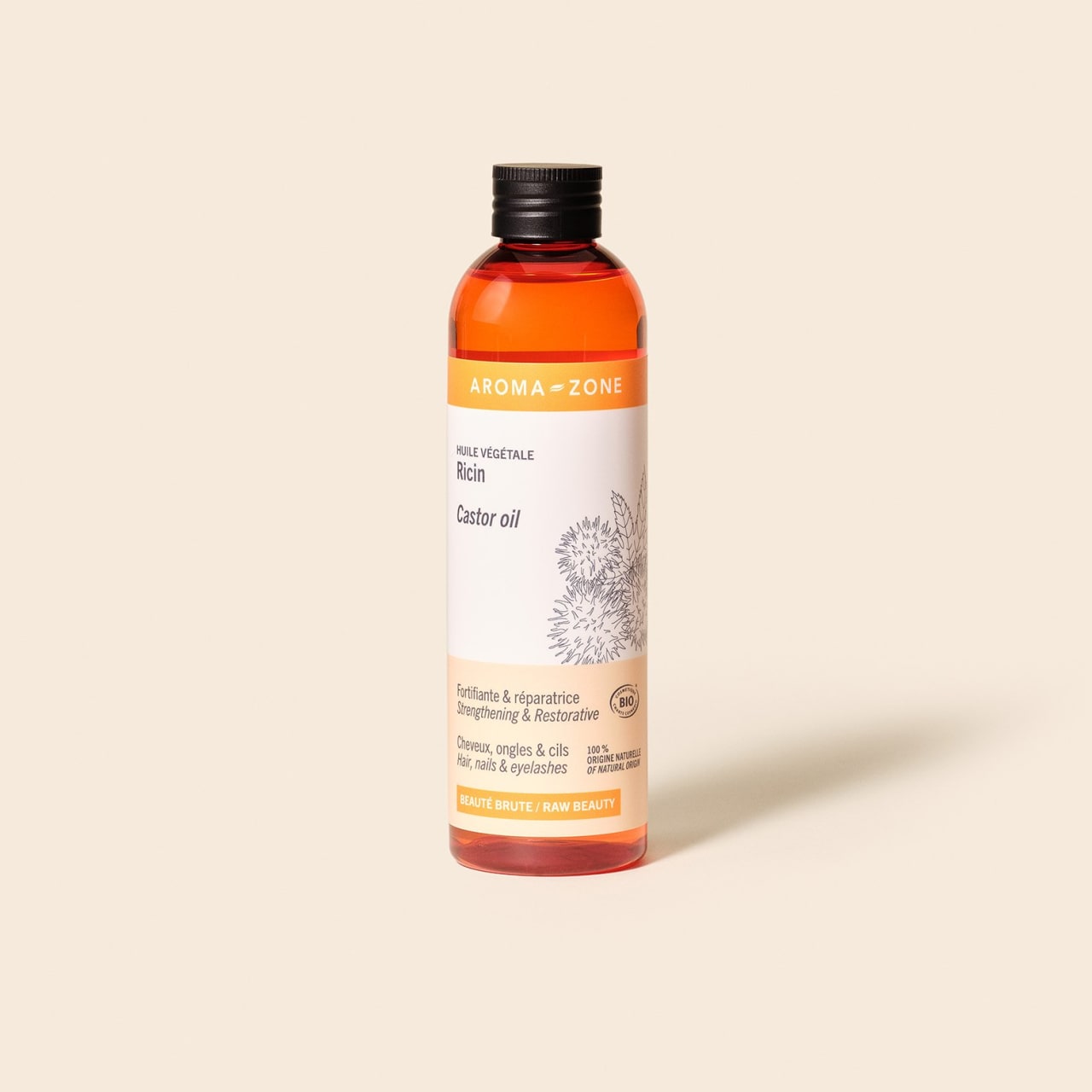
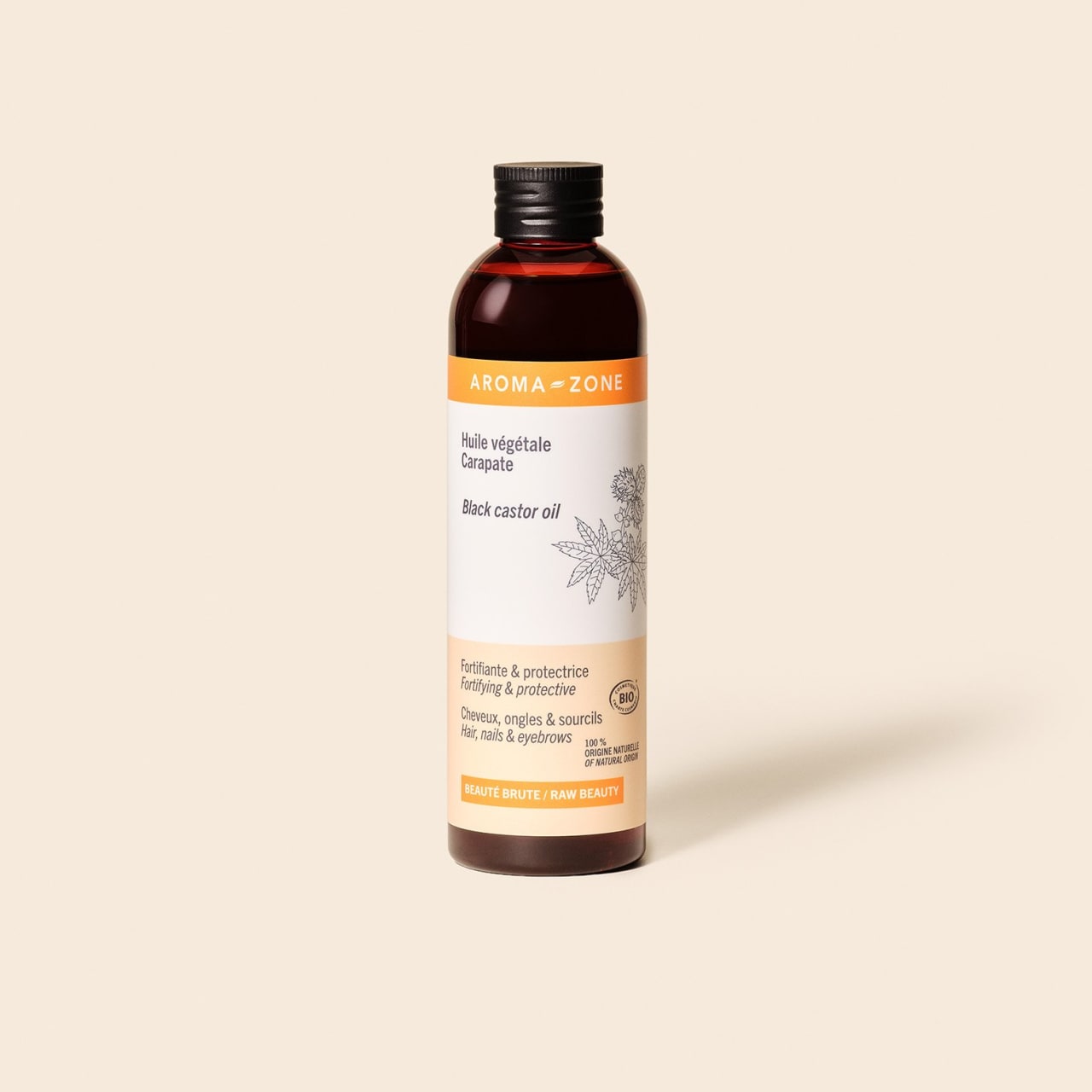
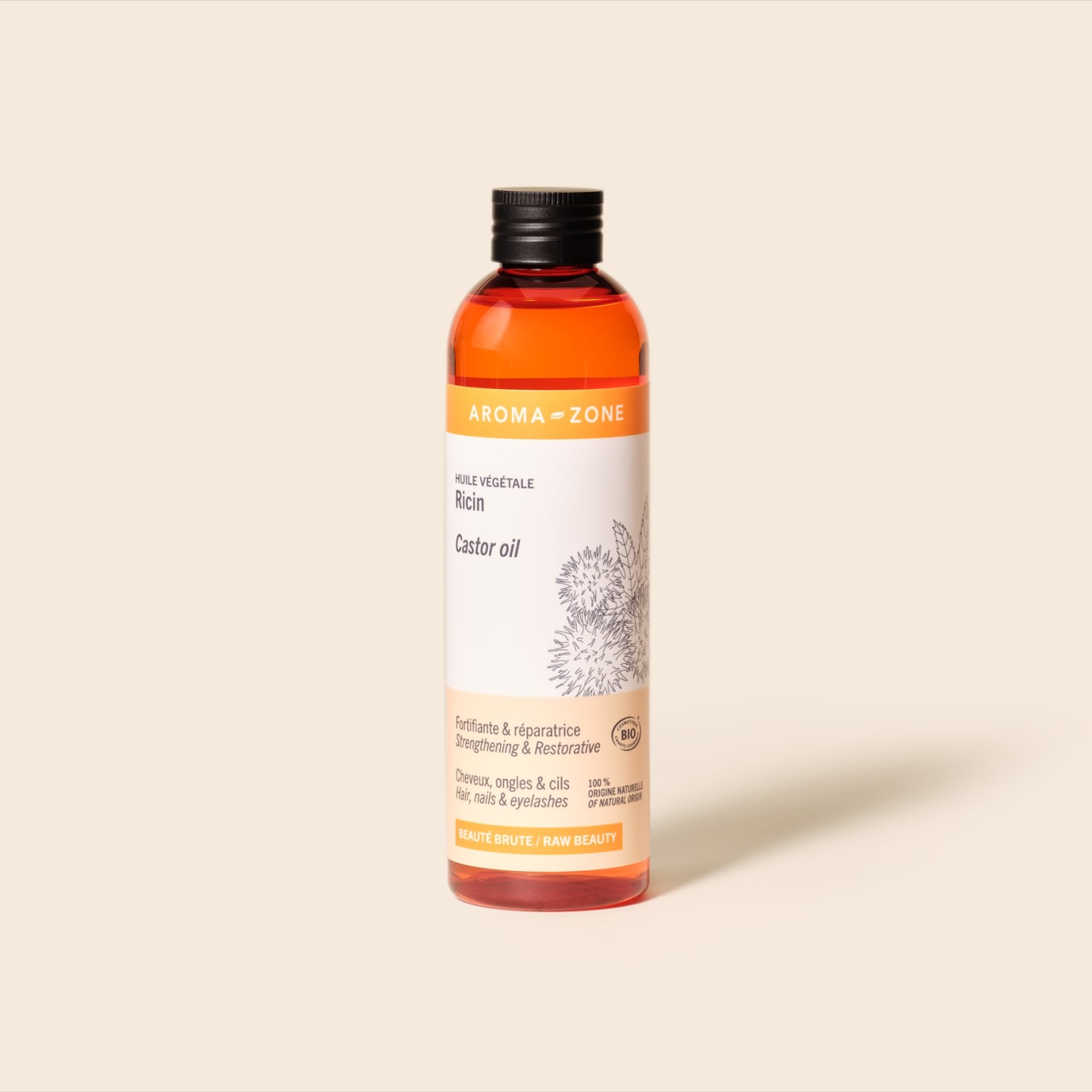
Organic Castor Oil, thick and glossy, popular worked through lashes, brows or hair ends.
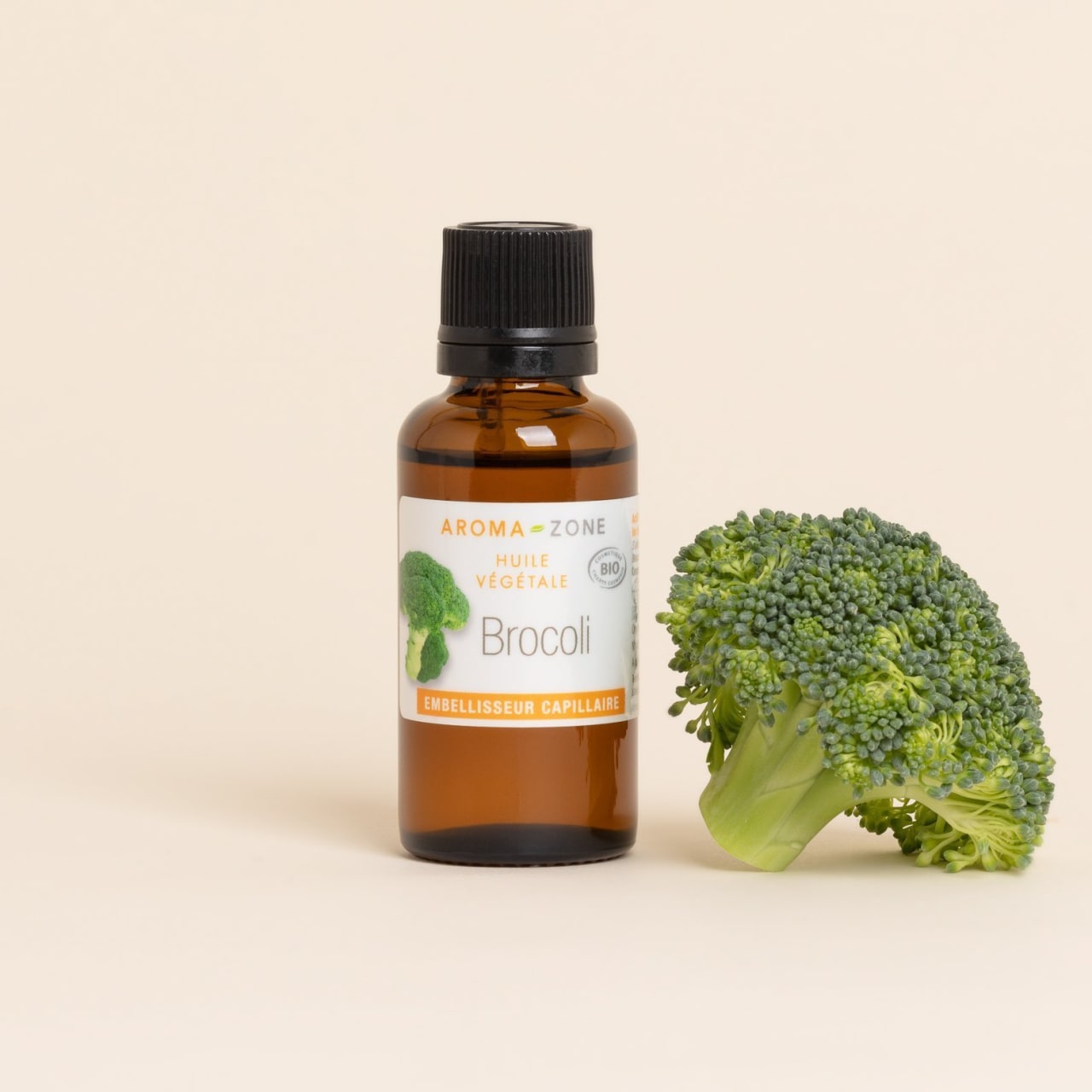
Organic Broccoli Oil, light and silky, known for the smooth, glossy finish it leaves on hair.
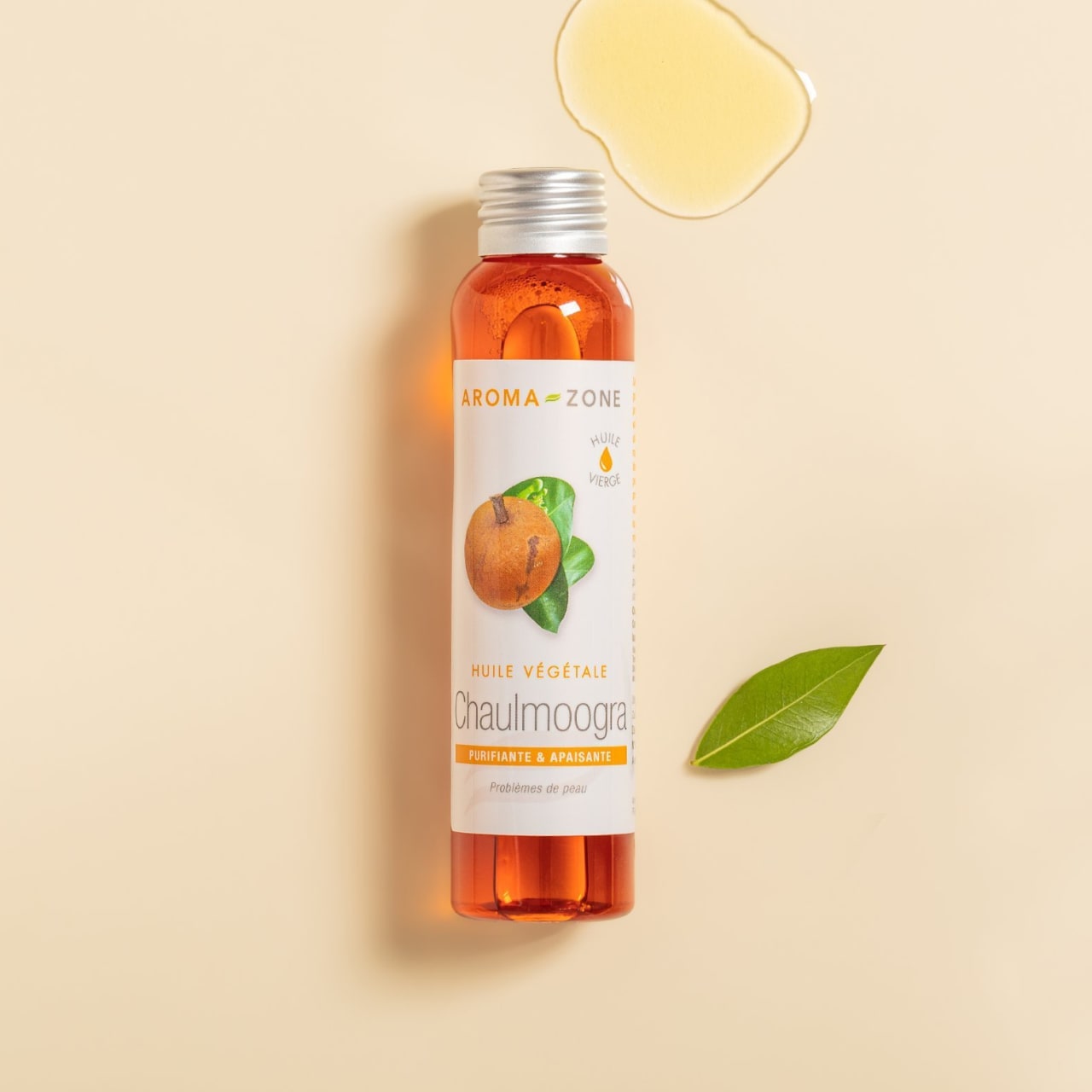
Organic Tamanu Oil, a distinctive, traditionally valued oil often used on areas of skin that need a bit of extra attention.
Organic Hemp Oil, lightweight and balancing, a good fit for combination skin that doesn't want anything greasy.
What makes a good carrier oil?
Not every bottle on a shelf is equally good quality, a few things genuinely make a difference:
Origin.
Organic, sustainably sourced oils are grown without synthetic pesticides and produced with a bit more care for both the plant and the people growing it.
Extraction method.
A gentle method, cold-pressing in particular, preserves far more of an oil's natural vitamins and beneficial compounds than a method that uses heat or solvents.
Purity.
A good carrier oil should be exactly that, no added preservatives, fragrance or solvent residue diluting it.
Freshness.
Carrier oils have a genuinely limited shelf life and can turn (a slightly sharp, "off" smell is the usual sign), checking the manufacture date matters more here than with most cosmetic products.
Compatibility.
The "best" oil is really the one suited to your own skin or hair, which is exactly why a bit of trial, and a patch test before committing to a new one, is worth the extra five minutes.
Our guide to hair care with carrier oils and our guide to choosing a face oil for your skin type both go into more depth if you'd like to narrow things down further, and our hair routine survey is a good next step if hair is the main focus.


