Carapate & Black Castor Oil
Hair conditioner
Hair strengthening
£10.00
1 article = 250 ml
Price per L = £40.00
free delivery up to £25 in United Kingdom
100% secure payment CB, Visa, Mastercard, Paypal, Apple Pay, Google Pay
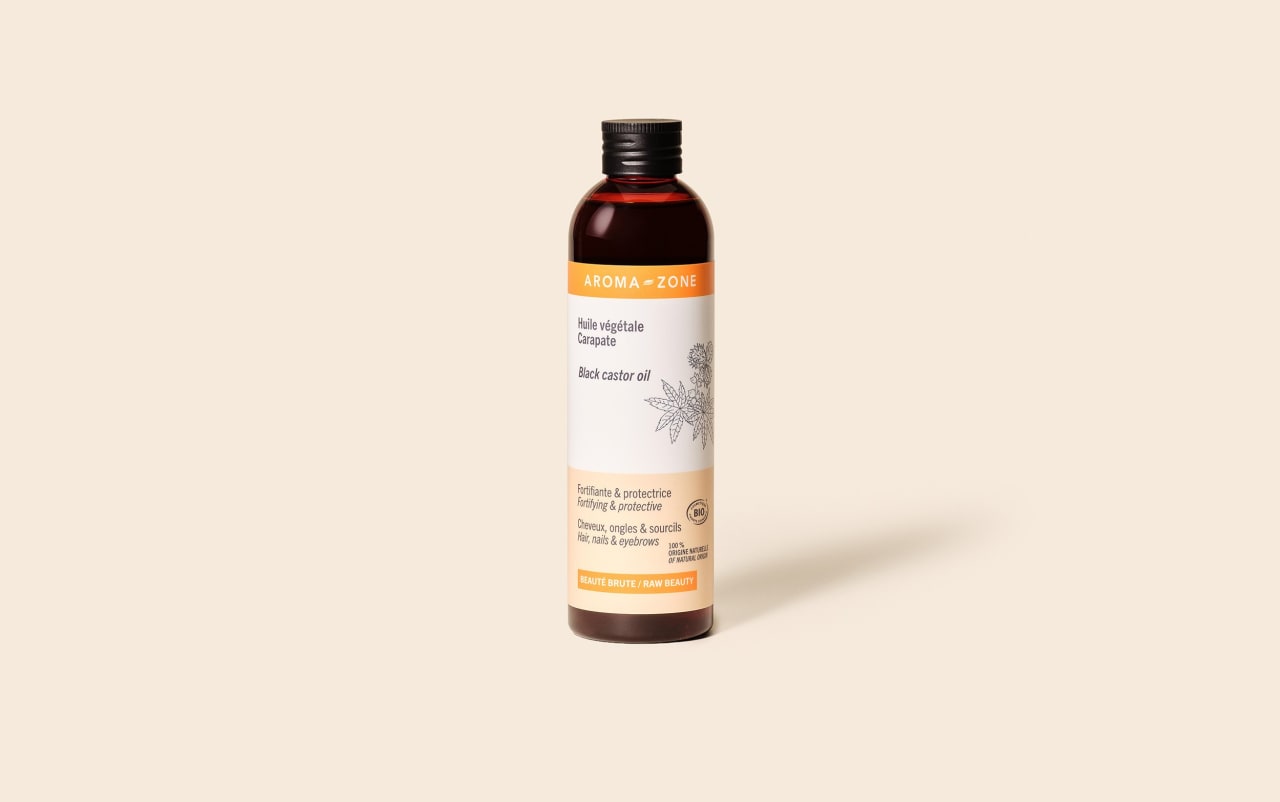
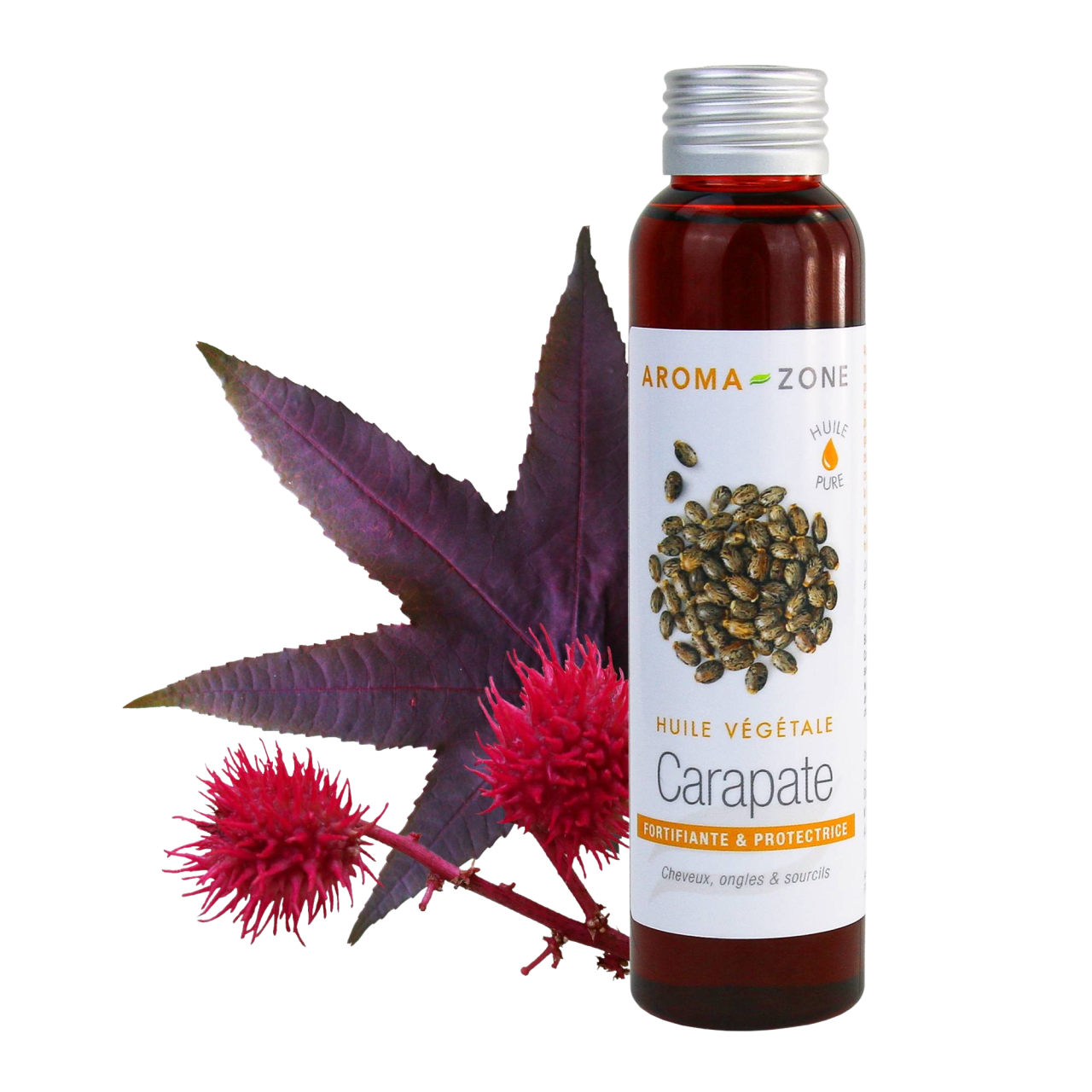
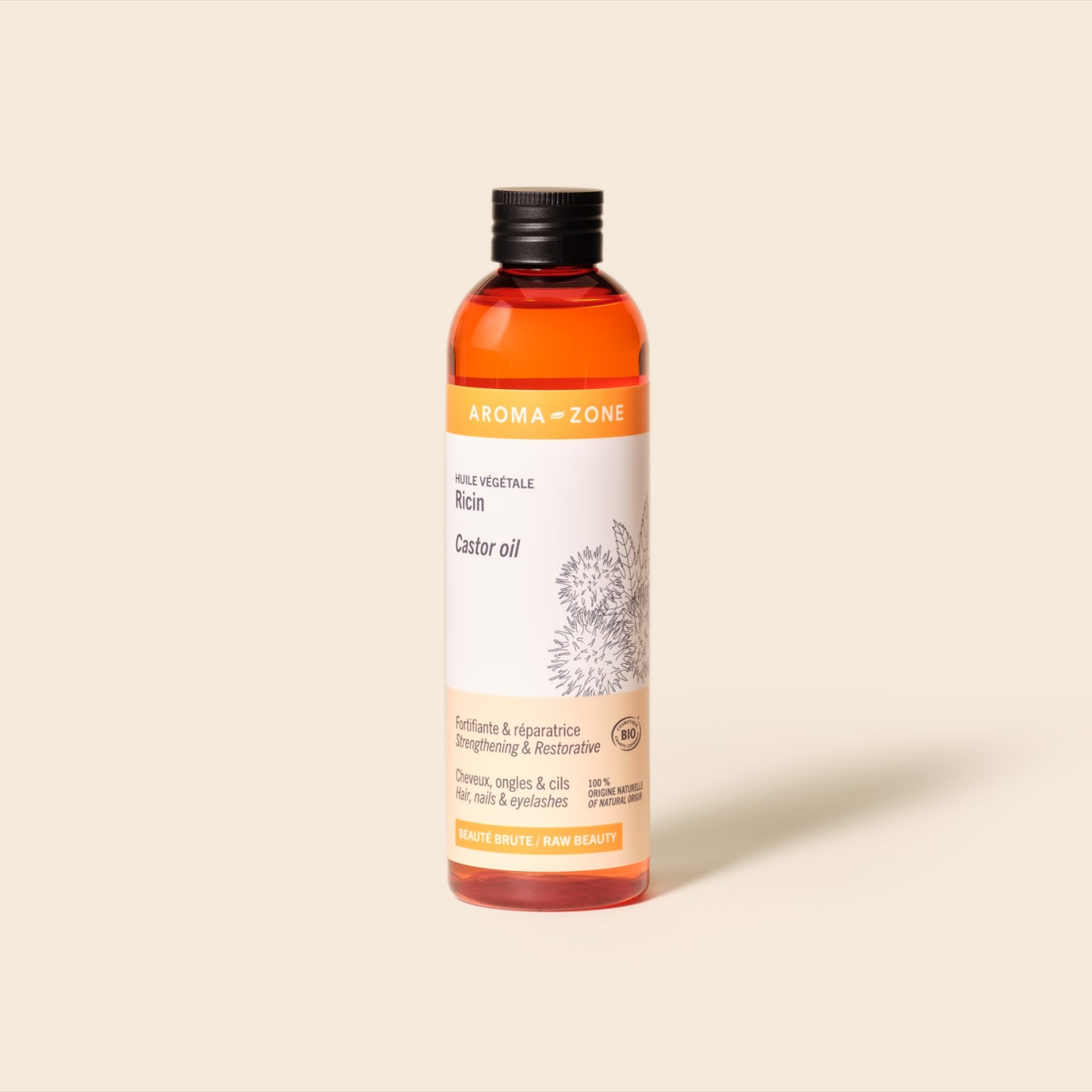
Carapate & Black Castor Oil
250 ml
Cold Pressed
100% Pure And Natural
Why we love it
Essential for textured, frizzy and curly hair
Coats, protects and strengthens hair
Prevents breakage and split ends
Promotes hair growth
Rich and thick, a powerful oil with a full-bodied scent
Ethical sourcing and traditional expertise from Madagascar
Hair types
Afro, curly, textured or coily hair, with all types of curls
Dry, brittle or damaged hair
Porous hair, sensitive to humidity or dehydrated
Split ends
Carapate carrier oil can be used as an ingredient in your blends to make:
Protective and nourishing hair oils
Protective hair serums
Hair masks
Pre-shampoo oil treatment
Styling serums and waxes
Fortifying nail oil
Fortifying and sheathing, it helps protect hair from external damage and combats breakage and split ends.
Carapate oil repairs and nourishes, leaving hair soft and supple
Sheathing, improves hair shine and defines curls
Carapate or black castor oil is ideal for locking moisture into porous or dehydrated hair.
Rich in ricinoleic acid, it is reputed to combat hair loss and encourage hair growth.
Purifying, helps cleanse the scalp
Carapate carrier oil is recognised for the following properties:
Helps strengthen brittle nails
Promotes the natural lengthening of nails
Instant recipes by Aroma-Zone
Pre-shampoo oil mask
Carapate carrier oil
1 to 2 tablespoons
Other carrier oil (coconut carrier oil, argan carrier oil, etc.)
1 to 2 tablespoons
Step 1
Apply the oily mixture to the scalp and hair.
Step 2
Leave on for at least 1 hour, then shampoo. Use about once a month to see the benefits.
Stimulating and fortifying mask
Carapate carrier oil
2 tablespoons

Mustard oil
1 tablespoon
Step 1
Mix the two oils.
Step 2
Massage this mixture into the scalp and damaged split ends.
Step 3
Leave on for 30 minutes, then shampoo.
Curl-defining serum
Carapate carrier oil
1 tablespoon
Broccoli carrier oil
1 tablespoon
Step 1
Package the mixture in a 30 ml pump bottle.
Step 2
Rub a small amount of the mixture between the palms of your hands and apply to the lengths of your hair, forming curls.
Strengthening oil for nails
Carapate carrier oil
1 teaspoonful

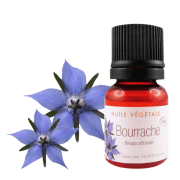
Borage carrier oil
1 teaspoonful
Step 1
Mix the two carrier oils.
Step 2
Massage the mixture into the nails.
Step 3
If possible, leave on overnight. Otherwise, wash your hands before handling anything else, especially food.
Synergies
To nourish hair: sapote, avocado, argan carrier oils, shea, murumuru and mango butters.
To define and protect curls : piqui, broccoli, Abyssinian and pracaxi carrier oils
To revive hair shine: coconut, jojoba, hibiscus carrier oils
To stimulate the scalp and encourage growth: mustard, coconut and rocket carrier oils.
To help reduce nail fragility: borage and argan carrier oils, lemon essential oil.
Focus on ricinoleic acid: Ricinoleic acid is a derivative of oleic acid. It is the active component of carapate (castor) oil. In addition to its laxative activity, ricinoleic acid helps prevent the growth of germs (bacteria, moulds, etc.). It is also used in the treatment of certain skin concerns (acne, dermatoses, fungal infections, inflammations, etc.).
Fatty acid composition - Gas phase chromatography of batch 22HV0054 :
Polyunsaturated essential fatty acids (PUFA or EFA) or vitamin F: alpha-linolenic acid (omega-3) (0.9%)
Monounsaturated fatty acids (MUFA): ricinoleic acid (80.77%), oleic acid (omega-9) (4.78%)
Saturated fatty acids (SFA): palmitic acid (1.96%), stearic acid (1.86%)
INCI name
Ricinus communis (castor) seed oil
Meet the producer and partner: Carapate oil comes from a traditional, ethical and responsible area in Madagascar. The Ricinus communis (castor oil tree) is grown locally by 5,000 Madagascan farmers, in collaboration with our local partner: each of them produces a small quantity of Carapate which provides them with a regular income, even during slower periods.
The fruit is harvested by hand by local people between October and December. The seeds inside the fruit are then collected, roasted and crushed with a pestle in large containers, using traditional methods. Water is then added and brought to the boil. The supernatant oil can then be easily recovered. Between 3 and 4 kg of seeds are needed to obtain 1 kg of Carapate oil. Ricinus communis (the castor oil tree) is grown without the use of pesticides.
Country of origin
Madagascar
Botanical name
Ricinus communis
Botanical family
Euphorbiaceae
Quality
100% pure, natural raw oil, cosmetic grade.
Production process
The castor beans are roasted, crushed and then immersed in boiling water. The oil floating on the surface of the water is then collected.
Part of the plant used
Seeds
Function
Cosmetic ingredients
Oxidative potential
Not very sensitive
Learn more
Carapate oil, also known as black castor oil, is derived from the seeds of the castor oil tree, Ricinus communis. This is a shrub from the Euphorbiaceae family, native to tropical Africa, but now widespread in areas with a similar climate, such as Oceania.
The fruits of the castor oil tree are small pink capsules bristling with spikes reminiscent of chestnut bogues. As they ripen, the shells dry and open, revealing 3 brown, smooth, mottled seeds. These are the same seeds used to make castor oil.
What is the difference between Carapate oil and Castor oil?
The only difference between castor oil and carapate oil is the extraction process! For Castor oil, the seeds are cold-pressed; for Carapate oil, the seeds are roasted and crushed before being boiled in water. Thanks to the difference in density between the water and the oil, the latter is easily recovered.
It is this roasting and hot extraction process that gives Carapate oil its characteristic roasted odour and magnificent reddish-brown colour, completely different from that of Castor oil.
In Madagascar, as in the West Indies, Carapate oil is traditionally made by families and used for haircare, skincare and nail strengthening. We're delighted to introduce you to this rare and powerful oil of exceptional quality!
Organoleptic properties
Appearance: viscous oily liquid
Colour: reddish-brown
Smell: characteristic, toasted notes
Feel: very oily and viscous
Density
0,950 - 0,970
Saponification index
175 - 190
Storage
Stable carrier oil.
Store in a dry place away from heat and light.
Precautions
Keep out of reach of children.
Do not swallow
As a precaution, do not use during pregnancy or while breastfeeding, or on children under 3 years of age.
Warning
The properties, indications and methods of use described above are derived from scientific literature and/or reference books or websites in aromatherapy, hydrolatherapy and phytotherapy. This general information is provided for informational purposes only and cannot under any circumstances be considered as medical information. This information cannot under any circumstances replace a diagnosis, consultation or medical follow-up, nor engage our liability.
Environmental qualities and characteristics product sheet
Reference
0441302 - Carapate oil - Black castor oil 100 ml
Main packaging material
RPET (recycled PET) bottle
Recyclability
Most packaging can be recycled
Recycled material
Packaging contains at least 80% recycled material
Rewards and penalties
Aroma-Zone gets a bonus for managing packaging made from recycled plastic.
Reference
0441402 - Carapate oil - Black castor oil 250 ml
Main packaging material
RPET (recycled PET) bottle
Recyclability
Most packaging can be recycled
Recycled material
Packaging contains at least 85% recycled material
Rewards and penalties
Aroma-Zone gets a bonus for managing packaging made from recycled plastic.
Frequently Asked Questions
Essential Oils
1 ml = approximately 35 drops (with our Aroma-Zone dropper caps)
Carrier Oils
1 pump (Aroma-Zone aluminium pump) = approx. 0.15 ml
Mass / Volume conversion (for a liquid)
Mass (g) = Density x Volume (ml) at 20°C
Further information
1 full teaspoon = between 3 and 4.5 ml
1 full tablespoon = between 7.5 and 10 ml
However, these spoon ratios depend on a number of factors (e.g. viscosity of the liquid, temperature, depth and size of the spoon, rheological behaviour of the liquid), and we strongly advise you to use precise measuring equipment, such as graduated test tubes, graduated pipettes, and precision scales.
I love castor oil
Nothing extraordinary, hair is softer after the mask but no effect on growth or hair loss.
First tests very conclusive: frizzy hair less dry, shiny roots
Perfect products
Black castor oil, no results yet
Associated products
Associated recipe

Hair serum
Associated tips
Face care tips

Face care tips