
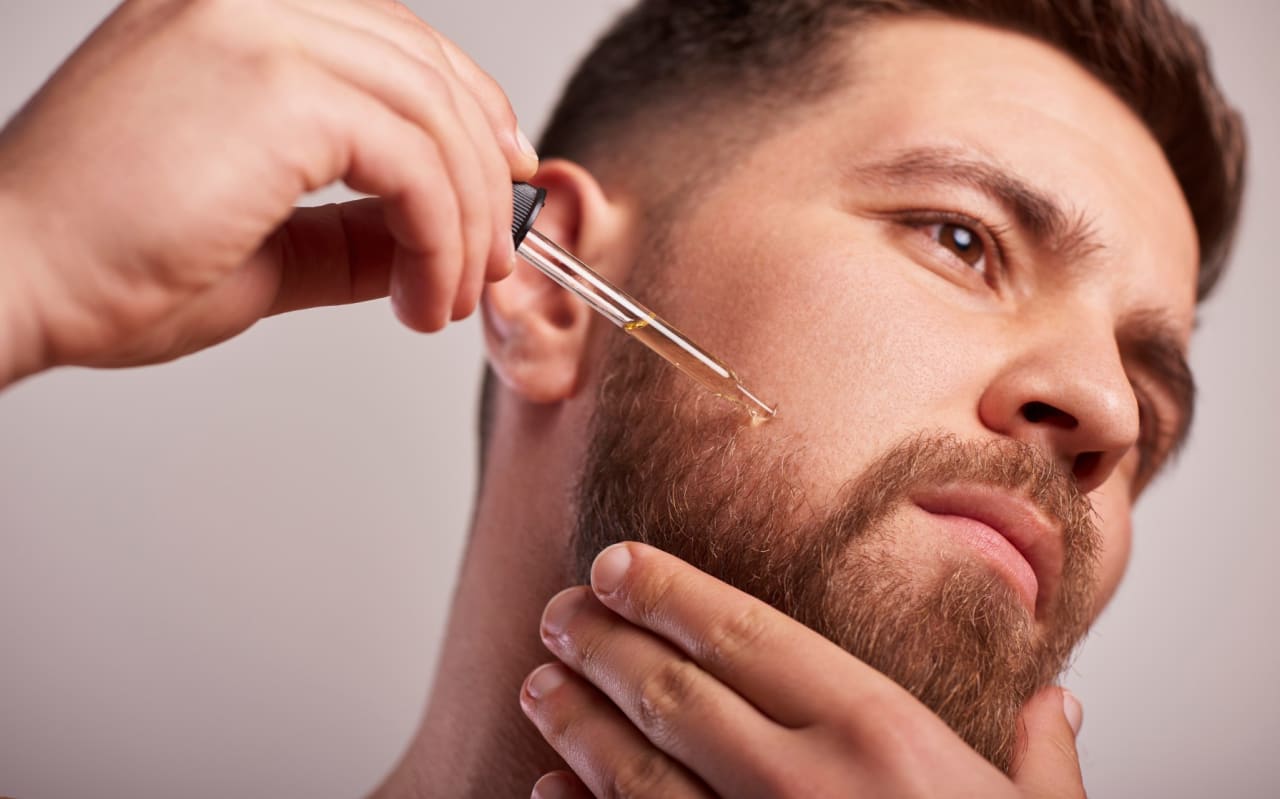
Castor oil is a carrier oil extracted from the seeds of ricinus communis, a shrub native to East Africa in the Euphorbiaceae family. It is often used in cosmetics, as it is non-comedogenic and doesn't clog pores. As a result, it is easily absorbed by the skin. The active ingredients it contains - oleic acid, linoleic acid and saturated fatty acids - are beneficial for skin and hair hydration. Whether your beard is rough, uneven or neglected, applying castor oil will revive and moisturise it, and may even help it grow faster.
Castor oil for beards: benefits and advice on use
Published on: Monday, December 04, 2023, Updated on: Wednesday, September 30, 2026
Used regularly to moisturise and soften hair, castor oil also works wonders for beards. It makes beard hair silkier and prevents the appearance of dandruff. Let's find out how to use it to care for your beard.
Contents
Related products
Organic Castor Oil
Repairing
£7.50
250 ml
2 options
Carapate & Black Castor Oil
Hair conditioner
Hair strengthening
£10.00
250 ml
2 options
£7.00
50 ml
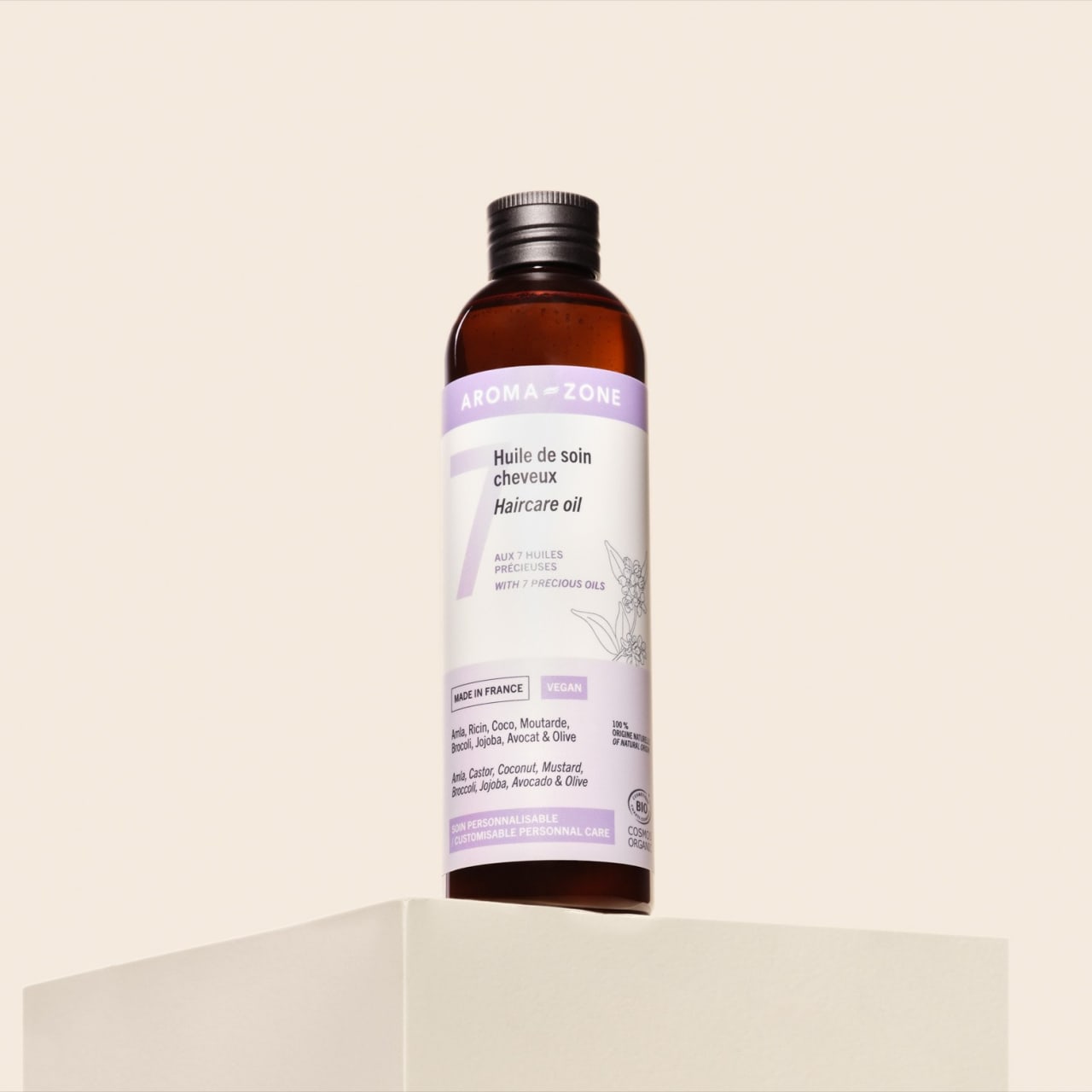
Haircare Oil With 7 Precious Oils
Repairing
Hair strengthening
£11.00
250 ml
What is castor oil?
The benefits of castor oil
Moisturises and reduces itching: shaving disrupts the hydrolipidic film and dries out the epidermis. Castor oil moisturises the skin thanks to its fatty acids.
Soften hair: it softens the hair on your head and your beard, making it shiny. It results in a cleaner look.
Stimulates hair growth: it is known for encouraging hair growth thanks to the ricinoleic acid. This moisturises and strengthens your beard.
Sanitising: while beards can often be itchy when they're not looked after, castor oil and the ricinoleic acid act as antimicrobials and fungicides, reducing itching and the appearance of dandruff.
How many times a week should I use castor oil?
If you have a dry or itchy beard, apply this carrier oil in the morning and evening every day to help moisturise.
The length of your beard influences the frequency of application. Long beards will need extra moisture, so use the carrier oil more often. However, if you have oily skin, only apply moisturiser once a day, or every other day. This reduces an oily effect.
How long should I leave castor oil on my beard?
For castor oil to work, you need to leave it on long enough for it to be absorbed. You can apply a small amount of castor oil to your beard and leave it on all day, allowing it to be absorbed by the hair and skin. Just as you would with a night mask, put a generous amount of castor oil on your beard and leave it on overnight. This allows your beard to deeply absorb the oil, leaving it nourished. Wash off any excess carrier oil in the morning.
Our best products for growing beards
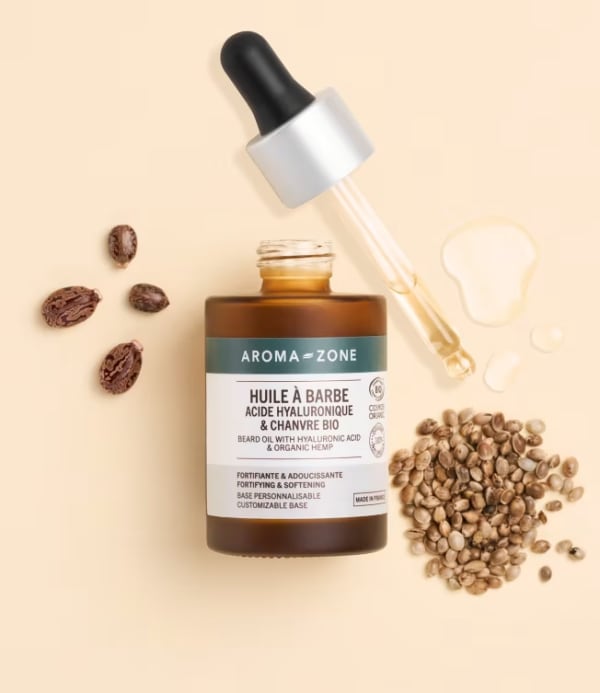
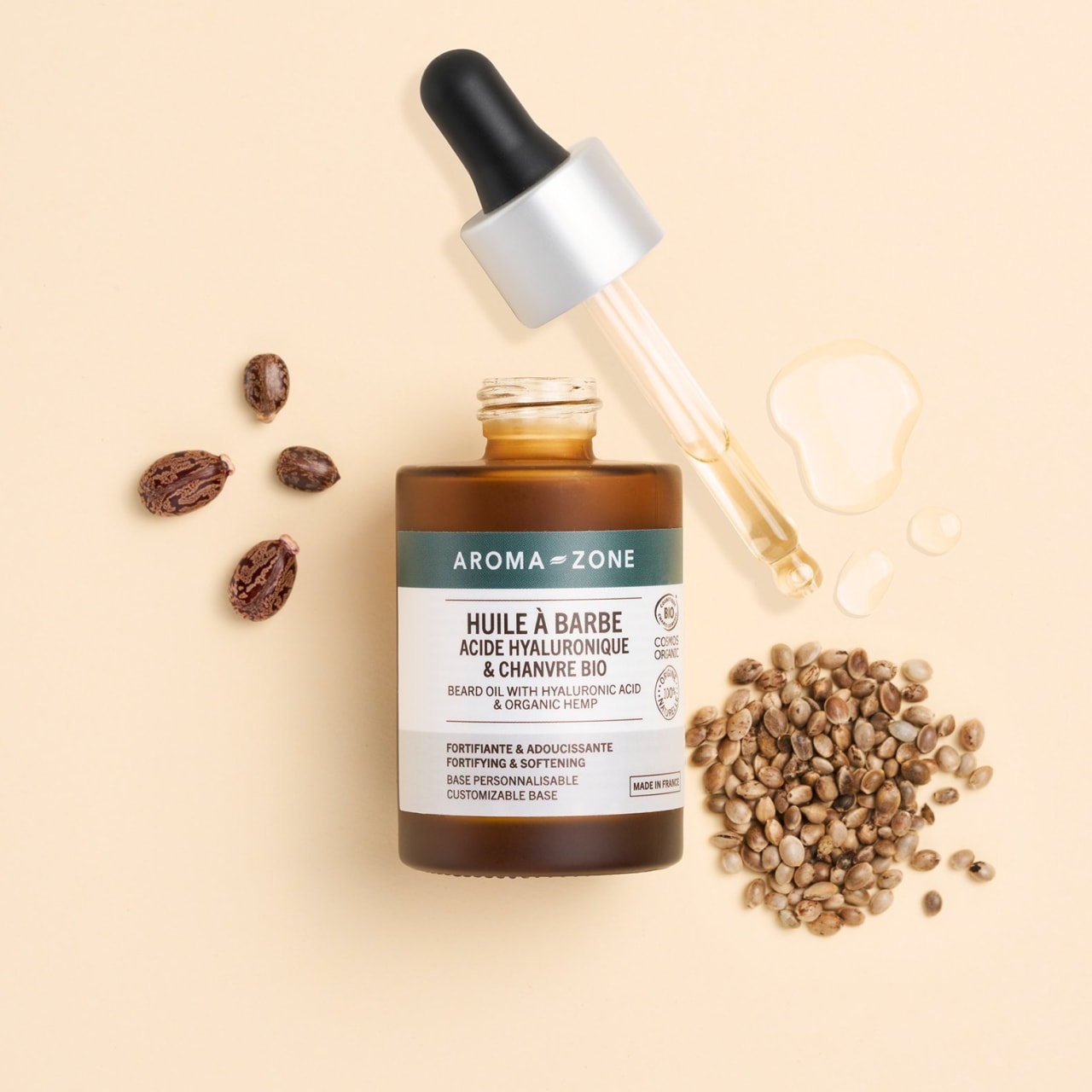
Organic Hyaluronic Acid and Hemp Beard Oil
Strengthen and maintain your beard on a daily basis with this treatment. It contains softening and protective organic hemp, organic argan and castor oils. Made from 100% natural ingredients, this treatment oil nourishes and softens the beard. A blend of marine extract and fortifying castor oil promotes beard growth, particularly in patchy areas.
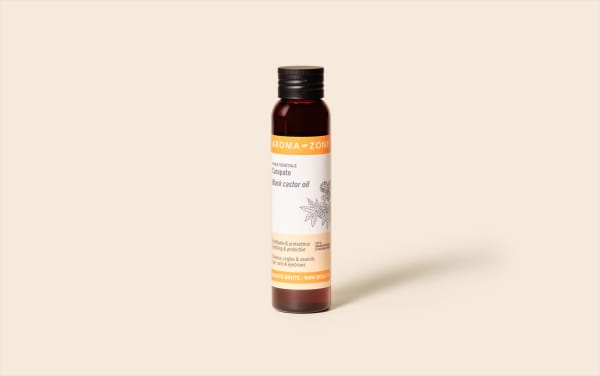
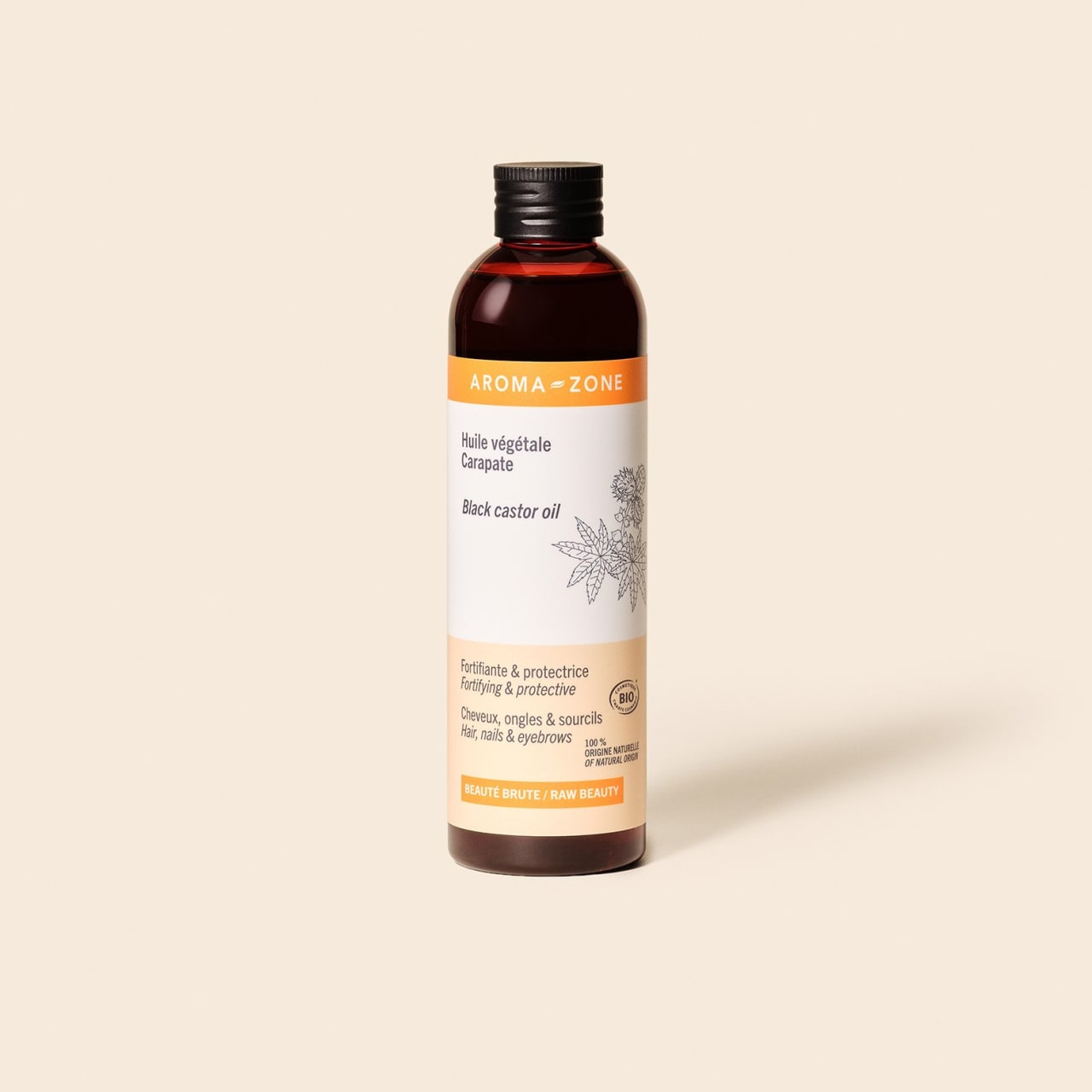
Carapate - black castor oil
Rich and thick, this 100% natural carrier oil strengthens and protects damaged hair by coating the hair fibre. Thanks to its viscous texture and good affinity with the hair, it helps shape curls, seals in moisture, reduces hair breakage and prevents split ends. Carapate oil is also known for toning and cleansing the scalp and promoting hair growth.
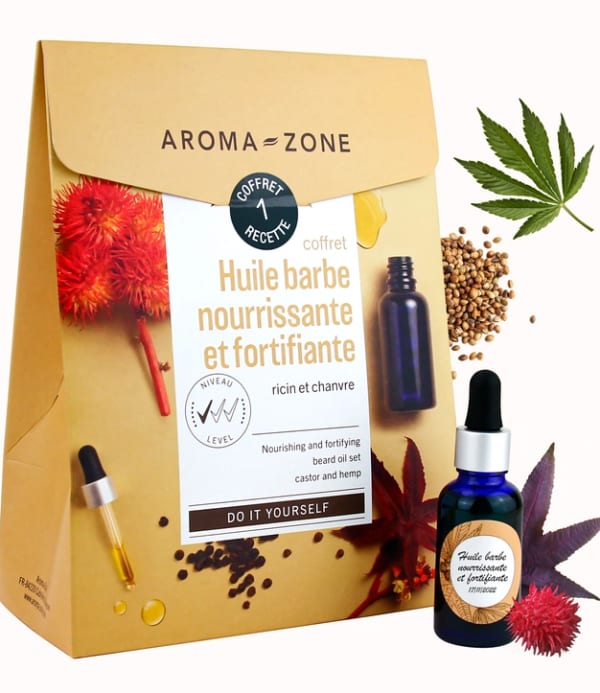
Nourishing and Strengthening Beard Oil Home Cosmetic Kit
The secret to a beautiful, dense and nourished beard is this 100% natural product. It has a peppery scent that combines organic castor oil with organic hemp oil. It strengthens hair and stimulates hair growth, giving your beard volume, softness and shine. This oil has a runny, non-greasy texture that nourishes and reduces the feeling of tightness.
Discover the Nourishing and Strengthening Beard Oil Home Cosmetic Kit
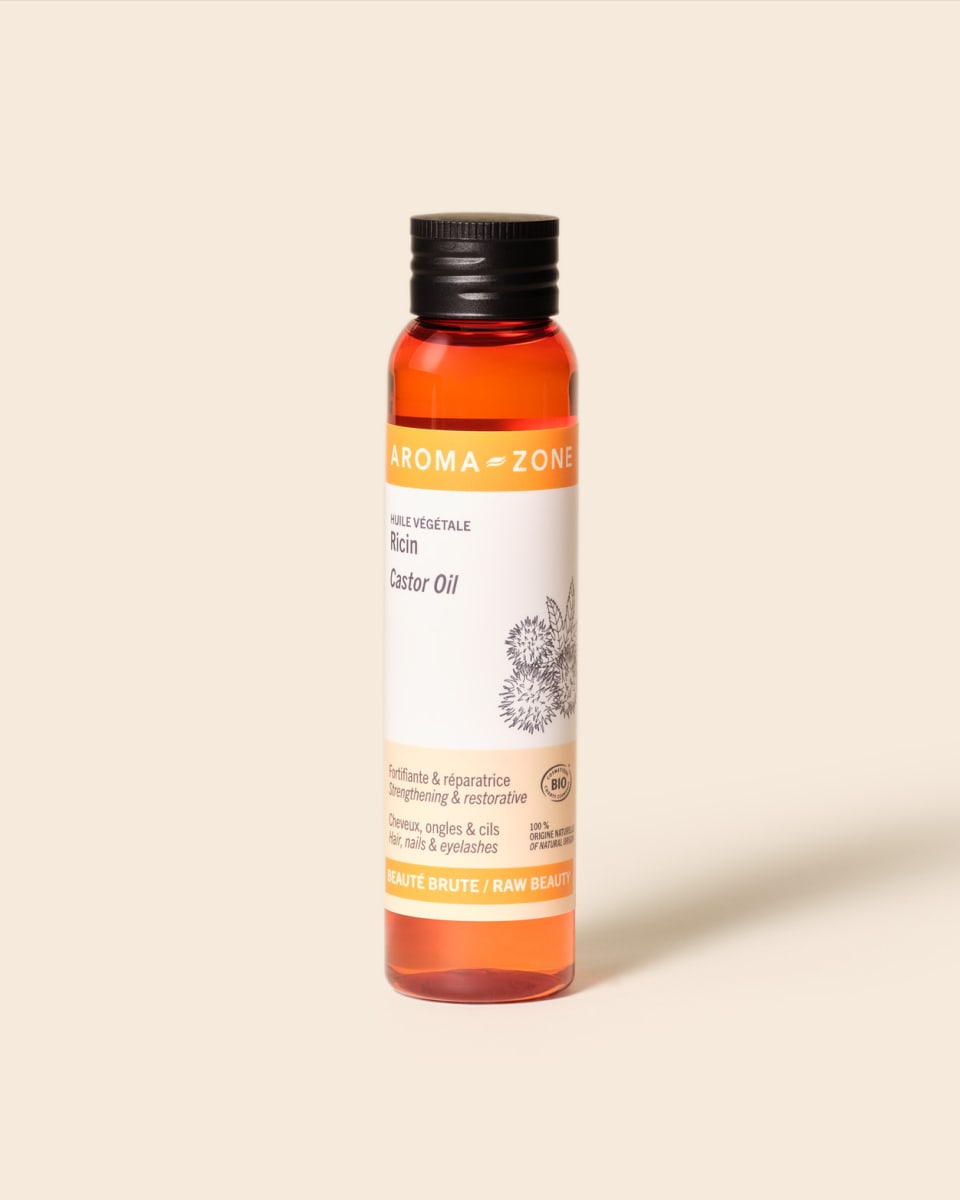
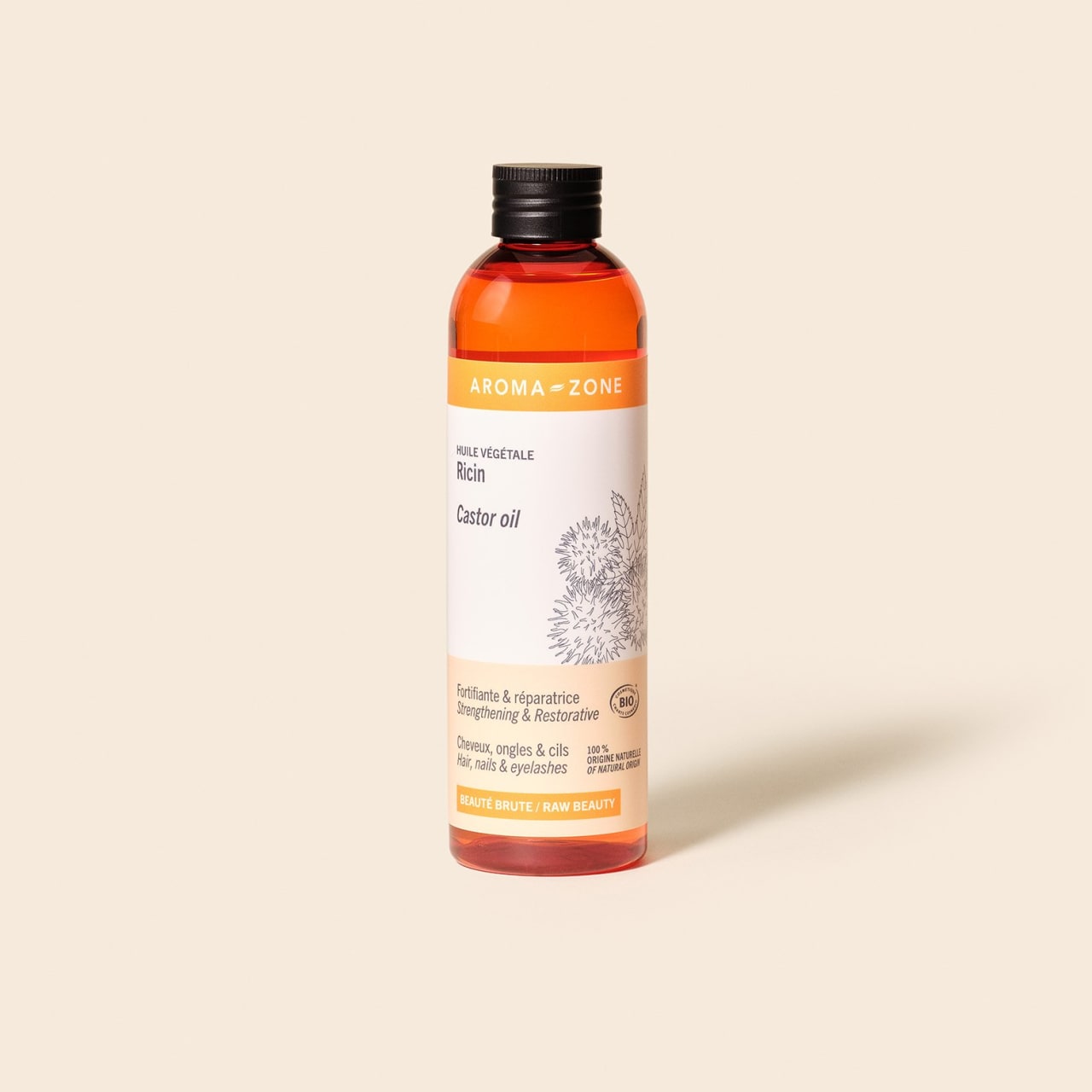
Organic castor oil
This oil can be used in your cosmetics to strengthen the nails, hair and eyelashes. Perfect for repairing and nourishing dry, damaged, split, brittle or frizzy hair, it is renowned for encouraging hair growth.
How do I apply castor oil to my beard?
Clean your beard: before applying the oil, you can use a beard shampoo or mild cleanser to remove dirt, excess oil and other impurities.
Dry gently: gently pat your beard dry with a towel. Don't rub vigorously, as this could irritate the skin.
Prepare the castor oil: pour a few drops of castor oil into the palm of your hand. The amount will depend on the length of your beard, so start with a few drops and add more if necessary.
Distribute the oil in your hands: rub your palms together to distribute the castor oil evenly.
Apply to the beard: slowly massage the oil into the beard, making sure you cover the hair evenly from root to tip. Don't forget to also massage the skin underneath the beard.
Use a comb or brush: for even distribution, comb the beard with a beard comb or brush after applying the oil.
Leave it on: leave the castor oil on for a few hours or overnight.
Wash if necessary: wash it off with a beard shampoo as part of your regular washing routine unless you are leaving it on overnight.
Does castor oil make beards grow?
It is rich in ricinoleic acid, which has anti-inflammatory properties that promote scalp health. It's widely believed that castor oil helps hair grow by stimulating the hair bulb (the hair follicle). It moisturises your beard and prevents dryness, which is beneficial for healthy hair growth. However, beard growth depends largely on genetics. If you genetically have little or no beard, you won't be able to change the growth of your hair. However, thanks to its strengthening properties, it can be useful if you have gaps in your beard.
Which oil is good for beards?
While castor oil is not the only oil often used for beard products. You can also use argan oil, which contains vitamin E that softens the hair. Jojoba oil moisturises hair without leaving a greasy feel, thanks to its nourishing properties. Sweet almond oil promotes healthy hair growth. Hemp oil has also become a miracle product in recent years due to it containing Omega-3 and Omega-6 fatty acids, which strengthen hair and maintain healthy skin.
Minoxidil or castor oil?
Minoxidil is a drug recommended for stimulating hair growth. However, it can dry out the skin, causing irritation and itching. To use it, it is important to follow the instructions for use and consult a health professional. Using castor oil is a natural option with varying results, but it can strengthen the hair and soften the skin.
Our recipes for growing beards
Spotlight On Our Writer: Lauréna Valette

Lauréna is a journalist specialising in lifestyle, wellness, and psychology. Between writing articles, she travels around the world, discovering what it has to teach us.
Bibliography
Minoxidil: mechanisms of action on hair growth
https://academic.oup.com/bjd/article-abstract/150/2/186/6635785
In silico prediction of prostaglandin D2 synthase inhibitors from herbal constituents for the treatment of hair loss
https://pubmed.ncbi.nlm.nih.gov/26456343/



