Organic Tamanu Oil
Circulatory
Soothing
£7.00
1 article = 100 ml
Price per L = £70.00
free delivery up to £25 in United Kingdom
100% secure payment CB, Visa, Mastercard, Paypal, Apple Pay, Google Pay
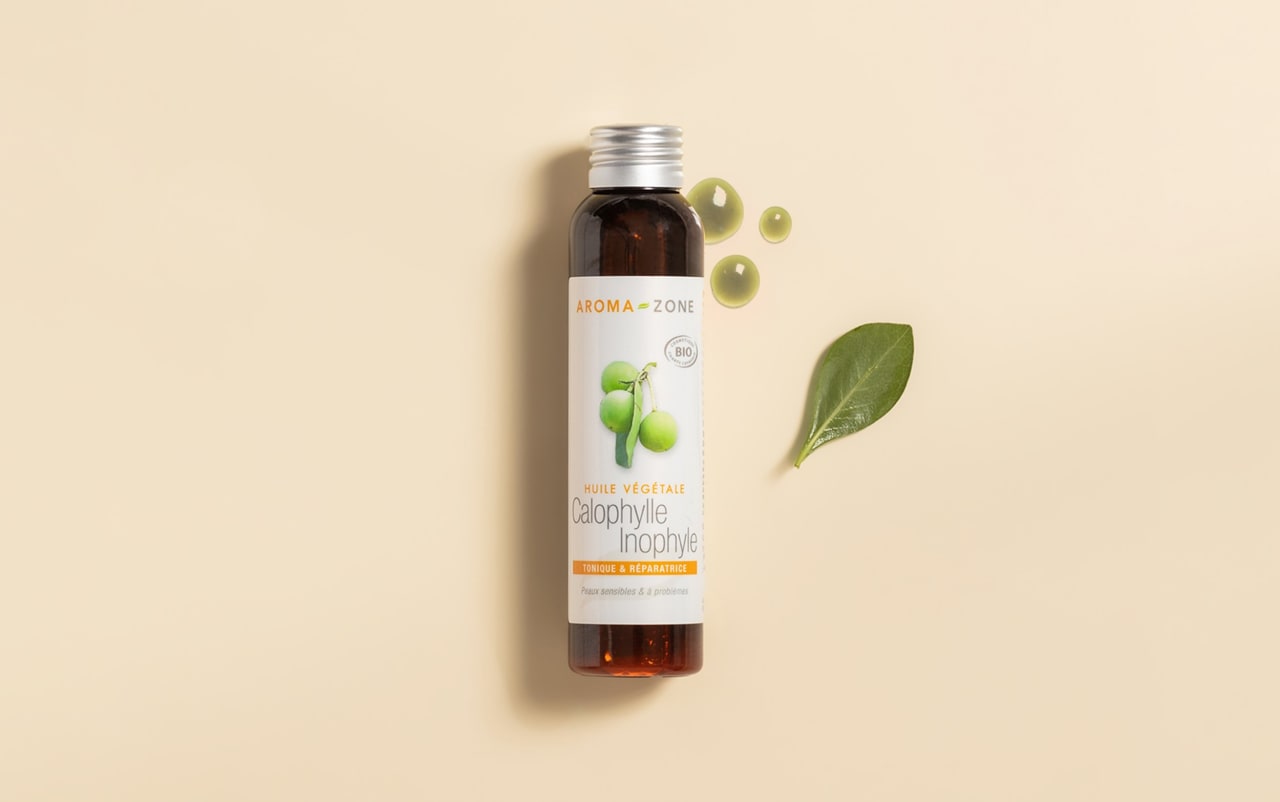
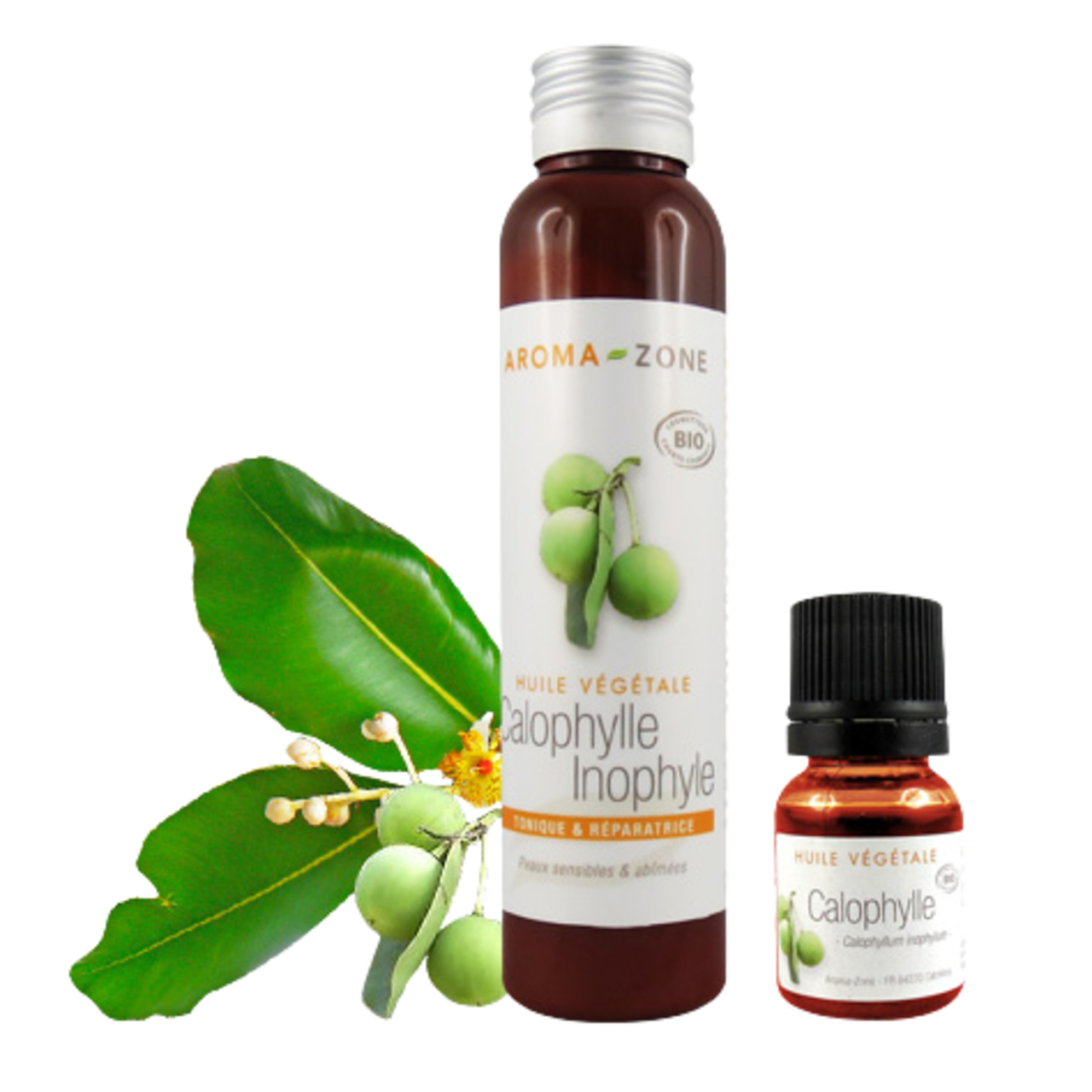
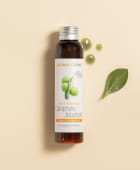
Organic Tamanu Oil
100 ml

Organic cosmetics

Ecocert

Cold Pressed

Foraged

100% Pure And Natural
Properties
As a cosmetic ingredient, organic tamanu carrier oil is known for the following properties:
Thanks to its fluidifying active ingredients, it is renowned for toning blood circulation and keeping legs light.
Well-known as a restorative agent, it encourages the regeneration of skin tissue and makes the skin supple and elastic.
Its purifying active ingredients make tamunu oil a wonderful oil for blemished skin.
High in mild, soothing compounds, tamanu carrier oil is an beneficial addition to massage products for joint and muscle discomfort.
Indications
Diffuse redness
Blemish-prone skin
Scaly, dry skin
Products for skin prone to discomfort
Helps combat stretch marks
Light legs
Joint relief
Anti-Waste Promotion: Best Before Date: November 2026
Beauty
For use as an ingredient in the following blends:
Restorative care oils
Diffuse redness products
Creams, milks and gels for light legs in synergy with appropriate essential oils
Soothing massage oils for joint and muscle discomfort
Synergies
For diffuse redness : mastic tree, niaouli, cypress, Helichrysum italicum and gum rockrose essential oils,
To relieve joint discomfort: sweet wintergreen and lemon eucalyptus essential oils, etc.
For purifying effects: palmarosa essential oil, etc.
For skin prone to atopic tendencies: touloucouna, chaulmoogra and andiroba carrier oils, lavender, myrrh, Egyptian geranium and nard essential oils, etc.
This oil tends to solidify at temperatures below 25°C. This phenomenon has no effect on its quality. We recommend warming it if necessary before use by running it under lukewarm water to liquefy it. Organic Calophyllum carrier oil can be used at 10 to 20%:
Mixed with other botanical oils and possibly essential oils to formulate care or massage oils.
In combination with butters and possibly waxes for the formulation of body balms.
As an oil phase in the composition of creams and lotions for hands, body and face.
Organic Calophyllum carrier oil can also be incorporated into a ready-made neutral AZ base at up to 5% maximum to create:
An emulsion: with Organic Neutral Plant Milk, Organic Neutral Youth and Moisturising Creams, Organic Neutral Hair Mask Base.
An aqueous gel: with Organic Aloe Vera Gel
A foaming product: with Organic Neutral Cleansing Cream
A soap: with Melt & Pour Soap Base
At a dosage between 30 and 95% to create:
A micellar oil: with the High Concentrate Micellar Base
***
Culture
Organic and wild
Organic, certified by Ecocert Greenlife in accordance with the Ecocert standard available at http://cosmetiques.ecocert.com
Quality
100% pure and natural, virgin, first cold pressed, no chemical treatment, rich in pulp. Cosmetic grade
Production process
First cold-pressed, then lightly filtered (the active ingredient-rich pulp remains)
Part of the plant used
Seeds contained in dried almonds
Botanical name
Calophyllum inophyllum
Botanical family
Clusiaceae
Function
Cosmetic ingredients
Other names
Tamanu in Polynesian, foraha in Malagasy
Oxidative potential
Not very sensitive
Learn more
Calophyllum, a tree called tamanu by the Tahitians and Fohara by the Madagascans, produces an oil that is remarkable for its beneficial action on the skin.
Highly aromatic, this oil is traditionally recommended for soothing many dermatological conditions (eczema, psoriasis, etc.).
Numerous studies have shown that Calophylla oil contains numerous active ingredients with antimicrobial and protective properties, making it a precious ally for skin problems.
Repairing and soothing, this beautiful emerald-green oil can be used to soothe minor irritations as well as to treat skin problems and scars. It is also used in many formulas for its soothing and purifying action on damaged skin.
It's also a great circulatory oil , to be combined with Cypress, Mastic or Helichrysum italicum essential oils to tone up blood circulation and keep legs feeling light.
Aroma-Zone strives to offer you products of the highest possible quality, whether in terms of their composition, richness in active ingredients, scent, type of cultivation, geographical origin, method of extraction, the quality of the producer's work, and also remarkable in terms of ethics within a sustainable development approach. We seek out rare product qualities for you, and sometimes even exclusive ones, by contacting suppliers from all corners of the world and purchasing directly from producers; ensuring always that the economic conditions are favorable for our partners. To highlight some of our products of exceptional quality and share as much information as possible about these products,we have decided to create an “exceptional product” label.
Our organic tamanu oil oil is one of these exceptional products, thanks to its high quality, rich pulp and active ingredients, and its ethical and sustainable production.
It is in the foothills of the mountains in this region where the calophyllums grow, these large majestic trees, most of which are over a hundred years old, that the fruit is harvested with respect for nature.
From hand-picking to fair trade
The men pick the fruit that is still on the trees and the women pick that which is on the ground; a team of two women and four men is needed to pick 100 kilos of fruit a day.
The team leaders decide on the price of the fruit, and this economic activity helps to feed the 50 or so families who specialise in this activity.
An oil rich in active ingredients and with multiple properties
This high-quality oil, which is very rich in pulp and antioxidant (vitamin E and polyphenols), purifying (inophyllin A) and restorative (Calaustralin and inophyllolide) active ingredients, can be used as an ingredient in your blends. It's an ideal oil for formulating skin care products for blemished or delicate skin, or for use in products to combat stretch marks.
The polyphenols, which also have a toning effect, make it ideal for use in light leg care or to combat redness on the face.
Produced ethically, the oil we offer is virgin, 100% pure and natural, obtained by first cold pressing and certified organic.
Organoleptic properties
Appearance: runny oily liquid, pulpy or solid (depending on temperature)
Colour: dark green to almost black
Virgin (non-decolourised) Calophyllum inophyllum oil naturally has a dark green to greenish-grey colour. This colour is particularly linked to the presence of certain natural resins in the virgin oil, and their level varies according to the season and climatic conditions, which is why the oil's colour can be more or less dark depending on the batch. Some batches have an almost black dark grey colour which may be surprising, but is entirely natural for a virgin quality Calophyllum oil.
Moreover, the texture of Calophyllum carrier oil varies according to temperature (and may also vary slightly between batches): it can appear as a liquid oil, a viscous oil with a pulpy (cloudy) appearance, or even as a paste (solidified oil) when the temperature is cooler.
Odour: distinctive, with nutty, green, spicy notes (somewhat reminiscent of curry)
Feel: rather greasy. If you wish to improve its absorption into the skin, mix it with a more penetrating oil (Kukui, Macadamia, Hazelnut,, etc.).
Density
0.93-0.95
Saponification index
191-202
Storage
Stable carrier oil. Store in a dry place away from heat and light.
Responsible Person
EU responsible person: Aroma-Zone FR-84220 Cabrières d’Avignon
UK responsible person: Obelis UK Ltd, Sandford Gate, Oxford, OX4 6LB, UK
Environmental qualities and characteristics product sheet
Reference
0114001 - Organic calophylla oil 10 mL pod
Main Packaging Material
Glass bottle
Recyclability
Most packaging can be recycled
Reference
00315 - Organic tamanu oil 100 mL
Main packaging material
RPET (recycled PET) bottle
Recyclability
Most packaging can be recycled
Recycled material
Packaging contains at least 80% recycled material
Rewards and penalties
Aroma-Zone gets a bonus for managing packaging made from recycled plastic.
Reference
0055801 - Organic tamanu oil 250 mL
Main packaging material
RPET (recycled PET) bottle
Recyclability
Most packaging can be recycled
Recycled material
Packaging contains at least 85% recycled material
Rewards and penalties
Aroma-Zone gets a bonus for managing packaging made from recycled plastic.

EO = Essential Oil
VO = Carrier Oil or Macerated Oil
To apply, mix:
Tarragon essential oil: 5 drops
Niaouli essential oil: 5 drops
Roman chamomile essential oil: 2 drops
Tamanu carrier oil: 1 tablespoon
Apply this mixture to the sinuses, chest and upper back, 2 to 3 times a day, for 3 to 6 days Gently massage the entire congested area, but avoid getting too close to the eyes.
To diffuse: In a 10 ml bottle, mix in equal quantities:
Niaouli essential oil
Eucalyptus radiata essential oil
Lemon essential oil
Diffuse this mixture in living areas (home, office), 3 times for 20 minutes a day, during the period when you are experiencing this.
Apply to a handkerchief:
Tarragon essential oil: 2 ml
Niaouli essential oil: 2 ml
Roman chamomile essential oil: 1 ml
4 drops, 2 to 3 times a day, for 3 to 6 days
Ask your pharmacist to make the following massage oil in a 10 ml bottle:
Artemisia dracunculus (Tarragon) essential oil: 1 ml
Chamaemelum nobile (Roman chamomile) essential oil: 1 ml
Tanacetum annuum (Annual Tansy) essential oil: 1 ml
Amni visnaga (Khella) essential oil: 1 ml
Calophylla macerated oil: 6 ml
Apply 5 drops to the solar plexus, upper back and along the spine. Repeat every ¼ hour until improvement.
Cypress essential oil : 1 drop
Helichrysum essential oil: 1 drop
mastic tree essential oil: 1 drop
Clary sage essential oil: 1 drop
Calophylla oil: 1 teaspoon
Use: Massage this mixture into the solar plexus and lower back, 2 to 3 times a day, 20 days a month.
Red Myrtle essential oil: 1 drop
Ravintsara essential oil: 1 drop
Sweet Inula essential oil: 1 drop
Calophylla OIL: 3 drops
Use: Massage the chest and back with this mixture 4 times a day for 10 days.
Cypress essential oil : 1 drop
narrow-leaved eucalyptus essential oil: 1 drop
Ravinstara essential oil: 1 drop
Niaouli essential oil: 1 drop
Calophylla OIL: 4 drops
Use: Massage the mixture into the chest and back 4 times a day for 10 days.
Helichrysum italicum essential oil (Immortelle): 3 ml
Laurus nobilis essential oil (bay laurel): 1 ml
Calophyllum inophyllum oil (Calophylla): 1 ml
Directions for use: massage a few drops very lightly into the bruise and repeat as necessary.
Solid form (non-greasy gel)
Spike Lavender essential oil: 2 ml
Blue Tansy essential oil: 0.5 ml
Myrrh essential oil: 0.5 ml
Immortelle essential oil: 1 ml
Argan oil: 3 ml
St John's wort OIL: 2 ml
tamanu oil: 3 ml
2% Carbomer gel: 100 ml complement
Aroma-Zone comment: Carbomer gel can be replaced by a vegetable gel made from guar gum or tragacanth gum.
Use: 1 application 3 to 4 times a day for 4 to 5 days.
Calophyllum inophyllum carrier oil: 40 ml
Rose hip carrier oil: 40 ml
Calendula oil: 20 ml
Mastic tree essential oil: 4 drops
Rosewood or chamomile essential oil: 4 drops
Helichrysum italicum essential oil: 6 drops
Directions: Mix all the ingredients
Use: Apply gently morning and evening to the affected areas.
Provençal cypress essential oil 2 drops
Helichrysum italicum essential oil (Immortelle) - 1 drop
Cistus ladanifera essential oil - 2 drops
Egyptian Rose essential oil - 4 drops
Calophyll Inophyl oil - 4 drops
Use : 3 drops of the mixture applied topically morning and evening until a noticeable improvement is seen.
Cistus ladaniferus (gum rockrose) essential oil: 1 ml
Pelargonium asperum cv Egypt (Egyptian rose geranium) essential oil: 2 ml
Helichrysum italicum essential oil (curry plant): 1 ml
Daucus carota (carrot) essential oil: 1 ml
Vitamin E: 0.5 ml
Calophyllum inophylum (tamanu) essential oil: 10 ml
Triticum vulgare essential oil (wheat germ): top up to 100 ml
Use: 1 to 2 topical applications per day.
Clove essential oil: 3 drops
Wintergreen essential oil: 2 drops
Seville Orange essential oil: 5 drops
Calophylla oil: 2 ml
Macadamia oil: 2 ml
Preparation : Massage the lower abdomen with this mixture several times a day until the pain subsides.
Immortelle essential oil: 0.5 ml
True Lavender essential oil: 0.5 ml
Roman chamomile essential oil: 0.3 ml
Myrrh essential oil: 0.2 ml
Tamanu carrier oil: 5 ml
Argan oil: 15 ml
Use: 4 local applications a day until complete improvement.
HE Lavandula Angustifolia (True Lavender) 0.5 ml
Cympopogon Martinii essential oil (Palmarosa) 0.5 ml
HV Calophyllum Inophylum 10 ml
HV Rosa rubiginosa (Rose hip) 30 ml
Use: 3 to 4 topical applications a day, depending on improvement.
For a 250 ml bottle:
50 ml organic neutral shower gel (cleansing base)
25 ml organic peppermint hydrosol
25 ml Organic Calophylla oil
45 drops of essential oil (0.5% dilution) including :
20 drops of Spearmint essential oil
25 drops grapefruit essential oil
1 pinch of plant chlorophyll
50 drops of grapefruit seed extract
17 drops of natural Vitamin E
Procedure: Pour the neutral shower gel into the bottle, followed by the peppermint hydrosol.
Then pour in the tamanu carrier oil mixed with the drops of essential oil, grapefruit seed extract, natural vitamin E and a pinch of plant chlorophyll.
Mix everything together by shaking the bottle vigorously
Laurus nobilis (Bay Laurel) essential oil: 5 ml
Cedrus atlantica essential oil (Atlas Cedar): 5 ml
Helichrysum italicum essential oil (Immortelle): 5 ml
Calophyllum Inophylum oil (Calophylla): 25 ml
Triticum vulgare oil (Wheat germ): 100 ml make-up
Use: 2 to 3 applications a day, until clear improvement.
The older the bruise, the longer the treatment should last. This does not, however, call into question the efficacy of the treatment.
Pistacia lentiscus essential oil (mastic tree): 1 ml
Melaleuca quinquenervia CT Cineole essential oil (Niaouli): 4 ml
Cupressus sempervirens essential oil (Mediterranean cypress): 4 ml
Calophyllum Inophylum oil (Calophylla): 4 ml
Gel: make up to 60 ml
Use: 3 applications per day in situ for 3 to 7 days.
50 ml olive oil
50 ml calophylla or sesame oil
100 ml avocado oil
10 drops Ylang-ylang essential oil
Procedure: Mix all the ingredients together (do not use as a substitute for sunscreens adapted to your skin type, but as a complement).
Jojoba oil: 100 ml
Sweet almond or sesame oil: 100 ml
Avocado or Calophylla Inophyla or Argan oil: 50 ml
A few rosemary flowers
A few Rose flowers
A few orange blossoms
The peel of a lemon
Lemon essential oil: 20 drops
True Lavender essential oil: 10 drops
Egyptian geranium essential oil: 10 drops
Procedure: Leave the flowers and lemon to macerate in the sun for 21 days in the oils. Filter and blend in the essential oils.
Use: Can also be used as a face oil.
Cupressus sempervirens essential oil (Mediterranean cypress): 2 ml
Melaleuca quinquenervia CT cineole essential oil (cineole niaouli)): 2 ml
Pistacia lentiscus essential oil (mastic tree): 1 ml
Cistus ladaniferus essential oil (Cistus): 1 ml
Mentha x piperita essential oil (Peppermint): 1.5 ml
Calophyllum inophyllum oil: 5 ml
Carbopol gel: 100 ml
Use: 1 dab of gel on each limb 2 to 3 times a day, starting from the bottom (ankles) and working upwards (thighs) Aroma-Zone Comment: Carbopol gel is a neutral aquous gel with synthetic polymers that can be bought in chemists. It can easily be replaced by Aloe vera gel or a neutral aqueous gel made from a natural gum, water and a preservative.
1 tablespoon calophylla oil
1 tbsp hazelnut oil
1 tbsp green clay
1 tbsp brewer's yeast flakes
3 drops Italian Helichrysum essential oil
2 drops of Petit Grain essential oil
Procedure: Mix the Oils, essential oils and green clay.
Use: Apply an even layer to the face and neck. Leave on for 20 minutes, then rinse off with lotion.
Dweck AC, Meadows T. Tamanu (Calophyllum inophyllum) - the African, Asian, Polynesian and Pacific Panacea. Int J Cosmet Sci. 2002 Dec;24(6):341-8.
Said T, Dutot M, Martin C, Beaudeux JL, Boucher C, Enee E, Baudouin C, Warnet JM, Rat P. Cytoprotective effect against UV-induced DNA damage and oxidative stress: role of new biological UV filter. 1: Eur J Pharm Sci. 2007 Mar;30(3-4):203-10. Epub 2006 Nov 9.
Plantes et santé. No. 69 May 2007
'Les huiles végétales : huiles de santé et de beauté' by Chantal and Lionel Clergeaud - Amyris Editions
'Huiles essentielles - 2000 ans de découvertes aromathérapeutiques pour une médecine d'avenir' by Dominique Baudoux
'L'Aromathérapie exactement' by P. Franchomme and Dr D. Pénoël
"Aroma-News newsletters from the NARD association"
"90 recettes de beauté bio à faire soi-même" by S. Macheteau and V. Guet
Frequently Asked Questions
Essential Oils
1 ml = approximately 35 drops (with our Aroma-Zone dropper caps)
Carrier Oils
1 pump (Aroma-Zone aluminium pump) = approx. 0.15 ml
Mass / Volume conversion (for a liquid)
Mass (g) = Density x Volume (ml) at 20°C
Further information
1 full teaspoon = between 3 and 4.5 ml
1 full tablespoon = between 7.5 and 10 ml
However, these spoon ratios depend on a number of factors (e.g. viscosity of the liquid, temperature, depth and size of the spoon, rheological behaviour of the liquid), and we strongly advise you to use precise measuring equipment, such as graduated test tubes, graduated pipettes, and precision scales.
Loading...
Excellent oil
Very effective on dark circles
Good
a good oil for bariatric condition, for combine massage oils
a little too thick