
Peeling skin refers to the phenomenon of accelerated skin renewal. The skin tries to regenerate faster than usual and dead cells are no longer gradually eliminated. The result is pieces of skin that peel off in the form of flakes or dandruff. The term ‘flakes’ also refers to fragments of dead skin that naturally detach from the epidermis, hence the term ‘desquamation’ that is often used.
Why do I have peeling skin?
Published on: Monday, December 04, 2023, Updated on: Wednesday, October 21, 2026
Peeling skin always comes as a surprise, with its large white flakes that peel off like you're moulting. But it's actually a good sign: in most cases, it means that your skin has been externally damaged, but that it's in the process of repairing itself. In this article, we take a look at the causes and the natural solutions you can use when your skin seems to be falling apart. You'll also find our tips for restoring it back to soft, moisturised skin.
Contents
Related products
Mineral Sun Lotion SPF 30
Sun protection
£15.00
75 g
Sun Complex - 30 Capsules
Tanning
£20.00
1 article
Lipid-Replenishing Balm With Oats & Ceramide NP
Repairing
Nourishing
£12.00
200 ml
£8.00
30 ml
Organic Native Aloe Vera Gel
Protective
Nourishing
£10.00
250 ml
3 options
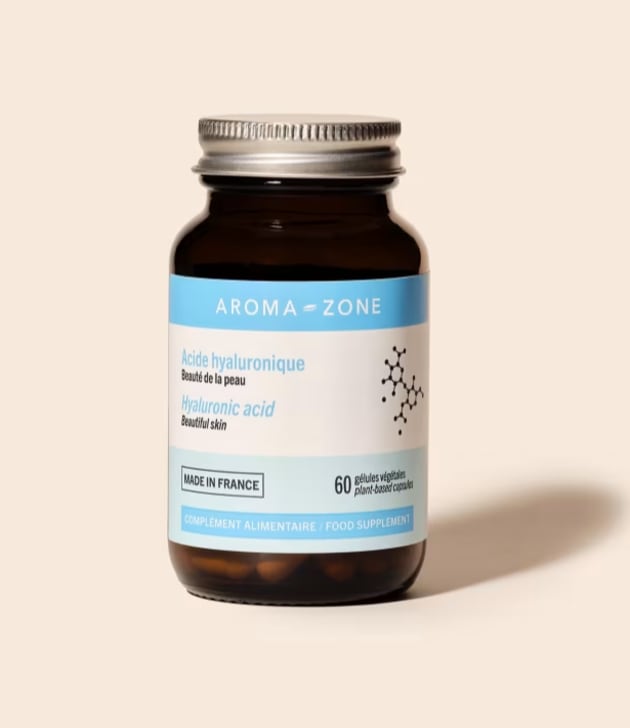
Hyaluronic Acid - 60 Capsules
Anti-ageing
£14.00
1 article
Hyaluronic Acid 3.5% Serum
Moisturising
Plumping
£6.50
30 ml
3 options
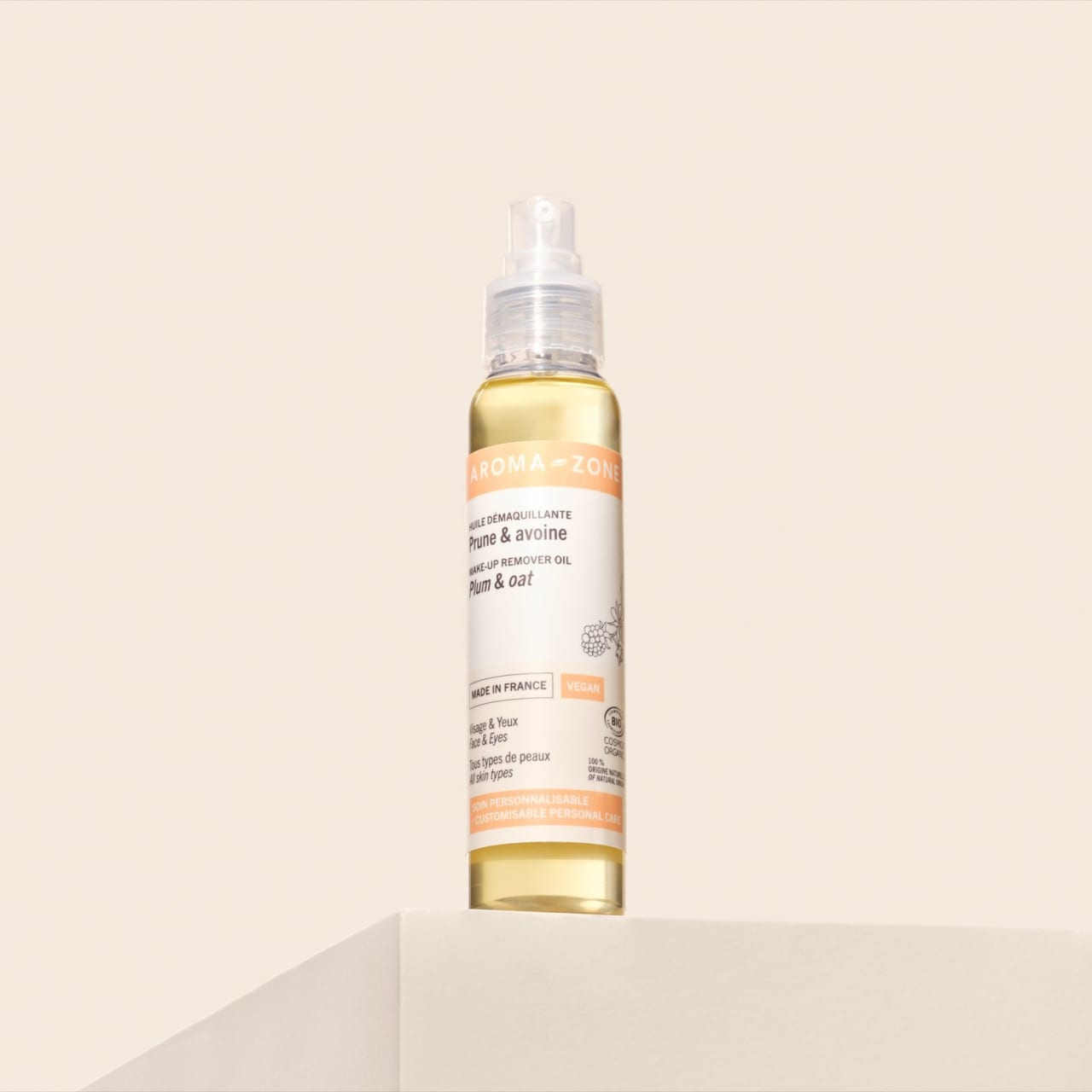
Plum & Oat Make-Up Remover Oil
Makeup remover
Nourishing
£9.00
100 ml
What is peeling skin?
How does cell renewal work?
The cells on the surface of your skin are vulnerable to external damage, so they eventually wear away, forming scales of dead skin called ‘squames’, hence the term ‘desquamation’. These are automatically replaced by new cells. The new cells are produced deeper in the epidermis. It takes about a month for them to migrate to the surface. This cycle is responsible for preserving the skin's essential functions.
What causes peeling skin?
The natural peeling process is normally very discreet. Things are different if you have peeling skin. This means that the superficial layers of your skin have been lost too quickly and your epidermis has not had time to regenerate properly. The causes can be internal or external.
When suffering from sunburn
The sun's rays (UVB) literally burn the upper layers of your epidermis, leading to sunburn, also known as solar erythema.
The burnt layers slowly peel off in a multitude of scales, with a sloughing effect.
Dry skin
Lack of surface hydration. The cause: insufficient sebum production and/or a lack of NMFs (small biological "sponges" that trap water). When the cold makes dehydration even worse: skin peels more easily in winter.
Recognising the signs of peeling skin
Appearance of scales (dead skin) on the surface of the skin: when the skin sheds its dead cells more quickly than usual. These dead cells accumulate on the surface, forming small scales.
Dry, rough skin: due to increased water loss. This dryness can make the skin rough and less supple to the touch.
Itchy or irritated skin: weakened and dehydrated skin becomes more sensitive and reactive to environmental changes or irritants. This can also lead to a burning or stinging sensation.
Peeling skin: what natural solutions are there?
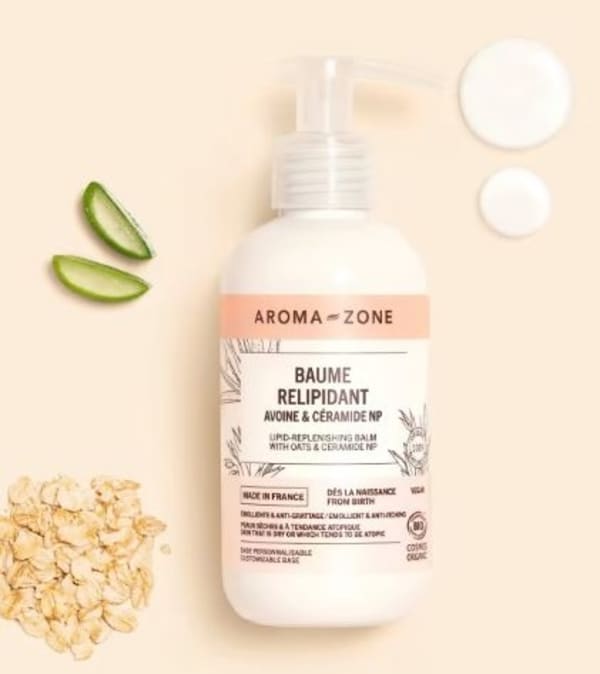
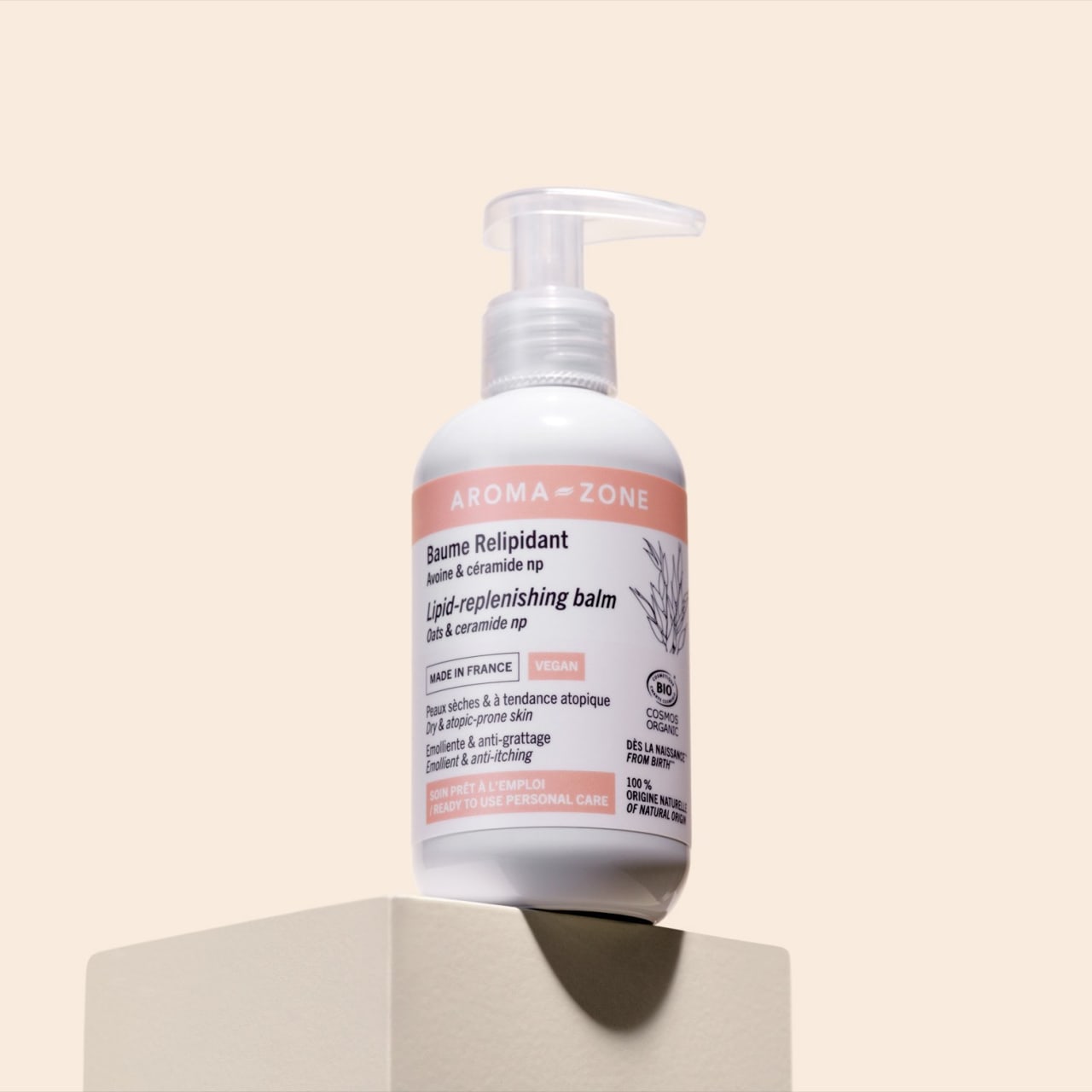
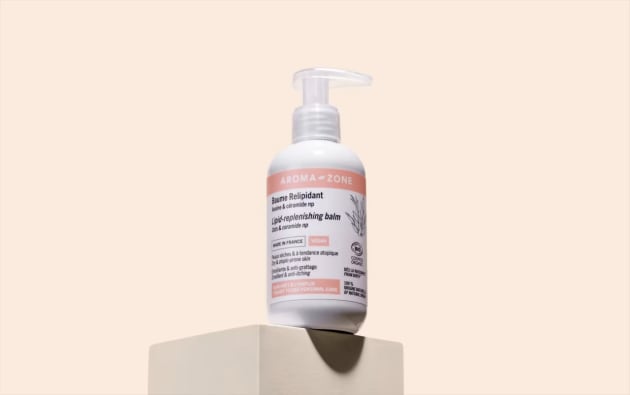
Oat and Ceramide NP Replenishing Balm
For dry, fragile or atopic skin, this replenishing balm soothes irritation and redness, reduces itching and intensely nourishes the skin. Thanks to its formula enriched with ceramides and oatmeal, it strengthens the skin's barrier, protects the most sensitive skin and prevents it from shrivelling.
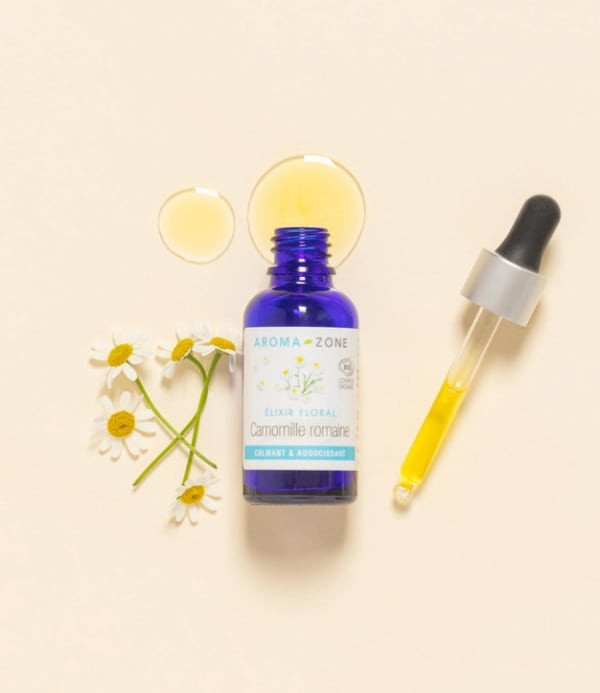
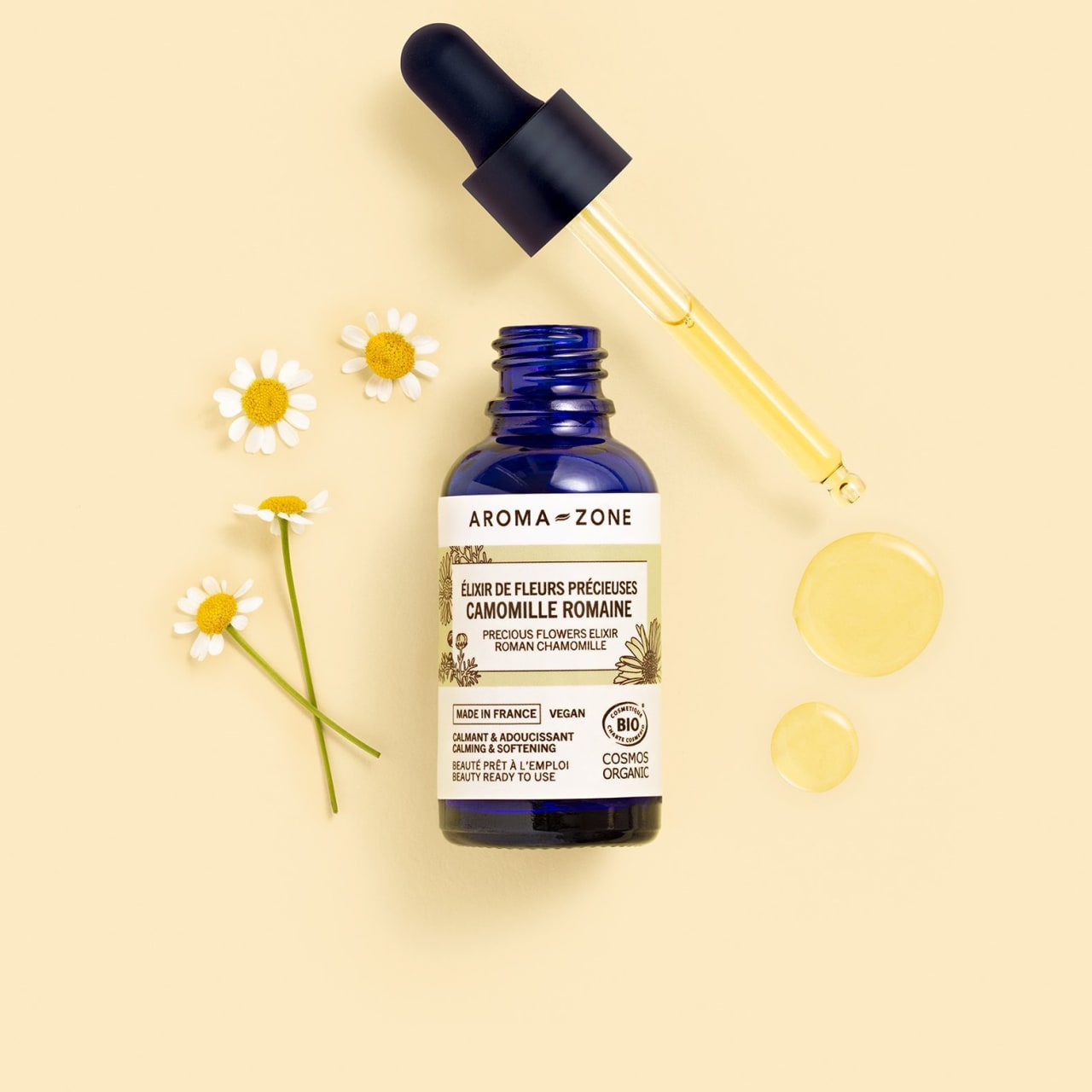
Roman Chamomile Floral Elixir
This serum with softening properties is enriched with organic sweet almond oil. It nourishes, comforts and soothes skin prone to discomfort. It also helps to restore velvety-smooth, soothed and protected skin
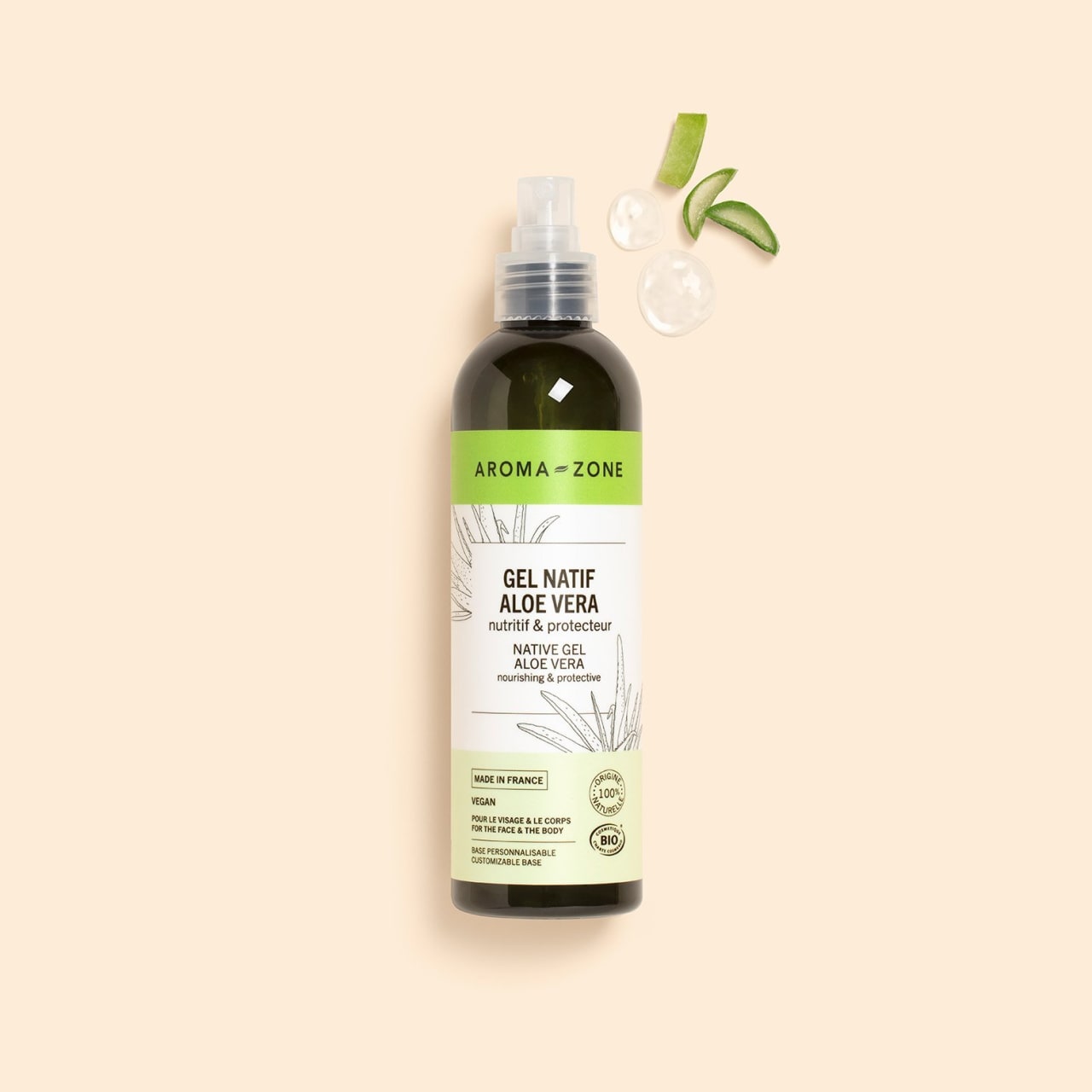
Aloe vera gel
Aloe vera gel is ideal for moisturising and soothing the skin. It forms a barrier that reduces water loss and is particularly beneficial for sensitive, irritated skin and skin exposed to external damage. Applied after a sunburn, it promotes skin regeneration and helps prevent flaking.
How can I prevent peeling skin?
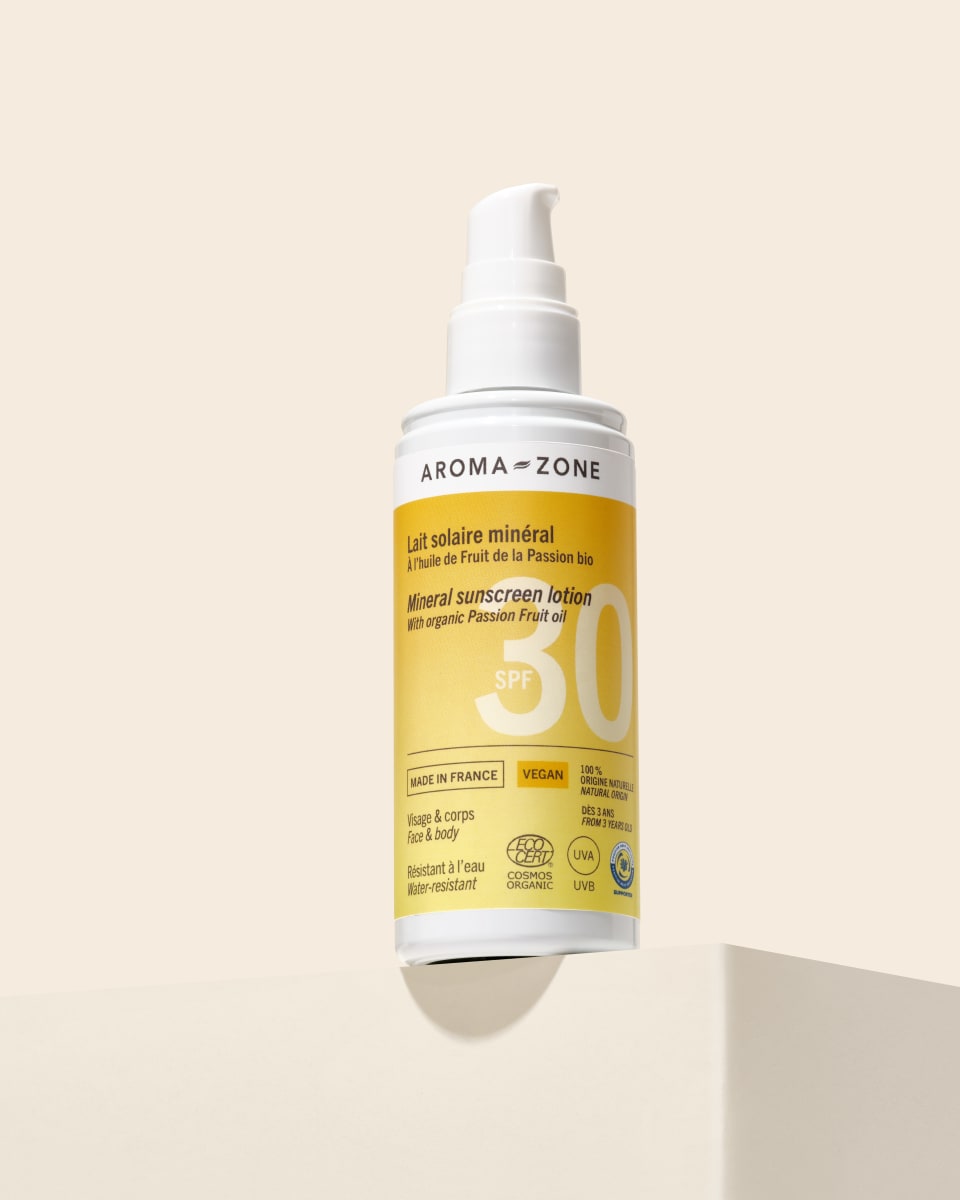
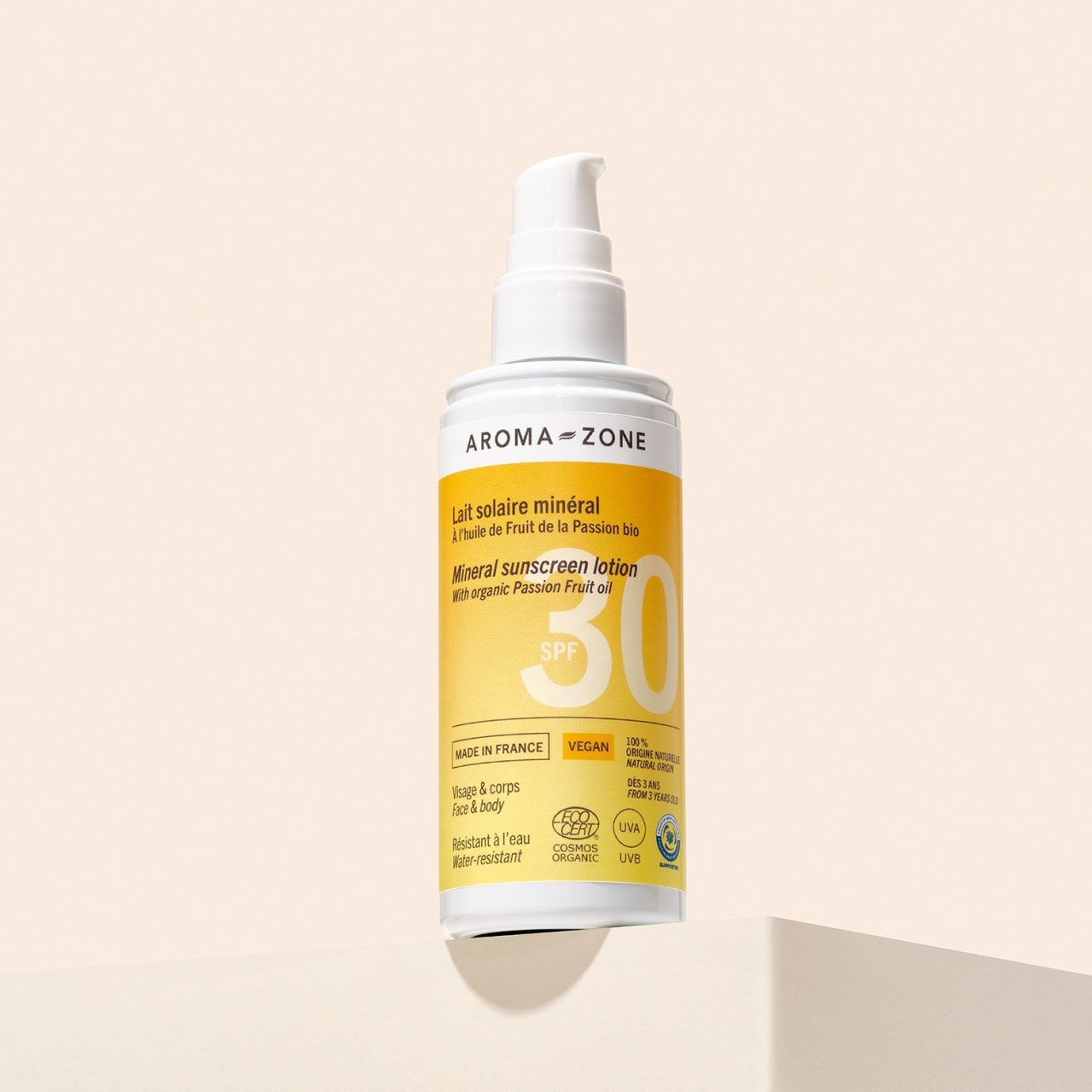
When exposed to the sun: applying a sun lotion is essential to protect the skin from sunburn, reducing the risk of burns and peeling.
Precautions to be taken
A skin that peels profusely can also be a sign of a more serious skin condition that needs to be properly treated. If your symptoms worsen, consult a doctor or dermatologist.
Expert advice
Often overlooked, our hands nonetheless undergo a lot of external damage on a daily basis. First of all, we wash our hands repeatedly, not to mention they often come into contact with detergents and cleaning products. When winter arrives, the cold is a further factor in dehydration. In these conditions, it's not uncommon for the skin on the back of your hands to peel. As a preventive measure, remember to wear gloves in cold weather and apply a moisturising cream after each time you wash them with soap.
Focus on Our Writer: Hélène Betoux

Hélène Betoux is a French beauty journalist specialising in web media. Every day she writes tips, advice, and guides to help consumers choose the right beauty products. With a strong interest in natural, organic, and clean cosmetics, she analyses and shares trends and innovations in the sector.
Bibliography
Frequently Asked Questions
Associated tips
Face care tips
Face care tips


