Melanin and skin: what effects does it have on the epidermis?
Melanin is essential to our bodies, providing pigmentation to our skin, hair and eyes, and protecting us from UV rays. The concentration of melanin, stimulated by the sun, varies greatly from one person to another. An imbalance, either a deficit or an excess, can affect our well-being. A lack of melanin exposes us to increased sun risks, while an excess can lead to increased hyperpigmentation.

What is melanin: definition
Melanin is a pigment naturally present in the human body, responsible for the colouring of the skin, hair and eyes. Melanin is produced from an amino acid, tyrosine, in specialised cells called melanocytes, located in the basal layer of the epidermis. There are two types of melanin: eumelanin, which gives a brown or black colour, and pheomelanin, which gives reddish (freckled) or yellow tones.
What is the purpose of this skin pigment? What are the benefits of this hormone?
The main function of melanin, which is not strictly speaking a hormone but an amino acid, is to protect the skin from potentially serious damage caused by the sun's ultraviolet (UV) rays. It helps combat free radicals. By absorbing and scattering UV rays, melanin prevents these harmful rays from causing sunburn and damaging the DNA of skin cells. It can also play a role in reducing skin ageing by reducing the damage caused by sun exposure, which can accelerate the appearance of wrinkles and the loss of skin elasticity.
Melanin and the sun: how does melanin protect the skin?
Exposure to the sun stimulates the production of melanin, a process known as tanning. When the skin is exposed to UV light, melanocytes increase production of the pigment to protect the skin from damage, resulting in darker skin colour. However, excessive exposure to the sun can exceed the capacity of melanin. The natural melanin present in the skin is not enough to protect the skin from UV damage, and sun protection and/or covering clothing are essential when exposed to the sun.
Melanin and cancer in white and dark skins
Melanin offers some protection against the development of skin cancer by absorbing UV rays and reducing DNA damage. However, insufficient levels of melanin coupled with unprotected sun exposure, particularly in fair-skinned people, can reduce this protection and increase the risk of melanoma and other forms of skin cancer. Black and dark skins, although less at risk, are also susceptible to skin cancer, particularly carcinoma.
Sun protection and regular skin checks by a dermatologist are therefore essential for all skin types.
Melanin and black skin
Black skin (like very dark skin) contains more eumelanin, which gives it better natural protection against the harmful effects of UV rays. This greater quantity of eumelanin reduces the risk of sunburn and certain types of skin cancer. However, no-one is completely safe from sun damage. Whatever your skin colour, adopt sun protection measures.
Read the article by Dr Aoun, dermatologist Sun cream and black skin
When there is not enough melanin
A lack of melanin in the skin can be due to genetic factors, certain conditions or environmental factors. People with low melanin production often have lighter skin, hair and eyes.
What are the effects of a lack of melanin?
The main effect of a melanin deficiency is reduced protection against the sun's harmful UV rays. This can lead to an increased risk of sunburn, premature ageing of the skin (such as wrinkles and loss of elasticity) and skin cancers, including melanoma. Lack of melanin is associated with certain diseases such as vitiligo and albinism.
How can you tell if you lack melanin?
The signs of low melanin synthesis are mainly visual: depigmentation of the skin, whitening of the hair and very pale eyes. A lack of melanin can only be diagnosed by a doctor.
How can I increase my melanin?
Although it is difficult to make significant changes to the amount of melanin produced naturally by melanocytes, certain strategies can help stimulate production of this pigment:
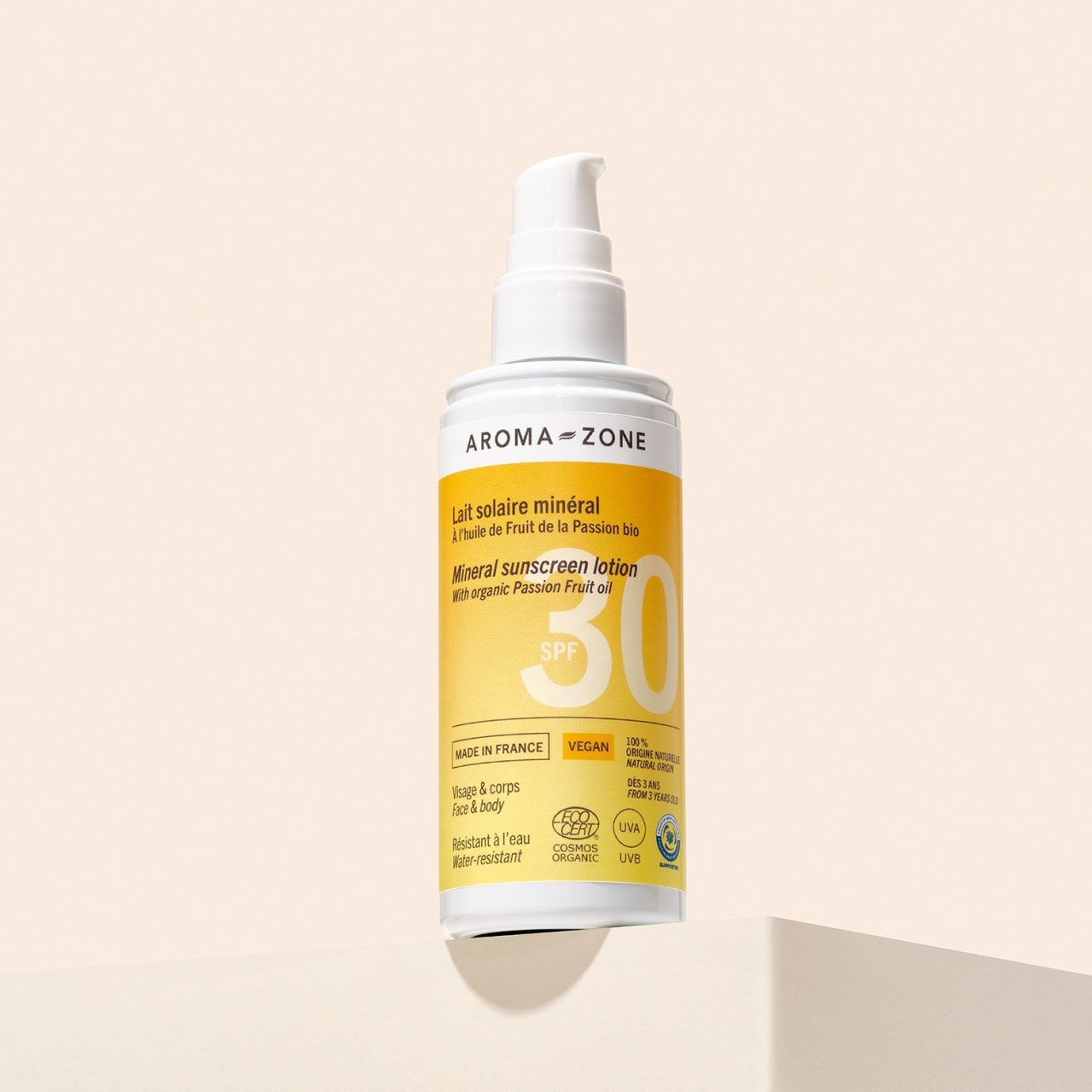
Moderate sun exposure: reasonable exposure to the sun can stimulate melanin synthesis. Of course, it's essential to follow certain rules: don't go out in the sun between midday and 4pm, protect your skin with a high factor sunscreen, and keep children out of the sun…
A diet rich in antioxidants: certain nutrients and antioxidants can support skin health and potentially influence melanin production. Foods rich in vitamins C and E, beta-carotene and selenium are particularly recommended. Colourful fruit and vegetables such as carrots, spinach and tomatoes, as well as nuts and carrier oils, are important sources of these nutrients.
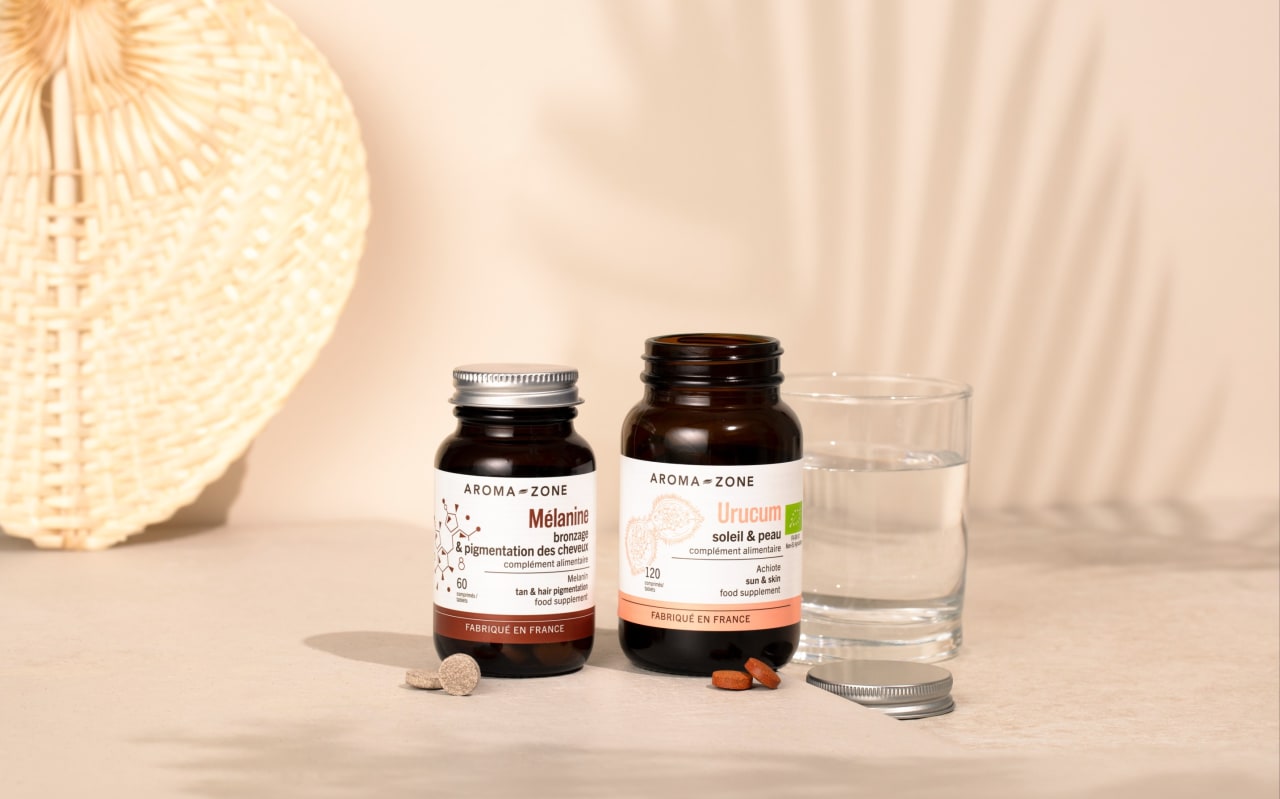
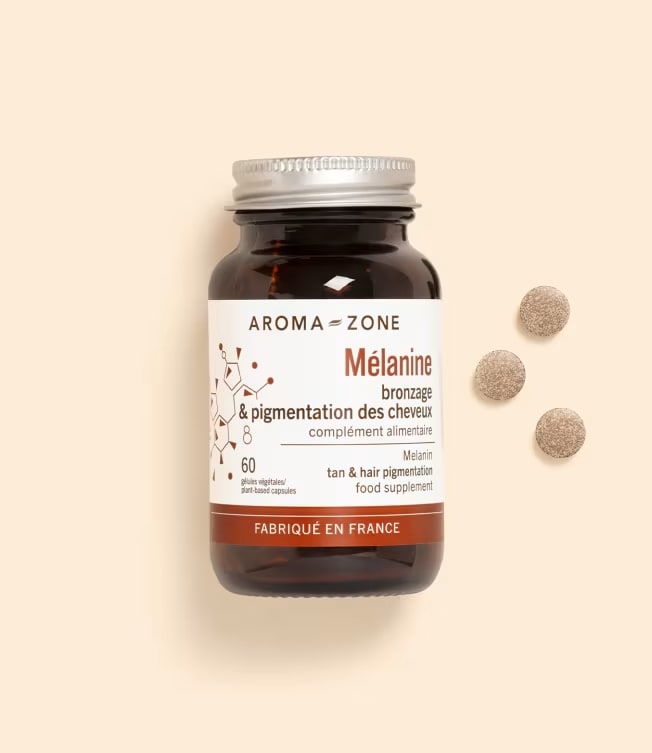
Food supplements: certain food supplements containing copper, zinc and vitamins can help the body to synthesise melanin normally, as part of a varied, balanced diet.
Cosmetic products: certain creams containing active ingredients can help stimulate melanin production or protect the skin from UV damage.
A closer look at 3 skincare products that naturally increase melanin production
L'Oligo'bronz cosmetic active ingredient, made from brown algae and trace elements, helps stimulate tyrosinase and melanocytes, promoting tanning while reducing oxidation and UV damage. For example, it can be used in a "healthy glow" cream before a holiday in the sun, or as a "post-holiday" cream to prolong a tan.
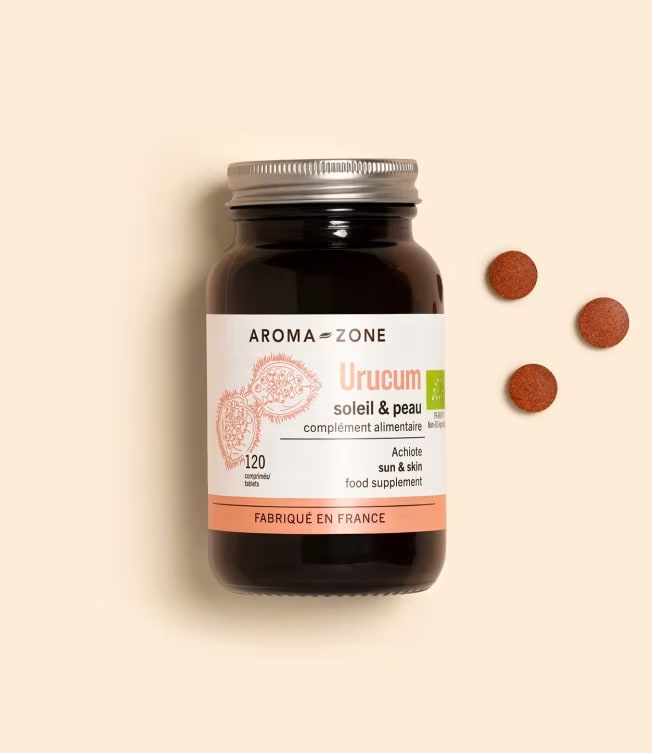
Organic urucum extract: 100 times richer in carotenoids than carrots, is ideal for making healthy-looking pre- and post-suncare products. Its high beta-carotene and mineral content makes it an unbeatable tanning aid.
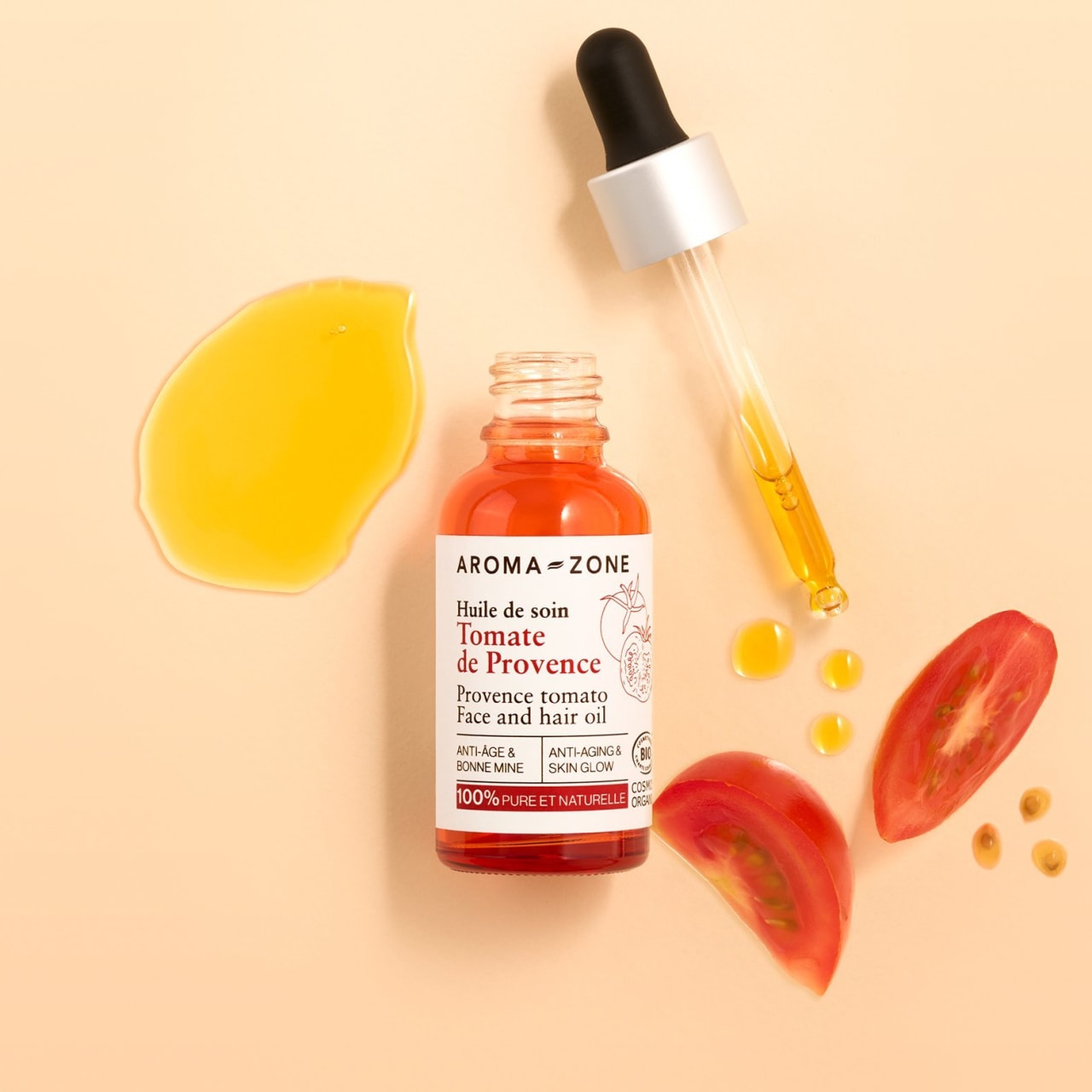
Organic tomato oil bursting with carotenoids and lycopene, the powerful antioxidants that give it its pretty orange colour, this precious facial oil works wonders to combat premature ageing, prevent sun damage and brighten the complexion.
When there is too much melanin
Excess melanin can lead to intense pigmentation of the skin, known as hyperpigmentation, where certain areas of the skin become noticeably darker than others. This can be the result of various factors, such as excessive exposure to the sun, hormonal imbalances, age, or certain illnesses and drug products.
What can be the effects of excess melanin?
The effects of excess melanin go beyond the aesthetic aspect and can have a significant psychological impact, affecting self-esteem and well-being. Forms of hyperpigmentation include :
Age spots Often caused by long-term exposure to the sun, they generally appear on the hands, face and other areas exposed to the sun.
Melasma characterised by dark spots on the face or arms, often linked to hormonal changes such as those occurring during pregnancy or when using oral contraceptives.
Post-inflammatory scars These are the result of increased melanin production in response to skin inflammation, such as that caused by acne.
How can I reduce melanin levels in my skin?
To reduce hyperpigmentation and the level of melanin in the skin, several approaches can be considered:
Sun protection: Using a high factor sunscreen can prevent hyperpigmentation from worsening and new spots from forming.
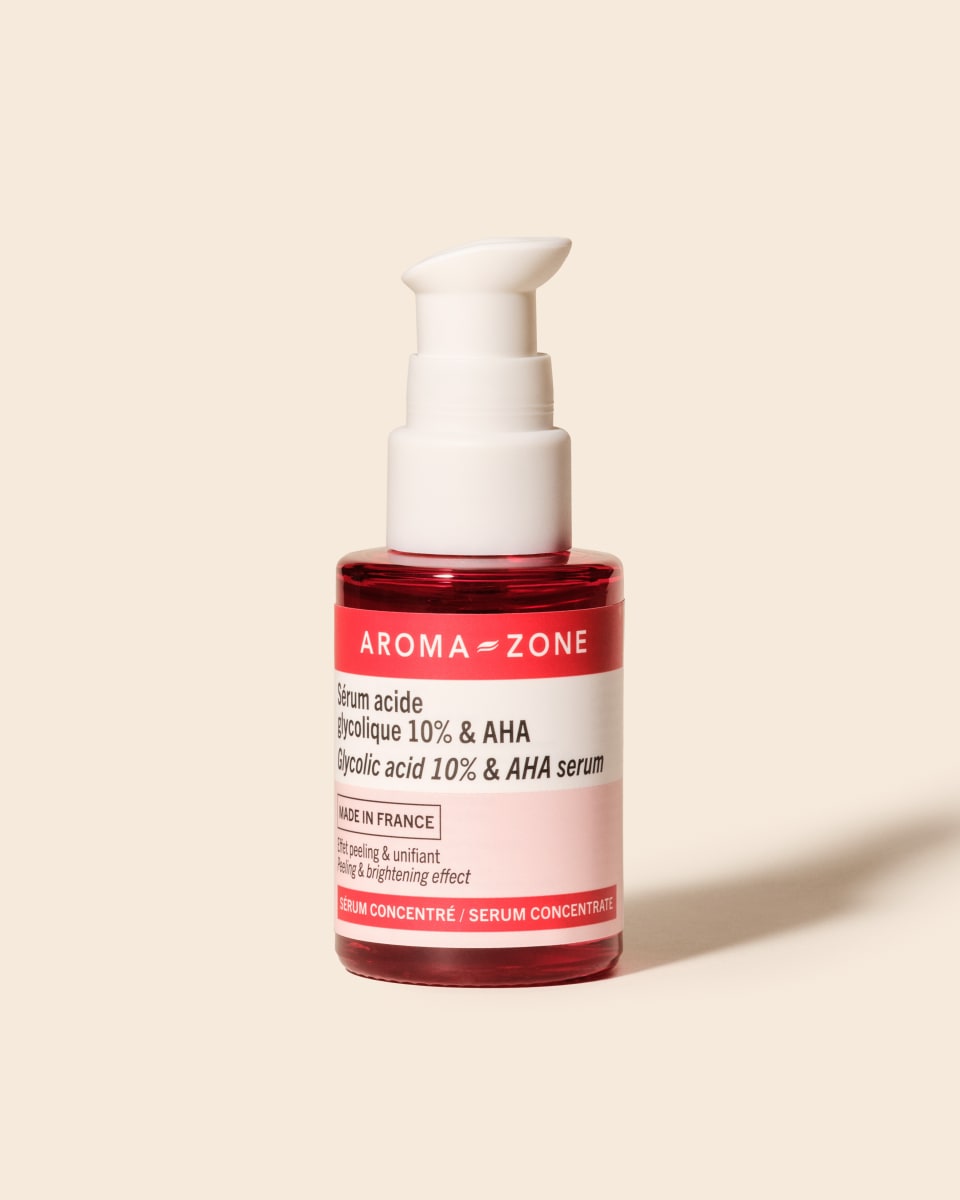
Topical products: Products containing lightening and exfoliating agents can help reduce hyperpigmentation by inhibiting melanin production and speeding up cell renewal.
Dermatological products: Techniques such as chemical peels, microdermabrasion and laser products can be used to remove the top layers of skin, reducing the appearance of dark spots. They can only be carried out by a dermatologist.
Lifestyle adjustments: Avoiding excessive sun exposure and adopting an appropriate skincare routine can help prevent and reduce hyperpigmentation.
If you notice hyperpigmentation of your skin, it is essential to consult a dermatologist before starting any treatment.
A closer look at 3 skin care products to combat hyperpigmentation
Meet Our Expert Editor, Stéphanie Le Guillou, Pharmacist and Doctor of Molecular Biology

A qualified pharmacist since 2010 and a PhD graduate in Molecular Biology since 2012, Stéphanie has been writing medical and scientific content for nearly 15 years. Passionate about sharing knowledge, she is committed to making complex health information accessible and easy to understand while maintaining the highest standards of scientific accuracy.