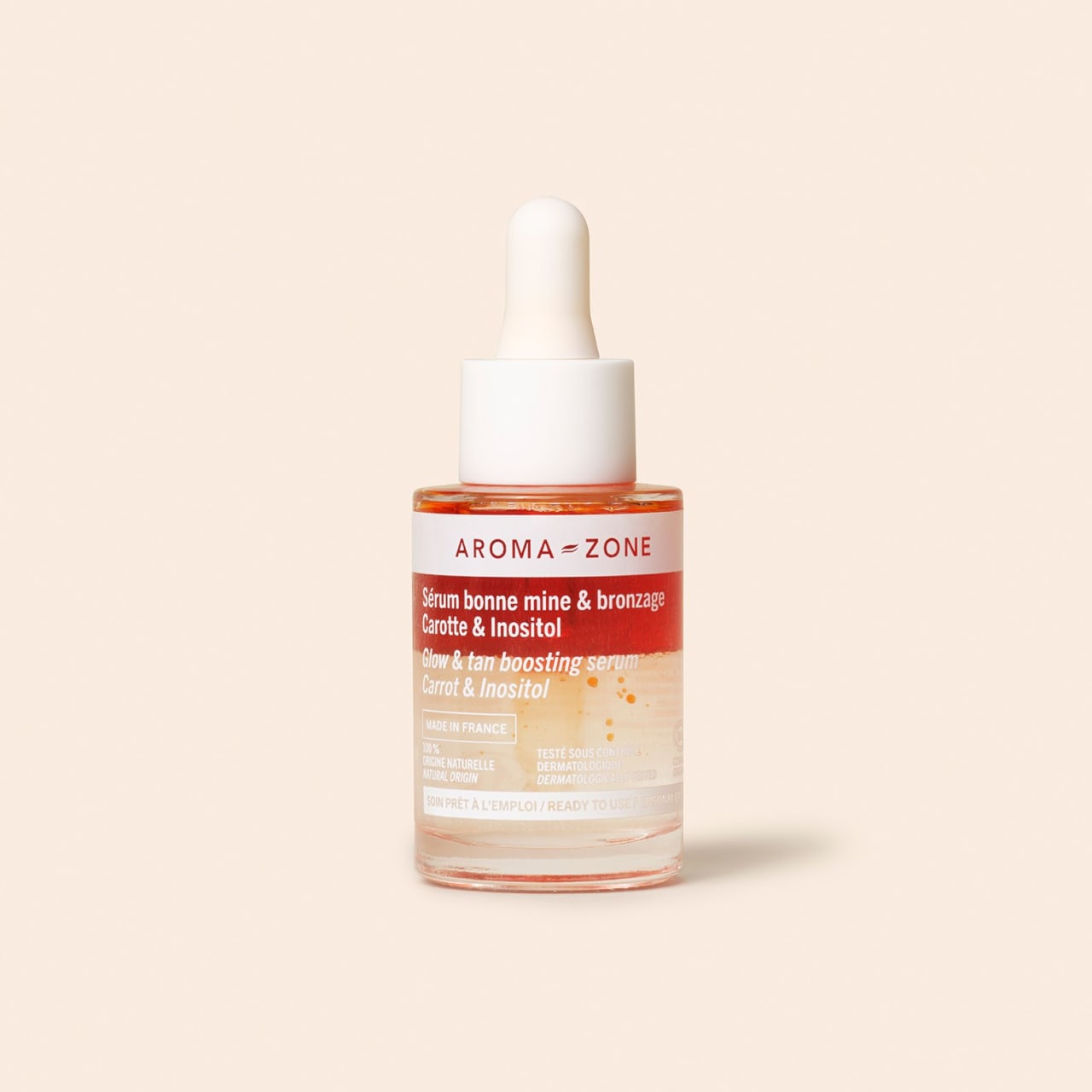
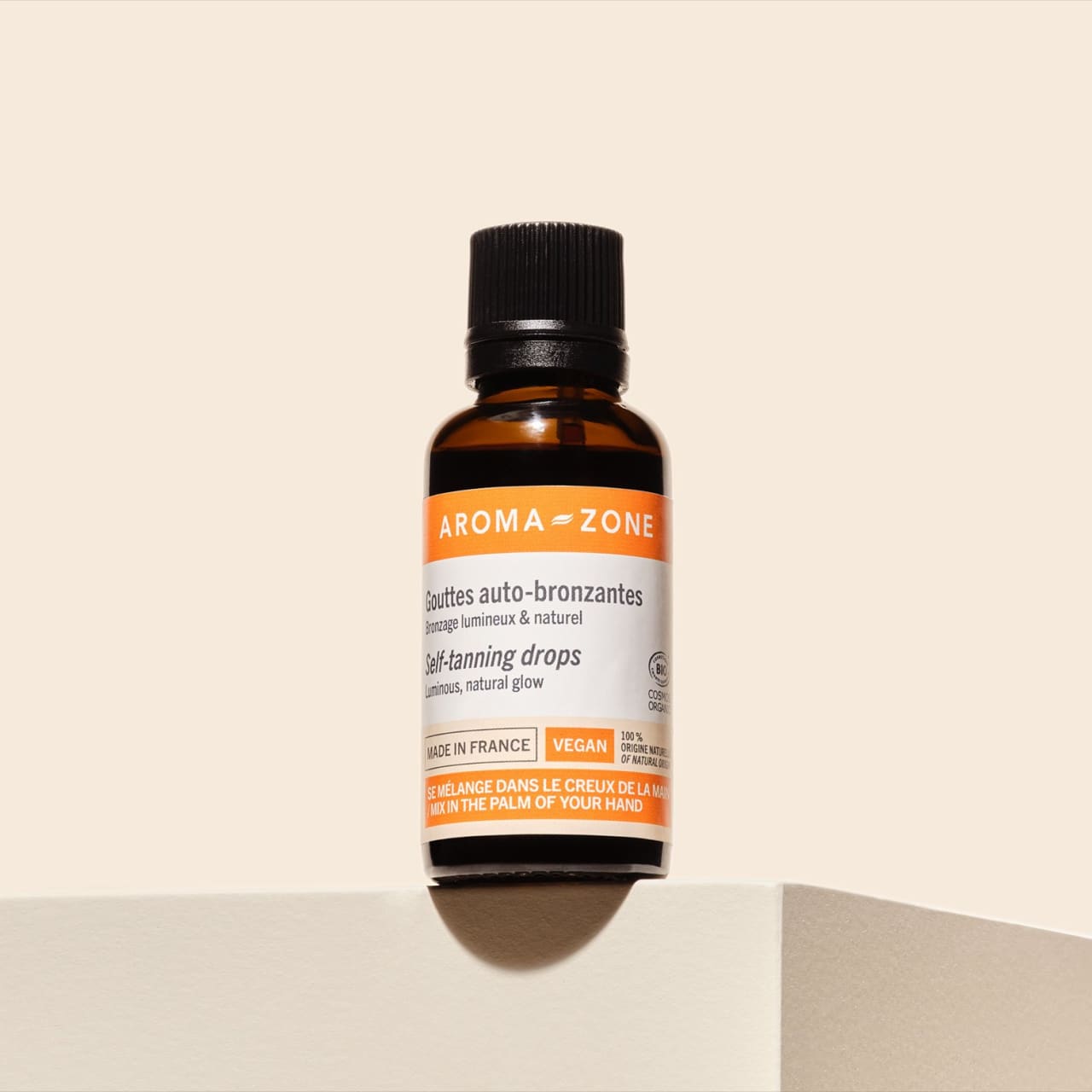
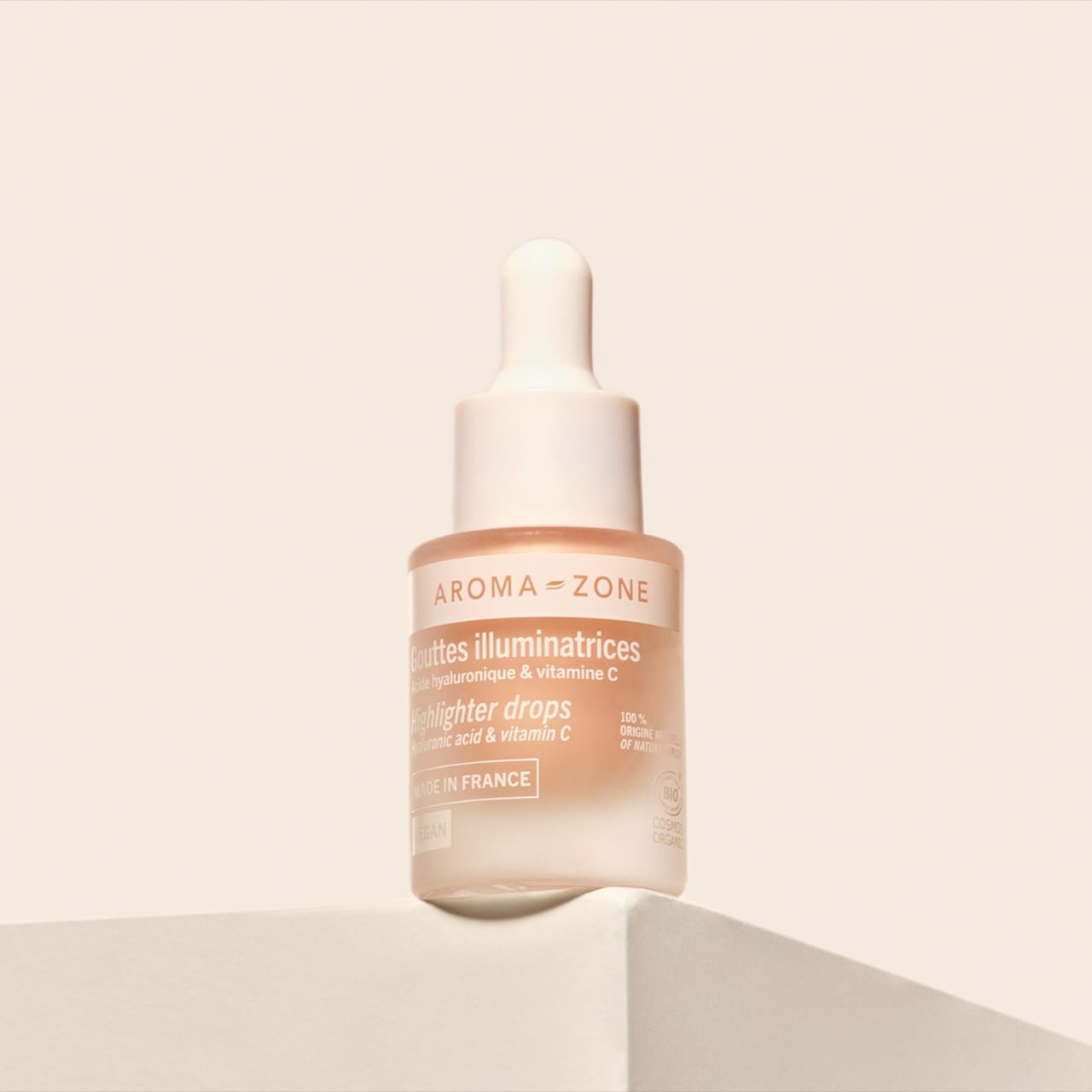
Does beta-carotene help you look healthy?

Often associated with carrots and sunny days, beta-carotene is frequently touted for promoting skin radiance or enhancing a sun-kissed glow. This pigment, naturally found in certain fruits and vegetables, is known for its role as a precursor to vitamin A as well as for its antioxidant properties. But does beta-carotene really affect skin color? Can it truly prepare the skin for the sun? Here’s what you need to know before consuming it.

Reading time: 0 min.

What is beta-carotene?

Beta-carotene belongs to the carotenoid family, natural pigments responsible for the yellow, orange, or red hues of many plants. Its name comes from the Latin Daucus carota, which refers to the carrot, one of the best-known foods to contain it. It was in 1831 that beta-carotene, now considered one of the most well-known carotenoids, was first extracted and isolated.

Naturally present in certain colorful fruits and vegetables, beta-carotene is particularly valued for its role as a precursor to vitamin A. This means that the body can convert it into vitamin A as needed. It is also recognized for its antioxidant properties, which explains its use in skincare products and supplements designed to support the skin against oxidative stress, particularly during the summer months.

Beta-carotene is one of the most abundant carotenoids in the diet, alongside other plant pigments such as lutein and lycopene.

Does beta-carotene give you a tan?

Beta-carotene does not directly stimulate the production of melanin, the pigment naturally involved in tanning. However, when consumed in large quantities, it can slightly alter skin color, giving it a more golden or orange hue due to its storage in certain tissues. This effect is distinct from a true tan caused by UV exposure.

Beta-carotene is also being studied for its antioxidant properties, particularly in the context of sun-induced oxidative stress. However, current scientific data do not support the claim that it effectively protects the skin from the effects of UV rays or that it helps achieve a tan more quickly.

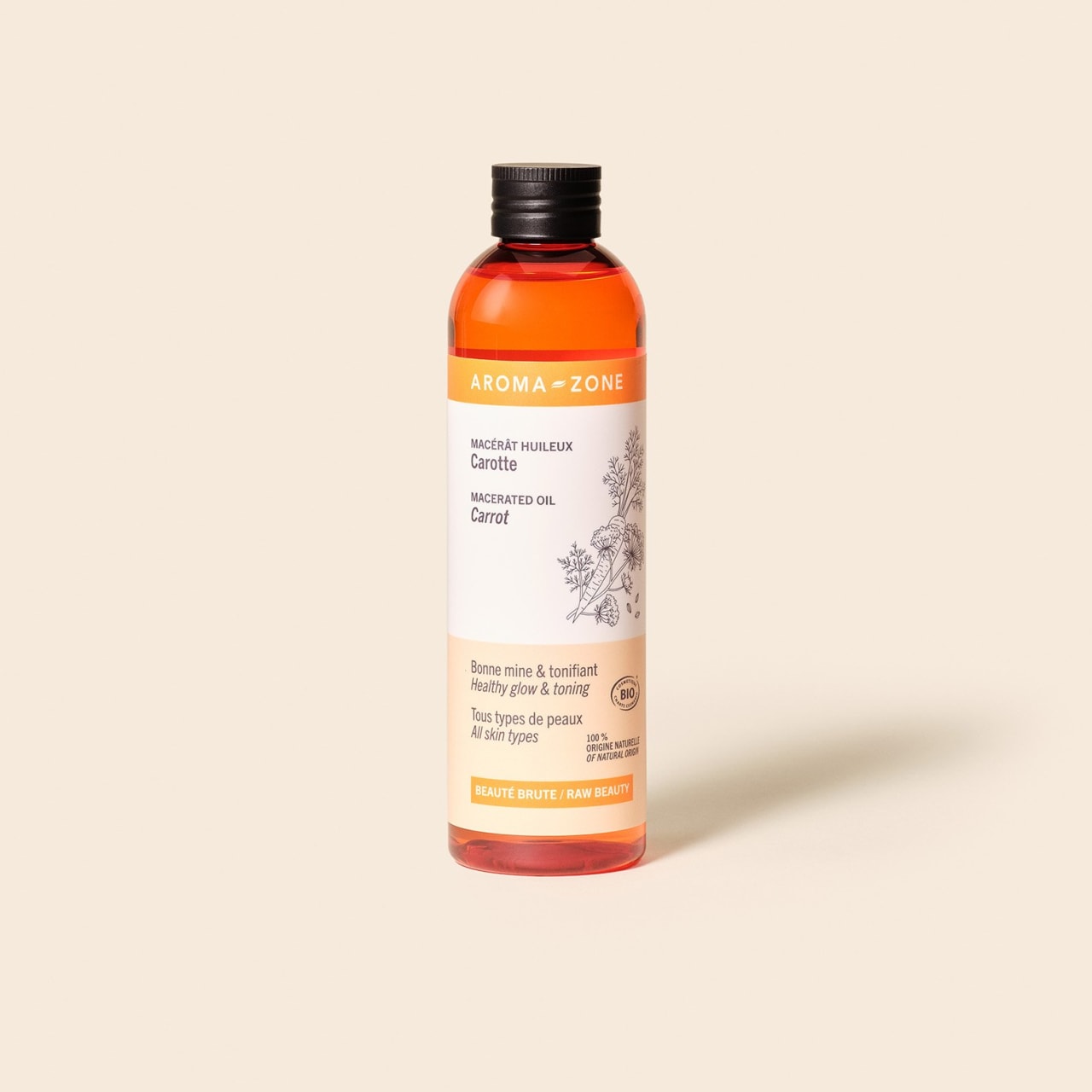
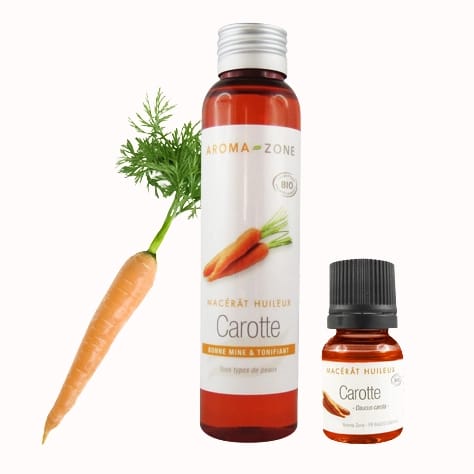
FOCUS on Carrot Oil

Organic Carrot Oil (oily macerate)

What are the benefits of beta-carotene?

Since beta-carotene can be converted into vitamin A by the body, it is associated with several important functions related to this vitamin.

  • Source of vitamin A: beta-carotene is a precursor to vitamin A, meaning the body can convert it as needed

  • Maintenance of normal skin: thanks to its role as a precursor to vitamin A, beta-carotene indirectly contributes to the maintenance of normal skin

  • Normal vision: Vitamin A derived from beta-carotene contributes to the maintenance of normal vision

  • Immune system function: Vitamin A also contributes to the normal function of the immune system (7).

Where can you find beta-carotene in your diet?

Beta-carotene is naturally present in many colorful plants, particularly those with orange, yellow, or dark green hues.

It is found in particular in:

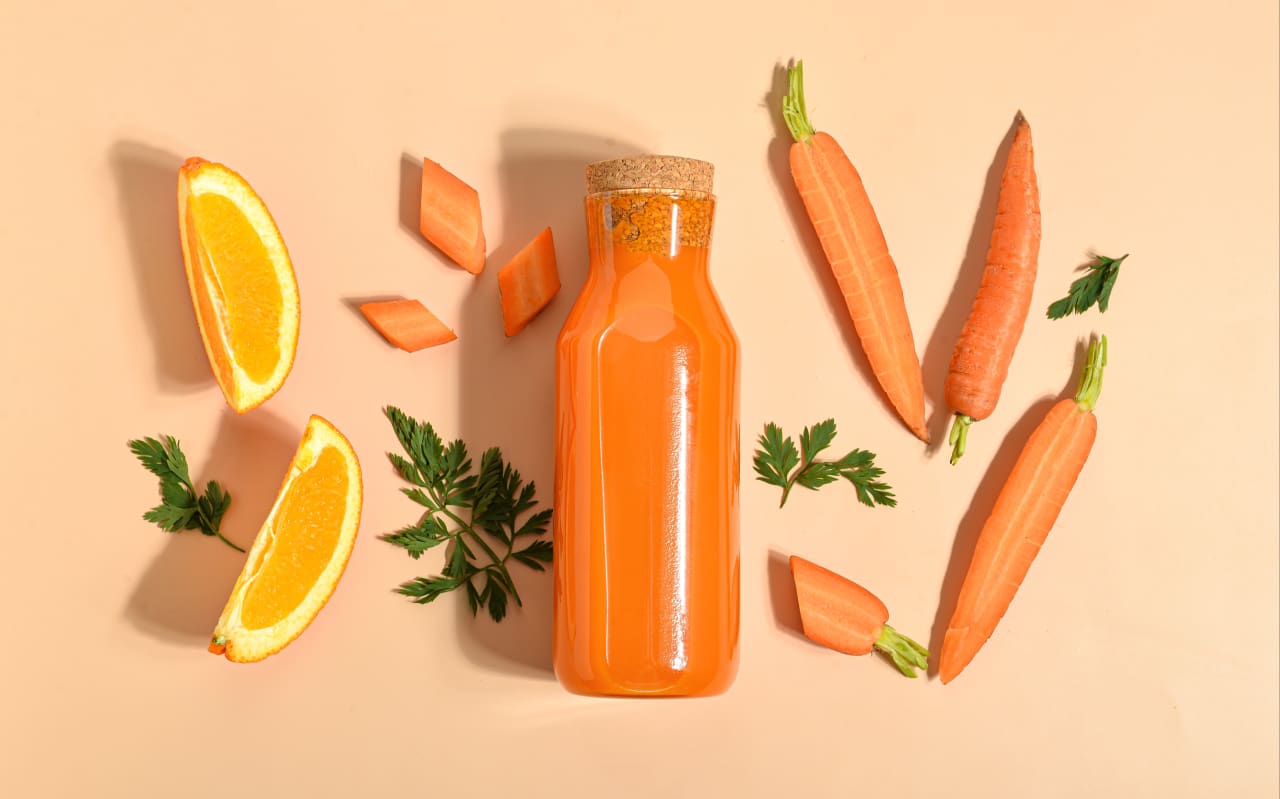
  • Orange vegetables rich in carotenoids: carrots, sweet potatoes, butternut squash, and pumpkin

  • Certain colorful fruits: apricots, melons, mangoes, and papayas

  • Dark leafy greens: spinach, lamb’s lettuce, kale, parsley, or Swiss chard. Even though they are green, they also contain carotenoids, which are simply masked by chlorophyll.

The method of preparation can also affect absorption. Since beta-carotene is fat-soluble, it is better absorbed when consumed with a source of fat, such as a drizzle of vegetable oil.

Certain gentle cooking methods, such as steaming, baking, or stir-frying, can promote the absorption of beta-carotene. Heat helps soften the cell walls of vegetables, making it easier for certain carotenoids to be released during digestion (8). Conversely, very long cooking times or high temperatures can degrade some of these compounds.

Do carrots really help you look healthy?

Carrots are often associated with a healthy glow because they’re rich in beta-carotene. However, eating foods high in carotenoids won’t help you tan faster or effectively protect your skin from UV rays.

When consumed in large quantities, beta-carotene can slightly alter skin color, giving it a more golden or orange hue. This phenomenon, known as carotenemia, is distinct from a true tan resulting from melanin production triggered by UV exposure.

Although foods rich in beta-carotene are a great addition to a varied and colorful diet, they do not replace essential sun protection measures or reasonable sun exposure.

When should you take beta-carotene?

Beta-carotene is naturally obtained through a diet rich in colorful fruits and vegetables. Some people also choose to take it as a dietary supplement, particularly as warmer weather approaches or during seasonal changes.

Beta-carotene supplements are generally taken as a short-term course, following the manufacturer’s recommendations. However, they are not a substitute for a varied diet or essential sun protection measures. If taking supplements, it is best to consult a healthcare professional, especially for smokers or former smokers, for whom high doses of beta-carotene are not recommended.

What are the alternatives to beta-carotene?

Beta-carotene is often the best-known carotenoid in skincare products designed to promote a healthy glow and rich in carotenoids. However, other carotenoids and antioxidants may also be beneficial in helping the skin cope with UV-induced oxidative stress.

Carotenoids: Pro-Vitamin A

Certain carotenoids, such as alpha-carotene or cryptoxanthin, can also be converted into vitamin A by the body. They are found in colorful foods like carrots, squash, oranges, papayas, and red peppers. Although their conversion efficiency varies, they also contribute to the overall intake of carotenoids.

Lutein and zeaxanthin

Lutein and zeaxanthin are other pigments naturally found in certain plants, particularly leafy green vegetables. Although they are not converted into vitamin A like beta-carotene, they are studied for their antioxidant properties and their benefits for skin radiance.

Antioxidants and UV-Related Oxidative Stress

Sun exposure promotes the production of free radicals, which contribute to skin aging. Certain antioxidant nutrients, such as vitamin C, vitamin E, zinc, selenium, and carotenoids, are therefore sometimes incorporated into routines designed to preserve the skin’s radiance.

However, these active ingredients do not replace sunscreen and do not provide protection against UV rays.

Precautions for use

Beta-carotene is not a substitute for sunscreen and does not eliminate the need to limit UV exposure. If you are considering taking beta-carotene as a dietary supplement, it is recommended that you consult a healthcare professional if you are pregnant, breastfeeding, undergoing medical treatment, or have any concerns. Smokers or former smokers should also seek advice before taking any supplements.

Expert advice

To preserve your skin’s radiance while limiting the effects of UV rays, we recommend limiting daily sun exposure—for example, during a walk outdoors—and always using appropriate sunscreen. Also consider adopting simple habits, such as wearing a hat or seeking out shaded areas. It is also recommended to avoid times when UV rays are at their strongest, particularly between noon and 4 p.m., to minimize the risk of sunburn and premature skin aging.

Learn more

Can you use beta-carotene all year round?

Beta-carotene can be obtained year-round through your diet, particularly from colorful fruits and vegetables. However, if you’re considering taking it as a dietary supplement, it’s best to follow the product’s usage instructions and consult a healthcare professional if you have any doubts.

What is the difference between beta-carotene and vitamin A?

Beta-carotene is a carotenoid that the body can convert into vitamin A as needed. Vitamin A is directly usable by the body, while beta-carotene is considered a precursor to this vitamin.

Why does the sun promote oxidative stress in the skin?

UV exposure promotes the production of free radicals in the skin. These unstable molecules can damage skin cells and contribute to premature skin aging as well as a loss of radiance in the complexion.

Spotlight on our editor: Gipsy Dauge

Gipsy is a graduate of ESJ Paris. After 10 years' experience in the general and women's press, she decided to move into writing about health and well-being. With a certificate in yin yoga, she now puts her pen, as well as her yoga mat, to excellent use. She cares deeply about what she writes. She has a deep commitment to helping readers incorporate tips into their daily lives to take care of both themselves and their environment. She hopes to inspire you to follow a balanced and fulfilling lifestyle with her writing.

Bibliography

1

Biesalski, H. K., & Obermueller-Jevic, U. C. (2001). UV light, beta-carotene, and human skin—beneficial and potentially harmful effects. Archives of Biochemistry and Biophysics, 389(1), 1–6.

2

365 Days to Challenge Common Misconceptions

3

Dr. Good Almanac 2022. A Year in Top Shape with Michel Cymes

4

Carotenoid - Dietary Supplement - VIDAL. (n.d.). VIDAL.

5

Livny, O., Reifen, R., Levy, I., Madar, Z., Faulks, R., Southon, S., & Schwartz, B. (2003). ?-carotene bioavailability from differently processed carrot meals in human ileostomy volunteers. European Journal of Nutrition, 42(6), 338–345.