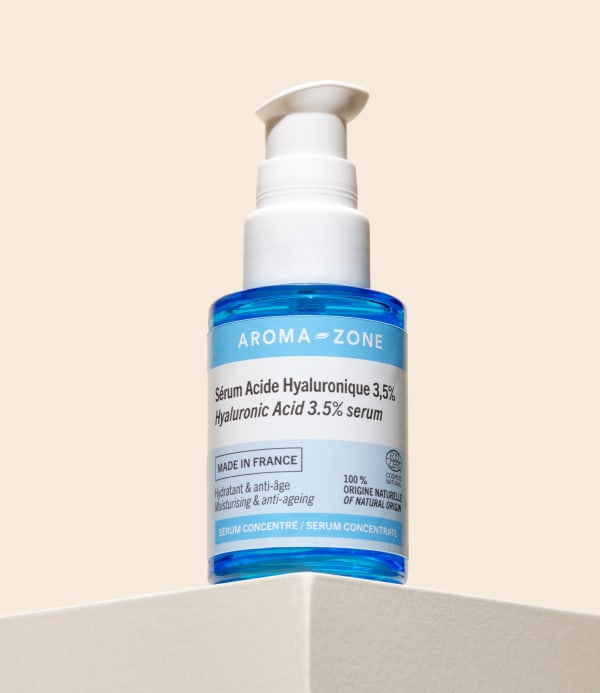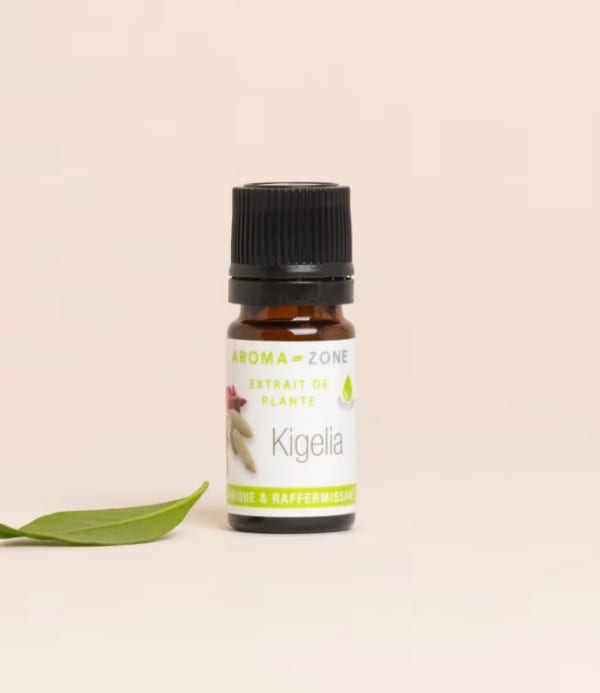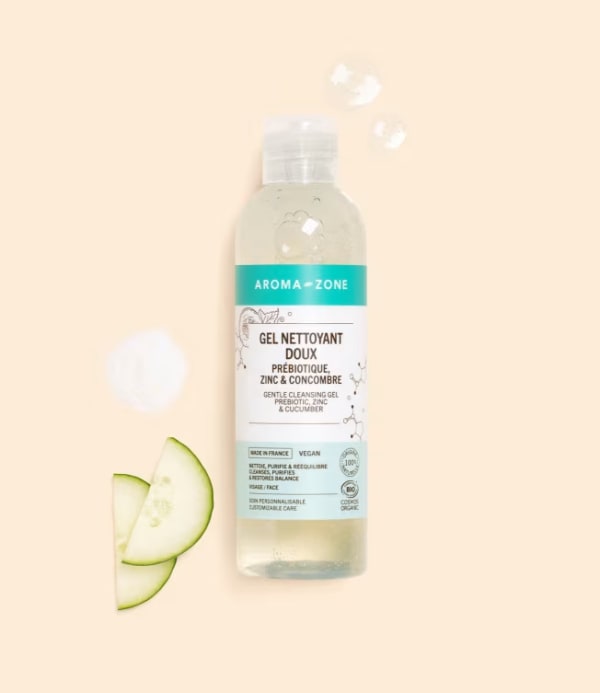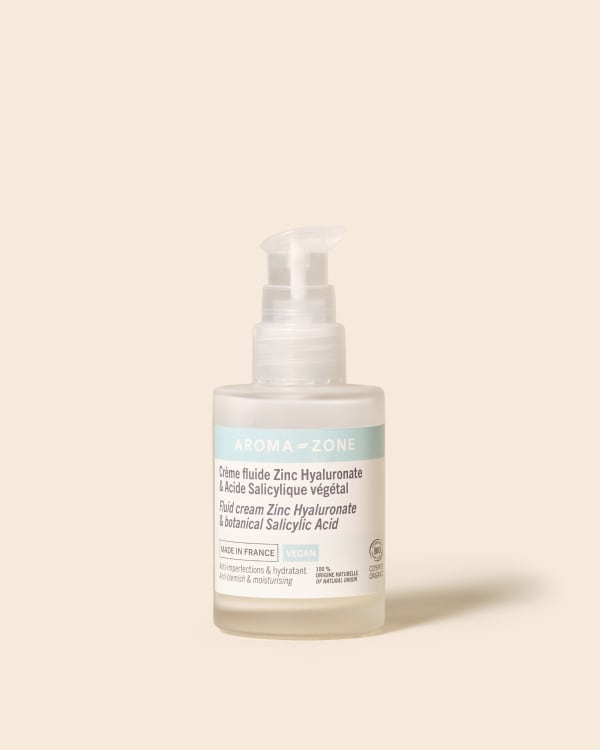
In general, acne scars can take several months to several years to fade naturally. However, some scars can be permanent. If you want to speed up the healing process for your acne scars, we recommend that you consult a dermatologist, who will be able to assess your situation and give you the best advice.
How do you get rid of acne scars?
Acne scars are very common and can sometimes be difficult to experience and to reduce. Fortunately, there are several methods for reducing acne scars and improving the appearance of the skin. In this article, we take a look at solutions for getting rid of acne scars and marks naturally.
By The Aroma-Zone editorial team

Understanding what an acne scar is
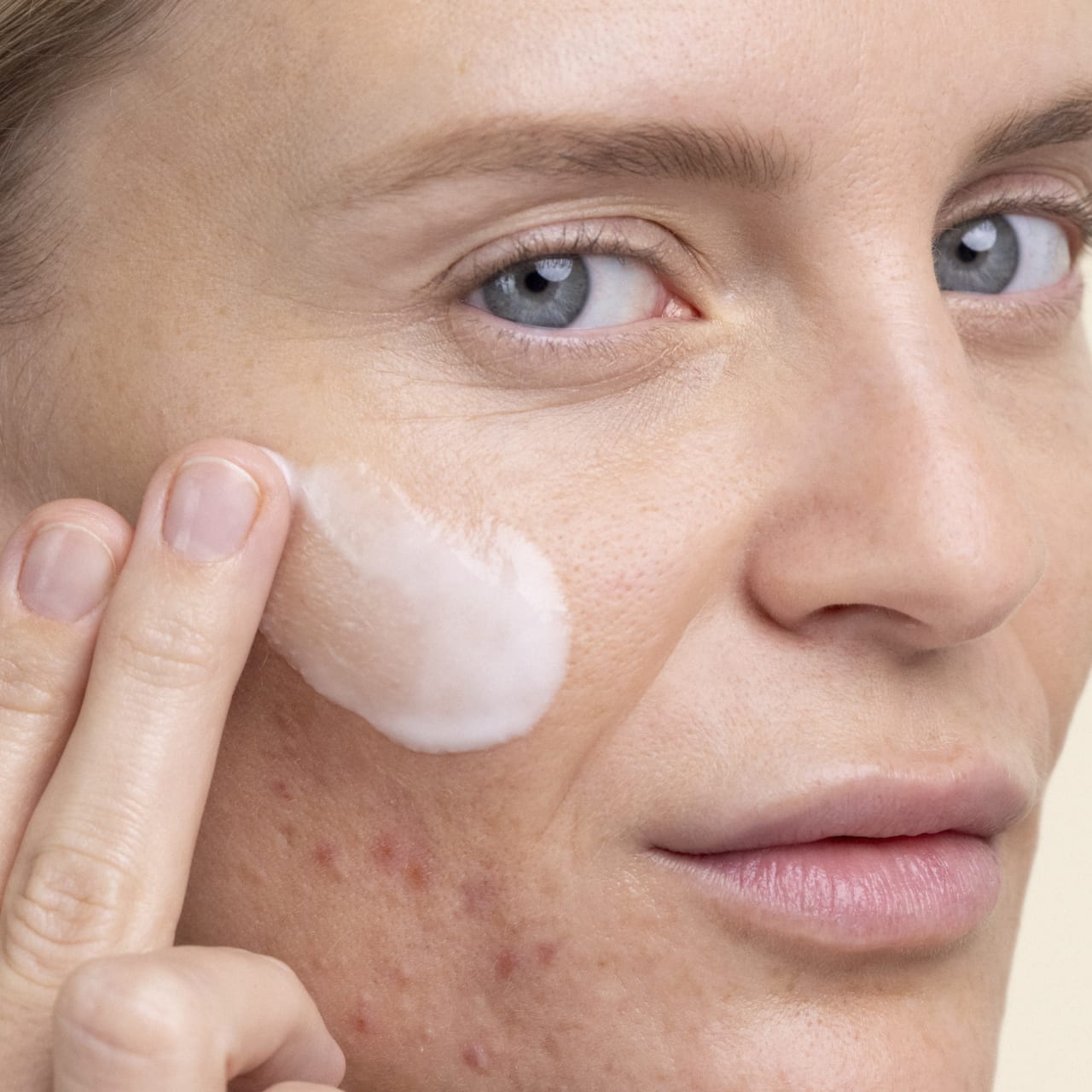
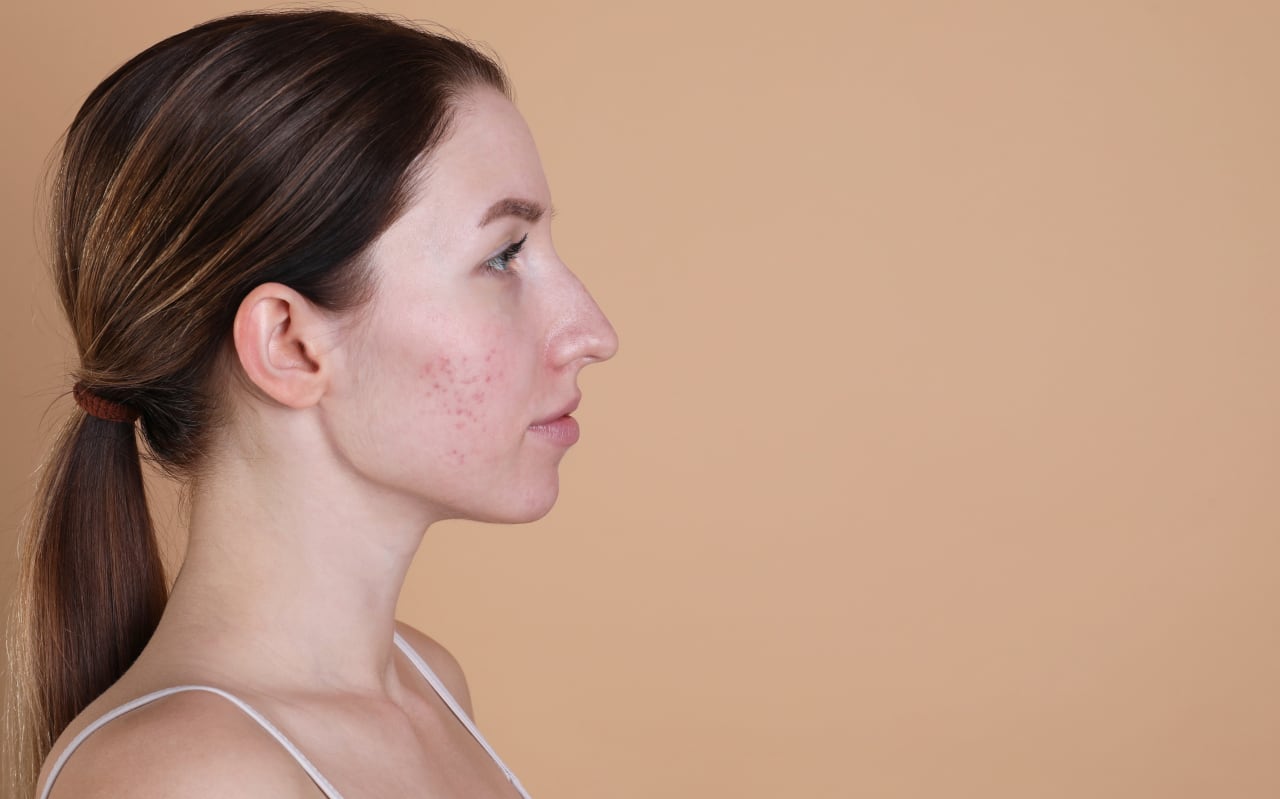
Acne is a common skin condition, characterised by skin eruptions and present at many ages. It can leave behind unsightly scars that can have an impact on self-confidence and quality of life. Acne scars are the result of inflammation caused by acne breakouts, which damage skin tissue. They form when the skin tries to replace damaged tissue, leaving visible marks.
There are different types of acne scars, including pittrd scars, hypertrophic scars and pigmented scars. Understanding the different forms of acne scars can help you find the best options for reducing them and restoring smoother skin.
Causes of acne scars
Acne scars appear when blemishes and pimples worsen into an inflammatory form and penetrate deep into the skin, damaging the underlying tissue. The main causes are:
Intense inflammation: The greater and more persistent the inflammation, the more damage is done to the skin, increasing the risk of scarring.
Handling spots: Touching, piercing or squeezing spots aggravates the phenomenon and increases the risk of infection, inflammation and permanent scarring.
Genetics: Some people have a genetic predisposition to hypertrophic or keloid scars, which are thick scars caused by an overproduction of collagen and thickening of the skin. Similarly, certain skins, often darker or matt, heal less well because they contain more melanin.
Symptoms associated with acne scars
You may notice acne scars when you observe the following signs:
The skin becomes irregular: bumpy or sunken, depending on the type of scar.
Uneven skin tone, redness and hyperpigmentation resulting from the inflammatory response or overproduction of melanin.
Increased sensitivity: Some marks may be more sensitive or even painful and may cause itching during the healing phase.
The different acne marks and scars
As mentioned above, acne can leave behind various marks and scars that can alter the texture and appearance of the skin. Among the most common are dark spots, indented or raised scars, dilated pores and cysts or cystic acne. Each of these marks has its own distinct characteristics.
Dark spots: also known as post-inflammatory hyperpigmentation, form when acne inflammation causes an overproduction of melanin, resulting in darker areas on the skin.
Pitted scars: often called atrophic acne scars, form when the skin's healing process is insufficient, leading to skin depression.
Raised scars: these are caused by excessive collagen production during healing, resulting in visible elevations on the skin.
Cysts or cystic acne which are more severe forms of acne, can cause painful nodules under the skin, which can leave deep scars.
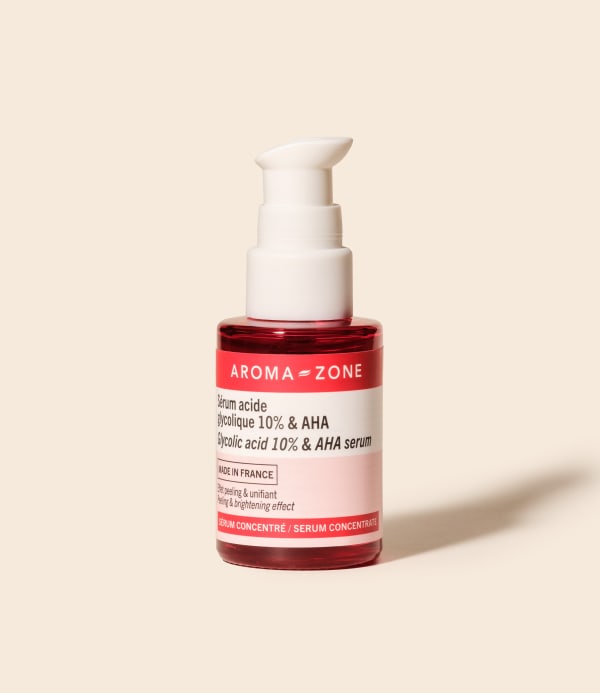
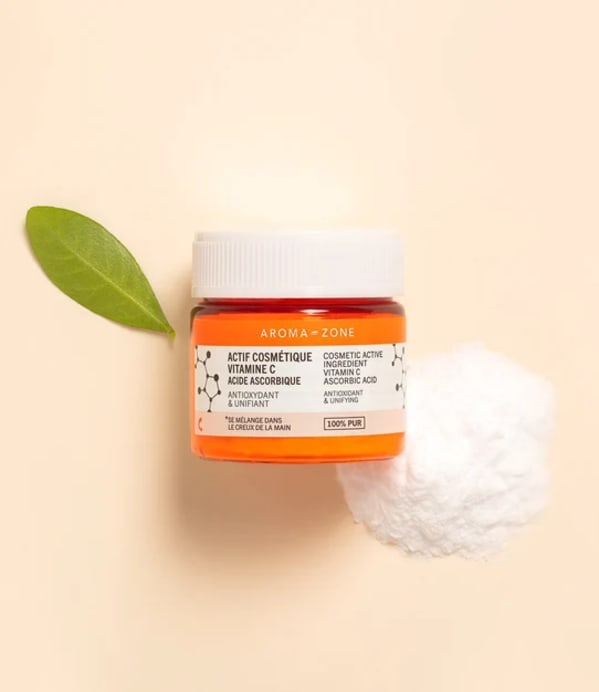
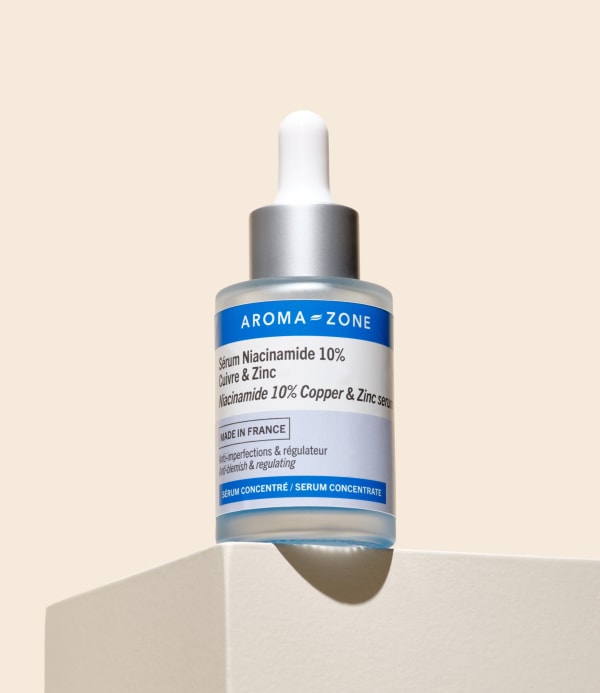
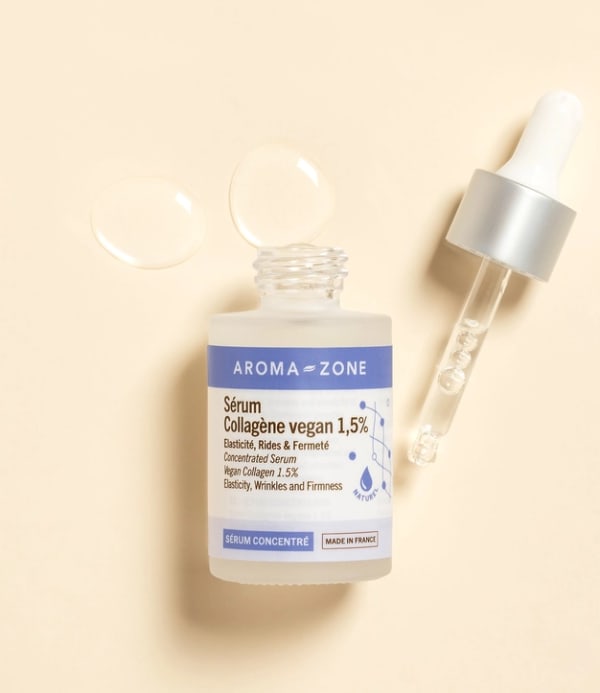
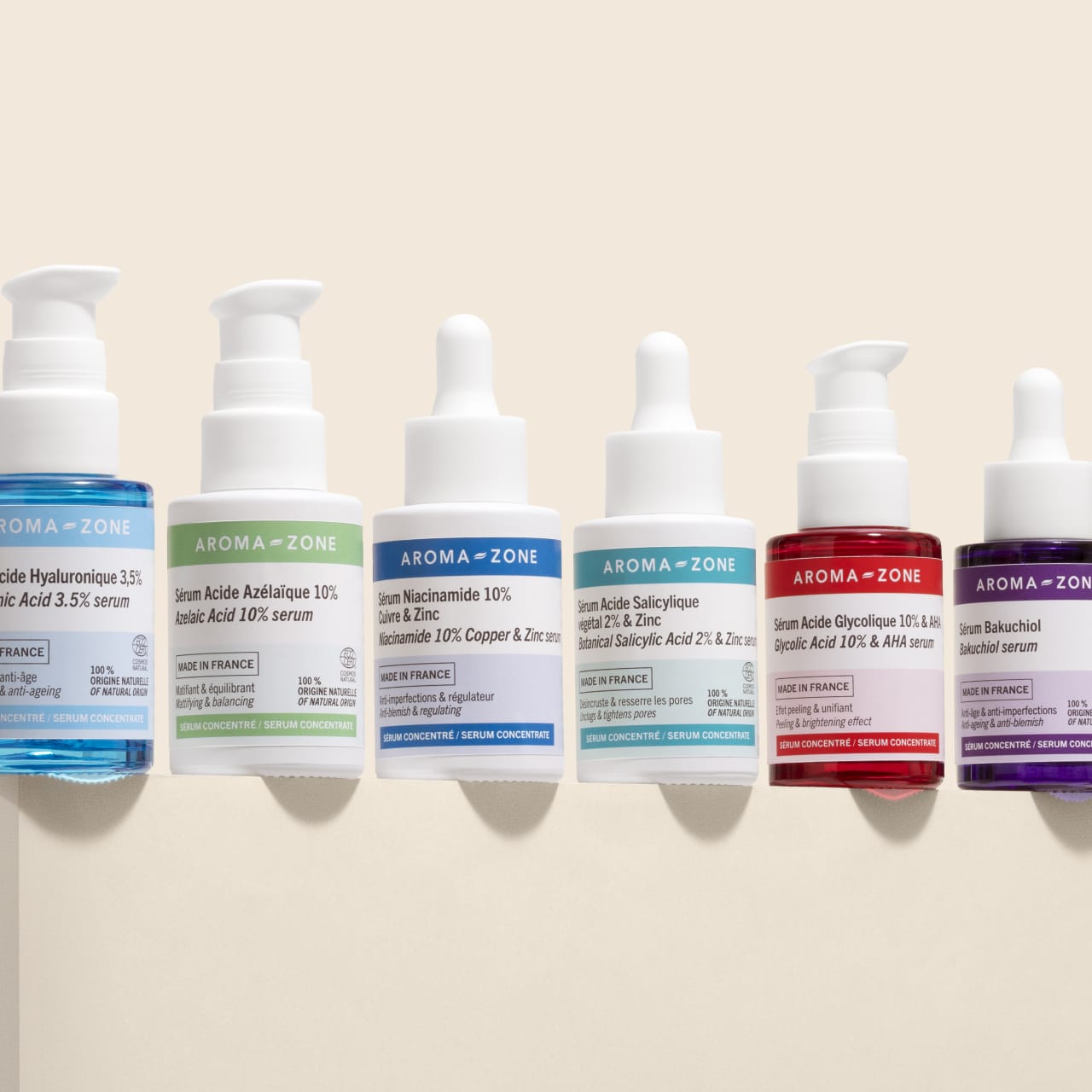
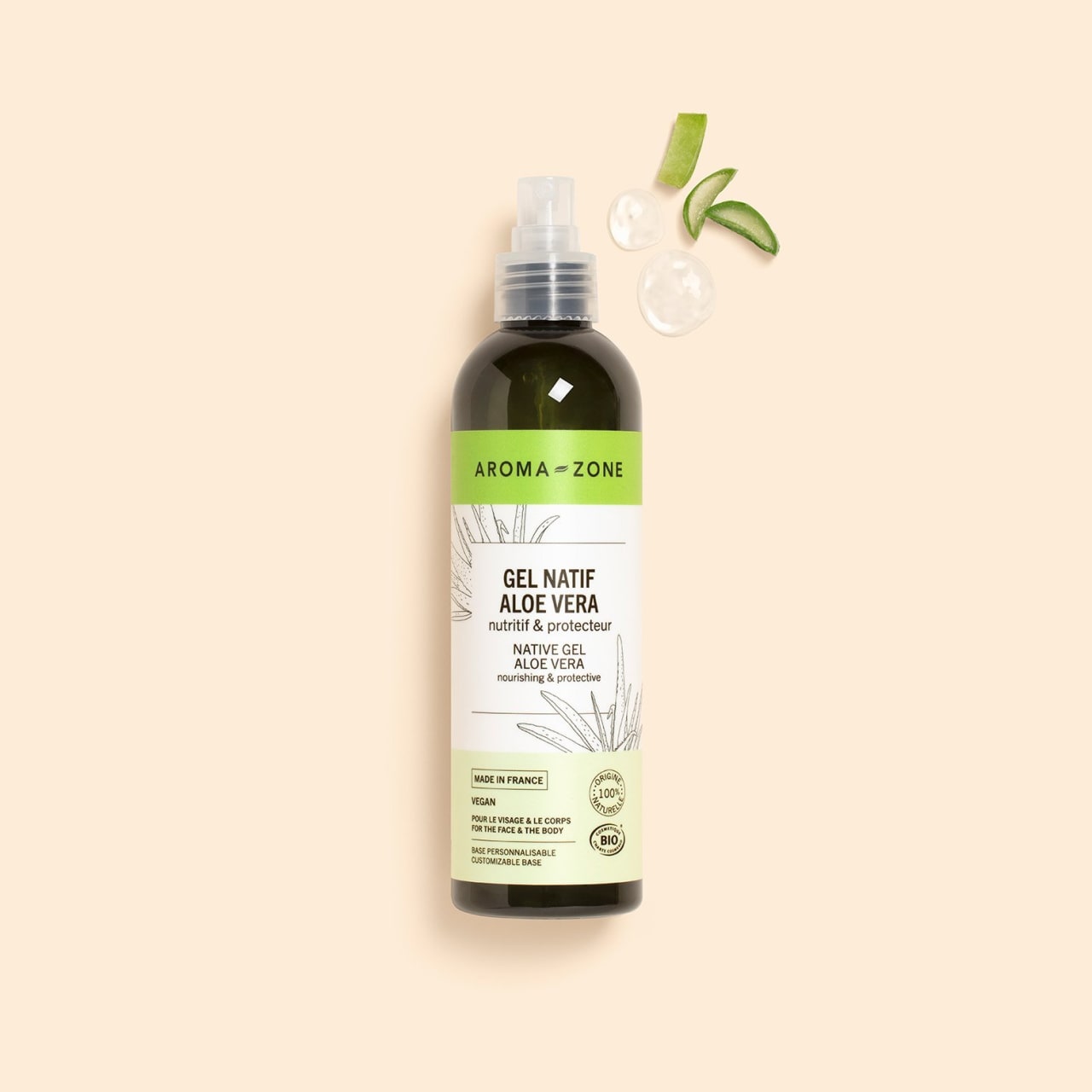
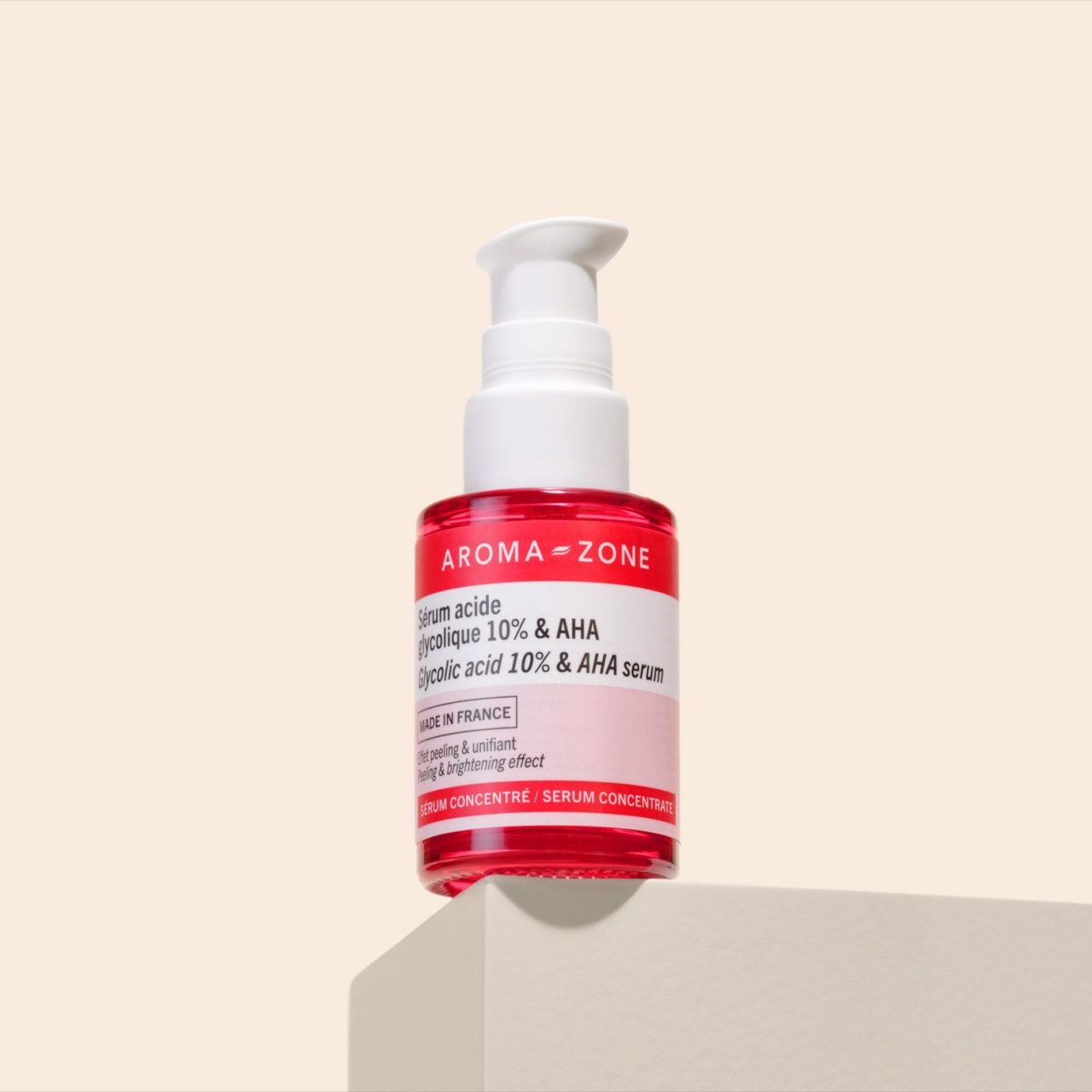
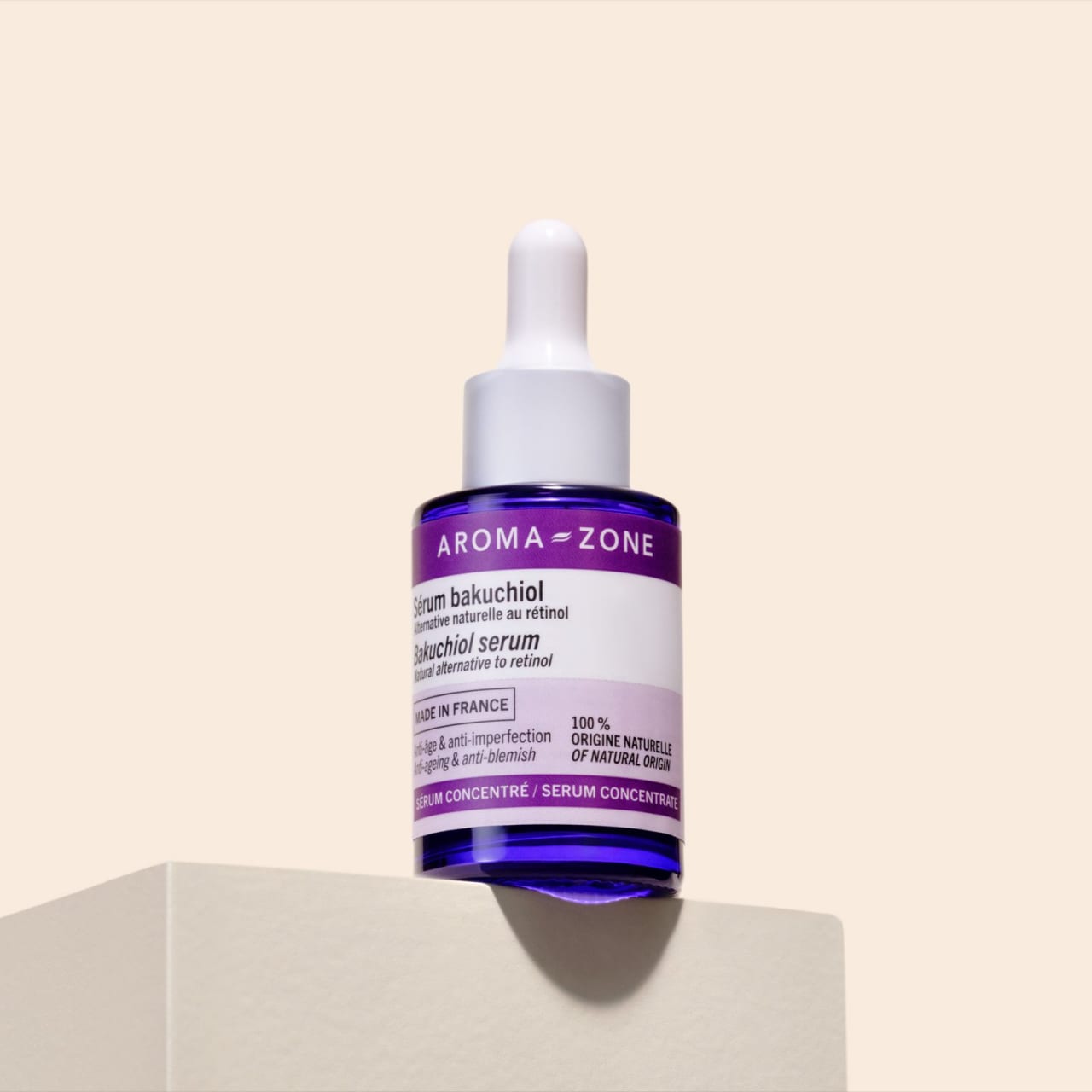
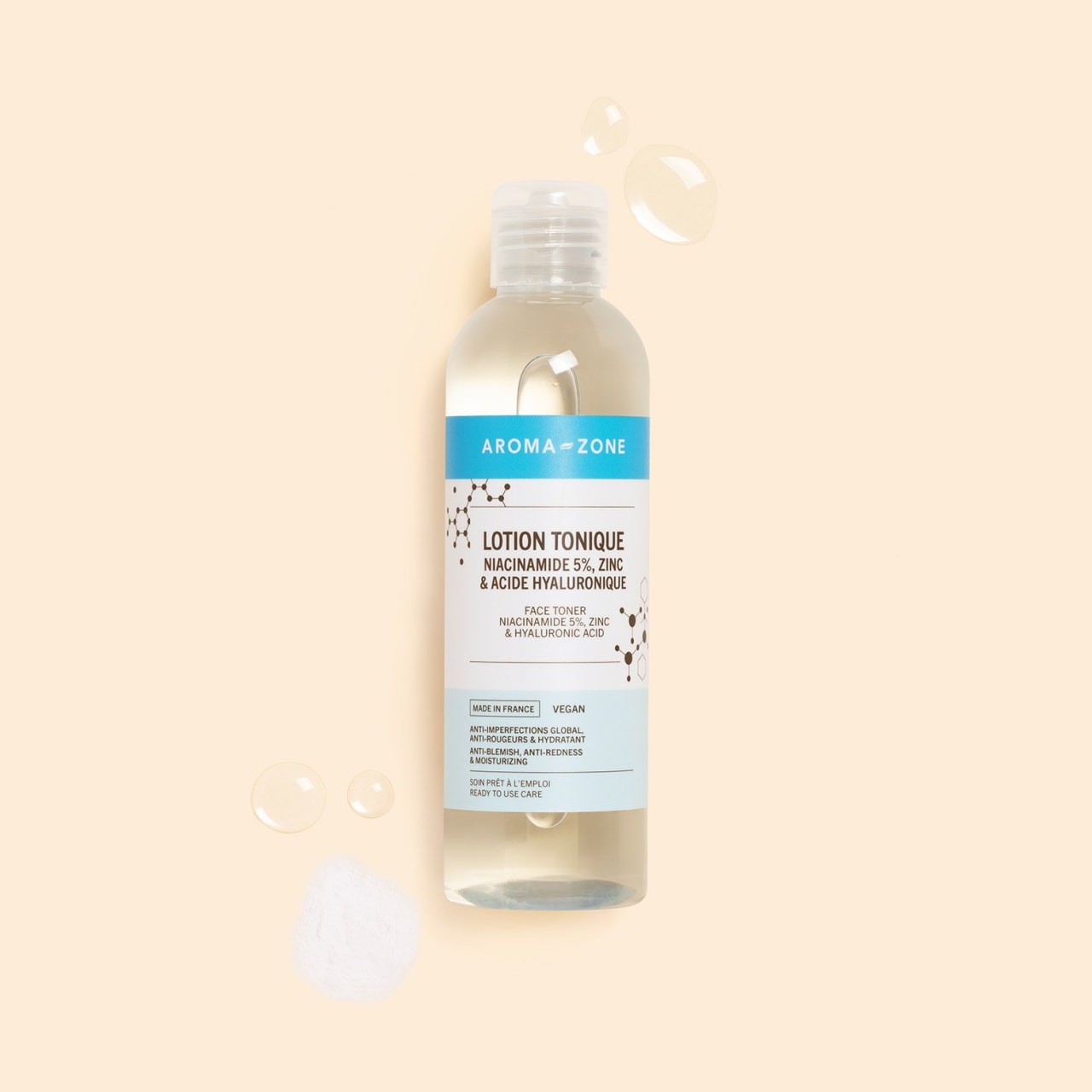
Our active ingredients to reduce acne marks and scars
Also read the article: Is it possible to reduce a scar with a healing cream?
Steps to take to avoid acne scars
To avoid acne scars, it's important to adopt a proper skincare routine:
Don't touch your spots: Avoid touching, scratching or poking your spots, as this can cause further inflammation and increase the risk of scarring. Allow them to heal naturally and, if necessary, apply a small amount of rehydrated green clay (never allow the clay to dry on the skin) to reduce the blemish more quickly.
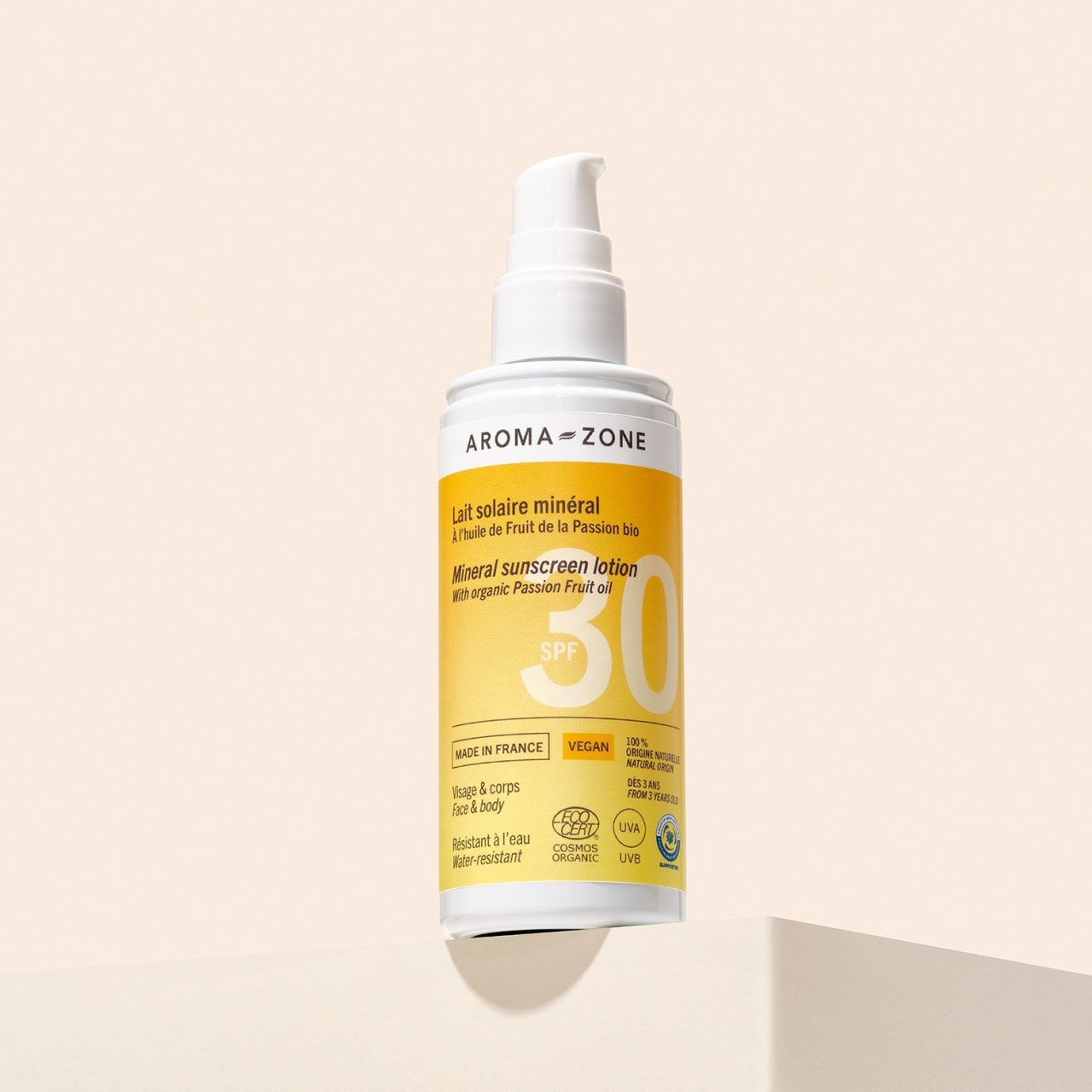
Avoid prolonged exposure to the sun: Excessive exposure to the sun can damage the skin and make acne scars more visible. Use sunscreen even on cloudy days.
Don't use harsh products: Avoid alcohol-based products, abrasive scrubs and harsh chemicals that can irritate and sensitise the skin. Instead, opt for gentle products specially formulated for your skin type.
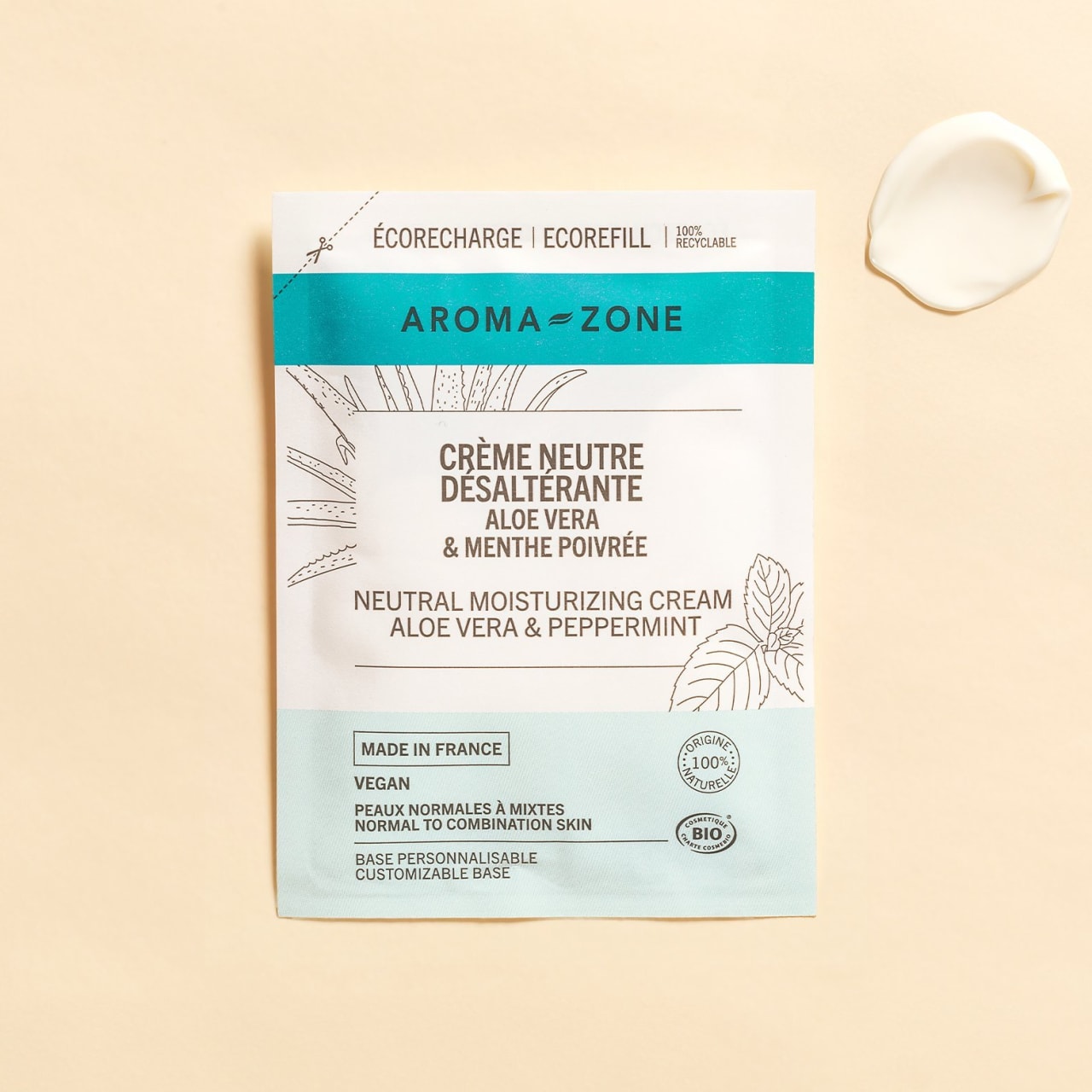
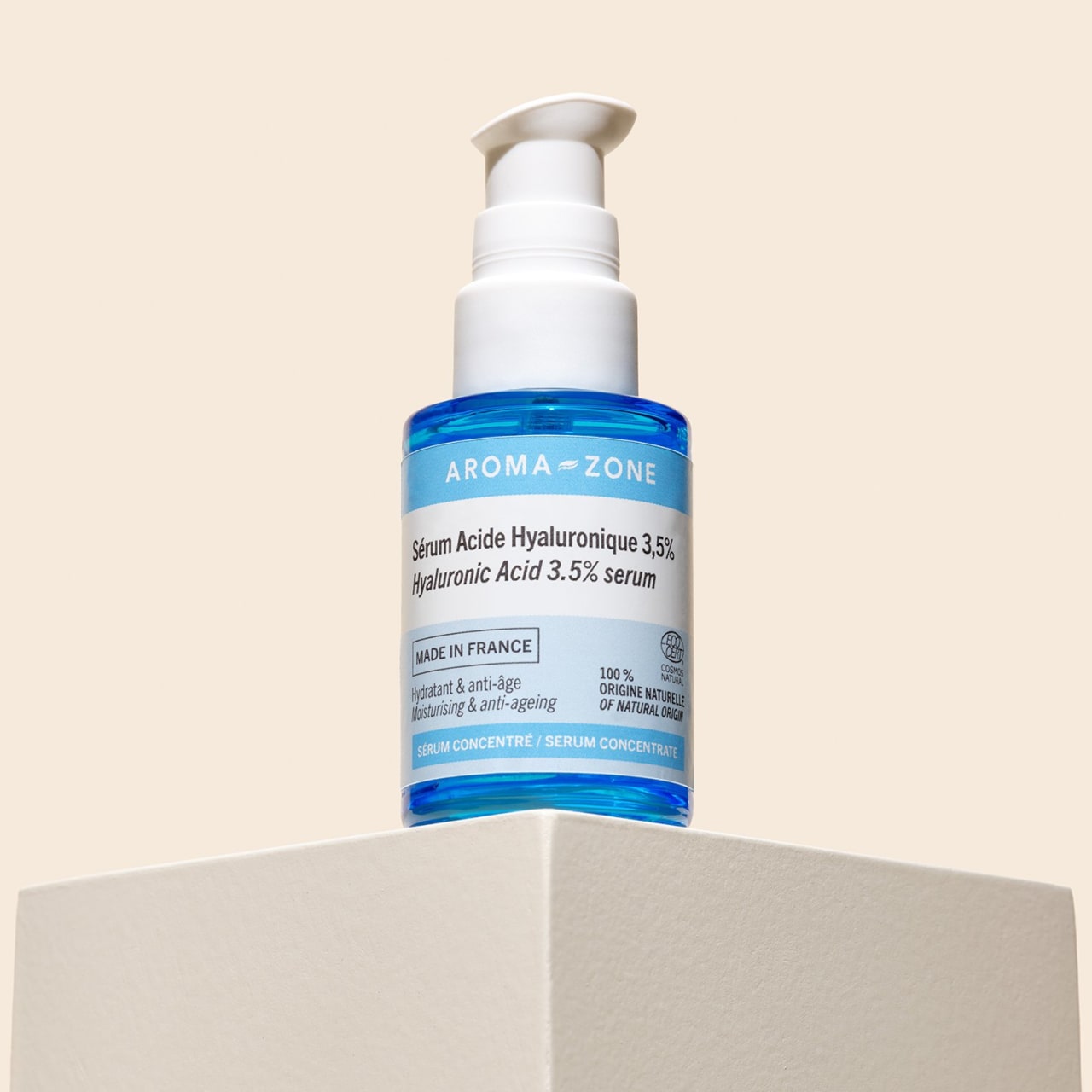
Moisturise your skin: use a light, non-comedogenic moisturiser to keep your skin well hydrated. This can help prevent scarring by promoting skin healing.
Avoid smoking: Smoking can slow down the skin's healing process and increase the risk of scarring. If you smoke, consider quitting or cutting down.
Eat a balanced diet: A healthy, balanced diet can help maintain healthy skin. Avoid fatty, sugary or processed foods, and opt for fruit, vegetables, lean proteins and whole grains.
Discover our routine for clearer skin: here
Precautions to be taken
Remember that everyone is different, and what works for one person may not work for another. If you have any concerns about acne or scarring, it's always best to consult a healthcare professional for personalised advice.
Expert advice
It is essential to understand these different acne marks and scars. By knowing what causes them and what they look like, it's possible to choose the right approaches to restore the health and radiance of the skin affected.
Find out more

How long does it take for an acne scar to heal?

How long does it take for an acne scar to heal?

When is it advisable to consult a dermatologist?

When is it advisable to consult a dermatologist?
If the scars are deep or extend over large areas other than the face, or if your routine does not produce results after several months, a dermatologist may suggest more definitive solutions.
Bibliography
1
Fabbrocini, G., Annunziata, M. C., D'Arco, V., et al. (2010). Acne scars: pathogenesis, classification and treatment. Dermatology Research and Practice, 2010, 893080. DOI: 10.1155/2010/893080.